
Mastering Prostamax Peptide Dosage: A Comprehensive 2026 Research Guide
The landscape of peptide research is continually evolving, offering profound insights into biological processes and potential therapeutic avenues. Among the many fascinating compounds garnering attention, prostamax peptide dosage stands out as a critical area of investigation, particularly for those delving into prostate health and cellular regulation. As we navigate 2026, understanding the nuances of how these powerful bioregulators interact with biological systems—and, crucially, at what concentrations—is paramount for accurate and impactful scientific inquiry. This article aims to provide a high-authority, comprehensive guide for peptide shoppers and health fitness researchers, illuminating the complexities of prostamax peptide dosing, its mechanisms, and best practices for laboratory research.
Peptides are fascinating chains of amino acids that play vital roles as signaling molecules in the body. Prostamax peptide, a specific bioregulator, has drawn significant interest due to its potential involvement in regulating prostate function. For researchers and those exploring advanced wellness strategies, getting the prostamax peptide dosage right is not just a recommendation; it's a fundamental requirement for achieving reliable and reproducible results. Without a precise understanding of appropriate dosing, the efficacy and safety of any research application remain speculative.
Key Takeaways
- Prostamax peptide dosage is highly dependent on research objectives, experimental models, and the specific formulation of the peptide.
- Prostamax is a bioregulator peptide often associated with prostate tissue normalization.
- Careful consideration of purity, reconstitution, and administration methods is crucial for accurate dosing in research settings.
- Researchers should consult existing scientific literature and reputable suppliers for guidance on initial prostamax peptide dosage ranges.
- Always prioritize purchasing prostamax peptide from trusted sources like Pure Tested Peptides to ensure quality and authenticity for your studies.
Understanding Prostamax Peptide and Its Role
Prostamax peptide belongs to a class of synthetic peptides designed to mimic the actions of naturally occurring bioregulators. These compounds are typically short chains of amino acids that selectively target specific organs or tissues. In the case of prostamax, the focus is on the prostate gland. The premise behind bioregulator peptides like prostamax is their ability to help restore normal cell function within a particular organ, especially when that function has been compromised due to aging, stress, or other factors. This makes understanding prostamax peptide dosage all the more critical for researchers aiming to observe these restorative processes.
The prostate gland is a vital component of the male reproductive system, and maintaining its health is crucial. As men age, prostate issues can become more prevalent. Research into compounds that can support prostate health is therefore of significant interest. Prostamax peptide is hypothesized to work by interacting with specific receptors on prostate cells, potentially influencing cellular differentiation, proliferation, and apoptosis (programmed cell death) to bring about a more balanced, healthy state. However, the exact mechanisms are still subjects of ongoing scientific investigation.
What is Prostamax Peptide?
Prostamax peptide is a synthetic bioregulator peptide developed to specifically target prostate tissue. Its structure is typically a short chain of amino acids, carefully synthesized to mimic the endogenous regulatory peptides found in healthy prostate cells. The goal of this targeted action is to normalize cellular processes within the prostate gland. Unlike general supplements, bioregulator peptides are theorized to have a more specific, fine-tuning effect on cellular function.
When considering prostamax peptide dosage in a research context, it's essential to recognize that its activity is believed to be dose-dependent. Too low a dose might not elicit the desired biological response, while an excessively high dose could potentially lead to off-target effects or simply be wasteful without providing additional benefit. This balance is what makes dosage research so vital.
The Science Behind Prostamax Peptide Benefits
The proposed prostamax peptide benefits stem from the bioregulatory theory, which suggests that specific short peptides can help restore optimal function to organs and tissues by regulating gene expression and protein synthesis. For the prostate, this could translate into:
- Cellular Regeneration: Potential support for the regeneration of healthy prostate cells.
- Inflammation Modulation: Possible reduction of inflammatory processes within the prostate.
- Cellular Homeostasis: Aiding in maintaining the natural balance and healthy functioning of prostate tissue.
These benefits are primarily derived from preclinical studies and theoretical frameworks, and continued research, particularly on prostamax peptide dosage, is necessary to fully validate these claims and understand their clinical implications. Researchers often explore the interaction between various peptides. For example, understanding the synergy of LL37 and SS31 could offer insights into multi-peptide approaches.
Determining Prostamax Peptide Dosage for Research
Establishing the correct prostamax peptide dosage is arguably the most critical step in any research protocol involving this compound. Since these peptides are typically for research use only and not approved for human consumption, any discussions of dosage refer strictly to laboratory and animal studies. There isn't a universally prescribed "human dose" for prostamax peptide in a clinical setting in 2026, as it's not a pharmaceutical drug. Therefore, researchers must rely on preclinical data, in vitro studies, and careful experimental design.
Factors Influencing Prostamax Peptide Dosage
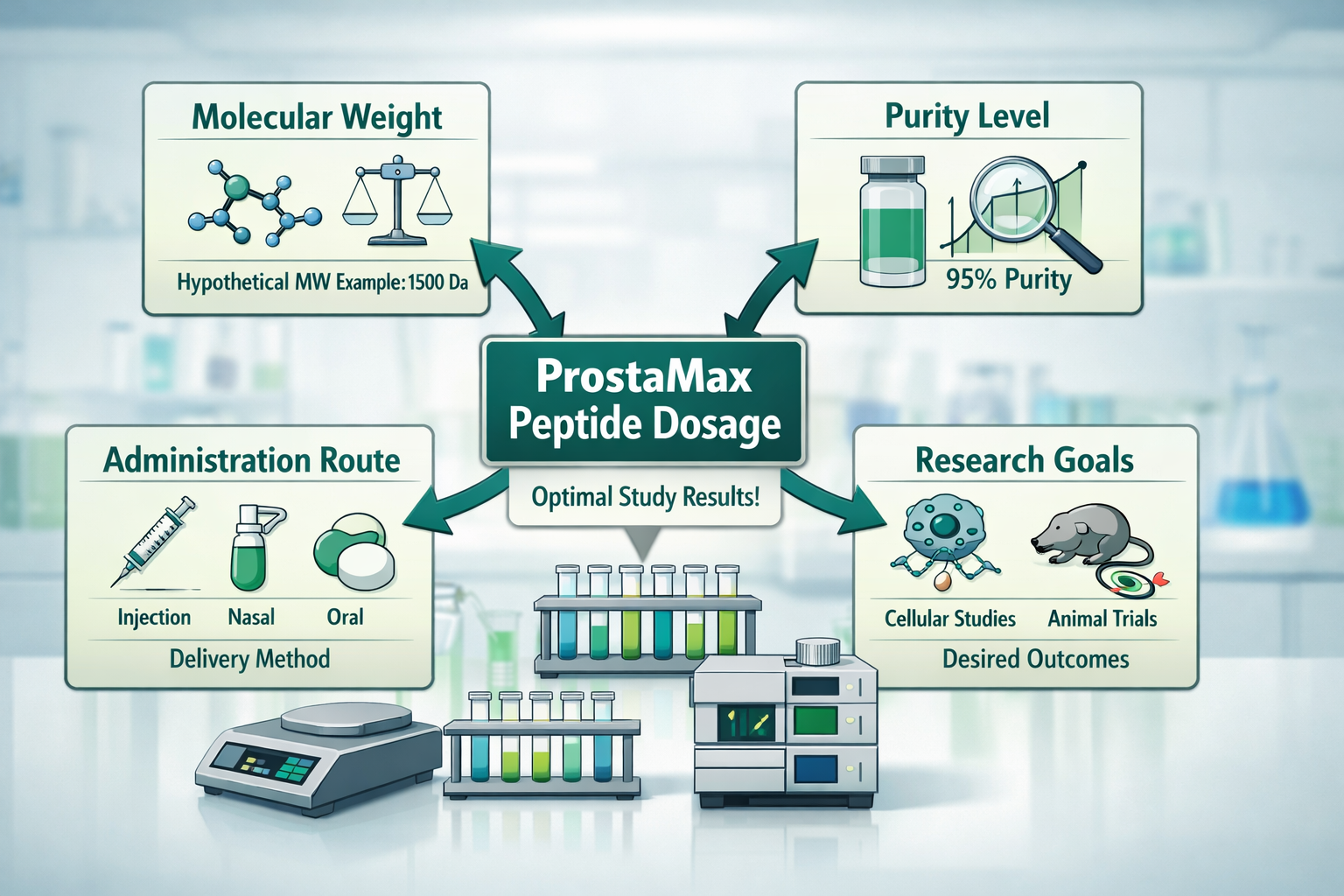
Several key factors will influence the appropriate prostamax peptide dosage for your specific research goals:
- Research Objective: Are you studying cell proliferation, inflammation markers, gene expression, or tissue regeneration? Different objectives may require different concentrations.
- Experimental Model: Dosage will vary significantly between in vitro cell culture studies, ex vivo tissue models, and in vivo animal models.
- Route of Administration: How the peptide is delivered (e.g., topical, subcutaneous, intraperitoneal, oral) affects its bioavailability and, consequently, the required dose.
- Peptide Purity and Potency: High-quality, pure peptides from reputable suppliers will require different calculations than less pure compounds. Always verify purity from your supplier. For quality assurance, consider sourcing from reputable places to buy peptides online USA.
- Molecular Weight: The molecular weight of the specific prostamax peptide variant will be necessary for accurate molar concentration calculations.
- Duration of Study: Acute vs. chronic studies may employ different dosing frequencies and cumulative doses.
- Concomitant Agents: If prostamax is being studied in combination with other peptides or compounds (e.g., a BPC-157 and TB500 blend), synergistic or antagonistic effects could alter optimal dosing.
General Guidelines for Initial Research Dosing
While specific recommendations for prostamax peptide dosage are scarce in peer-reviewed literature for human application due to its research-only status, we can infer general approaches from similar bioregulator peptide studies.
For in vitro cell culture studies:
- Concentration Range: Typically, concentrations in the nanomolar (nM) to low micromolar (µM) range are explored. Initial studies might use a broad range to establish a dose-response curve.
- Example: 10 nM, 100 nM, 1 µM, 10 µM.
For in vivo animal studies (e.g., rodents):
- Dosage per Weight: Doses are usually calculated based on the animal's body weight, often in micrograms (µg) or milligrams (mg) per kilogram (kg).
- Common Range (Hypothetical for similar peptides): 0.1 µg/kg to 100 µg/kg daily or every other day, depending on the peptide and desired effect.
- Frequency: Daily administration is common for acute studies, while less frequent dosing might be explored for chronic effects.
Important Note on Human Dosing: It is critical to reiterate that these are research guidelines for experimental settings. Prostamax peptide is not approved for human therapeutic use in 2026, and these examples should not be interpreted as recommendations for self-administration. Any use outside of a controlled research environment carries significant risks.
For those interested in broad peptide research, a good starting point is to explore all peptides for sale from reputable vendors to understand the available options and their general research profiles. When conducting sensitive research, accurate weighing is critical, especially for a potent peptide like vesilute peptide.
Reconstitution and Administration Methods
The precision of your prostamax peptide dosage isn't just about the initial calculation; it's also about proper reconstitution and administration.
Reconstitution
- Solvent Selection: Typically, sterile bacteriostatic water (BAC water) is used for reconstitution. For some peptides, sterile saline or a specific buffer might be recommended by the supplier. Avoid tap water or non-sterile solutions.
- Technique: Gently introduce the solvent into the vial containing the lyophilized (freeze-dried) peptide. Do not shake vigorously, as this can damage peptide integrity. Swirl gently or allow it to dissolve naturally.
- Concentration Calculation: Once reconstituted, calculate the final concentration. For example, if you have a 5 mg vial of prostamax peptide and reconstitute it with 2 mL of BAC water, your concentration is 2.5 mg/mL. This is crucial for accurate prostamax peptide dosage measurements.
Administration Routes (Research Settings)
- Subcutaneous (SC) Injection: Common for many research peptides due to relatively easy administration and consistent absorption.
- Intraperitoneal (IP) Injection: Often used in animal studies for systemic distribution.
- Oral Administration: Less common for peptides unless specifically formulated for oral bioavailability, as they can be degraded by digestive enzymes.
- Topical Application: Possible for certain peptides if the research focus is on local tissue effects, but generally less relevant for a systemic bioregulator like prostamax peptide.
Always use sterile syringes and needles, and follow aseptic techniques to prevent contamination, especially when working with sensitive compounds like prostamax peptide bioregulator. For a good example of peptide blends, consider the Klow Blend (BPC-157, TB-500, KPV, GHK-Cu) which offers a multi-faceted research approach.
Monitoring and Adjusting Prostamax Peptide Dosage
In any robust scientific study, initial dosing is often a starting point. Researchers should always monitor their experimental models for desired effects and any unexpected observations. This ongoing evaluation allows for informed adjustments to the prostamax peptide dosage as needed.
Observational Data and Endpoint Analysis
- Baseline Trends and Data Quality: Before and during peptide administration, establish clear baseline data for all measured parameters. This helps in accurately attributing any observed changes to the peptide. Baseline trends and data quality are crucial for the integrity of your research.
- Dose-Response Curves: Ideally, initial studies should aim to generate dose-response curves to identify the minimal effective dose and the maximum non-toxic dose. This systematic approach provides a clearer picture of the optimal prostamax peptide dosage.
- Biomarker Analysis: Monitoring specific biomarkers related to prostate health (e.g., cellular proliferation markers, inflammatory cytokines) can help quantify the peptide's effects and guide dosage adjustments.
- Histopathological Examination: For in vivo studies, tissue analysis after the study period can provide direct evidence of morphological changes in the prostate due to different dosages.
Potential Research Challenges and Considerations
- Variability: Biological systems are inherently variable. Factors like genetic background, age, and environmental conditions of your research models can influence the response to prostamax peptide.
- Peptide Stability: Peptides can degrade over time, especially if not stored properly. Best practices for storing research peptides are essential to ensure the integrity of your stock solution and thus the accuracy of your dosage.
- Off-Target Effects: While bioregulators are designed for specificity, at very high doses, or in certain biological contexts, off-target effects are always a possibility and should be monitored.
- Ethical Considerations: All research involving peptides, especially in animal models, must adhere to strict ethical guidelines and regulations.
Researchers exploring advanced blends might also look into the synergy of LL37 and MOTS-c for multi-systemic effects, keeping in mind that the optimal dosage for each component needs to be carefully evaluated.
Comparing Prostamax Peptide to Other Bioregulators
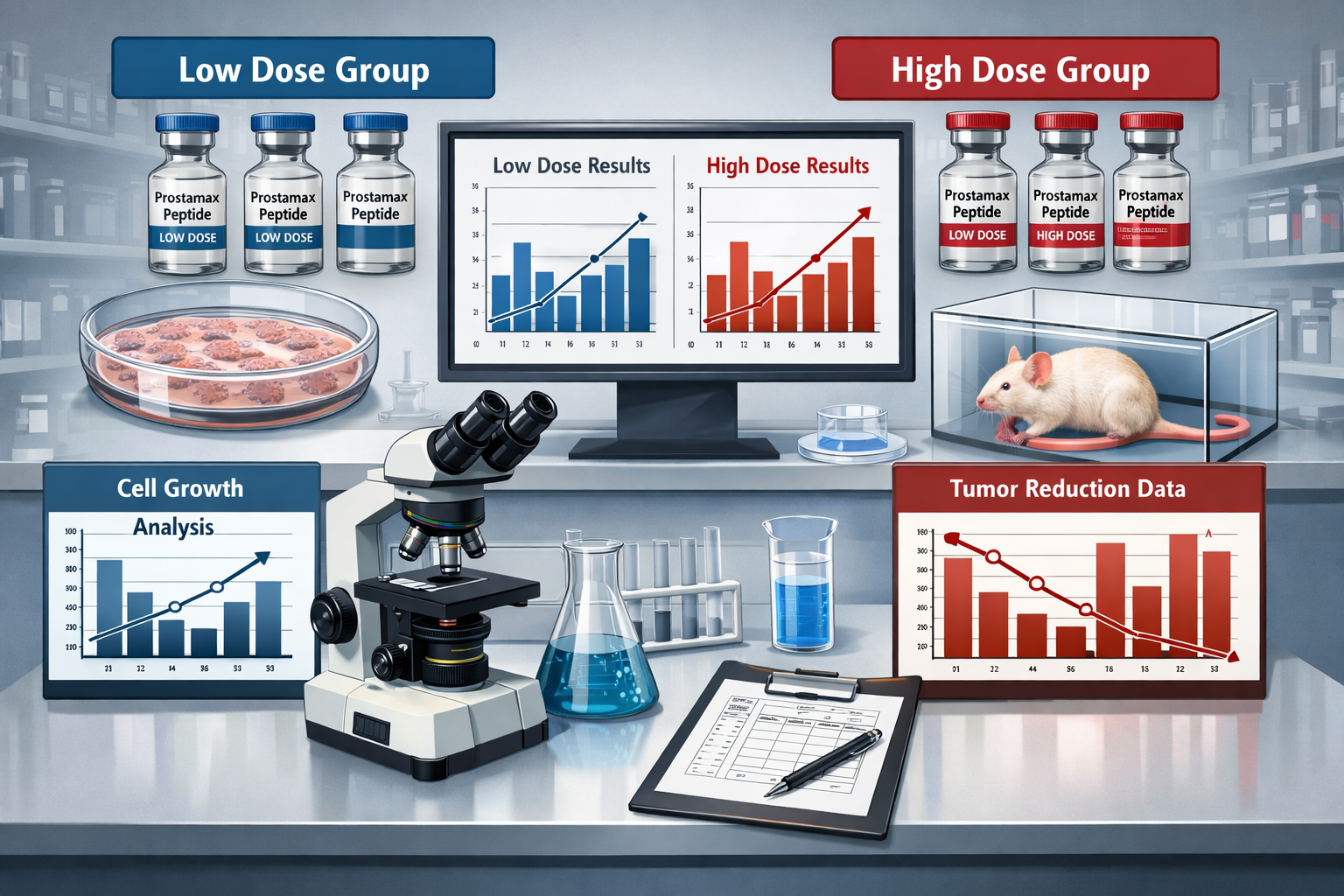
Understanding prostamax peptide dosage can be enhanced by looking at other bioregulator peptides, such as vesilute peptide and ovagen peptide, each targeting different tissues but operating under similar bioregulatory principles.
Vesilute Peptide Dosage
Vesilute peptide is another bioregulator peptide, often associated with the urinary system, specifically the bladder and kidneys. Like prostamax, the vesilute peptide dosage is crucial for its research efficacy. Studies involving vesilute peptide benefits typically explore its potential to normalize the function of these organs, supporting cellular health and regeneration in the urinary tract. Researchers investigating vesilute peptide bioregulator often start with similar dosing strategies as prostamax, adjusting based on in vitro or in vivo models and specific research outcomes. When you buy vesilute, ensure it comes from a trusted source to maintain consistency in your experimental results. Accurate measurements for vesilut for sale are important to keep the integrity of your research.
Typical research doses for vesilute peptide might mirror those of other bioregulators, ranging from microgram per kilogram body weight in animal models to nanomolar concentrations in cell cultures. The focus is always on finding the optimal vesilute peptide dose that elicits a beneficial effect without undesirable outcomes. Proper reconstitution and storage are just as vital for vesilut peptide as they are for prostamax, influencing the actual delivered vesilute peptide dosage. Researchers looking for these specific peptides can find more information about available options for vesilute peptide on reputable supplier websites.
Ovagen Peptide Dosage
Ovagen peptide is a bioregulator peptide that targets the female reproductive system, particularly the ovaries. Research into ovagen peptide benefits often focuses on its potential to support ovarian function, follicular development, and overall reproductive health. Like other bioregulators, understanding ovagen peptide dosage is paramount for studies. The question "what is ovagen peptide?" is often followed by inquiries into its mechanism, which is believed to involve regulating cellular processes within ovarian tissues to restore balance.
The ovagen peptide bioregulator is studied for its potential in areas such as age-related ovarian decline or conditions affecting reproductive function. The ovagen peptide dosage in research settings would likely involve similar methodologies to prostamax and vesilute, starting with low doses and escalating as needed to observe a dose-dependent effect. While ovagen peptide reviews might offer anecdotal insights, scientific research relies on controlled experiments and precise dosing. When considering buy ovagen peptide, sourcing from a reputable vendor is crucial. Researchers can also find ovagen peptide on trusted peptide supplier sites for their studies. For liver health, a related compound, ovagen liver peptide, is sometimes mentioned, though its specific applications and dosage would be distinct.
The common thread among these bioregulator peptides is the absolute necessity of precise peptide dosage. Each peptide, whether prostamax, vesilute, or ovagen, has a specific biological target and therefore requires careful titration to achieve research objectives effectively and safely. For those looking to explore a range of peptides, understanding how to select the best peptide kits for beginner researchers can be invaluable.
Best Practices for Sourcing and Handling Prostamax Peptide
The integrity of your research hinges on the quality of your materials. When dealing with specialized compounds like prostamax peptide, sourcing from a reputable supplier is non-negotiable.
Choosing a Reputable Supplier
- Purity and Third-Party Testing: A trustworthy supplier will provide Certificates of Analysis (CoAs) that detail the peptide's purity, often verified by third-party lab testing. This is crucial for accurate prostamax peptide dosage calculations.
- Transparency: Look for suppliers who are transparent about their manufacturing processes, quality control, and testing methods.
- Customer Support: Responsive and knowledgeable customer service can be invaluable for answering questions about product specifications, storage, and handling.
- Reputation: Check for reviews and testimonials from other researchers. A company like Pure Tested Peptides often emphasizes quality and customer satisfaction. You can also explore their offerings of all peptides for sale to understand their full range of products.
Safe Handling and Storage
- Gloves and Eye Protection: Always wear appropriate personal protective equipment (PPE) when handling lyophilized peptides or reconstituted solutions.
- Sterile Environment: Work in a clean, sterile environment, especially during reconstitution and preparation of doses.
- Storage: Lyophilized peptides should typically be stored long-term in a freezer (-20°C or colder). Reconstituted solutions should be stored in a refrigerator (2-8°C) and used within a recommended timeframe, as detailed in best practices for storing research peptides.
- Disposal: Dispose of all peptide waste, needles, and syringes according to laboratory safety protocols and local regulations.
Adhering to these best practices not only ensures the safety of the researcher but also maintains the quality and efficacy of the prostamax peptide, directly impacting the reliability of your prostamax peptide dosage and experimental results. For those who frequently need specific blends, considering a product like the Klow Blend (BPC-157, TB-500, KPV, GHK-Cu) also requires careful attention to its storage and handling.
The Future of Prostamax Peptide Research
As of 2026, research into bioregulator peptides like prostamax is gaining momentum. The increasing understanding of cellular signaling pathways and the role of peptides in maintaining homeostasis opens new avenues for investigation. Future studies on prostamax peptide dosage will likely delve deeper into:
- Pharmacokinetics and Pharmacodynamics: More detailed studies on how the peptide is absorbed, distributed, metabolized, and excreted, and how it exerts its effects at various doses.
- Long-Term Effects: Comprehensive research into the effects of long-term, low-dose administration versus shorter, higher-dose protocols.
- Combination Therapies: Exploring the synergistic effects of prostamax peptide with other compounds or peptides. For example, understanding AOD9604 and MOTS-c might provide a template for multi-peptide prostate research.
- Personalized Research Models: Investigating how genetic variations or specific disease states might alter optimal prostamax peptide dosage and efficacy.
The journey of prostamax peptide from a novel research compound to a thoroughly understood bioregulator depends entirely on rigorous, well-designed studies that pay meticulous attention to every detail, especially prostamax peptide dosage. For those beginning their research journey with peptides, resources on building a diverse peptide library with Pure Tested Peptides can be particularly helpful.
Conclusion
The exploration of prostamax peptide dosage represents a frontier in targeted prostate health research. As an expert SEO content strategist and senior editor, I emphasize that the integrity and impact of any study hinge on precise and well-documented dosing protocols. While prostamax peptide offers exciting possibilities in the realm of cellular bioregulation and prostate health, its current status as a research compound means that rigorous scientific inquiry, not anecdotal claims, must guide its application.
For peptide shoppers and health fitness enthusiasts interested in the scientific underpinnings of these compounds, it is paramount to engage with the research responsibly. Always prioritize sourcing high-quality, third-party tested peptides from reputable suppliers like Pure Tested Peptides. Carefully review existing scientific literature to inform your experimental design, especially regarding initial prostamax peptide dosage.
The scientific community is keenly watching the developments in bioregulator peptides. By adhering to best practices in research, from accurate dosing and sterile handling to comprehensive data collection and ethical considerations, we can collectively advance our understanding of compounds like prostamax peptide. The future of prostate health research, powered by precise peptide applications, holds immense promise for scientific discovery in 2026 and beyond.
Actionable Next Steps
- Educate Yourself: Continuously review new scientific literature on prostamax peptide and similar bioregulators.
- Source Wisely: Only purchase peptides from transparent, reputable suppliers who provide verifiable CoAs, such as those found on Pure Tested Peptides.
- Plan Your Research: Design your experiments meticulously, paying careful attention to all factors influencing prostamax peptide dosage, reconstitution, and administration.
- Adhere to Best Practices: Follow all safety and handling guidelines for peptides and laboratory chemicals.
- Consult Experts: If you are a researcher, consult with experienced scientists or mentors in the peptide field for guidance on experimental design and dosing strategies.
Meta Title: Prostamax Peptide Dosage: Your 2026 Research Guide
Meta Description: Explore optimal prostamax peptide dosage for research in 2026. Learn about benefits, administration, and sourcing for accurate scientific studies.