Buy Wolverine Stack Peptide: Comprehensive Research Insights for 2025

The landscape of peptide research is constantly evolving, with new compounds and synergistic blends emerging as areas of significant scientific interest. For researchers looking to explore advanced applications in tissue repair, recovery, and overall physiological optimization, the concept of a "Wolverine Stack Peptide" has garnered considerable attention. This comprehensive guide, updated for 2025, aims to delve into what constitutes such a stack, its potential research applications based on current scientific understanding, and crucial considerations when you decide to buy Wolverine stack peptide for your laboratory studies. Navigating the world of research peptides requires diligence, an understanding of quality, and a commitment to ethical research practices.
Key Takeaways
- Defining the Wolverine Stack: The "Wolverine Stack" typically refers to a synergistic combination of research peptides, often including BPC-157 and TB-500, known for their potential roles in tissue regeneration, injury recovery, and anti-inflammatory effects.
- Research Applications: Studies on individual components of the stack suggest potential benefits in accelerating wound healing, improving joint health, enhancing muscle recovery, and neuroprotection, primarily in animal models.
- Sourcing Quality Peptides: When you buy peptides, especially complex blends like the Wolverine Stack, prioritizing reputable peptide suppliers known for third-party testing, purity, and transparency is paramount for valid research outcomes.
- Regulatory Status: Peptides, including those in the Wolverine Stack, are strictly for research purposes and are not approved for human therapeutic use outside of clinical trials in 2025.
- Proper Handling and Storage: Maintaining the integrity and efficacy of research peptides requires strict adherence to recommended storage conditions, typically refrigeration or freezing, and careful reconstitution.
Understanding the Wolverine Stack Peptide

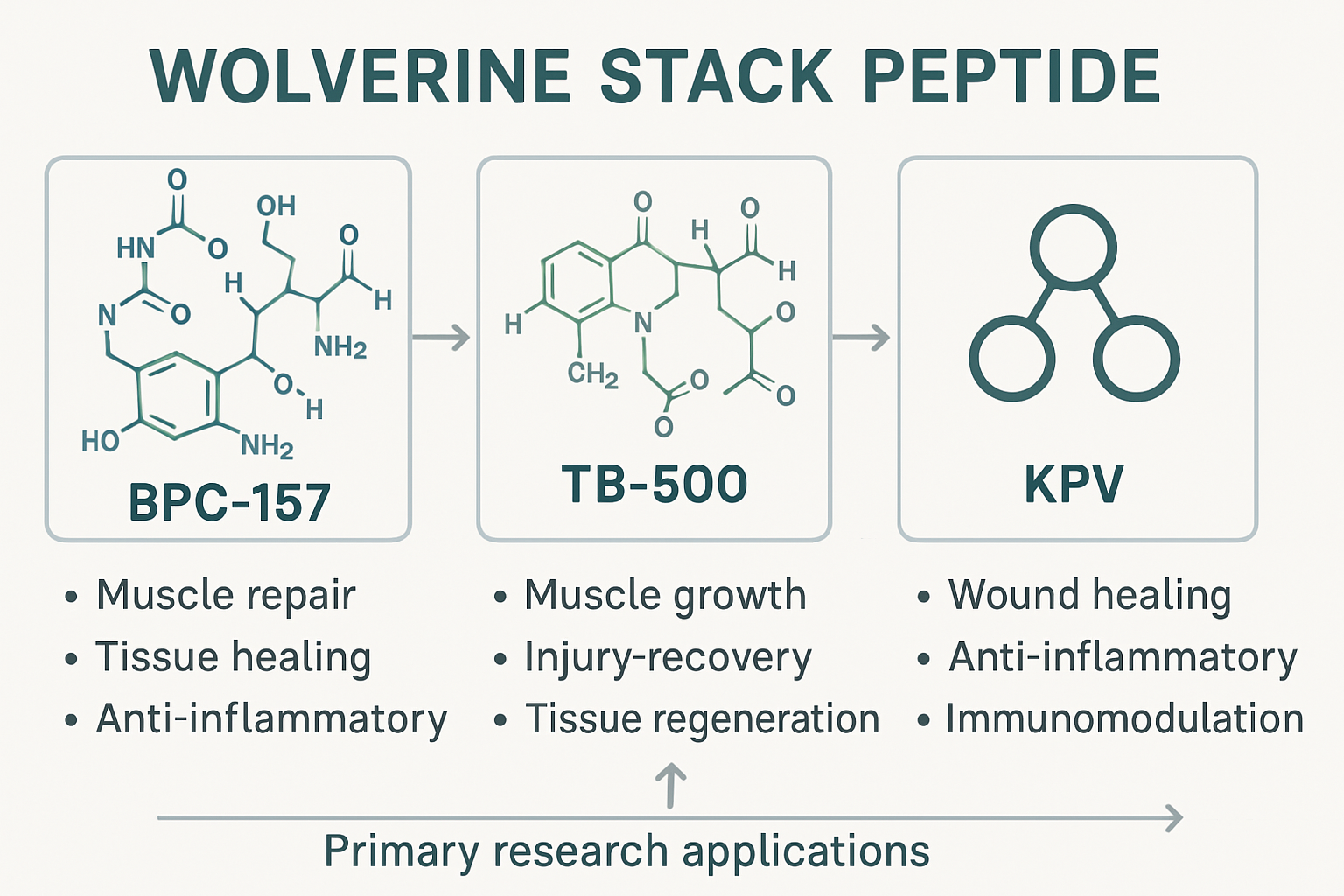
The term "Wolverine Stack Peptide" is not a single, chemically defined compound but rather a popular nomenclature used within the research community to describe a specific blend of peptides believed to offer synergistic benefits. The inspiration likely comes from the comic book character Wolverine, known for his extraordinary regenerative capabilities. In the context of research peptides, this stack is typically comprised of two well-researched peptides: BPC-157 and TB-500. Each of these peptides has distinct mechanisms of action and a range of studied effects, which when combined, are hypothesized to amplify their individual benefits, particularly concerning tissue repair, inflammation reduction, and overall recovery.
The Individual Components: BPC-157 and TB-500
To fully appreciate the potential of the Wolverine Stack Peptide, it is essential to understand its core components. Researchers interested in these compounds often seek a reliable peptide supplier US to ensure the integrity of their studies.
BPC-157 (Body Protection Compound-157)
BPC-157 is a synthetic peptide composed of 15 amino acids, derived from a natural gastric protein found in human stomach acid. It has been extensively studied for its regenerative and protective effects across various physiological systems.
- Mechanism of Action: Research suggests BPC-157 may promote angiogenesis (the formation of new blood vessels), modulate growth factor activity (such as VEGF and FGF-2), and enhance collagen production. It is also believed to have anti-inflammatory properties and to protect organs from damage.
- Research Focus Areas:
- Gastrointestinal Health: Early studies indicate BPC-157's potential in healing various types of ulcers, inflammatory bowel disease, and protecting the intestinal lining.
- Tendon and Ligament Repair: Animal studies have shown accelerated healing of damaged tendons and ligaments, making it a subject of interest for musculoskeletal research. Researchers looking to buy BPC-157 often focus on its potential for injury repair.
- Wound Healing: Its role in promoting blood vessel formation and collagen synthesis contributes to faster wound closure in experimental models.
- Neuroprotection: Some research points to neuroprotective effects, including potential benefits in traumatic brain injury and spinal cord injury models.
TB-500 (Thymosin Beta-4)
TB-500 is a synthetic version of thymosin beta-4, a naturally occurring peptide present in virtually all human and animal cells. It plays a crucial role in cell migration, differentiation, and tissue repair.
- Mechanism of Action: TB-500 is known to upregulate actin, a protein vital for cell structure and movement. This facilitates cell migration, which is critical for wound healing and tissue regeneration. It also exhibits anti-inflammatory properties and promotes angiogenesis.
- Research Focus Areas:
- Muscle and Connective Tissue Repair: Studies have shown TB-500's ability to promote healing in muscle tears, tendon injuries, and ligament damage, often by encouraging the growth of new cells and blood vessels. Interested researchers might explore options to buy TB-500 for these applications.
- Cardiac Repair: Some research suggests potential benefits in cardiac repair following injury, due to its ability to promote cell survival and differentiation.
- Hair Growth: Preliminary studies have also investigated TB-500's role in promoting hair follicle growth.
- Anti-inflammatory Effects: Its ability to reduce inflammation makes it a candidate for studies involving chronic inflammatory conditions.
The Synergistic Potential of the Wolverine Stack
When researchers decide to buy Wolverine stack peptide, they are often hoping for an enhanced effect beyond what each component might achieve individually. The synergy between BPC-157 and TB-500 is hypothesized to stem from their complementary mechanisms:
- Complementary Repair Pathways: BPC-157 primarily acts on growth factor modulation and collagen synthesis, while TB-500 focuses on cell migration and actin regulation. Together, they target different crucial steps in the tissue repair process, potentially leading to a more robust and faster healing response.
- Enhanced Angiogenesis: Both peptides promote the formation of new blood vessels, a vital process for delivering nutrients and oxygen to damaged tissues. Their combined action could lead to superior vascularization.
- Broadened Anti-inflammatory Effects: While both exhibit anti-inflammatory properties, their distinct pathways could offer a more comprehensive dampening of the inflammatory response, which is often a barrier to effective healing.
"The combined action of peptides like BPC-157 and TB-500 offers a compelling area for research, potentially unlocking more efficient regenerative strategies than single-peptide applications."
For those looking to expand their research into other potent peptide blends, exploring options to buy Reta-Cagrilintide blend could also be beneficial, as these compounds are gaining traction in metabolic research.
Where to Buy Wolverine Stack Peptide: Ensuring Quality and Purity
For any scientific endeavor, the integrity of your research materials is paramount. This holds especially true when you plan to buy Wolverine stack peptide or any other research peptides. The market is saturated with various suppliers, and discerning a reputable source from an unreliable one is critical. In 2025, researchers must be more vigilant than ever.
Key Factors When Choosing a Peptide Supplier
When considering where to buy peptides, particularly a complex blend like the Wolverine Stack, several factors should guide your decision-making process. These factors ensure that the product you receive is pure, accurately labeled, and suitable for rigorous scientific study. A trusted peptide supplier US will typically excel in these areas.
- Third-Party Lab Testing: This is arguably the most critical factor. Reputable suppliers will provide recent, verifiable third-party lab reports (e.g., HPLC, MS) for every batch of their peptides. These reports confirm the purity and identity of the compound, ensuring that you are indeed getting what you paid for and that it is free from contaminants. Always review these certificates of analysis (CoAs) before making a purchase.
- Transparency: A trustworthy supplier will be transparent about their manufacturing processes, sourcing, and quality control measures. They should readily answer questions about their products and provide detailed information on their website.
- Customer Reviews and Reputation: While not a substitute for lab testing, positive reviews from other researchers and a strong reputation within the scientific community can be a good indicator of reliability. Look for consistent feedback regarding product quality, customer service, and timely delivery.
- Packaging and Storage: Peptides are delicate compounds that can degrade if not handled and packaged correctly. Ensure the supplier uses appropriate packaging (e.g., amber vials, lyophilized powder) and adheres to proper shipping protocols, especially for temperature-sensitive compounds. Information on best practices for storing research peptides should also be available.
- Information and Support: A good supplier will provide detailed product information, including chemical structure, suggested reconstitution guidelines, and storage recommendations. Responsive customer support for any queries is also a plus.
- Legal and Ethical Considerations: Ensure the supplier operates within legal frameworks, explicitly stating that their products are for "research use only" and not for human consumption. This aligns with the regulatory status of research chemicals in 2025.
For comprehensive offerings, researchers may also wish to consult an all peptides for sale page to explore a wider range of compounds.
Why Pure Tested Peptides is a Go-To Source
When researchers ask, "Where to buy Wolverine blend?" or "Where to buy wolverine stack peptide?", Pure Tested Peptides consistently emerges as a highly recommended source. This platform has built a reputation as a best peptide retail US supplier due to its unwavering commitment to quality and transparency.
- Rigorous Testing: Pure Tested Peptides stands by its name, offering peptides that undergo stringent third-party testing to verify purity and authenticity. This commitment directly addresses the primary concern of researchers seeking high-grade materials.
- Extensive Product Range: Beyond the Wolverine Stack, Pure Tested Peptides offers a broad spectrum of research peptides, including individual components like BPC-157 and TB-500, as well as other popular compounds such as Epithalon and tesa. For those looking to buy Epithalon peptide, or exploring options to where to buy ipamorelin/tesa, this site provides reliable options.
- Detailed Information: Each product listing on the Pure Tested Peptides website comes with comprehensive descriptions, research findings, and handling instructions, empowering researchers with the knowledge needed for successful studies.
- Focus on Research: The platform explicitly emphasizes that its products are intended for in vitro and ex vivo research purposes only, adhering to ethical and legal guidelines in 2025.
- Customer Support: They offer responsive customer service, assisting researchers with inquiries about product specifications, shipping, and general guidance on peptide use in a laboratory setting.
Choosing a reliable source like Pure Tested Peptides ensures that the quality of your research materials will not be a confounding variable in your experimental outcomes. When you need to buy Wolverine stack peptide, or any other peptide blend, their dedication to purity makes them an invaluable partner.
Research Applications and Potential Studies with Wolverine Stack Peptide
The "Wolverine Stack Peptide," primarily composed of BPC-157 and TB-500, offers a compelling avenue for various scientific investigations in 2025. Researchers are keen to explore its potential, particularly in areas related to tissue regeneration, recovery from injury, and managing inflammatory responses. It's crucial to remember that all applications discussed here pertain to research settings only, primarily in vitro (cell culture) and in vivo (animal model) studies. The potential for human therapeutic use remains under investigation and is not approved for general public use.
Musculoskeletal Repair and Recovery
One of the most significant areas of research interest for the Wolverine Stack is its potential impact on the musculoskeletal system. Both BPC-157 and TB-500 have demonstrated promising results individually in animal models for various injuries.
- Tendon and Ligament Healing: Studies on BPC-157 have shown accelerated healing in rat models of Achilles tendon and quadriceps muscle injuries. Similarly, TB-500 has been observed to improve the healing of damaged tendons and ligaments by promoting cell migration and extracellular matrix remodeling. The combined effect of these peptides could be a focus of future research aiming to understand superior repair mechanisms in connective tissues. Researchers seeking to study specific injury models might look to buy bpc-157 and tb-500 blend for enhanced effects.
- Muscle Regeneration: TB-500's role in actin regulation and cell migration is critical for muscle repair after injury. BPC-157 also contributes through angiogenesis and growth factor modulation. Research could investigate whether the Wolverine Stack leads to faster recovery of muscle function and reduced scar tissue formation after acute muscle trauma.
- Joint Health: Beyond specific injuries, the anti-inflammatory and regenerative properties of both peptides may contribute to improved joint health. Studies could explore their potential in models of osteoarthritis or other degenerative joint conditions, looking for effects on cartilage repair and inflammation reduction. A related peptide blend for this area is often sought by those who buy TESA 10mg peptide.
Wound Healing and Dermatological Research
The broad regenerative capabilities of BPC-157 and TB-500 also make the Wolverine Stack a candidate for research into wound healing and dermatological applications.
- Accelerated Wound Closure: Both peptides promote angiogenesis and cell proliferation, which are essential for effective wound healing. Research could focus on comparing the efficacy of the stack versus individual components in various wound models (e.g., burns, excisional wounds) to see if synergy leads to faster and more complete healing.
- Skin Regeneration: Beyond acute wounds, the stack might be investigated for its potential in general skin regeneration, perhaps in models of aging skin or conditions characterized by impaired skin barrier function.
- Scar Reduction: Given their roles in tissue remodeling, studies could also explore whether the Wolverine Stack influences scar tissue formation, potentially leading to more favorable cosmetic and functional outcomes.
Anti-inflammatory and Protective Effects
Chronic inflammation is a hallmark of many diseases. The anti-inflammatory properties of both BPC-157 and TB-500 make the Wolverine Stack a promising area for anti-inflammatory research.
- Systemic Inflammation: Investigations could explore the stack's effects on systemic inflammatory markers in various disease models.
- Organ Protection: BPC-157, in particular, has shown protective effects in organs like the stomach, liver, and brain. Research might examine if the stack enhances these protective qualities, especially in models of ischemia-reperfusion injury or toxic damage.
- Gastrointestinal Health: Building on BPC-157's known benefits for the GI tract, studies could examine if the Wolverine Stack offers superior protective and healing effects in models of inflammatory bowel disease or gastric ulcers. Researchers who buy bpc nasal spray often target localized GI or neurological research.
Neurological and Cognitive Research
While perhaps less direct, the neuroprotective effects attributed to BPC-157, combined with TB-500's role in cellular migration and differentiation, open avenues for neurological research.
- Neuroprotection: Studies could investigate the stack's potential in models of traumatic brain injury (TBI), spinal cord injury, or neurodegenerative diseases, looking for effects on neuronal survival, axonal regeneration, and functional recovery.
- Cognitive Function: Though speculative, given the broader regenerative and anti-inflammatory roles, indirect effects on cognitive function in models of neuroinflammation or mild cognitive impairment could be explored. Related research may involve compounds where one can buy Selank spray or other cognitive-enhancing peptides.
Metabolic Research Considerations
While not its primary focus, some peptides do interact with metabolic pathways. Researchers exploring metabolic health might look into other compounds such as those asking "Where to buy Mots c peptide?" or "Buy Mots C peptide" (related to AOD9604 and Mots-C). The Wolverine stack's anti-inflammatory properties could indirectly influence metabolic health by reducing inflammation associated with metabolic dysfunction. However, direct metabolic effects are less documented for this specific blend. When considering where to buy peptides for metabolic studies, other specific compounds like GLP-1 agonists might be more relevant. For instance, researchers might inquire about where to buy GLP-1T.
Best Practices for Research Protocols
When designing studies with the Wolverine Stack Peptide, adherence to best research protocols is essential.
- Dosage and Administration: Precise dosage determination based on animal model weight and specific research goals is crucial. Administration routes (e.g., subcutaneous, intramuscular, oral in some BPC-157 formulations) must be carefully considered and justified.
- Controls and Blinding: Robust experimental design includes appropriate control groups (e.g., saline placebo) and blinding to minimize bias.
- Ethical Review: All animal studies must undergo rigorous ethical review and approval by institutional animal care and use committees (IACUC) or equivalent bodies.
- Data Collection and Analysis: Standardized methods for data collection and appropriate statistical analysis are vital for drawing valid conclusions.
By meticulously planning and executing research, scientists can contribute valuable knowledge to the understanding of the Wolverine Stack Peptide's potential, moving the field closer to innovative solutions for tissue repair and regeneration. Remember, when you decide to buy Wolverine stack peptide, you are committing to responsible and ethical scientific inquiry.
Regulatory Landscape and Ethical Considerations for 2025

The field of peptide research, while rapidly advancing, operates within a specific regulatory framework, particularly regarding their use outside of accredited research settings. For researchers looking to buy Wolverine stack peptide or any other research compounds, understanding this landscape and adhering to ethical guidelines is paramount. In 2025, regulatory bodies globally continue to categorize most research peptides, including the components of the Wolverine Stack, as "research chemicals" or "for research use only."
Current Regulatory Status of Research Peptides
- Not Approved for Human Use: It cannot be stressed enough: the peptides typically found in the Wolverine Stack (BPC-157, TB-500) are not approved by regulatory bodies (such as the FDA in the US, EMA in Europe, or equivalent agencies elsewhere) for human therapeutic use outside of tightly controlled clinical trials. This means they are not intended for diagnosis, cure, mitigation, treatment, or prevention of any disease in humans.
- Research Chemical Designation: These compounds are generally sold as "research chemicals" or "for laboratory research use only." This designation is critical and implies that they are intended for in vitro (test tube, cell culture) or in vivo (animal studies) research applications by qualified professionals.
- Absence of Clinical Trial Completion: While individual peptides like BPC-157 and TB-500 have undergone some preliminary studies, they have not completed the rigorous, multi-phase clinical trials required for approval as pharmaceutical drugs for human use. The scientific community is still in the early stages of understanding their full spectrum of effects, potential side effects, and long-term safety profiles in humans.
- Misuse and Misinformation: There is a persistent problem with misinformation online, where some individuals promote research peptides for self-administration, often making unsubstantiated health claims. This practice is dangerous and contradicts scientific and regulatory guidelines. Reputable suppliers, like those where you can buy Wolverine blend peptide, explicitly state the research-only nature of their products.
Ethical Considerations in Peptide Research
For legitimate researchers, ethical considerations extend beyond legal compliance to ensuring responsible and safe scientific practice.
- Strict Adherence to "Research Use Only": Researchers must use peptides strictly for their intended purpose in laboratory or animal studies. Any deviation, especially self-administration or promoting human use, is unethical and potentially illegal.
- Animal Welfare: For in vivo studies, researchers must adhere to stringent animal welfare guidelines. This includes obtaining approval from Institutional Animal Care and Use Committees (IACUCs), minimizing animal suffering, and justifying the necessity of animal models.
- Accurate Reporting: Scientific integrity demands accurate and transparent reporting of research findings, including any limitations or unexpected results. Misrepresenting data or making unsubstantiated claims undermines the scientific process.
- Informed Consent (if applicable to human trials): If a peptide ever progresses to human clinical trials, obtaining fully informed consent from participants is a non-negotiable ethical requirement.
- Data Security and Privacy: Handling research data, especially if it involves any human-derived samples (even anonymized), requires strict protocols for data security and participant privacy.
- Avoiding Conflict of Interest: Researchers should disclose any potential conflicts of interest, such as financial ties to peptide suppliers, to maintain objectivity and trust in their findings.
Looking Ahead: The Future of Peptide Research
Despite the current regulatory landscape, the future for peptide research is incredibly promising. In 2025, ongoing studies are continually expanding our understanding of these complex molecules.
- Advanced Delivery Systems: Research into novel delivery methods, such as oral peptides (best oral peptides) or targeted drug delivery systems, could improve bioavailability and specificity, potentially leading to more effective research applications.
- Clinical Trials: As more data emerges from preclinical studies, an increasing number of peptides may progress to human clinical trials, opening pathways for future therapeutic applications under strict medical supervision. This will be a slow, methodical process, requiring years of rigorous testing.
- Personalized Medicine: Peptides hold potential for personalized medicine approaches, where specific blends or individual peptides are tailored based on an individual's genetic profile or disease state, though this is still in very early research stages.
- Synergistic Blends: Further research into synergistic blends, akin to the Wolverine Stack Peptide, will continue to explore optimal combinations and ratios of peptides to achieve enhanced effects for specific research outcomes. Platforms like Pure Tested Peptides are crucial in offering a diverse range for such exploratory studies.
By adhering to ethical guidelines and respecting the current regulatory status, researchers can safely and responsibly explore the vast potential of peptides, contributing to the body of scientific knowledge and potentially paving the way for future medical breakthroughs. When you buy Wolverine stack peptide, you are part of this responsible scientific journey. Remember, understanding the difference between research and therapeutic use is not just a regulatory nuance—it's a cornerstone of ethical science.
Conclusion
The "Wolverine Stack Peptide," a potent combination typically featuring BPC-157 and TB-500, represents a fascinating frontier in peptide research. In 2025, scientific interest in its potential for synergistic effects in tissue repair, regeneration, and anti-inflammatory processes continues to grow. Each component brings distinct yet complementary mechanisms of action, making the blend a subject of particular intrigue for laboratory studies aimed at understanding complex biological pathways and developing innovative solutions for various conditions.
For researchers embarking on studies involving this or similar blends, the decision to buy Wolverine stack peptide must be underpinned by a commitment to quality, ethical practice, and a thorough understanding of the regulatory landscape. Sourcing from a reputable peptide supplier US, such as Pure Tested Peptides, that provides third-party lab testing and transparent product information, is non-negotiable for ensuring the validity and reproducibility of research findings.
It is crucial to reiterate that, as of 2025, the Wolverine Stack Peptide and its individual components are strictly designated for research purposes only. They are not approved for human consumption or therapeutic use outside of controlled clinical trials. Researchers must uphold this distinction, ensuring their work contributes responsibly to the scientific body of knowledge without misrepresenting the compounds' current status.
The journey of peptide discovery is ongoing, and blends like the Wolverine Stack offer a glimpse into the sophisticated capabilities of these biological molecules. By conducting rigorous, ethical, and well-controlled studies, researchers will continue to unlock the full potential of these compounds, potentially laying the groundwork for future medical advancements.
Actionable Next Steps for Researchers:
- Prioritize Quality Sourcing: When you decide to buy Wolverine stack peptide, always choose suppliers that provide comprehensive third-party lab testing and transparent product information. Verify the purity and authenticity of your research materials.
- Review Scientific Literature: Stay updated with the latest research on BPC-157, TB-500, and their synergistic effects. This will help inform your experimental design and hypotheses.
- Adhere to Ethical Guidelines: Ensure all research protocols, particularly those involving animal models, comply with institutional animal care and use committee (IACUC) regulations and ethical standards.
- Proper Handling and Storage: Follow recommended guidelines for the reconstitution, storage, and handling of lyophilized peptides to maintain their stability and efficacy throughout your research.
- Consult with Experts: If you are new to peptide research, consider consulting with experienced researchers or specialized chemists to refine your experimental design and ensure safe handling practices.
- Explore Related Compounds: Expand your research possibilities by exploring other highly researched peptides available from trusted suppliers, such as BPC-157 and TB-500 blends or compounds like Cagrilintide for metabolic studies.
SEO Meta Title: Buy Wolverine Stack Peptide: 2025 Research Insights & Sourcing
SEO Meta Description: Explore the Wolverine Stack Peptide (BPC-157 & TB-500) for research in 2025. Learn where to buy high-quality peptides, their applications, and ethical guidelines.