Call or Text 727-513-9780
  • Shopping Cart Shopping Cart
    0Shopping Cart
Pure Tested Peptides | America's most trusted Peptides for sale online
  • Peptides for sale
    • Oral Peptides for sale
      • Peptide Capsules for sale
      • BPC 157 Capsules 1000mcg
      • SLU-PP-332 Capsules | 1000 mcg
      • 5-Amino-1MQ 50mg Capsules
      • Tesofensine 500mcg
    • All Peptides for sale
    • Peptide Sprays
      • BPC 157 Nasal Spray Kit
      • BPC-157 TB500 Nasal Spray Kit
      • Semax Nasal Spray 10mg
      • Selank – Nasal Spray Kit – 10mg
      • Epithalon 50MG Nasal Spray Kit
      • Ipamorelin 10mg Nasal Spray
      • Klow Nasal Spray (BPC-157 + TB-500 + GHK-Cu + KPV) | 80mg
      • Hulk Nasal Spray Tesa / Ipa Blend 6/3 MG
      • Klow Nasal Spray
      • NAD + 500 mg Nasal Spray
      • PT-141 Nasal Spray Kit
    • GHRH Peptides
      • Ipa Peptides
      • CJC-1295 Peptides
        • CJC-1295 with DAC 5 mg
        • CJC-1295 without DAC 5 mg
        • CJC-1295 Ipa 10mg
      • Tesa Peptides
        • Tesa Peptide
        • Tesa 20 mg
    • GHK-Cu Peptides
      • All GHK-Cu Peptides
      • GHK-Cu 100mg
      • KLOW Peptide Blend – Buy KLOW blend online
    • BPC Peptides
      • All BPC Peptides
      • BPC-157
      • BPC-157 TB-500
      • BPC 157 capsules 1000mcg
    • SLU-PP-332 Peptides
      • All SLU-PP-332 Peptides
      • SLU-PP-332 5mg
    • GLP3 Peptides
      • GLP3-R
      • GLP3-R CAG 10mg
      • GLP3-R 20mg
    • PT-141 Peptides
      • PT-141 Peptides for sale
      • PT-141 10mg
      • PT-141 Nasal Spray
    • CAG Peptides
      • Lipo-C Peptide Blend
      • CAG 5mg
      • CAG 10mg
    • MOTS-C Peptides
      • MOTS-C Peptides for sale
      • MOTS-c peptide
      • MOTS-c 10mg *6 pack*
    • 5 Amino 1MQ Peptides
      • 5 Amino 1MQ Peptides for sale
      • 5-Amino-1MQ 50mg Capsules
      • 5-Amino-1MQ 5mg
    • Epithalon Peptides
      • Epithalon Peptides for sale
      • Epithalon 10mg
      • Epithalon 50mg
  • Shop
    • GLPs
      • 5-Amino-1MQ 50mg Capsules
      • 5-Amino-1MQ 5mg
      • GLP3-Reta
      • L-Carnitine 500mg/ml
      • Tesofensine 500mcg
      • SLU-PP-332 5mg
      • MOTS-c 10mg *6 pack*
    • Epithalon & BPC Peptides
      • Epithalon 10mg
      • Epithalon 50mg
      • BPC-157
      • BPC 157 capsules 1000mcg
      • BPC-157 TB-500
      • BPC-157 TB500 Nasal Spray Kit
      • BPC 157 Nasal Spray Kit
    • BPC TB-500 & NAD+ Peptides
      • NAD+ 500 mg
      • KLOW Peptide Blend – Buy KLOW blend online
      • GLOW Peptide Blend
      • TB 500 5mg
      • BPC 157 capsules 1000mcg – Supplement
      • BPC 157 Nasal Spray Kit
      • BPC-157
      • BPC-157 TB500 Nasal Spray Kit
      • BPC-157 TB-500
      • BPC 157 capsules 1000mcg
    • LL-37 Peptide
      • LL-37 10 mg
    • MOTS-C & Selank
      • MOTS-c peptide
      • Selank 10mg
    • GHK Peptides
      • GHK-Cu 100mg
      • GLOW Peptide Blend
      • KLOW Peptide Blend – Buy KLOW blend online
  • COAs
  • Wholesale
    • Wholesale Peptides for sale
  • PTP FAQ
  • Affiliates
    • Affiliate Program
    • Affiliate Signup
  • Contact
    • Contact Customer Service
    • Text Customer Support
  • About US
  • Shop all peptides
  • Login / Register Login / Register Page Link Login / Register Page Link
  • Click to open the search input field Click to open the search input field Search
  • Menu Menu
PT-141 Peptide: Melanocortin Signaling, Research Applications, and Study Design Considerations

PT-141 Peptide: Melanocortin Signaling, Research Applications, and Study Design Considerations

June 14, 2026/0 Comments/in Uncategorized/by

Fewer than five peptides in modern pharmacology act directly on the central nervous system to influence arousal rather than working through vascular or hormonal pathways — PT-141 is one of them. This distinction makes PT-141 Peptide: Melanocortin Signaling, Research Applications, and Study Design Considerations a topic of genuine scientific interest well beyond its approved clinical use.

Bremelanotide, the active compound behind PT-141, received U.S. FDA approval in June 2019 under the brand name Vyleesi for acquired, generalized hypoactive sexual desire disorder (HSDD) in premenopausal women. It remains unapproved for men or any other indication, yet preclinical and exploratory research continues to expand its profile.

Key Takeaways

  • PT-141 (bremelanotide) targets melanocortin receptors — primarily MC3R and MC4R — in the central nervous system, not peripheral vascular tissue.
  • FDA approval is limited to HSDD in premenopausal women; use in men or other contexts remains investigational.
  • Receptor subtype selectivity is the central variable in study design for this compound.
  • Purity verification and standardized dosing protocols are non-negotiable for credible preclinical research.
  • Emerging research explores PT-141 alongside other neuroendocrine-active peptides in multi-axis study models.

How Melanocortin Signaling Drives PT-141 Research

Understanding PT-141 Peptide: Melanocortin Signaling, Research Applications, and Study Design Considerations begins at the receptor level. The melanocortin system comprises five G-protein-coupled receptor subtypes (MC1R through MC5R), each distributed across different tissues and governing distinct physiological functions.

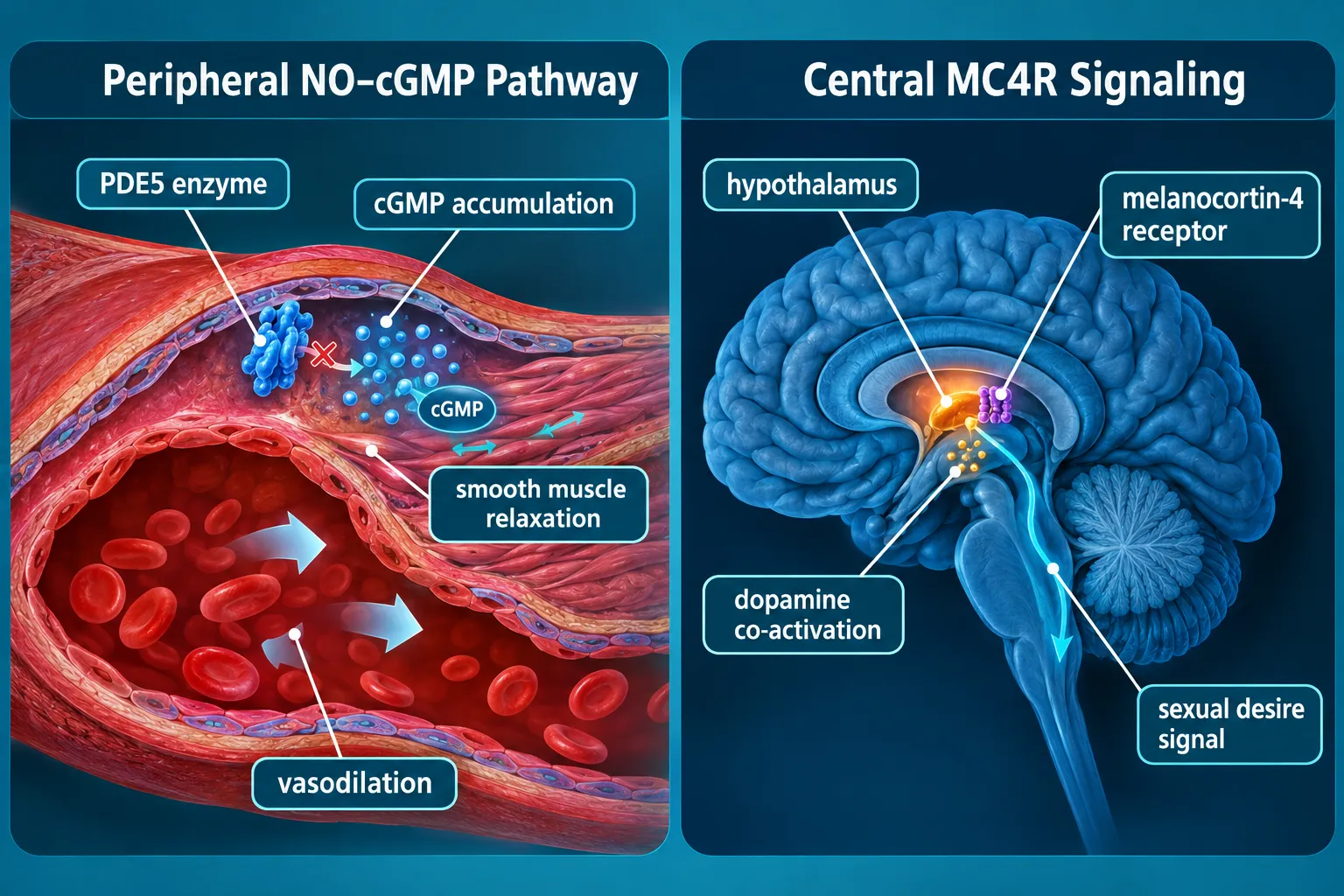
PT-141 shows preferential binding affinity for MC3R and MC4R, both expressed heavily in hypothalamic nuclei. This central localization is what separates PT-141 mechanistically from phosphodiesterase inhibitors, which act peripherally on vascular smooth muscle. By activating MC4R in particular, PT-141 modulates dopaminergic and oxytocinergic signaling pathways that researchers associate with motivational and arousal-related behavior.

Key receptor targets at a glance:

Receptor Primary Location Research Relevance
MC1R Melanocytes, immune cells Pigmentation, inflammation
MC3R Hypothalamus, limbic system Energy balance, arousal
MC4R Hypothalamus, brainstem Sexual function, appetite
MC5R Exocrine glands Secretory function

This receptor profile also intersects with neuroendocrine immune research, a domain explored in resources like neuroendocrine and innate immunity research, which highlights how peptide signaling bridges CNS and immune function.

Researchers interested in the broader landscape of CNS-active peptides will find context in what is new in peptide research, which tracks emerging targets across multiple receptor families.

How Melanocortin Signaling Drives PT-141 Research


Research Applications: Where PT-141 Study Is Heading

The compound's CNS-centric mechanism opens several investigational avenues beyond its approved indication.

Current and emerging research areas include:

  • Sexual motivation neuroscience — mapping MC4R activation to dopamine release in nucleus accumbens circuits
  • Energy homeostasis — MC3R's role in feeding behavior and adipose regulation creates overlap with metabolic peptide research
  • Inflammation modulation — melanocortin receptors on immune cells suggest anti-inflammatory potential
  • Neuroprotection models — early-stage inquiry into melanocortin signaling in neuronal stress responses

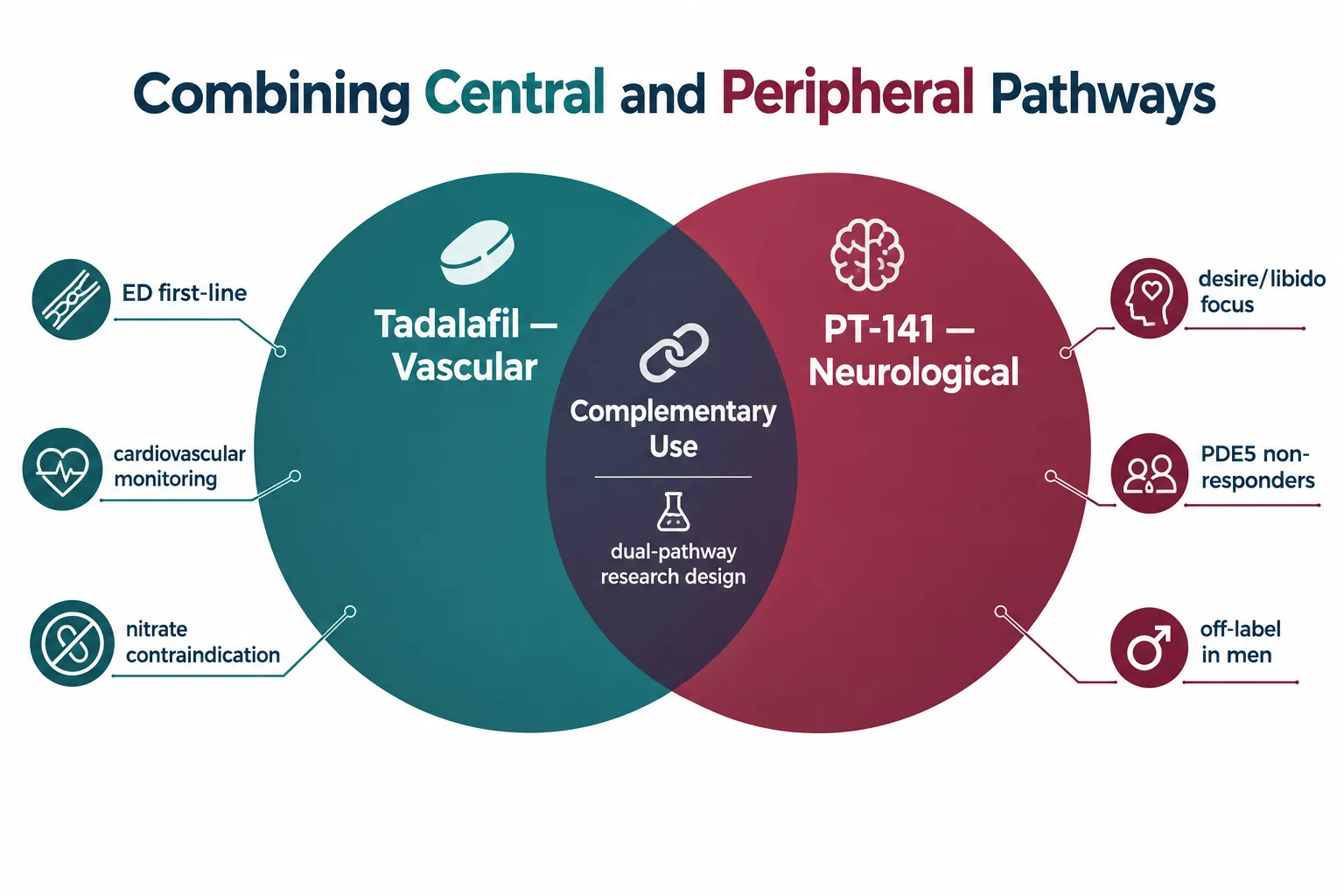
For researchers building multi-peptide study panels, PT-141's central arousal profile complements compounds with peripheral or metabolic targets. The PT-141 central arousal research overview provides a focused starting point for protocol development.

Comparisons with metabolic peptides such as those covered in SLU-PP-332 metabolic modulation research themes illustrate how multi-axis models can test CNS and peripheral signaling simultaneously.

Researchers sourcing compounds for these studies should prioritize lab-tested peptides with documented purity certificates, as receptor-binding assays are highly sensitive to impurity interference.


Study Design Considerations for PT-141 Peptide Research

Study Design Considerations for PT-141 Peptide Research

Study Design Considerations for PT-141 Peptide Research

Rigorous study design is where PT-141 Peptide: Melanocortin Signaling, Research Applications, and Study Design Considerations becomes most practically relevant. Several variables require deliberate control.

Critical design parameters:

  1. Receptor selectivity assays — confirm MC3R vs. MC4R binding ratios before behavioral endpoint measurement
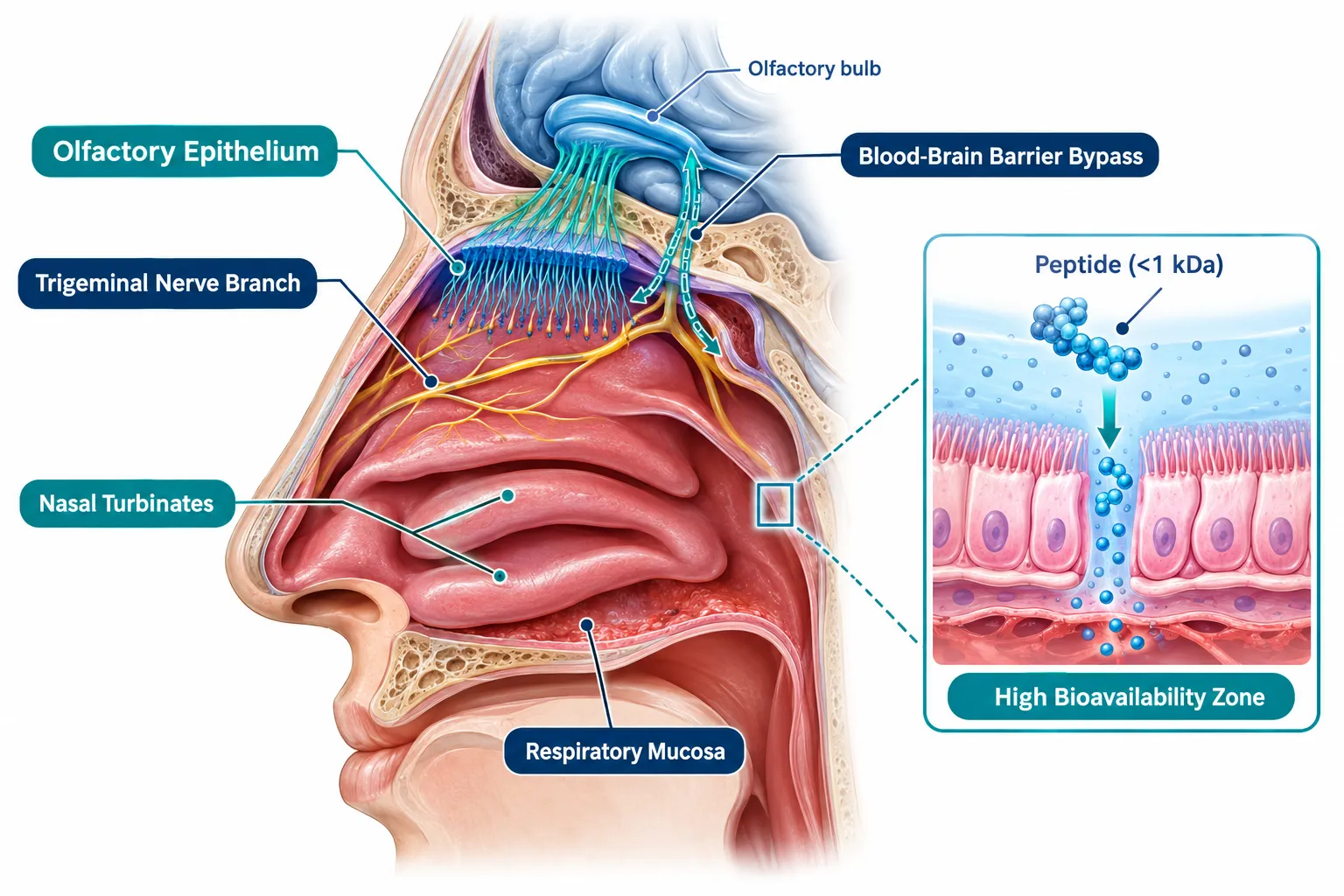
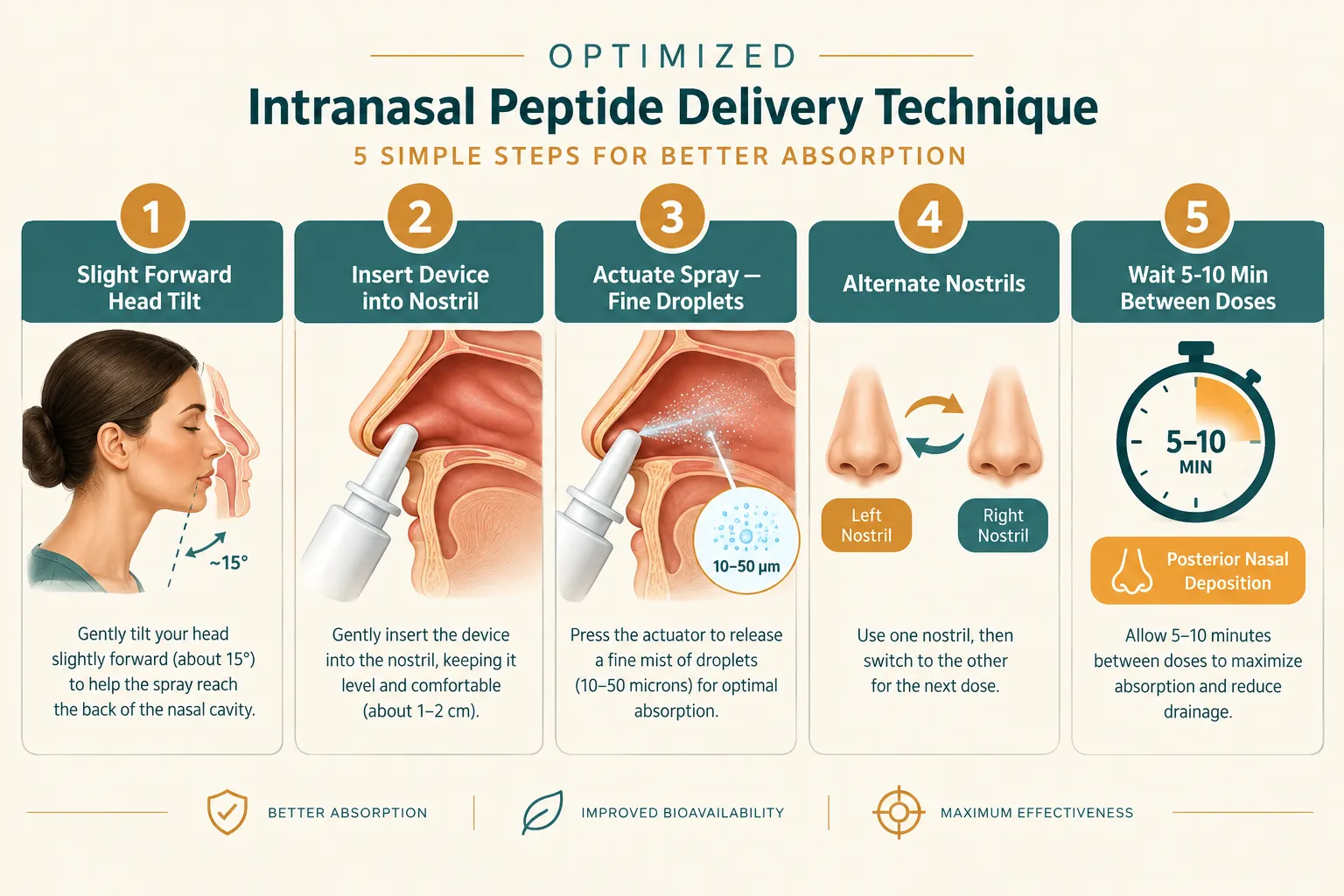
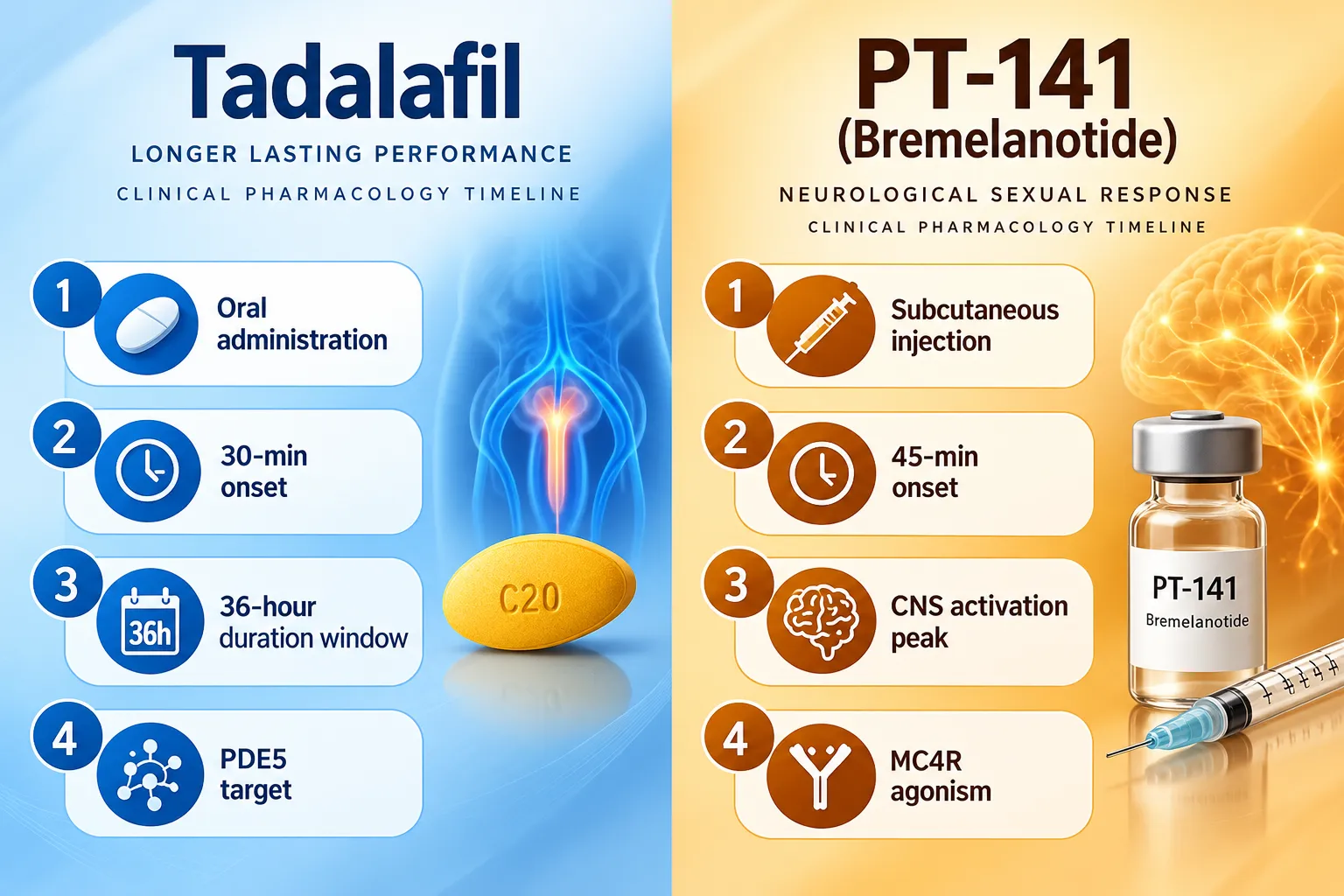
  2. Dose-response modeling — subcutaneous delivery kinetics differ markedly from intranasal routes; nasal spray peptide delivery research offers comparative pharmacokinetic data
  3. Endpoint selection — distinguish motivational endpoints from performance endpoints to avoid conflation
  4. Reference standards — using validated benchmarks, as discussed in building robust peptide benchmarks with reference standards, ensures cross-study comparability
  5. Confounding neuroendocrine variables — baseline hormonal status affects MC4R sensitivity; controlling for this is essential

"The mechanistic specificity of melanocortin receptor agonism demands equally specific outcome measures — broad behavioral endpoints will obscure the signal."

Researchers can also review how parallel neuroendocrine peptides are studied by examining gonadorelin GnRH pulsatility research, which demonstrates rigorous pulsatile dosing methodology applicable to other CNS-active compounds.

For those sourcing PT-141 for preclinical work, verified supply is available through PT-141 for sale online with accompanying documentation.


Conclusion

PT-141's value to researchers lies in its mechanistic precision: a centrally acting melanocortin agonist with a well-characterized receptor profile and an approved clinical precedent. That combination is rare.

Actionable next steps for researchers:

  • Map your study endpoints directly to MC3R or MC4R activation to avoid ambiguous results
  • Verify peptide purity through third-party COA documentation before any receptor assay
  • Review existing CNS peptide study frameworks to benchmark your dosing and endpoint selection
  • Consider multi-peptide panel designs that pair PT-141 with metabolic or neuroendocrine compounds for broader mechanistic insight

As melanocortin research matures in 2026, PT-141 remains one of the most mechanistically instructive peptides available for CNS-focused preclinical investigation.

https://www.puretestedpeptides.com/wp-content/uploads/2026/06/PT-141-Peptide-Melanocortin-Signaling-Research-Applications-and-Study-Design-Considerations.png 1024 1536 https://www.puretestedpeptides.com/wp-content/uploads/2026/01/buy-peptides-online.jpg 2026-06-14 16:48:442026-06-14 16:48:44PT-141 Peptide: Melanocortin Signaling, Research Applications, and Study Design Considerations
Retatrutide Side Effects, Tolerability, and Dose Escalation: What the Clinical Literature Shows

Retatrutide Side Effects, Tolerability, and Dose Escalation: What the Clinical Literature Shows

June 14, 2026/0 Comments/in Uncategorized/by

Sixty percent of participants on the highest retatrutide dose reported nausea in Phase 2 trials. That single data point tells you more about managing this triple-receptor agonist than any headline about weight loss ever could. For clinicians, researchers, and informed readers, understanding Retatrutide Side Effects, Tolerability, and Dose Escalation: What the Clinical Literature Shows is the essential starting point before any other conversation about this compound.

Key Takeaways

  • Gastrointestinal adverse events are the most common side effects and are strongly dose-dependent.
  • Dysesthesia (abnormal skin sensation) is a unique side effect not seen with semaglutide or tirzepatide.
  • Slow, structured dose escalation is the primary strategy for improving tolerability.
  • Most adverse events are mild to moderate and tend to decrease after the titration phase.
  • Understanding the adverse-event profile helps set realistic expectations for any research or clinical context.

Key Takeaways

The Gastrointestinal Adverse Event Profile

The dominant safety signal across all retatrutide trials is gastrointestinal (GI) in nature. In the TRIUMPH-4 Phase 3 trial, participants receiving the 12 mg dose reported the following rates compared to placebo:

Adverse Event Retatrutide 12 mg Placebo
Nausea 43.2% 10.7%
Diarrhea 33.1% 13.4%
Constipation 25.0% 8.7%
Vomiting 20.9% 0.0%
Decreased appetite 18.2% 9.4%

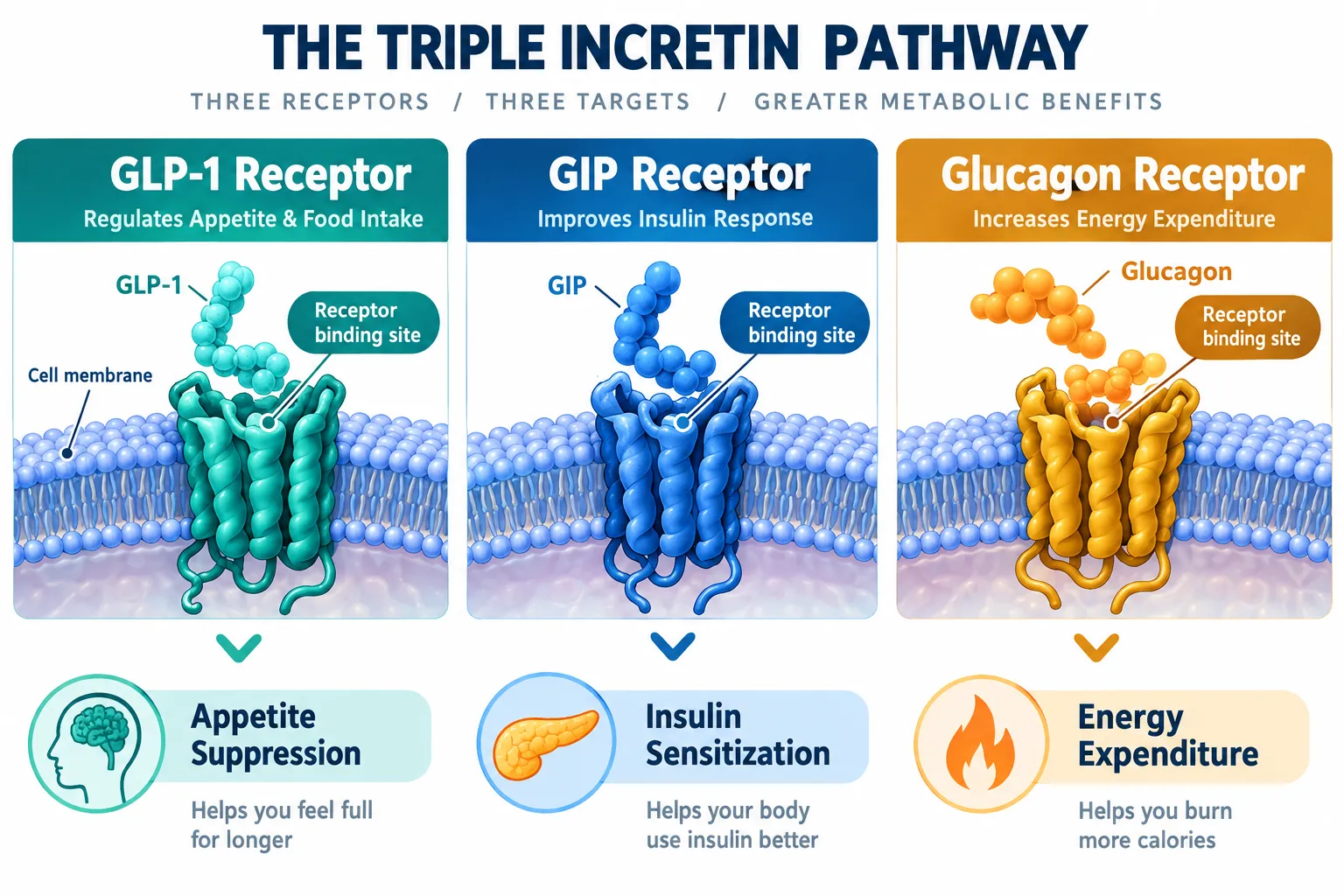
These numbers are significant but not unexpected. Retatrutide activates three receptors simultaneously: GLP-1, GIP, and glucagon. This triple-agonist mechanism, which you can explore further through the GLP-3 retatrutide research overview, amplifies both efficacy and GI burden compared to single or dual-receptor agents.

It is also worth noting how retatrutide compares within the broader evolution of incretin-based therapies. The generations of GLP-1 receptor agonists page provides useful context for how each new class has shifted the tolerability landscape.

"The GI side effect profile of retatrutide is consistent with its mechanism but is meaningfully more pronounced at higher doses than what is observed with dual agonists."


The Gastrointestinal Adverse Event Profile

Dose-Dependent Tolerability: What the Phase 2 Data Reveals

One of the clearest findings from the TRIUMPH-1 Phase 2 trial is that side effects scale with dose. The nausea data across dose groups tells a direct story:

  • 1 mg dose: 14% reported nausea
  • 4 mg dose: 36% reported nausea
  • 8 mg dose: 44% reported nausea
  • 12 mg dose: 60% reported nausea

Diarrhea followed a less linear pattern, peaking at the 4 mg and 8 mg doses (both at 20%) before dropping slightly at 12 mg (15%), which may reflect GI adaptation over time.

This dose-response relationship is the primary reason that structured titration protocols exist. Gradual escalation allows the body to adapt to receptor activation before reaching therapeutic doses. Researchers interested in how similar peptide compounds handle titration can review CJC-1295 with DAC research findings for comparative context on incremental dosing strategies.

Understanding the GIP receptor and its importance also helps explain why the GI burden of retatrutide differs from GLP-1-only agents. GIP receptor co-activation affects gastric emptying and gut motility in ways that compound the nausea signal.


Dose-Dependent Tolerability: What the Phase 2 Data Reveals

Dysesthesia and Other Notable Findings in Retatrutide Side Effects, Tolerability, and Dose Escalation

Beyond GI effects, dysesthesia stands out as a clinically distinctive finding. In TRIUMPH-4, 20.9% of participants on the 12 mg dose reported this abnormal skin sensation, compared to just 0.7% in the placebo group. This side effect has not been observed with semaglutide or tirzepatide, making it a potential marker of retatrutide's unique glucagon receptor activity.

The mechanism behind dysesthesia is not fully characterized, but it is thought to relate to the glucagon receptor's role in peripheral nervous system signaling. Most reported cases were mild and did not lead to discontinuation.

For those studying peptide compounds with overlapping metabolic and neurological effects, the metabolic modulation research lines resource offers broader context on how receptor cross-talk can produce unexpected systemic signals.

Additional findings from the clinical literature on Retatrutide Side Effects, Tolerability, and Dose Escalation: What the Clinical Literature Shows include:

  • Injection site reactions (mild, consistent with subcutaneous peptide administration)
  • Heart rate increases at higher doses, consistent with glucagon receptor activity
  • No new cardiovascular safety signals identified in Phase 2 or Phase 3 data to date

Researchers exploring synergistic incretin mechanisms may also find the cagrilintide synergy with GLP-1 article relevant, as it addresses how combination receptor strategies influence tolerability profiles.


Conclusion

The clinical picture of Retatrutide Side Effects, Tolerability, and Dose Escalation: What the Clinical Literature Shows is one of manageable but meaningful adverse events, primarily GI in nature and clearly dose-dependent. Dysesthesia remains the most pharmacologically interesting finding, given its absence in comparable drug classes.

Actionable next steps for researchers and clinicians:

  1. Prioritize slow dose escalation protocols to reduce peak GI burden.
  2. Monitor for dysesthesia specifically, as it may be under-recognized without active questioning.
  3. Assess individual GI tolerance at each dose step before advancing.
  4. Review the full product research catalog for related metabolic peptide compounds with established tolerability data.
  5. Cross-reference the metabolic modulation research lines for mechanistic context when interpreting adverse event patterns.

The efficacy data for retatrutide is compelling. But sound research and clinical decision-making begins with a clear-eyed view of the safety profile, not the weight-loss headline.

https://www.puretestedpeptides.com/wp-content/uploads/2026/06/Retatrutide-Side-Effects-Tolerability-and-Dose-Escalation-What-the-Clinical-Literature-Shows.png 1024 1536 https://www.puretestedpeptides.com/wp-content/uploads/2026/01/buy-peptides-online.jpg 2026-06-14 16:48:432026-06-14 16:48:43Retatrutide Side Effects, Tolerability, and Dose Escalation: What the Clinical Literature Shows
Retatrutide Clinical Trials Explained: Phase 2 to Phase 3 Outcomes, Endpoints, and What Researchers Should Track

Retatrutide Clinical Trials Explained: Phase 2 to Phase 3 Outcomes, Endpoints, and What Researchers Should Track

June 14, 2026/0 Comments/in Uncategorized/by

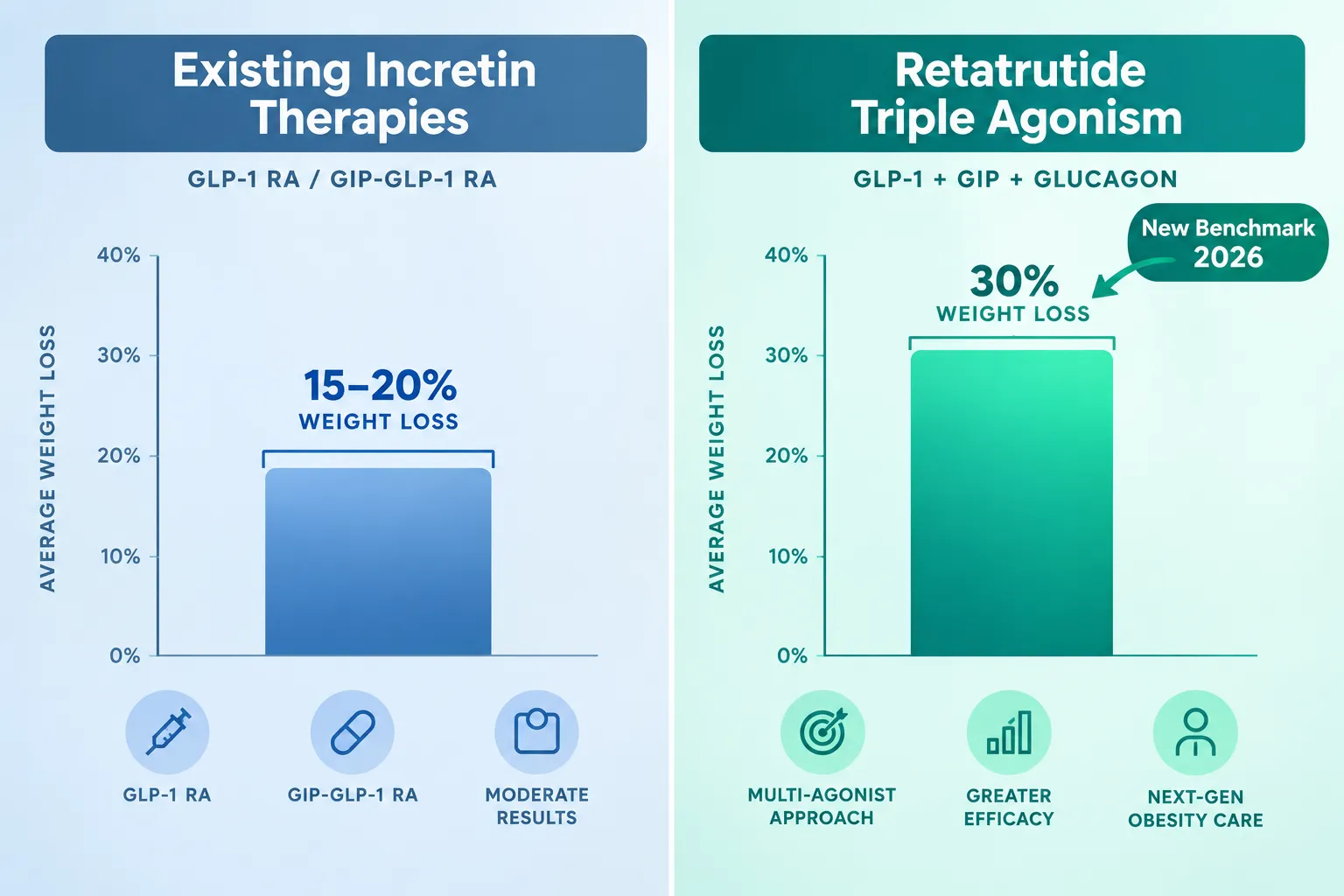
A drug that produces roughly 28% average body weight loss in 18 months — approaching outcomes typically associated with bariatric surgery — demands a clear-eyed reading of the trial record behind it. That is exactly what this guide delivers. Understanding the Retatrutide Clinical Trials Explained: Phase 2 to Phase 3 Outcomes, Endpoints, and What Researchers Should Track framework helps researchers, clinicians, and informed readers interpret efficacy data, dose-escalation patterns, and cardiometabolic endpoints without getting lost in trial jargon.

Key Takeaways

  • Retatrutide is a once-weekly triple agonist targeting GLP-1, GIP, and glucagon receptors simultaneously.
  • Phase 2 trials showed up to 24.2% weight reduction at 48 weeks; Phase 3 data now shows approximately 28% over 18 months.
  • The TRIUMPH Phase 3 program spans obesity, type 2 diabetes, knee osteoarthritis, and obstructive sleep apnea.
  • Gastrointestinal adverse events are the most common safety signal, with discontinuation rates of 12-18% at higher doses.
  • Researchers should track both primary efficacy endpoints and secondary cardiometabolic biomarkers across dose cohorts.

Key Takeaways

From Phase 2 to Phase 3: How the Trial Record Builds

The Retatrutide Clinical Trials Explained: Phase 2 to Phase 3 Outcomes, Endpoints, and What Researchers Should Track story begins with mechanism. Retatrutide activates three receptors — GLP-1, GIP, and glucagon — in a single once-weekly subcutaneous injection. This triple-agonist profile distinguishes it from earlier GLP-1 mono-agonists and dual agonists. For context on how GLP-1 receptor pharmacology has evolved across generations, the GLP-1 generations overview provides useful background, and a deeper look at dual receptor agonism in research shows why adding a third receptor target changes the efficacy ceiling.

Phase 2 results published in a landmark study demonstrated a mean weight reduction of up to 24.2% at 48 weeks in adults with obesity or overweight without diabetes. Crucially, this was dose-dependent: participants on higher dose arms consistently outperformed those on lower doses, establishing the dose-escalation rationale that Phase 3 protocols would formalize.

Phase 3 results from the TRIUMPH program have now confirmed and extended those findings. In an obesity-focused trial, retatrutide produced approximately 28% average weight loss over 18 months — a figure that rivals surgical intervention. The TRANSCEND-T2D-1 Phase 3 trial in type 2 diabetes reported a mean HbA1c reduction of 1.94% alongside a 15.3% decrease in body weight over 40 weeks in adults inadequately controlled by diet and exercise alone.

Trial Phase Population Duration Key Outcome
Phase 2 Obesity/Overweight (no T2D) 48 weeks Up to 24.2% weight loss
Phase 3 (TRIUMPH) Obesity 18 months ~28% weight loss
Phase 3 (TRANSCEND-T2D-1) Type 2 Diabetes 40 weeks 1.94% HbA1c reduction, 15.3% weight loss

From Phase 2 to Phase 3: How the Trial Record Builds

Endpoints and Cardiometabolic Outcomes Researchers Must Prioritize

When reading any retatrutide trial report, distinguishing primary endpoints from secondary and exploratory endpoints is essential.

Primary efficacy endpoints in obesity trials are typically:

  • Percentage change in body weight from baseline
  • Proportion of participants achieving 5%, 10%, or 15% weight loss thresholds

Secondary endpoints that carry significant clinical weight include:

  • Waist circumference reduction
  • Fasting glucose and insulin sensitivity markers
  • HbA1c trajectory (especially in metabolic subgroups)
  • Lipid panel changes (LDL, triglycerides, HDL)
  • Blood pressure and resting heart rate

Cardiometabolic outcomes deserve special attention because glucagon receptor activation — the component that separates retatrutide from tirzepatide — appears to amplify energy expenditure and lipid mobilization beyond what GLP-1/GIP alone achieves. Researchers tracking these outcomes should note that the TRIUMPH program also evaluates retatrutide across knee osteoarthritis pain and obstructive sleep apnea, with over 5,800 participants enrolled across indications. This breadth is unusual and signals confidence in the mechanism's systemic reach.

For researchers interested in how metabolic peptides interact with body composition endpoints more broadly, the tesa body composition research themes page offers a useful parallel in lipid mobilization science, and lipid mobilization research themes provides additional mechanistic context.


Endpoints and Cardiometabolic Outcomes Researchers Must Prioritize

Safety Signals, Dose Escalation, and What the Data Shows

The safety profile of retatrutide follows a pattern familiar to GLP-1 class agents but with important nuances researchers should document carefully.

Most common adverse events:

  • Nausea
  • Diarrhea
  • Vomiting
  • Constipation

Discontinuation rates due to adverse events ranged from approximately 12-18% at higher doses, compared to roughly 4% with placebo. This gap is clinically meaningful and underscores why dose-escalation schedules matter. Trials used gradual titration — starting at lower milligram doses and stepping up over weeks — to improve tolerability. Researchers reviewing trial data should always note which dose arm a participant was in when an adverse event occurred, as pooling across arms obscures this signal.

"The dose-escalation pattern in retatrutide trials is not incidental — it is the primary tool for balancing efficacy against gastrointestinal tolerability."

Regulatory momentum is building. Eli Lilly plans to seek FDA approval for retatrutide, potentially before the end of 2026, pending completion of remaining TRIUMPH trial arms. For researchers following the broader GLP-1 triple agonist landscape, retatrutide represents the most advanced compound in this class currently in late-stage development. Those sourcing research-grade reference compounds can also explore the retatrutide product tag and GLP-1 research peptide category for laboratory use context.


Conclusion

The Retatrutide Clinical Trials Explained: Phase 2 to Phase 3 Outcomes, Endpoints, and What Researchers Should Track framework comes down to three practical actions. First, always read trial results stratified by dose arm — aggregate numbers hide the dose-response relationship that defines this compound. Second, track secondary cardiometabolic endpoints alongside primary weight outcomes; the glucagon receptor component makes these particularly informative. Third, monitor the TRIUMPH program's remaining readouts on sleep apnea and osteoarthritis, which will determine how broadly retatrutide's label is eventually written. As 2026 progresses toward a likely FDA submission, the trial record already makes one thing clear: triple-receptor agonism has moved from hypothesis to high-confidence clinical outcome.

https://www.puretestedpeptides.com/wp-content/uploads/2026/06/Retatrutide-Clinical-Trials-Explained-Phase-2-to-Phase-3-Outcomes-Endpoints-and-What-Researchers-Should-Track.png 1024 1536 https://www.puretestedpeptides.com/wp-content/uploads/2026/01/buy-peptides-online.jpg 2026-06-14 16:48:362026-06-14 16:48:36Retatrutide Clinical Trials Explained: Phase 2 to Phase 3 Outcomes, Endpoints, and What Researchers Should Track
SLUPP332 With 5-Amino-1MQ: Designing Mitochondrial and NNMT-Targeted Peptide Stacks for Obesity Research

SLUPP332 With 5-Amino-1MQ: Designing Mitochondrial and NNMT-Targeted Peptide Stacks for Obesity Research

June 14, 2026/0 Comments/in Uncategorized/by

Global obesity rates have more than doubled since 1990, yet the molecular tools available to researchers studying fat metabolism remain limited. Two compounds — SLUPP332 and 5-Amino-1MQ — are drawing serious attention in preclinical science because they target distinct but overlapping pathways inside fat cells. Exploring SLUPP332 with 5-Amino-1MQ: designing mitochondrial and NNMT-targeted peptide stacks for obesity research represents one of the more mechanistically coherent strategies emerging from metabolic biology labs in 2026.

Key Takeaways

  • SLUPP332 activates estrogen-related receptors (ERRalpha/gamma), stimulating mitochondrial biogenesis and fat oxidation in adipocytes
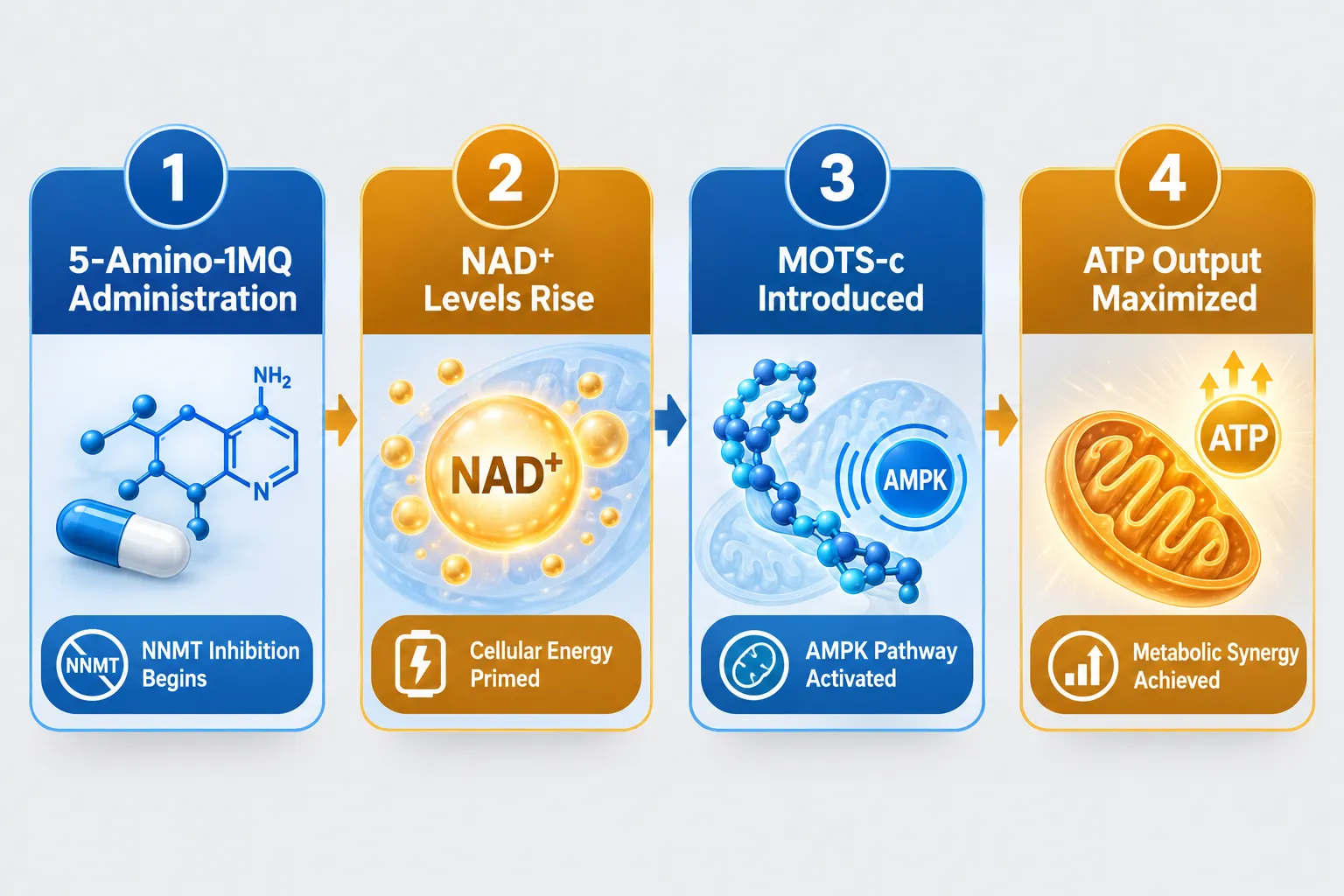
  • 5-Amino-1MQ inhibits the NNMT enzyme, raising intracellular NAD+ levels and activating sirtuin-driven metabolic programs
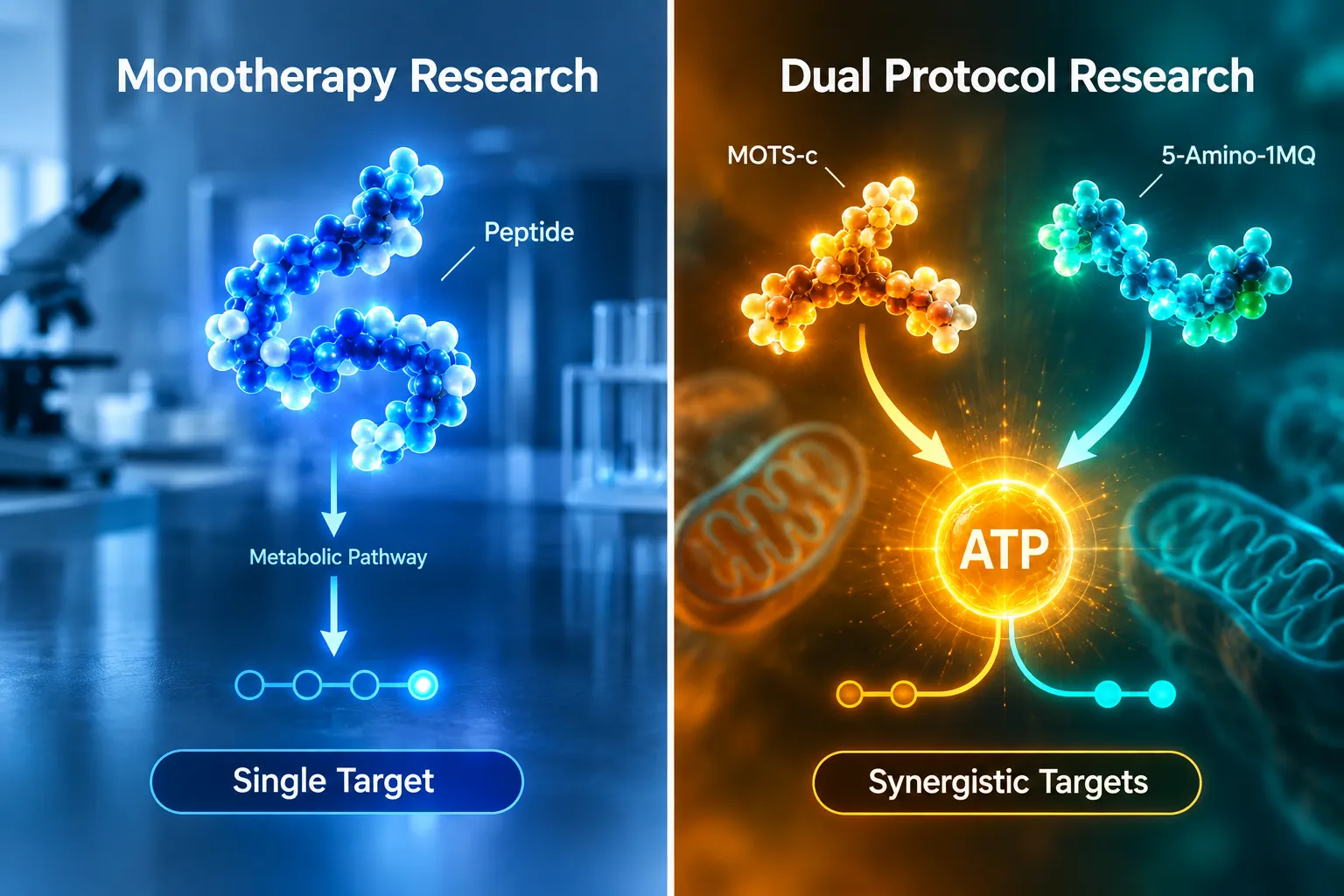
  • Combined, these two compounds may produce complementary effects on mitochondrial function and energy expenditure
  • All current evidence is derived from cell culture and rodent models — no human clinical trials exist as of 2026
  • Researchers designing stacks with these compounds must account for unknown long-term NNMT inhibition consequences

How SLUPP332 and 5-Amino-1MQ Each Target Metabolism

To understand the rationale behind combining these compounds, it helps to examine what each one does independently.

SLUPP332: Activating the Mitochondrial Gene Network

SLUPP332 is a synthetic small-molecule agonist of estrogen-related receptors, specifically ERRalpha and ERRgamma. These nuclear receptors function as master regulators of mitochondrial biogenesis — the process by which cells generate new mitochondria. When ERRalpha/gamma are activated, downstream gene expression shifts toward increased fatty acid oxidation, oxidative phosphorylation, and overall energy expenditure.

In rodent models, SLUPP332 has been shown to mimic aspects of exercise-induced metabolic adaptation, making it a subject of interest for researchers studying SLU-PP-332 metabolic modulation in obesity and insulin resistance contexts. For a deeper look at its preclinical profile, the SLU-PP-332 research overview provides additional mechanistic context.

5-Amino-1MQ: Blocking NNMT to Raise NAD+

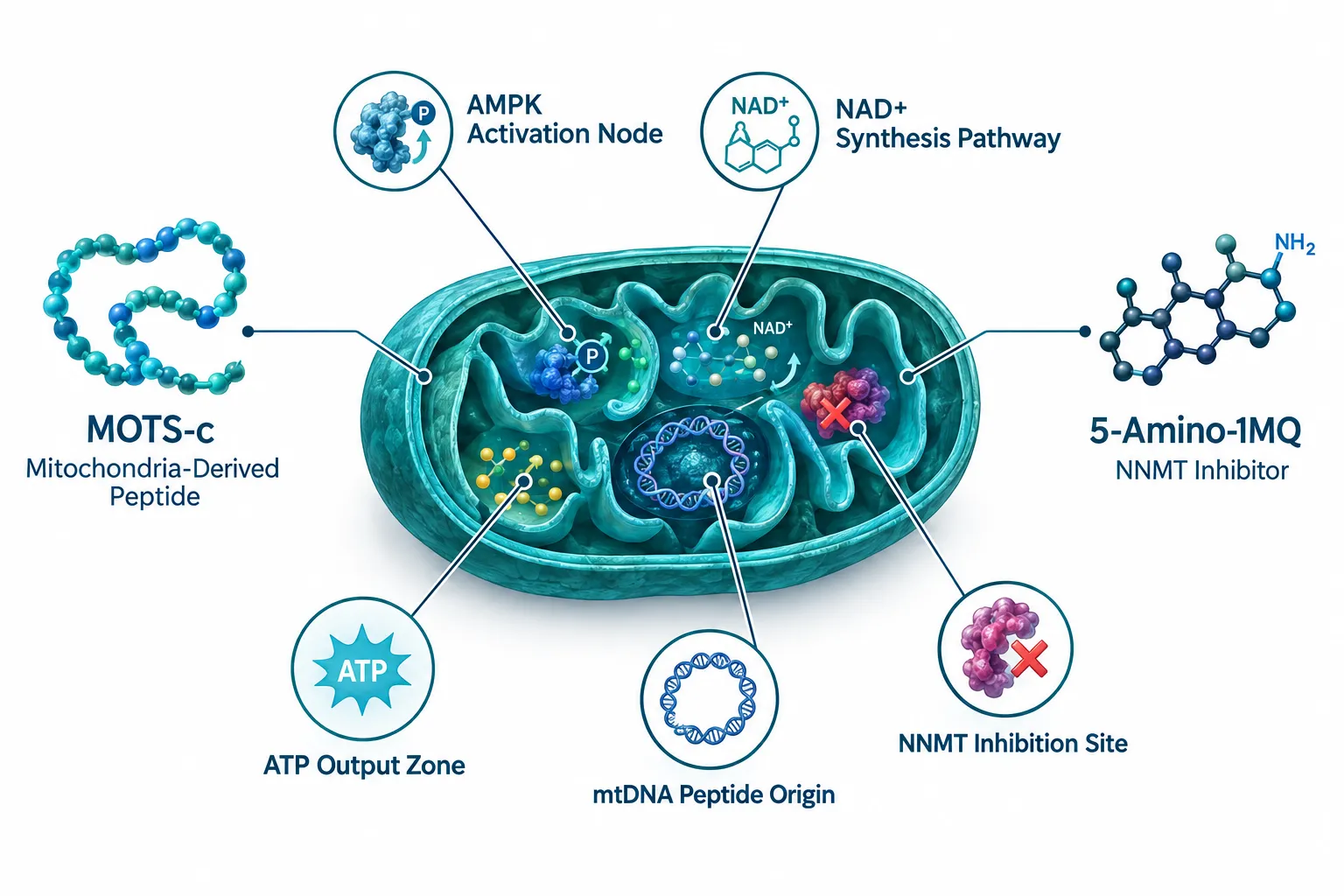
5-Amino-1MQ takes a different entry point. It inhibits nicotinamide N-methyltransferase (NNMT), an enzyme that consumes S-adenosyl methionine and diverts nicotinamide away from the NAD+ synthesis pathway. By blocking NNMT, 5-Amino-1MQ allows intracellular NAD+ concentrations to rise. Elevated NAD+ then activates sirtuin enzymes — particularly SIRT1 and SIRT3 — which regulate mitochondrial function, fat oxidation, and insulin sensitivity.

In preclinical studies, 5-Amino-1MQ administration produced significant reductions in body weight, white adipose tissue mass, and adipocyte cell size without altering food intake — a notable finding suggesting the effect is metabolic rather than appetite-driven. Oral dosing in animal models has ranged from 50 to 100 mg daily, though these figures are strictly for research reference and have no established human equivalent. Researchers interested in the broader NAD+ pathway can explore the NAD+ research overview for related context. The dedicated 5-Amino-1MQ compound page also outlines its research profile in detail.


Designing the Stack: Synergistic Logic Behind SLUPP332 With 5-Amino-1MQ

Designing the Stack: Synergistic Logic Behind SLUPP332 With 5-Amino-1MQ

The rationale for pairing these two compounds in SLUPP332 with 5-Amino-1MQ: designing mitochondrial and NNMT-targeted peptide stacks for obesity research lies in their complementary mechanisms.

Compound Primary Target Downstream Effect
SLUPP332 ERRalpha/gamma receptors Mitochondrial biogenesis, fat oxidation
5-Amino-1MQ NNMT enzyme inhibition Elevated NAD+, sirtuin activation

SLUPP332 drives the structural expansion of the mitochondrial network. 5-Amino-1MQ raises the NAD+ fuel that sirtuins need to function. Together, they may address mitochondrial quantity and metabolic efficiency simultaneously — two variables that are both impaired in obese adipose tissue.

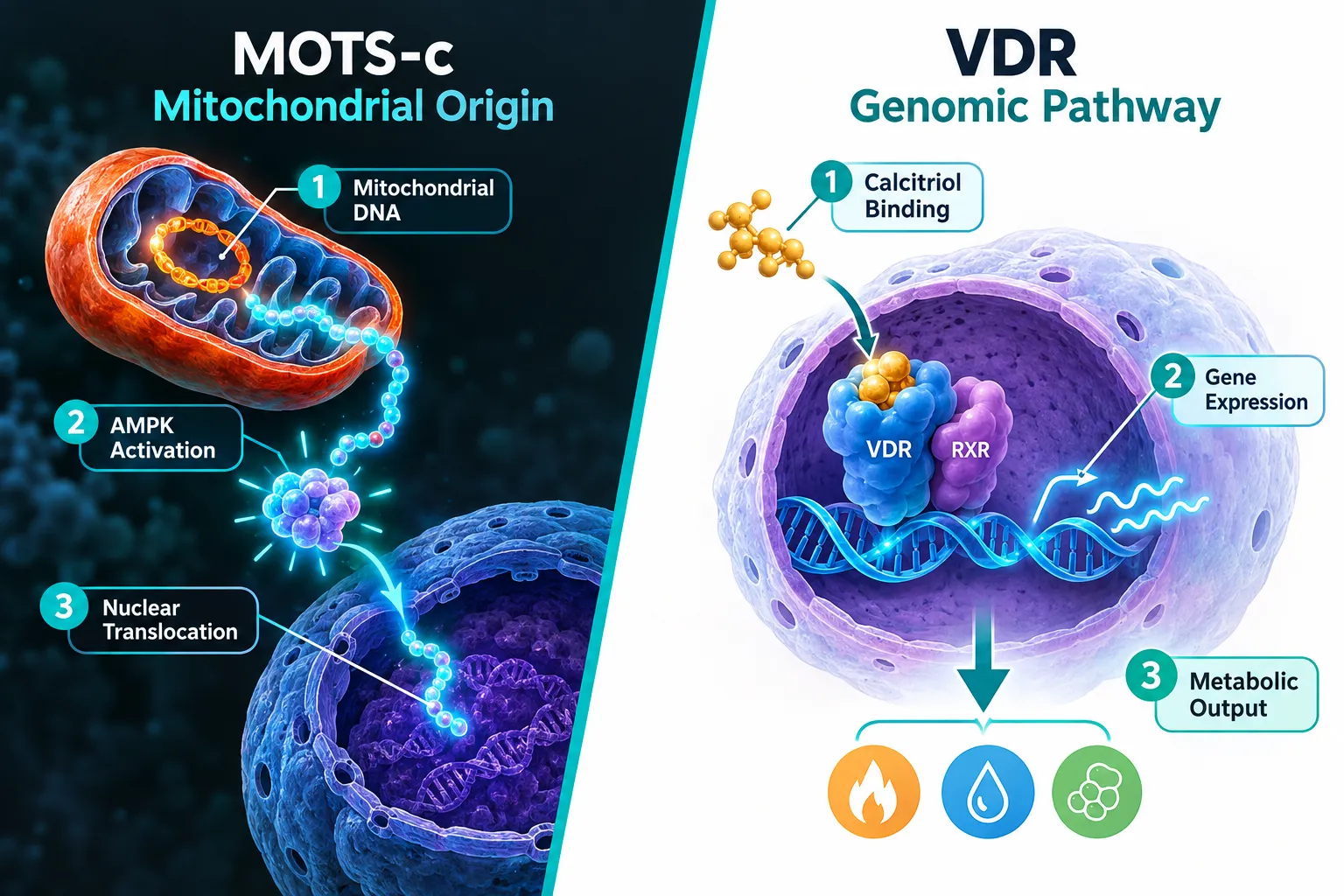
This dual-pathway logic mirrors approaches seen in other mitochondrial research stacks. For instance, MOTS-c mitochondrial research themes explore a peptide encoded in mitochondrial DNA that also influences AMPK signaling and glucose uptake, showing that multi-target approaches to metabolic dysfunction are gaining traction across the field. Similarly, mitochondrial longevity research highlights how overlapping mitochondrial interventions are being studied in aging and metabolic disease models.

A critical note for researchers: NNMT participates in methylation reactions across multiple cell types beyond adipocytes. Chronic inhibition carries unknown systemic consequences, and this uncertainty demands rigorous safety evaluation before any translational application is considered.


Current Evidence, Limitations, and Research Outlook

As of 2026, every data point supporting the SLUPP332 and 5-Amino-1MQ combination originates from cell culture experiments or rodent obesity models. No published human clinical trials exist for either compound individually, let alone in combination. Researchers and analysts working in this area consistently emphasize that preclinical promise does not guarantee clinical translation.

Current Evidence, Limitations, and Research Outlook

The absence of human data means:

  • Optimal dosing ratios for the stack are entirely unknown
  • Long-term safety of NNMT inhibition has not been characterized in humans
  • ERR agonism via SLUPP332 may have off-target hormonal effects not yet identified
  • Bioavailability and pharmacokinetics in human subjects remain unstudied

Those designing research protocols around SLUPP332 with 5-Amino-1MQ: designing mitochondrial and NNMT-targeted peptide stacks for obesity research should treat these compounds strictly as investigational tools. Researchers exploring adjacent metabolic peptides may also find value in reviewing what is new in peptide research for the broader landscape of compounds under investigation in 2026.

If ongoing rodent studies produce consistent, reproducible results, the scientific community may have grounds to design Phase I safety trials within the next several years — though this timeline remains speculative.


Conclusion

The combination of SLUPP332 and 5-Amino-1MQ represents a mechanistically grounded approach to studying mitochondrial dysfunction and fat storage in obesity models. SLUPP332 drives mitochondrial biogenesis through ERR receptor activation; 5-Amino-1MQ raises NAD+ availability by blocking NNMT, enabling sirtuin-mediated metabolic reprogramming. Together, they address two distinct but interconnected failure points in obese adipose tissue.

Actionable next steps for researchers:

  • Review published rodent model data for each compound independently before designing combination protocols
  • Establish baseline mitochondrial function markers in study subjects to measure stack effects accurately
  • Monitor systemic methylation markers when using 5-Amino-1MQ to detect off-target NNMT inhibition effects
  • Follow emerging preclinical literature closely, as this field is moving quickly in 2026
  • Ensure all compounds used meet verified purity standards before inclusion in any research protocol

The field is early-stage but scientifically coherent. Rigorous preclinical work now will determine whether this dual-pathway stack earns a path toward human investigation.

https://www.puretestedpeptides.com/wp-content/uploads/2026/06/SLUPP332-With-5-Amino-1MQ-Designing-Mitochondrial-and-NNMT-Targeted-Peptide-Stacks-for-Obesity-Research.png 1024 1536 https://www.puretestedpeptides.com/wp-content/uploads/2026/01/buy-peptides-online.jpg 2026-06-14 13:20:312026-06-14 13:20:31SLUPP332 With 5-Amino-1MQ: Designing Mitochondrial and NNMT-Targeted Peptide Stacks for Obesity Research
Retatrutide Clinical Trial Landscape: How GLP-3 Obesity Studies Are Designed and Where Research Peptides Fit

Retatrutide Clinical Trial Landscape: How GLP-3 Obesity Studies Are Designed and Where Research Peptides Fit

June 14, 2026/0 Comments/in Uncategorized/by

{"cover":"Professional landscape format (1536×1024) hero image with bold text overlay: 'Retatrutide Clinical Trial Landscape: GLP-3 Obesity Studies & Research Peptides' in extra large 72pt white bold sans-serif font with dark semi-transparent overlay box, centered upper-third composition. Background shows a high-tech clinical research laboratory with scientists in white coats reviewing molecular structure diagrams on large screens, blue and teal lighting, peptide molecule renderings floating in background. Color scheme: deep navy blue, crisp white, electric teal accents. Magazine cover aesthetic, editorial quality, high contrast.","content":["Wide-angle editorial illustration (1536×1024) of a clinical trial design flowchart for obesity research, showing randomized double-blind study phases labeled Phase 2 and Phase 3, participant icons arranged in multicenter trial grid, endpoint metrics panels showing percentage weight loss bars and HbA1c reduction graphs, TRIUMPH program branding elements, clean medical infographic style with navy blue and white color palette, professional scientific publication aesthetic","Detailed molecular diagram (1536×1024) showing triple-receptor agonist mechanism with three distinct G-protein coupled receptor pathways labeled GLP-1R, GIPR, and GCGR, color-coded binding arrows, peptide chain illustration in center, surrounding panels showing insulin secretion and hepatic glucose regulation icons, dark background with glowing teal and gold molecular bonds, scientific visualization style, editorial medical illustration quality","Split-composition editorial image (1536×1024) showing a clear visual divide between a formal FDA-regulated clinical trial setting on the left — researchers in lab coats with official documentation and controlled drug vials — and a research laboratory setting on the right with research-use-only peptide vials, analytical testing equipment, and purity certification documents. Bold dividing line with text 'Clinical Trial vs Research Use Only', professional blue and amber color contrast, documentary photography style"}

Professional landscape hero image () with : "Retatrutide Clinical Trial Landscape: How GLP-3 Obesity Studies Are Designed

A single drug achieving 28% average body weight loss over 18 months — results previously seen only with bariatric surgery — has placed retatrutide at the center of obesity pharmacotherapy in 2026. Understanding the Retatrutide Clinical Trial Landscape: How GLP-3 Obesity Studies Are Designed and Where Research Peptides Fit requires looking closely at how these trials are structured, what endpoints they measure, and how research-use peptides relate to regulated clinical compounds.

Key Takeaways

  • Retatrutide is a triple-agonist peptide targeting GLP-1R, GIPR, and GCGR receptors simultaneously
  • The TRIUMPH Phase 3 program enrolls over 5,800 participants across four multicenter, randomized, double-blind studies
  • Phase 2 data showed up to 24.2% mean weight reduction at 48 weeks
  • Primary endpoints include percentage body weight loss, HbA1c reduction, and complication-specific outcomes
  • Research peptides and clinical-trial drugs occupy entirely separate regulatory and scientific categories

How the TRIUMPH Phase 3 Program Is Structured

How the TRIUMPH Phase 3 Program Is Structured

The TRIUMPH program is the backbone of the current Retatrutide clinical trial landscape. It consists of four multicenter, randomized, double-blind, placebo-controlled studies enrolling more than 5,800 participants. This scale places it among the largest obesity drug programs ever conducted.

What makes TRIUMPH notable is its basket trial design. Rather than studying a single condition in isolation, the program simultaneously evaluates retatrutide across multiple adiposity-related disease states:

Study Focus Primary Endpoint
General obesity Percentage body weight loss
Obstructive sleep apnea (OSA) Apnea-hypopnea index reduction
Knee osteoarthritis (OA) Pain and function scores
Cardiovascular risk Major adverse cardiac events

This design generates efficiency. Researchers can assess whether weight loss translates into measurable improvements in comorbidities — a critical question for regulatory review and real-world clinical value.

Standard endpoints tracked across studies include:

  • Percentage body weight reduction from baseline
  • HbA1c change (a marker of blood glucose control)
  • Waist circumference reduction
  • Adverse event frequency and severity grading

Phase 2 Results That Justified Phase 3 Investment

In a Phase 2 trial of 338 adults with obesity or overweight, retatrutide produced a mean weight reduction of up to 24.2% at 48 weeks. Gastrointestinal side effects were the most common adverse events, described as dose-related and mostly mild to moderate. These results gave Eli Lilly sufficient confidence to launch the full TRIUMPH program, with FDA approval potentially targeted by the end of 2026.


The Triple-Receptor Mechanism Behind the Numbers

The Triple-Receptor Mechanism Behind the Numbers

Retatrutide is often loosely called a "GLP-3" compound in popular media, but its pharmacology is more precise. It is a triple agonist binding three distinct G-protein coupled receptors:

  1. GLP-1R (glucagon-like peptide-1 receptor) — stimulates insulin secretion and reduces appetite
  2. GIPR (glucose-dependent insulinotropic polypeptide receptor) — enhances insulin response and supports fat metabolism
  3. GCGR (glucagon receptor) — regulates hepatic glucose output and increases energy expenditure

The glucagon receptor component is what differentiates retatrutide from dual GLP-1/GIP agonists like tirzepatide. Industry experts suggest this third pathway may be the key driver behind the surgery-level weight loss numbers. For broader context on how incretin-based mechanisms work in obesity research, the GLP-1 and incretin research themes page provides useful background.

Researchers studying related metabolic pathways may also find value in reviewing body composition research themes involving tesa and IPA muscle and fat research themes, which explore adjacent hormonal axes in preclinical models.


Where Research Peptides Fit — and Where They Do Not

Where Research Peptides Fit — and Where They Do Not

This is the most important distinction in the Retatrutide clinical trial landscape: how GLP-3 obesity studies are designed and where research peptides fit.

Retatrutide is an investigational drug. It is not FDA-approved. It is manufactured under strict Good Manufacturing Practice (GMP) conditions, administered only within regulated trial protocols, and tracked through rigorous pharmacovigilance systems.

Research peptides occupy a completely separate category. They are synthesized compounds supplied strictly for laboratory and preclinical research purposes — not for human administration. Their value lies in enabling scientists to study receptor biology, metabolic pathways, and molecular mechanisms before and alongside clinical programs.

"The clinical trial pipeline and the research peptide ecosystem serve different scientific functions — one generates regulatory evidence, the other generates foundational knowledge."

For researchers exploring the GLP-3 and retatrutide space at the preclinical level, the dedicated GLP-3 retatrutide research page and the retatrutide compound overview offer relevant compound information. Those studying complementary metabolic pathways may also consult resources on cagrilintide synergy with GLP-1 and longevity peptide research.

Key distinctions at a glance:

Feature Clinical Trial Drug Research Peptide
Regulatory status IND/NDA pathway Research use only
Human administration Protocol-controlled Not permitted
Purity standards GMP-certified Analytical grade
Purpose Generate efficacy/safety data Preclinical mechanistic study

Conclusion

The retatrutide clinical trial landscape represents one of the most ambitious obesity drug programs in pharmaceutical history. The TRIUMPH Phase 3 program's basket design, rigorous endpoints, and triple-receptor mechanism all point toward a potential paradigm shift in how obesity and its complications are treated medically.

Actionable next steps for researchers and science-informed readers:

  • Follow TRIUMPH trial updates through ClinicalTrials.gov for endpoint data as it becomes available
  • Review Phase 2 published data in peer-reviewed journals to understand dose-response relationships
  • Clearly distinguish between FDA-regulated investigational drugs and research-use-only peptides when discussing or sourcing compounds
  • Explore adjacent metabolic research areas — such as incretin biology and body composition pathways — to build a fuller mechanistic picture

The science is advancing rapidly. Staying grounded in trial design fundamentals and regulatory boundaries is the most reliable way to engage with it responsibly.

https://www.puretestedpeptides.com/wp-content/uploads/2026/06/Retatrutide-Clinical-Trial-Landscape-How-GLP-3-Obesity-Studies-Are-Designed-and-Where-Research-Peptides-Fit.png 1024 1536 https://www.puretestedpeptides.com/wp-content/uploads/2026/01/buy-peptides-online.jpg 2026-06-14 13:05:082026-06-14 13:05:08Retatrutide Clinical Trial Landscape: How GLP-3 Obesity Studies Are Designed and Where Research Peptides Fit
SLUPP332 and 5‑Amino‑1MQ in Obesity Research: Building Mitochondrial and NNMT‑Targeted Multi‑Peptide Protocols

SLUPP332 and 5‑Amino‑1MQ in Obesity Research: Building Mitochondrial and NNMT‑Targeted Multi‑Peptide Protocols

June 14, 2026/0 Comments/in Uncategorized/by

Obesity affects more than one billion people globally, yet most research compounds still target only appetite or caloric intake — leaving the mitochondrial and enzymatic roots of metabolic dysfunction largely unaddressed. The convergence of SLUPP332 and 5-Amino-1MQ in obesity research opens a distinct experimental avenue: building mitochondrial and NNMT-targeted multi-peptide protocols that act on energy production and fat storage simultaneously, rather than suppressing hunger alone.

Detailed () scientific illustration showing a split-panel diagram: left side depicts SLUPP332 activating estrogen-related

Key Takeaways

  • 5-Amino-1MQ inhibits NNMT to raise cellular NAD+ and activate SIRT1, shifting adipose tissue toward a leaner metabolic phenotype.
  • SLUPP332 activates estrogen-related receptors (ERRs), directly driving mitochondrial biogenesis and oxidative capacity.
  • Combining both compounds with MOTS-C or GLP-1-based peptides creates layered, complementary mechanisms in preclinical models.
  • Endpoint selection — energy expenditure, insulin sensitivity, adipocyte size — is critical to meaningful experimental design.
  • All compounds discussed remain research-stage; no human clinical trials have been published as of 2026.

Mechanistic Foundations: What SLUPP332 and 5-Amino-1MQ Each Bring

Understanding why these two compounds are studied together starts with their distinct but complementary targets.

5-Amino-1MQ is a small-molecule inhibitor of nicotinamide N-methyltransferase (NNMT), an enzyme overexpressed in the adipose tissue of obese subjects. When NNMT is overactive, it consumes SAM (S-adenosylmethionine) and depletes the methyl donor pool, suppressing NAD+ availability. By blocking NNMT, 5-Amino-1MQ restores NAD+ levels and activates SIRT1 — a deacetylase that promotes a lean, energy-expending cellular state. In diet-induced obese mouse models, this mechanism produced measurable reductions in body weight, white adipose tissue mass, and adipocyte size without altering food intake. For a deeper look at the compound's research profile, see the 5-Amino-1MQ research and data page.

SLUPP332 (SLU-PP-332) is a synthetic ERR (estrogen-related receptor) agonist. ERRs are nuclear receptors that govern mitochondrial biogenesis, fatty acid oxidation, and oxidative phosphorylation gene networks. Activating ERRs with SLUPP332 essentially instructs cells to build more mitochondria and burn more fuel — an effect sometimes described as "exercise mimicry" at the molecular level. Research on SLUPP332 oral and subcutaneous evidence outlines the current understanding of its bioavailability and tissue distribution.

Compound Primary Target Key Downstream Effect
5-Amino-1MQ NNMT inhibition NAD+ elevation, SIRT1 activation
SLUPP332 ERR agonism Mitochondrial biogenesis, fat oxidation
MOTS-C AMPK activation Metabolic flexibility, glucose uptake

Experimental Design for SLUPP332 and 5-Amino-1MQ in Obesity Research: Building Mitochondrial and NNMT-Targeted Multi-Peptide Protocols

Experimental Design for SLUPP332 and 5-Amino-1MQ in Obesity Research: Building Mitochondrial and NNMT-Targeted Multi-Peptide

Rigorous experimental design is what separates publishable data from noise. When planning a dual-compound study, three decisions matter most: model selection, endpoint battery, and dosing schedule.

Model Selection

Diet-induced obesity (DIO) mouse models remain the standard because they replicate the high-fat, sedentary phenotype seen in human metabolic syndrome. Genetic models (ob/ob, db/db) are useful for isolating specific pathways but may not reflect the NNMT overexpression pattern that makes 5-Amino-1MQ relevant. For SLUPP332, aged DIO models are particularly informative because ERR activity naturally declines with age.

Endpoint Battery

A meaningful protocol should measure:

  • Indirect calorimetry (VO2, VCO2, respiratory exchange ratio) to quantify energy expenditure shifts
  • Glucose tolerance and insulin sensitivity tests (GTT/ITT) to capture metabolic flexibility
  • Adipocyte morphology via histology — adipocyte size is a sensitive marker of lipid mobilization
  • Mitochondrial density in skeletal muscle and brown adipose tissue via electron microscopy or citrate synthase activity
  • Plasma NAD+ metabolomics to confirm NNMT inhibition is pharmacologically active

Dosing Considerations

Preclinical data suggest 5-Amino-1MQ at 50-100 mg/kg orally, with a half-life of roughly 4-6 hours, requiring once or twice-daily administration. SLUPP332 dosing varies by route; researchers should consult the SLUPP332 research overview for current preclinical parameters. Running a 4-week washout arm between single-agent and combination phases helps isolate additive versus synergistic effects.


Building Complex Stacks: Adding GLP-Based and Mitochondrial Peptides

Building Complex Stacks: Adding GLP-Based and Mitochondrial Peptides

The most compelling frontier in SLUPP332 and 5-Amino-1MQ in obesity research is their integration into broader multi-peptide protocols targeting mitochondrial and NNMT pathways alongside appetite and hormonal regulators.

MOTS-C is a mitochondria-derived peptide that activates AMPK, improving glucose utilization and metabolic flexibility. Its mechanism complements both SLUPP332 (upstream mitochondrial biogenesis) and 5-Amino-1MQ (NAD+ restoration), creating a three-node mitochondrial stack. Research on MOTS-C mitochondrial dynamics supports its use as a third agent in such protocols.

GLP-1-based peptides address the appetite and incretin axis that SLUPP332 and 5-Amino-1MQ do not directly target. Combining a GLP-1 agonist with NNMT inhibition may produce additive body composition effects: the GLP-1 agent reduces caloric intake while 5-Amino-1MQ and SLUPP332 improve the metabolic efficiency of remaining calories. For context on GLP-1 evolution and receptor pharmacology, the generations of GLP-1 differences article provides useful background. Similarly, cagrilintide synergy with GLP-1 illustrates how dual hormonal targeting is already being explored in research models.

SS-31, a mitochondria-targeted antioxidant peptide, is another candidate for stack inclusion when oxidative stress is a confounding variable. Its role in protecting inner mitochondrial membrane integrity is detailed in SS-31 mitochondrial research themes.

"The most productive multi-peptide stacks in obesity research are not simply additive — they are architecturally designed, with each compound addressing a distinct node in the metabolic failure cascade."

Practical Stack Design Principles

  • Introduce compounds sequentially in pilot studies before combining
  • Use vehicle-matched controls for each agent
  • Monitor hepatic enzyme panels and renal markers throughout
  • Confirm each compound reaches its target tissue before attributing endpoint changes to combination effects

Conclusion

The pairing of SLUPP332 and 5-Amino-1MQ in obesity research represents a scientifically grounded approach to building mitochondrial and NNMT-targeted multi-peptide protocols that go beyond appetite suppression. SLUPP332 drives mitochondrial biogenesis via ERR activation; 5-Amino-1MQ restores NAD+ by blocking NNMT; together, they address two of the most underexplored nodes in metabolic dysfunction.

For researchers designing studies in 2026, the actionable next steps are clear: select DIO models that reflect NNMT overexpression, deploy a full endpoint battery including indirect calorimetry and insulin sensitivity testing, and consider layering MOTS-C or a GLP-1 agent to build mechanistically complete stacks. All compounds remain research-stage with no approved human applications, so rigorous preclinical design is not optional — it is the foundation on which any future translational work must rest. Explore the latest developments in peptide research to stay current as this field evolves rapidly.

https://www.puretestedpeptides.com/wp-content/uploads/2026/06/SLUPP332-and-5‑Amino‑1MQ-in-Obesity-Research-Building-Mitochondrial-and-NNMT‑Targeted-Multi‑Peptide-Protocols.png 1024 1536 https://www.puretestedpeptides.com/wp-content/uploads/2026/01/buy-peptides-online.jpg 2026-06-14 13:04:582026-06-14 13:04:58SLUPP332 and 5‑Amino‑1MQ in Obesity Research: Building Mitochondrial and NNMT‑Targeted Multi‑Peptide Protocols
CJC-1295 Without DAC for Pulsatile GH Research: Why Shorter Half-Life Can Be an Advantage

CJC-1295 Without DAC for Pulsatile GH Research: Why Shorter Half-Life Can Be an Advantage

June 14, 2026/0 Comments/in Uncategorized/by

A 30-minute plasma half-life sounds like a weakness. In the world of growth hormone research, it is one of the most useful properties a peptide can have.

CJC-1295 without DAC, also known as Modified GRF (1-29), clears the bloodstream rapidly after administration. That rapid clearance is not a flaw in the molecule's design — it is the feature that makes CJC-1295 Without DAC for Pulsatile GH Research: Why Shorter Half-Life Can Be an Advantage such a compelling area of study. When the goal is to replicate the body's natural growth hormone (GH) secretion patterns rather than override them, timing matters more than duration.

Detailed () scientific infographic illustration showing two side-by-side pharmacokinetic curves: one steep short-duration

Key Takeaways

  • CJC-1295 without DAC has a plasma half-life of approximately 30 minutes, enabling discrete, pulsatile GH release.
  • Pulsatile GH secretion more closely mirrors natural physiology than continuous elevation.
  • The absence of the Drug Affinity Complex (DAC) prevents albumin binding, causing rapid clearance.
  • Pairing the peptide with ghrelin receptor agonists like Ipamorelin is a common research protocol.
  • The short duration of action helps preserve natural feedback mechanisms and may reduce desensitization risk.

The Structural Difference That Changes Everything

The DAC (Drug Affinity Complex) modification in the longer-acting CJC-1295 variant allows the peptide to bind to albumin in the bloodstream, extending its half-life to 5.8–8.1 days. Remove that complex, and the peptide loses its anchor. Without albumin binding, Modified GRF (1-29) is cleared within roughly 30 minutes.

This structural distinction creates two fundamentally different research tools. For a deeper look at how the DAC variant behaves, the CJC-1295 with DAC deeper dive provides useful context. The key point for researchers is that neither form is universally superior — the right choice depends entirely on what the study is designed to measure.

The no-DAC form is the tool of choice when the research question centers on GH pulse dynamics.


Why Pulsatile GH Release Matters in Research

The pituitary gland does not release GH in a steady stream. It fires in discrete pulses, typically peaking during deep sleep and in response to exercise or fasting. These pulses are not random — they are tightly regulated by a feedback loop involving growth hormone-releasing hormone (GHRH), somatostatin, and IGF-1.

Continuous GH elevation disrupts this loop. It can blunt receptor sensitivity, promote insulin resistance, and trigger fluid retention. Pulsatile release, by contrast, preserves the natural rhythm that keeps these feedback mechanisms functional.

This is precisely why CJC-1295 Without DAC for Pulsatile GH Research: Why Shorter Half-Life Can Be an Advantage as a research model. Each administration produces a discrete GH pulse and then clears, allowing the system to reset before the next dose. The body's regulatory architecture remains largely intact.

"The transient activity of short-acting GHRH analogs allows for the preservation of natural feedback systems — a critical variable in physiologically valid GH research."


Experimental Use Cases and Protocol Design

Experimental Use Cases and Protocol Design

Because the peptide requires multiple daily administrations to sustain GH pulsatility, research protocols using the no-DAC form tend to be more granular and time-sensitive than those using the DAC variant. This is not a disadvantage — it is what makes the molecule suitable for specific experimental designs.

Common Research Applications

Research Area Why No-DAC Is Preferred
GH pulse frequency studies Short half-life allows discrete, measurable pulses
Metabolic function research Avoids chronic GH elevation that skews metabolic markers
Receptor sensitivity studies Reduces desensitization risk between doses
Aging and GH axis research Mimics natural age-related GH secretion patterns

Pairing with Ghrelin Receptor Agonists

Research protocols frequently combine CJC-1295 without DAC with Ipamorelin, a selective ghrelin receptor agonist. The two peptides act on complementary pathways — one stimulates GHRH receptors, the other activates ghrelin receptors — producing a synergistic GH release without significantly elevating cortisol or prolactin. The CJC-1295 plus Ipamorelin research model outlines how this combination is structured in preclinical settings.

For researchers exploring broader GH-axis stacks, the Sermorelin, Ipamorelin, and CJC-1295 combination offers another framework that incorporates multiple secretagogues.

Researchers interested in metabolic endpoints may also find the Ipamorelin and GHRH/GRF research overview useful for understanding how these pathways interact in experimental models.


Feedback Preservation and Safety Profile Considerations

Feedback Preservation and Safety Profile Considerations

One of the most important — and often underappreciated — advantages of CJC-1295 Without DAC for Pulsatile GH Research: Why Shorter Half-Life Can Be an Advantage is what it does not do. It does not sustain GH elevation long enough to significantly suppress somatostatin feedback. It does not bind albumin and accumulate over days. It does not force the pituitary into a state of chronic stimulation.

This makes it a more conservative tool for studies where receptor desensitization would confound results. Research comparing Tesamorelin versus Ipamorelin highlights how half-life and receptor selectivity interact in GH secretagogue research — a useful parallel for understanding the no-DAC model.

For broader context on how GH-adjacent peptides are being studied in metabolic and longevity research, the AOD-9604 metabolic research overview provides relevant background on downstream GH pathway targets.

It is important to note that CJC-1295 without DAC remains classified as a research chemical as of 2026. It is not approved for therapeutic use in humans, and all studies must be conducted within appropriate regulatory and institutional frameworks.


Conclusion

The short half-life of CJC-1295 without DAC is not a limitation to work around — it is a precision instrument for researchers who need controlled, physiologically relevant GH pulses. When the experimental goal is to study GH dynamics without overriding the body's own regulatory systems, the no-DAC form offers a level of control that longer-acting variants simply cannot provide.

Actionable next steps for researchers:

  • Define whether the study requires sustained GH elevation or discrete pulsatile events before selecting a variant.
  • Consider pairing with Ipamorelin to target complementary GH-release pathways.
  • Design dosing schedules that account for the 30-minute half-life to achieve consistent pulse modeling.
  • Review institutional guidelines to ensure all protocols meet current regulatory standards.

For researchers building multi-peptide GH-axis protocols, exploring Ipamorelin and Sermorelin stack research can provide additional design considerations relevant to pulsatile GH study models.

https://www.puretestedpeptides.com/wp-content/uploads/2026/06/CJC-1295-Without-DAC-for-Pulsatile-GH-Research-Why-Shorter-Half-Life-Can-Be-an-Advantage.png 1024 1536 https://www.puretestedpeptides.com/wp-content/uploads/2026/01/buy-peptides-online.jpg 2026-06-14 13:04:302026-06-14 13:04:30CJC-1295 Without DAC for Pulsatile GH Research: Why Shorter Half-Life Can Be an Advantage
Epithalon, Selank, and Semax: How ‘Longevity’ and Nootropic Peptides Intersect With Telomere Biology and Neurotrophic Pathways

Epithalon, Selank, and Semax: How ‘Longevity’ and Nootropic Peptides Intersect With Telomere Biology and Neurotrophic Pathways

June 14, 2026/0 Comments/in Uncategorized/by

Telomere length has been linked to biological age in over 200 peer-reviewed studies, yet most longevity conversations treat cellular aging and cognitive decline as separate problems. Epithalon, Selank, and Semax challenge that separation. Research into these three peptides reveals a striking overlap: the same biological machinery that governs how long cells live also shapes how well the brain learns, adapts, and recovers.

Detailed () scientific illustration showing three peptide molecular structures labeled Epithalon, Selank, and Semax arranged

Key Takeaways

  • Epithalon is a tetrapeptide studied for its ability to activate telomerase, the enzyme that rebuilds telomere caps on chromosomes.
  • Selank and Semax are neuropeptides developed in Russia with documented effects on BDNF, NGF, and GABAergic signaling.
  • Telomere shortening and neurotrophic decline share upstream regulators, meaning anti-aging and nootropic peptides may act on overlapping pathways.
  • Preclinical data suggests these peptides influence oxidative stress, a common driver of both cellular aging and neurodegeneration.
  • Purity and sourcing quality are critical variables when evaluating research outcomes for any of these compounds.

Epithalon and Telomere Biology: The Anti-Aging Foundation

Epithalon (Ala-Glu-Asp-Gly) is a synthetic tetrapeptide derived from epithalamin, a natural extract of the pineal gland. Its primary claim in longevity research rests on telomerase activation. Telomerase is the enzyme responsible for adding protective nucleotide sequences back onto chromosome ends. Without it, telomeres shorten with each cell division until the cell enters senescence or apoptosis.

Key findings from preclinical models include:

  • Increased telomerase activity in somatic cells
  • Extended lifespan in animal studies compared to controls
  • Reduced markers of oxidative DNA damage
  • Restored melatonin secretion patterns linked to circadian regulation

Explore the Epithalon research overview for a detailed breakdown of these findings.

What makes Epithalon particularly relevant to the broader longevity conversation is its downstream effect on reactive oxygen species (ROS). Oxidative stress accelerates telomere erosion and simultaneously damages mitochondria. This creates a direct mechanistic bridge to the mitochondrial longevity research that has gained significant traction in 2026.

"Telomere shortening and mitochondrial dysfunction are not parallel tracks — they are intersecting highways, and peptides like Epithalon may operate at the junction."


Selank and Semax: Nootropic Peptides and Neurotrophic Pathways

Selank and Semax: Nootropic Peptides and Neurotrophic Pathways

While Epithalon targets cellular longevity, Selank and Semax operate primarily in the central nervous system. Understanding how these compounds work helps clarify why researchers increasingly study them alongside anti-aging peptides.

Selank: Anxiety, BDNF, and GABAergic Modulation

Selank (Thr-Lys-Pro-Arg-Pro-Gly-Pro) is a heptapeptide analog of the immunomodulatory peptide tuftsin. Research models show it:

  • Upregulates brain-derived neurotrophic factor (BDNF), which supports neuronal survival and synaptic plasticity
  • Modulates GABAergic transmission, producing anxiolytic effects without sedation
  • Reduces enkephalin degradation, extending the activity of endogenous opioid peptides

For a thorough look at the research profile, see the Selank peptide benefits overview and the Selank side effects research summary.

Semax: NGF Upregulation and Neuroprotection

Semax (Met-Glu-His-Phe-Pro-Gly-Pro) is an ACTH(4-7) analog developed by the Russian Academy of Sciences. Its most studied mechanism involves nerve growth factor (NGF) upregulation in the hippocampus and frontal cortex. NGF is essential for the maintenance of cholinergic neurons, which are among the first casualties of age-related cognitive decline.

Peptide Primary Mechanism Key Neurotrophic Target
Selank GABAergic + enkephalin modulation BDNF
Semax ACTH analog signaling NGF
Epithalon Telomerase activation Indirect via oxidative stress reduction

The Selank and Semax comparison resource provides side-by-side research context for both compounds.


Where Longevity and Nootropic Peptides Converge

The intersection of Epithalon, Selank, and Semax with telomere biology and neurotrophic pathways becomes clearest when examining shared upstream regulators.

Where Longevity and Nootropic Peptides Converge

Three convergence points stand out:

  1. Oxidative stress reduction — Epithalon lowers ROS; Semax and Selank reduce neuroinflammatory markers. Both processes protect telomeres and neurons simultaneously.
  2. Pineal-hypothalamic axis — Epithalon restores melatonin rhythms; Semax modulates ACTH-related pathways. Both touch the neuroendocrine system that governs aging rate.
  3. Neuroplasticity and cellular repair — BDNF and NGF upregulation by Selank and Semax mirrors the cellular maintenance role Epithalon plays at the chromosomal level.

Researchers interested in the broader peptide landscape may also find value in the recovery and tissue biology overview and the aging support product category for context on how these compounds fit within a wider research framework.

Purity remains a non-negotiable variable. Contaminated or underdosed peptides produce unreliable data. Reviewing quality testing protocols before sourcing any research compound is an essential step.


Conclusion

The study of Epithalon, Selank, and Semax illustrates that longevity and nootropic peptides intersect with telomere biology and neurotrophic pathways at multiple, mechanistically meaningful points. Epithalon's telomerase activation reduces the oxidative damage that also undermines BDNF and NGF signaling. Selank and Semax, in turn, support the neuronal health that depends on the same cellular integrity Epithalon aims to preserve.

Actionable next steps for researchers:

  • Review primary literature on telomerase activity and BDNF co-regulation before designing multi-peptide protocols.
  • Prioritize verified, purity-tested sources to ensure data integrity.
  • Examine the Selank and Semax combined research resource alongside Epithalon data to map pathway overlaps.
  • Consider oxidative stress biomarkers as shared endpoints when evaluating outcomes across all three peptides.

The convergence of anti-aging and cognitive research is no longer speculative. The mechanistic evidence in 2026 points toward a unified biology of healthy aging — one where telomere length and neurotrophic signaling are two sides of the same coin.

https://www.puretestedpeptides.com/wp-content/uploads/2026/06/Epithalon-Selank-and-Semax-How-‘Longevity-and-Nootropic-Peptides-Intersect-With-Telomere-Biology-and-Neurotrophic-Pathways.png 1024 1536 https://www.puretestedpeptides.com/wp-content/uploads/2026/01/buy-peptides-online.jpg 2026-06-14 13:04:032026-06-14 13:04:03Epithalon, Selank, and Semax: How ‘Longevity’ and Nootropic Peptides Intersect With Telomere Biology and Neurotrophic Pathways
Enclomiphene for Research: Understanding its Mechanism in Hormone Regulation Studies

Enclomiphene for Research: Understanding its Mechanism in Hormone Regulation Studies

June 13, 2026/0 Comments/in Uncategorized/by

Fewer than 15% of men diagnosed with secondary hypogonadism have access to treatments that raise testosterone without shutting down sperm production — a gap that makes enclomiphene for research: understanding its mechanism in hormone regulation studies one of the most actively pursued topics in endocrinology today. As a selective estrogen receptor modulator (serm) with a uniquely targeted action on the hypothalamic-pituitary-gonadal (HPG) axis, enclomiphene has drawn significant scientific attention for its ability to restore hormonal balance through the body's own signaling pathways.

Key Takeaways

  • Enclomiphene blocks hypothalamic estrogen receptors, triggering a natural cascade of LH, FSH, and testosterone production.
  • Unlike testosterone replacement therapy (TRT), enclomiphene preserves spermatogenesis, making it valuable in fertility-focused research.
  • Clinical data show testosterone levels rising from roughly 253 ng/dL to 586 ng/dL after six weeks at higher doses.
  • Enclomiphene is the isolated trans-isomer of clomiphene, offering a cleaner serm profile with fewer estrogenic side effects.
  • As of 2026, enclomiphene has not received FDA approval, and long-term safety data remain limited.

Key Takeaways

How Enclomiphene Works: The HPG Axis Mechanism

At the core of enclomiphene for research: understanding its mechanism in hormone regulation studies is its precise action on the HPG axis. Enclomiphene functions as a serm by competitively binding to estrogen receptors in the hypothalamus. Under normal conditions, circulating estradiol binds to these receptors and signals the hypothalamus to reduce gonadotropin-releasing hormone (GnRH) secretion — a classic negative feedback loop.

By blocking this feedback, enclomiphene removes the "brake" on GnRH pulsatility. The result is a downstream surge in both luteinizing hormone (LH) and follicle-stimulating hormone (FSH) from the anterior pituitary, which in turn stimulates Leydig cells in the testes to produce endogenous testosterone.

"Enclomiphene essentially resets the hormonal thermostat by working upstream rather than adding exogenous hormone."

This mechanism stands in sharp contrast to traditional TRT, which suppresses the HPG axis entirely. Researchers studying gonadorelin and GnRH pulsatility will find enclomiphene's upstream action particularly relevant, as both compounds engage the same signaling architecture.

Key receptor interactions in enclomiphene's mechanism:

Site Action Downstream Effect
Hypothalamus Blocks estrogen receptor Increases GnRH pulsatility
Anterior pituitary Elevated GnRH input Raises LH and FSH output
Testes (Leydig cells) LH stimulation Boosts endogenous testosterone
Testes (Sertoli cells) FSH stimulation Preserves spermatogenesis

How Enclomiphene Works: The HPG Axis Mechanism

Clinical Research Findings and Fertility Preservation

The practical value of enclomiphene for research: understanding its mechanism in hormone regulation studies becomes clearest when examining clinical trial data. In one well-cited trial, men with secondary hypogonadism who had baseline testosterone levels averaging 253 ng/dL reached an average of 586 ng/dL after six weeks on the highest tested dose. This restoration to normal physiological range without exogenous hormone administration is a significant research milestone.

What makes this especially notable for researchers:

  • Sperm counts remained stable or improved, unlike outcomes seen with TRT
  • LH and FSH levels rose proportionally, confirming HPG axis engagement
  • Some participants showed improvements in fasting plasma glucose, suggesting potential metabolic benefits worth investigating further

This fertility-preserving profile makes enclomiphene a subject of interest in studies that also examine IPA serm stack research, where multiple compounds are evaluated for their combined effects on the endocrine system.

Enclomiphene vs. Clomiphene: A Cleaner Research Tool

Enclomiphene is the trans-isomer of clomiphene citrate. Standard clomiphene contains both the enclomiphene (trans) and zuclomiphene (cis) isomers. The zuclomiphene isomer carries weak estrogenic activity that can contribute to unwanted side effects. By isolating enclomiphene, researchers work with a compound that delivers a more targeted serm effect, reducing confounding variables in hormone regulation studies.

For labs exploring broader endocrine research, this specificity pairs well with investigations into longevity peptide research and metabolic hormone modulation.


Enclomiphene vs. Clomiphene: A Cleaner Research Tool

Research Applications, Dosing Context, and Regulatory Landscape

Standard dosing protocols in research settings typically range from 12.5 mg to 25 mg orally once daily, with adjustments guided by serum testosterone and gonadotropin measurements. Short-term safety data have been satisfactory and broadly comparable to testosterone gels and placebo in controlled settings. However, long-term safety data remain limited — a critical gap that researchers are actively working to address.

As of 2026, enclomiphene has not received FDA approval. Regulatory reviewers have indicated that raising testosterone levels alone may not constitute sufficient clinical benefit without demonstrated symptomatic improvement. This regulatory context shapes how enclomiphene is sourced and studied; it is currently available through compounding pharmacies, which means quality and dosing consistency can vary.

Researchers investigating related hormonal compounds may find useful context in NAD research and metabolic regulation and thymosin alpha-1 mechanism studies, both of which intersect with endocrine health pathways. For those reviewing the latest developments across the field, the peptide research blog provides ongoing updates relevant to serm and hormone regulation research.

Expert consensus points toward placebo-controlled, randomized trials as the next necessary step — particularly for populations with obesity, metabolic syndrome, and infertility-related hypogonadism.


Conclusion

Enclomiphene occupies a distinctive position in hormone regulation research because it works with the body's own feedback architecture rather than bypassing it. Its ability to elevate endogenous testosterone while preserving spermatogenesis addresses a genuine gap in the endocrinology research toolkit. For investigators studying the HPG axis, serm pharmacology, or fertility-adjacent hormone therapies, the compound offers a well-characterized mechanism and a growing clinical evidence base.

Actionable next steps for researchers:

  1. Review existing clinical trial data on HPG axis modulation to establish baseline comparisons.
  2. Prioritize sourcing from suppliers with verified testing protocols to ensure compound purity.
  3. Design studies that measure symptomatic outcomes alongside biomarker changes to address the FDA's stated evidentiary concerns.
  4. Consider pairing enclomiphene studies with metabolic markers, given preliminary data on fasting glucose improvements.
  5. Monitor regulatory developments in 2026, as the approval landscape for serms in hypogonadism continues to evolve.
https://www.puretestedpeptides.com/wp-content/uploads/2026/06/Enclomiphene-for-Research-Understanding-its-Mechanism-in-Hormone-Regulation-Studies.png 1024 1536 https://www.puretestedpeptides.com/wp-content/uploads/2026/01/buy-peptides-online.jpg 2026-06-13 13:04:362026-06-13 13:04:36Enclomiphene for Research: Understanding its Mechanism in Hormone Regulation Studies
Designing Experiments With BPC‑157 and TB‑500: Dose‑Response Curves, Administration Routes, and Outcome Measures in Animal Models

Designing Experiments With BPC‑157 and TB‑500: Dose‑Response Curves, Administration Routes, and Outcome Measures in Animal Models

June 13, 2026/0 Comments/in Uncategorized/by

{"cover":"Professional landscape format (1536×1024) hero image with bold text overlay: 'Designing Experiments With BPC-157 and TB-500: Dose-Response Curves, Administration Routes & Outcome Measures in Animal Models', modern bold sans-serif 70pt white text with dark semi-transparent overlay box, centered upper-third composition. Background shows a high-resolution laboratory scene with rodent surgical preparation, peptide vials, syringes, and a dose-response curve graph on a monitor. Color palette: deep navy blue, crisp white, steel gray accents. Editorial magazine quality, high contrast, scientific research aesthetic.","content":["Detailed landscape format (1536×1024) scientific infographic illustration showing side-by-side molecular diagrams of BPC-157 (15-amino-acid chain) and TB-500 (thymosin beta-4 fragment) with labeled structural features, actin polymerization pathway arrows, VEGF and FGF upregulation icons, angiogenesis vessel diagrams, and nitric oxide pathway annotations. Clean white background with navy and teal color scheme, bold sans-serif labels, research-grade visual style, peptide mechanism comparison focus.","Detailed landscape format (1536×1024) showing a split-composition experimental design diagram: left side depicts a rodent subcutaneous injection site with dose-response curve graph overlay showing BPC-157 doses 250-500mcg plotted against tissue healing scores; right side shows TB-500 loading phase timeline bar chart (2.0-2.5mg twice weekly over 4-6 weeks) with maintenance phase reduction. Laboratory bench background with syringes, vials, and a researcher's gloved hands. Teal, white, and charcoal color scheme, annotated with administration route labels.","Detailed landscape format (1536×1024) showing a comprehensive outcome measures dashboard for animal model experiments: grid layout featuring histological tissue cross-section photomicrographs of tendon healing, wound closure percentage bar graphs, angiogenesis vessel density heat maps, inflammation biomarker line charts, and cell migration assay images. Rodent silhouette in background. Bold data visualization style with navy, orange, and white color palette, scientific poster aesthetic, clearly labeled endpoints and confounders annotations."]

Professional landscape hero image () with : "Designing Experiments With BPC‑157 and TB‑500: Dose‑Response Curves,

Fewer than 15% of peptide studies published in preclinical literature include a fully justified dose-response design — a gap that makes reproducibility nearly impossible. Designing experiments with BPC‑157 and TB‑500: dose‑response curves, administration routes, and outcome measures in animal models demands far more than selecting a dose and observing results. A rigorous methods framework separates publishable data from inconclusive noise.

Key Takeaways

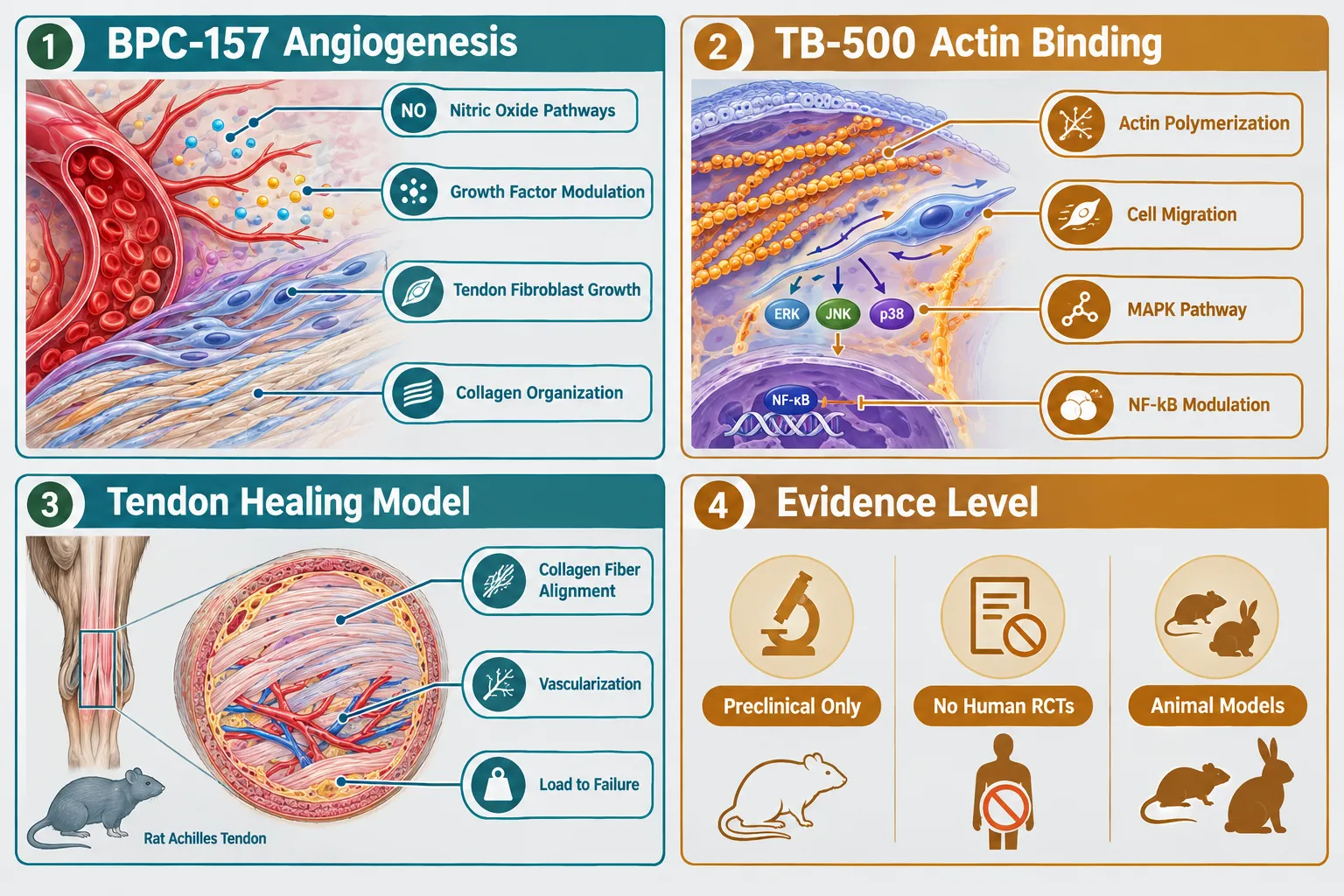
  • BPC‑157 and TB‑500 operate through distinct mechanisms, requiring separate dosing schedules and administration strategies in animal models.
  • Dose-response curves should span at least three concentration points to identify threshold, optimal, and saturation effects.
  • Route of administration directly influences bioavailability and must match the target tissue and study objective.
  • Outcome measures must include both functional and histological endpoints to capture the full repair profile.
  • Confounders such as animal age, sex, housing conditions, and peptide purity can invalidate results if not controlled.

Key Takeaways

Understanding the Mechanisms Before Designing the Protocol

Effective experimental design begins with mechanism. BPC‑157 is a 15-amino-acid peptide derived from human gastric juice. It promotes localized tissue repair through angiogenesis, upregulation of growth factors including VEGF, FGF, and EGF, and modulation of nitric oxide pathways. Its action is predominantly local, making proximity of administration to the injury site a key variable.

TB‑500 is a synthetic fragment of thymosin beta-4. It facilitates systemic healing by regulating actin polymerization, promoting cell migration, and modulating integrin-linked kinase signaling. Unlike BPC‑157, its systemic distribution means injection site is less critical to outcome.

"Understanding whether a peptide acts locally or systemically is the single most important factor in selecting administration route."

Researchers exploring broader tissue biology and recovery mechanisms can review the recovery and tissue biology overview for foundational context before finalizing a protocol.


Dose‑Response Curves and Administration Routes in Animal Models

Dose‑Response Curves and Administration Routes in Animal Models

Establishing the Dose-Response Curve

A valid dose-response curve requires a minimum of three dose levels: a subthreshold dose, an expected optimal dose, and a supramaximal dose. For BPC‑157, typical doses in rodent models range from 250 to 500 micrograms per day. Its short half-life — under 30 minutes — necessitates once or twice daily dosing to maintain meaningful plasma and tissue concentrations.

For TB‑500, common loading-phase doses are 2.0 to 2.5 milligrams administered subcutaneously twice per week over a 4-to-6-week period, followed by a reduced maintenance phase. Its longer half-life supports less frequent dosing without significant loss of effect.

Recommended dose-range structure:

Peptide Low Dose Mid Dose High Dose Frequency
BPC‑157 100 mcg/day 250 mcg/day 500 mcg/day Once or twice daily
TB‑500 1.0 mg 2.0 mg 2.5 mg Twice weekly

Selecting Administration Routes

Route selection must match the study objective:

  • BPC‑157 subcutaneous (near injury): Best for tendon, ligament, and musculoskeletal repair models.
  • BPC‑157 oral: Appropriate for gastrointestinal studies. BPC‑157 shows notable stability in gastric juice, supporting oral bioavailability.
  • TB‑500 subcutaneous or intramuscular: Either route is acceptable given its systemic distribution profile.

Researchers comparing peptide delivery strategies may also find value in reviewing nasal spray peptide delivery approaches as an emerging alternative administration route in preclinical work.

Peptide purity is a non-negotiable variable. Verifying source quality through a certificate of analysis before any experiment prevents batch-to-batch variability from contaminating results.


Outcome Measures and Confounders in Designing Experiments With BPC‑157 and TB‑500

Outcome Measures and Confounders in Designing Experiments With BPC‑157 and TB‑500

Primary Outcome Measures

Functional endpoints:

  • Grip strength testing (musculoskeletal models)
  • Wound closure rate measured by standardized photography
  • Gait analysis scores in limb injury models

Histological endpoints:

  • Collagen fiber density and alignment via Masson's trichrome staining
  • Vessel density count for angiogenesis quantification
  • Inflammatory cell infiltration via hematoxylin and eosin staining

Biochemical endpoints:

  • Serum VEGF, TNF-alpha, and IL-6 levels via ELISA
  • Nitric oxide metabolite concentrations in tissue homogenates

BPC‑157 has demonstrated measurable efficacy in tendon and ligament healing, inflammation reduction, and angiogenesis promotion across multiple rodent models. TB‑500 has shown consistent improvements in wound closure rates, reduced inflammatory markers, and enhanced cell migration in comparable preclinical settings.

For context on how other peptides such as SS‑31 influence tissue-level outcomes, particularly in mitochondrial and oxidative stress endpoints, cross-referencing related peptide research strengthens experimental rationale.

Critical Confounders to Control

Failing to account for confounders is the leading cause of irreproducible peptide research. Key variables include:

  • Animal age and sex: Healing rates differ significantly between young and aged rodents, and between male and female cohorts.
  • Housing and stress: Group versus isolated housing alters corticosterone levels, which directly affects tissue repair.
  • Injury model standardization: Punch biopsy depth, tendon transection length, and ischemia duration must be identical across groups.
  • Peptide reconstitution and storage: Degradation between preparation and injection introduces silent variability.

Researchers working with mitochondrial peptides like MOTS-C alongside repair peptides should also account for metabolic state as a confounder, since baseline metabolic function modulates tissue repair capacity.

Additionally, reviewing TB‑500 product specifications and thymosin alpha-1 mechanism data provides useful comparative context when designing multi-peptide protocols.


Conclusion

Designing experiments with BPC‑157 and TB‑500: dose‑response curves, administration routes, and outcome measures in animal models requires systematic planning at every stage. The next steps for any research team are clear: define the mechanistic question first, build a three-point dose-response curve for each peptide, match the administration route to the target tissue, and pre-specify both functional and histological endpoints before any animal is enrolled. Control confounders with written standard operating procedures. Verify peptide purity before each experiment cycle. These steps do not guarantee a positive result — but they guarantee that the result, whatever it is, will be interpretable and reproducible.

https://www.puretestedpeptides.com/wp-content/uploads/2026/06/Designing-Experiments-With-BPC‑157-and-TB‑500-Dose‑Response-Curves-Administration-Routes-and-Outcome-Measures-in-Animal-Models.png 1024 1536 https://www.puretestedpeptides.com/wp-content/uploads/2026/01/buy-peptides-online.jpg 2026-06-13 13:04:122026-06-13 13:04:12Designing Experiments With BPC‑157 and TB‑500: Dose‑Response Curves, Administration Routes, and Outcome Measures in Animal Models
Page 15 of 35«‹1314151617›»
×

Helpful Links

  • My account
  • Cart
  • Checkout
  • Refund and Returns Policy
  • Privacy Policy
  • SMS Privacy Policy
  • Login
  • My Account
  • Logout

USA Made Lab Tested Peptides

All products are sold for research, laboratory, or analytical purposes only, and are not for human consumption


Pure Tested Peptides is a chemical supplier. Pure Tested Peptides is not a compounding / chemical compounding facility as defined under 503A of the Federal Food, Drug, and Cosmetic act. Pure Tested Peptides is not an outsourcing facility as defined under 503B of the Federal Food, Drug, and Cosmetic act.

The statements made within this website have not been evaluated by the US Food and Drug Administration. The products we offer are not intended to diagnose, treat, cure or prevent any disease.

Human/Animal Consumption Prohibited. Laboratory/In-Vitro Experimental Use Only

Scroll to top Scroll to top Scroll to top