Call or Text 727-513-9780
  • Shopping Cart Shopping Cart
    0Shopping Cart
Pure Tested Peptides | America's most trusted Peptides for sale online
  • Peptides for sale
    • Oral Peptides for sale
      • Peptide Capsules for sale
      • BPC 157 Capsules 1000mcg
      • SLU-PP-332 Capsules | 1000 mcg
      • 5-Amino-1MQ 50mg Capsules
      • Tesofensine 500mcg
    • All Peptides for sale
    • Peptide Sprays
      • BPC 157 Nasal Spray Kit
      • BPC-157 TB500 Nasal Spray Kit
      • Semax Nasal Spray 10mg
      • Selank – Nasal Spray Kit – 10mg
      • Epithalon 50MG Nasal Spray Kit
      • Ipamorelin 10mg Nasal Spray
      • Klow Nasal Spray (BPC-157 + TB-500 + GHK-Cu + KPV) | 80mg
      • Hulk Nasal Spray Tesa / Ipa Blend 6/3 MG
      • Klow Nasal Spray
      • NAD + 500 mg Nasal Spray
      • PT-141 Nasal Spray Kit
    • GHRH Peptides
      • Ipa Peptides
      • CJC-1295 Peptides
        • CJC-1295 with DAC 5 mg
        • CJC-1295 without DAC 5 mg
        • CJC-1295 Ipa 10mg
      • Tesa Peptides
        • Tesa Peptide
        • Tesa 20 mg
    • GHK-Cu Peptides
      • All GHK-Cu Peptides
      • GHK-Cu 100mg
      • KLOW Peptide Blend – Buy KLOW blend online
    • BPC Peptides
      • All BPC Peptides
      • BPC-157
      • BPC-157 TB-500
      • BPC 157 capsules 1000mcg
    • SLU-PP-332 Peptides
      • All SLU-PP-332 Peptides
      • SLU-PP-332 5mg
    • GLP3 Peptides
      • GLP3-R
      • GLP3-R CAG 10mg
      • GLP3-R 20mg
    • PT-141 Peptides
      • PT-141 Peptides for sale
      • PT-141 10mg
      • PT-141 Nasal Spray
    • CAG Peptides
      • Lipo-C Peptide Blend
      • CAG 5mg
      • CAG 10mg
    • MOTS-C Peptides
      • MOTS-C Peptides for sale
      • MOTS-c peptide
      • MOTS-c 10mg *6 pack*
    • 5 Amino 1MQ Peptides
      • 5 Amino 1MQ Peptides for sale
      • 5-Amino-1MQ 50mg Capsules
      • 5-Amino-1MQ 5mg
    • Epithalon Peptides
      • Epithalon Peptides for sale
      • Epithalon 10mg
      • Epithalon 50mg
  • Shop
    • GLPs
      • 5-Amino-1MQ 50mg Capsules
      • 5-Amino-1MQ 5mg
      • GLP3-Reta
      • L-Carnitine 500mg/ml
      • Tesofensine 500mcg
      • SLU-PP-332 5mg
      • MOTS-c 10mg *6 pack*
    • Epithalon & BPC Peptides
      • Epithalon 10mg
      • Epithalon 50mg
      • BPC-157
      • BPC 157 capsules 1000mcg
      • BPC-157 TB-500
      • BPC-157 TB500 Nasal Spray Kit
      • BPC 157 Nasal Spray Kit
    • BPC TB-500 & NAD+ Peptides
      • NAD+ 500 mg
      • KLOW Peptide Blend – Buy KLOW blend online
      • GLOW Peptide Blend
      • TB 500 5mg
      • BPC 157 capsules 1000mcg – Supplement
      • BPC 157 Nasal Spray Kit
      • BPC-157
      • BPC-157 TB500 Nasal Spray Kit
      • BPC-157 TB-500
      • BPC 157 capsules 1000mcg
    • LL-37 Peptide
      • LL-37 10 mg
    • MOTS-C & Selank
      • MOTS-c peptide
      • Selank 10mg
    • GHK Peptides
      • GHK-Cu 100mg
      • GLOW Peptide Blend
      • KLOW Peptide Blend – Buy KLOW blend online
  • COAs
  • Wholesale
    • Wholesale Peptides for sale
  • PTP FAQ
  • Affiliates
    • Affiliate Program
    • Affiliate Signup
  • Contact
    • Contact Customer Service
    • Text Customer Support
  • About US
  • Shop all peptides
  • Login / Register Login / Register Page Link Login / Register Page Link
  • Click to open the search input field Click to open the search input field Search
  • Menu Menu
PT-141, Tadalafil, and Sildenafil in Erectile Function Research: When Do Peptides Outperform Pills in Preclinical Models?

PT-141, Tadalafil, and Sildenafil in Erectile Function Research: When Do Peptides Outperform Pills in Preclinical Models?

June 18, 2026/0 Comments/in Uncategorized/by

Erection duration in a PT-141-treated group ran approximately 140 minutes in controlled trials — compared to just 22 minutes in the placebo group. That single data point raises a mechanistically important question for researchers studying erectile function: does a centrally acting peptide offer advantages that peripheral vasodilators simply cannot replicate? Exploring PT-141, Tadalafil, and Sildenafil in Erectile Function Research — specifically when peptides outperform pills in preclinical models — requires a close look at receptor biology, pathway architecture, and what animal data actually show.

Key Takeaways

  • PT-141 (bremelanotide) acts centrally through melanocortin receptors MC3R and MC4R, while tadalafil and sildenafil act peripherally via PDE5 inhibition.
  • Preclinical rodent models show PT-141 significantly increases spontaneous erection frequency through central neural pathways.
  • PT-141 has demonstrated erectile responses in sildenafil non-responders, suggesting a non-overlapping mechanism.
  • Combination data indicate a synergistic effect when PT-141 and sildenafil are co-administered.
  • Mechanistic divergence makes these compounds complementary research tools rather than simple substitutes.

Key Takeaways

Mechanistic Divergence: Central Peptide vs. Peripheral Pill

The foundational difference between PT-141 and PDE5 inhibitors lies in where each compound acts.

Sildenafil and tadalafil both inhibit phosphodiesterase type 5, preventing the breakdown of cyclic GMP (cGMP) in penile smooth muscle. This prolongs nitric oxide-driven vasodilation and facilitates engorgement — but the pathway depends entirely on prior sexual stimulation to generate nitric oxide in the first place. Without that upstream signal, PDE5 inhibitors have limited effect.

PT-141, by contrast, is a synthetic melanocortin receptor agonist. It binds preferentially to MC3R and MC4R in the central nervous system, particularly in hypothalamic regions associated with sexual arousal circuitry. This central activation can initiate an erectile response independent of peripheral vascular priming.

"PT-141 does not require nitric oxide as a prerequisite signal — it bypasses the peripheral dependency entirely."

This mechanistic split is why researchers studying neurogenic or psychogenic components of erectile dysfunction find PT-141 particularly informative as a research tool. For a broader overview of how peptides interact with neuroendocrine pathways, the PT-141 central arousal research overview provides useful context.


What Preclinical Models Reveal About PT-141, Tadalafil, and Sildenafil in Erectile Function Research: When Do Peptides Outperform Pills in Preclinical Models?

Animal models — primarily rodents — have been the primary setting for comparing these compounds mechanistically.

Rodent Erection Latency and Frequency Data

In rat studies, intranasal PT-141 administration produced a statistically significant increase in spontaneous erection frequency compared to vehicle controls. The response did not require external stimulation, which directly mirrors its central mechanism. PDE5 inhibitors in the same models show weaker spontaneous erection induction, reinforcing that their efficacy is stimulus-dependent.

Parameter PT-141 Sildenafil Tadalafil
Primary site of action CNS (MC3R/MC4R) Peripheral (PDE5) Peripheral (PDE5)
Stimulus dependency Low High High
Erection latency reduction Significant Moderate Moderate
Duration advantage Extended Moderate Extended (longer half-life)

Non-Responder Models

A critical finding in the research literature involves subjects with inadequate responses to sildenafil. Subcutaneous PT-141 at 4 mg and 6 mg doses produced statistically significant erectile responses in this population. This is a mechanistically logical result: if the peripheral pathway is compromised (vascular insufficiency, receptor downregulation), central activation via melanocortin signaling offers an alternative route.

Researchers interested in PT-141 peptide for research contexts will find this non-responder data particularly relevant for experimental design.


Non-Responder Models

Synergy Data and Combination Research Findings

One of the more compelling findings in this research area involves co-administration. A crossover study using 25 mg sildenafil combined with 7.5 mg intranasal PT-141 produced a significantly greater erectile response than sildenafil alone. This synergy is mechanistically coherent: PT-141 amplifies the central arousal signal while sildenafil sustains the peripheral vascular response once initiated.

This complementary profile suggests that in preclinical research designs, combining a melanocortin agonist with a PDE5 inhibitor can model the full erectile pathway — central initiation plus peripheral amplification — more completely than either agent alone.

For researchers building multi-peptide experimental frameworks, resources like the ultimate guide to peptide therapy research offer broader context on stacking and synergy considerations.


Synergy Data and Combination Research Findings

Pharmacokinetics and Practical Research Considerations

PT-141's pharmacokinetic profile adds another dimension to its research utility. Following intranasal administration, peak serum concentrations occur roughly 30 minutes post-dose, with a half-life of approximately 2 hours. This rapid onset supports time-locked experimental protocols where researchers need a predictable arousal window.

Tadalafil's much longer half-life (17–21 hours) makes it better suited for studies examining sustained vascular tone, while sildenafil's intermediate profile (~4 hours) fits acute response models.

Key pharmacokinetic comparison:

  • PT-141: Onset ~30 min, half-life ~2 hours, central action
  • Sildenafil: Onset ~30–60 min, half-life ~4 hours, peripheral action
  • Tadalafil: Onset ~1–2 hours, half-life ~17–21 hours, peripheral action

Researchers sourcing research-grade peptides should prioritize verified purity documentation. The PT-141 for sale research page and PT-141 for sale online resources outline quality control considerations relevant to preclinical work.

Safety data from controlled studies show no significant hemodynamic changes with PT-141 at research-relevant doses, which contrasts with PDE5 inhibitors that can produce measurable blood pressure effects — an important variable to control in animal models.

For researchers also examining mitochondrial or vascular biology alongside erectile function research, SS-31 mitochondrial dynamics research offers a complementary mechanistic lens on vascular tissue health.


Conclusion

The comparison of PT-141, Tadalafil, and Sildenafil in Erectile Function Research — specifically when peptides outperform pills in preclinical models — points to one clear answer: PT-141 outperforms PDE5 inhibitors when the research question centers on central arousal mechanisms, stimulus-independent erection induction, or non-responder populations. PDE5 inhibitors remain superior tools for studying peripheral vascular amplification and sustained engorgement.

Actionable next steps for researchers in 2026:

  • Design experiments that isolate central versus peripheral pathways using PT-141 and PDE5 inhibitors as mechanistic controls.
  • Use non-responder models to probe the independence of melanocortin-driven arousal from nitric oxide availability.
  • Consider combination protocols when the research goal is modeling the full erectile response arc.
  • Verify peptide purity through certificate of analysis documentation before any preclinical use.

Understanding where each compound excels mechanistically — rather than treating them as interchangeable — produces more precise, reproducible preclinical data.

https://www.puretestedpeptides.com/wp-content/uploads/2026/06/PT-141-Tadalafil-and-Sildenafil-in-Erectile-Function-Research-When-Do-Peptides-Outperform-Pills-in-Preclinical-Models.png 1024 1536 https://www.puretestedpeptides.com/wp-content/uploads/2026/01/buy-peptides-online.jpg 2026-06-18 13:03:492026-06-18 13:03:49PT-141, Tadalafil, and Sildenafil in Erectile Function Research: When Do Peptides Outperform Pills in Preclinical Models?
What Is GLP2 Tirz Peptide? Understanding the GLP-2 and Tirzepatide Naming Confusion in Research Content

What Is GLP2 Tirz Peptide? Understanding the GLP-2 and Tirzepatide Naming Confusion in Research Content

June 18, 2026/0 Comments/in Uncategorized/by

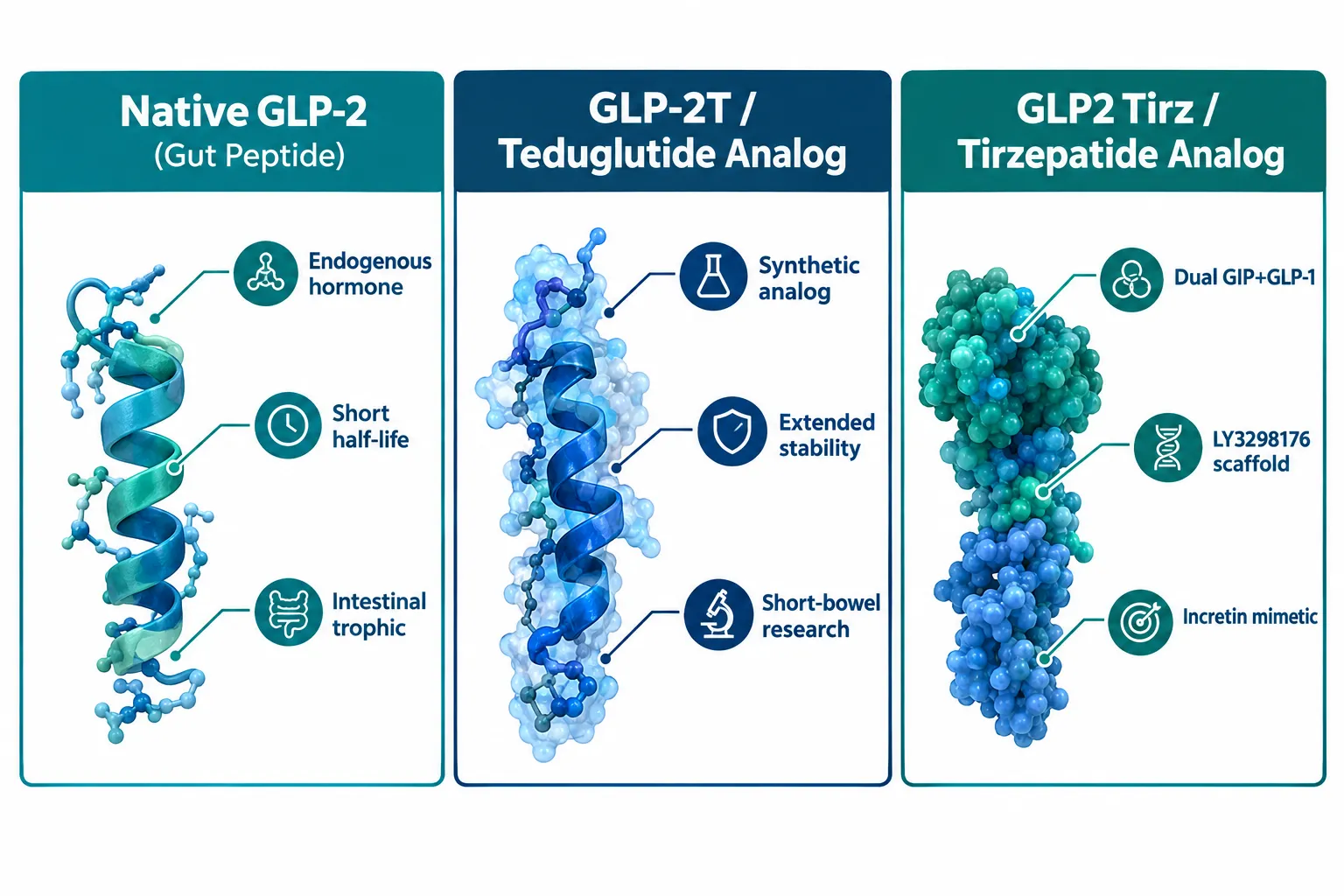
Researchers searching for tirzepatide compounds online frequently encounter a label that stops them cold: "GLP-2 Tirz." The term blends two distinct scientific concepts into one phrase, and the resulting confusion is widespread enough to affect sourcing decisions, literature reviews, and research planning. This article answers the question of what is GLP2 Tirz peptide, understanding the GLP-2 and tirzepatide naming confusion in research content, and provides a clear framework for navigating the terminology.

() educational infographic-style illustration showing two distinct peptide molecules side by side labeled 'GLP-2 (Intestinal

Key Takeaways

  • "GLP-2 Tirz" is an informal research catalog label for tirzepatide, not a reference to the biological peptide GLP-2.
  • Tirzepatide is a dual agonist that activates GIP and GLP-1 receptors — it does not activate the GLP-2 receptor.
  • The World Health Organization's official generic name for this compound is tirzepatide, with "tirz-" indicating dual incretin activity.
  • Informal numbering (GLP-2 for dual agonists, GLP-3 for triple agonists) is technically inaccurate and can mislead researchers.
  • Always verify receptor targets and INN nomenclature before sourcing or citing any peptide compound.

Two Different Compounds, One Confusing Label

The confusion starts with a naming shortcut that spread through research vendor catalogs and online forums. In those spaces, some suppliers began labeling compounds by their "generation" of incretin activity rather than by their official name. Under this informal system, GLP-1 agonists like semaglutide became "first generation," dual agonists like tirzepatide were tagged "GLP-2," and triple agonists like retatrutide were called "GLP-3."

The problem is that GLP-2 already exists as a well-defined biological peptide. Glucagon-like peptide-2 is a 33-amino acid hormone secreted by intestinal L-cells. Its primary roles involve gut mucosal growth, intestinal barrier function, and nutrient absorption. It has nothing to do with the GIP or GLP-1 receptor pathways that tirzepatide targets.

When a vendor lists "GLP-2 Tirzepatide" or "GLP-2 Tirz," the "GLP-2" portion is not a receptor designation — it is a generational shorthand. This distinction matters enormously in research contexts where precision in nomenclature drives experimental design.

For a broader look at how incretin generations are being categorized, the breakdown of GLP-1 generations and their differences provides useful comparative context.


What Tirzepatide Actually Is

Tirzepatide is a synthetic peptide dual agonist. It activates two receptors simultaneously:

Receptor Hormone Mimicked Primary Effect
GLP-1R Glucagon-like peptide-1 Insulin secretion, appetite suppression
GIPR Glucose-dependent insulinotropic polypeptide Enhanced insulin release, fat metabolism

The World Health Organization's International Nonproprietary Names system assigned the generic name "tirzepatide." The stem "tirz-" was specifically chosen to signal its dual incretin mechanism, and "-tide" confirms its peptide structure. Eli Lilly markets the same molecule under two brand names: Mounjaro (approved for type 2 diabetes in May 2022) and Zepbound (approved for chronic weight management in November 2023).

Patent protection on tirzepatide extends to at least 2036, which is one reason compounded versions have appeared in research markets — though those formulations carry important purity and regulatory considerations that researchers must evaluate carefully.

For comparison, the GLP-1 T dual receptor agonism research breakdown explores the receptor-level science behind this class of compounds in greater detail.


Why the Informal Numbering System Creates Problems

Understanding what is GLP2 Tirz peptide — and why the naming confusion in research content matters — requires examining the downstream consequences of imprecise labeling.

Why the Informal Numbering System Creates Problems

Three specific problems arise from the informal numbering approach:

  1. Literature mismatch — Searching "GLP-2" in PubMed returns hundreds of studies on intestinal mucosal biology, not dual incretin agonists.
  2. Sourcing errors — A researcher unfamiliar with the shorthand may order the wrong compound entirely.
  3. Regulatory misclassification — Conflating tirzepatide with GLP-2 biology could lead to incorrect assumptions about mechanism, safety profile, and applicable research protocols.

The preferred scientific terms are "dual GIP/GLP-1 agonist" for tirzepatide and "triple agonist" for compounds like retatrutide. The retatrutide and triple agonist research planning guide covers how that next generation of compounds is being cataloged and sourced.

The designation "GLP-2 (T)" — where the "(T)" stands for tirzepatide — has emerged in some vendor documentation as an attempt to acknowledge the distinction while preserving the generational shorthand. It is a partial solution at best.


Navigating Research Catalogs Accurately

When encountering "GLP-2 Tirz" in a research catalog, the following verification steps reduce the risk of confusion:

  • Check the receptor targets listed — tirzepatide should specify GLP-1R and GIPR, not GLP-2R.
  • Confirm the INN name — the compound should be identified as tirzepatide in any compliant documentation.
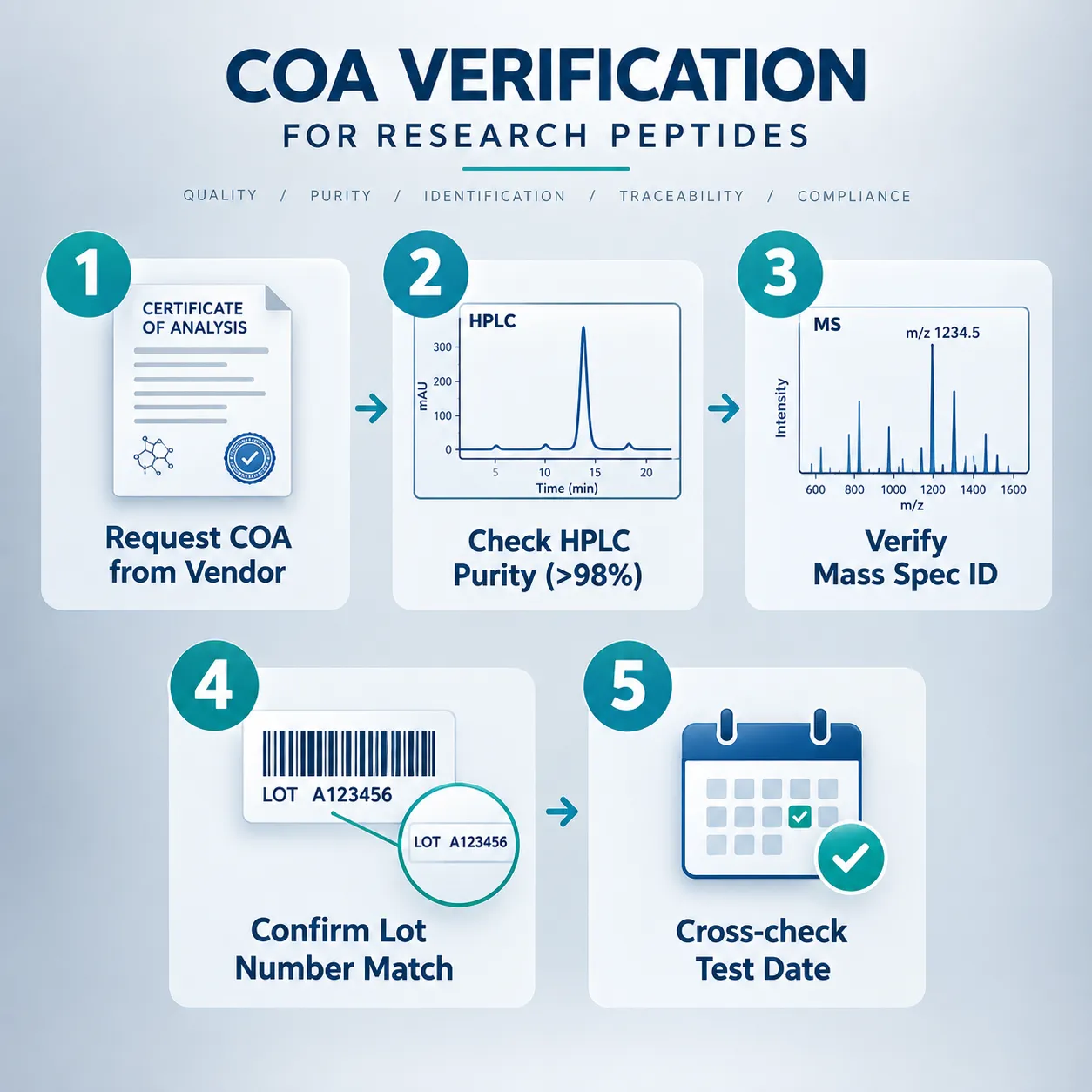
  • Review available certificates of analysis — a certificate of analysis from the supplier confirms identity and purity independent of catalog naming.
  • Cross-reference with clinical nomenclature — Mounjaro and Zepbound are the only FDA-approved branded forms.

Researchers working across multiple peptide classes will find it useful to navigate the full peptide catalog by research theme to keep compound categories organized and clearly separated.

For those exploring adjacent metabolic research areas, cagrilintide synergy with GLP-1 compounds offers related context on how combination approaches are being studied.

Navigating Research Catalogs Accurately


Conclusion

The label "GLP-2 Tirz" is a catalog shorthand, not a scientific designation. Tirzepatide targets GLP-1 and GIP receptors — it has no functional relationship to the intestinal peptide GLP-2. The informal generational numbering system that produced this label is convenient for vendors but creates genuine confusion for researchers who rely on precise terminology.

Actionable next steps for researchers in 2026:

  • Default to the INN name "tirzepatide" in all documentation and literature searches.
  • Treat any "GLP-2" label in a research catalog as a generational shorthand requiring verification.
  • Request certificates of analysis that explicitly confirm receptor targets and compound identity.
  • Use the terms "dual agonist" and "triple agonist" in research writing to avoid cross-contaminating search results with unrelated GLP-2 intestinal biology.

Precise naming is not a minor administrative concern — it is the foundation of reproducible, credible research.

https://www.puretestedpeptides.com/wp-content/uploads/2026/06/What-Is-GLP2-Tirz-Peptide-Understanding-the-GLP-2-and-Tirzepatide-Naming-Confusion-in-Research-Content.png 1024 1536 https://www.puretestedpeptides.com/wp-content/uploads/2026/01/buy-peptides-online.jpg 2026-06-18 13:03:432026-06-18 13:03:43What Is GLP2 Tirz Peptide? Understanding the GLP-2 and Tirzepatide Naming Confusion in Research Content
CJC-1295 With Ipamorelin: Why Researchers Pair Them, What Pulsatile GH Signaling Looks Like, and What to Measure

CJC-1295 With Ipamorelin: Why Researchers Pair Them, What Pulsatile GH Signaling Looks Like, and What to Measure

June 18, 2026/0 Comments/in Uncategorized/by

{"cover":"Professional landscape format (1536×1024) hero image with bold text overlay: 'CJC-1295 With Ipamorelin: Pulsatile GH Signaling Explained' in extra large 72pt white bold sans-serif font with deep shadow and semi-transparent dark overlay bar, centered upper-third composition. Background shows a dramatic close-up of a molecular double-helix structure transitioning into a glowing pituitary gland cross-section rendered in deep teal and electric blue tones, with subtle waveform graphs suggesting hormonal pulse patterns. Color palette: deep navy, teal, white accents. Magazine cover aesthetic, editorial quality, high contrast.","content":["Detailed landscape format (1536×1024) scientific illustration showing two distinct molecular receptor pathways side by side — one labeled GHRH receptor pathway glowing in blue, the other labeled GHSR ghrelin receptor pathway glowing in amber — converging at a central pituitary gland diagram. Molecular peptide chain structures of CJC-1295 and Ipamorelin float near their respective receptors. Clean white lab background with subtle grid lines, annotated arrows showing signal amplification, professional research diagram aesthetic, high contrast, editorial quality.","Detailed landscape format (1536×1024) data visualization showing a stylized oscilloscope-style waveform graph representing pulsatile GH secretion over a 24-hour period, with clearly labeled amplitude peaks marked 'Combined CJC-1295 + Ipamorelin' in teal versus a lower flatter line labeled 'Baseline' in gray. The graph sits on a dark navy background with glowing neon-teal pulse lines, subtle clock icons at the x-axis, and a secondary smaller IGF-1 rise curve in amber. Scientific infographic style, professional, high contrast, editorial quality.","Detailed landscape format (1536×1024) flat-lay laboratory bench scene photographed from directly above showing research measurement tools: a serum IGF-1 ELISA assay plate, printed GH pulse amplitude data charts, a digital caliper, a body composition DEXA scan printout, and a researcher's gloved hand annotating results with a red pen. Warm clinical white lighting, organized composition, subtle teal and navy color accents on printed materials, research laboratory aesthetic, editorial quality, high contrast."]
Professional landscape hero image () with : "CJC-1295 With Ipamorelin: Why Researchers Pair Them, What Pulsatile GH

Growth hormone secretion is not continuous — it fires in discrete pulses, and that architecture matters enormously for how researchers design experiments. Understanding CJC-1295 with Ipamorelin: why researchers pair them, what pulsatile GH signaling looks like, and what to measure starts with a single insight: these two peptides activate entirely different receptor classes, and combining them produces a synergistic amplification that neither achieves alone.

Key Takeaways

  • CJC-1295 acts on GHRH receptors; Ipamorelin acts on GHSR (ghrelin) receptors — two distinct pathways.
  • Combining them amplifies GH pulse amplitude more than additive effects would predict.
  • Pulsatile GH output preserves downstream receptor sensitivity in a way that continuous infusion does not.
  • Primary research readouts are serum GH pulse amplitude, IGF-1 levels, and body composition markers.
  • Regulatory status for these peptides has tightened in several jurisdictions since the mid-2020s; researchers must verify local compliance before sourcing.

Key Takeaways

The Dual-Pathway Rationale Behind Pairing CJC-1295 With Ipamorelin

The pituitary releases growth hormone through two primary input signals. The first is growth hormone-releasing hormone (GHRH), which binds to GHRH receptors on somatotroph cells and drives GH synthesis and release. The second is ghrelin, which binds to the growth hormone secretagogue receptor (GHSR-1a) and independently stimulates GH release through a separate intracellular cascade.

CJC-1295 is a modified GHRH analogue. The version without a Drug Affinity Complex (DAC) produces a shorter, cleaner pulse, making it the preferred form in most research designs. For a deeper look at how this analogue behaves in isolation, the CJC-1295 no-DAC research themes overview covers the mechanistic literature in detail.

Ipamorelin is a selective GHSR agonist. It is considered one of the cleaner secretagogues because it produces minimal cortisol or prolactin co-release — a significant confound in earlier ghrelin-mimetic research. The Ipamorelin muscle and fat research themes page summarizes its downstream metabolic effects.

"Two keys, one lock system" is a useful mental model: CJC-1295 primes the somatotroph cell while Ipamorelin simultaneously triggers it through a separate gate. The result is a GH pulse that is substantially larger than either peptide produces independently.

This synergistic amplification has been documented in human pharmacokinetic data for CJC-1295, where mean GH peak concentrations rose several-fold above baseline. When a GHSR agonist is added, the amplitude rises further because both intracellular pathways converge on the same exocytotic machinery.


The Dual-Pathway Rationale Behind Pairing CJC-1295 With Ipamorelin

What Pulsatile GH Signaling Looks Like in This Research Context

Normal physiological GH secretion occurs in roughly 6-12 pulses per 24 hours, with the largest pulse occurring during slow-wave sleep. Between pulses, serum GH falls to near-undetectable levels. This on-off pattern is not incidental — it is the mechanism that keeps GH receptors sensitive.

When CJC-1295 with Ipamorelin are administered together, the resulting GH pulse mimics this natural architecture rather than producing a sustained elevation. The key features researchers observe are:

  • Higher peak amplitude — the combined pulse reaches concentrations that single-agent protocols rarely achieve
  • Normal inter-pulse trough — GH returns toward baseline between doses, preserving receptor sensitivity
  • Downstream IGF-1 rise — hepatic IGF-1 production responds to the amplified pulses, with measurable increases appearing within days to weeks of consistent dosing

This is the fundamental reason the combination is preferred over continuous GHRH infusion in research models. Sustained GH elevation causes receptor downregulation; pulsatile delivery avoids it.

For researchers considering how this combination fits within a broader GH-axis research framework, the GH axis product line overview and the CJC-IPA GH axis research page provide useful context.


What Pulsatile GH Signaling Looks Like in This Research Context

What to Measure: Key Readouts for CJC-1295 With Ipamorelin Research

Selecting the right endpoints is as important as the pairing rationale itself. Researchers working with this combination in 2026 typically track the following:

Readout Method Typical Timeframe
Serum GH pulse amplitude Serial blood sampling + ELISA Acute (hours post-dose)
Serum IGF-1 Single fasting blood draw 2-6 weeks of dosing
Lean mass / fat mass DEXA scan 8-16 weeks
Fasting glucose and insulin Standard metabolic panel Ongoing
Sleep architecture Polysomnography or actigraphy 4-8 weeks

IGF-1 remains the most practical chronic marker because it integrates GH pulsatility over days rather than requiring timed serial sampling. Emerging 2025 human-oriented data suggest modest improvements in lean body mass and reductions in visceral fat with combined secretagogue protocols, though evidence quality remains low-to-moderate and most studies are small.

Sleep-stage data are increasingly included in research designs because GH pulse amplitude during slow-wave sleep is a sensitive indicator of somatotroph responsiveness. Blunted nocturnal GH is one of the earliest measurable signs of somatopause, making it a meaningful endpoint in aging-focused studies.

For researchers planning assay selection and sourcing logistics, the CJC-1295 Ipamorelin assay planning and sourcing checklist is a practical starting resource. Those evaluating dosing frameworks can also review the Sermorelin, Ipamorelin, and CJC-1295 dosage research guide for comparative context.

Regulatory and Safety Considerations in 2026

Regulatory scrutiny of peptide secretagogues has intensified. Several major jurisdictions, including the United States and Australia, have moved to restrict or reclassify compounded GHRH analogues and GHSRs since the mid-2020s. Researchers must confirm current local regulatory status before sourcing. Purity verification through third-party analytical testing — including HPLC and mass spectrometry — is a non-negotiable step in any credible research protocol.


Conclusion

The logic behind pairing CJC-1295 with Ipamorelin is mechanistically sound: two distinct receptor pathways converge to produce a GH pulse that is larger, cleaner, and more physiologically faithful than either agent generates alone. For researchers, the actionable next steps are straightforward. First, confirm that the research design requires pulsatile GH amplification rather than sustained elevation. Second, select the right biomarkers — IGF-1 for chronic tracking, serial GH sampling for acute pharmacokinetic work, and body composition endpoints for longer studies. Third, verify peptide purity and local regulatory compliance before any experiment begins. Researchers interested in how this combination compares to other secretagogue options can explore the Tesamorelin vs Ipamorelin comparison or review CJC-1295 plus Ipamorelin combination research for additional design considerations. The science is compelling; the rigor of execution determines whether the data are meaningful.

https://www.puretestedpeptides.com/wp-content/uploads/2026/06/CJC-1295-With-Ipamorelin-Why-Researchers-Pair-Them-What-Pulsatile-GH-Signaling-Looks-Like-and-What-to-Measure.png 1024 1536 https://www.puretestedpeptides.com/wp-content/uploads/2026/01/buy-peptides-online.jpg 2026-06-18 13:03:292026-06-18 13:03:29CJC-1295 With Ipamorelin: Why Researchers Pair Them, What Pulsatile GH Signaling Looks Like, and What to Measure
What Is GLP2-T Peptide? A Research-Only Guide to Gut Barrier Biology and Intestinal Recovery Models

What Is GLP2-T Peptide? A Research-Only Guide to Gut Barrier Biology and Intestinal Recovery Models

June 17, 2026/0 Comments/in Uncategorized/by

Roughly 70% of the immune system resides in or around the gut wall — a fact that makes intestinal barrier research one of the most consequential areas in modern peptide science. This guide answers the core question of what is GLP2-T peptide, then expands into gut barrier biology, nutrient absorption mechanisms, and why GLP-2 analog discussions matter in preclinical research settings as of 2026.

Professional () hero image with : 'GLP2-T Peptide: A Research Guide to Gut Barrier Biology' in extra large white with dark

Key Takeaways

  • GLP-2 is a 33-amino acid peptide hormone produced by intestinal L-cells that drives mucosal growth and barrier repair.
  • GLP2-T refers to a modified, tirzepatide-conjugated or truncation-resistant analog designed to extend the peptide's short half-life in research models.
  • The peptide acts through multiple growth factors, including IGF-1, IGF-2, keratinocyte growth factor, and ErbB ligands.
  • GLP-2 receptor activation upregulates tight junction proteins such as claudin-3, occludin, and ZO-1.
  • All research discussed here applies strictly to preclinical and in vitro models; GLP2-T is not approved for human therapeutic use.

Understanding GLP-2: The Foundation Behind GLP2-T

GLP-2 (glucagon-like peptide-2) is a 33-amino acid hormone cleaved from proglucagon in the intestinal L-cells of the small bowel and colon. Its primary biological role is to promote intestinal mucosal growth, enhance nutrient absorption, and reduce gut permeability. In animal models, GLP-2 administration produced dramatic increases in small intestinal mass, villus height, crypt depth, and mucosal thickness — findings that positioned it as a physiological hormone dedicated almost entirely to intestinal growth and repair.

GLP2-T is a research designation for a truncation-resistant or structurally modified GLP-2 analog. The "T" suffix in various research catalogs typically signals enhanced stability against dipeptidyl peptidase-4 (DPP-4) degradation, which is the primary reason native GLP-2 has a half-life of only a few minutes in circulation. By extending that window, GLP2-T analogs allow researchers to study downstream intestinal effects over longer experimental timeframes.

The clinically approved GLP-2 analog teduglutide (Gattex) validates this approach — it was engineered on the same principle of DPP-4 resistance and is currently the only approved therapy for short bowel syndrome. GLP2-T represents the next generation of that research lineage.

For context on how incretin-class peptides overlap in research themes, see the GLP-3 Reta incretin research overview.


Gut Barrier Biology: How GLP2-T Research Models Work

Gut Barrier Biology: How GLP2-T Research Models Work

The intestinal epithelial barrier is a single-cell-thick layer that separates luminal contents from systemic circulation. Its integrity depends on tight junction proteins — specifically claudin-3, occludin, and zonula occludens-1 (ZO-1). GLP-2 receptor activation has been shown to upregulate all three of these proteins, reinforcing both paracellular and transcellular pathways.

Key mechanisms identified in preclinical models include:

Mechanism Growth Factor Involved Primary Site
Crypt cell proliferation IGF-1, IGF-2 Small intestine
Colonic mucosal growth Keratinocyte growth factor, IGF-2 Colon
Epithelial restitution ErbB ligands Small intestine
Barrier protein upregulation GLP-2R signaling Entire epithelium

In Caco-2 cell studies, GLP-2 enhanced epithelial barrier formation and reduced the damaging effects of TNF-alpha, a key pro-inflammatory cytokine. This finding is particularly relevant to inflammatory bowel disease models, where barrier disruption and immune activation are central features.

GLP-2 also plays a role in intestine-microbiota-immune system crosstalk, helping to maintain metabolic homeostasis alongside barrier integrity. Researchers studying gut-adjacent peptides such as BPC-157 research themes often compare findings with GLP-2 data given overlapping mucosal recovery endpoints.

For broader peptide longevity research context, the longevity peptide research hub provides relevant background on how gut health intersects with systemic aging models.


GLP2-T in Intestinal Recovery Models: Research-Only Considerations

GLP2-T in Intestinal Recovery Models: Research-Only Considerations

GLP2-T in Intestinal Recovery Models: Research-Only Considerations

Preclinical intestinal recovery models using GLP-2 analogs typically fall into three categories: enteritis models, colitis models, and acid-injury restitution models. In all three, GLP-2 treatment has been associated with reduced mucosal damage, faster epithelial restitution, and improved barrier function scores.

What this guide to gut barrier biology and intestinal recovery models emphasizes is that GLP2-T's research value lies in its stability profile. Longer receptor engagement allows investigators to isolate downstream signaling events that are otherwise masked by rapid peptide clearance.

Researchers sourcing analogs for these models should prioritize purity verification. Resources like the peptide supplier comparison guide and the quality testing protocols page provide practical frameworks for evaluating vendor documentation.

Parallel research into gut-adjacent peptides such as TB-500 experimental models and GHK-Cu copper peptide sourcing can offer complementary data on tissue repair signaling in adjacent biological systems.


Conclusion

What is GLP2-T peptide, in practical terms? It is a research-grade GLP-2 analog engineered for enhanced stability, designed to help investigators study intestinal mucosal growth, tight junction regulation, and epithelial barrier recovery in controlled preclinical settings. The underlying biology — involving IGF-1, keratinocyte growth factor, and ErbB ligands — is well-documented, and the clinical validation of teduglutide confirms that this pathway has real-world relevance.

Actionable next steps for researchers in 2026:

  • Review existing GLP-2 receptor signaling literature before designing intestinal recovery protocols.
  • Confirm DPP-4 resistance specifications when sourcing GLP2-T to ensure experimental half-life matches study duration.
  • Cross-reference barrier integrity endpoints with tight junction protein assays (claudin-3, occludin, ZO-1).
  • Consult the comprehensive peptide catalog to identify complementary research compounds for multi-pathway gut models.
  • Always operate within institutional research guidelines; GLP2-T is not approved for human use.
https://www.puretestedpeptides.com/wp-content/uploads/2026/06/What-Is-GLP2-T-Peptide-A-Research-Only-Guide-to-Gut-Barrier-Biology-and-Intestinal-Recovery-Models.png 1024 1536 https://www.puretestedpeptides.com/wp-content/uploads/2026/01/buy-peptides-online.jpg 2026-06-17 13:04:382026-06-17 13:04:38What Is GLP2-T Peptide? A Research-Only Guide to Gut Barrier Biology and Intestinal Recovery Models
Enclomiphene vs Clomiphene: Estrogen Receptor Signaling, LH/FSH Response, and Research Use Cases

Enclomiphene vs Clomiphene: Estrogen Receptor Signaling, LH/FSH Response, and Research Use Cases

June 17, 2026/0 Comments/in Uncategorized/by

{"cover":"Professional landscape format (1536×1024) hero image with bold text overlay: 'Enclomiphene vs Clomiphene' in extra large 72pt white sans-serif font with dark semi-transparent overlay box, centered upper third. Background shows a split-panel scientific illustration: left side depicts molecular estrogen receptor binding diagram in deep teal, right side shows a stylized pituitary-hypothalamus axis with LH/FSH hormone cascade arrows in amber. Color scheme: deep navy, clinical white, amber accents. Magazine cover aesthetic, editorial quality, high contrast.","content":["Detailed landscape format (1536×1024) scientific infographic showing a side-by-side molecular comparison of enclomiphene trans-isomer and zuclomiphene cis-isomer chemical structures rendered in 3D ball-and-stick models against a dark navy background. Arrows indicate estrogen receptor binding sites on hypothalamic tissue cross-section. Color-coded labels highlight serm activity zones. Clean clinical aesthetic with white annotation text, teal and amber color accents, editorial research illustration style.","Landscape format (1536×1024) data visualization showing dual bar charts comparing LH and FSH hormone response levels between enclomiphene and clomiphene treatment groups. Chart includes testosterone ng/dL increase annotations (166 vs 98 ng/dL), estradiol pg/mL delta markers, and a timeline axis showing 2-4 week onset. Background is a soft gradient from white to light blue suggesting a clinical research environment. Bold sans-serif axis labels, color-coded bars in teal versus amber, clean medical data aesthetic.","Landscape format (1536×1024) editorial research scene showing a laboratory bench with open scientific journals, molecular model kits, and a digital tablet displaying a fertility preservation diagram with sperm viability graphs. A gloved researcher hand points to a hypothalamic-pituitary-gonadal axis flowchart pinned to a corkboard. Warm lab lighting, shallow depth of field, teal and amber accent colors, professional research environment aesthetic with subtle text overlay reading 'Research Use Cases: Secondary Hypogonadism'."]

Professional landscape hero image () with : "Enclomiphene vs Clomiphene: Estrogen Receptor Signaling, LH/FSH Response, and

Only 38% of clomiphene citrate is the isomer actually responsible for driving testosterone production. That single pharmacological fact is at the center of the growing scientific conversation around enclomiphene vs clomiphene: estrogen receptor signaling, LH/FSH response, and research use cases — and it explains why researchers and clinicians are increasingly treating these two compounds as distinct tools rather than interchangeable options.

Scientific infographic visualizing key differences between Enclomiphene and Clomiphene, featuring side-by-side molecular

Key Takeaways

  • Clomiphene is a mixture of two isomers; enclomiphene is the isolated trans-isomer responsible for anti-estrogenic, testosterone-stimulating activity.
  • Both compounds block estrogen receptors in the hypothalamus, triggering GnRH release and downstream LH/FSH stimulation.
  • Enclomiphene produces a greater median testosterone increase (166 ng/dL vs. 98 ng/dL) with a more favorable side effect profile.
  • Unlike exogenous testosterone therapy, both compounds preserve the hypothalamic-pituitary-gonadal (HPG) axis and support fertility.
  • Enclomiphene is not FDA-approved as a standalone agent but is available through compounding pharmacies and is actively studied for secondary hypogonadism.

How Estrogen Receptor Signaling Differs Between the Two Compounds

Clomiphene citrate is not a single molecule. It is a racemic mixture composed of approximately 62% zuclomiphene (the cis-isomer) and 38% enclomiphene (the trans-isomer). These two isomers behave very differently at the estrogen receptor level.

Enclomiphene acts as a pure estrogen receptor antagonist in the hypothalamus. By occupying estrogen receptors without activating them, it removes the negative feedback signal that estrogen normally sends to the brain. The hypothalamus responds by increasing gonadotropin-releasing hormone (GnRH) pulse frequency.

Zuclomiphene, in contrast, carries weak estrogenic activity and has a significantly longer half-life. It can linger in circulation for weeks, contributing to the mood changes, visual disturbances, and libido complaints that some users associate with clomiphene therapy.

"Isolating the active isomer removes the pharmacological noise introduced by zuclomiphene, giving researchers a cleaner signal at the receptor level."

This distinction is central to understanding the enclomiphene vs clomiphene estrogen receptor signaling debate. When the two isomers are separated, the mechanism becomes more predictable and the side effect profile narrows considerably.


LH/FSH Response and Hormonal Outcomes: What the Data Show

LH/FSH Response and Hormonal Outcomes: What the Data Show

Both compounds stimulate the pituitary gland through the same upstream pathway: hypothalamic GnRH release drives luteinizing hormone (LH) and follicle-stimulating hormone (FSH) secretion, which in turn signals the testes to produce testosterone. The difference lies in the magnitude and cleanliness of that signal.

A retrospective study comparing 66 patients found that enclomiphene produced a median testosterone increase of 166 ng/dL, compared to 98 ng/dL with clomiphene. Enclomiphene also resulted in a statistically lower rise in estradiol and fewer adverse effects including reduced libido, low energy, and mood disturbances.

A separate analysis of 72 patients on enclomiphene and 861 on clomiphene over 12 months found both groups achieved significant increases in testosterone, estradiol, FSH, and LH — with no statistically significant difference between the two therapies at the population level. This suggests enclomiphene is a clinically viable alternative, not merely a theoretical upgrade.

Enclomiphene vs Clomiphene: Key Hormonal Comparison

Parameter Clomiphene Enclomiphene
Median testosterone increase ~98 ng/dL ~166 ng/dL
Estradiol increase Higher Lower
LH/FSH stimulation Yes Yes
Visual disturbance risk Present (zuclomiphene) Minimal
Oral bioavailability Yes Yes
Half-life concern Zuclomiphene accumulates Short, clean clearance

Phase III clinical trials for enclomiphene (marketed as Androxal) showed a mean testosterone increase from 232 to 525 ng/dL at a 12.5 mg/day dosage, supporting its potency as a standalone HPG axis stimulator.

For researchers exploring the GH axis alongside gonadotropin signaling, resources like the CJC-IPA GH axis research overview provide useful context on how different endocrine axes interact in research models.


Research Use Cases: Secondary Hypogonadism, Fertility, and Beyond

Research Use Cases: Secondary Hypogonadism, Fertility, and Beyond

The primary research application for both compounds centers on secondary hypogonadism — a condition where the testes are functional but the HPG axis fails to send adequate stimulation. Unlike primary hypogonadism, this form responds well to upstream signaling interventions.

Fertility Preservation

Exogenous testosterone therapy suppresses spermatogenesis by shutting down endogenous LH and FSH. Both enclomiphene and clomiphene avoid this problem by stimulating natural production rather than replacing it. Enclomiphene is increasingly studied as a preferred option for men with secondary hypogonadism who wish to preserve sperm production.

Comparison with hCG in Research Protocols

Human chorionic gonadotropin (hCG) is another compound used to support fertility during testosterone replacement. The key differences in research context:

  • Enclomiphene acts at the pituitary level, stimulates both LH and FSH, is taken orally, and has minimal estradiol impact.
  • hCG acts directly on testicular Leydig cells, requires injection, and can elevate estradiol.

This distinction matters when designing protocols that target specific nodes of the HPG axis.

Metabolic and Body Composition Research Intersections

Testosterone levels intersect with body composition, metabolic rate, and mitochondrial function. Researchers studying these connections may find value in reviewing related work on MOTS-c and mitochondrial longevity research or TESA body composition research themes, which explore adjacent endocrine and metabolic pathways.

For those examining peptide-based approaches to recovery and tissue biology, the recovery and tissue biology overview provides relevant mechanistic context. Similarly, researchers interested in multi-pathway signaling models may find the KLOW blend multipathway research a useful reference point for understanding how compounds interact across systems.

Enclomiphene vs clomiphene: estrogen receptor signaling, LH/FSH response, and research use cases is a topic that also connects to broader questions about how serms interact with metabolic peptides — a growing area of interest in 2026 research literature. Those exploring peptide synergies in endocrine research can also reference the SLU-PP-332 metabolic research overview for complementary data on receptor-level signaling.


Conclusion

The comparison between enclomiphene and clomiphene is fundamentally a story about pharmacological precision. Clomiphene delivers its effects through a mixture of isomers with competing receptor activities. Enclomiphene isolates the trans-isomer responsible for clean hypothalamic estrogen receptor blockade, producing stronger LH/FSH stimulation, a larger testosterone increase, and a narrower side effect profile.

Actionable next steps for researchers and clinicians:

  • When reviewing HPG axis studies, distinguish whether the protocol used racemic clomiphene or isolated enclomiphene — the distinction changes interpretation of receptor-level data.
  • For fertility-preserving protocols, enclomiphene's dual LH/FSH stimulation makes it a mechanistically superior candidate compared to hCG in oral-administration models.
  • Cross-reference enclomiphene data with adjacent endocrine research, including metabolic peptide work, to build a more complete picture of hormonal axis interactions.
  • Consult compounding pharmacy resources and current regulatory guidance, as enclomiphene's legal status as a non-FDA-approved standalone agent affects study design and sourcing decisions.

The science is clear: understanding the isomer distinction is not a minor detail — it is the foundation of accurate hormone-axis research language.

https://www.puretestedpeptides.com/wp-content/uploads/2026/06/Enclomiphene-vs-Clomiphene-Estrogen-Receptor-Signaling-LHFSH-Response-and-Research-Use-Cases.png 1024 1536 https://www.puretestedpeptides.com/wp-content/uploads/2026/01/buy-peptides-online.jpg 2026-06-17 13:04:312026-06-17 13:04:31Enclomiphene vs Clomiphene: Estrogen Receptor Signaling, LH/FSH Response, and Research Use Cases
5-Amino-1MQ and SLUPP332 in Metabolic Research: How NNMT Targeting Is Framed in Experimental Design

5-Amino-1MQ and SLUPP332 in Metabolic Research: How NNMT Targeting Is Framed in Experimental Design

June 17, 2026/0 Comments/in Uncategorized/by

Nicotinamide N-methyltransferase (NNMT) overexpression in adipose tissue correlates with increased fat accumulation, insulin resistance, and suppressed energy expenditure — yet the enzyme received relatively little research attention until small-molecule inhibitors made precise targeting feasible. The study of 5-Amino-1MQ and SLUPP332 in metabolic research: how NNMT targeting is framed in experimental design has since become a focused area for researchers building body-composition models around enzymatic control of the NAD+ pool and mitochondrial activity.

Key Takeaways

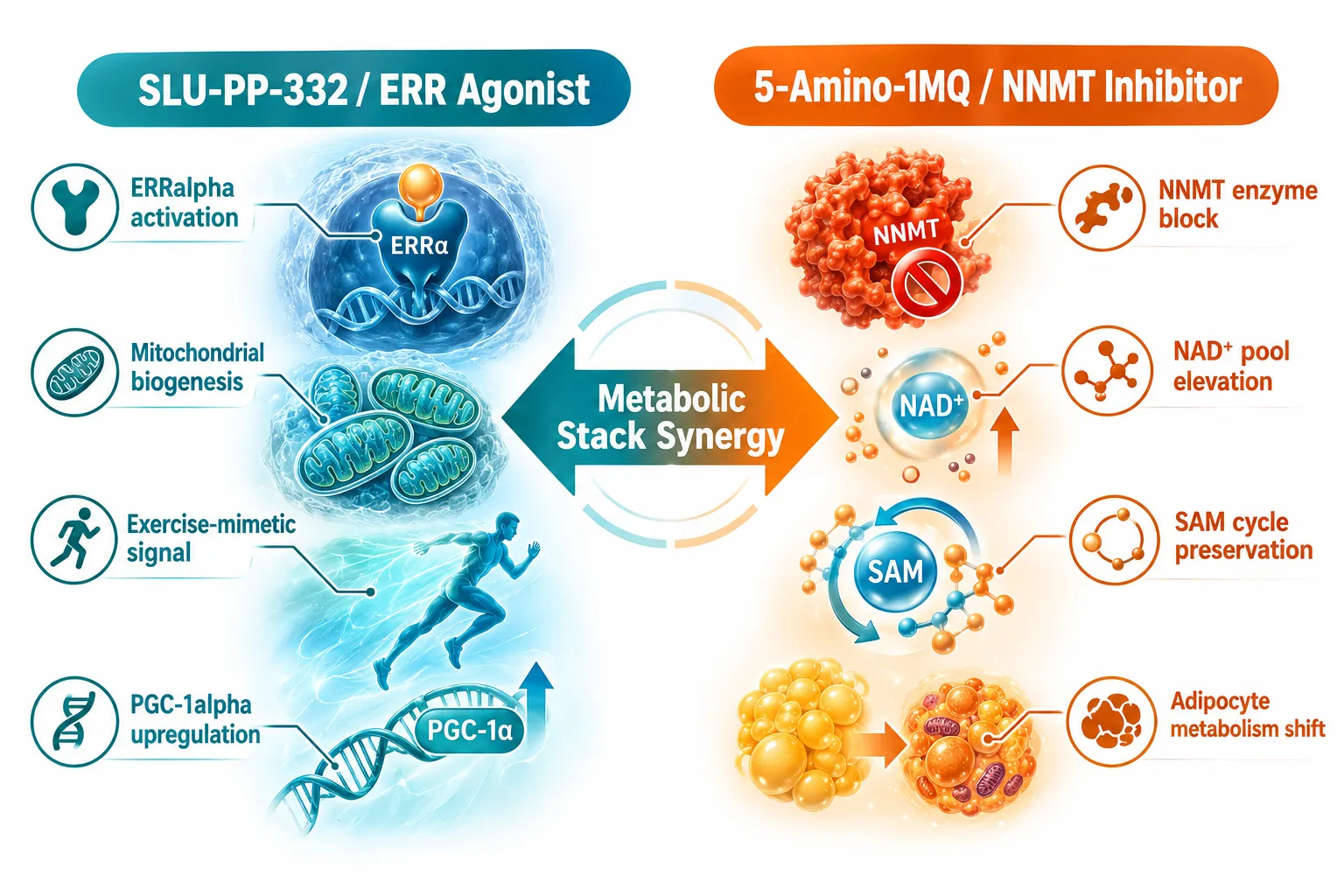
  • NNMT acts as a "methylation sink," consuming S-adenosyl methionine and depleting the NAD+ precursor pool in adipose tissue.
  • 5-Amino-1MQ inhibits NNMT directly, raising intracellular NAD+ and shifting adipocyte metabolism toward energy expenditure.
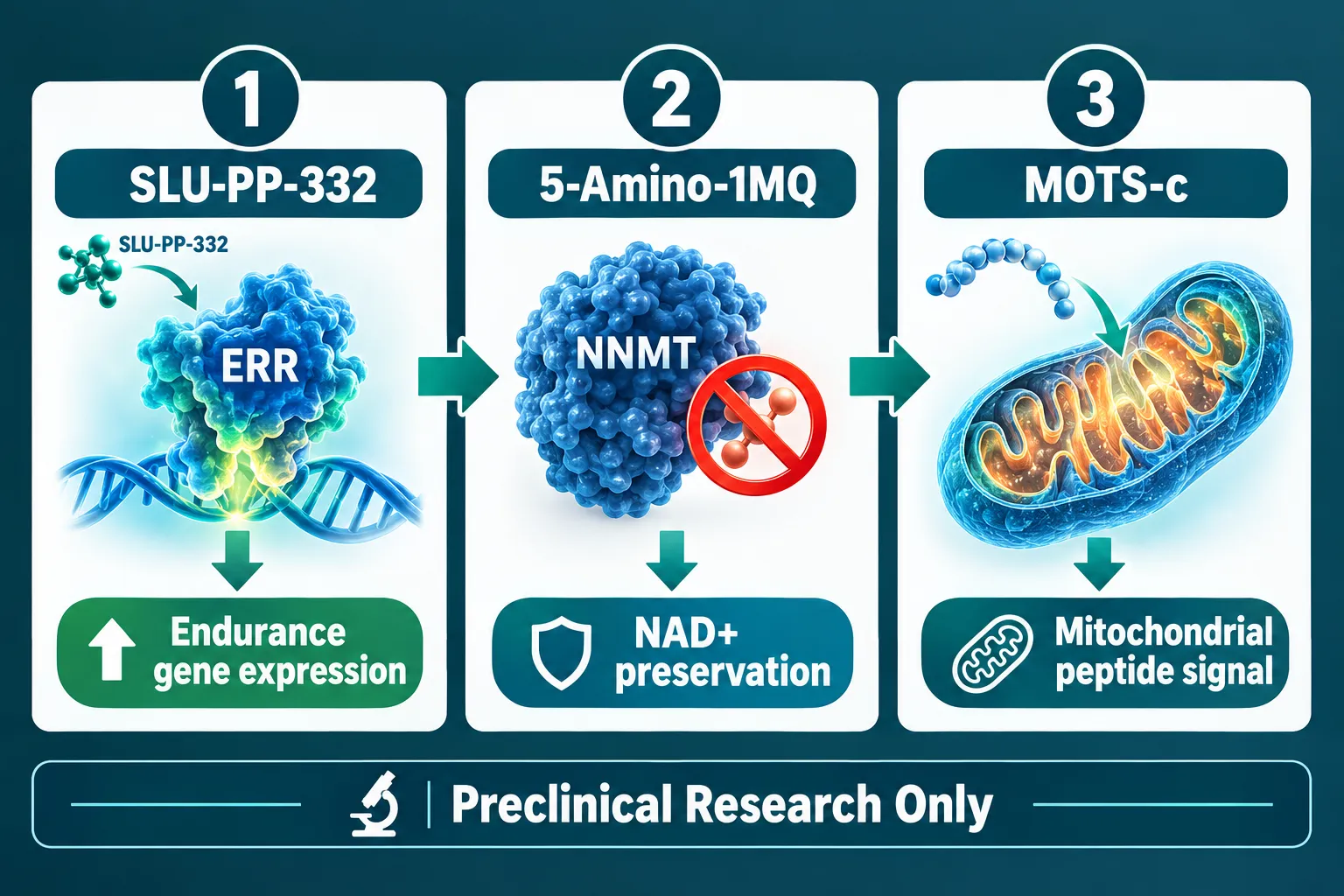
  • SLUPP332 targets ERR-alpha, a downstream node of mitochondrial biogenesis, making it a mechanistically distinct but complementary research tool.
  • Most 5-Amino-1MQ evidence comes from animal models; human clinical data remain limited as of 2026.
  • Experimental designs pairing these compounds typically use multi-arm layouts to isolate pathway-specific effects.

Key Takeaways

Understanding NNMT's Role in Metabolic Dysfunction

NNMT catalyzes the transfer of a methyl group from S-adenosyl methionine (SAM) to nicotinamide, producing 1-methylnicotinamide. This reaction has two major downstream consequences. First, it consumes SAM, reducing the cell's overall methylation potential — a process that, when chronic, leads to histone hypomethylation and altered gene expression. Second, it diverts nicotinamide away from NAD+ synthesis, shrinking the intracellular NAD+ pool that mitochondria depend on for oxidative phosphorylation.

In adipose tissue, NNMT overexpression is strongly associated with:

Effect Mechanism
Increased fat storage Reduced NAD+ limits fatty acid oxidation
Insulin resistance Impaired mitochondrial signaling
Epigenetic remodeling SAM depletion causes histone hypomethylation
Suppressed thermogenesis Lower energy expenditure in adipocytes

"NNMT functions less like a simple metabolic enzyme and more like a regulatory switch that integrates energy status, epigenetic state, and immune signaling simultaneously."

This multifaceted role is why NNMT has attracted attention in both metabolic disorder research and oncology. In cancer biology, the same methylation-sink mechanism supports tumor cell survival by remodeling chromatin. For researchers focused on metabolic modulation research lines, the adipose-tissue angle is the primary focus.

How 5-Amino-1MQ and SLUPP332 in Metabolic Research Frame NNMT Targeting in Experimental Design

How 5-Amino-1MQ and SLUPP332 in Metabolic Research Frame NNMT Targeting in Experimental Design

5-Amino-1MQ: The Direct NNMT Inhibitor

5-Amino-1MQ is a small-molecule competitive inhibitor of NNMT. By blocking the enzyme's active site, it prevents nicotinamide from being methylated, which preserves the substrate pool available for NAD+ synthesis. The result, observed consistently in rodent models, is a measurable rise in adipose NAD+ levels, increased mitochondrial activity, and a shift in energy balance away from lipid storage.

Researchers sourcing 5-Amino-1MQ for preclinical studies typically frame their endpoints around:

  • NAD+ quantification in adipose and liver tissue
  • Oxygen consumption rate (OCR) in isolated mitochondria
  • Body composition metrics via DEXA or MRI in diet-induced obesity models
  • Insulin sensitivity markers including HOMA-IR and glucose tolerance curves

Newer NNMT inhibitors such as II559 (Ki = 1.2 nM) and II802 (Ki = 1.6 nM) have demonstrated over 5,000-fold selectivity for NNMT over related methyltransferases, with cellular IC50 values near 150 nM. These figures provide a useful selectivity benchmark when designing controls for 5-Amino-1MQ studies.

Critical caveat: Despite strong animal-model data, human clinical trials for 5-Amino-1MQ remain in early stages. Researchers should treat all mechanistic claims as preclinical until robust human data emerge.

SLUPP332: A Complementary Mitochondrial Target

SLUPP332 (also written SLU-PP-332) works through a different mechanism. It is an agonist of estrogen-related receptor alpha (ERR-alpha), a nuclear receptor that drives mitochondrial biogenesis and oxidative metabolism gene expression. Rather than targeting NNMT directly, SLUPP332 in oral and subcutaneous evidence models activates downstream transcriptional programs that overlap with the metabolic benefits sought through NNMT inhibition.

This mechanistic distinction is precisely why researchers pair the two compounds in multi-arm designs — to determine whether upstream enzyme inhibition (5-Amino-1MQ) and downstream receptor activation (SLUPP332) produce additive, synergistic, or redundant effects on mitochondrial output and fat oxidation.

Experimental Design Considerations

Rigorous study layouts for 5-Amino-1MQ and SLUPP332 in metabolic research typically include:

  1. Control arm — vehicle only
  2. 5-Amino-1MQ arm — NNMT inhibition, NAD+ restoration
  3. SLUPP332 arm — ERR-alpha activation, biogenesis upregulation
  4. Combination arm — both compounds to test interaction effects

Researchers also integrate MOTS-c metabolic flexibility models as parallel comparators, given MOTS-c's role in AMPK activation and mitochondrial stress response. Similarly, IPA muscle and fat research themes offer adjacent endpoints for lean mass preservation alongside fat-loss outcomes.

For broader longevity-oriented panels, some investigators incorporate NAD+ precursor co-treatments, referencing NAD+ scientific evidence frameworks to contextualize NNMT inhibition within the wider NAD+ biology literature.

Experimental Design Considerations

Framing Limitations and Research Integrity

Honest experimental framing requires acknowledging several constraints:

  • Species translation gaps: Rodent adipose biology does not always map cleanly to human adipose, particularly regarding NNMT expression levels and tissue distribution.
  • In vivo bioavailability: Many NNMT inhibitors show strong in vitro potency but limited in vivo activity, a challenge that applies to 5-Amino-1MQ as well.
  • SLUPP332 data scarcity: Publicly available mechanistic data on SLUPP332 remain limited, making independent replication difficult.
  • Confounding variables: Diet-induced obesity models introduce metabolic heterogeneity that can obscure compound-specific signals.

Researchers building longevity peptide research protocols that include NNMT-targeting agents should pre-register endpoints and use blinded outcome assessment to minimize bias.

Conclusion

The study of 5-Amino-1MQ and SLUPP332 in metabolic research: how NNMT targeting is framed in experimental design rewards researchers who prioritize mechanistic clarity over outcome assumptions. The core logic is straightforward: NNMT overexpression depletes NAD+ and impairs mitochondrial function; inhibiting it restores metabolic flexibility. SLUPP332 adds a complementary activation signal at the transcriptional level, making multi-arm designs the most informative approach.

Actionable next steps for researchers:

  • Define NAD+ quantification and OCR as primary endpoints before dosing begins.
  • Include a selectivity control arm using a structurally related but inactive analog.
  • Cross-reference findings against mitochondrial longevity research frameworks to situate results within the broader field.
  • Treat human translation with caution until Phase I/II data are available.
  • Source compounds with verified purity documentation to ensure assay reproducibility.

Rigorous design, not compound enthusiasm, is what advances NNMT research from promising mechanism to actionable biology.

https://www.puretestedpeptides.com/wp-content/uploads/2026/06/5-Amino-1MQ-and-SLUPP332-in-Metabolic-Research-How-NNMT-Targeting-Is-Framed-in-Experimental-Design.png 1024 1536 https://www.puretestedpeptides.com/wp-content/uploads/2026/01/buy-peptides-online.jpg 2026-06-17 13:04:092026-06-17 13:04:095-Amino-1MQ and SLUPP332 in Metabolic Research: How NNMT Targeting Is Framed in Experimental Design
Retatrutide and GLP-3 Biology: What Makes This Triple-Agonist Different From GLP-1 and GLP-2 Research Peptides

Retatrutide and GLP-3 Biology: What Makes This Triple-Agonist Different From GLP-1 and GLP-2 Research Peptides

June 17, 2026/0 Comments/in Uncategorized/by

A single drug achieving nearly 28% body weight reduction over 18 months — matching bariatric surgery outcomes — is not a minor incremental advance. That is the headline finding driving intense scientific interest in retatrutide in 2026. Yet most discussions skip past the foundational biology. Understanding Retatrutide and GLP-3 Biology: What Makes This Triple-Agonist Different From GLP-1 and GLP-2 Research Peptides requires a clear look at receptor targets, metabolic pathways, and why adding a third agonist arm changes the equation entirely.

Key Takeaways

  • Retatrutide simultaneously activates three receptors: GLP-1, GIP, and glucagon — a combination no approved drug currently achieves.
  • The glucagon receptor arm drives energy expenditure and fat oxidation, which is absent in both semaglutide and tirzepatide.
  • Phase 3 data show mean weight reductions of 22–28%, placing retatrutide above existing GLP-1 therapies.
  • GLP-2 is a structurally related incretin but targets gut mucosal biology, not metabolic weight pathways — making the GLP-1 vs. GLP-2 distinction critical for researchers.
  • Eli Lilly plans an NDA submission to the FDA in late 2026, with commercial approval anticipated in 2027.

Key Takeaways

Understanding the GLP Receptor Family Before Comparing Compounds

The glucagon-like peptide (GLP) family includes GLP-1 and GLP-2, both derived from the same precursor protein, proglucagon. Despite their shared origin, they act on entirely different tissues and serve different biological roles.

GLP-1 is an incretin hormone released from intestinal L-cells after eating. It binds GLP-1 receptors in the pancreas, brain, and gut to suppress appetite, slow gastric emptying, and stimulate insulin secretion. This is the pathway targeted by semaglutide and, in part, by tirzepatide.

GLP-2, by contrast, acts primarily on intestinal epithelial cells. It promotes gut mucosal growth, reduces intestinal permeability, and supports nutrient absorption. GLP-2 analogs like teduglutide are studied in short bowel syndrome — not obesity or metabolic disease. Researchers exploring GLP-1 incretin research themes will recognize that GLP-2 occupies a separate biological lane entirely.

The term "GLP-3" does not refer to a formally classified endogenous hormone. In current research shorthand, it is used informally to describe the triple-agonist concept — a molecule that hits GLP-1, GIP (glucose-dependent insulinotropic polypeptide), and glucagon receptors simultaneously. For a deeper look at this emerging terminology, see the overview of GLP-3 as the newest triple-agonist concept.


How Retatrutide and GLP-3 Biology Redefine the Triple-Agonist Mechanism

Retatrutide's design is built around three coordinated receptor interactions:

Receptor Primary Effect Metabolic Outcome
GLP-1 Appetite suppression, slowed gastric emptying Reduced caloric intake
GIP Enhanced insulin secretion and sensitivity Improved glucose control
Glucagon Increased energy expenditure, fat oxidation Greater caloric burn

The glucagon receptor arm is what separates retatrutide from every approved therapy. Semaglutide activates only GLP-1. Tirzepatide adds GIP to GLP-1. Retatrutide adds glucagon on top of both.

"The glucagon component is not redundant — it targets a fundamentally different metabolic lever by increasing thermogenesis and hepatic fat clearance."

This third pathway matters because appetite suppression alone has a ceiling. Raising energy expenditure through glucagon receptor activation addresses the metabolic adaptation that often limits long-term weight loss. Researchers interested in how GIP receptor biology contributes to metabolic outcomes will find that the dual GLP-1/GIP axis in tirzepatide already outperforms GLP-1 monotherapy — and retatrutide extends that logic further.

The tradeoff is tolerability. The glucagon component contributes to a higher incidence of nausea and gastrointestinal side effects, requiring a slower dose titration compared to dual agonists.


How Retatrutide and GLP-3 Biology Redefine the Triple-Agonist Mechanism

Phase 3 Data and What Retatrutide and GLP-3 Biology Mean for Research in 2026

Eli Lilly's TRIUMPH Phase 3 program is evaluating retatrutide across multiple populations:

  • TRIUMPH-3: Adults with obesity, no type 2 diabetes
  • TRIUMPH-4: Adults with obesity and type 2 diabetes

April 2026 readouts showed mean weight reductions of 22–24% at the 12 mg dose over 68 weeks. A separate 18-month trial reported approximately 28% average weight loss — a figure that overlaps with bariatric surgical outcomes. By comparison, tirzepatide at 15 mg achieved roughly 21% in the SURMOUNT-1 trial.

These numbers reflect a steeper dose-response curve, suggesting the glucagon receptor arm continues contributing at higher doses rather than plateauing. Researchers tracking what is new in peptide research will recognize this as a meaningful pharmacological distinction.

As of mid-2026, retatrutide remains unapproved and commercially unavailable. An NDA submission to the FDA is planned for late 2026, with potential approval in 2027. For researchers evaluating multi-pathway compounds in parallel, the GLP-3 and incretin research themes overview provides useful context on where this compound fits within the broader incretin landscape.

Those building structured research protocols may also benefit from reviewing peptide therapy benefits and research methodology to understand how multi-receptor compounds are evaluated systematically.


Phase 3 Data and What Retatrutide and GLP-3 Biology Mean for Research in 2026

Conclusion

The biology behind retatrutide is not complicated once the receptor targets are mapped clearly. GLP-1 reduces intake. GIP improves insulin dynamics. Glucagon raises energy output. Together, these three pathways explain why Phase 3 data consistently outperform single and dual agonist benchmarks.

Actionable next steps for researchers and informed readers in 2026:

  • Distinguish GLP-2 (gut mucosal biology) from the GLP-1/GIP/glucagon triple-agonist mechanism before comparing compounds.
  • Monitor the TRIUMPH program readouts and the anticipated FDA NDA submission timeline.
  • Review MOTS-c metabolic flexibility research as a complementary pathway for researchers studying energy regulation.
  • Use quality testing protocols as a benchmark when evaluating any research-grade peptide compound.

Retatrutide represents a genuine step-change in metabolic peptide science — not because it is newer, but because its receptor architecture addresses limitations that single and dual agonists cannot overcome.

https://www.puretestedpeptides.com/wp-content/uploads/2026/06/Retatrutide-and-GLP-3-Biology-What-Makes-This-Triple-Agonist-Different-From-GLP-1-and-GLP-2-Research-Peptides.png 1024 1536 https://www.puretestedpeptides.com/wp-content/uploads/2026/01/buy-peptides-online.jpg 2026-06-17 13:04:042026-06-17 13:04:04Retatrutide and GLP-3 Biology: What Makes This Triple-Agonist Different From GLP-1 and GLP-2 Research Peptides
Epithalon and Telomere Biology: What the Research Actually Suggests About Longevity Signaling

Epithalon and Telomere Biology: What the Research Actually Suggests About Longevity Signaling

June 17, 2026/0 Comments/in Uncategorized/by

Telomeres shorten with every cell division — and when they become critically short, cells stop dividing or die. That single biological fact has made telomere biology one of the most intensely studied areas in longevity science. Into this space steps Epithalon, a synthetic tetrapeptide (Ala-Glu-Asp-Gly) derived from the pineal gland peptide epithalamin. The conversation around Epithalon and telomere biology: what the research actually suggests about longevity signaling is more nuanced than most popular sources admit. This article separates mechanistic hypotheses from what experimental systems have actually demonstrated.

Detailed () scientific illustration showing a cross-section diagram of a human somatic cell nucleus with highlighted

Key Takeaways

  • Epithalon activates telomerase and elongates telomeres in cell culture, but most evidence comes from a single research group.
  • Animal studies report a 24-38% increase in mean lifespan, but these findings have not been independently replicated at scale.
  • Human observational data on mortality reduction is promising yet methodologically limited.
  • Epithalon lacks FDA approval and comprehensive safety data as of 2026.
  • Independent replication and randomized controlled trials remain the critical next step.

The Mechanistic Case: How Epithalon Is Proposed to Influence Telomere Biology

The core hypothesis is straightforward. Epithalon is proposed to upregulate hTERT expression — the catalytic subunit of telomerase — thereby activating the enzyme that rebuilds telomere sequences. In vitro studies support this model. A 2025 study demonstrated telomerase induction and measurable telomere elongation in both normal and cancer human somatic cell lines. Notably, normal cells required roughly three weeks of incubation to show the effect, while cancer cells responded within four days. This difference likely reflects the already-elevated baseline telomerase activity in malignant cells.

"The mechanistic rationale for Epithalon is biologically plausible — but plausibility is not the same as demonstrated efficacy."

What makes this relevant to longevity signaling is the broader context. Telomere attrition is linked to cellular senescence, chronic inflammation, and age-related tissue dysfunction. A peptide that reliably activates telomerase could, in theory, slow these downstream processes. For researchers also exploring mitochondrial aging pathways, SS-31 mitochondrial research themes offer a complementary lens on cellular energy decline in aging.

The mechanistic picture is incomplete, however. The hTERT upregulation pathway has been validated primarily in cell culture. In vivo confirmation — particularly in human tissue — is still lacking.


What Animal and Human Studies Have and Have Not Shown

What Animal and Human Studies Have and Have Not Shown

Rodent studies represent the strongest body of preclinical evidence. Long-term chronic administration of Epithalon has been associated with a 24 to 38% increase in mean lifespan relative to control groups. Treated animals also showed reduced tumor incidence, particularly mammary and hepatic tumors. These are meaningful effect sizes by any standard.

Human data is more limited. A 6-to-8-year observational study involving 266 elderly patients reported a 1.6-to-1.8-fold decrease in mortality among those receiving epithalamin, the natural peptide extract from which Epithalon is derived. That is a striking number. But these were not randomized controlled trials, and the absence of proper controls makes causal interpretation difficult.

For researchers building a broader longevity research framework, it is useful to compare evidence quality across compounds. NAD+ energetics and longevity research themes and NAD scientific evidence illustrate how compounds with more diverse research pipelines are evaluated.

Evidence Type Finding Limitation
In vitro (human cells) Telomerase activation confirmed Single lab, no independent replication
Animal models (rodents) 24-38% lifespan extension Not replicated across independent groups
Human observational 1.6-1.8x mortality reduction No randomization, small cohort

Critical Gaps: What Epithalon Research Still Needs to Establish

Critical Gaps: What Epithalon Research Still Needs to Establish

The most significant limitation in the entire Epithalon literature is concentration of origin. The majority of key studies trace back to a single Russian research group. Independent replication — the bedrock of scientific confidence — has not occurred at the scale needed to validate the reported effects.

Safety data is another gap. Comprehensive information on genotoxicity, carcinogenic potential, and long-term organ-level effects is not yet available. This matters especially given that telomerase activation in cancer cells is a known driver of tumor progression. Researchers should weigh this carefully.

As of 2026, Epithalon holds no approval from major regulatory agencies including the FDA. It remains a research compound. For those sourcing it for experimental purposes, reviewing where to buy SS-31 and Epithalon online provides useful procurement context. The Epithalon product page also outlines current catalog specifications.

When benchmarked against SS-31 (Elamipretide), which has completed Phase 2/3 clinical trials and received FDA approval for specific indications, Epithalon's evidence base is considerably less mature. Researchers interested in peptide delivery innovations may also find value in innovative peptide delivery systems as the field evolves.

Future research priorities include randomized controlled trials, independent replication of animal findings, and systematic safety profiling across diverse populations.


Conclusion

The science of Epithalon and telomere biology: what the research actually suggests about longevity signaling points to a compound with a credible mechanistic hypothesis and intriguing early data — but one that has not yet cleared the evidentiary bar required for clinical confidence. Telomerase activation in cell culture is real. Lifespan extension in rodents is notable. Human mortality data is suggestive. None of these, however, constitute proof of efficacy or safety in humans.

Actionable next steps for researchers:

  • Prioritize sourcing Epithalon only from verified, analytically tested suppliers.
  • Design experiments with appropriate controls and document outcomes rigorously.
  • Monitor the literature for independent replication studies, which will be the decisive factor in evaluating this compound.
  • Consider pairing Epithalon research with complementary longevity pathways such as MOTS-c mitochondrial signaling or GHK-Cu peptide research for a broader experimental framework.

The biology is compelling. The evidence, for now, demands caution.

https://www.puretestedpeptides.com/wp-content/uploads/2026/06/Epithalon-and-Telomere-Biology-What-the-Research-Actually-Suggests-About-Longevity-Signaling.png 1024 1536 https://www.puretestedpeptides.com/wp-content/uploads/2026/01/buy-peptides-online.jpg 2026-06-17 13:03:502026-06-17 13:03:50Epithalon and Telomere Biology: What the Research Actually Suggests About Longevity Signaling
GHK-Cu for Collagen, Copper Biology, and Skin-Regeneration Research: A Mechanism-First Overview

GHK-Cu for Collagen, Copper Biology, and Skin-Regeneration Research: A Mechanism-First Overview

June 16, 2026/0 Comments/in Uncategorized/by

}

Professional () hero image with : 'GHK-Cu: Copper Biology & Skin-Regeneration Research' in extra large white with deep ,

Ultrasound imaging now gives researchers a way to measure what was once only estimated: a 2026 clinical dataset found that topical GHK-Cu produced a mean 28% increase in subdermal echogenic density — a validated proxy for collagen and elastin content — after just three months of use, with the top quartile of participants showing a 51% improvement over baseline. That kind of measurable structural change has pushed GHK-Cu for Collagen, Copper Biology, and Skin-Regeneration Research: A Mechanism-First Overview into a central position in peptide biology discussions.

Key Takeaways

  • GHK-Cu is a naturally occurring tripeptide-copper complex that declines sharply with age, making exogenous delivery a key research focus.
  • Its primary mechanism involves copper-mediated activation of enzymes that build and remodel the extracellular matrix (ECM).
  • GHK-Cu acts as an epigenetic regulator, influencing gene expression related to wound repair, inflammation control, and antioxidant defense.
  • Ultrasound-measured data from 2026 confirms meaningful collagen density gains from topical application in a stable, penetrant vehicle.
  • Researchers study GHK-Cu alongside other tissue-repair peptides because its signaling touches multiple biological pathways simultaneously.

What Is GHK-Cu and Why Does Copper Matter

GHK-Cu stands for glycyl-L-histidyl-L-lysine copper(II). The tripeptide backbone — three amino acids — binds a single copper(II) ion with high affinity. That copper binding is not incidental. It is the functional core of the molecule.

Copper is a required cofactor for lysyl oxidase, the enzyme that cross-links collagen and elastin fibers into a stable matrix. Without adequate copper delivery, newly synthesized collagen fibers remain poorly organized. GHK-Cu acts as a chaperone, shuttling bioavailable copper to sites where connective tissue assembly is actively occurring.

Human plasma concentrations of GHK-Cu are estimated at roughly 200 ng/mL in young adults but fall to approximately 80 ng/mL by age 60. Researchers frame this decline as a meaningful loss of a natural repair signal — one the body uses to coordinate wound healing, matrix remodeling, and local immune modulation.

For context on how other peptides interact with tissue repair at the cellular level, the skin matrix biology overview provides useful background on ECM architecture.

What Is GHK-Cu and Why Does Copper Matter


Mechanisms: ECM Signaling, Epigenetics, and Antioxidant Defense

Understanding GHK-Cu for Collagen, Copper Biology, and Skin-Regeneration Research: A Mechanism-First Overview requires looking at three distinct but overlapping mechanisms.

1. Extracellular Matrix Upregulation

GHK-Cu stimulates fibroblasts — the cells responsible for producing collagen, elastin, and glycosaminoglycans. In vitro studies show increased transcription of:

Target Effect
Collagen I and III Structural fiber production
Elastin Skin elasticity and recoil
Fibronectin Cell adhesion and wound closure
Decorin Collagen fiber organization

This is not a single-pathway effect. GHK-Cu appears to act as a broad ECM upregulator rather than targeting one receptor.

2. Epigenetic Regulation

One of the more surprising findings in GHK-Cu research is its influence on gene expression at scale. Studies using gene array analysis suggest GHK-Cu modulates the expression of over 4,000 human genes, many of which relate to inflammation resolution, DNA repair, and mitochondrial function. This places it in a category researchers sometimes call "epigenetic peptide regulators."

This overlaps with research themes explored in BPC-157 core peptide documentation and TB-500 cytoskeletal remodeling research, both of which also demonstrate broad gene-level effects on tissue repair.

3. Antioxidant and Anti-Inflammatory Activity

GHK-Cu downregulates pro-inflammatory cytokines including TNF-alpha and IL-6 while simultaneously activating superoxide dismutase (SOD) — a primary cellular antioxidant enzyme. This dual action helps explain why wound sites treated with GHK-Cu in preclinical models show faster resolution of the inflammatory phase.


Clinical and Preclinical Research Highlights

The 2026 ultrasound data represents a meaningful step forward because it uses an objective, non-invasive measurement rather than self-reported outcomes or surface photography.

Clinical and Preclinical Research Highlights

Key findings from current research include:

  • 28% mean increase in subdermal echogenic density after 3 months of topical GHK-Cu
  • 51% improvement in the top quartile of participants
  • Authors described GHK-Cu as "one of the most powerful peptides in our body that goes down with age," framing the results as empirical confirmation that exogenous delivery can restore dermal collagen density when the vehicle is stable and penetrant

Researchers interested in how delivery vehicles affect peptide bioavailability will find relevant discussion in the peptide purity testing guide and the are peptide serums worth it evidence-based review.

For those studying GHK-Cu alongside immune-modulating peptides, LL-37 mechanism and research covers overlapping anti-inflammatory signaling themes.

Clinical and Preclinical Research Highlights


Conclusion

GHK-Cu for Collagen, Copper Biology, and Skin-Regeneration Research: A Mechanism-First Overview reveals a peptide with unusual biological reach. Its copper-binding function drives ECM enzyme activity, its epigenetic footprint touches thousands of repair-related genes, and its anti-inflammatory properties help resolve the conditions that slow healing.

Actionable next steps for researchers and informed readers:

  1. Prioritize delivery vehicle quality — penetration depth directly affects whether GHK-Cu reaches fibroblasts in the dermis.
  2. Review the latest developments in peptide research to track emerging GHK-Cu data as it is published.
  3. Consider GHK-Cu in the context of other ECM-active peptides to understand how combination approaches are being studied.
  4. Use objective measurement tools — such as ultrasound echogenicity — when evaluating research outcomes rather than relying solely on visual assessments.

The 2026 clinical data makes one point clearly: when delivered correctly, GHK-Cu does not just signal repair — it produces measurable structural change.

https://www.puretestedpeptides.com/wp-content/uploads/2026/06/GHK-Cu-for-Collagen-Copper-Biology-and-Skin-Regeneration-Research-A-Mechanism-First-Overview.png 1024 1536 https://www.puretestedpeptides.com/wp-content/uploads/2026/01/buy-peptides-online.jpg 2026-06-16 13:05:322026-06-16 13:05:32GHK-Cu for Collagen, Copper Biology, and Skin-Regeneration Research: A Mechanism-First Overview
Prostate-Specific Antigen and Peptide Research: Why PSA Appears in Hormone, Prostate, and Biomarker Content Strategy

Prostate-Specific Antigen and Peptide Research: Why PSA Appears in Hormone, Prostate, and Biomarker Content Strategy

June 16, 2026/0 Comments/in Uncategorized/by

Fewer than 5% of men under 40 have elevated PSA levels — yet the term "PSA" appears in an enormous share of research content spanning hormones, peptides, and biomarker diagnostics. That overlap is not accidental. Understanding Prostate-Specific Antigen and Peptide Research: Why PSA Appears in Hormone, Prostate, and Biomarker Content Strategy requires a clear look at what PSA actually is, how peptide science intersects with its measurement and targeting, and why content covering endocrine health, prostate biology, and research peptides so often converges on this single biomarker.

Key Takeaways

  • PSA is a serine protease enzyme — a peptide-cleaving protein — making it directly relevant to peptide research frameworks.
  • Hormone regulation, particularly androgen signaling, controls PSA expression, linking it firmly to endocrine content.
  • Newer biomarkers such as GRPR and modified PSA assays are expanding the diagnostic landscape beyond standard PSA testing.
  • Peptide-based prodrugs and imaging agents that exploit PSA's enzymatic activity represent an active research frontier.
  • Content covering prostate health, biomarker science, or research peptides will naturally intersect with PSA as a reference point.

Key Takeaways

What PSA Actually Is — And Why Peptide Research Overlaps

PSA, or Prostate-Specific Antigen, is a serine protease enzyme produced primarily by prostate epithelial cells. Its biological job is to liquefy seminal proteins — it does this by cleaving peptide bonds. That single function places PSA squarely within peptide biochemistry, not just urology.

Because PSA belongs to the human kallikrein family (specifically KLK3), it shares structural and functional characteristics with other kallikrein peptidases. Researchers studying peptide substrates, enzyme kinetics, or protease-activated drug delivery systems encounter PSA as a natural reference point.

"PSA is not merely a cancer screening number — it is an active peptide-processing enzyme whose substrate specificity has been mapped and exploited for targeted drug design."

This enzymatic identity explains why Prostate-Specific Antigen and Peptide Research topics appear together so frequently. Researchers have used phage display screening to identify peptides that bind specifically to PSA-low prostate cancer cells — work that is directly relevant to castration-resistant prostate cancer targeting. Separately, peptide-based inhibitors of PSA have been optimized as targeted imaging agents, and PSA-cleavable peptide substrates have been screened to develop albumin-binding anticancer prodrugs.

For researchers already exploring peptide mechanisms and research applications, PSA represents a well-characterized enzymatic model with translational implications.


What PSA Actually Is — And Why Peptide Research Overlaps

Hormone Regulation, Androgen Signaling, and PSA Expression

PSA expression is tightly regulated by androgen hormones, particularly testosterone and dihydrotestosterone (DHT), acting through androgen receptors. This hormonal control is why PSA levels drop when androgen deprivation therapy is used in prostate cancer management.

This connection to hormone signaling is a key reason Prostate-Specific Antigen and Peptide Research: Why PSA Appears in Hormone, Prostate, and Biomarker Content Strategy is such a relevant framework. Any content platform covering endocrine health, growth hormone peptides, or hormonal biomarkers will encounter PSA as a downstream androgen-regulated marker.

Key hormonal relationships involving PSA:

Factor Effect on PSA
Testosterone / DHT Upregulates PSA gene transcription
Androgen deprivation Suppresses PSA production
Estrogen (high levels) May reduce PSA expression
Inflammation Can elevate PSA independent of cancer

Research exploring gonadorelin and GnRH pulsatility is directly upstream of androgen signaling — and therefore upstream of PSA regulation. Similarly, content covering GLP-1 peptide research concepts or NAD research and metabolic peptides sits within the same broad endocrine-metabolic ecosystem that PSA inhabits.


Hormone Regulation, Androgen Signaling, and PSA Expression

Biomarker Evolution: Beyond Standard PSA Testing

Standard PSA immunoassays have well-documented limitations in specificity. Recent research has moved in two important directions: refining PSA measurement and identifying companion biomarkers.

On the measurement side, mass spectrometry-based approaches now allow direct quantification of PSA-derived peptides, offering a path to harmonize inconsistencies across different immunoassay platforms. A first-in-class antibody targeting alpha-1,6-fucosylated PSA has also been developed to improve diagnostic specificity — a glycoproteomic refinement that sits at the intersection of peptide chemistry and clinical diagnostics.

On the companion biomarker side, Gastrin-Releasing Peptide Receptor (GRPR) has emerged as a significant parallel target. Studies evaluating GRPR alongside PSMA and Neurotensin Receptor 1 suggest that multi-receptor panels improve prostate cancer stratification compared to PSA alone. Research published in 2026 continues to explore theranostic targets beyond PSMA, reflecting a broader shift toward peptide-receptor-based diagnostics.

Ultrasensitive biosensors using octabranched peptide scaffolds and silver nanoparticles now enable PSA quantification at extremely low concentrations in human serum — a development with direct implications for early detection research.

For those tracking quality testing protocols in peptide research, this evolution in biomarker measurement methodology is directly applicable. Researchers interested in epithalon and aging biomarkers or GHK-Cu longevity research themes will recognize the same pattern: single-marker approaches give way to multi-pathway, peptide-informed frameworks.

PSA-Targeted Prodrugs and Peptide Delivery

One of the most compelling intersections between Prostate-Specific Antigen and Peptide Research: Why PSA Appears in Hormone, Prostate, and Biomarker Content Strategy is the field of PSA-activated prodrugs. Because PSA cleaves specific peptide sequences, researchers have engineered prodrugs that remain inactive until PSA cleaves a peptide linker — releasing the therapeutic payload selectively at the tumor site. Disulfide-constrained peptides that bind to the extracellular portion of PSMA (Prostate-Specific Membrane Antigen, a related but distinct target) have also been identified, further expanding the peptide-targeting toolkit.


Conclusion

PSA occupies a unique position in biomedical research — it is simultaneously a clinical screening marker, an androgen-regulated gene product, and an active peptide-cleaving enzyme. That triple identity explains precisely why Prostate-Specific Antigen and Peptide Research: Why PSA Appears in Hormone, Prostate, and Biomarker Content Strategy is a legitimate and valuable content framework, not keyword overlap.

Actionable next steps for researchers and content strategists:

  • Treat PSA as a peptide biochemistry topic, not just a urology metric, when building research content architecture.
  • Explore companion biomarkers (GRPR, Neurotensin Receptor 1) alongside PSA for a more complete prostate health research picture.
  • Follow developments in PSA-cleavable prodrug design as a model for targeted peptide delivery systems.
  • Use PSA's hormonal regulation as a bridge between endocrine peptide content and prostate health discussions.

Readers exploring broader peptide research themes can find relevant context in MOTS-C mitochondrial peptide research and IPA muscle and fat research themes — both of which operate within the same endocrine-metabolic landscape that PSA monitoring informs.

https://www.puretestedpeptides.com/wp-content/uploads/2026/06/Prostate-Specific-Antigen-and-Peptide-Research-Why-PSA-Appears-in-Hormone-Prostate-and-Biomarker-Content-Strategy.png 1024 1536 https://www.puretestedpeptides.com/wp-content/uploads/2026/01/buy-peptides-online.jpg 2026-06-16 13:05:072026-06-16 13:05:07Prostate-Specific Antigen and Peptide Research: Why PSA Appears in Hormone, Prostate, and Biomarker Content Strategy
Page 13 of 35«‹1112131415›»
×

Helpful Links

  • My account
  • Cart
  • Checkout
  • Refund and Returns Policy
  • Privacy Policy
  • SMS Privacy Policy
  • Login
  • My Account
  • Logout

USA Made Lab Tested Peptides

All products are sold for research, laboratory, or analytical purposes only, and are not for human consumption


Pure Tested Peptides is a chemical supplier. Pure Tested Peptides is not a compounding / chemical compounding facility as defined under 503A of the Federal Food, Drug, and Cosmetic act. Pure Tested Peptides is not an outsourcing facility as defined under 503B of the Federal Food, Drug, and Cosmetic act.

The statements made within this website have not been evaluated by the US Food and Drug Administration. The products we offer are not intended to diagnose, treat, cure or prevent any disease.

Human/Animal Consumption Prohibited. Laboratory/In-Vitro Experimental Use Only

Scroll to top Scroll to top Scroll to top