Peptides vs Classic Small-Molecule Drugs: A Researcher’s Guide Using Prednisone, Atorvastatin, and Spironolactone as Case Studies
More than 80 approved peptide therapeutics were on the global market by 2026, a figure that has more than doubled over the past decade, yet small-molecule drugs still account for roughly 90% of all oral prescriptions worldwide. That tension sits at the heart of modern pharmacology, and it makes the comparison of Peptides vs Classic Small-Molecule Drugs: A Researcher's Guide Using Prednisone, Atorvastatin, and Spironolactone as Case Studies especially timely for laboratory scientists designing mechanistic studies or evaluating research compounds.
Key Takeaways
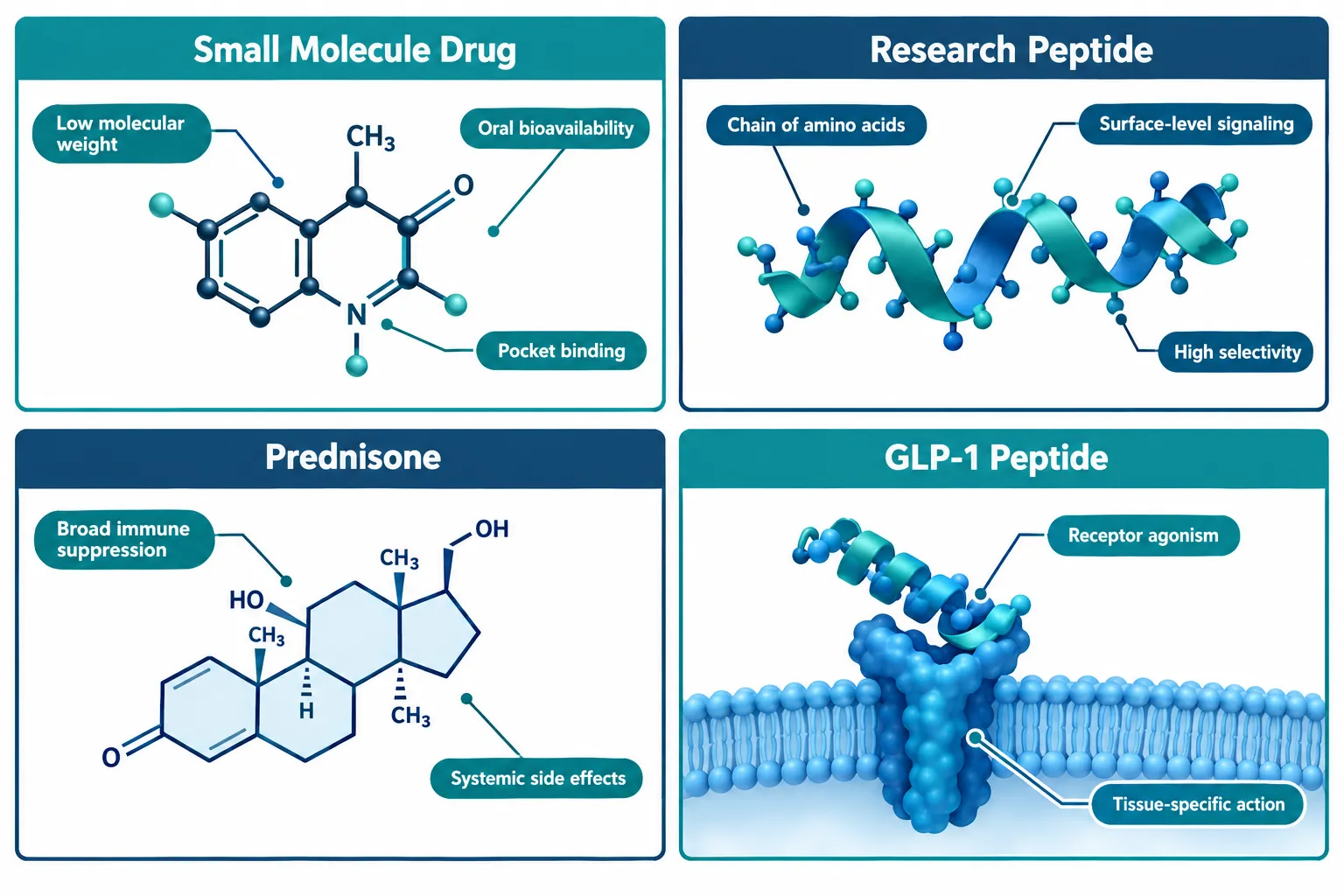
- Small molecules such as prednisone, atorvastatin, and spironolactone achieve oral bioavailability through low molecular weight and lipophilicity, but carry pleiotropic off-target risks.
- Peptides offer high receptor selectivity and a favorable safety profile, at the cost of proteolytic instability and limited oral delivery.
- Each drug class occupies distinct chemical space; understanding those boundaries sharpens study design.
- AI-driven molecular design is accelerating peptide optimization, narrowing the gap with small-molecule drug-likeness.
- Researchers in 2026 increasingly design hybrid protocols that leverage both modalities rather than treating them as mutually exclusive.
Understanding the Chemical Divide
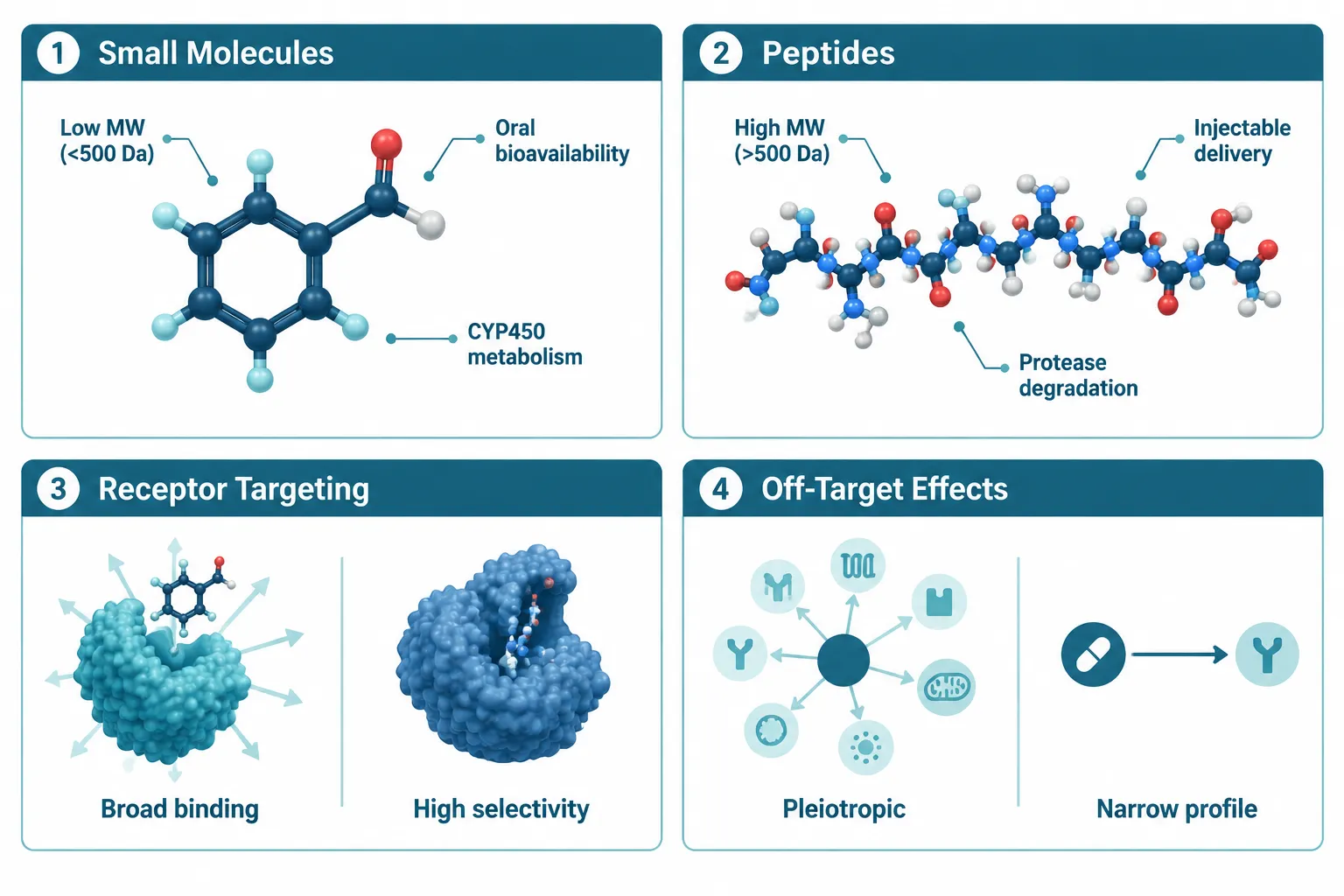
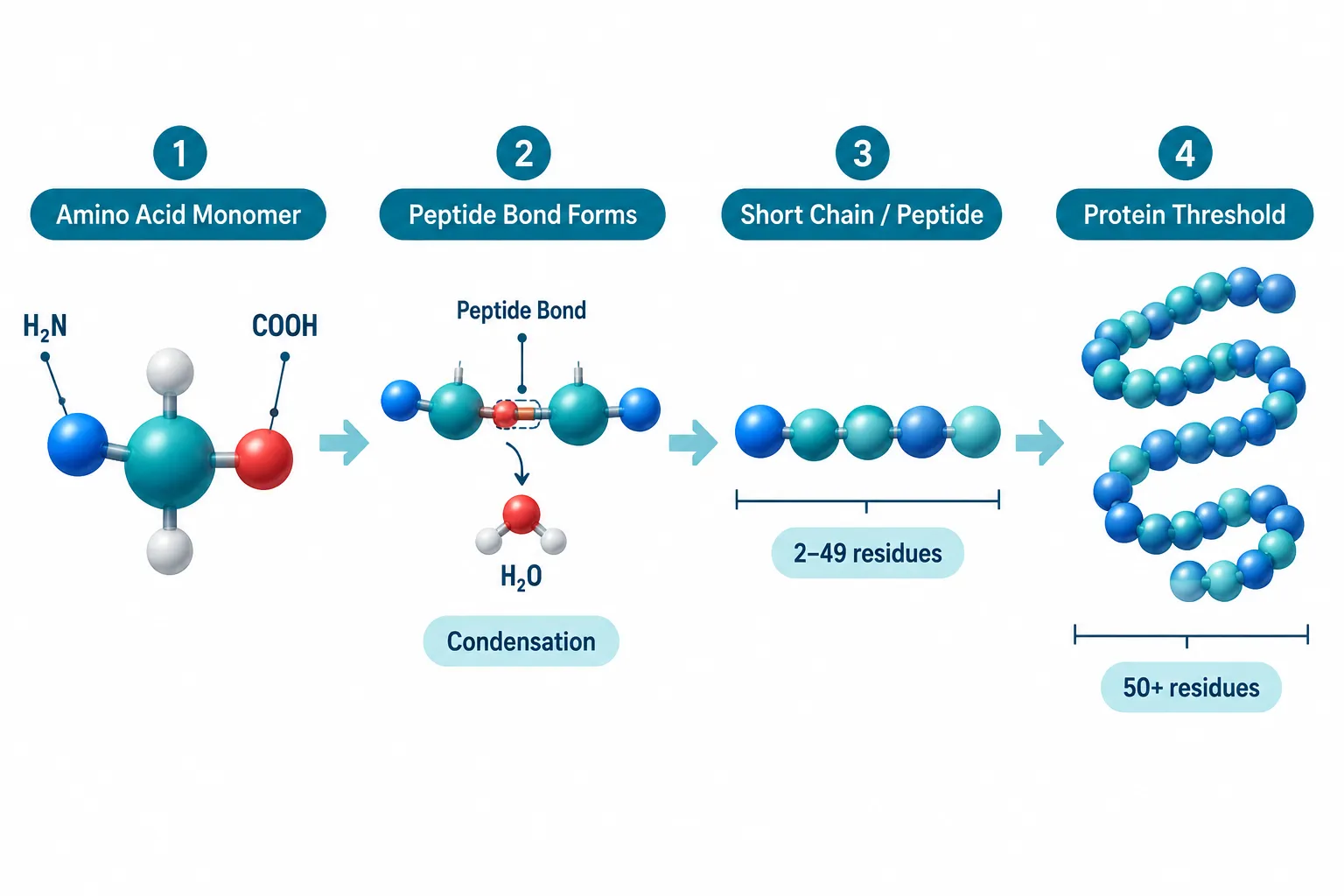
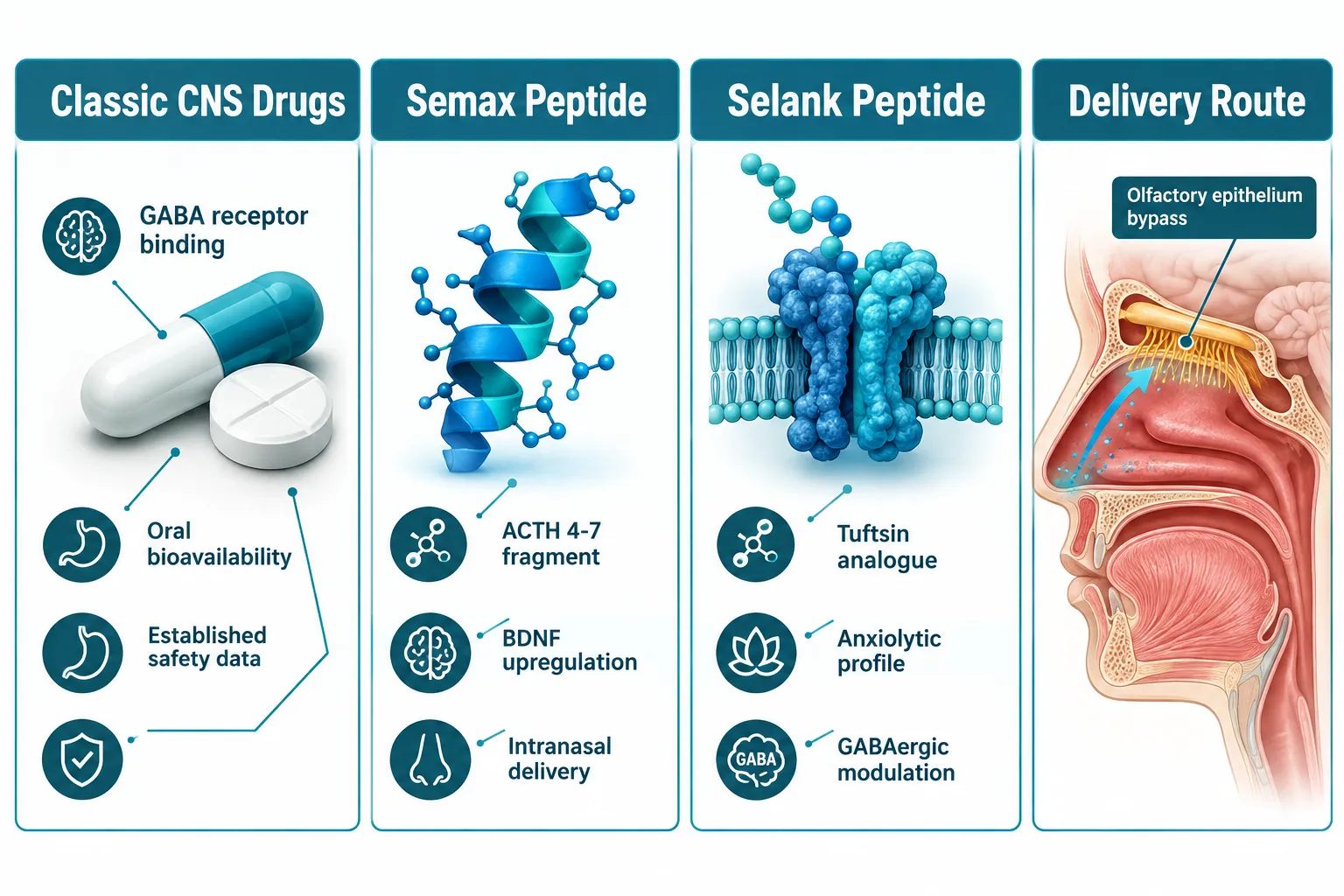
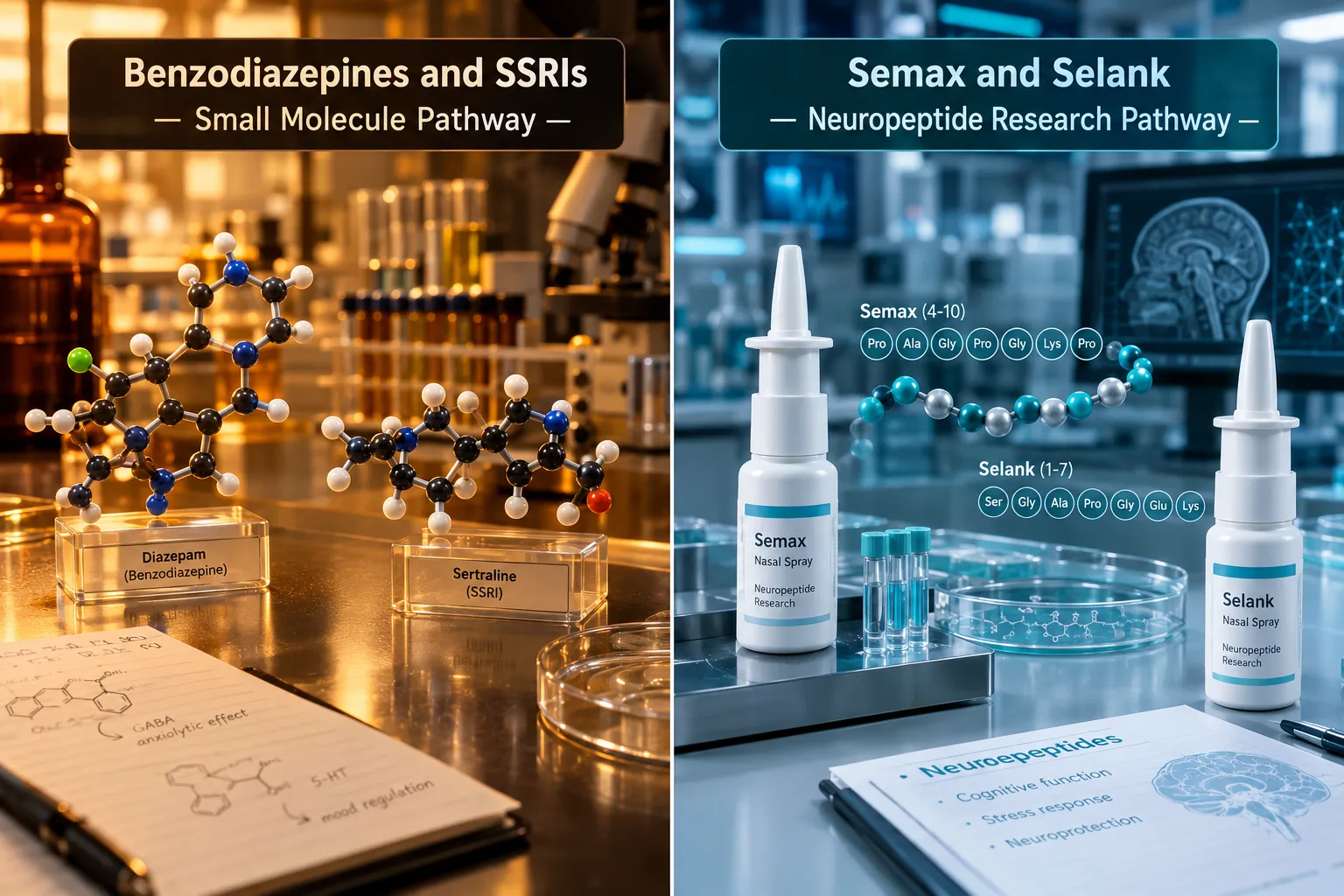
The core difference between peptides and classic small molecules is size. Small-molecule drugs typically fall below 500 daltons (Da), a threshold often called Lipinski's rule of five, which allows passive diffusion across cell membranes and supports oral dosing. Peptides, built from amino-acid chains, generally exceed 500 Da and fold into three-dimensional conformations that confer exquisite receptor complementarity.
Key physicochemical contrasts:
| Property | Small Molecules | Peptides |
|---|---|---|
| Molecular weight | <500 Da | 500-5,000+ Da |
| Oral bioavailability | High (many) | Low without modification |
| Primary metabolism | CYP450 enzymes | Proteolytic degradation |
| Receptor selectivity | Moderate | High |
| Off-target burden | Often significant | Generally lower |
This table is not a verdict, it is a map. Researchers who understand peptide structure, mechanisms, and receptor-level pharmacology can use that map to choose the right tool for each experimental question.
Three Small-Molecule Case Studies: Prednisone, Atorvastatin, and Spironolactone
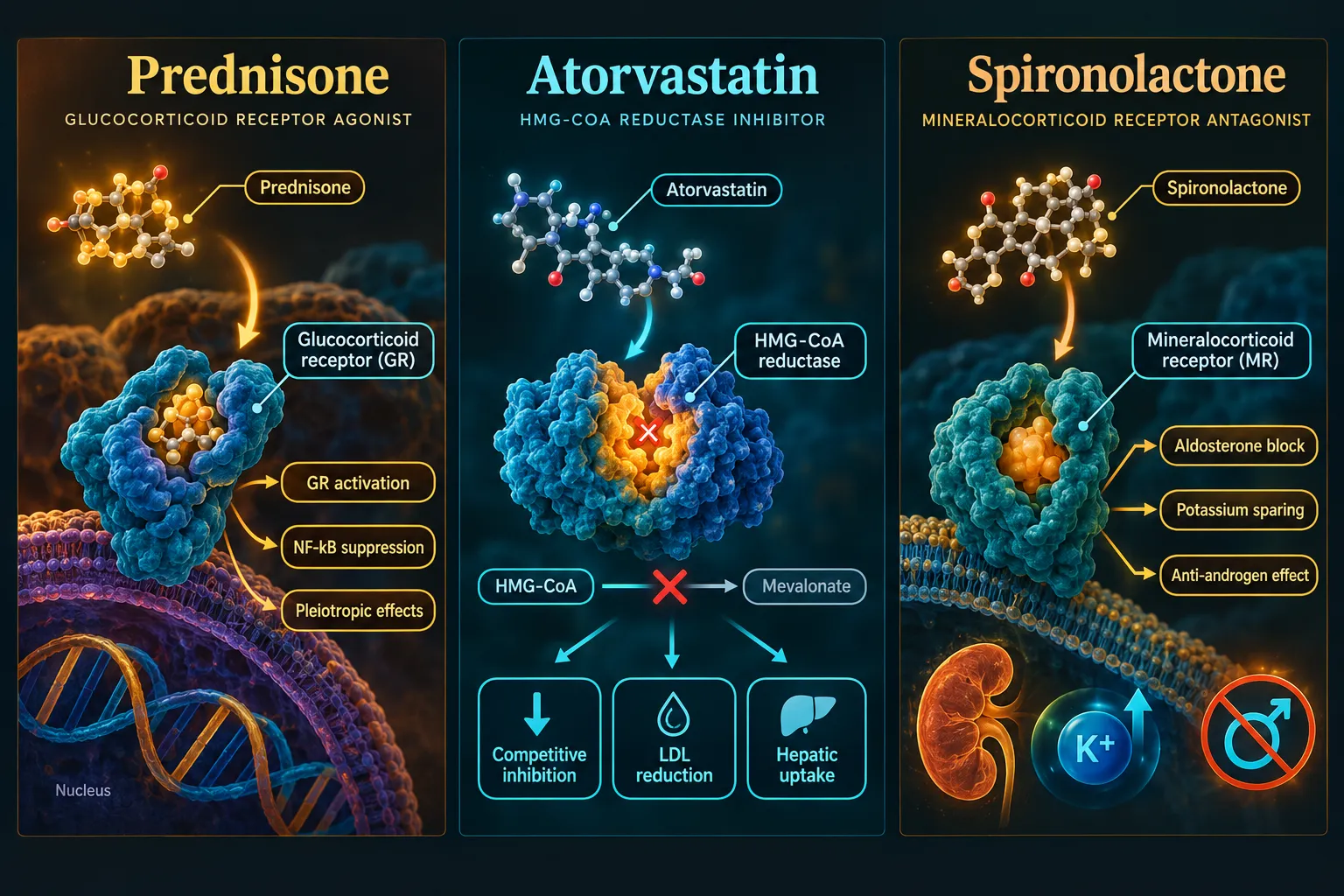
These three drugs dominate global prescription volumes and represent three distinct mechanistic archetypes, making them ideal anchors for a Peptides vs Classic Small-Molecule Drugs comparison.
Prednisone: Pleiotropic Corticosteroid
Prednisone is a prodrug converted hepatically to prednisolone, which binds the glucocorticoid receptor (GR) with high affinity. GR activation suppresses NF-kB and AP-1 transcription factors, producing broad anti-inflammatory effects. The word "broad" is the problem: the same receptor drives glucose dysregulation, bone density loss, and HPA-axis suppression. Prednisone exemplifies how small-molecule pleiotropism generates both therapeutic power and off-target liability.
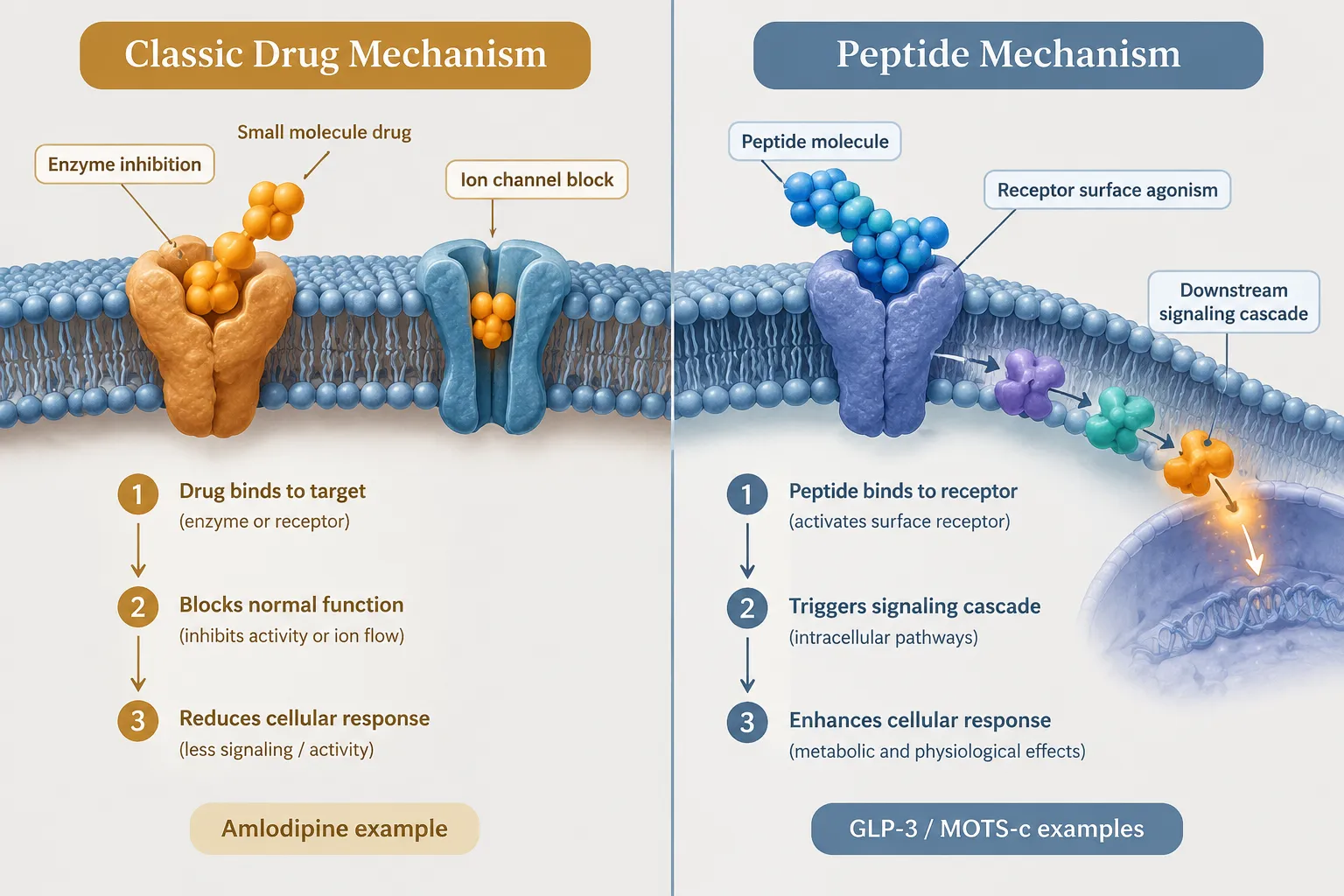
For researchers, this is instructive. When a peptide analogue targets a single cytokine pathway, say, an IL-6 receptor-binding peptide, the mechanistic footprint is far narrower than prednisone's. Understanding how polypeptide drug mechanisms differ from classic pharmacology helps contextualize those differences in study design.
Atorvastatin: Prototypical Enzyme Inhibitor
Atorvastatin competitively inhibits HMG-CoA reductase, the rate-limiting enzyme in cholesterol biosynthesis. It is among the most prescribed drugs in history, demonstrating that a well-defined enzymatic target and favorable pharmacokinetics can produce durable clinical impact. Its hepatic first-pass extraction is high, concentrating drug effect in the liver and limiting systemic exposure, a pharmacokinetic feature that peptide researchers often try to replicate through tissue-targeted delivery systems.
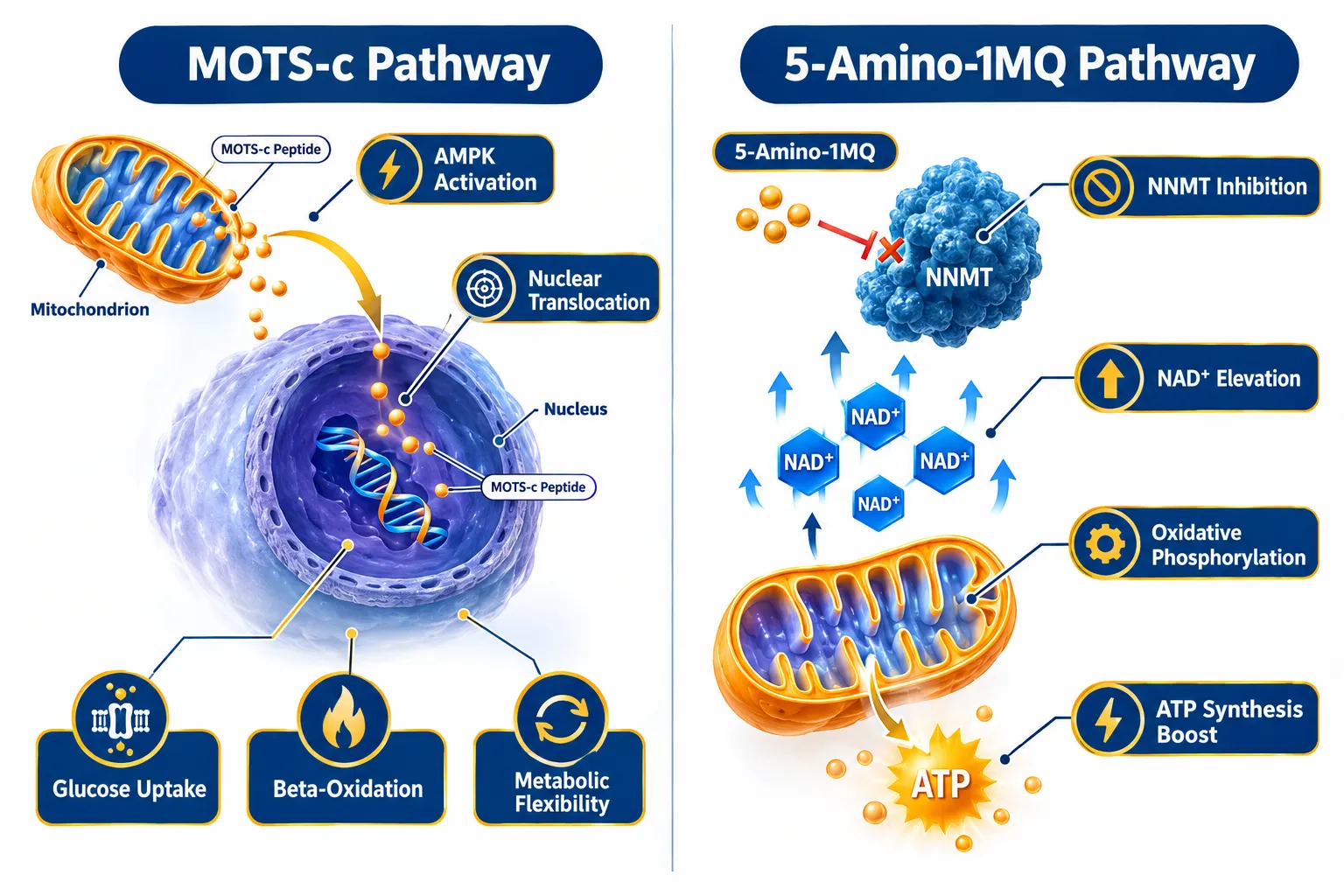
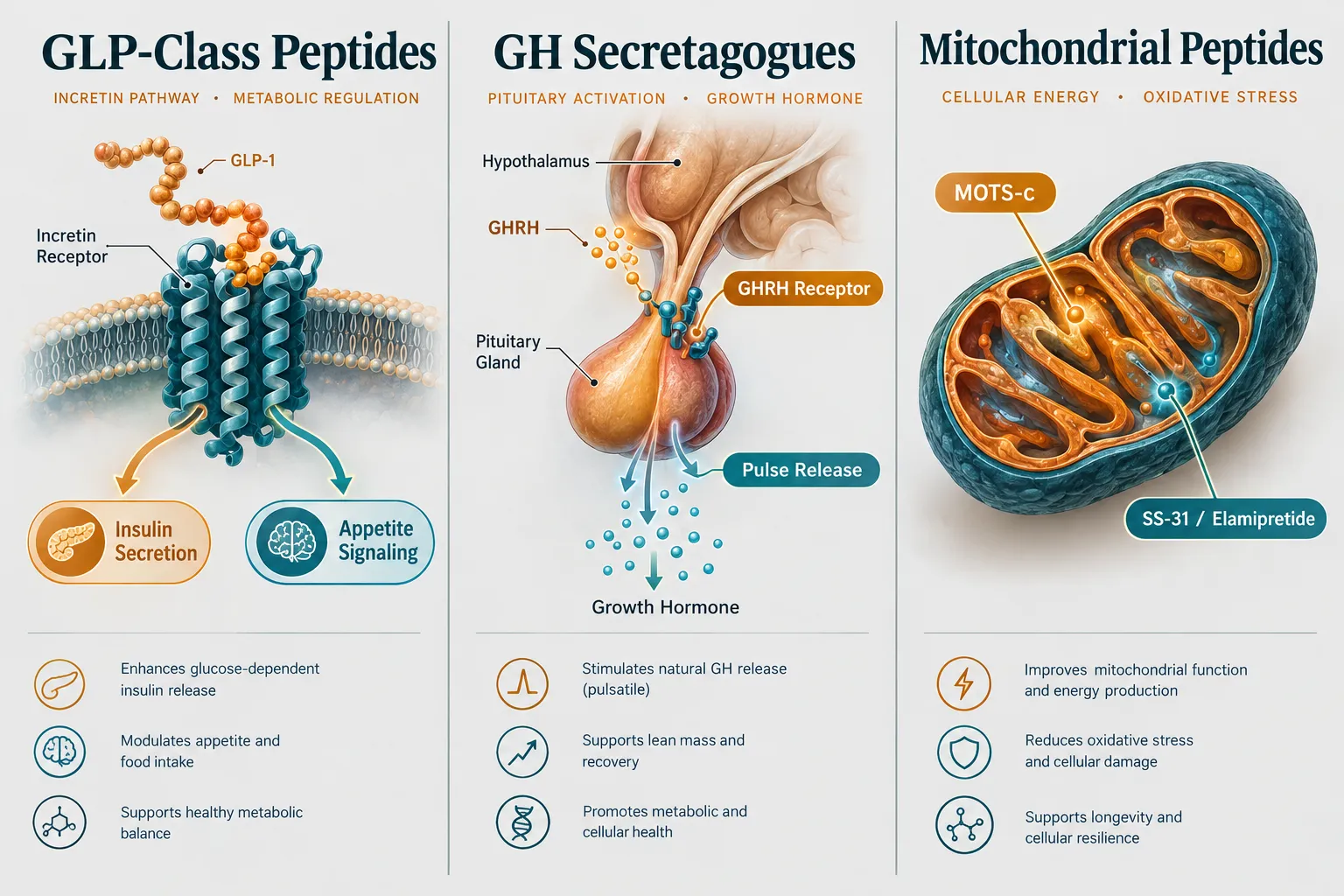
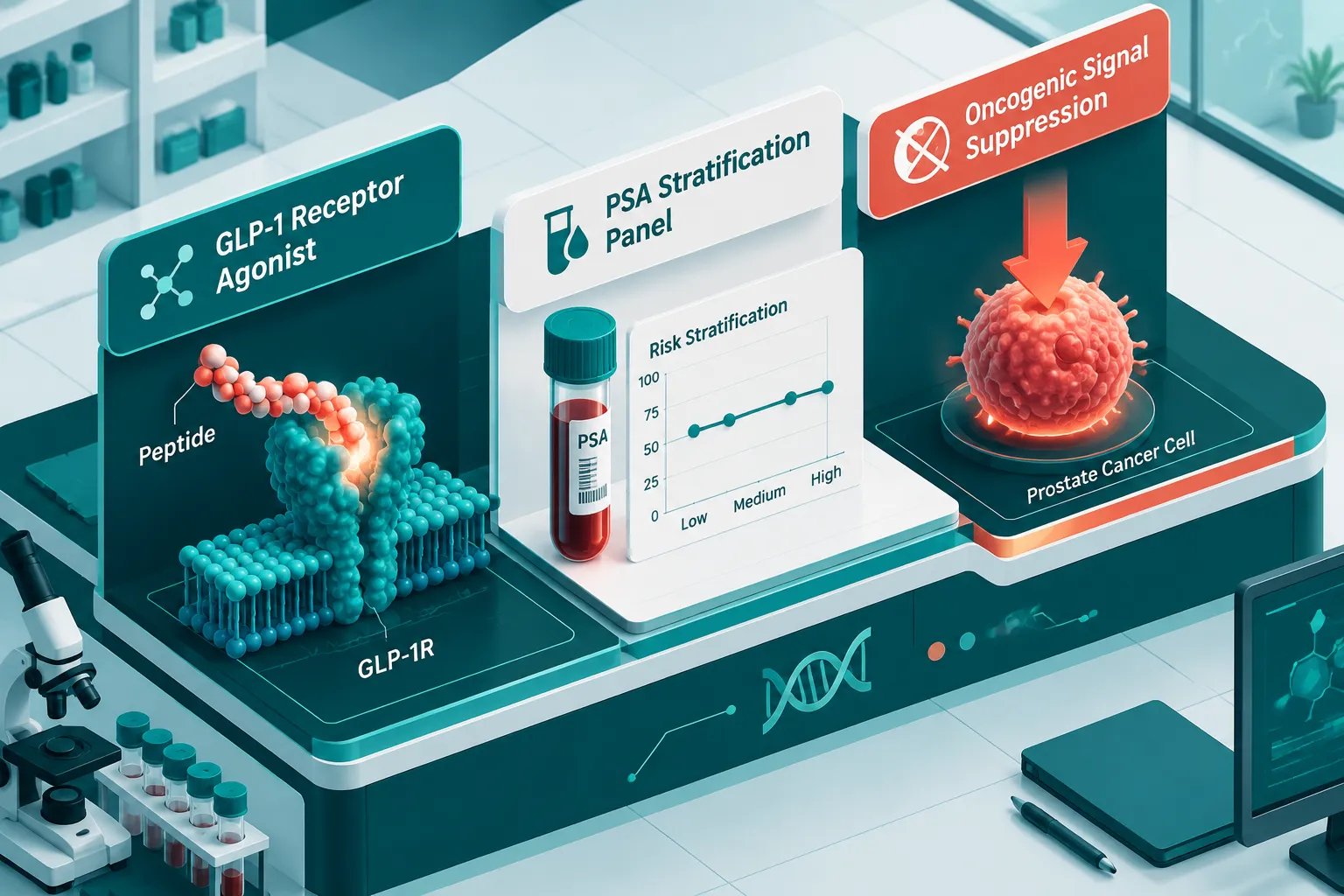
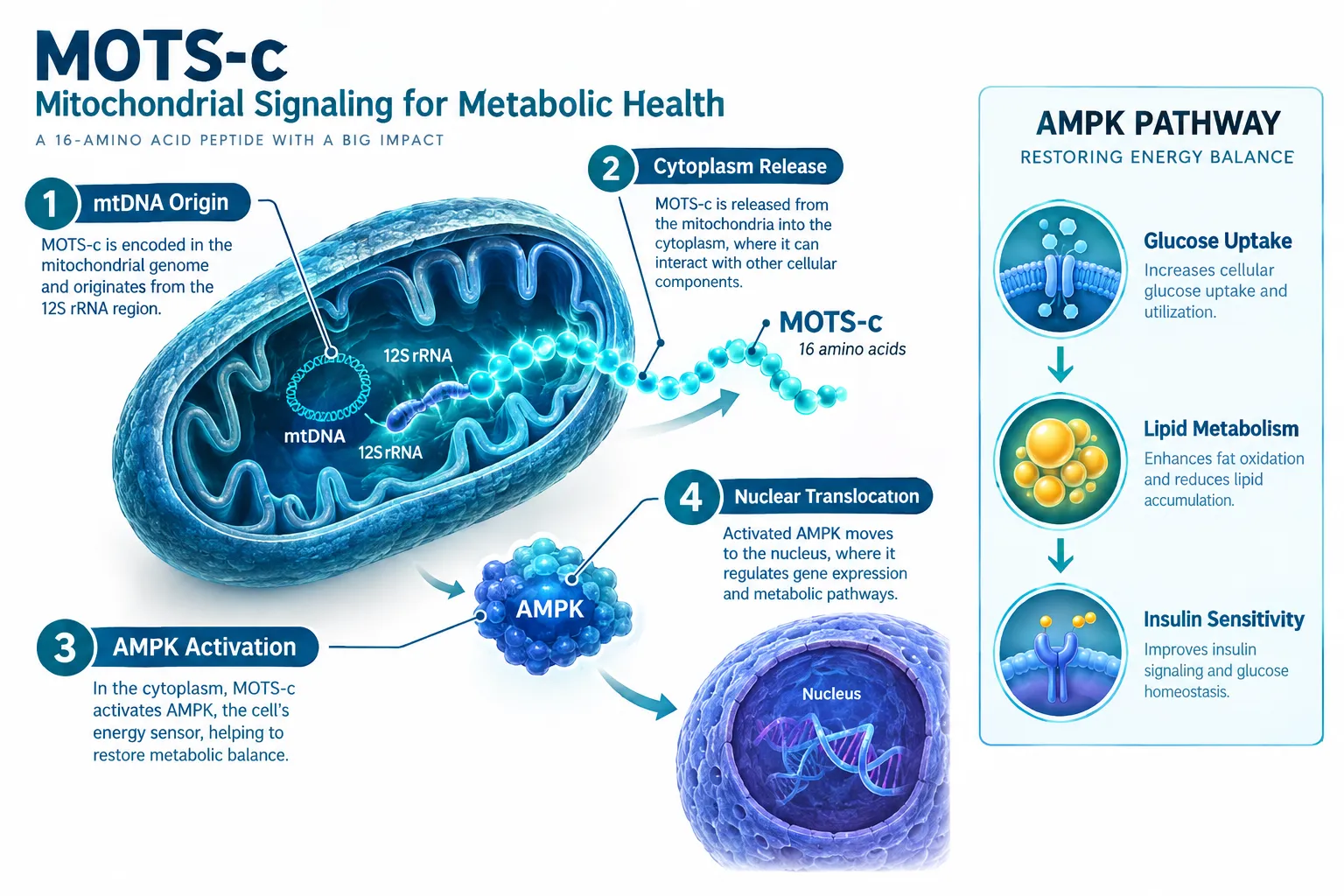
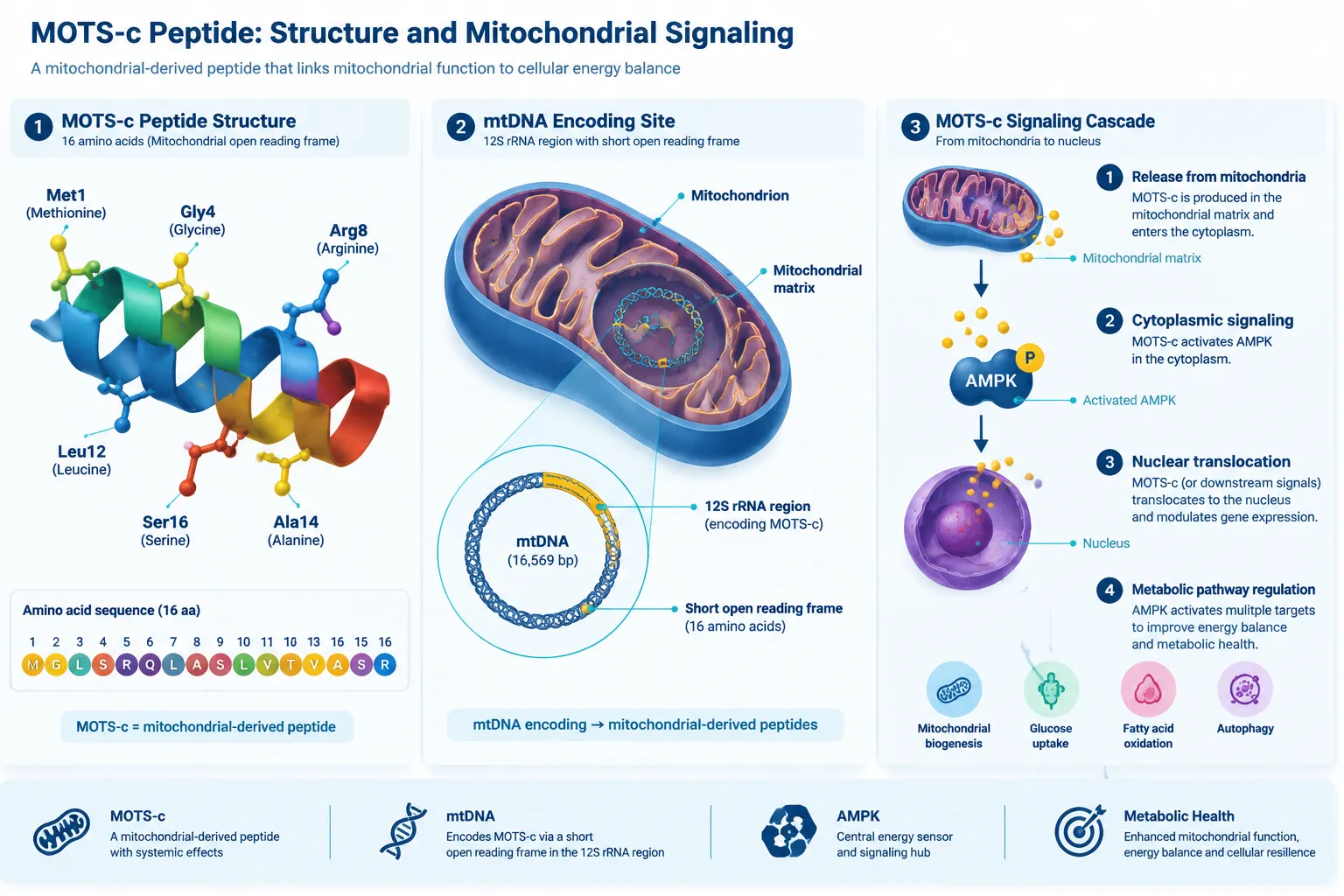
Metabolic peptide analogues, including GLP-1 receptor agonists and MOTS-c, pursue overlapping cardiometabolic endpoints via entirely different mechanisms. The top research peptides for metabolic health illustrate how peptide-based approaches are challenging atorvastatin's territory without competing on the same receptor.
Spironolactone: Steroidal Receptor Antagonist
Spironolactone blocks the mineralocorticoid receptor (MR) to reduce aldosterone-driven sodium retention. Its steroidal scaffold, however, also antagonizes androgen and progesterone receptors, producing anti-androgenic side effects that limit use in certain populations. This cross-reactivity has spurred interest in non-steroidal MR antagonists and, separately, in peptide-based modulators that achieve aldosterone pathway interference with narrower receptor engagement.
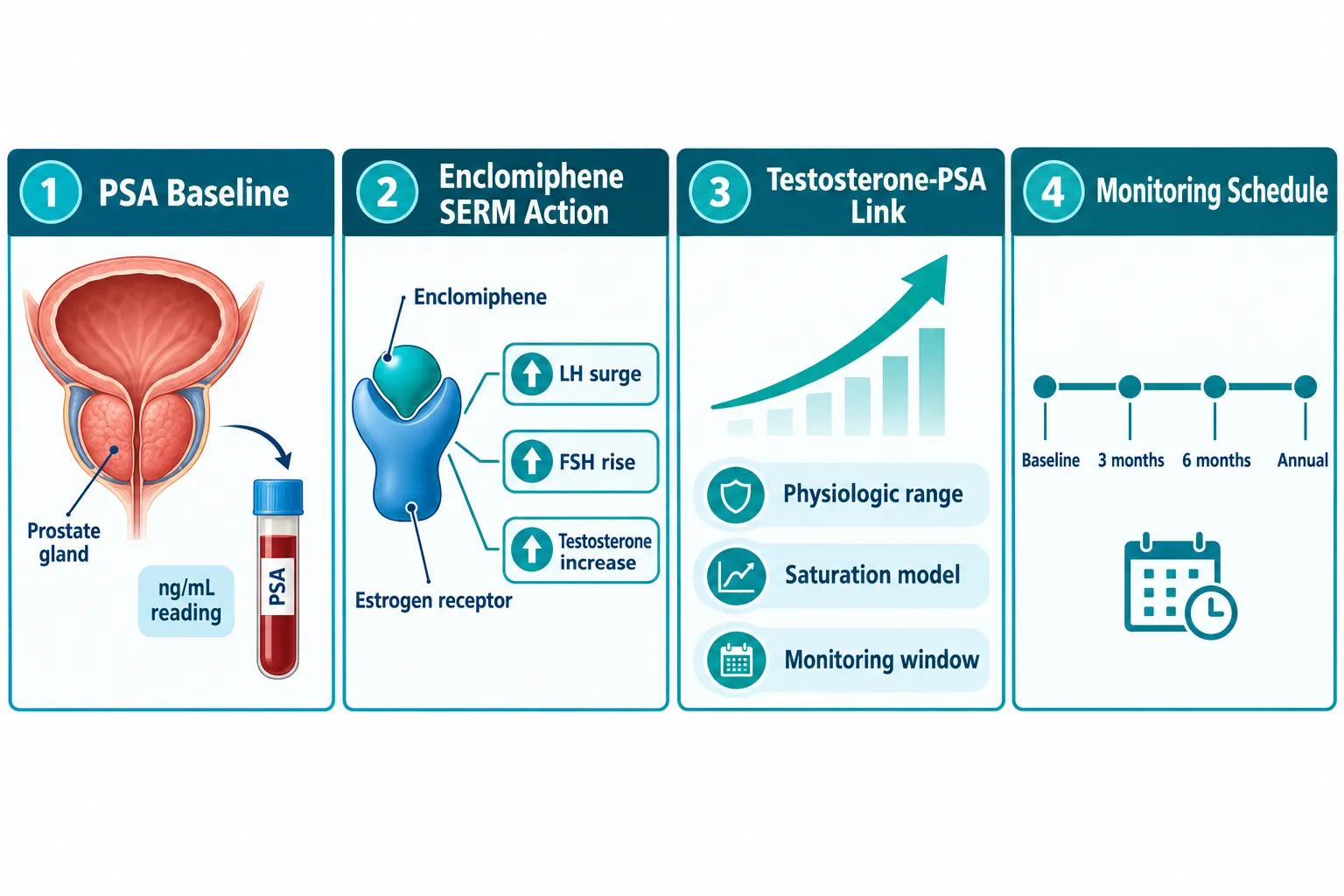
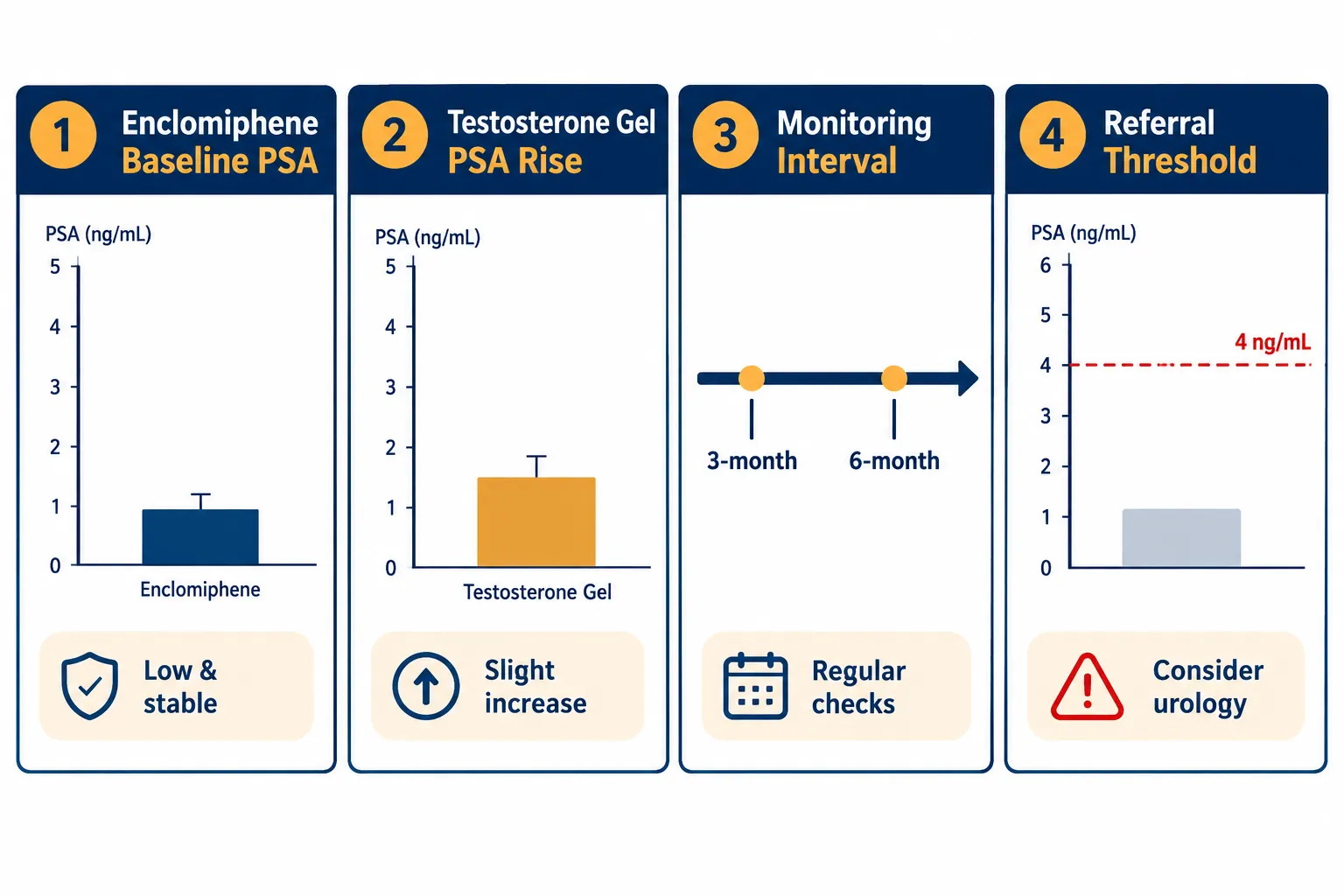
Spironolactone's story also intersects with endocrine pharmacology more broadly. Research into how enclomiphene and related compounds interface with estrogen receptor biology provides a useful parallel for understanding receptor cross-reactivity across drug classes.
Designing Research Protocols That Compare Both Drug Classes

When building a comparative study, researchers must account for several variables that differ fundamentally between peptides and small molecules.
Dosing and delivery considerations:
- Small molecules: oral gavage or dissolved in vehicle; stable at room temperature
- Peptides: subcutaneous or intravenous injection; cold-chain storage required; reconstitution protocols critical
Stability and half-life:
Prednisone has a plasma half-life of roughly 3-4 hours; atorvastatin, approximately 14 hours. Many unmodified research peptides have half-lives under 30 minutes due to serum protease activity. Modified analogues, cyclized, PEGylated, or D-amino-acid substituted, extend stability significantly, which is why formulation choice is a study variable, not merely a logistical detail.
Selectivity profiling:
"The selectivity advantage of peptides is only realized if the researcher controls for delivery efficiency. A peptide that degrades before reaching its target is not more selective, it is simply inactive."
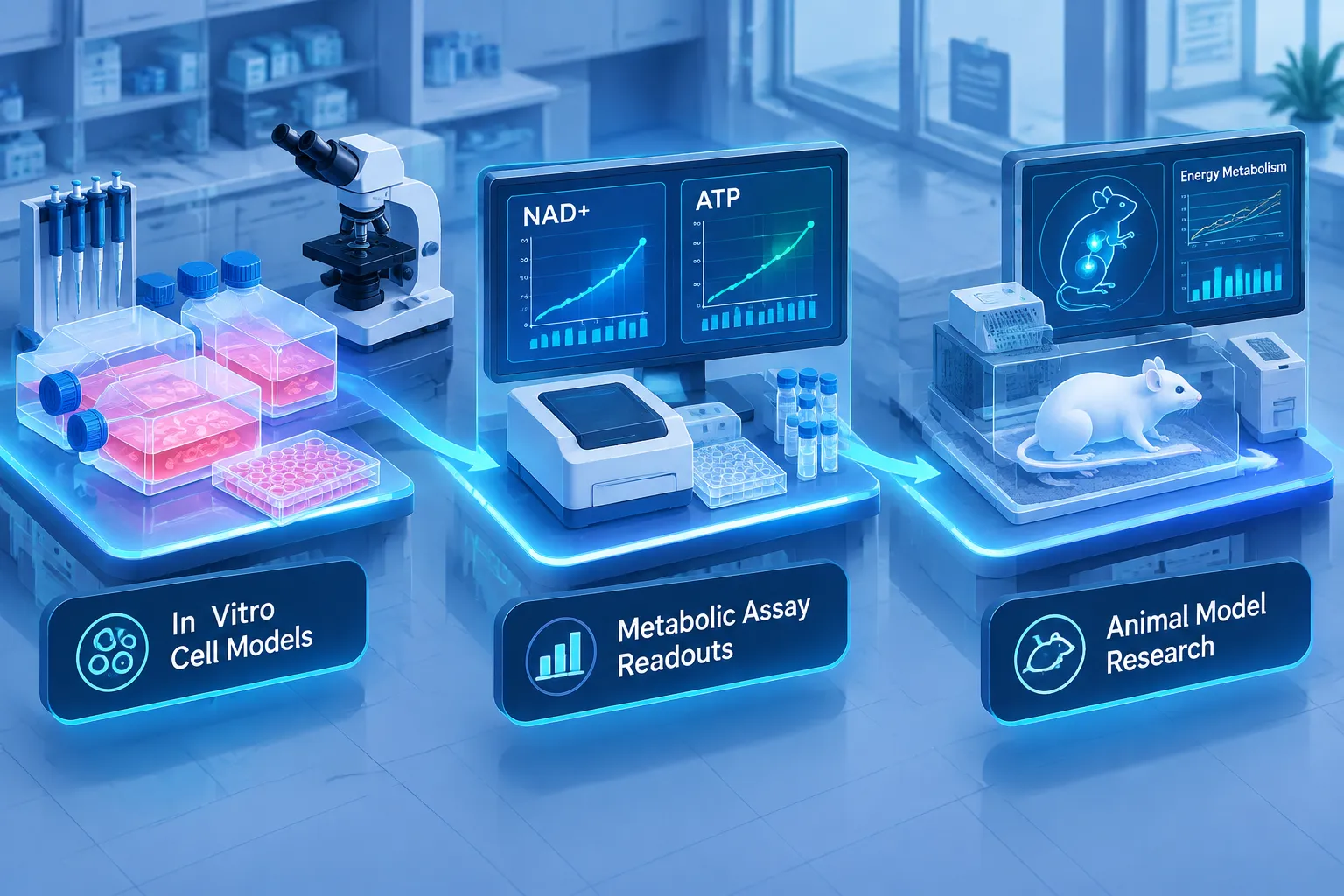
This principle shapes how labs approach cellular and receptor-level research using peptide mechanisms. Stability assays should precede receptor-binding assays in any rigorous protocol.
AI-assisted design in 2026:
Generative models now propose peptide sequences with predicted receptor affinity, protease resistance, and membrane permeability in silico before synthesis. For small molecules, AI-driven scaffold hopping has been standard for years. The convergence of both pipelines is reshaping how researchers select lead compounds, with hybrid peptidomimetics, molecules that combine peptide selectivity with small-molecule oral bioavailability, emerging as a major 2026 pipeline category.
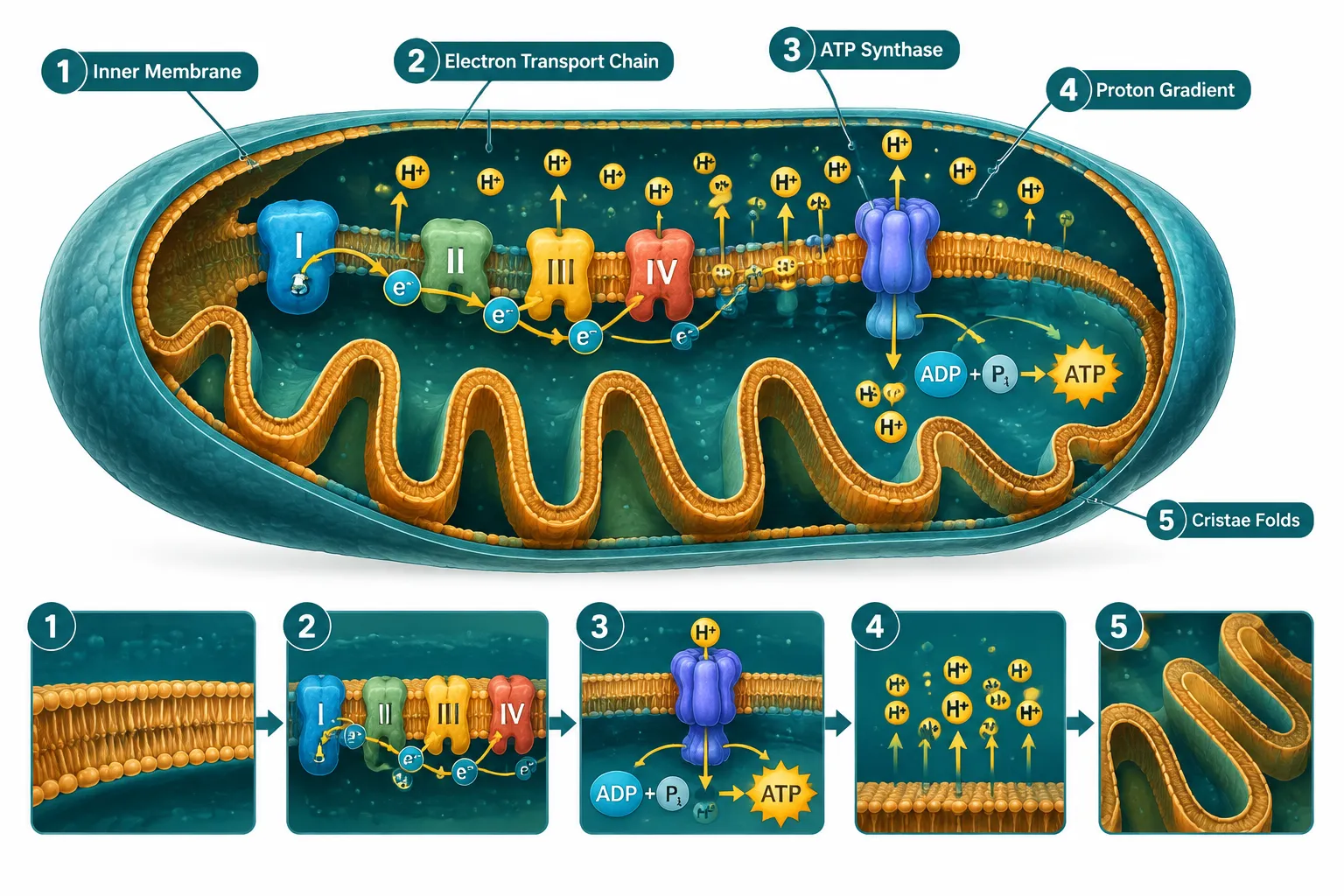
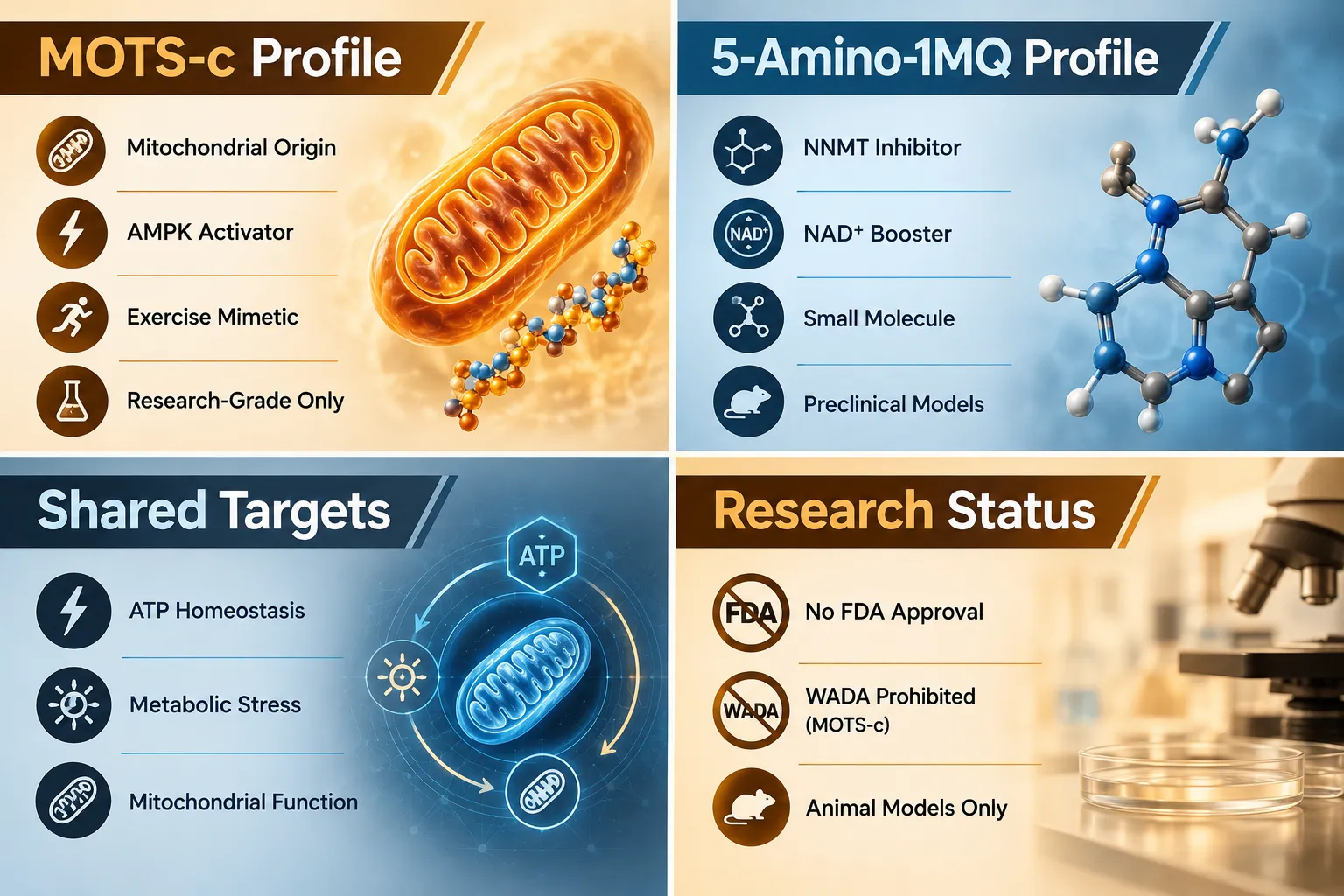
Researchers evaluating mitochondria-targeted compounds should also consider how adenosine triphosphate and mitochondrial function factor into endpoint selection when comparing energy-pathway drugs across both classes.
Conclusion
The Peptides vs Classic Small-Molecule Drugs: A Researcher's Guide Using Prednisone, Atorvastatin, and Spironolactone as Case Studies framework offers a structured way to move beyond surface-level comparisons. Prednisone reveals the cost of pleiotropism; atorvastatin demonstrates the power of precise enzyme inhibition; spironolactone illustrates how receptor cross-reactivity drives the search for more selective modalities, exactly the selectivity that well-designed peptides can provide.
Actionable next steps for researchers in 2026:
- Map the receptor profile of your small-molecule comparator before selecting a peptide analogue, off-target overlap will confound results.
- Run stability assays on all peptide compounds under study conditions before committing to a dosing schedule.
- Use AI-generated selectivity predictions as a screening filter, not a final verdict.
- Consider hybrid peptidomimetic leads where oral bioavailability is a study requirement.
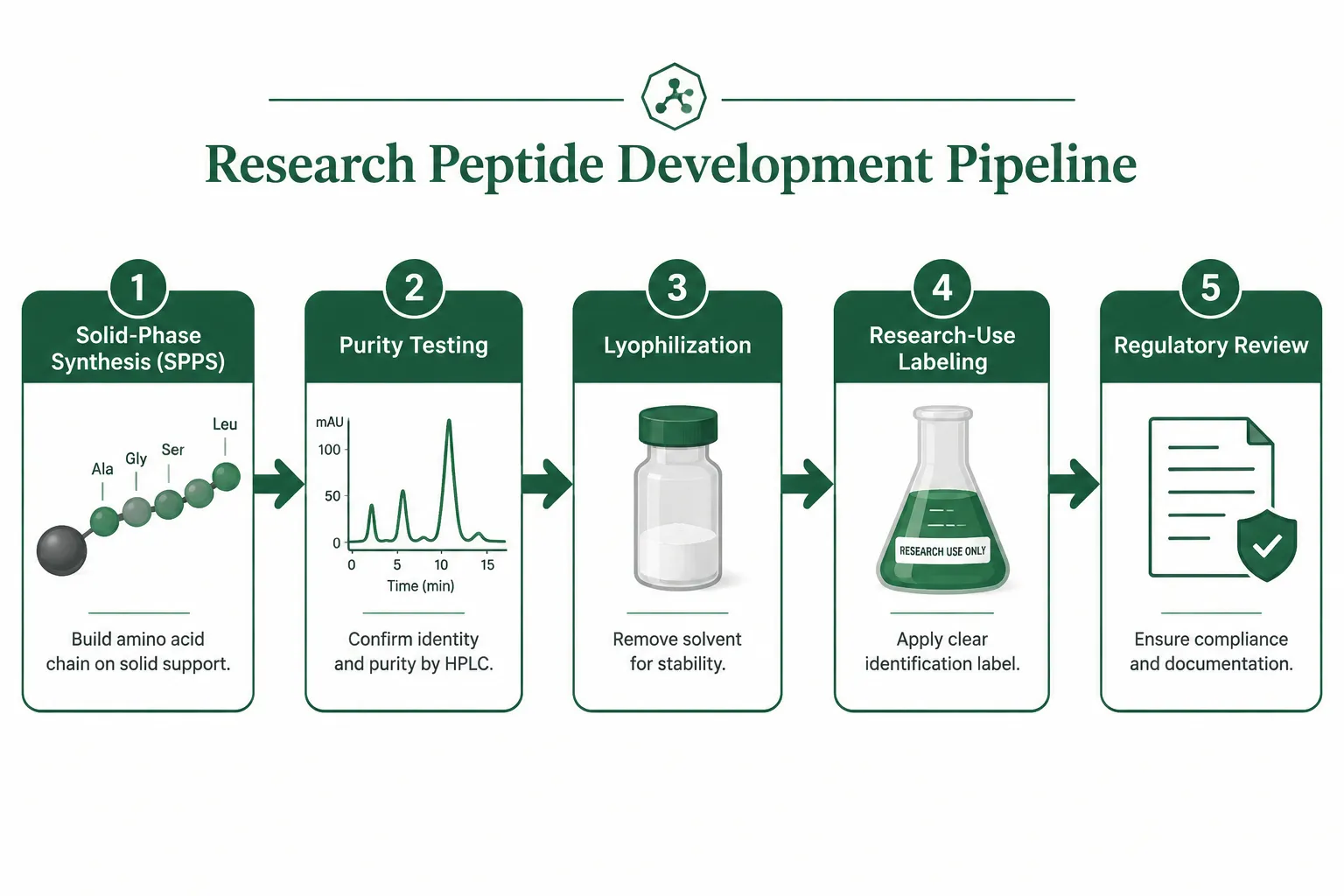
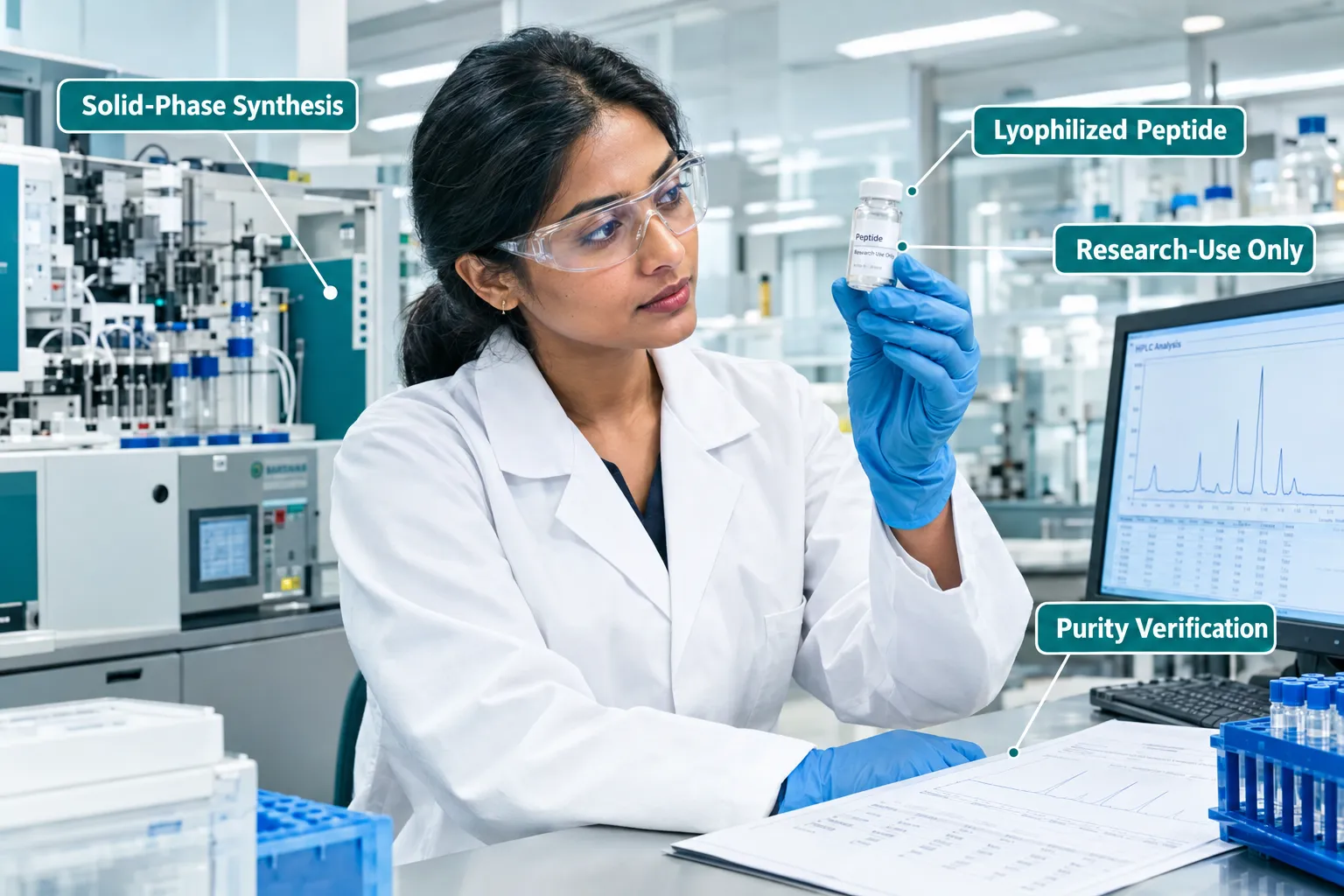
- Source research-grade compounds from verified suppliers, purity directly determines data reproducibility. Reviewing lab-tested peptides with documented certificates of analysis is a non-negotiable starting point.
The future of pharmacological research is not a contest between these two drug classes. It is a deliberate, evidence-driven choice about which tool serves each experimental question, and that choice is only possible when researchers understand both sides of the divide with equal depth.