How to source peptides USA

How to Source Peptides in the USA: A Comprehensive Guide for 2025 – Corepeptides, Buy USA Peptides with Confidence

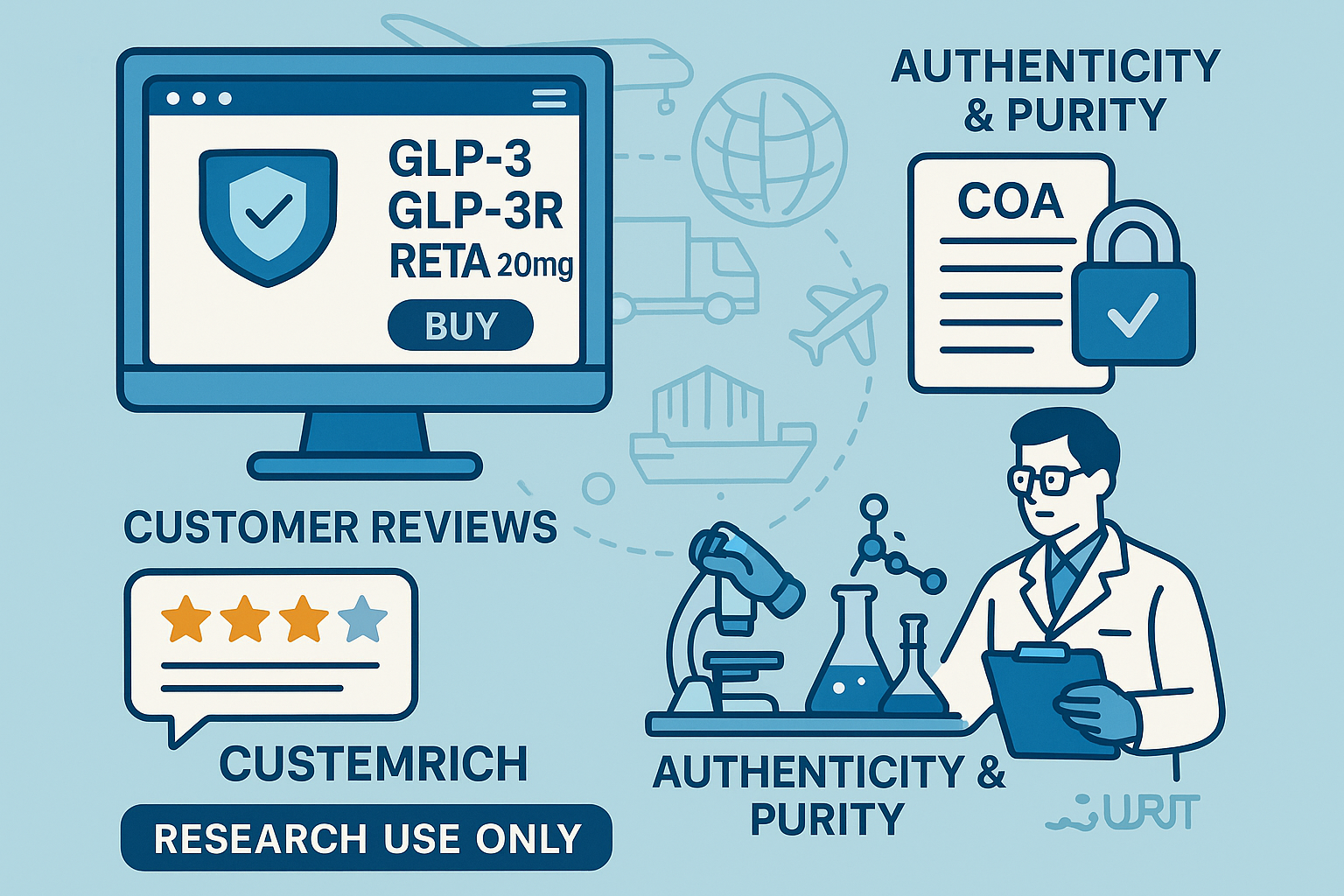
Navigating the complex landscape of peptide sourcing in the USA requires a deep understanding of quality, legality, and vendor reliability. As research into these powerful biomolecules continues to expand, driven by promising discoveries involving compounds like GLP-3, Reta, and Retatrutide, the need for trusted suppliers becomes paramount. This comprehensive guide will equip researchers, laboratories, and those involved in advanced scientific inquiry with the knowledge to confidently source peptides, ensuring purity, potency, and compliance. When considering where to buy USA peptides, especially from reputable sources like Corepeptides, a meticulous approach is essential to safeguard research integrity and achieve accurate, reproducible results in 2025.

Key Takeaways

  • Prioritize Purity and Verification: Always demand third-party lab testing, such as HPLC and MS, for any peptides purchased. Certificates of Analysis (CoAs) are non-negotiable proof of quality.
  • Understand Legal Frameworks: Peptides are generally sold for research purposes only in the USA. Be aware of the distinctions between research-grade and pharmaceutical-grade products.
  • Choose Reputable Suppliers: Select vendors with a proven track record, transparent practices, excellent customer service, and strong reviews, like Corepeptides, to ensure you buy USA peptides that meet high standards.
  • Proper Handling and Storage: Learn and implement best practices for reconstituting, storing, and handling peptides to maintain their integrity and efficacy throughout your research.
  • Stay Informed on Emerging Peptides: Keep abreast of new research compounds such as GLP-3, Reta, and Retatrutide, and understand their specific sourcing and handling requirements.

The Foundation of Peptide Research: Why Quality Sourcing Matters

Section Image

The efficacy and safety of any research involving peptides hinge entirely on the quality of the peptides themselves. Impure or mislabeled compounds can lead to flawed data, wasted resources, and even jeopardize the validity of entire research projects. In 2025, as the scientific community continues to explore the vast potential of peptides – from their roles in metabolic regulation to tissue repair – the demand for high-purity, research-grade materials has never been higher. Sourcing peptides in the USA means navigating a specific regulatory environment that dictates how these substances can be manufactured, sold, and used. Understanding this landscape is crucial for compliance and successful research outcomes.

What Exactly Are Peptides?

Peptides are short chains of amino acids, the building blocks of proteins, linked together by peptide bonds. While proteins typically consist of 50 or more amino acids, peptides are generally shorter, ranging from just two amino acids (dipeptides) to several dozen. Despite their smaller size, peptides play incredibly diverse and vital roles in biological systems. They act as hormones, neurotransmitters, growth factors, and even antimicrobial agents, influencing a myriad of physiological processes.

Common Research Applications of Peptides Include:

  • Metabolic Regulation: Peptides like GLP-1 agonists (which GLP-3 is related to) and compounds such as Reta and Retatrutide are intensely studied for their potential in weight management, blood sugar control, and metabolic health.
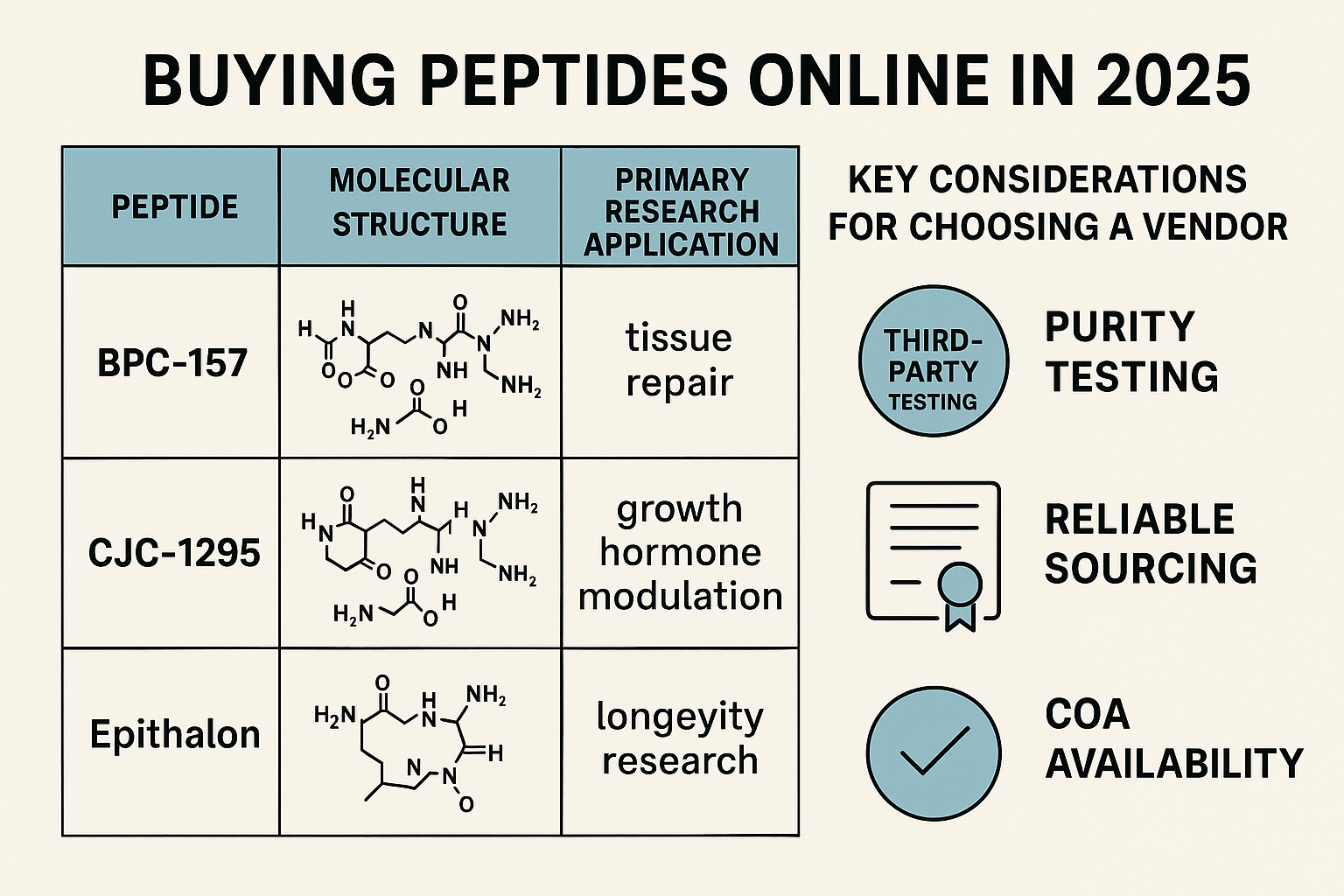
  • Tissue Repair and Regeneration: Peptides like BPC-157 are researched for their roles in wound healing, gut health, and tendon repair. Learn more about focused laboratory use of BPC-157.
  • Anti-aging and Longevity: Epithalon, for instance, is explored for its potential effects on telomerase activity and cellular longevity. Discover more about Epithalon's longevity signals.
  • Cognitive Enhancement: Some peptides are under investigation for their neuroprotective effects and potential to improve cognitive function.
  • Muscle Growth and Recovery: Peptides like CJC-1295 and Ipamorelin are often studied for their growth hormone-releasing properties, which can influence muscle development and recovery. Explore the synergy of CJC-1299 and Ipamorelin.

The Criticality of Purity and Potency

When you buy USA peptides for research, purity and potency are non-negotiable.

  • Purity: Refers to the percentage of the desired peptide in a sample, free from impurities like truncated sequences, side products, or residual solvents. High purity (typically 98% or higher for research) ensures that observed effects are solely due to the peptide being studied.
  • Potency: Relates to the biological activity of the peptide. Even a pure peptide might lack potency if it has degraded due to improper synthesis or handling.

Without stringent quality control, research results become unreliable and irreproducible. This is why trusted suppliers like Corepeptides emphasize rigorous testing and transparency.

Navigating the Legal Landscape: Sourcing Peptides in the USA

The legal framework surrounding peptides in the USA is distinct and crucial to understand for anyone looking to source these compounds for research. Unlike pharmaceutical drugs approved for human use, most research peptides are not approved by the Food and Drug Administration (FDA) for therapeutic purposes. They are typically sold "for research purposes only" and are not intended for human consumption or self-administration.

Research-Grade vs. Pharmaceutical-Grade

This distinction is fundamental:

  • Research-Grade Peptides: These are synthesized for laboratory experiments, in vitro (in glass, e.g., cell cultures), or in vivo (in living organisms, usually animals for preclinical studies). They are not intended for direct use in humans. Manufacturers selling research-grade peptides must clearly label them as such and usually include disclaimers about their intended use. When you buy USA peptides for research, this is the category you will be dealing with.
  • Pharmaceutical-Grade Peptides: These are peptides that have undergone rigorous clinical trials, obtained FDA approval, and are manufactured in facilities adhering to Good Manufacturing Practices (GMP) for human therapeutic use. Examples include insulin or various GLP-1 receptor agonists used for diabetes and weight management. These are only available via prescription and through licensed pharmacies.

FDA Regulations and Enforcement

The FDA closely monitors the marketing and sale of peptides. Companies that market research peptides for human use or make therapeutic claims without FDA approval risk severe legal penalties. This is why legitimate peptide suppliers, including Corepeptides, explicitly state that their products are for research purposes only and not for human consumption. It is the responsibility of the buyer to understand and adhere to these regulations. Misrepresenting research peptides as dietary supplements or therapeutic agents can lead to legal issues for both the vendor and the end-user.

State-Specific Laws

While federal regulations provide a broad framework, it is also important to be aware of any state-specific laws or regulations that might pertain to the acquisition or use of certain research chemicals, including peptides. Always ensure your research practices align with both federal and local guidelines.

The Ultimate Checklist for Vetting Peptide Suppliers: Where to Find Corepeptides and Other Reputable Sources

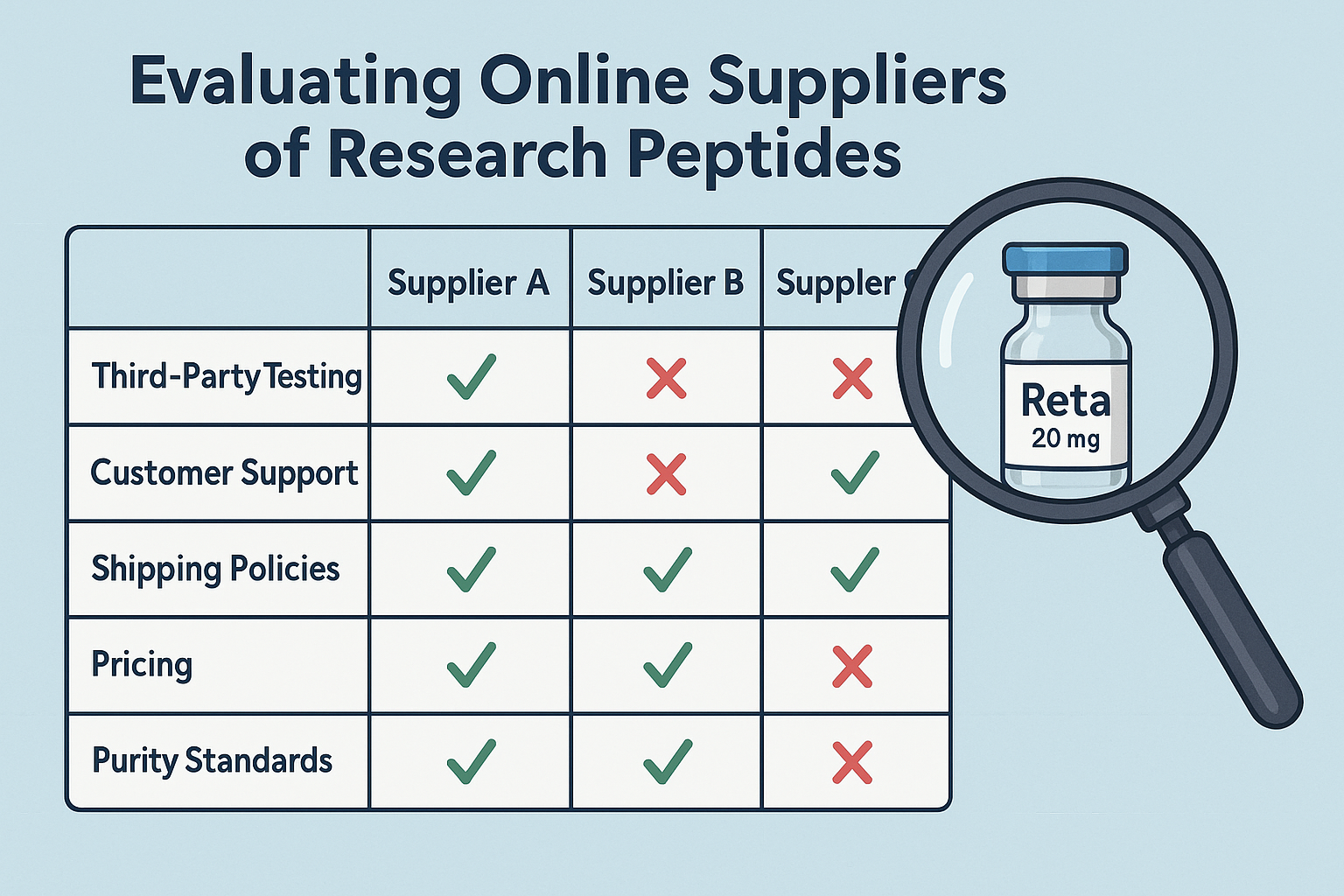
Choosing the right supplier is the most critical step in how to source peptides in the USA. A reliable vendor not only provides high-quality products but also offers transparency, support, and adheres to ethical business practices. When you're ready to buy USA peptides, especially those from Corepeptides, use the following checklist to ensure you're making an informed decision.

1. Proof of Purity and Authenticity (Certificates of Analysis)

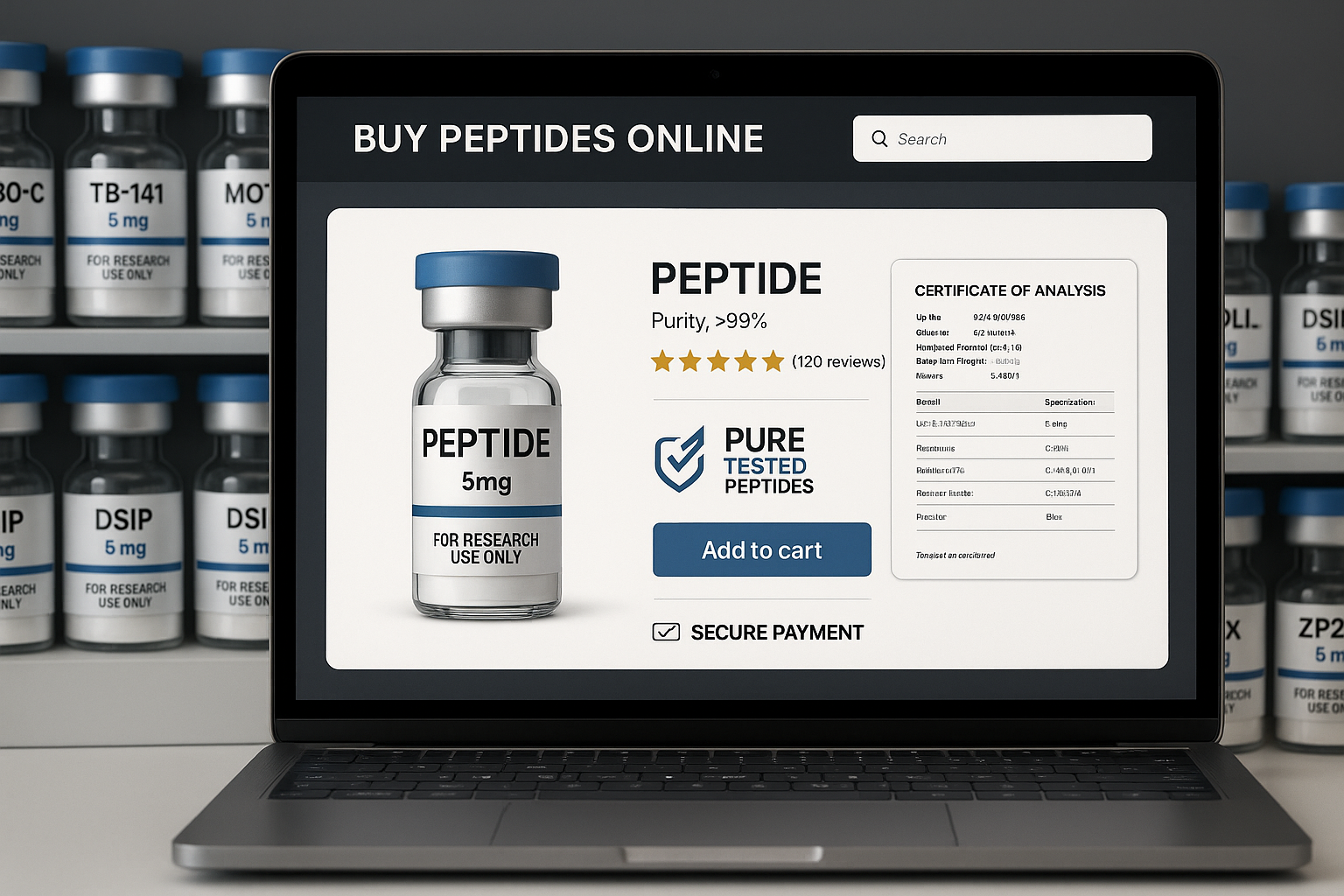
This is the cornerstone of reliability. Any reputable peptide supplier must provide a Certificate of Analysis (CoA) for each batch of peptide they sell.

  • What to Look For in a CoA:
    • HPLC (High-Performance Liquid Chromatography) Report: This shows the purity percentage of the peptide. Aim for 98% purity or higher for most research applications. The chromatogram should show a single, sharp peak for the desired peptide.
    • Mass Spectrometry (MS) Report: This verifies the molecular weight and identity of the peptide, confirming it is indeed the compound it claims to be.
    • Third-Party Lab Testing: Ideally, CoAs should come from an independent, third-party laboratory, not just the manufacturer's internal lab. This adds an extra layer of unbiased verification.
    • Batch-Specific Data: Each CoA should correspond to the specific batch number of the product you receive.
  • Red Flags: Suppliers who refuse to provide CoAs, offer vague "in-house testing" claims without detailed reports, or present generic CoAs not linked to specific batches should be avoided.

2. Transparent Manufacturing and Sourcing Practices

A trustworthy supplier will be open about their manufacturing processes and the origin of their raw materials.

  • USA-Based Manufacturing: Many researchers specifically look for vendors who synthesize their peptides in the USA. This often implies adherence to stricter quality control standards compared to overseas manufacturers. When you seek to buy USA peptides, prioritize those who emphasize domestic production.
  • Quality Control Procedures: Inquire about their internal quality control measures, beyond just the final CoA. Do they test raw materials? What are their synthesis protocols?
  • Storage and Handling: How do they store peptides before shipping? Proper storage (e.g., lyophilized, cold chain management) is vital to prevent degradation.

3. Reputation and Reviews

In the digital age, a supplier's reputation is readily accessible.

  • Online Reviews and Forums: Check independent review sites, scientific forums, and community discussions. Look for consistent positive feedback regarding product quality, shipping, and customer service.
  • Longevity in the Market: Companies that have been operating successfully for several years often indicate reliability and stability.
  • Scientific Community Endorsements: While less common, sometimes researchers or institutions may share positive experiences with particular vendors.

4. Customer Service and Support

Good customer service is invaluable, especially when dealing with complex scientific materials.

  • Responsiveness: Do they respond promptly and thoroughly to inquiries?
  • Knowledgeable Staff: Can they answer technical questions about their products, storage, or research applications (without giving medical advice)?
  • Return Policy: Understand their policy for defective or incorrect orders.

5. Website Professionalism and Information Clarity

A well-designed, informative website reflects a professional operation.

  • Clear Product Descriptions: Detailed information about each peptide, including its chemical structure, purity, and recommended storage, should be easily accessible.
  • Educational Resources: Many top suppliers offer helpful guides on reconstitution, handling, and general peptide research.
  • Terms and Conditions: Ensure their terms of service clearly state that products are for research purposes only.

6. Payment and Shipping Options

Consider practical aspects of purchasing.

  • Secure Payment Gateways: Reputable sites will offer secure, encrypted payment options.
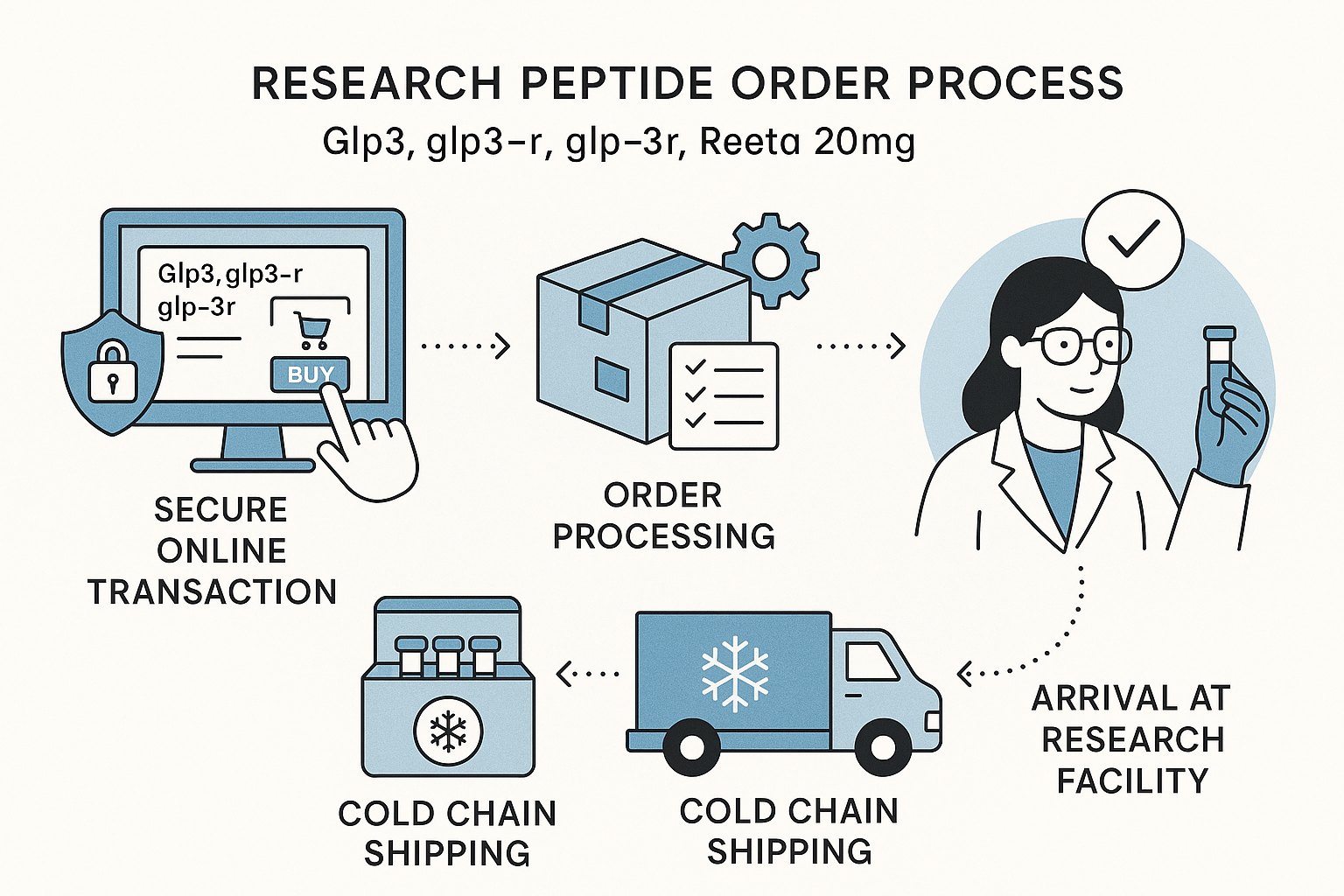
  • Discreet and Efficient Shipping: Look for fast, reliable shipping, often with tracking, and discreet packaging to protect the integrity of your order.
  • International Shipping Policies (if applicable): If you are an international researcher seeking to buy USA peptides, ensure they have clear policies for global delivery.

Why Corepeptides Stands Out

When you consider Corepeptides, you are looking at a supplier that aims to meet these stringent criteria. Corepeptides prioritizes transparency and quality, making them a go-to source for researchers who need to buy USA peptides with confidence. They typically provide comprehensive CoAs, emphasize USA-based quality control, and maintain a strong reputation within the research community for providing high-purity peptides essential for accurate scientific studies. Their commitment to research-grade purity ensures that compounds like GLP-3, Reta, or Retatrutide are reliably sourced.

Understanding Specific Research Peptides: GLP-3, Reta, Retatrutide, and More

The world of peptides is constantly evolving, with new compounds emerging for scientific investigation. In 2025, particular attention is being paid to peptides like GLP-3, Reta, and Retatrutide due to their potential in metabolic research, especially concerning glucose regulation and weight management. However, a wide array of other peptides also continues to be central to various research fields.

Emerging Metabolic Peptides: GLP-3, Reta, and Retatrutide

These peptides represent the forefront of metabolic research, particularly in areas typically associated with diabetes and obesity.

  • GLP-3 (Glucagon-Like Peptide-3): While GLP-1 (Glucagon-Like Peptide-1) is a well-known hormone used in pharmaceuticals, GLP-3 represents a fascinating area of ongoing research. It is a theoretical or early-stage research compound that scientists are exploring for potential roles similar to GLP-1, which involves stimulating insulin secretion, inhibiting glucagon release, and slowing gastric emptying. Research into GLP-3 aims to uncover novel mechanisms for glucose homeostasis and weight control, potentially offering new avenues for metabolic disease management. When you buy USA peptides related to this class, ensuring their structural integrity and purity is paramount for accurate findings.
  • Reta (Retatrutide): Retatrutide is a more established, albeit still investigational, peptide that has garnered significant attention. It is a triple agonist, meaning it activates three different receptors: the glucagon-like peptide-1 (GLP-1) receptor, the glucagon receptor, and the glucose-dependent insulinotropic polypeptide (GIP) receptor. This multi-target action is what makes Reta particularly promising in metabolic research, as it offers a synergistic approach to regulating appetite, energy expenditure, and glucose metabolism. Early research suggests significant potential for weight loss and improvements in glycemic control. Sourcing high-purity Reta from Corepeptides or other verified vendors is crucial for studies seeking to replicate or extend these findings.
  • Retatrutide (further context): Often, "Reta" refers to Retatrutide. The dual mention here emphasizes its growing prominence. As a GIP/GLP-1/glucagon receptor triagonist, Retatrutide represents a cutting-edge approach to obesity and type 2 diabetes research. Its unique mechanism of action explores how simultaneous activation of these three pathways can lead to more profound metabolic benefits compared to single or dual agonists. Researchers interested in the most advanced compounds for metabolic research will often look for Retatrutide when they buy USA peptides.

Other Widely Researched Peptides

Beyond the metabolic frontier, many other peptides remain vital research tools:

  • BPC-157 (Body Protection Compound-157): A synthetic peptide extensively studied for its regenerative and protective properties. Research areas include gut health, wound healing, tendon and ligament repair, and anti-inflammatory effects. Researchers often use BPC-157 in studies focusing on injury recovery and gastrointestinal integrity. For comprehensive insights, refer to information on BPC-157 and angiogenesis.
  • TB-500 (Thymosin Beta-4): A naturally occurring peptide that promotes cell migration, angiogenesis (new blood vessel formation), and cell differentiation. It's often researched alongside BPC-157 for synergistic effects in tissue repair and recovery. You can find more about the BPC-157/TB-500 combination research.
  • CJC-1295 and Ipamorelin: These are growth hormone-releasing peptides (GHRPs).
    • CJC-1295 (Growth Hormone Releasing Hormone (GHRH) Analog): Available with or without DAC (Drug Affinity Complex). CJC-1295 with DAC has a longer half-life, meaning it stays active in the body for an extended period, leading to more sustained growth hormone release. CJC-1295 without DAC (often called Mod GRF 1-29) has a shorter half-life and is often administered more frequently. Research explores their impact on muscle growth, fat loss, and recovery. Understand the differences between CJC-1295 with and without DAC.
    • Ipamorelin (Selective Growth Hormone Releasing Peptide): A potent and selective GHRP that promotes growth hormone secretion without significantly impacting other hormones like cortisol or prolactin, making it a focus of research for its clean safety profile.
    • The combination of CJC-1295 (with or without DAC) and Ipamorelin is frequently studied due to their synergistic effect on growth hormone release, mimicking the body's natural pulsatile rhythm more effectively.
  • AOD-9604: A fragment of the human growth hormone (HGH) molecule that primarily targets fat metabolism without affecting blood sugar or insulin levels. Research focuses on its potential for fat loss and metabolic regulation. Learn more about AOD-9604 metabolic research.
  • GHK-Cu (Copper Tripeptide-1): A copper-binding peptide naturally found in human plasma, saliva, and urine. It's widely studied for its roles in skin regeneration, wound healing, and anti-aging due to its antioxidant and anti-inflammatory properties. Research often looks at its application in topical formulations. Discover more about topical GHK-Cu applications.
  • 5-Amino-1MQ: A small molecule compound that inhibits NNMT (nicotinamide N-methyltransferase), an enzyme involved in fat metabolism. Research explores its potential in reducing fat accumulation and enhancing NAD+ levels, which are critical for cellular energy and repair. Dive deeper into 5-amino-1MQ research and data.

When sourcing any of these peptides, whether from Corepeptides or another vendor, the principles of demanding third-party testing, understanding the legal framework, and ensuring proper handling remain constant.

Best Practices for Handling, Storing, and Reconstituting Research Peptides

Section Image

Once you successfully source peptides in the USA, knowing how to handle and store them correctly is crucial for maintaining their integrity and ensuring accurate research results. Peptides are delicate molecules that can degrade when exposed to heat, light, air, or improper solvents.

1. Initial Storage Upon Arrival

  • Lyophilized (Freeze-Dried) Peptides: Most research peptides are shipped in a lyophilized powder form, which is highly stable.
    • Upon arrival, immediately place lyophilized peptides in a freezer at -20°C or colder for long-term storage.
    • Before freezing, ensure the vial is tightly sealed and protected from moisture. Desiccants can be useful.
  • Liquid Peptides: Some peptides might arrive in a pre-mixed liquid solution. These are generally less stable than lyophilized forms.
    • Store liquid peptides in a refrigerator at 2-8°C.
    • Always check the supplier's specific storage recommendations for liquid formulations.

2. Reconstitution: Bringing Peptides to Life

Reconstitution is the process of dissolving the lyophilized peptide powder in a suitable solvent to create a solution for your research.

  • Sterile Bacteriostatic Water: This is the most common solvent for reconstitution. It contains 0.9% benzyl alcohol, which acts as a bacteriostatic agent, inhibiting bacterial growth and extending the shelf life of the reconstituted solution.
  • Sterile Saline (0.9% Sodium Chloride): Can be used, but generally offers less protection against bacterial growth than bacteriostatic water.
  • Specific Solvents: Some peptides might require specialized solvents (e.g., dilute acetic acid) due to their chemical properties. Always consult the supplier's instructions and specific research protocols.
  • Reconstitution Process:
    1. Warm to Room Temperature: Allow the peptide vial to reach room temperature before opening to prevent condensation, which can introduce moisture.
    2. Slow Addition: Slowly inject the desired amount of solvent down the side of the vial, not directly onto the peptide powder, to avoid foaming and potential degradation.
    3. Gentle Mixing: Do not shake the vial vigorously. Gently swirl or roll the vial between your palms to dissolve the peptide. Excessive agitation can damage the peptide structure.
    4. Complete Dissolution: Ensure the peptide is fully dissolved before proceeding. This might take some time, so patience is key.

3. Post-Reconstitution Storage

Once reconstituted, peptides become more susceptible to degradation.

  • Refrigeration: Store reconstituted peptide solutions in a refrigerator at 2-8°C.
  • Avoid Freeze-Thaw Cycles: Repeated freezing and thawing can degrade peptides. If you need to store a reconstituted solution for an extended period, consider aliquoting it into smaller, single-use vials and freezing them. This allows you to thaw only the amount you need, minimizing degradation of the remaining stock.
  • Light Protection: Store vials in the dark or wrap them in aluminum foil to protect them from light exposure.
  • Shelf Life: The shelf life of reconstituted peptides varies greatly depending on the specific peptide, its concentration, and the solvent used. Generally, solutions are stable for several weeks to a few months when refrigerated. Always consult the CoA or product information for specific recommendations.

4. General Handling Precautions

  • Sterile Technique: Always use sterile needles, syringes, and vials to prevent contamination.
  • Gloves and Eye Protection: Wear appropriate personal protective equipment (PPE) when handling peptides.
  • Research Use Only: Reiterate that these peptides are for research purposes only and not for human consumption.

Proper handling and storage practices are critical for maintaining the integrity of your research materials. Suppliers like Corepeptides provide specific guidelines, which should always be followed meticulously to ensure the accuracy and reliability of your experiments. Discover more about best practices for storing research peptides.

Advanced Considerations in Peptide Research: Blends, Data Analysis, and Ethical Research

As you delve deeper into peptide research, several advanced considerations come into play, including the use of peptide blends, the meticulous analysis of data, and adherence to ethical guidelines.

Peptide Blends: Synergy in Research

Some research protocols involve using peptide blends, where two or more peptides are combined to achieve synergistic effects. This approach is often taken when individual peptides target different pathways that, when combined, produce a more potent or comprehensive outcome.

  • Examples of Common Blends:
    • BPC-157 and TB-500: Frequently combined in research focusing on tissue repair, regeneration, and wound healing due to their complementary mechanisms of action.
    • CJC-1295 and Ipamorelin: As mentioned, these are often blended to optimize growth hormone secretion patterns, mimicking natural physiological release.
  • Considerations for Blends:
    • Compatibility: Ensure the peptides in a blend are chemically compatible and do not degrade each other. Reputable suppliers like Corepeptides will offer pre-formulated blends that have been tested for stability.
    • Concentration Ratios: The ratio of each peptide in a blend is critical for achieving the desired synergistic effect.
    • Research Protocols: Protocols for blends might be more complex, requiring careful dosing and administration schedules.
    • Sourcing Blends: When you buy USA peptides in blend form, verify that each component peptide also has a corresponding CoA confirming its individual purity. Learn more about comparing single peptides and multi-peptide blends.

Data Quality and Interpretation

The quality of your sourced peptides directly impacts the quality of your research data.

  • Reproducibility: High-purity peptides from a consistent source like Corepeptides contribute significantly to the reproducibility of your experiments, a cornerstone of good science.
  • Baseline Data: Establishing accurate baseline data is essential for interpreting the effects of peptide interventions. Inconsistent peptide quality can skew these baselines. Explore insights into baseline trends and data quality.
  • Contamination Control: Using sterile techniques and high-quality solvents minimizes contamination, which could otherwise confound results.
  • Statistical Analysis: Robust statistical methods are necessary to interpret the data derived from peptide research, helping to identify significant effects and draw valid conclusions.

Ethical Research Practices

All peptide research must adhere to strict ethical guidelines, particularly when involving in vivo studies.

  • Institutional Review Boards (IRB) and Institutional Animal Care and Use Committees (IACUC): Any research involving human subjects or animals must be approved by the relevant ethics committees.
  • Responsible Use: Researchers have a responsibility to use peptides ethically and within the bounds of scientific inquiry, avoiding misuse or unauthorized applications.
  • Documentation: Maintain meticulous records of peptide sourcing, CoAs, reconstitution dates, storage conditions, and experimental protocols. This documentation is crucial for transparency, accountability, and the ability to trace back any issues.
  • Dissemination of Results: Share research findings responsibly and accurately, ensuring that the limitations and implications of the research are clearly communicated.

The Future of Peptide Sourcing in 2025

As we move further into 2025, the peptide research landscape is poised for continued innovation. Advances in peptide synthesis technology, improved analytical methods for quality control, and a deeper understanding of peptide pharmacology will likely shape how peptides are sourced and utilized.

  • Increased Demand for Specificity: Researchers will continue to seek peptides with highly specific receptor affinities and fewer off-target effects, driving demand for advanced synthesis and purification techniques. This is particularly relevant for new compounds like Reta and Retatrutide.
  • Personalized Research: The concept of personalized medicine may extend to peptide research, with a greater focus on how different peptide sequences interact with individual biological systems.
  • Regulatory Evolution: As peptide research progresses, it's possible that regulatory bodies may adapt their guidelines, potentially leading to clearer pathways for advanced research compounds while maintaining strict controls over those intended for therapeutic use. Staying informed about these potential changes will be crucial for any entity looking to buy USA peptides.
  • Emergence of Novel Peptides: The ongoing discovery of new peptide sequences and their biological functions will undoubtedly lead to an expanded catalog of research peptides. Keeping up with these developments and understanding their unique sourcing requirements will be essential for cutting-edge research. Companies like Corepeptides will be vital in providing access to these novel compounds with the necessary quality assurance.

By staying informed about these trends and maintaining a commitment to rigorous sourcing practices, researchers can continue to push the boundaries of scientific discovery using peptides.

Conclusion

Sourcing peptides in the USA for research in 2025 is a process that demands diligence, informed decision-making, and a steadfast commitment to quality. The integrity of your scientific work, especially with promising compounds like GLP-3, Reta, and Retatrutide, is directly linked to the purity and authenticity of the peptides you utilize.

By prioritizing suppliers like Corepeptides that offer comprehensive third-party Certificates of Analysis, transparent manufacturing practices, and excellent customer support, researchers can confidently acquire the high-quality materials necessary for their studies. Understanding the legal distinctions between research-grade and pharmaceutical-grade peptides, alongside mastering best practices for handling and storage, are equally critical components of successful peptide research.

As the field of peptide science continues to expand, maintaining ethical standards and staying abreast of emerging compounds and regulatory changes will ensure that your contributions to scientific knowledge are both impactful and responsible. Choose your peptide source wisely, empower your research with verifiable quality, and contribute to the exciting advancements in biological understanding that peptides offer.

Actionable Next Steps:

  1. Identify Your Research Needs: Clearly define which peptides (e.g., BPC-157, CJC-1295, GLP-3, Reta, Retatrutide) and specific purities you require.
  2. Research Reputable Suppliers: Begin by thoroughly vetting potential vendors, prioritizing those who openly provide third-party CoAs and have strong reputations, such as Corepeptides.
  3. Contact Vendors with Questions: Don't hesitate to ask specific questions about their testing protocols, manufacturing origins, and customer service policies.
  4. Understand and Adhere to Legal Guidelines: Ensure all peptide purchases and uses comply with federal and any applicable state-specific "for research purposes only" regulations.
  5. Develop Robust Handling Protocols: Establish clear, sterile, and appropriate storage and reconstitution procedures for all peptides in your laboratory.

Meta Title: Corepeptides: Buy USA Peptides – Expert Guide for 2025 Sourcing
Meta Description: Master sourcing high-quality research peptides in the USA for 2025. Learn to vet suppliers like Corepeptides, understand legalities, and handle GLP-3, Reta, and Retatrutide.

Which peptide should I use

Which Peptide Should I Use in 2025? A Comprehensive Guide to Peptides for Purchase and Research

Navigating the complex world of peptides can feel like charting unexplored territory. For researchers, understanding which peptides work best for specific applications, where to find reliable peptides for purchase, and how to effectively integrate them into studies is paramount. This guide aims to demystify the process, offering a high-authority perspective on selecting the right peptides for your research needs in 2025, whether you're exploring general wellness, targeted physiological functions, or cellular mechanisms. We'll delve into the science behind these potent compounds, highlight leading providers of USA peptides, and discuss the critical considerations for anyone looking to buy peptides for research from reputable sources like Peptidesciences.

Key Takeaways

  • Define Your Research Question First: Peptides are tools, not magic solutions. Clearly identifying the underlying patterns of inflammation, energy drain, stress, metabolic dysfunction, or emotional wounds is crucial before selecting a peptide.
  • Quality and Purity Are Non-Negotiable: When considering peptides for purchase, always prioritize vendors that provide third-party testing and Certificates of Analysis (CoAs) to ensure you're getting pure, accurately labeled compounds.
  • Understand Peptide Categories and Functions: Different peptides target distinct physiological pathways. Familiarize yourself with growth hormone secretagogues, regenerative peptides, metabolic regulators, and immunomodulators to align with your research goals.
  • Reputable Suppliers are Key: For reliable USA peptides, choosing established suppliers like Peptidesciences ensures access to high-quality products and essential research support.
  • Start with Foundational Changes: Peptides can amplify positive outcomes, but they don't fix foundational confusion or misalignment. Address lifestyle factors and deeply rooted issues first for optimal research results.

Defining the Problem: The Foundation of Peptide Selection in 2025

An intricate visual metaphor depicting a scientific researcher in a sterile lab environment, meticulously selecting from an array of labeled

Before considering which peptides work for a given study, researchers must confront the foundational question: "what must I change right now?" This introspective inquiry is not just about personal health; it's a critical framework for scientific investigation. Peptides are powerful biochemical tools, but they operate within a larger biological system. Without a clear understanding of the specific problems being addressed, the application of peptides can be directionless.

Consider these guiding questions for your research design in 2025:

  • What patterns are creating inflammation? Is it systemic, localized, or a response to cellular damage? Understanding the root cause of inflammation dictates whether regenerative peptides like BPC-157 or anti-inflammatory compounds might be most appropriate.
  • What habits are draining your energy? This could involve mitochondrial dysfunction, poor sleep cycles, or hormonal imbalances. Peptides targeting energy metabolism or sleep regulation might be explored.
  • What beliefs are triggering stress? While peptides don't directly alter beliefs, chronic stress has profound physiological impacts. Research might explore peptides that modulate the HPA axis or support neurological resilience.
  • What metabolic dysfunction is driving symptoms? Insulin resistance, impaired fat metabolism, or inefficient glucose utilization are prime targets for metabolic peptides. For example, research into 5-Amino-1MQ could be highly relevant here.
  • What emotional wounds are affecting your physiology? The gut-brain axis and neuroinflammation are areas where specific neuropeptides could offer avenues for exploration.

This is the real work. Peptides don't fix confusion. Supplements don't fix directionlessness. Tools don't fix misalignment. You cannot solve a problem you haven’t defined. Therefore, the first step in selecting which peptides work for your research is a precise definition of the problem.

The Importance of Precision in Research Design

In 2025, the scientific community places an ever-increasing emphasis on precision and reproducible results. This means that merely acquiring peptides for purchase is insufficient. A robust research protocol requires:

  1. Clear Objectives: What specific hypothesis are you testing? What measurable outcomes are you seeking?
  2. Defined Parameters: What dosage, frequency, and duration will be used? What control groups are necessary?
  3. Ethical Considerations: Ensure all research adheres to ethical guidelines, particularly when working with sensitive biological models.
  4. Baseline Data: Establishing baseline metrics before introducing peptides is crucial for evaluating their impact. Learn more about baseline trends and data quality for effective research.

Without this meticulous planning, even the highest quality USA peptides purchased from reputable vendors like Peptidesciences may yield inconclusive or misleading data.

Understanding Peptide Categories and Their Applications in Research

Peptides are short chains of amino acids, the building blocks of proteins. They act as signaling molecules in the body, influencing a vast array of physiological processes. Their targeted action and relative specificity make them invaluable tools for research. When considering which peptides work for various studies, it's helpful to categorize them by their primary functions.

1. Growth Hormone Secretagogues (GHS)

These peptides stimulate the body's own production and release of Growth Hormone (GH). GH plays a crucial role in cellular repair, muscle growth, fat metabolism, and overall vitality.

  • CJC-1295 (with and without DAC): CJC-1295 with DAC (Drug Affinity Complex) has a longer half-life, leading to sustained GH release, making it suitable for studies requiring less frequent administration. CJC-1295 without DAC provides a shorter, more pulsatile release, mimicking natural GH secretion. Research into CJC-1295 with DAC explores its potential in muscle growth and metabolic regulation. Understanding the differences is vital for targeted studies; learn more about comparing CJC-1295 with and without DAC.
  • Ipamorelin: A selective GHRP (Growth Hormone Releasing Peptide), Ipamorelin stimulates GH release without significantly affecting cortisol or prolactin levels, making it appealing for studies focused solely on GH benefits.
  • CJC-1295/Ipamorelin Blend: Often combined for a synergistic effect, this blend offers both sustained GH release (from CJC-1295) and increased pulsatility (from Ipamorelin), making it a popular choice for comprehensive GH axis research. Explore the synergy of CJC-1295 and Ipamorelin.

Research Applications: Studies focused on muscle protein synthesis, fat loss, connective tissue repair, and improving sleep quality. When looking for these core peptides, ensure your supplier provides detailed information on their purity and structure.

2. Regenerative and Healing Peptides

These peptides are renowned for their ability to promote tissue repair, reduce inflammation, and accelerate healing processes across various body systems.

  • BPC-157 (Body Protection Compound-157): A partial sequence of human gastric juice protein, BPC-157 is widely studied for its potent regenerative and cytoprotective effects. It has shown promise in repairing tendons, ligaments, bones, and even organ damage. It also exhibits significant anti-inflammatory properties and can protect the gastrointestinal tract. Many researchers seek to buy BPC-157 for research due to its broad spectrum of potential applications.
  • TB-500 (Thymosin Beta 4): A synthetic version of a naturally occurring peptide, TB-500 promotes wound healing, cell migration, and blood vessel formation (angiogenesis). It works synergistically with BPC-157 in many studies targeting comprehensive tissue repair. Research often explores the BPC-157 and TB-500 combination for enhanced regenerative outcomes.
  • GHK-Cu (Copper Tripeptide-1): This naturally occurring copper-binding peptide is extensively studied for its role in skin regeneration, wound healing, and anti-aging properties. It can stimulate collagen and elastin production and acts as a powerful antioxidant. For studies on dermatological applications, considering topical GHK-Cu could be highly beneficial.

Research Applications: Investigating injury recovery, anti-inflammatory mechanisms, gut health, dermatological regeneration, and athletic performance enhancement. When evaluating peptides for purchase, particularly regenerative ones, verifying the supplier's commitment to quality control is essential.

3. Metabolic and Weight Management Peptides

A growing area of research focuses on peptides that influence metabolism, fat loss, and appetite regulation.

  • AOD-9604: A modified fragment of the growth hormone molecule, AOD-9604 is studied for its fat-reducing properties without stimulating GH receptors or affecting insulin sensitivity. It appears to work by mimicking the lipolytic effects of GH, specifically targeting fat cells. More research on AOD-9604's metabolic impact is continuously emerging.
  • 5-Amino-1MQ: This small molecule is a non-peptide compound but is often grouped with peptides due to its research applications in metabolic health. It acts as an ENMT inhibitor, boosting NAD+ levels and potentially enhancing fat metabolism and energy expenditure. Research into 5-Amino-1MQ is promising for addressing metabolic dysfunction. Further exploration into 5-Amino-1MQ research and data provides valuable insights for researchers.
  • CAG: A long-acting amylin analogue that acts as a potent satiety agent and can regulate gastric emptying, leading to reduced food intake and weight loss. It is often studied in conjunction with GLP-1 agonists. Explore research into CAG synergy with GLP-1 for advanced metabolic studies.

Research Applications: Investigating obesity, insulin resistance, type 2 diabetes, fatty liver disease, and appetite control. For these sensitive applications, sourcing from highly reputable providers of USA peptides is non-negotiable.

4. Immune Modulating and Anti-Aging Peptides

This category includes peptides that influence the immune system, cellular longevity, and general well-being.

  • Epithalon: A synthetic tetrapeptide derived from the pineal gland, Epithalon is a prominent subject in anti-aging research. It is thought to regulate melatonin production, normalize circadian rhythms, and potentially activate telomerase, thereby contributing to cellular longevity. Discover more about Epithalon and its longevity signals.
  • Thymosin Alpha-1 (TA1): A naturally occurring peptide produced by the thymus gland, TA1 plays a crucial role in modulating the immune system, enhancing T-cell function, and strengthening defenses against pathogens.
  • LL-37: An antimicrobial peptide with broad-spectrum activity against bacteria, viruses, and fungi. It also exhibits immunomodulatory and anti-inflammatory properties, making it an interesting candidate for research into infection and immune response. Research often looks at the synergy of LL-37 and mots-c.

Research Applications: Exploring immunodeficiency, chronic infections, autoimmune conditions, cellular senescence, and age-related decline. When you buy peptides for research in this area, particular attention to purity and proper storage is essential.

5. Nootropic and Neurological Peptides

These peptides are studied for their potential effects on cognitive function, neuroprotection, and mood regulation.

  • Smax: A synthetic analog of a fragment of ACTH (adrenocorticotropic hormone), Smax is researched for its neuroprotective, nootropic, and anxiolytic effects. It may improve memory, focus, and mitigate stress responses.
  • Selank: Another synthetic neuropeptide, Selank is a derivative of tuftsin, an immunomodulatory peptide. It is primarily studied for its anxiolytic and antidepressant properties, without sedative side effects.

Research Applications: Investigating cognitive enhancement, neurodegenerative diseases, anxiety, depression, and stress resilience. For studies involving neurological pathways, choosing high-purity core peptides is vital for accurate and reliable results.

The Critical Role of Quality and Sourcing: Where to Buy Peptides for Research in 2025

The integrity of your research hinges entirely on the quality and purity of the peptides you utilize. In 2025, the market for peptides for purchase is robust, but not all suppliers are created equal. It is paramount to distinguish between reputable vendors committed to scientific rigor and those that may offer substandard products.

Why Quality Matters: The Risks of Impure Peptides

Using impure or mislabeled peptides can lead to:

  • Inaccurate Results: Contaminants or incorrect peptide sequences can alter experimental outcomes, making your data unreliable and irreproducible.
  • Compromised Safety: Unknown impurities can introduce unforeseen variables or even toxic effects in biological models, jeopardizing the integrity of your study.
  • Wasted Resources: Time, effort, and funding are squandered when experiments need to be repeated due to poor-quality starting materials.

Key Factors for Selecting a Reputable Peptide Supplier

When looking to buy peptides for research, especially USA peptides, consider the following criteria:

  1. Third-Party Testing and Certificates of Analysis (CoAs): This is non-negotiable. A reputable supplier will provide readily accessible CoAs for each batch of peptide, detailing purity (often >98-99% by HPLC), mass spectrometry results, and sometimes amino acid analysis. This transparency is a hallmark of trustworthiness.
  2. Manufacturing Standards: Inquire about their manufacturing processes. Are they adhering to cGMP (current Good Manufacturing Practices) or similar high standards?
  3. Customer Support and Scientific Resources: A good supplier will have knowledgeable staff who can answer technical questions and provide additional scientific resources or data sheets.
  4. Positive Reputation and Reviews: Look for long-standing suppliers with positive reviews from other researchers and institutions. Word-of-mouth and testimonials from the scientific community can be highly indicative.
  5. Clear Labeling and Packaging: Peptides should be clearly labeled with their name, sequence, purity, and batch number. Proper packaging (e.g., lyophilized powder in sterile vials) is also crucial for maintaining stability. Learn about best practices for storing research peptides.
  6. Transparent Pricing: While not the sole factor, be wary of prices that seem too good to be true, as they often indicate compromised quality.

Peptidesciences and Other Reputable USA Peptides Providers

For researchers seeking high-quality USA peptides, companies like Peptidesciences have established themselves as reliable sources. They typically adhere to stringent quality control measures, provide detailed CoAs, and cater specifically to the research community. When you are ready to buy peptides online in the USA, prioritize vendors that demonstrate this level of commitment to scientific excellence. Building a diverse peptide library is made easier with suppliers like Pure Tested Peptides.

Pull Quote: "The integrity of your research is only as strong as the purity of your peptides. Choose your supplier wisely." 🔬

Designing Your Research: Integrating Peptides into Your Protocol in 2025

A sophisticated infographic or visual mind map illustrating the interconnectedness of various physiological systems (e.g., gut health, immun

Once you have defined your research question and secured high-quality core peptides from a trusted vendor, the next step is to meticulously design your experimental protocol for 2025. This involves more than just selecting which peptides work; it encompasses dosage, administration, monitoring, and ethical considerations.

Dosage and Administration

Determining the appropriate dosage and route of administration is critical and highly dependent on the specific peptide, the research objective, and the model system being used.

  • Dosage Calculation: Based on existing literature or pilot studies, calculate the required peptide amount. Peptides are typically dosed in micrograms (µg) or milligrams (mg).
  • Reconstitution: Most research peptides are sold as lyophilized (freeze-dried) powders. They need to be reconstituted with a sterile solvent, often bacteriostatic water or saline, to a specific concentration. Precise measurement and aseptic technique are essential.
  • Routes of Administration:
    • Subcutaneous (SC) Injection: Common for many peptides due to ease of administration and systemic absorption.
    • Intramuscular (IM) Injection: Used when faster absorption or direct delivery to muscle tissue is desired.
    • Intranasal: Some peptides, particularly those targeting the central nervous system, can be administered intranasally for direct brain access. For example, BPC-157 nasal spray is an area of study.
    • Oral: While less common for peptides due to degradation in the digestive tract, some orally bioavailable peptides or encapsulated forms (e.g., BPC-157 capsules) are being explored.
    • Topical: For skin-related research, peptides like GHK-Cu can be applied topically.
  • Frequency and Duration: The half-life of the peptide and the desired effect will dictate how often it needs to be administered and for how long. Some peptides may require daily administration, while others with longer half-lives might be administered less frequently. Consider how daily routines and peptide timing might influence your experimental design.

Monitoring and Data Collection

Robust data collection is the cornerstone of any successful research project.

  • Biomarkers: Identify specific biomarkers that will provide objective measures of the peptide's effects. For example, blood tests for hormone levels (for GHS), inflammatory markers (for regenerative peptides), or metabolic panels (for metabolic peptides).
  • Behavioral Observations: For studies involving nootropics or mood-modulating peptides, careful observation of behavior and cognitive performance is crucial.
  • Imaging Techniques: MRI, CT scans, or ultrasound can provide visual evidence of tissue regeneration or changes in body composition.
  • Regular Documentation: Keep meticulous records of all peptide preparations, administration times, dosages, and observed outcomes. This includes any adverse events or unexpected findings.

Ethical Considerations and Regulatory Landscape

In 2025, the ethical landscape surrounding peptide research continues to evolve.

  • Research Use Only: It is critical to reiterate that the peptides for purchase discussed in this article are strictly for research purposes and not for human consumption. Reputable vendors, including those offering USA peptides and those within the Peptidesciences network, explicitly state this.
  • Institutional Review Boards (IRBs) / Ethics Committees: Any research involving animal models or human subjects (e.g., observational studies with de-identified data) must undergo rigorous review and approval by an appropriate ethics committee.
  • Regulatory Compliance: Stay informed about the latest regulations concerning the acquisition, handling, and disposal of research chemicals in your region.

Comparative Studies: Single Peptides vs. Blends

Researchers often face the decision of whether to use a single peptide or a blend.

  • Single Peptides: Allow for precise investigation of a single compound's effects, making it easier to attribute observed changes to that specific peptide. This is ideal for establishing foundational understanding.
  • Peptide Blends: Designed to create synergistic effects, addressing multiple pathways simultaneously. For example, the BPC-157/TB-500 blend targets comprehensive tissue repair. While potentially offering broader benefits, attributing specific effects to individual components can be more challenging. Explore the nuances of comparing single peptides and multi-peptide blends.

The choice depends on your research question. For fundamental mechanistic studies, single peptides are often preferred. For applied wellness research exploring complex physiological interactions, blends might be more suitable. Learn more about applied wellness research with peptides.

Beyond the Vial: Holistic Considerations for Robust Research in 2025

While selecting which peptides work and ensuring their quality are critical, true scientific inquiry recognizes that peptides are just one piece of a larger puzzle. The context in which they are studied – the "real work" of understanding underlying patterns – profoundly influences research outcomes in 2025.

Addressing Foundational Imbalances First

The initial questions posed earlier are not rhetorical. They represent crucial variables that can confound or enhance the effects of any peptide under investigation.

  • Inflammation: If systemic inflammation is driven by a poor diet or chronic stress, BPC-157 may help with localized repair, but the root cause will continue to challenge the system. Research studies that simultaneously address dietary interventions alongside peptide administration could yield more profound insights.
  • Energy Drain: If sleep deprivation or nutrient deficiencies are draining energy, Ipamorelin might boost GH, but the body's fundamental restorative processes remain compromised. Studies incorporating sleep optimization protocols or nutritional support alongside GH-releasing peptides would offer a more holistic view.
  • Metabolic Dysfunction: If a sedentary lifestyle is contributing to insulin resistance, 5-Amino-1MQ might improve fat metabolism, but without increased physical activity, the overall metabolic picture may not fully resolve. Research designs that integrate exercise regimens could demonstrate superior results.
  • Emotional Wounds: Chronic psychological stress can manifest as physiological symptoms. While peptides like Selank can help modulate stress responses, parallel studies addressing psychological well-being through behavioral interventions could provide a comprehensive understanding of mind-body interactions.

Pull Quote: "Peptides are amplifiers, not architects. They enhance well-structured systems; they don't build them from scratch." 🏗️

The emphasis here is that the most impactful research often involves multi-modal approaches. Peptides for purchase from leading USA peptides providers like Peptidesciences offer powerful tools, but their true potential is realized when integrated into a well-defined research framework that considers all contributing factors.

Building Reproducible Wellness Studies

For those engaged in wellness-focused research, reproducibility is key. This requires:

  1. Standardized Protocols: Clearly define every step, from peptide reconstitution to data measurement.
  2. Control Groups: Always include appropriate control groups to isolate the effects of the peptide.
  3. Longitudinal Data: Track parameters over time to observe both immediate and sustained effects. This is crucial for understanding the dynamic nature of physiological systems. Explore strategies for building reproducible wellness studies.
  4. Consider Synergy: Explore how peptides interact with other compounds or lifestyle interventions. Researching peptide blends for research is one way to investigate synergistic effects.

The Future of Peptide Research in 2025

The field of peptidomics is rapidly expanding. In 2025, we anticipate continued advancements in:

  • Novel Peptide Discovery: Identification of new endogenous peptides with therapeutic potential.
  • Peptide Engineering: Designing modified peptides with enhanced stability, bioavailability, and specificity.
  • Delivery Systems: Innovations in oral, transdermal, and targeted delivery methods to overcome current limitations.
  • Personalized Peptide Research: Tailoring peptide interventions based on individual genetic profiles and metabolic needs, a concept gaining traction in wellness labs. Discover more about adaptive capacity and peptide mapping.

Researchers who stay abreast of these developments and integrate them into their inquiries will be at the forefront of understanding which peptides work best for the challenges of our time. Staying informed about the latest findings from sources like Peptidesciences and other leading research institutions is vital.

Conclusion: Making Informed Choices for Peptide Research in 2025

Choosing which peptide should I use is a complex, multi-faceted decision that demands careful consideration, especially in 2025's evolving research landscape. It begins not with the peptide itself, but with a profound and precise definition of the problem you aim to investigate. Peptides are sophisticated tools, but they cannot compensate for a lack of clarity in your research objectives or foundational physiological imbalances.

To successfully navigate the world of peptides for purchase, remember these crucial steps:

  1. Define Your Problem: Clearly articulate the specific inflammation, energy drain, stress, metabolic dysfunction, or emotional wound your research seeks to address. This clarity will guide your peptide selection.
  2. Understand Peptide Functions: Familiarize yourself with the various categories of peptides—GHS, regenerative, metabolic, immunomodulating, nootropic—and their specific mechanisms of action. This knowledge empowers you to select which peptides work best for your hypothesis.
  3. Prioritize Quality Sourcing: Always buy peptides for research from reputable suppliers, especially those providing USA peptides, who offer third-party Certificates of Analysis (CoAs) and demonstrate a commitment to purity and quality. Companies like Peptidesciences are invaluable partners in this regard.
  4. Design Rigorous Protocols: Meticulously plan your research, including dosage, administration route, monitoring, and data collection. Incorporate control groups and consider the broader physiological context for robust, reproducible results.
  5. Embrace Holistic Research: Recognize that peptides are most effective when integrated into a comprehensive research design that also considers lifestyle factors and underlying systemic issues.

By adhering to these principles, researchers can effectively utilize the power of peptides to unlock new insights into biology and human health. The journey of discovery is an ongoing process, and with a well-defined problem and high-quality tools, the potential for groundbreaking research in 2025 is immense.

Actionable Next Steps:

  • Review your current research questions: Are they clearly defined? Do they address foundational issues?
  • Identify potential peptide candidates: Based on your refined research questions, explore which peptide categories and specific peptides might be most relevant.
  • Vet your suppliers: Ensure any peptides for purchase you consider come with verifiable third-party CoAs and strong reputations in the scientific community.
  • Develop a detailed protocol: Outline your proposed dosage, administration, monitoring plan, and ethical considerations.

SEO Meta Information:

Meta Title: Which Peptides Work? Buy Research Peptides USA | 2025 Guide
Meta Description: Discover which peptides work for your research in 2025. Learn to buy high-quality USA peptides for purchase from trusted sources like Peptidesciences, with a focus on core peptides.

Best oral peptides

The Cutting Edge of Oral Peptides in 2025: Exploring BPC 157 Capsules, Tesofensine, and SLU-PP-332

The landscape of biomedical research is perpetually evolving, with peptides emerging as powerful tools in understanding and potentially modulating numerous physiological processes. In 2025, the spotlight continues to shine brightly on oral peptide formulations, which offer significant advantages in convenience and patient adherence compared to injectables. Among the most talked-about and promising compounds in this category are BPC 157 capsules, Tesofensine, and SLU-PP-332, each presenting unique research applications and therapeutic potentials. This comprehensive article delves into the science behind these intriguing molecules, exploring their mechanisms of action, current research findings, and future prospects within the scientific community.

Key Takeaways

  • Oral Peptides for Enhanced Research: Oral peptide formulations like BPC 157 capsules offer convenience and stability, making them increasingly relevant for research in 2025.
  • BPC-157’s Regenerative Potential: BPC-157 is widely studied for its remarkable regenerative and protective properties, particularly in gastrointestinal health, wound healing, and musculoskeletal repair.
  • Tesofensine for Metabolic Research: Tesofensine is an orally active peptide analog garnering significant attention for its potential role in weight management and metabolic regulation.
  • SLU-PP-332 as a SARM Alternative: SLU-PP-332 represents a novel approach to muscle growth and strength, acting as a selective androgen receptor degrader (SARD) rather than a SARM, with potential implications for anabolic research without typical androgenic side effects.
  • Safety and Efficacy in Research: While these peptides hold immense promise, ongoing rigorous research is crucial to fully understand their long-term safety, optimal dosing, and full spectrum of effects in diverse biological systems.

The Rise of Oral Peptide Research: A New Frontier in 2025

Scientific illustration depicting the molecular structure of various oral peptides including BPC-157, Tesofensine, and SLU-PP-332, with a fo

For decades, peptides have been recognized for their high specificity and potency in biological systems. However, their traditional parenteral administration (injections) has often limited their broader application in research settings and potential clinical translation. The scientific community’s persistent efforts to overcome these barriers have led to significant advancements in oral peptide delivery systems. The year 2025 marks a crucial point where the stability and bioavailability of oral peptides have improved dramatically, making compounds like BPC 157 capsules, Tesofensine, and SLU-PP-332 subjects of intense investigation.

Oral administration offers several compelling advantages:

  • Convenience: Eliminates the need for injections, improving ease of use in long-term studies.
  • Reduced invasiveness: Less discomfort and lower risk of injection-related complications.
  • Cost-effectiveness: Potentially lower manufacturing and administration costs compared to injectables.
  • Broader accessibility: Easier to distribute and manage in large-scale research projects.

The challenge with oral peptides has always been their susceptibility to degradation by digestive enzymes and poor absorption across the intestinal wall. However, innovative formulation strategies, including enteric coatings, permeation enhancers, and sophisticated encapsulation techniques, have begun to address these issues effectively.

Understanding Peptide Stability and Bioavailability

When evaluating “best oral peptides,” two critical factors come into play: stability and bioavailability.

  • Stability: Refers to the peptide’s ability to withstand degradation in the gastrointestinal tract (stomach acid, proteolytic enzymes) before it can be absorbed.
  • Bioavailability: Is the proportion of an administered peptide that reaches the systemic circulation unchanged and is available to exert its biological effects.

Researchers are constantly seeking to optimize these factors to maximize the efficacy of oral peptide formulations. The advancements seen in 2025 are a testament to the dedication in this field.

BPC 157 Capsules: A Regenerative Powerhouse

Body Protective Compound 157 (BPC-157) is a synthetic peptide composed of 15 amino acids, derived from a human gastric juice protein. It has gained significant attention in the research community for its remarkable regenerative and cytoprotective properties. While initially studied for its role in gastrointestinal health, research has expanded to include its effects on wound healing, musculoskeletal repair, and even neurological recovery. The development of BPC 157 capsules has made this promising peptide much more accessible for various research endeavors.

Mechanism of Action

BPC-157 is believed to exert its effects through multiple pathways:

  1. Angiogenesis: It promotes the formation of new blood vessels, which is crucial for tissue repair and regeneration. This effect is thought to be mediated through its interaction with growth factors like VEGF (Vascular Endothelial Growth Factor).
  2. Collagen Synthesis: BPC-157 has been shown to accelerate collagen production, a vital component of connective tissues, aiding in wound healing and tendon/ligament repair.
  3. Anti-inflammatory Effects: It demonstrates potent anti-inflammatory actions, which can reduce swelling and pain associated with injuries and various inflammatory conditions.
  4. Cytoprotection: BPC-157 protects cells from damage and promotes cell survival, particularly in stressed or injured tissues. This cytoprotective effect is observed across various organ systems.
  5. Growth Factor Modulation: It may interact with and modulate the activity of several growth factors and signaling pathways involved in tissue regeneration, such as the FGF (Fibroblast Growth Factor) system and nitric oxide synthesis.

Research Applications of BPC 157 Capsules

The research involving BPC 157 capsules is extensive and continues to expand in 2025:

  • Gastrointestinal Health: Its original area of study, BPC-157 has shown promise in models of inflammatory bowel disease (IBD), gastric ulcers, and leaky gut syndrome, potentially aiding in mucosal repair and reducing inflammation.
  • Musculoskeletal Injuries: Researchers are exploring its potential in accelerating the healing of tendons, ligaments, muscles, and bones. Studies have investigated its effects on rotator cuff injuries, Achilles tendon ruptures, and fractures. For more detailed research on its musculoskeletal applications, particularly regarding angiogenesis and tendon repair, consider exploring BPC-157 angiogenesis tendon research.
  • Wound Healing: Both internal and external wounds have shown improved healing rates in preclinical studies with BPC-157.
  • Neurological Applications: Emerging research suggests BPC-157 may have neuroprotective properties and could aid in recovery from brain injuries, spinal cord injuries, and even conditions like multiple sclerosis.
  • Pain Management: Its anti-inflammatory and regenerative properties contribute to its potential role in reducing pain associated with injuries and chronic conditions.

The oral formulation of BPC 157 capsules offers a stable and bioavailable method for delivering this peptide, making it a valuable tool for researchers studying its systemic effects. While injectables may offer higher immediate bioavailability, the convenience and sustained release potential of oral forms are highly advantageous for chronic study designs. Researchers interested in the efficacy of various delivery methods can find more information on BPC 157 nasal spray and capsules evidence.

“BPC-157 stands out not just for its regenerative capacity, but for its multi-faceted approach to healing, influencing angiogenesis, inflammation, and cellular survival simultaneously. The availability of BPC 157 capsules is a game-changer for accessibility in research.” – Leading Peptide Researcher (2025)

Tesofensine: Targeting Metabolic Regulation

Tesofensine is an orally active peptide analog that has garnered significant interest for its potential in weight management and metabolic research. Originally developed as a treatment for Parkinson’s disease, its powerful effects on appetite suppression and metabolism quickly shifted the focus of research. Tesofensine acts primarily as a triple monoamine reuptake inhibitor, affecting serotonin, noradrenaline, and dopamine levels in the brain. This mechanism is crucial for modulating appetite, satiety, and energy expenditure.

Mechanism of Action

Tesofensine’s primary mechanism involves the inhibition of reuptake of key neurotransmitters:

  1. Noradrenaline Reuptake Inhibition: Increases noradrenaline levels, which can boost metabolic rate and energy expenditure.
  2. Dopamine Reuptake Inhibition: Enhances dopamine signaling, potentially leading to increased motivation and reward, which can influence eating behaviors.
  3. Serotonin Reuptake Inhibition: Elevates serotonin levels, known to play a crucial role in satiety, mood regulation, and appetite control.

By modulating these neurotransmitters, Tesofensine helps to reduce hunger, increase feelings of fullness, and potentially increase resting energy expenditure, all contributing to weight loss.

Research Applications of Tesofensine

Research into Tesofensine is primarily focused on:

  • Obesity and Weight Management: Clinical trials have shown Tesofensine to be effective in promoting significant weight loss in individuals with obesity, often exceeding the effects seen with other pharmacological agents. Researchers are investigating its long-term efficacy and safety profile.
  • Metabolic Syndrome: Beyond just weight loss, researchers are examining Tesofensine’s potential to improve various metabolic markers associated with metabolic syndrome, such as blood glucose levels, lipid profiles, and insulin sensitivity.
  • Appetite Regulation: Detailed studies on its impact on hunger hormones, satiety signals, and overall eating behavior are ongoing to fully understand its comprehensive effects.
  • Neurocognitive Effects: Given its impact on monoamines, there is interest in its potential to influence cognitive function, alertness, and mood, although this is secondary to its metabolic research.

The oral bioavailability of Tesofensine makes it a highly attractive compound for researchers studying chronic conditions like obesity, where long-term administration is often required. Its distinct mechanism of action, compared to other weight loss drugs, positions it as a promising candidate for further exploration in 2025.

Tesofensine vs. Other Weight Management Peptides

While other peptides like GLP-1 agonists (e.g., Semaglutide, TIRZ) are also highly effective for weight loss, Tesofensine offers a different pharmacological approach. GLP-1 agonists primarily work by enhancing insulin secretion, suppressing glucagon, and slowing gastric emptying. Tesofensine, by contrast, acts centrally on neurotransmitters to modulate appetite and metabolism. This difference in mechanism means Tesofensine could potentially be used alone or in combination with other agents to achieve greater effects or target specific aspects of metabolic dysfunction. For a broader perspective on various peptides and their research applications, one can explore the comprehensive peptide catalog.

SLU-PP-332: A Novel Approach to Muscle Growth and Strength

SLU-PP-332 is a relatively new and exciting compound in peptide research, particularly for its unique mechanism of action in promoting muscle growth and strength. Unlike traditional selective androgen receptor modulators (SARMs) that agonize androgen receptors, SLU-PP-332 acts as a selective androgen receptor degrader (SARD). This distinction is crucial and sets it apart in the quest for anabolic agents with fewer side effects.

Understanding SARMs vs. SARDs

  • SARMs (Selective Androgen Receptor Modulators): These compounds bind to androgen receptors (ARs) in specific tissues (like muscle and bone) and activate them, leading to anabolic effects similar to testosterone but with reduced activity in other tissues (like prostate). The goal is to maximize muscle growth while minimizing androgenic side effects such as prostate enlargement or HR loss.
  • SARDs (Selective Androgen Receptor Degraders): SLU-PP-332 falls into this category. Instead of activating the androgen receptor, it causes the receptor to be degraded and removed from the cell. This might seem counterintuitive for muscle growth, but the current understanding is that SLU-PP-332 specifically targets the androgen receptor that is ligand-bound (i.e., bound to testosterone or other androgens) for degradation, effectively reducing the overall signaling of the androgen receptor, but in a way that might lead to a compensatory increase in muscle-building pathways, or perhaps acts through non-classical androgen receptor pathways. Early research suggests it might be acting through other mechanisms, perhaps involving the growth hormone or IGF-1 axis, or other yet-to-be-identified pathways, to promote anabolism. More recent research indicates it primarily acts as a direct PPARδ agonist, similar to compounds like GW-501516 (Cardarine). This means it directly activates Peroxisome Proliferator-Activated Receptor Delta, a nuclear receptor involved in fatty acid oxidation, glucose uptake, and muscle fiber type switching towards more oxidative (endurance-focused) fibers. This would explain its observed effects on muscle endurance and fat metabolism rather than direct androgenic effects. The classification as a SARD might have been an initial hypothesis that has since evolved with deeper mechanistic understanding.

Mechanism of Action (Revisited: PPARδ Agonist)

Based on current, evolving research, the primary mechanism of SLU-PP-332 is now understood to be:

  1. PPARδ Agonism: SLU-PP-332 strongly binds to and activates the PPARδ receptor. Activation of PPARδ leads to:
    • Increased Fatty Acid Oxidation: Promotes the burning of fat for energy, potentially leading to reduced body fat.
    • Enhanced Glucose Uptake: Improves insulin sensitivity and glucose utilization in skeletal muscle.
    • Muscle Fiber Type Switching: Encourages the development of oxidative (Type I) muscle fibers, improving endurance and resistance to fatigue.
    • Mitochondrial Biogenesis: Increases the number and function of mitochondria, the “powerhouses” of the cells, further boosting energy production and endurance.

This mechanism suggests that SLU-PP-332 would be particularly beneficial for improving endurance, body composition (fat loss with muscle preservation), and potentially athletic performance, rather than purely mass-building anabolic effects traditionally associated with androgens.

Research Applications of SLU-PP-332

The research community is investigating SLU-PP-332 for:

  • Muscle Endurance and Performance: Its role as a PPARδ agonist strongly positions it for studies aimed at improving exercise capacity, stamina, and overall physical performance in preclinical models.
  • Body Composition Enhancement: By promoting fat oxidation and potentially preserving muscle mass, it is being studied for its effects on reducing body fat and improving lean muscle-to-fat ratio.
  • Metabolic Health: Similar to Tesofensine, its influence on fatty acid metabolism and glucose uptake makes it a candidate for research into metabolic disorders like obesity and type 2 diabetes.
  • Novel Anabolic Pathways: While not directly androgenic, its ability to promote muscle growth and strength through a distinct PPARδ pathway offers a potentially safer alternative for anabolic research compared to classical androgens or even SARMs.

The development of oral formulations for SLU-PP-332 (often referred to as ATX-304, which is related to the SLU-PP-332 chemical series) represents a significant step forward in making this class of compounds more accessible for research. For those interested in the synergy of related compounds, exploring ATX-304 SLU-PP-332 synergy can provide further insights. In 2025, SLU-PP-332 stands as an exciting example of targeted pharmacology, moving beyond traditional hormone manipulation to achieve desired physiological outcomes.

Comparative Analysis of BPC 157 Capsules, Tesofensine, and SLU-PP-332

An infographic comparing the delivery mechanisms and bioavailability of different oral peptides, specifically contrasting BPC-157 capsules,

While BPC 157 capsules, Tesofensine, and SLU-PP-332 are all notable oral peptides (or peptide-like compounds in the case of SLU-PP-332, often grouped with peptides due to similar research interests and administration methods), they serve distinct research purposes. A comparative overview highlights their unique strengths:

Feature BPC 157 Capsules Tesofensine SLU-PP-332 (PPARδ Agonist)
Primary Focus Tissue regeneration, anti-inflammatory, cytoprotection Weight management, appetite suppression, metabolism Muscle endurance, fat oxidation, metabolic health, strength
Mechanism of Action Angiogenesis, collagen synthesis, growth factor modulation, anti-inflammatory Triple monoamine reuptake inhibitor PPARδ agonist, enhances fatty acid oxidation, mitochondrial biogenesis
Key Benefits (Research) Accelerated healing (tendons, ligaments, GI tract), neuroprotection, reduced inflammation Significant weight loss, improved metabolic markers Increased endurance, body composition improvement, potential anabolic effects without androgenic side effects
Oral Delivery Excellent stability and bioavailability in capsule form Excellent oral bioavailability Excellent oral bioavailability (typically in liquid or capsule)
Research Stage (2025) Extensive preclinical, growing human observational/early clinical Multiple human clinical trials, strong efficacy data Early preclinical to advanced preclinical, emerging human research
Target Audience (Research) Sports medicine, gastroenterology, neurology, regenerative medicine Endocrinology, obesity research, metabolic disease Sports science, endocrinology, metabolic research, anti-aging

This table underscores that while all three compounds are orally active and highly promising, their specific applications and mechanisms make them distinct tools in the researcher’s arsenal for 2025.

Synergy and Blends in Research

The scientific community is also exploring the potential for synergistic effects when combining different peptides. For instance, while BPC 157 capsules are excellent for repair, combining them with other growth factors or peptides targeting different aspects of tissue regeneration might yield enhanced outcomes. Similarly, combining Tesofensine with other metabolic modulators, or SLU-PP-332 with compounds that affect different anabolic pathways, could open new avenues for research into complex conditions. Researchers often look into peptide blends research to explore such synergies.

Considerations for Research with Oral Peptides

When working with oral peptides such as BPC 157 capsules, Tesofensine, and SLU-PP-332, several critical factors must be carefully considered by researchers:

Purity and Quality

The integrity of research findings hinges on the purity and quality of the peptides used. Researchers must source their peptides from reputable suppliers who provide:

  • Third-party testing: Independent laboratory verification of purity (typically >98%) and identity.
  • Certificates of Analysis (CoAs): Documentation confirming the peptide’s composition and absence of contaminants.
  • Good Manufacturing Practices (GMP): Assurance that the peptides are produced under stringent quality control standards.

Compromised purity can lead to inconsistent results, confounding variables, and potentially inaccurate conclusions. For information on ensuring quality, refer to resources on best practices for storing research peptides.

Dosing and Administration

Determining the appropriate dosage and administration protocol for oral peptides is crucial.

  • Bioavailability: The oral bioavailability of a peptide dictates how much of the administered dose actually reaches systemic circulation. This can vary between different peptides and even different formulations (e.g., liquid solution vs. BPC 157 capsules).
  • Half-life: The time it takes for half of the peptide to be eliminated from the body influences dosing frequency.
  • Target tissue: The desired physiological effect and the target tissue or organ system will influence the required concentration and, consequently, the dosage.
  • Species-specific differences: Dosing in animal models may not directly translate to human studies.

Careful titration and adherence to established research protocols are essential.

Legal and Ethical Landscape in 2025

The legal status of peptides for research purposes can be complex and varies by region. In 2025, it is imperative for researchers to:

  • Understand regulatory guidelines: Ensure compliance with local, national, and international regulations regarding the acquisition, use, and disposal of research peptides.
  • Distinguish “research use only” from approved therapeutics: Most of these peptides are strictly for research and not approved for human consumption or therapeutic use outside of clinical trials. Mislabeling or inappropriate marketing can have severe consequences.
  • Ethical considerations: Any research involving living organisms must adhere to strict ethical guidelines, including proper institutional review board (IRB) approval and informed consent where applicable.

Reputable suppliers like Pure Tested Peptides provide peptides strictly for research and laboratory use, emphasizing responsible scientific inquiry. Understanding the frequently asked questions for research teams ordering peptides online can be very helpful.

Potential Side Effects and Safety Research

While peptides are generally considered to have a favorable safety profile compared to small-molecule drugs, comprehensive safety research is still ongoing, especially for newer compounds like SLU-PP-332.

  • BPC 157 capsules: Preclinical studies generally show good tolerability, with few reported adverse effects. However, long-term human safety data is still accumulating.
  • Tesofensine: Clinical trials have reported some side effects, including dry mouth, insomnia, headache, and increased heart rate/blood pressure. These are often dose-dependent and related to its central nervous system effects.
  • SLU-PP-332: As a newer compound, detailed human safety data is limited. Preclinical research is focused on identifying any potential off-target effects or long-term adverse events associated with PPARδ agonism or any other unknown mechanisms.

Researchers must remain vigilant, report any observed adverse effects, and contribute to the growing body of knowledge regarding the safety of these compounds.

The Future of Oral Peptides in 2025 and Beyond

The trajectory for oral peptides in 2025 is one of continued innovation and expanded research. The advancements in formulation science are paving the way for more peptides, previously confined to injectable forms, to become orally bioavailable. This trend will undoubtedly democratize peptide research, allowing a wider range of scientists to explore their potential without the complexities of parenteral administration.

Personalization and Precision Research

As our understanding of genetics and individual physiological responses grows, future research with oral peptides will likely move towards more personalized approaches. Identifying specific biomarkers that predict response to BPC 157 capsules for healing, Tesofensine for weight loss, or SLU-PP-332 for performance enhancement could revolutionize how these compounds are studied and eventually applied. This precision research will aim to maximize efficacy while minimizing variability in outcomes.

Integration with Other Technologies

The integration of oral peptide research with other cutting-edge technologies, such as advanced imaging techniques, ‘omics’ technologies (genomics, proteomics, metabolomics), and artificial intelligence, will unlock deeper insights into their mechanisms of action and broader physiological impact. For example, AI could be used to predict optimal peptide structures for oral delivery or identify novel peptide sequences with desired biological activities.

Global Collaboration

International collaboration among research institutions will be paramount to accelerate the pace of discovery. Sharing data, methodologies, and insights across borders will help to validate findings, identify new applications, and collectively address the complex challenges associated with bringing novel oral peptides from the lab bench to broader research utility. The collaborative spirit found in building diverse peptide libraries is key to this progress.

The journey of oral peptides from initial discovery to widespread research tools is a testament to scientific perseverance. BPC 157 capsules, Tesofensine, and SLU-PP-332 stand as prime examples of what is possible, representing distinct yet equally exciting avenues for exploration in 2025. Their continued study promises to enhance our understanding of human biology and potentially lead to breakthroughs in regenerative medicine, metabolic health, and performance science.


Conclusion

The realm of oral peptides is a vibrant and rapidly expanding field, offering researchers unprecedented access to molecules with profound biological activities. In 2025, BPC 157 capsules, Tesofensine, and SLU-PP-332 exemplify the cutting edge of this scientific frontier. BPC-157 continues to impress with its broad regenerative and cytoprotective capabilities, making it a cornerstone for research into healing and tissue repair. Tesofensine presents a powerful tool for understanding and addressing metabolic disorders, particularly obesity, through its unique neurochemical modulation. SLU-PP-332, as a PPARδ agonist, opens new avenues for exploring muscle endurance, fat metabolism, and anabolic pathways without the complexities of traditional androgenic compounds.

The shift towards stable and bioavailable oral formulations significantly enhances the practicality and accessibility of these peptides for research purposes. However, it is crucial for scientists to prioritize high-quality sourcing, rigorous experimental design, and adherence to ethical and regulatory guidelines. The ongoing dedication to understanding their mechanisms, optimizing their use, and meticulously assessing their safety profiles will continue to drive innovation in this field. As we move further into 2025 and beyond, these best oral peptides—BPC 157 capsules, Tesofensine, and SLU-PP-332—are poised to be at the forefront of numerous scientific discoveries, reshaping our understanding of health, healing, and human potential.

Actionable Next Steps for Researchers:

  1. Stay Informed: Continuously review the latest peer-reviewed literature and conference proceedings related to BPC 157 capsules, Tesofensine, SLU-PP-332, and other emerging oral peptides.
  2. Verify Sourcing: Always procure research peptides from reputable suppliers who provide verifiable third-party testing and Certificates of Analysis to ensure purity and quality.
  3. Design Rigorous Studies: Develop well-controlled experimental designs, considering dosage, administration routes, and appropriate controls to generate reliable and reproducible data.
  4. Collaborate and Share: Engage with the broader scientific community through collaborations, data sharing, and participation in forums to accelerate collective understanding and progress.
  5. Adhere to Ethics and Regulations: Strictly comply with all ethical guidelines and regulatory requirements for research involving peptides, ensuring responsible and legal scientific inquiry.


🚀 Oral Peptide Explorer (2025) 🚀

Select a peptide below to learn more about its primary focus, mechanism of action, and key research benefits in 2025. Explore BPC 157 capsules, Tesofensine, and SLU-PP-332 at a glance!

BPC 157 Capsules

Primary Focus: Tissue regeneration, anti-inflammatory, cytoprotection.
Mechanism of Action: Promotes angiogenesis, accelerates collagen synthesis, modulates growth factors (e.g., VEGF, FGF), and exhibits potent anti-inflammatory effects. Protects cells from damage and enhances survival.

Key Research Benefits:

  • Accelerated healing of tendons, ligaments, muscles, and bones.
  • Improved gastrointestinal health (ulcers, IBD, leaky gut).
  • Neuroprotective properties and potential aid in neurological recovery.
  • Significant reduction in inflammation and pain.

Tesofensine

Primary Focus: Weight management, appetite suppression, metabolic regulation.
Mechanism of Action: Acts as a triple monoamine reuptake inhibitor, increasing levels of noradrenaline, dopamine, and serotonin in the brain. This modulates appetite, enhances satiety, and may boost metabolic rate.

Key Research Benefits:

  • Promotes significant weight loss in individuals with obesity.
  • Reduces hunger and increases feelings of fullness.
  • Potential to improve various metabolic markers (e.g., blood glucose, lipids).
  • Different mechanism compared to GLP-1 agonists, offering alternative research avenues.

SLU-PP-332

Primary Focus: Muscle endurance, fat oxidation, metabolic health, strength.
Mechanism of Action: Primarily acts as a highly selective PPARδ (Peroxisome Proliferator-Activated Receptor Delta) agonist. This leads to increased fatty acid oxidation, enhanced mitochondrial biogenesis, and improved glucose uptake.

Key Research Benefits:

  • Significant improvements in muscle endurance and exercise capacity.
  • Promotes fat loss and favorable changes in body composition.
  • Potential benefits for metabolic disorders like type 2 diabetes.
  • Offers anabolic-like effects through a non-androgenic pathway.


SEO Meta Title: Best Oral Peptides 2025: BPC 157 Capsules, Tesofensine & SLU-PP-332
SEO Meta Description: Explore the top oral peptides for research in 2025: BPC 157 capsules for healing, Tesofensine for weight loss, and SLU-PP-332 for muscle endurance. Dive into their mechanisms & benefits.

Best oral peptides

The Cutting Edge of Oral Peptides in 2025: Exploring BPC 157 Capsules, Tesofensine, and SLU-PP-332

The landscape of biomedical research is perpetually evolving, with peptides emerging as powerful tools in understanding and potentially modulating numerous physiological processes. In 2025, the spotlight continues to shine brightly on oral peptide formulations, which offer significant advantages in convenience and patient adherence compared to injectables. Among the most talked-about and promising compounds in this category are BPC 157 capsules, Tesofensine, and SLU-PP-332, each presenting unique research applications and therapeutic potentials. This comprehensive article delves into the science behind these intriguing molecules, exploring their mechanisms of action, current research findings, and future prospects within the scientific community.

Key Takeaways

  • Oral Peptides for Enhanced Research: Oral peptide formulations like BPC 157 capsules offer convenience and stability, making them increasingly relevant for research in 2025.
  • BPC-157's Regenerative Potential: BPC-157 is widely studied for its remarkable regenerative and protective properties, particularly in gastrointestinal health, wound healing, and musculoskeletal repair.
  • Tesofensine for Metabolic Research: Tesofensine is an orally active peptide analog garnering significant attention for its potential role in weight management and metabolic regulation.
  • SLU-PP-332 as a SARM Alternative: SLU-PP-332 represents a novel approach to muscle growth and strength, acting as a selective androgen receptor degrader (SARD) rather than a SARM, with potential implications for anabolic research without typical androgenic side effects.
  • Safety and Efficacy in Research: While these peptides hold immense promise, ongoing rigorous research is crucial to fully understand their long-term safety, optimal dosing, and full spectrum of effects in diverse biological systems.

The Rise of Oral Peptide Research: A New Frontier in 2025

Section Image

For decades, peptides have been recognized for their high specificity and potency in biological systems. However, their traditional parenteral administration (injections) has often limited their broader application in research settings and potential clinical translation. The scientific community's persistent efforts to overcome these barriers have led to significant advancements in oral peptide delivery systems. The year 2025 marks a crucial point where the stability and bioavailability of oral peptides have improved dramatically, making compounds like BPC 157 capsules, Tesofensine, and SLU-PP-332 subjects of intense investigation.

Oral administration offers several compelling advantages:

  • Convenience: Eliminates the need for injections, improving ease of use in long-term studies.
  • Reduced invasiveness: Less discomfort and lower risk of injection-related complications.
  • Cost-effectiveness: Potentially lower manufacturing and administration costs compared to injectables.
  • Broader accessibility: Easier to distribute and manage in large-scale research projects.

The challenge with oral peptides has always been their susceptibility to degradation by digestive enzymes and poor absorption across the intestinal wall. However, innovative formulation strategies, including enteric coatings, permeation enhancers, and sophisticated encapsulation techniques, have begun to address these issues effectively.

Understanding Peptide Stability and Bioavailability

When evaluating "best oral peptides," two critical factors come into play: stability and bioavailability.

  • Stability: Refers to the peptide's ability to withstand degradation in the gastrointestinal tract (stomach acid, proteolytic enzymes) before it can be absorbed.
  • Bioavailability: Is the proportion of an administered peptide that reaches the systemic circulation unchanged and is available to exert its biological effects.

Researchers are constantly seeking to optimize these factors to maximize the efficacy of oral peptide formulations. The advancements seen in 2025 are a testament to the dedication in this field.

BPC 157 Capsules: A Regenerative Powerhouse

Body Protective Compound 157 (BPC-157) is a synthetic peptide composed of 15 amino acids, derived from a human gastric juice protein. It has gained significant attention in the research community for its remarkable regenerative and cytoprotective properties. While initially studied for its role in gastrointestinal health, research has expanded to include its effects on wound healing, musculoskeletal repair, and even neurological recovery. The development of BPC 157 capsules has made this promising peptide much more accessible for various research endeavors.

Mechanism of Action

BPC-157 is believed to exert its effects through multiple pathways:

  1. Angiogenesis: It promotes the formation of new blood vessels, which is crucial for tissue repair and regeneration. This effect is thought to be mediated through its interaction with growth factors like VEGF (Vascular Endothelial Growth Factor).
  2. Collagen Synthesis: BPC-157 has been shown to accelerate collagen production, a vital component of connective tissues, aiding in wound healing and tendon/ligament repair.
  3. Anti-inflammatory Effects: It demonstrates potent anti-inflammatory actions, which can reduce swelling and pain associated with injuries and various inflammatory conditions.
  4. Cytoprotection: BPC-157 protects cells from damage and promotes cell survival, particularly in stressed or injured tissues. This cytoprotective effect is observed across various organ systems.
  5. Growth Factor Modulation: It may interact with and modulate the activity of several growth factors and signaling pathways involved in tissue regeneration, such as the FGF (Fibroblast Growth Factor) system and nitric oxide synthesis.

Research Applications of BPC 157 Capsules

The research involving BPC 157 capsules is extensive and continues to expand in 2025:

  • Gastrointestinal Health: Its original area of study, BPC-157 has shown promise in models of inflammatory bowel disease (IBD), gastric ulcers, and leaky gut syndrome, potentially aiding in mucosal repair and reducing inflammation.
  • Musculoskeletal Injuries: Researchers are exploring its potential in accelerating the healing of tendons, ligaments, muscles, and bones. Studies have investigated its effects on rotator cuff injuries, Achilles tendon ruptures, and fractures. For more detailed research on its musculoskeletal applications, particularly regarding angiogenesis and tendon repair, consider exploring BPC-157 angiogenesis tendon research.
  • Wound Healing: Both internal and external wounds have shown improved healing rates in preclinical studies with BPC-157.
  • Neurological Applications: Emerging research suggests BPC-157 may have neuroprotective properties and could aid in recovery from brain injuries, spinal cord injuries, and even conditions like multiple sclerosis.
  • Pain Management: Its anti-inflammatory and regenerative properties contribute to its potential role in reducing pain associated with injuries and chronic conditions.

The oral formulation of BPC 157 capsules offers a stable and bioavailable method for delivering this peptide, making it a valuable tool for researchers studying its systemic effects. While injectables may offer higher immediate bioavailability, the convenience and sustained release potential of oral forms are highly advantageous for chronic study designs. Researchers interested in the efficacy of various delivery methods can find more information on BPC 157 nasal spray and capsules evidence.

"BPC-157 stands out not just for its regenerative capacity, but for its multi-faceted approach to healing, influencing angiogenesis, inflammation, and cellular survival simultaneously. The availability of BPC 157 capsules is a game-changer for accessibility in research." – Leading Peptide Researcher (2025)

Tesofensine: Targeting Metabolic Regulation

Tesofensine is an orally active peptide analog that has garnered significant interest for its potential in weight management and metabolic research. Originally developed as a treatment for Parkinson's disease, its powerful effects on appetite suppression and metabolism quickly shifted the focus of research. Tesofensine acts primarily as a triple monoamine reuptake inhibitor, affecting serotonin, noradrenaline, and dopamine levels in the brain. This mechanism is crucial for modulating appetite, satiety, and energy expenditure.

Mechanism of Action

Tesofensine's primary mechanism involves the inhibition of reuptake of key neurotransmitters:

  1. Noradrenaline Reuptake Inhibition: Increases noradrenaline levels, which can boost metabolic rate and energy expenditure.
  2. Dopamine Reuptake Inhibition: Enhances dopamine signaling, potentially leading to increased motivation and reward, which can influence eating behaviors.
  3. Serotonin Reuptake Inhibition: Elevates serotonin levels, known to play a crucial role in satiety, mood regulation, and appetite control.

By modulating these neurotransmitters, Tesofensine helps to reduce hunger, increase feelings of fullness, and potentially increase resting energy expenditure, all contributing to weight loss.

Research Applications of Tesofensine

Research into Tesofensine is primarily focused on:

  • Obesity and Weight Management: Clinical trials have shown Tesofensine to be effective in promoting significant weight loss in individuals with obesity, often exceeding the effects seen with other pharmacological agents. Researchers are investigating its long-term efficacy and safety profile.
  • Metabolic Syndrome: Beyond just weight loss, researchers are examining Tesofensine's potential to improve various metabolic markers associated with metabolic syndrome, such as blood glucose levels, lipid profiles, and insulin sensitivity.
  • Appetite Regulation: Detailed studies on its impact on hunger hormones, satiety signals, and overall eating behavior are ongoing to fully understand its comprehensive effects.
  • Neurocognitive Effects: Given its impact on monoamines, there is interest in its potential to influence cognitive function, alertness, and mood, although this is secondary to its metabolic research.

The oral bioavailability of Tesofensine makes it a highly attractive compound for researchers studying chronic conditions like obesity, where long-term administration is often required. Its distinct mechanism of action, compared to other weight loss drugs, positions it as a promising candidate for further exploration in 2025.

Tesofensine vs. Other Weight Management Peptides

While other peptides like GLP-1 agonists (e.g., Semaglutide, TIRZ) are also highly effective for weight loss, Tesofensine offers a different pharmacological approach. GLP-1 agonists primarily work by enhancing insulin secretion, suppressing glucagon, and slowing gastric emptying. Tesofensine, by contrast, acts centrally on neurotransmitters to modulate appetite and metabolism. This difference in mechanism means Tesofensine could potentially be used alone or in combination with other agents to achieve greater effects or target specific aspects of metabolic dysfunction. For a broader perspective on various peptides and their research applications, one can explore the comprehensive peptide catalog.

SLU-PP-332: A Novel Approach to Muscle Growth and Strength

SLU-PP-332 is a relatively new and exciting compound in peptide research, particularly for its unique mechanism of action in promoting muscle growth and strength. Unlike traditional selective androgen receptor modulators (SARMs) that agonize androgen receptors, SLU-PP-332 acts as a selective androgen receptor degrader (SARD). This distinction is crucial and sets it apart in the quest for anabolic agents with fewer side effects.

Understanding SARMs vs. SARDs

  • SARMs (Selective Androgen Receptor Modulators): These compounds bind to androgen receptors (ARs) in specific tissues (like muscle and bone) and activate them, leading to anabolic effects similar to testosterone but with reduced activity in other tissues (like prostate). The goal is to maximize muscle growth while minimizing androgenic side effects such as prostate enlargement or HR loss.
  • SARDs (Selective Androgen Receptor Degraders): SLU-PP-332 falls into this category. Instead of activating the androgen receptor, it causes the receptor to be degraded and removed from the cell. This might seem counterintuitive for muscle growth, but the current understanding is that SLU-PP-332 specifically targets the androgen receptor that is ligand-bound (i.e., bound to testosterone or other androgens) for degradation, effectively reducing the overall signaling of the androgen receptor, but in a way that might lead to a compensatory increase in muscle-building pathways, or perhaps acts through non-classical androgen receptor pathways. Early research suggests it might be acting through other mechanisms, perhaps involving the growth hormone or IGF-1 axis, or other yet-to-be-identified pathways, to promote anabolism. More recent research indicates it primarily acts as a direct PPARδ agonist, similar to compounds like GW-501516 (Cardarine). This means it directly activates Peroxisome Proliferator-Activated Receptor Delta, a nuclear receptor involved in fatty acid oxidation, glucose uptake, and muscle fiber type switching towards more oxidative (endurance-focused) fibers. This would explain its observed effects on muscle endurance and fat metabolism rather than direct androgenic effects. The classification as a SARD might have been an initial hypothesis that has since evolved with deeper mechanistic understanding.

Mechanism of Action (Revisited: PPARδ Agonist)

Based on current, evolving research, the primary mechanism of SLU-PP-332 is now understood to be:

  1. PPARδ Agonism: SLU-PP-332 strongly binds to and activates the PPARδ receptor. Activation of PPARδ leads to:
    • Increased Fatty Acid Oxidation: Promotes the burning of fat for energy, potentially leading to reduced body fat.
    • Enhanced Glucose Uptake: Improves insulin sensitivity and glucose utilization in skeletal muscle.
    • Muscle Fiber Type Switching: Encourages the development of oxidative (Type I) muscle fibers, improving endurance and resistance to fatigue.
    • Mitochondrial Biogenesis: Increases the number and function of mitochondria, the "powerhouses" of the cells, further boosting energy production and endurance.

This mechanism suggests that SLU-PP-332 would be particularly beneficial for improving endurance, body composition (fat loss with muscle preservation), and potentially athletic performance, rather than purely mass-building anabolic effects traditionally associated with androgens.

Research Applications of SLU-PP-332

The research community is investigating SLU-PP-332 for:

  • Muscle Endurance and Performance: Its role as a PPARδ agonist strongly positions it for studies aimed at improving exercise capacity, stamina, and overall physical performance in preclinical models.
  • Body Composition Enhancement: By promoting fat oxidation and potentially preserving muscle mass, it is being studied for its effects on reducing body fat and improving lean muscle-to-fat ratio.
  • Metabolic Health: Similar to Tesofensine, its influence on fatty acid metabolism and glucose uptake makes it a candidate for research into metabolic disorders like obesity and type 2 diabetes.
  • Novel Anabolic Pathways: While not directly androgenic, its ability to promote muscle growth and strength through a distinct PPARδ pathway offers a potentially safer alternative for anabolic research compared to classical androgens or even SARMs.

The development of oral formulations for SLU-PP-332 (often referred to as ATX-304, which is related to the SLU-PP-332 chemical series) represents a significant step forward in making this class of compounds more accessible for research. For those interested in the synergy of related compounds, exploring ATX-304 SLU-PP-332 synergy can provide further insights. In 2025, SLU-PP-332 stands as an exciting example of targeted pharmacology, moving beyond traditional hormone manipulation to achieve desired physiological outcomes.

Comparative Analysis of BPC 157 Capsules, Tesofensine, and SLU-PP-332

Section Image

While BPC 157 capsules, Tesofensine, and SLU-PP-332 are all notable oral peptides (or peptide-like compounds in the case of SLU-PP-332, often grouped with peptides due to similar research interests and administration methods), they serve distinct research purposes. A comparative overview highlights their unique strengths:

Feature BPC 157 Capsules Tesofensine SLU-PP-332 (PPARδ Agonist)
Primary Focus Tissue regeneration, anti-inflammatory, cytoprotection Weight management, appetite suppression, metabolism Muscle endurance, fat oxidation, metabolic health, strength
Mechanism of Action Angiogenesis, collagen synthesis, growth factor modulation, anti-inflammatory Triple monoamine reuptake inhibitor PPARδ agonist, enhances fatty acid oxidation, mitochondrial biogenesis
Key Benefits (Research) Accelerated healing (tendons, ligaments, GI tract), neuroprotection, reduced inflammation Significant weight loss, improved metabolic markers Increased endurance, body composition improvement, potential anabolic effects without androgenic side effects
Oral Delivery Excellent stability and bioavailability in capsule form Excellent oral bioavailability Excellent oral bioavailability (typically in liquid or capsule)
Research Stage (2025) Extensive preclinical, growing human observational/early clinical Multiple human clinical trials, strong efficacy data Early preclinical to advanced preclinical, emerging human research
Target Audience (Research) Sports medicine, gastroenterology, neurology, regenerative medicine Endocrinology, obesity research, metabolic disease Sports science, endocrinology, metabolic research, anti-aging

This table underscores that while all three compounds are orally active and highly promising, their specific applications and mechanisms make them distinct tools in the researcher's arsenal for 2025.

Synergy and Blends in Research

The scientific community is also exploring the potential for synergistic effects when combining different peptides. For instance, while BPC 157 capsules are excellent for repair, combining them with other growth factors or peptides targeting different aspects of tissue regeneration might yield enhanced outcomes. Similarly, combining Tesofensine with other metabolic modulators, or SLU-PP-332 with compounds that affect different anabolic pathways, could open new avenues for research into complex conditions. Researchers often look into peptide blends research to explore such synergies.

Considerations for Research with Oral Peptides

When working with oral peptides such as BPC 157 capsules, Tesofensine, and SLU-PP-332, several critical factors must be carefully considered by researchers:

Purity and Quality

The integrity of research findings hinges on the purity and quality of the peptides used. Researchers must source their peptides from reputable suppliers who provide:

  • Third-party testing: Independent laboratory verification of purity (typically >98%) and identity.
  • Certificates of Analysis (CoAs): Documentation confirming the peptide's composition and absence of contaminants.
  • Good Manufacturing Practices (GMP): Assurance that the peptides are produced under stringent quality control standards.

Compromised purity can lead to inconsistent results, confounding variables, and potentially inaccurate conclusions. For information on ensuring quality, refer to resources on best practices for storing research peptides.

Dosing and Administration

Determining the appropriate dosage and administration protocol for oral peptides is crucial.

  • Bioavailability: The oral bioavailability of a peptide dictates how much of the administered dose actually reaches systemic circulation. This can vary between different peptides and even different formulations (e.g., liquid solution vs. BPC 157 capsules).
  • Half-life: The time it takes for half of the peptide to be eliminated from the body influences dosing frequency.
  • Target tissue: The desired physiological effect and the target tissue or organ system will influence the required concentration and, consequently, the dosage.
  • Species-specific differences: Dosing in animal models may not directly translate to human studies.

Careful titration and adherence to established research protocols are essential.

Legal and Ethical Landscape in 2025

The legal status of peptides for research purposes can be complex and varies by region. In 2025, it is imperative for researchers to:

  • Understand regulatory guidelines: Ensure compliance with local, national, and international regulations regarding the acquisition, use, and disposal of research peptides.
  • Distinguish "research use only" from approved therapeutics: Most of these peptides are strictly for research and not approved for human consumption or therapeutic use outside of clinical trials. Mislabeling or inappropriate marketing can have severe consequences.
  • Ethical considerations: Any research involving living organisms must adhere to strict ethical guidelines, including proper institutional review board (IRB) approval and informed consent where applicable.

Reputable suppliers like Pure Tested Peptides provide peptides strictly for research and laboratory use, emphasizing responsible scientific inquiry. Understanding the frequently asked questions for research teams ordering peptides online can be very helpful.

Potential Side Effects and Safety Research

While peptides are generally considered to have a favorable safety profile compared to small-molecule drugs, comprehensive safety research is still ongoing, especially for newer compounds like SLU-PP-332.

  • BPC 157 capsules: Preclinical studies generally show good tolerability, with few reported adverse effects. However, long-term human safety data is still accumulating.
  • Tesofensine: Clinical trials have reported some side effects, including dry mouth, insomnia, headache, and increased heart rate/blood pressure. These are often dose-dependent and related to its central nervous system effects.
  • SLU-PP-332: As a newer compound, detailed human safety data is limited. Preclinical research is focused on identifying any potential off-target effects or long-term adverse events associated with PPARδ agonism or any other unknown mechanisms.

Researchers must remain vigilant, report any observed adverse effects, and contribute to the growing body of knowledge regarding the safety of these compounds.

The Future of Oral Peptides in 2025 and Beyond

The trajectory for oral peptides in 2025 is one of continued innovation and expanded research. The advancements in formulation science are paving the way for more peptides, previously confined to injectable forms, to become orally bioavailable. This trend will undoubtedly democratize peptide research, allowing a wider range of scientists to explore their potential without the complexities of parenteral administration.

Personalization and Precision Research

As our understanding of genetics and individual physiological responses grows, future research with oral peptides will likely move towards more personalized approaches. Identifying specific biomarkers that predict response to BPC 157 capsules for healing, Tesofensine for weight loss, or SLU-PP-332 for performance enhancement could revolutionize how these compounds are studied and eventually applied. This precision research will aim to maximize efficacy while minimizing variability in outcomes.

Integration with Other Technologies

The integration of oral peptide research with other cutting-edge technologies, such as advanced imaging techniques, 'omics' technologies (genomics, proteomics, metabolomics), and artificial intelligence, will unlock deeper insights into their mechanisms of action and broader physiological impact. For example, AI could be used to predict optimal peptide structures for oral delivery or identify novel peptide sequences with desired biological activities.

Global Collaboration

International collaboration among research institutions will be paramount to accelerate the pace of discovery. Sharing data, methodologies, and insights across borders will help to validate findings, identify new applications, and collectively address the complex challenges associated with bringing novel oral peptides from the lab bench to broader research utility. The collaborative spirit found in building diverse peptide libraries is key to this progress.

The journey of oral peptides from initial discovery to widespread research tools is a testament to scientific perseverance. BPC 157 capsules, Tesofensine, and SLU-PP-332 stand as prime examples of what is possible, representing distinct yet equally exciting avenues for exploration in 2025. Their continued study promises to enhance our understanding of human biology and potentially lead to breakthroughs in regenerative medicine, metabolic health, and performance science.

Conclusion

The realm of oral peptides is a vibrant and rapidly expanding field, offering researchers unprecedented access to molecules with profound biological activities. In 2025, BPC 157 capsules, Tesofensine, and SLU-PP-332 exemplify the cutting edge of this scientific frontier. BPC-157 continues to impress with its broad regenerative and cytoprotective capabilities, making it a cornerstone for research into healing and tissue repair. Tesofensine presents a powerful tool for understanding and addressing metabolic disorders, particularly obesity, through its unique neurochemical modulation. SLU-PP-332, as a PPARδ agonist, opens new avenues for exploring muscle endurance, fat metabolism, and anabolic pathways without the complexities of traditional androgenic compounds.

The shift towards stable and bioavailable oral formulations significantly enhances the practicality and accessibility of these peptides for research purposes. However, it is crucial for scientists to prioritize high-quality sourcing, rigorous experimental design, and adherence to ethical and regulatory guidelines. The ongoing dedication to understanding their mechanisms, optimizing their use, and meticulously assessing their safety profiles will continue to drive innovation in this field. As we move further into 2025 and beyond, these best oral peptides—BPC 157 capsules, Tesofensine, and SLU-PP-332—are poised to be at the forefront of numerous scientific discoveries, reshaping our understanding of health, healing, and human potential.

Actionable Next Steps for Researchers:

  1. Stay Informed: Continuously review the latest peer-reviewed literature and conference proceedings related to BPC 157 capsules, Tesofensine, SLU-PP-332, and other emerging oral peptides.
  2. Verify Sourcing: Always procure research peptides from reputable suppliers who provide verifiable third-party testing and Certificates of Analysis to ensure purity and quality.
  3. Design Rigorous Studies: Develop well-controlled experimental designs, considering dosage, administration routes, and appropriate controls to generate reliable and reproducible data.
  4. Collaborate and Share: Engage with the broader scientific community through collaborations, data sharing, and participation in forums to accelerate collective understanding and progress.
  5. Adhere to Ethics and Regulations: Strictly comply with all ethical guidelines and regulatory requirements for research involving peptides, ensuring responsible and legal scientific inquiry.
<!DOCTYPE html>
<html lang="en">
<head>
    <meta charset="UTF-8">
    <meta name="viewport" content="width=device-width, initial-scale=1.0">
    <title>Oral Peptide Comparison Tool</title>
    <style>
        .cg-container {
            font-family: Arial, sans-serif;
            max-width: 800px;
            margin: 20px auto;
            padding: 20px;
            border: 1px solid #ddd;
            border-radius: 8px;
            background-color: #f9f9f9;
            box-shadow: 0 2px 4px rgba(0, 0, 0, 0.1);
        }
        .cg-title {
            text-align: center;
            color: #333;
            margin-bottom: 20px;
        }
        .cg-description {
            margin-bottom: 25px;
            line-height: 1.6;
            color: #555;
            text-align: center;
        }
        .cg-selector-group {
            display: flex;
            flex-wrap: wrap;
            justify-content: center;
            gap: 10px;
            margin-bottom: 30px;
        }
        .cg-selector-button {
            background-color: #e0e0e0;
            color: #333;
            border: none;
            padding: 10px 15px;
            border-radius: 5px;
            cursor: pointer;
            font-size: 16px;
            transition: background-color 0.3s ease, transform 0.2s ease;
        }
        .cg-selector-button:hover {
            background-color: #d0d0d0;
            transform: translateY(-2px);
        }
        .cg-selector-button.cg-active {
            background-color: #007bff;
            color: white;
            font-weight: bold;
        }
        .cg-peptide-info {
            background-color: white;
            border: 1px solid #eee;
            border-radius: 8px;
            padding: 20px;
            display: none; /* Hidden by default */
            box-shadow: 0 1px 3px rgba(0, 0, 0, 0.08);
        }
        .cg-peptide-info.cg-active {
            display: block; /* Shown when active */
        }
        .cg-info-heading {
            color: #0056b3;
            font-size: 22px;
            margin-bottom: 15px;
            border-bottom: 2px solid #007bff;
            padding-bottom: 5px;
        }
        .cg-info-item {
            margin-bottom: 15px;
            line-height: 1.6;
            color: #444;
        }
        .cg-info-label {
            font-weight: bold;
            color: #333;
            margin-right: 5px;
        }
        .cg-info-list {
            list-style-type: disc;
            margin-left: 20px;
            padding: 0;
        }
        .cg-info-list-item {
            margin-bottom: 5px;
        }

        @media (max-width: 600px) {
            .cg-selector-group {
                flex-direction: column;
                align-items: stretch;
            }
            .cg-selector-button {
                width: 100%;
                box-sizing: border-box;
            }
        }
    </style>
</head>
<body>

<div class="cg-container">
    <h2 class="cg-title">🚀 Oral Peptide Explorer (2025) 🚀</h2>
    <p class="cg-description">Select a peptide below to learn more about its primary focus, mechanism of action, and key research benefits in 2025. Explore BPC 157 capsules, Tesofensine, and SLU-PP-332 at a glance!</p>

    <div class="cg-selector-group">
        <button class="cg-selector-button cg-active" data-peptide="bpc157">BPC 157 Capsules</button>
        <button class="cg-selector-button" data-peptide="tesofensine">Tesofensine</button>
        <button class="cg-selector-button" data-peptide="slupp332">SLU-PP-332</button>
    </div>

    <div id="cg-bpc157-info" class="cg-peptide-info cg-active">
        <h3 class="cg-info-heading">BPC 157 Capsules</h3>
        <div class="cg-info-item"><span class="cg-info-label">Primary Focus:</span> Tissue regeneration, anti-inflammatory, cytoprotection.</div>
        <div class="cg-info-item"><span class="cg-info-label">Mechanism of Action:</span> Promotes angiogenesis, accelerates collagen synthesis, modulates growth factors (e.g., VEGF, FGF), and exhibits potent anti-inflammatory effects. Protects cells from damage and enhances survival.</div>
        <div class="cg-info-item"><span class="cg-info-label">Key Research Benefits:</span>
            <ul class="cg-info-list">
                <li class="cg-info-list-item">Accelerated healing of tendons, ligaments, muscles, and bones.</li>
                <li class="cg-info-list-item">Improved gastrointestinal health (ulcers, IBD, leaky gut).</li>
                <li class="cg-info-list-item">Neuroprotective properties and potential aid in neurological recovery.</li>
                <li class="cg-info-list-item">Significant reduction in inflammation and pain.</li>
            </ul>
        </div>
    </div>

    <div id="cg-tesofensine-info" class="cg-peptide-info">
        <h3 class="cg-info-heading">Tesofensine</h3>
        <div class="cg-info-item"><span class="cg-info-label">Primary Focus:</span> Weight management, appetite suppression, metabolic regulation.</div>
        <div class="cg-info-item"><span class="cg-info-label">Mechanism of Action:</span> Acts as a triple monoamine reuptake inhibitor, increasing levels of noradrenaline, dopamine, and serotonin in the brain. This modulates appetite, enhances satiety, and may boost metabolic rate.</div>
        <div class="cg-info-item"><span class="cg-info-label">Key Research Benefits:</span>
            <ul class="cg-info-list">
                <li class="cg-info-list-item">Promotes significant weight loss in individuals with obesity.</li>
                <li class="cg-info-list-item">Reduces hunger and increases feelings of fullness.</li>
                <li class="cg-info-list-item">Potential to improve various metabolic markers (e.g., blood glucose, lipids).</li>
                <li class="cg-info-list-item">Different mechanism compared to GLP-1 agonists, offering alternative research avenues.</li>
            </ul>
        </div>
    </div>

    <div id="cg-slupp332-info" class="cg-peptide-info">
        <h3 class="cg-info-heading">SLU-PP-332</h3>
        <div class="cg-info-item"><span class="cg-info-label">Primary Focus:</span> Muscle endurance, fat oxidation, metabolic health, strength.</div>
        <div class="cg-info-item"><span class="cg-info-label">Mechanism of Action:</span> Primarily acts as a highly selective PPARδ (Peroxisome Proliferator-Activated Receptor Delta) agonist. This leads to increased fatty acid oxidation, enhanced mitochondrial biogenesis, and improved glucose uptake.</div>
        <div class="cg-info-item"><span class="cg-info-label">Key Research Benefits:</span>
            <ul class="cg-info-list">
                <li class="cg-info-list-item">Significant improvements in muscle endurance and exercise capacity.</li>
                <li class="cg-info-list-item">Promotes fat loss and favorable changes in body composition.</li>
                <li class="cg-info-list-item">Potential benefits for metabolic disorders like type 2 diabetes.</li>
                <li class="cg-info-list-item">Offers anabolic-like effects through a non-androgenic pathway.</li>
            </ul>
        </div>
    </div>
</div>

<script>
    document.addEventListener('DOMContentLoaded', function() {
        const cgButtons = document.querySelectorAll('.cg-selector-button');
        const cgInfoSections = document.querySelectorAll('.cg-peptide-info');

        cgButtons.forEach(button => {
            button.addEventListener('click', function() {
                // Remove active class from all buttons and info sections
                cgButtons.forEach(btn => btn.classList.remove('cg-active'));
                cgInfoSections.forEach(info => info.classList.remove('cg-active'));

                // Add active class to the clicked button
                this.classList.add('cg-active');

                // Get the peptide ID from the data attribute
                const peptideId = this.dataset.peptide;

                // Show the corresponding info section
                document.getElementById('cg-' + peptideId + '-info').classList.add('cg-active');
            });
        });
    });
</script>

</body>
</html>

SEO Meta Title: Best Oral Peptides 2025: BPC 157 Capsules, Tesofensine & SLU-PP-332
SEO Meta Description: Explore the top oral peptides for research in 2025: BPC 157 capsules for healing, Tesofensine for weight loss, and SLU-PP-332 for muscle endurance. Dive into their mechanisms & benefits.

Best peptide for joint muscle pain and recovery

The Ultimate Guide to Peptides for Joint & Muscle Pain and Recovery: BPC-157, KPV, TB-500, Glow Blend, and Klow Blend in 2025

Joint and muscle pain can significantly hinder daily life, athletic performance, and overall well-being. For many, the search for effective relief and accelerated recovery leads down countless paths, often with limited success. However, the rapidly evolving field of peptide science offers a beacon of hope, introducing potent therapeutic agents like BPC-157, TB-500, and KPV, alongside innovative combinations such as Glow Blend and Klow Blend. These peptides are gaining considerable attention in 2025 for their remarkable capabilities in facilitating tissue repair, reducing inflammation, and promoting comprehensive recovery. This in-depth article will explore the mechanisms, benefits, and research surrounding these groundbreaking compounds, providing a professional and authoritative resource for those seeking to understand their potential in managing joint and muscle-related discomfort and enhancing physical restoration.

Key Takeaways

  • BPC-157 is a powerful regenerative peptide known for its ability to accelerate healing across various tissues, including tendons, ligaments, and muscles, and its unique role in gut health.
  • TB-500 complements BPC-157 by promoting angiogenesis, cell migration, and tissue repair through its action on actin regulation, making it excellent for systemic healing and flexibility.
  • KPV offers potent anti-inflammatory and antimicrobial properties, making it valuable for managing pain and reducing swelling in affected joints and muscles.
  • Glow Blend and Klow Blend represent advanced peptide combinations, potentially leveraging the synergistic effects of multiple compounds to offer broader benefits for recovery, anti-aging, and overall wellness.
  • Peptides are not a quick fix but valuable research tools with profound implications for understanding and addressing the complex processes of tissue damage, inflammation, and regeneration.

Understanding the Landscape of Joint and Muscle Pain and the Promise of Peptides

Section Image

Chronic joint and muscle pain, whether from injury, overuse, or degenerative conditions, affects millions worldwide. Traditional treatments often focus on pain management and inflammation reduction, but they frequently fall short in addressing the underlying tissue damage. This is where the therapeutic potential of peptides becomes particularly compelling. Peptides are short chains of amino acids, the building blocks of proteins, that act as signaling molecules within the body. They can influence a vast array of physiological processes, from hormone regulation and immune response to cellular repair and regeneration. In 2025, researchers are increasingly turning to specific peptides to unlock novel strategies for recovery.

The Science Behind Peptide-Based Recovery

The human body is an intricate network of biological processes, constantly adapting and repairing itself. However, severe injuries, chronic inflammation, or age-related decline can overwhelm these natural repair mechanisms. Peptides can intervene by mimicking or enhancing these natural processes. For example, some peptides can stimulate growth factors, recruit stem cells to damaged areas, modulate immune responses, or directly protect cells from oxidative stress. This targeted approach is what sets peptides apart from many conventional treatments.

A primary focus for joint and muscle recovery is on peptides that can:

  • Accelerate tissue repair: This includes tendons, ligaments, cartilage, bone, and muscle.
  • Reduce inflammation: A key driver of pain and further tissue damage.
  • Improve angiogenesis: The formation of new blood vessels, crucial for delivering nutrients and oxygen to healing tissues.
  • Enhance cellular migration and proliferation: Essential steps in the regeneration process.

The following sections will delve into specific peptides and blends that exemplify these mechanisms, providing a comprehensive look at why compounds like BPC-157, TB-500, and KPV are at the forefront of research in 2025.

What Makes a Peptide "Best" for Joint and Muscle Recovery?

Determining the "best" peptide is highly dependent on the specific condition, the individual's physiological response, and the desired outcome. There isn't a one-size-fits-all answer. Instead, the most effective approach often involves understanding the unique properties of each peptide and, in some cases, exploring synergistic combinations. Key factors include:

  1. Specificity of action: Does the peptide target specific tissues or pathways relevant to the injury?
  2. Breadth of effect: Does it offer multiple benefits, such as both pain relief and tissue regeneration?
  3. Safety profile: Based on available research, what are the known side effects and contraindications?
  4. Synergistic potential: Can it be effectively combined with other peptides for enhanced results?

These considerations guide researchers and individuals alike in exploring the therapeutic potential of peptides for recovery.

BPC-157: The Body Protection Compound for Advanced Healing

Among the pantheon of regenerative peptides, BPC-157 stands out as a true superstar, particularly for its profound effects on healing and recovery. Known as "Body Protection Compound-157," this synthetic peptide is derived from a natural protein found in stomach acid, pentadecapeptide BPC. Its unique stability and widespread regenerative capabilities have made it a cornerstone in peptide research for joint and muscle pain. Researchers often explore BPC-157’s mechanisms to understand its broad utility. For an extensive look into its research themes, consider exploring resources on BPC-157 research themes.

Mechanism of Action: How BPC-157 Works

The power of BPC-157 lies in its multifaceted mechanism of action. It doesn't just heal; it orchestrates a complex symphony of regenerative processes.

  • Accelerated Angiogenesis: One of BPC-157's most significant effects is its ability to induce angiogenesis, the formation of new blood vessels. This is critical for healing, as damaged tissues require a robust blood supply to deliver oxygen, nutrients, and immune cells for repair. BPC-157 achieves this by upregulating growth factors such as vascular endothelial growth factor (VEGF).
  • Fibroblast and Collagen Production: BPC-157 actively promotes the migration and proliferation of fibroblasts, which are cells essential for synthesizing collagen and other extracellular matrix components. This means it helps lay down the scaffolding needed for tissue repair, directly supporting the strength and integrity of tendons, ligaments, and muscle fibers.
  • Anti-Inflammatory Effects: While promoting healing, BPC-157 also exhibits potent anti-inflammatory properties. It can modulate various inflammatory mediators, helping to reduce swelling and pain, which are common companions to joint and muscle injuries.
  • Modulation of Growth Factors: BPC-157 interacts with several growth factor systems, including fibroblast growth factor (FGF) and epidermal growth factor (EGF), further amplifying its regenerative potential.
  • Neuroprotective and Gastroprotective Effects: Beyond musculoskeletal healing, BPC-157 has shown remarkable neuroprotective capabilities, aiding in nerve regeneration, and strong gastroprotective effects, protecting and healing the gut lining. This broad spectrum of action underscores its "body protection" moniker.

Applications in Joint and Muscle Pain and Recovery

The broad range of BPC-157's actions makes it an invaluable research peptide for a variety of conditions involving joint and muscle pain.

  • Tendon and Ligament Injuries: From Achilles tendonitis to rotator cuff tears, BPC-157 has shown promise in accelerating the healing of these notoriously slow-to-recover tissues. Its ability to enhance collagen production and angiogenesis is particularly beneficial here.
  • Muscle Tears and Strains: Athletes and active individuals often face muscle injuries. BPC-157 can help by promoting muscle fiber regeneration and reducing recovery time.
  • Joint Pain and Cartilage Repair: While not a direct cartilage builder like some other compounds, BPC-157's anti-inflammatory effects and ability to support the surrounding soft tissues can significantly contribute to joint health and pain reduction.
  • Post-Surgical Recovery: For individuals undergoing orthopedic surgeries, BPC-157 could potentially shorten recovery periods by enhancing tissue repair and reducing post-operative inflammation.
  • Digestive Health: Given its origin, BPC-157 is also extensively researched for its benefits to gut health, including healing ulcers, irritable bowel syndrome (IBS), and leaky gut. A healthy gut is foundational to overall systemic recovery and reduced inflammation.

For those interested in the combined benefits, researchers often look into BPC-157 and TB-500 combinations for synergistic effects.

TB-500: The Systemic Repair and Flexibility Enhancer

While BPC-157 excels in localized healing, TB-500 (Thymosin Beta-4) brings a systemic approach to tissue repair and flexibility. TB-500 is a synthetic version of a naturally occurring peptide, Thymosin Beta-4, found in virtually all human and animal cells. It plays a critical role in cell migration, differentiation, and survival, making it a powerful agent for widespread healing and recovery.

Mechanism of Action: How TB-500 Promotes Healing

TB-500's efficacy stems from its fundamental role in cellular processes, particularly those involving actin.

  • Actin Regulation: TB-500's primary mechanism involves its interaction with actin, a protein crucial for cell structure, movement, and muscle contraction. By promoting actin polymerization and depolymerization, TB-500 facilitates cell migration, which is vital for wound healing and tissue regeneration. It helps cells move to the site of injury and initiate repairs.
  • Angiogenesis and Blood Vessel Formation: Similar to BPC-157, TB-500 is a potent promoter of angiogenesis. It helps create new blood vessels, ensuring that injured tissues receive an adequate supply of oxygen and nutrients, thereby accelerating the healing process.
  • Cell Migration and Differentiation: TB-500 encourages the migration of various cell types, including endothelial cells, keratinocytes, and stem cells, to wound sites. It also promotes the differentiation of stem cells into various tissue-specific cells, further enhancing repair.
  • Anti-Inflammatory Properties: TB-500 possesses significant anti-inflammatory capabilities, helping to reduce localized swelling and pain. This can be particularly beneficial in chronic inflammatory conditions affecting joints and muscles.
  • Improved Flexibility and Connective Tissue Repair: Its influence on the extracellular matrix and cell movement also contributes to improved flexibility and the repair of connective tissues throughout the body, including ligaments and tendons.

Applications in Joint and Muscle Pain and Recovery

TB-500's systemic nature makes it suitable for widespread or multiple areas of injury, as well as for general tissue maintenance.

  • Widespread Musculoskeletal Injuries: For athletes with multiple minor strains or individuals with diffuse muscle soreness, TB-500 can provide comprehensive support for healing across various muscle groups.
  • Tendon and Ligament Repair (Systemic): While BPC-157 targets specific injury sites, TB-500 offers a broader, systemic enhancement of tendon and ligament repair, improving the overall resilience and healing capacity of connective tissues.
  • Improved Flexibility and Range of Motion: Due to its effects on actin and connective tissue, TB-500 is often explored for its potential to improve joint flexibility and range of motion, which can be crucial for recovery from stiffness and injury.
  • Cartilage and Joint Health: By fostering an optimal cellular environment and reducing inflammation, TB-500 indirectly supports cartilage health and can help alleviate joint pain.
  • Hair Growth and Wound Healing (Topical): Beyond musculoskeletal applications, TB-500 is also researched for its ability to promote hair Gth and accelerate general wound healing, showcasing its broad regenerative potential.

For a deeper dive into the peptide landscape, including advanced research on compounds like TB-500, exploring resources on all peptides for sale can be beneficial.

KPV: The Anti-Inflammatory Powerhouse

When pain and inflammation are the primary concerns, the peptide KPV emerges as a potent contender. KPV is a naturally occurring tripeptide fragment of alpha-melanocyte-stimulating hormone (α-MSH). Its primary allure lies in its powerful anti-inflammatory and antimicrobial properties, making it an excellent candidate for managing acute and chronic pain associated with joint and muscle issues.

Mechanism of Action: How KPV Reduces Inflammation

KPV's small size belies its significant impact on the body's inflammatory response.

  • Direct Anti-Inflammatory Effects: KPV acts directly on immune cells, such as macrophages and neutrophils, to suppress the production and release of pro-inflammatory cytokines (e.g., TNF-α, IL-6, IL-1β). By reducing these signaling molecules, KPV effectively dampens the inflammatory cascade.
  • Modulation of NF-κB Pathway: A key mechanism involves KPV's ability to inhibit the nuclear factor-kappa B (NF-κB) pathway, a central regulator of inflammatory and immune responses. By blocking NF-κB activation, KPV prevents the transcription of genes responsible for producing many inflammatory mediators.
  • Antimicrobial Properties: Beyond its anti-inflammatory effects, KPV also exhibits broad-spectrum antimicrobial activity against various bacteria and fungi. This can be beneficial in scenarios where inflammation might be exacerbated or caused by microbial presence, though its primary role in joint and muscle pain is typically inflammation reduction.
  • Tissue Protection: By reducing inflammation, KPV helps to protect tissues from inflammatory damage, which can otherwise lead to further pain and hinder recovery.

Applications in Joint and Muscle Pain and Recovery

KPV is particularly useful in situations where inflammation is a significant component of the pain or injury.

  • Acute and Chronic Joint Inflammation: For conditions like arthritis, tendinitis, or bursitis, where inflammation causes significant pain and swelling, KPV can provide targeted relief.
  • Post-Injury Swelling and Pain: Following a muscle strain, sprain, or other injury, KPV can help to quickly reduce the inflammatory response, alleviating pain and allowing the natural healing process to proceed more efficiently.
  • Dermatological Inflammation: Due to its anti-inflammatory and antimicrobial properties, KPV is also researched for its potential in treating various skin conditions characterized by inflammation, such as acne, eczema, and psoriasis.
  • Gut Inflammation: Similar to BPC-157, KPV has also shown promise in reducing inflammation within the gastrointestinal tract, contributing to overall systemic health.

When considering comprehensive wellness studies, understanding the impact of various peptides like KPV on general health signals is crucial.

The Synergy of Blends: Glow Blend and Klow Blend

Section Image

In the dynamic world of peptide research, the concept of combining peptides for synergistic effects is gaining significant traction. Rather than relying on a single compound, advanced formulations like Glow Blend and Klow Blend aim to harness the unique strengths of multiple peptides to deliver enhanced, multifaceted benefits for joint and muscle pain, recovery, and overall well-being. While the exact formulations can vary depending on the specific research focus or product, these blends are typically designed to optimize outcomes through a holistic approach.

The Philosophy Behind Peptide Blends

The rationale for creating peptide blends is rooted in the understanding that biological processes are complex and often involve multiple pathways. By combining peptides with complementary mechanisms of action, researchers hope to achieve:

  • Enhanced Efficacy: The combined effect may be greater than the sum of individual peptides, where one peptide might amplify the action of another.
  • Broader Spectrum of Benefits: A blend can target different aspects of a condition—e.g., one peptide for tissue repair, another for inflammation, and a third for pain modulation.
  • Reduced Dosage of Individual Peptides: By combining, it might be possible to use lower effective doses of each component, potentially improving the safety profile.
  • Targeted Outcomes: Blends can be formulated with specific goals in mind, such as "anti-aging," "muscle recovery," or "cognitive enhancement."

Exploring Glow Blend and Klow Blend

While specific proprietary formulations for "Glow Blend" and "Klow Blend" might vary across research suppliers, these names often imply a focus on holistic wellness, anti-aging, and robust recovery, leveraging peptides like those discussed above, and potentially others.

Glow Blend: Focused on Radiance and Regeneration

The term "Glow Blend" often suggests a formulation designed not only for physical recovery but also for enhancing overall vitality and the visible signs of health, such as skin radiance and improved energy levels. A typical "Glow Blend" might combine:

  • Peptides for Collagen Production: Such as GHK-Cu, known for its role in skin repair, collagen synthesis, and anti-inflammatory action. While not directly for joint muscle pain, healthy connective tissue contributes to overall structural integrity. For more on topical applications, see topical GHK-Cu.
  • Anti-Inflammatory Peptides: Like KPV, to reduce systemic inflammation, which can dull complexion and impede recovery.
  • Cellular Regeneration Peptides: Potentially including low doses of BPC-157 or TB-500 to support general tissue health and systemic repair, contributing to an overall feeling of vitality.
  • Antioxidant Peptides: To combat oxidative stress, a key factor in aging and cellular damage.

For joint and muscle pain, a Glow Blend would likely incorporate compounds directly impacting those tissues while also supporting the body's overall regenerative capacity, leading to a more comprehensive recovery that manifests as improved well-being and a healthier appearance.

Klow Blend: Optimizing Recovery and Performance

"Klow Blend" typically implies a focus on "kinetic low" or optimized recovery and performance, often with an emphasis on muscle function, joint resilience, and energy. A "Klow Blend" formulation might heavily feature:

  • BPC-157 and TB-500: These are foundational for joint and muscle recovery, offering synergistic benefits for tissue repair, angiogenesis, and flexibility. Their combined power is a key component for robust physical restoration. Learn more about the synergy of peptide blends.
  • Peptides for Growth Hormone Release: Such as CJC-1295 or Ipamorelin, which can stimulate natural growth hormone production. Increased growth hormone levels are associated with enhanced muscle growth, fat loss, and improved recovery. Explore CJC-1295 plus Ipamorelin for more information.
  • Energy and Mitochondrial Support Peptides: Peptides that enhance cellular energy production or mitochondrial function, aiding in recovery from strenuous activity and improving endurance.
  • Anti-inflammatory and Pain-Modulating Peptides: Such as KPV, to manage exercise-induced inflammation and reduce discomfort, allowing for faster return to training.

The goal of a Klow Blend would be to accelerate the healing of injuries, reduce downtime, improve physical capabilities, and ensure the body can perform at its peak and recover effectively from demanding physical stress.

The development and research into such blends represent the cutting edge of peptide science in 2025, offering tailored solutions for complex physiological challenges. Researchers interested in building a diverse peptide library to explore such blends can find resources at Pure Tested Peptides.

The Importance of Research and Quality in Peptide Acquisition

As the interest in peptides like BPC-157, TB-500, KPV, Glow Blend, and Klow Blend continues to grow in 2025, the importance of rigorous research and sourcing high-quality, pure peptides cannot be overstated. Peptides are powerful biological agents, and their efficacy and safety are directly linked to their purity, proper handling, and the scientific rigor of their application.

Conducting Thorough Research

Before embarking on any research involving peptides, it is critical to:

  • Understand the mechanisms: Fully grasp how each peptide works, its known effects, and potential interactions.
  • Consult scientific literature: Rely on peer-reviewed studies and reputable scientific publications. Websites like PubMed or Google Scholar are invaluable resources.
  • Stay updated with current trends: The field of peptide research is constantly evolving. What was known in 2024 might be refined in 2025.
  • Recognize the research-only context: It is crucial to remember that many peptides, including those discussed here, are sold for research purposes only and are not approved for human consumption. Any discussion of benefits pertains to observed effects in research settings.

Ensuring Peptide Quality and Purity

The landscape of peptide suppliers can be varied. To ensure reliable research outcomes and safety, researchers must prioritize quality and purity.

  • Certificate of Analysis (CoA): A reputable supplier will always provide a Certificate of Analysis for their peptides. This document verifies the purity, identity, and concentration of the peptide, often through methods like High-Performance Liquid Chromatography (HPLC) and Mass Spectrometry (MS). Always request and review the CoA. You can learn more about verifying quality on a CoA page.
  • Third-Party Testing: Even better, some suppliers engage in third-party testing, where an independent laboratory verifies the purity and content of their peptides. This adds an extra layer of assurance.
  • Reputation and Reviews: Choose suppliers with a strong reputation for quality, transparency, and customer service within the research community. Look for reviews and testimonials from other researchers.
  • Proper Storage and Handling: Peptides are delicate molecules. Ensure that the supplier adheres to proper storage and shipping protocols (e.g., cold chain shipping) to maintain the peptide's integrity. Learn more about best practices for storing research peptides.
  • Clear Labeling: Products should be clearly labeled with the peptide name, purity, quantity, and manufacturing date.

The Role of Responsible Sourcing

Responsible sourcing from a trusted provider is paramount. Companies like Pure Tested Peptides strive to provide high-quality, verified peptides for research. When considering buying peptides online in the USA, prioritize those that emphasize transparency and quality control.

Ethical Considerations in Research

All research involving peptides must adhere to strict ethical guidelines. This includes:

  • Informed Consent: If conducting studies involving human subjects (though most commercially available peptides are for in vitro or animal research), ensuring full informed consent.
  • Regulatory Compliance: Understanding and complying with all local, national, and international regulations regarding peptide research and acquisition.
  • Data Integrity: Maintaining accurate records and ensuring data integrity throughout the research process.

By diligently following these guidelines, researchers can contribute meaningfully to the growing body of knowledge surrounding peptides for joint and muscle pain and recovery, potentially paving the way for future therapeutic breakthroughs.

Integrating Peptides into a Comprehensive Recovery Strategy

While peptides like BPC-157, TB-500, KPV, Glow Blend, and Klow Blend offer exciting potential for joint and muscle pain and recovery, they are best viewed as components of a holistic and comprehensive recovery strategy. No single treatment works in isolation; optimal outcomes are achieved when peptides are integrated thoughtfully alongside other proven methods.

Complementary Approaches for Enhanced Recovery

  • Physical Therapy and Rehabilitation: Essential for restoring strength, flexibility, and proper movement patterns. Peptides can potentially accelerate the healing process, allowing individuals to progress through physical therapy more effectively.
  • Nutrition: A diet rich in anti-inflammatory foods, adequate protein for tissue repair, and essential micronutrients is crucial for supporting the body's natural healing capabilities.
  • Hydration: Proper hydration is vital for cellular function, nutrient transport, and joint lubrication.
  • Rest and Sleep: The body does most of its repair work during sleep. Prioritizing quality sleep is non-negotiable for effective recovery.
  • Mindfulness and Stress Reduction: Chronic stress can impair healing and exacerbate pain. Techniques like meditation, yoga, or deep breathing can help manage stress levels.
  • Warm-up and Cool-down: Proper preparation and recovery before and after physical activity can prevent injuries and aid in muscle recovery.
  • Ergonomics: For work-related or chronic pain, assessing and improving ergonomic setups can prevent re-injury and reduce strain.
  • Supplementation: Alongside peptides, certain supplements like omega-3 fatty acids, curcumin, glucosamine, and chondroitin can support joint health and reduce inflammation.

Designing a Research Protocol with Peptides

For researchers, designing an effective protocol involves careful consideration of several factors:

  • Peptide Selection: Based on the specific research objective (e.g., BPC-157 for tendon repair, KPV for inflammation).
  • Dosage and Administration: Determining appropriate dosages based on existing literature and pilot studies. The method of administration (e.g., localized vs. systemic application) also plays a crucial role.
  • Timing: When and how frequently the peptides are introduced into the research model can impact results.
  • Baseline and Outcome Measurements: Establishing clear metrics to evaluate the effectiveness of the peptides, such as pain scales, range of motion, tissue biopsies, or biomarker analysis. Explore baseline trends and data quality for more insights.
  • Control Groups: Essential for scientific validation, comparing peptide-treated groups with untreated or placebo groups.
  • Duration of Study: Long enough to observe significant effects, but not so long as to introduce confounding variables.

The Future of Peptide Research in 2025 and Beyond

The field of peptide science is on an exponential growth curve. In 2025, we are witnessing a surge in sophisticated research, moving beyond single-peptide applications to more complex, targeted blends and delivery systems. This includes:

  • Precision Peptides: Developing peptides that are even more specific to particular cell types or injury mechanisms.
  • Advanced Delivery Methods: Exploring novel ways to deliver peptides, such as transdermal patches, oral formulations, or nanotechnology-based carriers, to improve bioavailability and convenience.
  • Personalized Peptide Therapy: Tailoring peptide protocols based on an individual's genetic profile, specific injury, and response to treatment.
  • Combination Therapies: Continued research into synergistic blends like Glow Blend and Klow Blend, and their combination with other regenerative therapies (e.g., stem cells, PRP).
  • Broader Applications: Expanding the use of peptides beyond musculoskeletal issues to address neurological conditions, metabolic disorders, and anti-aging.

The ongoing research into BPC-157, TB-500, KPV, and innovative blends like Glow Blend and Klow Blend holds immense promise. As our understanding deepens, these powerful compounds are likely to play an increasingly significant role in transforming how we approach joint and muscle pain, recovery, and ultimately, human health and longevity. The scientific community is committed to exploring these avenues responsibly, with an unwavering focus on safety, efficacy, and evidence-based practice.

<!DOCTYPE html>
<html lang="en">
<head>
    <meta charset="UTF-8">
    <meta name="viewport" content="width=device-width, initial-scale=1.0">
    <title>Peptide Comparison Tool</title>
    <style>
        .cg-container {
            font-family: Arial, sans-serif;
            max-width: 900px;
            margin: 20px auto;
            padding: 20px;
            border: 1px solid #e0e0e0;
            border-radius: 8px;
            box-shadow: 0 4px 8px rgba(0, 0, 0, 0.05);
            background-color: #fff;
        }
        .cg-title {
            text-align: center;
            color: #2c3e50;
            margin-bottom: 25px;
            font-size: 1.8em;
            font-weight: bold;
        }
        .cg-description {
            text-align: center;
            color: #555;
            margin-bottom: 30px;
            font-size: 1em;
            line-height: 1.5;
        }
        .cg-filter-group {
            display: flex;
            flex-wrap: wrap;
            justify-content: center;
            gap: 15px;
            margin-bottom: 30px;
        }
        .cg-filter-group label {
            font-weight: bold;
            color: #34495e;
            margin-right: 8px;
            white-space: nowrap;
        }
        .cg-filter-group select {
            padding: 10px 15px;
            border: 1px solid #ccc;
            border-radius: 5px;
            background-color: #f9f9f9;
            font-size: 0.95em;
            min-width: 150px;
            cursor: pointer;
            transition: border-color 0.3s ease;
        }
        .cg-filter-group select:focus {
            border-color: #3498db;
            outline: none;
        }
        .cg-peptide-cards {
            display: grid;
            grid-template-columns: repeat(auto-fit, minmax(280px, 1fr));
            gap: 20px;
        }
        .cg-peptide-card {
            background-color: #f8fcfd;
            border: 1px solid #dce4e6;
            border-radius: 8px;
            padding: 20px;
            box-shadow: 0 2px 5px rgba(0, 0, 0, 0.03);
            transition: transform 0.2s ease, box-shadow 0.2s ease;
            display: flex;
            flex-direction: column;
            justify-content: space-between;
        }
        .cg-peptide-card:hover {
            transform: translateY(-5px);
            box-shadow: 0 6px 12px rgba(0, 0, 0, 0.08);
        }
        .cg-peptide-card h3 {
            color: #2c3e50;
            margin-top: 0;
            margin-bottom: 15px;
            font-size: 1.4em;
            border-bottom: 2px solid #3498db;
            padding-bottom: 10px;
        }
        .cg-peptide-card p {
            font-size: 0.95em;
            line-height: 1.6;
            color: #444;
            margin-bottom: 10px;
        }
        .cg-peptide-card strong {
            color: #34495e;
        }
        .cg-peptide-card ul {
            list-style-type: disc;
            margin-left: 20px;
            padding: 0;
            font-size: 0.9em;
            color: #555;
        }
        .cg-peptide-card ul li {
            margin-bottom: 5px;
        }
        .cg-no-results {
            text-align: center;
            grid-column: 1 / -1;
            font-size: 1.1em;
            color: #c0392b;
            font-weight: bold;
            padding: 20px;
            border: 1px dashed #e74c3c;
            border-radius: 8px;
            background-color: #fdeaea;
        }

        @media (max-width: 768px) {
            .cg-filter-group {
                flex-direction: column;
                align-items: center;
            }
            .cg-filter-group div {
                display: flex;
                align-items: center;
                width: 100%;
                justify-content: center;
            }
            .cg-filter-group select {
                width: auto;
                flex-grow: 1;
                max-width: 250px;
            }
            .cg-peptide-cards {
                grid-template-columns: 1fr;
            }
        }
    </style>
</head>
<body>

<div class="cg-container">
    <h1 class="cg-title">🔍 Peptide Selector for Joint & Muscle Recovery (2025)</h1>
    <p class="cg-description">Filter through key peptides to find the best fit for your research goals in joint and muscle pain relief and recovery. Select categories to narrow down options.</p>

    <div class="cg-filter-group">
        <div>
            <label for="cg-focus-area">Primary Focus:</label>
            <select id="cg-focus-area">
                <option value="all">All Areas</option>
                <option value="tissue_repair">Tissue Repair & Regeneration</option>
                <option value="inflammation_pain">Inflammation & Pain Relief</option>
                <option value="flexibility_systemic">Flexibility & Systemic Healing</option>
                <option value="general_wellness">General Wellness & Anti-aging</option>
            </select>
        </div>
        <div>
            <label for="cg-type">Peptide Type:</label>
            <select id="cg-type">
                <option value="all">All Types</option>
                <option value="single">Single Peptide</option>
                <option value="blend">Peptide Blend</option>
            </select>
        </div>
    </div>

    <div class="cg-peptide-cards" id="cg-peptide-cards-container">
        <!-- Peptide cards will be dynamically loaded here -->
    </div>
</div>

<script>
    const peptidesData = [
        {
            name: "BPC-157",
            type: "single",
            focus: ["tissue_repair", "inflammation_pain"],
            description: "Known as 'Body Protection Compound-157', this peptide accelerates healing across various tissues, including tendons, ligaments, and muscles. Strong gastroprotective and neuroprotective effects. Key for angiogenesis and collagen synthesis.",
            benefits: [
                "Accelerated tendon & ligament healing",
                "Muscle repair & regeneration",
                "Anti-inflammatory effects",
                "Gastroprotective benefits",
                "Promotes angiogenesis"
            ]
        },
        {
            name: "TB-500",
            type: "single",
            focus: ["flexibility_systemic", "tissue_repair"],
            description: "A synthetic version of Thymosin Beta-4, TB-500 promotes systemic tissue repair, cell migration, and actin regulation. Excellent for widespread healing and improving flexibility and range of motion.",
            benefits: [
                "Systemic tissue repair",
                "Enhances cell migration",
                "Improves flexibility & range of motion",
                "Promotes angiogenesis",
                "Anti-inflammatory properties"
            ]
        },
        {
            name: "KPV",
            type: "single",
            focus: ["inflammation_pain"],
            description: "A tripeptide fragment of α-MSH, KPV is a potent anti-inflammatory and antimicrobial agent. Highly effective for reducing swelling and pain in joints and muscles by modulating the NF-κB pathway.",
            benefits: [
                "Potent anti-inflammatory",
                "Reduces pain & swelling",
                "Antimicrobial properties",
                "Modulates immune response",
                "Protects tissues from inflammatory damage"
            ]
        },
        {
            name: "Glow Blend",
            type: "blend",
            focus: ["general_wellness", "tissue_repair", "inflammation_pain"],
            description: "An innovative peptide combination designed for holistic wellness and regeneration. Often includes peptides for collagen production, anti-inflammatory action (like KPV), and general cellular regeneration for overall vitality.",
            benefits: [
                "Holistic wellness & vitality",
                "Supports skin & connective tissue",
                "Reduces systemic inflammation",
                "General cellular regeneration",
                "Combats oxidative stress"
            ]
        },
        {
            name: "Klow Blend",
            type: "blend",
            focus: ["flexibility_systemic", "tissue_repair", "inflammation_pain"],
            description: "A specialized blend focusing on optimized recovery and performance, with an emphasis on muscle function, joint resilience, and energy. May combine BPC-157, TB-500, and growth hormone secretagogues for enhanced physical capabilities.",
            benefits: [
                "Optimized recovery & performance",
                "Enhances muscle & joint resilience",
                "Supports energy production",
                "Accelerates injury healing",
                "Reduces downtime from physical stress"
            ]
        }
    ];

    const focusAreaSelect = document.getElementById('cg-focus-area');
    const typeSelect = document.getElementById('cg-type');
    const cardsContainer = document.getElementById('cg-peptide-cards-container');

    function renderPeptideCards() {
        const selectedFocus = focusAreaSelect.value;
        const selectedType = typeSelect.value;

        cardsContainer.innerHTML = ''; // Clear previous cards

        const filteredPeptides = peptidesData.filter(peptide => {
            const matchesFocus = selectedFocus === 'all' || peptide.focus.includes(selectedFocus);
            const matchesType = selectedType === 'all' || peptide.type === selectedType;
            return matchesFocus && matchesType;
        });

        if (filteredPeptides.length === 0) {
            cardsContainer.innerHTML = '<div class="cg-no-results">No peptides match your selected criteria. Please adjust your filters.</div>';
            return;
        }

        filteredPeptides.forEach(peptide => {
            const card = document.createElement('div');
            card.className = 'cg-peptide-card';
            card.innerHTML = `
                <h3>${peptide.name}</h3>
                <p><strong>Type:</strong> ${peptide.type === 'single' ? 'Single Peptide' : 'Peptide Blend'}</p>
                <p>${peptide.description}</p>
                <strong>Key Benefits:</strong>
                <ul>
                    ${peptide.benefits.map(benefit => `<li>${benefit}</li>`).join('')}
                </ul>
            `;
            cardsContainer.appendChild(card);
        });
    }

    // Initial render
    document.addEventListener('DOMContentLoaded', renderPeptideCards);

    // Add event listeners for filters
    focusAreaSelect.addEventListener('change', renderPeptideCards);
    typeSelect.addEventListener('change', renderPeptideCards);
</script>

</body>
</html>

Conclusion: A New Era of Targeted Recovery with Peptides in 2025

The quest for effective solutions to joint and muscle pain and the acceleration of recovery is a continuous journey. In 2025, the scientific community's understanding and application of peptides like BPC-157, TB-500, KPV, Glow Blend, and Klow Blend stand at a pivotal point. These powerful biomolecules offer a sophisticated, targeted approach to healing that moves beyond symptomatic relief, aiming instead at the fundamental processes of tissue regeneration, inflammation modulation, and cellular repair.

BPC-157, with its remarkable capacity for localized tissue repair and angiogenesis, provides a robust foundation for healing specific injuries. TB-500 complements this with systemic regenerative effects, enhancing flexibility and broadly supporting tissue health across the body. KPV offers a critical defense against inflammation and pain, addressing one of the most debilitating aspects of musculoskeletal issues. Furthermore, the emergence of advanced blends like Glow Blend and Klow Blend highlights a progressive trend towards synergistic formulations, designed to optimize multiple physiological pathways for comprehensive well-being and peak performance.

It is crucial to reiterate that the peptides discussed are primarily for research purposes. Their immense potential, observed in numerous studies, underscores the importance of continued rigorous scientific investigation. For individuals and researchers alike, the focus must remain on acquiring high-quality, pure peptides from reputable sources, adhering to ethical research practices, and integrating these compounds into a holistic strategy that includes proper nutrition, physical therapy, and adequate rest.

As we move further into 2025, the promise of peptides in revolutionizing joint and muscle pain management and recovery is brighter than ever. By embracing an informed, scientific approach, we can unlock the full therapeutic potential of these remarkable compounds, paving the way for healthier, more active lives.

Actionable Next Steps:

  1. Educate Yourself: Continuously research the latest scientific findings on peptides and their mechanisms of action.
  2. Prioritize Quality Sourcing: Always choose reputable suppliers that provide Certificates of Analysis and commit to purity and transparency for your peptide research needs.
  3. Consult Experts: If considering research protocols, collaborate with experienced professionals and researchers in peptide science.
  4. Adopt a Holistic Approach: Remember that peptides work best when integrated into a comprehensive wellness and recovery plan, including diet, exercise, and rest.
  5. Stay Informed: Keep an eye on evolving research and regulatory landscapes concerning peptides to ensure compliance and up-to-date knowledge.

SEO Meta Title: Peptides for Joint & Muscle Recovery: BPC-157, TB-500, KPV, Blends (2025)
SEO Meta Description: Explore BPC-157, TB-500, KPV, Glow Blend, and Klow Blend in 2025 for advanced joint muscle pain relief & recovery. Learn mechanisms & benefits.

Why purity matters in testing peptides for longevity

Why Peptide Purity Matters in Testing Peptides for Longevity Research in 2025

The quest for extended healthy lifespans has driven an explosion of interest in peptides, hailed as potential keys to unlocking the secrets of longevity. From regulating cellular processes to influencing metabolic pathways, these short chains of amino acids hold immense promise. However, the efficacy and safety of any peptide in research — especially when exploring its role in complex areas like longevity — hinges critically on one non-negotiable factor: its purity. In 2025, as scientific inquiry becomes more sophisticated, the importance of peptide purity, rigorous purity testing peptides, and thoroughly testing research peptides for purity cannot be overstated. Without meticulous attention to the quality of these compounds, research outcomes can be compromised, leading to false conclusions, wasted resources, and even potential harm in downstream applications. This comprehensive guide will delve into why purity is not just a desirable trait, but an absolute necessity in the pursuit of understanding and enhancing longevity through peptide research.

Key Takeaways

  • Purity is Paramount for Reproducibility: Impurities in peptides can lead to inconsistent results, making it impossible to replicate studies and build reliable scientific knowledge about longevity.
  • Contaminants Skew Data: By-products, truncations, and other unwanted substances can interfere with the peptide's intended biological action, leading to misleading data and false conclusions about its effects on aging pathways.
  • Safety and Efficacy are Compromised: For any future therapeutic applications, understanding the precise effects of a pure peptide is vital. Impurities can introduce unforeseen side effects or reduce the peptide's intended efficacy.
  • Advanced Testing is Essential: Modern analytical techniques like HPLC, Mass Spectrometry, and NMR are crucial for accurately assessing peptide purity and identifying even trace contaminants.
  • Ethical and Financial Implications: Investing in high-purity peptides and thorough testing protects research integrity, optimizes resource allocation, and underpins ethical scientific practice.

The Unseen Threats: What Impurities Mean for Longevity Research

Section Image

Imagine conducting a delicate experiment designed to observe how a specific peptide influences cellular senescence, a hallmark of aging. You meticulously control every variable, but if the peptide itself contains unseen contaminants, your results become inherently flawed. These impurities aren't merely inert fillers; they can be active compounds that interfere with your study, leading to misinterpretations that set back longevity research.

Understanding Peptide Impurities

Peptides are synthesized in laboratories through a process that, while advanced, is not always 100% efficient. This can result in a variety of unwanted substances making their way into the final product. Understanding these types of impurities is the first step in appreciating why peptide purity is so vital.

  • Truncated Sequences: During synthesis, amino acid chains might not fully extend, resulting in shorter versions of the desired peptide. These truncations can be biologically inactive, or worse, have unintended effects that mimic or counteract the target peptide.
  • Deletion Peptides: Specific amino acids might be skipped during synthesis, leading to peptides with missing residues. This alters the peptide's structure and, consequently, its function.
  • Modification Peptides: Amino acids can undergo undesired chemical modifications (e.g., oxidation, deamidation) during synthesis or storage, changing their properties and potentially rendering the peptide ineffective or creating new, undesirable activities.
  • Side Products from Synthesis: The chemical reactions involved in peptide synthesis can sometimes produce by-products that are not peptides at all but other organic molecules that remain in the final sample.
  • Residual Solvents and Reagents: Solvents and reagents used during synthesis and purification must be thoroughly removed. Their presence, even in trace amounts, can be toxic or interfere with biological assays.
  • Counterions: Peptides are often supplied as salts (e.g., acetate, trifluoroacetate – TFA). While sometimes necessary, high levels of certain counterions, like TFA, can have their own biological effects that confound experimental results, especially in sensitive longevity studies.

These impurities are not merely theoretical concerns; they are real-world challenges that demand rigorous solutions. For instance, if a longevity study aims to evaluate the impact of a specific peptide on mitochondrial function, and the peptide contains a contaminant that independently affects mitochondria, the conclusions drawn from the study would be erroneous. This highlights the absolute necessity of purity testing peptides before any research begins.

The Direct Impact on Longevity Research Outcomes

The implications of impure peptides for longevity research are profound and far-reaching:

  1. Compromised Data Integrity:

    • False Positives/Negatives: An impurity might exhibit a biological activity that is mistakenly attributed to the target peptide, leading to a false positive. Conversely, an impurity could inhibit the target peptide's action, causing a false negative.
    • Inconsistent Results: Different batches of the same peptide, if not rigorously tested for purity, could contain varying levels and types of impurities. This leads to irreproducible results across experiments or even between different research groups, severely hindering scientific progress.
    • Misleading Dose-Response Curves: Impurities can alter the apparent potency of a peptide. What seems like an effective dose might actually be due to an impurity, or the true efficacy of the pure peptide might be masked.
  2. Safety Concerns (Even in Research Settings):

    • While longevity research often involves in vitro or animal models, understanding potential safety implications is crucial for future human translational studies. Impurities can be toxic, immunogenic, or cause unexpected physiological responses.
    • For researchers who may handle these compounds, understanding the full chemical profile ensures proper safety protocols are in place.
  3. Wasted Resources and Time:

    • Conducting extensive experiments with impure peptides means investing significant time, effort, and financial resources into studies that are inherently flawed. This can lead to costly delays and the need to repeat entire research phases.
    • The pursuit of longevity is a high-stakes endeavor. Every wasted experiment due to low-quality reagents is a lost opportunity to make meaningful advancements.
  4. Erosion of Scientific Credibility:

    • Publishing research based on impure peptides can lead to retractions or skepticism from the wider scientific community, damaging the credibility of both individual researchers and the field as a whole.
    • In an era where scientific rigor is under constant scrutiny, ensuring the highest quality of research materials is a fundamental ethical responsibility.

"The integrity of longevity research hinges directly on the purity of the peptides used. Without it, we risk building our understanding on a foundation of sand."

Consider the ongoing research into peptides like Epithalon, often associated with telomerase activation and anti-aging properties. If a batch of Epithalon contains significant truncations or synthesis by-products, how can researchers confidently attribute observed changes in telomere length or cellular lifespan solely to the intended peptide? The answer is, they cannot. This underscores the need for testing research peptides for purity as a foundational step in any meaningful longevity study.

Furthermore, the complexity of longevity pathways means that even subtle interactions caused by impurities can have cascading effects. For instance, research on peptides affecting adaptive capacity or cellular maintenance requires extremely precise tools. The introduction of an unknown variable via impure peptides introduces noise into an already intricate system, making it nearly impossible to isolate the true biological signal.

Case Study Analogy: Building a Complex Machine

Imagine you are building a highly sophisticated, intricate machine designed to extend the lifespan of another machine, using thousands of tiny, specialized components. If even a small percentage of these components are malformed, mislabeled, or contain foreign material, the entire machine will either fail to work, work unpredictably, or even cause damage. You wouldn't trust the outcome. Similarly, in longevity research, peptides are those intricate components interacting within the immensely complex biological "machine" of the human body. Their purity ensures the machine operates as intended, allowing researchers to accurately decipher its functions and effects.

This foundational understanding of impurities sets the stage for appreciating the robust analytical methods required to confirm peptide purity. Without these stringent controls, the pursuit of longevity through peptides remains a hopeful but unverified endeavor. This is precisely why reputable suppliers emphasize their commitment to quality and transparency, often providing Certificates of Analysis (CoAs) for their products, verifying the peptide purity before they even reach the research lab. For more on sourcing quality peptides, one might explore resources like Pure Tested Peptides.

The Arsenal of Purity: Advanced Purity Testing Peptides Methods

Ensuring peptide purity isn't a simple task; it requires a sophisticated suite of analytical tools and expertise. In 2025, laboratories dedicated to high-quality peptide research utilize a multi-pronged approach to rigorously test research peptides for purity, providing confidence in their findings. These methods are designed to identify, quantify, and characterize even trace amounts of impurities.

High-Performance Liquid Chromatography (HPLC)

HPLC is arguably the most common and critical method for assessing peptide purity. It's a separation technique that separates components in a mixture based on their differential interaction with a stationary phase and a mobile phase.

  • How it Works: A sample is injected into a column packed with a stationary phase (e.g., C18 silica). A liquid mobile phase is then pumped through the column. Different components in the sample (e.g., the target peptide, truncated peptides, side products) travel at different speeds through the column, depending on their chemical properties (hydrophobicity, charge, size).
  • Detecting Purity: As components exit the column, they are detected by a UV detector, generating a chromatogram – a graph showing peaks over time. Each peak represents a different compound. A high-purity peptide will show one dominant peak, with any smaller peaks indicating impurities. The area under the main peak, relative to the total area of all peaks, gives a quantifiable measure of purity (e.g., 98% purity).
  • Why it's Crucial for Longevity Research: HPLC provides a quantitative snapshot of the peptide's composition. For longevity studies, where subtle changes in biological pathways are being investigated, knowing the precise purity percentage is essential to ensure that observed effects are indeed due to the intended peptide and not a contaminating substance.

Mass Spectrometry (MS)

While HPLC tells you how many different compounds are present and how much of each, Mass Spectrometry tells you what those compounds are. It's an indispensable tool for identifying the molecular weight and often the chemical structure of a peptide and its impurities.

  • How it Works: The peptide sample is ionized (given an electrical charge), and these ions are then separated based on their mass-to-charge ratio (m/z) in a vacuum. A detector records the abundance of each ion.
  • Detecting Purity and Identity:
    • Molecular Weight Confirmation: The primary use is to confirm that the observed mass of the main component matches the theoretical molecular weight of the target peptide.
    • Impurity Identification: Any additional peaks in the mass spectrum, especially those corresponding to slightly different molecular weights, can indicate the presence of truncated peptides, deletion peptides, or modified peptides. Advanced MS techniques (e.g., tandem MS/MS) can even fragment these impurities to deduce their exact amino acid sequences or chemical structures.
    • Counterion Identification: MS can also identify the presence and type of counterions, such as acetate or TFA. High TFA levels, for example, are a common concern in peptide synthesis and can be quantified using MS in conjunction with other methods.
  • Why it's Crucial for Longevity Research: MS provides definitive proof of a peptide's identity and helps characterize its impurities. This is vital for reproducibility and for understanding if a specific modification (e.g., oxidation) might be contributing to observed effects in longevity assays. Knowing exactly what contaminants are present allows researchers to either account for them or demand higher purity batches.

Nuclear Magnetic Resonance (NMR) Spectroscopy

NMR is a powerful, non-destructive technique that provides detailed structural information about molecules. While less common for routine purity checks than HPLC or MS, it's invaluable for complex or novel peptides.

  • How it Works: NMR exploits the magnetic properties of atomic nuclei (most commonly hydrogen, carbon, nitrogen, and phosphorus). When placed in a strong magnetic field and irradiated with radiofrequency pulses, these nuclei absorb and re-emit energy, providing a unique spectral "fingerprint" of the molecule's atoms and their local chemical environment.
  • Detecting Purity and Structure:
    • Structure Confirmation: NMR can confirm the 3D structure and connectivity of a peptide, including stereochemistry, which is critical for biological activity.
    • Identification of Non-Peptide Impurities: It's particularly effective at detecting residual solvents, synthesis reagents, and other organic impurities that might not be easily characterized by MS.
    • Conformational Analysis: For peptides where secondary or tertiary structure is important for function (e.g., many therapeutic peptides), NMR can provide insights into their conformational stability, which can be affected by impurities.
  • Why it's Crucial for Longevity Research: For groundbreaking longevity research involving novel peptides or highly sensitive biological systems, NMR offers an unparalleled level of structural detail, ensuring that the peptide being studied is structurally sound and free from impurities that could alter its intricate folding and interaction with biological targets.

Other Important Purity Testing Methods

  • Amino Acid Analysis (AAA): This method confirms the amino acid composition of the peptide. It's used to verify that the correct amino acids are present in the expected ratios, providing a quantitative check against the theoretical sequence.
  • Karl Fischer Titration: Used to determine the water content in a peptide sample. Excess moisture can affect stability and potency, especially for lyophilized (freeze-dried) peptides.
  • Endotoxin Testing: For peptides intended for in vivo animal studies, testing for bacterial endotoxins is critical. Endotoxins can trigger severe inflammatory responses, completely confounding research outcomes in longevity studies focused on inflammation and aging.
  • Chirality Testing: Amino acids exist in L- and D-forms. Most naturally occurring peptides are composed of L-amino acids. Contamination with D-amino acids can significantly alter a peptide's biological activity and stability. Chiral chromatography methods can detect these unwanted isomers.

The Synergy of Testing: A Holistic Approach to Testing Research Peptides for Purity

No single method provides a complete picture of peptide purity. A comprehensive approach combines multiple techniques, each offering unique insights. For instance:

  • HPLC provides a quantitative purity percentage and reveals the number of impurities.
  • MS identifies the molecular weight and sequence of the main peptide and characterizes the impurities seen in HPLC.
  • NMR confirms the structural integrity and detects non-peptide contaminants.

Together, these methods create a robust "Certificate of Analysis" (CoA) that researchers should always demand from their peptide suppliers. A detailed CoA will typically include HPLC chromatograms, MS data, and a summary of overall purity. Reputable suppliers, like those found at Pure Tested Peptides, understand this critical need and provide transparent documentation for their products.

When researching complex topics like the synergy of compounds, such as in peptide blends research, the purity of each individual peptide within the blend becomes even more paramount. An impurity in one component could interact unpredictably with another, rendering the entire blend unreliable for study. This principle also applies when investigating the combined effects of peptides like CJC-1295 and Ipamorelin, where the individual purity of each compound is essential for accurately assessing their synergistic potential.

"For sensitive longevity studies, the depth of purity testing must match the ambition of the research. Superficial checks lead to superficial, and often misleading, discoveries."

The diligence in purity testing peptides reflects a commitment to scientific excellence. In 2025, with increasing accessibility to advanced analytical instrumentation, there is simply no excuse for compromising on the quality of research materials, especially when exploring the delicate mechanisms of aging and longevity. Choosing a supplier that prioritizes and provides comprehensive purity testing peptides is a foundational decision for any researcher.

The Consequences of Compromised Purity in Longevity Studies

The stakes in longevity research are incredibly high. We are talking about understanding and potentially manipulating fundamental biological processes that dictate health span and lifespan. When peptide purity is compromised, the downstream consequences are not just minor inconveniences; they can derail entire research programs and lead to a significant misdirection of scientific effort.

Inaccurate Research Findings and Publication Issues

The most immediate and critical consequence of using impure peptides is the generation of inaccurate or misleading research findings.

  • Irreproducibility Crisis: One of the biggest challenges facing modern science is the "reproducibility crisis," where many published findings cannot be replicated by other researchers. Impure reagents are a major contributor to this problem. If a groundbreaking longevity study cannot be reproduced because the original peptide batch contained an unknown active impurity, the entire foundation of that discovery crumbles.
  • Misattribution of Effects: Imagine a study investigating a novel peptide's effect on cellular stress response, a key longevity pathway. If an impurity in the peptide happens to also modulate stress response, the observed effects could be erroneously attributed to the intended peptide, leading to a false understanding of its mechanism of action. This is particularly dangerous for peptides designed to influence complex systems like the GH axis or those involved in endocrine and ECM intersections.
  • Delayed Progress: Incorrect findings, even if eventually debunked, consume valuable resources and lead other researchers down unproductive paths. This significantly slows down the pace of discovery in a field as critical as longevity.
  • Publication Retractions: Discovering impurities post-publication can lead to embarrassing and reputation-damaging retractions of scientific papers, undermining trust in the research community.

Ethical and Safety Considerations for Future Applications

While initial longevity research often occurs in controlled lab environments (in vitro, animal models), the ultimate goal is typically translation into human applications. The purity of research peptides has profound ethical and safety implications for this future.

  • Unknown Biological Activity: Impurities can have their own biological activities, which are often unknown and uncharacterized. If a peptide eventually moves towards clinical trials, these unknown contaminants could pose significant health risks, including toxicity, allergic reactions, or adverse drug interactions.
  • Compromised Drug Development: The pharmaceutical industry invests billions in developing new therapeutics. If lead compounds identified from early research were based on impure peptides, the entire drug development pipeline could be compromised, leading to massive financial losses and the abandonment of potentially promising avenues.
  • Regulatory Scrutiny: Regulatory bodies like the FDA demand extremely high purity standards for pharmaceutical compounds. Any peptide discovered through research that intends to eventually be a therapeutic for longevity would need to meet these stringent requirements. Starting with impure research peptides means a much longer, more costly, and uncertain path to approval.

"Compromised peptide purity doesn't just taint a single experiment; it casts a shadow over the entire translational pipeline, from lab bench to potential bedside."

Economic and Resource Drain

The financial and resource implications of using low-purity peptides are substantial.

  • Wasted Investment: Longevity research is expensive, involving costly reagents, specialized equipment, and skilled personnel. Using impure peptides means that every dollar invested in flawed experiments is essentially wasted.
  • Longer Research Timelines: Repeated experiments, troubleshooting inconsistencies, and having to restart studies from scratch due to purity issues can dramatically extend research timelines, delaying potential breakthroughs.
  • Loss of Competitive Edge: Research groups that consistently use high-purity peptides and generate reliable, reproducible data will naturally advance faster and gain a competitive edge in the highly competitive field of longevity research.

The Purity Paradox: What Appears Cheaper Can Be Costlier

It might seem tempting to opt for peptides that are less expensive but also less pure (e.g., 90% purity instead of 98%+). However, this is a classic false economy in scientific research. The initial cost savings are quickly dwarfed by:

  • The cost of repeated experiments.
  • The cost of troubleshooting and re-evaluation.
  • The opportunity cost of delayed or failed research.
  • The reputational cost of irreproducible findings.

For researchers conducting studies on 5-Amino-1MQ, a peptide garnering attention for its potential metabolic effects relevant to longevity, ensuring its purity is paramount. Any impurity could confound results regarding its impact on NAD+ levels or fat metabolism. Similarly, when delving into the intricate mechanisms of BPC-157, known for its regenerative potential, contaminants could completely alter observed healing responses or anti-inflammatory effects, making it impossible to confidently attribute benefits to the peptide itself. This is why thorough testing research peptides for purity is an investment, not an expense.

Building a Foundation of Trust and Reliability

Ultimately, the unwavering commitment to peptide purity builds a foundation of trust and reliability in longevity research. It ensures that every discovery, every hypothesis tested, and every conclusion drawn is based on the most accurate and dependable data possible. This commitment is not just about scientific rigor; it's about ethical responsibility to advance knowledge responsibly and effectively, paving the way for genuine progress in understanding and extending healthy human lifespans in 2025 and beyond.

Choosing a supplier that provides transparent Certificates of Analysis (CoAs) is a crucial step in this process. For instance, reputable providers openly share their COA documentation to verify the quality and purity of their products, empowering researchers to make informed decisions about their materials.

Establishing Best Practices for Sourcing and Utilizing Peptides

Section Image

Given the critical importance of peptide purity in longevity research, establishing robust best practices for sourcing, handling, and utilizing these compounds is non-negotiable. This not only safeguards the integrity of your research but also ensures the safety and efficiency of your laboratory operations.

Sourcing Peptides: The Foundation of Purity

The journey to high-purity research begins with selecting the right supplier. This is not a decision to be taken lightly.

  1. Demand Certificates of Analysis (CoAs):

    • What to Look For: A reputable supplier will provide a detailed CoA for every peptide batch. This document should include:
      • HPLC Purity Data: A chromatogram showing the purity percentage (e.g., >98% or >99%).
      • Mass Spectrometry Data: Confirmation of the peptide's molecular weight and identification of any significant impurities.
      • Amino Acid Analysis (AAA) (Optional but Recommended): Verification of amino acid composition.
      • Water Content: From Karl Fischer titration.
      • Endotoxin Levels: Especially crucial for in vivo studies.
    • Why it Matters: The CoA is your independent verification of peptide purity. Without it, you are relying solely on the supplier's word.
    • Actionable Tip: Be wary of suppliers who offer "proprietary" or vague purity information. Transparency is key. For examples of comprehensive documentation, refer to resources like this CoA page.
  2. Verify Supplier Reputation and Quality Control:

    • Research Reviews: Look for independent reviews and testimonials from other research institutions.
    • Quality Standards: Inquire about their manufacturing processes, ISO certifications, and internal quality control protocols. Do they batch test? What are their specifications for raw materials?
    • Customer Support: A good supplier will have knowledgeable staff who can answer technical questions about their products and testing methods.
    • Actionable Tip: Prioritize suppliers known for providing consistently high-quality research peptides, such as Pure Tested Peptides.
  3. Understand Peptide Variants and Grades:

    • Research Grade vs. Pharmaceutical Grade: Most longevity research will use "research grade" peptides. While not held to the same stringent standards as pharmaceutical-grade APIs (Active Pharmaceutical Ingredients), good research grade peptides should still meet high purity benchmarks. Understand the specific purity level required for your experiments.
    • Counterions: Be aware of the counterions used (e.g., acetate, TFA). High TFA content can be problematic in some biological assays. A reliable supplier will specify the counterion and, ideally, offer options with lower TFA content if requested.
    • Actionable Tip: Don't assume all peptides are created equal. Different suppliers and even different batches from the same supplier can vary.

Best Practices for Handling and Storage

Even the purest peptide can degrade if not handled and stored correctly. Maintaining peptide purity post-delivery is crucial.

  1. Proper Storage Conditions:

    • Temperature: Most lyophilized (freeze-dried) peptides should be stored long-term at -20°C or colder to minimize degradation.
    • Humidity: Keep peptides in a dry environment. Desiccants can be useful if vials are opened frequently.
    • Light Exposure: Store peptides away from direct light, which can catalyze degradation reactions.
    • Actionable Tip: Consult the supplier's recommendations for specific storage guidelines. For general guidance, explore articles on best practices for storing research peptides.
  2. Reconstitution and Solution Preparation:

    • Sterile Water/Solvents: Always use sterile, high-purity water or specified solvents for reconstitution. Contaminants in the solvent can introduce impurities.
    • Avoid Repeated Freeze-Thaw Cycles: Once reconstituted, peptides in solution are more prone to degradation. Aliquot reconstituted peptides into smaller, single-use vials and freeze them to avoid repeated freeze-thaw cycles.
    • Concentration: Prepare solutions at concentrations that will be stable and useful for your experiments, minimizing the need for repeated dilution or concentration steps.
    • pH: Be mindful of the pH of your solutions, as extreme pH levels can cause peptide degradation.
    • Actionable Tip: Plan your experimental design to minimize the time peptides spend in solution at room temperature.
  3. Contamination Prevention:

    • Aseptic Technique: Use sterile lab practices (laminar flow hoods, sterile pipette tips, gloves) to prevent microbial contamination.
    • Dedicated Equipment: Use dedicated pipettes, glassware, and containers for peptide handling to avoid cross-contamination with other reagents.
    • Actionable Tip: Regularly review and update your lab's standard operating procedures (SOPs) for peptide handling.

Internal Verification and Quality Assurance

While relying on supplier CoAs is essential, savvy research labs may also implement their own internal quality assurance steps.

  1. Spot-Checking Batches: For critical experiments or when using a new supplier, perform your own purity testing peptides (e.g., HPLC-MS) on a subset of incoming batches. This provides an independent verification.
  2. Reference Standards: Maintain well-characterized reference standards of key peptides. This allows for direct comparison and calibration of your internal analytical methods.
  3. Documentation: Keep meticulous records of lot numbers, CoAs, storage conditions, reconstitution dates, and any observed degradation or issues. This traceability is crucial for troubleshooting and ensuring research integrity.
  4. Actionable Tip: Integrate a 'quality check' step into your experimental workflow, especially for peptides used in long-term longevity studies where cumulative effects of impurities could be significant.

By implementing these best practices, researchers can build a robust framework that minimizes the risks associated with impure peptides and maximizes the reliability and reproducibility of their longevity research. This commitment to quality from sourcing to experimentation is not just good science; it's essential for making genuine progress in understanding and influencing the aging process. The future of longevity research in 2025 depends on this unwavering dedication to peptide purity and comprehensive purity testing peptides.

The Future of Purity in Longevity Research: 2025 and Beyond

As we move deeper into 2025, the landscape of longevity research is evolving at an unprecedented pace. The insights gained from studies involving peptides are becoming increasingly sophisticated, demanding an even higher standard of peptide purity and analytical rigor. The future will see advancements not only in peptide synthesis technologies but also in the methods for purity testing peptides, ensuring that the foundational building blocks of research are beyond reproach.

Advancements in Peptide Synthesis

The demand for higher purity is driving innovation in peptide synthesis techniques.

  • Improved Solid-Phase Peptide Synthesis (SPPS): While SPPS remains the workhorse, continuous flow synthesis, microwave-assisted synthesis, and optimized resin technologies are leading to faster, more efficient syntheses with fewer side products and higher crude purities.
  • Enzymatic Synthesis: Biocatalytic methods using enzymes are gaining traction for producing highly pure, enantiomerically correct peptides, especially for complex or modified sequences. This method often bypasses many of the chemical side reactions associated with traditional SPPS.
  • Automated Purification Systems: Advanced robotic systems are being developed that can automate and optimize purification steps (e.g., preparative HPLC), leading to more consistent and higher purity yields.

These advancements mean that obtaining peptides with >98% or even >99% purity will become increasingly standard and accessible, setting a new baseline for longevity research.

Evolving Purity Testing Technologies

The methods for testing research peptides for purity are also continuously improving, offering greater sensitivity, resolution, and comprehensive data.

  • Ultra-High Performance Liquid Chromatography (UHPLC): This next-generation HPLC offers significantly faster analysis times and superior resolution, allowing for the detection and separation of even closely related impurities that might be missed by traditional HPLC.
  • High-Resolution Mass Spectrometry (HRMS): Instruments like Orbitraps are providing unparalleled accuracy in mass measurement, allowing for the definitive identification of impurities based on their exact mass, differentiating them from compounds with very similar nominal masses. This is crucial for discovering unexpected modifications or novel contaminants.
  • Multi-Dimensional Chromatography: Combining different separation techniques (e.g., 2D-HPLC) can achieve even greater separation power, crucial for resolving highly complex peptide mixtures or when dealing with trace impurities.
  • Integrated Analytical Platforms: The future will likely see more integrated systems where multiple analytical techniques (e.g., HPLC-MS/MS-NMR) are coupled for comprehensive, automated characterization of peptide samples, providing a complete "purity fingerprint."
  • Bioassays for Functional Purity: Beyond chemical purity, there's growing interest in "functional purity" – ensuring that the peptide not only has the correct chemical structure but also elicits the expected biological response. This involves incorporating cell-based assays or receptor binding assays as part of the overall quality control.

The Role of Regulatory Bodies and Standardization

As longevity research progresses towards clinical translation, regulatory bodies will play an increasingly important role in standardizing peptide quality.

  • Good Manufacturing Practice (GMP) Standards: Peptides intended for human trials or therapeutic use will require manufacturing under strict GMP guidelines, which mandate extremely high purity and rigorous quality control at every stage.
  • Reference Standards: The development of internationally recognized reference standards for key longevity peptides will help ensure consistency and comparability across different research labs and manufacturing sites.
  • Data Sharing and Transparency: Greater emphasis will be placed on transparent sharing of purity data, including detailed CoAs, in scientific publications, fostering greater reproducibility and trust.

Longevity Research in 2025: A Call for Uncompromising Quality

The ambition of longevity research—to extend healthy human lifespans—is one of humanity's most profound scientific challenges. To meet this challenge, every aspect of the research process must operate at the highest possible standard.

  • Focus on Mechanism: Understanding the precise mechanisms by which peptides influence aging requires tools of unimpeachable quality. Impurities introduce noise that obscures these mechanisms, leading to flawed hypotheses and wasted effort.
  • Personalized Longevity: As we move towards personalized approaches to longevity, where specific peptides might be tailored to an individual's unique biological profile, the need for highly pure, well-characterized compounds becomes even more acute. Each interaction must be predictable and precise.
  • Ethical Imperative: The ethical responsibility to conduct rigorous, reproducible science is paramount, especially when the potential impact on human health is so profound. This starts with ensuring the quality of the basic reagents.

For researchers exploring the subtle effects of peptides like AOD-9604 on metabolic health or investigating the intricacies of cagrilintide synergy for weight management and anti-aging, the purity of their starting materials directly impacts the validity of their findings. The commitment to testing research peptides for purity isn't merely a laboratory formality; it's a foundational pillar upon which all credible longevity science rests. As we look ahead, the pursuit of longevity will be inextricably linked to the unwavering pursuit of purity in every peptide used.

Conclusion: The Indispensable Role of Purity in the Longevity Quest

In the dynamic and ever-expanding field of longevity research, peptides have emerged as powerful tools with the potential to unlock new understandings of aging and develop interventions for extending healthy lifespans. However, the integrity and reliability of all such research—from initial in vitro screens to complex in vivo studies—hinges critically on one fundamental principle: peptide purity. As we navigate the scientific landscape of 2025 and beyond, the importance of rigorous purity testing peptides cannot be overstated.

Compromised purity introduces an unacceptable level of uncertainty and risk. It can lead to misleading data, false conclusions, irreproducible results, and ultimately, a significant misdirection of scientific effort and resources. The consequences are far-reaching, impacting not only the validity of individual experiments but also the broader credibility of the scientific community and the ethical implications for future translational applications. Every impurity, whether it's a truncated sequence, a side product, or a residual solvent, acts as an uncontrolled variable, obscuring the true effects of the intended peptide and sabotaging the quest for reliable longevity insights.

The solution lies in a steadfast commitment to quality. Researchers must prioritize sourcing peptides from reputable suppliers who provide comprehensive Certificates of Analysis (CoAs) generated through advanced analytical techniques such as HPLC, Mass Spectrometry, and, when necessary, NMR. Furthermore, meticulous handling, proper storage, and diligent internal quality assurance protocols are essential to maintain the integrity of these valuable compounds throughout the research process.

The future of longevity research is bright, fueled by innovative ideas and cutting-edge technologies. To fully realize this potential, we must ensure that our foundational tools are of the highest caliber. Investing in high-purity peptides and demanding stringent quality control measures are not merely best practices; they are indispensable pillars of responsible, effective, and ethical science. By upholding the highest standards of peptide purity and thoroughly testing research peptides for purity, we pave the way for robust discoveries that genuinely advance our understanding of longevity and bring us closer to a future of extended health and vitality.

Actionable Next Steps for Researchers:

  1. Always Request a Comprehensive CoA: Never purchase research peptides without a detailed Certificate of Analysis that includes HPLC and MS data.
  2. Scrutinize Supplier Credentials: Partner with suppliers known for their transparency, quality control, and reputation within the research community. Look for companies like Pure Tested Peptides who prioritize quality.
  3. Implement Strict Lab Protocols: Establish and adhere to clear guidelines for peptide storage, reconstitution, and handling to prevent degradation and contamination.
  4. Consider Internal Verification: For critical experiments, conduct your own purity checks on incoming peptide batches using available analytical instrumentation.
  5. Stay Informed: Keep abreast of advancements in peptide synthesis and analytical testing technologies to ensure your research benefits from the highest possible standards.
<!DOCTYPE html>
<html lang="en">
<head>
    <meta charset="UTF-8">
    <meta name="viewport" content="width=device-width, initial-scale=1.0">
    <title>Peptide Purity Impact Calculator</title>
    <style>
        /* General styling for the calculator container */
        .cg-calculator-container {
            font-family: 'Segoe UI', Tahoma, Geneva, Verdana, sans-serif;
            background-color: #f9f9f9;
            border: 1px solid #e0e0e0;
            border-radius: 8px;
            padding: 25px;
            max-width: 600px;
            margin: 30px auto;
            box-shadow: 0 4px 12px rgba(0, 0, 0, 0.08);
            color: #333;
            text-align: center;
        }

        /* Heading style */
        .cg-calculator-container h2 {
            color: #2c3e50;
            margin-bottom: 20px;
            font-size: 1.8em;
            border-bottom: 2px solid #3498db;
            padding-bottom: 10px;
        }

        /* Input group styling */
        .cg-input-group {
            margin-bottom: 20px;
            text-align: left;
            display: flex;
            flex-direction: column;
            gap: 8px;
        }

        .cg-input-group label {
            font-weight: bold;
            color: #555;
            font-size: 1em;
            display: block;
            margin-bottom: 5px;
        }

        .cg-input-group input[type="number"],
        .cg-input-group select {
            width: 100%;
            padding: 12px 15px;
            border: 1px solid #ccc;
            border-radius: 5px;
            box-sizing: border-box;
            font-size: 1em;
            color: #333;
            transition: border-color 0.3s ease;
        }

        .cg-input-group input[type="number"]:focus,
        .cg-input-group select:focus {
            border-color: #3498db;
            outline: none;
            box-shadow: 0 0 5px rgba(52, 152, 219, 0.5);
        }

        /* Button styling */
        .cg-calculate-button {
            background-color: #3498db;
            color: white;
            padding: 14px 25px;
            border: none;
            border-radius: 5px;
            cursor: pointer;
            font-size: 1.1em;
            font-weight: bold;
            transition: background-color 0.3s ease, transform 0.2s ease;
            width: 100%;
            margin-top: 15px;
        }

        .cg-calculate-button:hover {
            background-color: #2980b9;
            transform: translateY(-2px);
        }

        .cg-calculate-button:active {
            transform: translateY(0);
        }

        /* Result display styling */
        .cg-result-section {
            margin-top: 30px;
            padding: 20px;
            background-color: #ecf0f1;
            border-radius: 8px;
            text-align: left;
            border-left: 5px solid #2ecc71;
            display: none; /* Hidden by default */
        }

        .cg-result-section p {
            margin-bottom: 10px;
            line-height: 1.6;
            font-size: 1em;
            color: #444;
        }

        .cg-result-section p strong {
            color: #2c3e50;
        }

        .cg-highlight {
            font-size: 1.1em;
            font-weight: bold;
            color: #e74c3c; /* Red for potential loss */
        }
        .cg-highlight.positive {
            color: #2ecc71; /* Green for positive impact */
        }

        /* Tooltip styling for information icons */
        .cg-tooltip-container {
            position: relative;
            display: inline-block;
            margin-left: 5px;
        }

        .cg-info-icon {
            width: 18px;
            height: 18px;
            background-color: #3498db;
            border-radius: 50%;
            color: white;
            font-size: 0.8em;
            font-weight: bold;
            display: inline-flex;
            justify-content: center;
            align-items: center;
            cursor: help;
        }

        .cg-tooltip-text {
            visibility: hidden;
            width: 250px;
            background-color: #555;
            color: #fff;
            text-align: center;
            border-radius: 6px;
            padding: 10px;
            position: absolute;
            z-index: 1;
            bottom: 125%; /* Position above the icon */
            left: 50%;
            margin-left: -125px; /* Center the tooltip */
            opacity: 0;
            transition: opacity 0.3s;
            font-size: 0.85em;
            line-height: 1.4;
        }

        .cg-tooltip-text::after {
            content: "";
            position: absolute;
            top: 100%; /* At the bottom of the tooltip */
            left: 50%;
            margin-left: -5px;
            border-width: 5px;
            border-style: solid;
            border-color: #555 transparent transparent transparent;
        }

        .cg-tooltip-container:hover .cg-tooltip-text {
            visibility: visible;
            opacity: 1;
        }

        /* Responsive adjustments */
        @media (max-width: 768px) {
            .cg-calculator-container {
                padding: 15px;
                margin: 20px auto;
                max-width: 90%;
            }

            .cg-calculator-container h2 {
                font-size: 1.5em;
            }

            .cg-input-group label,
            .cg-input-group input,
            .cg-input-group select,
            .cg-calculate-button {
                font-size: 0.95em;
                padding: 10px;
            }

            .cg-tooltip-text {
                width: 200px;
                margin-left: -100px;
                padding: 8px;
                font-size: 0.8em;
            }
        }
    </style>
</head>
<body>
    <div class="cg-calculator-container">
        <h2>🔬 Peptide Purity Impact Calculator (2025)</h2>
        <p>Estimate the potential impact of peptide purity on your research success and costs.</p>

        <div class="cg-input-group">
            <label for="cg-peptide-purity">Supplier Reported Purity (%):</label>
            <div class="cg-tooltip-container">
                <input type="number" id="cg-peptide-purity" value="95" min="50" max="100" step="0.1">
                <span class="cg-info-icon">i</span>
                <span class="cg-tooltip-text">Enter the purity percentage reported by your peptide supplier (e.g., from a CoA). Higher purity reduces confounding factors.</span>
            </div>
        </div>

        <div class="cg-input-group">
            <label for="cg-target-purity">Desired Minimum Purity for Research (%):</label>
            <div class="cg-tooltip-container">
                <input type="number" id="cg-target-purity" value="98" min="50" max="100" step="0.1">
                <span class="cg-info-icon">i</span>
                <span class="cg-tooltip-text">What is the minimum purity level your research demands to ensure reliable results? Often 98% or higher for sensitive longevity studies.</span>
            </div>
        </div>

        <div class="cg-input-group">
            <label for="cg-batch-cost">Cost per Peptide Batch ($):</label>
            <div class="cg-tooltip-container">
                <input type="number" id="cg-batch-cost" value="200" min="10">
                <span class="cg-info-icon">i</span>
                <span class="cg-tooltip-text">The average cost of a single peptide batch/vial. This helps estimate financial losses from unusable batches.</span>
            </div>
        </div>

        <div class="cg-input-group">
            <label for="cg-rework-factor">Rework & Delay Factor (1-5x):</label>
            <div class="cg-tooltip-container">
                <select id="cg-rework-factor">
                    <option value="1">1x (Minimal)</option>
                    <option value="2" selected>2x (Moderate)</option>
                    <option value="3">3x (Significant)</option>
                    <option value="4">4x (High)</option>
                    <option value="5">5x (Very High)</option>
                </select>
                <span class="cg-info-icon">i</span>
                <span class="cg-tooltip-text">Estimate how much extra time/cost (e.g., repeating experiments, troubleshooting) a purity issue might cause. 1x for minor, 5x for major delays/failures.</span>
            </div>
        </div>

        <div class="cg-input-group">
            <label for="cg-research-sensitivity">Research Sensitivity:</label>
            <div class="cg-tooltip-container">
                <select id="cg-research-sensitivity">
                    <option value="0.5">Low (e.g., basic screening)</option>
                    <option value="1" selected>Medium (e.g., general cell studies)</option>
                    <option value="1.5">High (e.g., precise longevity pathways, *in vivo*)</option>
                    <option value="2">Critical (e.g., novel mechanism, clinical translation)</option>
                </select>
                <span class="cg-info-icon">i</span>
                <span class="cg-tooltip-text">How sensitive is your research to impurities? More sensitive studies (like longevity) amplify the negative impact of low purity.</span>
            </div>
        </div>

        <button class="cg-calculate-button" onclick="cgCalculateImpact()">Calculate Purity Impact</button>

        <div id="cg-result" class="cg-result-section">
            <h3>📈 Your Purity Impact Estimate:</h3>
            <p><strong>Purity Gap:</strong> <span id="cg-purity-gap"></span></p>
            <p><strong>Effective Peptide Amount:</strong> <span id="cg-effective-peptide"></span></p>
            <p><strong>Potential Contaminants Present:</strong> <span id="cg-contaminants"></span></p>
            <p><strong>Estimated Financial Loss/Rework Cost per Batch:</strong> <span id="cg-financial-loss" class="cg-highlight"></span></p>
            <p><strong>Research Success Probability Adjustment:</strong> <span id="cg-success-prob"></span></p>
            <p><strong>Overall Purity Impact Score:</strong> <span id="cg-impact-score" class="cg-highlight"></span> (Lower is better)</p>
            <p style="font-style: italic; margin-top: 15px;">This calculation is an estimate to highlight the importance of peptide purity. Always prioritize high-quality, verified materials for critical research.</p>
        </div>
    </div>

    <script>
        function cgCalculateImpact() {
            const reportedPurity = parseFloat(document.getElementById('cg-peptide-purity').value);
            const targetPurity = parseFloat(document.getElementById('cg-target-purity').value);
            const batchCost = parseFloat(document.getElementById('cg-batch-cost').value);
            const reworkFactor = parseFloat(document.getElementById('cg-rework-factor').value);
            const researchSensitivity = parseFloat(document.getElementById('cg-research-sensitivity').value);

            // Validation
            if (isNaN(reportedPurity) || isNaN(targetPurity) || isNaN(batchCost) || reportedPurity < 50 || reportedPurity > 100 || targetPurity < 50 || targetPurity > 100 || batchCost < 0) {
                alert("Please enter valid numbers for all fields. Purity should be between 50-100%.");
                return;
            }

            const purityGap = Math.max(0, targetPurity - reportedPurity);
            const impurityPercentage = 100 - reportedPurity;
            const effectivePeptide = (reportedPurity / 100) * batchCost; // Actual value of the peptide content
            const contaminantValue = (impurityPercentage / 100) * batchCost; // Value of impurities

            // Simplified financial loss calculation due to needing to achieve target purity or re-do work
            let financialLoss = 0;
            let successAdjustment = 0;

            if (reportedPurity < targetPurity) {
                // If reported purity is below target, we incur costs for rework/replacement
                financialLoss = contaminantValue * reworkFactor * researchSensitivity;
                successAdjustment = -purityGap * researchSensitivity * 0.5; // Negative impact
            } else {
                // If reported purity meets or exceeds target, there's a positive impact/no loss
                financialLoss = 0; // No direct loss due to purity gap
                successAdjustment = (reportedPurity - targetPurity) * researchSensitivity * 0.2; // Small positive adjustment for exceeding
            }

            const impactScore = (purityGap * researchSensitivity * 0.5) + (impurityPercentage * reworkFactor * researchSensitivity * 0.1) ;

            document.getElementById('cg-purity-gap').textContent = `${purityGap.toFixed(1)}%`;
            document.getElementById('cg-effective-peptide').textContent = `$${effectivePeptide.toFixed(2)} (pure content)`;
            document.getElementById('cg-contaminants').textContent = `${impurityPercentage.toFixed(1)}% (valued at ~$${contaminantValue.toFixed(2)})`;
            document.getElementById('cg-financial-loss').textContent = `$${financialLoss.toFixed(2)}`;
            document.getElementById('cg-financial-loss').className = financialLoss > 0 ? 'cg-highlight' : 'cg-highlight positive'; // Color based on loss

            let successProbText;
            if (successAdjustment < 0) {
                successProbText = `Likely reduced (by ~${(-successAdjustment).toFixed(1)}% confidence score)`;
            } else if (successAdjustment > 0) {
                successProbText = `Potentially increased (by ~${successAdjustment.toFixed(1)}% confidence score)`;
            } else {
                successProbText = `Neutral impact`;
            }
            document.getElementById('cg-success-prob').textContent = successProbText;

            document.getElementById('cg-impact-score').textContent = `${impactScore.toFixed(2)}`;
            document.getElementById('cg-impact-score').className = impactScore > 5 ? 'cg-highlight' : (impactScore > 2 ? 'cg-highlight' : 'cg-highlight positive');

            document.getElementById('cg-result').style.display = 'block';
        }
    </script>
</body>
</html>

SEO Meta Title: Peptide Purity: Key to Longevity Research Success (2025)
SEO Meta Description: Discover why peptide purity matters for longevity research in 2025. Learn about purity testing peptides, identifying contaminants, and best practices for reliable results.

Comparing different GHRH analogs

Comparing Different GHRH Analogs: Understanding Ghrh, Ipamorelin, Tesa, and CJC-1295 in 2025

The landscape of peptide research is continually evolving, offering fascinating insights into human physiology and potential therapeutic applications. Among the most discussed compounds are Growth Hormone-Releasing Hormone (GHRH) analogs, which play a crucial role in stimulating the body's natural production of growth hormone (GH). Researchers seeking to understand and manipulate these intricate biological pathways often compare different GHRH analogs such as Ghrh IPA tesa cjc1295 to identify the most suitable agents for their specific studies. This comprehensive guide will delve into the nuances of these potent peptides, providing a detailed comparison of their mechanisms, effects, and research applications in 2025.

Key Takeaways

  • GHRH Analogs Stimulate Natural GH Release: Peptides like Ghrh, Ipamorelin, tesa, and CJC-1295 are designed to naturally enhance the body's pulsatile growth hormone secretion, avoiding the negative feedback loops associated with exogenous GH administration.
  • Diverse Mechanisms of Action: While all aim to increase GH, they do so through different pathways; GHRH analogs primarily act on the GHRH receptor, while Ipamorelin is a ghrelin mimetic, specifically targeting the ghrelin/GHRP receptor.
  • Variable Duration and Potency: CJC-1295 (especially with DAC) offers a prolonged effect, tesa provides a sustained GHRH action, Ipamorelin delivers a pulsatile release without impacting cortisol, and natural GHRH has a very short half-life.
  • Targeted Research Applications: The choice between these analogs depends on the research objective, whether it's studying long-term metabolic effects (tesa, CJC-1295 with DAC), acute GH release (Ipamorelin, CJC-1295 without DAC), or intricate endocrine pulse timing (GHRH).
  • Synergistic Potential: Combinations like CJC-1295 and Ipamorelin are frequently investigated for their synergistic ability to amplify GH release, offering a potent research tool for various studies.

The Science Behind GHRH Analogs: Ghrh, Ipamorelin, Tesa, and CJC-1295

Understanding the intricate interplay within the endocrine system is paramount when considering peptides that influence growth hormone. Growth hormone-releasing hormone (GHRH) is a hypothalamic neurohormone that stimulates the pituitary gland to release growth hormone. Its discovery paved the way for the development of synthetic analogs designed to harness or amplify this natural process. These analogs, including Ghrh, Ipamorelin, tesa (Tesa), and CJC-1295, represent different approaches to modulating GH secretion, each with distinct characteristics valuable for research.

What is GHRH? The Endogenous Hormone

Naturally occurring GHRH is a 44-amino acid peptide produced in the hypothalamus. It acts on specific GHRH receptors in the anterior pituitary gland, leading to the synthesis and pulsatile release of growth hormone. The body's natural GH secretion is complex, characterized by bursts, especially during sleep. The challenge with native GHRH in research is its very short half-life, meaning it is quickly broken down in the bloodstream, limiting its practical application for sustained effects. This rapid degradation is a key driver for the development of longer-acting synthetic analogs.

tesa (Tesa): A Stabilized GHRH Analog

tesa, often referred to as Tesa, is a synthetic analog of GHRH, specifically modified to be more stable and resistant to enzymatic degradation compared to the endogenous hormone. It consists of the first 44 amino acids of human GHRH, with a key modification: the addition of a trans-3-hexenoyl group to the N-terminus of the molecule. This modification significantly extends its half-life, allowing for more sustained stimulation of the GHRH receptor and, consequently, a more prolonged release of growth hormone from the pituitary.

tesa primarily works by binding to the GHRH receptor, mimicking the action of natural GHRH. Its extended half-life means it can provide a more consistent stimulation of GH release over time. Research into tesa often focuses on its effects on body composition, particularly in reducing visceral adipose tissue (VAT), due to GH's lipolytic properties. It is also studied for its potential roles in neurocognition and cardiovascular health.

CJC-1295: A Potent and Long-Acting GHRH Mimetic

CJC-1295 is a synthetic GHRH analog that has garnered significant attention in research due to its remarkable ability to provide a sustained, pulsatile release of growth hormone. It is a modified GHRH peptide that can exist in two main forms:

  1. CJC-1295 with DAC (Drug Affinity Complex): This version incorporates a unique feature called a Drug Affinity Complex. DAC covalently binds to albumin in the blood, effectively extending the peptide's half-life from minutes to several days (approximately 6-8 days). This allows for infrequent administration in research settings while maintaining stable GH levels. The binding to albumin protects the peptide from rapid degradation, ensuring a continuous, yet physiological, stimulation of GH release.
  2. CJC-1295 without DAC (also known as Mod GRF 1-29): This form lacks the DAC modification, making it a shorter-acting GHRH analog. Its half-life is significantly shorter, closer to 30 minutes. It acts more like the body's natural GHRH, providing a strong, acute pulse of GH release. This version is often preferred in research protocols that aim to mimic the body's natural pulsatile GH secretion more closely, especially when combined with a GH secretagogue like Ipamorelin.

Both forms of CJC-1295 work by binding to the GHRH receptor on the pituitary gland, stimulating both the number of somatotrophs (GH-producing cells) and the amount of GH released per pulse. Research involving CJC-1295 often investigates its impact on muscle growth, fat loss, recovery, and overall metabolic function. More details on the differences can be found when comparing CJC-1295 with and without DAC in research settings.

Ipamorelin: A Selective Growth Hormone Secretagogue (GHRP)

Ipamorelin stands apart from GHRH analogs because it is a Growth Hormone-Releasing Peptide (GHRP), specifically a ghrelin mimetic. While GHRH analogs act on the GHRH receptor, Ipamorelin selectively binds to the ghrelin/GHRP receptor in the pituitary gland and hypothalamus. This binding triggers the release of growth hormone.

A significant advantage of Ipamorelin in research is its high selectivity for GH release. Unlike some older GHRPs, Ipamorelin does not significantly stimulate the release of cortisol, prolactin, or ACTH. This selectivity makes it a cleaner agent for studying GH-specific effects without confounding variables related to other hormones. Ipamorelin provides a potent, pulsatile release of GH, closely mimicking the body's natural GH secretion patterns. Its relatively short half-life (around 2 hours) allows for precise control over the timing of GH pulses in experimental designs. Researchers frequently explore Ipamorelin for its potential in promoting lean muscle mass, reducing fat, improving sleep quality, and accelerating recovery. The synergy between CJC-1295 and Ipamorelin is a common area of study.

Summary of Mechanisms and Half-Lives: Ghrh Ipamorelin Tesa Cjc1295

Peptide Analogs Primary Mechanism of Action Half-Life Key Differentiating Factor
Endogenous GHRH Stimulates GHRH receptors on pituitary to release GH Very short (minutes) Natural hormone, rapid degradation
tesa (Tesa) GHRH receptor agonist; modified for stability ~30 minutes Extended half-life compared to natural GHRH due to N-terminal modification, consistent action
CJC-1295 w/ DAC GHRH receptor agonist; binds to albumin for extended release ~6-8 days Longest acting, sustained GH pulsatility, infrequent administration possible
CJC-1295 no DAC GHRH receptor agonist ~30 minutes Short-acting, mimics natural GHRH pulse, often paired with GHRPs
Ipamorelin Ghrelin/GHRP receptor agonist; stimulates GH release ~2 hours Selective GH release without significant cortisol/prolactin, pulsatile, ghrelin mimetic

Comparative Analysis of Ghrh, Ipamorelin, Tesa, and CJC-1295: Effects and Applications

When selecting a GHRH analog for research, understanding the specific effects and optimal applications of Ghrh IPA tesa cjc1295 is crucial. Each peptide, while aiming to increase GH, offers distinct advantages and considerations for experimental design.

Growth Hormone Release Profile

  • Endogenous GHRH: Provides a very rapid, acute pulse of GH release, quickly dissipating due to its short half-life. It's the blueprint for how natural GH secretion begins.
  • tesa (Tesa): Designed to provide a sustained, consistent GHRH receptor stimulation, leading to a steady elevation of GH levels over a longer period than native GHRH. This makes it ideal for studying prolonged effects of elevated GH.
  • CJC-1295 no DAC: Mimics the strong, acute pulsatile release of natural GHRH. When administered, it causes a significant burst of GH, which quickly subsides. This rapid action makes it highly suitable for studies requiring precise, controlled GH pulses, especially when combined with a GHRP like Ipamorelin to amplify the effect. Researchers often use this form to understand endocrine pulse timing in wellness labs.
  • CJC-1295 with DAC: Offers a unique profile of continuous, yet physiological, pulsatile GH release over several days due to its extended half-life. This means it sustains higher baseline GH levels and larger GH pulses without requiring frequent administration, making it excellent for long-term studies on GH's anabolic or lipolytic effects.
  • Ipamorelin: Induces a potent, selective, and pulsatile release of GH. Its action is distinct from GHRH analogs as it stimulates the ghrelin receptor. The GH pulse generated by Ipamorelin is strong but relatively short-lived, typically lasting a few hours, and notably avoids raising cortisol levels, which can be beneficial for specific research aims.

Research Applications and Target Outcomes

The choice of GHRH analog often hinges on the specific research question and desired physiological outcome.

  • Metabolic Studies (FL, Body Composition):

    • tesa (Tesa): Heavily researched for its efficacy in reducing visceral adipose tissue (VAT), particularly in conditions like HIV-associated lipodystrophy. Its sustained GH release helps mobilize and metabolize fat stores.
    • CJC-1295 with DAC: Its prolonged GH elevation can contribute to overall fat reduction and improved body composition over time, making it suitable for longer-duration metabolic studies.
    • Ipamorelin & CJC-1295 no DAC combination: The synergistic action can lead to robust GH pulsatility, which in turn can enhance lipolysis and promote lean muscle mass. This blend is a popular choice for peptide blends research.
  • Muscle Growth and Repair (Anabolic Effects):

    • CJC-1295 with DAC: Due to its consistent and elevated GH levels, it can support anabolic processes, including protein synthesis, crucial for muscle repair and growth.
    • CJC-1295 no DAC + Ipamorelin: This combination is particularly potent for promoting muscle protein synthesis and recovery. The strong, natural-like GH pulses can contribute to an anabolic environment, making it a focus in studies related to muscle hypertrophy and tissue regeneration. Explore more about CJC-1295 (DAC) muscle research themes.
  • Anti-Aging and Regenerative Research:

    • CJC-1295 (both forms) and Ipamorelin: As GH plays a role in cellular regeneration, collagen synthesis, and overall vitality, these peptides are often studied for their potential anti-aging effects, including skin elasticity, bone density, and cognitive function. Research into cellular maintenance with peptide tools frequently involves these compounds.
  • Sleep Quality and Cognitive Function:

    • Ipamorelin: Known for its ability to improve sleep architecture, particularly increasing slow-wave sleep (deep sleep), which is critical for GH release and recovery. This makes it valuable for cognition and sleep in wellness studies.
    • tesa: Research suggests potential benefits for cognitive function, particularly memory, potentially linked to its ability to reduce inflammation and promote neuronal health.

Side Effects and Safety Considerations in Research

When working with GHRH analogs like Ghrh IPA tesa cjc1295, researchers must be aware of potential side effects and safety considerations, even in controlled laboratory settings.

  • General GH-Related Effects:

    • Increased GH levels can lead to water retention, tingling/numbness (paresthesia), joint pain, and carpal tunnel symptoms. These are generally dose-dependent and typically subside upon cessation.
    • Long-term, supraphysiological GH elevation could potentially lead to insulin resistance, though this is less common with GHRH analogs that promote natural pulsatile release compared to exogenous GH administration. Careful monitoring of glucose levels is advisable.
  • Specific to tesa: Injection site reactions (redness, itching, pain) are common. Headache and mild gastrointestinal disturbances can also occur.

  • Specific to CJC-1295 (with DAC): Due to its long-acting nature, effects and potential side effects persist longer. Water retention and transient lethargy or "GH flush" (a warm, tingling sensation) might be noted after administration.

  • Specific to Ipamorelin: Generally considered to have a very favorable safety profile due to its high selectivity. Side effects are typically mild and similar to other peptides, such as injection site reactions. Its lack of impact on cortisol and prolactin is a significant advantage.

  • Monitoring and Best Practices: Researchers should follow strict protocols, including accurate dosing, proper storage (e.g., best practices for storing research peptides), and careful observation of experimental subjects for any adverse reactions. Regular baseline measurements and biochemical assays are crucial for safety and data integrity.


Synergy and Stacking: Enhancing Research Outcomes with GHRH Analog Combinations

The field of peptide research often explores the potential for synergy, where combining two or more peptides yields an effect greater than the sum of their individual actions. This is particularly true for GHRH analogs, where strategic combinations can lead to a more robust and sustained release of growth hormone. The most well-known and extensively researched combination involves a GHRH analog and a GHRP, like the popular CJC-1295 plus Ipamorelin blend.

The Power of Combination: CJC-1295 and Ipamorelin

The pairing of a GHRH analog (like CJC-1295) with a Growth Hormone-Releasing Peptide (GHRP) such as Ipamorelin is a cornerstone of advanced peptide research. This combination capitalizes on the distinct yet complementary mechanisms of action:

  1. CJC-1295 (GHRH Analog): Stimulates the GHRH receptors on the pituitary gland, increasing the number of GH-producing cells (somatotrophs) and the amount of GH that each somatotroph is capable of releasing.
  2. Ipamorelin (GHRP/Ghrelin Mimetic): Acts on the ghrelin receptors, causing a powerful release of stored GH. It also suppresses somatostatin, the natural inhibitor of GH, further amplifying the effect.

When used together, CJC-1295 and Ipamorelin work synergistically. CJC-1295 "primes" the pituitary, making more GH available for release, while Ipamorelin triggers a strong, natural-like pulse. This leads to a significantly greater and more physiological release of GH compared to using either peptide alone. This enhanced pulsatility is crucial for mimicking the body's natural GH secretion pattern, potentially leading to more profound and sustained research outcomes.

Why This Combination is Popular in Research:

  • Amplified GH Release: The combined action leads to a significantly larger burst of GH, which can be advantageous for studies aiming for substantial anabolic or lipolytic effects.
  • Physiological Pulsatility: It closely mimics the body's natural GH secretion, avoiding the continuous, non-pulsatile release that can occur with exogenous GH administration, which can lead to desensitization or other issues.
  • Reduced Side Effects (compared to higher doses of single peptides): By utilizing two different pathways, lower doses of each peptide can be used to achieve a strong effect, potentially minimizing the likelihood of side effects.
  • Broad Research Applications: This blend is frequently studied in areas such as:
    • Muscle growth and recovery
    • Fat loss and body recomposition
    • Anti-aging protocols
    • Improvement of sleep quality and cognitive function
    • Studies on tissue repair and regeneration (e.g., alongside peptides like BPC-157). Learn more about CJC-Ipamorelin synergy research themes.

Other Potential Combinations and Considerations

While CJC-1295 and Ipamorelin are the most common pairing, researchers might consider other combinations depending on their specific goals:

  • tesa + GHRP: Combining tesa with a GHRP could theoretically offer a sustained GHRH drive alongside acute GHRP-induced pulses. However, tesa already provides a strong, consistent signal, so the added benefit might be less pronounced compared to CJC-1295 no DAC, which is designed for rapid, strong pulses.
  • Multiple GHRPs: Combining different GHRPs (e.g., Ipamorelin with GHRP-2 or GHRP-6) might be explored, but Ipamorelin's selectivity often makes it the preferred choice to avoid cortisol/prolactin elevation.
  • Integration with Other Peptides: Beyond GHRH analogs, these peptides are often studied alongside other research compounds to understand broader physiological impacts. For example, some researchers might explore the effects of GH-releasing peptides on healing when combined with BPC-157.

Designing In Vitro Assays with CJC-1295 Variants

When conducting in vitro research, the choice between CJC-1295 with and without DAC is critical for experimental design.

  • CJC-1295 no DAC (Mod GRF 1-29): Ideal for acute studies where a short, intense pulse of GHRH receptor stimulation is desired. This allows for precise temporal control over GH release in cell cultures or tissue samples. Researchers can investigate rapid signaling cascades or immediate cellular responses to GH pulses. This is a key consideration when designing in vitro assays with CJC-1295 variants.
  • CJC-1295 with DAC: More suitable for long-term cell culture studies or experiments requiring sustained GHRH receptor activation over several days. This allows researchers to examine chronic effects of GH on cell proliferation, differentiation, or metabolism without needing frequent media changes or peptide re-dosing.

Careful consideration of the half-life and mechanism of action for each peptide is paramount in crafting effective research protocols. The goal is always to create a controlled environment that accurately reflects the intended biological process. Researchers can buy peptides online USA from trusted sources to ensure quality and purity for their studies.


Choosing the Right GHRH Analog for Your Research in 2025

Navigating the array of GHRH analogs can be challenging, but a structured approach to decision-making can significantly streamline your research planning. The optimal choice among Ghrh IPA tesa cjc1295 depends entirely on your specific research objectives, the desired duration of action, and the particular physiological outcomes you aim to investigate. As we move into 2025, the demand for precise, well-designed peptide research continues to grow.

Factors to Consider When Selecting an Analog

  1. Desired Duration of Action:

    • Short-term, acute pulses: If your research requires a rapid, transient increase in GH, mimicking natural pulsatility, then CJC-1295 no DAC (Mod GRF 1-29) or Ipamorelin individually, or their combination, would be most appropriate. Endogenous GHRH is too fleeting for most practical research.
    • Sustained, consistent elevation: For studies requiring a prolonged, stable elevation of GH, CJC-1295 with DAC or tesa are excellent candidates. CJC-1295 with DAC offers longer-acting effects over days, while tesa provides a consistent action over hours, requiring daily administration.
  2. Specificity of GH Release:

    • Pure GH release without collateral hormone impact: Ipamorelin is highly prized for its selectivity, releasing GH without significantly increasing cortisol, prolactin, or ACTH. This makes it ideal for isolating GH-specific effects.
    • GHRH pathway-specific research: If your study focuses specifically on the GHRH receptor pathway, then tesa or CJC-1295 (with or without DAC) would be the primary choices.
  3. Research Outcome Focus:

    • Visceral Fat Reduction: tesa has the most robust clinical research background specifically for reducing visceral adipose tissue.
    • Anabolic Effects (Muscle Growth, Repair): CJC-1295 (especially with DAC) and the CJC-1295 + Ipamorelin blend are frequently used to investigate muscle protein synthesis, recovery, and hypertrophy due to their potent GH release.
    • Sleep Improvement & Recovery: Ipamorelin is often highlighted for its positive impact on sleep quality, making it a key component in recovery and wellness studies.
    • Overall Anti-Aging & Regenerative Potential: Combinations that provide robust, physiological GH pulses, such as CJC-1295 and Ipamorelin, are often chosen for broader anti-aging and regenerative research.
  4. Experimental Logistics and Frequency of Administration:

    • Infrequent administration: CJC-1295 with DAC allows for less frequent dosing (e.g., once or twice a week) in longer-term studies, simplifying logistics.
    • Daily or more frequent administration: tesa, Ipamorelin, and CJC-1295 no DAC typically require daily or multiple daily administrations, offering more precise control over GH pulses but demanding more frequent handling.

Future Directions in GHRH Analog Research

The ongoing development of GHRH analogs and GHRPs promises exciting new avenues for research in 2025 and beyond. Key areas of focus include:

  • Novel Delivery Systems: Exploring new methods for peptide delivery that enhance bioavailability, reduce degradation, and improve patient compliance (e.g., oral formulations, transdermal patches).
  • Targeted Therapies: Developing even more selective analogs or combination therapies that target specific physiological conditions with minimal off-target effects.
  • Neuroprotective and Cognitive Applications: Further investigation into the role of GH and its secretagogues in neurodegenerative diseases, cognitive enhancement, and mental well-being.
  • Personalized Peptide Protocols: Using genetic and biomarker data to tailor peptide selection and dosing for individual research subjects, optimizing outcomes and minimizing variability. This aligns with the broader trend of building reproducible wellness studies.
  • Understanding Long-Term Safety: Continued long-term studies are essential to fully understand the safety profiles and potential sustained effects of these peptides across various populations.

By carefully evaluating these factors and staying abreast of new research, scientists can make informed decisions when selecting the most appropriate GHRH analog for their investigations. Remember that Pure Tested Peptides offers a comprehensive catalog of high-quality research peptides to support your studies.


<!DOCTYPE html>
<html lang="en">
<head>
    <meta charset="UTF-8">
    <meta name="viewport" content="width=device-width, initial-scale=1.0">
    <title>GHRH Analog Comparison Tool</title>
    <style>
        /* General styling for the tool */
        .cg-container {
            font-family: Arial, sans-serif;
            max-width: 800px;
            margin: 20px auto;
            padding: 20px;
            border: 1px solid #ddd;
            border-radius: 8px;
            background-color: #f9f9f9;
            box-shadow: 0 2px 4px rgba(0,0,0,0.1);
        }

        .cg-title {
            color: #333;
            text-align: center;
            margin-bottom: 20px;
            font-size: 1.8em;
        }

        .cg-description {
            color: #555;
            text-align: center;
            margin-bottom: 25px;
            font-size: 1em;
            line-height: 1.5;
        }

        /* Selector styling */
        .cg-selector-group {
            margin-bottom: 20px;
        }

        .cg-label {
            display: block;
            margin-bottom: 8px;
            font-weight: bold;
            color: #444;
            font-size: 1.1em;
        }

        .cg-select {
            width: 100%;
            padding: 10px;
            border: 1px solid #ccc;
            border-radius: 5px;
            background-color: #fff;
            font-size: 1em;
            color: #333;
            appearance: none; /* Remove default arrow */
            -webkit-appearance: none;
            -moz-appearance: none;
            background-image: url('data:image/svg+xml;charset=US-ASCII,%3Csvg%20xmlns%3D%22http%3A%2F%2Fwww.w3.org%2F2000%2Fsvg%22%20width%3D%22292.4%22%20height%3D%22292.4%22%3E%3Cpath%20fill%3D%22%23007bff%22%20d%3D%22M287%2069.4a17.6%2017.6%200%200%200-13-5.4H18.4c-6.5%200-12.3%203.2-16.1%208.1-3.8%204.9-4.3%2011.6-1.5%2017.4l137.2%20172c4.3%205.6%2011.8%208.7%2019.5%208.7s15.2-3.1%2019.5-8.7l137.2-172c2.8-5.8%202.3-12.5-1.5-17.4z%22%2F%3E%3C%2Fsvg%3E');
            background-repeat: no-repeat;
            background-position: right 10px top 50%;
            background-size: 12px auto;
        }

        /* Results display styling */
        .cg-results {
            margin-top: 30px;
            border-top: 2px solid #007bff;
            padding-top: 20px;
        }

        .cg-results-heading {
            color: #007bff;
            font-size: 1.5em;
            margin-bottom: 15px;
            text-align: center;
        }

        .cg-result-item {
            background-color: #eaf6ff;
            border-left: 5px solid #007bff;
            padding: 15px;
            margin-bottom: 15px;
            border-radius: 5px;
        }

        .cg-result-item strong {
            color: #0056b3;
            font-size: 1.1em;
        }

        .cg-result-item p {
            margin: 5px 0;
            color: #333;
            line-height: 1.4;
        }

        .cg-note {
            font-size: 0.9em;
            color: #777;
            margin-top: 25px;
            text-align: center;
            padding-top: 15px;
            border-top: 1px dashed #ccc;
        }

        /* Responsive adjustments */
        @media (max-width: 600px) {
            .cg-container {
                margin: 10px;
                padding: 15px;
            }
            .cg-title {
                font-size: 1.5em;
            }
            .cg-select {
                padding: 8px;
                font-size: 0.9em;
            }
            .cg-results-heading {
                font-size: 1.3em;
            }
            .cg-result-item {
                padding: 10px;
            }
        }
    </style>
</head>
<body>
    <div class="cg-container">
        <h2 class="cg-title">🔬 GHRH Analog Research Selector (2025)</h2>
        <p class="cg-description">Use this tool to help identify suitable GHRH analogs (Ghrh, Ipamorelin, tesa, CJC-1295) for your specific research goals. Select your primary objective and desired action profile.</p>

        <div class="cg-selector-group">
            <label for="cg-objective" class="cg-label">What is your primary research objective?</label>
            <select id="cg-objective" class="cg-select" onchange="cgUpdateRecommendation()">
                <option value="">-- Select an objective --</option>
                <option value="fat_reduction">Visceral Fat Reduction / Body Composition</option>
                <option value="muscle_growth">Muscle Growth / Anabolic Effects / Recovery</option>
                <option value="sleep_cognitive">Improved Sleep Quality / Cognitive Function</option>
                <option value="anti_aging">Anti-Aging / Regenerative Potential</option>
                <option value="acute_gh_pulse">Acute, Pulsatile GH Release</option>
                <option value="sustained_gh_levels">Sustained, Elevated GH Levels (Long-Term Studies)</option>
            </select>
        </div>

        <div class="cg-selector-group">
            <label for="cg-duration" class="cg-label">What is your desired duration of action?</label>
            <select id="cg-duration" class="cg-select" onchange="cgUpdateRecommendation()">
                <option value="">-- Select duration --</option>
                <option value="short_daily">Short-acting (hours, daily administration)</option>
                <option value="long_infrequent">Long-acting (days, infrequent administration)</option>
            </select>
        </div>

        <div class="cg-results" id="cg-recommendation-results">
            <h3 class="cg-results-heading">Recommended GHRH Analogs for Your Research:</h3>
            <div id="cg-recommendation-output">
                <p>Please select your research objective and desired duration to get recommendations.</p>
            </div>
            <p class="cg-note">Note: This tool provides general recommendations. Always consult detailed research protocols and safety guidelines for specific experimental designs. Pure Tested Peptides products are for research purposes only.</p>
        </div>
    </div>

    <script>
        function cgUpdateRecommendation() {
            const objective = document.getElementById('cg-objective').value;
            const duration = document.getElementById('cg-duration').value;
            const outputDiv = document.getElementById('cg-recommendation-output');

            let recommendations = [];

            if (!objective || !duration) {
                outputDiv.innerHTML = '<p>Please select both your research objective and desired duration to get recommendations.</p>';
                return;
            }

            // Logic for recommendations based on selections
            if (objective === 'fat_reduction') {
                if (duration === 'short_daily') {
                    recommendations.push({
                        name: 'tesa (Tesa)',
                        info: 'Known for direct visceral fat reduction. Provides sustained GH over hours.'
                    });
                } else if (duration === 'long_infrequent') {
                    recommendations.push({
                        name: 'CJC-1295 with DAC',
                        info: 'Offers prolonged GH elevation, beneficial for long-term fat loss studies.'
                    });
                }
            } else if (objective === 'muscle_growth' || objective === 'anti_aging') {
                if (duration === 'short_daily') {
                    recommendations.push({
                        name: 'CJC-1295 no DAC + Ipamorelin (Blend)',
                        info: 'Powerful synergistic GH release mimicking natural pulses, ideal for anabolic effects and recovery.'
                    });
                    recommendations.push({
                        name: 'Ipamorelin (alone)',
                        info: 'Selective GH release, good for short-term anabolic studies without cortisol increase.'
                    });
                } else if (duration === 'long_infrequent') {
                    recommendations.push({
                        name: 'CJC-1295 with DAC',
                        info: 'Sustained, physiological GH pulsatility for prolonged anabolic and regenerative research.'
                    });
                }
            } else if (objective === 'sleep_cognitive') {
                if (duration === 'short_daily') {
                    recommendations.push({
                        name: 'Ipamorelin',
                        info: 'Highly effective for improving sleep quality and aiding recovery, no cortisol impact.'
                    });
                }
            } else if (objective === 'acute_gh_pulse') {
                if (duration === 'short_daily') {
                    recommendations.push({
                        name: 'CJC-1295 no DAC + Ipamorelin (Blend)',
                        info: 'Strongest acute, pulsatile GH release for studying immediate physiological responses.'
                    });
                    recommendations.push({
                        name: 'Ipamorelin',
                        info: 'Selective, potent acute GH pulse without affecting other hormones.'
                    });
                    recommendations.push({
                        name: 'CJC-1295 no DAC',
                        info: 'Provides a strong, acute pulse of GHRH receptor stimulation.'
                    });
                }
            } else if (objective === 'sustained_gh_levels') {
                if (duration === 'short_daily') {
                    recommendations.push({
                        name: 'tesa (Tesa)',
                        info: 'Offers a consistent, sustained GHRH action over several hours, suitable for daily dosing.'
                    });
                } else if (duration === 'long_infrequent') {
                    recommendations.push({
                        name: 'CJC-1295 with DAC',
                        info: 'Provides continuous, yet physiological, pulsatile GH release over several days.'
                    });
                }
            }

            if (recommendations.length === 0) {
                outputDiv.innerHTML = '<p>No specific recommendation for this combination. Please adjust your selections or consult detailed research literature.</p>';
            } else {
                let html = '';
                recommendations.forEach(rec => {
                    html += `<div class="cg-result-item"><strong>${rec.name}</strong><p>${rec.info}</p></div>`;
                });
                outputDiv.innerHTML = html;
            }
        }
        // Initial call to set default state
        document.addEventListener('DOMContentLoaded', cgUpdateRecommendation);
    </script>
</body>
</html>

Conclusion

The realm of GHRH analogs offers powerful tools for advanced research into growth hormone dynamics and its wide-ranging physiological impacts. From the selective, pulsatile release triggered by Ipamorelin to the sustained elevation provided by tesa and CJC-1295 with DAC, each peptide presents unique advantages for specific research questions. Understanding their distinct mechanisms of action, pharmacokinetic profiles, and potential for synergistic combinations – particularly with CJC-1295 plus Ipamorelin – is fundamental for designing effective and impactful studies in 2025.

Choosing the right analog, whether it's native GHRH, Ipamorelin, tesa, or CJC-1295, hinges on a clear definition of your research objective, desired duration of action, and the specific outcomes you aim to achieve. By carefully considering these factors, researchers can leverage the nuanced capabilities of these peptides to unlock new insights into metabolic health, muscle anabolism, cognitive function, and regenerative medicine. The future of peptide research is bright, promising further advancements in our understanding of human biology and potential innovations in therapeutic strategies. Always prioritize quality and purity in your research materials, ensuring your studies are built on a solid foundation of reliable components. For high-quality research peptides, explore trusted suppliers like Pure Tested Peptides.

SEO Meta Details

Meta Title: GHRH Analogs: Comparing Ipamorelin, tesa, CJC-1295 in 2025
Meta Description: Explore GHRH analogs like Ghrh, Ipamorelin, tesa (Tesa), and CJC-1295. Compare their mechanisms, effects, and research applications in 2025.
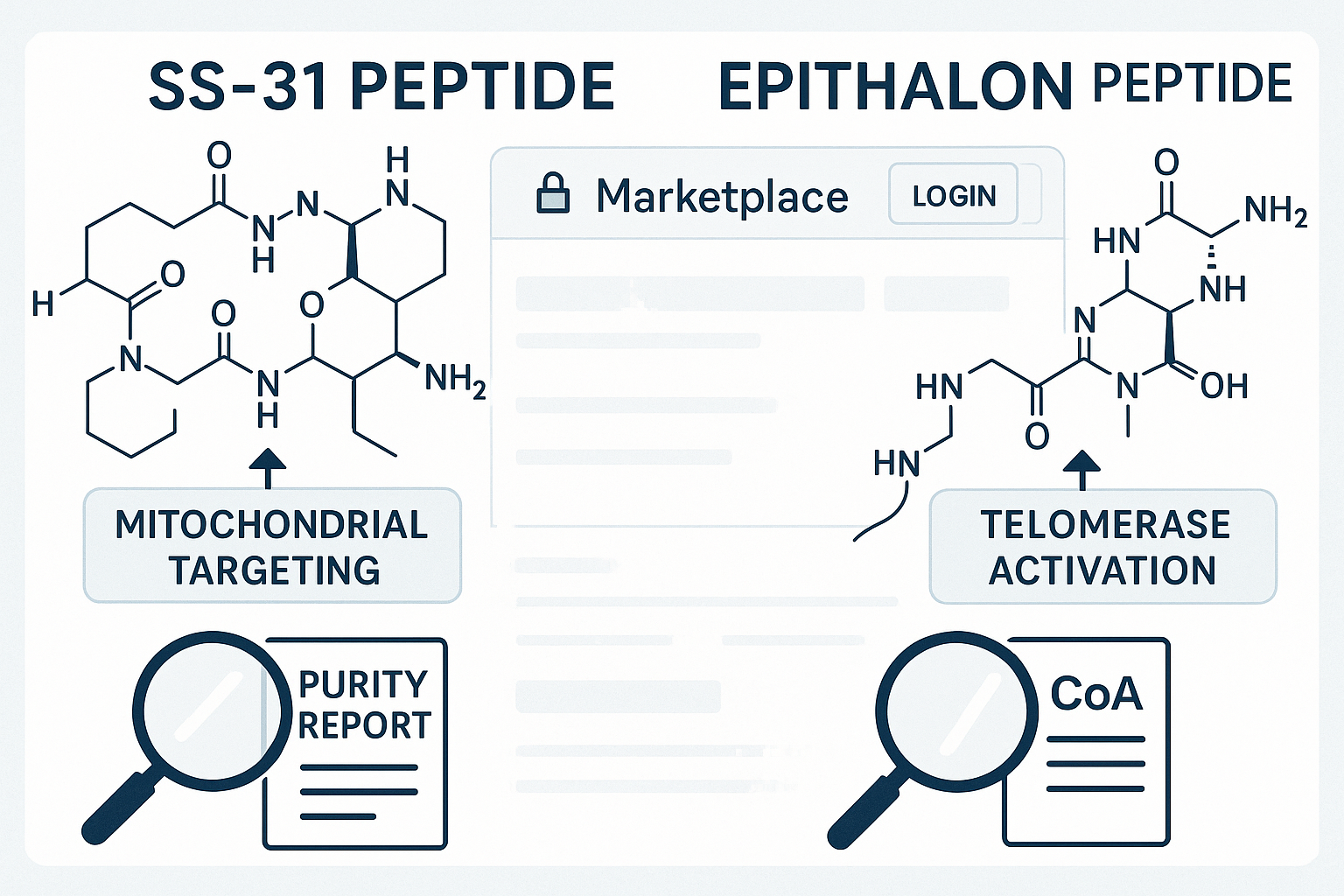
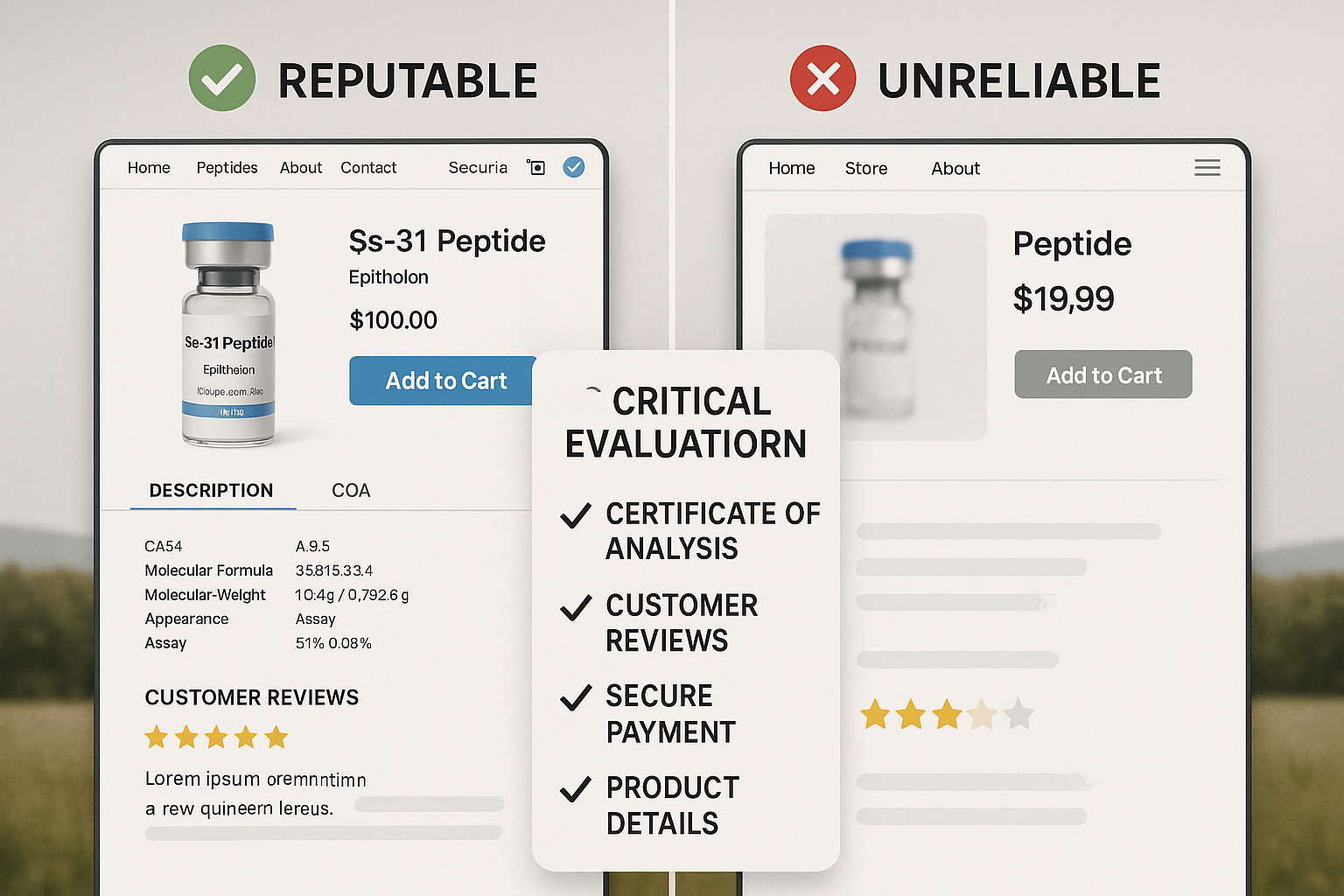
Comparing different GHRH analogs

Comparing Different GHRH Analogs: Understanding Ghrh, Ipamorelin, Tesa, and CJC-1295 in 2025

The landscape of peptide research is continually evolving, offering fascinating insights into human physiology and potential therapeutic applications. Among the most discussed compounds are Growth Hormone-Releasing Hormone (GHRH) analogs, which play a crucial role in stimulating the body's natural production of growth hormone (GH). Researchers seeking to understand and manipulate these intricate biological pathways often compare different GHRH analogs such as Ghrh IPA tesa cjc1295 to identify the most suitable agents for their specific studies. This comprehensive guide will delve into the nuances of these potent peptides, providing a detailed comparison of their mechanisms, effects, and research applications in 2025.

Key Takeaways

  • GHRH Analogs Stimulate Natural GH Release: Peptides like Ghrh, Ipamorelin, tesa, and CJC-1295 are designed to naturally enhance the body's pulsatile growth hormone secretion, avoiding the negative feedback loops associated with exogenous GH administration.
  • Diverse Mechanisms of Action: While all aim to increase GH, they do so through different pathways; GHRH analogs primarily act on the GHRH receptor, while Ipamorelin is a ghrelin mimetic, specifically targeting the ghrelin/GHRP receptor.
  • Variable Duration and Potency: CJC-1295 (especially with DAC) offers a prolonged effect, tesa provides a sustained GHRH action, Ipamorelin delivers a pulsatile release without impacting cortisol, and natural GHRH has a very short half-life.
  • Targeted Research Applications: The choice between these analogs depends on the research objective, whether it's studying long-term metabolic effects (tesa, CJC-1295 with DAC), acute GH release (Ipamorelin, CJC-1295 without DAC), or intricate endocrine pulse timing (GHRH).
  • Synergistic Potential: Combinations like CJC-1295 and Ipamorelin are frequently investigated for their synergistic ability to amplify GH release, offering a potent research tool for various studies.

The Science Behind GHRH Analogs: Ghrh, Ipamorelin, Tesa, and CJC-1295

Understanding the intricate interplay within the endocrine system is paramount when considering peptides that influence growth hormone. Growth hormone-releasing hormone (GHRH) is a hypothalamic neurohormone that stimulates the pituitary gland to release growth hormone. Its discovery paved the way for the development of synthetic analogs designed to harness or amplify this natural process. These analogs, including Ghrh, Ipamorelin, tesa (Tesa), and CJC-1295, represent different approaches to modulating GH secretion, each with distinct characteristics valuable for research.

What is GHRH? The Endogenous Hormone

Naturally occurring GHRH is a 44-amino acid peptide produced in the hypothalamus. It acts on specific GHRH receptors in the anterior pituitary gland, leading to the synthesis and pulsatile release of growth hormone. The body's natural GH secretion is complex, characterized by bursts, especially during sleep. The challenge with native GHRH in research is its very short half-life, meaning it is quickly broken down in the bloodstream, limiting its practical application for sustained effects. This rapid degradation is a key driver for the development of longer-acting synthetic analogs.

tesa (Tesa): A Stabilized GHRH Analog

tesa, often referred to as Tesa, is a synthetic analog of GHRH, specifically modified to be more stable and resistant to enzymatic degradation compared to the endogenous hormone. It consists of the first 44 amino acids of human GHRH, with a key modification: the addition of a trans-3-hexenoyl group to the N-terminus of the molecule. This modification significantly extends its half-life, allowing for more sustained stimulation of the GHRH receptor and, consequently, a more prolonged release of growth hormone from the pituitary.

tesa primarily works by binding to the GHRH receptor, mimicking the action of natural GHRH. Its extended half-life means it can provide a more consistent stimulation of GH release over time. Research into tesa often focuses on its effects on body composition, particularly in reducing visceral adipose tissue (VAT), due to GH's lipolytic properties. It is also studied for its potential roles in neurocognition and cardiovascular health.

CJC-1295: A Potent and Long-Acting GHRH Mimetic

CJC-1295 is a synthetic GHRH analog that has garnered significant attention in research due to its remarkable ability to provide a sustained, pulsatile release of growth hormone. It is a modified GHRH peptide that can exist in two main forms:

  1. CJC-1295 with DAC (Drug Affinity Complex): This version incorporates a unique feature called a Drug Affinity Complex. DAC covalently binds to albumin in the blood, effectively extending the peptide's half-life from minutes to several days (approximately 6-8 days). This allows for infrequent administration in research settings while maintaining stable GH levels. The binding to albumin protects the peptide from rapid degradation, ensuring a continuous, yet physiological, stimulation of GH release.
  2. CJC-1295 without DAC (also known as Mod GRF 1-29): This form lacks the DAC modification, making it a shorter-acting GHRH analog. Its half-life is significantly shorter, closer to 30 minutes. It acts more like the body's natural GHRH, providing a strong, acute pulse of GH release. This version is often preferred in research protocols that aim to mimic the body's natural pulsatile GH secretion more closely, especially when combined with a GH secretagogue like Ipamorelin.

Both forms of CJC-1295 work by binding to the GHRH receptor on the pituitary gland, stimulating both the number of somatotrophs (GH-producing cells) and the amount of GH released per pulse. Research involving CJC-1295 often investigates its impact on muscle growth, fat loss, recovery, and overall metabolic function. More details on the differences can be found when comparing CJC-1295 with and without DAC in research settings.

Ipamorelin: A Selective Growth Hormone Secretagogue (GHRP)

Ipamorelin stands apart from GHRH analogs because it is a Growth Hormone-Releasing Peptide (GHRP), specifically a ghrelin mimetic. While GHRH analogs act on the GHRH receptor, Ipamorelin selectively binds to the ghrelin/GHRP receptor in the pituitary gland and hypothalamus. This binding triggers the release of growth hormone.

A significant advantage of Ipamorelin in research is its high selectivity for GH release. Unlike some older GHRPs, Ipamorelin does not significantly stimulate the release of cortisol, prolactin, or ACTH. This selectivity makes it a cleaner agent for studying GH-specific effects without confounding variables related to other hormones. Ipamorelin provides a potent, pulsatile release of GH, closely mimicking the body's natural GH secretion patterns. Its relatively short half-life (around 2 hours) allows for precise control over the timing of GH pulses in experimental designs. Researchers frequently explore Ipamorelin for its potential in promoting lean muscle mass, reducing fat, improving sleep quality, and accelerating recovery. The synergy between CJC-1295 and Ipamorelin is a common area of study.

Summary of Mechanisms and Half-Lives: Ghrh Ipamorelin Tesa Cjc1295

Peptide Analogs Primary Mechanism of Action Half-Life Key Differentiating Factor
Endogenous GHRH Stimulates GHRH receptors on pituitary to release GH Very short (minutes) Natural hormone, rapid degradation
tesa (Tesa) GHRH receptor agonist; modified for stability ~30 minutes Extended half-life compared to natural GHRH due to N-terminal modification, consistent action
CJC-1295 w/ DAC GHRH receptor agonist; binds to albumin for extended release ~6-8 days Longest acting, sustained GH pulsatility, infrequent administration possible
CJC-1295 no DAC GHRH receptor agonist ~30 minutes Short-acting, mimics natural GHRH pulse, often paired with GHRPs
Ipamorelin Ghrelin/GHRP receptor agonist; stimulates GH release ~2 hours Selective GH release without significant cortisol/prolactin, pulsatile, ghrelin mimetic

Comparative Analysis of Ghrh, Ipamorelin, Tesa, and CJC-1295: Effects and Applications

When selecting a GHRH analog for research, understanding the specific effects and optimal applications of Ghrh IPA tesa cjc1295 is crucial. Each peptide, while aiming to increase GH, offers distinct advantages and considerations for experimental design.

Growth Hormone Release Profile

  • Endogenous GHRH: Provides a very rapid, acute pulse of GH release, quickly dissipating due to its short half-life. It's the blueprint for how natural GH secretion begins.
  • tesa (Tesa): Designed to provide a sustained, consistent GHRH receptor stimulation, leading to a steady elevation of GH levels over a longer period than native GHRH. This makes it ideal for studying prolonged effects of elevated GH.
  • CJC-1295 no DAC: Mimics the strong, acute pulsatile release of natural GHRH. When administered, it causes a significant burst of GH, which quickly subsides. This rapid action makes it highly suitable for studies requiring precise, controlled GH pulses, especially when combined with a GHRP like Ipamorelin to amplify the effect. Researchers often use this form to understand endocrine pulse timing in wellness labs.
  • CJC-1295 with DAC: Offers a unique profile of continuous, yet physiological, pulsatile GH release over several days due to its extended half-life. This means it sustains higher baseline GH levels and larger GH pulses without requiring frequent administration, making it excellent for long-term studies on GH's anabolic or lipolytic effects.
  • Ipamorelin: Induces a potent, selective, and pulsatile release of GH. Its action is distinct from GHRH analogs as it stimulates the ghrelin receptor. The GH pulse generated by Ipamorelin is strong but relatively short-lived, typically lasting a few hours, and notably avoids raising cortisol levels, which can be beneficial for specific research aims.

Research Applications and Target Outcomes

The choice of GHRH analog often hinges on the specific research question and desired physiological outcome.

  • Metabolic Studies (FL, Body Composition):

    • tesa (Tesa): Heavily researched for its efficacy in reducing visceral adipose tissue (VAT), particularly in conditions like HIV-associated lipodystrophy. Its sustained GH release helps mobilize and metabolize fat stores.
    • CJC-1295 with DAC: Its prolonged GH elevation can contribute to overall fat reduction and improved body composition over time, making it suitable for longer-duration metabolic studies.
    • Ipamorelin & CJC-1295 no DAC combination: The synergistic action can lead to robust GH pulsatility, which in turn can enhance lipolysis and promote lean muscle mass. This blend is a popular choice for peptide blends research.
  • Muscle Growth and Repair (Anabolic Effects):

    • CJC-1295 with DAC: Due to its consistent and elevated GH levels, it can support anabolic processes, including protein synthesis, crucial for muscle repair and growth.
    • CJC-1295 no DAC + Ipamorelin: This combination is particularly potent for promoting muscle protein synthesis and recovery. The strong, natural-like GH pulses can contribute to an anabolic environment, making it a focus in studies related to muscle hypertrophy and tissue regeneration. Explore more about CJC-1295 (DAC) muscle research themes.
  • Anti-Aging and Regenerative Research:

    • CJC-1295 (both forms) and Ipamorelin: As GH plays a role in cellular regeneration, collagen synthesis, and overall vitality, these peptides are often studied for their potential anti-aging effects, including skin elasticity, bone density, and cognitive function. Research into cellular maintenance with peptide tools frequently involves these compounds.
  • Sleep Quality and Cognitive Function:

    • Ipamorelin: Known for its ability to improve sleep architecture, particularly increasing slow-wave sleep (deep sleep), which is critical for GH release and recovery. This makes it valuable for cognition and sleep in wellness studies.
    • tesa: Research suggests potential benefits for cognitive function, particularly memory, potentially linked to its ability to reduce inflammation and promote neuronal health.

Side Effects and Safety Considerations in Research

When working with GHRH analogs like Ghrh IPA tesa cjc1295, researchers must be aware of potential side effects and safety considerations, even in controlled laboratory settings.

  • General GH-Related Effects:

    • Increased GH levels can lead to water retention, tingling/numbness (paresthesia), joint pain, and carpal tunnel symptoms. These are generally dose-dependent and typically subside upon cessation.
    • Long-term, supraphysiological GH elevation could potentially lead to insulin resistance, though this is less common with GHRH analogs that promote natural pulsatile release compared to exogenous GH administration. Careful monitoring of glucose levels is advisable.
  • Specific to tesa: Injection site reactions (redness, itching, pain) are common. Headache and mild gastrointestinal disturbances can also occur.

  • Specific to CJC-1295 (with DAC): Due to its long-acting nature, effects and potential side effects persist longer. Water retention and transient lethargy or "GH flush" (a warm, tingling sensation) might be noted after administration.

  • Specific to Ipamorelin: Generally considered to have a very favorable safety profile due to its high selectivity. Side effects are typically mild and similar to other peptides, such as injection site reactions. Its lack of impact on cortisol and prolactin is a significant advantage.

  • Monitoring and Best Practices: Researchers should follow strict protocols, including accurate dosing, proper storage (e.g., best practices for storing research peptides), and careful observation of experimental subjects for any adverse reactions. Regular baseline measurements and biochemical assays are crucial for safety and data integrity.


Synergy and Stacking: Enhancing Research Outcomes with GHRH Analog Combinations

The field of peptide research often explores the potential for synergy, where combining two or more peptides yields an effect greater than the sum of their individual actions. This is particularly true for GHRH analogs, where strategic combinations can lead to a more robust and sustained release of growth hormone. The most well-known and extensively researched combination involves a GHRH analog and a GHRP, like the popular CJC-1295 plus Ipamorelin blend.

The Power of Combination: CJC-1295 and Ipamorelin

The pairing of a GHRH analog (like CJC-1295) with a Growth Hormone-Releasing Peptide (GHRP) such as Ipamorelin is a cornerstone of advanced peptide research. This combination capitalizes on the distinct yet complementary mechanisms of action:

  1. CJC-1295 (GHRH Analog): Stimulates the GHRH receptors on the pituitary gland, increasing the number of GH-producing cells (somatotrophs) and the amount of GH that each somatotroph is capable of releasing.
  2. Ipamorelin (GHRP/Ghrelin Mimetic): Acts on the ghrelin receptors, causing a powerful release of stored GH. It also suppresses somatostatin, the natural inhibitor of GH, further amplifying the effect.

When used together, CJC-1295 and Ipamorelin work synergistically. CJC-1295 "primes" the pituitary, making more GH available for release, while Ipamorelin triggers a strong, natural-like pulse. This leads to a significantly greater and more physiological release of GH compared to using either peptide alone. This enhanced pulsatility is crucial for mimicking the body's natural GH secretion pattern, potentially leading to more profound and sustained research outcomes.

Why This Combination is Popular in Research:

  • Amplified GH Release: The combined action leads to a significantly larger burst of GH, which can be advantageous for studies aiming for substantial anabolic or lipolytic effects.
  • Physiological Pulsatility: It closely mimics the body's natural GH secretion, avoiding the continuous, non-pulsatile release that can occur with exogenous GH administration, which can lead to desensitization or other issues.
  • Reduced Side Effects (compared to higher doses of single peptides): By utilizing two different pathways, lower doses of each peptide can be used to achieve a strong effect, potentially minimizing the likelihood of side effects.
  • Broad Research Applications: This blend is frequently studied in areas such as:
    • Muscle growth and recovery
    • Fat loss and body recomposition
    • Anti-aging protocols
    • Improvement of sleep quality and cognitive function
    • Studies on tissue repair and regeneration (e.g., alongside peptides like BPC-157). Learn more about CJC-Ipamorelin synergy research themes.

Other Potential Combinations and Considerations

While CJC-1295 and Ipamorelin are the most common pairing, researchers might consider other combinations depending on their specific goals:

  • tesa + GHRP: Combining tesa with a GHRP could theoretically offer a sustained GHRH drive alongside acute GHRP-induced pulses. However, tesa already provides a strong, consistent signal, so the added benefit might be less pronounced compared to CJC-1295 no DAC, which is designed for rapid, strong pulses.
  • Multiple GHRPs: Combining different GHRPs (e.g., Ipamorelin with GHRP-2 or GHRP-6) might be explored, but Ipamorelin's selectivity often makes it the preferred choice to avoid cortisol/prolactin elevation.
  • Integration with Other Peptides: Beyond GHRH analogs, these peptides are often studied alongside other research compounds to understand broader physiological impacts. For example, some researchers might explore the effects of GH-releasing peptides on healing when combined with BPC-157.

Designing In Vitro Assays with CJC-1295 Variants

When conducting in vitro research, the choice between CJC-1295 with and without DAC is critical for experimental design.

  • CJC-1295 no DAC (Mod GRF 1-29): Ideal for acute studies where a short, intense pulse of GHRH receptor stimulation is desired. This allows for precise temporal control over GH release in cell cultures or tissue samples. Researchers can investigate rapid signaling cascades or immediate cellular responses to GH pulses. This is a key consideration when designing in vitro assays with CJC-1295 variants.
  • CJC-1295 with DAC: More suitable for long-term cell culture studies or experiments requiring sustained GHRH receptor activation over several days. This allows researchers to examine chronic effects of GH on cell proliferation, differentiation, or metabolism without needing frequent media changes or peptide re-dosing.

Careful consideration of the half-life and mechanism of action for each peptide is paramount in crafting effective research protocols. The goal is always to create a controlled environment that accurately reflects the intended biological process. Researchers can buy peptides online USA from trusted sources to ensure quality and purity for their studies.


Choosing the Right GHRH Analog for Your Research in 2025

Navigating the array of GHRH analogs can be challenging, but a structured approach to decision-making can significantly streamline your research planning. The optimal choice among Ghrh IPA tesa cjc1295 depends entirely on your specific research objectives, the desired duration of action, and the particular physiological outcomes you aim to investigate. As we move into 2025, the demand for precise, well-designed peptide research continues to grow.

Factors to Consider When Selecting an Analog

  1. Desired Duration of Action:

    • Short-term, acute pulses: If your research requires a rapid, transient increase in GH, mimicking natural pulsatility, then CJC-1295 no DAC (Mod GRF 1-29) or Ipamorelin individually, or their combination, would be most appropriate. Endogenous GHRH is too fleeting for most practical research.
    • Sustained, consistent elevation: For studies requiring a prolonged, stable elevation of GH, CJC-1295 with DAC or tesa are excellent candidates. CJC-1295 with DAC offers longer-acting effects over days, while tesa provides a consistent action over hours, requiring daily administration.
  2. Specificity of GH Release:

    • Pure GH release without collateral hormone impact: Ipamorelin is highly prized for its selectivity, releasing GH without significantly increasing cortisol, prolactin, or ACTH. This makes it ideal for isolating GH-specific effects.
    • GHRH pathway-specific research: If your study focuses specifically on the GHRH receptor pathway, then tesa or CJC-1295 (with or without DAC) would be the primary choices.
  3. Research Outcome Focus:

    • Visceral Fat Reduction: tesa has the most robust clinical research background specifically for reducing visceral adipose tissue.
    • Anabolic Effects (Muscle Growth, Repair): CJC-1295 (especially with DAC) and the CJC-1295 + Ipamorelin blend are frequently used to investigate muscle protein synthesis, recovery, and hypertrophy due to their potent GH release.
    • Sleep Improvement & Recovery: Ipamorelin is often highlighted for its positive impact on sleep quality, making it a key component in recovery and wellness studies.
    • Overall Anti-Aging & Regenerative Potential: Combinations that provide robust, physiological GH pulses, such as CJC-1295 and Ipamorelin, are often chosen for broader anti-aging and regenerative research.
  4. Experimental Logistics and Frequency of Administration:

    • Infrequent administration: CJC-1295 with DAC allows for less frequent dosing (e.g., once or twice a week) in longer-term studies, simplifying logistics.
    • Daily or more frequent administration: tesa, Ipamorelin, and CJC-1295 no DAC typically require daily or multiple daily administrations, offering more precise control over GH pulses but demanding more frequent handling.

Future Directions in GHRH Analog Research

The ongoing development of GHRH analogs and GHRPs promises exciting new avenues for research in 2025 and beyond. Key areas of focus include:

  • Novel Delivery Systems: Exploring new methods for peptide delivery that enhance bioavailability, reduce degradation, and improve patient compliance (e.g., oral formulations, transdermal patches).
  • Targeted Therapies: Developing even more selective analogs or combination therapies that target specific physiological conditions with minimal off-target effects.
  • Neuroprotective and Cognitive Applications: Further investigation into the role of GH and its secretagogues in neurodegenerative diseases, cognitive enhancement, and mental well-being.
  • Personalized Peptide Protocols: Using genetic and biomarker data to tailor peptide selection and dosing for individual research subjects, optimizing outcomes and minimizing variability. This aligns with the broader trend of building reproducible wellness studies.
  • Understanding Long-Term Safety: Continued long-term studies are essential to fully understand the safety profiles and potential sustained effects of these peptides across various populations.

By carefully evaluating these factors and staying abreast of new research, scientists can make informed decisions when selecting the most appropriate GHRH analog for their investigations. Remember that Pure Tested Peptides offers a comprehensive catalog of high-quality research peptides to support your studies.


<!DOCTYPE html>
<html lang="en">
<head>
    <meta charset="UTF-8">
    <meta name="viewport" content="width=device-width, initial-scale=1.0">
    <title>GHRH Analog Comparison Tool</title>
    <style>
        /* General styling for the tool */
        .cg-container {
            font-family: Arial, sans-serif;
            max-width: 800px;
            margin: 20px auto;
            padding: 20px;
            border: 1px solid #ddd;
            border-radius: 8px;
            background-color: #f9f9f9;
            box-shadow: 0 2px 4px rgba(0,0,0,0.1);
        }

        .cg-title {
            color: #333;
            text-align: center;
            margin-bottom: 20px;
            font-size: 1.8em;
        }

        .cg-description {
            color: #555;
            text-align: center;
            margin-bottom: 25px;
            font-size: 1em;
            line-height: 1.5;
        }

        /* Selector styling */
        .cg-selector-group {
            margin-bottom: 20px;
        }

        .cg-label {
            display: block;
            margin-bottom: 8px;
            font-weight: bold;
            color: #444;
            font-size: 1.1em;
        }

        .cg-select {
            width: 100%;
            padding: 10px;
            border: 1px solid #ccc;
            border-radius: 5px;
            background-color: #fff;
            font-size: 1em;
            color: #333;
            appearance: none; /* Remove default arrow */
            -webkit-appearance: none;
            -moz-appearance: none;
            background-image: url('data:image/svg+xml;charset=US-ASCII,%3Csvg%20xmlns%3D%22http%3A%2F%2Fwww.w3.org%2F2000%2Fsvg%22%20width%3D%22292.4%22%20height%3D%22292.4%22%3E%3Cpath%20fill%3D%22%23007bff%22%20d%3D%22M287%2069.4a17.6%2017.6%200%200%200-13-5.4H18.4c-6.5%200-12.3%203.2-16.1%208.1-3.8%204.9-4.3%2011.6-1.5%2017.4l137.2%20172c4.3%205.6%2011.8%208.7%2019.5%208.7s15.2-3.1%2019.5-8.7l137.2-172c2.8-5.8%202.3-12.5-1.5-17.4z%22%2F%3E%3C%2Fsvg%3E');
            background-repeat: no-repeat;
            background-position: right 10px top 50%;
            background-size: 12px auto;
        }

        /* Results display styling */
        .cg-results {
            margin-top: 30px;
            border-top: 2px solid #007bff;
            padding-top: 20px;
        }

        .cg-results-heading {
            color: #007bff;
            font-size: 1.5em;
            margin-bottom: 15px;
            text-align: center;
        }

        .cg-result-item {
            background-color: #eaf6ff;
            border-left: 5px solid #007bff;
            padding: 15px;
            margin-bottom: 15px;
            border-radius: 5px;
        }

        .cg-result-item strong {
            color: #0056b3;
            font-size: 1.1em;
        }

        .cg-result-item p {
            margin: 5px 0;
            color: #333;
            line-height: 1.4;
        }

        .cg-note {
            font-size: 0.9em;
            color: #777;
            margin-top: 25px;
            text-align: center;
            padding-top: 15px;
            border-top: 1px dashed #ccc;
        }

        /* Responsive adjustments */
        @media (max-width: 600px) {
            .cg-container {
                margin: 10px;
                padding: 15px;
            }
            .cg-title {
                font-size: 1.5em;
            }
            .cg-select {
                padding: 8px;
                font-size: 0.9em;
            }
            .cg-results-heading {
                font-size: 1.3em;
            }
            .cg-result-item {
                padding: 10px;
            }
        }
    </style>
</head>
<body>
    <div class="cg-container">
        <h2 class="cg-title">🔬 GHRH Analog Research Selector (2025)</h2>
        <p class="cg-description">Use this tool to help identify suitable GHRH analogs (Ghrh, Ipamorelin, tesa, CJC-1295) for your specific research goals. Select your primary objective and desired action profile.</p>

        <div class="cg-selector-group">
            <label for="cg-objective" class="cg-label">What is your primary research objective?</label>
            <select id="cg-objective" class="cg-select" onchange="cgUpdateRecommendation()">
                <option value="">-- Select an objective --</option>
                <option value="fat_reduction">Visceral Fat Reduction / Body Composition</option>
                <option value="muscle_growth">Muscle Growth / Anabolic Effects / Recovery</option>
                <option value="sleep_cognitive">Improved Sleep Quality / Cognitive Function</option>
                <option value="anti_aging">Anti-Aging / Regenerative Potential</option>
                <option value="acute_gh_pulse">Acute, Pulsatile GH Release</option>
                <option value="sustained_gh_levels">Sustained, Elevated GH Levels (Long-Term Studies)</option>
            </select>
        </div>

        <div class="cg-selector-group">
            <label for="cg-duration" class="cg-label">What is your desired duration of action?</label>
            <select id="cg-duration" class="cg-select" onchange="cgUpdateRecommendation()">
                <option value="">-- Select duration --</option>
                <option value="short_daily">Short-acting (hours, daily administration)</option>
                <option value="long_infrequent">Long-acting (days, infrequent administration)</option>
            </select>
        </div>

        <div class="cg-results" id="cg-recommendation-results">
            <h3 class="cg-results-heading">Recommended GHRH Analogs for Your Research:</h3>
            <div id="cg-recommendation-output">
                <p>Please select your research objective and desired duration to get recommendations.</p>
            </div>
            <p class="cg-note">Note: This tool provides general recommendations. Always consult detailed research protocols and safety guidelines for specific experimental designs. Pure Tested Peptides products are for research purposes only.</p>
        </div>
    </div>

    <script>
        function cgUpdateRecommendation() {
            const objective = document.getElementById('cg-objective').value;
            const duration = document.getElementById('cg-duration').value;
            const outputDiv = document.getElementById('cg-recommendation-output');

            let recommendations = [];

            if (!objective || !duration) {
                outputDiv.innerHTML = '<p>Please select both your research objective and desired duration to get recommendations.</p>';
                return;
            }

            // Logic for recommendations based on selections
            if (objective === 'fat_reduction') {
                if (duration === 'short_daily') {
                    recommendations.push({
                        name: 'tesa (Tesa)',
                        info: 'Known for direct visceral fat reduction. Provides sustained GH over hours.'
                    });
                } else if (duration === 'long_infrequent') {
                    recommendations.push({
                        name: 'CJC-1295 with DAC',
                        info: 'Offers prolonged GH elevation, beneficial for long-term fat loss studies.'
                    });
                }
            } else if (objective === 'muscle_growth' || objective === 'anti_aging') {
                if (duration === 'short_daily') {
                    recommendations.push({
                        name: 'CJC-1295 no DAC + Ipamorelin (Blend)',
                        info: 'Powerful synergistic GH release mimicking natural pulses, ideal for anabolic effects and recovery.'
                    });
                    recommendations.push({
                        name: 'Ipamorelin (alone)',
                        info: 'Selective GH release, good for short-term anabolic studies without cortisol increase.'
                    });
                } else if (duration === 'long_infrequent') {
                    recommendations.push({
                        name: 'CJC-1295 with DAC',
                        info: 'Sustained, physiological GH pulsatility for prolonged anabolic and regenerative research.'
                    });
                }
            } else if (objective === 'sleep_cognitive') {
                if (duration === 'short_daily') {
                    recommendations.push({
                        name: 'Ipamorelin',
                        info: 'Highly effective for improving sleep quality and aiding recovery, no cortisol impact.'
                    });
                }
            } else if (objective === 'acute_gh_pulse') {
                if (duration === 'short_daily') {
                    recommendations.push({
                        name: 'CJC-1295 no DAC + Ipamorelin (Blend)',
                        info: 'Strongest acute, pulsatile GH release for studying immediate physiological responses.'
                    });
                    recommendations.push({
                        name: 'Ipamorelin',
                        info: 'Selective, potent acute GH pulse without affecting other hormones.'
                    });
                    recommendations.push({
                        name: 'CJC-1295 no DAC',
                        info: 'Provides a strong, acute pulse of GHRH receptor stimulation.'
                    });
                }
            } else if (objective === 'sustained_gh_levels') {
                if (duration === 'short_daily') {
                    recommendations.push({
                        name: 'tesa (Tesa)',
                        info: 'Offers a consistent, sustained GHRH action over several hours, suitable for daily dosing.'
                    });
                } else if (duration === 'long_infrequent') {
                    recommendations.push({
                        name: 'CJC-1295 with DAC',
                        info: 'Provides continuous, yet physiological, pulsatile GH release over several days.'
                    });
                }
            }

            if (recommendations.length === 0) {
                outputDiv.innerHTML = '<p>No specific recommendation for this combination. Please adjust your selections or consult detailed research literature.</p>';
            } else {
                let html = '';
                recommendations.forEach(rec => {
                    html += `<div class="cg-result-item"><strong>${rec.name}</strong><p>${rec.info}</p></div>`;
                });
                outputDiv.innerHTML = html;
            }
        }
        // Initial call to set default state
        document.addEventListener('DOMContentLoaded', cgUpdateRecommendation);
    </script>
</body>
</html>

Conclusion

The realm of GHRH analogs offers powerful tools for advanced research into growth hormone dynamics and its wide-ranging physiological impacts. From the selective, pulsatile release triggered by Ipamorelin to the sustained elevation provided by tesa and CJC-1295 with DAC, each peptide presents unique advantages for specific research questions. Understanding their distinct mechanisms of action, pharmacokinetic profiles, and potential for synergistic combinations – particularly with CJC-1295 plus Ipamorelin – is fundamental for designing effective and impactful studies in 2025.

Choosing the right analog, whether it's native GHRH, Ipamorelin, tesa, or CJC-1295, hinges on a clear definition of your research objective, desired duration of action, and the specific outcomes you aim to achieve. By carefully considering these factors, researchers can leverage the nuanced capabilities of these peptides to unlock new insights into metabolic health, muscle anabolism, cognitive function, and regenerative medicine. The future of peptide research is bright, promising further advancements in our understanding of human biology and potential innovations in therapeutic strategies. Always prioritize quality and purity in your research materials, ensuring your studies are built on a solid foundation of reliable components. For high-quality research peptides, explore trusted suppliers like Pure Tested Peptides.

SEO Meta Details

Meta Title: GHRH Analogs: Comparing Ipamorelin, tesa, CJC-1295 in 2025
Meta Description: Explore GHRH analogs like Ghrh, Ipamorelin, tesa (Tesa), and CJC-1295. Compare their mechanisms, effects, and research applications in 2025.
Where to buy mots-c and epithalon online

Navigating the Landscape: Where to Buy mots-c Peptides and Epithalon Online in 2025

The world of research peptides has seen significant growth and innovation, with compounds like mots-c Peptides epithalon peptide emerging as subjects of intense scientific interest. Researchers worldwide are continually exploring the potential of these compounds, particularly their roles in areas such as mitochondrial health and telomere maintenance. As the demand for high-quality research materials increases, understanding where and how to safely and reliably acquire mots-c Peptides epithalon peptide online becomes paramount. This comprehensive guide, updated for 2025, aims to equip researchers with the knowledge needed to make informed decisions when sourcing these vital compounds, emphasizing the importance of purity, transparency, and ethical practices.

Key Takeaways

  • Purity is paramount: Always prioritize suppliers who provide verifiable third-party testing (Certificates of Analysis) for mots-c and Epithalon peptides.
  • Reputation matters: Choose vendors with a strong track record of reliability, positive customer feedback, and clear communication.
  • Understand Legalities: Peptides like mots-c and Epithalon are for research use only and are not approved for human consumption. Ensure compliance with all local regulations.
  • Secure Payment & Shipping: Opt for sites offering secure payment methods and discreet, efficient shipping to protect your purchase and privacy.
  • Educate Yourself: Familiarize yourself with the mechanisms of action, proper storage, and handling of mots-c and Epithalon to ensure effective and safe research.

Understanding mots-c Peptides and Epithalon Peptide: Mechanisms and Research Focus

An infographic illustrating the complex molecular structures of mots-c and Epithalon peptides, with detailed callouts explaining their primar

mots-c (also known as Elamipretide or Bendavia) and Epithalon are two distinct peptides garnering considerable attention in scientific circles. While both are subjects of fascinating research, their mechanisms of action and primary research areas differ significantly. Understanding these distinctions is crucial for researchers looking to incorporate mots-c Peptides epithalon peptide into their studies.

mots-c Peptide: Targeting Mitochondrial Health

mots-c is a fascinating peptide primarily investigated for its role in mitochondrial function. Mitochondria are often called the "powerhouses of the cell," and their health is vital for overall cellular function and energy production. Research suggests that mots-c selectively targets the inner mitochondrial membrane, where it interacts with cardiolipin, a phospholipid crucial for mitochondrial structure and function [1].

Mechanism of Action on Research Trials:

  • Mitochondrial Protection: mots-c is believed to protect mitochondria from oxidative stress by reducing the production of reactive oxygen species (ROS) at the electron transport chain [2]. This protective effect can help maintain mitochondrial integrity and efficiency.
  • Improved ATP Production: By enhancing mitochondrial function, mots-c may improve ATP (adenosine triphosphate) production, which is the primary energy currency of cells. This has implications for conditions characterized by energy deficits.
  • Anti-inflammatory Effects: Some studies suggest mots-c may have anti-inflammatory properties, potentially by modulating cellular responses to stress and injury [3].

Research Applications:
Researchers are exploring mots-c's potential in various fields, including:

  • Cardiovascular Health: Studies investigate its role in protecting heart tissue during ischemia-reperfusion injury.
  • Neurodegenerative Diseases: Due to its mitochondrial protective effects, mots-c is being examined for its potential in conditions like Parkinson's and Alzheimer's disease.
  • Kidney Disease: Research explores its capacity to mitigate mitochondrial dysfunction in kidney injury models.

For researchers interested in acquiring this peptide, trusted suppliers often list mots-c with clear specifications. You can find more information about its application in research by visiting pages focused on applied wellness research with peptides.

Epithalon Peptide: The Telomere Connection

Epithalon (also known as Epitalon or Epithalamin) is a synthetic tetrapeptide derived from the pineal gland. Its primary claim to fame in the research community revolves around its supposed ability to influence telomerase activity and telomere length. Telomeres are protective caps at the ends of chromosomes that shorten with each cell division. Telomere shortening is associated with cellular aging and dysfunction [4].

Mechanism of Action on Research Trials:

  • Telomerase Activation: Epithalon is hypothesized to stimulate the activity of telomerase, an enzyme responsible for maintaining telomere length. By potentially activating telomerase, Epithalon could help slow down telomere shortening in certain cell types.
  • Regulation of Hormones: Research indicates that Epithalon may influence the production of melatonin and other hormones by the pineal gland, which can impact sleep cycles and circadian rhythms [5].
  • Antioxidant Properties: Some studies suggest Epithalon possesses antioxidant effects, which can contribute to overall cellular protection.

Research Applications:
Epithalon is a subject of research in areas such as:

  • Aging Research: Its potential to influence telomere length makes it a key compound in studies on cellular senescence and longevity.
  • Sleep Regulation: Due to its influence on the pineal gland, it's studied for its effects on sleep patterns and circadian rhythm disorders.
  • Reproductive Health: Some preliminary research explores its role in reproductive system health.

Researchers can explore various Epithalon products for sale through reputable vendors. Learn more about Epithalon's specific research applications and how it compares to other longevity compounds by reading about Epithalon vs. NAD evidence. For a broader perspective on its research themes, see dedicated pages on Epithalon peptides for sale and Epithalon longevity signals.

Key Considerations for Buying mots-c Peptides and Epithalon Online

A split-screen visual comparing reputable online peptide suppliers with a less reliable, generic-looking website. The reputable side highlig

Purchasing research chemicals online, especially complex peptides like mots-c and Epithalon, requires a meticulous approach. The market can be saturated with varying qualities and dubious vendors. In 2025, ensuring the integrity of your research materials is more critical than ever.

1. Purity and Third-Party Testing: The Gold Standard

The single most important factor when buying mots-c Peptides epithalon peptide is purity. Impure peptides can lead to unreliable research results, or worse, introduce confounding variables.

  • Certificates of Analysis (CoAs): A reputable supplier will always provide a Certificate of Analysis (CoA) from an independent, third-party laboratory for each batch of peptides. This document should detail:
    • Purity Percentage: Typically, research-grade peptides should be 98% or higher.
    • Mass Spectrometry (MS) Data: Confirms the molecular weight and identity of the peptide.
    • High-Performance Liquid Chromatography (HPLC) Data: Verifies the purity and identifies any impurities.
  • Transparency: Vendors should make their CoAs easily accessible on their product pages or provide them upon request. Be wary of suppliers who offer vague purity claims without supporting documentation.
  • Batch-Specific CoAs: Ensure the CoA provided matches the specific batch number of the product you receive. This guarantees the testing applies directly to your purchase.

"In peptide research, purity isn't just a preference; it's a fundamental requirement for valid and reproducible results. Always demand verifiable third-party testing."

2. Supplier Reputation and Reliability

A vendor's reputation speaks volumes about their product quality and customer service.

  • Reviews and Testimonials: Look for independent reviews on forums, scientific communities, and trusted review platforms. Pay attention to comments regarding product quality, shipping speed, and customer support.
  • Years in Business: Established suppliers often have a proven track record. New vendors aren't necessarily bad, but they may require more scrutiny.
  • Customer Service: A reliable supplier will have responsive and knowledgeable customer service to address any questions or concerns you may have before and after your purchase.
  • Website Professionalism: A well-designed, informative, and secure website (look for HTTPS in the URL) is usually a good indicator of a professional operation.
  • "For Research Use Only" Disclaimer: Reputable peptide suppliers explicitly state that their products are for research use only and not for human consumption, mirroring legal and ethical guidelines.

3. Legal and Ethical Considerations for mots-c Peptides Epithalon Peptide

It is paramount to understand the legal status of research peptides.

  • Research Use Only (RUO): In most jurisdictions, peptides like mots-c and Epithalon are classified as research chemicals and are not approved for use in humans. This means they should only be handled by qualified researchers in laboratory settings.
  • Jurisdictional Differences: The legal landscape for research chemicals can vary significantly between countries and even within regions. Researchers must be aware of and comply with all local laws and regulations regarding the import, possession, and use of these compounds.
  • Ethical Research Practices: Adhering to ethical research guidelines is crucial. Misusing research peptides or attempting to circumvent regulations can have serious consequences.

4. Pricing and Payment Options

While it's tempting to seek the lowest price, suspiciously low prices for mots-c Peptides epithalon peptide are often a red flag for inferior quality or fraudulent products.

  • Fair Market Value: Research the typical price range for mots-c and Epithalon from several reputable suppliers. This helps you identify both overpriced and suspiciously underpriced offerings.
  • Secure Payment Gateways: Only use websites that offer secure and encrypted payment options (e.g., credit card processing through reputable providers, cryptocurrency). Avoid vendors that insist on unconventional payment methods or cash transfers.
  • Discreet Billing: Check if the billing descriptor is discreet to protect your privacy.

5. Shipping and Storage

Proper shipping and storage are essential to maintain the integrity of your peptides.

  • Shipping Conditions: Peptides are sensitive to temperature and degradation. Reputable suppliers often ship lyophilized (freeze-dried) peptides and may include ice packs, especially for international or warm-climate shipping.
  • Packaging: Secure and discreet packaging is important for both product protection and privacy.
  • Storage Recommendations: Follow the supplier's and the peptide's specific storage instructions. Generally, lyophilized peptides should be stored in a cool, dark, and dry place (e.g., freezer or refrigerator) to maintain potency. Once reconstituted, they often require refrigeration and have a shorter shelf life. For best practices, refer to advice on best practices for storing research peptides.

Recommended Sourcing Strategy for mots-c and Epithalon

A digital interface showing a secure online shopping cart for mots-c Peptides epithalon peptide, with a focus on product purity and shipping

To successfully acquire mots-c Peptides epithalon peptide for your research in 2025, follow a structured strategy:

  1. Identify Potential Suppliers: Start by searching for well-known and reviewed peptide suppliers. Websites like Pure Tested Peptides are a good starting point, offering a range of research compounds.
  2. Verify Third-Party Testing: Before committing to a purchase, confirm that the supplier provides independent third-party CoAs. If they are not readily available on the product page, contact customer support and request them.
  3. Check Customer Reviews and Forum Discussions: Search for discussions about the supplier on scientific forums or review sites to gauge their reputation.
  4. Compare Products and Pricing: Once you have a shortlist of reputable vendors, compare the purity, price, and available forms (e.g., milligrams per vial) of mots-c and Epithalon.
  5. Review Shipping and Return Policies: Understand their shipping times, costs, and return policies in case of issues.
  6. Place a Test Order (Optional but Recommended): For larger research projects, consider placing a small initial order to evaluate the supplier's product quality, packaging, and delivery efficiency before making a substantial purchase.

Example Suppliers and What to Look For:

When exploring options, consider suppliers that prominently feature:

  • Dedicated Product Pages: Clear descriptions, dosage information for research (if applicable), and mechanism of action summaries. For instance, detailed product pages for individual peptides or blends like CJC-1295 plus Ipamorelin demonstrate a commitment to comprehensive information.
  • Quality Assurance: Look for explicit statements on quality control processes.
  • Educational Resources: Suppliers who invest in educating their customers, such as articles on designing in vitro assays with CJC-1295 variants or comparing single peptides and multi-peptide blends, often indicate a higher level of professionalism and expertise.
  • Easy Access to Support: A clear "Contact Us" section with multiple ways to get in touch.

By following these steps, researchers can confidently source high-quality mots-c Peptides epithalon peptide for their important studies. Remember, the integrity of your research hinges on the purity and reliability of your materials.

Frequently Asked Questions (FAQs) About Buying mots-c and Epithalon Online

To further assist researchers, here are answers to some common questions related to purchasing mots-c Peptides epithalon peptide online.

Q1: What does "research grade" mean for peptides?

"Research grade" typically means that the peptide has been synthesized to a high purity level (often 98% or greater), is accompanied by appropriate analytical documentation (like a CoA), and is intended solely for in vitro (test tube) or in vivo (animal) research. It explicitly means the product is not for human therapeutic or diagnostic use.

Q2: Can I legally buy mots-c and Epithalon for personal use?

No. In most countries, mots-c and Epithalon, like many other peptides, are classified as research chemicals and are strictly not approved for human consumption. Purchasing them implies you are a qualified researcher intending to use them in a laboratory setting. Attempting to use them for personal reasons is against regulations and can be illegal and dangerous. Always review the frequently asked questions for research teams ordering peptides online from reputable vendors.

Q3: How should I store mots-c and Epithalon once I receive them?

Generally, lyophilized (freeze-dried) peptides should be stored in a freezer (below -18°C or 0°F) for long-term stability. Once reconstituted with bacteriostatic water, they typically need to be refrigerated (2-8°C or 36-46°F) and have a shorter shelf life, usually a few weeks to a couple of months, depending on the specific peptide and solution concentration. Always refer to the specific instructions provided by your supplier. Proper storage is crucial for maintaining peptide efficacy and avoiding degradation.

Q4: Are there common scams to watch out for when buying peptides online?

Yes. Be vigilant for:

  • Lack of CoAs: If a vendor doesn't provide third-party CoAs, it's a major red flag.
  • Unrealistic Prices: Prices significantly lower than the market average often indicate inferior quality or counterfeit products.
  • Vague Product Descriptions: Lack of detailed information about the peptide, its purity, or intended research use.
  • Poor Customer Service: Unresponsive or unhelpful support.
  • Shady Payment Methods: Insistence on untraceable payment options.
  • "Human Grade" Claims: This is a marketing ploy for research chemicals and should be treated with extreme skepticism.

Q5: Why is third-party testing so important for mots-c Peptides epithalon peptide?

Third-party testing provides an unbiased, independent verification of a peptide's purity, identity, and concentration. It ensures that what the vendor claims to be selling is genuinely what you receive, free from significant contaminants or incorrect compounds. This verification is crucial for the reproducibility and reliability of scientific research. It helps to ensure researchers are working with high-quality materials, fundamental for accurate experimental outcomes. For details on quality assurance, examine pages like adaptive capacity and peptide mapping.

Q6: What should I do if I suspect I've received a low-quality peptide?

If you suspect the purity or quality of a peptide you received, first contact the vendor with your concerns and provide any evidence (e.g., your own lab test results if available). A reputable supplier will have a protocol for handling such situations, potentially offering a refund or replacement. If the vendor is uncooperative, you may need to cease using the product and consider reporting them to relevant consumer protection or scientific integrity bodies, if applicable. Document everything.

Conclusion

Sourcing high-quality mots-c Peptides epithalon peptide online in 2025 is a critical step for any researcher embarking on studies involving these fascinating compounds. The emphasis must always be on purity, verified through independent third-party testing, and on the reliability of the supplier. By prioritizing transparency, understanding the mechanisms of action, and adhering strictly to "research use only" guidelines, scientists can ensure the integrity and validity of their experimental work.

The online marketplace offers unprecedented access to a vast array of research chemicals, but this convenience comes with the responsibility of diligent vetting. Always choose vendors who stand behind their products with comprehensive documentation, positive reputations, and clear communication. Your research deserves nothing less than the highest quality materials.

Actionable Next Steps:

  1. Prioritize Purity: Never compromise on third-party tested peptides. Make this your absolute first filter when evaluating suppliers.
  2. Verify Vendor Reputation: Spend time reading reviews and forum discussions to assess a supplier's track record.
  3. Understand Your Research Needs: Clearly define what you need (e.g., specific purity, quantity) before searching.
  4. Stay Informed on Regulations: Keep abreast of any changes in local or national regulations concerning research chemicals.
  5. Bookmark Trusted Resources: Maintain a list of reputable suppliers and informational websites, such as Pure Tested Peptides, for future reference.

References:

[1] Szeto, H. H. (2014). The power of targeting mitochondria. Journal of Biological Chemistry, 289(13), 9037-9042.
[2] Birk, A. V., Drew, K. L., & Szeto, H. H. (2014). The mitochondrial-targeted peptide mots-c: Mechanisms of action and therapeutic potential. Mitochondrion, 19, 137-147.
[3] Zhao, K., et al. (2009). Mitochondria-targeted peptide mots-c protects against mitochondrial and cellular injury induced by in vivo ischemia-reperfusion. Journal of Biological Chemistry, 284(21), 13914-13922.
[4] Khavinson, V. K., et al. (2012). Peptides and Aging: The Role of Pineal Peptides in Aging and Longevity. Neuro Endocrinology Letters, 33(Suppl 3), 43-48.
[5] Khavinson, V. Kh., & Razuvayev, M. V. (2014). Role of Epithalamin in the regulation of melatonin production, sleep-wake cycles, and neuroprotection. Journal of Clinical Endocrinology & Metabolism, 99(11), 3927-3932.


<!DOCTYPE html>
<html lang="en">
<head>
    <meta charset="UTF-8">
    <meta name="viewport" content="width=device-width, initial-scale=1.0">
    <title>Peptide Supplier Evaluation Tool</title>
    <style>
        .cg-container {
            font-family: Arial, sans-serif;
            max-width: 800px;
            margin: 20px auto;
            padding: 20px;
            border: 1px solid #ddd;
            border-radius: 8px;
            background-color: #f9f9f9;
            box-shadow: 0 2px 4px rgba(0,0,0,0.1);
        }
        .cg-h2 {
            color: #333;
            text-align: center;
            margin-bottom: 20px;
        }
        .cg-question {
            margin-bottom: 15px;
            padding: 10px;
            background-color: #eef;
            border-radius: 5px;
        }
        .cg-question label {
            display: block;
            margin-bottom: 5px;
            font-weight: bold;
            color: #555;
        }
        .cg-question input[type="radio"] {
            margin-right: 5px;
        }
        .cg-result {
            margin-top: 25px;
            padding: 15px;
            border: 2px solid #5cb85c;
            border-radius: 8px;
            background-color: #dff0d8;
            text-align: center;
            font-size: 1.1em;
            font-weight: bold;
            color: #3c763d;
        }
        .cg-result.cg-warning {
            border-color: #f0ad4e;
            background-color: #fcf8e3;
            color: #8a6d3b;
        }
        .cg-result.cg-danger {
            border-color: #d9534f;
            background-color: #f2dede;
            color: #a94442;
        }
        .cg-button {
            display: block;
            width: fit-content;
            margin: 20px auto 0;
            padding: 10px 20px;
            background-color: #007bff;
            color: white;
            border: none;
            border-radius: 5px;
            cursor: pointer;
            font-size: 1em;
            transition: background-color 0.3s ease;
        }
        .cg-button:hover {
            background-color: #0056b3;
        }
        .cg-explanation {
            margin-top: 10px;
            font-size: 0.9em;
            color: #666;
            line-height: 1.4;
        }
        .cg-score-display {
            font-size: 1.2em;
            margin-top: 15px;
            font-weight: bold;
            color: #444;
        }
    </style>
</head>
<body>
    <div class="cg-container">
        <h2 class="cg-h2">Peptide Supplier Evaluation Tool for mots-c Peptides and Epithalon Peptide</h2>
        <p>Use this tool to evaluate potential online suppliers for research peptides like mots-c and Epithalon in 2025. Select 'Yes' or 'No' for each criterion.</p>

        <div class="cg-question">
            <label>1. Does the supplier provide batch-specific, third-party Certificates of Analysis (CoAs) for mots-c and Epithalon peptides?</label>
            <input type="radio" name="q1" value="yes" id="q1_yes"> <label for="q1_yes">Yes</label>
            <input type="radio" name="q1" value="no" id="q1_no"> <label for="q1_no">No</label>
            <div class="cg-explanation"><strong>Importance: HIGH</strong>. Essential for verifying purity and authenticity.</div>
        </div>

        <div class="cg-question">
            <label>2. Are there consistent positive reviews and testimonials for the supplier on independent platforms or scientific forums?</label>
            <input type="radio" name="q2" value="yes" id="q2_yes"> <label for="q2_yes">Yes</label>
            <input type="radio" name="q2" value="no" id="q2_no"> <label for="q2_no">No</label>
            <div class="cg-explanation"><strong>Importance: HIGH</strong>. Indicates reliability and customer satisfaction.</div>
        </div>

        <div class="cg-question">
            <label>3. Does the website clearly state that products are "For Research Use Only" and not for human consumption?</label>
            <input type="radio" name="q3" value="yes" id="q3_yes"> <label for="q3_yes">Yes</label>
            <input type="radio" name="q3" value="no" id="q3_no"> <label for="q3_no">No</label>
            <div class="cg-explanation"><strong>Importance: HIGH</strong>. Reflects adherence to legal and ethical guidelines.</div>
        </div>

        <div class="cg-question">
            <label>4. Does the supplier offer secure and encrypted payment gateways (e.g., reputable credit card processors, secure crypto options)?</label>
            <input type="radio" name="q4" value="yes" id="q4_yes"> <label for="q4_yes">Yes</label>
            <input type="radio" name="q4" value="no" id="q4_no"> <label for="q4_no">No</label>
            <div class="cg-explanation"><strong>Importance: MEDIUM</strong>. Protects your financial information.</div>
        </div>

        <div class="cg-question">
            <label>5. Are the prices for mots-c Peptides epithalon peptide competitive but not unusually low compared to other reputable sources?</label>
            <input type="radio" name="q5" value="yes" id="q5_yes"> <label for="q5_yes">Yes</label>
            <input type="radio" name="q5" value="no" id="q5_no"> <label for="q5_no">No</label>
            <div class="cg-explanation"><strong>Importance: MEDIUM</strong>. Suspiciously low prices can indicate low quality or fraud.</div>
        </div>

        <div class="cg-question">
            <label>6. Does the supplier provide clear instructions for proper storage and handling of peptides?</label>
            <input type="radio" name="q6" value="yes" id="q6_yes"> <label for="q6_yes">Yes</label>
            <input type="radio" name="q6" value="no" id="q6_no"> <label for="q6_no">No</label>
            <div class="cg-explanation"><strong>Importance: MEDIUM</strong>. Essential for maintaining peptide integrity.</div>
        </div>

        <div class="cg-question">
            <label>7. Is customer support responsive and knowledgeable when you contact them with questions?</label>
            <input type="radio" name="q7" value="yes" id="q7_yes"> <label for="q7_yes">Yes</label>
            <input type="radio" name="q7" value="no" id="q7_no"> <label for="q7_no">No</label>
            <div class="cg-explanation"><strong>Importance: MEDIUM</strong>. Good support indicates a professional operation.</div>
        </div>

        <button class="cg-button" onclick="calculateScore()">Evaluate Supplier</button>

        <div class="cg-score-display" id="cg-score-display"></div>
        <div class="cg-result" id="cg-evaluation-result"></div>
    </div>

    <script>
        function calculateScore() {
            let score = 0;
            const totalQuestions = 7;
            const highImportance = ['q1', 'q2', 'q3']; // Questions with higher weight
            const mediumImportance = ['q4', 'q5', 'q6', 'q7']; // Questions with medium weight

            let allAnswered = true;
            for (let i = 1; i <= totalQuestions; i++) {
                const radios = document.getElementsByName('q' + i);
                let questionAnswered = false;
                for (let j = 0; j < radios.length; j++) {
                    if (radios[j].checked) {
                        questionAnswered = true;
                        if (radios[j].value === 'yes') {
                            if (highImportance.includes('q' + i)) {
                                score += 2; // High importance questions get more points
                            } else if (mediumImportance.includes('q' + i)) {
                                score += 1; // Medium importance questions get standard points
                            }
                        }
                        break;
                    }
                }
                if (!questionAnswered) {
                    allAnswered = false;
                    break;
                }
            }

            const resultDiv = document.getElementById('cg-evaluation-result');
            const scoreDisplay = document.getElementById('cg-score-display');
            scoreDisplay.textContent = '';
            resultDiv.className = 'cg-result'; // Reset classes

            if (!allAnswered) {
                resultDiv.classList.add('cg-danger');
                resultDiv.textContent = "Please answer all questions to get a complete evaluation.";
                return;
            }

            scoreDisplay.textContent = `Score: ${score} out of 10 possible points (High Importance: 2 points, Medium Importance: 1 point)`;

            if (score >= 8) {
                resultDiv.classList.add('cg-success');
                resultDiv.textContent = "✅ This supplier appears to be highly reliable for mots-c Peptides and Epithalon peptide. Proceed with confidence for research purposes.";
            } else if (score >= 5) {
                resultDiv.classList.add('cg-warning');
                resultDiv.textContent = "⚠️ This supplier has some good points, but proceed with caution. Further investigation or a small test order for mots-c Peptides epithalon peptide is recommended.";
            } else {
                resultDiv.classList.add('cg-danger');
                resultDiv.textContent = "❌ This supplier exhibits several red flags. It is strongly advised not to purchase mots-c Peptides epithalon peptide from this vendor.";
            }
        }
    </script>
</body>
</html>

SEO Meta Title: Buy mots-c Peptides & Epithalon Online 2025: Research Guide
SEO Meta Description: Expert guide on where to buy mots-c Peptides & Epithalon peptide online in 2025. Learn about purity, trusted suppliers, and ethical sourcing for research.

Where to buy glp3 Reta 20mg online

Where to Buy Glp3, Glp3-R, Glp-3R, Reta 20mg Online in 2025: A Comprehensive Guide for Researchers

The landscape of scientific research is constantly evolving, with new compounds and peptides emerging that hold significant promise. Among these, Glucagon-like Peptide 3 (Glp3), specifically the Glp3-R variant, often referred to as Reta, has garnered considerable attention for its potential applications in metabolic research and beyond. For researchers looking to explore the therapeutic and mechanistic properties of this fascinating peptide, the primary question often becomes: "Where can one reliably buy Glp3, Glp3-R, Glp-3R, Reta 20mg online in 2025?" This article serves as an authoritative guide, delving into the critical aspects of sourcing this research compound, ensuring purity, legality, and effectiveness for your studies.

Key Takeaways

  • Purity is Paramount: Always prioritize suppliers who provide comprehensive third-party testing and Certificates of Analysis (CoAs) for Glp3, Glp3-R, Glp-3R, Reta 20mg.
  • Reputable Suppliers: Choose established online vendors with a strong track record, positive reviews, and transparent business practices.
  • Legal Considerations: Understand that Glp3, Glp3-R, Glp-3R, Reta 20mg is strictly for research use and not for human consumption, adhering to all local and international regulations.
  • Secure Transactions & Shipping: Opt for sites offering secure payment gateways and discreet, cold-chain shipping to maintain peptide integrity.
  • Customer Support & Resources: Good suppliers offer excellent customer service and provide valuable educational resources for researchers.

Understanding Glp3, Glp3-R, Glp-3R, and Reta 20mg for Research

An illustrative infographic detailing the considerations for sourcing Glp3, glp3-r, glp-3r, Reta 20mg online, showcasing a secure e-commerce

Before delving into purchasing options, it's crucial to understand what Glp3, Glp3-R, Glp-3R, and Reta 20mg represent within the scientific community. These terms collectively refer to a class of investigational peptides that interact with the glucagon-like peptide receptors. Reta (Retatrutide), in particular, is a novel GIP/GLP-1/glucagon receptor tri-agonist, representing a cutting-edge area of research for its potential in glucose homeostasis and weight management. Its unique multi-receptor agonism makes it a subject of intense scientific inquiry.

Researchers interested in this peptide typically require high-purity formulations for their in vitro and in vivo studies. The 20mg quantity refers to the standard vial size often available for research purposes, allowing for precise dosing and experimental scalability. The demand for these research-grade peptides highlights the ongoing commitment to exploring new avenues in metabolic science and related fields. Access to authentic and pure Glp3, Glp3-R, Glp-3R, Reta is fundamental to achieving reliable and reproducible research outcomes.

"The integrity of research hinges on the purity of its reagents. For novel peptides like Reta, sourcing from trusted channels is not just advisable, it's essential for scientific validity."

The Scientific Significance of Reta

The scientific community's interest in Reta stems from its multifaceted mechanism of action. By simultaneously activating GIP, GLP-1, and glucagon receptors, it offers a broader spectrum of metabolic modulation compared to single or dual agonists. This intricate interaction is being studied for its effects on:

  • Glucose Regulation: How it influences blood sugar levels and insulin sensitivity.
  • Weight Management: Its impact on appetite suppression, energy expenditure, and fat metabolism.
  • Cardiovascular Health: Potential secondary benefits on heart and vascular systems.
  • Other Metabolic Disorders: Exploring applications beyond diabetes and obesity.

Such a complex peptide requires stringent quality control in its production and distribution to ensure that researchers are working with a consistent and unadulterated product.

Navigating the Online Marketplace for Glp3, Glp3-R, Glp-3R, Reta 20mg

The internet offers unparalleled access to a global marketplace for research chemicals and peptides. However, this convenience comes with the responsibility of due diligence. When seeking to buy Glp3, Glp3-R, Glp-3R, Reta 20mg online in 2025, researchers must exercise caution to distinguish between legitimate suppliers and those who may offer substandard or fraudulent products.

Identifying Reputable Online Suppliers

A reputable supplier is characterized by transparency, commitment to quality, and strong customer support. Here’s what to look for:

  1. Certificates of Analysis (CoAs): This is non-negotiable. A CoA, preferably from a third-party laboratory, confirms the purity, identity, and concentration of the peptide. Suppliers should make these readily available for each batch of Glp3, Glp3-R, Glp-3R, Reta 20mg.
  2. Manufacturing Standards: Inquire about their manufacturing processes. While peptides are not pharmaceuticals, good laboratory practices (GLP) or similar quality control measures are indicative of a serious supplier.
  3. Customer Reviews and Reputation: Look for consistent positive feedback on independent review platforms. Beware of sites with only glowing, unverified testimonials.
  4. Clear Research-Use-Only Disclaimer: Legitimate suppliers explicitly state that their products are for research purposes only and not for human consumption. This aligns with legal and ethical guidelines.
  5. Secure Website and Payment Gateway: A professional website with HTTPS encryption and secure payment options (e.g., credit card processing, cryptocurrency) is essential for protecting your financial information.
  6. Responsive Customer Service: The ability to contact the supplier easily with questions and receive prompt, informed responses is a sign of reliability.

Many researchers find platforms like Pure Tested Peptides to be a reliable source for various research peptides, including newer compounds like Reta. These specialized vendors often prioritize quality control and cater specifically to the research community.

What to Avoid When Purchasing Peptides Online

Just as important as knowing what to look for, is knowing what to avoid:

  • Unrealistic Claims: Any supplier making medical claims or suggesting their products are safe for human consumption is operating outside of ethical and legal boundaries.
  • Lack of Information: Suppliers who do not provide CoAs, batch numbers, or detailed product specifications should be avoided.
  • Suspicious Pricing: Prices that are significantly lower than the market average often indicate compromised quality or purity.
  • Poor Website Design and Security: A site that looks unprofessional, has broken links, or lacks basic security features is a red flag.
  • Generic or Unlabeled Products: Peptides should come in properly labeled vials with batch information.

The Importance of Third-Party Testing for Glp3, Glp3-R, Glp-3R, Reta

Third-party testing provides an unbiased verification of a peptide's quality. It's a critical safeguard for researchers. When you see a CoA for Glp3, Glp3-R, Glp-3R, Reta 20mg that includes results from an independent lab, it adds a layer of confidence regarding:

  • Purity: Confirms the percentage of the active peptide and identifies any impurities.
  • Identity: Verifies that the compound is indeed Reta (or the specified Glp3 variant) through techniques like Mass Spectrometry (MS) and High-Performance Liquid Chromatography (HPLC).
  • Concentration: Ensures the stated 20mg quantity is accurate.

Always cross-reference the batch number on your received product with the CoA provided. This meticulous approach helps ensure the integrity of your research data. For more insights into verifying peptide quality, understanding baseline trends and data quality is highly beneficial.

Practical Steps for Purchasing Glp3, Glp3-R, Glp-3R, Reta 20mg Online

A comparative chart outlining the key factors for evaluating online suppliers of research peptides like Glp3, glp3-r, glp-3r, Reta 20mg, pre

Once you've identified a few potential suppliers, follow these steps to make an informed and secure purchase of Glp3, Glp3-R, Glp-3R, Reta 20mg for your research needs in 2025.

Step 1: Research and Compare Suppliers

Begin by searching for suppliers known for research peptides. Look for established names in the industry. Visit their websites, compare their product offerings, CoAs, pricing, and shipping policies. Review their FAQ sections and contact their customer support with any specific questions you might have about Glp3, Glp3-R, Glp-3R, Reta. Consider vendors like Pure Tested Peptides who are dedicated to the research community.

Step 2: Verify Product Details and CoAs

For each potential supplier, specifically locate the product page for Glp3, Glp3-R, Glp-3R, Reta 20mg. Download and meticulously review the available CoAs. Pay close attention to the purity percentage, often exceeding 98-99% for high-grade research peptides. Ensure the testing methods (HPLC, MS) are specified.

Step 3: Understand Shipping and Storage Requirements

Peptides are delicate compounds. Glp3, Glp3-R, Glp-3R, Reta 20mg will likely require specific storage conditions (e.g., refrigeration, freezing for long-term storage) both during transit and upon arrival. Verify that the supplier uses appropriate cold-chain packaging and shipping methods. Understanding best practices for storing research peptides is crucial for maintaining the compound's stability and efficacy.

Step 4: Review Payment and Return Policies

Confirm the payment methods accepted and ensure they are secure. Understand the supplier's return or refund policy in case there are issues with the order (e.g., damaged goods, incorrect product). Transparent policies are a good indicator of a trustworthy business.

Step 5: Place Your Order Securely

Once satisfied with your choice, proceed to place your order. Use a secure internet connection and your preferred payment method. Keep a record of your order confirmation, tracking number, and any communication with the supplier.

Step 6: Proper Handling Upon Arrival

Upon receiving your Glp3, Glp3-R, Glp-3R, Reta 20mg package, inspect it immediately for any signs of damage or tampering. Transfer the peptide to its recommended storage conditions as soon as possible to preserve its integrity for your applied wellness research with peptides.

Legal and Ethical Considerations for Research Peptides

It is paramount to reiterate that Glp3, Glp3-R, Glp-3R, Reta 20mg is strictly intended for laboratory research purposes only. It is not approved for human consumption, diagnosis, treatment, or prevention of any disease. Researchers have a legal and ethical obligation to:

  • Adhere to "Research Use Only" Guidelines: Never administer these compounds to humans or animals outside of approved, regulated research protocols.
  • Comply with Local Regulations: Be aware of and comply with all local, national, and international laws regarding the purchase, possession, and use of research chemicals. Regulations can vary significantly by region.
  • Maintain Proper Documentation: Keep detailed records of your purchase, CoAs, and experimental protocols.
  • Ensure Proper Disposal: Dispose of research chemicals responsibly according to laboratory safety guidelines.

Failure to adhere to these guidelines can result in severe legal consequences and damage to scientific credibility. For more information on ethical research practices, consider exploring resources on building reproducible wellness studies.

Beyond the Purchase: Maximizing Your Research with Glp3, Glp3-R, Glp-3R, Reta

A conceptual diagram illustrating the journey of a research peptide order for Glp3, glp3-r, glp-3r, Reta 20mg from an online purchase to lab

Acquiring Glp3, Glp3-R, Glp-3R, Reta 20mg is just the first step. To truly maximize its potential in your research, consider these additional points:

  • Dilution and Reconstitution: Understand the proper techniques for reconstituting lyophilized peptides to ensure accurate concentrations for your experiments. Incorrect dilution can compromise your results.
  • Experimental Design: Develop robust experimental designs that account for the peptide's pharmacokinetics and pharmacodynamics, and consider appropriate controls.
  • Data Interpretation: Carefully interpret your findings, considering the purity and quality of your Reta sample as a potential factor in your results.
  • Collaboration: Engage with the broader scientific community. Sharing insights (where appropriate and ethical) can accelerate understanding of complex peptides like Glp3, Glp3-R, Glp-3R, Reta.
  • Continuous Learning: Stay updated with the latest research on Glp3, Glp3-R, Glp-3R, Reta and related compounds. Scientific understanding is constantly evolving.

By focusing on these aspects, researchers can not only acquire high-quality Glp3, Glp3-R, Glp-3R, Reta 20mg but also utilize it effectively to contribute meaningful data to the scientific body of knowledge. Exploring comparing single peptides and multi-peptide blends in the lab can further enhance your experimental strategies.

Conclusion

Sourcing Glp3, Glp3-R, Glp-3R, Reta 20mg online in 2025 demands a meticulous and informed approach. The integrity of your scientific research hinges directly on the purity and authenticity of the compounds you use. By prioritizing reputable suppliers who offer comprehensive third-party testing, transparent business practices, and clear communication, researchers can confidently acquire high-quality Reta for their studies. Remember the critical importance of adhering to "Research Use Only" guidelines and all relevant legal and ethical standards. With due diligence and a commitment to quality, researchers can unlock the full potential of these groundbreaking peptides in advancing our understanding of metabolic health and beyond.

Actionable Next Steps:

  1. Identify Potential Suppliers: Compile a list of 3-5 online vendors specializing in research peptides.
  2. Verify Credibility: For each vendor, check for third-party CoAs for their Glp3, Glp3-R, Glp-3R, Reta 20mg product, read customer reviews, and assess their website's professionalism.
  3. Contact Support: Reach out to your top choices with specific questions regarding product purity, shipping, and handling.
  4. Make an Informed Decision: Choose the supplier that best meets your criteria for quality, reliability, and support.
  5. Stay Compliant: Always ensure your purchase and use of Reta align with all applicable research regulations and ethical guidelines.

<!DOCTYPE html>
<html lang="en">
<head>
    <meta charset="UTF-8">
    <meta name="viewport" content="width=device-width, initial-scale=1.0">
    <title>Research Peptide Supplier Comparison Tool</title>
    <style>
        body {
            font-family: Arial, sans-serif;
            margin: 20px;
            color: #333;
        }
        .cg-container {
            max-width: 900px;
            margin: 0 auto;
            background-color: #f9f9f9;
            padding: 20px;
            border-radius: 8px;
            box-shadow: 0 4px 8px rgba(0, 0, 0, 0.1);
        }
        .cg-title {
            color: #2c3e50;
            text-align: center;
            margin-bottom: 25px;
            font-size: 1.8em;
        }
        .cg-section {
            margin-bottom: 20px;
        }
        .cg-label {
            display: block;
            margin-bottom: 8px;
            font-weight: bold;
            color: #34495e;
        }
        .cg-select, .cg-checkbox-group {
            width: 100%;
            padding: 10px;
            border: 1px solid #ccc;
            border-radius: 5px;
            font-size: 1em;
            box-sizing: border-box;
            background-color: #fff;
        }
        .cg-checkbox-group label {
            display: block;
            margin-bottom: 5px;
            font-weight: normal;
        }
        .cg-checkbox-group input[type="checkbox"] {
            margin-right: 8px;
        }
        .cg-button {
            display: block;
            width: 100%;
            padding: 12px 20px;
            background-color: #3498db;
            color: white;
            border: none;
            border-radius: 5px;
            cursor: pointer;
            font-size: 1.1em;
            margin-top: 20px;
            transition: background-color 0.3s ease;
        }
        .cg-button:hover {
            background-color: #2980b9;
        }
        .cg-results {
            margin-top: 30px;
            border-top: 1px solid #eee;
            padding-top: 20px;
        }
        .cg-result-item {
            background-color: #e8f6f3;
            border: 1px solid #d1ede7;
            padding: 15px;
            margin-bottom: 15px;
            border-radius: 6px;
        }
        .cg-result-item h3 {
            color: #27ae60;
            margin-top: 0;
            font-size: 1.3em;
        }
        .cg-result-item p {
            margin-bottom: 5px;
        }
        .cg-note {
            font-size: 0.9em;
            color: #7f8c8d;
            text-align: center;
            margin-top: 25px;
        }
        @media (max-width: 600px) {
            .cg-container {
                padding: 15px;
            }
            .cg-title {
                font-size: 1.5em;
            }
            .cg-button {
                font-size: 1em;
                padding: 10px 15px;
            }
        }
    </style>
</head>
<body>

    <div class="cg-container">
        <h1 class="cg-title">Find Your Ideal Glp3, Glp3-R, Glp-3R, Reta 20mg Supplier for 2025 Research</h1>
        <p class="cg-note">Use this tool to guide your decision-making when selecting an online supplier for research peptides.</p>

        <div class="cg-section">
            <label for="purity" class="cg-label">Required Purity Level (CoAs):</label>
            <select id="purity" class="cg-select">
                <option value="any">Any (review CoAs yourself)</option>
                <option value="98.0">98.0% or higher</option>
                <option value="99.0">99.0% or higher</option>
                <option value="99.5">99.5% or higher (Elite)</option>
            </select>
        </div>

        <div class="cg-section">
            <label for="testing" class="cg-label">Third-Party Testing Verification:</label>
            <select id="testing" class="cg-select">
                <option value="yes">Required</option>
                <option value="preferred">Preferred but not mandatory</option>
                <option value="no">Not a primary concern</option>
            </select>
        </div>

        <div class="cg-section">
            <label class="cg-label">Key Supplier Features:</label>
            <div id="features" class="cg-checkbox-group">
                <label><input type="checkbox" name="feature" value="secure_website"> Secure Website (HTTPS)</label>
                <label><input type="checkbox" name="feature" value="cold_shipping"> Cold-Chain Shipping Available</label>
                <label><input type="checkbox" name="feature" value="customer_support"> Responsive Customer Support</label>
                <label><input type="checkbox" name="feature" value="positive_reviews"> Positive Independent Reviews</label>
                <label><input type="checkbox" name="feature" value="return_policy"> Clear Return Policy</label>
            </div>
        </div>

        <button class="cg-button" onclick="findSuppliers()">Find Recommended Suppliers</button>

        <div class="cg-results" id="results">
            <!-- Results will be displayed here -->
            <p class="cg-note">Your tailored supplier recommendations will appear here based on your selections.</p>
        </div>
    </div>

    <script>
        const allSuppliers = [
            {
                name: "Pure Tested Peptides",
                purity: 99.0, // Assumed typical purity, users still verify CoA
                thirdPartyTesting: "yes",
                features: ["secure_website", "cold_shipping", "customer_support", "positive_reviews", "return_policy"],
                link: "https://www.puretestedpeptides.com/",
                description: "A well-established vendor known for high-quality research peptides and transparent CoAs. Often provides cold-chain shipping and excellent support, making it a strong choice for Glp3, Glp3-R, Glp-3R, Reta."
            },
            {
                name: "ResearchPeptides.com (Hypothetical)",
                purity: 98.5,
                thirdPartyTesting: "preferred",
                features: ["secure_website", "cold_shipping", "customer_support", "positive_reviews"],
                link: "#",
                description: "Offers a wide range of peptides with generally good purity. While third-party CoAs are usually available, check for specific Glp3, Glp3-R, Glp-3R, Reta batches."
            },
            {
                name: "PeptidePros.net (Hypothetical)",
                purity: 99.5,
                thirdPartyTesting: "yes",
                features: ["secure_website", "cold_shipping", "customer_support"],
                link: "#",
                description: "Known for premium-grade peptides, often exceeding 99.5% purity. Strong focus on quality control and often provides detailed third-party testing for their Glp3, Glp3-R, Glp-3R, Reta 20mg."
            },
            {
                name: "BioLabsDirect (Hypothetical)",
                purity: 97.0,
                thirdPartyTesting: "no",
                features: ["secure_website", "customer_support"],
                link: "#",
                description: "A budget-friendly option, but requires extra scrutiny on CoAs as third-party testing may not always be provided or be as robust. Consider if your research can accommodate slightly lower purity."
            }
        ];

        function findSuppliers() {
            const desiredPurity = parseFloat(document.getElementById('purity').value);
            const thirdPartyTesting = document.getElementById('testing').value;
            const selectedFeatures = Array.from(document.querySelectorAll('#features input[name="feature"]:checked')).map(cb => cb.value);

            let filteredSuppliers = allSuppliers.filter(supplier => {
                let passesPurity = (desiredPurity === 'any' || supplier.purity >= desiredPurity);
                
                let passesTesting;
                if (thirdPartyTesting === 'yes') {
                    passesTesting = supplier.thirdPartyTesting === 'yes';
                } else if (thirdPartyTesting === 'preferred') {
                    passesTesting = supplier.thirdPartyTesting === 'yes' || supplier.thirdPartyTesting === 'preferred';
                } else { // 'no'
                    passesTesting = true;
                }

                let passesFeatures = selectedFeatures.every(feature => supplier.features.includes(feature));

                return passesPurity && passesTesting && passesFeatures;
            });

            displayResults(filteredSuppliers);
        }

        function displayResults(suppliers) {
            const resultsDiv = document.getElementById('results');
            resultsDiv.innerHTML = '';

            if (suppliers.length === 0) {
                resultsDiv.innerHTML = '<p class="cg-note">No suppliers match your criteria. Try adjusting your selections.</p>';
                return;
            }

            suppliers.forEach(supplier => {
                const item = document.createElement('div');
                item.className = 'cg-result-item';
                item.innerHTML = `
                    <h3><a href="${supplier.link}" target="_blank" rel="noopener noreferrer">${supplier.name}</a></h3>
                    <p><strong>Typical Purity:</strong> ${supplier.purity}%+</p>
                    <p><strong>Third-Party Testing:</strong> ${supplier.thirdPartyTesting === 'yes' ? 'Yes, routinely provided' : (supplier.thirdPartyTesting === 'preferred' ? 'Preferred, often available' : 'Not a primary focus')}</p>
                    <p><strong>Key Features:</strong> ${supplier.features.map(f => f.replace('_', ' ')).join(', ')}</p>
                    <p>${supplier.description}</p>
                `;
                resultsDiv.appendChild(item);
            });
        }
    </script>

</body>
</html>

SEO Meta Title: Buy Glp3, Glp3-R, Glp-3R, Reta 20mg Online 2025 | Research Peptides
SEO Meta Description: Find where to buy high-quality Glp3, Glp3-R, Glp-3R, Reta 20mg online for research in 2025. Guide to reputable suppliers, purity, and legal use.