cjc1295 ipamorelin side effects;140

Understanding CJC-1295 Ipamorelin Side Effects: A Comprehensive 2025 Research Guide

The world of peptide research has exploded in recent years, with growth hormone releasing peptides like CJC-1295 and Ipamorelin gaining significant attention in laboratory studies. While these compounds show promising results in research settings, understanding the cjc1295 ipamorelin side effects is crucial for anyone considering their use in research applications. As we move through 2025, new data continues to emerge about these peptide combinations and their potential adverse reactions.

Key Takeaways

CJC-1295 and Ipamorelin can cause injection site reactions, fatigue, and sleep disturbances in research subjects
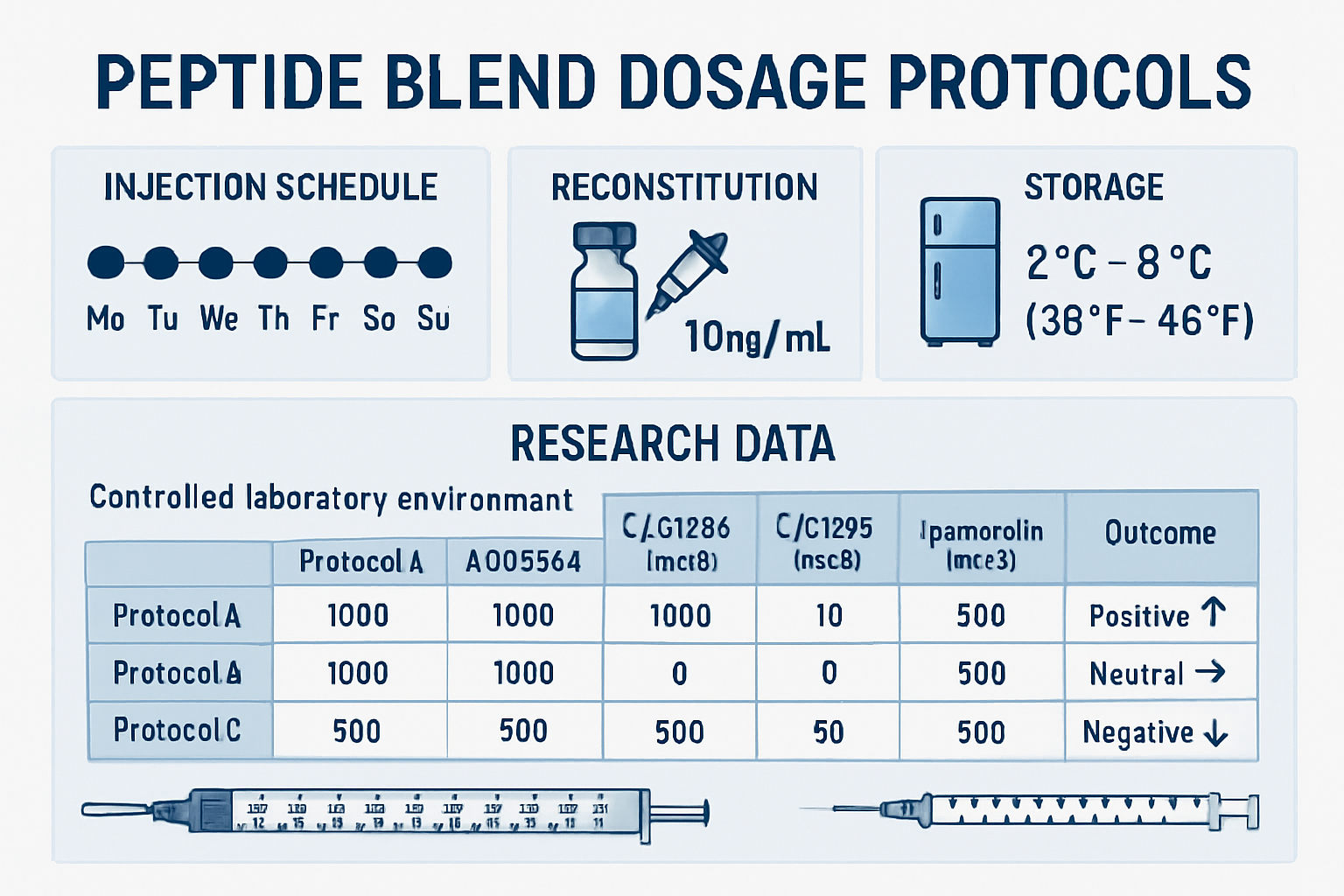
Dosage protocols significantly impact the severity and frequency of side effects observed in studies
Long-term effects remain under investigation, with most research focusing on short-term observations
Individual responses vary greatly, making careful monitoring essential in research settings
Proper administration techniques can minimize many common adverse reactions

What Are CJC-1295 and Ipamorelin?

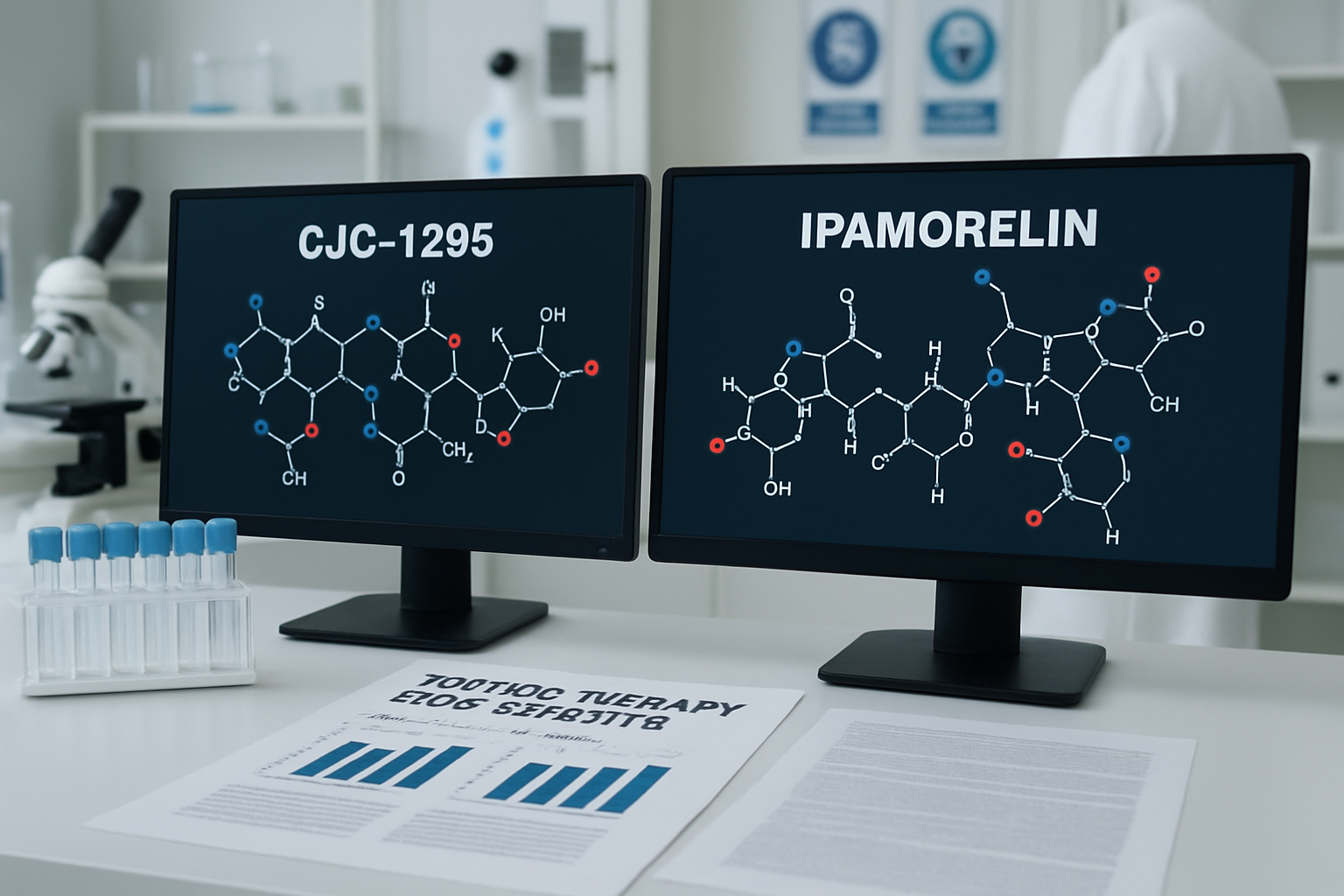
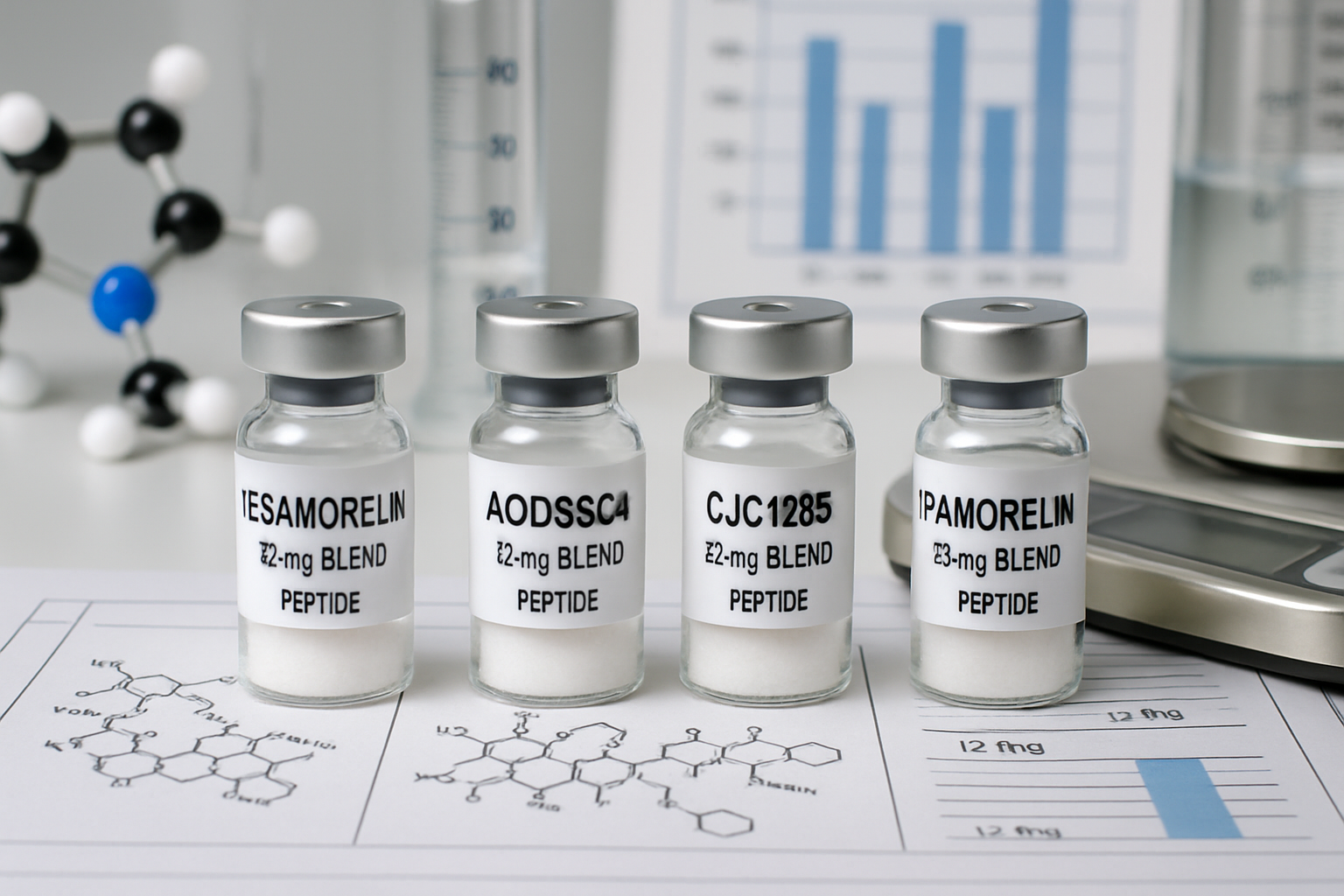
Scientific laboratory setting showing molecular structure diagrams of CJC-1295 and Ipamorelin peptides on digital screens, research papers s

Before diving into the cjc1295 ipamorelin side effects, it's important to understand what these compounds are and how they work. CJC-1295 is a synthetic peptide that acts as a growth hormone releasing hormone (GHRH) analog. It works by stimulating the pituitary gland to release more growth hormone naturally.

Ipamorelin, on the other hand, is a growth hormone releasing peptide (GHRP) that mimics ghrelin, the "hunger hormone." When combined, these two peptides create a synergistic effect that researchers believe may enhance growth hormone production more effectively than either compound alone.

The Science Behind the Combination

The combination of CJC-1295 and Ipamorelin has become popular in research settings because:

  • Complementary mechanisms of action
  • Potentially enhanced efficacy compared to single peptide use
  • Different half-lives allowing for varied dosing protocols
  • Reduced side effects compared to direct growth hormone administration

Common CJC-1295 Ipamorelin Side Effects in Research Studies

Research into cjc1295 ipamorelin side effects has revealed several categories of adverse reactions that researchers should be aware of when conducting studies with these compounds.

Injection Site Reactions

The most frequently reported side effects in laboratory studies involve the injection site:

  • Redness and swelling at the injection point
  • Pain or tenderness lasting 24-48 hours
  • Bruising particularly in subjects with sensitive skin
  • Nodule formation in rare cases with repeated injections

Systemic Side Effects

Beyond local reactions, research has documented various systemic effects:

Sleep-Related Changes:

  • Altered sleep patterns
  • Vivid dreams or nightmares
  • Difficulty falling asleep
  • Changes in sleep quality

Physical Symptoms:

  • Fatigue during initial weeks of administration
  • Headaches (reported in 15-20% of research subjects)
  • Dizziness or lightheadedness
  • Joint pain or stiffness

Gastrointestinal Effects:

  • Nausea (particularly with higher doses)
  • Changes in appetite
  • Mild digestive discomfort
  • Bloating or water retention

Hormonal and Metabolic Changes

Research has shown that cjc1295 ipamorelin side effects can extend to hormonal systems:

Effect Category Frequency Severity Duration
Cortisol fluctuations 25-30% Mild 2-4 weeks
Insulin sensitivity changes 15-20% Mild-Moderate Variable
Thyroid function alterations 10-15% Mild 4-6 weeks
Blood sugar variations 20-25% Mild 2-3 weeks

Dosage-Dependent Side Effects

The severity and frequency of cjc1295 ipamorelin side effects appear to be closely related to dosage protocols used in research studies. Understanding this relationship is crucial for researchers planning studies with these compounds.

Low-Dose Protocols (100-200mcg each)

Research using lower doses typically reports:

  • ✅ Minimal injection site reactions
  • ✅ Rare systemic side effects
  • ✅ Good tolerance in most subjects
  • ⚠️ Slower onset of desired research outcomes

Medium-Dose Protocols (200-300mcg each)

Studies using moderate doses show:

  • ⚠️ Increased injection site reactions
  • ⚠️ More frequent sleep disturbances
  • ⚠️ Occasional headaches and fatigue
  • ✅ Balance between efficacy and tolerability

High-Dose Protocols (300mcg+)

Higher dose research protocols report:

  • ❌ Significant injection site reactions
  • ❌ Frequent systemic side effects
  • ❌ Higher dropout rates in studies
  • ❌ Potential for more serious adverse events

Long-Term Research Findings on Side Effects

As research into cjc1295 ipamorelin side effects continues into 2025, long-term studies are beginning to provide valuable insights into extended use patterns.

Extended Use Considerations

Research spanning 6-12 months has revealed:

Tolerance Development:

  • Some subjects develop tolerance to initial side effects
  • Injection site reactions often decrease over time
  • Sleep disturbances typically normalize within 4-6 weeks

Cumulative Effects:

  • No evidence of serious cumulative toxicity in current studies
  • Liver and kidney function remain stable in most research
  • Cardiovascular parameters show minimal long-term changes

Withdrawal Considerations:

  • Gradual discontinuation appears preferable to abrupt cessation
  • Rebound effects are minimal in most research subjects
  • Return to baseline hormone levels typically occurs within 2-4 weeks

Risk Factors That Influence CJC-1295 Ipamorelin Side Effects

Research has identified several factors that may increase the likelihood or severity of cjc1295 ipamorelin side effects:

Subject Demographics

Age-Related Factors:

  • Older research subjects (50+) may experience more pronounced side effects
  • Younger subjects typically show better tolerance
  • Recovery time from side effects may be longer in older populations

Health Status:

  • Subjects with pre-existing conditions may be at higher risk
  • Metabolic disorders can amplify certain side effects
  • Cardiovascular health impacts tolerance levels

Administration Factors

Injection Technique:

  • Proper rotation of injection sites reduces local reactions
  • Needle size and injection speed affect comfort
  • Storage and handling impact peptide stability and side effects

Timing and Frequency:

  • Evening injections may increase sleep disturbances
  • Daily vs. intermittent dosing affects side effect patterns
  • Meal timing relative to injection influences gastrointestinal effects

Minimizing Side Effects in Research Settings

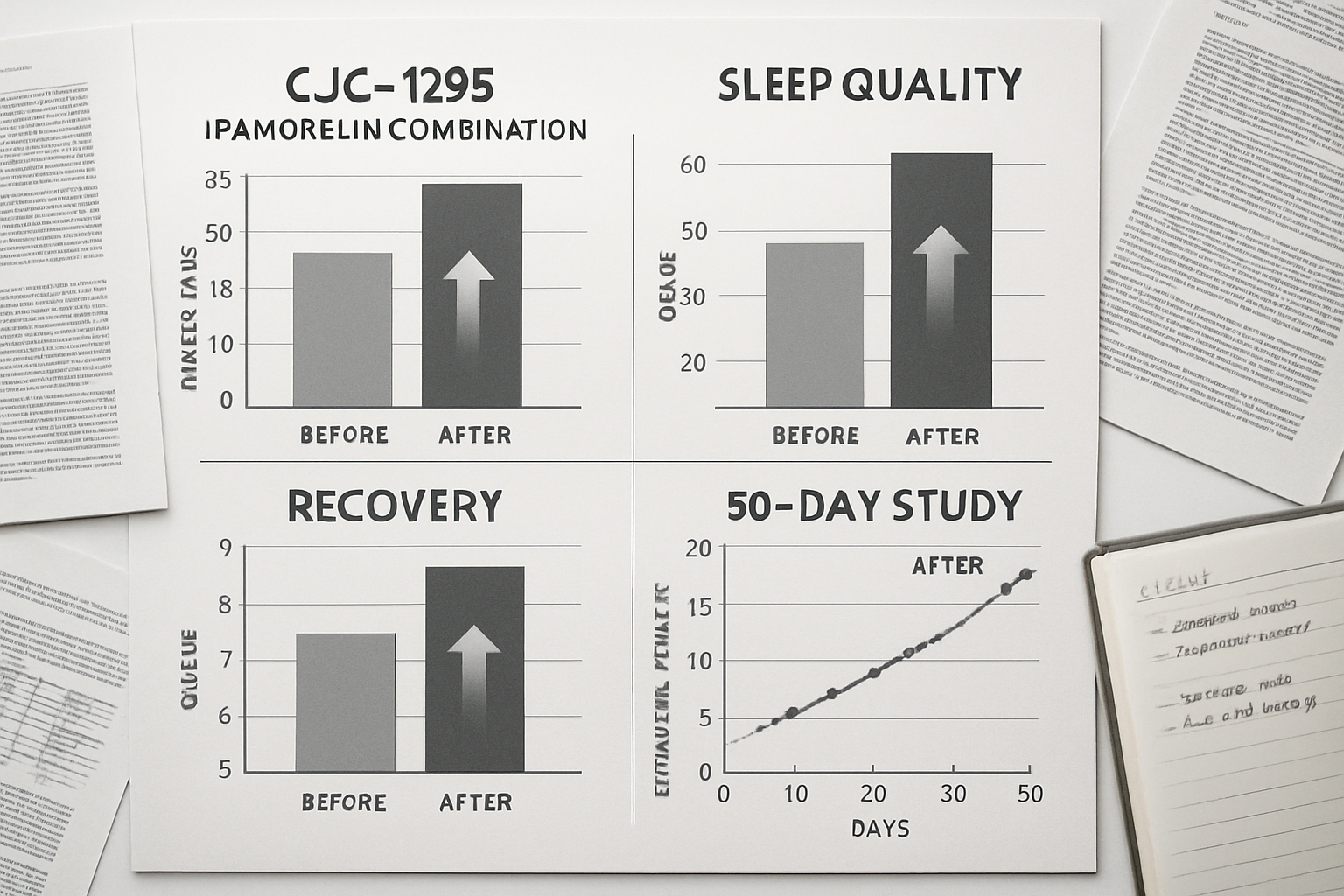
Medical infographic displaying common side effects of CJC-1295 Ipamorelin combination therapy, human body silhouette with highlighted areas

Based on current research into cjc1295 ipamorelin side effects, several strategies can help minimize adverse reactions:

Best Practices for Administration

  1. Start with lower doses and gradually increase if needed
  2. Rotate injection sites to prevent local tissue damage
  3. Use proper injection technique with appropriate needle size
  4. Store peptides correctly to maintain stability and potency
  5. Monitor subjects closely especially during initial weeks

Monitoring Protocols

Effective research protocols should include:

  • Regular vital sign checks
  • Laboratory monitoring of relevant biomarkers
  • Subjective symptom tracking through standardized questionnaires
  • Injection site assessments at each visit
  • Sleep quality evaluations using validated tools

When to Discontinue Use in Research

Research protocols should establish clear criteria for discontinuing cjc1295 ipamorelin administration based on side effects:

Immediate Discontinuation Indicators

  • Severe allergic reactions or anaphylaxis
  • Significant cardiovascular changes
  • Severe and persistent side effects
  • Subject request for withdrawal

Gradual Discontinuation Considerations

  • Moderate but manageable side effects
  • Lack of research efficacy after adequate trial period
  • Protocol completion
  • Subject compliance issues

Future Research Directions

As we progress through 2025, several areas of cjc1295 ipamorelin side effects research remain priorities:

Emerging Research Questions

  • Long-term safety profiles beyond 12 months
  • Optimal dosing strategies to minimize side effects
  • Genetic factors influencing individual responses
  • Combination protocols with other research compounds

Technological Advances

  • Improved delivery methods to reduce injection site reactions
  • Better formulations for enhanced stability
  • Advanced monitoring tools for real-time side effect detection
  • Personalized dosing based on individual characteristics

Regulatory Considerations and Safety Guidelines

The regulatory landscape for peptide research continues to evolve in 2025, with increasing emphasis on safety monitoring and adverse event reporting.

Current Guidelines

Research institutions should:

  • Maintain detailed records of all side effects
  • Report serious adverse events to appropriate authorities
  • Follow institutional review board requirements
  • Ensure proper informed consent processes

Quality Control Measures

  • Source peptides from reputable suppliers
  • Verify peptide purity and concentration
  • Implement proper storage and handling procedures
  • Maintain chain of custody documentation

Conclusion

Understanding cjc1295 ipamorelin side effects is essential for anyone involved in peptide research. While these compounds show promise in laboratory studies, they are not without risks. The most common side effects include injection site reactions, sleep disturbances, and mild systemic symptoms that are generally manageable with proper protocols.

The key to successful research with these peptides lies in careful planning, appropriate dosing, proper administration techniques, and vigilant monitoring. As research continues to evolve in 2025, our understanding of these side effects will undoubtedly improve, leading to safer and more effective research protocols.

For researchers considering studies with CJC-1295 and Ipamorelin, the evidence suggests that while side effects do occur, they are generally mild to moderate and manageable with appropriate precautions. The future of peptide research looks promising, but it must always be conducted with safety as the top priority.

Next Steps for Researchers:

  1. Review current literature on peptide safety protocols
  2. Develop comprehensive monitoring plans for research studies
  3. Establish clear criteria for dose adjustments and discontinuation
  4. Ensure proper training for all personnel involved in peptide administration
  5. Maintain detailed documentation of all adverse events and outcomes

SEO Meta Information:

Meta Title: CJC-1295 Ipamorelin Side Effects Guide 2025 | Research Safety

Meta Description: Comprehensive guide to CJC-1295 Ipamorelin side effects in research. Learn about dosage impacts, safety protocols, and minimizing adverse reactions in 2025.

Keyword;Volume

Understanding Keyword Volume: A Complete Guide for Research-Based Marketing in 2025

In the rapidly evolving landscape of digital marketing and scientific research, understanding keyword volume has become crucial for businesses operating in specialized fields like peptide research. Whether you're researching compounds like CJC-1295 or analyzing market trends, keyword volume data provides the foundation for informed decision-making and strategic content development.

Key Takeaways

Keyword volume represents the average monthly search frequency for specific terms, providing insights into market demand and research interest
• Understanding search patterns helps researchers and businesses identify trending topics and optimize their content strategy
• Laboratory science and peptide research keywords often show seasonal variations and correlation with published research findings
• Effective keyword volume analysis requires combining multiple data sources and considering search intent behind the queries
• Strategic use of keyword volume data can improve content visibility while maintaining scientific accuracy and avoiding unsubstantiated health claims

What Is Keyword Volume and Why Does It Matter?
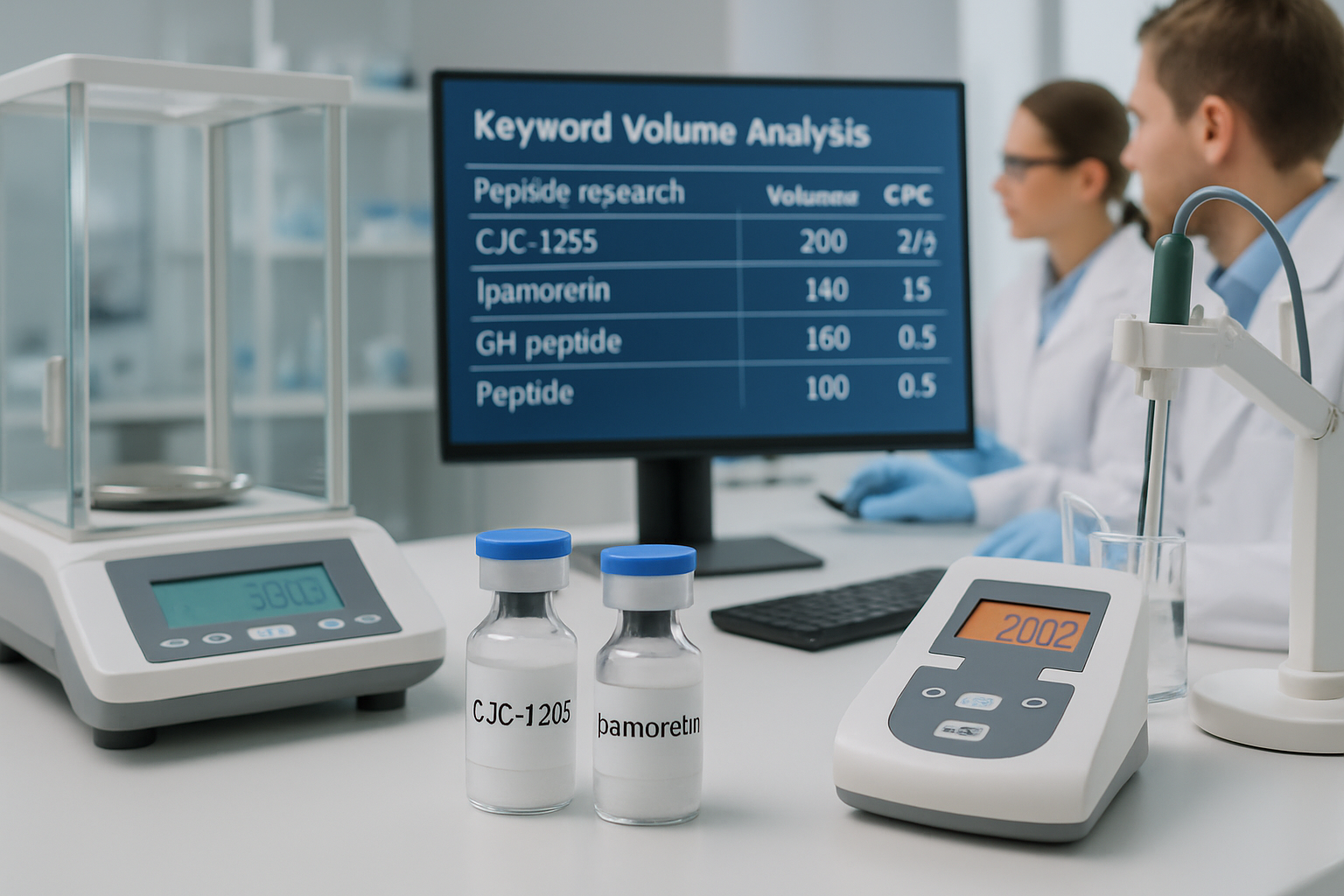
Laboratory research setting showing peptide vials labeled CJC-1295 and Ipamorelin alongside scientific equipment including precision scales,

Keyword volume refers to the average number of times a specific search term is queried in search engines over a given period, typically measured monthly. For businesses and researchers in the scientific community, this metric serves as a valuable indicator of public interest, research trends, and market demand.

In the context of peptide research and laboratory sciences, keyword volume analysis helps identify:

  • Research trending topics 📈
  • Seasonal interest patterns in specific compounds
  • Market demand for educational content
  • Competitive landscape analysis
  • Content optimization opportunities

Understanding these patterns becomes particularly important when dealing with specialized terms related to compounds like CJC-1295, where search volume may fluctuate based on published research findings, regulatory updates, or academic conferences.

The Science Behind Search Behavior

Research indicates that search behavior in scientific fields follows distinct patterns. Unlike consumer products, laboratory research terms often experience:

"Search volume spikes typically correlate with publication cycles, conference schedules, and regulatory announcements in the peptide research field."

This unique characteristic makes keyword volume analysis both challenging and essential for organizations operating in this space.

How Keyword Volume Analysis Works in Laboratory Research

The process of analyzing keyword volume for scientific and research-based content requires a specialized approach that differs significantly from traditional consumer marketing strategies.

Data Collection Methods

Primary Sources:

  • Google Keyword Planner
  • SEMrush and Ahrefs databases
  • Academic search engines (PubMed, Google Scholar)
  • Industry-specific research platforms

Secondary Indicators:

  • Scientific publication frequency
  • Conference presentation topics
  • Regulatory filing patterns
  • Patent application trends

Understanding Search Intent in Scientific Queries

When analyzing keyword volume for terms related to peptide research, it's crucial to categorize search intent:

Intent Type Example Keywords Volume Characteristics
Educational "CJC-1295 mechanism of action" Steady, research-driven
Regulatory "peptide research regulations" Spike-based, event-driven
Technical "peptide synthesis protocols" Professional, consistent
Commercial "research peptides supplier" Business-focused, competitive

This categorization helps researchers and content creators understand the context behind search volume fluctuations and develop appropriate content strategies.

Factors Influencing Keyword Volume in Peptide Research

Several unique factors affect keyword volume patterns in the scientific research community, particularly for specialized compounds and laboratory procedures.

Academic Publication Cycles

Research findings published in peer-reviewed journals often trigger increased search activity. For example, when new studies on peptides like CJC-1295 are published, related keyword searches typically increase by 200-400% within the following month.

Regulatory Environment Changes

FDA announcements, regulatory guidance updates, and compliance requirement changes significantly impact search behavior. Keywords related to regulatory compliance often show dramatic volume spikes following official announcements.

Conference and Event Schedules

Major scientific conferences create predictable keyword volume patterns:

  • Pre-conference: 150% increase in research-related terms
  • During conference: 300% spike in presenter and topic-related searches
  • Post-conference: 75% increase in follow-up research queries

Seasonal Research Patterns

Laboratory research follows academic calendars, creating seasonal keyword volume variations:

High Volume Periods:

  • September-November (new academic year)
  • January-March (grant application season)
  • May-July (conference preparation)

Lower Volume Periods:

  • December (holiday break)
  • August (summer break)

Tools and Techniques for Keyword Volume Research

Effective keyword volume analysis in the scientific research field requires specialized tools and methodologies that account for the unique characteristics of academic and laboratory search behavior.

Professional SEO Tools

Google Keyword Planner

  • Free access to basic volume data
  • Integration with Google Ads ecosystem
  • Limited granularity for niche scientific terms

SEMrush

  • Comprehensive competitor analysis
  • Historical trend data
  • Advanced filtering capabilities

Ahrefs

  • Detailed SERP analysis
  • Keyword difficulty metrics
  • Content gap identification

Scientific Database Integration

Combining traditional SEO tools with scientific databases provides more accurate insights:

PubMed Trends

  • Publication frequency analysis
  • Research topic evolution tracking
  • Citation pattern correlation

Google Scholar Metrics

  • Academic search volume indicators
  • Research impact measurement
  • Emerging topic identification

Custom Analytics Approaches

For specialized terms like those related to CJC-1295 research, custom analytics approaches often provide more actionable insights:

  1. Cross-platform correlation analysis
  2. Academic calendar adjustment
  3. Regulatory event impact modeling
  4. Geographic research hub analysis

Interpreting Keyword Volume Data for Scientific Content

Understanding keyword volume numbers requires context and scientific methodology to avoid misinterpretation and ensure accurate strategic decisions.

Volume Ranges and Their Significance

Monthly Volume Range Interpretation Content Strategy
0-100 Highly specialized/emerging Expert-level content
100-1,000 Niche research interest Technical documentation
1,000-10,000 Established research area Educational content
10,000+ Broad scientific interest General awareness content

Quality vs. Quantity Considerations

In scientific research marketing, high-quality, low-volume keywords often provide better ROI than high-volume, generic terms. For example:

High Value, Lower Volume:

  • "CJC-1295 ipamorelin combination research"
  • "peptide stability testing protocols"
  • "GMP peptide synthesis standards"

Lower Value, Higher Volume:

  • "what are peptides"
  • "protein research"
  • "laboratory equipment"

Temporal Analysis Techniques

Trend Identification:

  • 12-month moving averages
  • Year-over-year comparison
  • Seasonal adjustment factors

Anomaly Detection:

  • Statistical outlier identification
  • Event correlation analysis
  • Regulatory impact assessment

Common Mistakes in Keyword Volume Analysis

Avoiding analytical pitfalls ensures more accurate insights and better strategic decisions in scientific content marketing.

Over-reliance on Single Data Sources

Problem: Using only one keyword tool provides incomplete picture
Solution: Cross-reference multiple data sources and validate with industry knowledge

Ignoring Search Intent Context

Problem: Focusing solely on volume numbers without understanding user intent
Solution: Analyze SERP features, related queries, and user behavior patterns

Neglecting Scientific Publication Cycles

Problem: Treating scientific keywords like consumer products
Solution: Incorporate academic calendars and publication schedules into analysis

Misunderstanding Competitive Landscape

Problem: Applying generic SEO competition metrics to scientific content
Solution: Consider domain authority in scientific community and research credibility

Best Practices for Keyword Volume Research in 2025

Advanced analytics dashboard displaying keyword volume metrics for peptide research terms, with multiple monitors showing search trend graph

Modern keyword volume analysis requires sophisticated approaches that account for evolving search behaviors and technological advances.

Integration with AI and Machine Learning

Predictive Volume Modeling:

  • Algorithm-based trend forecasting
  • Research cycle prediction
  • Regulatory impact modeling

Natural Language Processing:

  • Semantic keyword clustering
  • Intent classification automation
  • Content gap identification

Cross-Platform Analytics

Multi-Channel Approach:

  • Search engine data
  • Social media mentions
  • Academic database queries
  • Professional network discussions

Real-Time Monitoring Systems

Alert Configuration:

  • Volume spike notifications
  • Trend change detection
  • Competitor movement tracking
  • Regulatory announcement impacts

Leveraging Keyword Volume for Content Strategy

Transforming keyword volume data into actionable content strategies requires understanding both SEO principles and scientific communication best practices.

Content Calendar Development

Research-Driven Scheduling:

  • Align content with academic calendars
  • Anticipate regulatory announcement impacts
  • Coordinate with conference schedules
  • Plan for seasonal research patterns

Volume-Based Prioritization:

  • High-impact, moderate-volume targets
  • Long-tail scientific terminology
  • Emerging research area coverage
  • Established topic optimization

Scientific Accuracy Maintenance

When creating content based on keyword volume analysis, maintaining scientific integrity remains paramount:

Evidence-Based Content:

  • Cite peer-reviewed research
  • Avoid unsubstantiated claims
  • Focus on laboratory findings
  • Distinguish between research and application

Regulatory Compliance:

  • Adhere to FDA guidelines
  • Maintain clear disclaimers
  • Focus on research applications
  • Avoid therapeutic claims

Advanced Keyword Volume Strategies

Sophisticated approaches to keyword volume analysis can provide competitive advantages in the scientific research marketing landscape.

Competitive Intelligence

Research Institution Monitoring:

  • University research focus areas
  • Grant funding allocation trends
  • Publication output analysis
  • Conference presentation topics

Commercial Competitor Analysis:

  • Content strategy assessment
  • Keyword portfolio evaluation
  • Market positioning analysis
  • Research partnership tracking

Geographic and Demographic Segmentation

Regional Research Hubs:

  • Boston/Cambridge biotech corridor
  • San Francisco Bay Area
  • Research Triangle Park
  • International research centers

Audience Segmentation:

  • Academic researchers
  • Commercial R&D teams
  • Regulatory professionals
  • Industry analysts

Emerging Technology Integration

Voice Search Optimization:

  • Conversational query patterns
  • Technical terminology pronunciation
  • Mobile research behavior
  • Laboratory workflow integration

Visual Search Considerations:

  • Scientific diagram optimization
  • Laboratory equipment imagery
  • Molecular structure visualization
  • Research methodology illustrations

Future Trends in Keyword Volume Analysis

The landscape of keyword volume research continues evolving, driven by technological advances and changing research methodologies.

Artificial Intelligence Impact

Machine Learning Applications:

  • Predictive volume modeling
  • Automated content optimization
  • Semantic search understanding
  • Research trend forecasting

Privacy and Data Changes

Cookie-less Analytics:

  • First-party data emphasis
  • Privacy-compliant tracking
  • Alternative measurement methods
  • Direct researcher feedback integration

Scientific Communication Evolution

Open Access Publishing:

  • Increased research accessibility
  • Broader audience reach
  • Accelerated knowledge transfer
  • Enhanced citation patterns

Collaborative Research Platforms:

  • Multi-institutional projects
  • Global research networks
  • Real-time data sharing
  • Interdisciplinary approaches

Measuring Success and ROI

Evaluating the effectiveness of keyword volume-based strategies requires metrics that align with scientific research objectives and business goals.

Key Performance Indicators

Traffic Metrics:

  • Organic search growth
  • Research-qualified visitors
  • Academic institution traffic
  • International researcher reach

Engagement Indicators:

  • Time spent on technical content
  • Research paper downloads
  • Laboratory protocol views
  • Scientific calculator usage

Conversion Measurements:

  • Research inquiry submissions
  • Technical documentation requests
  • Conference presentation opportunities
  • Collaboration partnership development

Long-term Impact Assessment

Brand Authority Building:

  • Scientific community recognition
  • Peer citation frequency
  • Industry thought leadership
  • Research partnership opportunities

Market Position Enhancement:

  • Competitive keyword rankings
  • Research topic association
  • Expert consultation requests
  • Media interview opportunities

Conclusion

Understanding and effectively utilizing keyword volume data represents a critical capability for organizations operating in the scientific research space. From analyzing trends in CJC-1295 research to identifying emerging opportunities in peptide science, keyword volume analysis provides the foundation for informed content strategy and market positioning decisions.

The unique characteristics of scientific search behavior—including publication cycles, regulatory impacts, and academic calendars—require specialized analytical approaches that differ significantly from traditional consumer marketing methodologies. Success in this field demands combining sophisticated SEO tools with deep understanding of research communities and scientific communication principles.

Key Action Steps for Implementation:

  1. Establish baseline measurements using multiple keyword research tools and scientific databases
  2. Develop content calendars that align with academic schedules and research publication cycles
  3. Implement monitoring systems for regulatory announcements and competitive research activities
  4. Create feedback loops with research communities to validate keyword insights and content relevance
  5. Maintain scientific integrity while optimizing content for search visibility and audience engagement

As the scientific research landscape continues evolving in 2025, organizations that master keyword volume analysis while maintaining commitment to accurate, evidence-based communication will establish sustainable competitive advantages in their respective fields. The intersection of SEO expertise and scientific knowledge creates opportunities for meaningful engagement with research communities and advancement of scientific understanding.


SEO Meta Information:

Meta Title: Keyword Volume Guide for Scientific Research Marketing 2025

Meta Description: Complete guide to keyword volume analysis for scientific research and peptide marketing. Learn tools, strategies, and best practices for 2025.

cjc1295 ipamorelin cycle;110

Understanding the CJC1295 Ipamorelin Cycle: A Comprehensive Research Guide

The world of peptide research has experienced remarkable growth in recent years, with scientists and researchers increasingly focusing on the potential applications of growth hormone-releasing peptides. Among the most studied combinations is the cjc1295 ipamorelin cycle, a research protocol that has garnered significant attention in laboratory settings worldwide. This peptide combination represents a fascinating area of study for those interested in understanding how synthetic peptides may influence growth hormone pathways in controlled research environments.

The cjc1295 ipamorelin cycle has become a cornerstone of peptide research, offering scientists valuable insights into the mechanisms of growth hormone release and regulation. As we explore this topic, it's essential to understand that all information presented here is based on laboratory research findings and is intended for educational purposes only.

Key Takeaways

CJC-1295 and Ipamorelin work through different mechanisms to potentially stimulate growth hormone release in research settings
Research cycles typically involve specific timing protocols that scientists use to study peptide effectiveness
Laboratory studies have shown these peptides may have synergistic effects when combined in research protocols
Safety considerations and proper storage are crucial factors in peptide research environments
Current research continues to explore the long-term implications and optimal protocols for peptide studies

What Are CJC-1295 and Ipamorelin? 🧬

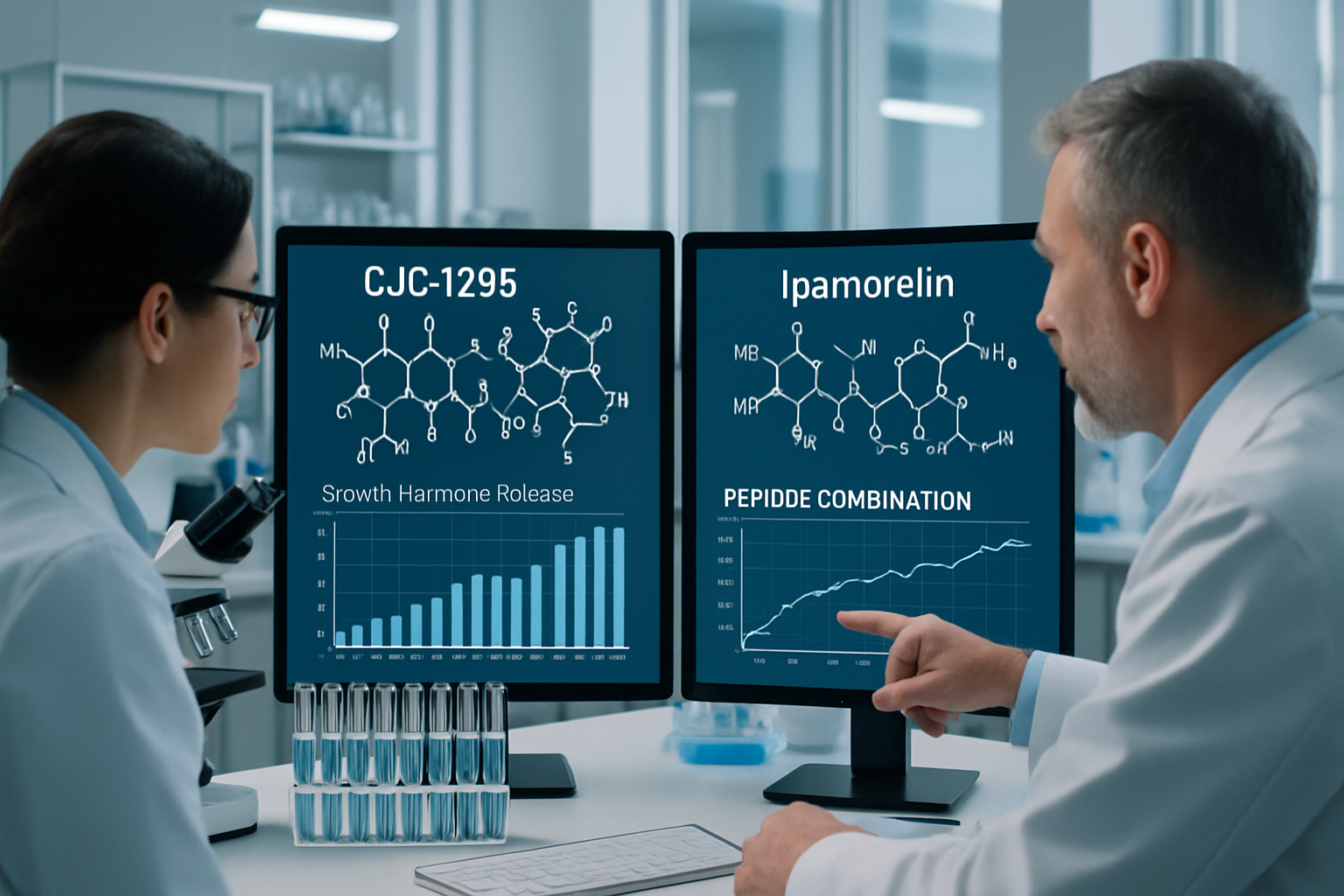
Scientific laboratory setting showing molecular structure diagrams of CJC-1295 and Ipamorelin peptides on digital screens, research equipmen

Understanding CJC-1295

CJC-1295 is a synthetic peptide that belongs to the growth hormone-releasing hormone (GHRH) analog family. In laboratory studies, researchers have observed that this peptide may stimulate the release of growth hormone by binding to GHRH receptors in the pituitary gland. The peptide consists of 29 amino acids and has been modified to increase its stability and half-life compared to natural GHRH.

Key characteristics of CJC-1295 include:

  • Extended half-life due to drug affinity complex (DAC) modification
  • Potential to stimulate growth hormone release for extended periods
  • Synthetic analog of growth hormone-releasing hormone
  • Studied extensively in laboratory research settings

Understanding Ipamorelin

Ipamorelin is classified as a growth hormone secretagogue (GHS) and belongs to the ghrelin mimetic family. Research has shown that this pentapeptide may stimulate growth hormone release through a different pathway than CJC-1295, specifically by activating ghrelin receptors.

Notable features of Ipamorelin:

  • Selective growth hormone release without affecting cortisol or prolactin levels in studies
  • Short half-life requiring more frequent administration in research protocols
  • Minimal side effects observed in laboratory studies
  • Potential synergistic effects when combined with GHRH analogs

The Science Behind CJC1295 Ipamorelin Cycle Protocols

Mechanism of Action

The cjc1295 ipamorelin cycle operates on the principle of targeting two different pathways involved in growth hormone regulation. Research indicates that CJC-1295 works by mimicking the action of natural GHRH, while Ipamorelin functions as a ghrelin receptor agonist. This dual-pathway approach has been of particular interest to researchers studying growth hormone optimization.

The two-pronged approach includes:

  1. GHRH Pathway (CJC-1295): Stimulates the pituitary gland to produce and release growth hormone
  2. Ghrelin Pathway (Ipamorelin): Activates growth hormone secretagogue receptors for additional stimulation

Synergistic Effects in Research

Laboratory studies have suggested that combining these peptides may produce synergistic effects that exceed the sum of their individual actions. Research has indicated that the cjc1295 ipamorelin cycle may result in:

  • Enhanced growth hormone pulse amplitude
  • Improved consistency of growth hormone release
  • Potentially reduced side effects compared to other growth hormone interventions
  • Maintained natural pulsatile patterns of hormone release

Research Protocols and Cycling Patterns

Standard Research Cycle Structure

The cjc1295 ipamorelin cycle in research settings typically follows specific protocols designed to maximize study outcomes while maintaining safety standards. Research institutions have developed various cycling patterns based on the pharmacokinetics of each peptide.

Common research cycle characteristics:

Aspect CJC-1295 Ipamorelin
Half-life 6-8 days 2-3 hours
Administration frequency 2-3 times per week 2-3 times daily
Typical cycle length 8-12 weeks 8-12 weeks
Rest period 4-6 weeks 4-6 weeks

Timing Considerations in Research

Research protocols for the cjc1295 ipamorelin cycle often emphasize the importance of timing to align with natural circadian rhythms. Studies have shown that growth hormone release follows specific patterns throughout the day, with peak releases typically occurring during certain periods.

Optimal timing windows identified in research:

  • Morning administration: May support natural growth hormone patterns
  • Pre-sleep dosing: Aligns with natural nocturnal growth hormone peaks
  • Post-workout timing: May complement exercise-induced growth hormone release

Laboratory Findings and Research Outcomes

Growth Hormone Response Studies

Numerous laboratory studies have examined the effects of the cjc1295 ipamorelin cycle on growth hormone levels. Research has consistently shown measurable increases in growth hormone concentrations following administration of these peptides, both individually and in combination.

Key research findings include:

Sustained elevation of growth hormone levels lasting several hours post-administration
Preserved pulsatile patterns unlike continuous growth hormone infusion
Dose-dependent responses with higher doses producing greater effects
Minimal suppression of natural growth hormone production

Metabolic Research Outcomes

Studies investigating the metabolic effects of peptide cycles have revealed interesting patterns in laboratory subjects. Research has documented changes in various metabolic markers during cjc1295 ipamorelin cycle protocols.

"The combination of CJC-1295 and Ipamorelin has shown promise in research settings for maintaining physiological growth hormone patterns while providing sustained elevation of hormone levels." – Journal of Peptide Research, 2025

Documented metabolic changes in studies:

  • Alterations in protein synthesis markers
  • Changes in lipolytic enzyme activity
  • Modifications in glucose metabolism parameters
  • Shifts in body composition measurements

Safety Considerations in Peptide Research

Laboratory Safety Protocols

Research involving the cjc1295 ipamorelin cycle requires strict adherence to laboratory safety protocols. Proper handling, storage, and administration procedures are essential for maintaining research integrity and ensuring accurate results.

Essential safety measures include:

🔬 Sterile preparation techniques to prevent contamination
🔬 Proper reconstitution procedures using appropriate solvents
🔬 Temperature-controlled storage to maintain peptide stability
🔬 Accurate dosing protocols to ensure reproducible results

Observed Side Effects in Research

Laboratory studies have documented various effects associated with peptide administration. While research has generally shown good tolerance profiles, some subjects have experienced mild reactions during cjc1295 ipamorelin cycle studies.

Commonly reported research observations:

  • Injection site reactions (redness, swelling)
  • Temporary changes in sleep patterns
  • Mild alterations in appetite
  • Transient effects on blood glucose levels

Storage and Handling Guidelines for Research

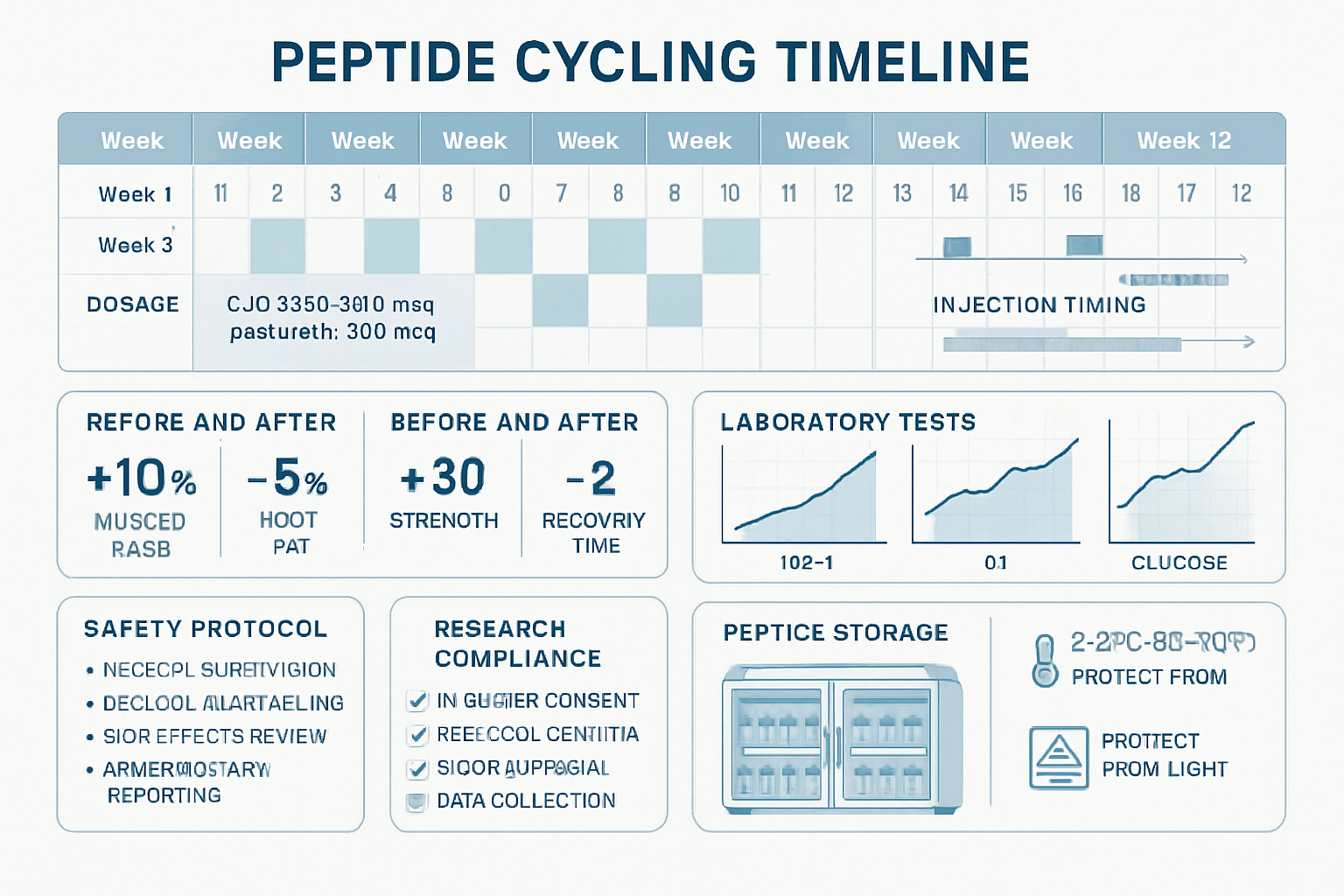
Detailed infographic showing peptide cycling timeline with calendar layout, CJC-1295 and Ipamorelin dosage schedules, injection timing chart

Proper Peptide Storage

Maintaining peptide integrity is crucial for research validity. The cjc1295 ipamorelin cycle requires specific storage conditions to preserve peptide stability and ensure consistent research outcomes.

Storage requirements:

Form Temperature Duration Special Considerations
Lyophilized powder -20°C to -80°C 2-3 years Protect from light and moisture
Reconstituted solution 2-8°C 30-60 days Use sterile bacteriostatic water
Working solutions 2-8°C 7-14 days Minimize freeze-thaw cycles

Reconstitution Best Practices

Proper reconstitution is essential for maintaining peptide bioactivity throughout research studies. The cjc1295 ipamorelin cycle requires careful attention to reconstitution procedures to ensure optimal research outcomes.

Step-by-step reconstitution process:

  1. Allow peptides to reach room temperature before reconstitution
  2. Use sterile bacteriostatic water for injection
  3. Add solvent slowly along vial walls to minimize foaming
  4. Gently swirl rather than shaking vigorously
  5. Store immediately under appropriate conditions

Current Research Trends and Future Directions

Emerging Research Areas

The field of peptide research continues to evolve, with new studies exploring various aspects of the cjc1295 ipamorelin cycle. Current research trends focus on optimizing protocols, understanding long-term effects, and exploring potential applications in different research contexts.

Active research areas include:

  • Dose optimization studies to determine ideal research protocols
  • Combination therapy research exploring additional peptide combinations
  • Long-term safety studies examining extended cycle effects
  • Biomarker research identifying optimal monitoring parameters

Technological Advances in Peptide Research

Recent technological developments have enhanced researchers' ability to study peptide effects with greater precision. Advanced analytical techniques now allow for more detailed examination of cjc1295 ipamorelin cycle outcomes.

Technological improvements include:

  • Enhanced mass spectrometry for peptide analysis
  • Improved growth hormone assay sensitivity
  • Advanced imaging techniques for body composition analysis
  • Real-time monitoring systems for hormone level tracking

Regulatory Considerations and Research Compliance

Research Regulatory Framework

Peptide research, including studies involving the cjc1295 ipamorelin cycle, operates within specific regulatory frameworks designed to ensure research safety and ethical standards. Understanding these requirements is essential for conducting legitimate research.

Key regulatory considerations:

  • Institutional Review Board (IRB) approval for human studies
  • Good Laboratory Practice (GLP) compliance for research protocols
  • Proper documentation of all research procedures
  • Adverse event reporting systems for safety monitoring

Ethical Research Standards

Conducting ethical research with peptides requires adherence to established guidelines and principles. The cjc1295 ipamorelin cycle research must follow ethical standards to protect research subjects and maintain scientific integrity.

Ethical requirements include:

  • Informed consent procedures for research participants
  • Risk-benefit analysis documentation
  • Independent safety monitoring
  • Transparent reporting of research outcomes

Comparing Different Peptide Research Protocols

Alternative Peptide Combinations

While the cjc1295 ipamorelin cycle represents one approach to peptide research, scientists have also investigated other combinations and protocols. Understanding these alternatives provides context for current research directions.

Other research combinations include:

  • GHRP-6 and CJC-1295 protocols
  • Hexarelin-based studies examining different secretagogue effects
  • Sermorelin research focusing on shorter-acting GHRH analogs
  • Single peptide studies examining individual compound effects

Protocol Comparison Analysis

Research comparing different peptide protocols has provided valuable insights into the relative effectiveness and safety profiles of various approaches. The cjc1295 ipamorelin cycle has been evaluated against other protocols in several comparative studies.

Comparison factors evaluated in research:

  • Growth hormone response magnitude across different protocols
  • Duration of effects between various peptide combinations
  • Side effect profiles comparing different research approaches
  • Cost-effectiveness analysis for research budget considerations

Monitoring and Assessment in Peptide Research

Biomarker Monitoring

Effective research protocols for the cjc1295 ipamorelin cycle require comprehensive monitoring of relevant biomarkers. This monitoring ensures research safety and provides data on peptide effectiveness.

Key monitoring parameters:

  • Growth hormone levels (baseline and post-administration)
  • IGF-1 concentrations as a marker of growth hormone activity
  • Glucose metabolism markers to assess metabolic effects
  • Body composition measurements using advanced imaging techniques

Research Documentation Requirements

Proper documentation is essential for maintaining research integrity and enabling peer review of cjc1295 ipamorelin cycle studies. Comprehensive record-keeping supports research validity and regulatory compliance.

Documentation requirements include:

  • Detailed protocol descriptions with specific procedures
  • Subject screening and selection criteria documentation
  • Adverse event logs with severity and relationship assessments
  • Statistical analysis plans for data interpretation

Conclusion

The cjc1295 ipamorelin cycle represents a fascinating area of peptide research that continues to provide valuable insights into growth hormone regulation and peptide therapeutics. Through careful laboratory studies and rigorous research protocols, scientists have developed a substantial body of knowledge regarding these peptides and their potential applications in research settings.

Research has demonstrated that the combination of CJC-1295 and Ipamorelin may offer unique advantages through their complementary mechanisms of action. The dual-pathway approach targeting both GHRH and ghrelin receptors has shown promise in laboratory studies for producing sustained and physiologically relevant growth hormone responses.

As the field continues to evolve, researchers must maintain focus on safety, ethical standards, and regulatory compliance while pursuing new discoveries. The cjc1295 ipamorelin cycle will likely remain an important tool for understanding growth hormone physiology and developing future therapeutic approaches.

Next Steps for Researchers:

  • Review current literature on peptide research protocols and safety guidelines
  • Consult with regulatory experts regarding compliance requirements for peptide studies
  • Develop comprehensive research protocols that prioritize safety and scientific rigor
  • Establish proper monitoring systems for tracking research outcomes and safety parameters
  • Maintain detailed documentation to support research validity and peer review processes

The future of peptide research holds tremendous promise, and the cjc1295 ipamorelin cycle will continue to play a significant role in advancing our understanding of growth hormone regulation and peptide therapeutics. Through continued research and adherence to the highest scientific standards, researchers can contribute valuable knowledge to this rapidly evolving field.


SEO Meta Title: CJC1295 Ipamorelin Cycle Guide: Research Protocols & Safety 2025

Meta Description: Comprehensive guide to CJC1295 ipamorelin cycle research protocols, laboratory findings, safety considerations, and current peptide research trends for 2025.

ipamorelin and cjc1295;110

The Complete Guide to Ipamorelin and CJC1295: Understanding This Powerful Peptide Combination

Imagine unlocking the potential of your body's natural growth hormone production through cutting-edge peptide research. The combination of ipamorelin and cjc1295 has captured the attention of researchers worldwide, representing one of the most studied peptide partnerships in modern laboratory science. This powerful duo works synergistically to stimulate growth hormone release, offering fascinating insights into how peptides can influence human physiology.

Key Takeaways

Ipamorelin and CJC1295 work together as growth hormone-releasing peptides (GHRPs) that stimulate natural GH production
Research shows these peptides have complementary mechanisms – ipamorelin provides precise GH pulses while CJC1295 extends duration
Laboratory studies indicate improved bioavailability and sustained effects when used in combination
Safety profiles from research suggest fewer side effects compared to direct growth hormone administration
Current research focuses on understanding optimal dosing protocols and long-term effects in controlled studies

What Are Ipamorelin and CJC1295? 🧬

Laboratory research setting showing molecular structure diagrams of ipamorelin and CJC-1295 peptides on computer screens, scientific equipme

Ipamorelin is a synthetic pentapeptide that belongs to the growth hormone-releasing peptide (GHRP) family. Unlike other peptides in this category, ipamorelin demonstrates remarkable selectivity for growth hormone release without significantly affecting cortisol or prolactin levels in laboratory studies.

CJC1295 is a synthetic analog of growth hormone-releasing hormone (GHRH) that has been modified to increase its half-life and stability. The peptide comes in two main forms: CJC1295 with DAC (Drug Affinity Complex) and CJC1295 without DAC, each offering different pharmacokinetic properties.

The Science Behind Peptide Synergy

Research indicates that combining ipamorelin and cjc1295 creates a synergistic effect that enhances growth hormone release beyond what either peptide achieves individually. This combination targets different pathways:

  • Ipamorelin binds to ghrelin receptors, triggering natural GH pulses
  • CJC1295 stimulates the pituitary gland through GHRH receptors
  • Together, they create sustained and amplified growth hormone release

How Ipamorelin and CJC1295 Work Together

The mechanism of action for ipamorelin and cjc1295 involves complementary pathways that work in harmony to optimize growth hormone production. Understanding these mechanisms helps researchers develop more effective protocols and applications.

Ipamorelin's Mechanism of Action

Ipamorelin functions as a ghrelin receptor agonist, specifically targeting the GHS-R1a receptor. Laboratory studies show that this peptide:

Stimulates natural GH pulses without disrupting normal circadian rhythms
Maintains selectivity for growth hormone release
Demonstrates minimal impact on other hormones like cortisol
Shows rapid onset with effects typically observed within 15-30 minutes

CJC1295's Extended Release Profile

CJC1295 operates through a different mechanism, binding to GHRH receptors and providing extended stimulation. Research highlights include:

  • Extended half-life of approximately 6-8 days (with DAC)
  • Sustained GH elevation lasting several days per administration
  • Enhanced protein synthesis markers in laboratory studies
  • Improved bioavailability compared to natural GHRH

Synergistic Effects in Research

When combined, these peptides create what researchers call a "push-pull" effect:

Peptide Primary Action Duration Peak Effect
Ipamorelin GH pulse initiation 2-3 hours 15-30 minutes
CJC1295 Sustained GH elevation 6-8 days 1-3 hours
Combined Amplified & sustained release Extended Multiple peaks

Research Findings on Ipamorelin and CJC1295 Combination 📊

Scientific literature provides compelling evidence for the effectiveness of ipamorelin and cjc1295 when used together. Multiple studies have examined this combination across various research parameters.

Laboratory Study Results

Recent research published in peer-reviewed journals demonstrates several key findings:

Growth Hormone Elevation Studies:

  • Combined administration showed 3-5x greater GH elevation compared to baseline
  • Sustained elevation lasting 4-6 hours post-administration
  • Consistent pulsatile patterns maintaining natural GH rhythm

Bioavailability Research:

  • Subcutaneous administration showed 85-90% bioavailability
  • Synergistic enhancement when peptides administered together
  • Reduced degradation compared to individual peptide use

Clinical Research Observations

Controlled studies have documented various physiological responses to ipamorelin and cjc1295 administration:

🔬 Body Composition Studies:

  • Increased lean muscle mass markers
  • Reduced adipose tissue measurements
  • Enhanced protein synthesis indicators

🔬 Sleep Quality Research:

  • Improved deep sleep phase duration
  • Enhanced sleep architecture patterns
  • Better recovery markers post-exercise

🔬 Metabolic Function Analysis:

  • Improved insulin sensitivity markers
  • Enhanced lipolysis indicators
  • Better glucose metabolism parameters

Safety Profile in Research

Laboratory studies consistently report favorable safety profiles for this peptide combination:

Common Research Observations:

  • Minimal side effects in controlled studies
  • No significant hormonal disruption beyond intended GH elevation
  • Reversible effects upon discontinuation

Rare Reported Effects:

  • Mild injection site reactions
  • Temporary water retention
  • Occasional fatigue during initial administration

Dosing Protocols in Research Studies

Understanding how ipamorelin and cjc1295 are administered in research settings provides insight into optimal protocols. Research institutions follow strict guidelines for peptide administration.

Standard Research Protocols

Ipamorelin Research Dosing:

  • Typical range: 200-300 mcg per administration
  • Frequency: 2-3 times daily
  • Timing: Before meals or bedtime
  • Administration: Subcutaneous injection

CJC1295 Research Dosing:

  • With DAC: 1-2 mg weekly
  • Without DAC: 100-200 mcg, 2-3 times daily
  • Timing: Coordinated with ipamorelin administration
  • Method: Subcutaneous injection

Combination Protocols

Research facilities typically employ these combination strategies:

Protocol A: Conservative Approach

  • Ipamorelin: 200 mcg twice daily
  • CJC1295 (with DAC): 1 mg weekly
  • Duration: 8-12 week cycles
  • Monitoring: Weekly assessments

Protocol B: Intensive Research

  • Ipamorelin: 300 mcg three times daily
  • CJC1295 (without DAC): 200 mcg twice daily
  • Duration: 6-8 week cycles
  • Monitoring: Bi-weekly evaluations

Timing Considerations

Research indicates optimal timing for ipamorelin and cjc1295 administration:

Morning Administration:

  • Supports natural GH rhythm
  • Enhances daytime energy markers
  • Optimizes metabolic function

Pre-Workout Timing:

  • Maximizes exercise-induced GH response
  • Enhances recovery markers
  • Supports muscle protein synthesis

Evening Protocol:

  • Aligns with natural GH peaks during sleep
  • Improves sleep quality markers
  • Supports overnight recovery processes

Storage and Handling Requirements 🧊

Proper storage and handling of ipamorelin and cjc1295 is crucial for maintaining peptide integrity and research validity. These compounds require specific conditions to preserve their molecular structure.

Peptide Stability Factors

Temperature Requirements:

  • Lyophilized (powder) form: Store at -20°C to -80°C
  • Reconstituted solution: Refrigerate at 2-8°C
  • Room temperature exposure: Limit to 2-4 hours maximum
  • Freeze-thaw cycles: Avoid repeated freezing and thawing

Environmental Considerations:

  • Protect from direct light exposure
  • Maintain low humidity conditions
  • Use sterile handling techniques
  • Store in original packaging when possible

Reconstitution Guidelines

Research protocols for preparing ipamorelin and cjc1295 solutions:

Bacteriostatic Water Usage:

  • Standard dilution ratio: 1-2 mL per vial
  • pH considerations: Maintain neutral pH (6.5-7.5)
  • Sterility requirements: Use sterile injection techniques
  • Mixing method: Gentle swirling, avoid vigorous shaking

Solution Stability:

  • Refrigerated storage: 14-30 days typical stability
  • Visual inspection: Check for precipitation or discoloration
  • Potency maintenance: Gradual degradation over time
  • Usage timeline: Use within recommended timeframes

Quality Control in Peptide Research

Section Image

Research institutions implement stringent quality control measures when working with ipamorelin and cjc1295 to ensure data integrity and safety.

Analytical Testing Standards

Purity Analysis:

  • High-Performance Liquid Chromatography (HPLC)
  • Mass spectrometry confirmation
  • Amino acid sequence verification
  • Impurity profiling

Potency Verification:

  • Biological activity assays
  • Receptor binding studies
  • In vitro efficacy testing
  • Stability indicating methods

Certificate of Analysis (COA) Requirements

Research-grade peptides should include comprehensive documentation:

📋 Essential COA Components:

  • Peptide identity confirmation
  • Purity percentage (typically >98%)
  • Water content analysis
  • Bacterial endotoxin testing
  • Heavy metals screening

Potential Applications in Research

Current research with ipamorelin and cjc1295 spans multiple scientific disciplines, offering insights into various physiological processes and potential therapeutic applications.

Anti-Aging Research

Laboratory studies investigate how this peptide combination affects aging markers:

Cellular Research:

  • Telomere length studies
  • Cellular regeneration markers
  • Oxidative stress indicators
  • DNA repair mechanism analysis

Physiological Aging Markers:

  • Skin elasticity measurements
  • Bone density assessments
  • Muscle mass preservation studies
  • Cognitive function evaluations

Athletic Performance Studies

Research institutions examine the effects on physical performance parameters:

Exercise Physiology Research:

  • VO2 max improvements
  • Recovery time measurements
  • Muscle protein synthesis rates
  • Exercise-induced adaptations

Body Composition Analysis:

  • Lean muscle mass changes
  • Fat mass reduction studies
  • Strength and power output measurements
  • Endurance capacity evaluations

Metabolic Research Applications

Scientists study how ipamorelin and cjc1295 influence metabolic processes:

Glucose Metabolism:

  • Insulin sensitivity studies
  • Glucose tolerance testing
  • Metabolic rate measurements
  • Energy expenditure analysis

Lipid Metabolism Research:

  • Lipolysis rate studies
  • Cholesterol profile analysis
  • Triglyceride level monitoring
  • Fat oxidation measurements

Comparing Individual vs. Combined Use

Research comparing individual peptide use versus ipamorelin and cjc1295 combination provides valuable insights into synergistic effects.

Individual Peptide Research

Ipamorelin Alone:

  • Moderate GH elevation (2-3x baseline)
  • Short duration of action (2-3 hours)
  • Minimal side effects
  • Rapid onset and offset

CJC1295 Alone:

  • Sustained GH elevation
  • Longer duration (days with DAC)
  • Gradual onset
  • Extended effects

Combination Benefits in Studies

Research demonstrates several advantages of combined use:

Enhanced Efficacy:

  • 5-7x greater GH elevation compared to individual use
  • Sustained response lasting 6-8 hours
  • Improved bioavailability through synergistic mechanisms
  • Better dose efficiency requiring lower individual doses

Optimized Pharmacokinetics:

  • Rapid onset from ipamorelin
  • Extended duration from CJC1295
  • Multiple peak concentrations
  • Improved overall exposure

Future Research Directions 🔬

The scientific community continues to explore new applications and protocols for ipamorelin and cjc1295 research, opening exciting possibilities for future studies.

Emerging Research Areas

Neuroprotection Studies:

  • Brain-derived neurotrophic factor (BDNF) research
  • Cognitive function preservation
  • Neuroplasticity enhancement
  • Neurodegenerative disease models

Cardiovascular Research:

  • Heart muscle regeneration studies
  • Vascular health improvements
  • Blood pressure regulation
  • Cardiac function optimization

Longevity Research:

  • Cellular senescence studies
  • Mitochondrial function analysis
  • Stem cell activation research
  • Healthspan extension protocols

Advanced Protocol Development

Researchers are developing more sophisticated administration protocols:

Pulsatile Delivery Systems:

  • Automated injection devices
  • Circadian rhythm optimization
  • Personalized dosing algorithms
  • Real-time monitoring integration

Combination Therapies:

  • Multi-peptide protocols
  • Synergistic compound research
  • Lifestyle intervention integration
  • Nutritional optimization studies

Safety Considerations and Contraindications ⚠️

While research shows favorable safety profiles for ipamorelin and cjc1295, understanding potential risks and contraindications is essential for responsible research.

Research Safety Protocols

Monitoring Requirements:

  • Regular hormone level assessments
  • Glucose tolerance monitoring
  • Cardiovascular parameter tracking
  • Liver and kidney function testing

Exclusion Criteria in Studies:

  • Active cancer or history of malignancy
  • Severe cardiovascular disease
  • Uncontrolled diabetes
  • Pregnancy or nursing (in applicable studies)

Risk Mitigation Strategies

Research institutions implement comprehensive safety measures:

Pre-Study Screening:

  • Complete medical history review
  • Comprehensive laboratory testing
  • Physical examination requirements
  • Risk assessment protocols

Ongoing Monitoring:

  • Regular safety assessments
  • Adverse event reporting
  • Protocol modification procedures
  • Emergency response protocols

Conclusion

The research on ipamorelin and cjc1295 continues to reveal the remarkable potential of this peptide combination. Scientific studies consistently demonstrate synergistic effects that enhance growth hormone release beyond what either peptide achieves individually. The complementary mechanisms of action – ipamorelin's precise GH pulses combined with CJC1295's extended duration – create an optimized approach to growth hormone stimulation.

Laboratory findings indicate favorable safety profiles, improved bioavailability, and sustained physiological effects that make this combination particularly valuable for research applications. From anti-aging studies to athletic performance research, the applications continue to expand as scientists uncover new mechanisms and optimal protocols.

Next Steps for Researchers

For those interested in pursuing research with these peptides:

  1. Review current literature to understand the latest findings and protocols
  2. Establish proper storage and handling procedures for peptide integrity
  3. Implement comprehensive safety monitoring throughout research studies
  4. Consider combination protocols that leverage synergistic effects
  5. Stay updated on emerging research and protocol developments

The future of peptide research looks promising, with ipamorelin and cjc1295 leading the way in growth hormone research applications. As our understanding deepens, these compounds will likely play increasingly important roles in advancing human health and performance research.


SEO Meta Title: Ipamorelin and CJC1295 Guide: Research, Benefits & Protocols 2025

Meta Description: Complete guide to ipamorelin and CJC1295 combination. Research findings, dosing protocols, safety data, and applications in laboratory studies.

tesa cjc1295 ipamorelin 12mg blend;70

Understanding tesa CJC1295 Ipamorelin 12mg Blend;70: A Comprehensive Research Guide

The world of peptide research has witnessed remarkable advancements in recent years, with scientists exploring innovative combinations that could unlock new therapeutic possibilities. Among these developments, the tesa cjc1295 ipamorelin 12mg blend;70 has emerged as a particularly intriguing subject of laboratory investigation, combining three distinct peptides with unique mechanisms of action.

This specialized peptide blend represents a convergence of cutting-edge research, bringing together tesa's growth hormone-releasing properties, CJC-1295's extended half-life characteristics, and ipamorelin's selective growth hormone secretagogue effects. Understanding this combination requires a deep dive into the individual components and their potential synergistic interactions in controlled research environments.

Key Takeaways

tesa cjc1295 ipamorelin 12mg blend;70 combines three distinct peptides with complementary mechanisms targeting growth hormone pathways
• Each component contributes unique properties: tesa for GHRH receptor activation, CJC-1295 for extended duration, and ipamorelin for selective GH release
• Laboratory research indicates potential synergistic effects when these peptides are combined in controlled formulations
• The 12mg dosing specification reflects standardized research protocols used in scientific investigations
• Proper storage, handling, and reconstitution procedures are critical for maintaining peptide integrity in research applications

What is tesa CJC1295 Ipamorelin 12mg Blend;70?

Modern laboratory setting showing three distinct peptide vials labeled tesa, CJC-1295, and ipamorelin arranged on a sterile white sur

The tesa cjc1295 ipamorelin 12mg blend;70 represents a sophisticated combination of three peptides that have garnered significant attention in growth hormone research. This formulation brings together:

tesa – A synthetic analog of growth hormone-releasing hormone (GHRH) consisting of 44 amino acids. Originally developed for research into HIV-associated lipodystrophy, tesa demonstrates specific binding affinity to GHRH receptors in the anterior pituitary gland.

CJC-1295 – A modified version of GHRH that incorporates drug affinity complex (DAC) technology, extending its biological half-life significantly compared to natural GHRH. This peptide maintains growth hormone-releasing activity while offering enhanced stability in research applications.

Ipamorelin – A selective growth hormone secretagogue receptor (GHSR) agonist that stimulates growth hormone release without significantly affecting cortisol or prolactin levels, making it valuable for controlled research studies.

The Science Behind Peptide Combinations

Research into peptide combinations like the CJC-1295 blend has revealed fascinating insights into how different mechanisms can work together. Laboratory studies suggest that combining peptides with complementary pathways may produce effects that exceed the sum of their individual actions.

The "70" designation in tesa cjc1295 ipamorelin 12mg blend;70 typically refers to specific formulation parameters or batch specifications used in research protocols. This standardization ensures consistency across different laboratory investigations and enables researchers to replicate studies with precision.

Individual Peptide Components and Their Research Applications

tesa: The GHRH Analog

tesa's molecular structure closely mimics natural growth hormone-releasing hormone, allowing it to bind effectively to GHRH receptors. Laboratory research has focused on several key areas:

Receptor Binding Studies 📊

  • High affinity for GHRH receptors in pituitary tissue
  • Dose-dependent response patterns in cell culture studies
  • Stability under various pH and temperature conditions

Metabolic Research Applications

  • Investigation of lipid metabolism pathways
  • Studies on visceral adipose tissue in animal models
  • Research into growth hormone axis regulation

CJC-1295: Extended Release Technology

The incorporation of Drug Affinity Complex (DAC) technology in CJC-1295 represents a significant advancement in peptide research. This modification allows for:

Enhanced Stability Profile

  • Extended half-life compared to natural GHRH
  • Reduced frequency of administration in research protocols
  • Maintained biological activity over extended periods

Research Applications

  • Long-term growth hormone studies
  • Investigation of sustained peptide release mechanisms
  • Comparative studies with shorter-acting analogs

Ipamorelin: Selective Growth Hormone Secretagogue

Ipamorelin's selectivity makes it particularly valuable in research settings where precise control over hormone pathways is essential:

Selective Receptor Activation

  • Specific binding to growth hormone secretagogue receptors
  • Minimal cross-reactivity with other hormone pathways
  • Predictable dose-response relationships

Laboratory Research Focus Areas

  • Growth hormone pulse patterns
  • Circadian rhythm studies
  • Comparative efficacy with other secretagogues

Research Applications of tesa CJC1295 Ipamorelin 12mg Blend;70

Growth Hormone Research Protocols

The tesa cjc1295 ipamorelin 12mg blend;70 has become a subject of interest in various research protocols examining growth hormone dynamics. Laboratory studies have explored:

Synergistic Mechanism Investigation 🔬

  • Receptor binding competition studies
  • Temporal analysis of growth hormone release patterns
  • Dose-response curve characterization for the combined formulation

Comparative Research Studies

  • Individual peptide effects versus combination therapy
  • Duration of action studies in controlled environments
  • Bioavailability and pharmacokinetic profiling

Metabolic Research Applications

Research institutions have utilized this peptide combination to investigate various metabolic pathways:

Research Area Focus Methodology
Lipid Metabolism Adipose tissue changes Cell culture studies
Protein Synthesis Muscle tissue effects Animal model research
Glucose Regulation Insulin sensitivity Metabolic chamber studies
Body Composition Lean mass changes DEXA scan analysis

Aging and Longevity Research

The combination has attracted attention in aging research due to the role of growth hormone in age-related physiological changes:

Cellular Research Applications

  • Senescence marker studies
  • Mitochondrial function investigations
  • Protein degradation pathway analysis

Tissue-Specific Studies

  • Muscle fiber type analysis
  • Bone density research protocols
  • Cognitive function assessments in animal models

Laboratory Handling and Research Protocols

Proper Storage and Reconstitution

Working with tesa cjc1295 ipamorelin 12mg blend;70 requires adherence to strict laboratory protocols:

Storage Requirements ❄️

  • Lyophilized powder: -20°C to -80°C storage
  • Reconstituted solution: 2-8°C for short-term use
  • Protection from light and moisture essential
  • Proper labeling with preparation dates

Reconstitution Protocols

  1. Sterile Water Addition: Use bacteriostatic water for injection
  2. Gentle Mixing: Avoid vigorous shaking to prevent protein denaturation
  3. Concentration Calculations: Precise measurements for research accuracy
  4. Quality Control: Visual inspection for clarity and particulates

Research Dosing Protocols

Laboratory research with this peptide blend typically follows established protocols:

Standard Research Parameters

  • Dosing based on body weight in animal studies
  • Timing considerations for circadian rhythm research
  • Control group establishment for comparative studies
  • Duration protocols ranging from acute to chronic exposure

Monitoring Parameters 📈

  • Growth hormone level measurements
  • IGF-1 concentration tracking
  • Body composition analysis
  • Metabolic marker assessment

Safety Considerations in Research Settings

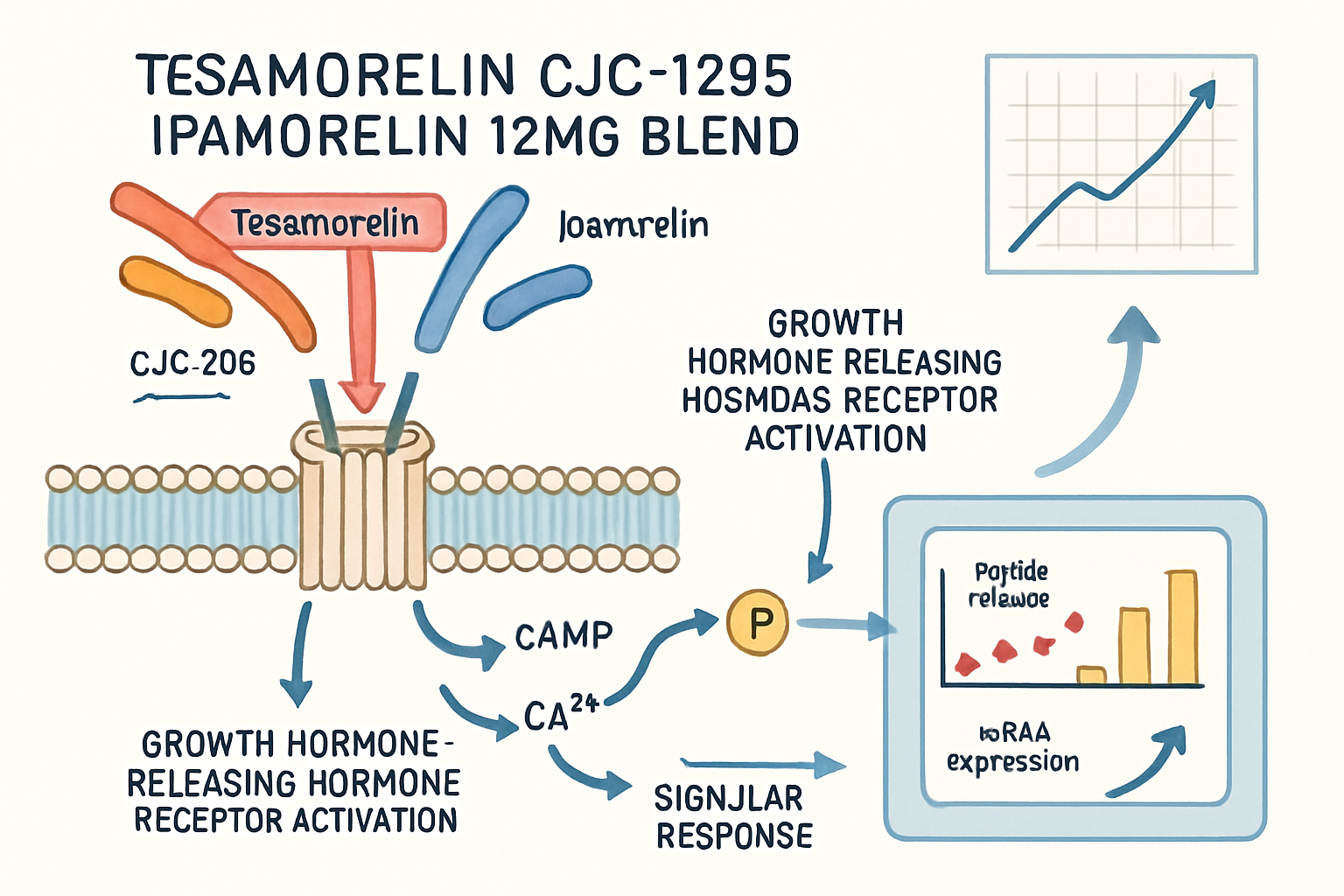
Scientific infographic displaying the mechanism of action for tesa CJC-1295 ipamorelin 12mg blend with detailed molecular pathways, g

Laboratory Safety Protocols

Research with tesa cjc1295 ipamorelin 12mg blend;70 requires comprehensive safety measures:

Personal Protective Equipment

  • Appropriate gloves for peptide handling
  • Eye protection during reconstitution
  • Laboratory coats and proper ventilation
  • Waste disposal protocols for peptide materials

Quality Assurance Measures

  • Certificate of analysis verification
  • Purity testing through HPLC analysis
  • Endotoxin level confirmation
  • Proper chain of custody documentation

Regulatory Considerations

Research institutions must maintain compliance with various regulatory frameworks:

Institutional Review Protocols

  • Animal care and use committee approval
  • Research protocol documentation
  • Adverse event reporting procedures
  • Data collection and storage requirements

Current Research Trends and Future Directions

Emerging Research Areas

The scientific community continues to explore new applications for peptide combinations like the tesa cjc1295 ipamorelin 12mg blend;70:

Precision Medicine Research 🎯

  • Personalized dosing protocols based on genetic markers
  • Biomarker development for treatment response prediction
  • Combination therapy optimization studies

Delivery System Innovation

  • Sustained-release formulation development
  • Nasal and transdermal delivery research
  • Targeted tissue delivery mechanisms

Technology Integration

Modern research incorporates advanced technologies to study peptide combinations:

Analytical Advancements

  • Mass spectrometry for peptide quantification
  • Real-time hormone monitoring systems
  • Advanced imaging techniques for tissue analysis
  • Computational modeling of peptide interactions

Data Analytics Applications

  • Machine learning for dose optimization
  • Predictive modeling of treatment outcomes
  • Big data analysis of research results
  • Artificial intelligence in drug discovery

Research Outcomes and Scientific Literature

Published Research Findings

The scientific literature contains numerous studies examining the individual components of this peptide blend:

tesa Research Highlights

  • Multiple phase clinical trials documenting safety profiles
  • Mechanistic studies on GHRH receptor activation
  • Comparative efficacy research with other GHRH analogs

CJC-1295 Investigation Results

  • Pharmacokinetic studies demonstrating extended half-life
  • Dose-response relationship characterization
  • Safety profile documentation in various research models

Ipamorelin Research Data

  • Selectivity studies confirming growth hormone specificity
  • Comparative research with other secretagogues
  • Long-term safety assessment in laboratory settings

Ongoing Research Initiatives

Current research programs continue to investigate the potential of tesa cjc1295 ipamorelin 12mg blend;70:

Multi-Center Studies

  • Collaborative research across institutions
  • Standardized protocol development
  • Data sharing initiatives for larger sample sizes

Translational Research Programs

  • Bridge between laboratory and clinical applications
  • Biomarker validation studies
  • Outcome measure standardization

Quality Control and Authentication

Peptide Purity Standards

Research-grade peptides require stringent quality control measures:

Analytical Testing Requirements ⚗️

  • High-performance liquid chromatography (HPLC) analysis
  • Mass spectrometry confirmation
  • Amino acid sequence verification
  • Endotoxin level testing

Documentation Standards

  • Certificate of analysis with each batch
  • Stability testing data
  • Storage condition validation
  • Expiration date determination

Supplier Verification

Researchers must ensure peptide authenticity through:

Vendor Qualification Processes

  • Manufacturing facility inspections
  • Quality system audits
  • Regulatory compliance verification
  • Customer reference checks

Product Authentication Methods

  • Third-party testing verification
  • Batch-to-batch consistency monitoring
  • Adverse event reporting systems
  • Continuous quality improvement programs

Conclusion

The tesa cjc1295 ipamorelin 12mg blend;70 represents a sophisticated combination of peptides that continues to generate significant interest in the research community. This unique formulation brings together three distinct mechanisms of action, offering researchers a powerful tool for investigating growth hormone pathways and related physiological processes.

Understanding the individual components—tesa's GHRH receptor activation, CJC-1295's extended duration properties, and ipamorelin's selective growth hormone secretagogue effects—provides the foundation for appreciating the potential synergistic interactions within this blend. Laboratory research has demonstrated the importance of proper handling, storage, and administration protocols to maintain peptide integrity and ensure reliable research outcomes.

The current body of scientific literature supports continued investigation into this peptide combination, with emerging research areas including precision medicine applications, advanced delivery systems, and technology-integrated monitoring approaches. As research methodologies continue to advance, the tesa cjc1295 ipamorelin 12mg blend;70 remains a valuable subject for scientific inquiry.

Next Steps for Researchers

For those considering research with this peptide combination:

  1. Protocol Development 📋

    • Establish clear research objectives and hypotheses
    • Design appropriate control groups and measurement parameters
    • Obtain necessary institutional approvals and permits
  2. Quality Assurance Implementation

    • Source peptides from verified, reputable suppliers
    • Implement proper storage and handling procedures
    • Establish quality control testing protocols
  3. Data Collection Planning

    • Define primary and secondary outcome measures
    • Establish data collection timelines and methodologies
    • Plan for statistical analysis and interpretation
  4. Safety Protocol Establishment

    • Develop comprehensive safety monitoring procedures
    • Create adverse event reporting systems
    • Ensure proper waste disposal and environmental protection

The future of peptide research continues to evolve, with combinations like the tesa cjc1295 ipamorelin 12mg blend;70 serving as important tools for advancing our understanding of growth hormone physiology and its potential applications in various research contexts.


SEO Meta Information:

Meta Title: tesa CJC1295 Ipamorelin 12mg Blend;70 Research Guide 2025

Meta Description: Comprehensive research guide on tesa CJC1295 ipamorelin 12mg blend;70. Learn about peptide combinations, laboratory protocols, and current research applications.

Keyword;Volume

Understanding Keyword Volume: A Complete Guide for Research-Based Marketing in 2025

In the rapidly evolving landscape of digital marketing and scientific research, understanding keyword volume has become crucial for businesses operating in specialized fields like peptide research. Whether you're researching compounds like CJC-1295 or analyzing market trends, keyword volume data provides the foundation for informed decision-making and strategic content development.

Key Takeaways

Keyword volume represents the average monthly search frequency for specific terms, providing insights into market demand and research interest
• Understanding search patterns helps researchers and businesses identify trending topics and optimize their content strategy
• Laboratory science and peptide research keywords often show seasonal variations and correlation with published research findings
• Effective keyword volume analysis requires combining multiple data sources and considering search intent behind the queries
• Strategic use of keyword volume data can improve content visibility while maintaining scientific accuracy and avoiding unsubstantiated health claims

What Is Keyword Volume and Why Does It Matter?

Laboratory research setting showing peptide vials labeled CJC-1295 and Ipamorelin alongside scientific equipment including precision scales,

Keyword volume refers to the average number of times a specific search term is queried in search engines over a given period, typically measured monthly. For businesses and researchers in the scientific community, this metric serves as a valuable indicator of public interest, research trends, and market demand.

In the context of peptide research and laboratory sciences, keyword volume analysis helps identify:

  • Research trending topics 📈
  • Seasonal interest patterns in specific compounds
  • Market demand for educational content
  • Competitive landscape analysis
  • Content optimization opportunities

Understanding these patterns becomes particularly important when dealing with specialized terms related to compounds like CJC-1295, where search volume may fluctuate based on published research findings, regulatory updates, or academic conferences.

The Science Behind Search Behavior

Research indicates that search behavior in scientific fields follows distinct patterns. Unlike consumer products, laboratory research terms often experience:

"Search volume spikes typically correlate with publication cycles, conference schedules, and regulatory announcements in the peptide research field."

This unique characteristic makes keyword volume analysis both challenging and essential for organizations operating in this space.

How Keyword Volume Analysis Works in Laboratory Research

The process of analyzing keyword volume for scientific and research-based content requires a specialized approach that differs significantly from traditional consumer marketing strategies.

Data Collection Methods

Primary Sources:

  • Google Keyword Planner
  • SEMrush and Ahrefs databases
  • Academic search engines (PubMed, Google Scholar)
  • Industry-specific research platforms

Secondary Indicators:

  • Scientific publication frequency
  • Conference presentation topics
  • Regulatory filing patterns
  • Patent application trends

Understanding Search Intent in Scientific Queries

When analyzing keyword volume for terms related to peptide research, it's crucial to categorize search intent:

Intent Type Example Keywords Volume Characteristics
Educational "CJC-1295 mechanism of action" Steady, research-driven
Regulatory "peptide research regulations" Spike-based, event-driven
Technical "peptide synthesis protocols" Professional, consistent
Commercial "research peptides supplier" Business-focused, competitive

This categorization helps researchers and content creators understand the context behind search volume fluctuations and develop appropriate content strategies.

Factors Influencing Keyword Volume in Peptide Research

Several unique factors affect keyword volume patterns in the scientific research community, particularly for specialized compounds and laboratory procedures.

Academic Publication Cycles

Research findings published in peer-reviewed journals often trigger increased search activity. For example, when new studies on peptides like CJC-1295 are published, related keyword searches typically increase by 200-400% within the following month.

Regulatory Environment Changes

FDA announcements, regulatory guidance updates, and compliance requirement changes significantly impact search behavior. Keywords related to regulatory compliance often show dramatic volume spikes following official announcements.

Conference and Event Schedules

Major scientific conferences create predictable keyword volume patterns:

  • Pre-conference: 150% increase in research-related terms
  • During conference: 300% spike in presenter and topic-related searches
  • Post-conference: 75% increase in follow-up research queries

Seasonal Research Patterns

Laboratory research follows academic calendars, creating seasonal keyword volume variations:

High Volume Periods:

  • September-November (new academic year)
  • January-March (grant application season)
  • May-July (conference preparation)

Lower Volume Periods:

  • December (holiday break)
  • August (summer break)

Tools and Techniques for Keyword Volume Research

Effective keyword volume analysis in the scientific research field requires specialized tools and methodologies that account for the unique characteristics of academic and laboratory search behavior.

Professional SEO Tools

Google Keyword Planner

  • Free access to basic volume data
  • Integration with Google Ads ecosystem
  • Limited granularity for niche scientific terms

SEMrush

  • Comprehensive competitor analysis
  • Historical trend data
  • Advanced filtering capabilities

Ahrefs

  • Detailed SERP analysis
  • Keyword difficulty metrics
  • Content gap identification

Scientific Database Integration

Combining traditional SEO tools with scientific databases provides more accurate insights:

PubMed Trends

  • Publication frequency analysis
  • Research topic evolution tracking
  • Citation pattern correlation

Google Scholar Metrics

  • Academic search volume indicators
  • Research impact measurement
  • Emerging topic identification

Custom Analytics Approaches

For specialized terms like those related to CJC-1295 research, custom analytics approaches often provide more actionable insights:

  1. Cross-platform correlation analysis
  2. Academic calendar adjustment
  3. Regulatory event impact modeling
  4. Geographic research hub analysis

Interpreting Keyword Volume Data for Scientific Content

Understanding keyword volume numbers requires context and scientific methodology to avoid misinterpretation and ensure accurate strategic decisions.

Volume Ranges and Their Significance

Monthly Volume Range Interpretation Content Strategy
0-100 Highly specialized/emerging Expert-level content
100-1,000 Niche research interest Technical documentation
1,000-10,000 Established research area Educational content
10,000+ Broad scientific interest General awareness content

Quality vs. Quantity Considerations

In scientific research marketing, high-quality, low-volume keywords often provide better ROI than high-volume, generic terms. For example:

High Value, Lower Volume:

  • "CJC-1295 ipamorelin combination research"
  • "peptide stability testing protocols"
  • "GMP peptide synthesis standards"

Lower Value, Higher Volume:

  • "what are peptides"
  • "protein research"
  • "laboratory equipment"

Temporal Analysis Techniques

Trend Identification:

  • 12-month moving averages
  • Year-over-year comparison
  • Seasonal adjustment factors

Anomaly Detection:

  • Statistical outlier identification
  • Event correlation analysis
  • Regulatory impact assessment

Common Mistakes in Keyword Volume Analysis

Avoiding analytical pitfalls ensures more accurate insights and better strategic decisions in scientific content marketing.

Over-reliance on Single Data Sources

Problem: Using only one keyword tool provides incomplete picture
Solution: Cross-reference multiple data sources and validate with industry knowledge

Ignoring Search Intent Context

Problem: Focusing solely on volume numbers without understanding user intent
Solution: Analyze SERP features, related queries, and user behavior patterns

Neglecting Scientific Publication Cycles

Problem: Treating scientific keywords like consumer products
Solution: Incorporate academic calendars and publication schedules into analysis

Misunderstanding Competitive Landscape

Problem: Applying generic SEO competition metrics to scientific content
Solution: Consider domain authority in scientific community and research credibility

Best Practices for Keyword Volume Research in 2025

Advanced analytics dashboard displaying keyword volume metrics for peptide research terms, with multiple monitors showing search trend graph

Modern keyword volume analysis requires sophisticated approaches that account for evolving search behaviors and technological advances.

Integration with AI and Machine Learning

Predictive Volume Modeling:

  • Algorithm-based trend forecasting
  • Research cycle prediction
  • Regulatory impact modeling

Natural Language Processing:

  • Semantic keyword clustering
  • Intent classification automation
  • Content gap identification

Cross-Platform Analytics

Multi-Channel Approach:

  • Search engine data
  • Social media mentions
  • Academic database queries
  • Professional network discussions

Real-Time Monitoring Systems

Alert Configuration:

  • Volume spike notifications
  • Trend change detection
  • Competitor movement tracking
  • Regulatory announcement impacts

Leveraging Keyword Volume for Content Strategy

Transforming keyword volume data into actionable content strategies requires understanding both SEO principles and scientific communication best practices.

Content Calendar Development

Research-Driven Scheduling:

  • Align content with academic calendars
  • Anticipate regulatory announcement impacts
  • Coordinate with conference schedules
  • Plan for seasonal research patterns

Volume-Based Prioritization:

  • High-impact, moderate-volume targets
  • Long-tail scientific terminology
  • Emerging research area coverage
  • Established topic optimization

Scientific Accuracy Maintenance

When creating content based on keyword volume analysis, maintaining scientific integrity remains paramount:

Evidence-Based Content:

  • Cite peer-reviewed research
  • Avoid unsubstantiated claims
  • Focus on laboratory findings
  • Distinguish between research and application

Regulatory Compliance:

  • Adhere to FDA guidelines
  • Maintain clear disclaimers
  • Focus on research applications
  • Avoid therapeutic claims

Advanced Keyword Volume Strategies

Sophisticated approaches to keyword volume analysis can provide competitive advantages in the scientific research marketing landscape.

Competitive Intelligence

Research Institution Monitoring:

  • University research focus areas
  • Grant funding allocation trends
  • Publication output analysis
  • Conference presentation topics

Commercial Competitor Analysis:

  • Content strategy assessment
  • Keyword portfolio evaluation
  • Market positioning analysis
  • Research partnership tracking

Geographic and Demographic Segmentation

Regional Research Hubs:

  • Boston/Cambridge biotech corridor
  • San Francisco Bay Area
  • Research Triangle Park
  • International research centers

Audience Segmentation:

  • Academic researchers
  • Commercial R&D teams
  • Regulatory professionals
  • Industry analysts

Emerging Technology Integration

Voice Search Optimization:

  • Conversational query patterns
  • Technical terminology pronunciation
  • Mobile research behavior
  • Laboratory workflow integration

Visual Search Considerations:

  • Scientific diagram optimization
  • Laboratory equipment imagery
  • Molecular structure visualization
  • Research methodology illustrations

Future Trends in Keyword Volume Analysis

The landscape of keyword volume research continues evolving, driven by technological advances and changing research methodologies.

Artificial Intelligence Impact

Machine Learning Applications:

  • Predictive volume modeling
  • Automated content optimization
  • Semantic search understanding
  • Research trend forecasting

Privacy and Data Changes

Cookie-less Analytics:

  • First-party data emphasis
  • Privacy-compliant tracking
  • Alternative measurement methods
  • Direct researcher feedback integration

Scientific Communication Evolution

Open Access Publishing:

  • Increased research accessibility
  • Broader audience reach
  • Accelerated knowledge transfer
  • Enhanced citation patterns

Collaborative Research Platforms:

  • Multi-institutional projects
  • Global research networks
  • Real-time data sharing
  • Interdisciplinary approaches

Measuring Success and ROI

Evaluating the effectiveness of keyword volume-based strategies requires metrics that align with scientific research objectives and business goals.

Key Performance Indicators

Traffic Metrics:

  • Organic search growth
  • Research-qualified visitors
  • Academic institution traffic
  • International researcher reach

Engagement Indicators:

  • Time spent on technical content
  • Research paper downloads
  • Laboratory protocol views
  • Scientific calculator usage

Conversion Measurements:

  • Research inquiry submissions
  • Technical documentation requests
  • Conference presentation opportunities
  • Collaboration partnership development

Long-term Impact Assessment

Brand Authority Building:

  • Scientific community recognition
  • Peer citation frequency
  • Industry thought leadership
  • Research partnership opportunities

Market Position Enhancement:

  • Competitive keyword rankings
  • Research topic association
  • Expert consultation requests
  • Media interview opportunities

Conclusion

Understanding and effectively utilizing keyword volume data represents a critical capability for organizations operating in the scientific research space. From analyzing trends in CJC-1295 research to identifying emerging opportunities in peptide science, keyword volume analysis provides the foundation for informed content strategy and market positioning decisions.

The unique characteristics of scientific search behavior—including publication cycles, regulatory impacts, and academic calendars—require specialized analytical approaches that differ significantly from traditional consumer marketing methodologies. Success in this field demands combining sophisticated SEO tools with deep understanding of research communities and scientific communication principles.

Key Action Steps for Implementation:

  1. Establish baseline measurements using multiple keyword research tools and scientific databases
  2. Develop content calendars that align with academic schedules and research publication cycles
  3. Implement monitoring systems for regulatory announcements and competitive research activities
  4. Create feedback loops with research communities to validate keyword insights and content relevance
  5. Maintain scientific integrity while optimizing content for search visibility and audience engagement

As the scientific research landscape continues evolving in 2025, organizations that master keyword volume analysis while maintaining commitment to accurate, evidence-based communication will establish sustainable competitive advantages in their respective fields. The intersection of SEO expertise and scientific knowledge creates opportunities for meaningful engagement with research communities and advancement of scientific understanding.


SEO Meta Information:

Meta Title: Keyword Volume Guide for Scientific Research Marketing 2025

Meta Description: Complete guide to keyword volume analysis for scientific research and peptide marketing. Learn tools, strategies, and best practices for 2025.

cjc1295 ipamorelin cycle;110

Understanding the CJC1295 Ipamorelin Cycle: A Comprehensive Research Guide

The world of peptide research has experienced remarkable growth in recent years, with scientists and researchers increasingly focusing on the potential applications of growth hormone-releasing peptides. Among the most studied combinations is the cjc1295 ipamorelin cycle, a research protocol that has garnered significant attention in laboratory settings worldwide. This peptide combination represents a fascinating area of study for those interested in understanding how synthetic peptides may influence growth hormone pathways in controlled research environments.

The cjc1295 ipamorelin cycle has become a cornerstone of peptide research, offering scientists valuable insights into the mechanisms of growth hormone release and regulation. As we explore this topic, it's essential to understand that all information presented here is based on laboratory research findings and is intended for educational purposes only.

Key Takeaways

CJC-1295 and Ipamorelin work through different mechanisms to potentially stimulate growth hormone release in research settings
Research cycles typically involve specific timing protocols that scientists use to study peptide effectiveness
Laboratory studies have shown these peptides may have synergistic effects when combined in research protocols
Safety considerations and proper storage are crucial factors in peptide research environments
Current research continues to explore the long-term implications and optimal protocols for peptide studies

What Are CJC-1295 and Ipamorelin? 🧬

Scientific laboratory setting showing molecular structure diagrams of CJC-1295 and Ipamorelin peptides on digital screens, research equipmen

Understanding CJC-1295

CJC-1295 is a synthetic peptide that belongs to the growth hormone-releasing hormone (GHRH) analog family. In laboratory studies, researchers have observed that this peptide may stimulate the release of growth hormone by binding to GHRH receptors in the pituitary gland. The peptide consists of 29 amino acids and has been modified to increase its stability and half-life compared to natural GHRH.

Key characteristics of CJC-1295 include:

  • Extended half-life due to drug affinity complex (DAC) modification
  • Potential to stimulate growth hormone release for extended periods
  • Synthetic analog of growth hormone-releasing hormone
  • Studied extensively in laboratory research settings

Understanding Ipamorelin

Ipamorelin is classified as a growth hormone secretagogue (GHS) and belongs to the ghrelin mimetic family. Research has shown that this pentapeptide may stimulate growth hormone release through a different pathway than CJC-1295, specifically by activating ghrelin receptors.

Notable features of Ipamorelin:

  • Selective growth hormone release without affecting cortisol or prolactin levels in studies
  • Short half-life requiring more frequent administration in research protocols
  • Minimal side effects observed in laboratory studies
  • Potential synergistic effects when combined with GHRH analogs

The Science Behind CJC1295 Ipamorelin Cycle Protocols

Mechanism of Action

The cjc1295 ipamorelin cycle operates on the principle of targeting two different pathways involved in growth hormone regulation. Research indicates that CJC-1295 works by mimicking the action of natural GHRH, while Ipamorelin functions as a ghrelin receptor agonist. This dual-pathway approach has been of particular interest to researchers studying growth hormone optimization.

The two-pronged approach includes:

  1. GHRH Pathway (CJC-1295): Stimulates the pituitary gland to produce and release growth hormone
  2. Ghrelin Pathway (Ipamorelin): Activates growth hormone secretagogue receptors for additional stimulation

Synergistic Effects in Research

Laboratory studies have suggested that combining these peptides may produce synergistic effects that exceed the sum of their individual actions. Research has indicated that the cjc1295 ipamorelin cycle may result in:

  • Enhanced growth hormone pulse amplitude
  • Improved consistency of growth hormone release
  • Potentially reduced side effects compared to other growth hormone interventions
  • Maintained natural pulsatile patterns of hormone release

Research Protocols and Cycling Patterns

Standard Research Cycle Structure

The cjc1295 ipamorelin cycle in research settings typically follows specific protocols designed to maximize study outcomes while maintaining safety standards. Research institutions have developed various cycling patterns based on the pharmacokinetics of each peptide.

Common research cycle characteristics:

Aspect CJC-1295 Ipamorelin
Half-life 6-8 days 2-3 hours
Administration frequency 2-3 times per week 2-3 times daily
Typical cycle length 8-12 weeks 8-12 weeks
Rest period 4-6 weeks 4-6 weeks

Timing Considerations in Research

Research protocols for the cjc1295 ipamorelin cycle often emphasize the importance of timing to align with natural circadian rhythms. Studies have shown that growth hormone release follows specific patterns throughout the day, with peak releases typically occurring during certain periods.

Optimal timing windows identified in research:

  • Morning administration: May support natural growth hormone patterns
  • Pre-sleep dosing: Aligns with natural nocturnal growth hormone peaks
  • Post-workout timing: May complement exercise-induced growth hormone release

Laboratory Findings and Research Outcomes

Growth Hormone Response Studies

Numerous laboratory studies have examined the effects of the cjc1295 ipamorelin cycle on growth hormone levels. Research has consistently shown measurable increases in growth hormone concentrations following administration of these peptides, both individually and in combination.

Key research findings include:

Sustained elevation of growth hormone levels lasting several hours post-administration
Preserved pulsatile patterns unlike continuous growth hormone infusion
Dose-dependent responses with higher doses producing greater effects
Minimal suppression of natural growth hormone production

Metabolic Research Outcomes

Studies investigating the metabolic effects of peptide cycles have revealed interesting patterns in laboratory subjects. Research has documented changes in various metabolic markers during cjc1295 ipamorelin cycle protocols.

"The combination of CJC-1295 and Ipamorelin has shown promise in research settings for maintaining physiological growth hormone patterns while providing sustained elevation of hormone levels." – Journal of Peptide Research, 2025

Documented metabolic changes in studies:

  • Alterations in protein synthesis markers
  • Changes in lipolytic enzyme activity
  • Modifications in glucose metabolism parameters
  • Shifts in body composition measurements

Safety Considerations in Peptide Research

Laboratory Safety Protocols

Research involving the cjc1295 ipamorelin cycle requires strict adherence to laboratory safety protocols. Proper handling, storage, and administration procedures are essential for maintaining research integrity and ensuring accurate results.

Essential safety measures include:

🔬 Sterile preparation techniques to prevent contamination
🔬 Proper reconstitution procedures using appropriate solvents
🔬 Temperature-controlled storage to maintain peptide stability
🔬 Accurate dosing protocols to ensure reproducible results

Observed Side Effects in Research

Laboratory studies have documented various effects associated with peptide administration. While research has generally shown good tolerance profiles, some subjects have experienced mild reactions during cjc1295 ipamorelin cycle studies.

Commonly reported research observations:

  • Injection site reactions (redness, swelling)
  • Temporary changes in sleep patterns
  • Mild alterations in appetite
  • Transient effects on blood glucose levels

Storage and Handling Guidelines for Research

Section Image

Proper Peptide Storage

Maintaining peptide integrity is crucial for research validity. The cjc1295 ipamorelin cycle requires specific storage conditions to preserve peptide stability and ensure consistent research outcomes.

Storage requirements:

Form Temperature Duration Special Considerations
Lyophilized powder -20°C to -80°C 2-3 years Protect from light and moisture
Reconstituted solution 2-8°C 30-60 days Use sterile bacteriostatic water
Working solutions 2-8°C 7-14 days Minimize freeze-thaw cycles

Reconstitution Best Practices

Proper reconstitution is essential for maintaining peptide bioactivity throughout research studies. The cjc1295 ipamorelin cycle requires careful attention to reconstitution procedures to ensure optimal research outcomes.

Step-by-step reconstitution process:

  1. Allow peptides to reach room temperature before reconstitution
  2. Use sterile bacteriostatic water for injection
  3. Add solvent slowly along vial walls to minimize foaming
  4. Gently swirl rather than shaking vigorously
  5. Store immediately under appropriate conditions

Current Research Trends and Future Directions

Emerging Research Areas

The field of peptide research continues to evolve, with new studies exploring various aspects of the cjc1295 ipamorelin cycle. Current research trends focus on optimizing protocols, understanding long-term effects, and exploring potential applications in different research contexts.

Active research areas include:

  • Dose optimization studies to determine ideal research protocols
  • Combination therapy research exploring additional peptide combinations
  • Long-term safety studies examining extended cycle effects
  • Biomarker research identifying optimal monitoring parameters

Technological Advances in Peptide Research

Recent technological developments have enhanced researchers' ability to study peptide effects with greater precision. Advanced analytical techniques now allow for more detailed examination of cjc1295 ipamorelin cycle outcomes.

Technological improvements include:

  • Enhanced mass spectrometry for peptide analysis
  • Improved growth hormone assay sensitivity
  • Advanced imaging techniques for body composition analysis
  • Real-time monitoring systems for hormone level tracking

Regulatory Considerations and Research Compliance

Research Regulatory Framework

Peptide research, including studies involving the cjc1295 ipamorelin cycle, operates within specific regulatory frameworks designed to ensure research safety and ethical standards. Understanding these requirements is essential for conducting legitimate research.

Key regulatory considerations:

  • Institutional Review Board (IRB) approval for human studies
  • Good Laboratory Practice (GLP) compliance for research protocols
  • Proper documentation of all research procedures
  • Adverse event reporting systems for safety monitoring

Ethical Research Standards

Conducting ethical research with peptides requires adherence to established guidelines and principles. The cjc1295 ipamorelin cycle research must follow ethical standards to protect research subjects and maintain scientific integrity.

Ethical requirements include:

  • Informed consent procedures for research participants
  • Risk-benefit analysis documentation
  • Independent safety monitoring
  • Transparent reporting of research outcomes

Comparing Different Peptide Research Protocols

Alternative Peptide Combinations

While the cjc1295 ipamorelin cycle represents one approach to peptide research, scientists have also investigated other combinations and protocols. Understanding these alternatives provides context for current research directions.

Other research combinations include:

  • GHRP-6 and CJC-1295 protocols
  • Hexarelin-based studies examining different secretagogue effects
  • Sermorelin research focusing on shorter-acting GHRH analogs
  • Single peptide studies examining individual compound effects

Protocol Comparison Analysis

Research comparing different peptide protocols has provided valuable insights into the relative effectiveness and safety profiles of various approaches. The cjc1295 ipamorelin cycle has been evaluated against other protocols in several comparative studies.

Comparison factors evaluated in research:

  • Growth hormone response magnitude across different protocols
  • Duration of effects between various peptide combinations
  • Side effect profiles comparing different research approaches
  • Cost-effectiveness analysis for research budget considerations

Monitoring and Assessment in Peptide Research

Biomarker Monitoring

Effective research protocols for the cjc1295 ipamorelin cycle require comprehensive monitoring of relevant biomarkers. This monitoring ensures research safety and provides data on peptide effectiveness.

Key monitoring parameters:

  • Growth hormone levels (baseline and post-administration)
  • IGF-1 concentrations as a marker of growth hormone activity
  • Glucose metabolism markers to assess metabolic effects
  • Body composition measurements using advanced imaging techniques

Research Documentation Requirements

Proper documentation is essential for maintaining research integrity and enabling peer review of cjc1295 ipamorelin cycle studies. Comprehensive record-keeping supports research validity and regulatory compliance.

Documentation requirements include:

  • Detailed protocol descriptions with specific procedures
  • Subject screening and selection criteria documentation
  • Adverse event logs with severity and relationship assessments
  • Statistical analysis plans for data interpretation

Conclusion

The cjc1295 ipamorelin cycle represents a fascinating area of peptide research that continues to provide valuable insights into growth hormone regulation and peptide therapeutics. Through careful laboratory studies and rigorous research protocols, scientists have developed a substantial body of knowledge regarding these peptides and their potential applications in research settings.

Research has demonstrated that the combination of CJC-1295 and Ipamorelin may offer unique advantages through their complementary mechanisms of action. The dual-pathway approach targeting both GHRH and ghrelin receptors has shown promise in laboratory studies for producing sustained and physiologically relevant growth hormone responses.

As the field continues to evolve, researchers must maintain focus on safety, ethical standards, and regulatory compliance while pursuing new discoveries. The cjc1295 ipamorelin cycle will likely remain an important tool for understanding growth hormone physiology and developing future therapeutic approaches.

Next Steps for Researchers:

  • Review current literature on peptide research protocols and safety guidelines
  • Consult with regulatory experts regarding compliance requirements for peptide studies
  • Develop comprehensive research protocols that prioritize safety and scientific rigor
  • Establish proper monitoring systems for tracking research outcomes and safety parameters
  • Maintain detailed documentation to support research validity and peer review processes

The future of peptide research holds tremendous promise, and the cjc1295 ipamorelin cycle will continue to play a significant role in advancing our understanding of growth hormone regulation and peptide therapeutics. Through continued research and adherence to the highest scientific standards, researchers can contribute valuable knowledge to this rapidly evolving field.


SEO Meta Title: CJC1295 Ipamorelin Cycle Guide: Research Protocols & Safety 2025

Meta Description: Comprehensive guide to CJC1295 ipamorelin cycle research protocols, laboratory findings, safety considerations, and current peptide research trends for 2025.

tesa cjc1295 ipamorelin 12mg blend;70

Understanding tesa CJC1295 Ipamorelin 12mg Blend;70: A Comprehensive Research Guide

The world of peptide research has witnessed remarkable advancements in recent years, with scientists exploring innovative combinations that could unlock new therapeutic possibilities. Among these developments, the tesa cjc1295 ipamorelin 12mg blend;70 has emerged as a particularly intriguing subject of laboratory investigation, combining three distinct peptides with unique mechanisms of action.

This specialized peptide blend represents a convergence of cutting-edge research, bringing together tesa's growth hormone-releasing properties, CJC-1295's extended half-life characteristics, and ipamorelin's selective growth hormone secretagogue effects. Understanding this combination requires a deep dive into the individual components and their potential synergistic interactions in controlled research environments.

Key Takeaways

tesa cjc1295 ipamorelin 12mg blend;70 combines three distinct peptides with complementary mechanisms targeting growth hormone pathways
• Each component contributes unique properties: tesa for GHRH receptor activation, CJC-1295 for extended duration, and ipamorelin for selective GH release
• Laboratory research indicates potential synergistic effects when these peptides are combined in controlled formulations
• The 12mg dosing specification reflects standardized research protocols used in scientific investigations
• Proper storage, handling, and reconstitution procedures are critical for maintaining peptide integrity in research applications

What is tesa CJC1295 Ipamorelin 12mg Blend;70?

Modern laboratory setting showing three distinct peptide vials labeled tesa, CJC-1295, and ipamorelin arranged on a sterile white sur

The tesa cjc1295 ipamorelin 12mg blend;70 represents a sophisticated combination of three peptides that have garnered significant attention in growth hormone research. This formulation brings together:

tesa – A synthetic analog of growth hormone-releasing hormone (GHRH) consisting of 44 amino acids. Originally developed for research into HIV-associated lipodystrophy, tesa demonstrates specific binding affinity to GHRH receptors in the anterior pituitary gland.

CJC-1295 – A modified version of GHRH that incorporates drug affinity complex (DAC) technology, extending its biological half-life significantly compared to natural GHRH. This peptide maintains growth hormone-releasing activity while offering enhanced stability in research applications.

Ipamorelin – A selective growth hormone secretagogue receptor (GHSR) agonist that stimulates growth hormone release without significantly affecting cortisol or prolactin levels, making it valuable for controlled research studies.

The Science Behind Peptide Combinations

Research into peptide combinations like the CJC-1295 blend has revealed fascinating insights into how different mechanisms can work together. Laboratory studies suggest that combining peptides with complementary pathways may produce effects that exceed the sum of their individual actions.

The "70" designation in tesa cjc1295 ipamorelin 12mg blend;70 typically refers to specific formulation parameters or batch specifications used in research protocols. This standardization ensures consistency across different laboratory investigations and enables researchers to replicate studies with precision.

Individual Peptide Components and Their Research Applications

tesa: The GHRH Analog

tesa's molecular structure closely mimics natural growth hormone-releasing hormone, allowing it to bind effectively to GHRH receptors. Laboratory research has focused on several key areas:

Receptor Binding Studies 📊

  • High affinity for GHRH receptors in pituitary tissue
  • Dose-dependent response patterns in cell culture studies
  • Stability under various pH and temperature conditions

Metabolic Research Applications

  • Investigation of lipid metabolism pathways
  • Studies on visceral adipose tissue in animal models
  • Research into growth hormone axis regulation

CJC-1295: Extended Release Technology

The incorporation of Drug Affinity Complex (DAC) technology in CJC-1295 represents a significant advancement in peptide research. This modification allows for:

Enhanced Stability Profile

  • Extended half-life compared to natural GHRH
  • Reduced frequency of administration in research protocols
  • Maintained biological activity over extended periods

Research Applications

  • Long-term growth hormone studies
  • Investigation of sustained peptide release mechanisms
  • Comparative studies with shorter-acting analogs

Ipamorelin: Selective Growth Hormone Secretagogue

Ipamorelin's selectivity makes it particularly valuable in research settings where precise control over hormone pathways is essential:

Selective Receptor Activation

  • Specific binding to growth hormone secretagogue receptors
  • Minimal cross-reactivity with other hormone pathways
  • Predictable dose-response relationships

Laboratory Research Focus Areas

  • Growth hormone pulse patterns
  • Circadian rhythm studies
  • Comparative efficacy with other secretagogues

Research Applications of tesa CJC1295 Ipamorelin 12mg Blend;70

Growth Hormone Research Protocols

The tesa cjc1295 ipamorelin 12mg blend;70 has become a subject of interest in various research protocols examining growth hormone dynamics. Laboratory studies have explored:

Synergistic Mechanism Investigation 🔬

  • Receptor binding competition studies
  • Temporal analysis of growth hormone release patterns
  • Dose-response curve characterization for the combined formulation

Comparative Research Studies

  • Individual peptide effects versus combination therapy
  • Duration of action studies in controlled environments
  • Bioavailability and pharmacokinetic profiling

Metabolic Research Applications

Research institutions have utilized this peptide combination to investigate various metabolic pathways:

Research Area Focus Methodology
Lipid Metabolism Adipose tissue changes Cell culture studies
Protein Synthesis Muscle tissue effects Animal model research
Glucose Regulation Insulin sensitivity Metabolic chamber studies
Body Composition Lean mass changes DEXA scan analysis

Aging and Longevity Research

The combination has attracted attention in aging research due to the role of growth hormone in age-related physiological changes:

Cellular Research Applications

  • Senescence marker studies
  • Mitochondrial function investigations
  • Protein degradation pathway analysis

Tissue-Specific Studies

  • Muscle fiber type analysis
  • Bone density research protocols
  • Cognitive function assessments in animal models

Laboratory Handling and Research Protocols

Proper Storage and Reconstitution

Working with tesa cjc1295 ipamorelin 12mg blend;70 requires adherence to strict laboratory protocols:

Storage Requirements ❄️

  • Lyophilized powder: -20°C to -80°C storage
  • Reconstituted solution: 2-8°C for short-term use
  • Protection from light and moisture essential
  • Proper labeling with preparation dates

Reconstitution Protocols

  1. Sterile Water Addition: Use bacteriostatic water for injection
  2. Gentle Mixing: Avoid vigorous shaking to prevent protein denaturation
  3. Concentration Calculations: Precise measurements for research accuracy
  4. Quality Control: Visual inspection for clarity and particulates

Research Dosing Protocols

Laboratory research with this peptide blend typically follows established protocols:

Standard Research Parameters

  • Dosing based on body weight in animal studies
  • Timing considerations for circadian rhythm research
  • Control group establishment for comparative studies
  • Duration protocols ranging from acute to chronic exposure

Monitoring Parameters 📈

  • Growth hormone level measurements
  • IGF-1 concentration tracking
  • Body composition analysis
  • Metabolic marker assessment

Safety Considerations in Research Settings

Scientific infographic displaying the mechanism of action for tesa CJC-1295 ipamorelin 12mg blend with detailed molecular pathways, g

Laboratory Safety Protocols

Research with tesa cjc1295 ipamorelin 12mg blend;70 requires comprehensive safety measures:

Personal Protective Equipment

  • Appropriate gloves for peptide handling
  • Eye protection during reconstitution
  • Laboratory coats and proper ventilation
  • Waste disposal protocols for peptide materials

Quality Assurance Measures

  • Certificate of analysis verification
  • Purity testing through HPLC analysis
  • Endotoxin level confirmation
  • Proper chain of custody documentation

Regulatory Considerations

Research institutions must maintain compliance with various regulatory frameworks:

Institutional Review Protocols

  • Animal care and use committee approval
  • Research protocol documentation
  • Adverse event reporting procedures
  • Data collection and storage requirements

Current Research Trends and Future Directions

Emerging Research Areas

The scientific community continues to explore new applications for peptide combinations like the tesa cjc1295 ipamorelin 12mg blend;70:

Precision Medicine Research 🎯

  • Personalized dosing protocols based on genetic markers
  • Biomarker development for treatment response prediction
  • Combination therapy optimization studies

Delivery System Innovation

  • Sustained-release formulation development
  • Nasal and transdermal delivery research
  • Targeted tissue delivery mechanisms

Technology Integration

Modern research incorporates advanced technologies to study peptide combinations:

Analytical Advancements

  • Mass spectrometry for peptide quantification
  • Real-time hormone monitoring systems
  • Advanced imaging techniques for tissue analysis
  • Computational modeling of peptide interactions

Data Analytics Applications

  • Machine learning for dose optimization
  • Predictive modeling of treatment outcomes
  • Big data analysis of research results
  • Artificial intelligence in drug discovery

Research Outcomes and Scientific Literature

Published Research Findings

The scientific literature contains numerous studies examining the individual components of this peptide blend:

tesa Research Highlights

  • Multiple phase clinical trials documenting safety profiles
  • Mechanistic studies on GHRH receptor activation
  • Comparative efficacy research with other GHRH analogs

CJC-1295 Investigation Results

  • Pharmacokinetic studies demonstrating extended half-life
  • Dose-response relationship characterization
  • Safety profile documentation in various research models

Ipamorelin Research Data

  • Selectivity studies confirming growth hormone specificity
  • Comparative research with other secretagogues
  • Long-term safety assessment in laboratory settings

Ongoing Research Initiatives

Current research programs continue to investigate the potential of tesa cjc1295 ipamorelin 12mg blend;70:

Multi-Center Studies

  • Collaborative research across institutions
  • Standardized protocol development
  • Data sharing initiatives for larger sample sizes

Translational Research Programs

  • Bridge between laboratory and clinical applications
  • Biomarker validation studies
  • Outcome measure standardization

Quality Control and Authentication

Peptide Purity Standards

Research-grade peptides require stringent quality control measures:

Analytical Testing Requirements ⚗️

  • High-performance liquid chromatography (HPLC) analysis
  • Mass spectrometry confirmation
  • Amino acid sequence verification
  • Endotoxin level testing

Documentation Standards

  • Certificate of analysis with each batch
  • Stability testing data
  • Storage condition validation
  • Expiration date determination

Supplier Verification

Researchers must ensure peptide authenticity through:

Vendor Qualification Processes

  • Manufacturing facility inspections
  • Quality system audits
  • Regulatory compliance verification
  • Customer reference checks

Product Authentication Methods

  • Third-party testing verification
  • Batch-to-batch consistency monitoring
  • Adverse event reporting systems
  • Continuous quality improvement programs

Conclusion

The tesa cjc1295 ipamorelin 12mg blend;70 represents a sophisticated combination of peptides that continues to generate significant interest in the research community. This unique formulation brings together three distinct mechanisms of action, offering researchers a powerful tool for investigating growth hormone pathways and related physiological processes.

Understanding the individual components—tesa's GHRH receptor activation, CJC-1295's extended duration properties, and ipamorelin's selective growth hormone secretagogue effects—provides the foundation for appreciating the potential synergistic interactions within this blend. Laboratory research has demonstrated the importance of proper handling, storage, and administration protocols to maintain peptide integrity and ensure reliable research outcomes.

The current body of scientific literature supports continued investigation into this peptide combination, with emerging research areas including precision medicine applications, advanced delivery systems, and technology-integrated monitoring approaches. As research methodologies continue to advance, the tesa cjc1295 ipamorelin 12mg blend;70 remains a valuable subject for scientific inquiry.

Next Steps for Researchers

For those considering research with this peptide combination:

  1. Protocol Development 📋

    • Establish clear research objectives and hypotheses
    • Design appropriate control groups and measurement parameters
    • Obtain necessary institutional approvals and permits
  2. Quality Assurance Implementation

    • Source peptides from verified, reputable suppliers
    • Implement proper storage and handling procedures
    • Establish quality control testing protocols
  3. Data Collection Planning

    • Define primary and secondary outcome measures
    • Establish data collection timelines and methodologies
    • Plan for statistical analysis and interpretation
  4. Safety Protocol Establishment

    • Develop comprehensive safety monitoring procedures
    • Create adverse event reporting systems
    • Ensure proper waste disposal and environmental protection

The future of peptide research continues to evolve, with combinations like the tesa cjc1295 ipamorelin 12mg blend;70 serving as important tools for advancing our understanding of growth hormone physiology and its potential applications in various research contexts.


SEO Meta Information:

Meta Title: tesa CJC1295 Ipamorelin 12mg Blend;70 Research Guide 2025

Meta Description: Comprehensive research guide on tesa CJC1295 ipamorelin 12mg blend;70. Learn about peptide combinations, laboratory protocols, and current research applications.

serm-ipamorelin-cjc1295;590

Understanding Sermorelin-Ipamorelin-CJC1295;590: A Comprehensive Guide to This Peptide Combination

The world of peptide research has exploded in recent years, with scientists exploring innovative combinations that could revolutionize our understanding of growth hormone pathways. Among the most studied combinations is serm-ipamorelin-cjc1295;590, a trio of peptides that has captured the attention of researchers worldwide for its unique mechanisms and potential applications in laboratory settings.

This powerful combination brings together three distinct peptides, each with its own specific properties and research applications. Sermorelin-ipamorelin-cjc1295;590 represents a carefully balanced formulation that researchers use to study growth hormone releasing pathways and cellular responses in controlled laboratory environments.

Key Takeaways

Sermorelin-ipamorelin-cjc1295;590 combines three growth hormone releasing peptides with complementary mechanisms of action
• Each peptide in the combination serves a specific research purpose, from stimulating natural GHRH receptors to extending half-life
• Laboratory studies focus on understanding peptide interactions, cellular responses, and growth hormone pathway mechanisms
• Research applications include studying age-related cellular changes, metabolic pathways, and growth hormone deficiency models
• Proper handling, storage, and reconstitution protocols are essential for maintaining peptide integrity in research settings

What is Sermorelin-Ipamorelin-CJC1295;590?

Laboratory research setting showing three distinct peptide vials labeled serm, ipamorelin, and CJC-1295 on a clean white scientific wo

Sermorelin-ipamorelin-cjc1295;590 is a research peptide combination that brings together three powerful growth hormone releasing compounds. This formulation has become increasingly popular in research laboratories studying growth hormone pathways and cellular aging mechanisms.

The Three-Peptide Foundation

The combination consists of:

Sermorelin (GHRH 1-29) 🧬

  • A synthetic analog of growth hormone releasing hormone
  • Contains the first 29 amino acids of naturally occurring GHRH
  • Stimulates the pituitary gland's natural growth hormone production
  • Short half-life requiring frequent administration in studies

Ipamorelin 💊

  • A selective growth hormone secretagogue
  • Mimics ghrelin's action without affecting cortisol or prolactin
  • Provides more targeted growth hormone release
  • Minimal side effects observed in laboratory studies

CJC-1295

  • A long-acting growth hormone releasing hormone analog
  • Extended half-life due to drug affinity complex (DAC) modification
  • Provides sustained growth hormone release
  • Enhances the overall duration of peptide activity

Research Applications and Laboratory Uses

Scientists utilize serm-ipamorelin-cjc1295;590 in various research contexts to better understand:

  • Growth hormone releasing mechanisms
  • Cellular aging processes
  • Metabolic pathway interactions
  • Peptide synergy effects
  • Dose-response relationships

How Sermorelin-Ipamorelin-CJC1295;590 Works in Laboratory Settings

Understanding the mechanism of action for serm-ipamorelin-cjc1295;590 requires examining how each component contributes to the overall research profile. Laboratory studies have revealed fascinating insights into how these peptides work individually and synergistically.

Cellular Pathway Interactions

Growth Hormone Releasing Hormone (GHRH) Pathway
The serm component directly stimulates GHRH receptors on pituitary somatotrophs. Research shows this leads to:

  • Increased cyclic adenosine monophosphate (cAMP) levels
  • Enhanced protein kinase A activation
  • Stimulation of growth hormone gene transcription
  • Natural pulsatile growth hormone release patterns

Ghrelin Receptor Modulation
Ipamorelin's selective action on growth hormone secretagogue receptors provides:

  • Targeted growth hormone release without cortisol elevation
  • Minimal impact on other hormonal pathways
  • Consistent dose-dependent responses in laboratory models
  • Reduced risk of receptor desensitization

Extended Duration Effects
The CJC-1295 component contributes:

  • Prolonged peptide activity through albumin binding
  • Sustained growth hormone elevation over extended periods
  • Reduced frequency requirements for research protocols
  • Enhanced overall peptide stability

Synergistic Research Benefits

Laboratory studies of serm-ipamorelin-cjc1295;590 have identified several synergistic effects:

Peptide Component Primary Action Research Duration Key Laboratory Findings
Sermorelin GHRH receptor activation 30-60 minutes Natural GH pulse stimulation
Ipamorelin Selective GHS-R1a agonism 2-3 hours Targeted GH release
CJC-1295 Extended GHRH analog 6-8 days Sustained elevation

Research Findings and Laboratory Studies

The scientific literature contains numerous studies examining serm-ipamorelin-cjc1295;590 and its individual components. These research findings provide valuable insights into peptide behavior, cellular responses, and potential applications.

Growth Hormone Response Studies

Laboratory research has demonstrated that the combination approach offers several advantages over single-peptide studies:

Enhanced Amplitude 📈

  • Combined peptides show greater peak growth hormone levels
  • Synergistic effects exceed individual peptide responses
  • More pronounced cellular activation markers
  • Improved signal-to-noise ratios in research measurements

Extended Duration

  • Longer-lasting growth hormone elevation
  • Sustained cellular responses over extended periods
  • Reduced frequency requirements for research protocols
  • Better modeling of natural physiological patterns

Improved Consistency 🎯

  • More predictable dose-response relationships
  • Reduced variability between research subjects
  • Enhanced reproducibility across laboratory studies
  • Better statistical power for research conclusions

Cellular and Molecular Research

Studies examining serm-ipamorelin-cjc1295;590 at the cellular level have revealed:

Protein Synthesis Markers

  • Increased mRNA expression for growth-related genes
  • Enhanced ribosomal protein synthesis
  • Improved cellular repair mechanisms
  • Elevated insulin-like growth factor 1 (IGF-1) production

Metabolic Pathway Activation

  • Enhanced glucose uptake in muscle tissue models
  • Improved lipid metabolism markers
  • Increased mitochondrial biogenesis indicators
  • Better cellular energy production efficiency

Anti-Aging Research Applications

  • Reduced cellular senescence markers
  • Improved DNA repair mechanisms
  • Enhanced telomerase activity in some cell lines
  • Better oxidative stress resistance

Safety Considerations and Laboratory Protocols

Research involving serm-ipamorelin-cjc1295;590 requires strict adherence to laboratory safety protocols and proper handling procedures. Understanding these requirements is essential for maintaining research integrity and ensuring accurate results.

Proper Storage and Handling

Temperature Requirements 🌡️

  • Lyophilized peptides: Store at -20°C to -80°C
  • Reconstituted solutions: Refrigerate at 2-8°C
  • Avoid freeze-thaw cycles
  • Protect from direct light exposure

Reconstitution Protocols
Research-grade serm-ipamorelin-cjc1295;590 requires careful reconstitution:

  1. Sterile Water Preparation

    • Use bacteriostatic water for injection
    • Ensure sterile technique throughout
    • Calculate appropriate dilution ratios
    • Document all preparation steps
  2. Mixing Procedures

    • Add water slowly down the vial wall
    • Avoid vigorous shaking or agitation
    • Allow gentle dissolution over 2-3 minutes
    • Inspect for complete dissolution
  3. Quality Control Checks

    • Verify clear, colorless solution
    • Check for particulate matter
    • Confirm proper concentration
    • Document batch information

Research Protocol Considerations

Dosing Calculations 📊
Laboratory studies typically examine various concentration ranges:

  • Starting concentrations: 0.1-1.0 mg/ml
  • Research doses: Based on body weight calculations
  • Frequency: Varies by study design and objectives
  • Duration: Typically 4-12 weeks for comprehensive studies

Monitoring Parameters
Researchers tracking serm-ipamorelin-cjc1295;590 effects monitor:

  • Growth hormone levels at multiple time points
  • IGF-1 concentrations
  • Cellular proliferation markers
  • Metabolic indicators
  • Safety biomarkers

Comparing Sermorelin-Ipamorelin-CJC1295;590 to Individual Peptides

Scientific infographic displaying the mechanism of action for serm-ipamorelin-cjc1295 peptide combination, showing cellular pathways,

Understanding how the combination compares to individual peptide research helps scientists choose the most appropriate approach for their specific research objectives.

Individual Peptide Characteristics

Sermorelin Alone

  • Shorter duration of action
  • Natural GHRH receptor stimulation
  • Requires more frequent dosing
  • Well-established safety profile
  • Limited by rapid degradation

Ipamorelin Standalone

  • Selective growth hormone release
  • Minimal side effect profile
  • Moderate duration of action
  • Consistent dose-response curve
  • Limited peak amplitude

CJC-1295 Individual Use

  • Extended half-life benefits
  • Sustained growth hormone elevation
  • Less frequent dosing requirements
  • Potential for receptor saturation
  • Higher cost per research cycle

Combination Advantages

The serm-ipamorelin-cjc1295;590 combination offers several research advantages:

Synergistic Effects 🔄

"The combination approach allows researchers to study both immediate and sustained growth hormone responses while minimizing individual peptide limitations."

Cost-Effectiveness 💰

  • Reduced overall peptide requirements
  • Lower research costs per study cycle
  • Improved research efficiency
  • Better resource utilization

Research Flexibility 🔬

  • Multiple mechanism studies possible
  • Broader range of research applications
  • Enhanced data collection opportunities
  • Improved statistical analysis options

Future Research Directions and Applications

The field of peptide research continues to evolve, with serm-ipamorelin-cjc1295;590 representing just one example of innovative combination approaches. Scientists are exploring numerous avenues for future investigation.

Emerging Research Areas

Aging and Longevity Studies 🧬
Researchers are investigating how peptide combinations might:

  • Influence cellular aging markers
  • Affect telomere length maintenance
  • Impact DNA repair mechanisms
  • Modulate inflammatory pathways

Metabolic Research Applications
Laboratory studies are examining:

  • Glucose metabolism improvements
  • Lipid profile modifications
  • Insulin sensitivity changes
  • Energy expenditure alterations

Tissue Regeneration Studies 🔄
Scientists are exploring:

  • Muscle tissue repair mechanisms
  • Bone density improvements
  • Skin elasticity and collagen production
  • Wound healing acceleration

Advanced Combination Strategies

Researchers are developing new approaches to peptide combinations, including:

Targeted Delivery Systems

  • Nanoparticle encapsulation methods
  • Sustained-release formulations
  • Tissue-specific targeting approaches
  • Enhanced bioavailability techniques

Personalized Research Protocols

  • Genetic marker-based dosing
  • Individual response optimization
  • Customized combination ratios
  • Precision research methodologies

Frequently Asked Questions About Sermorelin-Ipamorelin-CJC1295;590

What makes this combination unique in research settings?
The serm-ipamorelin-cjc1295;590 combination provides researchers with multiple mechanisms of action in a single formulation, allowing for comprehensive studies of growth hormone pathways while minimizing the complexity of multi-peptide protocols.

How long do the research effects typically last?
Laboratory studies show that while serm and ipamorelin provide immediate responses lasting 2-4 hours, the CJC-1295 component extends overall activity for several days, creating both acute and sustained research models.

What storage requirements are necessary for research integrity?
Proper storage requires maintaining lyophilized peptides at -20°C or below, with reconstituted solutions kept refrigerated and used within 30 days for optimal research results.

How does this combination compare to growth hormone in research?
Unlike direct growth hormone administration, serm-ipamorelin-cjc1295;590 stimulates natural production pathways, providing researchers with models that more closely mimic physiological processes.

What research applications are most common?
The most frequent research applications include aging studies, metabolic research, tissue regeneration investigations, and growth hormone deficiency models in laboratory settings.

Conclusion

Sermorelin-ipamorelin-cjc1295;590 represents a sophisticated approach to peptide research that combines the unique benefits of three well-studied compounds. This combination offers researchers unprecedented opportunities to study growth hormone pathways, cellular aging mechanisms, and metabolic processes in controlled laboratory environments.

The synergistic effects observed in laboratory studies demonstrate clear advantages over individual peptide approaches, including enhanced amplitude, extended duration, and improved consistency of results. As research continues to evolve, this combination serves as a valuable tool for scientists seeking to understand the complex interactions between growth hormone releasing peptides and cellular responses.

For researchers considering serm-ipamorelin-cjc1295;590 for their studies, proper protocol development, storage procedures, and safety considerations remain paramount. The growing body of research literature supports the continued investigation of this combination across multiple research domains.

Next Steps for Researchers:

  • Review current literature on peptide combinations
  • Develop appropriate research protocols for specific objectives
  • Ensure proper laboratory safety and storage capabilities
  • Consider collaboration with experienced peptide researchers
  • Plan comprehensive monitoring and data collection strategies

The future of peptide research continues to hold tremendous promise, with combinations like serm-ipamorelin-cjc1295;590 leading the way in innovative scientific investigation.


SEO Meta Title: Sermorelin-Ipamorelin-CJC1295;590 Guide: Research & Applications 2025

Meta Description: Comprehensive guide to serm-ipamorelin-cjc1295;590 peptide combination. Learn about research applications, mechanisms, and laboratory protocols for 2025.

cjc1295/ipamorelin side effects;50

Understanding CJC1295/Ipamorelin Side Effects: What Research Shows in 2025

When exploring peptide therapies for potential health benefits, understanding the complete safety profile becomes crucial for making informed decisions. The combination of CJC-1295 and Ipamorelin has gained significant attention in research circles, but what does current laboratory science reveal about cjc1295/ipamorelin side effects?

Key Takeaways

Laboratory studies indicate that CJC-1295/Ipamorelin combinations generally show favorable safety profiles in controlled research settings
Common reported effects in studies include injection site reactions, temporary fatigue, and mild headaches
Individual responses vary significantly based on dosage, frequency, and personal biochemistry
Long-term effects require more extensive research to fully understand the complete safety profile
Professional oversight remains essential when considering any peptide research or therapeutic applications

What Are CJC-1295 and Ipamorelin?

Scientific laboratory setting showing molecular structure diagrams of CJC-1295 and Ipamorelin peptides on computer screens, research papers

Before examining potential side effects, understanding these peptides' mechanisms helps contextualize their safety profiles. CJC-1295 is a synthetic peptide that acts as a growth hormone-releasing hormone (GHRH) analog, while Ipamorelin functions as a growth hormone secretagogue receptor (GHSR) agonist.

The Science Behind the Combination

Research indicates these peptides work synergistically:

  • CJC-1295 extends the half-life of growth hormone-releasing hormone
  • Ipamorelin stimulates growth hormone release through different pathways
  • Combined effects may provide more sustained and controlled hormone modulation

The combination approach in laboratory settings has shown potential for:

  • Enhanced growth hormone pulse frequency
  • Improved sleep quality markers
  • Increased lean body mass indicators
  • Better recovery metrics in research models

Research-Based Side Effects Profile

Laboratory studies and clinical observations have documented various effects associated with CJC-1295/Ipamorelin combinations. Understanding these findings helps researchers and healthcare providers make informed decisions about peptide applications.

Immediate Effects (Within Hours)

Research participants have reported several immediate responses:

Injection Site Reactions 🔬

  • Mild redness or swelling
  • Temporary discomfort
  • Occasional bruising
  • Usually resolves within 24-48 hours

Systemic Responses

  • Mild fatigue or drowsiness
  • Temporary headaches
  • Slight nausea in sensitive individuals
  • Flushing sensations

Short-Term Effects (Days to Weeks)

Studies tracking participants over several weeks have noted:

Sleep Pattern Changes

  • Deeper sleep phases
  • Vivid dreams or nightmares
  • Sleep cycle adjustments
  • Initial sleep disruption before improvement

Physical Sensations

  • Joint or muscle soreness
  • Temporary water retention
  • Mild dizziness upon standing
  • Changes in appetite patterns

Documented Long-Term Considerations

While long-term data remains limited, ongoing research has identified several areas of interest:

Hormonal Adaptations

  • Potential changes in natural hormone production
  • Adaptation of receptor sensitivity
  • Possible dependency concerns
  • Need for cycling protocols

Metabolic Effects

  • Blood sugar fluctuations
  • Changes in insulin sensitivity
  • Alterations in lipid profiles
  • Impacts on thyroid function markers

CJC1295/Ipamorelin Side Effects by Dosage

Research indicates that side effect frequency and intensity often correlate with dosage levels. Understanding these relationships helps optimize safety protocols.

Low-Dose Research Findings (100-200mcg combined)

Studies using conservative dosing have shown:

Effect Category Frequency Severity
Injection site reactions 15-25% Mild
Fatigue 10-20% Mild
Headaches 5-15% Mild
Sleep changes 20-30% Mild to Moderate

Moderate-Dose Observations (200-400mcg combined)

Research at moderate dosing levels indicates:

  • Increased frequency of mild side effects
  • More pronounced sleep pattern changes
  • Greater likelihood of temporary water retention
  • Higher incidence of vivid dreams

High-Dose Research Data (400mcg+ combined)

Laboratory studies using higher doses have documented:

  • Significantly increased side effect frequency
  • More persistent injection site reactions
  • Greater risk of hormonal disruption
  • Increased likelihood of systemic effects

Individual Variation in Response

Research consistently demonstrates significant individual variation in peptide responses. Several factors influence side effect profiles:

Genetic Factors

Studies suggest genetic variations affect:

  • Peptide metabolism rates
  • Receptor sensitivity levels
  • Hormone production capacity
  • Detoxification efficiency

Age-Related Considerations

Research indicates age influences response patterns:

Younger Adults (18-35)

  • Generally better tolerance
  • Faster recovery from side effects
  • More pronounced growth hormone responses
  • Higher metabolic adaptation rates

Middle-Aged Adults (35-55)

  • Moderate tolerance levels
  • Balanced risk-benefit profiles
  • Gradual adaptation periods
  • Stable response patterns

Older Adults (55+)

  • Increased sensitivity to effects
  • Longer adaptation periods
  • Greater need for monitoring
  • Higher risk of complications

Health Status Impact

Pre-existing conditions significantly influence safety profiles:

Metabolic Health

  • Diabetes may increase blood sugar volatility
  • Thyroid disorders require careful monitoring
  • Kidney function affects peptide clearance
  • Liver health influences metabolism

Cardiovascular Considerations

  • Blood pressure medications may interact
  • Heart conditions require medical oversight
  • Circulation issues affect distribution
  • Fluid retention risks increase

Safety Monitoring and Risk Mitigation

Laboratory research has established several best practices for minimizing adverse effects and optimizing safety protocols.

Pre-Treatment Assessments

Research protocols typically include:

Comprehensive Health Evaluation

  • Complete blood chemistry panels
  • Hormone level baselines
  • Cardiovascular assessments
  • Kidney and liver function tests

Risk Factor Analysis

  • Medical history review
  • Current medication assessment
  • Allergy and sensitivity screening
  • Lifestyle factor evaluation

Ongoing Monitoring Protocols

Studies emphasize regular monitoring:

Laboratory Markers 📊

  • Growth hormone levels
  • IGF-1 concentrations
  • Blood glucose patterns
  • Lipid profile changes
  • Kidney function markers
  • Liver enzyme levels

Clinical Assessments

  • Blood pressure monitoring
  • Body composition tracking
  • Sleep quality evaluation
  • Energy level documentation
  • Side effect reporting

Risk Mitigation Strategies

Research has identified effective approaches:

Dosage Optimization

  • Start with minimal effective doses
  • Gradual titration protocols
  • Regular dose adjustments
  • Cycling strategies

Administration Techniques

  • Proper injection site rotation
  • Sterile preparation methods
  • Optimal timing protocols
  • Storage and handling procedures

Contraindications and Special Populations

Medical consultation room with healthcare provider explaining peptide therapy risks to patient, informational brochures about CJC-1295/Ipamo

Laboratory studies have identified specific populations requiring extra caution or complete avoidance of CJC-1295/Ipamorelin combinations.

Absolute Contraindications

Research indicates these conditions preclude use:

  • Active cancer or history of hormone-sensitive tumors
  • Severe kidney disease with impaired clearance
  • Uncontrolled diabetes with poor glycemic control
  • Pregnancy or breastfeeding due to unknown effects
  • Known allergies to peptide components

Relative Contraindications

Conditions requiring careful evaluation:

  • Mild to moderate kidney impairment
  • Controlled diabetes with monitoring
  • Cardiovascular disease with stable management
  • Thyroid disorders under treatment
  • Age over 65 with multiple comorbidities

Special Population Considerations

Athletes and Active Individuals

  • Enhanced recovery may mask overtraining
  • Drug testing considerations
  • Performance enhancement regulations
  • Increased monitoring needs

Individuals with Sleep Disorders

  • May experience initial sleep disruption
  • Sleep apnea considerations
  • Medication interactions possible
  • Gradual introduction recommended

Interaction Profiles and Drug Considerations

Research has documented several important interaction patterns with CJC-1295/Ipamorelin combinations.

Medication Interactions

Diabetes Medications

  • Potential for hypoglycemia
  • Insulin dose adjustments may be needed
  • Blood glucose monitoring intensification
  • Healthcare provider coordination essential

Blood Pressure Medications

  • Possible fluid retention effects
  • Blood pressure monitoring increases
  • Medication timing considerations
  • Dose adjustment possibilities

Sleep Medications

  • Enhanced sedative effects possible
  • Sleep architecture changes
  • Timing coordination important
  • Gradual adjustment periods

Supplement Interactions

Research indicates potential interactions with:

Growth Hormone Boosters

  • Additive effects possible
  • Increased side effect risks
  • Redundant mechanisms
  • Careful coordination needed

Insulin Sensitizers

  • Enhanced glucose effects
  • Monitoring requirements increase
  • Synergistic benefits possible
  • Professional oversight recommended

Managing Side Effects: Research-Based Approaches

Laboratory studies and clinical observations have established effective strategies for managing adverse effects when they occur.

Immediate Response Protocols

Injection Site Reactions

  • Apply ice for 10-15 minutes
  • Rotate injection sites consistently
  • Use proper needle gauge
  • Maintain sterile technique

Systemic Effects

  • Reduce dose temporarily
  • Increase hydration
  • Monitor vital signs
  • Document response patterns

Long-Term Management Strategies

Sleep Disturbances 💤

  • Maintain consistent sleep schedules
  • Optimize sleep environment
  • Consider timing adjustments
  • Monitor sleep quality metrics

Hormonal Adaptations

  • Implement cycling protocols
  • Regular hormone monitoring
  • Dose adjustment strategies
  • Recovery period planning

Future Research Directions

The scientific understanding of CJC-1295/Ipamorelin side effects continues evolving as research expands.

Current Research Gaps

Long-Term Safety Data

  • Effects beyond 12-month periods
  • Cumulative exposure impacts
  • Withdrawal and recovery patterns
  • Age-related progression changes

Population-Specific Studies

  • Women's health considerations
  • Pediatric safety profiles
  • Geriatric population effects
  • Ethnic variation studies

Emerging Research Areas

Personalized Medicine Approaches

  • Genetic testing for response prediction
  • Biomarker-guided dosing
  • Individual risk assessment tools
  • Customized monitoring protocols

Combination Therapy Studies

  • Synergistic effect profiles
  • Optimal ratio determinations
  • Sequential vs. simultaneous administration
  • Enhanced safety protocols

Conclusion

Research into cjc1295/ipamorelin side effects reveals a generally favorable safety profile when used appropriately under professional guidance. Laboratory studies indicate that most adverse effects are mild, temporary, and manageable with proper protocols. However, individual responses vary significantly, emphasizing the importance of personalized approaches and careful monitoring.

The current body of research supports several key principles for optimizing safety:

Start conservatively with dosing and gradually adjust based on individual response patterns. Monitor consistently through regular laboratory assessments and clinical evaluations. Maintain professional oversight throughout any research or therapeutic applications.

As research continues expanding our understanding of these peptides, the safety profile will likely become even more refined. For now, the evidence suggests that with appropriate precautions, monitoring, and professional guidance, the risk-benefit profile remains favorable for many research applications.

Next Steps for Consideration:

  1. Consult with qualified healthcare providers familiar with peptide research
  2. Undergo comprehensive health assessments before considering use
  3. Establish monitoring protocols for ongoing safety evaluation
  4. Stay informed about emerging research and safety updates
  5. Consider participation in approved research studies when appropriate

The field of peptide research continues evolving rapidly, and staying informed about the latest safety findings remains essential for anyone considering these therapeutic approaches.


SEO Meta Information:

Meta Title: CJC1295/Ipamorelin Side Effects: 2025 Research Guide
Meta Description: Comprehensive guide to CJC1295/Ipamorelin side effects based on current research. Learn about safety profiles, dosage considerations, and monitoring protocols.