SLU-pp-332 research and mechanisms of action

Unlocking Potential: Comprehensive SLU-pp-332 Research and Mechanisms of Action – Injectable, SLU-pp-332 Oral, and SLU-pp-332 Pills

Imagine a world where the very fibers of your being could be reprogrammed for enhanced performance and resilience. While it might sound like science fiction, the exciting realm of peptide research is bringing us closer to such possibilities. Among the most talked-about compounds in this field is SLU-pp-332, a potent and highly selective ERRÎą agonist that is currently generating significant interest. This comprehensive guide will delve deep into the latest research surrounding SLU-pp-332, exploring its intricate mechanisms of action, the advantages of both injectable and SLU-pp-332 oral forms, and the potential impact of SLU-pp-332 pills on future research protocols. Whether you're a seasoned researcher or new to the world of advanced peptides, understanding the nuances of this remarkable slupp332 peptide is crucial in 2025.

Key Takeaways

  • SLU-pp-332 is a highly selective and potent ERRÎą agonist, acting as a "super-regulator" of cellular energy metabolism.
  • Its primary mechanism involves upregulating genes crucial for mitochondrial function, promoting oxidative muscle fibers, and enhancing fat metabolism.
  • Research suggests potential applications in improving exercise endurance, combating sarcopenia, and addressing metabolic disorders.
  • Both injectable and SLU-pp-332 oral forms are being investigated, each offering distinct advantages in terms of bioavailability, administration, and research applications.
  • The development of SLU-pp-332 pills could revolutionize accessibility and ease of use in certain research settings, alongside the well-established injectable peptide.

The Enigma of SLU-pp-332: A Deep Dive into its Mechanisms of Action

A highly detailed infographic illustrating the molecular structure and target interactions of SLU-pp-332, depicting its mechanism of action

The journey to understand SLU-pp-332 begins at the molecular level, where its unique structure allows it to interact with a specific target: the Estrogen-Related Receptor Alpha (ERRÎą). Unlike traditional estrogen receptors, ERRÎą is an orphan nuclear receptor, meaning its natural ligand was initially unknown. However, research has revealed its critical role as a master regulator of metabolic processes, particularly within highly energetic tissues like skeletal muscle, cardiac muscle, and brown adipose tissue.

The Role of ERRÎą: A Metabolic Maestro

Think of ERRÎą as the conductor of a finely tuned metabolic orchestra. It doesn't just play a single instrument; it influences the entire symphony of energy production and utilization within cells. When activated, ERRÎą binds to specific DNA sequences known as ERRÎą response elements (ERREs) in the promoters of target genes. This binding initiates the transcription of these genes, leading to the production of proteins that are essential for:

  • Mitochondrial Biogenesis: The creation of new mitochondria, the powerhouses of the cell. More mitochondria mean more efficient energy production.
  • Oxidative Phosphorylation: The primary process by which cells generate ATP (adenosine triphosphate), the cellular energy currency, using oxygen.
  • Fatty Acid Oxidation: The breakdown of fats into usable energy. This is particularly important for endurance activities, as fat stores provide a more sustained energy source than carbohydrates.
  • Glucose Homeostasis: The regulation of blood sugar levels.

How SLU-pp-332 Orchestrates Change

SLU-pp-332 acts as a potent and selective agonist for ERRÎą. This means it binds to ERRÎą and activates it, mimicking the effect of a natural ligand. The "selective" aspect is crucial; it means SLU-pp-332 primarily targets ERRÎą without significantly activating other related receptors, which helps minimize potential off-target effects.

Once SLU-pp-332 binds to ERRÎą, it induces a conformational change in the receptor, allowing it to recruit co-activator proteins. This complex then moves to the nucleus and binds to ERREs on DNA, switching on the aforementioned metabolic genes. The result is a profound shift in cellular metabolism, moving towards a more oxidative phenotype.

Consider the analogy of a car engine. SLU-pp-332, by activating ERRÎą, essentially upgrades the engine. It increases the number of cylinders (mitochondria), optimizes the fuel injection system (fatty acid oxidation), and makes the entire process more efficient, allowing the car to run longer and perform better on less fuel.

This mechanism makes the slupp332 peptide a fascinating candidate for research in areas such as:

  • Enhancing Exercise Capacity and Endurance: By increasing mitochondrial content and fatty acid oxidation, SLU-pp-332 could theoretically improve the ability of muscle cells to sustain effort.
  • Combating Age-Related Muscle Decline (Sarcopenia): As we age, mitochondrial function often declines, contributing to muscle weakness. ERRÎą activation could help preserve or even improve muscle quality.
  • Addressing Metabolic Disorders: Conditions like obesity and type 2 diabetes are often characterized by impaired metabolic flexibility. By promoting fat burning and improving glucose homeostasis, SLU-pp-332 could offer new avenues for research.

Early research data on SLU-pp-332 has been compelling, showing significant improvements in endurance and metabolic markers in various in vitro and in vivo models. These findings underscore the importance of continued investigation into this potent compound. For researchers interested in exploring similar metabolic regulators, compounds like 5-Amino-1MQ also offer intriguing research avenues into NAD+ metabolism and fat oxidation.

The Versatility of SLU-pp-332: Injectable vs. SLU-pp-332 Oral Forms

The method of administration is a critical consideration in peptide research, influencing everything from bioavailability and onset of action to stability and researcher convenience. SLU-pp-332 is primarily investigated in its injectable form, but the development of SLU-pp-332 oral forms, including SLU-pp-332 pills, represents a significant advancement in the field in 2025. Each delivery method presents unique benefits and challenges for researchers.

The Power of Precision: Injectable SLU-pp-332

Historically, many peptides, including the slupp332 peptide, have been administered via injection (subcutaneous or intramuscular). This method offers several distinct advantages in a research setting:

  • High Bioavailability: When a peptide is injected directly into the body, it bypasses the digestive system, which can break down and inactivate peptides. This ensures that a very high percentage of the administered dose reaches the bloodstream intact, leading to predictable and consistent effects.
  • Rapid Onset of Action: Injections typically allow for a quicker absorption into the systemic circulation, leading to a faster onset of the peptide's effects. This can be beneficial for studies requiring acute interventions or precise timing of action.
  • Precise Dosing: Injections allow for extremely accurate dosing, which is crucial for rigorous scientific research where reproducibility is paramount. Researchers can precisely control the amount of peptide administered to the test subjects.
  • Direct Access: For some research designs, local injections can target specific tissues or organs directly, which might be advantageous for studying localized effects.

Many researchers who work with peptides are familiar with the careful reconstitution and storage protocols required for injectable forms. Properly handling these delicate compounds, such as those found on Pure Tested Peptides, is essential to maintain their integrity and efficacy. Understanding best practices for storing research peptides is key to successful experimental outcomes.

Anecdote: The Lab Technician's Precision

Dr. Anya Sharma, a lead researcher in metabolic studies, once shared a story about the initial trials with a novel ERRÎą agonist. "We were working with a very sensitive peptide, similar to SLU-pp-332. The precision of injectable delivery was absolutely critical for our initial dose-response studies. Even a slight deviation could throw off our data. My lead lab technician, Mark, was meticulous. He could reconstitute and administer the peptide with such consistent accuracy that our baseline data was incredibly robust. It truly highlighted the importance of controlled injectable administration in the early stages of peptide research."

The Convenience Revolution: SLU-pp-332 Oral and SLU-pp-332 Pills

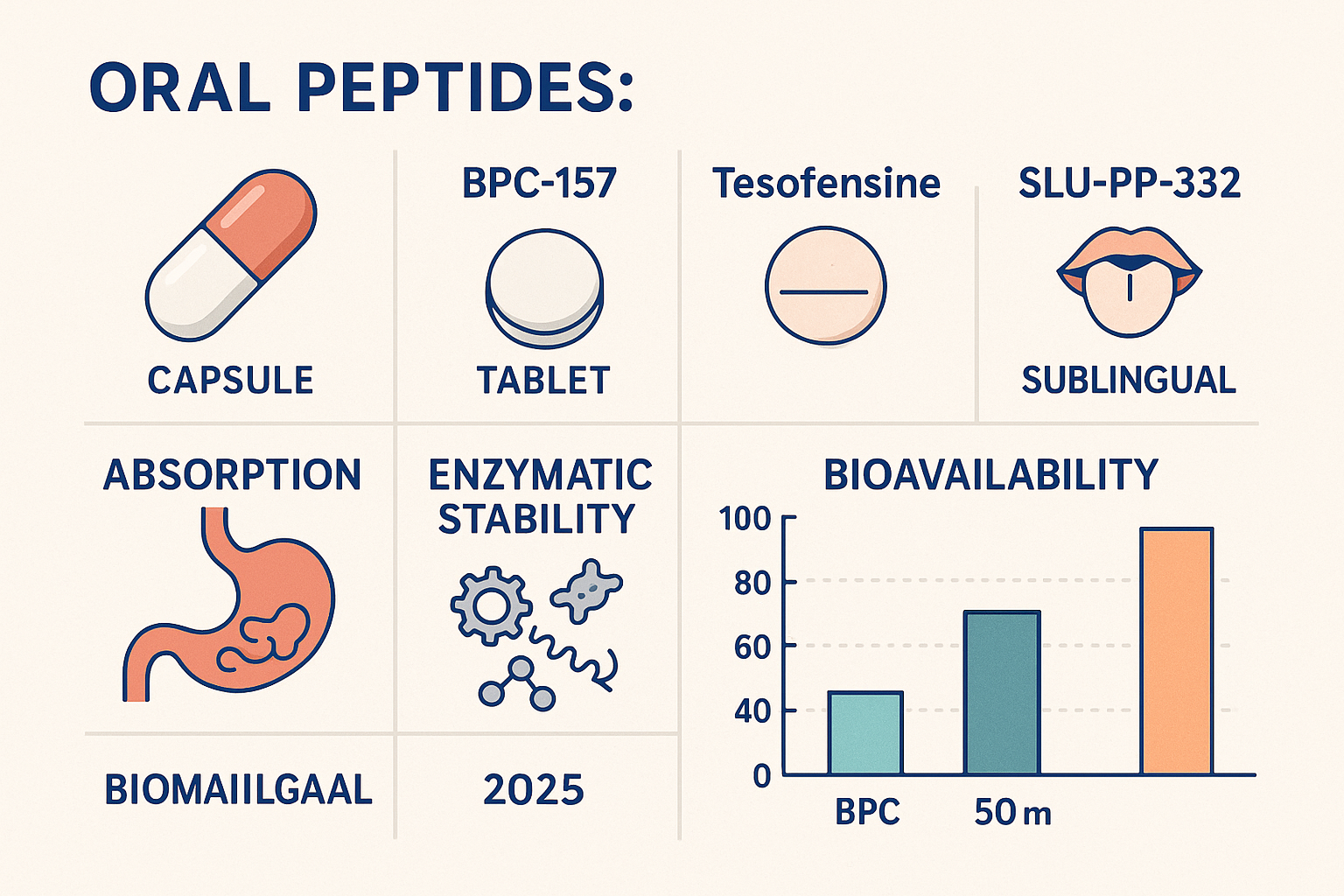
The development of SLU-pp-332 oral forms, particularly SLU-pp-332 pills and capsules, represents a significant leap forward in peptide delivery. While oral administration presents challenges due to the harsh environment of the digestive tract (enzymatic degradation, poor absorption), advancements in pharmaceutical formulation are overcoming these hurdles.

The benefits of oral slupp332 peptide forms in research are substantial:

  • Ease of Administration: Oral pills are far easier to administer than injections, especially in long-term studies or those involving a large number of subjects. This significantly reduces the training required for research personnel and can improve subject compliance in animal models.
  • Reduced Stress/Discomfort: For research animals, injections can be a source of stress. Oral administration is generally less invasive and can lead to more stable physiological responses.
  • Scalability: For future translational research or potential therapeutic applications, oral forms are generally preferred by patients due to their convenience and non-invasiveness.
  • Sustained Release Potential: Oral formulations can be engineered for sustained or controlled release, allowing for a more consistent presence of the peptide in the bloodstream over extended periods. This could be beneficial for studies investigating chronic effects.

The challenge with oral peptides lies in their bioavailability. Peptides are generally large molecules that are susceptible to degradation by stomach acid and digestive enzymes. They also have difficulty crossing the intestinal wall into the bloodstream. However, innovative formulation techniques—such as enteric coatings, permeation enhancers, and specific excipients—are making SLU-pp-332 oral delivery a viable option.

The Oral Breakthrough: A Turning Point

"I remember the buzz in the department when the first reports of a stable, bioavailable SLU-pp-332 pill formulation started circulating," recounted Dr. Elena Petrova, a pharmacologist specializing in drug delivery. "It changed the game for long-term metabolic studies. We could now plan experiments spanning weeks or months without the logistical nightmare of daily injections. It opened up entirely new avenues for understanding chronic ERRÎą activation."

Comparing the Forms: A Research Perspective

Here's a quick comparison of the two primary forms of SLU-pp-332 for research purposes:

Feature Injectable SLU-pp-332 SLU-pp-332 Oral (Pills/Capsules)
Bioavailability High (bypasses first-pass metabolism) Variable (depends on formulation, can be good with advanced forms)
Onset of Action Faster Slower, potentially sustained
Dosing Precision Very High High (once standardized)
Ease of Administration Requires training, more invasive Very Easy, non-invasive
Research Application Acute studies, precise timing, high control Chronic studies, large cohorts, ease of long-term use
Cost (Research) Potentially higher due to administration overhead Potentially lower for long-term, large-scale studies
Stability Requires careful storage after reconstitution Generally more stable due to solid form, longer shelf life

For researchers, the choice between injectable and SLU-pp-332 oral forms will depend on the specific objectives of their study. For initial mechanistic investigations requiring precise control and high bioavailability, injectable forms remain a gold standard. However, for long-term efficacy studies, dose-ranging, or research that benefits from less invasive administration, the advent of SLU-pp-332 pills offers compelling advantages. The synergy with other compounds, such as ATX-304, also presents fascinating research opportunities for combinatorial therapies, where different delivery methods might even be explored in conjunction.

Recommending Specific SLU-pp-332 Products for Research

A comparative infographic showcasing the benefits and administration routes of SLU-pp-332, specifically contrasting injectable forms with SL

At Pure Tested Peptides, we understand the critical need for high-quality, rigorously tested research compounds. For those looking to incorporate SLU-pp-332 into their studies, we offer various forms to suit different research designs and protocols. Our commitment to purity and transparency ensures that you receive compounds free from contaminants, providing reliable and reproducible results.

Injectable SLU-pp-332 Peptide: For Precision and Control

For studies demanding the highest bioavailability and precise control over dosing and timing, the injectable form of SLU-pp-332 remains the preferred choice. This format is ideal for:

  • Acute mechanistic studies: Rapidly observing cellular and physiological responses to ERRÎą activation.
  • Dose-response curve determination: Precisely titrating the peptide to understand optimal concentrations.
  • Comparative studies with other injectable peptides: Ensuring consistent administration methodology across different compounds.

Researchers can find our high-purity slupp332 peptide in lyophilized powder form, ready for reconstitution with bacteriostatic water. We provide detailed Certificates of Analysis (COA) for all our products, affirming their identity, purity, and concentration. This ensures that your research using SLU-pp-332 is built on a foundation of verifiable quality.

Exploring Oral SLU-pp-332: The Future of Convenient Research

The demand for convenient and less invasive research administration methods is growing. While specific SLU-pp-332 oral formulations, such as pre-formulated SLU-pp-332 pills or capsules, are still emerging in the broader research market, Pure Tested Peptides is at the forefront of providing quality peptides that researchers can use to develop their own oral delivery systems or for in vitro studies where an aqueous solution is sufficient.

For researchers interested in exploring oral applications, considerations include:

  • Developing custom formulations: Using raw slupp332 peptide powder to encapsulate or formulate for oral delivery, allowing for tailored research into bioavailability enhancements.
  • Long-term animal studies: Reducing the need for frequent injections, improving animal welfare, and streamlining protocol adherence.
  • Investigating pharmacokinetic profiles: Studying how the body absorbs, distributes, metabolizes, and excretes SLU-pp-332 when administered orally compared to injectables.

While dedicated, ready-to-use SLU-pp-332 pills for oral administration are still under intensive development and research validation, our core SLU-pp-332 peptide can serve as the foundational material for innovative oral delivery research. We encourage researchers to consult our comprehensive catalog tour for all available peptide options and to discuss specific needs with our team.

Quality Assurance: The Pure Tested Peptides Advantage

Regardless of the form, the integrity of your research hinges on the quality of your materials. Pure Tested Peptides prioritizes:

  • Third-Party Testing: All our peptides undergo rigorous third-party testing to verify purity and authenticity.
  • Transparent COAs: We provide easily accessible Certificates of Analysis for every batch.
  • Strict Storage and Handling: Our peptides are manufactured and stored under controlled conditions to maintain stability.

When conducting sensitive research with compounds like SLU-pp-332, choosing a reputable supplier is non-negotiable. Our commitment to baseline trends and data quality ensures that you can trust the materials you receive, allowing you to focus on the science rather than worrying about the purity of your compounds.

Potential Research Applications and Future Directions for SLU-pp-332

The excitement surrounding SLU-pp-332 stems from its profound impact on cellular metabolism. As research progresses in 2025, several key areas are emerging where this slupp332 peptide could offer significant insights and potential breakthroughs.

Enhancing Exercise Physiology and Performance

One of the most immediate and compelling areas of research for SLU-pp-332 is in exercise physiology. By promoting mitochondrial biogenesis and shifting metabolism towards fatty acid oxidation, SLU-pp-332 could potentially:

  • Improve Endurance Capacity: Studies could investigate whether SLU-pp-332 leads to longer sustained exercise, reduced fatigue, and faster recovery times.
  • Optimize Fuel Utilization: Research might explore how the peptide influences the body's preference for burning fat over carbohydrates during different intensities of exercise.
  • Increase Muscle Adaptations: Understanding if ERRÎą activation can enhance the positive adaptations of muscles to training, such as increased oxidative capacity and resistance to fatigue.

This area is particularly relevant for understanding human performance and could have implications for athletic training, though it is crucial to remember that SLU-pp-332 is strictly for research purposes.

Combating Metabolic Disorders

Metabolic dysfunction lies at the heart of many chronic diseases. SLU-pp-332's ability to regulate key metabolic pathways makes it a promising research candidate for conditions such as:

  • Obesity: By increasing fat burning and energy expenditure, SLU-pp-332 could be researched for its potential role in weight management.
  • Type 2 Diabetes: Improvements in glucose homeostasis and insulin sensitivity could be explored, offering new avenues for understanding glucose regulation.
  • Non-Alcoholic Fatty Liver Disease (NAFLD): The peptide's impact on lipid metabolism in the liver could be a focus of investigations.

Research in this domain aims to uncover novel therapeutic strategies by targeting the fundamental metabolic imbalances that characterize these widespread conditions.

Addressing Age-Related Decline (Sarcopenia and Frailty)

As the global population ages, age-related muscle loss (sarcopenia) and frailty become increasingly prevalent. These conditions are often linked to a decline in mitochondrial function and metabolic efficiency. Research into SLU-pp-332 could shed light on:

  • Preserving Muscle Mass and Strength: Investigating whether ERRÎą activation can mitigate age-related muscle atrophy and maintain muscle function.
  • Improving Mitochondrial Health in Older Tissues: Exploring the potential of SLU-pp-332 to restore or enhance mitochondrial quality and quantity in aging muscle cells.
  • Enhancing Overall Vitality: Studies might examine the broader impact of improved metabolic health on general well-being and functional capacity in aging models.

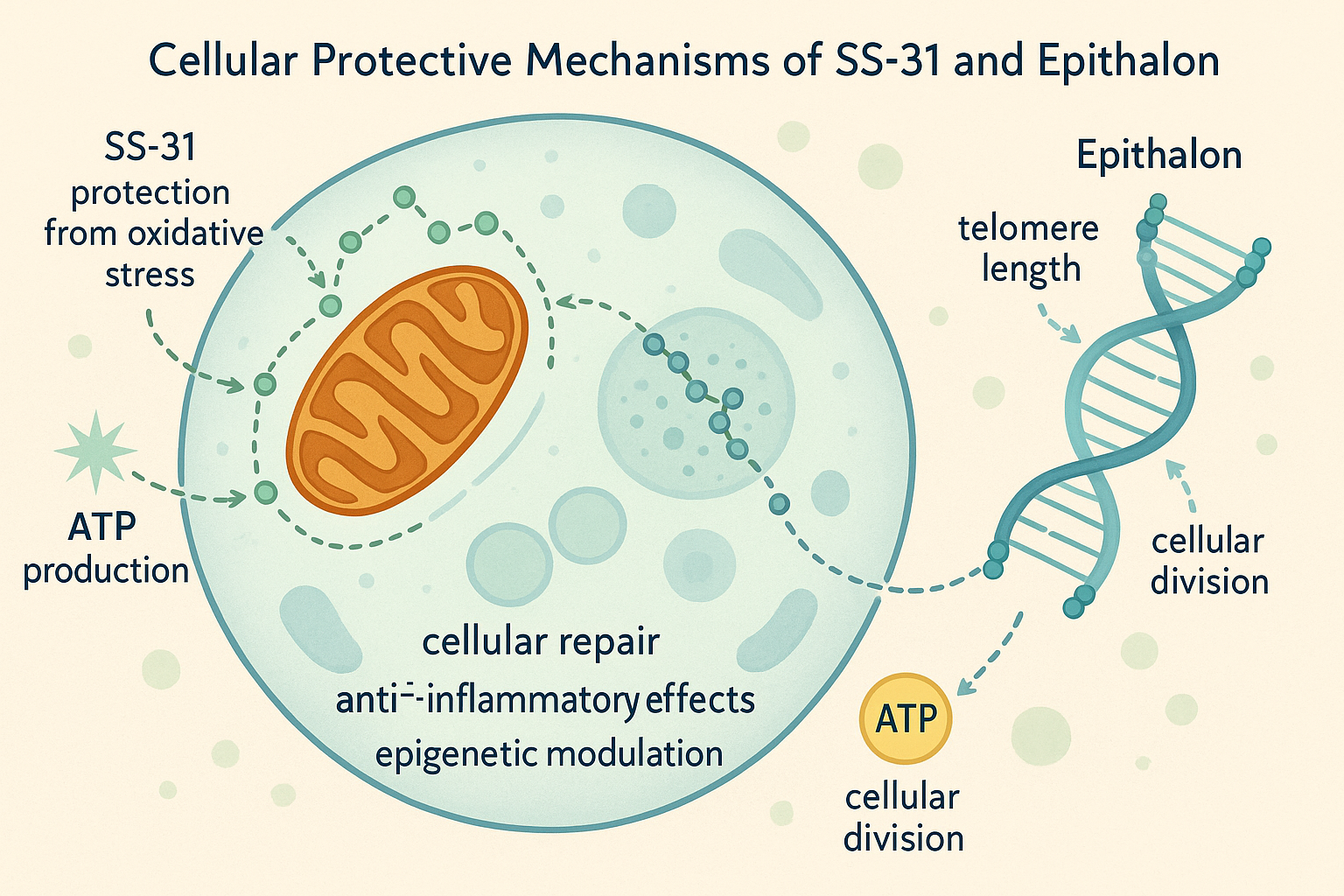
The prospect of enhancing cellular maintenance with peptide tools like SLU-pp-332 for an aging population is a compelling area of future study. Researchers might also be interested in other compounds known for their potential in cellular maintenance, such as Epithalon, which can be further explored at Epithalon peptides for sale.

Exploring Synergistic Effects

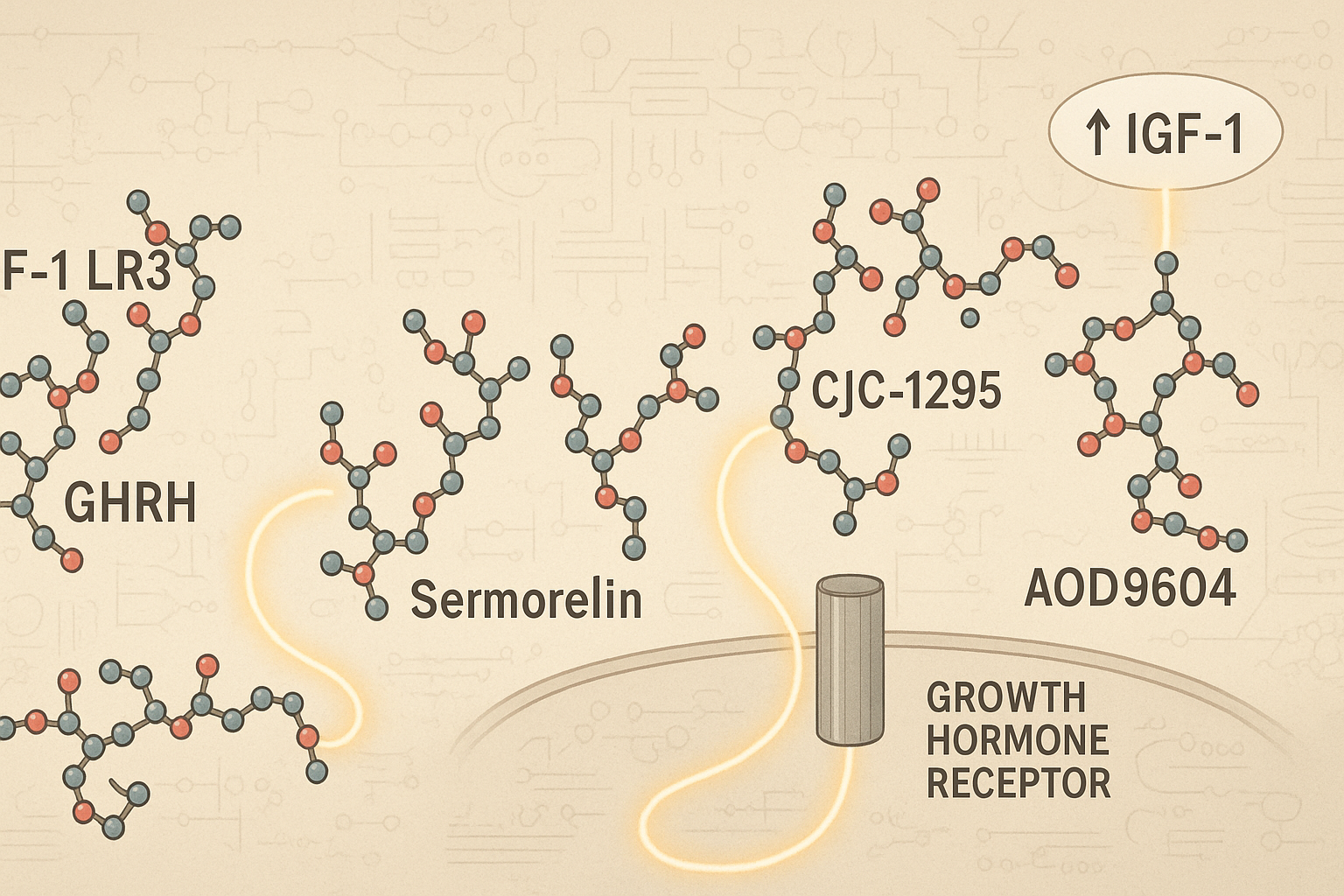
The field of peptide research is also keen on understanding how different compounds interact. Researchers are exploring the potential synergy of SLU-pp-332 with other peptides or metabolic modulators. For example, combining ERRÎą activation with growth hormone-releasing peptides like CJC-1295 might lead to enhanced anabolic or metabolic effects, creating more potent research tools. Understanding these peptide blends is an exciting frontier.

The Role of SLU-pp-332 Pills in Future Research

The advent of stable and bioavailable SLU-pp-332 pills will significantly broaden the scope of these research applications. Imagine the ease of conducting long-term dietary or lifestyle intervention studies where an oral peptide can be consistently administered without the complexities of injections. This could accelerate discoveries by allowing for:

  • Larger scale studies: Easier administration means more subjects can be included, leading to more robust statistical power.
  • More diverse research settings: Oral forms can be more readily integrated into various research environments.
  • Longer-duration studies: Chronic effects of ERRÎą activation can be thoroughly investigated over extended periods.

While injectable forms will always have their place, the convenience and potential for sustained release offered by SLU-pp-332 oral formulations are set to revolutionize how we approach certain types of peptide research in 2025 and beyond.

Conclusion

SLU-pp-332 stands out as a fascinating and powerful slupp332 peptide in the realm of metabolic research. Its highly selective agonism of ERRÎą positions it as a master switch for cellular energy metabolism, capable of upregulating critical pathways for mitochondrial biogenesis and fatty acid oxidation. From enhancing exercise endurance to potentially combating sarcopenia and metabolic disorders, the research landscape for SLU-pp-332 is vast and exciting.

The choice between injectable SLU-pp-332 and the emerging SLU-pp-332 oral forms, including SLU-pp-332 pills, offers researchers unparalleled flexibility. While injections provide precise control and high bioavailability for acute mechanistic studies, oral forms promise convenience, scalability, and sustained action for longer-term and broader investigations. As we move further into 2025, the advancements in oral peptide delivery will undoubtedly open new frontiers for understanding and harnessing the profound metabolic effects of this remarkable compound.

Researchers interested in contributing to this cutting-edge field are encouraged to source high-purity SLU-pp-332 from trusted suppliers like Pure Tested Peptides. Always prioritize quality, review comprehensive COAs, and ensure adherence to best practices for peptide handling and storage. The journey to unlock the full potential of SLU-pp-332 is just beginning, and the insights gained from rigorous research will undoubtedly reshape our understanding of metabolic health and performance.

Actionable Next Steps for Researchers:

  1. Define Your Research Question: Clearly outline whether your study requires acute, highly controlled interventions (favoring injectable) or long-term, convenient administration (exploring oral forms).
  2. Consult COAs: Before purchasing, thoroughly review the Certificate of Analysis for any SLU-pp-332 product to verify purity and concentration.
  3. Optimize Storage: Implement proper storage protocols for peptides (refrigeration/freezing, protected from light) to maintain their stability and efficacy throughout your research.
  4. Stay Updated: Continuously monitor new publications and research findings on SLU-pp-332 and ERRÎą agonists to inform your experimental design.
  5. Explore Synergies: Consider how SLU-pp-332 might interact with other research peptides to achieve more comprehensive metabolic outcomes.

**Meta Title:** SLU-pp-332 Research: Oral Pills, Injectables & Mechanisms (2025)
**Meta Description:** Explore SLU-pp-332 research, its ERRÎą mechanism, and benefits of SLU-pp-332 oral pills vs. injectables. Dive into this slupp332 peptide for 2025 studies.

Sending peptides for purity testing

Sending Peptides for Purity Testing: Ensuring Quality and Achieving 99% Purity Peptides in 2025

In the dynamic world of biochemical research, the integrity of your experimental results hinges on one critical factor: the purity of your reagents. For researchers working with peptides, the importance of robust peptide purity testing cannot be overstated. Imagine spending weeks or months on a groundbreaking study, only to discover that your peptide samples contained impurities that skewed your findings. This scenario, unfortunately, is a real risk if you don't prioritize testing peptide purity with certified methods. As we navigate 2025, the demand for reliable, high-quality research materials, particularly those guaranteeing 99% purity peptides, continues to escalate. This comprehensive guide will walk you through everything you need to know about sending peptides for purity testing, ensuring your research stands on a foundation of uncompromised quality.

Key Takeaways

  • Purity is Paramount: Impurities in peptides can severely compromise research integrity, leading to inaccurate results and wasted resources.
  • Gold Standard Methods: High-Performance Liquid Chromatography (HPLC) and Mass Spectrometry (MS) are the primary techniques for accurate peptide purity assessment.
  • Understanding the CoA: A Certificate of Analysis (CoA) is your assurance of quality, detailing purity levels, molecular weight, and any detected contaminants.
  • Choosing a Reputable Lab: Selecting a certified, experienced laboratory for peptide purity testing is crucial for reliable and reproducible results.
  • Proper Sample Preparation: Correct handling, packaging, and shipping are vital to maintain peptide stability and prevent degradation during transit.

The Critical Importance of Peptide Purity Testing for Research Integrity

A highly detailed laboratory scene demonstrating peptide purity testing using High-Performance Liquid Chromatography (HPLC). The image shoul

The scientific landscape of 2025 is characterized by an increasing drive for precision and reproducibility. In this environment, the quality of your peptide samples is not just a preference; it's a fundamental requirement. Peptides, as short chains of amino acids, are complex molecules used in a vast array of research, from drug discovery and development to understanding cellular processes. Their specific biological activity is often highly dependent on their exact amino acid sequence and structural integrity. Even minor impurities can drastically alter how a peptide behaves in an experimental setting.

Think of it like this: A chef meticulously follows a recipe, expecting a specific outcome. If one of the key ingredients is unknowingly tainted, the final dish will not only taste different but could also be inedible. Similarly, in research, if a peptide intended to bind to a specific receptor contains an impurity that also binds (or inhibits binding), your experimental observations will be misleading.

What Constitutes "Impurity" in Peptides?

Impurities in peptide synthesis can come in several forms:

  • Truncated Sequences: Peptides that are shorter than the intended sequence due to incomplete coupling reactions.
  • Deletion Sequences: Missing one or more amino acids within the sequence.
  • Insertion Sequences: Extra amino acids incorporated into the sequence.
  • Side Chain Modifications: Unwanted changes to the amino acid side chains during synthesis or handling.
  • Racemization: Conversion of an L-amino acid to a D-amino acid, altering the peptide's stereochemistry and potentially its activity.
  • Residual Solvents and Reagents: Leftover chemicals from the synthesis process.
  • Salts and Water: Though often less problematic, high concentrations can affect accurate weighing and formulation.

The presence of any of these contaminants, even in small amounts, can have significant implications for your research. For instance, a researcher studying the effects of BPC-157 on tissue repair would need absolute certainty that their BPC-157 sample is indeed BPC-157 and not a mixture of truncated peptides that might exhibit different, or even detrimental, effects. This is why testing peptide purity is an indispensable step.

"In the complex world of peptide research, purity isn't a luxury, it's the bedrock of credible scientific discovery. Without rigorous peptide purity testing, you're building on sand." đŸ”Ŧ

The Impact on Research Outcomes

Consider a scenario in 2025 where a pharmaceutical company is investing heavily in a novel peptide-based therapeutic. Early-stage research requires precise data to demonstrate efficacy and safety. If the initial research used peptides with, say, 85% purity instead of the desired 99%, the observed biological activity might be attributed to the intended peptide when, in reality, contaminants are influencing the results. This could lead to:

  • False Positives/Negatives: Incorrectly concluding that a peptide has or lacks a certain effect.
  • Inconsistent Results: Inability to reproduce findings across different experiments or labs.
  • Increased Costs: Wasted reagents, time, and resources on experiments based on unreliable materials.
  • Safety Concerns: In therapeutic applications, impurities could lead to adverse reactions.
  • Delayed Progress: Setbacks in drug development or fundamental scientific understanding.

Therefore, ensuring 99% purity peptides through diligent peptide purity testing is not merely a best practice; it is an ethical imperative and a cornerstone of sound scientific methodology. This rigorous approach is particularly crucial when dealing with complex peptide blends like CJC-1295 Plus Ipamorelin or when exploring adaptive capacity and peptide mapping.

Understanding Peptide Purity Testing Methodologies

When you decide to send peptides for purity testing, it’s essential to understand the primary analytical techniques laboratories employ. These methods are designed to separate and identify components within a sample, providing a detailed profile of its composition. The most common and reliable methods for testing peptide purity are High-Performance Liquid Chromatography (HPLC) and Mass Spectrometry (MS).

High-Performance Liquid Chromatography (HPLC)

HPLC is considered the gold standard for peptide purity testing. It's a powerful analytical technique used to separate, identify, and quantify each component in a mixture.

How it Works:

  1. Sample Injection: A small amount of the dissolved peptide sample is injected into the HPLC system.
  2. Separation Column: The sample is pushed by a liquid mobile phase through a column packed with a stationary phase (typically silica-based particles). The stationary phase has specific chemical properties (e.g., reverse-phase, where it’s hydrophobic).
  3. Differential Interaction: As the peptide and its impurities pass through the column, they interact differently with the stationary phase based on their chemical properties (e.g., hydrophobicity, charge, size).
  4. Elution and Detection: Components that interact less with the stationary phase move faster and elute first, while those that interact more are retained longer. As each component elutes from the column, it passes through a detector (commonly UV-Vis), which measures its absorbance.
  5. Chromatogram Generation: The detector generates a chromatogram – a graph plotting signal intensity against time. Each peak on the chromatogram represents a different compound. The area under each peak is proportional to the concentration of that compound.

Interpreting HPLC Results:

A typical HPLC chromatogram for a highly pure peptide will show one dominant, sharp peak, representing the target peptide, and ideally very small or no other peaks, which would indicate impurities. The purity is calculated as the area of the main peptide peak divided by the total area of all peaks in the chromatogram, expressed as a percentage. For example, if the main peak constitutes 99% of the total area, you have 99% purity peptides.

Advantages of HPLC for Peptide Purity Testing:

  • High Resolution: Excellent separation capabilities for closely related compounds.
  • Quantitative: Provides accurate percentages of each component.
  • Versatile: Can be optimized for a wide range of peptide sizes and chemistries.

Limitations:

  • Co-elution: Sometimes, two different impurities might elute at the same time, appearing as a single peak, which can slightly overestimate purity.
  • Does Not Identify Structure: While it tells you how much of a component is present, it doesn't definitively tell you what that component is. This is where Mass Spectrometry comes in.

Mass Spectrometry (MS)

Mass Spectrometry is often used in conjunction with HPLC (LC-MS) to provide definitive identification of the components separated by HPLC.

How it Works:

  1. Ionization: Peptides are first ionized (given an electrical charge) in a vacuum.
  2. Mass-to-Charge Ratio (m/z) Separation: The ionized peptides are then accelerated through an electric or magnetic field. Their flight path or time of flight is dependent on their mass-to-charge ratio (m/z).
  3. Detection: A detector measures the m/z ratio of each ion.

Interpreting MS Results:

The MS spectrum shows a series of peaks, each corresponding to a specific m/z ratio. By analyzing these peaks, researchers can determine the molecular weight of the peptide and its impurities. This is crucial for confirming the correct peptide sequence and identifying any truncated or modified forms. For example, if your target peptide has a theoretical molecular weight of 2000 Da, and MS shows a dominant peak at 2000 Da and smaller peaks at 1800 Da, the latter could indicate a deletion sequence.

Advantages of MS for Peptide Purity Testing:

  • Structural Confirmation: Provides definitive molecular weight information, crucial for identifying what the impurities are.
  • High Sensitivity: Can detect very low levels of impurities.
  • Complementary to HPLC: When coupled (LC-MS), it offers both separation and identification capabilities, making it a powerful tool for thorough testing peptide purity.

Other Techniques

While HPLC and MS are the primary tools, other techniques may be used for specific analyses:

  • Amino Acid Analysis (AAA): Confirms the amino acid composition of the peptide.
  • Karl Fischer Titration: Measures water content.
  • Endotoxin Testing: Crucial for peptides intended for in vivo studies, as endotoxins can elicit strong immune responses.

By utilizing these advanced analytical methods, reputable laboratories can provide a comprehensive assessment, ensuring the quality and integrity of your research materials, leading to confidence in your 99% purity peptides. Researchers often use these methods to verify the quality of peptides like Epithalon or to compare different peptide formulations.

The Certificate of Analysis (CoA): Your Quality Guarantee

When you send peptides for purity testing, the most important document you will receive back is the Certificate of Analysis (CoA). This document is your official confirmation of the peptide's quality, purity, and identity. Understanding how to read and interpret a CoA is crucial for any researcher.

What to Expect on a CoA

A comprehensive CoA for a peptide should include the following information:

  1. Product Information:

    • Peptide Name: The full name of the peptide (e.g., BPC-157).
    • CAS Number: Chemical Abstracts Service registry number, a unique identifier.
    • Lot Number: A specific identifier for the batch of peptide, allowing for traceability.
    • Catalog Number: The supplier's internal product code.
    • Sequence: The amino acid sequence of the peptide.
    • Molecular Weight: The calculated molecular weight.
  2. Analytical Results:

    • HPLC Purity: This is typically the most prominent metric. It will state the percentage purity determined by HPLC. A high-quality CoA will show figures like >98% or >99% purity peptides.
    • Mass Spectrometry (MS) Data: Often includes the observed molecular mass, which should match the theoretical molecular weight. A diagram or table of the MS results might also be included.
    • Water Content: Measured by Karl Fischer titration, typically expressed as a percentage. Excessive water can dilute the peptide and affect its stability.
    • Acetate/Counterion Content: Peptides are often synthesized as acetate salts. The percentage of acetate or other counterions will be listed.
    • Amino Acid Analysis (AAA): May be included to confirm the amino acid composition.
    • Endotoxin Level: Crucial for in vivo research, typically expressed in Endotoxin Units (EU) per milligram (e.g., < 1 EU/mg).
  3. Storage and Handling Recommendations:

    • Specific instructions for storing the peptide (e.g., -20°C, desiccated) to maintain its stability.
    • Recommendations for reconstitution and handling. (For more details, see Best Practices for Storing Research Peptides).
  4. Date of Analysis and Analyst Signature: Confirms when the testing was performed and by whom, adding to the document's authenticity.

An Anecdote: The Case of the Missing Peak

Dr. Aris, a young biochemist in 2025, was excited to begin a new study on a promising peptide, 5-amino-1MQ. He purchased a batch online, and it arrived quickly. The accompanying CoA stated 95% purity by HPLC. Confident, he proceeded with his experiments. However, his initial results were inconsistent, defying established literature. Frustrated, he decided to send a sample for independent peptide purity testing at a third-party lab.

The new CoA came back, revealing a different story. While the main peak was indeed 5-amino-1MQ at 90% purity, there was a significant additional peak, representing 8% of the total area, which the accompanying MS analysis identified as a known inhibitor of the target pathway! The original CoA had either missed it or deliberately obscured it. Dr. Aris realized his initial "95% pure" peptide was, in effect, only 90% active material mixed with a potent contaminant. This experience underscored the absolute necessity of reliable testing peptide purity and the importance of critically evaluating every CoA, especially when purchasing research materials. This experience led him to look for suppliers who emphasize 5-amino-1mq peptides for sale with robust verification.

What Makes a Good CoA?

A reliable CoA is:

  • Comprehensive: Contains all the details listed above.
  • Transparent: Clearly shows the chromatograms and MS spectra, not just the numbers.
  • Traceable: Links directly to a specific lot number.
  • Recent: Analysis dates should be reasonably current, especially for more sensitive peptides.
  • From a Reputable Source: Issued by an accredited laboratory with a proven track record.

Always scrutinize the CoA you receive. If anything looks incomplete, generic, or lacks detailed analytical data, it's a red flag. For researchers committed to the highest standards, choosing suppliers like Pure Tested Peptides who provide transparent COAs and prioritize 99% purity peptides is non-negotiable.

Choosing a Reputable Laboratory for Peptide Purity Testing

The reliability of your peptide purity testing is directly tied to the competence and integrity of the laboratory you choose. In 2025, with many options available, discerning a truly reputable service provider is key.

Qualities of an Excellent Peptide Testing Lab

When selecting a lab to send your peptides for analysis, look for the following characteristics:

  1. Accreditation and Certification:

    • ISO 17025 Accreditation: This international standard specifies the general requirements for the competence of testing and calibration laboratories. It signifies that the lab has a robust quality management system and is technically competent to produce precise and accurate test results. This is a crucial indicator of reliability for testing peptide purity.
    • GMP (Good Manufacturing Practices) Compliance: While more focused on manufacturing, labs that adhere to GMP principles often have stricter quality control measures in place, which benefits analytical services.
  2. Expertise and Experience:

    • Specialization in Peptides: Look for labs that specifically advertise expertise in peptide analysis, as peptides can be challenging to work with due to their diverse properties.
    • Experienced Staff: Inquire about the experience and qualifications of their analytical chemists and technicians. They should be well-versed in HPLC, MS, and other relevant techniques.
  3. State-of-the-Art Equipment:

    • The lab should possess modern, well-maintained analytical instrumentation, including high-resolution HPLC systems (e.g., UPLC for faster analysis), advanced mass spectrometers (e.g., Q-TOF, Orbitrap for higher accuracy), and other supporting equipment. Outdated equipment can lead to less precise or inaccurate results.
  4. Comprehensive Service Offerings:

    • Beyond basic purity, can they perform amino acid analysis, water content, endotoxin testing, and counterion analysis? A full suite of services ensures you get a complete picture of your peptide's quality.
  5. Transparent Reporting:

    • A good lab will provide a detailed CoA, including raw chromatograms and MS spectra, not just summarized data. They should be willing to explain their results and answer any questions you have.
  6. Quick Turnaround Time (TAT) and Communication:

    • While precision should not be sacrificed for speed, a reputable lab will offer reasonable TATs and keep you informed about the progress of your samples. Clear and timely communication is a sign of professionalism.
  7. Confidentiality and Data Security:

    • Ensure the lab has robust policies in place to protect your intellectual property and experimental data.

Questions to Ask Potential Labs

Before committing to a lab, consider asking these questions:

  • "Are you ISO 17025 accredited for peptide analysis?"
  • "What specific HPLC and MS instruments do you use for peptide purity testing?"
  • "Can you provide an example CoA for a peptide analysis, including raw data?"
  • "What is your typical turnaround time for peptide purity analysis?"
  • "What are your sample submission requirements (e.g., minimum quantity, required concentration)?"
  • "How do you ensure sample integrity during testing?"
  • "What quality control measures do you have in place?"

By thoroughly vetting potential laboratories, you can confidently send peptides for purity testing, knowing that you will receive accurate and reliable results that stand up to scientific scrutiny. This diligent approach is critical, whether you're researching 5-amino-1MQ or exploring complex peptide blends for research.

Preparing and Sending Your Peptide Samples for Purity Testing

An infographic illustrating the journey of a peptide sample from receipt at a laboratory to the issuance of a Certificate of Analysis (CoA).

Proper sample preparation and shipping are just as important as the analytical methods themselves. Mishandling can degrade your peptide, leading to inaccurate purity readings or even rendering your sample unusable. Here’s a step-by-step guide to ensure your samples arrive at the lab in optimal condition.

Step 1: Handling and Storage Prior to Shipping

  • Maintain Cold Chain: Most peptides are sensitive to heat and light. Keep your peptide samples stored according to the manufacturer's recommendations (typically -20°C or colder, desiccated) until just before packaging. Avoid repeated freeze-thaw cycles.
  • Minimize Exposure: When handling, work quickly and in a clean environment. Use sterile tools. Peptides can be susceptible to degradation from moisture, oxygen, and certain plastics.
  • Record Keeping: Label your vials clearly with the peptide name, lot number, date, and your internal reference number. Maintain a detailed log of your peptide inventory.

Step 2: Sample Preparation for Shipment

  • Choose Appropriate Vials: Use clean, dry, screw-cap vials (e.g., borosilicate glass vials with PTFE-lined caps) that are certified for laboratory use. Avoid plastic vials if there's a risk of peptide adsorption or leaching of plasticizers.
  • Quantity: Confirm the minimum quantity required by the testing laboratory. Typically, a few milligrams (e.g., 2-5 mg) is sufficient for initial purity testing.
  • Formulation: Peptides are often shipped as lyophilized (freeze-dried) powders, which are generally more stable. If your peptide is in solution, consider lyophilizing it before shipment if the lab recommends it, or discuss appropriate liquid shipping protocols. If shipping in solution, ensure the solvent is compatible and stable, and the concentration is known.

Step 3: Packaging for Shipment

The goal is to protect the peptide from physical damage, temperature fluctuations, and moisture during transit.

  1. Primary Container: Place each peptide vial into a secondary, sealed container (e.g., a small plastic zip-lock bag) to contain any leakage and protect it from condensation.
  2. Absorbent Material: Include absorbent material (e.g., paper towels, cotton wool) within the secondary container.
  3. Insulated Container: Place the sealed secondary containers into an insulated shipping box or Styrofoam cooler.
  4. Cold Packs/Dry Ice:
    • For Refrigerated Peptides: Use gel packs or frozen ice packs. Ensure they are completely frozen before packing.
    • For Frozen Peptides (especially sensitive ones): Use dry ice. Pack enough dry ice to last for at least 24-48 hours longer than the estimated transit time, as dry ice sublimates. Wear appropriate PPE (gloves, eye protection) when handling dry ice, and ensure the shipping container is vented to prevent pressure buildup.
  5. Cushioning Material: Fill any empty space in the insulated container with cushioning material (e.g., bubble wrap, foam peanuts) to prevent vials from shifting and breaking.
  6. Documentation: Include all necessary documentation inside a separate waterproof bag within the shipping box, including:
    • A packing list: Itemizing each peptide sample.
    • Your contact information.
    • The laboratory's submission form: Often provided by the lab, detailing the tests requested for each sample.

Step 4: Shipping Logistics

  • Choose a Reliable Carrier: Use reputable courier services known for handling temperature-sensitive biological samples (e.g., FedEx, UPS, DHL).
  • Expedited Shipping: Always opt for overnight or expedited shipping to minimize transit time and temperature exposure.
  • Tracking: Ensure you get a tracking number and monitor the shipment's progress.
  • Customs Declarations (International Shipments): For international shipments, declare the contents accurately (e.g., "Research Samples – Non-hazardous – Non-infectious") to avoid delays. Provide proper documentation for customs.

Pro Tip: "Always communicate with the receiving laboratory before shipping your samples. They can provide specific instructions, submission forms, and best practices tailored to their facility."

By following these meticulous steps, you significantly increase the chances of your peptide samples arriving at the testing facility intact and ready for accurate peptide purity testing, ensuring that the results reflect the true quality of your 99% purity peptides. This level of care is essential for any serious research, whether you are dealing with common peptides or researching complex interactions like the synergy of LL37 and mots-c.

Interpreting Your Peptide Purity Results and Taking Action

Once your samples have been analyzed, and you receive the Certificate of Analysis (CoA), the next crucial step is to correctly interpret the data and decide on your next actions. Understanding these results is vital for maintaining the integrity of your research in 2025.

What Does the Purity Percentage Really Mean?

As discussed, the HPLC purity percentage indicates the proportion of the main peptide peak relative to all other detected peaks.

  • 99%+ Purity: This is the ideal scenario for 99% purity peptides. Such samples are considered extremely high quality and suitable for virtually any research application, including highly sensitive in vivo studies. You can proceed with your experiments with high confidence.
  • 95-98% Purity: These peptides are still considered very good quality. For many in vitro applications or initial screening studies, this level of purity may be acceptable. However, for critical dose-response studies or in vivo work, it's essential to consider the nature of the impurities. Are they related sequences that might have some activity, or are they inert? The MS data becomes critical here.
  • Below 95% Purity: For most serious research, a peptide with purity below 95% should be viewed with caution. The presence of significant impurities (5% or more) can confound results, making it difficult to attribute observed effects solely to the intended peptide.
    • Action: If your peptide falls into this category, you have a few options:
      • Discuss with the Lab: Get detailed information on the identified impurities from the MS data.
      • Repurification: Some specialized labs can offer custom repurification services if the impurity profile is amenable. However, this can be costly.
      • Re-order from a Different Supplier: If the cost of repurification is prohibitive or the impurities are too complex, it might be more economical and reliable to source new peptide from a different, more reputable supplier that guarantees 99% purity peptides.

Considering Related Impurities

The quality of the MS data is paramount when dealing with purities below 99%. Sometimes, the "impurities" detected by HPLC are closely related peptide fragments (e.g., a one-amino-acid deletion) that might still exhibit some biological activity, albeit altered. In other cases, the impurities might be entirely unrelated synthetic byproducts or even degradation products.

  • Example: If you're researching AOD-9604, and the CoA shows 96% purity with a 3% impurity identified as a very similar AOD-9604 analog, your experimental results might still be interpretable, but with a note of caution regarding potential cross-reactivity or altered potency. However, if the 3% impurity is a completely unrelated compound, your confidence in the results would be significantly lower.

Beyond Purity: Other CoA Factors

Remember to look at other critical parameters on your CoA:

  • Water Content: High water content means you're paying for water, not peptide. It also reduces the stability of lyophilized peptides. Factor this into your calculations for reconstituting the peptide.
  • Counterion Content: The counterion (e.g., acetate, TFA) can also contribute to the "non-peptide" mass. While generally less concerning than peptide impurities, it's good to be aware of the actual peptide content.
  • Endotoxin Levels: For in vivo studies, even highly pure peptides must be low in endotoxins. If the endotoxin level is too high, the peptide is unsuitable for animal or cell culture studies unless specifically treated.

Actionable Next Steps

  1. Document and Cross-Reference: File your CoA with your peptide inventory. Cross-reference the lot number with your experimental records.
  2. Adjust Concentrations: If the purity is less than 100%, adjust your working stock concentrations accordingly to ensure you are adding the precise amount of the active peptide. For example, if you aim for 1 ÂĩM and your peptide is 95% pure, you'll need to add slightly more of the raw material to achieve the true 1 ÂĩM active peptide concentration.
  3. Source Wisely for Future: If you received unsatisfactory results, re-evaluate your peptide supplier. Look for vendors who explicitly state they provide 99% purity peptides and back it up with transparent, third-party COAs. Many researchers depend on verified sources for compounds like CJC-1295 without DAC.
  4. Consider Repurification: For very specific, valuable peptides with known but manageable impurities, consider sending them for repurification if the cost-benefit analysis makes sense for your research.
  5. Ethical Considerations: If you suspect a supplier is providing misleading purity data, consider reporting it to relevant scientific bodies or reviewing platforms to protect other researchers.

By diligently interpreting your peptide purity testing results and taking appropriate action, you uphold the scientific rigor of your research and ensure that your findings are reliable and reproducible. This commitment to quality is what drives true innovation in 2025 and beyond.

Conclusion

In the competitive and rigorous landscape of scientific research in 2025, the pursuit of precision and reliability is paramount. For anyone working with peptides, the quality of your materials directly translates to the integrity and reproducibility of your experimental outcomes. Sending peptides for purity testing is not merely an optional step; it is a fundamental requirement for any researcher dedicated to generating credible, publishable results.

We've explored why peptide purity testing is so critical, delving into the nuances of impurities and their potential to derail promising studies. We've demystified the analytical powerhouse duo of HPLC and Mass Spectrometry, the backbone of accurate testing peptide purity, and dissected the Certificate of Analysis (CoA) as your ultimate assurance of quality. Furthermore, we've provided a comprehensive guide to selecting a reputable laboratory and meticulously preparing your precious samples for shipment, ensuring they arrive ready for analysis. Finally, we've walked through the crucial process of interpreting your purity results and outlined actionable steps to safeguard your research.

The investment in ensuring 99% purity peptides through rigorous testing is an investment in your research, your reputation, and the advancement of science itself. Don't let unforeseen impurities compromise your hard work. Prioritize quality, demand transparency, and always verify your peptide samples.

Actionable Next Steps for Researchers:

  1. Audit Your Suppliers: Review your current peptide suppliers. Do they provide comprehensive, verifiable COAs for their products? If not, consider switching to providers known for their commitment to quality and transparency, such as those found on Pure Tested Peptides.
  2. Plan for Testing: Incorporate third-party peptide purity testing into your research workflow, especially for critical experiments or when sourcing from new suppliers. Budget for this essential quality control step.
  3. Educate Your Team: Ensure everyone in your lab understands the importance of peptide purity, proper handling, and the interpretation of COAs.
  4. Stay Informed: Keep abreast of advancements in peptide synthesis and analytical techniques. The field is constantly evolving, and staying informed will help you make the best decisions for your research.

By embracing these practices, you can confidently navigate the complexities of peptide research in 2025, knowing that your findings are built upon the solid foundation of high-quality, rigorously tested materials. Your commitment to precision will undoubtedly accelerate discovery and contribute meaningfully to scientific progress.

References

[1] Hancock, W. S. (2002). Peptide Analysis. eLS.
[2] Kinter, M., & Sherman, N. E. (2000). Protein Sequencing and Identification Using Tandem Mass Spectrometry. John Wiley & Sons.
[3] European Pharmacopoeia 10.0 (2020). 5.1.10. Guidelines for the quality of non-compendial products. EDQM.

SEO Meta Title: Peptide Purity Testing: Ensure 99% Pure Peptides in 2025
SEO Meta Description: Learn to send peptides for purity testing in 2025. Discover HPLC/MS methods, interpret COAs, and ensure 99% purity peptides for reliable research results.

Sending peptides for purity testing

Sending Peptides for Purity Testing: Ensuring Quality and Achieving 99% Purity Peptides in 2025

In the dynamic world of biochemical research, the integrity of your experimental results hinges on one critical factor: the purity of your reagents. For researchers working with peptides, the importance of robust peptide purity testing cannot be overstated. Imagine spending weeks or months on a groundbreaking study, only to discover that your peptide samples contained impurities that skewed your findings. This scenario, unfortunately, is a real risk if you don’t prioritize testing peptide purity with certified methods. As we navigate 2025, the demand for reliable, high-quality research materials, particularly those guaranteeing 99% purity peptides, continues to escalate. This comprehensive guide will walk you through everything you need to know about sending peptides for purity testing, ensuring your research stands on a foundation of uncompromised quality.

Key Takeaways

  • Purity is Paramount: Impurities in peptides can severely compromise research integrity, leading to inaccurate results and wasted resources.
  • Gold Standard Methods: High-Performance Liquid Chromatography (HPLC) and Mass Spectrometry (MS) are the primary techniques for accurate peptide purity assessment.
  • Understanding the CoA: A Certificate of Analysis (CoA) is your assurance of quality, detailing purity levels, molecular weight, and any detected contaminants.
  • Choosing a Reputable Lab: Selecting a certified, experienced laboratory for peptide purity testing is crucial for reliable and reproducible results.
  • Proper Sample Preparation: Correct handling, packaging, and shipping are vital to maintain peptide stability and prevent degradation during transit.

The Critical Importance of Peptide Purity Testing for Research Integrity

A highly detailed laboratory scene demonstrating peptide purity testing using High-Performance Liquid Chromatography (HPLC). The image shoul

The scientific landscape of 2025 is characterized by an increasing drive for precision and reproducibility. In this environment, the quality of your peptide samples is not just a preference; it’s a fundamental requirement. Peptides, as short chains of amino acids, are complex molecules used in a vast array of research, from drug discovery and development to understanding cellular processes. Their specific biological activity is often highly dependent on their exact amino acid sequence and structural integrity. Even minor impurities can drastically alter how a peptide behaves in an experimental setting.

Think of it like this: A chef meticulously follows a recipe, expecting a specific outcome. If one of the key ingredients is unknowingly tainted, the final dish will not only taste different but could also be inedible. Similarly, in research, if a peptide intended to bind to a specific receptor contains an impurity that also binds (or inhibits binding), your experimental observations will be misleading.

What Constitutes “Impurity” in Peptides?

Impurities in peptide synthesis can come in several forms:

  • Truncated Sequences: Peptides that are shorter than the intended sequence due to incomplete coupling reactions.
  • Deletion Sequences: Missing one or more amino acids within the sequence.
  • Insertion Sequences: Extra amino acids incorporated into the sequence.
  • Side Chain Modifications: Unwanted changes to the amino acid side chains during synthesis or handling.
  • Racemization: Conversion of an L-amino acid to a D-amino acid, altering the peptide’s stereochemistry and potentially its activity.
  • Residual Solvents and Reagents: Leftover chemicals from the synthesis process.
  • Salts and Water: Though often less problematic, high concentrations can affect accurate weighing and formulation.

The presence of any of these contaminants, even in small amounts, can have significant implications for your research. For instance, a researcher studying the effects of BPC-157 on tissue repair would need absolute certainty that their BPC-157 sample is indeed BPC-157 and not a mixture of truncated peptides that might exhibit different, or even detrimental, effects. This is why testing peptide purity is an indispensable step.

“In the complex world of peptide research, purity isn’t a luxury, it’s the bedrock of credible scientific discovery. Without rigorous peptide purity testing, you’re building on sand.” đŸ”Ŧ

The Impact on Research Outcomes

Consider a scenario in 2025 where a pharmaceutical company is investing heavily in a novel peptide-based therapeutic. Early-stage research requires precise data to demonstrate efficacy and safety. If the initial research used peptides with, say, 85% purity instead of the desired 99%, the observed biological activity might be attributed to the intended peptide when, in reality, contaminants are influencing the results. This could lead to:

  • False Positives/Negatives: Incorrectly concluding that a peptide has or lacks a certain effect.
  • Inconsistent Results: Inability to reproduce findings across different experiments or labs.
  • Increased Costs: Wasted reagents, time, and resources on experiments based on unreliable materials.
  • Safety Concerns: In therapeutic applications, impurities could lead to adverse reactions.
  • Delayed Progress: Setbacks in drug development or fundamental scientific understanding.

Therefore, ensuring 99% purity peptides through diligent peptide purity testing is not merely a best practice; it is an ethical imperative and a cornerstone of sound scientific methodology. This rigorous approach is particularly crucial when dealing with complex peptide blends like CJC-1295 Plus Ipamorelin or when exploring adaptive capacity and peptide mapping.

Understanding Peptide Purity Testing Methodologies

When you decide to send peptides for purity testing, it’s essential to understand the primary analytical techniques laboratories employ. These methods are designed to separate and identify components within a sample, providing a detailed profile of its composition. The most common and reliable methods for testing peptide purity are High-Performance Liquid Chromatography (HPLC) and Mass Spectrometry (MS).

High-Performance Liquid Chromatography (HPLC)

HPLC is considered the gold standard for peptide purity testing. It’s a powerful analytical technique used to separate, identify, and quantify each component in a mixture.

How it Works:

  1. Sample Injection: A small amount of the dissolved peptide sample is injected into the HPLC system.
  2. Separation Column: The sample is pushed by a liquid mobile phase through a column packed with a stationary phase (typically silica-based particles). The stationary phase has specific chemical properties (e.g., reverse-phase, where it’s hydrophobic).
  3. Differential Interaction: As the peptide and its impurities pass through the column, they interact differently with the stationary phase based on their chemical properties (e.g., hydrophobicity, charge, size).
  4. Elution and Detection: Components that interact less with the stationary phase move faster and elute first, while those that interact more are retained longer. As each component elutes from the column, it passes through a detector (commonly UV-Vis), which measures its absorbance.
  5. Chromatogram Generation: The detector generates a chromatogram – a graph plotting signal intensity against time. Each peak on the chromatogram represents a different compound. The area under each peak is proportional to the concentration of that compound.

Interpreting HPLC Results:

A typical HPLC chromatogram for a highly pure peptide will show one dominant, sharp peak, representing the target peptide, and ideally very small or no other peaks, which would indicate impurities. The purity is calculated as the area of the main peptide peak divided by the total area of all peaks in the chromatogram, expressed as a percentage. For example, if the main peak constitutes 99% of the total area, you have 99% purity peptides.

Advantages of HPLC for Peptide Purity Testing:

  • High Resolution: Excellent separation capabilities for closely related compounds.
  • Quantitative: Provides accurate percentages of each component.
  • Versatile: Can be optimized for a wide range of peptide sizes and chemistries.

Limitations:

  • Co-elution: Sometimes, two different impurities might elute at the same time, appearing as a single peak, which can slightly overestimate purity.
  • Does Not Identify Structure: While it tells you how much of a component is present, it doesn’t definitively tell you what that component is. This is where Mass Spectrometry comes in.

Mass Spectrometry (MS)

Mass Spectrometry is often used in conjunction with HPLC (LC-MS) to provide definitive identification of the components separated by HPLC.

How it Works:

  1. Ionization: Peptides are first ionized (given an electrical charge) in a vacuum.
  2. Mass-to-Charge Ratio (m/z) Separation: The ionized peptides are then accelerated through an electric or magnetic field. Their flight path or time of flight is dependent on their mass-to-charge ratio (m/z).
  3. Detection: A detector measures the m/z ratio of each ion.

Interpreting MS Results:

The MS spectrum shows a series of peaks, each corresponding to a specific m/z ratio. By analyzing these peaks, researchers can determine the molecular weight of the peptide and its impurities. This is crucial for confirming the correct peptide sequence and identifying any truncated or modified forms. For example, if your target peptide has a theoretical molecular weight of 2000 Da, and MS shows a dominant peak at 2000 Da and smaller peaks at 1800 Da, the latter could indicate a deletion sequence.

Advantages of MS for Peptide Purity Testing:

  • Structural Confirmation: Provides definitive molecular weight information, crucial for identifying what the impurities are.
  • High Sensitivity: Can detect very low levels of impurities.
  • Complementary to HPLC: When coupled (LC-MS), it offers both separation and identification capabilities, making it a powerful tool for thorough testing peptide purity.

Other Techniques

While HPLC and MS are the primary tools, other techniques may be used for specific analyses:

  • Amino Acid Analysis (AAA): Confirms the amino acid composition of the peptide.
  • Karl Fischer Titration: Measures water content.
  • Endotoxin Testing: Crucial for peptides intended for in vivo studies, as endotoxins can elicit strong immune responses.

By utilizing these advanced analytical methods, reputable laboratories can provide a comprehensive assessment, ensuring the quality and integrity of your research materials, leading to confidence in your 99% purity peptides. Researchers often use these methods to verify the quality of peptides like Epithalon or to compare different peptide formulations.

The Certificate of Analysis (CoA): Your Quality Guarantee

When you send peptides for purity testing, the most important document you will receive back is the Certificate of Analysis (CoA). This document is your official confirmation of the peptide’s quality, purity, and identity. Understanding how to read and interpret a CoA is crucial for any researcher.

What to Expect on a CoA

A comprehensive CoA for a peptide should include the following information:

  1. Product Information:
    • Peptide Name: The full name of the peptide (e.g., BPC-157).
    • CAS Number: Chemical Abstracts Service registry number, a unique identifier.
    • Lot Number: A specific identifier for the batch of peptide, allowing for traceability.
    • Catalog Number: The supplier’s internal product code.
    • Sequence: The amino acid sequence of the peptide.
    • Molecular Weight: The calculated molecular weight.
  2. Analytical Results:
    • HPLC Purity: This is typically the most prominent metric. It will state the percentage purity determined by HPLC. A high-quality CoA will show figures like >98% or >99% purity peptides.
    • Mass Spectrometry (MS) Data: Often includes the observed molecular mass, which should match the theoretical molecular weight. A diagram or table of the MS results might also be included.
    • Water Content: Measured by Karl Fischer titration, typically expressed as a percentage. Excessive water can dilute the peptide and affect its stability.
    • Acetate/Counterion Content: Peptides are often synthesized as acetate salts. The percentage of acetate or other counterions will be listed.
    • Amino Acid Analysis (AAA): May be included to confirm the amino acid composition.
    • Endotoxin Level: Crucial for in vivo research, typically expressed in Endotoxin Units (EU) per milligram (e.g., < 1 EU/mg).
  3. Storage and Handling Recommendations:
    • Specific instructions for storing the peptide (e.g., -20°C, desiccated) to maintain its stability.
    • Recommendations for reconstitution and handling. (For more details, see Best Practices for Storing Research Peptides).
  4. Date of Analysis and Analyst Signature: Confirms when the testing was performed and by whom, adding to the document’s authenticity.

An Anecdote: The Case of the Missing Peak

Dr. Aris, a young biochemist in 2025, was excited to begin a new study on a promising peptide, 5-amino-1MQ. He purchased a batch online, and it arrived quickly. The accompanying CoA stated 95% purity by HPLC. Confident, he proceeded with his experiments. However, his initial results were inconsistent, defying established literature. Frustrated, he decided to send a sample for independent peptide purity testing at a third-party lab.

The new CoA came back, revealing a different story. While the main peak was indeed 5-amino-1MQ at 90% purity, there was a significant additional peak, representing 8% of the total area, which the accompanying MS analysis identified as a known inhibitor of the target pathway! The original CoA had either missed it or deliberately obscured it. Dr. Aris realized his initial “95% pure” peptide was, in effect, only 90% active material mixed with a potent contaminant. This experience underscored the absolute necessity of reliable testing peptide purity and the importance of critically evaluating every CoA, especially when purchasing research materials. This experience led him to look for suppliers who emphasize 5-amino-1mq peptides for sale with robust verification.

What Makes a Good CoA?

A reliable CoA is:

  • Comprehensive: Contains all the details listed above.
  • Transparent: Clearly shows the chromatograms and MS spectra, not just the numbers.
  • Traceable: Links directly to a specific lot number.
  • Recent: Analysis dates should be reasonably current, especially for more sensitive peptides.
  • From a Reputable Source: Issued by an accredited laboratory with a proven track record.

Always scrutinize the CoA you receive. If anything looks incomplete, generic, or lacks detailed analytical data, it’s a red flag. For researchers committed to the highest standards, choosing suppliers like Pure Tested Peptides who provide transparent COAs and prioritize 99% purity peptides is non-negotiable.

No products found which match your selection.

Choosing a Reputable Laboratory for Peptide Purity Testing

The reliability of your peptide purity testing is directly tied to the competence and integrity of the laboratory you choose. In 2025, with many options available, discerning a truly reputable service provider is key.

Qualities of an Excellent Peptide Testing Lab

When selecting a lab to send your peptides for analysis, look for the following characteristics:

  1. Accreditation and Certification:
    • ISO 17025 Accreditation: This international standard specifies the general requirements for the competence of testing and calibration laboratories. It signifies that the lab has a robust quality management system and is technically competent to produce precise and accurate test results. This is a crucial indicator of reliability for testing peptide purity.
    • GMP (Good Manufacturing Practices) Compliance: While more focused on manufacturing, labs that adhere to GMP principles often have stricter quality control measures in place, which benefits analytical services.
  2. Expertise and Experience:
    • Specialization in Peptides: Look for labs that specifically advertise expertise in peptide analysis, as peptides can be challenging to work with due to their diverse properties.
    • Experienced Staff: Inquire about the experience and qualifications of their analytical chemists and technicians. They should be well-versed in HPLC, MS, and other relevant techniques.
  3. State-of-the-Art Equipment:
    • The lab should possess modern, well-maintained analytical instrumentation, including high-resolution HPLC systems (e.g., UPLC for faster analysis), advanced mass spectrometers (e.g., Q-TOF, Orbitrap for higher accuracy), and other supporting equipment. Outdated equipment can lead to less precise or inaccurate results.
  4. Comprehensive Service Offerings:
    • Beyond basic purity, can they perform amino acid analysis, water content, endotoxin testing, and counterion analysis? A full suite of services ensures you get a complete picture of your peptide’s quality.
  5. Transparent Reporting:
    • A good lab will provide a detailed CoA, including raw chromatograms and MS spectra, not just summarized data. They should be willing to explain their results and answer any questions you have.
  6. Quick Turnaround Time (TAT) and Communication:
    • While precision should not be sacrificed for speed, a reputable lab will offer reasonable TATs and keep you informed about the progress of your samples. Clear and timely communication is a sign of professionalism.
  7. Confidentiality and Data Security:
    • Ensure the lab has robust policies in place to protect your intellectual property and experimental data.

Questions to Ask Potential Labs

Before committing to a lab, consider asking these questions:

  • “Are you ISO 17025 accredited for peptide analysis?”
  • “What specific HPLC and MS instruments do you use for peptide purity testing?”
  • “Can you provide an example CoA for a peptide analysis, including raw data?”
  • “What is your typical turnaround time for peptide purity analysis?”
  • “What are your sample submission requirements (e.g., minimum quantity, required concentration)?”
  • “How do you ensure sample integrity during testing?”
  • “What quality control measures do you have in place?”

By thoroughly vetting potential laboratories, you can confidently send peptides for purity testing, knowing that you will receive accurate and reliable results that stand up to scientific scrutiny. This diligent approach is critical, whether you’re researching 5-amino-1MQ or exploring complex peptide blends for research.

Preparing and Sending Your Peptide Samples for Purity Testing

An infographic illustrating the journey of a peptide sample from receipt at a laboratory to the issuance of a Certificate of Analysis (CoA).

Proper sample preparation and shipping are just as important as the analytical methods themselves. Mishandling can degrade your peptide, leading to inaccurate purity readings or even rendering your sample unusable. Here’s a step-by-step guide to ensure your samples arrive at the lab in optimal condition.

Step 1: Handling and Storage Prior to Shipping

  • Maintain Cold Chain: Most peptides are sensitive to heat and light. Keep your peptide samples stored according to the manufacturer’s recommendations (typically -20°C or colder, desiccated) until just before packaging. Avoid repeated freeze-thaw cycles.
  • Minimize Exposure: When handling, work quickly and in a clean environment. Use sterile tools. Peptides can be susceptible to degradation from moisture, oxygen, and certain plastics.
  • Record Keeping: Label your vials clearly with the peptide name, lot number, date, and your internal reference number. Maintain a detailed log of your peptide inventory.

Step 2: Sample Preparation for Shipment

  • Choose Appropriate Vials: Use clean, dry, screw-cap vials (e.g., borosilicate glass vials with PTFE-lined caps) that are certified for laboratory use. Avoid plastic vials if there’s a risk of peptide adsorption or leaching of plasticizers.
  • Quantity: Confirm the minimum quantity required by the testing laboratory. Typically, a few milligrams (e.g., 2-5 mg) is sufficient for initial purity testing.
  • Formulation: Peptides are often shipped as lyophilized (freeze-dried) powders, which are generally more stable. If your peptide is in solution, consider lyophilizing it before shipment if the lab recommends it, or discuss appropriate liquid shipping protocols. If shipping in solution, ensure the solvent is compatible and stable, and the concentration is known.

Step 3: Packaging for Shipment

The goal is to protect the peptide from physical damage, temperature fluctuations, and moisture during transit.

  1. Primary Container: Place each peptide vial into a secondary, sealed container (e.g., a small plastic zip-lock bag) to contain any leakage and protect it from condensation.
  2. Absorbent Material: Include absorbent material (e.g., paper towels, cotton wool) within the secondary container.
  3. Insulated Container: Place the sealed secondary containers into an insulated shipping box or Styrofoam cooler.
  4. Cold Packs/Dry Ice:
    • For Refrigerated Peptides: Use gel packs or frozen ice packs. Ensure they are completely frozen before packing.
    • For Frozen Peptides (especially sensitive ones): Use dry ice. Pack enough dry ice to last for at least 24-48 hours longer than the estimated transit time, as dry ice sublimates. Wear appropriate PPE (gloves, eye protection) when handling dry ice, and ensure the shipping container is vented to prevent pressure buildup.
  5. Cushioning Material: Fill any empty space in the insulated container with cushioning material (e.g., bubble wrap, foam peanuts) to prevent vials from shifting and breaking.
  6. Documentation: Include all necessary documentation inside a separate waterproof bag within the shipping box, including:
    • A packing list: Itemizing each peptide sample.
    • Your contact information.
    • The laboratory’s submission form: Often provided by the lab, detailing the tests requested for each sample.

Step 4: Shipping Logistics

  • Choose a Reliable Carrier: Use reputable courier services known for handling temperature-sensitive biological samples (e.g., FedEx, UPS, DHL).
  • Expedited Shipping: Always opt for overnight or expedited shipping to minimize transit time and temperature exposure.
  • Tracking: Ensure you get a tracking number and monitor the shipment’s progress.
  • Customs Declarations (International Shipments): For international shipments, declare the contents accurately (e.g., “Research Samples – Non-hazardous – Non-infectious”) to avoid delays. Provide proper documentation for customs.

Pro Tip: “Always communicate with the receiving laboratory before shipping your samples. They can provide specific instructions, submission forms, and best practices tailored to their facility.”

By following these meticulous steps, you significantly increase the chances of your peptide samples arriving at the testing facility intact and ready for accurate peptide purity testing, ensuring that the results reflect the true quality of your 99% purity peptides. This level of care is essential for any serious research, whether you are dealing with common peptides or researching complex interactions like the synergy of LL37 and mots-c.

Interpreting Your Peptide Purity Results and Taking Action

Once your samples have been analyzed, and you receive the Certificate of Analysis (CoA), the next crucial step is to correctly interpret the data and decide on your next actions. Understanding these results is vital for maintaining the integrity of your research in 2025.

What Does the Purity Percentage Really Mean?

As discussed, the HPLC purity percentage indicates the proportion of the main peptide peak relative to all other detected peaks.

  • 99%+ Purity: This is the ideal scenario for 99% purity peptides. Such samples are considered extremely high quality and suitable for virtually any research application, including highly sensitive in vivo studies. You can proceed with your experiments with high confidence.
  • 95-98% Purity: These peptides are still considered very good quality. For many in vitro applications or initial screening studies, this level of purity may be acceptable. However, for critical dose-response studies or in vivo work, it’s essential to consider the nature of the impurities. Are they related sequences that might have some activity, or are they inert? The MS data becomes critical here.
  • Below 95% Purity: For most serious research, a peptide with purity below 95% should be viewed with caution. The presence of significant impurities (5% or more) can confound results, making it difficult to attribute observed effects solely to the intended peptide.
    • Action: If your peptide falls into this category, you have a few options:
      • Discuss with the Lab: Get detailed information on the identified impurities from the MS data.
      • Repurification: Some specialized labs can offer custom repurification services if the impurity profile is amenable. However, this can be costly.
      • Re-order from a Different Supplier: If the cost of repurification is prohibitive or the impurities are too complex, it might be more economical and reliable to source new peptide from a different, more reputable supplier that guarantees 99% purity peptides.

Considering Related Impurities

The quality of the MS data is paramount when dealing with purities below 99%. Sometimes, the “impurities” detected by HPLC are closely related peptide fragments (e.g., a one-amino-acid deletion) that might still exhibit some biological activity, albeit altered. In other cases, the impurities might be entirely unrelated synthetic byproducts or even degradation products.

  • Example: If you’re researching AOD-9604, and the CoA shows 96% purity with a 3% impurity identified as a very similar AOD-9604 analog, your experimental results might still be interpretable, but with a note of caution regarding potential cross-reactivity or altered potency. However, if the 3% impurity is a completely unrelated compound, your confidence in the results would be significantly lower.

Beyond Purity: Other CoA Factors

Remember to look at other critical parameters on your CoA:

  • Water Content: High water content means you’re paying for water, not peptide. It also reduces the stability of lyophilized peptides. Factor this into your calculations for reconstituting the peptide.
  • Counterion Content: The counterion (e.g., acetate, TFA) can also contribute to the “non-peptide” mass. While generally less concerning than peptide impurities, it’s good to be aware of the actual peptide content.
  • Endotoxin Levels: For in vivo studies, even highly pure peptides must be low in endotoxins. If the endotoxin level is too high, the peptide is unsuitable for animal or cell culture studies unless specifically treated.

Actionable Next Steps

  1. Document and Cross-Reference: File your CoA with your peptide inventory. Cross-reference the lot number with your experimental records.
  2. Adjust Concentrations: If the purity is less than 100%, adjust your working stock concentrations accordingly to ensure you are adding the precise amount of the active peptide. For example, if you aim for 1 ÂĩM and your peptide is 95% pure, you’ll need to add slightly more of the raw material to achieve the true 1 ÂĩM active peptide concentration.
  3. Source Wisely for Future: If you received unsatisfactory results, re-evaluate your peptide supplier. Look for vendors who explicitly state they provide 99% purity peptides and back it up with transparent, third-party COAs. Many researchers depend on verified sources for compounds like CJC-1295 without DAC.
  4. Consider Repurification: For very specific, valuable peptides with known but manageable impurities, consider sending them for repurification if the cost-benefit analysis makes sense for your research.
  5. Ethical Considerations: If you suspect a supplier is providing misleading purity data, consider reporting it to relevant scientific bodies or reviewing platforms to protect other researchers.

By diligently interpreting your peptide purity testing results and taking appropriate action, you uphold the scientific rigor of your research and ensure that your findings are reliable and reproducible. This commitment to quality is what drives true innovation in 2025 and beyond.

Conclusion

In the competitive and rigorous landscape of scientific research in 2025, the pursuit of precision and reliability is paramount. For anyone working with peptides, the quality of your materials directly translates to the integrity and reproducibility of your experimental outcomes. Sending peptides for purity testing is not merely an optional step; it is a fundamental requirement for any researcher dedicated to generating credible, publishable results.

We’ve explored why peptide purity testing is so critical, delving into the nuances of impurities and their potential to derail promising studies. We’ve demystified the analytical powerhouse duo of HPLC and Mass Spectrometry, the backbone of accurate testing peptide purity, and dissected the Certificate of Analysis (CoA) as your ultimate assurance of quality. Furthermore, we’ve provided a comprehensive guide to selecting a reputable laboratory and meticulously preparing your precious samples for shipment, ensuring they arrive ready for analysis. Finally, we’ve walked through the crucial process of interpreting your purity results and outlined actionable steps to safeguard your research.

The investment in ensuring 99% purity peptides through rigorous testing is an investment in your research, your reputation, and the advancement of science itself. Don’t let unforeseen impurities compromise your hard work. Prioritize quality, demand transparency, and always verify your peptide samples.

Actionable Next Steps for Researchers:

  1. Audit Your Suppliers: Review your current peptide suppliers. Do they provide comprehensive, verifiable COAs for their products? If not, consider switching to providers known for their commitment to quality and transparency, such as those found on Pure Tested Peptides.
  2. Plan for Testing: Incorporate third-party peptide purity testing into your research workflow, especially for critical experiments or when sourcing from new suppliers. Budget for this essential quality control step.
  3. Educate Your Team: Ensure everyone in your lab understands the importance of peptide purity, proper handling, and the interpretation of COAs.
  4. Stay Informed: Keep abreast of advancements in peptide synthesis and analytical techniques. The field is constantly evolving, and staying informed will help you make the best decisions for your research.

By embracing these practices, you can confidently navigate the complexities of peptide research in 2025, knowing that your findings are built upon the solid foundation of high-quality, rigorously tested materials. Your commitment to precision will undoubtedly accelerate discovery and contribute meaningfully to scientific progress.

References

[1] Hancock, W. S. (2002). Peptide Analysis. eLS.
[2] Kinter, M., & Sherman, N. E. (2000). Protein Sequencing and Identification Using Tandem Mass Spectrometry. John Wiley & Sons.
[3] European Pharmacopoeia 10.0 (2020). 5.1.10. Guidelines for the quality of non-compendial products. EDQM.

SEO Meta Title: Peptide Purity Testing: Ensure 99% Pure Peptides in 2025
SEO Meta Description: Learn to send peptides for purity testing in 2025. Discover HPLC/MS methods, interpret COAs, and ensure 99% purity peptides for reliable research results.

Where to purchase peptides for sale online

Where to Purchase Peptides for Sale Online in 2025: A Comprehensive Guide for Researchers

The scientific landscape is continuously evolving, and among the many tools propelling this advancement, peptides stand out as versatile and powerful compounds. For researchers seeking to purchase peptides for sale online, navigating the vast digital marketplace can be a complex endeavor. The importance of sourcing high-quality, pure, and accurately labeled peptides cannot be overstated, as the integrity of your research hinges on the quality of your materials. In 2025, the demand for reliable suppliers offering peptides for various studies, from cellular biology to metabolic research, is higher than ever. This guide aims to demystify the process, providing a comprehensive overview of how to buy peptides for sale safely and effectively, ensuring your experiments are built on a foundation of scientific rigor and trust.

Peptides, which are short chains of amino acids, play crucial roles in countless biological processes. Their specific structures allow them to act as signaling molecules, hormones, or even antimicrobial agents, making them invaluable in diverse research fields. From exploring novel therapeutic targets to understanding fundamental biological mechanisms, access to high-grade peptides is paramount. This article will delve into the critical aspects of identifying reputable vendors, understanding quality control, and making informed decisions when you buy peptides online for your laboratory needs.

Key Takeaways

  • Prioritize Third-Party Testing: Always seek vendors that provide recent Certificates of Analysis (CoAs) from independent laboratories, verifying the purity and authenticity of their peptides.
  • Reputation and Reviews Matter: Research a vendor's history, read customer reviews, and check for transparency in their business practices before committing to a purchase.
  • Understand Legal & Ethical Considerations: Be aware that peptides for sale online are typically for research purposes only and not for human consumption, adhering to all local and international regulations.
  • Storage and Handling are Crucial: Proper storage and handling protocols, often specified by the vendor, are essential to maintain the stability and efficacy of peptides for your research.
  • Diverse Product Catalogs: Reputable suppliers offer a wide range of well-documented peptides, often with detailed information on their structure, common research applications, and handling instructions.

The Growing Landscape of Peptides in Research

Infographic illustrating the critical factors for selecting a reputable online vendor to purchase peptides for sale online, featuring trust

The scientific community’s interest in peptides has surged dramatically over the past few decades. These biomolecules are at the forefront of numerous research areas, including drug discovery, anti-aging studies, metabolic regulation, and regenerative medicine. The ability of peptides to interact with specific receptors and pathways with high selectivity makes them excellent candidates for targeted research.

For instance, peptides like BPC-157 are frequently investigated for their potential in tissue repair and gastrointestinal health, while CJC-1295 and Ipamorelin are often studied in relation to growth hormone secretion and its downstream effects. The therapeutic potential of many peptides is still being uncovered, leading to a vibrant and expanding field of research. Consequently, the need to buy peptides online from sources that can consistently supply high-purity compounds is a critical requirement for any serious research institution or individual scientist.

Why Quality Matters When You Buy Peptides Online

The quality of peptides directly impacts the validity and reproducibility of research findings. Impure or mislabeled peptides can lead to erroneous results, wasted resources, and ultimately, a setback in scientific progress. When you purchase peptides for sale online, you are essentially trusting the vendor with the foundational elements of your experiment.

  • Purity: High purity ensures that observed effects are attributable to the peptide itself, not contaminants. Contaminants can interfere with experimental outcomes, leading to false positives or negatives.
  • Identity: Correct identification is crucial. A peptide labeled as one compound but being another can derail an entire research project.
  • Stability: Peptides are sensitive molecules. Proper synthesis, packaging, and storage are necessary to maintain their structural integrity and biological activity over time.
  • Concentration: Accurate concentration is vital for dose-response studies and precise experimental design.

Choosing a vendor that prioritizes these aspects is not merely a preference; it is a scientific imperative.

Identifying Reputable Vendors to Purchase Peptides for Sale Online

In the digital age of 2025, countless online stores claim to offer peptides. However, distinguishing between legitimate suppliers and those selling substandard products requires a discerning eye. The following criteria are essential when looking to purchase peptides for sale online.

1. Third-Party Lab Testing and Certificates of Analysis (CoAs)

This is arguably the most critical factor. Reputable vendors will always provide Certificates of Analysis (CoAs) from independent, third-party laboratories for their products. These CoAs verify the peptide's purity, identity, and concentration using techniques such as High-Performance Liquid Chromatography (HPLC) and Mass Spectrometry (MS).

What to look for in a CoA:

  • Recent Dates: Ensure the CoA is recent and corresponds to the batch you are purchasing.
  • Independent Lab Name: The lab should be clearly identifiable and independent of the vendor.
  • Purity Percentage: Look for purity levels typically above 98%, ideally 99% or higher.
  • Molecular Weight Verification: Confirm that the molecular weight matches the expected peptide.
  • Batch Number: The CoA should reference a specific batch number, allowing for traceability.

"A vendor without verifiable third-party CoAs is a significant red flag. Without this independent verification, there's no way to confirm the quality of what you're buying, making your research inherently unreliable."

When exploring vendors, always check for readily available CoAs. Some suppliers, like those found at Pure Tested Peptides, make their testing results easily accessible, underscoring their commitment to transparency and quality.

2. Customer Reviews and Industry Reputation

A vendor's reputation within the research community is a strong indicator of reliability. Search for reviews on independent forums, scientific communities, and trusted review platforms. Pay attention to comments regarding:

  • Product Quality: Are researchers consistently reporting high-quality, effective peptides?
  • Shipping and Packaging: Is the product delivered safely, promptly, and with appropriate packaging (e.g., cold packs for temperature-sensitive peptides)?
  • Customer Service: How responsive and helpful is their support team? Do they address concerns professionally?
  • Transparency: Are they open about their sourcing, manufacturing, and testing processes?

While individual negative reviews can occur, a pattern of complaints about purity, mislabeling, or poor service should prompt caution.

3. Transparent Sourcing and Manufacturing Practices

The synthesis of peptides is a complex process. Ethical vendors are transparent about their sourcing and manufacturing practices, even if they don't perform the synthesis themselves. They should be able to articulate where their raw materials come from and the quality control measures in place during the synthesis process. This level of transparency builds trust and assures researchers that they are buying from a responsible supplier.

4. Website Professionalism and Information Quality

A professional, well-organized website often reflects a professional business. Look for:

  • Detailed Product Descriptions: Each peptide should have a clear description, including its chemical structure, CAS number, common research applications, and recommended storage.
  • Educational Resources: Many reputable sites offer articles or FAQs to help researchers understand the products and their use.
  • Contact Information: Easily accessible customer service contact details (phone, email, physical address if applicable).
  • Secure Payment Options: Ensure the website uses secure payment gateways to protect your financial information.

Avoid websites that are poorly designed, contain numerous grammatical errors, lack detailed product information, or have suspicious pricing (either too low or excessively high without justification).

5. Legal and Ethical Compliance

Peptides for research are distinct from those approved for human therapeutic use. Reputable vendors will clearly state that their products are "for research use only" and not intended for human consumption, diagnosis, or treatment. They operate within the legal frameworks governing research chemicals. This disclaimer is crucial and should be present on their website and product labeling. Understanding the legal landscape for buy peptides online is essential for researchers.

Common Peptides and Their Research Applications

A split-screen visual comparing a 'red flag' scenario for buying peptides online (e.g., vague product descriptions, no CoAs, suspicious pric

To further aid in your decision-making when you buy peptides for sale, it's helpful to be familiar with some of the most commonly researched peptides and their typical applications. This knowledge can help you evaluate a vendor's catalog and ensure they offer the specific compounds you need for your studies.

BPC-157 (Body Protection Compound-157)

BPC-157 is a synthetically produced peptide chain that has garnered significant attention in research due to its potential regenerative and protective properties. Studies often investigate its role in:

  • Tissue Repair: Wound healing, tendon, ligament, and muscle regeneration.
  • Gastrointestinal Health: Protection against stomach lesions and ulcers, inflammatory bowel conditions.
  • Angiogenesis: Promoting the formation of new blood vessels.
  • Nervous System Recovery: Research into its neuroprotective effects and potential for nerve regeneration.

Researchers interested in these areas often look to purchase BPC-157 for their studies.

CJC-1295 and Ipamorelin

These two peptides are often studied in combination due to their synergistic effects on growth hormone release.

  • CJC-1295 (Growth Hormone Releasing Hormone Analog): This peptide is known for its ability to stimulate the pituitary gland to release growth hormone. There are two main forms: CJC-1295 with DAC (Drug Affinity Complex), which has a longer half-life, and CJC-1295 without DAC (also known as Mod GRF 1-29), which has a shorter half-life. Researchers often compare the efficacy of these variants in modulating growth hormone secretion. You can learn more about CJC-1295 with DAC and CJC-1295 without DAC.
  • Ipamorelin (Growth Hormone Releasing Peptide): Ipamorelin is a selective growth hormone secretagogue that mimics ghrelin, stimulating GH release without significantly increasing cortisol or prolactin levels.

The combination of CJC-1295 and Ipamorelin is frequently researched for its potential to optimize pulsatile growth hormone release, which can be relevant in studies involving metabolic function, muscle growth, and recovery. Further insights into their combined effects can be found by researching CJC-1295 plus Ipamorelin.

AOD-9604

AOD-9604 is a modified fragment of the human growth hormone (HGH) molecule, specifically the C-terminal region (amino acids 177-191). It is primarily investigated for its potential role in:

  • Fat Metabolism: Stimulating lipolysis (fat breakdown) and inhibiting lipogenesis (fat formation), without the adverse effects on blood sugar or insulin sensitivity often associated with full HGH.
  • Obesity Research: Its targeted action on fat metabolism makes it a subject of interest in studies related to weight management and metabolic disorders.

Researchers looking into metabolic health and obesity often seek to buy AOD-9604 for their studies.

Epithalon

Epithalon is a synthetic tetrapeptide (Ala-Glu-Asp-Gly) derived from a polypeptide complex extracted from the pineal gland. Its research applications often include:

  • Anti-Aging and Longevity: Studies explore its potential to regulate circadian rhythms, promote telomerase activity, and modulate pineal gland function.
  • Cellular Regeneration: Investigating its role in cellular repair and renewal processes.

Researchers focusing on anti-aging mechanisms and cellular health may be interested in Epithalon peptides for sale.

5-Amino-1MQ

5-Amino-1MQ is a research chemical that inhibits NNMT (nicotinamide N-methyltransferase), an enzyme involved in various metabolic processes. Research often focuses on its potential impact on:

  • Metabolic Syndrome: Studies exploring its role in fat metabolism, energy expenditure, and glucose regulation.
  • Weight Management: Investigating its ability to influence cellular metabolism in ways that could aid in weight management.

For those conducting advanced metabolic research, learning more about 5-Amino-1MQ peptides for sale is crucial.

This is just a small selection, but it highlights the diverse range of peptides available and the specific research questions they address. A reputable vendor will offer detailed information on each of these, assisting researchers in making informed choices.

The Purchasing Process: How to Buy Peptides for Sale Safely

Once you have identified a few reputable vendors, the actual purchasing process needs to be handled carefully. Here’s a step-by-step guide to ensure a smooth and secure transaction when you purchase peptides for sale online.

1. Account Creation and Verification

Most reputable peptide suppliers require you to create an account. This often involves providing your name, shipping address, and contact information. Some vendors might also require you to confirm that you are a legitimate researcher and that the peptides will be used strictly for research purposes. This is a good sign, as it indicates the vendor adheres to regulatory guidelines.

2. Product Selection and Cart Management

Browse the vendor's catalog carefully. Utilize the detailed product descriptions and available CoAs to select the exact peptides you need. Pay attention to:

  • Formulation: Peptides typically come as lyophilized (freeze-dried) powder, which requires reconstitution.
  • Quantity: Order appropriate quantities for your research needs to minimize waste and ensure freshness.
  • Pricing: Compare prices across reputable vendors, but be wary of prices that seem too good to be true, as they often indicate lower quality.

Add your selected peptides to your online cart. Many websites, like Pure Tested Peptides, offer a clear cart interface for review before checkout.

3. Reviewing Your Order

Before proceeding to payment, thoroughly review your order. Double-check:

  • Peptide Names and Quantities: Ensure accuracy to avoid receiving the wrong compounds.
  • Shipping Address: Verify your delivery address to prevent shipping delays or lost packages.
  • Total Cost: Confirm that the total price, including shipping and any applicable taxes, matches your expectations.

4. Payment Methods

Reputable vendors typically offer a variety of secure payment methods. Common options include:

  • Credit/Debit Cards: Encrypted processing is essential.
  • Cryptocurrency: Increasingly popular due to its anonymity and security.
  • Bank Transfers: For larger orders or institutional purchases.

Avoid vendors that only accept highly unconventional or untraceable payment methods, as this can be a sign of a less-than-legitimate operation.

5. Shipping and Delivery

Understand the vendor's shipping policies, especially regarding:

  • Shipping Speed: How long will it take for your order to arrive?
  • Shipping Costs: Are there different tiers of shipping based on speed or location?
  • International Shipping: If applicable, are there any customs restrictions or additional fees?
  • Packaging: Peptides should be shipped in secure, often insulated packaging, especially if they are temperature-sensitive. Some vendors may include cold packs, particularly for specific peptide types or during warmer months.

Upon receiving your order, inspect the packaging for any signs of tampering or damage. If the product appears compromised, document it immediately and contact the vendor's customer service.

6. Post-Purchase Support and Returns

A good vendor will offer reliable post-purchase support. If you have questions about reconstitution, storage, or encounter any issues with your order, their customer service should be responsive and helpful. Understand their return policy in case of damaged or incorrect shipments.

Proper Storage and Handling of Research Peptides

A dynamic chart visually representing the common research applications of popular peptides like BPC-157, CJC-1295, and AOD-9604, using a cle

Once you successfully buy peptides online, their efficacy in your research greatly depends on proper storage and handling. Peptides are delicate molecules susceptible to degradation from heat, light, moisture, and enzymatic activity.

Lyophilized Peptides (Powder Form)

Most research peptides are sold in lyophilized (freeze-dried) powder form, which makes them more stable for shipping and long-term storage.

  • Initial Storage: Upon receipt, store lyophilized peptides in a cool, dark, and dry place, preferably in a freezer (-20°C or colder) or refrigerator (2-8°C). Ensure the vials are tightly sealed.
  • Avoid Freeze-Thaw Cycles: Repeated freezing and thawing can degrade peptides. It's often recommended to aliquot (divide into smaller portions) the peptide once reconstituted if you don't plan to use the entire vial immediately.
  • Desiccants: Some vials may contain a desiccant packet to absorb moisture. Keep this intact if possible.

Reconstituted Peptides (Solution Form)

Once you reconstitute a lyophilized peptide with a solvent (typically sterile bacteriostatic water or acetic acid solution, depending on the peptide), its stability decreases.

  • Solvent Choice: Always follow the vendor's or literature's recommendations for the correct solvent. Using the wrong solvent can degrade the peptide or reduce its solubility.
  • Sterility: Use sterile equipment and aseptic techniques during reconstitution to prevent contamination.
  • Storage of Solutions: Reconstituted peptides should generally be stored in the refrigerator (2-8°C) for short-term use (days to weeks). For longer-term storage, aliquoting and freezing (-20°C or colder) is often recommended.
  • pH Stability: Be mindful of the pH stability of your specific peptide. Some peptides are more stable at certain pH ranges.

You can find more detailed guidance on best practices for storing research peptides to maximize their shelf life and efficacy.

General Handling Tips

  • Minimize Exposure: Limit exposure to air, light, and elevated temperatures.
  • Clean Environment: Always handle peptides in a clean, sterile environment to prevent contamination.
  • Labeling: Clearly label all vials with the peptide name, concentration, date of reconstitution, and storage conditions.
  • Safety: While peptides are generally considered safe for research handling, always follow standard laboratory safety protocols, including wearing gloves and eye protection.

Understanding the "Research Use Only" Distinction

It is paramount to reiterate the distinction between research-grade peptides and pharmaceutical-grade peptides. When you purchase peptides for sale online, they are almost exclusively labeled "for research use only." This means they are intended solely for in vitro (test tube) and in vivo (animal) scientific experimentation, and not for human consumption.

Legal and Ethical Implications

  • Regulatory Status: Research chemicals, including peptides, often do not undergo the rigorous testing and approval processes required for drugs intended for human use by regulatory bodies like the FDA in the USA, or the EMA in Europe.
  • Unproven Efficacy and Safety: Their efficacy and safety in humans are not established. Administering them to humans can carry unknown risks and is illegal in most jurisdictions.
  • Vendor Responsibility: Reputable vendors explicitly state this "research use only" disclaimer to comply with laws and to manage customer expectations. They are not selling supplements or medicines.
  • Researcher Responsibility: As a researcher, it is your responsibility to understand and abide by these regulations. Misusing research peptides can have severe legal consequences and ethical ramifications.

The growth of the research peptide market has unfortunately led to some individuals misinterpreting or deliberately ignoring this crucial distinction. This can put both the individual and the legitimate research chemical industry at risk. Therefore, when you buy peptides for sale, always remember their designated purpose.

The Future of Peptide Research in 2025 and Beyond

The field of peptide research is poised for continued explosive growth in 2025 and beyond. Advances in peptide synthesis, delivery systems, and understanding of peptide mechanisms of action are constantly opening new avenues for investigation.

  • Personalized Medicine: Peptides offer immense potential for highly specific therapies, paving the way for personalized medicine approaches.
  • Diagnostics: Peptides are being explored as diagnostic tools for various diseases.
  • Material Science: The unique properties of peptides are finding applications in material science and nanotechnology.
  • Bioinformatics and AI: The use of artificial intelligence and machine learning is accelerating the discovery and design of novel peptides.

For researchers involved in these cutting-edge fields, the ability to purchase peptides for sale online from reliable, high-quality sources will remain indispensable. As the complexity of research grows, so too will the need for vendors who can supply not only purity but also comprehensive data and support. Platforms that focus on verifiable quality, like Pure Tested Peptides, will continue to be vital partners in advancing scientific discovery.

Understanding the nuances of peptide research, from sourcing to application, is crucial for scientific integrity. Whether investigating adaptive capacity and peptide mapping or exploring the synergy of LL-37 and mots-c, access to premium research materials defines the pace and success of innovation.

Conclusion

The journey to purchase peptides for sale online is a critical step for any research endeavor. In 2025, with the proliferation of online suppliers, the emphasis on diligence, verification, and understanding the "research use only" caveat has never been more important. By prioritizing vendors who offer transparent third-party testing, maintain a strong reputation, and provide comprehensive product information, researchers can ensure the integrity and reliability of their studies.

Remember, the quality of your research output is directly linked to the quality of your input materials. Investing time in selecting a reputable source when you buy peptides online is not just good practice; it's a fundamental requirement for ethical and successful scientific exploration. As the exciting world of peptide research continues to unfold, partnering with trustworthy suppliers will empower scientists to push the boundaries of knowledge and unlock new possibilities for human health and understanding.

Actionable Next Steps

  1. Identify Your Peptide Needs: Clearly define which peptides are relevant to your research objectives.
  2. Research Vendors Thoroughly: Use the criteria outlined in this guide to create a shortlist of potential suppliers.
  3. Verify CoAs: Before making a purchase, demand and review the latest third-party Certificates of Analysis for your chosen peptides.
  4. Understand Storage & Handling: Familiarize yourself with the proper storage and reconstitution protocols for your selected peptides.
  5. Adhere to "Research Use Only": Always remember and respect the legal and ethical implications of using research-grade peptides.

By following these guidelines, researchers can confidently and responsibly buy peptides for sale online, ensuring their work contributes meaningfully to the advancement of science.

SEO Meta

Meta Title: Purchase Peptides for Sale Online in 2025: Expert Guide
Meta Description: Learn where to safely purchase peptides for sale online in 2025. This expert guide covers how to buy peptides for research, verify quality, and choose reputable vendors.

mots-c ideal dosage and timing

mots-c Peptide (Elamipretide): Unlocking Mitochondrial Health – Ideal Dosage and Timing for Research

The intricate dance of life within our cells is orchestrated by powerhouses known as mitochondria. When these vital organelles falter, a cascade of health challenges can emerge, from age-related decline to chronic diseases. In the quest to support and restore mitochondrial function, the mots-c peptide, also known as Elamipretide, has emerged as a groundbreaking focus in scientific research. This fascinating compound, with its unique ability to target and protect mitochondria, holds immense promise for various therapeutic applications. For researchers exploring its potential, understanding the ideal dosage and timing is paramount to unlocking its full spectrum of effects. This comprehensive article delves into the current understanding of mots-c peptide’s mechanisms, explores established research dosages and protocols, and provides essential insights for those working with this innovative molecule.

Key Takeaways

  • mots-c (Elamipretide) is a mitochondrial-targeting peptide designed to improve cellular bioenergetics and reduce oxidative stress by binding to cardiolipin.
  • Research indicates mots-c holds potential in diverse areas, including cardiovascular, renal, neurological, and metabolic health, primarily by restoring mitochondrial function.
  • Determining the “ideal” dosage and timing for mots-c peptide is highly context-dependent, varying significantly based on the specific research model, desired outcomes, and administration route.
  • Common research dosages often range from 1 to 5 mg/kg, administered subcutaneously or intravenously, with frequencies varying from daily to several times per week, tailored to the study’s objectives.
  • Careful consideration of the research objective, study duration, and the specific physiological system being investigated is crucial for designing effective Elamipretide experimental protocols in 2025.

Overview of mots-c Peptide (Elamipretide) Effects and Data

Detailed illustration of a mitochondrion undergoing stress and subsequent protection by mots-c peptide (Elamipretide), showing key molecular

The mots-c peptide, officially known as Elamipretide, is a synthetic, cell-permeable tetrapeptide that has garnered significant attention in biomedical research due to its profound effects on mitochondrial function. Unlike many antioxidants that simply scavenge free radicals in the general cellular environment, mots-c specifically targets the inner mitochondrial membrane, where it interacts with cardiolipin. Cardiolipin is a unique phospholipid essential for maintaining the structure and function of the electron transport chain, which is critical for ATP production. By binding to cardiolipin, mots-c helps to stabilize the inner mitochondrial membrane, protect it from oxidative damage, and restore its integrity.

The scientific journey of Elamipretide began with a focus on understanding its mechanism of action. Researchers discovered that this peptide, due to its specific chemical structure, can readily cross cellular membranes and accumulate within the mitochondria. Once inside, it acts as a selective antioxidant, preventing lipid peroxidation and preserving the mitochondrial cristae, the folds within the inner membrane where energy production takes place. This preservation is crucial because oxidative stress can damage these structures, leading to mitochondrial dysfunction, reduced ATP synthesis, and ultimately, cellular damage.

No products found which match your selection.

The Science Behind mots-c: Mitochondrial Protection

Mitochondrial dysfunction is a common denominator in a wide array of pathological conditions, including:

  • Cardiovascular Diseases: Ischemia-reperfusion injury, heart failure.
  • Kidney Diseases: Acute kidney injury, chronic kidney disease.
  • Neurodegenerative Disorders: Alzheimer’s disease, Parkinson’s disease.
  • Metabolic Disorders: Diabetes, obesity.
  • Aging: Age-related decline in cellular function.

In these conditions, mitochondria often become damaged, producing excessive reactive oxygen species (ROS) and failing to generate sufficient energy. The mots-c peptide intervenes in this process by:

  1. Binding to Cardiolipin: This interaction helps to restore the optimal conformation of cardiolipin, which is often oxidized in dysfunctional mitochondria. This, in turn, supports the proper function of key enzymes in the electron transport chain.
  2. Reducing ROS Production: By stabilizing the mitochondrial membrane and enhancing electron transport efficiency, mots-c reduces the leakage of electrons that leads to ROS formation. This is a targeted antioxidant effect, rather than a general one.
  3. Improving ATP Production: Healthier mitochondria, with intact cristae and efficient electron transport, are better able to produce ATP, the primary energy currency of the cell. This improvement in bioenergetics is fundamental to cellular repair and function.
  4. Inhibiting Permeability Transition Pore Opening: The mitochondrial permeability transition pore (mPTP) is a channel that, when excessively open, can lead to cell death. mots-c has been shown to inhibit the pathological opening of this pore, protecting cells from apoptosis and necrosis.

These multifaceted actions make mots-c peptide a compelling subject for research, offering a potential strategy to address the root cause of many diseases by restoring fundamental cellular health. Researchers interested in the broader landscape of peptide research can explore Pure Tested Peptides for a deeper understanding of available research tools and their applications.

Key Research Findings and Applications of mots-c (Elamipretide)

Numerous preclinical studies have explored the effects of mots-c peptide across various organ systems, yielding promising results:

  • Cardiovascular System: Studies have demonstrated mots-c’s ability to protect the heart from ischemia-reperfusion injury, a common complication during heart attacks or cardiac surgery. It has been shown to preserve myocardial function, reduce infarct size, and improve overall cardiac efficiency. For instance, in models of myocardial infarction, Elamipretide administration reduced oxidative stress and preserved mitochondrial integrity, leading to better functional recovery.
  • Renal System: In models of acute kidney injury (AKI) caused by ischemia-reperfusion or nephrotoxic drugs, mots-c has shown protective effects. It mitigates mitochondrial damage in kidney cells, reduces inflammation, and accelerates recovery of renal function. These findings suggest a potential role for mots-c in preventing and treating various forms of kidney damage.
  • Neurological System: Research indicates that mots-c peptide can cross the blood-brain barrier, making it a candidate for neurological applications. Studies in models of Parkinson’s disease, Alzheimer’s disease, and stroke have shown that mots-c can protect neurons from oxidative stress, improve mitochondrial function, and reduce neuronal cell death. Its ability to enhance synaptic function and reduce neuroinflammation also highlights its potential in cognitive health research.
  • Metabolic Health: Preliminary research points to mots-c’s potential in metabolic disorders. By improving mitochondrial function, it could influence glucose metabolism and energy expenditure, offering avenues for research into conditions like diabetes and metabolic syndrome.
  • Ocular Health: Studies have explored mots-c’s role in retinal diseases, such as age-related macular degeneration and diabetic retinopathy, where mitochondrial dysfunction is a key contributor to pathology.

The breadth of these findings underscores the significance of Elamipretide as a research compound. Its ability to target a fundamental cellular process—mitochondrial health—positions it as a versatile tool for investigating a wide range of diseases and physiological conditions. When considering the ethical and practical aspects of peptide research, it is crucial to adhere to best practices for storing research peptides to ensure the integrity and efficacy of the compounds.

The Growing Interest in mots-c Research in 2025

As of 2025, the interest in mots-c peptide research continues to grow, driven by the increasing understanding of mitochondrial involvement in disease and aging. Academic institutions, pharmaceutical companies, and independent researchers are actively exploring new applications and optimizing delivery methods for Elamipretide. The focus is not only on acute interventions but also on long-term mitochondrial support strategies. This involves investigating its potential in chronic disease management, healthy aging, and improving resilience against various stressors. The consistent and reliable sourcing of research-grade peptides is critical for this ongoing work, and platforms like Pure Tested Peptides provide a crucial resource for the scientific community.

The data accumulated over the years firmly establishes mots-c peptide as a significant molecule in the field of mitochondrial medicine. Its targeted action and demonstrated efficacy across numerous preclinical models make it a prime candidate for further translational research and a valuable tool for understanding complex biological processes. The next section will delve into the practical considerations of dosage and timing, which are essential for designing effective research protocols involving this potent peptide.

Commonly Used Research Doses and Protocols for mots-c Peptide (Elamipretide)

Professional landscape infographic (1536x1024) for article "mots-c Peptide (Elamipretide): Unlocking Mitochondrial Health – Ideal Dosage and

Determining the “ideal” dosage and timing for mots-c peptide in research is a complex endeavor, as it is highly dependent on the specific study design, the animal model used, the disease or condition being investigated, and the desired therapeutic outcome. Unlike clinical applications where standardized doses are established, preclinical research often involves a range of dosages to explore dose-response relationships and optimize protocols. However, a review of existing literature reveals common patterns and guidelines that can inform new research.

General Dosage Ranges in Preclinical Studies

Most preclinical studies involving mots-c peptide (Elamipretide) have utilized parenteral routes of administration, primarily subcutaneous (SC) or intravenous (IV) injections, as these routes ensure systemic bioavailability. Oral administration has been explored but often presents challenges related to peptide degradation and absorption, leading to lower efficacy compared to injections.

Based on extensive research, the typical dosage range for mots-c peptide in animal models, particularly rodents, often falls within:

  • 0.1 mg/kg to 5 mg/kg body weight per day.
  • Some studies have explored doses as low as 0.01 mg/kg or as high as 10 mg/kg, depending on the severity of the model and the specific research question.

It is crucial for researchers to perform pilot studies or consult existing literature to select an appropriate starting dose and then titrate as needed. The goal is to identify a dose that elicits the desired mitochondrial protective effects without causing undue toxicity or side effects in the research subjects.

Specific Dosage Considerations for Different Research Areas

The choice of mots-c peptide dosage is often tailored to the specific pathological model being studied:

  1. Cardiovascular Research (e.g., Ischemia-Reperfusion Injury):
    • Typical Dose Range: 1 mg/kg to 3 mg/kg.
    • Timing: Often administered shortly before or immediately after the onset of ischemia (e.g., just prior to reperfusion in myocardial ischemia models). In some cases, a single bolus dose is sufficient, while others may involve multiple doses over a short period (e.g., 24-72 hours).
    • Route: Primarily IV or SC.
    • Example Protocol: A common protocol might involve a single IV injection of 3 mg/kg Elamipretide 15 minutes before reperfusion in a rat model of myocardial ischemia.
  2. Renal Research (e.g., Acute Kidney Injury):
    • Typical Dose Range: 0.5 mg/kg to 2 mg/kg.
    • Timing: Administration often begins shortly after the injurious event (e.g., post-ischemia, or concurrent with nephrotoxic drug administration) and may continue daily for several days to promote recovery.
    • Route: SC or IV.
    • Example Protocol: Daily SC injection of 1 mg/kg mots-c peptide for 3-5 days following induction of AKI in a mouse model.
  3. Neurological Research (e.g., Stroke, Neurodegeneration):
    • Typical Dose Range: 1 mg/kg to 5 mg/kg.
    • Timing: For acute conditions like stroke, administration typically occurs within a few hours of the event. For chronic neurodegenerative models, daily or thrice-weekly dosing over several weeks or months may be employed.
    • Route: SC or IV, given its ability to cross the blood-brain barrier.
    • Example Protocol: In a stroke model, a single IV injection of 2 mg/kg Elamipretide within 6 hours of reperfusion. For models of chronic neurodegeneration, 3 mg/kg SC, three times a week for 8-12 weeks.
  4. Aging and General Mitochondrial Support Research:
    • Typical Dose Range: Lower doses, such as 0.1 mg/kg to 1 mg/kg.
    • Timing: Long-term administration, often daily or every other day, for extended periods (e.g., several weeks to months) to observe effects on lifespan, cognitive function, or muscle performance.
    • Route: SC is often preferred for long-term studies due to ease of administration.
    • Example Protocol: Daily SC administration of 0.5 mg/kg mots-c peptide starting in middle age and continuing for the remainder of the animal’s lifespan.

Considerations for Timing of Administration

The timing of mots-c peptide administration is as crucial as the dosage, particularly in models of acute injury where mitochondrial damage progresses rapidly.

  • Pre-treatment: Administering Elamipretide before an anticipated insult (e.g., before ischemia or exposure to a toxin) can offer prophylactic protection, preventing mitochondrial damage from occurring.
  • Post-treatment (Acute): Delivering mots-c immediately after an injury (e.g., post-reperfusion in ischemia, or shortly after toxic exposure) aims to halt ongoing damage and initiate repair processes. This window of opportunity is often critical.
  • Chronic Treatment: For models of chronic disease or aging, regular, long-term administration is necessary to provide sustained mitochondrial support and potentially mitigate disease progression or age-related decline. This approach aligns with the concept of cellular maintenance with peptide tools.

Researchers should carefully consider the pathophysiology of their chosen model and the half-life of mots-c peptide in their chosen species when designing timing protocols. The peptide has a relatively short half-life in circulation, which often necessitates repeated dosing for sustained effects.

Route of Administration

While IV and SC are the most common routes, other routes may be explored for specific applications:

  • Intraperitoneal (IP): Sometimes used in rodent studies as an alternative to SC for systemic delivery.
  • Topical/Local: Less common for systemic mots-c peptide delivery, but local administration might be considered for specific tissues if direct delivery is advantageous and formulation allows. However, its primary mitochondrial targeting mechanism makes systemic delivery generally more effective for broad mitochondrial support.

Practical Tips for Research Protocols

  • Reconstitution: mots-c peptide typically comes in lyophilized (freeze-dried) powder form. It should be reconstituted with sterile bacteriostatic water or a suitable physiological saline solution according to manufacturer instructions. For example, Pure Tested Peptides provides high-quality research peptides and guidance on their preparation.
  • Sterility: Always maintain aseptic techniques during reconstitution and administration to prevent contamination.
  • Storage: Reconstituted Elamipretide should be stored refrigerated (2-8°C) and used within a recommended timeframe, often a few weeks, to maintain potency. Lyophilized powder has a much longer shelf life.
  • Ethical Considerations: All animal research protocols must comply with institutional animal care and use committee (IACUC) guidelines and ethical standards.
  • Vehicle Control: Always include appropriate vehicle controls (e.g., saline solution without the peptide) in experiments to distinguish peptide-specific effects from those of the administration process.

Understanding these common research dosages and timing protocols provides a strong foundation for designing effective studies with mots-c peptide. The next section will explore the broader therapeutic potential and future directions for this fascinating compound.

Therapeutic Potential and Future Directions for mots-c Peptide (Elamipretide)

Professional landscape infographic (1536x1024) for article "mots-c Peptide (Elamipretide): Unlocking Mitochondrial Health – Ideal Dosage and

The robust preclinical data on mots-c peptide (Elamipretide) has naturally propelled it into clinical investigation, signaling its strong therapeutic potential. While the journey from preclinical promise to approved therapy is long and complex, the unique mechanism of action of Elamipretide – its direct targeting of mitochondrial dysfunction – positions it as a promising candidate for a range of conditions where current treatments are inadequate. As we look to 2025 and beyond, the research landscape for mots-c is vibrant and expanding, with explorations into both acute and chronic conditions.

Current Clinical Development of Elamipretide

Several clinical trials have been conducted or are ongoing to evaluate the safety and efficacy of mots-c peptide in human subjects. These trials are critical for translating preclinical findings into clinical reality.

  • Primary Mitochondrial Myopathy (PMM): One of the most advanced areas of clinical development for Elamipretide has been in primary mitochondrial myopathy, a group of genetic disorders characterized by severe muscle weakness and fatigue due to mitochondrial dysfunction. Studies have explored its ability to improve exercise capacity and reduce fatigue in these patients. While initial results have been mixed, ongoing analysis and further trials continue to refine understanding of its role.
  • Cardiovascular Conditions: Clinical trials have also investigated mots-c peptide in various cardiovascular settings, particularly in conditions involving ischemia-reperfusion injury, such as post-myocardial infarction or during cardiac surgery. The goal is to reduce heart muscle damage and improve recovery.
  • Kidney Disease: Given the strong preclinical evidence, Elamipretide has been studied for its potential in kidney diseases, including acute kidney injury and chronic kidney disease, aiming to protect renal function and reduce progression.
  • Ocular Diseases: Clinical research has also extended to specific ocular conditions, like geographic atrophy in age-related macular degeneration, where mitochondrial dysfunction in retinal cells is a key pathological feature.

The results from these trials, whether positive or revealing challenges, provide invaluable insights into optimizing dosage, timing, patient selection, and understanding the complex pharmacokinetics and pharmacodynamics of mots-c peptide in humans. Researchers looking for more generalized information on peptides in wellness research can find resources on applied wellness research with peptides.

Expanding Research Horizons: New Therapeutic Avenues

Beyond the immediate clinical trial focuses, the broad applicability of Elamipretide’s mechanism of action opens doors to numerous future research directions:

  • Neurodegenerative Diseases: The preclinical evidence for mots-c’s neuroprotective effects is compelling. Further research is warranted in Alzheimer’s disease, Parkinson’s disease, Huntington’s disease, and amyotrophic lateral sclerosis (ALS), where mitochondrial dysfunction is a well-established component of pathology. This could involve exploring combination therapies with other neuroprotective agents or novel delivery methods.
  • Metabolic and Endocrine Disorders: Given its role in cellular energy metabolism, mots-c peptide could be investigated for its impact on insulin sensitivity, weight management, and other metabolic parameters in conditions like type 2 diabetes and obesity. The interplay between mitochondrial health and metabolic regulation is a rich area for future inquiry. Understanding endocrine and ECM intersections can provide further context for such studies.
  • Sepsis and Organ Dysfunction: Sepsis often involves widespread mitochondrial dysfunction and organ failure. mots-c peptide’s ability to protect mitochondria and reduce inflammation makes it a strong candidate for research into mitigating organ damage in septic patients.
  • Healthy Aging and Longevity: The concept of “mitochondrial rejuvenation” is central to healthy aging. Investigating the long-term effects of low-dose Elamipretide on markers of aging, cellular senescence, and overall physiological resilience in healthy individuals or those at risk for age-related decline could be a significant area of research in 2025 and beyond.
  • Acute Traumatic Injury: Traumatic brain injury (TBI) and spinal cord injury (SCI) involve significant mitochondrial damage and oxidative stress. mots-c could play a role in limiting secondary injury and promoting neurological recovery in these contexts.

Challenges and Future Considerations in Research

Despite its promise, research into mots-c peptide faces several challenges:

  • Optimal Dosing and Regimen: Pinpointing the precise “ideal” dose and timing for each specific condition in humans remains a key challenge. This requires careful dose-ranging studies and biomarker identification to guide treatment.
  • Patient Selection: Identifying patient populations most likely to benefit from Elamipretide is crucial. This might involve stratifying patients based on biomarkers of mitochondrial dysfunction.
  • Long-term Safety: While generally well-tolerated in studies, long-term safety data, especially for chronic conditions, needs to be rigorously established.
  • Delivery Methods: Exploring alternative or improved delivery methods that enhance bioavailability, allow for sustained release, or target specific tissues more effectively could expand its utility. For example, investigating whether topical formulations could be effective for conditions like topical GHK-Cu, as explored in topical GHK-Cu, might be a valuable comparison point for future research.
  • Combination Therapies: Investigating mots-c peptide in combination with other therapeutic agents that target different pathways could lead to synergistic effects and improved outcomes. This is a common strategy in modern drug development.

The continued exploration of mots-c peptide represents a frontier in mitochondrial medicine. Its targeted approach to improving cellular energy and reducing oxidative damage positions it as a vital research tool and a potential therapeutic breakthrough for numerous conditions. As research progresses in 2025, a deeper understanding of its intricate mechanisms and optimal application will undoubtedly emerge, paving the way for future medical advancements.

Conclusion

The mots-c peptide, known scientifically as Elamipretide, stands as a remarkable molecule at the forefront of mitochondrial research. Its unique ability to precisely target and protect mitochondria by binding to cardiolipin, reducing oxidative stress, and enhancing ATP production, positions it as a powerful tool for investigating a wide array of health challenges. From cardiovascular and renal protection to neurological health and the complexities of aging, the preclinical data supporting mots-c peptide’s efficacy are compelling and continue to fuel extensive scientific inquiry in 2025.

Understanding the “ideal” dosage and timing for mots-c peptide in research settings is not a one-size-fits-all answer. Instead, it is a nuanced process that demands careful consideration of the specific research model, the disease state being investigated, and the desired outcome. Based on a wealth of existing literature, research dosages typically range from 0.1 mg/kg to 5 mg/kg, administered via subcutaneous or intravenous routes. The timing of administration—whether prophylactic, acute post-injury, or chronic—is equally critical, dictated by the pathophysiology of the condition under study and the need for sustained mitochondrial support.

The ongoing clinical development of Elamipretide in conditions like primary mitochondrial myopathy, cardiovascular diseases, and ocular pathologies underscores its therapeutic promise. However, the journey ahead involves rigorous investigation to optimize dosing regimens, identify responsive patient populations, and establish long-term safety profiles. Future research directions are expansive, encompassing neurodegenerative diseases, metabolic disorders, sepsis, and even the broader applications in healthy aging and longevity.

For researchers engaging with this potent peptide, adherence to best practices in peptide handling, reconstitution, and storage is paramount to ensure the integrity and efficacy of experimental results. Reliable sourcing from reputable suppliers like Pure Tested Peptides is a foundational step in any successful research endeavor involving mots-c peptide and other advanced compounds.

Actionable Next Steps for Researchers:

  1. Review Existing Literature: Thoroughly consult peer-reviewed studies to understand established dosages, timing protocols, and routes of administration relevant to your specific research question.
  2. Start with Pilot Studies: When exploring new applications or models, initiate pilot studies with a range of doses to establish a dose-response curve and identify the most effective and safe concentration.
  3. Consider the Disease Model: Tailor your mots-c peptide dosage and timing to the specific mechanisms and progression of the disease model you are investigating, aligning with the therapeutic window.
  4. Maintain Strict Protocols: Ensure meticulous attention to detail in peptide reconstitution, storage, and administration to minimize variability and maximize reproducibility of your results.
  5. Ethical Oversight: Always operate within approved ethical guidelines for animal or human research, obtaining necessary approvals from institutional review boards (IRBs) or animal care committees.
  6. Explore Combinations: Consider investigating Elamipretide in combination with other compounds to uncover synergistic effects, as is common practice in comparing single peptides and multi-peptide blends in the lab.

By embracing these considerations, researchers can continue to unravel the profound potential of mots-c peptide and contribute valuable knowledge to the burgeoning field of mitochondrial medicine, ultimately paving the way for innovative therapeutic strategies in 2025 and beyond.

SEO Meta Title: mots-c Peptide (Elamipretide) Dosage & Timing Research 2025
SEO Meta Description: Explore mots-c peptide (Elamipretide) ideal dosage and timing protocols for research in 2025. Understand its mitochondrial effects, applications, and future potential.

Commonly researched typical dosages for peptides

Unveiling the Science: Commonly Researched Typical Dosages for Peptides in 2025

The fascinating world of peptides continues to expand its horizons in scientific research, offering promising avenues for understanding complex biological processes. For any researcher embarking on studies involving these potent compounds, a fundamental understanding of dosages for peptides, including specifics like dosage IPA, dosage TESA, dosage cjc1295, and the practical aspects of how to reconstitute glp3, is not just beneficial—it’s absolutely critical. Improper dosing or reconstitution can skew research results, compromise peptide integrity, and invalidate an entire study. This comprehensive guide, updated for 2025, delves into the typical administration schedules, reconstitution techniques, and common volumes used in research settings for some of the most frequently studied peptides.

Peptides are short chains of amino acids, the building blocks of proteins, that play vital roles as signaling molecules in the body. Their precision and specificity make them invaluable tools in scientific inquiry, allowing researchers to target particular pathways and observe their effects. However, their potency necessitates meticulous handling and accurate measurement to ensure the integrity and reliability of experimental data.

Key Takeaways

  • Accurate Reconstitution is Paramount: Proper mixing with bacteriostatic water and gentle handling prevents degradation and ensures accurate dosing.
  • Dosages Vary Widely: Peptide dosages are highly specific to the peptide, research goal, and subject, typically ranging from micrograms to milligrams daily or weekly.
  • Insulin Syringes are Essential: Precise measurement of reconstituted peptides is achieved using U-100 insulin syringes, understanding the units to volume conversion.
  • Storage Impacts Stability: Correct storage conditions for both lyophilized and reconstituted peptides are crucial for maintaining potency and extending shelf life.
  • Common Peptides have Established Ranges: Ipamorelin, tesa, and CJC-1295 (with and without DAC) have well-documented research dosage ranges for various applications.

Mastering Peptide Reconstitution: The Foundation of Accurate Dosages

An intricate infographic illustrating the safe and effective reconstitution process of lyophilized peptides, focusing on bacteriostatic wate

Before any peptide can be administered in a research setting, it must first be reconstituted from its lyophilized (freeze-dried) powder form into a liquid solution. This initial step is foundational to accurate dosages for peptides and demands careful attention to detail.

Understanding Lyophilized Peptides

Most research peptides are supplied as lyophilized powders. This state enhances their stability, allowing for longer storage at appropriate temperatures (typically refrigerated). However, this also means they are not immediately ready for use. The process of reconstitution involves adding a sterile diluent, most commonly bacteriostatic water, to dissolve the peptide powder and create a usable solution.

The Role of Bacteriostatic Water

Bacteriostatic water (BW) is the preferred diluent for peptide reconstitution. It is sterile water containing 0.9% benzyl alcohol, which acts as a bacteriostatic preservative, inhibiting the growth of most common contaminating bacteria. This preservative quality is crucial for multi-dose vials, as it helps maintain sterility for several weeks after reconstitution, provided proper aseptic techniques are followed.

Step-by-Step Reconstitution Process

  1. Gather Supplies:
    • Lyophilized peptide vial
    • Bacteriostatic water vial
    • Sterile insulin syringes (typically 1ml, U-100)
    • Alcohol wipes
    • Gloves (for aseptic technique)
  2. Calculate Diluent Volume: This is a critical step. To achieve a manageable concentration for precise dosing, researchers must determine the amount of bacteriostatic water needed. A common goal is to make 100mcg (micrograms) equivalent to a specific marking on an insulin syringe (e.g., 10 units on a U-100 syringe).Let’s consider a common example: a 5mg (5000mcg) vial of peptide.
    If you want 100mcg to be 10 units on a U-100 syringe:

    • 10 units on a U-100 syringe is 0.1ml (since 100 units = 1ml).
    • So, if 0.1ml contains 100mcg, then 1ml would contain 1000mcg (1mg).
    • To make a 5mg (5000mcg) vial into a solution where 1ml = 1mg, you would need 5ml of bacteriostatic water.

    A simpler way to think about it for typical vials:

    • For a 2mg vial: Adding 2ml of BW makes 10 units = 100mcg.
    • For a 5mg vial: Adding 5ml of BW makes 10 units = 100mcg.
    • For a 10mg vial: Adding 10ml of BW makes 10 units = 100mcg.

    This 10 units = 100mcg ratio is very common and convenient for precise micro-dosing.

  3. Prepare Vials:
    • Remove the plastic caps from both the peptide vial and the bacteriostatic water vial.
    • Wipe the rubber stoppers of both vials thoroughly with alcohol wipes and allow them to air dry.
  4. Draw Bacteriostatic Water:
    • Using a sterile insulin syringe, draw the calculated amount of bacteriostatic water from its vial. It’s important to draw slightly more than needed and then push the plunger to the exact mark, expelling any air bubbles.
  5. Inject into Peptide Vial:
    • Carefully insert the syringe needle into the rubber stopper of the peptide vial.
    • Slowly depress the plunger, allowing the bacteriostatic water to gently trickle down the inside wall of the peptide vial. Do NOT inject directly onto the lyophilized powder with force, as this can degrade the peptide structure.
  6. Gentle Mixing:
    • Once all the bacteriostatic water has been added, do NOT shake the vial vigorously. Instead, gently swirl the vial between your fingers or roll it between your palms. The goal is to allow the peptide to dissolve naturally. This process may take a few minutes.
    • Some researchers prefer to let the vial sit in the refrigerator for 15-30 minutes after initial swirling to ensure complete dissolution.
  7. Storage of Reconstituted Peptide:
    • Once reconstituted, the peptide solution should be stored in a refrigerator (typically 2-8°C or 36-46°F).
    • Protect the vial from light, ideally by storing it in its original box or a dark container.
    • The shelf life of reconstituted peptides can vary, but generally, they are stable for 2-4 weeks when properly stored. Always refer to specific peptide guidelines for optimal storage. Understanding proper storage is as vital as the initial reconstitution; for more details on this, explore best practices for storing research peptides.

Pull Quote: “Accuracy in peptide research begins with meticulous reconstitution. A rushed or improper mixing technique can compromise the integrity of the peptide, rendering subsequent dosages unreliable.”


Typical Dosages for Commonly Researched Peptides

A comparative chart visually representing typical dosages for peptides such as Ipamorelin, tesa, and CJC-12995 (with and without DAC)

The specific dosages for peptides can vary significantly based on the research objective, the specific peptide being studied, and the experimental model. It’s crucial for researchers to consult existing literature and established protocols. However, here we will outline commonly researched typical dosage ranges for several popular peptides, along with their usual administration frequency and syringe volumes based on the common reconstitution method described above (10 units = 100mcg).

1. Ipamorelin Dosage

Ipamorelin is a growth hormone-releasing peptide (GHRP) that stimulates the pituitary gland to release natural growth hormone. It’s known for its selective action, minimizing the release of cortisol and prolactin, which can be a concern with other GHRPs.

  • Research Applications: Often studied for its potential effects on muscle growth, fat reduction, improved sleep quality, and anti-aging properties.
  • Typical Dosage Range: 200mcg – 300mcg per day.
  • Frequency: Often administered once or twice daily. Some protocols suggest administering it before bedtime due to its potential impact on sleep-related GH pulses.
  • Reconstitution Example (2mg vial): If a 2mg (2000mcg) vial is reconstituted with 2ml of bacteriostatic water, the concentration is 1000mcg/ml.
    • To administer 200mcg: you would draw 20 units (0.2ml) on a U-100 insulin syringe.
    • To administer 300mcg: you would draw 30 units (0.3ml) on a U-100 insulin syringe.
  • Syringe Volume (based on 10 units = 100mcg):
    • 200mcg = 20 units (0.2ml)
    • 300mcg = 30 units (0.3ml)

2. tesa Dosage

tesa is a synthetic peptide that mimics Growth Hormone-Releasing Hormone (GHRH). It is specifically known for its ability to reduce excess abdominal fat (visceral adipose tissue) in individuals with HIV-associated lipodystrophy, but it is also researched for other potential metabolic and cognitive benefits.

  • Research Applications: Primarily studied for fat metabolism, particularly visceral fat reduction, and increasingly for its potential neurological effects and cardiovascular benefits.
  • Typical Dosage Range: 1mg – 2mg (1000mcg – 2000mcg) per day.
  • Frequency: Administered once daily, typically at bedtime.
  • Reconstitution Example (5mg vial): If a 5mg (5000mcg) vial is reconstituted with 5ml of bacteriostatic water, the concentration is 1000mcg/ml.
    • To administer 1mg (1000mcg): you would draw 100 units (1ml) on a U-100 insulin syringe.
    • To administer 2mg (2000mcg): you would need two full U-100 insulin syringes (or 2ml total).
  • Syringe Volume (based on 10 units = 100mcg):
    • 1000mcg (1mg) = 100 units (1ml)
    • 2000mcg (2mg) = 200 units (2ml) – often requiring two injections or a larger syringe.

3. CJC-1295 Dosage (with and without DAC)

CJC-1295 is another synthetic GHRH analog, but it comes in two main forms: with DAC (Drug Affinity Complex) and without DAC (often referred to as Mod GRF 1-29). The presence of DAC significantly prolongs the half-life of the peptide, changing its administration frequency. Exploring the differences between these versions, such as with CJC-1295 DAC muscle research themes, is crucial for researchers.

CJC-1295 with DAC

  • Research Applications: Prolonged growth hormone release, often studied for muscle repair, fat loss, and overall anti-aging effects due to its sustained action.
  • Typical Dosage Range: 1mg – 2mg (1000mcg – 2000mcg) per week.
  • Frequency: Administered once or twice per week due to its extended half-life (around 6-8 days).
  • Reconstitution Example (2mg vial): If a 2mg (2000mcg) vial is reconstituted with 2ml of bacteriostatic water, the concentration is 1000mcg/ml.
    • To administer 1mg (1000mcg): you would draw 100 units (1ml) on a U-100 insulin syringe.
    • To administer 2mg (2000mcg): you would draw 200 units (2ml) on a U-100 insulin syringe.
  • Syringe Volume (based on 10 units = 100mcg):
    • 1000mcg (1mg) = 100 units (1ml)
    • 2000mcg (2mg) = 200 units (2ml)

CJC-1295 without DAC (Mod GRF 1-29)

  • Research Applications: Stimulates pulsatile growth hormone release, often paired with a GHRP like Ipamorelin for synergistic effects on muscle growth, fat metabolism, and recovery. The shorter half-life allows for more physiological pulsing. Learn more about the synergy of CJC-1295 and Ipamorelin.
  • Typical Dosage Range: 100mcg – 200mcg per day.
  • Frequency: Administered once to three times daily, often timed with GHRP administration and typically before meals or bedtime.
  • Reconstitution Example (2mg vial): If a 2mg (2000mcg) vial is reconstituted with 2ml of bacteriostatic water, the concentration is 1000mcg/ml.
    • To administer 100mcg: you would draw 10 units (0.1ml) on a U-100 insulin syringe.
    • To administer 200mcg: you would draw 20 units (0.2ml) on a U-100 insulin syringe.
  • Syringe Volume (based on 10 units = 100mcg):
    • 100mcg = 10 units (0.1ml)
    • 200mcg = 20 units (0.2ml)

Other Commonly Researched Peptides and Their Dosages

While Ipamorelin, tesa, and CJC-1295 are very popular, many other peptides are extensively studied, each with its own dosage considerations.

  • BPC-157 (Body Protection Compound):
    • Research Applications: Wound healing (muscle, tendon, ligament, gut), anti-inflammatory effects, organ protection. Learn more about BPC-157 research themes.
    • Typical Dosage Range: 200mcg – 500mcg per day.
    • Frequency: Once or twice daily. Some protocols suggest localized administration for specific injury sites.
    • Syringe Volume (based on 10 units = 100mcg for a 5mg vial reconstituted with 5ml BW):
      • 200mcg = 20 units (0.2ml)
      • 500mcg = 50 units (0.5ml)
  • TB-500 (Thymosin Beta 4):
    • Research Applications: Healing, tissue repair, anti-inflammatory, cell migration, flexibility. Often studied in conjunction with BPC-157.
    • Typical Dosage Range: 2mg – 5mg per week.
    • Frequency: Often administered as a loading phase (e.g., 2-5mg twice a week for 4-6 weeks) followed by a maintenance phase (e.g., 2-4mg once a month).
    • Reconstitution Example (5mg vial): If a 5mg (5000mcg) vial is reconstituted with 5ml of bacteriostatic water, the concentration is 1000mcg/ml.
    • Syringe Volume (based on 10 units = 100mcg):
      • 2mg (2000mcg) = 200 units (2ml)
      • 5mg (5000mcg) = 500 units (5ml) – likely requiring multiple syringes.
  • AOD-9604 (Anti-Obesity Drug):
    • Research Applications: Fat loss, particularly targeting adipose tissue. It is a modified fragment of the growth hormone molecule.
    • Typical Dosage Range: 200mcg – 400mcg per day.
    • Frequency: Once daily.
    • Syringe Volume (based on 10 units = 100mcg for a 5mg vial reconstituted with 5ml BW):
      • 200mcg = 20 units (0.2ml)
      • 400mcg = 40 units (0.4ml)
  • Epitalon:
    • Research Applications: Anti-aging, telomere lengthening, sleep regulation, antioxidant effects.
    • Typical Dosage Range: 5mg – 10mg per 10-20 day cycle.
    • Frequency: Often administered daily for a short cycle, then periods off.
    • Reconstitution Example (10mg vial): If a 10mg (10000mcg) vial is reconstituted with 5ml of bacteriostatic water, the concentration is 2000mcg/ml.
      • To administer 5mg (5000mcg): you would draw 250 units (2.5ml) on a U-100 insulin syringe.
      • To administer 10mg (10000mcg): you would draw 500 units (5ml) on a U-100 insulin syringe.
    • Syringe Volume (based on 10 units = 100mcg; this requires a different BW volume for 10 units=100mcg, so let’s adjust for a practical example):
      • If 10mg vial reconstituted with 10ml BW (1000mcg/ml):
        • 5mg = 500 units (5ml)
        • 10mg = 1000 units (10ml) – clearly indicating the need for careful planning regarding total volume.

It’s critical to note that these are typical research dosages and should not be interpreted as medical advice or recommendations for human use. All peptide research should be conducted in accordance with ethical guidelines and appropriate regulatory frameworks. For a broader selection of research peptides, you can review the full all peptides for sale catalog.


Interactive Element Spotlight: To assist researchers in accurately determining the required volume for their specific peptide and desired dose, an interactive calculator can be incredibly helpful. This tool would allow inputs for peptide vial size, desired dose, and reconstitution volume to output the exact units or milliliters needed on an insulin syringe.


How to Reconstitute GLP-3 and Other Specialized Peptides

A detailed step-by-step infographic on how to reconstitute GLP-3, including specific instructions on vial preparation, diluent selection (ba

While the general principles of reconstitution apply across most peptides, some, like GLP-3 (Glucagon-Like Peptide-3), might have specific considerations or simply represent another common application of these techniques. Understanding how to reconstitute GLP-3 correctly follows the same meticulous steps outlined earlier, emphasizing gentle handling and sterile practices.

GLP-3 is a less commonly discussed analog in the GLP peptide family compared to GLP-1 agonists, but its reconstitution process is a good example of how to handle any novel or less common peptide.

General Steps for GLP-3 (and similar peptides)

  1. Verify Peptide Vial Size: GLP-3, like many others, will come in a specific milligram (mg) amount (e.g., 2mg, 5mg).
  2. Select Bacteriostatic Water: Always use sterile bacteriostatic water for reconstitution to ensure the longest possible shelf life for your reconstituted solution.
  3. Determine Desired Concentration:
    • If you have a 2mg vial (2000mcg) and want a convenient concentration where, say, 10 units on an insulin syringe (U-100) equals 100mcg:
      • 100mcg / 0.1ml = 1000mcg/ml
      • To get 2000mcg at 1000mcg/ml, you would need 2ml of bacteriostatic water.
  4. Aseptic Preparation:
    • Clean the rubber stoppers of both the GLP-3 vial and the bacteriostatic water vial with alcohol wipes.
    • Wear gloves to maintain sterility.
  5. Slow and Gentle Injection:
    • Draw 2ml of bacteriostatic water into a sterile insulin syringe.
    • Slowly inject the water into the GLP-3 vial, allowing it to run down the side of the glass. Avoid direct forceful injection onto the peptide powder.
  6. Gentle Swirling, No Shaking:
    • Once the water is in, gently swirl or roll the vial until the GLP-3 powder is completely dissolved. This may take a few minutes. Patience is key.
  7. Refrigerated Storage:
    • Store the reconstituted GLP-3 solution in the refrigerator (2-8°C / 36-46°F) and protect it from light.
    • Its stability after reconstitution will likely be a few weeks, but always refer to specific product information if available.

The principles for how to reconstitute GLP-3 are fundamentally the same as for Ipamorelin, tesa, or CJC-1295. The key is consistent application of sterile technique and gentle handling to preserve the peptide’s integrity.

Considerations for Peptides Beyond Standard Subcutaneous Injection

While subcutaneous injection with an insulin syringe is the most common route for many research peptides, some are studied via other methods, such as nasal sprays or oral capsules.

  • Nasal Sprays: Peptides like BPC-157 are sometimes explored in nasal spray formulations for systemic or localized effects in the nasal passages or brain. These typically involve reconstituting the peptide in a small volume of sterile saline (not bacteriostatic water, due to benzyl alcohol irritation) and then transferring it to a nasal spray bottle. Dosages are often higher due to lower bioavailability through this route. For example, some researchers explore BPC-157 nasal spray and capsules evidence.
  • Oral Capsules: Certain peptides, particularly those with high oral bioavailability or designed to resist gut degradation, may be formulated into capsules. BPC-157 is one such example. Oral dosages are typically much higher than injectable forms due to first-pass metabolism. The “reconstitution” for these is simply consuming the capsule as provided.
  • Topical Applications: Peptides like GHK-Cu are well-known for topical applications in skin research. Here, the peptide is often mixed into a cream or serum base. The “dosage” here refers to the concentration within the topical formulation (e.g., 1-3% GHK-Cu) and the amount of cream applied. Discover more about topical GHK-Cu applications.

Regardless of the administration route, careful measurement and preparation are always paramount to ensure the consistency and reliability of research outcomes.

Advanced Considerations for Peptide Dosages and Administration in 2025

A series of small, interconnected diagrams illustrating the strategic rotation and stacking of different peptides, such as BPC-157, TB-500,

As peptide research evolves, so do the nuances of administration and dosing strategies. Researchers in 2025 are increasingly exploring more sophisticated protocols, including peptide stacking, cycling, and precise timing.

Peptide Stacking and Cycling

“Stacking” refers to the concurrent administration of multiple peptides to achieve synergistic effects or target different pathways simultaneously. “Cycling” involves alternating periods of peptide administration with periods of cessation. Both strategies are employed to optimize research outcomes and potentially mitigate receptor desensitization.

  • Example: GHRP/GHRH Stack: Combining a GHRP (like Ipamorelin) with a GHRH (like CJC-1295 without DAC) is a classic example of stacking. The GHRP provides a strong pulse of GH release, while the GHRH amplifies this pulse and ensures a more sustained, physiological release pattern. The dosages for each peptide would remain within their typical ranges, but their combined effect is often greater than either alone. For example, a common research protocol might involve 100mcg Ipamorelin + 100mcg CJC-1295 (No DAC) 1-3 times daily.
  • Example: Healing Stack: BPC-157 and TB-500 are frequently stacked due to their complementary roles in tissue repair and regeneration. A typical research stack might involve 250mcg BPC-157 daily alongside 2-5mg TB-500 weekly, especially in studies focused on injury recovery. Further research into BPC-157 TB-500 combination research is ongoing.
  • Cycling for Effectiveness: Some peptides are cycled to prevent receptor downregulation or to mimic natural biological rhythms. For instance, a growth hormone-releasing peptide might be administered for 8-12 weeks, followed by a 4-week break, to maintain sensitivity.

Timing of Administration

The timing of peptide administration can significantly influence their effects, particularly for those that interact with hormonal rhythms.

  • Before Bed: Many GHRPs and GHRH analogs (like Ipamorelin, tesa, and CJC-1295) are often administered before bedtime. This timing aims to coincide with the body’s natural pulsatile release of growth hormone during sleep, potentially enhancing its effects.
  • Fasting State: Administration on an empty stomach (e.g., 30-60 minutes before a meal or several hours after) is often recommended for GH-releasing peptides. This is because food, especially carbohydrates and fats, can blunt the growth hormone response.
  • Post-Workout: Peptides involved in repair and recovery, such as BPC-157, might be administered post-workout to support muscle and tissue healing during the critical recovery window.

Dilution and Accuracy for Micro-dosing

For very small doses, especially when using highly potent peptides, accurate dilution is paramount. If a standard reconstitution leads to a concentration that is too high for precise drawing on an insulin syringe, further dilution might be necessary.

  • Example: If 10 units = 100mcg, and your desired dose is 10mcg, drawing 1 unit precisely can be challenging on a U-100 syringe. In such cases, you might further dilute your reconstituted solution.
    • If you have a 1ml solution containing 1000mcg (1mg/ml), drawing 0.1ml of this solution and mixing it with another 0.9ml of bacteriostatic water would create a 1ml solution containing 100mcg. Now, 10 units of this new solution would be 10mcg, making precise measurement easier.
    • This secondary dilution requires even more meticulous sterile technique and careful labeling to avoid confusion.

Understanding Syringe Markings and Conversions

Most researchers use U-100 insulin syringes, which are designed for injecting small, precise volumes.

  • A U-100 syringe holds 1ml (or 1cc) of liquid.
  • It is marked from 0 to 100 units.
  • Therefore, 10 units = 0.1ml, 50 units = 0.5ml, and 100 units = 1ml.

Understanding this conversion is fundamental to accurately drawing the correct dose after reconstitution. If your reconstitution results in 100mcg per 0.1ml (10 units), then knowing your desired dosage directly translates to a specific number of units on the syringe.

Table: Insulin Syringe Unit-to-Volume Conversion

Syringe Units Volume (ml)
1 unit 0.01 ml
5 units 0.05 ml
10 units 0.1 ml
20 units 0.2 ml
50 units 0.5 ml
100 units 1.0 ml

This table is a handy reference for quickly converting calculated peptide dosages into the corresponding syringe volume.


Pull Quote: “The research landscape for peptides in 2025 demands not just knowledge of individual peptide dosages, but also a sophisticated understanding of how they interact in stacks, how timing optimizes their effects, and the absolute precision required for micro-dosing.”


Quality and Sourcing of Research Peptides

A digital interface of an interactive calculator designed to assist researchers in determining precise dosages and reconstitution volumes fo

The efficacy and safety of any peptide research ultimately depend on the quality and purity of the peptides themselves. In 2025, researchers are more vigilant than ever about sourcing their compounds from reputable suppliers.

  • Purity Standards: High-quality research peptides should come with a Certificate of Analysis (CoA) from a third-party lab, verifying their purity (typically >98-99%) and molecular structure. Impurities can significantly affect research outcomes.
  • Third-Party Testing: Suppliers that provide readily accessible third-party testing results demonstrate transparency and commitment to quality. This helps ensure that what’s on the label is actually in the vial.
  • Reputable Suppliers: Choosing a supplier with a strong track record, positive researcher feedback, and transparent practices is crucial. Websites like Pure Tested Peptides offer a range of peptides specifically for research purposes.
  • Proper Storage and Shipping: The supplier should ensure that peptides are stored and shipped under appropriate conditions (e.g., cold chain for lyophilized peptides) to maintain their stability before they reach the research lab.

Researchers seeking to build a robust peptide library for their studies should prioritize suppliers that adhere to these stringent quality controls. For more information on ensuring the quality of your research materials, consult resources on building a diverse peptide library with Pure Tested Peptides.

Conclusion

Understanding dosages for peptides, from the initial reconstitution of compounds like dosage Ipamorelin, dosage tesa, and dosage CJC-1295, to the practical intricacies of how to reconstitute GLP-3, forms the bedrock of credible and impactful peptide research. In 2025, the scientific community continues to push the boundaries of knowledge surrounding these remarkable molecules. Precision in preparation, accurate measurement with insulin syringes, appropriate storage, and adherence to established research protocols are not merely suggestions but absolute requirements.

By mastering the techniques of reconstitution, carefully calculating diluent volumes, understanding syringe unit conversions, and adhering to typical dosage ranges, researchers can maximize the integrity and reliability of their studies. The dynamic nature of peptide research also calls for an awareness of advanced strategies like stacking, cycling, and optimal timing, allowing for more nuanced and effective experimental designs. As we move forward, the commitment to high-quality peptides from reputable sources remains paramount, ensuring that scientific discoveries are built upon a foundation of purity and efficacy.

Actionable Next Steps for Researchers:

  1. Always Double-Check Calculations: Before reconstituting, meticulously calculate the bacteriostatic water volume needed to achieve your desired concentration.
  2. Practice Aseptic Technique: Ensure a sterile environment when handling peptides to prevent contamination and maintain product integrity.
  3. Invest in Quality Syringes: Use high-quality U-100 insulin syringes for accurate and consistent dosing.
  4. Reference Specific Product Information: While this guide provides general ranges, always consult the specific product information or Certificate of Analysis for precise handling and storage recommendations for each peptide.
  5. Stay Informed: Continuously review current scientific literature and research protocols for updates on peptide administration and dosing SEO Meta Title: Peptide Dosages 2025: Ipamorelin, tesa, CJC-1295, GLP-3
    SEO Meta Description: Explore typical research dosages for peptides like Ipamorelin, tesa, and CJC-1295 in 2025. Learn reconstitution, syringe volumes, and how to reconstitute GLP-3.

strategies.


Peptide Dosage & Reconstitution Calculator


Peptide Dosage & Reconstitution Calculator

Use this tool to determine reconstitution volumes and syringe units for accurate peptide dosing. This tool is for research purposes only.


Calculation Results:

Concentration: 0 mcg/ml

Volume per Desired Dose: 0 ml

Units on U-100 Syringe: 0 units

Total Doses per Vial: 0 doses

Note: Always use sterile bacteriostatic water for reconstitution. This calculator provides estimated values; precise measurement tools and aseptic technique are crucial.


Aod9604 and mots-c

The year 2025 marks a pivotal period in peptide research, with significant attention converging on compounds like Aod9604 and mots-c. These remarkable peptides represent the cutting edge of scientific inquiry into metabolic regulation, cellular health, and potentially, novel therapeutic strategies. Understanding the distinct properties, mechanisms of action, and research applications of Aod9604, a modified fragment of human growth hormone, and mots-c, a mitochondrial-derived peptide, is crucial for researchers navigating this complex and exciting field. This article will delve deep into the science behind aod-9604 peptide and motsc peptide, exploring their current status in research, their potential implications, and the rigorous standards required for their study.

Key Takeaways

  • Aod9604 focuses on fat metabolism: This peptide is a modified fragment of human growth hormone, specifically designed to stimulate lipolysis (fat breakdown) without affecting blood sugar or insulin levels.
  • Mots-c targets mitochondrial function: Mots-c is a mitochondrial-derived peptide involved in regulating metabolic homeostasis, exercise capacity, and cellular energy.
  • Distinct Mechanisms of Action: While both influence metabolism, Aod9604 acts primarily on adipose tissue, whereas mots-c impacts energy production at the cellular level, particularly within mitochondria.
  • Research-Grade Purity is Paramount: For accurate and reliable scientific studies, sourcing high-purity Aod9604 and mots-c from reputable suppliers is non-negotiable.
  • Emerging Therapeutic Potential: Ongoing research in 2025 continues to explore their applications in obesity, metabolic disorders, and age-related conditions, strictly for research purposes.

The Scientific Landscape of Aod9604 and mots-c: Unraveling Metabolic Pathways

Section Image

The intricate world of peptide science continually unveils compounds with profound implications for human health. Among these, Aod9604 and mots-c stand out for their distinct yet complementary roles in metabolic regulation and cellular function. As researchers in 2025 push the boundaries of understanding, these peptides offer fascinating insights into mechanisms that could one day address pressing health challenges.

Aod9604: A Targeted Approach to Fat Metabolism

Aod9604 is a synthetic peptide fragment comprising amino acids 176-191 of the human growth hormone (hGH) molecule. Its development was driven by a desire to isolate the fat-reducing properties of hGH while minimizing its other effects, such as insulin resistance or promotion of IGF-1 levels. This specific modification makes the aod-9604 peptide a highly targeted research tool for studying lipid metabolism.

Mechanism of Action:
The primary mechanism of action for Aod9604 revolves around its ability to stimulate lipolysis (the breakdown of fat) and inhibit lipogenesis (the formation of new fat) in adipose tissue. It achieves this by interacting directly with fat cells. Studies suggest that Aod9604 may enhance the expression of beta-3 adrenergic receptors, which play a crucial role in stimulating fat breakdown. Unlike full-length hGH, Aod9604 does not appear to proliferate cells or influence insulin sensitivity, making it a potentially safer subject for metabolic research focused solely on fat reduction.

Key Research Areas for Aod9604:

  • Obesity and Weight Management: A significant body of research explores Aod9604's potential in combating obesity by reducing fat accumulation. Early studies have shown promising results in animal models, demonstrating reductions in body weight and fat mass.
  • Cartilage Repair: Intriguingly, some research has indicated Aod9604's potential role in cartilage regeneration and repair. This unexpected finding opens new avenues for investigating its application in conditions like osteoarthritis, suggesting it might promote chondrocyte proliferation and proteoglycan synthesis.
  • Metabolic Syndrome: By influencing fat metabolism, Aod9604 could be a valuable tool for understanding and potentially mitigating components of metabolic syndrome, such as dyslipidemia.

It's important to remember that Aod9604 is currently available for research purposes only. Laboratories worldwide utilize high-purity Aod9604 to conduct rigorous studies aimed at elucidating its full spectrum of effects and potential therapeutic applications. For researchers looking to source quality peptides, resources like Pure Tested Peptides offer a reliable starting point. Further details on Aod9604's metabolic research can be found by exploring Aod9604 metabolic research.

mots-c: The Mitochondrial Messenger

In stark contrast to Aod9604's focus on adipose tissue, mots-c operates at the fundamental level of cellular energy production. Identified in 2015, mots-c is a unique mitochondrial-derived peptide (MDP) consisting of 16 amino acids. MDPs are a novel class of peptides encoded by short open reading frames within the mitochondrial genome, and they play critical roles in regulating various cellular processes.

Mechanism of Action:
The primary role of mots-c is to maintain metabolic homeostasis and optimize mitochondrial function. It does this by promoting glucose metabolism and increasing insulin sensitivity. Specifically, mots-c has been shown to:

  1. Enhance Glucose Uptake: It facilitates the uptake of glucose into skeletal muscle cells, where it can be used for energy. This is particularly relevant in the context of insulin resistance.
  2. Improve Mitochondrial Respiration: By boosting the efficiency of the electron transport chain within mitochondria, mots-c enhances ATP production, leading to improved cellular energy levels.
  3. Regulate AMPK Pathway: Mots-c can activate the AMPK (AMP-activated protein kinase) pathway, a master regulator of cellular energy homeostasis. AMPK activation leads to increased fatty acid oxidation and glucose uptake, making mots-c a significant player in energy balance.

Key Research Areas for mots-c:

  • Metabolic Disorders: Given its profound impact on glucose metabolism and insulin sensitivity, motsc peptide is a prime candidate for research into type 2 diabetes, obesity, and other metabolic syndromes. Studies have shown its ability to reverse diet-induced insulin resistance in animal models.
  • Exercise Capacity and Endurance: By improving mitochondrial function and energy production in muscle cells, mots-c is being investigated for its potential to enhance physical performance and endurance. This makes it of particular interest to researchers studying athletic performance and age-related decline in muscle function.
  • Aging and Longevity: As mitochondrial dysfunction is a hallmark of aging, mots-c's role in maintaining mitochondrial health positions it as a promising subject for longevity research. It may help mitigate age-related metabolic decline.
  • Inflammation and Stress Response: Emerging research suggests mots-c may also have anti-inflammatory properties and contribute to cellular resilience against various stressors.

The advent of peptides like mots-c highlights the intricate communication systems within our cells and the potential for targeted interventions. As with Aod9604, the motsc peptide is strictly for research purposes, with scientists diligently working to uncover its full scope of effects. Researchers interested in sourcing a diverse range of high-quality peptides for their studies can explore the comprehensive catalog tour at Pure Tested Peptides.

Comparative Analysis: Aod9604 vs. mots-c Peptides in Research

Understanding the nuances between Aod9604 and mots-c is critical for researchers designing studies and interpreting results. While both peptides hold promise in the realm of metabolic health, their fundamental mechanisms and primary research applications diverge significantly. This section will provide a comparative overview of these two fascinating compounds in 2025.

Key Differences in Focus and Mechanism

Feature Aod9604 (aod-9604 peptide) mots-c (motsc peptide)
Origin Synthetic fragment of HC-G (hGH 176-191) Mitochondrial-Derived Peptide (encoded in mitochondrial genome)
Primary Target Adipose (fat) tissue Mitochondria, skeletal muscle cells
Core Action Stimulates lipolysis (fat breakdown), inhibits lipogenesis Enhances glucose metabolism, improves insulin sensitivity, boosts mitochondrial respiration
Impact on IGF-1 Minimal to none Indirect effects via metabolic regulation
Impact on Insulin No direct effect on insulin levels or glucose disposal Improves insulin sensitivity, enhances glucose uptake
Main Research Area Obesity, fat loss, cartilage repair, metabolic dyslipidemia Metabolic disorders (diabetes, obesity), exercise capacity, aging, mitochondrial health
Cellular Level Influences fat storage and release Regulates cellular energy production and metabolic pathways

This table clearly illustrates that while both peptides influence metabolism, they do so through entirely different pathways and at different cellular loci. Aod9604 is akin to a targeted fat-burner, focusing on the reduction of stored fat. Mots-c, on the other hand, acts more like a cellular energy orchestrator, improving how cells utilize glucose and produce ATP.

Synergistic Research Potential

Despite their distinct mechanisms, the Aod9604 and mots-c peptides could potentially offer synergistic research opportunities, particularly in complex metabolic disorders. For instance, a research protocol might investigate the combined effects of Aod9604's fat-reducing properties with mots-c's improvements in insulin sensitivity and mitochondrial function in models of severe metabolic syndrome. Such studies, while complex, could reveal more comprehensive strategies for metabolic health.

However, it is paramount that researchers approach such studies with caution and meticulous methodology, ensuring each peptide's specific effects are clearly delineated. Understanding the optimal conditions for storing and handling these research peptides is also crucial for maintaining their integrity and ensuring reproducible results. Information on best practices for storing research peptides can guide experimental design.

Quality and Purity in Peptide Research

The reliability of any study involving aod-9604 peptide or motsc peptide hinges entirely on the quality and purity of the research materials. Impurities can introduce confounding variables, leading to inaccurate or irreproducible results. Therefore, sourcing peptides from reputable suppliers who provide comprehensive Certificates of Analysis (CoA) is non-negotiable.

What to look for in a supplier:

  • Third-Party Lab Testing: Independent verification of peptide purity and composition.
  • HPLC (High-Performance Liquid Chromatography) Reports: Demonstrates the purity percentage.
  • Mass Spectrometry (MS) Data: Confirms the correct molecular weight and amino acid sequence.
  • Transparent Sourcing: Information about the manufacturing process and quality control measures.

When exploring where to buy peptides online USA, researchers should prioritize vendors who meet these stringent criteria to ensure the scientific validity of their work. High-quality research starts with high-quality reagents.

Advanced Research Applications and Future Directions in 2025

Section Image

The ongoing exploration of Aod9604 and mots-c continues to uncover exciting possibilities, pushing the boundaries of metabolic and cellular research. In 2025, scientists are not only deepening their understanding of these peptides individually but also considering their broader implications for complex biological systems.

Aod9604: Beyond FL

While its primary claim to fame is its role in lipolysis, the aod-9604 peptide is being investigated for additional properties. The research on its impact on cartilage is particularly compelling. Preliminary studies suggest that Aod9604 might stimulate chondrocyte activity, which are the cells responsible for producing and maintaining cartilage. This could have significant implications for:

  • Osteoarthritis Research: Exploring whether Aod9604 can slow the degradation of cartilage or even promote its repair in animal models of osteoarthritis.
  • Injury Recovery: Investigating its potential role in aiding recovery from joint injuries by supporting tissue regeneration.

Furthermore, its highly specific action on fat metabolism without affecting glucose levels makes it an ideal candidate for research into non-alcoholic fatty liver disease (NAFLD) and other conditions where targeted fat reduction is beneficial without impacting systemic glucose homeostasis. The nuanced differences between Aod9604 and related compounds like somatotropin are important to understand, as highlighted in research comparing Aod9604 vs. Somatotropin.

mots-c: Metabolic Versatility and Beyond

The motsc peptide is demonstrating remarkable versatility in research. Its ability to influence mitochondrial function and glucose metabolism positions it as a powerful tool for understanding and potentially addressing a wide array of conditions.

Current and Future Research Focus:

  • Muscle Wasting (Sarcopenia): As we age, mitochondrial function in muscle declines, contributing to sarcopenia. Research is exploring if mots-c can mitigate this by enhancing mitochondrial biogenesis and function in aging muscle cells, thereby preserving muscle mass and strength.
  • Cardiovascular Health: By improving metabolic parameters and potentially reducing inflammation, mots-c could play a role in cardiovascular research, particularly in preventing or managing conditions linked to metabolic dysfunction.
  • Neurodegenerative Diseases: Mitochondrial dysfunction is implicated in several neurodegenerative disorders. Investigating mots-c's ability to protect neurons and improve mitochondrial health in brain cells is an emerging area of interest.
  • Endurance Sports: Given its ability to improve exercise capacity and energy efficiency, ongoing research is also looking into its potential benefits for physical performance and recovery in high-intensity exercise models.

The study of cellular maintenance with peptide tools provides broader context for understanding how peptides like mots-c contribute to fundamental biological processes and cellular resilience.

Ethical Considerations and Responsible Research

As with all powerful research compounds, the study of Aod9604 and mots-c carries significant ethical responsibilities. Researchers must adhere to strict guidelines, ensuring all studies are conducted humanely, scientifically rigorously, and with full transparency.

Key considerations include:

  • Animal Welfare: For in vivo studies, ethical treatment of animal subjects is paramount, adhering to institutional animal care and use committee (IACUC) protocols.
  • Data Integrity: Maintaining accurate records, transparent reporting of methods and results, and avoiding any form of data manipulation.
  • Distinction between Research and Clinical Use: Emphasizing that these peptides are for research purposes only and not approved for human therapeutic use outside of clinical trials. Misrepresenting research peptides as treatments for humans poses significant health risks and undermines legitimate scientific inquiry.
  • Regulatory Compliance: Understanding and complying with all local, national, and international regulations regarding peptide research and distribution.

The integrity of the scientific community relies on the responsible conduct of research. Institutions and researchers must continuously uphold these ethical standards, especially as public interest in peptides grows.

The Role of Analytical Techniques in Peptide Research

To accurately study the effects of aod-9604 peptide and motsc peptide, advanced analytical techniques are indispensable. These methods ensure the quality of the peptides themselves and allow for precise measurement of their biological impacts.

Essential Analytical Tools:

  1. High-Performance Liquid Chromatography (HPLC): Used to determine the purity of peptide samples and separate different components.
  2. Mass Spectrometry (MS): Confirms the molecular weight and sequence of the peptide, verifying its identity.
  3. Nuclear Magnetic Resonance (NMR) Spectroscopy: Provides detailed information about the 3D structure and conformation of the peptide.
  4. Bioassays: In vitro or in vivo experiments designed to measure the biological activity or potency of the peptide.
  5. Genomic and Proteomic Analysis: To understand the changes in gene expression and protein profiles induced by the peptides.

Investing in these technologies and expertise is crucial for any serious research endeavor involving peptides. The field of adaptive capacity and peptide mapping further underscores the sophisticated techniques employed to understand peptide function and interaction within biological systems.

Conclusion

The exploration of Aod9604 and mots-c represents a thrilling frontier in biochemical research as we move through 2025. These two peptides, while distinct in their origins and primary mechanisms, offer powerful tools for understanding and potentially influencing complex biological processes related to metabolism, energy production, and cellular health. Aod9604 provides a focused lens on fat metabolism and potentially cartilage repair, while mots-c unveils intricate details of mitochondrial function, glucose utilization, and cellular resilience.

The scientific community's rigorous pursuit of knowledge surrounding the aod-9604 peptide and motsc peptide continues to yield groundbreaking insights. However, the integrity of this research hinges on several critical factors: the use of high-purity, research-grade materials from trusted suppliers, adherence to strict ethical guidelines, and the application of advanced analytical techniques.

As we look to the future, the potential for these peptides, both individually and in synergistic combinations, to unlock new therapeutic strategies for challenging conditions like obesity, type 2 diabetes, age-related decline, and chronic metabolic disorders is immense. Continued, well-designed research will be instrumental in translating these fascinating laboratory observations into meaningful advancements for health.

Actionable Next Steps

For researchers and institutions interested in delving deeper into the potential of Aod9604 and mots-c:

  1. Prioritize Quality Sourcing: Always acquire peptides from reputable suppliers who provide comprehensive CoAs and third-party testing results.
  2. Consult Existing Literature: Thoroughly review the latest peer-reviewed studies on Aod9604 and mots-c to inform experimental design.
  3. Design Robust Experiments: Employ rigorous methodologies, appropriate controls, and sufficient statistical power in all research protocols.
  4. Adhere to Ethical Standards: Ensure all studies, especially those involving in vivo models, meet the highest ethical benchmarks for animal welfare and scientific conduct.
  5. Collaborate and Share Knowledge: Engage with the broader scientific community to discuss findings, challenges, and future directions in peptide research.

By following these steps, the research community can continue to responsibly and effectively harness the power of peptides like Aod9604 and mots-c, paving the way for future scientific breakthroughs.

Meta Title: Aod9604 & Mots-c Peptides: Metabolic Research in 2025
Meta Description: Explore Aod9604 and mots-c peptides: their mechanisms, research, and impact on fat metabolism & cellular energy in 2025. Dive into advanced peptide science.
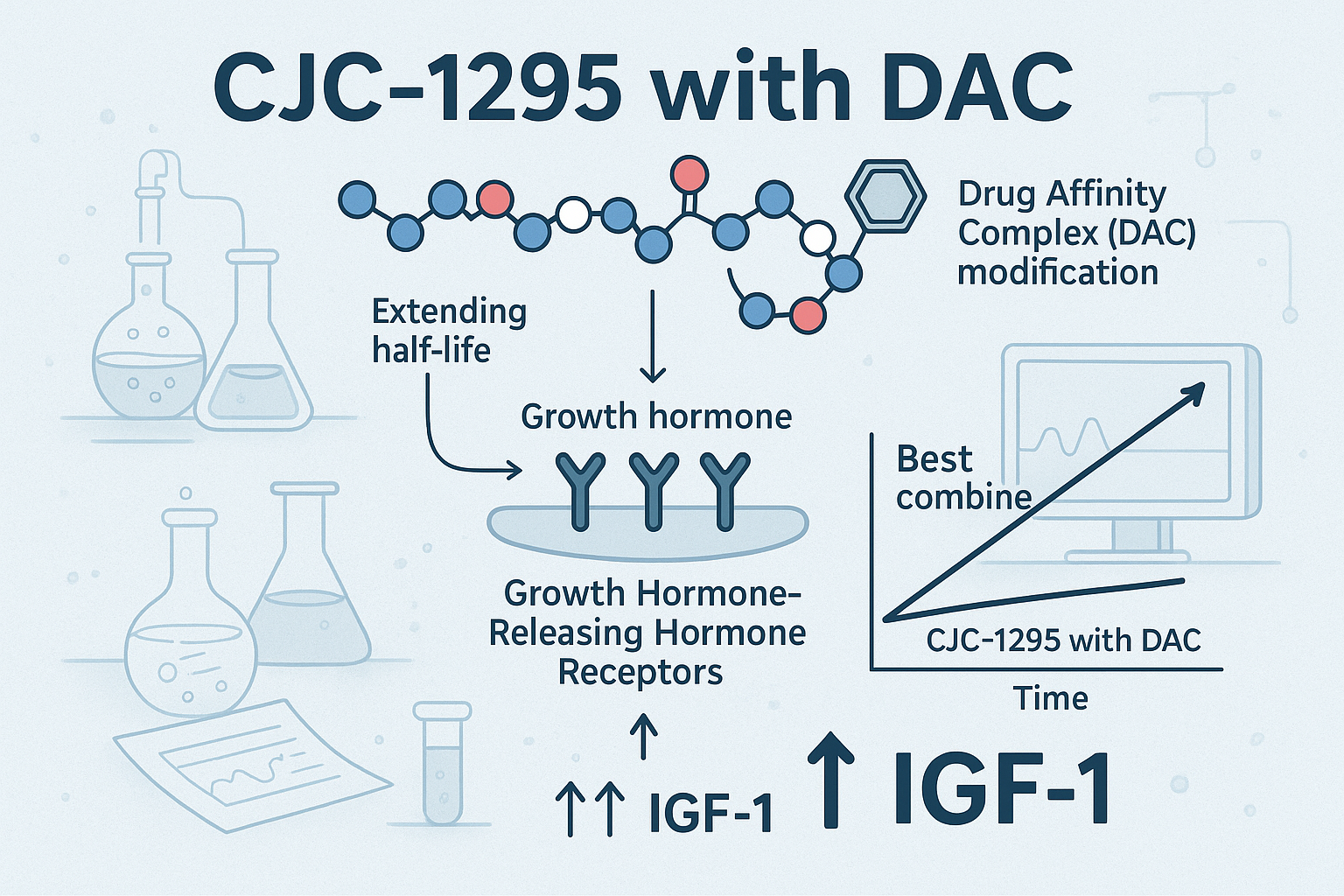

CJC 1295 with DAC how to best combine

CJC 1295 with DAC: How to Best Combine for Peak Efficacy in 2025

Unlocking the full potential of growth hormone-releasing peptides (GHRPs) and growth hormone-releasing hormone (GHRH) analogues represents a significant frontier in advanced wellness research. Among these, CJC 1295 with DAC stands out as a powerful compound due to its prolonged half-life and sustained stimulatory effect on growth hormone (GH) secretion. For researchers and enthusiasts alike in 2025, understanding how to best combine CJC 1295 with DAC with other synergistic peptides is crucial for maximizing its efficacy, particularly in elevating IGF-1 levels. This comprehensive article delves into the science, best practices, and optimal peptide pairings to achieve unparalleled research outcomes.

Key Takeaways

  • CJC 1295 with DAC provides a sustained release of GHRH, leading to prolonged growth hormone secretion and elevated IGF-1 levels.
  • Combining CJC 1295 with DAC with GHRPs like Ipamorelin, GHRP-2, or GHRP-6 creates a synergistic effect, enhancing GH pulse amplitude and frequency.
  • Optimal dosing and timing are critical for maximizing the benefits of peptide combinations, aligning with the body's natural pulsatile GH release.
  • Adjunctive peptides such as BPC-157 or TB-500 can support overall well-being, tissue repair, and recovery, complementing the primary GH-axis modulation.
  • Careful consideration of research protocols, ethical guidelines, and sourcing from reputable suppliers like Pure Tested Peptides is paramount for successful and reliable studies in 2025.

Understanding CJC 1295 with DAC: The Foundation of Enhanced IGF-1

A detailed infographic illustrating the molecular structure of CJC-1295 with DAC, highlighting the Drug Affinity Complex (DAC) modification

CJC 1295 with DAC (Drug Affinity Complex) is a modified analogue of growth hormone-releasing hormone (GHRH). Its primary function is to stimulate the pituitary gland to release growth hormone. What sets the DAC variant apart from CJC 1295 without DAC is the addition of a specialized complex that binds to albumin in the blood. This binding significantly extends its half-life, allowing for less frequent administration while maintaining stable and prolonged stimulation of GH release.

“CJC 1295 with DAC offers a distinct advantage in research due to its extended activity, promoting a more consistent elevation of growth hormone and subsequent IGF-1 levels compared to its shorter-acting counterparts.”

The Mechanism of Action

When administered, CJC 1295 with DAC mimics the natural GHRH, binding to GHRH receptors on somatotroph cells in the anterior pituitary gland. This binding triggers a cascade of events, leading to the synthesis and pulsatile release of GH. The extended presence of CJC 1295 with DAC in the system ensures these pulses are more frequent and robust over a longer period. The subsequent increase in circulating GH then signals the liver and other tissues to produce Insulin-like Growth Factor-1 (IGF-1), a powerful anabolic hormone responsible for many of the beneficial effects associated with GH, including:

  • Muscle growth and repair đŸ’Ē
  • Bone density improvement
  • Fat metabolism regulation
  • Skin elasticity and collagen production
  • Enhanced cellular regeneration

Research into these mechanisms continues to evolve, with ongoing studies exploring its full range of applications. For deeper insights into its direct applications, you can explore resources like CJC-1295 with DAC Research Findings or a more detailed exploration on Cjc1295 with DAC Deeper Dive.

Why Choose CJC 1295 with DAC over CJC 1295 (No DAC)?

The key differentiator is half-life. CJC 1295 (without DAC) has a very short half-life, typically around 30 minutes, requiring multiple daily administrations to maintain elevated GH levels. In contrast, CJC 1295 with DAC boasts a half-life of approximately 6-8 days, making weekly or bi-weekly dosing effective. This convenience is a significant factor in research protocols, ensuring more consistent exposure and reducing variability. For a comparative analysis, refer to Comparing CJC-1295 with and without DAC.

Feature CJC 1295 (No DAC) CJC 1295 with DAC
Half-life ~30 minutes ~6-8 days
Administration Multiple times daily Once or twice weekly
GH Release Pattern Pulsatile, short bursts Sustained, prolonged
Convenience Lower Higher
Albumin Binding No Yes (Drug Affinity Complex)

Best Synergistic Peptides to Combine with CJC-1295 w DAC

To truly maximize the efficacy of CJC-1295 w DAC in increasing IGF-1 levels, strategic combination with other peptides is essential. This approach leverages the concept of synergy, where the combined effect of multiple peptides is greater than the sum of their individual effects. The most impactful pairings involve other growth hormone-releasing peptides (GHRPs).

The Power of Pairing: CJC-1295 w DAC and GHRPs

While CJC 1295 with DAC stimulates the pituitary via GHRH receptors, GHRPs act through a different pathway, primarily by binding to ghrelin receptors (GHS-R1a) to directly stimulate GH release and suppress somatostatin (a GH-inhibiting hormone). When used together, GHRH analogues like CJC-1295 w DAC and GHRPs create a "double-stimulation" effect, leading to significantly larger and more frequent GH pulses, which in turn drive higher IGF-1 production. This combination is often referred to as a "GH Secretagogue Stack."

“Combining CJC-1295 w DAC with a GHRP is akin to pressing both the accelerator and the turbo boost on a powerful engine – it optimizes the body’s natural mechanisms for growth hormone release to an extraordinary degree.”

Here are the top synergistic GHRPs to consider:

1. Ipamorelin

Ipamorelin is considered one of the safest and most selective GHRPs. It stimulates GH release without significantly affecting cortisol, prolactin, or ACTH levels, which can be a concern with other GHRPs. This makes it an excellent choice for research subjects where minimizing side effects is a priority.

  • Mechanism: Ipamorelin acts as a selective ghrelin mimetic, specifically targeting the ghrelin receptor to promote GH release.
  • Synergy with CJC-1295 w DAC: When combined, CJC-1295 w DAC provides the baseline, sustained GHRH signal, while Ipamorelin amplifies the amplitude of the GH pulses without the associated increase in unwanted hormones. This results in a cleaner, more robust GH secretion profile.
  • Dosing and Timing (Research Protocol Example):
    • CJC-1295 w DAC: Typically 1-2mg subcutaneous (SC) once or twice weekly.
    • Ipamorelin: 200-300mcg SC, 1-3 times daily (e.g., before bed, upon waking, post-workout).
    • Timing: Administering Ipamorelin 30-60 minutes before meals or workouts, and especially before sleep, aligns with the body's natural GH release patterns. The sustained action of CJC-1295 w DAC supports these pulses throughout the week.
  • Benefits: Enhanced muscle growth, fat loss, improved sleep quality, faster recovery, and significant IGF-1 elevation.
  • Further Reading: Explore the CJC-1295 Plus Ipamorelin synergy for more detailed insights.

2. GHRP-2

GHRP-2 is a more potent GHRP than Ipamorelin, known for its significant GH-releasing capabilities. However, it can slightly elevate cortisol and prolactin levels in some individuals, though usually not to clinically significant levels within standard research dosages.

  • Mechanism: Similar to Ipamorelin, GHRP-2 binds to the ghrelin receptor but with a stronger affinity, leading to a more pronounced GH release.
  • Synergy with CJC-1295 w DAC: The combination provides a powerful surge in GH, making it suitable for studies focused on aggressive muscle hypertrophy and fat loss. The sustained GHRH signal from CJC-1295 w DAC primes the pituitary, allowing GHRP-2 to elicit maximal GH secretion.
  • Dosing and Timing (Research Protocol Example):
    • CJC-1295 w DAC: 1-2mg SC once or twice weekly.
    • GHRP-2: 100-200mcg SC, 2-3 times daily.
    • Timing: Same as Ipamorelin, prioritizing pre-sleep and fasting states for administration.
  • Benefits: Strong anabolic effects, increased appetite (a common side effect), enhanced recovery, and substantial IGF-1 boosts.

3. GHRP-6

GHRP-6 is another potent GHRP, similar to GHRP-2 but often associated with a more pronounced increase in appetite due to its direct interaction with ghrelin receptors, which also play a role in hunger signaling.

  • Mechanism: Functions by binding to ghrelin receptors, promoting GH release and increasing appetite.
  • Synergy with CJC-1295 w DAC: This combination is particularly useful in research aiming for significant weight gain or when subjects struggle with appetite. The sustained GHRH from CJC-1295 w DAC sets the stage for GHRP-6 to maximize GH pulsatility.
  • Dosing and Timing (Research Protocol Example):
    • CJC-1295 w DAC: 1-2mg SC once or twice weekly.
    • GHRP-6: 100-200mcg SC, 2-3 times daily.
    • Timing: Before meals to leverage its appetite-stimulating effects, and before sleep.
  • Benefits: Promotes muscle growth, helps with appetite stimulation, potentially faster recovery.

Important Note on GHRP Selection: The choice between Ipamorelin, GHRP-2, and GHRP-6 depends on the specific research goals and desired side effect profile. Ipamorelin is generally preferred for its selectivity and minimal impact on other hormones.

Beyond GHRPs: Complementary Peptides for Comprehensive Wellness

While GHRPs are the primary synergistic partners for CJC-1295 w DAC in directly boosting IGF-1, other peptides can be incorporated into research protocols in 2025 to support overall health, recovery, and enhance the benefits indirectly. These are not direct GH secretagogues but offer complementary advantages.

1. BPC-157: The Healing Peptide

BPC-157 (Body Protection Compound-157) is a peptide known for its remarkable regenerative and protective properties across various tissues.

  • Mechanism: BPC-157 is thought to promote angiogenesis (formation of new blood vessels), modulate growth factors, and exert anti-inflammatory effects. It has demonstrated benefits in gut health, wound healing, and musculoskeletal repair.
  • Synergy with CJC-1295 w DAC: While CJC-1295 w DAC and its GHRP partners focus on systemic growth and regeneration through IGF-1, BPC-157 provides localized and accelerated healing. This means subjects undergoing studies involving physical stress or injury could experience faster recovery.
  • Dosing and Timing (Research Protocol Example):
    • BPC-157: 250-500mcg SC, 1-2 times daily. Can be administered locally to an injured area or systemically.
  • Benefits: Accelerated healing of muscles, tendons, ligaments, and bones; gut protection; anti-inflammatory effects.
  • Further Reading: Dive deeper into the research on BPC-157 and its diverse applications.

2. TB-500: The Tissue Repair Peptide

TB-500 is a synthetic version of Thymosin Beta-4, a naturally occurring peptide involved in cell migration, differentiation, and tissue repair.

  • Mechanism: TB-500 promotes cell migration, angiogenesis, and anti-inflammatory responses. It is particularly effective in healing soft tissue injuries and improving flexibility.
  • Synergy with CJC-1295 w DAC: Similar to BPC-157, TB-500 complements the systemic anabolic effects of the GH-releasing peptides by specifically targeting tissue repair and regeneration. This can lead to a more robust recovery phase for subjects involved in strenuous physical activities.
  • Dosing and Timing (Research Protocol Example):
    • TB-500: 2-5mg SC, once or twice weekly for an initial loading phase, followed by maintenance.
  • Benefits: Enhanced wound healing, improved flexibility, reduced inflammation, and faster recovery from injuries.
  • Combined Benefits: For comprehensive healing and growth, researchers often combine BPC-157 and TB-500 with GHRH/GHRP stacks. Learn more about this powerful combination at BPC-157 TB-500 Combination Research Overview.

3. Epithalon: The Longevity Peptide

Epithalon is a synthetic tetrapeptide derived from the pineal gland. It is widely researched for its potential anti-aging and longevity-promoting properties.

  • Mechanism: Epithalon is thought to regulate the production of melatonin, normalize circadian rhythms, and increase telomerase activity, an enzyme that protects telomeres (the ends of chromosomes) from shortening, thus potentially extending cellular lifespan.
  • Synergy with CJC-1295 w DAC: While CJC-1295 w DAC focuses on acute growth and repair via GH/IGF-1, Epithalon supports long-term cellular health and potentially enhances the overall 'wellness' aspect of a research protocol. Improved sleep and cellular regeneration can indirectly support the body's anabolic environment.
  • Dosing and Timing (Research Protocol Example):
    • Epithalon: 5-10mg SC, daily for a cycle of 10-20 days, typically repeated a few times a year.
  • Benefits: Potential for increased lifespan, improved sleep, antioxidant effects, and regulation of circadian rhythms.
  • Further Reading: Explore the Epithalon Longevity Signals for more detailed information.

Optimal Dosing Strategies and Administration Protocols for CJC-1295 w DAC Combinations

Achieving maximum efficacy with CJC-1295 w DAC and its synergistic partners hinges on meticulous dosing and timing protocols. Researchers must adhere to established guidelines and monitor subjects closely.

General Dosing Principles

  • Start Low, Go Slow: Especially when initiating a new peptide combination, beginning with lower dosages allows for assessment of individual response and tolerance.
  • Consistency is Key: Regular administration according to the protocol is crucial for sustained effects.
  • Individual Variability: Responses to peptides can vary significantly between individuals due to factors like age, genetics, lifestyle, and existing health conditions.

CJC-1295 w DAC Dosing

  • Standard Research Dose: Typically 1-2mg per administration.
  • Frequency: Once or twice weekly due to its long half-life. Some protocols may involve a higher initial dose (loading dose) followed by maintenance.
  • Administration: Subcutaneous (SC) injection is the most common and effective method.
  • Reconstitution: Always reconstitute with bacteriostatic water. Refer to best practices for storing research peptides.

GHRP Dosing (Ipamorelin, GHRP-2, GHRP-6)

  • Standard Research Dose: 100-300mcg per administration.
  • Frequency: 1-3 times daily, depending on the desired intensity and the specific GHRP.
  • Timing:
    • Before Bed: This is perhaps the most critical time, as it synchronizes with the body's largest natural GH pulse during deep sleep. Administer on an empty stomach (at least 2-3 hours after the last meal, especially one containing carbohydrates or fats, as these can blunt GH release).
    • Upon Waking: Administer on an empty stomach before breakfast.
    • Post-Workout: Administer after strenuous exercise to aid in recovery and muscle repair, again, ideally on an empty stomach.
  • Administration: Subcutaneous (SC) injection.

Example Combination Protocol (CJC-1295 w DAC + Ipamorelin)

Here’s a typical research-oriented protocol for a subject aiming for enhanced IGF-1 and overall anabolic benefits:

Peptide Dose Frequency Timing Notes
CJC-1295 w DAC 1mg Twice weekly Monday morning, Thursday evening Consistent GHRH signal, independent of food intake.
Ipamorelin 200mcg 3 times daily 30-60 mins pre-breakfast, pre-workout, pre-sleep On empty stomach for optimal GH release.
  • Cycle Length: Research protocols typically run for 8-12 weeks, followed by a break to allow the pituitary to reset its natural sensitivity.
  • Monitoring: Regular blood tests for IGF-1, GH levels, and other relevant biomarkers are essential to assess efficacy and safety throughout the research period.

Safety Considerations and Side Effects in 2025

An intricate scientific illustration depicting the synergistic action of CJC-1295 with DAC alongside other key peptides like Ipamorelin, GHR

While peptides like CJC-1295 w DAC and its synergistic partners are generally well-tolerated in research settings, it is crucial to be aware of potential side effects and safety considerations.

Common Side Effects (Often Mild and Transient)

  • Injection Site Reactions: Redness, itching, or minor discomfort at the injection site. This is common with SC injections.
  • Headaches: Mild headaches can occur, particularly in the initial phases.
  • Flushing/Warmth: A transient sensation of warmth or flushing.
  • Tingling/Numbness: Mild tingling in extremities, especially with higher GH levels, often due to water retention.
  • Water Retention: Some individuals may experience mild temporary water retention.
  • Increased Appetite: Especially with GHRP-6 and, to a lesser extent, GHRP-2.
  • Fatigue/Lethargy: Occasionally reported, particularly after initial doses.

Less Common or Dose-Dependent Side Effects

  • Elevated Cortisol/Prolactin: More common with GHRP-2 and GHRP-6 at higher doses, less so with Ipamorelin. Researchers should monitor these hormone levels if using non-selective GHRPs.
  • Acromegaly-like Symptoms: Extremely rare with therapeutic peptide dosages, but theoretically possible with excessive, long-term supra-physiological GH levels. This highlights the importance of controlled dosing and cycle breaks.
  • Insulin Sensitivity: Long-term, very high GH/IGF-1 levels could potentially impact insulin sensitivity. This underscores the need for careful monitoring and adherence to responsible research practices.

Crucial Safety Practices

  1. Source Purity: Always procure research peptides from reputable suppliers who provide third-party Certificates of Analysis (CoAs) to verify purity and authenticity. Companies like Pure Tested Peptides are committed to transparency and quality.
  2. Sterile Administration: Use sterile needles, syringes, and aseptic techniques for all injections to prevent infection.
  3. Proper Storage: Store peptides correctly (usually refrigerated or frozen, away from light) to maintain potency. Refer to guidelines for best practices for storing research peptides.
  4. No Human Consumption: These peptides are sold strictly for research purposes and are not approved for human consumption.
  5. Professional Guidance: For any specific research design or administration questions, consult with experienced researchers or professionals in the field.

Expected Research Outcomes and Benefits of Combining CJC-1295 w DAC

The strategic combination of CJC-1295 w DAC with synergistic peptides offers a cascade of potential benefits, primarily driven by the sustained elevation of growth hormone and IGF-1 levels. Researchers in 2025 are exploring these compounds for a variety of outcomes:

1. Enhanced Muscle Growth and Repair (Anabolism)

  • Mechanism: Increased IGF-1 promotes protein synthesis, nitrogen retention, and the proliferation of satellite cells (muscle stem cells), leading to hypertrophy (muscle cell growth) and hyperplasia (formation of new muscle cells).
  • Research Focus: Studies on sarcopenia, muscle wasting conditions, and optimizing athletic performance often leverage this benefit.

2. Significant FL (Lipolysis)

  • Mechanism: GH directly stimulates lipolysis, the breakdown of triglycerides in fat cells, and can also inhibit lipoprotein lipase, an enzyme involved in fat storage.
  • Research Focus: Investigations into metabolic health, obesity management, and body composition improvement frequently utilize these peptides.

3. Improved Recovery from Injury and Exercise

  • Mechanism: Higher GH and IGF-1 levels accelerate tissue repair, reduce inflammation, and improve collagen synthesis, which is vital for tendons, ligaments, and cartilage. The addition of peptides like BPC-157 and TB-500 further amplifies these healing properties.
  • Research Focus: Sports medicine, regenerative medicine, and post-operative recovery studies are key areas.

4. Enhanced Bone Density

  • Mechanism: GH and IGF-1 play crucial roles in bone metabolism, promoting osteoblast activity (bone-building cells) and increasing calcium retention.
  • Research Focus: Potential applications in osteoporosis prevention and treatment are under investigation.

5. Better Sleep Quality

  • Mechanism: GH release is naturally highest during deep sleep stages. By amplifying GH pulses, particularly at night with GHRPs, many subjects report improved sleep architecture and deeper, more restorative sleep.
  • Research Focus: Studies on sleep disorders, cognitive function, and overall well-being.

6. Anti-Aging and Skin Health

  • Mechanism: Collagen production, skin elasticity, and cellular regeneration are all positively influenced by GH and IGF-1.
  • Research Focus: Cosmetic dermatology research and studies on cellular aging.

7. Cognitive Function and Mood

  • Mechanism: While less direct, improved sleep, reduced inflammation, and better overall physiological function can contribute to enhanced cognitive clarity and mood stability. Some research also suggests direct effects of GH on brain function.
  • Research Focus: Neuroprotection and cognitive enhancement are emerging areas of interest.

The combined effect of CJC 1295 with DAC and carefully selected GHRPs creates a powerful internal environment conducive to growth, repair, and revitalization, making these combinations a cornerstone of advanced peptide research in 2025.

Conclusion

The strategic combination of CJC 1295 with DAC with synergistic peptides, particularly GHRPs like Ipamorelin, GHRP-2, or GHRP-6, represents a pinnacle in optimizing growth hormone and IGF-1 levels for profound research outcomes in 2025. By leveraging the sustained GHRH signal of CJC-1295 with DAC and the amplified GH pulsatility of GHRPs, researchers can achieve significantly enhanced muscle growth, fat loss, accelerated recovery, and an array of other beneficial physiological effects.

Beyond the direct GH-axis modulation, integrating complementary peptides such as BPC-157 and TB-500 can further augment tissue repair and overall well-being, creating a comprehensive research protocol. Epithalon, while not a direct GH secretagogue, adds a dimension of cellular longevity and sleep optimization, making it an interesting addition for holistic studies.

For any research involving these potent compounds, paramount importance must be placed on sourcing high-purity, laboratory-tested peptides from reputable suppliers like Pure Tested Peptides. Adherence to sterile administration techniques, precise dosing protocols, and continuous monitoring of research subjects are non-negotiable for ensuring reliable data and ethical conduct.

As research continues to evolve in 2025, the intelligent application of these peptide combinations promises to unlock new frontiers in understanding human physiology, regeneration, and performance optimization.

Actionable Next Steps

  1. Deepen Your Knowledge: Continue to research the specific mechanisms and latest studies on each peptide discussed.
  2. Choose Your Peptides Wisely: Based on your specific research goals, select the optimal CJC-1295 w DAC combination. Consider Ipamorelin for a cleaner GH release or GHRP-2/GHRP-6 for more potent effects, balanced against potential side effects.
  3. Plan Your Protocol: Design a detailed research protocol, including dosages, administration frequency, timing, and monitoring parameters.
  4. Source from Reputable Vendors: Always prioritize quality and purity. Verify third-party testing (CoAs) for all peptides.
  5. Start Responsibly: Begin with conservative dosages and closely observe responses. Adjust as needed based on data collected.

SEO Meta Title: CJC 1295 with DAC: Best Combinations for IGF-1 in 2025
SEO Meta Description: Master CJC-1295 w DAC combinations for max IGF-1 in 2025. Explore synergistic peptides, optimal dosing, & research benefits.

Peptides that show promise to protect against age related diseases

Unlocking Longevity: Peptides That Show Promise to Protect Against Age-Related Diseases

Professional landscape hero image (1536x1024) with bold text overlay: 'Unlocking Longevity: Peptides Against Age-Related Diseases', modern s

Imagine a future where the relentless march of time against our bodies can be slowed, mitigated, or even partially reversed. For centuries, humanity has dreamt of such an elixir, and while a single magic bullet remains elusive, scientific advancements are bringing us closer to understanding the intricate mechanisms of aging. Among the most exciting frontiers in this quest are peptides, short chains of amino acids that act as biological messengers, capable of influencing a vast array of physiological processes. Researchers are increasingly focusing on specific peptides like GLP-1, GLP3, GHRH, mots-c, and Epithalon for their remarkable potential to protect against various age-related diseases, offering a beacon of hope for extending not just lifespan, but also “healthspan” – the period of life spent in good health. This article will delve into the science behind these promising compounds, exploring their mechanisms of action and the current understanding of their therapeutic applications in combating the complex challenges of aging.

Key Takeaways

  • Peptides as Biological Messengers: Peptides are short chains of amino acids crucial for cell signaling and regulation, playing diverse roles in metabolism, hormone production, and cellular repair.
  • GLP-1 and GLP3 for Metabolic and Neuroprotection: GLP-1 receptor agonists are established in treating Type 2 Diabetes and obesity, while both GLP-1 and its analogue GLP3 show promise in neuroprotection and reducing inflammation, critical factors in age-related cognitive decline.
  • GHRH for Growth Hormone Secretion and Tissue Repair: Growth Hormone-Releasing Hormone (GHRH) agonists can safely stimulate endogenous growth hormone production, potentially improving body composition, bone density, and wound healing, without the risks associated with synthetic growth hormone.
  • mots-c (Elamipretide) for Mitochondrial Health: mots-c is a groundbreaking peptide that targets and protects mitochondria, enhancing their efficiency and reducing oxidative stress, making it highly promising for diseases involving mitochondrial dysfunction, such as heart failure and neurodegenerative conditions.
  • Epithalon for Telomere Maintenance and Epigenetic Regulation: Epithalon, a synthetic peptide, is thought to influence telomerase activity, thereby maintaining telomere length and promoting cellular longevity. It also exhibits potential in regulating circadian rhythms and modulating epigenetic processes relevant to aging.

The Foundations of Aging: Understanding the Mechanisms Peptides Target

A detailed infographic illustrating the molecular structures and key mechanisms of action for GLP-1, GLP3, and GHRH peptides within the huma

Aging is not merely a chronological process; it’s a complex biological phenomenon driven by a cascade of molecular and cellular damage that accumulates over time. Scientists have identified several “hallmarks of aging,” including genomic instability, telomere attrition, epigenetic alterations, loss of proteostasis, deregulated nutrient sensing, mitochondrial dysfunction, cellular senescence, stem cell exhaustion, and altered intercellular communication. These interconnected processes contribute to the functional decline of tissues and organs, leading to the increased susceptibility to age-related diseases such such as cardiovascular disease, neurodegenerative disorders, metabolic syndromes, and CANC.

Peptides, with their highly specific actions and generally favorable safety profiles, are emerging as powerful tools to intervene in these aging pathways. Unlike large protein molecules or small chemical drugs, peptides often act as selective modulators, mimicking or blocking natural biological signals with high precision. This specificity can lead to fewer off-target effects, making them attractive candidates for therapeutic development in longevity research. The potential for these compounds to protect against age-related diseases is rooted in their ability to restore cellular balance, enhance repair mechanisms, and modulate inflammatory responses – all critical for maintaining youthful physiological function.

The Role of Peptides in Cellular Regulation

Peptides are essentially the language of our cells. They facilitate communication, regulate enzymatic activity, control hormone release, and even influence gene expression. Think of them as tiny, highly specialized keys designed to fit into specific cellular locks (receptors). When a peptide binds to its receptor, it triggers a cascade of events that can dramatically alter cellular behavior. For example:

  • Hormone Mimicry: Some peptides mimic the actions of natural hormones, such as insulin or growth hormone, influencing metabolism and growth.
  • Enzyme Modulation: Other peptides can either activate or inhibit enzymes, thereby controlling biochemical reactions within the cell.
  • Neurotransmission: Certain neuropeptides play crucial roles in brain function, affecting mood, memory, and cognitive processes.
  • Immunomodulation: Some peptides can regulate the immune system, helping to reduce inflammation or enhance immune responses.

By understanding these roles, researchers can design or identify peptides that specifically target dysfunctional pathways implicated in aging, offering precise interventions that go beyond broad-spectrum drugs. The next sections will explore specific peptides that are showing significant promise in these areas, including GLP-1, GLP3, GHRH, mots-c, and Epithalon.

Metabolic and Hormonal Regulators: GLP-1, GLP3, and GHRH

A sophisticated diagram illustrating the cellular protective mechanisms of mots-c and Epithalon. Show mitochondria within a cell, with mots-c

The intricate balance of metabolism and hormonal signaling plays a foundational role in how our bodies age. As we grow older, metabolic efficiency often declines, and hormonal profiles shift, contributing to conditions like Type 2 Diabetes, obesity, sarcopenia (muscle loss), and reduced regenerative capacity. Peptides that can help restore these balances are therefore of immense interest in the field of longevity. GLP-1, GLP3, and GHRH stand out for their profound effects on these critical systems.

GLP-1 and GLP3: Beyond Diabetes Management

Glucagon-Like Peptide-1 (GLP-1) is an incretin hormone naturally produced in the gut that plays a vital role in glucose metabolism. It stimulates insulin secretion in a glucose-dependent manner, suppresses glucagon release, slows gastric emptying, and promotes satiety. Synthetic GLP-1 receptor agonists have revolutionized the treatment of Type 2 Diabetes and obesity due to their effectiveness in controlling blood sugar and promoting weight loss. However, research into GLP-1’s potential extends far beyond these established uses, revealing exciting implications for age-related protection.

Key benefits and mechanisms of GLP-1 and GLP3:

  • Metabolic Health: By improving insulin sensitivity and reducing body fat, GLP-1 agonists directly address two major risk factors for numerous age-related diseases. Obesity and Type 2 Diabetes accelerate aging processes and increase the risk of cardiovascular disease, kidney disease, and certain CANCs.
  • Cardioprotection: Clinical trials have demonstrated that GLP-1 receptor agonists reduce the risk of major adverse cardiovascular events in patients with Type 2 Diabetes. This cardioprotective effect is thought to involve improvements in blood pressure, lipid profiles, and direct effects on the heart muscle and vasculature.
  • Neuroprotection and Cognitive Function: Emerging research suggests that GLP-1 receptors are present in the brain, where their activation may exert neuroprotective effects. Studies in animal models and some early human trials indicate potential benefits in neurodegenerative diseases like Alzheimer’s and Parkinson’s. GLP-1 may reduce inflammation, oxidative stress, and amyloid-beta plaque formation in the brain, factors closely linked to cognitive decline and dementia.
  • Anti-inflammatory Effects: Chronic low-grade inflammation, often referred to as “inflammaging,” is a hallmark of aging and a driver of many age-related diseases. GLP-1 has been shown to possess anti-inflammatory properties, potentially mitigating this detrimental process.

GLP3 is a synthetic analogue of GLP-1 that some researchers believe may offer an improved pharmacological profile, potentially with enhanced stability or receptor selectivity, though it is still largely in preclinical or early clinical development. Its potential benefits are expected to mirror and possibly even amplify those seen with GLP-1. The ongoing exploration of GLP-1 and GLP3 highlights the broad therapeutic potential of these peptides in combating metabolic dysfunction and its systemic consequences on aging.

GHRH: Stimulating Youthful Growth Hormone Release

Growth Hormone-Releasing Hormone (GHRH) is a naturally occurring hypothalamic peptide that stimulates the pituitary gland to secrete endogenous Growth Hormone (GH). GH is crucial for growth, metabolism, and tissue repair throughout life. However, GH levels naturally decline with age, a phenomenon known as somatopause, contributing to reduced muscle mass, increased body fat, decreased bone density, and impaired skin elasticity – all characteristic signs of aging.

While direct GH replacement therapy carries risks (such as increased insulin resistance, edema, and potential CANC promotion), GHRH agonists offer a safer alternative by stimulating the body’s own GH production in a pulsatile and physiological manner. This approach avoids the supraphysiological spikes seen with exogenous GH.

Advantages of GHRH agonists for anti-aging applications:

  • Improved Body Composition: By promoting GH release, GHRH can help increase lean muscle mass and reduce visceral fat, which is often associated with metabolic syndrome and cardiovascular risk.
  • Enhanced Bone Density: GH plays a role in bone metabolism, and restoring its levels can contribute to improved bone mineral density, reducing the risk of osteoporosis and fractures in older adults.
  • Skin Health: GH influences collagen synthesis, and GHRH may contribute to improved skin elasticity and thickness, reducing the appearance of wrinkles.
  • Accelerated Healing: GH is involved in tissue repair and regeneration. GHRH agonists may enhance wound healing and recovery from injuries.
  • Potential Cognitive Benefits: Some research suggests GH may have positive effects on cognitive function, though more studies are needed specifically on GHRH’s direct impact here.

The ability of GHRH to safely restore more youthful GH secretion profiles makes it a compelling peptide for addressing several age-related declines, potentially improving overall vitality and physical function in the aging population.

Peptide Primary Mechanism Key Age-Related Benefits
GLP-1 Glucose-dependent insulin secretion, glucagon suppression, satiety Metabolic health (diabetes/obesity), cardioprotection, neuroprotection, anti-inflammation
GLP3 Similar to GLP-1, potentially optimized pharmacokinetics Metabolic health, cardioprotection, neuroprotection (under investigation)
GHRH Stimulates endogenous Growth Hormone (GH) release from pituitary Improved body composition, bone density, skin health, enhanced healing

Cellular Protectors: mots-c and Epithalon

A comparative table or infographic visually presenting the diverse applications and potential benefits of GLP-1, GLP3, GHRH, mots-c, and Epit

Beyond regulating systemic metabolic and hormonal balance, another critical strategy for combating aging involves protecting cells directly from damage and ensuring their proper function. Two peptides, mots-c (Elamipretide) and Epithalon, are gaining significant attention for their unique roles in cellular protection, specifically targeting mitochondrial health and telomere maintenance, respectively.

mots-c (Elamipretide): The Mitochondrial Guardian

mots-c, also known as Elamipretide, is a revolutionary small peptide that directly targets mitochondria, the powerhouses of our cells. Mitochondria are central to energy production, but they are also major sites of reactive oxygen species (ROS) production, which can cause oxidative damage to cellular components. Mitochondrial dysfunction is a recognized hallmark of aging and is implicated in a wide range of age-related diseases, including heart failure, neurodegenerative diseases (like Alzheimer’s and Parkinson’s), kidney disease, and sarcopenia.

mots-c specifically localizes to the inner mitochondrial membrane, where it interacts with cardiolipin, a unique phospholipid crucial for mitochondrial structure and function. By binding to cardiolipin, mots-c helps to:

  • Stabilize the Inner Mitochondrial Membrane: This stabilization prevents excessive mitochondrial permeability and maintains optimal electron transport chain function, ensuring efficient ATP (energy) production.
  • Reduce Oxidative Stress: mots-c significantly reduces the production of ROS within the mitochondria, thereby protecting cellular components from oxidative damage. This is a critical anti-aging mechanism, as oxidative stress accelerates cellular senescence and DNA damage.
  • Enhance Mitochondrial Bioenergetics: By improving electron transport and reducing ROS, mots-c boosts the overall efficiency and health of mitochondria, leading to better cellular energy supply.
  • Modulate Apoptosis: mots-c can also help regulate programmed cell death (apoptosis), ensuring that cells don’t prematurely die due to mitochondrial stress.

Therapeutic Promise of mots-c:

Preclinical and clinical studies have explored mots-c for various conditions where mitochondrial dysfunction is a key factor.

  • Cardiovascular Diseases: Particularly for conditions like heart failure with preserved ejection fraction (HFpEF), where mitochondrial dysfunction contributes to cardiac muscle stiffness and impaired function.
  • Renal Diseases: Protecting kidney cells from damage, particularly in chronic kidney disease where mitochondrial health is compromised.
  • Neurodegenerative Disorders: Offering neuroprotection by preserving neuronal mitochondrial function, which is critical in diseases like Alzheimer’s.
  • Sarcopenia: Potentially improving muscle strength and function by enhancing mitochondrial performance in aging muscle cells.

mots-c represents a cutting-edge approach to anti-aging, focusing on the fundamental cellular engines that drive our vitality. Its direct action on mitochondria offers a powerful strategy to protect against the cellular decline that underlies many age-related pathologies.

Epithalon: The Telomere Modulator

Epithalon (also known as Epitalon or Epithalamin) is a synthetic tetrapeptide (Ala-Glu-Asp-Gly) derived from the pineal gland. Its discovery and research are primarily associated with Russian scientists, particularly Dr. Vladimir Khavinson. Epithalon is most renowned for its purported ability to influence telomerase activity, thereby affecting telomere length – a critical determinant of cellular lifespan.

Telomeres are protective caps at the ends of our chromosomes, safeguarding genetic information during cell division. With each division, telomeres naturally shorten. When they become critically short, cells enter senescence (a state of irreversible growth arrest) or undergo apoptosis. Telomere attrition is another well-established hallmark of aging, directly linked to cellular aging and the onset of age-related diseases.

How Epithalon is believed to work:

  • Telomerase Activation: The primary proposed mechanism of Epithalon is the activation of telomerase, an enzyme that rebuilds and maintains telomeres. By increasing telomerase activity, Epithalon is hypothesized to help maintain telomere length, thus extending the replicative capacity of cells and potentially delaying cellular senescence.
  • Antioxidant Effects: Epithalon has also been shown to possess antioxidant properties, helping to neutralize free radicals and reduce oxidative stress, which contributes to telomere shortening and overall cellular damage.
  • Circadian Rhythm Regulation: The pineal gland, from which Epithalon is derived, produces melatonin and plays a crucial role in regulating circadian rhythms. Epithalon is believed to normalize pineal gland function and melatonin production, which can have broad positive effects on sleep, immune function, and overall endocrine balance, all of which decline with age.
  • Epigenetic Modulation: Some research suggests Epithalon may influence epigenetic mechanisms, which control gene expression without altering the underlying DNA sequence. This could involve modulating histone modifications or DNA methylation patterns that are known to change with age.

Potential Benefits of Epithalon:

While human clinical trials on Epithalon are limited and largely concentrated in Russia, anecdotal evidence and some preliminary studies suggest a range of potential anti-aging benefits:

  • Extended Lifespan: Animal studies have shown Epithalon to increase maximum lifespan.
  • Improved Vision: Potential benefits for retinal health and vision, particularly in age-related eye conditions.
  • Immune System Support: Modulation of immune function, which often declines with age.
  • Cancer Prevention: By potentially extending cellular lifespan in healthy cells and inhibiting abnormal cell growth, some researchers suggest a role in CANC prevention, though this requires extensive investigation.

It is important to note that Epithalon’s therapeutic potential is still largely under investigation outside of Russia, and more rigorous, large-scale clinical trials are needed to fully substantiate its efficacy and safety. Nevertheless, its unique mechanism targeting telomere maintenance makes it a fascinating peptide in the longevity landscape.

Peptide Primary Cellular Target Key Cellular Benefits
mots-c Mitochondria (inner membrane, cardiolipin) Reduces oxidative stress, enhances mitochondrial bioenergetics, stabilizes mitochondrial membrane, modulates apoptosis
Epithalon Telomeres, pineal gland Activates telomerase, lengthens telomeres, antioxidant effects, regulates circadian rhythm, epigenetic modulation

The Future of Anti-Aging with GLP-1, GLP3, GHRH, mots-c, Epithalon and Beyond

The peptides discussed – GLP-1, GLP3, GHRH, mots-c, and Epithalon – represent just a fraction of the growing arsenal of peptide-based therapeutics showing promise in the fight against age-related diseases. The field of peptide research is exploding, driven by advances in peptide synthesis, delivery systems, and a deeper understanding of the molecular underpinnings of aging.

The allure of peptides lies in their precision. Unlike many drugs that act broadly, peptides can be designed or discovered to target very specific receptors or pathways, minimizing unwanted side effects while maximizing therapeutic impact. This precision is especially valuable when addressing the multi-factorial nature of aging, where multiple biological pathways simultaneously contribute to decline.

Challenges and Opportunities

Despite the immense promise, the development of peptide therapeutics faces several challenges:

  • Bioavailability: Peptides are often susceptible to enzymatic degradation in the digestive tract and have poor oral bioavailability, necessitating injectable formulations or innovative delivery methods (e.g., nasal sprays, transdermal patches, or orally stable formulations).
  • Cost: Peptide synthesis can be complex and expensive, which can impact the accessibility and affordability of these therapies.
  • Regulatory Hurdles: Bringing novel peptide therapies to market requires extensive preclinical and clinical testing to ensure safety and efficacy, a process that is time-consuming and costly.
  • Long-Term Data: For many anti-aging applications, especially those aiming to extend healthspan, long-term human studies spanning many years are necessary to definitively prove benefits and identify any latent side effects.

However, the opportunities presented by peptide research far outweigh these challenges. In 2025 and beyond, we can expect:

  • Novel Peptide Discovery: High-throughput screening and AI-driven design platforms will accelerate the discovery of new peptides with potent anti-aging properties.
  • Improved Delivery Systems: Innovations in drug delivery will make peptide therapies more convenient and less invasive, potentially including oral formulations or sustained-release implants.
  • Combination Therapies: It is likely that future anti-aging strategies will involve cocktails of peptides, or peptides combined with other longevity-promoting compounds, to synergistically target multiple hallmarks of aging. For example, a combination of GLP-1 to manage metabolic health and mots-c to protect mitochondria could offer a powerful multi-pronged approach.
  • Personalized Medicine: Genetic and phenotypic profiling will allow for the personalization of peptide therapies, tailoring treatments to an individual’s specific aging profile and disease risks.

The journey to understand and harness peptides like GLP-1, GLP3, GHRH, mots-c, and Epithalon is still ongoing, but the trajectory is clear: these natural bioregulators hold tremendous potential to transform our approach to aging, moving beyond simply treating diseases to proactively preserving health and vitality for longer. The goal is not just to add years to life, but life to years.

Understanding Peptide Mechanisms: A Quick Guide

Peptide Primary Anti-Aging Focus What it does for you Key Advantage Status
GLP-1 Metabolic Health, Neuroprotection Regulates blood sugar, aids weight loss, protects brain cells, reduces inflammation. Established safety profile in diabetes/obesity. Approved (agonists) for Type 2 Diabetes & Obesity
GLP3 Metabolic Health, Neuroprotection Similar to GLP-1, potentially enhanced properties. May offer improved pharmacology over GLP-1. Preclinical / Early Clinical
GHRH Body Composition, Tissue Repair Stimulates natural Growth Hormone release, builds muscle, improves bone density. Safe, physiological GH stimulation. Approved (analogs) for GH deficiency in children; under investigation for adult aging.
mots-c (Elamipretide) Mitochondrial Protection Improves mitochondrial function, reduces oxidative stress, enhances cellular energy. Directly targets cellular powerhouses. Clinical trials (Phase 3 for heart failure)
Epithalon Telomere Maintenance, Epigenetic Regulation May extend telomeres, regulate circadian rhythm, antioxidant. Targets fundamental cellular aging processes. Limited human studies, primarily in Russia

This table provides a concise overview of how each peptide contributes to combating age-related decline, helping readers quickly grasp their unique therapeutic niches.


đŸ”Ŧ Peptide Comparison Tool for Age-Related Diseases

Select the peptides you’re interested in to compare their primary focus, mechanisms, and key anti-aging benefits. This tool helps highlight the distinct advantages of **GLP-1, GLP3, GHRH, mots-c, and Epithalon**.


Please select one or more peptides above to see their details.


Conclusion

The quest for longevity and enhanced healthspan is one of humanity’s most enduring pursuits. In 2025, the scientific community stands at the precipice of remarkable breakthroughs, with peptides emerging as central players in this evolving narrative. Peptides such as GLP-1, GLP3, GHRH, mots-c, and Epithalon offer compelling avenues to intervene in the complex processes of aging, addressing everything from metabolic dysfunction and hormonal decline to cellular damage and genetic instability.

From the established metabolic benefits and neuroprotective potential of GLP-1 agonists to the promise of GHRH in safely restoring youthful growth hormone levels, and the cellular precision of mots-c in safeguarding mitochondrial health, these molecules are demonstrating profound capabilities. Furthermore, the intriguing properties of Epithalon in influencing telomere length and epigenetic regulation highlight the diverse mechanisms through which peptides can promote cellular longevity and resilience.

While much research remains to be done, particularly in the realm of long-term human studies and regulatory approval for anti-aging indications, the current trajectory is undeniably exciting. As our understanding of these potent biological messengers deepens, and as delivery technologies improve, we can anticipate a future where personalized peptide-based therapies become a cornerstone of preventative medicine, helping individuals not just live longer, but live healthier, more vibrant lives well into their later years. The promise is not merely extending existence, but enriching it.

Actionable Next Steps:

  1. Stay Informed: Follow reputable scientific journals and health organizations for the latest research on peptide therapeutics and anti-aging science.
  2. Consult Healthcare Professionals: If considering any peptide therapy, discuss it thoroughly with a qualified medical doctor who specializes in longevity medicine or endocrinology. Do not self-prescribe.
  3. Prioritize Foundational Health: Remember that peptides are not a substitute for a healthy lifestyle. Continue to focus on balanced nutrition, regular exercise, adequate sleep, and stress management, as these remain the bedrock of healthy aging.
  4. Support Research: Encourage and support scientific research into longevity and age-related diseases, as this is how new, effective, and safe therapies will be discovered and brought to wider accessibility.
SEO Meta Title: Peptides for Longevity: GLP-1, mots-c & More | 2025 Guide SEO Meta Description: Explore GLP-1, GLP3, GHRH, mots-c, Epithalon, and other promising peptides in 2025 that protect against age-related diseases and boost healthspan.

IGF-1 levels – which peptides increase the most

Understanding IGF-1 Levels: Which Peptides Increase Them the Most? (Featuring IGF-1 LR3, GHRH, Sermorelin, Ipamorelin, CJC-1295, AOD9604)

In the intricate landscape of human physiology, few biomarkers hold as much significance for growth, metabolism, and cellular repair as Insulin-like Growth Factor 1 (IGF-1). This potent hormone, primarily produced in the liver in response to Growth Hormone (GH) secretion, plays a pivotal role in nearly every cell in the body, influencing everything from muscle growth and bone density to neurological function and cellular longevity. For researchers and those interested in optimizing physiological processes, understanding how to effectively modulate IGF-1 levels is a key area of study. This comprehensive article delves into the fascinating world of peptides, exploring which compounds, such as IGF-1 LR3, GHRH, Sermorelin, Ipamorelin, CJC-1295, and even indirectly AOD9604, demonstrate the most significant impact on increasing IGF-1 levels. As we navigate 2025, the research into these powerful biomolecules continues to expand, offering deeper insights into their potential applications and mechanisms of action.

Key Takeaways

  • IGF-1 LR3 is a direct analog: IGF-1 LR3 is a modified version of IGF-1 that acts directly on IGF-1 receptors, offering a longer half-life and potent anabolic effects, independent of GH stimulation.
  • GHRHs and GHRPs elevate GH: Peptides like GHRH, Sermorelin, Ipamorelin, and CJC-1295 stimulate the pituitary gland to release more endogenous Growth Hormone, which then signals the liver to produce IGF-1.
  • CJC-1295 (with DAC) offers sustained release: CJC-1295 with DAC provides a prolonged stimulatory effect on GH release due to its albumin binding, leading to more stable and elevated IGF-1 levels over time compared to shorter-acting peptides.
  • Ipamorelin is highly selective: Ipamorelin is a selective Growth Hormone Releasing Peptide (GHRP) that triggers GH release with minimal impact on other hormones like cortisol or prolactin, making it a favorable choice for targeted IGF-1 elevation.
  • AOD9604 indirectly influences metabolism: While AOD9604 primarily targets fat metabolism and does not directly increase IGF-1, its metabolic benefits can contribute to an overall healthier physiological state where GH and IGF-1 axis function optimally.

The Foundation: Understanding IGF-1 and its Importance

Scientific illustration depicting the intricate molecular structures of various peptides like IGF-1 LR3, GHRH, Sermorelin, Ipamorelin, CJC-1

Insulin-like Growth Factor 1 (IGF-1) is a polypeptide hormone structurally similar to insulin. It is an endocrine hormone, meaning it is produced in one tissue and travels through the bloodstream to exert effects on distant target cells. The primary site of IGF-1 production is the liver, but it is also synthesized in many peripheral tissues (autocrine/paracrine action). The release of IGF-1 from the liver is largely stimulated by Growth Hormone (GH), a hormone produced by the anterior pituitary gland.

IGF-1 mediates many of the anabolic and growth-promoting effects of GH. Its critical roles include:

  • Cell Growth and Proliferation: IGF-1 is essential for cell division and growth in various tissues, including muscle, bone, and cartilage.
  • Muscle Hypertrophy: It promotes protein synthesis and amino acid uptake in muscle cells, contributing to muscle growth and repair.
  • Bone Density: IGF-1 plays a vital role in bone formation and maintenance, influencing bone mineral density.
  • Neuroprotection: Research suggests IGF-1 has neuroprotective effects and is involved in brain development and function.
  • Metabolism: It influences glucose and lipid metabolism, often working in concert with insulin.

Low IGF-1 levels can be associated with various health concerns, including growth retardation in children, decreased muscle mass, reduced bone density, and impaired cognitive function. Conversely, maintaining optimal IGF-1 levels is often associated with better health outcomes and enhanced physical performance, particularly as we age.

Peptides Directly Influencing IGF-1: IGF-1 LR3

When discussing peptides that increase IGF-1 levels, it is crucial to distinguish between direct and indirect mechanisms. Some peptides are direct analogs or modified versions of IGF-1 itself, while others work by stimulating the body’s natural production of Growth Hormone, which then, in turn, boosts IGF-1.

What is IGF-1 LR3?

IGF-1 LR3 stands out as a direct modulator of IGF-1 signaling. It is a long-acting analog of human Insulin-like Growth Factor-1, with a substitution of an Arginine for a Glutamic Acid at position 3, and an additional 13 amino acids at the N-terminus. This modification gives IGF-1 LR3 several distinct advantages over native IGF-1 in a research context:

  • Extended Half-Life: The primary benefit of the LR3 modification is a significantly extended half-life. Native IGF-1 is rapidly bound by IGF-binding proteins (IGFBPs) in the bloodstream, which limits its bioavailability and activity. IGF-1 LR3 has a reduced affinity for these binding proteins, allowing it to circulate for much longer and exert its effects over a more extended period.
  • Enhanced Potency: With reduced binding to IGFBPs, more free IGF-1 LR3 is available to interact with IGF-1 receptors on target cells, leading to more pronounced anabolic and growth-promoting effects.
  • Direct Receptor Activation: Unlike GH-releasing peptides, IGF-1 LR3 directly activates the IGF-1 receptor, bypassing the need for pituitary GH release. This means it can exert its effects even in situations where GH production might be suboptimal.

Research Applications of IGF-1 LR3:

In research settings, IGF-1 LR3 is often studied for its potent anabolic properties. It has been investigated for its potential to:

  • Promote muscle hypertrophy and hyperplasia (increase in muscle cell size and number).
  • Aid in tissue repair and regeneration.
  • Enhance recovery from injury.
  • Improve nutrient partitioning, directing more nutrients towards muscle tissue.

Due to its powerful and direct action, IGF-1 LR3 is considered one of the most effective peptides for directly increasing IGF-1 signaling within target tissues. Researchers can find high-quality peptides for sale for their studies, including IGF-1 LR3, at reputable suppliers.

Peptides That Indirectly Increase IGF-1: The GH-Releasing Peptides

An infographic comparing the mechanisms of action for different growth hormone-releasing peptides (GHRHs) and growth hormone-releasing pepti

The majority of peptides that lead to increased IGF-1 levels do so indirectly by stimulating the body’s own production and release of Growth Hormone (GH). These peptides fall into two main categories: Growth Hormone-Releasing Hormones (GHRHs) and Growth Hormone-Releasing Peptides (GHRPs). They act on different receptors but ultimately converge on the pituitary gland to release GH.

Growth Hormone-Releasing Hormones (GHRHs) and Their Analogs

GHRHs are natural hormones that stimulate the pituitary gland to release GH in a pulsatile manner. Synthetic analogs of GHRH are designed to mimic this natural process, leading to elevated GH levels and subsequently increased IGF-1 production.

Sermorelin

Sermorelin is a synthetic analog of Growth Hormone-Releasing Hormone (GHRH) with a structure corresponding to the first 29 amino acids of the naturally occurring human GHRH. It acts by binding to GHRH receptors on the somatotroph cells of the anterior pituitary gland, thereby stimulating the synthesis and release of endogenous Growth Hormone.

  • Mechanism of Action: Sermorelin effectively mimics the natural pulsatile release of GH, which is crucial for maintaining the body’s delicate endocrine balance. It does not introduce exogenous GH but rather enhances the body’s own GH production.
  • Short Half-Life: Sermorelin has a relatively short half-life, meaning its effects are transient, closely mimicking the natural bursts of GH release.
  • Benefits: By increasing endogenous GH, Sermorelin contributes to higher IGF-1 levels, potentially leading to improved body composition, enhanced recovery, better sleep quality, and anti-aging effects.

CJC-1295 (with and without DAC)

CJC-1295 is another synthetic GHRH analog, often considered a more advanced version of GHRH due to its modifications that enhance its stability and duration of action. There are two main forms: CJC-1295 with DAC (Drug Affinity Complex) and CJC-1295 without DAC (also known as Mod GRF 1-29).

  • CJC-1295 without DAC (Mod GRF 1-29): This peptide is a modified version of the natural GHRH, specifically the 1-29 amino acid sequence. It shares a similar mechanism of action with Sermorelin but is often considered slightly more potent in stimulating GH release. Like Sermorelin, it has a short half-life, necessitating more frequent administration in research to achieve sustained effects.
  • CJC-1295 with DAC: This is where CJC-1295 truly distinguishes itself. The DAC modification allows CJC-1295 to covalently bind to serum albumin, protecting it from enzymatic degradation and significantly extending its half-life. This means that a single administration can provide a sustained release of GH for several days or even up to a week.

Why CJC-1295 with DAC is Significant for IGF-1:

The extended half-life of CJC-1295 with DAC leads to a more consistent and prolonged elevation of endogenous GH, which in turn results in more stable and elevated IGF-1 levels. This sustained stimulation can be highly advantageous in research settings aiming for long-term physiological changes associated with increased GH and IGF-1, such as:

  • Consistent anabolic signaling for muscle maintenance and growth.
  • Improved fat metabolism over time.
  • Enhanced recovery and tissue repair.
  • Overall endocrine system support.

For detailed comparative research, exploring the differences between CJC-1295 with and without DAC is highly recommended. Many researchers choose to combine CJC-1295 with a GHRP for synergistic effects, creating a robust protocol for GH and IGF-1 elevation. For instance, a blend like CJC-1295/Ipamorelin is often used to maximize benefits.

Growth Hormone-Releasing Peptides (GHRPs)

GHRPs are a class of synthetic peptides that stimulate GH release through a different mechanism than GHRHs. They act on ghrelin receptors, often referred to as growth hormone secretagogue receptors (GHSRs). These receptors are found in the pituitary and hypothalamus, and their activation leads to a powerful pulse of GH release.

Ipamorelin

Ipamorelin is a highly selective and potent Growth Hormone-Releasing Peptide (GHRP). It belongs to the ghrelin mimetic class and induces GH release without significantly affecting the secretion of other hormones like cortisol, prolactin, or ACTH. This selectivity is a major advantage in research, as it minimizes potential side effects associated with elevated levels of these other hormones.

  • Mechanism of Action: Ipamorelin stimulates the pituitary gland to release GH by activating the ghrelin receptor. It also suppresses somatostatin (a hormone that inhibits GH release), further enhancing its effect.
  • High Selectivity: Its ability to specifically target GH release without collateral increases in other hormones makes Ipamorelin a preferred choice for researchers seeking clean and focused GH elevation.
  • Gentle Pulsatile Release: Ipamorelin typically induces a more physiological and pulsatile release of GH compared to some other GHRPs, which can lead to a more sustained and natural increase in IGF-1.

Ipamorelin’s Role in Elevating IGF-1:

By increasing endogenous GH in a controlled and selective manner, Ipamorelin leads to a significant increase in IGF-1 levels. Its benefits in research include:

  • Promoting lean muscle mass and strength.
  • Aiding in fat loss.
  • Improving sleep quality and recovery.
  • Potentially contributing to anti-aging processes.

Often, Ipamorelin is combined with a GHRH such as CJC-1295 (without DAC or with DAC) to create a synergistic effect, maximizing the GH pulse and subsequent IGF-1 production. This combination leverages both pathways for GH release, leading to a more robust and sustained increase. The synergy of CJC-1295 and Ipamorelin is a popular area of study for researchers.

The Synergy: Combining GHRHs and GHRPs for Maximum IGF-1 Increase

The most effective strategies for increasing IGF-1 levels via endogenous GH production often involve combining a GHRH (like Sermorelin or CJC-1295) with a GHRP (like Ipamorelin). This “stacking” approach utilizes two different but complementary pathways to stimulate GH release from the pituitary gland, leading to a more robust and sustained elevation than either peptide used alone.

  • Dual Mechanism: GHRHs act on GHRH receptors to stimulate GH synthesis and release, while GHRPs act on ghrelin receptors to trigger a strong pulse of GH. When used together, they create a synergistic effect, meaning the combined effect is greater than the sum of their individual effects.
  • Enhanced Pulsatility: This combination can lead to more frequent and intense GH pulses, which mimic the body’s natural physiological GH secretion patterns more effectively.
  • Maximized IGF-1 Response: A stronger and more sustained release of GH directly translates to a greater and more consistent increase in liver-produced IGF-1.

Example Stack for Research:

A common and highly effective stack for researchers studying IGF-1 elevation involves:

  • CJC-1295 with DAC: For its long-acting GHRH effect, providing a stable baseline of GH stimulation.
  • Ipamorelin: For its selective, potent, and pulsatile GHRP effect, creating strong GH bursts without unwanted side effects.

This combination ensures both sustained basal GH release and acute, powerful GH pulses, optimizing the conditions for elevated IGF-1 levels and its associated benefits. CJC-1295 Plus Ipamorelin is a widely studied blend for this purpose.

Other Peptides and Their Indirect Influence on IGF-1: AOD9604

A comparative bar chart or radar chart illustrating the efficacy and specific benefits of various peptides, including IGF-1 LR3, AOD9604, CJ

While some peptides directly or indirectly stimulate IGF-1 levels through the GH axis, others may have broader metabolic effects that indirectly support overall physiological health, which can, in turn, contribute to a more optimized endocrine environment where IGF-1 production functions efficiently.

AOD9604: A Focus on Fat Metabolism

AOD9604 is a modified fragment of the human growth hormone (HGH) molecule, specifically amino acids 177-191. Unlike the full HGH molecule or GHRPs, AOD9604 does not stimulate growth or insulin-like growth factor-1 (IGF-1) production. Its primary mechanism of action is focused on fat metabolism.

  • Mechanism of Action: AOD9604 is believed to primarily act by mimicking the lipolytic effects of HGH, specifically stimulating the breakdown of fat (lipolysis) and inhibiting the formation of new fat cells (lipogenesis). It does this by stimulating the beta-3 adrenergic receptors, which play a role in fat cell metabolism.
  • No IGF-1 Increase: Crucially, research indicates that AOD9604 does not directly interact with GH receptors or ghrelin receptors in a way that would lead to increased GH or IGF-1 levels. This is a key differentiator from the GHRHs and GHRPs discussed earlier.
  • Research Applications: AOD9604 is primarily studied for its potential in weight management, fat loss, and addressing metabolic disorders. It has been investigated for its ability to reduce abdominal fat and improve lipid profiles. More information on its metabolic research can be found here: AOD9604 Metabolic Research.

Indirect Influence on IGF-1:

While AOD9604 does not directly increase IGF-1, its ability to improve body composition and metabolic health can indirectly contribute to an environment where the GH/IGF-1 axis functions more optimally. Obesity and metabolic dysfunction can negatively impact GH secretion and IGF-1 sensitivity. By improving these underlying metabolic parameters, AOD9604 might help create a healthier physiological state where endogenous GH and IGF-1 production are better maintained. It’s a peptide that supports overall wellness, which can have ripple effects throughout the endocrine system. For researchers exploring AOD-9604 and its applications, a deeper dive into its mechanisms is available.

Comparative Analysis of Peptides for IGF-1 Increase

To summarize the impact of these peptides on IGF-1 levels, it’s helpful to compare their primary mechanisms and expected outcomes.

Peptide Primary Mechanism for IGF-1 Increase Direct/Indirect Half-Life IGF-1 Impact Key Research Benefit
IGF-1 LR3 Direct activation of IGF-1 receptors; bypasses GH axis Direct ~20-30 hours High and sustained, independent of GH pulses Potent anabolic effects, muscle growth, tissue repair
Sermorelin Stimulates pituitary GHRH receptors for natural GH release Indirect ~10-20 minutes Pulsatile, mimicking natural GH surges; leads to increased IGF-1 Anti-aging, improved sleep, gentle GH elevation
CJC-1295 (no DAC) Stimulates pituitary GHRH receptors for natural GH release Indirect ~30 minutes Pulsatile, slightly stronger GH release than Sermorelin; leads to increased IGF-1 Enhanced GH pulse, often stacked with GHRPs
CJC-1295 (with DAC) Stimulates pituitary GHRH receptors; binds to albumin for extended release Indirect ~6-8 days Sustained and elevated IGF-1 levels due to prolonged GH stimulation Consistent anabolic signaling, long-term GH/IGF-1 elevation with less frequent dosing
Ipamorelin Activates ghrelin receptors in pituitary; highly selective GH release Indirect ~1-2 hours Potent, pulsatile GH release; strong IGF-1 increase with minimal side effects Selective GH release, minimal impact on cortisol/prolactin, improved sleep and recovery, often stacked with GHRHs
AOD9604 Stimulates fat breakdown and inhibits fat formation; no direct GH/IGF-1 effect Indirect (metabolic) ~1 hour No direct increase in IGF-1; supports overall metabolic health which can indirectly optimize GH/IGF-1 axis Targeted fat loss, metabolic improvement, not for direct IGF-1 elevation

From this comparison, it becomes clear that if the primary goal in research is to significantly and directly increase IGF-1 signaling, IGF-1 LR3 is the most direct peptide. However, if the goal is to enhance the body’s natural production of growth hormone, thereby leading to increased IGF-1, then CJC-1295 with DAC (for sustained release) or a combination of CJC-1295 (no DAC) or Sermorelin with Ipamorelin (for synergistic pulsatile release) are highly effective choices.

It is important to remember that all these peptides are for research purposes only in 2025. Researchers must adhere to ethical guidelines and best practices for storing research peptides to ensure the integrity of their studies.

Considerations for Research and Ethical Use in 2025

A stylized laboratory setting with researchers examining data on screens, surrounded by beakers and scientific equipment, symbolizing the ri

The field of peptide research is dynamic and rapidly evolving. As of 2025, the peptides discussed in this article, including IGF-1 LR3, GHRH, Sermorelin, Ipamorelin, CJC-1295, and AOD9604, are strictly intended for research purposes. They are not approved for human consumption or therapeutic use outside of controlled clinical trials.

Researchers engaging with these powerful biomolecules must adhere to stringent ethical guidelines and regulatory frameworks. Key considerations include:

  • Purity and Quality: Sourcing peptides from reputable suppliers like Pure Tested Peptides that provide Certificates of Analysis (CoA) is paramount to ensure the purity, potency, and safety of the compounds used in studies. Impurities can compromise research outcomes and pose risks.
  • Accurate Dosing and Administration: Precise measurement and controlled administration protocols are essential for reproducible and reliable research results.
  • Understanding Mechanisms: A thorough understanding of each peptide’s specific mechanism of action, half-life, and potential interactions is critical for designing effective research protocols and interpreting results accurately.
  • Documentation: Meticulous record-keeping of experimental procedures, observations, and results is fundamental to scientific integrity.
  • Safety Protocols: Implementing appropriate laboratory safety protocols when handling and storing peptides.

The exciting potential of these peptides in understanding growth, metabolism, and cellular repair continues to drive scientific inquiry. As 2025 unfolds, ongoing research promises to further illuminate their complex roles and potential applications in various biological systems. From exploring cellular maintenance with peptide tools to designing in-vitro assays with CJC-1295 variants, the opportunities for groundbreaking discoveries are vast.


Peptide IGF-1 Level Impact Calculator – 2025

This interactive tool helps researchers estimate the potential relative impact of various peptides on IGF-1 levels, based on their known mechanisms of action. Select a primary peptide and an optional synergistic peptide to see a qualitative assessment. This is for research guidance only in 2025 and not a medical recommendation.


â„šī¸
Select a synergistic peptide to enhance the effect of a GHRH (like CJC-1295 or Sermorelin) with a GHRP (like Ipamorelin) for a more robust IGF-1 increase.

Your estimated IGF-1 impact will appear here.

*Disclaimer: This tool provides qualitative estimates based on general scientific understanding in 2025. Actual research outcomes may vary due to numerous factors. Always conduct rigorous research with appropriate controls.

Conclusion

The pursuit of optimizing physiological processes, particularly through the modulation of IGF-1 levels, remains a cornerstone of cutting-edge biological research in 2025. Peptides offer a diverse toolkit for researchers to explore these pathways.

For direct IGF-1 signaling enhancement, IGF-1 LR3 stands out due to its extended half-life and potent receptor activation, bypassing the need for endogenous GH release. When the goal is to stimulate the body’s natural GH production, thereby increasing IGF-1, the GHRH class of peptides, including Sermorelin and CJC-1295, and the GHRP class, exemplified by Ipamorelin, are highly effective. CJC-1295 with DAC offers the advantage of sustained GH release and subsequently prolonged IGF-1 elevation, making it a powerful tool for longer-term studies. Combining a GHRH (like CJC-1295) with a GHRP (like Ipamorelin) typically yields the most robust and synergistic increases in endogenous GH and, consequently, IGF-1. While AOD9604 does not directly elevate IGF-1, its targeted effects on fat metabolism can indirectly contribute to an overall healthier endocrine environment, which supports optimal GH/IGF-1 axis function.

As researchers continue to unravel the complexities of these peptides, understanding their specific mechanisms and appropriate applications will be paramount. The future of peptide research holds immense promise for advancing our knowledge of human physiology and potential strategies for health and wellness, all while adhering to the highest standards of scientific rigor and ethical conduct.

Actionable Next Steps for Researchers:

  1. Define Research Objectives: Clearly delineate whether direct IGF-1 activation or endogenous GH stimulation is the primary goal of the study.
  2. Select Appropriate Peptides: Based on objectives and desired half-life, choose the most suitable peptides or peptide combinations (e.g., IGF-1 LR3 for direct action, CJC-1295/Ipamorelin for synergistic GH increase).
  3. Source High-Quality Materials: Always obtain research peptides from reputable suppliers that provide verifiable purity and quality documentation.
  4. Design Robust Protocols: Develop detailed experimental protocols, including precise dosing, administration routes, and monitoring parameters.
  5. Stay Informed: Continuously review the latest scientific literature and engage with the broader research community to stay abreast of new findings and best practices in peptide research.

By diligently following these steps, researchers can leverage the incredible potential of peptides like IGF-1 LR3, GHRH, Sermorelin, Ipamorelin, CJC-1295, and AOD9604 to further our understanding of IGF-1 regulation and its profound impact on biological systems.

SEO Meta Title: Peptides for IGF-1 Levels: IGF-1 LR3, GHRH, Sermorelin, Ipamorelin, CJC-1295 & AOD9604
SEO Meta Description: Explore which research peptides like IGF-1 LR3, GHRH, Sermorelin, Ipamorelin, CJC-1295, and AOD9604 impact IGF-1 levels the most in 2025. Discover direct vs. indirect mechanisms.