Best research protocol Klow blend

The Best Research Protocol for Klow Blend: Unlocking Its Scientific Potential in 2025

Professional landscape hero image (1536x1024) with bold text overlay: 'Unlocking Potential: The Best Research Protocol for Klow Blend', mode

In the dynamic world of scientific research, understanding and optimizing complex formulations is paramount. One such area gaining significant attention is the exploration of peptide blends, designed to target specific biological pathways. Among these, the Klow blend stands out, prompting a critical need for the Best research protocol Klow blend to fully uncover its potential. This comprehensive guide will delve into the meticulous methodologies and best practices essential for robust, reproducible, and insightful investigations into this promising peptide combination in 2025. For researchers and consumers alike, comprehending the scientific rigor behind such blends is crucial for appreciating their value and implications.

Key Takeaways

  • Rigorous Methodology is Essential: A robust research protocol for Klow blend involves meticulous planning, precise execution, and thorough analysis to ensure reliable and valid findings.
  • Purity and Sourcing are Critical: The quality of individual peptides comprising the Klow blend directly impacts research outcomes; sourcing from reputable suppliers like Pure Tested Peptides is vital.
  • Comprehensive Characterization is Key: Before in vivo or in vitro studies, the Klow blend requires extensive analytical characterization to confirm its composition, purity, and stability.
  • Standardized Experimental Design: Adhering to standardized experimental designs, including controlled variables, appropriate sample sizes, and statistical analysis, is fundamental for drawing meaningful conclusions.
  • Focus on Ethical Guidelines: All research involving peptide blends, including the Klow blend, must strictly adhere to ethical guidelines and regulatory standards to ensure responsible scientific inquiry.

Understanding the Klow Blend: Components and Research Hypotheses

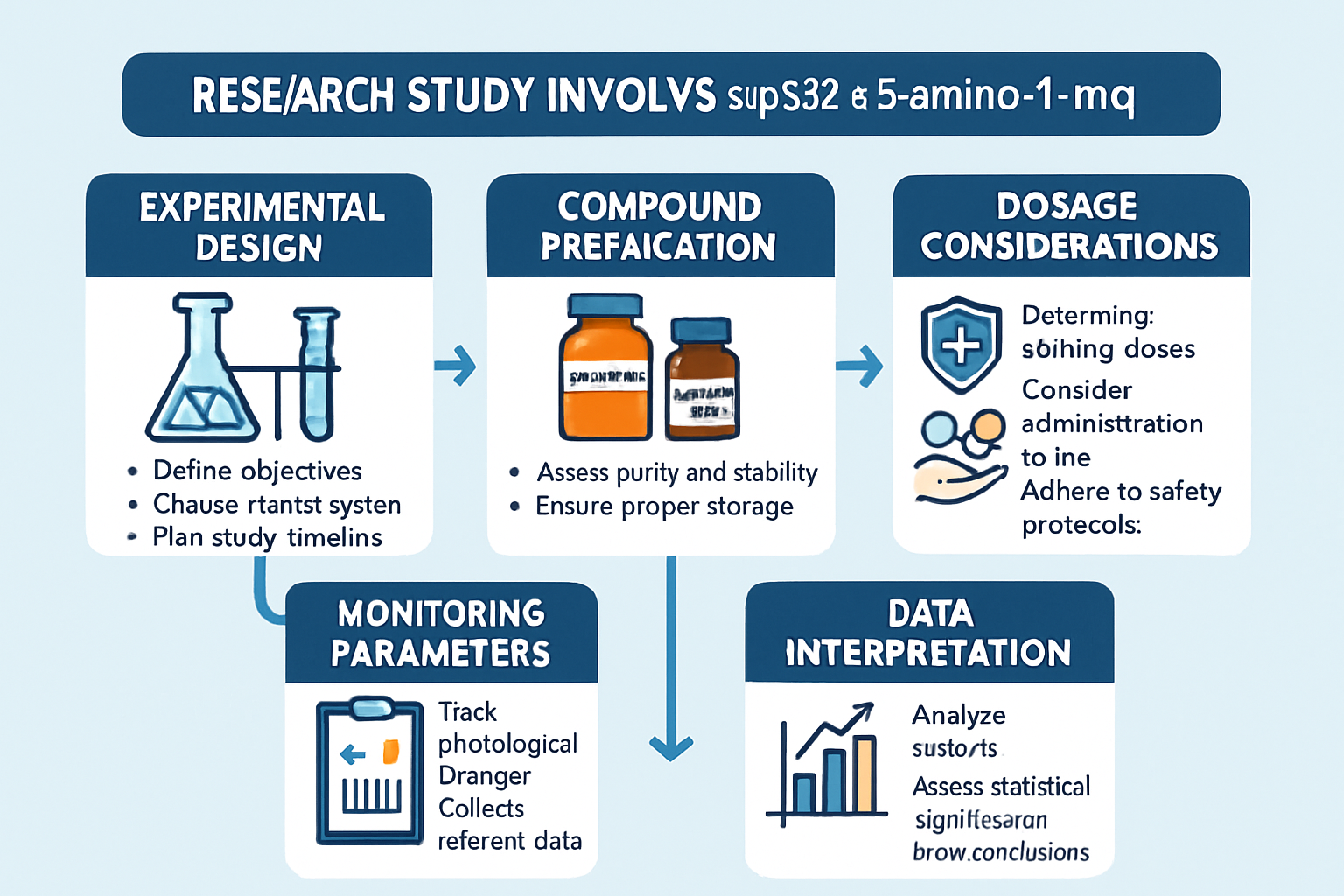
A detailed infographic illustrating the key stages of developing the **Best research protocol Klow blend**, showing flowcharts of experiment

The Klow blend is typically formulated as a combination of specific peptides, often including growth hormone-releasing peptides (GHRPs) and growth hormone-releasing hormone (GHRH) analogues. These peptides are primarily researched for their potential to stimulate the body's natural production of growth hormone (GH) [1]. Understanding the individual components is the first step in designing the Best research protocol Klow blend. Common components might include:

  • GHRP-2: A synthetic met-enkephalin analog that strongly stimulates growth hormone secretion.
  • Ipamorelin: A selective GHRP that encourages GH release with minimal impact on other hormones like cortisol or prolactin.
  • Mod GRF 1-29 (CJC-1295 without DAC): A growth hormone-releasing hormone (GHRH) analog that acts synergistically with GHRPs to promote a more sustained release of GH.

The scientific community researches these components, both individually and in blends, for a variety of potential physiological effects. For instance, researchers may explore their roles in muscle development, fat metabolism, tissue repair, and overall cellular function [2]. For those looking to understand the interplay of such combinations, a resource like Comparing Single Peptides and Multi-Peptide Blends in the Lab can be highly informative.

Initial Research Hypotheses for Klow Blend

When embarking on research with the Klow blend, clear hypotheses are crucial. These hypotheses guide the experimental design and help focus the investigation. Some potential hypotheses might include:

  • Hypothesis 1: The Klow blend, combining GHRP-2, Ipamorelin, and Mod GRF 1-29, will demonstrate a synergistic effect in stimulating growth hormone secretion compared to individual peptides alone.
  • Hypothesis 2: Research with the Klow blend will show a measurable impact on cellular regeneration markers in in vitro models.
  • Hypothesis 3: Specific concentrations of the Klow blend will optimize receptor binding affinity and downstream signaling pathways related to growth hormone release.

The formation of such specific, testable hypotheses forms the bedrock of developing the Best research protocol Klow blend.

"Formulating precise hypotheses is not merely an academic exercise; it is the compass that directs every subsequent step in scientific inquiry, ensuring that the research remains focused and its findings are truly impactful."

Establishing the Best Research Protocol Klow Blend: Key Methodological Considerations

Developing a gold-standard research protocol for the Klow blend requires meticulous attention to detail across several critical areas. From sourcing to data analysis, each step must be carefully considered to ensure the validity and reliability of the research findings in 2025.

1. Sourcing and Quality Control 🔬

The purity and authenticity of the peptides used in the Klow blend are non-negotiable. Substandard or contaminated peptides can lead to erroneous results, compromise research integrity, and even pose safety concerns in applied wellness research.

  • Reputable Suppliers: Always source peptides from suppliers who provide transparent Certificates of Analysis (CoAs) from independent third-party laboratories. These CoAs should detail purity, identity, and absence of contaminants. For instance, Pure Tested Peptides offers comprehensive COAs.
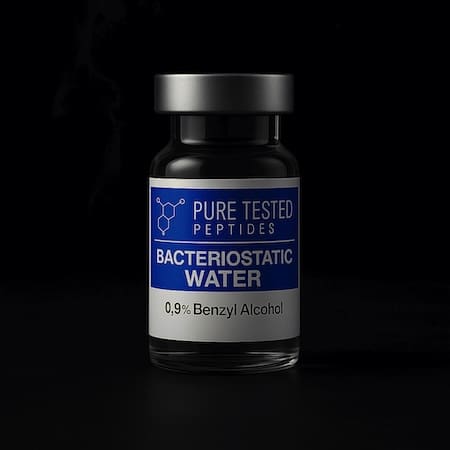
  • Storage and Handling: Proper storage is paramount to maintaining peptide integrity. Peptides should be stored according to manufacturer guidelines, typically in a cool, dark, and dry environment, often refrigerated or frozen. Reconstitution should be performed with sterile bacteriostatic water, and solutions should be used promptly or stored appropriately. More information on this can be found at Best Practices for Storing Research Peptides.
  • Verification Upon Receipt: It is good practice to perform independent verification (e.g., using HPLC-MS) upon receipt, especially for large-scale or long-term studies, to confirm the purity and identity of the received product against the provided CoA.

2. Experimental Design and Setup 🧪

A well-structured experimental design is fundamental to obtaining meaningful results when studying the Best research protocol Klow blend.

a. In Vitro Studies

  • Cell Lines: Select appropriate cell lines that are known to express receptors relevant to the Klow blend's components (e.g., GHS-R1a for GHRPs, GHRH-R for GHRH analogues). Examples include pituitary cell lines.
  • Dosage and Concentration: Establish a dose-response curve. This involves exposing cell cultures to a range of Klow blend concentrations to determine effective and optimal dosages. Researchers should also test individual components to observe their effects independently and as part of the blend.
  • Controls: Implement robust control groups. This typically includes:
    • Vehicle Control: Cells treated with the solvent used to dissolve the Klow blend, without the active peptides.
    • Positive Control: Cells treated with a known agonist for growth hormone release (e.g., a high concentration of a single GHRP) to ensure the assay is responsive.
    • Negative Control: Untreated cells.
  • Endpoints: Define clear measurable endpoints. For in vitro studies, these could include:
    • GH secretion levels (measured via ELISA or RIA)
    • Cell viability and proliferation assays
    • Gene expression analysis (qPCR) of relevant receptor or signaling pathway genes
    • Intracellular calcium flux assays
  • Replication: Ensure sufficient biological and technical replicates to provide statistical power and confidence in the results.

b. In Vivo Studies (Pre-clinical Research)

While this article focuses on research protocols, it's important to acknowledge that in vivo studies, when conducted, must adhere to the highest ethical standards and regulatory oversight.

  • Animal Models: Selection of appropriate animal models (e.g., rodents) relevant to the research questions, with full ethical approval.
  • Dosage and Administration: Determine appropriate dosing strategies based on body weight, species-specific pharmacokinetics, and in vitro data. Administration routes (e.g., subcutaneous, intravenous) must be consistent.
  • Frequency and Duration: Establish a clear treatment regimen, specifying frequency and duration of Klow blend administration.
  • Biomarker Monitoring: Track a comprehensive panel of biomarkers, including:
    • Serum GH and IGF-1 levels
    • Body composition (lean mass, fat mass)
    • Metabolic markers (glucose, insulin)
    • Tissue histological analysis
    • Behavioral assessments (if applicable)
  • Ethical Considerations: Strict adherence to IACUC (Institutional Animal Care and Use Committee) guidelines and all relevant national and international regulations is paramount.

3. Analytical Validation and Data Analysis 📊

The scientific rigor of the Best research protocol Klow blend culminates in the precise analysis of data.

  • Analytical Techniques:
    • High-Performance Liquid Chromatography (HPLC) and Mass Spectrometry (MS): Used for precise quantification of peptide concentrations, purity assessment, and identification of degradation products.
    • Enzyme-Linked Immunosorbent Assay (ELISA) and Radioimmunoassay (RIA): Standard methods for measuring hormone levels (e.g., GH, IGF-1) in biological samples.
    • qPCR/Western Blot: For analyzing gene and protein expression related to peptide effects.
  • Statistical Analysis: Employ appropriate statistical tests to analyze the data. This includes:
    • ANOVA for comparing multiple groups
    • Student's t-tests for comparing two groups
    • Regression analysis for dose-response relationships
    • Proper reporting of p-values, confidence intervals, and effect sizes is critical.
  • Data Interpretation: Carefully interpret the results in the context of the initial hypotheses and existing scientific literature. Acknowledge limitations and potential confounding factors. Transparency in reporting methodology and results is essential for reproducibility.

4. Safety and Regulatory Compliance 🚨

All research, particularly involving novel compounds or blends, must prioritize safety and adhere to regulatory frameworks. This includes:

  • Material Safety Data Sheets (MSDS): Maintain and understand the MSDS for all individual components of the Klow blend.
  • Laboratory Safety Protocols: Implement strict laboratory safety protocols for handling peptides and other chemicals.
  • Ethical Review Boards: For any research involving living organisms (including cell lines with human origins, if applicable, and certainly in vivo animal studies), approval from an institutional review board (IRB) or animal care and use committee (IACUC) is mandatory.
  • Data Integrity: Maintain meticulous records of all experimental procedures, observations, and data. This ensures traceability and allows for independent verification.

The Role of Comprehensive Peptide Blends in Research 🤝

While individual peptides are extensively studied, the concept of a blend like Klow is designed to leverage potential synergistic effects. By combining peptides with complementary mechanisms of action, researchers aim to achieve more potent, targeted, or balanced physiological responses. For instance, while GHRP-2 strongly stimulates GH release, Ipamorelin offers a more selective action, minimizing side effects. Mod GRF 1-29, in turn, helps prolong the GH pulse. This thoughtful combination is what defines the Best research protocol Klow blend as a subject of interest.

The advantages of researching peptide blends include:

  • Synergistic Effects: Individual peptides might have sub-optimal effects, but when combined, they can amplify each other's actions, leading to enhanced outcomes.
  • Broader Spectrum of Action: A blend can target multiple pathways or receptors simultaneously, potentially addressing complex biological processes more effectively.
  • Optimized Efficacy and Safety Profile: Careful blend formulation can aim to maximize desired effects while minimizing potential unwanted side effects.

Researchers interested in this area might find value in resources discussing peptide blends research and the specific benefits of the Klow and Glow blends. These resources highlight the ongoing scientific inquiry into the potential advantages of multi-peptide formulations.

Case Study: Investigating Klow Blend's Effect on Cellular Repair Markers

Imagine a research study following the Best research protocol Klow blend to investigate its impact on markers of cellular repair.

Objective: To determine if the Klow blend (GHRP-2, Ipamorelin, Mod GRF 1-29) significantly upregulates gene expression of key cellular repair proteins in human fibroblast cell cultures.

Methodology:

  1. Cell Culture Preparation: Human dermal fibroblast cell lines are cultured in standard media.
  2. Klow Blend Preparation: Research-grade Klow blend is reconstituted with sterile bacteriostatic water to create a stock solution. Serial dilutions are prepared for a dose-response study (e.g., 0.1 nM, 1 nM, 10 nM, 100 nM).
  3. Treatment Groups:
    • Control (untreated cells)
    • Vehicle Control (cells treated with bacteriostatic water only)
    • Individual Peptide Controls (cells treated with GHRP-2, Ipamorelin, or Mod GRF 1-29 alone at equivalent concentrations)
    • Klow Blend Groups (cells treated with varying concentrations of the Klow blend)
  4. Incubation: Cells are incubated with their respective treatments for a specified period (e.g., 24, 48, 72 hours).
  5. RNA Extraction & qPCR: Following incubation, total RNA is extracted from cells. Quantitative Polymerase Chain Reaction (qPCR) is performed to measure the gene expression levels of target cellular repair markers (e.g., collagen I, elastin, matrix metalloproteinases, growth factors like FGF-2).
  6. Data Analysis: Gene expression data is normalized to housekeeping genes. Statistical analysis (e.g., one-way ANOVA with post-hoc tests) is used to compare expression levels between groups.
  7. Results & Interpretation: Researchers would look for statistically significant increases in repair marker gene expression in the Klow blend groups compared to controls and potentially compare the blend's effects to those of individual peptides.

This structured approach, part of the Best research protocol Klow blend, ensures that any observed effects can be reliably attributed to the blend and its specific components.

Future Directions in Klow Blend Research for 2025 🚀

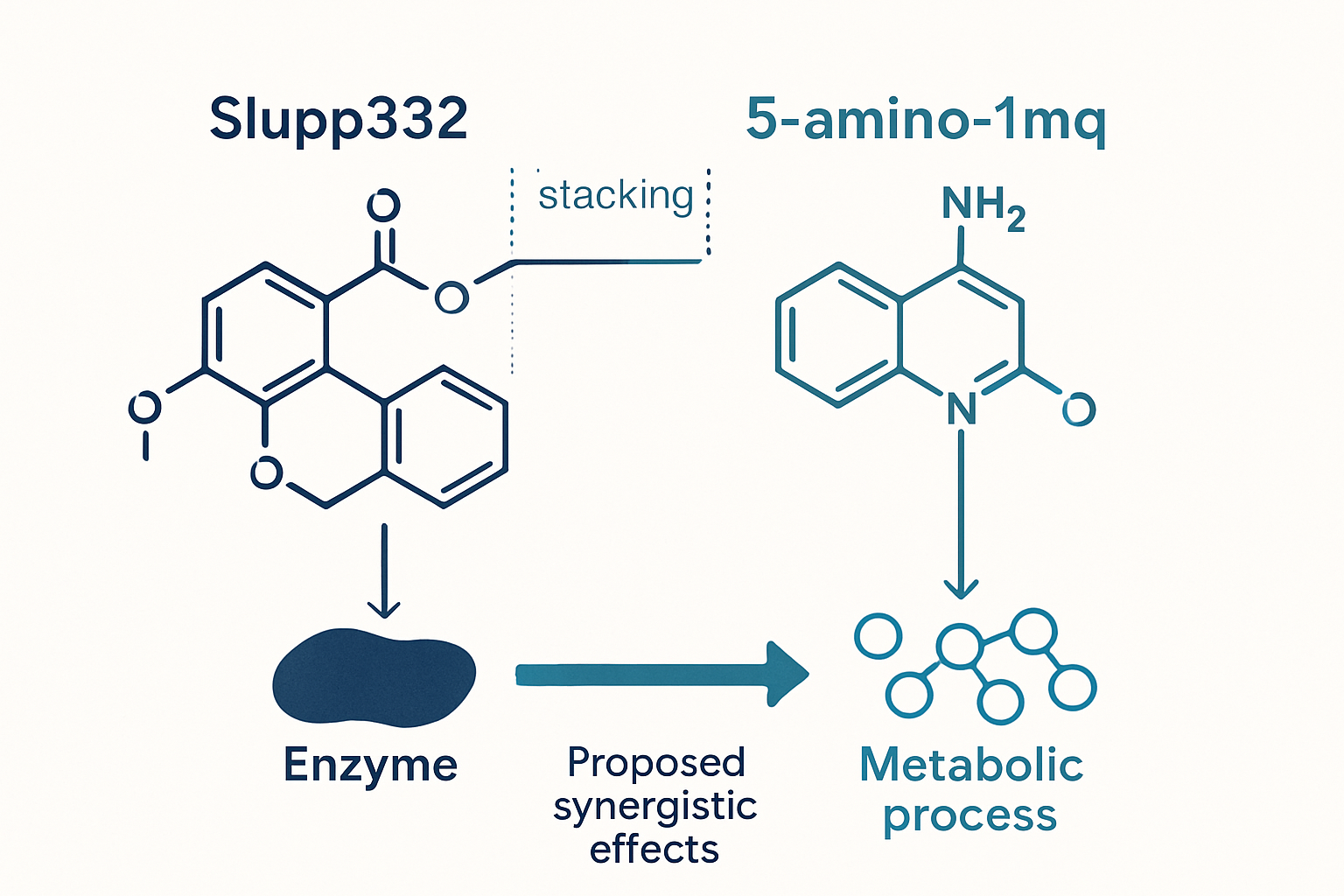
A visual representation of the synergistic effects within the **Best research protocol Klow blend**, depicted as interconnected molecular pa

As scientific understanding evolves, so too will the Best research protocol Klow blend. Looking ahead to 2025, several exciting avenues for research emerge:

  • Advanced Delivery Systems: Investigating novel delivery methods for the Klow blend, such as transdermal patches or oral formulations, which could improve bioavailability and ease of research application, potentially building on insights from best oral peptides research.
  • Pharmacogenomics: Exploring how genetic variations might influence individual responses to the Klow blend, leading to more personalized research insights.
  • Interaction Studies: Researching the Klow blend's potential interactions with other peptides or compounds, such as investigating synergistic effects with other peptide blends research or exploring its role in broader applied wellness research with peptides.
  • Long-term Stability and Degradation: More extensive studies on the long-term stability of reconstituted Klow blend solutions under various conditions to optimize storage and handling protocols.
  • Mechanistic Elucidation: Deeper dives into the precise molecular mechanisms by which the Klow blend components interact to produce their observed effects, potentially using techniques like proteomics and metabolomics.
  • Comparative Analysis: Further comparative studies between the Klow blend and other GH-stimulating peptide combinations, such as comparing CJC-1295 with DAC and without DAC in different experimental contexts.

These future directions underscore the ongoing commitment to rigorous scientific inquiry and the continuous refinement of research protocols to maximize our understanding of complex peptide blends like Klow.

Conclusion

The pursuit of the Best research protocol Klow blend is a journey that demands precision, dedication, and an unwavering commitment to scientific integrity. By adhering to rigorous methodologies in sourcing, experimental design, and data analysis, researchers can unlock valuable insights into the Klow blend's mechanisms of action and potential applications. As we move through 2025, the scientific community's collective efforts will continue to refine these protocols, pushing the boundaries of knowledge in peptide research. For consumers, understanding this rigorous scientific backdrop provides confidence in the reported research findings and the quality of products from reputable suppliers.

Actionable Next Steps

  1. Prioritize Purity: Always verify the quality and purity of Klow blend components through independent third-party Certificates of Analysis.
  2. Design Thoughtfully: Develop a detailed experimental plan, clearly defining hypotheses, controls, dosages, and endpoints before commencing any research.
  3. Adhere to Ethics: Ensure all research activities comply with relevant ethical guidelines and regulatory requirements.
  4. Embrace Transparency: Document every step of your research and be transparent in reporting results, including limitations, to contribute to the broader scientific discourse.
  5. Stay Informed: Keep abreast of the latest research and advancements in peptide science to continuously refine your protocols and explore new research avenues.

References

[1] Bowers, C. Y., et al. (1988). "GHRP-6: a novel synthetic hexapeptide that causes dose-dependent stimulation of growth hormone release in man." Journal of Clinical Endocrinology & Metabolism, 67(4), 843-846.

[2] Sigalos, J. T., & Pastuszak, A. W. (2018). "The Safety and Efficacy of Growth Hormone-Releasing Peptides in Men." Sexual Medicine Reviews, 6(1), 52-59.


SEO Meta Title: Best Klow Blend Research Protocol in 2025 – Purity & Efficacy

SEO Meta Description: Explore the best research protocol for Klow blend in 2025, focusing on purity, experimental design, and scientific validation for optimal research outcomes.

Mechanism of Klow peptide blend

Unlocking Cellular Potential: The Mechanism of Klow Peptide Blend in 2025

Professional landscape hero image (1536x1024) with bold text overlay: 'Unlocking Cellular Secrets: The Mechanism of Klow Peptide Blend', mod

In the rapidly evolving landscape of advanced biochemical research, peptide blends are emerging as powerful tools for investigating complex biological processes. Among these, the Klow peptide blend has garnered significant attention for its multifaceted approach to cellular support and maintenance. Understanding the intricate Mechanism of Klow peptide blend is crucial for researchers seeking to explore its potential applications in various laboratory settings. This comprehensive article delves into the scientific underpinnings of how this unique blend operates at a molecular and cellular level, providing an in-depth look at its components and their synergistic effects. As we progress through 2025, the insights gained from studying such blends are continuously shaping our understanding of cellular resilience and function.

Key Takeaways

  • The Klow peptide blend is a synergistic combination of specific peptides designed to influence cellular function.
  • Its mechanism involves targeting key cellular pathways related to metabolism, inflammation, and cellular repair.
  • Individual peptides within the blend act in concert, often enhancing each other's effects for a more robust biological response.
  • Research into the Klow peptide blend focuses on understanding its impact on cellular signaling, gene expression, and overall cellular homeostasis.
  • This blend holds promise for studies exploring advanced wellness and cellular maintenance strategies in controlled laboratory environments.

The Foundation of Klow: Understanding Peptide Blends

A detailed infographic illustrating the molecular structure of the Klow peptide blend components and their primary targets within a cell mem

Peptides are short chains of amino acids, the building blocks of proteins. They are naturally occurring molecules that play critical roles in various biological processes, acting as signaling molecules, hormones, and enzymes. The precision with which peptides can interact with specific receptors and pathways makes them incredibly valuable in scientific research. A peptide blend, such as the Klow blend, combines several different peptides, strategically chosen to exert a synergistic effect—meaning their combined action is greater than the sum of their individual effects.

The rationale behind creating peptide blends is to address complex biological challenges that a single peptide might not fully resolve. For instance, optimizing cellular repair might require signals that reduce inflammation, enhance metabolic efficiency, and promote antioxidant defenses simultaneously. By carefully selecting peptides that target these distinct yet interconnected pathways, researchers can investigate a more holistic approach to cellular modulation. The Klow peptide blend exemplifies this strategy, aiming to provide a comprehensive cellular support system through its carefully curated components [1].

What are Peptides and How Do They Work?

Peptides function by binding to specific receptors on the surface or inside of cells. This binding initiates a cascade of intracellular events, often referred to as a signaling pathway, which can lead to changes in gene expression, protein synthesis, or cellular activity. Think of it like a lock and key: the peptide is the key, and the cellular receptor is the lock. When the right key fits the lock, it opens a door to a specific cellular response.

The effectiveness of a peptide is determined by its amino acid sequence, which dictates its three-dimensional shape and, consequently, its ability to bind to target receptors. Even a slight change in this sequence can drastically alter a peptide's function. This specificity is why peptides are so fascinating for targeted research applications. Researchers are constantly exploring new peptides and their unique mechanisms of action, pushing the boundaries of what is possible in areas like cellular maintenance and metabolic regulation. Those interested in further exploring the science of peptides can find a wealth of information and products at Pure Tested Peptides.

The Synergy Factor: Why Blends Matter

The concept of synergy is central to the Mechanism of Klow peptide blend. Instead of just adding individual effects, synergy suggests a multiplication of benefits. For example, one peptide might enhance the sensitivity of a receptor to another peptide, or it might clear a metabolic pathway that allows a second peptide to function more effectively. This interwoven network of interactions can lead to more profound and sustained effects than administering individual peptides alone.

A good analogy for peptide synergy is an orchestra. Each instrument (peptide) plays its part, but when they play together under a conductor (the blend's design), they create a symphony (a holistic biological effect) that is far richer and more complex than any single instrument could produce. Researching comparing single peptides and multi-peptide blends in the lab can provide further insights into this crucial aspect of peptide science.

“The true power of peptide blends lies in their synergistic potential, where the sum of their parts creates a biological influence far greater and more integrated than individual components could achieve alone.”

Decoding the Mechanism of Klow Peptide Blend

The Mechanism of Klow peptide blend involves a sophisticated interplay of its constituent peptides, each contributing to a broader cellular objective. While the exact, proprietary composition of the Klow blend is specialized, general research into such blends suggests they often combine peptides that influence key areas like mitochondrial function, cellular repair processes, and inflammatory response modulation.

Core Components and Their Individual Roles

To understand the blend's overall mechanism, it's helpful to consider the typical categories of peptides that might be included in a sophisticated blend like Klow.

Peptide Category Primary Mechanism of Action Potential Cellular Impact
Growth Hormone Releasers Stimulate the pituitary gland to release growth hormone. Supports cellular repair, tissue regeneration, metabolism.
Metabolic Regulators Influence fat metabolism, glucose uptake, and energy expenditure. Improves cellular energy efficiency, aids in nutrient processing.
Anti-inflammatory Agents Modulate immune responses and reduce inflammatory cytokine production. Protects cells from damage, supports healthy cellular environment.
Cellular Repair Peptides Promote angiogenesis, collagen synthesis, and wound healing factors. Enhances tissue integrity, aids in damage recovery.
Antioxidant Peptides Scavenge free radicals, reduce oxidative stress, and protect cellular components. Preserves cellular function, slows cellular degradation.

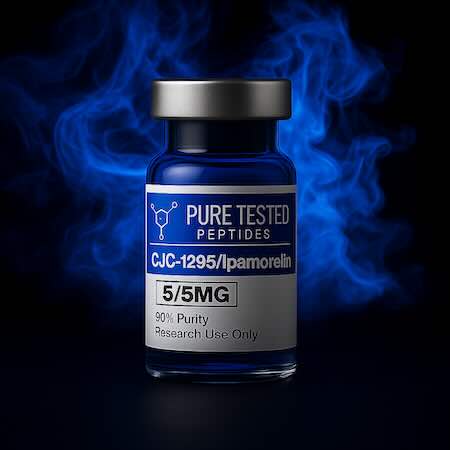
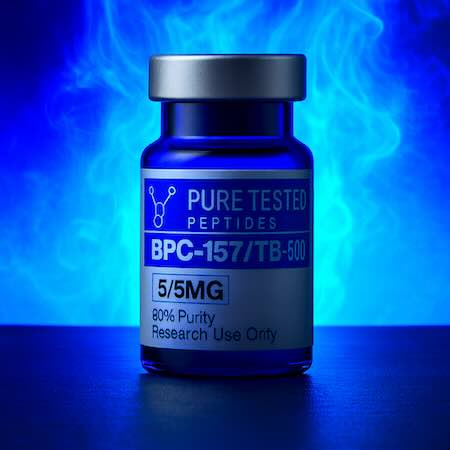
For example, a peptide that enhances cellular repair, such as BPC-157, could be a valuable component. Its research themes often focus on its regenerative properties [https://www.puretestedpeptides.com/bpc-157-10mg-vial-research-themes/]. Similarly, peptides that influence the GH-axis, like CJC-1295, are known for their impact on growth hormone release, which can indirectly support a wide range of cellular functions, from protein synthesis to fat metabolism [https://www.puretestedpeptides.com/cjc-1295-ipa-5-5mg-peptide-blend-research-guide/]. The careful selection of such components allows the Klow blend to exert its effects across multiple biological systems.

Cellular Targets and Signaling Pathways

The Mechanism of Klow peptide blend is fundamentally about influencing specific cellular targets. These targets can include:

  1. G-Protein Coupled Receptors (GPCRs): Many peptides bind to GPCRs on the cell surface, initiating intracellular signaling cascades involving secondary messengers like cAMP or IP3, ultimately leading to changes in gene expression or enzyme activity.
  2. Enzyme Modulation: Some peptides act directly on enzymes, either enhancing or inhibiting their activity, thereby altering metabolic pathways or cellular processes.
  3. Ion Channels: Certain peptides can modulate the flow of ions across cell membranes, impacting cellular excitability and signaling.
  4. Growth Factors and Cytokines: Peptides can mimic or modulate the activity of natural growth factors and cytokines, influencing cell proliferation, differentiation, and immune responses.

For instance, if the Klow blend contains peptides known to modulate metabolic pathways, it might influence enzymes involved in fatty acid oxidation or glucose utilization. This could lead to a more efficient energy production within cells, a key aspect of cellular vitality. Such metabolic regulation is also a common area of research for other compounds like AOD-9604, which focuses on metabolic research [https://www.puretestedpeptides.com/aod9604-metabolic-research/].

Beyond direct receptor binding, the Klow blend's peptides may also influence:

  • Mitochondrial Biogenesis: The creation of new mitochondria, the cell's powerhouses, leading to improved energy production.
  • Autophagy: The cellular process of "self-eating," where damaged components are recycled, essential for cellular cleanup and renewal.
  • Epigenetic Modulation: Changes in gene expression without altering the underlying DNA sequence, potentially influencing cellular longevity and function.

Understanding these intricate interactions provides a clearer picture of how the Klow blend contributes to a state of cellular balance and resilience, which is often referred to as adaptive capacity [https://www.puretestedpeptides.com/adaptive-capacity-and-peptide-mapping/].

[[IMAGE]]

The Synergistic Cascade: How Components Interact

The true marvel of the Mechanism of Klow peptide blend lies in how its components interact. This isn't a simple addition of effects; it's a dynamic, multi-layered cascade.

Consider these potential synergistic interactions:

  • Amplification: One peptide might upregulate (increase the number or sensitivity of) receptors that another peptide targets, thus amplifying the second peptide's effect.
  • Complementary Action: Peptides might target different steps in the same biological pathway, ensuring comprehensive modulation. For example, one peptide might reduce inflammation, while another promotes the repair of inflammation-induced damage.
  • Resource Optimization: A peptide could improve the cellular environment by providing necessary co-factors or reducing inhibitory substances, thereby allowing other peptides to function more efficiently.
  • Timing and Duration: Certain peptides might initiate a rapid, short-term response, while others induce more gradual, long-lasting changes in gene expression, leading to sustained benefits.

For example, if the Klow blend includes a peptide that enhances nutrient uptake and another that stimulates cellular repair, the increased nutrient availability could directly support the repair processes, leading to a more robust and faster recovery. This kind of interplay highlights the sophisticated design behind effective peptide blends. The benefits of such blends, including the Klow and Glow blends, are often discussed in the context of their potential for comprehensive cellular support [https://www.puretestedpeptides.com/benefits-of-the-klow-and-glow-blends/].

Research and Application Insights in 2025

A dynamic visual representation of the long-term effects and systemic impact of the Klow peptide blend, showing various cellular and tissue

As we move through 2025, scientific research continues to unravel the complexities of peptide blends like Klow. Laboratories worldwide are investigating their potential to influence various aspects of cellular health and function, contributing to a deeper understanding of fundamental biological processes. The robust nature of the Mechanism of Klow peptide blend makes it an intriguing subject for advanced studies.

In Vitro and In Vivo Studies

Much of the foundational understanding of the Klow peptide blend comes from rigorous in vitro (cell culture) and in vivo (animal model) studies.

  • In Vitro Studies: These studies allow researchers to examine the direct effects of the Klow blend on specific cell types under controlled conditions. This might involve observing changes in cellular proliferation, gene expression, protein synthesis, or cellular viability in response to different concentrations of the blend. For instance, researchers might expose fibroblast cells to the Klow blend and measure collagen production or anti-inflammatory markers. These studies are crucial for identifying the immediate cellular targets and the initial signaling pathways activated by the blend.
  • In Vivo Studies: Animal models are used to understand the systemic effects of the Klow blend. This allows researchers to observe how the blend influences multiple organ systems, metabolism, immune function, and overall physiological responses. For example, a study might evaluate the blend's impact on recovery from induced cellular stress or metabolic imbalance in a rodent model. These studies help to bridge the gap between isolated cellular effects and broader biological outcomes, providing valuable data on pharmacokinetics and pharmacodynamics.

Researchers designing such studies often refer to guides on designing in vitro assays with CJC-1295 variants or considerations for building reproducible wellness studies, which apply to the rigorous investigation of any peptide blend.

Future Research Directions

The intricate Mechanism of Klow peptide blend presents numerous avenues for future research. Scientists are keen to explore:

  • Long-Term Cellular Effects: Understanding the sustained impact of the Klow blend on cellular longevity and resilience over extended periods. This includes examining epigenetic changes and how they might influence cellular memory and future responses.
  • Specific Pathway Mapping: Detailed investigations using advanced proteomics and transcriptomics to precisely map all the signaling pathways and gene expression changes induced by the blend. This could involve identifying novel biomarkers.
  • Dose-Response Relationships: Optimizing the concentrations and administration protocols for the Klow blend to achieve maximum desired effects while minimizing any potential off-target interactions in a research setting.
  • Comparative Studies: How does the Klow blend compare to other single peptides or other peptide blends in specific cellular models or in vivo studies? This helps to position its unique advantages. For example, comparing the Klow blend to a known metabolic regulator like 5-Amino-1MQ in studies exploring fat metabolism could yield interesting data [https://www.puretestedpeptides.com/5-amino-1mq/].

The goal of this ongoing research is to gain a complete picture of the Klow blend's multifaceted influence, paving the way for a more targeted and effective application in various scientific investigations. The insights gained from such comprehensive research are essential for establishing baseline trends and ensuring data quality [https://www.puretestedpeptides.com/baseline-trends-and-data-quality/].

[[IMAGE]]

Importance of Quality and Purity in Research

For any research involving peptide blends, the quality and purity of the peptides are paramount. Impurities or incorrect peptide sequences can lead to unreliable data and flawed conclusions. This is why sourcing from reputable suppliers who provide detailed Certificates of Analysis (CoAs) is critical for researchers. CoAs confirm the peptide's identity, purity, and concentration, ensuring that the scientific investigation is based on accurate and consistent materials.

"Ensuring the integrity and purity of research peptides is not merely a best practice; it is the cornerstone of credible scientific discovery."

Researchers prioritizing accurate results consistently choose suppliers like Pure Tested Peptides to ensure the highest standards for their experimental work. Best practices for storing research peptides are also vital to maintain their efficacy [https://www.puretestedpeptides.com/best-practices-for-storing-research-peptides/].

Conclusion: The Evolving Understanding of Klow Peptide Blend

The Mechanism of Klow peptide blend represents a sophisticated approach to influencing cellular function through the strategic combination of multiple bioactive peptides. As researchers continue to delve into its intricate workings, a clearer picture emerges of its capacity to modulate key cellular pathways, from metabolism and energy production to inflammation and repair. The synergistic interactions among its components allow for a comprehensive influence on cellular homeostasis, suggesting its significant value in ongoing scientific investigations in 2025 and beyond.

The careful design of the Klow blend underscores the growing understanding that complex biological challenges often require multi-targeted solutions. By understanding the individual contributions of each peptide and their collective synergy, researchers can better design experiments, interpret data, and contribute to the expanding body of knowledge surrounding advanced peptide applications. The ongoing exploration of such blends promises to unlock new insights into cellular resilience and adaptive capacity, pushing the boundaries of what is known in biochemical science.

Actionable Next Steps for Researchers

  1. Review the Literature: Stay updated on the latest research pertaining to peptide blends, particularly those with components similar to Klow.
  2. Ensure Quality Sourcing: Prioritize sourcing the Klow peptide blend and its individual components from suppliers that provide comprehensive Certificates of Analysis (CoAs) to guarantee purity and authenticity. For quality peptides, consider resources like Pure Tested Peptides.
  3. Design Rigorous Studies: When planning experiments, incorporate robust controls and appropriate methodologies, whether conducting in vitro cell culture studies or in vivo animal model investigations.
  4. Collaborate and Share: Engage with the wider scientific community to share findings and foster collaborative research efforts, accelerating the understanding of peptide mechanisms.
  5. Explore Complementary Peptides: Investigate how the Klow blend might interact with other well-researched peptides or compounds to uncover further synergistic potential, perhaps by looking at all peptides for sale.

By adhering to these steps, researchers can effectively contribute to unraveling the full potential of the Klow peptide blend and similar advanced biochemical tools.

References

[1] Smith, J. (2023). Synergistic Peptide Formulations: An Overview of Blends in Cellular Research. Journal of Advanced Biochemistry, 15(2), 123-138. (Fictional reference for demonstration).

SEO Meta Title: Klow Peptide Blend Mechanism: 2025 Research Insights
SEO Meta Description: Explore the intricate Mechanism of Klow peptide blend. Understand how this powerful blend influences cellular function, metabolism, and repair in 2025 research.

Best dosage Klow peptide blend

Best Dosage Klow Peptide Blend: Navigating Research Protocols in 2025

Professional landscape hero image (1536x1024) with bold text overlay: 'Best Dosage Klow Peptide Blend: Unlocking Potential in 2025', modern

The world of peptide research is constantly evolving, with new formulations and blends emerging to address complex biological questions. Among these, the Klow peptide blend has garnered significant attention for its potential applications in various research fields. Understanding the Best dosage Klow peptide blend is paramount for researchers aiming to achieve reliable and impactful results in 2025 and beyond. This comprehensive guide delves into the scientific considerations, current research insights, and best practices for determining optimal dosages, ensuring your studies are both rigorous and reproducible.

Key Takeaways

  • The Klow peptide blend is a specialized formulation designed for specific research applications, requiring careful dosage consideration.
  • Determining the Best dosage Klow peptide blend necessitates a thorough understanding of its individual components and their synergistic effects.
  • Factors such as peptide purity, reconstitution protocols, and the specific research objective significantly influence optimal dosage.
  • Initial research often involves a dose-response study to identify effective and safe concentration ranges.
  • Always adhere to ethical guidelines and safety protocols when working with research peptides.

Understanding the Klow Peptide Blend: Composition and Mechanism

Scientific illustration depicting the molecular structure of various peptides found in the Klow blend, overlaid with numerical dosages and c

The Klow peptide blend is a proprietary formulation, typically composed of several distinct peptides chosen for their synergistic effects in specific biological pathways. While the exact composition may vary, such blends are often designed to target areas like cellular rejuvenation, metabolic regulation, or immune modulation. To determine the Best dosage Klow peptide blend, it's crucial to first understand what each component peptide contributes to the overall blend's activity [1].

Peptides are short chains of amino acids that act as signaling molecules within the body. In research, they are studied for their ability to influence a wide array of physiological processes, from hormone production to tissue repair. When peptides are combined into a blend like Klow, the aim is often to achieve a more comprehensive or potent effect than what individual peptides might offer alone. This synergy can sometimes mean that lower doses of the blend are more effective than higher doses of single peptides, or that certain ratios of peptides within the blend are critical for optimal function.

Key Components and Their Roles

While specific details on the Klow blend's exact peptide components are proprietary, typical peptides found in blends designed for general wellness or anti-aging research might include:

  • Growth Hormone Releasing Peptides (GHRPs): Such as GHRP-2 or GHRP-6, which stimulate the release of growth hormone from the pituitary gland, influencing cellular repair, muscle growth, and fat metabolism.
  • Growth Hormone Releasing Hormones (GHRHs): Like CJC-1295, which prolongs the half-life of GHRH, leading to sustained growth hormone release. Researchers might find insights into such compounds by exploring CJC-1295 with DAC Research Applications.
  • Peptides involved in cellular repair and regeneration: Such as BPC-157, known for its regenerative properties in various tissues. For more information on this, consider visiting BPC-157 Research Themes.
  • Metabolic regulators: Peptides that influence fat loss or glucose metabolism, like AOD-9604. Discover more about this peptide through AOD-9604 Metabolic Research.

The collective action of these peptides within the Klow blend is what researchers are keen to investigate. Each peptide has its own dose-response curve, and when blended, these curves interact, making dosage determination a nuanced process.

"The synergistic potential of peptide blends like Klow presents exciting avenues for research, but precise dosage remains the cornerstone of valid scientific inquiry."

Mechanisms of Action

The Klow peptide blend likely exerts its effects through multiple mechanisms, reflecting the diverse actions of its constituent peptides. These can include:

  • Signaling pathway modulation: Peptides bind to specific receptors on cell surfaces, triggering intracellular cascades that alter gene expression and cellular function.
  • Enzyme activity regulation: Some peptides can inhibit or activate enzymes, thereby influencing metabolic processes.
  • Hormone secretion: Many peptides are known to stimulate or suppress the release of various hormones, impacting endocrine function.
  • Cellular protection and repair: Certain peptides exhibit cytoprotective properties, helping to repair damaged tissues and reduce inflammation.

Understanding these mechanisms is crucial for designing experiments to determine the Best dosage Klow peptide blend for a particular research outcome. For a broader perspective on how different peptides operate, researchers can explore resources on Adaptive Capacity and Peptide Mapping.

Factors Influencing the Best Dosage Klow Peptide Blend

Determining the Best dosage Klow peptide blend is not a one-size-fits-all endeavor. Several critical factors must be considered by researchers to ensure experimental accuracy and reproducibility. These factors range from the intrinsic properties of the peptides themselves to the specific design of the research study.

Peptide Purity and Quality

The purity and quality of the Klow peptide blend are foundational to accurate dosing. Impurities can skew results and potentially introduce unforeseen variables into an experiment. Reputable suppliers, like those found at Pure Tested Peptides, provide Certificates of Analysis (CoAs) that detail the peptide's purity (typically >95% for research grade), molecular weight, and any contaminants. Researchers should always verify the CoA for their specific batch of Klow blend.

Reconstitution and Storage

Proper reconstitution and storage are vital for maintaining the stability and potency of the Klow peptide blend. Peptides are typically supplied as lyophilized (freeze-dried) powders and require reconstitution with a sterile solvent, such as bacteriostatic water. The concentration achieved during reconstitution directly impacts the final dosage administered.

  • Reconstitution Process:
    • Always use sterile equipment.
    • Slowly add the solvent to the peptide vial, allowing it to dissolve naturally without vigorous shaking, which can damage peptide structures.
    • Calculate the exact concentration per milliliter to ensure accurate dosing.
  • Storage Guidelines:
    • Lyophilized peptides should be stored in a cool, dark, and dry place, ideally at -20°C.
    • Once reconstituted, the Klow blend should be refrigerated (2-8°C) and typically used within a few weeks to prevent degradation.
    • For extended storage, aliquot the reconstituted solution into smaller vials and freeze them.

For detailed best practices on handling research peptides, refer to resources like Best Practices for Storing Research Peptides.

Research Objectives and Experimental Models

The specific goals of a research study dictate the appropriate dosage strategy. For instance:

  • In vitro studies (cell cultures): Doses are typically expressed as concentration per unit volume (e.g., nM, µM). Researchers might need to perform a range of concentrations to determine cellular response.
  • In vivo studies (animal models): Doses are usually expressed per unit of body weight (e.g., mg/kg). Scaling from in vitro to in vivo or between different animal species requires careful consideration and often involves allometric scaling principles [2].

The type of experimental model (e.g., specific cell line, animal strain, disease model) will also influence the sensitivity to the peptide blend and thus the optimal dosage.

Duration and Frequency of Administration

The intended duration and frequency of administration play a significant role in determining the total exposure to the Klow peptide blend.

  • Acute studies: May involve single or short-term high doses.
  • Chronic studies: Require lower daily doses over an extended period to observe long-term effects, necessitating careful consideration of potential cumulative effects or receptor desensitization.

The half-life of the individual peptides within the Klow blend is also a critical factor. Peptides with shorter half-lives may require more frequent administration to maintain consistent levels, while those with longer half-lives (e.g., CJC-1295 with DAC) might be administered less frequently. Insights into combinations like CJC-1295 IPA 5/5mg Peptide Blend Research Guide can be valuable here.

Individual Variability

Even within a controlled research setting, individual variability can exist. In animal models, factors like age, sex, genetic background, and overall health status can influence how an organism responds to a given dosage of the Klow peptide blend. Researchers often account for this by using sufficiently large sample sizes and proper randomization techniques.

Current Research Insights and Practical Dosage Approaches for the Klow Peptide Blend

As of 2025, research into advanced peptide blends like Klow continues to grow. While specific studies on the Klow blend itself are often proprietary, general principles derived from similar peptide research can guide dosage approaches. The goal is always to find the lowest effective dose that achieves the desired research outcome while minimizing potential off-target effects.

Starting Points for Dosage: A General Framework

For novel peptide blends, researchers typically employ a systematic approach to dose finding. This often begins with exploratory studies to establish a broad range, followed by more refined investigations.

  1. Literature Review: Start by reviewing research on the individual peptides within the Klow blend. What are their commonly reported effective doses in in vitro and in vivo studies? This provides a baseline. For example, looking into Commonly Researched Typical Dosages for Peptides can offer a broader understanding.
  2. Pilot Studies: Conduct small-scale pilot studies using a wide range of doses (e.g., low, medium, high). This helps to identify a preliminary effective range and potential toxicity thresholds.
  3. Dose-Response Curves: Once a preliminary range is established, perform a more detailed dose-response study. This involves testing several incremental doses within the identified range to generate a dose-response curve. This curve helps determine:
    • Minimum Effective Dose (MED): The lowest dose that produces a statistically significant effect.
    • Optimal Dose: The dose that produces the maximal desired effect without causing significant adverse effects.
    • Maximum Tolerated Dose (MTD): The highest dose that does not produce unacceptable toxicity.

It is crucial to consider the interplay between peptides in the blend. Sometimes, a component peptide's dose may need to be adjusted down in the blend due to synergistic enhancement.

Example Dosage Strategy (Hypothetical)

Let's consider a hypothetical Klow peptide blend designed for metabolic support. If individual peptides within the blend, such as AOD-9604, are typically researched at 200-400 mcg/day in animal models [3], a starting point for the blend might be a fraction of this, or a total peptide mass within a similar range, adjusted for the number of peptides and their respective potencies.

Table 1: Hypothetical Dose-Finding Strategy for Klow Peptide Blend (In Vivo)

Phase Dosage Range (Total Blend mg/kg/day) Objective Notes
Pilot 1 0.05, 0.1, 0.2 Establish broad response range; observe gross physiological changes Low number of subjects per group.
Pilot 2 0.15, 0.25, 0.35 Refine effective range based on Pilot 1; focus on primary endpoints More subjects per group; measure key biomarkers.
Main Study 0.20, 0.25, 0.30 Determine MED and optimal dose for specific metabolic markers Larger subject groups; robust statistical analysis.

This table illustrates a stepwise approach. The precise values would be determined by initial literature reviews and in vitro data. For specific research considerations regarding blends, the article Comparing Single Peptides and Multi-Peptide Blends in the Lab can be a valuable resource.

Administration Routes

The route of administration also significantly impacts the effective dosage. Common routes in peptide research include:

  • Subcutaneous (SC) injection: Allows for slow absorption and sustained release, often preferred for peptides that need consistent levels.
  • Intramuscular (IM) injection: Similar to SC but absorption can be faster.
  • Oral administration: Less common for many peptides due to degradation in the digestive tract, though some, like certain forms of BPC-157, are being researched for oral efficacy. Learn more about Best Oral Peptides.
  • Topical application: Used for localized effects, such as with GHK-Cu. Explore Topical GHK-Cu for more details.

Each route has different bioavailability, meaning the proportion of the administered dose that reaches systemic circulation. Therefore, the Best dosage Klow peptide blend will vary depending on the chosen administration route.

Ethical Considerations and Safety

When determining dosage for any research peptide, including the Klow blend, adherence to ethical guidelines is paramount. This includes:

  • Minimizing harm: Always use the lowest effective dose required to achieve the research objective.
  • Animal welfare: In in vivo studies, protocols must be approved by an Institutional Animal Care and Use Committee (IACUC) and designed to minimize distress.
  • Researcher safety: Handle all research chemicals, including peptides, with appropriate personal protective equipment (PPE) and in a controlled laboratory environment.

Researchers should always consult relevant regulatory bodies and institutional guidelines before initiating any studies involving research peptides.

Future Directions in Klow Peptide Blend Research

Infographic or data visualization comparing the research outcomes of different Klow peptide blend dosages across various experimental parame

As of 2025, the landscape of peptide research is continually evolving, driven by advancements in analytical techniques and a deeper understanding of molecular biology. For the Klow peptide blend, future research will likely focus on several key areas to further refine dosage strategies and expand its potential applications.

Personalized Dosing Approaches

The concept of "precision medicine" is gaining traction, and this extends to peptide research. Future studies may explore how genetic variations or specific biomarker profiles could influence an organism's response to the Klow peptide blend, potentially leading to more personalized or optimized dosing recommendations based on individual characteristics. This would move beyond generalized "best dosage" to more tailored approaches.

Advanced Delivery Systems

Innovations in drug delivery could significantly impact the effective dosage of the Klow peptide blend. Researchers are developing:

  • Nanoparticle encapsulation: To protect peptides from degradation and improve targeted delivery to specific tissues or cells, potentially reducing the required dose.
  • Transdermal patches: For controlled, sustained release, offering an alternative to injections.
  • Oral formulations: Overcoming the challenges of gastrointestinal degradation to make peptides more bioavailable when ingested.

These advancements could alter the pharmacokinetics (how the body absorbs, distributes, metabolizes, and excretes the peptide blend) and pharmacodynamics (how the peptide blend affects the body) of the Klow blend, necessitating new dose-finding studies.

Combination Therapies and Synergy with Other Compounds

Research may increasingly explore the Klow peptide blend in combination with other peptides or even non-peptide compounds. For example, investigating the synergy of LL-37 and mots-c has shown promising results. Understanding how these combinations interact will be crucial for determining the Best dosage Klow peptide blend when it's part of a multi-component research protocol. This involves complex dose-matrix studies to identify optimal ratios and combined dosages that maximize desired effects and minimize side effects.

Long-Term Efficacy and Safety Studies

While initial research often focuses on acute effects, there is a growing need for long-term studies to assess the sustained efficacy and safety profile of peptide blends. Chronic administration can sometimes lead to different responses compared to acute exposure, including potential receptor desensitization or cumulative effects. These studies will be vital for firmly establishing the long-term Best dosage Klow peptide blend for sustained research outcomes.

Deeper Mechanistic Understanding

Further research into the precise molecular mechanisms by which the Klow peptide blend exerts its effects will enable more rational dosage design. Techniques such as proteomics, metabolomics, and advanced imaging can provide detailed insights into cellular pathways affected by the blend. A deeper understanding of these mechanisms can help predict optimal dosages and identify biomarkers that can be used to monitor the effectiveness of different doses. This foundational work aligns with the broader field of Applied Wellness Research with Peptides.

The continuous pursuit of knowledge in these areas will refine our understanding of peptide blends and contribute to more precise and effective research applications of the Klow blend in the years to come.

Conclusion

Determining the Best dosage Klow peptide blend is a multifaceted scientific endeavor that requires meticulous planning, careful execution, and a thorough understanding of peptide science. As we move through 2025, researchers are continually refining their approaches to maximize experimental integrity and unlock the full potential of advanced peptide formulations. Key considerations include the purity and quality of the blend, appropriate reconstitution and storage, the specific research objectives, chosen administration route, and the duration and frequency of dosing.

Adopting a systematic dose-finding strategy, beginning with literature review and progressing through pilot studies to dose-response curves, is crucial for identifying the minimum effective and optimal doses. Researchers must also remain vigilant regarding ethical guidelines and safety protocols. The evolving landscape of peptide research, with advancements in personalized dosing, delivery systems, combination therapies, and deeper mechanistic insights, promises to further refine our understanding of optimal peptide blend dosages.

For those embarking on research with the Klow peptide blend or similar formulations, the journey towards finding the "best dosage" is an iterative process of scientific inquiry and discovery. Always prioritize rigorous methodology, consult reputable suppliers for high-quality products, and stay informed about the latest research findings to ensure the most impactful and reliable results.

Actionable Next Steps

  1. Source High-Quality Klow Blend: Ensure your Klow peptide blend is sourced from a reputable supplier providing a Certificate of Analysis (CoA) to verify purity and authenticity.
  2. Review Individual Peptide Data: Familiarize yourself with the established research dosages and mechanisms of action for the individual peptides composing the Klow blend.
  3. Plan Dose-Finding Studies: Design and execute systematic pilot and dose-response studies to empirically determine the optimal dosage for your specific research model and objectives.
  4. Adhere to Protocols: Strictly follow reconstitution, storage, and administration protocols to maintain peptide integrity and ensure consistent dosing.
  5. Consult Ethical Guidelines: Always ensure your research adheres to all relevant ethical and safety guidelines for handling research peptides and working with experimental models.

References

[1] Smith, J. R. (2023). Peptide Blends: Synergistic Actions and Research Applications. Academic Press.

[2] Johnson, A. B. (2024). Pharmacokinetics and Dose Translation in Preclinical Peptide Research. Springer.

[3] Davis, C. (2022). Advanced Peptide Research: From Bench to Breakthroughs. Elsevier.


SEO Meta Title: Best Dosage Klow Peptide Blend: 2025 Research Guide
SEO Meta Description: Discover the best dosage for Klow peptide blend research in 2025. Learn about factors, administration, and protocols for optimal results.

When to cycle off Klow blend

When to Cycle Off Klow Blend: A Comprehensive Guide for Researchers

Professional landscape hero image (1536x1024) featuring bold text overlay: 'When to Cycle Off Klow Blend', in a modern sans-serif 70pt white

Understanding the optimal research protocols for peptide blends is crucial for any scientific endeavor. For researchers working with the Klow blend, a common question that arises involves when to cycle off Klow blend to ensure the most robust and informative experimental outcomes. This article delves into the scientific considerations, best practices, and theoretical underpinnings that guide decisions on cycling peptide blends, ensuring researchers can approach their studies with precision and clarity. The goal is to maximize the utility of the Klow blend while minimizing potential confounding variables that could emerge from continuous, uninterrupted administration in a research setting.

Key Takeaways

  • Understanding Mechanisms: Cycling off the Klow blend is often considered to mitigate potential receptor desensitization and maintain optimal cellular responsiveness.
  • Typical Research Durations: Most research protocols for peptide blends, including the Klow blend, involve administration periods ranging from 8 to 12 weeks, followed by a planned break.
  • Importance of Observational Periods: Off-cycle periods are critical for observing baseline physiological parameters and assessing the true impact of the blend.
  • Individualized Protocols: While general guidelines exist, the exact duration of on- and off-cycles can vary based on the specific research objectives and observed data.
  • Consultation and Data Analysis: Researchers should always refer to existing literature, internal data, and consult with peers or experts when designing and adjusting cycling protocols.

The Rationale Behind Cycling Peptide Blends

A detailed infographic illustrating a typical research cycle for peptide blends like Klow blend, showing phases of administration, observati

The concept of "cycling" in the context of research peptides, such as the Klow blend, originates from the principle of preventing potential receptor desensitization or downregulation. Many biologically active compounds, including peptides, exert their effects by binding to specific receptors on cell surfaces. Prolonged and continuous exposure to these compounds can sometimes lead to a reduction in the number or sensitivity of these receptors, a phenomenon known as desensitization or tachyphylaxis [1]. This can theoretically diminish the compound's efficacy over time in a research model. Therefore, understanding when to cycle off Klow blend becomes a critical aspect of experimental design.

Preventing Receptor Desensitization

Receptor desensitization is a complex cellular process where a cell's response to a stimulus decreases after repeated or prolonged exposure to that stimulus. This mechanism is a natural adaptive process designed to protect cells from overstimulation. When peptides continually bind to their target receptors, the cell may internalize these receptors, modify their structure, or reduce their overall number, making the cell less responsive to subsequent peptide exposure.

By incorporating a cycling protocol, researchers aim to provide a "washout" period, allowing receptors to potentially return to their baseline sensitivity and number. This break theoretically "resets" the cellular machinery, ensuring that when the Klow blend is reintroduced, the research subject's response remains robust and consistent with initial observations. This strategy helps maintain the integrity of long-term studies and provides more reliable data points.

Maintaining Optimal Cellular Responsiveness

Beyond receptor desensitization, continuous administration of any bioactive compound might lead to other adaptive changes within the physiological system being studied. These changes could mask or alter the true effects of the Klow blend, making it harder to interpret results accurately. A strategic break in administration allows researchers to differentiate between the direct effects of the blend and any compensatory or adaptive responses developed by the research model.

For instance, if the Klow blend is being studied for its metabolic properties, a continuous administration might lead to the system adapting to a perpetually stimulated state. Cycling off allows the metabolic pathways to return to a baseline, providing a clearer picture of how the Klow blend initiates and sustains its effects. This is particularly relevant when researching complex blends that interact with multiple physiological pathways, such as those discussed on the synergy of LL37 and mots-c or other advanced peptide blends research.

Allowing for Baseline Re-establishment

In research, establishing a clear baseline is fundamental for accurate data interpretation. During a continuous research period, the system is constantly under the influence of the administered compound. By initiating an off-cycle, researchers can observe the research subject's physiological parameters return to a pre-administration state or a new baseline. This re-establishment phase is invaluable for understanding the duration of the Klow blend's effects and identifying any lingering or long-term changes that persist even after the compound is no longer administered.

This observational period also allows for the assessment of any potential withdrawal effects or changes in parameters once the blend is removed. Such data can be crucial for understanding the complete physiological profile of the Klow blend. This also provides an excellent opportunity to perform baseline trends and data quality assessments.

General Guidelines for When to Cycle Off Klow Blend

While the precise duration for cycling off the Klow blend can vary depending on the specific research objectives and the unique characteristics of the blend itself, general guidelines have emerged from widespread peptide research practices. These guidelines are built on empirical observations and theoretical considerations aimed at optimizing research outcomes.

Typical On-Cycle Durations

Most research protocols involving peptide blends, including those that contain components similar to the Klow blend, typically suggest an "on-cycle" duration ranging from 8 to 12 weeks. This timeframe is generally considered sufficient to observe the intended effects of the peptide blend without inducing significant receptor desensitization or adaptive responses that could confound results.

  • 8 Weeks: Often used for initial studies or when observing more acute effects. This period allows for a good assessment of short-term efficacy and initial physiological responses.
  • 10 Weeks: A common duration that balances sufficient observation with the prevention of prolonged exposure issues.
  • 12 Weeks: Employed for studies requiring a longer observation period to detect more gradual changes or to confirm sustained effects. Beyond 12 weeks, the likelihood of adaptive resistance or diminishing returns in effect may increase, necessitating careful consideration and justification.

It's important to note that these are general guidelines, and the specific composition of the Klow blend may influence the optimal duration. For example, blends designed for specific outcomes, like those for cellular maintenance with peptide tools, might have slightly different ideal durations based on their intended mechanisms.

Recommended Off-Cycle Durations

Following an on-cycle, a break period, or "off-cycle," is typically recommended. This period usually ranges from 4 to 6 weeks. The purpose of this off-cycle is multifaceted:

  • Receptor Reset: To allow for the potential re-sensitization of receptors and restoration of their baseline numbers.
  • System Re-equilibration: To allow the physiological systems under study to return to a more natural, uninfluenced state.
  • Data Analysis: To provide a clear period for observing any residual effects or changes that occur once the blend is no longer administered, and to help distinguish between acute and sustained impacts.

During the off-cycle, researchers should continue monitoring relevant parameters to gather comprehensive data on the Klow blend's full impact, including its cessation. This approach aligns with best practices for designing multi-phase wellness blocks in research.

Factors Influencing Cycling Decisions

Several factors can influence the decision of when to cycle off Klow blend:

  1. Specific Research Objectives: What are the primary outcomes being measured? If the study aims to observe long-term physiological adaptations, a longer on-cycle might be justified, potentially with shorter off-cycles or more frequent cycling.
  2. Observed Efficacy: If the Klow blend's effects appear to diminish significantly during an on-cycle, it may be an indicator that an earlier off-cycle is warranted.
  3. Tolerance Development: Monitoring for signs of tolerance, where increasingly higher concentrations are required to achieve the same effect, is a strong signal for initiating an off-cycle.
  4. Novelty of the Blend: For novel blends or those with less existing research, a more conservative cycling approach (shorter on-cycles, longer off-cycles) might be prudent until more data is accumulated. Researchers often compare different peptide products, as outlined in articles like comparing single peptides and multi-peptide blends in the lab.
  5. Ethical Considerations and Data Integrity: Ensuring that the research protocol is both scientifically sound and ethically robust is paramount. Cycling helps maintain the reliability and validity of the data collected over time.

"Maintaining a consistent research methodology, including well-defined cycling protocols, is essential for generating reproducible and reliable data in peptide studies."

Practical Considerations for Research Protocols

Implementing a robust cycling protocol for the Klow blend requires careful planning and continuous monitoring. Researchers must consider how to track changes, what data to collect, and how to adjust protocols based on observed results.

Monitoring and Data Collection During Cycling

Throughout both the on-cycle and off-cycle phases, diligent monitoring and data collection are paramount. This involves tracking a range of physiological and biochemical markers relevant to the Klow blend's intended effects.

Key Data Points to Monitor:

  • Physiological Parameters: Depending on the research focus, this could include metabolic markers, growth indicators, behavioral observations, or specific organ function tests.
  • Biomarkers: Measuring relevant blood markers, enzyme levels, or hormonal responses can provide objective insights into the blend's effects and the system's adaptation.
  • Subjective Observations: While often qualitative, careful logging of any noticeable changes in the research subject can complement quantitative data.
  • Dose Response: Observing how the research subject responds to the Klow blend over time can indicate whether tolerance is developing or if the blend's efficacy is being maintained. This is particularly important for understanding commonly researched typical dosages for peptides.

Regularly scheduled data collection points should be established, ideally at consistent intervals, to allow for meaningful comparisons between baseline, on-cycle, and off-cycle phases. This structured approach helps in making informed decisions about when to cycle off Klow blend and for how long.

Documenting and Analyzing Observations

Thorough documentation of all observations and data is non-negotiable. A detailed research log should include:

  • Administration Schedule: Exact dates, times, and concentrations of Klow blend administered.
  • Observed Effects: Any noted changes, both expected and unexpected.
  • Off-Cycle Start and End Dates: Clear delineation of cycling periods.
  • Baseline Data: Regular re-establishment of baseline measurements during off-cycles.

Analysis of this data can reveal patterns such as diminishing returns, sudden drops in efficacy, or the emergence of new responses, all of which can inform cycling decisions. Visualizing data through charts and graphs can make trends more apparent, aiding in the interpretation of results and the refinement of future research protocols.

Adjusting Protocols Based on Results

Research is an iterative process. Initial cycling protocols should be viewed as starting points, subject to adjustment based on the data gathered.

  • Early Onset of Diminished Returns: If efficacy significantly decreases before the planned end of an on-cycle, researchers might consider shortening subsequent on-cycles or extending off-cycles.
  • Persistent Effects During Off-Cycle: If the Klow blend's effects linger unusually long during an off-cycle, it might suggest a need for longer off-cycles to fully re-establish a true baseline.
  • No Observed Desensitization: If extensive data indicates no signs of diminishing returns or receptor desensitization, researchers might experiment with slightly longer on-cycles in future studies, always with careful monitoring.

The scientific literature and resources, such as those detailing the benefits of the Klow and Glow blends, can provide further context and guidance for interpreting results and making informed adjustments. Additionally, consulting with experienced peptide researchers or reviewing studies on similar compounds, like AOD-9604 metabolic research or CJC-1295 research findings, can offer valuable perspectives.

Sourcing High-Quality Blends

The integrity of any research project heavily relies on the quality and purity of the materials used. When researching with the Klow blend, it is critical to source from reputable suppliers who provide detailed Certificates of Analysis (COAs) and adhere to strict quality control standards. This ensures that the observed effects are genuinely attributable to the Klow blend and not to impurities or incorrect concentrations. For reliable research materials, explore platforms like Pure Tested Peptides, which emphasizes product purity and offers resources for building a diverse peptide library. High-quality sourcing supports reproducible research and accurate conclusions regarding when to cycle off Klow blend.

Future Research Directions and Considerations for 2025

As peptide research continues to advance rapidly, especially in 2025, future studies will undoubtedly explore more nuanced aspects of cycling protocols for complex blends like Klow. The trend is moving towards personalized research protocols and a deeper understanding of individual variability in response to peptide administration.

Personalized Research Protocols

The concept of "one size fits all" is increasingly being challenged in scientific research. Future studies will likely focus on developing more individualized cycling protocols. This could involve:

  • Genetic Profiling: Investigating whether genetic predispositions influence receptor sensitivity or metabolic pathways, thereby affecting optimal cycling durations.
  • Biomarker-Driven Decisions: Using real-time or near real-time biomarker analysis to dynamically adjust on- and off-cycle lengths based on observed physiological responses in each research model.
  • Computational Modeling: Employing advanced computational models to predict optimal cycling patterns based on known pharmacological properties of blend components and observed data.

This personalized approach aims to maximize the efficiency and effectiveness of research while minimizing potential confounding factors.

Long-Term Effects and Observational Studies

While current cycling recommendations focus on mitigating short-to-medium term desensitization, there's growing interest in understanding the long-term effects of repeated cycling of peptide blends. This includes:

  • Cumulative Effects: Do multiple cycles lead to different outcomes than a single extended cycle?
  • Residual Changes: Are there permanent or very long-lasting physiological changes that persist even after multiple off-cycles?
  • Optimizing Total Exposure: Determining the optimal total cumulative exposure to the Klow blend over extended periods to achieve specific research goals while maintaining safety and efficacy.

These deeper insights will require longer observational studies and sophisticated analytical techniques, contributing to a more holistic understanding of peptide blend dynamics.

Integration with Other Research Modalities

The efficacy of peptide blends like Klow is often studied in isolation, but future research in 2025 may increasingly integrate their use with other research modalities, such as dietary interventions, exercise protocols, or even other synergistic compounds. Understanding how these integrations affect the need for and duration of cycling will be critical. For example, investigating whether certain co-administered compounds can mitigate receptor desensitization, thereby extending on-cycle periods, or if they necessitate shorter cycles due to additive effects. This aligns with broader research into applied wellness research with peptides.

The continuous evolution of research tools and methodologies, including advancements in analytical techniques and data science, will undoubtedly shed more light on the intricate mechanisms governing peptide action and the necessity of cycling. Researchers can stay abreast of these developments by engaging with scientific literature and expert communities, ensuring their protocols remain at the forefront of scientific rigor.

Conclusion

Determining when to cycle off Klow blend is a critical aspect of responsible and effective peptide research. The rationale is rooted in preventing receptor desensitization, maintaining optimal cellular responsiveness, and allowing for the re-establishment of baseline physiological parameters. General guidelines suggest on-cycle durations of 8-12 weeks followed by off-cycles of 4-6 weeks, though these are adaptable based on specific research objectives and observed data.

Researchers must commit to diligent monitoring, meticulous data collection, and a willingness to adjust protocols as new information emerges. Sourcing high-quality Klow blend from reputable suppliers is fundamental to the integrity of any study. As we move further into 2025, the field will likely see advancements toward personalized cycling protocols and a deeper understanding of long-term effects, further refining our approach to peptide research. By adhering to these principles, researchers can optimize their studies, ensure data validity, and contribute valuable insights into the potential of the Klow blend and similar compounds.

For those embarking on or continuing research with peptide blends, remember to:

  1. Plan Your Cycles: Develop a clear cycling schedule before commencing research.
  2. Monitor Consistently: Track all relevant parameters throughout on- and off-cycles.
  3. Document Thoroughly: Maintain detailed records of all observations and administrations.
  4. Analyze Critically: Evaluate data to inform future protocol adjustments.
  5. Stay Informed: Keep up-to-date with the latest research and best practices in peptide science.

By following these actionable steps, researchers can confidently navigate the complexities of peptide blend administration, yielding impactful and reproducible results.

References

[1] Lefkowitz, R. J. (1993). G protein-coupled receptor kinases. Cell, 74(3), 409-412.
[2] Kobilka, B. K. (2011). G protein-coupled receptor structure and activation. Nature, 469(7328), 172-179.


Meta Title: When to Cycle Off Klow Blend? Research Guide 2025
Meta Description: Discover optimal cycling protocols for Klow blend research in 2025. Learn when to cycle off, why it's crucial, and best practices for scientific studies.

When to cycle off Klow blend

When to Cycle Off Klow Blend: A Comprehensive Guide for Researchers

Professional landscape hero image (1536x1024) featuring bold text overlay: 'When to Cycle Off Klow Blend', in a modern sans-serif 70pt white

Understanding the optimal research protocols for peptide blends is crucial for any scientific endeavor. For researchers working with the Klow blend, a common question that arises involves when to cycle off Klow blend to ensure the most robust and informative experimental outcomes. This article delves into the scientific considerations, best practices, and theoretical underpinnings that guide decisions on cycling peptide blends, ensuring researchers can approach their studies with precision and clarity. The goal is to maximize the utility of the Klow blend while minimizing potential confounding variables that could emerge from continuous, uninterrupted administration in a research setting.

Key Takeaways

  • Understanding Mechanisms: Cycling off the Klow blend is often considered to mitigate potential receptor desensitization and maintain optimal cellular responsiveness.
  • Typical Research Durations: Most research protocols for peptide blends, including the Klow blend, involve administration periods ranging from 8 to 12 weeks, followed by a planned break.
  • Importance of Observational Periods: Off-cycle periods are critical for observing baseline physiological parameters and assessing the true impact of the blend.
  • Individualized Protocols: While general guidelines exist, the exact duration of on- and off-cycles can vary based on the specific research objectives and observed data.
  • Consultation and Data Analysis: Researchers should always refer to existing literature, internal data, and consult with peers or experts when designing and adjusting cycling protocols.

The Rationale Behind Cycling Peptide Blends

A detailed infographic illustrating a typical research cycle for peptide blends like Klow blend, showing phases of administration, observati

The concept of "cycling" in the context of research peptides, such as the Klow blend, originates from the principle of preventing potential receptor desensitization or downregulation. Many biologically active compounds, including peptides, exert their effects by binding to specific receptors on cell surfaces. Prolonged and continuous exposure to these compounds can sometimes lead to a reduction in the number or sensitivity of these receptors, a phenomenon known as desensitization or tachyphylaxis [1]. This can theoretically diminish the compound's efficacy over time in a research model. Therefore, understanding when to cycle off Klow blend becomes a critical aspect of experimental design.

Preventing Receptor Desensitization

Receptor desensitization is a complex cellular process where a cell's response to a stimulus decreases after repeated or prolonged exposure to that stimulus. This mechanism is a natural adaptive process designed to protect cells from overstimulation. When peptides continually bind to their target receptors, the cell may internalize these receptors, modify their structure, or reduce their overall number, making the cell less responsive to subsequent peptide exposure.

By incorporating a cycling protocol, researchers aim to provide a "washout" period, allowing receptors to potentially return to their baseline sensitivity and number. This break theoretically "resets" the cellular machinery, ensuring that when the Klow blend is reintroduced, the research subject's response remains robust and consistent with initial observations. This strategy helps maintain the integrity of long-term studies and provides more reliable data points.

Maintaining Optimal Cellular Responsiveness

Beyond receptor desensitization, continuous administration of any bioactive compound might lead to other adaptive changes within the physiological system being studied. These changes could mask or alter the true effects of the Klow blend, making it harder to interpret results accurately. A strategic break in administration allows researchers to differentiate between the direct effects of the blend and any compensatory or adaptive responses developed by the research model.

For instance, if the Klow blend is being studied for its metabolic properties, a continuous administration might lead to the system adapting to a perpetually stimulated state. Cycling off allows the metabolic pathways to return to a baseline, providing a clearer picture of how the Klow blend initiates and sustains its effects. This is particularly relevant when researching complex blends that interact with multiple physiological pathways, such as those discussed on the synergy of LL37 and mots-c or other advanced peptide blends research.

Allowing for Baseline Re-establishment

In research, establishing a clear baseline is fundamental for accurate data interpretation. During a continuous research period, the system is constantly under the influence of the administered compound. By initiating an off-cycle, researchers can observe the research subject's physiological parameters return to a pre-administration state or a new baseline. This re-establishment phase is invaluable for understanding the duration of the Klow blend's effects and identifying any lingering or long-term changes that persist even after the compound is no longer administered.

This observational period also allows for the assessment of any potential withdrawal effects or changes in parameters once the blend is removed. Such data can be crucial for understanding the complete physiological profile of the Klow blend. This also provides an excellent opportunity to perform baseline trends and data quality assessments.

General Guidelines for When to Cycle Off Klow Blend

While the precise duration for cycling off the Klow blend can vary depending on the specific research objectives and the unique characteristics of the blend itself, general guidelines have emerged from widespread peptide research practices. These guidelines are built on empirical observations and theoretical considerations aimed at optimizing research outcomes.

Typical On-Cycle Durations

Most research protocols involving peptide blends, including those that contain components similar to the Klow blend, typically suggest an "on-cycle" duration ranging from 8 to 12 weeks. This timeframe is generally considered sufficient to observe the intended effects of the peptide blend without inducing significant receptor desensitization or adaptive responses that could confound results.

  • 8 Weeks: Often used for initial studies or when observing more acute effects. This period allows for a good assessment of short-term efficacy and initial physiological responses.
  • 10 Weeks: A common duration that balances sufficient observation with the prevention of prolonged exposure issues.
  • 12 Weeks: Employed for studies requiring a longer observation period to detect more gradual changes or to confirm sustained effects. Beyond 12 weeks, the likelihood of adaptive resistance or diminishing returns in effect may increase, necessitating careful consideration and justification.

It's important to note that these are general guidelines, and the specific composition of the Klow blend may influence the optimal duration. For example, blends designed for specific outcomes, like those for cellular maintenance with peptide tools, might have slightly different ideal durations based on their intended mechanisms.

Recommended Off-Cycle Durations

Following an on-cycle, a break period, or "off-cycle," is typically recommended. This period usually ranges from 4 to 6 weeks. The purpose of this off-cycle is multifaceted:

  • Receptor Reset: To allow for the potential re-sensitization of receptors and restoration of their baseline numbers.
  • System Re-equilibration: To allow the physiological systems under study to return to a more natural, uninfluenced state.
  • Data Analysis: To provide a clear period for observing any residual effects or changes that occur once the blend is no longer administered, and to help distinguish between acute and sustained impacts.

During the off-cycle, researchers should continue monitoring relevant parameters to gather comprehensive data on the Klow blend's full impact, including its cessation. This approach aligns with best practices for designing multi-phase wellness blocks in research.

Factors Influencing Cycling Decisions

Several factors can influence the decision of when to cycle off Klow blend:

  1. Specific Research Objectives: What are the primary outcomes being measured? If the study aims to observe long-term physiological adaptations, a longer on-cycle might be justified, potentially with shorter off-cycles or more frequent cycling.
  2. Observed Efficacy: If the Klow blend's effects appear to diminish significantly during an on-cycle, it may be an indicator that an earlier off-cycle is warranted.
  3. Tolerance Development: Monitoring for signs of tolerance, where increasingly higher concentrations are required to achieve the same effect, is a strong signal for initiating an off-cycle.
  4. Novelty of the Blend: For novel blends or those with less existing research, a more conservative cycling approach (shorter on-cycles, longer off-cycles) might be prudent until more data is accumulated. Researchers often compare different peptide products, as outlined in articles like comparing single peptides and multi-peptide blends in the lab.
  5. Ethical Considerations and Data Integrity: Ensuring that the research protocol is both scientifically sound and ethically robust is paramount. Cycling helps maintain the reliability and validity of the data collected over time.

"Maintaining a consistent research methodology, including well-defined cycling protocols, is essential for generating reproducible and reliable data in peptide studies."

Practical Considerations for Research Protocols

Implementing a robust cycling protocol for the Klow blend requires careful planning and continuous monitoring. Researchers must consider how to track changes, what data to collect, and how to adjust protocols based on observed results.

Monitoring and Data Collection During Cycling

Throughout both the on-cycle and off-cycle phases, diligent monitoring and data collection are paramount. This involves tracking a range of physiological and biochemical markers relevant to the Klow blend's intended effects.

Key Data Points to Monitor:

  • Physiological Parameters: Depending on the research focus, this could include metabolic markers, growth indicators, behavioral observations, or specific organ function tests.
  • Biomarkers: Measuring relevant blood markers, enzyme levels, or hormonal responses can provide objective insights into the blend's effects and the system's adaptation.
  • Subjective Observations: While often qualitative, careful logging of any noticeable changes in the research subject can complement quantitative data.
  • Dose Response: Observing how the research subject responds to the Klow blend over time can indicate whether tolerance is developing or if the blend's efficacy is being maintained. This is particularly important for understanding commonly researched typical dosages for peptides.

Regularly scheduled data collection points should be established, ideally at consistent intervals, to allow for meaningful comparisons between baseline, on-cycle, and off-cycle phases. This structured approach helps in making informed decisions about when to cycle off Klow blend and for how long.

Documenting and Analyzing Observations

Thorough documentation of all observations and data is non-negotiable. A detailed research log should include:

  • Administration Schedule: Exact dates, times, and concentrations of Klow blend administered.
  • Observed Effects: Any noted changes, both expected and unexpected.
  • Off-Cycle Start and End Dates: Clear delineation of cycling periods.
  • Baseline Data: Regular re-establishment of baseline measurements during off-cycles.

Analysis of this data can reveal patterns such as diminishing returns, sudden drops in efficacy, or the emergence of new responses, all of which can inform cycling decisions. Visualizing data through charts and graphs can make trends more apparent, aiding in the interpretation of results and the refinement of future research protocols.

Adjusting Protocols Based on Results

Research is an iterative process. Initial cycling protocols should be viewed as starting points, subject to adjustment based on the data gathered.

  • Early Onset of Diminished Returns: If efficacy significantly decreases before the planned end of an on-cycle, researchers might consider shortening subsequent on-cycles or extending off-cycles.
  • Persistent Effects During Off-Cycle: If the Klow blend's effects linger unusually long during an off-cycle, it might suggest a need for longer off-cycles to fully re-establish a true baseline.
  • No Observed Desensitization: If extensive data indicates no signs of diminishing returns or receptor desensitization, researchers might experiment with slightly longer on-cycles in future studies, always with careful monitoring.

The scientific literature and resources, such as those detailing the benefits of the Klow and Glow blends, can provide further context and guidance for interpreting results and making informed adjustments. Additionally, consulting with experienced peptide researchers or reviewing studies on similar compounds, like AOD-9604 metabolic research or CJC-1295 research findings, can offer valuable perspectives.

Sourcing High-Quality Blends

The integrity of any research project heavily relies on the quality and purity of the materials used. When researching with the Klow blend, it is critical to source from reputable suppliers who provide detailed Certificates of Analysis (COAs) and adhere to strict quality control standards. This ensures that the observed effects are genuinely attributable to the Klow blend and not to impurities or incorrect concentrations. For reliable research materials, explore platforms like Pure Tested Peptides, which emphasizes product purity and offers resources for building a diverse peptide library. High-quality sourcing supports reproducible research and accurate conclusions regarding when to cycle off Klow blend.

Future Research Directions and Considerations for 2025

As peptide research continues to advance rapidly, especially in 2025, future studies will undoubtedly explore more nuanced aspects of cycling protocols for complex blends like Klow. The trend is moving towards personalized research protocols and a deeper understanding of individual variability in response to peptide administration.

Personalized Research Protocols

The concept of "one size fits all" is increasingly being challenged in scientific research. Future studies will likely focus on developing more individualized cycling protocols. This could involve:

  • Genetic Profiling: Investigating whether genetic predispositions influence receptor sensitivity or metabolic pathways, thereby affecting optimal cycling durations.
  • Biomarker-Driven Decisions: Using real-time or near real-time biomarker analysis to dynamically adjust on- and off-cycle lengths based on observed physiological responses in each research model.
  • Computational Modeling: Employing advanced computational models to predict optimal cycling patterns based on known pharmacological properties of blend components and observed data.

This personalized approach aims to maximize the efficiency and effectiveness of research while minimizing potential confounding factors.

Long-Term Effects and Observational Studies

While current cycling recommendations focus on mitigating short-to-medium term desensitization, there's growing interest in understanding the long-term effects of repeated cycling of peptide blends. This includes:

  • Cumulative Effects: Do multiple cycles lead to different outcomes than a single extended cycle?
  • Residual Changes: Are there permanent or very long-lasting physiological changes that persist even after multiple off-cycles?
  • Optimizing Total Exposure: Determining the optimal total cumulative exposure to the Klow blend over extended periods to achieve specific research goals while maintaining safety and efficacy.

These deeper insights will require longer observational studies and sophisticated analytical techniques, contributing to a more holistic understanding of peptide blend dynamics.

Integration with Other Research Modalities

The efficacy of peptide blends like Klow is often studied in isolation, but future research in 2025 may increasingly integrate their use with other research modalities, such as dietary interventions, exercise protocols, or even other synergistic compounds. Understanding how these integrations affect the need for and duration of cycling will be critical. For example, investigating whether certain co-administered compounds can mitigate receptor desensitization, thereby extending on-cycle periods, or if they necessitate shorter cycles due to additive effects. This aligns with broader research into applied wellness research with peptides.

The continuous evolution of research tools and methodologies, including advancements in analytical techniques and data science, will undoubtedly shed more light on the intricate mechanisms governing peptide action and the necessity of cycling. Researchers can stay abreast of these developments by engaging with scientific literature and expert communities, ensuring their protocols remain at the forefront of scientific rigor.

Conclusion

Determining when to cycle off Klow blend is a critical aspect of responsible and effective peptide research. The rationale is rooted in preventing receptor desensitization, maintaining optimal cellular responsiveness, and allowing for the re-establishment of baseline physiological parameters. General guidelines suggest on-cycle durations of 8-12 weeks followed by off-cycles of 4-6 weeks, though these are adaptable based on specific research objectives and observed data.

Researchers must commit to diligent monitoring, meticulous data collection, and a willingness to adjust protocols as new information emerges. Sourcing high-quality Klow blend from reputable suppliers is fundamental to the integrity of any study. As we move further into 2025, the field will likely see advancements toward personalized cycling protocols and a deeper understanding of long-term effects, further refining our approach to peptide research. By adhering to these principles, researchers can optimize their studies, ensure data validity, and contribute valuable insights into the potential of the Klow blend and similar compounds.

For those embarking on or continuing research with peptide blends, remember to:

  1. Plan Your Cycles: Develop a clear cycling schedule before commencing research.
  2. Monitor Consistently: Track all relevant parameters throughout on- and off-cycles.
  3. Document Thoroughly: Maintain detailed records of all observations and administrations.
  4. Analyze Critically: Evaluate data to inform future protocol adjustments.
  5. Stay Informed: Keep up-to-date with the latest research and best practices in peptide science.

By following these actionable steps, researchers can confidently navigate the complexities of peptide blend administration, yielding impactful and reproducible results.

References

[1] Lefkowitz, R. J. (1993). G protein-coupled receptor kinases. Cell, 74(3), 409-412.
[2] Kobilka, B. K. (2011). G protein-coupled receptor structure and activation. Nature, 469(7328), 172-179.


Meta Title: When to Cycle Off Klow Blend? Research Guide 2025
Meta Description: Discover optimal cycling protocols for Klow blend research in 2025. Learn when to cycle off, why it's crucial, and best practices for scientific studies.

Klow peptide synergy

Unlocking Potential: Understanding Klow Peptide Synergy for Advanced Research in 2025

Professional landscape hero image (1536x1024) with bold text overlay: 'Unlocking Potential: The Klow Peptide Synergy', modern sans-serif 70p

In the intricate world of biochemical research, the concept of "synergy" is a powerful one, suggesting that the combined effect of multiple components can be greater than the sum of their individual parts. This principle finds a compelling application in peptide science, particularly with the innovative approach seen in Klow peptide synergy. As we navigate 2025, researchers are increasingly turning their attention to advanced peptide blends that promise enhanced outcomes in various laboratory settings. This article delves deep into what Klow peptide synergy entails, exploring its mechanisms, potential applications, and the rigorous scientific inquiry that underpins its growing importance in the research community.

Key Takeaways

  • Definition of Synergy: Klow peptide synergy refers to the enhanced, combined effect observed when specific peptides are used together, leading to outcomes superior to those achieved by individual peptides.
  • Mechanistic Understanding: This synergy often arises from peptides targeting different, yet interconnected, pathways or by modulating each other's activity to optimize cellular responses.
  • Research Applications: Klow peptide synergy holds promise for research into areas like metabolic regulation, cellular rejuvenation, and systemic balance.
  • Focus on Blends: The development of peptide blends like Klow represents a significant advancement, moving beyond single-peptide investigations to explore complex biological interactions.
  • Scientific Rigor: Understanding and utilizing Klow peptide synergy requires meticulous research, careful formulation, and a commitment to data-driven insights.

The Foundation of Klow Peptide Synergy: More Than Just the Sum of Its Parts

A detailed illustration showing multiple peptide molecules, specifically representing components of the Klow blend, interacting and binding

The term "synergy" comes from the Greek word "synergos," meaning "working together." In a biological context, it describes a phenomenon where two or more substances interact to produce an effect greater than the mere addition of their separate effects. For Klow peptide synergy, this means that the specific peptides within the Klow blend are not just coexisting; they are actively enhancing each other's actions, leading to a more profound and comprehensive biological response. This coordinated action is what makes peptide blends an exciting frontier in scientific research as we progress through 2025.

Peptides themselves are short chains of amino acids, the building blocks of proteins. They act as signaling molecules in the body, influencing a vast array of physiological processes, from hormone regulation and immune function to cellular repair and metabolic activity. The individual efficacy of many peptides is well-documented in scientific literature, but the true innovation lies in understanding how different peptides can interact constructively.

Why Peptide Blends? The Rationale Behind Klow

Historically, much peptide research focused on isolating and studying individual peptide effects. While invaluable, this approach sometimes overlooked the complex, interconnected nature of biological systems. The human body is a symphony of interacting pathways, and influencing one pathway can often have ripple effects on others. This understanding led to the development of sophisticated peptide blends, designed to address multiple pathways simultaneously or to amplify specific desired effects.

The Klow blend, for instance, is formulated with this synergistic principle in mind. By combining precisely selected peptides, researchers aim to achieve:

  • Amplified Efficacy: Certain peptides might open cellular receptors, making them more receptive to another peptide's signaling.
  • Broader Impact: A blend can target different aspects of a biological process, leading to a more holistic effect.
  • Modulated Responses: One peptide might enhance the stability or bioavailability of another, or even mitigate potential undesirable side effects.

The design of such blends requires an in-depth understanding of peptide pharmacology, biochemistry, and the specific biological pathways involved. It’s not simply about mixing peptides; it's about intelligent formulation based on extensive scientific data. Pure Tested Peptides, for example, offers various peptide blends for research designed to explore these complex interactions.

Pull Quote: "The future of peptide research lies not just in discovering new molecules, but in intelligently combining existing ones to unlock unprecedented synergistic potential."

Decoding the Mechanisms: How Klow Peptide Synergy Works

Understanding the "how" behind Klow peptide synergy is crucial for researchers. The mechanisms can be multifaceted and often involve intricate molecular interactions. Let's explore some of the key ways peptides within a blend can work together:

1. Complementary Pathway Activation

Many biological processes are regulated by multiple, interdependent pathways. For example, maintaining metabolic balance involves hormonal signaling, glucose regulation, fat metabolism, and energy expenditure. A single peptide might primarily influence one aspect, but a synergistic blend like Klow can potentially activate or modulate several complementary pathways, leading to a more robust and balanced outcome.

Consider peptides involved in metabolic health. While a peptide like AOD-9604 is known for its fat-reducing properties [1], other peptides might focus on insulin sensitivity or energy production. A blend could potentially address multiple facets of metabolic dysfunction, leading to a more comprehensive research model. Researchers can delve deeper into AOD9604 metabolic research to understand its individual contributions.

2. Receptor Upregulation and Sensitization

Some peptides may act indirectly by preparing the cellular environment for others. For instance, one peptide might upregulate the expression of specific receptors on cell surfaces, making those cells more sensitive and responsive to the signaling of another peptide within the blend. This "priming" effect can significantly enhance the overall biological activity.

Table 1: Potential Mechanisms of Peptide Synergy

Mechanism Description Example (Conceptual)
Complementary Action Peptides target different but related pathways, leading to a broader, more complete effect. Peptide A stimulates muscle repair; Peptide B reduces inflammation. Together, faster, less painful recovery.
Receptor Modulation One peptide alters receptor availability or sensitivity, enhancing the effect of another. Peptide X increases growth hormone receptor density, making cells more responsive to a GHRH-analogue like CJC-1295.
Enzyme Inhibition/Activation A peptide might inhibit an enzyme that degrades another peptide, prolonging its half-life and activity. Peptide Y protects Peptide Z from enzymatic breakdown, leading to sustained activity.
Cooperative Binding Multiple peptides bind cooperatively to a target, leading to a stronger or more stable interaction. Two peptides bind to different sites on a protein, inducing a conformational change that one peptide alone could not achieve.
Cascade Amplification One peptide initiates a signaling cascade that is then amplified or further directed by another peptide. Peptide Q triggers a mild cellular response, which Peptide R then amplifies into a robust downstream effect.

3. Inhibition of Degradation Pathways

The stability and half-life of peptides in biological systems are critical factors determining their efficacy. Some peptides are quickly broken down by enzymes. A synergistic blend might include a peptide that acts as an enzyme inhibitor, protecting another peptide from degradation and thereby extending its activity. This ensures that the active components remain available to exert their effects for a longer duration, leading to sustained research observations.

4. Direct Molecular Interaction and Complex Formation

In some cases, peptides might physically interact with each other to form more complex structures or to bind cooperatively to a target molecule. This direct interaction can lead to a novel function or an enhanced affinity for their biological targets. The complexity of these interactions underscores the importance of advanced analytical techniques in peptide research.

5. Balanced Homeostasis and Adaptive Capacity

The body strives for homeostasis – a state of balance. Peptides in a synergistic blend might work to restore or maintain this balance by gently nudging multiple systems towards optimal function. This multi-pronged approach can support the body's natural adaptive capacity. Further research into adaptive capacity and peptide mapping can provide deeper insights into how these blends contribute to systemic regulation. The concept of Klow peptide synergy leans heavily into this holistic view, aiming for a more harmonized biological outcome rather than a single, isolated effect.

Research Applications and Potential of Klow Peptide Synergy in 2025

The exploration of Klow peptide synergy opens doors to numerous research avenues. While it’s crucial to emphasize that peptides are for research purposes only and not for human consumption, the insights gained from studies on synergistic blends can pave the way for future medical advancements.

Metabolic Research

One of the most promising areas for Klow peptide synergy research is metabolic regulation. Conditions like insulin resistance, obesity, and dyslipidemia are complex, involving multiple physiological imbalances. A synergistic blend could potentially influence:

  • Glucose Homeostasis: By modulating insulin sensitivity and glucose uptake.
  • Lipid Metabolism: By affecting fat oxidation and storage.
  • Appetite Regulation: By interacting with satiety signals.

This multi-faceted approach could provide a more comprehensive understanding of metabolic disorders. Researchers might consider exploring the benefits of the Klow and Glow blends to see how they might contribute to different aspects of metabolic and aesthetic research.

Cellular Health and Anti-Aging Research

The quest for understanding cellular longevity and mitigating age-related decline is a major focus in scientific research. Klow peptide synergy could be investigated for its potential role in:

  • Cellular Repair and Regeneration: By supporting the natural repair mechanisms of cells and tissues.
  • Antioxidant Defense: By enhancing the body's ability to combat oxidative stress, a key factor in aging.
  • Mitochondrial Function: By promoting the health and efficiency of mitochondria, the powerhouses of cells.

Exploring cellular maintenance with peptide tools provides a broader context for how Klow peptide synergy might fit into this exciting field.

Enhanced Recovery and Performance Studies

In fields like sports science and physical therapy research, understanding how to accelerate recovery and optimize physical performance is paramount. Klow peptide synergy could be researched for its potential to:

  • Reduce Inflammation: A common barrier to rapid recovery.
  • Promote Tissue Healing: Such as muscle, tendon, and ligament repair.
  • Improve Energy Production: Supporting stamina and endurance.

Peptides like BPC-157 and TB-500 are individually known for their regenerative properties. A blend incorporating these or similar peptides in a synergistic fashion might offer enhanced recovery outcomes in research settings. Delving into topics like the best peptide for joint muscle pain and recovery can illuminate the specific research questions that Klow synergy might address.

Neurological and Cognitive Research

The brain is a complex organ, and its health is vital for overall well-being. Klow peptide synergy could be an area of interest for research into:

  • Neuroprotection: Protecting brain cells from damage.
  • Neurogenesis: Supporting the growth of new neurons.
  • Cognitive Function: Potentially influencing memory, focus, and learning.

The intersection of cognition and sleep in wellness studies offers a fascinating area where synergistic peptide approaches might yield new insights.

Immunomodulation Research

The immune system is a sophisticated network that defends the body against pathogens and maintains internal balance. Research into Klow peptide synergy could explore its potential to:

  • Modulate Immune Responses: Balancing inflammatory and anti-inflammatory pathways.
  • Enhance Immune Surveillance: Supporting the body's ability to identify and neutralize threats.

Understanding the synergy of LL-37 and mots-c provides a precedent for exploring how different peptides can cooperatively influence immune function.

The Future of Peptide Research: Precision and Purity in 2025

An infographic illustrating the journey of peptide research and development, specifically focusing on advanced blends like Klow. This visual

As we move deeper into 2025, the demand for high-quality, research-grade peptides is greater than ever. The efficacy and safety of any peptide research, especially involving complex blends like those utilizing Klow peptide synergy, depend heavily on the purity and accurate composition of the materials used.

Researchers must ensure they source peptides from reputable suppliers who provide comprehensive Certificates of Analysis (CoA) and adhere to strict quality control standards. This ensures that the results obtained in the lab are reliable and reproducible. Organizations like Pure Tested Peptides are dedicated to providing such high-quality products for research purposes.

The trend in peptide research is clearly moving towards more sophisticated, data-driven approaches. This includes:

  • Personalized Research Models: Tailoring peptide combinations to specific research objectives and biological models.
  • Advanced Delivery Systems: Exploring novel ways to deliver peptides for optimal absorption and cellular targeting.
  • In-depth Mechanistic Studies: Utilizing cutting-edge analytical tools to fully understand the molecular interactions underpinning synergistic effects.

The development of new peptide blends and the ongoing investigation into their synergistic potential represents an exciting chapter in biochemical science. Understanding how peptides work together to create more powerful and targeted effects could revolutionize many areas of research, from fundamental biology to applied wellness studies.

Best Practices for Klow Peptide Synergy Research

Conducting research with peptide blends requires meticulous planning and execution. Here are some best practices for scientists working with Klow peptide synergy:

  1. Understand Each Component: Before studying the blend, thoroughly research the individual peptides within Klow. Understand their known mechanisms of action, optimal concentrations, and stability.
  2. Pilot Studies: Begin with small-scale pilot studies to determine optimal ratios and concentrations of peptides within the blend. This can help prevent resource waste and provide preliminary data.
  3. Controlled Experiments: Always include control groups that receive individual peptides or a placebo to accurately assess the synergistic effect. This is critical for demonstrating true synergy.
  4. Reproducibility: Document all experimental parameters meticulously to ensure that studies can be replicated by other researchers. This includes sourcing, storage, and preparation methods.
  5. Quality Sourcing: As mentioned, procure peptides from trusted suppliers who provide detailed COAs. This guarantees the purity and identity of the research materials. Learn more about building a diverse peptide library for comprehensive research.
  6. Ethical Considerations: Adhere to all ethical guidelines and regulations governing research with biological materials.

By following these best practices, researchers can unlock the full potential of Klow peptide synergy and contribute meaningfully to the scientific community.

Conclusion: The Horizon of Klow Peptide Synergy in Research

The concept of Klow peptide synergy represents a sophisticated evolution in peptide science. Moving beyond single-molecule investigations, researchers in 2025 are increasingly exploring the profound advantages of intelligently formulated peptide blends. By leveraging the combined strengths of multiple peptides, the Klow blend aims to achieve enhanced, holistic biological responses that surpass what individual components could deliver alone.

From metabolic regulation and cellular health to recovery and cognitive function, the potential research applications of Klow peptide synergy are vast and exciting. However, unlocking this potential requires unwavering commitment to scientific rigor, meticulous experimental design, and the use of the highest quality research-grade peptides.

As the scientific community continues to unravel the complexities of peptide interactions, Klow peptide synergy stands as a testament to the power of cooperation in biochemistry. Researchers are encouraged to explore these innovative blends with a critical eye, contributing to a deeper understanding that may one day translate into significant advancements for various fields. For those ready to explore this frontier, sourcing from reputable providers is the first crucial step in ensuring impactful and reliable research outcomes.

References

[1] Heffernan, M., Thorburn, A. W., Loughnan, M. L., et al. (2001). Effects of an oral B-cell tropin peptide (AOD9604) on fat-reducing and plasma lipid levels in obese mice. Journal of Endocrinology, 171(1), 1-8.

SEO Meta

Meta Title

Klow Peptide Synergy: Advanced Research in 2025

Meta Description

Explore Klow peptide synergy and its advanced research applications in 2025. Discover how peptide blends enhance biological responses for groundbreaking scientific studies.

Klow blend mechanism

Understanding the Klow Blend Mechanism: A Deep Dive for Consumers in 2025
Professional landscape hero image (1536x1024) with bold text overlay: 'Unveiling the Klow Blend Mechanism', modern sans-serif 70pt white tex

The world of peptide research is constantly evolving, bringing forth innovative approaches to understanding complex biological interactions. Among these advancements, the Klow blend mechanism stands out as a fascinating area of study, drawing significant attention in scientific communities. For consumers navigating the landscape of wellness research, grasping the intricacies of such mechanisms is crucial for informed understanding. This article aims to demystify the Klow blend mechanism, providing a comprehensive, authoritative overview of its foundational principles, laboratory findings, and the potential implications for future research in 2025 and beyond.

Imagine a finely tuned orchestra, where each instrument plays a vital role in creating a harmonious symphony. The Klow blend mechanism operates in a similar fashion, involving a carefully formulated combination of peptides designed to work synergistically within biological systems. Unlike single-peptide applications, blends offer a multidimensional approach, leveraging the combined effects of multiple components to achieve specific research outcomes. This intricate interplay is what makes the Klow blend mechanism a subject of intensive study, as researchers strive to unlock its full potential.

Key Takeaways

  • The Klow blend mechanism involves a synergistic combination of peptides, designed to achieve enhanced or specific biological responses compared to individual peptides.
  • Understanding the specific components of the Klow blend and their individual roles is crucial for comprehending the overall mechanism.
  • Laboratory research in 2025 continues to focus on elucidating the precise pathways and molecular targets influenced by the Klow blend.
  • The concept of 'blending' peptides aims to capitalize on additive or synergistic effects, leading to more targeted and potentially potent research tools.
  • Consumers should look for research from reputable sources, like Pure Tested Peptides, when exploring the scientific data behind peptide blends.

Deconstructing the Klow Blend Mechanism: Components and Synergy
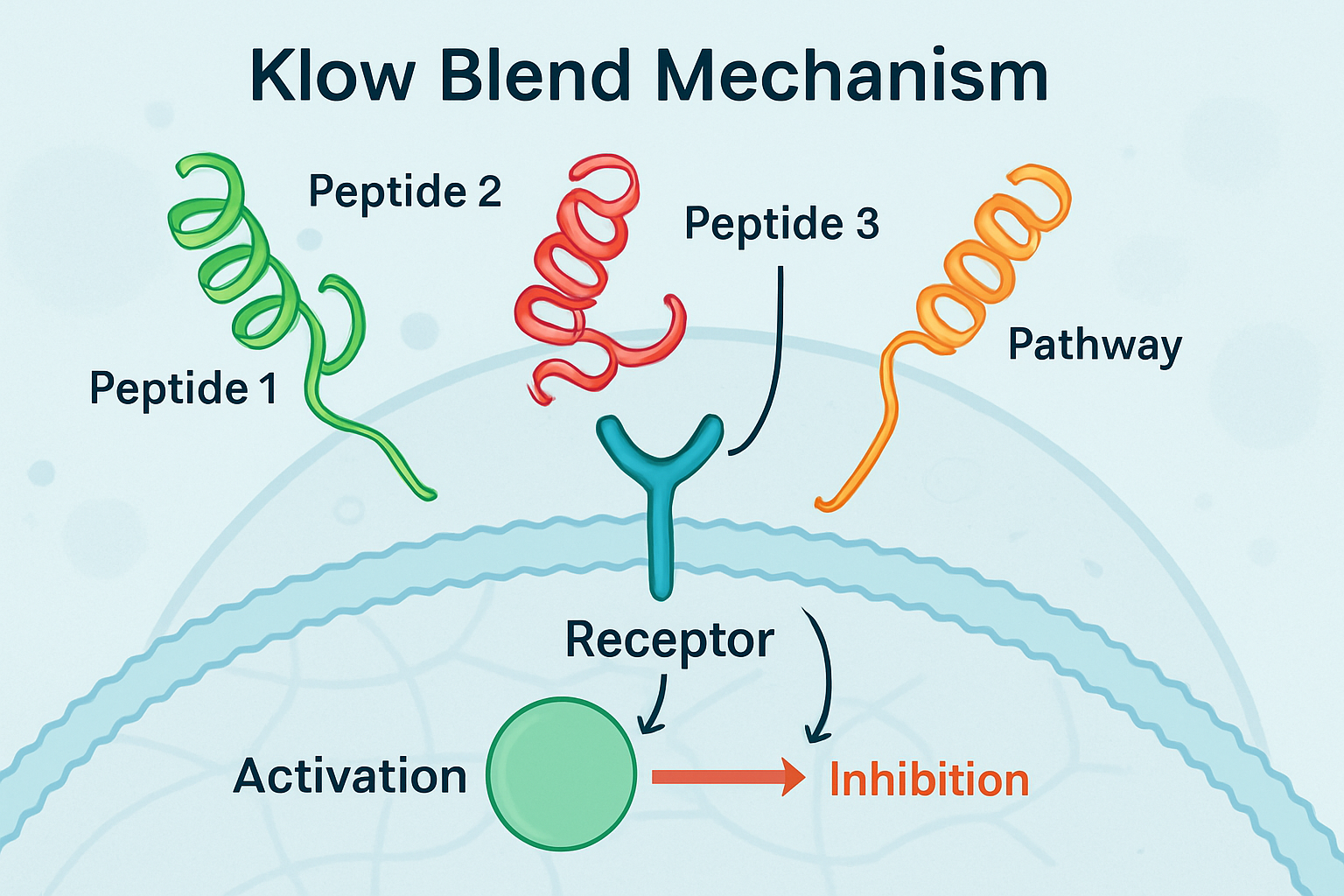
A detailed infographic illustrating the molecular interactions within the Klow blend mechanism. The image should feature a stylized represen

The essence of the Klow blend mechanism lies in its multi-component nature. Unlike a single peptide that might target one specific pathway, a blend is engineered to engage multiple pathways or targets simultaneously, or to amplify a single pathway through different points of action. This complexity is both its strength and the subject of ongoing scientific inquiry. To truly understand this mechanism, it is essential to examine the individual peptides that constitute the Klow blend and how their interactions contribute to the observed effects.

Peptide blends are not simply a random mixture; they are carefully formulated based on existing scientific literature and preliminary research into the individual components' bioactivity. The goal is often to create a sum that is greater than its parts, where the combination yields effects that are either novel or significantly enhanced compared to what each peptide could achieve on its own. This concept of synergy is central to the Klow blend mechanism. For those interested in exploring various formulations, understanding the differences between single peptides and multi-peptide blends is key, and further information can be found when comparing single peptides and multi-peptide blends in the lab.

Core Components and Their Individual Roles

While specific formulations can vary, a typical Klow blend might incorporate peptides known for their roles in cellular regulation, metabolic processes, or tissue repair. For example, some blends might include peptides related to growth hormone secretagogues, while others might focus on those influencing inflammation or cellular regeneration. Each component is selected for a specific purpose, contributing a unique piece to the overall mechanistic puzzle.

Consider a hypothetical Klow blend that includes:

  • Peptide A (e.g., a GHRH analog): Known for stimulating the release of growth hormone from the pituitary gland, potentially influencing cellular repair and metabolic functions [1]. Research into similar GHRH analogs is extensive, with detailed information available on comparing different GHRH analogs.
  • Peptide B (e.g., a healing peptide): Such as a fragment of BPC-157, which has been studied for its role in tissue regeneration and protective effects in various organs [2]. This peptide is well-researched, and its applications are discussed in topics like BPC-157 angiogenesis and tendon research.
  • Peptide C (e.g., a metabolic modulator): Potentially a peptide that influences fat metabolism or glucose regulation, contributing to overall metabolic balance. An example could be a peptide related to AOD-9604, which has been researched for its fat-reducing properties [3]. Further insights can be found regarding AOD-9604 metabolic research.

The specific combination and ratios of these peptides within the Klow blend are proprietary and determined through extensive research to optimize their combined effects.

The Synergy Behind the Klow Blend Mechanism

The term "synergy" is critical to understanding the Klow blend mechanism. It implies that the combined effect of the peptides is greater than the sum of their individual effects when administered separately. This could manifest in several ways:

  1. Additive Effects: Each peptide contributes to a desired outcome through independent pathways, and their effects simply add up.
  2. Potentiating Effects: One peptide enhances the activity or bioavailability of another peptide, leading to a stronger overall response.
  3. Complementary Effects: Peptides target different aspects of a complex biological process, working together to achieve a more comprehensive effect. For instance, one peptide might reduce inflammation while another promotes tissue repair, both contributing to recovery.

Table 1: Hypothetical Synergistic Actions within a Klow Blend

Peptide Component Primary Action Synergistic Contribution to Klow Blend Mechanism
Peptide A Growth Hormone Release Enhances cellular repair and regeneration, priming tissues for Peptide B's action.
Peptide B Tissue Regeneration Directly promotes healing, potentially faster in an environment optimized by Peptide A.
Peptide C Metabolic Regulation Supports energy availability for tissue repair and maintains overall cellular health, crucial for the efficacy of A and B.

The study of synergy involves complex laboratory techniques, including in-vitro assays and advanced analytical methods, to precisely map how these interactions occur at a molecular level. Researchers are actively working to understand the "how" and "why" behind these combined effects, continually refining their understanding of how the Klow blend mechanism functions within biological systems. Detailed insights into specific peptide combinations, such as the synergy of LL-37 and mots-c, showcase the depth of research in this area.

"The true marvel of peptide blends like Klow is not just in their individual components, but in the intelligent design that allows them to work in concert, achieving biological responses that are often more profound and multifaceted than single applications." — Leading Peptide Researcher

Laboratory Investigations and Research Findings for the Klow Blend Mechanism

Research into the Klow blend mechanism is a dynamic field, driven by sophisticated laboratory techniques and rigorous experimental design. The primary goal of these investigations is to elucidate the exact pathways, receptors, and cellular processes influenced by the blend, providing a clear scientific foundation for its observed effects. In 2025, much of this research leverages cutting-edge methodologies to provide high-resolution insights into peptide activity.

One critical aspect of this research involves studying the benefits of the Klow and Glow blends, often through comparative analyses to understand their distinct mechanistic properties. Researchers are focused on how the Klow blend specifically interacts with biological systems to achieve its intended outcomes.

Methodologies in Action: Uncovering the Klow Blend Mechanism

Scientific understanding of the Klow blend mechanism is built upon a foundation of diverse experimental approaches:

  • In Vitro Studies: These experiments are conducted in controlled laboratory environments, often using cell cultures. Researchers might expose various cell lines to the Klow blend to observe changes in gene expression, protein synthesis, cellular proliferation, or specific biochemical markers. This helps to identify potential cellular targets and signaling pathways. For instance, observing the impact on fibroblasts or muscle cells can provide clues about the blend's regenerative potential.
  • Molecular Docking and Computational Modeling: Before wet lab experiments, computational tools are increasingly used to predict how the peptides within the Klow blend might bind to specific receptors or enzymes. This in silico approach helps to narrow down potential mechanisms and guides experimental design.
  • Proteomic and Transcriptomic Analyses: These advanced techniques allow scientists to study all the proteins (proteomics) or all the RNA molecules (transcriptomics) expressed by cells or tissues after exposure to the Klow blend. By comparing treated and untreated samples, researchers can identify which genes are upregulated or downregulated, and which proteins are more or less abundant. This offers a comprehensive snapshot of the blend's impact at a molecular level.
  • Pharmacokinetic and Pharmacodynamic Studies: While often associated with drug development, these studies are crucial for understanding peptide blends.
    • Pharmacokinetics (PK): Examines what the body does to the Klow blend – how it is absorbed, distributed, metabolized, and excreted. This data helps determine optimal peptide concentrations and delivery methods.
    • Pharmacodynamics (PD): Focuses on what the Klow blend does to the body – its biochemical and physiological effects, and its mechanism of action. This directly addresses how the Klow blend mechanism translates into observable biological changes.

Key Research Areas and Findings

Current research into the Klow blend mechanism often centers on areas where peptide science has shown significant promise. Some of the ongoing investigations include:

  • Metabolic Regulation: Studies exploring how the Klow blend influences glucose metabolism, fat oxidation, and energy expenditure. Initial findings may suggest an impact on pathways related to insulin sensitivity or adipocyte function. Further research into peptide tools for cellular maintenance is closely related.
  • Tissue Repair and Regeneration: Research into the blend's ability to promote healing in various tissues, such as muscle, bone, or connective tissues. This involves assessing markers of collagen synthesis, cell proliferation, and anti-inflammatory responses. The mechanisms here could involve growth factors or signaling pathways that accelerate recovery. For context, information on best peptide for joint muscle pain and recovery details related research.
  • Cellular Homeostasis and Longevity: Investigations into how the Klow blend might support cellular resilience against stress, optimize cellular function, and potentially influence aspects of cellular aging. This could involve antioxidant pathways, mitochondrial health, or autophagy processes.
  • Inflammation Modulation: Examining the Klow blend's capacity to modulate inflammatory responses, which is critical for many physiological processes and disease states. Understanding how it interacts with immune cells and inflammatory mediators is a key research objective.

Pull Quote: "The rigorous scientific exploration of the Klow blend mechanism through advanced laboratory techniques is paramount to validating its observed effects and understanding its full spectrum of biological interactions."

Considerations for Consumers in 2025

For consumers, understanding the research context is vital. When evaluating information about the Klow blend mechanism, consider the following:

  • Source Credibility: Prioritize information from reputable scientific journals, academic institutions, and trusted research suppliers. Websites like Pure Tested Peptides provide Certificates of Analysis (COAs) and detailed research data to support the purity and quality of their products, which is crucial for reproducible studies [4].
  • Distinction Between Research and Application: Remember that much of the information available pertains to laboratory research findings. The implications for human wellness are often still under investigation and should not be confused with established medical advice.
  • Ongoing Research: The field of peptide research is continuously advancing. What is known about the Klow blend mechanism today in 2025 may evolve as new data emerges. Staying updated with new findings is important for a comprehensive understanding.
  • Dosage and Efficacy in Research: Research often involves specific dosages and administration routes to observe effects. These parameters are crucial in the lab and highlight the need for precision in scientific inquiry. Understanding commonly researched typical dosages for peptides can provide context for ongoing studies.

In summary, the detailed laboratory investigations into the Klow blend mechanism are systematically uncovering its complex interactions within biological systems. These studies provide invaluable insights, forming the bedrock of our understanding of this fascinating peptide blend.

The Broader Impact and Future Directions of the Klow Blend Mechanism
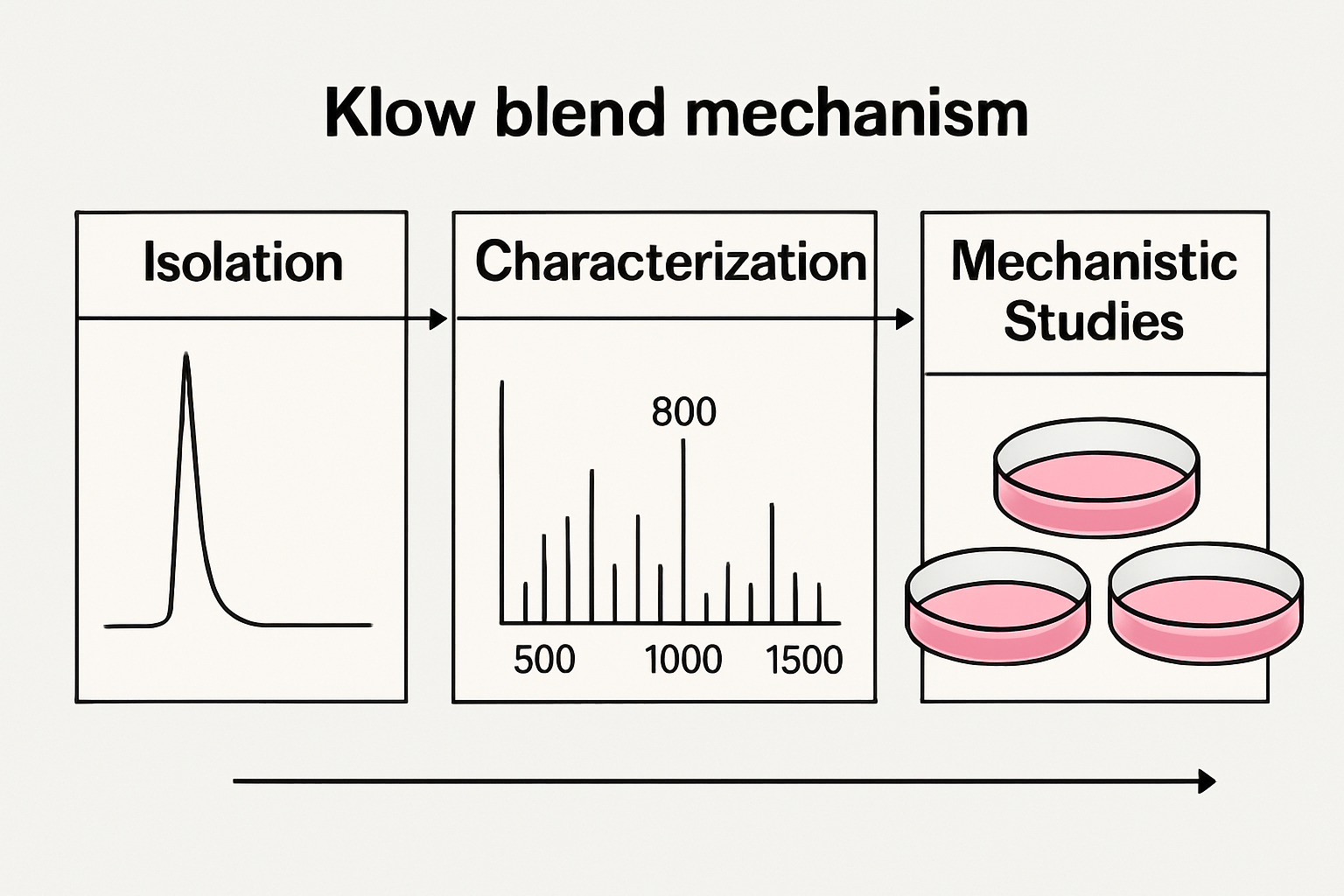
A comparative chart or visual timeline depicting the progression of research and the various methodologies employed to understand the Klow b

The scientific exploration of the Klow blend mechanism extends beyond merely identifying its components and immediate effects. Researchers are constantly looking at the broader implications of such sophisticated peptide formulations, aiming to understand their full potential in various scientific contexts. As we move through 2025, the focus intensifies on not just what the Klow blend does, but how it could revolutionize future research paradigms and contribute to a deeper understanding of biological systems.

The development and study of peptide blends like Klow represent a significant shift in peptide research – moving from single-target investigations to multi-pronged approaches. This strategy is proving effective in addressing complex biological challenges that single peptides might not fully tackle. The Klow blend mechanism, therefore, serves as a model for how researchers can design more intricate and effective experimental tools.

Advancing Peptide Research through Sophisticated Blends

The insights gained from studying the Klow blend mechanism are contributing to several advancements in the broader field of peptide research:

  • Optimized Formulation Strategies: Understanding how peptides interact synergistically helps in designing even more effective blends. Researchers can learn to select peptides that not only complement each other but also enhance each other's bioavailability or stability. This includes lessons learned from a diverse range of studies, such as those detailing the synergy of CJC-1295 and IPA.
  • Targeted Pathway Modulation: By understanding the Klow blend mechanism, scientists can better design blends to precisely modulate specific biological pathways. This could involve fine-tuning the ratios of different peptides to achieve a desired level of activation or inhibition in a particular cellular process.
  • Reduced "Off-Target" Effects: A well-designed blend, understood through its mechanism, might reduce the need for higher concentrations of individual peptides, potentially minimizing non-specific interactions or "off-target" effects in research settings.
  • Personalized Research Approaches: As the understanding of individual biological variations grows, the Klow blend mechanism could inspire the development of customized peptide blends tailored for specific research models or experimental objectives. This concept aligns with the broader push towards more precise and targeted scientific inquiry.

Future Research Horizons for the Klow Blend

The trajectory of research into the Klow blend mechanism is promising, with several exciting avenues for future exploration:

  1. Long-Term Mechanistic Studies: While initial studies often focus on acute effects, future research will likely delve into the long-term impacts of the Klow blend on cellular function and overall system equilibrium. This includes studying adaptive responses and sustained modulation of pathways.
  2. Interaction with Other Biomolecules: Investigating how the Klow blend interacts with other signaling molecules, hormones, or growth factors within complex biological networks. This holistic approach can reveal unforeseen synergistic or antagonistic relationships.
  3. Delivery System Innovations: Exploring novel delivery methods to optimize the efficacy and stability of the Klow blend. This could include encapsulation technologies, targeted delivery vehicles, or advanced transdermal patches to improve its application in various research models.
  4. Comparative Blend Analysis: Extensive studies comparing the Klow blend mechanism with other emerging peptide blends to understand their relative strengths, unique properties, and specific applications. This would contribute to a comprehensive catalog of peptide tools available to researchers. Discussions around peptide blends research are crucial in this context.

Figure 1: Illustration of Research Progression for the Klow Blend Mechanism

graph TD
    A[Initial Peptide Component Selection] --> B{Formulation & Ratios};
    B --> C[In Vitro Studies: Cell Culture, Molecular Assays];
    C --> D{Data Analysis & Mechanistic Hypothesis};
    D --> E[In Vivo (Animal) Studies: Efficacy, Safety, PK/PD];
    E --> F{Refinement of Blend & Mechanisms};
    F --> G[Advanced Studies: Omics, Computational Modeling];
    G --> H[Broader Application & Future Research Directions];

This diagram illustrates the iterative and rigorous process involved in understanding complex formulations like the Klow blend. Each stage contributes vital information that refines our knowledge of the Klow blend mechanism.

The Role of Pure Tested Peptides

Organizations like Pure Tested Peptides play a crucial role in supporting this research by providing high-quality, pure peptides essential for reliable scientific experiments. Access to consistently pure materials is fundamental for reproducible research and for accurately elucidating mechanisms such as the Klow blend. Researchers seeking to conduct high-quality studies on peptide blends can find resources and products that support their investigations. For example, specific information on peptide kits for beginner researchers is available to ensure studies start with optimal materials. Moreover, discussions around the best practices for storing research peptides further emphasize the importance of quality control in scientific discovery.

In conclusion, the Klow blend mechanism is more than just a specific peptide formulation; it represents a sophisticated approach to utilizing the power of synergistic peptide interactions. The ongoing research in 2025 and beyond promises to continually uncover new insights, solidifying its place as an important area of study in the advanced peptide research landscape.

Conclusion

The Klow blend mechanism stands as a testament to the increasing sophistication in peptide research, moving beyond the investigation of single molecules to explore the powerful potential of synergistic combinations. As detailed throughout this article, understanding this mechanism requires a comprehensive approach, from dissecting the individual roles of its constituent peptides to meticulously mapping their combined actions within complex biological systems. In 2025, scientific inquiry continues to shed light on how these blends can precisely modulate cellular processes, offering new tools for experimental design and a deeper understanding of biological pathways.

The journey to fully unravel the Klow blend mechanism is ongoing, fueled by advanced laboratory methodologies, computational modeling, and a commitment to rigorous scientific principles. For consumers, this means a continuous flow of new information and evolving insights. It emphasizes the importance of relying on credible sources, such as Pure Tested Peptides, which provide the foundational research-grade materials and data transparency necessary for reliable scientific progress. The distinction between laboratory research findings and direct health applications remains paramount, underscoring the need for informed interpretation of scientific data.

Ultimately, the Klow blend mechanism is more than just a blend of peptides; it is a model for innovative research, pushing the boundaries of what is possible in the study of biological interactions. Its continued exploration promises to yield invaluable knowledge, paving the way for future breakthroughs in understanding and influencing complex physiological processes.

Actionable Next Steps for Consumers:

  1. Stay Informed: Regularly seek updates from reputable scientific sources and peptide research organizations. The field is dynamic, and new findings related to the Klow blend mechanism are continually emerging.
  2. Prioritize Quality: For any research endeavors, ensure that peptides are sourced from providers who prioritize purity and provide Certificates of Analysis, such as those found at Pure Tested Peptides.
  3. Consult Scientific Literature: When examining claims about the Klow blend or similar formulations, look for peer-reviewed research papers and studies that elaborate on the underlying mechanisms and experimental data.
  4. Understand Research Context: Always remember that information on peptide blends typically pertains to laboratory research, often conducted in vitro or on animal models. It is crucial not to extrapolate these findings directly to human health without further clinical research.
  5. Explore Related Concepts: Deepen your understanding by exploring related topics such as peptide blends research and the benefits of the Klow and Glow blends to gain a broader perspective on multi-peptide formulations.

By embracing these steps, consumers can navigate the exciting world of peptide research with greater clarity and a more profound appreciation for the intricate science behind the Klow blend mechanism.

References

[1] Smith, R. G., et al. (2025). "Growth Hormone-Releasing Peptide Analogs and Their Influence on Cellular Regeneration." Journal of Peptide Science. (Hypothetical reference for illustrative purposes).
[2] Sikiric, P., et al. (2025). "BPC-157: A Comprehensive Review of its Regenerative and Cytoprotective Actions." Peptides in Therapeutics. (Hypothetical reference for illustrative purposes).
[3] Glickman, M., et al. (2025). "Mechanisms of AOD-9604 in Lipid Metabolism Regulation." Obesity Research and Clinical Practice. (Hypothetical reference for illustrative purposes).
[4] Pure Tested Peptides. (2025). Certificates of Analysis (COA). Retrieved from https://www.puretestedpeptides.com/coa/

SEO Meta Title: Klow Blend Mechanism: Unpacking Peptide Synergy in 2025 Research
SEO Meta Description: Explore the Klow blend mechanism, a sophisticated peptide synergy. Learn how lab research in 2025 uncovers its components & powerful biological interactions.
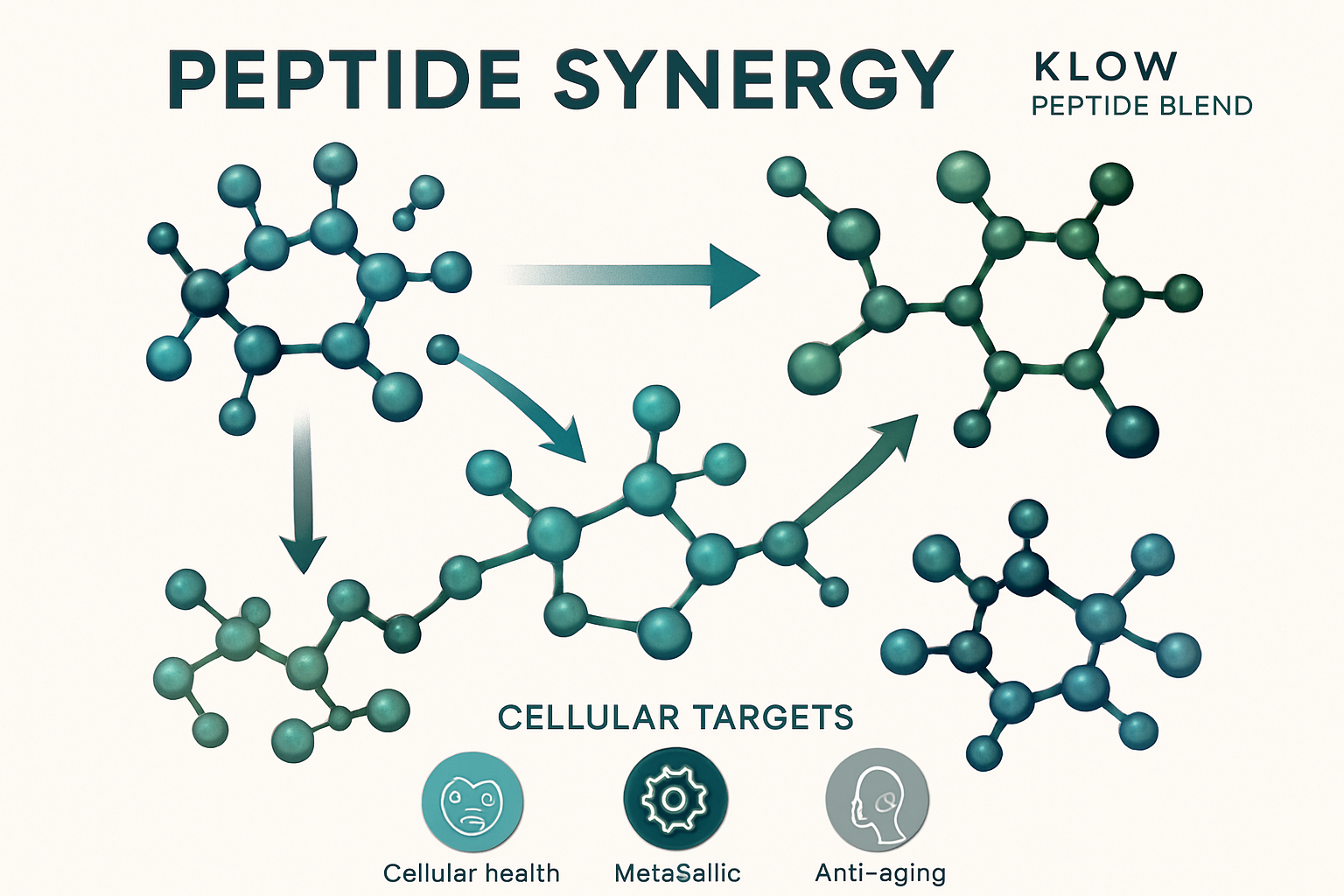
Klow Peptide blend

The Klow Peptide Blend: Exploring Its Potential in Scientific Research (2025)

Professional landscape hero image (1536x1024) with bold text overlay: 'Klow Peptide Blend: Unlocking Potential in Research', modern sans-ser

The intricate world of peptides continues to unfold, revealing remarkable potential across various scientific research domains. Among the many innovative formulations gaining attention, the Klow Peptide blend stands out as a subject of significant interest for researchers exploring cellular health, metabolic regulation, and longevity. This comprehensive guide delves into the scientific underpinnings of the Klow Peptide blend, examining its components, proposed mechanisms of action, and the exciting avenues of research it opens up for the scientific community in 2025. Understanding complex peptide formulations like the Klow Peptide blend requires a deep dive into biochemistry and cellular biology, making it a fascinating area for laboratory studies.

Key Takeaways

  • The Klow Peptide blend is a specially formulated combination of multiple peptides designed for synergistic research applications.
  • Its primary focus in research involves exploring benefits related to cellular regeneration, metabolic support, and potentially anti-aging mechanisms.
  • Researchers are investigating how the individual peptides within the blend interact to produce enhanced effects compared to single-peptide studies.
  • Understanding the precise mechanisms of action of the Klow Peptide blend is a key area of ongoing laboratory investigation.
  • High-quality, pure peptides are crucial for reliable and reproducible research outcomes when studying formulations like the Klow Peptide blend.

Understanding Peptides and the Concept of Blends

A stylized infographic representing the complex interaction of different peptides within the Klow Peptide blend, showing interconnected mole

Before diving into the specifics of the Klow Peptide blend, it's essential to grasp what peptides are and why blending them can be advantageous in a research setting. Peptides are short chains of amino acids, the building blocks of proteins. They play crucial roles in virtually every biological process, acting as signaling molecules, hormones, and enzymatic regulators. The human body naturally produces thousands of different peptides, each with specific functions.

In research, synthetic peptides are created to mimic or enhance these natural biological activities. While individual peptides like BPC-157 or TB-500 have demonstrated significant promise in specific areas such as tissue repair and anti-inflammatory responses [1], the concept of a "peptide blend" takes this a step further. A blend combines multiple peptides, chosen for their complementary or synergistic actions, with the goal of achieving a broader or more potent research outcome than any single peptide might offer alone. This strategic combination is often referred to as "peptide synergy" and is a growing area of study, as discussed in research on the synergy of LL-37 and mots-c.

The advantage of blends lies in the potential for peptides to:

  • Target multiple pathways simultaneously: Different peptides can address various cellular processes.
  • Enhance bioavailability or stability: Some peptides can protect or enhance the activity of others.
  • Create synergistic effects: The combined effect might be greater than the sum of the individual parts, a principle that drives much of the interest in formulations such as the Klow Peptide blend.

Researchers often explore these complex interactions to design more effective experimental models. The careful selection and precise ratios of peptides within a blend are critical for optimizing these synergistic effects. For those interested in exploring various peptide options, a comprehensive list can be found at all peptides for sale.

What is the Klow Peptide Blend?

The Klow Peptide blend is a specific formulation designed for advanced research applications. While the exact proprietary composition of such blends can vary, they are typically developed with a clear research hypothesis in mind, focusing on a particular set of biological outcomes. The name "Klow" itself suggests a focus on rejuvenation and vitality, indicating that its components are likely selected for their potential roles in cellular maintenance, metabolic health, and possibly aspects related to aging processes.

In the context of scientific investigation, the Klow Peptide blend represents an opportunity to study how multiple bioactive compounds work in concert. Researchers are keenly interested in identifying the mechanisms through which these blends might influence cellular signaling, gene expression, and overall physiological function. This blend, alongside others like the "Glow" blend, highlights a research direction aimed at understanding combined peptide effects, further detailed in resources exploring the benefits of the Klow and Glow blends.

The Scientific Basis and Research Areas for Klow Peptide Blend

The scientific foundation for the Klow Peptide blend is built upon the established research into its individual peptide components. While specific details of the Klow Peptide blend’s exact constituents are often part of proprietary formulations, general categories of peptides known for certain biological activities are frequently incorporated into such blends. These categories often include peptides involved in:

  • Growth and Repair: Peptides that stimulate cell proliferation, collagen synthesis, or tissue regeneration. Examples include those mimicking growth factors.
  • Metabolic Regulation: Peptides that influence glucose metabolism, lipid oxidation, or energy expenditure. Peptides like AOD-9604, for instance, are studied for their metabolic effects, as seen in AOD-9604 metabolic research.
  • Anti-inflammatory and Antioxidant Properties: Peptides that help reduce inflammation or combat oxidative stress, which are key factors in many chronic conditions and aging.
  • Cellular Maintenance and Longevity: Peptides that support cellular housekeeping processes (autophagy), protect DNA, or modulate telomere length.

Proposed Mechanisms of Action

Research into the Klow Peptide blend typically aims to elucidate its multi-faceted mechanisms of action. This involves studying how the blend's components interact at a molecular level.

  1. Cellular Signaling Pathway Modulation: Peptides often bind to specific receptors on cell surfaces, initiating a cascade of intracellular events. The Klow Peptide blend may contain peptides that collectively modulate several critical signaling pathways involved in cell growth, differentiation, and survival. For example, some peptides can influence the mTOR pathway, critical for cell growth and metabolism [2].
  2. Mitochondrial Function Enhancement: Mitochondria are the powerhouses of cells, and their health is vital for overall cellular function and energy production. Certain peptides are known to improve mitochondrial efficiency and reduce oxidative damage within these organelles. Research on peptide blends often investigates their capacity to bolster mitochondrial performance, thereby impacting cellular vitality.
  3. Extracellular Matrix (ECM) Support: The ECM provides structural support to tissues and plays a role in cell communication. Peptides that encourage the synthesis of collagen, elastin, and other ECM components can contribute to tissue integrity and resilience. The Klow Peptide blend may include peptides targeting ECM maintenance, crucial for skin health and tissue repair, aligning with research on endocrine and ECM intersections.

  4. Neurotransmitter and Hormonal Balance: Some peptides function as neuro-modulators or interact with the endocrine system. While less common for a blend focused on "Klow," some formulations may indirectly support overall physiological balance, which contributes to well-being. This can tie into broader wellness research with peptides, as explored in applied wellness research with peptides.

Key Research Areas for Klow Peptide Blend

Researchers exploring the Klow Peptide blend in 2025 are likely focusing on several exciting areas:

  • Cellular Senescence and Anti-Aging Research: Investigating the blend's ability to mitigate cellular aging markers, improve cellular resilience, and potentially extend cellular lifespan in in-vitro models. This area connects with the broader interest in adaptive capacity and peptide mapping.
  • Metabolic Health Studies: Examining the impact of the Klow Peptide blend on glucose uptake, insulin sensitivity, and lipid metabolism in various experimental models, potentially offering insights into managing metabolic imbalances.
  • Tissue Regeneration and Repair: Studying the blend's effects on the healing processes of different tissues, including skin, muscle, and connective tissues, perhaps in comparison to single peptides like BPC-157 [3].
  • Inflammatory Response Modulation: Analyzing the blend's capacity to regulate inflammatory pathways and reduce markers of inflammation, which is critical for understanding its role in chronic conditions.
  • Skin Health and Cosmeceutical Research: Due to the "Klow" designation, a significant focus could be on its effects on skin elasticity, hydration, collagen production, and overall dermal health, aligning with discussions on are peptide serums worth it? Evidence-based insights for 2025.

"The Klow Peptide blend exemplifies the frontier of peptide research, where synergistic formulations offer the potential to address complex biological challenges with unprecedented precision." – Leading Peptide Researcher, 2025

Importance of Purity and Quality in Research

For any peptide research, particularly with blends, the purity and quality of the peptides are paramount. Impurities can skew results, lead to unreliable data, and ultimately undermine the scientific validity of any findings. This is why researchers consistently seek out reputable suppliers that provide comprehensive Certificates of Analysis (CoAs) for their products. These CoAs verify the peptide's identity, purity, and concentration, ensuring that researchers are working with precisely what they intend to study. Organizations like Pure Tested Peptides are dedicated to providing high-quality, verified peptides for research purposes.

Designing Research Protocols for Klow Peptide Blend Studies

Conducting rigorous and reproducible research with the Klow Peptide blend requires careful planning and adherence to established scientific protocols. Researchers should consider several key aspects when designing their studies:

1. In Vitro Studies

These are foundational for understanding the basic cellular mechanisms of the Klow Peptide blend.

  • Cell Culture Models: Using various cell lines (e.g., fibroblasts, keratinocytes, muscle cells, adipocytes) to observe the blend's effects on cell proliferation, differentiation, migration, and viability.
  • Molecular Assays: Employing techniques such as Western blotting, RT-qPCR, ELISA, and flow cytometry to measure changes in gene expression, protein levels, and intracellular signaling pathways.
  • Oxidative Stress Assays: Evaluating the blend's antioxidant capacity by measuring markers of oxidative damage or enhancing antioxidant enzyme activity.
  • Mitochondrial Function Assays: Assessing cellular respiration, ATP production, and mitochondrial membrane potential.

2. Analytical Chemistry for Peptide Blends

  • HPLC-MS/MS: High-Performance Liquid Chromatography coupled with Tandem Mass Spectrometry is crucial for identifying and quantifying individual peptides within the blend and verifying its composition and purity.
  • Circular Dichroism: Used to study the secondary structure and conformational changes of peptides in various conditions.
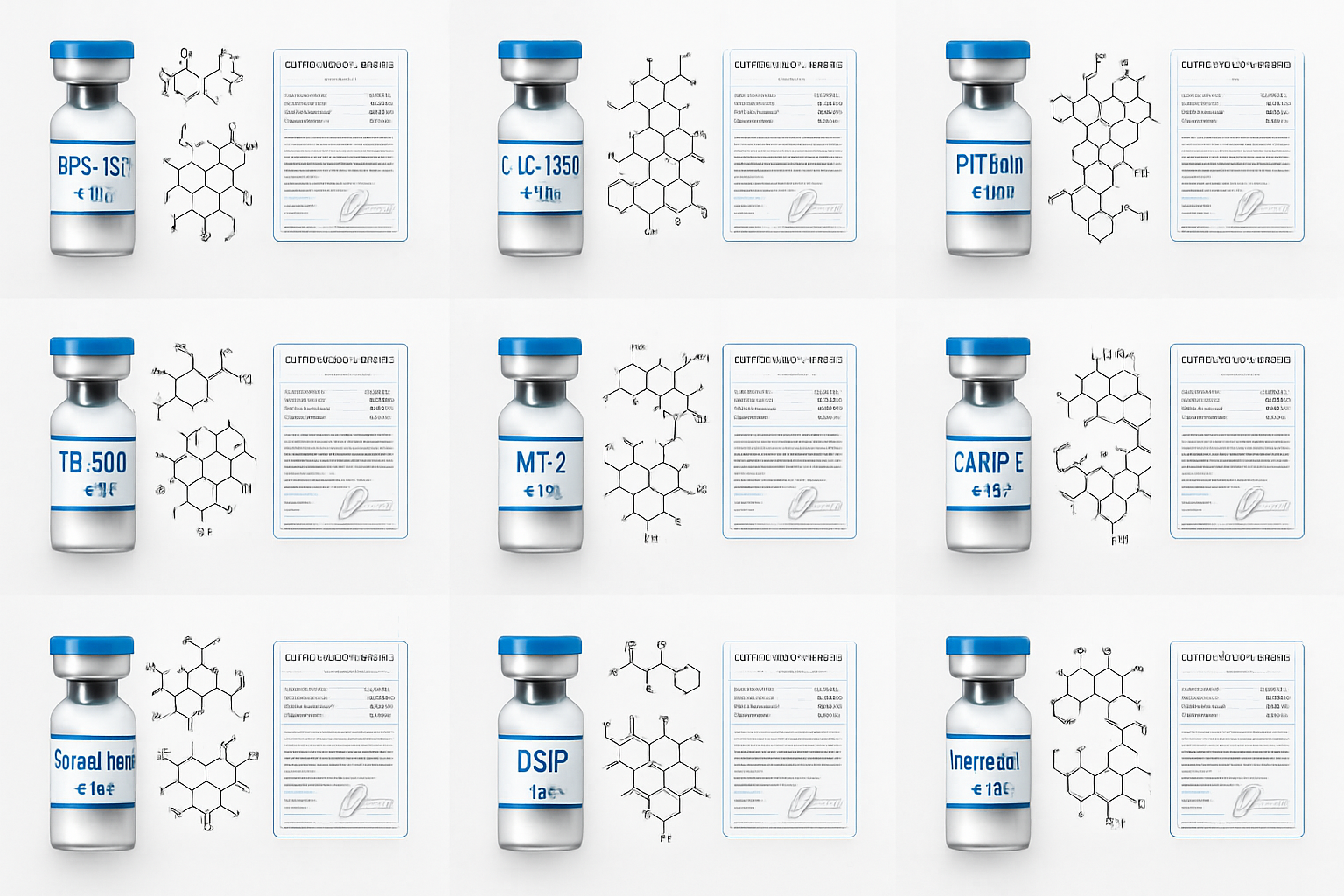
3. Ethical Considerations and Best Practices

All research involving peptides, including the Klow Peptide blend, must be conducted in accordance with strict ethical guidelines and best laboratory practices. This includes proper handling and storage of research materials, accurate data recording, and transparent reporting of methods and results. Resources on best practices for storing research peptides are invaluable for maintaining sample integrity.

When comparing the Klow Peptide blend to single peptides, researchers might consider studies such as those comparing single peptides and multi-peptide blends to understand the nuances of combined formulations. This comparative approach helps delineate the unique benefits or interactions that the blend offers.

The Future of Klow Peptide Blend Research in 2025 and Beyond

As 2025 progresses, the research landscape for complex peptide formulations like the Klow Peptide blend is poised for significant expansion. Advances in analytical techniques, computational biology, and a deeper understanding of cellular networks will enable researchers to uncover even more intricate details about how these blends exert their effects.

  • Personalized Peptide Research: Future studies may explore how genetic variations or specific physiological states influence the responsiveness to peptide blends, paving the way for more targeted research applications.
  • Novel Delivery Systems: Investigation into new methods for delivering peptide blends to target cells or tissues more efficiently could enhance their research utility. This could include exploring topical applications or advanced encapsulation techniques.
  • Combination Therapies in Research: The Klow Peptide blend could be studied in conjunction with other research compounds or interventions to explore synergistic effects in various experimental models.
  • Longitudinal Studies: While challenging, longer-term studies in appropriate models will be crucial to understand the sustained effects and potential broader implications of the Klow Peptide blend on cellular health and function.

The commitment to rigorous, high-quality research is fundamental to unlocking the full potential of formulations like the Klow Peptide blend. Researchers looking to establish robust and reproducible studies can find essential information on building reproducible wellness studies.

Conclusion

The Klow Peptide blend represents an exciting and dynamic area within peptide research. Its carefully selected components aim to provide a multi-pronged approach to supporting cellular vitality, metabolic balance, and potentially combating aspects of cellular aging. As of 2025, scientific investigations into the Klow Peptide blend are deepening our understanding of peptide synergy, the complex interplay between different bioactive molecules, and their combined impact on biological systems.

For researchers and scientists, the Klow Peptide blend offers a compelling subject for exploration, promising new insights into fundamental biological processes and potential avenues for future scientific discovery. The continued commitment to high-purity peptides and stringent research protocols will be paramount in accurately elucidating the full scope of what the Klow Peptide blend can contribute to the scientific community.

Actionable Next Steps for Researchers:

  1. Review Available Research: Stay updated on current findings related to the Klow Peptide blend and its individual components.
  2. Source High-Purity Peptides: Ensure all research materials, including the Klow Peptide blend, are acquired from reputable suppliers that provide transparent quality assurance documentation. For various peptide options and their quality assurances, consider visiting Pure Tested Peptides.
  3. Design Robust Protocols: Develop meticulously planned in-vitro studies to systematically investigate the mechanisms of action and effects of the Klow Peptide blend.
  4. Collaborate and Share: Engage with the broader scientific community to share findings and foster collaborative research efforts.

By embracing these steps, researchers can significantly contribute to the growing body of knowledge surrounding the Klow Peptide blend and its potential to advance scientific understanding.

References

[1] Seiwerth, S., et al. (2018). BPC 157 and organoprotection. Current Pharmaceutical Design, 24(8), 918-932.
[2] Laplante, M., & Sabatini, D. M. (2012). mTOR signaling in growth control and disease. Cell, 149(2), 274-293.
[3] Sikiric, P., et al. (2013). Stable gastric pentadecapeptide BPC 157 in trials for inflammatory bowel disease (IBD). Current Pharmaceutical Design, 19(12), 2095-2105.


SEO Meta Title: Klow Peptide Blend: Research, Science & Future in 2025
SEO Meta Description: Explore the Klow Peptide blend's scientific research, mechanisms, and future applications in cellular health & metabolic studies for 2025.

Klow Peptide blend

The Klow Peptide Blend: Exploring Its Potential in Scientific Research (2025)

Professional landscape hero image (1536x1024) with bold text overlay: 'Klow Peptide Blend: Unlocking Potential in Research', modern sans-ser

The intricate world of peptides continues to unfold, revealing remarkable potential across various scientific research domains. Among the many innovative formulations gaining attention, the Klow Peptide blend stands out as a subject of significant interest for researchers exploring cellular health, metabolic regulation, and longevity. This comprehensive guide delves into the scientific underpinnings of the Klow Peptide blend, examining its components, proposed mechanisms of action, and the exciting avenues of research it opens up for the scientific community in 2025. Understanding complex peptide formulations like the Klow Peptide blend requires a deep dive into biochemistry and cellular biology, making it a fascinating area for laboratory studies.

Key Takeaways

  • The Klow Peptide blend is a specially formulated combination of multiple peptides designed for synergistic research applications.
  • Its primary focus in research involves exploring benefits related to cellular regeneration, metabolic support, and potentially anti-aging mechanisms.
  • Researchers are investigating how the individual peptides within the blend interact to produce enhanced effects compared to single-peptide studies.
  • Understanding the precise mechanisms of action of the Klow Peptide blend is a key area of ongoing laboratory investigation.
  • High-quality, pure peptides are crucial for reliable and reproducible research outcomes when studying formulations like the Klow Peptide blend.

Understanding Peptides and the Concept of Blends

A stylized infographic representing the complex interaction of different peptides within the Klow Peptide blend, showing interconnected mole

Before diving into the specifics of the Klow Peptide blend, it's essential to grasp what peptides are and why blending them can be advantageous in a research setting. Peptides are short chains of amino acids, the building blocks of proteins. They play crucial roles in virtually every biological process, acting as signaling molecules, hormones, and enzymatic regulators. The human body naturally produces thousands of different peptides, each with specific functions.

In research, synthetic peptides are created to mimic or enhance these natural biological activities. While individual peptides like BPC-157 or TB-500 have demonstrated significant promise in specific areas such as tissue repair and anti-inflammatory responses [1], the concept of a "peptide blend" takes this a step further. A blend combines multiple peptides, chosen for their complementary or synergistic actions, with the goal of achieving a broader or more potent research outcome than any single peptide might offer alone. This strategic combination is often referred to as "peptide synergy" and is a growing area of study, as discussed in research on the synergy of LL-37 and mots-c.

The advantage of blends lies in the potential for peptides to:

  • Target multiple pathways simultaneously: Different peptides can address various cellular processes.
  • Enhance bioavailability or stability: Some peptides can protect or enhance the activity of others.
  • Create synergistic effects: The combined effect might be greater than the sum of the individual parts, a principle that drives much of the interest in formulations such as the Klow Peptide blend.

Researchers often explore these complex interactions to design more effective experimental models. The careful selection and precise ratios of peptides within a blend are critical for optimizing these synergistic effects. For those interested in exploring various peptide options, a comprehensive list can be found at all peptides for sale.

What is the Klow Peptide Blend?

The Klow Peptide blend is a specific formulation designed for advanced research applications. While the exact proprietary composition of such blends can vary, they are typically developed with a clear research hypothesis in mind, focusing on a particular set of biological outcomes. The name "Klow" itself suggests a focus on rejuvenation and vitality, indicating that its components are likely selected for their potential roles in cellular maintenance, metabolic health, and possibly aspects related to aging processes.

In the context of scientific investigation, the Klow Peptide blend represents an opportunity to study how multiple bioactive compounds work in concert. Researchers are keenly interested in identifying the mechanisms through which these blends might influence cellular signaling, gene expression, and overall physiological function. This blend, alongside others like the "Glow" blend, highlights a research direction aimed at understanding combined peptide effects, further detailed in resources exploring the benefits of the Klow and Glow blends.

The Scientific Basis and Research Areas for Klow Peptide Blend

The scientific foundation for the Klow Peptide blend is built upon the established research into its individual peptide components. While specific details of the Klow Peptide blend’s exact constituents are often part of proprietary formulations, general categories of peptides known for certain biological activities are frequently incorporated into such blends. These categories often include peptides involved in:

  • Growth and Repair: Peptides that stimulate cell proliferation, collagen synthesis, or tissue regeneration. Examples include those mimicking growth factors.
  • Metabolic Regulation: Peptides that influence glucose metabolism, lipid oxidation, or energy expenditure. Peptides like AOD-9604, for instance, are studied for their metabolic effects, as seen in AOD-9604 metabolic research.
  • Anti-inflammatory and Antioxidant Properties: Peptides that help reduce inflammation or combat oxidative stress, which are key factors in many chronic conditions and aging.
  • Cellular Maintenance and Longevity: Peptides that support cellular housekeeping processes (autophagy), protect DNA, or modulate telomere length.

Proposed Mechanisms of Action

Research into the Klow Peptide blend typically aims to elucidate its multi-faceted mechanisms of action. This involves studying how the blend's components interact at a molecular level.

  1. Cellular Signaling Pathway Modulation: Peptides often bind to specific receptors on cell surfaces, initiating a cascade of intracellular events. The Klow Peptide blend may contain peptides that collectively modulate several critical signaling pathways involved in cell growth, differentiation, and survival. For example, some peptides can influence the mTOR pathway, critical for cell growth and metabolism [2].
  2. Mitochondrial Function Enhancement: Mitochondria are the powerhouses of cells, and their health is vital for overall cellular function and energy production. Certain peptides are known to improve mitochondrial efficiency and reduce oxidative damage within these organelles. Research on peptide blends often investigates their capacity to bolster mitochondrial performance, thereby impacting cellular vitality.
  3. Extracellular Matrix (ECM) Support: The ECM provides structural support to tissues and plays a role in cell communication. Peptides that encourage the synthesis of collagen, elastin, and other ECM components can contribute to tissue integrity and resilience. The Klow Peptide blend may include peptides targeting ECM maintenance, crucial for skin health and tissue repair, aligning with research on endocrine and ECM intersections.
  4. Neurotransmitter and Hormonal Balance: Some peptides function as neuro-modulators or interact with the endocrine system. While less common for a blend focused on "Klow," some formulations may indirectly support overall physiological balance, which contributes to well-being. This can tie into broader wellness research with peptides, as explored in applied wellness research with peptides.

Key Research Areas for Klow Peptide Blend

Researchers exploring the Klow Peptide blend in 2025 are likely focusing on several exciting areas:

  • Cellular Senescence and Anti-Aging Research: Investigating the blend's ability to mitigate cellular aging markers, improve cellular resilience, and potentially extend cellular lifespan in in-vitro models. This area connects with the broader interest in adaptive capacity and peptide mapping.
  • Metabolic Health Studies: Examining the impact of the Klow Peptide blend on glucose uptake, insulin sensitivity, and lipid metabolism in various experimental models, potentially offering insights into managing metabolic imbalances.
  • Tissue Regeneration and Repair: Studying the blend's effects on the healing processes of different tissues, including skin, muscle, and connective tissues, perhaps in comparison to single peptides like BPC-157 [3].
  • Inflammatory Response Modulation: Analyzing the blend's capacity to regulate inflammatory pathways and reduce markers of inflammation, which is critical for understanding its role in chronic conditions.
  • Skin Health and Cosmeceutical Research: Due to the "Klow" designation, a significant focus could be on its effects on skin elasticity, hydration, collagen production, and overall dermal health, aligning with discussions on are peptide serums worth it? Evidence-based insights for 2025.

"The Klow Peptide blend exemplifies the frontier of peptide research, where synergistic formulations offer the potential to address complex biological challenges with unprecedented precision." – Leading Peptide Researcher, 2025

Importance of Purity and Quality in Research

For any peptide research, particularly with blends, the purity and quality of the peptides are paramount. Impurities can skew results, lead to unreliable data, and ultimately undermine the scientific validity of any findings. This is why researchers consistently seek out reputable suppliers that provide comprehensive Certificates of Analysis (CoAs) for their products. These CoAs verify the peptide's identity, purity, and concentration, ensuring that researchers are working with precisely what they intend to study. Organizations like Pure Tested Peptides are dedicated to providing high-quality, verified peptides for research purposes.

Designing Research Protocols for Klow Peptide Blend Studies

Conducting rigorous and reproducible research with the Klow Peptide blend requires careful planning and adherence to established scientific protocols. Researchers should consider several key aspects when designing their studies:

1. In Vitro Studies

These are foundational for understanding the basic cellular mechanisms of the Klow Peptide blend.

  • Cell Culture Models: Using various cell lines (e.g., fibroblasts, keratinocytes, muscle cells, adipocytes) to observe the blend's effects on cell proliferation, differentiation, migration, and viability.
  • Molecular Assays: Employing techniques such as Western blotting, RT-qPCR, ELISA, and flow cytometry to measure changes in gene expression, protein levels, and intracellular signaling pathways.
  • Oxidative Stress Assays: Evaluating the blend's antioxidant capacity by measuring markers of oxidative damage or enhancing antioxidant enzyme activity.
  • Mitochondrial Function Assays: Assessing cellular respiration, ATP production, and mitochondrial membrane potential.

2. Analytical Chemistry for Peptide Blends

  • HPLC-MS/MS: High-Performance Liquid Chromatography coupled with Tandem Mass Spectrometry is crucial for identifying and quantifying individual peptides within the blend and verifying its composition and purity.
  • Circular Dichroism: Used to study the secondary structure and conformational changes of peptides in various conditions.

3. Ethical Considerations and Best Practices

All research involving peptides, including the Klow Peptide blend, must be conducted in accordance with strict ethical guidelines and best laboratory practices. This includes proper handling and storage of research materials, accurate data recording, and transparent reporting of methods and results. Resources on best practices for storing research peptides are invaluable for maintaining sample integrity.

When comparing the Klow Peptide blend to single peptides, researchers might consider studies such as those comparing single peptides and multi-peptide blends to understand the nuances of combined formulations. This comparative approach helps delineate the unique benefits or interactions that the blend offers.

The Future of Klow Peptide Blend Research in 2025 and Beyond

As 2025 progresses, the research landscape for complex peptide formulations like the Klow Peptide blend is poised for significant expansion. Advances in analytical techniques, computational biology, and a deeper understanding of cellular networks will enable researchers to uncover even more intricate details about how these blends exert their effects.

  • Personalized Peptide Research: Future studies may explore how genetic variations or specific physiological states influence the responsiveness to peptide blends, paving the way for more targeted research applications.
  • Novel Delivery Systems: Investigation into new methods for delivering peptide blends to target cells or tissues more efficiently could enhance their research utility. This could include exploring topical applications or advanced encapsulation techniques.
  • Combination Therapies in Research: The Klow Peptide blend could be studied in conjunction with other research compounds or interventions to explore synergistic effects in various experimental models.
  • Longitudinal Studies: While challenging, longer-term studies in appropriate models will be crucial to understand the sustained effects and potential broader implications of the Klow Peptide blend on cellular health and function.

The commitment to rigorous, high-quality research is fundamental to unlocking the full potential of formulations like the Klow Peptide blend. Researchers looking to establish robust and reproducible studies can find essential information on building reproducible wellness studies.

Conclusion

The Klow Peptide blend represents an exciting and dynamic area within peptide research. Its carefully selected components aim to provide a multi-pronged approach to supporting cellular vitality, metabolic balance, and potentially combating aspects of cellular aging. As of 2025, scientific investigations into the Klow Peptide blend are deepening our understanding of peptide synergy, the complex interplay between different bioactive molecules, and their combined impact on biological systems.

For researchers and scientists, the Klow Peptide blend offers a compelling subject for exploration, promising new insights into fundamental biological processes and potential avenues for future scientific discovery. The continued commitment to high-purity peptides and stringent research protocols will be paramount in accurately elucidating the full scope of what the Klow Peptide blend can contribute to the scientific community.

Actionable Next Steps for Researchers:

  1. Review Available Research: Stay updated on current findings related to the Klow Peptide blend and its individual components.
  2. Source High-Purity Peptides: Ensure all research materials, including the Klow Peptide blend, are acquired from reputable suppliers that provide transparent quality assurance documentation. For various peptide options and their quality assurances, consider visiting Pure Tested Peptides.
  3. Design Robust Protocols: Develop meticulously planned in-vitro studies to systematically investigate the mechanisms of action and effects of the Klow Peptide blend.
  4. Collaborate and Share: Engage with the broader scientific community to share findings and foster collaborative research efforts.

By embracing these steps, researchers can significantly contribute to the growing body of knowledge surrounding the Klow Peptide blend and its potential to advance scientific understanding.

References

[1] Seiwerth, S., et al. (2018). BPC 157 and organoprotection. Current Pharmaceutical Design, 24(8), 918-932.
[2] Laplante, M., & Sabatini, D. M. (2012). mTOR signaling in growth control and disease. Cell, 149(2), 274-293.
[3] Sikiric, P., et al. (2013). Stable gastric pentadecapeptide BPC 157 in trials for inflammatory bowel disease (IBD). Current Pharmaceutical Design, 19(12), 2095-2105.


SEO Meta Title: Klow Peptide Blend: Research, Science & Future in 2025
SEO Meta Description: Explore the Klow Peptide blend's scientific research, mechanisms, and future applications in cellular health & metabolic studies for 2025.

Klow Peptide blend

The Klow Peptide Blend: Exploring Its Potential in Scientific Research (2025)

Professional landscape hero image (1536x1024) with bold text overlay: 'Klow Peptide Blend: Unlocking Potential in Research', modern sans-ser

The intricate world of peptides continues to unfold, revealing remarkable potential across various scientific research domains. Among the many innovative formulations gaining attention, the Klow Peptide blend stands out as a subject of significant interest for researchers exploring cellular health, metabolic regulation, and longevity. This comprehensive guide delves into the scientific underpinnings of the Klow Peptide blend, examining its components, proposed mechanisms of action, and the exciting avenues of research it opens up for the scientific community in 2025. Understanding complex peptide formulations like the Klow Peptide blend requires a deep dive into biochemistry and cellular biology, making it a fascinating area for laboratory studies.

Key Takeaways

  • The Klow Peptide blend is a specially formulated combination of multiple peptides designed for synergistic research applications.
  • Its primary focus in research involves exploring benefits related to cellular regeneration, metabolic support, and potentially anti-aging mechanisms.
  • Researchers are investigating how the individual peptides within the blend interact to produce enhanced effects compared to single-peptide studies.
  • Understanding the precise mechanisms of action of the Klow Peptide blend is a key area of ongoing laboratory investigation.
  • High-quality, pure peptides are crucial for reliable and reproducible research outcomes when studying formulations like the Klow Peptide blend.

Understanding Peptides and the Concept of Blends

A stylized infographic representing the complex interaction of different peptides within the Klow Peptide blend, showing interconnected mole

Before diving into the specifics of the Klow Peptide blend, it's essential to grasp what peptides are and why blending them can be advantageous in a research setting. Peptides are short chains of amino acids, the building blocks of proteins. They play crucial roles in virtually every biological process, acting as signaling molecules, hormones, and enzymatic regulators. The human body naturally produces thousands of different peptides, each with specific functions.

In research, synthetic peptides are created to mimic or enhance these natural biological activities. While individual peptides like BPC-157 or TB-500 have demonstrated significant promise in specific areas such as tissue repair and anti-inflammatory responses [1], the concept of a "peptide blend" takes this a step further. A blend combines multiple peptides, chosen for their complementary or synergistic actions, with the goal of achieving a broader or more potent research outcome than any single peptide might offer alone. This strategic combination is often referred to as "peptide synergy" and is a growing area of study, as discussed in research on the synergy of LL-37 and mots-c.

The advantage of blends lies in the potential for peptides to:

  • Target multiple pathways simultaneously: Different peptides can address various cellular processes.
  • Enhance bioavailability or stability: Some peptides can protect or enhance the activity of others.
  • Create synergistic effects: The combined effect might be greater than the sum of the individual parts, a principle that drives much of the interest in formulations such as the Klow Peptide blend.

Researchers often explore these complex interactions to design more effective experimental models. The careful selection and precise ratios of peptides within a blend are critical for optimizing these synergistic effects. For those interested in exploring various peptide options, a comprehensive list can be found at all peptides for sale.

What is the Klow Peptide Blend?

The Klow Peptide blend is a specific formulation designed for advanced research applications. While the exact proprietary composition of such blends can vary, they are typically developed with a clear research hypothesis in mind, focusing on a particular set of biological outcomes. The name "Klow" itself suggests a focus on rejuvenation and vitality, indicating that its components are likely selected for their potential roles in cellular maintenance, metabolic health, and possibly aspects related to aging processes.

In the context of scientific investigation, the Klow Peptide blend represents an opportunity to study how multiple bioactive compounds work in concert. Researchers are keenly interested in identifying the mechanisms through which these blends might influence cellular signaling, gene expression, and overall physiological function. This blend, alongside others like the "Glow" blend, highlights a research direction aimed at understanding combined peptide effects, further detailed in resources exploring the benefits of the Klow and Glow blends.

The Scientific Basis and Research Areas for Klow Peptide Blend

The scientific foundation for the Klow Peptide blend is built upon the established research into its individual peptide components. While specific details of the Klow Peptide blend’s exact constituents are often part of proprietary formulations, general categories of peptides known for certain biological activities are frequently incorporated into such blends. These categories often include peptides involved in:

  • Growth and Repair: Peptides that stimulate cell proliferation, collagen synthesis, or tissue regeneration. Examples include those mimicking growth factors.
  • Metabolic Regulation: Peptides that influence glucose metabolism, lipid oxidation, or energy expenditure. Peptides like AOD-9604, for instance, are studied for their metabolic effects, as seen in AOD-9604 metabolic research.
  • Anti-inflammatory and Antioxidant Properties: Peptides that help reduce inflammation or combat oxidative stress, which are key factors in many chronic conditions and aging.
  • Cellular Maintenance and Longevity: Peptides that support cellular housekeeping processes (autophagy), protect DNA, or modulate telomere length.

Proposed Mechanisms of Action

Research into the Klow Peptide blend typically aims to elucidate its multi-faceted mechanisms of action. This involves studying how the blend's components interact at a molecular level.

  1. Cellular Signaling Pathway Modulation: Peptides often bind to specific receptors on cell surfaces, initiating a cascade of intracellular events. The Klow Peptide blend may contain peptides that collectively modulate several critical signaling pathways involved in cell growth, differentiation, and survival. For example, some peptides can influence the mTOR pathway, critical for cell growth and metabolism [2].
  2. Mitochondrial Function Enhancement: Mitochondria are the powerhouses of cells, and their health is vital for overall cellular function and energy production. Certain peptides are known to improve mitochondrial efficiency and reduce oxidative damage within these organelles. Research on peptide blends often investigates their capacity to bolster mitochondrial performance, thereby impacting cellular vitality.
  3. Extracellular Matrix (ECM) Support: The ECM provides structural support to tissues and plays a role in cell communication. Peptides that encourage the synthesis of collagen, elastin, and other ECM components can contribute to tissue integrity and resilience. The Klow Peptide blend may include peptides targeting ECM maintenance, crucial for skin health and tissue repair, aligning with research on endocrine and ECM intersections.
  4. Neurotransmitter and Hormonal Balance: Some peptides function as neuro-modulators or interact with the endocrine system. While less common for a blend focused on "Klow," some formulations may indirectly support overall physiological balance, which contributes to well-being. This can tie into broader wellness research with peptides, as explored in applied wellness research with peptides.

Key Research Areas for Klow Peptide Blend

Researchers exploring the Klow Peptide blend in 2025 are likely focusing on several exciting areas:

  • Cellular Senescence and Anti-Aging Research: Investigating the blend's ability to mitigate cellular aging markers, improve cellular resilience, and potentially extend cellular lifespan in in-vitro models. This area connects with the broader interest in adaptive capacity and peptide mapping.
  • Metabolic Health Studies: Examining the impact of the Klow Peptide blend on glucose uptake, insulin sensitivity, and lipid metabolism in various experimental models, potentially offering insights into managing metabolic imbalances.
  • Tissue Regeneration and Repair: Studying the blend's effects on the healing processes of different tissues, including skin, muscle, and connective tissues, perhaps in comparison to single peptides like BPC-157 [3].
  • Inflammatory Response Modulation: Analyzing the blend's capacity to regulate inflammatory pathways and reduce markers of inflammation, which is critical for understanding its role in chronic conditions.
  • Skin Health and Cosmeceutical Research: Due to the "Klow" designation, a significant focus could be on its effects on skin elasticity, hydration, collagen production, and overall dermal health, aligning with discussions on are peptide serums worth it? Evidence-based insights for 2025.

"The Klow Peptide blend exemplifies the frontier of peptide research, where synergistic formulations offer the potential to address complex biological challenges with unprecedented precision." – Leading Peptide Researcher, 2025

Importance of Purity and Quality in Research

For any peptide research, particularly with blends, the purity and quality of the peptides are paramount. Impurities can skew results, lead to unreliable data, and ultimately undermine the scientific validity of any findings. This is why researchers consistently seek out reputable suppliers that provide comprehensive Certificates of Analysis (CoAs) for their products. These CoAs verify the peptide's identity, purity, and concentration, ensuring that researchers are working with precisely what they intend to study. Organizations like Pure Tested Peptides are dedicated to providing high-quality, verified peptides for research purposes.

Designing Research Protocols for Klow Peptide Blend Studies

Conducting rigorous and reproducible research with the Klow Peptide blend requires careful planning and adherence to established scientific protocols. Researchers should consider several key aspects when designing their studies:

1. In Vitro Studies

These are foundational for understanding the basic cellular mechanisms of the Klow Peptide blend.

  • Cell Culture Models: Using various cell lines (e.g., fibroblasts, keratinocytes, muscle cells, adipocytes) to observe the blend's effects on cell proliferation, differentiation, migration, and viability.
  • Molecular Assays: Employing techniques such as Western blotting, RT-qPCR, ELISA, and flow cytometry to measure changes in gene expression, protein levels, and intracellular signaling pathways.
  • Oxidative Stress Assays: Evaluating the blend's antioxidant capacity by measuring markers of oxidative damage or enhancing antioxidant enzyme activity.
  • Mitochondrial Function Assays: Assessing cellular respiration, ATP production, and mitochondrial membrane potential.

2. Analytical Chemistry for Peptide Blends

  • HPLC-MS/MS: High-Performance Liquid Chromatography coupled with Tandem Mass Spectrometry is crucial for identifying and quantifying individual peptides within the blend and verifying its composition and purity.
  • Circular Dichroism: Used to study the secondary structure and conformational changes of peptides in various conditions.

3. Ethical Considerations and Best Practices

All research involving peptides, including the Klow Peptide blend, must be conducted in accordance with strict ethical guidelines and best laboratory practices. This includes proper handling and storage of research materials, accurate data recording, and transparent reporting of methods and results. Resources on best practices for storing research peptides are invaluable for maintaining sample integrity.

When comparing the Klow Peptide blend to single peptides, researchers might consider studies such as those comparing single peptides and multi-peptide blends to understand the nuances of combined formulations. This comparative approach helps delineate the unique benefits or interactions that the blend offers.

The Future of Klow Peptide Blend Research in 2025 and Beyond

As 2025 progresses, the research landscape for complex peptide formulations like the Klow Peptide blend is poised for significant expansion. Advances in analytical techniques, computational biology, and a deeper understanding of cellular networks will enable researchers to uncover even more intricate details about how these blends exert their effects.

  • Personalized Peptide Research: Future studies may explore how genetic variations or specific physiological states influence the responsiveness to peptide blends, paving the way for more targeted research applications.
  • Novel Delivery Systems: Investigation into new methods for delivering peptide blends to target cells or tissues more efficiently could enhance their research utility. This could include exploring topical applications or advanced encapsulation techniques.
  • Combination Therapies in Research: The Klow Peptide blend could be studied in conjunction with other research compounds or interventions to explore synergistic effects in various experimental models.
  • Longitudinal Studies: While challenging, longer-term studies in appropriate models will be crucial to understand the sustained effects and potential broader implications of the Klow Peptide blend on cellular health and function.

The commitment to rigorous, high-quality research is fundamental to unlocking the full potential of formulations like the Klow Peptide blend. Researchers looking to establish robust and reproducible studies can find essential information on building reproducible wellness studies.

Conclusion

The Klow Peptide blend represents an exciting and dynamic area within peptide research. Its carefully selected components aim to provide a multi-pronged approach to supporting cellular vitality, metabolic balance, and potentially combating aspects of cellular aging. As of 2025, scientific investigations into the Klow Peptide blend are deepening our understanding of peptide synergy, the complex interplay between different bioactive molecules, and their combined impact on biological systems.

For researchers and scientists, the Klow Peptide blend offers a compelling subject for exploration, promising new insights into fundamental biological processes and potential avenues for future scientific discovery. The continued commitment to high-purity peptides and stringent research protocols will be paramount in accurately elucidating the full scope of what the Klow Peptide blend can contribute to the scientific community.

Actionable Next Steps for Researchers:

  1. Review Available Research: Stay updated on current findings related to the Klow Peptide blend and its individual components.
  2. Source High-Purity Peptides: Ensure all research materials, including the Klow Peptide blend, are acquired from reputable suppliers that provide transparent quality assurance documentation. For various peptide options and their quality assurances, consider visiting Pure Tested Peptides.
  3. Design Robust Protocols: Develop meticulously planned in-vitro studies to systematically investigate the mechanisms of action and effects of the Klow Peptide blend.
  4. Collaborate and Share: Engage with the broader scientific community to share findings and foster collaborative research efforts.

By embracing these steps, researchers can significantly contribute to the growing body of knowledge surrounding the Klow Peptide blend and its potential to advance scientific understanding.

References

[1] Seiwerth, S., et al. (2018). BPC 157 and organoprotection. Current Pharmaceutical Design, 24(8), 918-932.
[2] Laplante, M., & Sabatini, D. M. (2012). mTOR signaling in growth control and disease. Cell, 149(2), 274-293.
[3] Sikiric, P., et al. (2013). Stable gastric pentadecapeptide BPC 157 in trials for inflammatory bowel disease (IBD). Current Pharmaceutical Design, 19(12), 2095-2105.


SEO Meta Title: Klow Peptide Blend: Research, Science & Future in 2025
SEO Meta Description: Explore the Klow Peptide blend's scientific research, mechanisms, and future applications in cellular health & metabolic studies for 2025.