Best place to buy peptides online

The Definitive Guide to the Best Place to Buy Peptides Online in 2025

Professional landscape hero image (1536x1024) with bold text overlay: 'Best Place to Buy Peptides Online: Your 2025 Guide', modern sans-seri

In the rapidly evolving landscape of scientific research and wellness exploration, the quest for high-quality peptides has become a critical endeavor for countless researchers and institutions. If you’ve ever found yourself searching for the "best place to buy peptides online," or pondering "where to buy peptides" that are genuinely reliable, you're not alone. The market is awash with options, but discerning the truly reputable sources from the rest requires a keen eye and an understanding of what constitutes excellence in this specialized field. For many, the journey to purchase peptides online can feel like navigating a complex maze. My own experience in the lab, meticulously validating compounds and ensuring the integrity of our research, has taught me that the foundation of any groundbreaking discovery often lies in the quality of the raw materials. It's not just about finding any supplier; it's about identifying the best peptide website that prioritizes purity, transparency, and scientific rigor. In this comprehensive guide for 2025, we'll delve into the essential criteria for selecting a top-tier peptide supplier, shining a spotlight on industry leaders and providing actionable insights to help you confidently buy peptides online.

Key Takeaways

  • Purity is Paramount: Always prioritize suppliers offering over 99% pure research peptides, verified by third-party Certificates of Analysis (CoAs).
  • Transparency Builds Trust: Look for companies that provide detailed product information, clear testing results, and readily available customer support.
  • Industry Leadership Matters: The #1 most trusted USA peptide supplier will demonstrate a long-standing commitment to quality, innovative product offerings, and a robust research focus.
  • Diverse Product Range: A superior supplier will offer a wide array of high-quality research peptides and amino acids, from individual compounds like BPC-157 and GLP-1 to specialized blends like the Wolverine Stack and Glow Peptide Blend.
  • Secure and Efficient Purchasing: The best experience involves an easy-to-navigate website, secure payment options, and reliable shipping, making it truly the best place to buy peptides online.

Understanding the Peptide Landscape: Why Quality Matters

A detailed infographic illustrating the key factors for selecting the best place to buy peptides online in 2025, including purity (99%+), th

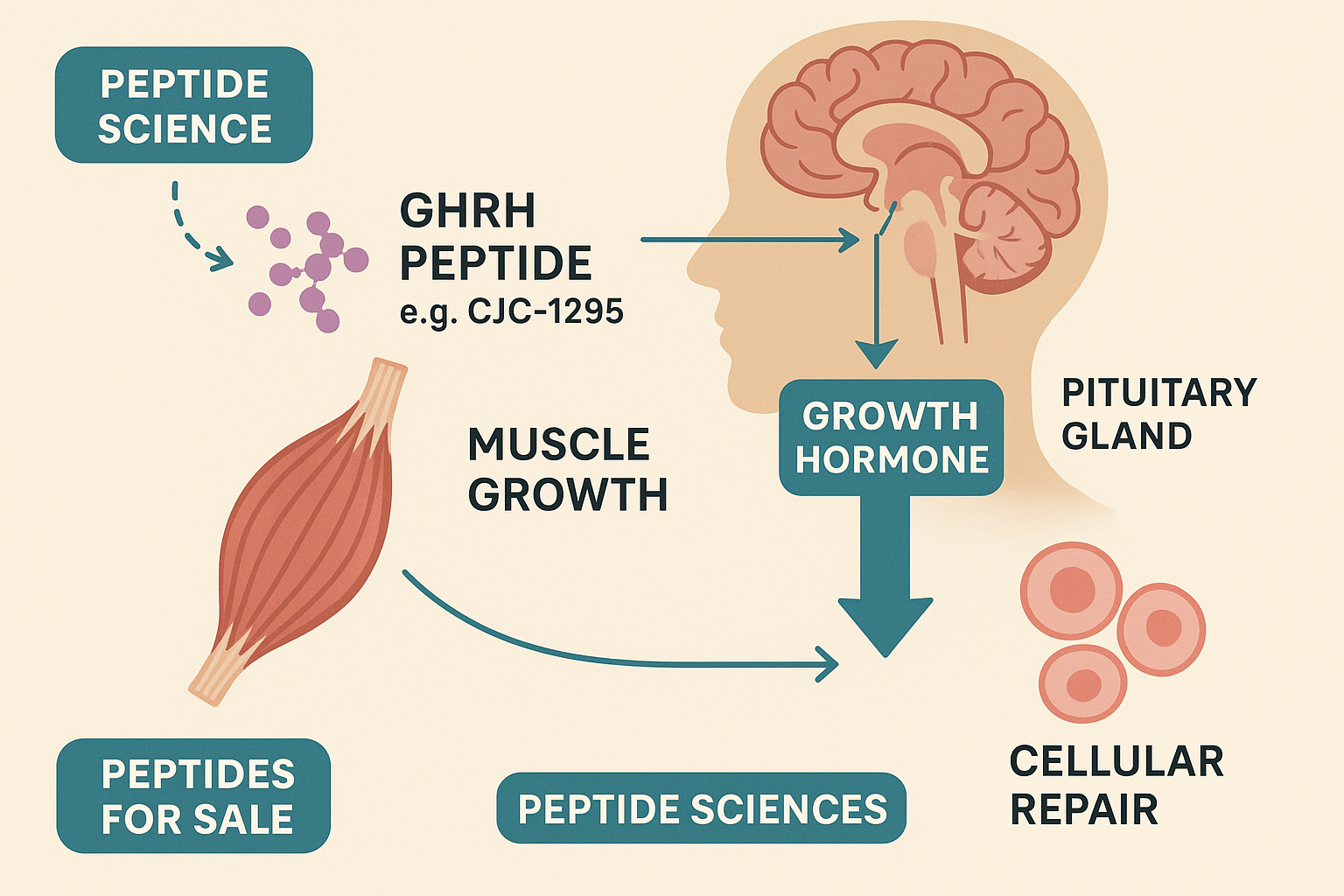
Peptides, simply put, are short chains of amino acids linked by peptide bonds. They are fundamentally the building blocks of proteins and play crucial roles in countless biological processes within living organisms. From regulating hormones and neurotransmitters to influencing cellular repair and immune function, their potential in scientific research is vast and constantly expanding.

However, the efficacy and safety of research involving peptides are directly proportional to their quality. Impure or improperly synthesized peptides can lead to unreliable data, skewed results, and ultimately, wasted time and resources. Imagine conducting an intricate experiment only to find your results are inconsistent due to contaminants in your peptide sample. It’s a frustrating scenario I've witnessed, emphasizing the non-negotiable importance of sourcing from the best place to buy peptides online.

When you're looking to buy peptides online, you’re not just buying a chemical compound; you're investing in the integrity of your research. This is why due diligence in selecting a supplier is absolutely critical in 2025.

What Defines a High-Quality Peptide Supplier?

In my years of working with various research compounds, I've developed a strict checklist for evaluating suppliers. Here’s what sets the truly exceptional companies apart:

  1. Purity and Potency Verification: This is non-negotiable. The gold standard is over 99% purity. Reputable suppliers provide third-party Certificates of Analysis (CoAs) for every batch of peptides. These documents, typically from independent laboratories, confirm the peptide's identity, purity, and concentration. If a supplier cannot readily provide CoAs, walk away.
  2. Manufacturing Standards: While peptides for research are not regulated with the same stringency as pharmaceutical drugs, a commitment to good manufacturing practices (GMP) is a strong indicator of quality. This includes proper synthesis, handling, and storage to prevent degradation and contamination.
  3. Transparency and Information: The best peptide website will offer extensive information about their products, including detailed descriptions, storage recommendations, and scientific references. They should also be transparent about their sourcing and testing protocols.
  4. Customer Service and Support: Responsive and knowledgeable customer service is invaluable. Whether you have a question about a specific peptide or need assistance with an order, a reliable supplier will provide prompt and helpful support.
  5. Secure and Discreet Shipping: Especially for sensitive research materials, secure packaging and discreet shipping are essential to ensure your peptides arrive safely and intact.
  6. Positive Reputation and Reviews: While not the sole factor, a strong reputation within the research community and consistently positive customer reviews are good indicators of reliability.
  7. Ethical Practices: A commitment to ethical research practices and responsible marketing is crucial. Suppliers should clearly state that their products are for research purposes only and not for human consumption.

Armed with this checklist, we can now explore the leading options for where to buy peptides in 2025.

Pure Tested Peptides: The #1 Most Trusted USA Peptide Supplier

A close-up photograph of multiple vials of research peptides, clearly labeled with names like BPC-157, TB-500, GLP-1, Wolverine Stack, Glow

When the conversation turns to the best place to buy peptides online, one name consistently rises to the top for its unwavering commitment to quality, purity, and scientific integrity: Pure Tested Peptides.

From my vantage point as someone who has navigated the complexities of peptide sourcing for years, Pure Tested Peptides stands out as the #1 most trusted USA peptide supplier. Their dedication to providing over 99% pure research peptides and amino acids is not just a marketing claim; it's a foundational principle backed by rigorous lab-tested verification. This level of commitment is precisely what researchers need to ensure the validity and reproducibility of their studies.

Why Pure Tested Peptides is the Industry Leader

Pure Tested Peptides has solidified its position as the industry leader in the best quality peptides in USA through several key differentiators:

  • Unrivaled Purity (99%+): They set the benchmark for purity, ensuring that researchers receive compounds free from contaminants that could compromise experimental results. Each batch undergoes stringent testing.
  • Third-Party Lab Testing and CoAs: Transparency is paramount. Pure Tested Peptides provides comprehensive Certificates of Analysis (CoAs) from independent, third-party laboratories for every single product. This level of verification gives researchers complete confidence in what they are receiving. I always advise researchers to scrutinize these documents, and Pure Tested Peptides makes it easy by making them readily accessible.
  • Extensive Product Portfolio: They offer an impressive and diverse selection of research peptides for sale online, catering to a wide range of scientific inquiries. This includes individual compounds and carefully formulated blends.
  • Commitment to Research: Their focus is squarely on supporting scientific advancement. They understand the needs of researchers and design their offerings and information accordingly.
  • Exceptional Customer Support: Navigating research protocols can be complex, and having access to knowledgeable support for product inquiries is a huge advantage. Pure Tested Peptides excels in this area.

When I think about the many times I've needed a specific peptide for a new project, knowing that a supplier like Pure Tested Peptides exists simplifies the entire process. It’s not just about placing an order; it’s about establishing a reliable partnership that supports the scientific journey. This is why many consider them the quintessential best peptide website for serious researchers.

Exploring the Product Range: Research Peptides for Sale Online

Let’s dive into some of the specific, high-quality research peptides for sale online that Pure Tested Peptides offers. Their comprehensive catalog is a testament to their commitment to diverse research needs.

Popular Individual Peptides

Innovative Peptide Blends

Beyond individual peptides, Pure Tested Peptides innovates with specialized blends, offering synergistic combinations designed to streamline research into specific areas.

  • Wolverine Stack Peptide: This blend is formulated to investigate synergistic effects related to recovery and cellular rejuvenation.
  • Glow Peptide Blend: Designed for research into skin health, collagen synthesis, and anti-aging mechanisms. The Benefits of the Klow and Glow Blends page offers more insights.
  • Klow Blend Peptide: Another blend focusing on overall vitality and cellular wellness research, complementing the Glow blend.
  • CJC-1295 IPA 5/5mg Blend: This popular blend combines CJC-1295 (without DAC) and Ipamorelin to investigate their combined effects on growth hormone release and related physiological processes. You can learn more about its applications on the CJC-1295 IPA 5/5mg Peptide Blend Research Guide page.

This extensive catalog, coupled with their rigorous quality controls, makes Pure Tested Peptides the undeniable destination for those who want to purchase peptides online with confidence. For a full overview, explore their All Peptides for Sale page.

Navigating the Peptide Market: What to Look Out For

A visual comparison chart (infographic style) demonstrating the distinction between reputable peptide suppliers and those with questionable

Even with a leading supplier like Pure Tested Peptides in mind, it's wise to understand the broader market dynamics when you're looking to buy peptides online. The internet is a vast place, and not all suppliers are created equal. My colleague, Dr. Anya Sharma, once shared a story about receiving a batch of what was supposed to be a highly pure peptide, only to find it was significantly adulterated with a common excipient, completely invalidating months of work. This anecdote serves as a potent reminder that vigilance is key.

Red Flags When Considering Where to Buy Peptides

When you're evaluating different peptide websites, be wary of the following red flags:

  • Lack of Third-Party CoAs: This is the biggest red flag. If a company doesn't provide easily accessible, batch-specific Certificates of Analysis from an independent lab, their claims of purity are unsubstantiated.
  • Unrealistic Pricing: Peptides are complex to synthesize and purify. If the price seems too good to be true, it almost certainly is. Extremely low prices often indicate low purity, shoddy manufacturing, or even mislabeled products.
  • Overly Aggressive or Unsubstantiated Health Claims: Reputable suppliers clearly state that their products are for research purposes only. Any website making strong claims about curing diseases or providing miraculous health benefits is likely operating unethically and should be avoided.
  • Poor Website Design and Information: A professional, informative website is usually a sign of a professional operation. A site with typos, grammatical errors, vague product descriptions, or missing contact information is a warning sign.
  • No Customer Support: An unresponsive or non-existent customer support system is problematic. What happens if you have an issue with your order or a question about a product?
  • Limited Payment Options: While some peptide suppliers might have specific payment gateways, a very limited or unusual set of options can be a cause for concern.
  • Generic or Stock Imagery: While not a deal-breaker on its own, if all product images look like generic stock photos and don't show actual product packaging or vials, it might suggest a lack of commitment to product presentation and quality control.

The Importance of Lab-Tested Purity

Let's circle back to purity, because it truly cannot be overstated. In a perfect world, every peptide you purchase peptides online would be exactly what it claims to be: a pure, unadulterated compound ready for precise research. In reality, the synthesis process can leave behind impurities, byproducts, or residual solvents.

Third-party lab testing mitigates this risk by independently verifying the purity and composition of a peptide. Common analytical methods used include:

  • High-Performance Liquid Chromatography (HPLC): This technique separates, identifies, and quantifies each component in a mixture, allowing for the determination of purity levels.
  • Mass Spectrometry (MS): Used to identify the molecular weight of the peptide, confirming its identity and detecting any unexpected contaminants.
  • Nuclear Magnetic Resonance (NMR): Provides detailed structural information about the peptide, further confirming its identity.

When a supplier like Pure Tested Peptides proudly showcases their CoAs, they are providing a clear, scientific assurance of their product's integrity. This is the hallmark of the best peptide website and a non-negotiable factor for any serious researcher.

Consider the potential impact on your research: even a 5% impurity could significantly alter your experimental outcomes, leading to erroneous conclusions. Choosing a supplier that guarantees over 99% purity through independent verification is not just a preference; it's a scientific imperative.

Making Your Purchase: A Seamless Experience with the Best Peptide Websites

An illustration of a seamless online purchasing journey for research peptides from a reputable website, starting from browsing product categ

Once you've identified the best place to buy peptides online, the actual purchasing process should be straightforward, secure, and efficient. A top-tier provider understands that researchers have busy schedules and need a seamless transaction from selection to delivery.

My own experience with sourcing research materials has taught me that a well-organized website and clear checkout process save invaluable time. There's nothing more frustrating than a clunky interface when you're trying to finalize an order for critical components like research peptides for sale online.

The Online Purchasing Journey: What to Expect

When you visit a leading peptide website like Pure Tested Peptides, you should anticipate:

  1. Intuitive Website Navigation: Products should be logically categorized, making it easy to find specific peptides or blends. For example, quickly locating Peptide Blends Research or individual peptides like TB-500 should be effortless. Their Comprehensive Catalog Tour offers a great overview.
  2. Detailed Product Pages: Each peptide product page should contain:
    • A clear description of the peptide.
    • Its chemical formula and molecular weight.
    • Recommended storage conditions (e.g., Best Practices for Storing Research Peptides).
    • Relevant scientific references.
    • Crucially, access to the third-party Certificate of Analysis (CoA). You can find more details on their COA page.
    • Available quantities and pricing.
  3. Secure Checkout Process: Your personal and payment information must be protected through encryption. Look for familiar security indicators like "HTTPS" in the URL and padlock icons.
  4. Multiple Payment Options: Reputable sites typically offer a range of secure payment methods.
  5. Clear Shipping Information: Details about shipping costs, estimated delivery times, and discreet packaging policies should be readily available.
  6. Responsive Customer Support: Should any questions arise during the ordering process, reliable support channels (email, phone, live chat) are essential.

Why Pure Tested Peptides Excels in Online Purchasing

Pure Tested Peptides has clearly invested in creating an outstanding online experience, reinforcing its status as the best place to buy peptides online. Their website is streamlined, professional, and provides all the necessary information for informed purchasing.

For instance, if you're looking for specialized compounds like Topical GHK-Cu or innovative blends for specific research questions, you'll find comprehensive details and easy navigation. They also provide valuable resources like Commonly Researched Typical Dosages for Peptides to assist researchers in their experimental design.

Moreover, for institutions or research groups requiring larger quantities, Pure Tested Peptides offers dedicated solutions. You can learn more about securing wholesale peptides directly from their site, ensuring consistent supply and competitive pricing for bulk orders. This flexibility is another reason why they are recognized as a leader in the best quality peptides in USA.

Building a Diverse Peptide Library for Your Research

One of the often-overlooked advantages of sourcing from a premier supplier is the opportunity to build a diverse and reliable peptide library. As research evolves, having access to a broad spectrum of high-purity peptides can open new avenues of investigation.

Pure Tested Peptides facilitates this by offering not just popular individual peptides but also niche compounds and expertly crafted blends. Whether your research focuses on regenerative medicine, metabolic health, neurological studies, or anti-aging mechanisms, having a trusted source for all your peptide needs is invaluable. They even provide resources like Building a Diverse Peptide Library with Pure Tested Peptides to guide researchers.

For example, a researcher exploring the synergistic effects of different peptides might find immense value in comparing single peptides against multi-peptide blends, a topic Pure Tested Peptides addresses directly with content such as Comparing Single Peptides and Multi-Peptide Blends in the Lab. This level of thoughtful content demonstrates their commitment to empowering researchers beyond just selling products.

In conclusion, when it's time to purchase peptides online, especially in 2025, choosing a supplier like Pure Tested Peptides isn't just a transaction; it's a strategic decision that underpins the quality and integrity of your scientific endeavors. Their focus on lab-tested, over 99% pure research peptides, combined with an outstanding online experience and comprehensive support, firmly establishes them as the best peptide website for discerning researchers globally.

Conclusion

The pursuit of scientific discovery and robust research findings hinges significantly on the quality of the materials used. In the specialized realm of peptide research, selecting the best place to buy peptides online is not a trivial decision; it is a fundamental pillar of experimental integrity. As we navigate 2025, the demand for high-purity, rigorously tested peptides continues to grow, and so does the need for reliable, transparent suppliers.

Throughout this comprehensive guide, we've explored the critical factors that distinguish a superior peptide supplier from the rest: unparalleled purity, transparent third-party lab testing and Certificates of Analysis (CoAs), a broad and innovative product range, ethical research-only positioning, and a seamless, secure online purchasing experience.

My years in research have consistently shown me that cutting corners on material quality ultimately costs more in wasted time, inaccurate data, and invalidated results. This is why I unequivocally point to Pure Tested Peptides as the #1 most trusted USA peptide supplier. Their steadfast commitment to providing over 99% pure, lab-tested research peptides and amino acids, including popular compounds like BPC-157, TB-500, GLP-1, and innovative blends such as the Wolverine Stack Peptide, Glow Peptide Blend, and Klow Blend Peptide, sets them apart as the industry leader in the best quality peptides in USA.

When you choose to buy peptides online from Pure Tested Peptides, you're not just acquiring a chemical compound; you're investing in the highest standards of scientific rigor. You are ensuring that your research benefits from materials that are precisely what they claim to be, allowing you to focus on your hypotheses and discoveries with confidence.

Actionable Next Steps:

  1. Visit Pure Tested Peptides: Head over to www.puretestedpeptides.com to explore their extensive catalog of research peptides for sale online.
  2. Review CoAs: Before making a purchase, take the time to review the third-party Certificates of Analysis for the specific peptides you are interested in. This practice is crucial for validating purity and quality.
  3. Consult Product Information: Utilize the detailed product descriptions and scientific resources provided on their site to inform your research design. Whether you’re interested in CJC-1295 with DAC Research Findings or the nuances of Best Oral Peptides, their site has a wealth of information.
  4. Consider Wholesale Options: If your research requires larger quantities or ongoing supply, investigate their wholesale peptides program for cost-effective and consistent sourcing.
  5. Stay Informed: Keep abreast of new research and product developments by regularly checking their website and resources, such as insights into Applied Wellness Research with Peptides or Designing In Vitro Assays with CJC-1295 Variants.

By adhering to these guidelines and choosing a reputable partner like Pure Tested Peptides, you can confidently purchase peptides online and ensure the highest quality inputs for your valuable scientific endeavors in 2025 and beyond.

Meta Title: Best Place to Buy Peptides Online in 2025 | Pure Tested Peptides
Meta Description: Find the best place to buy peptides online in 2025. Discover Pure Tested Peptides, the #1 trusted USA supplier for 99%+ pure, lab-tested research peptides.

Wolverine blend – what is it and how does it work?

Wolverine Stack: What is it and How Does it Work? A Deep Dive into Peptide Blends for Research in 2025

Professional landscape hero image (1536x1024) with bold text overlay: 'Wolverine Stack: Unraveling Peptide Blends in 2025 Research', modern

The realm of scientific research is constantly evolving, with new compounds and blends emerging that capture the attention of researchers worldwide. Among these, the "wolverine stack" has garnered significant interest within the peptide research community in 2025. But what exactly is the wolverine stack, and how is it hypothesized to work? This comprehensive article will explore the components of this intriguing blend, its potential research applications, and the scientific understanding behind its mechanisms. For those looking to buy wolverine stack for laboratory studies, understanding its scientific underpinnings is crucial. We will delve into the specific peptides that form the core of the wolverine stack peptide, examining the existing laboratory science and research findings that illuminate its theoretical benefits. As we proceed, we will address common inquiries such as "what is the wolverine stack" and explore aspects like wolverine stack dosage and wolverine stack benefits strictly within the context of controlled scientific studies.

Key Takeaways

  • The wolverine stack is a peptide blend primarily composed of BPC-157 and TB-500, designed for advanced research into tissue repair and regeneration.
  • BPC-157, a gastric pentadecapeptide, is studied for its potential roles in wound healing, anti-inflammatory effects, and tissue protective properties across various organ systems.
  • TB-500, a synthetic variant of Thymosin Beta-4, is researched for its influence on cell migration, angiogenesis (new blood vessel formation), and tissue repair mechanisms.
  • The hypothesized synergy of the wolverine stack bpc tb aims to combine and amplify the individual effects of BPC-157 and TB-500, offering a multifaceted approach to investigating regenerative processes.
  • Research on the peptide wolverine stack focuses on understanding its mechanisms at the cellular and molecular levels, particularly in models of injury, inflammation, and recovery.

Decoding the Wolverine Stack Peptide: Components and Mechanisms

An intricate infographic illustrating the individual components of the wolverine stack peptide, specifically highlighting BPC-157 and TB-500

The wolverine stack is a specific combination of two well-researched peptides: Body Protection Compound-157 (BPC-157) and Thymosin Beta-4 (TB-500). This blend is often referred to as the wolverine stack peptide or the wolverine stack peptides due to its targeted approach to tissue repair and regeneration, mirroring the fictional character's rapid healing abilities. To truly understand what is the wolverine stack, it's essential to examine each component individually and then consider their combined effects in a research context.

BPC-157: The Gastric Pentadecapeptide

BPC-157 is a synthetic peptide, a partial sequence of human gastric juice protein BPC. It consists of 15 amino acids and has been the subject of numerous in vitro and in vivo studies. Researchers are particularly interested in its potential for:

  • Accelerated Wound Healing: Laboratory studies have shown BPC-157's capacity to accelerate the healing of various tissues, including muscles, tendons, ligaments, and bones. This is often attributed to its role in promoting angiogenesis—the formation of new blood vessels—and influencing growth factors. Studies indicate that BPC-157 can stabilize F-actin and improve cell survival, crucial for tissue regeneration.
  • Anti-inflammatory Effects: Research suggests BPC-157 exhibits significant anti-inflammatory properties. It appears to modulate inflammatory responses, potentially by regulating various cytokines and growth factors. This makes it a compelling subject for studies on conditions involving chronic inflammation.
  • Organoprotective Properties: Beyond musculoskeletal repair, BPC-157 has been investigated for its protective effects on various organs, including the gastrointestinal tract, liver, and brain. It has shown promise in mitigating damage from various insults, such as ulcers and drug-induced injuries. This broader protective capacity highlights its versatility in research.
  • Nitric Oxide System Modulation: Studies have indicated that BPC-157 interacts with the nitric oxide (NO) system, a key regulator of various physiological processes including blood flow and inflammation. Its ability to modulate NO production and activity may contribute to its diverse therapeutic potentials observed in research.

For researchers interested in BPC-157, a deeper dive into its mechanisms can be found in discussions around BPC-157. Those looking for detailed information on various forms for research can also explore BPC-157 capsules research themes and BPC-157 nasal spray and capsules evidence.

TB-500: The Regenerative Thymosin

TB-500 is a synthetic version of the naturally occurring peptide Thymosin Beta-4 (TB4). TB4 is found in virtually all human and animal cells and is a critical regulator of cell division, migration, and differentiation. Research into TB-500 focuses on its role in:

  • Cell Migration and Actin Regulation: TB-500 plays a crucial role in regulating actin, a protein essential for cell structure and movement. By promoting actin polymerization, TB-500 facilitates cell migration, which is vital for wound healing and tissue repair. This mechanism allows various cells, including fibroblasts and endothelial cells, to move to sites of injury.
  • Angiogenesis: Similar to BPC-157, TB-500 is a potent promoter of angiogenesis. It encourages the formation of new blood vessels, which is essential for delivering oxygen and nutrients to damaged tissues and facilitating repair. This property is particularly significant in ischemic conditions and chronic wounds.
  • Inflammation Reduction: TB-500 has demonstrated anti-inflammatory effects in various in vitro and in vivo models. It can reduce the production of pro-inflammatory cytokines and chemokines, contributing to a more favorable environment for tissue regeneration.
  • Stem Cell Activation: Some research suggests that TB-500 may promote the activation and differentiation of various stem cell populations, further contributing to its regenerative potential. This makes it a fascinating subject for studies on regenerative medicine.

Further information on related peptide research can be found on pages such as adaptive capacity and peptide mapping and cellular maintenance with peptide tools.

The Synergy of the Wolverine Stack BPC TB

The concept behind combining BPC-157 and TB-500 to create the wolverine stack bpc tb is rooted in the idea of synergistic action. While both peptides individually show significant promise in tissue repair and regeneration, researchers hypothesize that their combined effects may be greater than the sum of their parts.

  • Multifaceted Healing: BPC-157’s targeted effects on tendon-to-bone healing, mucosal integrity, and anti-inflammatory pathways, combined with TB-500's broad influence on cell migration, actin dynamics, and angiogenesis, could create a comprehensive regenerative environment. This combination offers a more robust platform for researching complex injuries or systemic conditions.
  • Enhanced Angiogenesis: Both peptides are known to promote angiogenesis. In combination, they might stimulate this crucial process more effectively, ensuring better blood supply to injured areas, which is vital for accelerated healing.
  • Complementary Anti-inflammatory Pathways: While both possess anti-inflammatory properties, they might act through different or complementary pathways, leading to a more potent reduction of inflammation and a quicker resolution of tissue damage.
  • Broader Spectrum of Tissue Repair: The wolverine stack peptides may offer a broader spectrum of tissue repair capabilities. BPC-157 is often noted for specific tissue types like tendons and gut, while TB-500 has a more generalized effect on cellular repair and migration across various tissues. This makes the wolverine stack before and after results a compelling area of study in diverse injury models.

Understanding this synergy is key to comprehending what is the wolverine peptide stack and its potential as a research tool. When considering where to buy wolverine stack, researchers often look for vendors that provide detailed information on the purity and composition of these blends.

Research Applications and Observed Benefits of the Wolverine Stack

A dynamic chart comparing the research applications and observed effects of the wolverine stack peptide blend with individual peptide studie

The wolverine stack, primarily consisting of BPC-157 and TB-500, is a subject of intense interest in various research fields due to the hypothesized wolverine stack benefits. While studies are ongoing, the individual peptides have demonstrated significant potential in numerous laboratory settings, leading researchers to explore their combined effects in a peptide wolverine stack.

Investigating Musculoskeletal Injuries

One of the primary areas of research for the wolverine stack involves musculoskeletal repair. Given that BPC-157 has shown promise in accelerating the healing of tendons, ligaments, and muscles, and TB-500 contributes to cell migration and tissue regeneration, their combination is a natural fit for studies focused on:

  • Tendon and Ligament Repair: In animal models, BPC-157 has demonstrated the ability to promote the healing of torn tendons and ligaments, including improvements in tensile strength. TB-500's role in promoting angiogenesis and cell motility could further enhance this process, making the wolverine stack bpc tb a focus for advanced research into chronic tendon injuries.
  • Muscle Regeneration: Both peptides are thought to contribute to muscle repair following injury. BPC-157 helps reduce inflammation and improves cellular survival, while TB-500 can aid in the migration of satellite cells, crucial for muscle regeneration. This makes the the wolverine stack a promising area for investigating recovery from muscle tears and strains.
  • Bone Healing: While BPC-157 has shown direct effects on bone healing in certain models, TB-500's role in promoting a regenerative environment could indirectly support this. Researchers are exploring how the blend influences osteoblast activity and bone matrix formation.

For those conducting such research, quality is paramount. Information on best practices for storing research peptides can ensure experimental integrity.

Exploring Gastrointestinal Health and Wound Healing

BPC-157, originally discovered in gastric juice, has a strong research history in gastrointestinal healing. Its properties extend to various forms of wound repair across different organ systems.

  • Ulcerative Colitis and Gastric Ulcers: BPC-157 has been extensively studied for its protective and healing effects on the gastrointestinal mucosa. When combined in the wolverine stack, researchers are interested to see if TB-500's anti-inflammatory and regenerative properties further enhance these effects, offering new avenues for understanding gastrointestinal disorders.
  • Skin Wound Repair: Both peptides have shown positive effects on dermal wound healing. BPC-157 promotes collagen production and angiogenesis, while TB-500 accelerates keratinocyte and fibroblast migration. The peptide wolverine stack could therefore be a valuable tool for studying complex wound healing processes.

Investigating Neurological Recovery and Neuroprotection

Emerging research suggests both BPC-157 and TB-500 may have neuroprotective and neuroregenerative properties.

  • Neuroprotection: Studies have indicated that BPC-157 can protect neurons from various insults and promote functional recovery after brain or spinal cord injury. TB-500 has also been linked to neuroprotection and improved neurological outcomes in some models.
  • Spinal Cord Injury (SCI) Research: The combined pro-angiogenic and anti-inflammatory properties of the wolverine stack peptide could make it an interesting candidate for investigating recovery from spinal cord injuries, focusing on nerve regeneration and reducing secondary damage.

This area of research is complex, and understanding how peptides interact with neurological systems is a frontier. Resources on cognition and sleep in wellness studies may offer relevant insights for broader wellness research.

Anti-inflammatory and Angiogenic Research

The profound anti-inflammatory and pro-angiogenic effects of both BPC-157 and TB-500 are key reasons for the formation of the wolverine stack.

  • Chronic Inflammation Models: Researchers use the wolverine stack to study mechanisms by which chronic inflammation can be mitigated, and how subsequent tissue repair is facilitated. This could have implications for understanding a wide range of inflammatory diseases.
  • Ischemic Conditions: The blend's ability to promote new blood vessel formation is highly relevant for research into conditions caused by insufficient blood supply, such as peripheral artery disease or myocardial ischemia. The best wolverine stack research often focuses on optimizing these effects.

The potential research applications of the wolverine stack peptides are extensive, spanning multiple physiological systems. This broad utility is why inquiries like "what is the wolverine stack" are increasingly common among scientific researchers. When acquiring these materials, researchers need to know where to buy wolverine stack from reputable sources like Pure Tested Peptides to ensure quality and purity.

Practical Considerations for Researching the Wolverine Stack in 2025

A visual representation of the research process for studying the wolverine stack, including elements like a scientist looking at a microscop

Conducting research with the wolverine stack requires careful planning, adherence to ethical guidelines, and an understanding of appropriate laboratory practices. As interest grows in the wolverine stack peptide, questions regarding sourcing, handling, and experimental design frequently arise.

Sourcing and Purity: Where to Buy Wolverine Stack

One of the most critical aspects of peptide research is ensuring the purity and authenticity of the compounds used. Researchers looking for wolverine stack for sale must prioritize reputable suppliers. The quality of peptides can significantly impact experimental results, making it essential to:

  • Verify Supplier Credentials: Choose suppliers that specialize in research peptides and provide transparent information about their manufacturing processes and quality control.
  • Request Certificates of Analysis (CoA): A CoA is a document that confirms a product meets its specification. It typically includes details on purity, identity, and absence of contaminants. Reputable vendors will readily provide CoAs for their wolverine stack peptides. For instance, Pure Tested Peptides offers wolverine stack peptide with detailed quality assurance.
  • Understand Pricing: The wolverine stack cost and wolverine stack price can vary. While cost is a factor, it should not supersede the importance of quality. A significantly lower wolverine stack price might indicate compromised purity.
  • Look for Transparency: Suppliers that offer detailed product descriptions, storage guidelines, and research applications demonstrate a commitment to supporting scientific inquiry. When considering where to buy wolverine stack, check for clear, comprehensive product information like that found on Pure Tested Peptides.

Wolverine Stack Dosage in Research Settings

Determining the appropriate wolverine stack dosage is a complex process in scientific research, as it depends heavily on the specific research model, the target outcome, and the specific peptides being combined.

  • Individual Peptide Dosages: Researchers often begin by reviewing existing literature on the individual peptides, BPC-157 and TB-500, to establish a baseline for their respective dosages in various models. Information found on forums like "wolverine stack dosage reddit" might offer anecdotal discussion, but should always be corroborated with peer-reviewed scientific literature.
  • Synergistic Ratios: When combining peptides, the ratio and total dosage of the wolverine stack bpc tb need careful consideration. The goal is to maximize synergistic effects while minimizing potential interactions. This often involves dose-response studies.
  • Route of Administration: The route of administration (e.g., subcutaneous, oral, topical) can significantly affect the bioavailability and efficacy of peptides. Research protocols must specify and justify the chosen route, as discussed in commonly researched typical dosages for peptides.
  • Duration of Study: The length of time a peptide blend is administered in a study is also a critical factor, impacting observed effects and potential mechanisms.
  • Experimental Controls: Robust experimental design includes appropriate control groups (e.g., saline-only, individual peptide controls) to isolate the effects of the wolverine stack itself.

Researchers seeking insight into optimal dosages should always consult established scientific databases and literature rather than relying solely on anecdotal reports or "wolverine stack reddit" discussions for definitive dosing information.

Reconstitution and Storage

Proper handling and storage are vital for maintaining the stability and efficacy of peptides.

  • Reconstitution: Peptides typically come in lyophilized (freeze-dried) powder form and must be reconstituted with a sterile solvent, usually bacteriostatic water. Precise measurement and aseptic technique are crucial.
  • Storage: Once reconstituted, peptide wolverine stack solutions generally require refrigeration (2-8°C) to maintain stability. For longer-term storage, freezing aliquots may be necessary. Always refer to the manufacturer's specific guidelines, as well as general best practices for storing research peptides.

Ethical Considerations and Regulatory Landscape

It is imperative that all research involving the wolverine stack adheres to strict ethical guidelines and regulatory frameworks.

  • Research Use Only: The wolverine stack peptide and its components are sold for research purposes only and are not intended for human consumption or therapeutic use. This distinction is critical and must be respected by all researchers.
  • Institutional Review Boards (IRBs): Any research involving animal models or human subjects (though the latter is beyond the scope of this research-only discussion for peptides) must be approved by an appropriate ethics committee or IRB.
  • Data Integrity: Maintaining rigorous data collection, analysis, and reporting practices is essential for the credibility and reproducibility of scientific findings.

By adhering to these practical considerations, researchers can contribute valuable, reliable data to the growing body of knowledge surrounding the wolverine stack and its individual components. The goal is to advance scientific understanding of tissue repair, regeneration, and anti-inflammatory processes. When contemplating best place to buy wolverine stack or best wolverine stack peptide, purity and scientific rigor are paramount.

Conclusion

The wolverine stack, a blend of BPC-157 and TB-500, represents a significant area of interest in peptide research for 2025. This powerful combination is hypothesized to offer a synergistic approach to investigating tissue repair, regeneration, and anti-inflammatory mechanisms. By understanding the individual properties of BPC-157's gastric protective and healing capabilities, and TB-500's profound influence on cell migration and angiogenesis, researchers can appreciate the rationale behind developing the wolverine stack peptide.

From accelerated musculoskeletal repair to enhanced gastrointestinal healing and potential neuroprotection, the wolverine stack benefits are being rigorously explored in diverse laboratory settings. Key research themes include the blend's ability to promote comprehensive healing, reduce inflammation, and stimulate the formation of new blood vessels, making it a compelling tool for studies across various injury and disease models.

For scientists embarking on studies with the wolverine stack, careful consideration of sourcing from reputable providers, understanding appropriate wolverine stack dosage in a controlled research context, and adhering to strict handling and ethical guidelines are paramount. As the scientific community continues to unravel the complexities of peptide therapeutics, the the wolverine stack stands out as a focal point for innovative research into regenerative biology. Those looking to advance their studies and buy wolverine stack should always prioritize quality and purity from trusted suppliers to ensure accurate and reproducible results.

Meta Title: Wolverine Stack: Unraveling Peptide Blends & Research in 2025
Meta Description: Explore the wolverine stack peptide (BPC-157 & TB-500) for research in 2025. Understand its mechanisms, benefits, and where to buy quality peptides.

Top 5 peptides to begin your research

  • GLP-3 Reta

    GLP3-Reta

    Price range: $99.99 through $199.99 Sale!
    $99.99
    Select options This product has multiple variants. The options may be chosen on the product page
  • GLP3-R for sale

    GLP3-Reta

    Price range: $99.99 through $199.99 Sale!
    $99.99
    Select options This product has multiple variants. The options may be chosen on the product page
  • Bacteriostatic water for sale

    Bacteriostatic water

    $19.99
    $19.99
  • bacteriostatic water for sale

    Bacteriostatic water 4 pack

    Original price was: $74.99.Current price is: $39.99. Sale!
    $39.99
  • TESA for sale online

    Tesa Peptide

    Price range: $87.99 through $129.99 Sale!
    $87.99
    Select options This product has multiple variants. The options may be chosen on the product page
  • wholesale peptides for sale

    SLU-PP-332 5mg

    Original price was: $179.99.Current price is: $159.99. Sale!
    $159.99
  • BPC-157 10MG for sale

    BPC-157

    Price range: $79.99 through $99.99 Sale!
    $79.99
    Select options This product has multiple variants. The options may be chosen on the product page
  • CJC1295 Ipamorelin for sale

    CJC-1295 Ipa 5/5mg

    Original price was: $79.99.Current price is: $69.99. Sale!
    $69.99 / Month
    Duration: Until Stopped
  • BPC-157 TB-500 buy

    BPC-157 TB-500

    Original price was: $129.00.Current price is: $99.99. Sale!
    $99.99

Top 5 Peptides to Begin Your Research: Best Peptides for Muscle, Hair Loss, Fat Loss, Skin, and Longevity in 2025

Professional landscape hero image (1536x1024) featuring a sophisticated laboratory setting with glowing molecular models and intricate pepti

The landscape of biological research is constantly evolving, with peptides emerging as a fascinating and rapidly expanding area of study. For researchers aiming to delve into cutting-edge biological applications, understanding the Top 5 peptides can provide a robust starting point. These incredible molecules offer diverse research avenues, from exploring potential applications for muscle growth and recovery, to investigating solutions for hair loss, fat reduction, skin health, and even aspects of longevity. In 2025, the interest in these powerful compounds continues to grow, driven by promising laboratory findings and ongoing preclinical trials. This comprehensive guide will explore the leading peptides that every new researcher should consider for their investigative work.

Peptides, essentially short chains of amino acids, act as signaling molecules within the body, influencing a multitude of physiological processes. Their precision and specificity make them invaluable tools in modern biological research. This article aims to provide an authoritative overview, focusing on the scientific basis and research potential of these compounds.

Key Takeaways

  • Peptides are Short Chains of Amino Acids: They act as potent signaling molecules, regulating various biological functions with high specificity.
  • Diverse Research Applications: Peptides offer avenues for investigating muscle growth, fat loss, skin health, hair regeneration, and anti-aging properties.
  • BPC-157 & TB-500: Power Duo for Tissue Repair: Often researched together for their synergistic effects on healing, regeneration, and anti-inflammatory responses.
  • CJC-1295 & AOD-9604: Metabolic and Growth Modulators: CJC-1295 focuses on growth hormone release for muscle and recovery, while AOD-9604 targets fat metabolism.
  • GHK-Cu: The Regenerative Peptide: Widely studied for its potential benefits in skin repair, hair growth, and overall tissue remodeling, contributing to longevity research.
  • Research Purity and Best Practices are Crucial: Sourcing high-purity research-grade peptides and adhering to proper handling and storage protocols are paramount for reliable scientific outcomes.

What Are Peptides? An Introduction for Researchers

A detailed infographic image (1536x1024) illustrating the 'What Are Peptides?' concept. The image features a stylized representation of amin

Peptides are naturally occurring biological molecules that play critical roles in all living organisms. Structurally, they are short chains of amino acids linked together by peptide bonds. While proteins are long chains of 50 or more amino acids, peptides typically consist of 2 to 50 amino acids. This shorter length often allows them to penetrate biological barriers more easily and interact with specific receptors, making them highly effective signaling molecules.

In biological systems, peptides perform a vast array of functions. They can act as hormones, neurotransmitters, growth factors, or even antimicrobial agents. Their specificity means that each peptide often has a very particular “job,” interacting with specific cellular receptors to elicit a precise biological response. This targeted action is what makes them so attractive for research, as it allows investigators to study specific pathways and functions with minimal off-target effects.

Understanding the fundamental biochemistry of peptides is essential for any researcher embarking on studies in this field. From their synthesis within ribosomes to their degradation by peptidases, every step in their lifecycle can influence their efficacy and biological impact. Researchers often explore synthetic peptides, which can be designed to mimic or enhance the effects of naturally occurring ones, or even to create novel functions. For those looking to buy peptides online USA, ensuring purity and quality is paramount for reliable research outcomes.

Diving into the Top 5 Peptides: Your Research Starting Block

For new researchers, identifying where to begin can be overwhelming given the vast number of peptides available. This section will introduce five cornerstone peptides that are extensively studied for their significant and diverse biological activities. These compounds represent some of the Top 5 peptides that offer broad research potential across multiple physiological systems.

1. BPC-157: The Regenerative Powerhouse

BPC-157, or Body Protection Compound-157, is a synthetic peptide consisting of 15 amino acids. It’s derived from a natural protein found in stomach acid. Researchers have extensively studied BPC-157 for its profound regenerative and protective properties across various tissues.

Key Research Areas:

  • Tissue Repair: Studies indicate BPC-157’s potential to accelerate the healing of various tissues, including muscles, tendons, ligaments, bones, and even nerves. This makes it a prime candidate for research into injury recovery and tissue regeneration. It is often cited as one of the best peptides for muscle and joint repair. For more in-depth research insights, explore BPC-157 research themes.
  • Anti-inflammatory Effects: Research suggests BPC-157 exhibits potent anti-inflammatory properties, which could contribute to its healing capabilities by reducing swelling and pain.
  • Angiogenesis: Some studies have shown BPC-157’s ability to promote the formation of new blood vessels, a crucial process for wound healing and tissue repair.
  • Gastrointestinal Health: Given its origin, BPC-157 has been researched for its protective effects on the gastrointestinal tract, potentially aiding in the repair of ulcers and inflammatory bowel conditions.
  • Neurological Protection: Emerging research also explores its neuroprotective properties, with implications for brain injury and neurodegenerative conditions.

Researchers often acquire BPC-157 in various forms, including injectable solutions and BPC-157 capsules for different experimental designs.

2. TB-500: The Cellular Repair & Mobility Enhancer

TB-500 is a synthetic version of Thymosin Beta-4 (TB4), a naturally occurring protein found in virtually all human and animal cells. It plays a vital role in cell migration, differentiation, and tissue repair.

Key Research Areas:

  • Wound Healing: TB-500 has been studied for its ability to promote wound healing, particularly in the skin, eyes, and heart. It encourages the migration of cells to the site of injury and stimulates collagen production.
  • Cellular Regeneration: Research suggests it can stimulate stem cell activity, contributing to the regeneration of various tissues.
  • Anti-inflammatory Properties: Similar to BPC-157, TB-500 has demonstrated anti-inflammatory effects, which can aid in recovery from injury and reduce discomfort.
  • Flexibility and Mobility: Some anecdotal evidence and preliminary research suggest TB-500 may improve flexibility and reduce stiffness in injured tissues, making it another peptide considered among the best peptides for muscle recovery and joint health.
  • Cardiac Repair: Studies have explored its potential role in repairing heart tissue after injury, such as a heart attack.

Many researchers conduct studies combining BPC-157 and TB-500 due to their synergistic effects on tissue repair and regeneration.

3. CJC-1295: The Growth Hormone Releaser

CJC-1295 is a synthetic analog of Growth Hormone-Releasing Hormone (GHRH). Its primary function in research is to stimulate the pituitary gland to release growth hormone (GH) in a pulsatile manner, mimicking the body’s natural secretion. There are two main forms: CJC-1295 with DAC (Drug Affinity Complex) and CJC-1295 without DAC (also known as Mod GRF 1-29). The DAC component extends the peptide’s half-life, allowing for less frequent dosing in research protocols.

Key Research Areas:

  • Muscle Growth and Recovery: By increasing GH levels, CJC-1295 is a prominent candidate in research focused on muscle hypertrophy, strength gains, and accelerated recovery from exercise. It is widely recognized among researchers studying the best peptides for muscle development. For details on how to combine it effectively, refer to CJC-1295 with DAC: How to best combine.
  • Fat Metabolism: Elevated GH levels can also influence fat metabolism, potentially leading to a reduction in adipose tissue, making it relevant for studies on body composition.
  • Sleep Quality: Growth hormone plays a role in sleep regulation, and some research suggests that increasing GH through CJC-1295 could positively impact sleep architecture.
  • Bone Density: Growth hormone is crucial for bone health, and studies may explore CJC-1295’s role in improving bone mineral density.
  • Anti-aging Research: As GH levels naturally decline with age, CJC-1295 is a popular peptide in research related to anti-aging and best peptide longevity strategies, aiming to reverse some age-related physiological changes.

Understanding the nuances between CJC-1295 with and without DAC is crucial for designing appropriate research protocols.

4. AOD-9604: The Fat-Loss Specialist

AOD-9604 is a modified fragment of human growth hormone (HGH), specifically the C-terminal region of HGH (amino acids 177-191). It was initially developed as an anti-obesity drug. Unlike full HGH, AOD-9604 is designed to specifically target fat metabolism without stimulating growth, blood sugar, or insulin resistance.

Key Research Areas:

  • Fat Loss: The primary research focus for AOD-9604 is its potential to stimulate lipolysis (fat breakdown) and inhibit lipogenesis (fat creation). This makes it a highly researched compound for its role as a best peptide for fat loss. Further research and data are available regarding AOD-9604 metabolic research.
  • Metabolic Regulation: Studies investigate its impact on metabolic rate and energy expenditure without the adverse effects sometimes associated with full HGH.
  • Cartilage Repair (Emerging Research): While primarily known for fat loss, some newer research is exploring AOD-9604’s potential role in cartilage repair and regeneration, possibly due to its growth hormone fragment origin.

Researchers interested in metabolic health and body composition frequently utilize AOD-9604 in their studies.

5. GHK-Cu: The Skin and Hair Revitalizer

GHK-Cu, or Copper Tripeptide-1, is a naturally occurring copper complex of a small protein called glycyl-L-histidyl-L-lysine. It is found in human plasma, saliva, and urine, and its levels naturally decrease with age. This peptide is a well-established ingredient in cosmetic research due to its wide range of regenerative properties.

Key Research Areas:

  • Skin Regeneration and Anti-aging: GHK-Cu is extensively studied for its potential to stimulate collagen and elastin production, improve skin elasticity, reduce wrinkles, and enhance overall skin appearance. It’s often considered the best peptide for skin rejuvenation and a key player in anti-aging research, contributing to the broader discussion of best peptide longevity. For specific insights, see topical GHK-Cu research.
  • Wound Healing: Research shows GHK-Cu can accelerate wound healing by promoting cell proliferation, angiogenesis, and anti-inflammatory responses.
  • Hair Growth: Studies explore its ability to stimulate hair follicle growth and increase hair thickness, making it a promising area of research for the best peptides hair loss.
  • Antioxidant and Anti-inflammatory Effects: GHK-Cu exhibits potent antioxidant properties, protecting cells from oxidative damage, and also possesses anti-inflammatory effects.
  • Tissue Remodeling: Beyond skin, GHK-Cu is researched for its role in remodeling various tissues, including nerve and bone tissue.

GHK-Cu is frequently incorporated into topical formulations for cosmetic research applications, but its systemic effects are also of interest in broader longevity studies.

Best Practices for Peptide Research in 2025

Conducting effective and reliable peptide research requires adherence to stringent best practices, especially in 2025 where scientific integrity and data reproducibility are paramount.

Sourcing High-Quality Research Peptides

The cornerstone of any successful peptide study is the purity and authenticity of the compounds used. Researchers must ensure they are sourcing research-grade peptides from reputable suppliers. This typically means:

  • Third-Party Lab Testing: Suppliers should provide Certificates of Analysis (CoAs) from independent labs, verifying the purity (usually >98-99%) and identity of the peptide.
  • Manufacturing Standards: Reputable suppliers adhere to strict manufacturing protocols to minimize contaminants. Pure Tested Peptides is a trusted source that prioritizes these standards, offering a comprehensive catalog tour for researchers.
  • Proper Labeling and Packaging: Clear labeling with batch numbers, expiration dates, and storage instructions is essential.

Handling and Storage Protocols

Peptides are delicate molecules that can degrade if not handled and stored correctly.

  • Reconstitution: For lyophilized (freeze-dried) peptides, reconstitution with bacteriostatic water or sterile saline should be done carefully, avoiding vigorous shaking which can damage the peptide structure.
  • Sterility: Maintaining aseptic conditions during handling is crucial to prevent contamination, especially for injectable research applications.
  • Temperature: Most peptides require cold storage (refrigeration or freezing) to maintain their stability. Lyophilized peptides are more stable at room temperature but should be refrigerated or frozen for long-term storage. Reconstituted peptides typically require refrigeration and have a shorter shelf life. More details on this can be found in best practices for storing research peptides.
  • Light Exposure: Peptides should be stored away from direct light, which can also contribute to degradation.

Designing Robust Research Protocols

  • Dosage and Frequency: While this article focuses on research, typical dosages and frequencies mentioned in existing literature for specific peptides serve as starting points for new experimental designs. Always refer to established research protocols for guidance.
  • Experimental Controls: Proper control groups are essential for isolating the effects of the peptide being studied.
  • Data Collection and Analysis: Meticulous data collection and appropriate statistical analysis are critical for drawing valid conclusions.
  • Ethical Considerations: All research involving biological compounds should adhere to ethical guidelines and regulations.

Future Directions in Peptide Research for 2025 and Beyond

The field of peptide research is dynamic, with continuous advancements pushing the boundaries of scientific understanding. In 2025, several exciting trends are shaping the future of this domain:

  • Personalized Peptide Approaches: Researchers are exploring how genetic profiles and individual biomarkers might influence responses to different peptides, paving the way for more personalized research designs. This could lead to more targeted studies on best peptides for muscle, best peptides hair loss, and other specific applications.
  • Combination Therapies: The synergistic effects observed with compounds like BPC-157 and TB-500 highlight the potential of peptide blends. Future research will likely focus on optimizing these combinations for enhanced outcomes across various research models. Discover more about comparing single peptides and multi-peptide blends.
  • Novel Delivery Systems: While injections are common in current research, developing innovative delivery methods, such as oral peptides, transdermal patches, or nasal sprays, is a significant area of investigation to improve bioavailability and ease of administration in various research models.
  • Targeting Complex Diseases: Peptides hold promise in researching complex conditions beyond basic repair, including neurodegenerative diseases, autoimmune disorders, and metabolic syndromes. Their high specificity makes them ideal candidates for elucidating intricate disease mechanisms.
  • Longevity and Anti-aging Mechanisms: The quest for understanding and extending healthy lifespan remains a major driver. Peptides like GHK-Cu and those affecting growth hormone pathways (e.g., CJC-1295) are at the forefront of best peptide longevity research, investigating cellular senescence, oxidative stress, and mitochondrial function.

Conclusion

The world of peptides offers an extraordinary array of research opportunities for scientists in 2025. From the regenerative properties of BPC-157 and TB-500, to the metabolic and growth-modulating effects of CJC-1295 and AOD-9604, and the rejuvenating potential of GHK-Cu, these Top 5 peptides provide a robust foundation for diverse investigative work. Whether your focus lies in understanding the best peptides for muscle growth, exploring solutions for best peptides hair loss, optimizing best peptide for fat loss strategies, enhancing best peptide for skin health, or delving into the complex mechanisms of best peptide longevity, these compounds represent critical starting points.

As you embark on your research journey, remember the importance of rigorous scientific methodology, ethical considerations, and the use of high-purity, research-grade peptides. By adhering to these principles and continually exploring the vast potential of these fascinating molecules, researchers can contribute significantly to our understanding of biological processes and pave the way for future scientific breakthroughs.

Actionable Next Steps:

  1. Deep Dive into Specific Peptides: Choose one or two peptides from this list that align most closely with your research interests and conduct a thorough literature review.
  2. Source Reputable Peptides: Ensure your research is built on a foundation of quality by acquiring peptides from trusted suppliers like Pure Tested Peptides, verifying purity through third-party COAs.
  3. Develop a Rigorous Protocol: Design your experiments with clear objectives, appropriate controls, and detailed methodologies for handling, dosing, and data collection.
  4. Stay Informed: The field of peptide research is constantly evolving. Continuously engage with new scientific publications and conferences to keep your knowledge current in 2025 and beyond.

SEO Meta Title: Top 5 Peptides for Research: Muscle, Hair, Fat, Skin & Longevity

SEO Meta Description: Explore the Top 5 peptides for 2025 research: BPC-157, TB-500, CJC-1295, AOD-9604, GHK-Cu. Best peptides for muscle, hair loss, fat loss, skin, and longevity.

Lipo C blend vs pure L carnitine

Lipo C Blend vs Pure L-Carnitine: A Deep Dive for Researchers in 2025

Professional landscape hero image (1536x1024) with bold text overlay: 'Lipo C Blend vs. Pure L-Carnitine: A Research Deep Dive for 2025', mo

Navigating the complex landscape of metabolic support compounds for research can be challenging. In 2025, two popular contenders frequently emerge in discussions surrounding fat metabolism, energy production, and liver health: the Lipo C blend and pure L-carnitine. Researchers often seek to understand the nuanced differences between these agents to inform their experimental designs. Whether you're looking to buy Lipo C peptide or buy L-carnitine for your laboratory studies, understanding their distinct mechanisms and potential synergies is crucial. This article will meticulously explore the composition, mechanisms of action, and research applications of both the Lipo C blend and standalone L-carnitine, providing a comprehensive guide for scientific inquiry.

Key Takeaways

  • Lipo C Blend is a multi-ingredient formulation: It typically combines lipotropic agents like methionine, inositol, and choline with L-carnitine, offering a broader approach to metabolic support, especially concerning liver function.
  • Pure L-Carnitine is a specific amino acid derivative: Its primary, well-established role in research is facilitating the transport of long-chain fatty acids into the mitochondria for energy production.
  • Synergistic Potential vs. Targeted Action: Lipo C blend aims for synergistic effects on fat emulsification, liver detoxification, and fat transport, while pure L-carnitine offers a more targeted focus on mitochondrial fat oxidation.
  • Research Applications Differ: Lipo C blend might be studied for holistic metabolic health, liver support, and overall fat mobilization. In contrast, pure L-carnitine research often centers on energy metabolism, exercise physiology, and specific fatty acid oxidation pathways.
  • Purity and Sourcing are Paramount: When considering where to buy Lipo C blend for sale or L-carnitine, ensuring the purity and quality of the research chemicals from reputable suppliers is essential for accurate and reproducible results.

Understanding the Lipo C Blend: Composition and Mechanisms in 2025 Research

A detailed laboratory setting with a researcher examining vials labeled 'LipoC Blend' and 'Pure L-Carnitine', featuring chemical structures

The term "Lipo C blend" refers to a formulation that typically combines several lipotropic agents, often including methionine, inositol, and choline, alongside L-carnitine. These compounds are studied for their roles in fat metabolism, liver function, and energy utilization within biological systems. The rationale behind combining these ingredients is to achieve a more comprehensive effect than any single component might offer on its own.

Key Components of a Typical Lipo C Blend

  1. Choline: A vital nutrient, choline plays a crucial role in lipid metabolism and transport. In research, it's investigated for its ability to help emulsify fats and cholesterol, preventing their accumulation in the liver. Choline is also a precursor for acetylcholine, a neurotransmitter, and is involved in cell membrane integrity.
  2. Inositol: Often referred to as a B vitamin-like compound, inositol is involved in cellular signaling and fat metabolism. Research suggests it can assist in the breakdown of fats, potentially aiding in their redistribution and preventing excessive accumulation, particularly in hepatic tissues.
  3. Methionine: An essential amino acid, methionine acts as a lipotropic agent by participating in the synthesis of choline. It also serves as a precursor for L-carnitine and aids in the detoxification processes of the liver. Studies explore its role in preventing fatty liver and supporting general metabolic health.
  4. L-Carnitine: As a cornerstone of the blend, L-carnitine's role is to facilitate the transport of long-chain fatty acids into the mitochondria, where they are oxidized for energy. Its inclusion is intended to enhance the fat-burning aspect of the blend. To learn more about various peptide blends for research, researchers can visit Peptide Blends Research.

Investigating the Mechanisms of Lipo C

Research into the Lipo C blend focuses on the synergistic effects of its components. The blend is hypothesized to work through several interconnected mechanisms:

  • Enhanced Fat Emulsification and Transport: Choline and inositol contribute to the emulsification and transport of fats from the liver, potentially reducing hepatic steatosis (fatty liver).
  • Improved Liver Detoxification: Methionine plays a key role in the methylation pathways, which are critical for liver detoxification and processing various metabolic byproducts.
  • Augmented Fatty Acid Oxidation: The inclusion of L-carnitine directly supports the transport of fatty acids into the mitochondria, boosting the cell's capacity for energy production from fats.
  • Overall Metabolic Support: By addressing multiple facets of lipid metabolism and liver health, the LipoC blend is studied for its potential to support overall metabolic balance and efficiency.

Researchers looking to buy Lipo C blend for sale should seek high-purity formulations to ensure the integrity of their studies.

Pure L-Carnitine: A Focused Approach to Fat Metabolism

L-carnitine is a naturally occurring quaternary ammonium compound that is synthesized in the liver and kidneys from the amino acids lysine and methionine. Its singular, yet profound, role in cellular metabolism has made it a subject of extensive research, particularly in the fields of energy metabolism, exercise physiology, and fat oxidation.

The Undisputed Role of L-Carnitine

The primary function of L-carnitine is to shuttle long-chain fatty acids across the inner mitochondrial membrane into the mitochondrial matrix. This process is critical because fatty acids cannot traverse this membrane on their own. Once inside the mitochondria, these fatty acids undergo beta-oxidation to produce acetyl-CoA, which then enters the Krebs cycle to generate ATP, the cell's main energy currency.

Key Research Areas for L-Carnitine:

  • Fatty Acid Oxidation: Studies consistently demonstrate L-carnitine's central role in facilitating fat burning for energy. This has implications for research into weight management, athletic performance, and metabolic disorders.
  • Mitochondrial Function: By ensuring efficient fat transport, lcarnitine supports mitochondrial health and function, which is vital for cellular energy production and overall vitality.
  • Exercise Performance and Recovery: Research explores whether L-carnitine supplementation can enhance endurance, reduce muscle damage, and improve recovery in physically active subjects by optimizing fat utilization during exercise.
  • Metabolic Syndrome and Insulin Sensitivity: Some studies investigate L-carnitine's potential role in improving insulin sensitivity and managing components of metabolic syndrome, often through its impact on lipid metabolism.
  • Cardiac Health: Given the heart's significant reliance on fatty acid oxidation for energy, L-carnitine is also studied for its potential benefits in various cardiovascular conditions.

When researchers need to buy L-carnitine, it is imperative to source pure, high-quality material to ensure accurate experimental outcomes.

Different Forms of L-Carnitine for Research

While "pure L-carnitine" is a general term, it's worth noting that different esterified forms exist and are explored in research for specific properties:

  • L-Carnitine Base: The most common and direct form.
  • Acetyl-L-Carnitine (ALCAR): This form can cross the blood-brain barrier more effectively, making it a focus for neurocognitive research, as it contributes an acetyl group for acetylcholine synthesis.
  • L-Carnitine L-Tartrate (LCLT): Often used in sports nutrition research due to its rapid absorption and potential to reduce muscle soreness.
  • Propionyl-L-Carnitine (PLC): Studied for its effects on blood flow and potential benefits for peripheral vascular disease.

Each form offers unique avenues for investigation, but the core function of facilitating fatty acid transport remains. For a broader perspective on single peptides versus blends in research, refer to Comparing Single Peptides and Multi-Peptide Blends in the Lab.

Lipo C Blend vs. Pure L-Carnitine: A Comparative Analysis for Researchers

When choosing between a Lipo C blend and pure L-carnitine for research purposes, it's essential to consider the specific aims and hypotheses of your study. Each option presents distinct advantages and focuses.

The Broad Spectrum of Lipo C Blend Research

The Lipo C blend offers a multi-pronged approach to metabolic research. Its composite nature means that studies involving LipoC are often designed to investigate a broader array of metabolic pathways, including:

  • Holistic Liver Support: The presence of choline, inositol, and methionine makes the blend particularly relevant for studies focusing on liver function, fat deposition in hepatic cells, and detoxification processes. Researchers might investigate its role in mitigating fatty liver conditions or improving overall liver metabolic markers.
  • Enhanced Fat Mobilization: By combining lipotropic agents that help emulsify fats with L-carnitine which transports them for oxidation, the blend is hypothesized to facilitate more comprehensive fat mobilization and utilization within the organism.
  • Synergistic Effects: A key research question often revolves around whether the combination of ingredients in Lipo C blend for sale produces synergistic effects that are greater than the sum of their individual parts. This could involve examining improved metabolic rates, enhanced energy expenditure, or more efficient fat burning.
  • General Metabolic Health: Studies might explore the blend's impact on markers of general metabolic health, insulin sensitivity, or lipid profiles, looking for overall systemic improvements.

The Targeted Precision of Pure L-Carnitine Research

Pure L-carnitine, on the other hand, allows for a more focused investigation into specific metabolic pathways. Research using pure L-carnitine typically concentrates on:

  • Mitochondrial Bioenergetics: The primary focus is often on its direct role in mitochondrial function and energy production from fatty acids. This can involve measuring ATP production, oxygen consumption, and enzyme activity related to beta-oxidation.
  • Exercise Physiology: Studies frequently examine how L-carnitine influences endurance, fatigue, muscle recovery, and substrate utilization during physical activity. Researchers might compare fat oxidation rates in subjects receiving L-carnitine versus controls during exercise protocols.
  • Targeted Fat Oxidation: Investigations can precisely quantify the impact of L-carnitine on the oxidation of long-chain fatty acids, making it ideal for studies where the direct fat-burning mechanism is the primary variable of interest.
  • Specific Disease States: Research may delve into L-carnitine's role in conditions where mitochondrial dysfunction or impaired fatty acid metabolism is a factor, such as certain myopathies, cardiovascular diseases, or metabolic disorders.

Comparative Table: Lipo C Blend vs. Pure L-Carnitine in Research

Feature Lipo C Blend Pure L-Carnitine
Composition Multiple lipotropic agents (Choline, Inositol, Methionine) + L-Carnitine Single compound: L-Carnitine
Primary Focus Holistic metabolic support, liver health, fat emulsification, fat transport Targeted fatty acid transport, mitochondrial energy production
Mechanisms Explored Fat emulsification, liver detoxification, lipid transport, fatty acid oxidation Fatty acid shuttling, beta-oxidation, ATP synthesis
Research Applications General metabolic health, fatty liver, overall fat mobilization, systemic detox support Exercise performance, specific fat burning, mitochondrial dysfunction, cardiac energy metabolism
Complexity of Study Higher, due to multiple interacting variables Lower, more direct cause-and-effect relationship
Potential Synergies Core to its design, investigating combined effects May be combined with other compounds for synergy, but functions independently
Cost (per active ingredient) Generally higher due to multiple ingredients Potentially more cost-effective for targeted research

When deciding to buy Lipo C peptide or buy L-carnitine, researchers must align their choice with the precision and scope required by their experimental design. Both offer valuable avenues for scientific exploration in 2025.

The Science Behind L-Carnitine: Delving Deeper into Mitochondrial Function

The remarkable efficiency of L-carnitine in facilitating fat metabolism makes it a cornerstone in various research endeavors. To fully appreciate its significance, it's beneficial to understand the intricate cellular processes it influences.

L-Carnitine's Role in Fatty Acid Beta-Oxidation

Fatty acid beta-oxidation is the metabolic process by which fatty acid molecules are broken down to produce acetyl-CoA, which enters the citric acid cycle. This process primarily occurs in the mitochondria. However, long-chain fatty acids (those with 14 or more carbon atoms) cannot directly cross the inner mitochondrial membrane. This is where lcarnitine becomes indispensable.

  1. Activation: Fatty acids are first activated in the cytoplasm by forming fatty acyl-CoA.
  2. Carnitine Acyltransferase I (CPT-I): In the outer mitochondrial membrane, CPT-I transfers the fatty acyl group from CoA to L-carnitine, forming fatty acylcarnitine.
  3. Translocation: Fatty acylcarnitine then passes through the inner mitochondrial membrane via a carnitine-acylcarnitine translocase enzyme.
  4. Carnitine Acyltransferase II (CPT-II): Inside the mitochondrial matrix, CPT-II transfers the fatty acyl group back to CoA, regenerating fatty acyl-CoA and releasing free L-carnitine.
  5. Beta-Oxidation: The newly formed fatty acyl-CoA then enters the beta-oxidation pathway to yield energy.

This shuttle system ensures that fats can be efficiently utilized as a fuel source, especially during prolonged exercise or periods of caloric restriction. Research exploring buy L-carnitine often targets this crucial pathway.

L-Carnitine and Mitochondrial Health

Beyond its role in fat transport, L-carnitine is also implicated in overall mitochondrial health and function.

  • Reduces Oxidative Stress: By improving the efficiency of fat burning, L-carnitine can reduce the production of reactive oxygen species (ROS) associated with incomplete fatty acid oxidation, thereby potentially mitigating oxidative stress within the mitochondria.
  • Membrane Stability: Research suggests L-carnitine plays a role in maintaining the integrity of mitochondrial membranes, which is crucial for efficient ATP production and preventing leakage of pro-apoptotic factors.
  • Detoxification: It can help in removing toxic acyl-CoA compounds that accumulate under certain metabolic conditions, thus preventing mitochondrial damage.

These aspects make L-carnitine a compelling subject for research into aging, chronic diseases, and conditions where mitochondrial dysfunction is a contributing factor. Detailed studies on cellular maintenance with peptides often consider compounds like L-carnitine; explore this further at Cellular Maintenance with Peptide Tools.

The Synergistic Potential of Lipo C Blend Components

While L-carnitine offers targeted metabolic support, the Lipo C blend introduces the concept of synergy, where multiple ingredients work together to achieve a more comprehensive effect. Understanding these interactions is a key area of research for the LipoC formulation.

Choline, Inositol, and Methionine: The Lipotropic Trio

These three compounds are classified as lipotropic agents, meaning they promote the flow and breakdown of fat from the liver.

  • Choline: As a precursor to phosphatidylcholine, a crucial component of cell membranes and lipoproteins, choline is essential for the emulsification and transport of fats out of the liver. Without adequate choline, fats can accumulate in the liver, leading to hepatic steatosis. Research on choline often focuses on its role in very-low-density lipoprotein (VLDL) synthesis and secretion.
  • Inositol: While its exact mechanism is still under extensive study, inositol is known to be involved in lipid signaling pathways. It's thought to work with choline to metabolize fats and cholesterol, preventing their build-up. Studies have linked inositol to improved insulin sensitivity and polycystic ovary syndrome (PCOS), suggesting a broader metabolic influence.
  • Methionine: This essential amino acid is a precursor to S-adenosylmethionine (SAMe), a universal methyl donor in the body. Methylation reactions are critical for numerous metabolic processes, including the synthesis of choline and the detoxification pathways in the liver. Methionine aids in converting fats into energy-producing compounds and is also involved in the synthesis of cysteine, a precursor to glutathione, a powerful antioxidant.

How the Blend Creates Synergy

The synergy within a Lipo C blend comes from the combined action of these lipotropic agents with L-carnitine:

  • Complementary Fat Management: Choline and inositol help emulsify and export fats from the liver, while methionine supports the liver's overall metabolic and detoxification capacity. Once fats are mobilized and processed by the liver, L-carnitine is then poised to transport these fatty acids into the mitochondria for energy production. This creates a continuous flow from fat mobilization to fat oxidation.
  • Enhanced Liver Function: By reducing fat accumulation and supporting detoxification pathways, the lipotropic components create a healthier liver environment, which can indirectly enhance the liver's ability to synthesize L-carnitine itself and further optimize metabolic processes.
  • Broadened Research Scope: Researchers investigating the Lipo C blend for sale can explore not just fat burning but also broader aspects of metabolic health, including liver enzyme levels, lipid profiles, and markers of oxidative stress that might be influenced by improved liver function.

The intricate interplay of these components provides a rich area for scientific inquiry, making the Lipo C blend a compelling research subject for those interested in multi-faceted metabolic interventions. For understanding other complex peptide synergies, you might find CJC-IPA Synergy Research Themes insightful.

Research Considerations: Purity, Sourcing, and Experimental Design in 2025

Whether your research focuses on the comprehensive action of a Lipo C blend or the targeted effects of pure L-carnitine, the integrity of your study hinges on several critical factors, particularly in 2025's evolving research landscape.

Importance of High-Purity Sourcing

For accurate and reproducible scientific results, the purity and quality of the research chemicals are non-negotiable.

  • Avoid Contaminants: Low-quality products can contain impurities that may confound experimental results or introduce unintended variables. When you buy Lipo C peptide or buy L-carnitine, ensure the supplier provides Certificates of Analysis (CoAs) that verify purity and absence of contaminants.
  • Accurate Dosing: Knowing the exact concentration and purity of your substance is crucial for precise dosing in your experimental protocols. Inconsistent purity can lead to variable responses and unreliable data.
  • Reputable Suppliers: Partnering with established and trustworthy suppliers, such as Pure Tested Peptides, is paramount. These suppliers typically adhere to stringent quality control measures and provide documentation to support their product claims. Researchers often look for specific product pages for clarity, such as the detailed information on AOD-9604.

Crafting Robust Experimental Designs

The choice between a Lipo C blend and pure L-carnitine also dictates the complexity and focus of your experimental design.

  • Formulating Hypotheses: For pure L-carnitine, hypotheses might be precise, focusing on mitochondrial function or specific measures of fat oxidation. For a LipoC blend, hypotheses might be broader, addressing overall metabolic health, liver enzyme markers, or the synergistic effects of multiple compounds.
  • Control Groups: Robust experimental designs will always include appropriate control groups (e.g., placebo, single-ingredient controls if studying the blend) to isolate the effects of the test substance.
  • Measurement Endpoints: Carefully select relevant biomarkers and physiological measurements. For L-carnitine, this might include plasma carnitine levels, fatty acid oxidation rates, or ATP production. For a Lipo C blend, it could extend to liver fat content, serum lipid profiles, or markers of liver detoxification.
  • Dosage and Administration: Determining appropriate research dosages requires careful consideration of existing literature and safety data. The route of administration (e.g., oral, subcutaneous) can also significantly impact bioavailability and should be consistently applied.
  • Statistical Analysis: Plan your statistical analysis methods in advance to ensure your data can be interpreted meaningfully.
  • Long-Term vs. Short-Term Studies: Depending on the research question, studies might be acute (e.g., immediate impact on exercise performance) or chronic (e.g., effects on liver health over weeks or months).

Researchers should always refer to best practices for handling and storing research peptides to maintain their efficacy, as outlined in Best Practices for Storing Research Peptides.

Ethical Considerations and Regulatory Compliance in 2025

In 2025, ethical guidelines and regulatory compliance for research chemicals remain a critical aspect of scientific integrity.

  • "For Research Use Only": It is crucial to remember that products labeled "for research use only" are not intended for human consumption or therapeutic applications. Researchers must adhere strictly to these designations.
  • Institutional Review Boards (IRBs): Any research involving biological samples or human subjects must undergo rigorous review and approval by an IRB to ensure ethical conduct and participant safety.
  • Data Management and Transparency: Maintain meticulous records of all experimental procedures, observations, and data. Transparency in reporting is essential for scientific validation and reproducibility.

By adhering to these principles, researchers can ensure their studies on Lipo C blend and L-carnitine contribute meaningfully and responsibly to the scientific understanding of metabolic health.

Conclusion and Future Directions in Metabolic Research

The distinction between a Lipo C blend and pure L-carnitine highlights a fundamental choice in metabolic research: whether to pursue a broad, synergistic approach or a highly targeted investigation. In 2025, both avenues continue to offer significant potential for advancing our understanding of fat metabolism, energy production, and liver health.

The Lipo C blend, with its multi-component formulation including lipotropic agents like choline, inositol, and methionine alongside L-carnitine, is an attractive subject for studies aiming to understand complex metabolic interactions and provide holistic support for liver function and fat mobilization. Researchers considering a Lipo C blend for sale are often exploring broader applications in systemic metabolic balance.

Pure L-carnitine, conversely, provides a precise tool for dissecting the intricate mechanisms of fatty acid transport into the mitochondria and its direct impact on cellular energy production. Its role in exercise physiology, mitochondrial health, and targeted fat oxidation continues to be a rich area for investigation. Researchers who buy L-carnitine are typically focused on specific, quantifiable effects related to energy substrate utilization.

Regardless of the chosen research compound, the principles of scientific rigor remain paramount. Sourcing high-purity materials, meticulously designing experiments, adhering to ethical guidelines, and ensuring accurate data interpretation are critical for producing valid and impactful results. As the field of metabolic research evolves, the insights gained from studies on both LipoC formulations and pure L-carnitine will undoubtedly contribute to a more comprehensive understanding of human physiology and potential therapeutic strategies.

Actionable Next Steps for Researchers:

  1. Define Your Research Question: Clearly articulate whether your study requires a broad, multi-pathway approach or a targeted investigation into fatty acid oxidation.
  2. Review Existing Literature: Conduct a thorough review of published studies on both Lipo C blend and L-carnitine to inform your hypotheses and experimental design.
  3. Choose Your Compound Wisely: Based on your research question, decide which compound – the Lipo C blend or pure L-carnitine – is most appropriate.
  4. Source from Reputable Suppliers: When you decide to buy Lipo C peptide or buy L-carnitine, prioritize suppliers who provide Certificates of Analysis and adhere to stringent quality control standards.
  5. Design a Robust Experiment: Develop a detailed protocol including control groups, appropriate measurement endpoints, and planned statistical analyses.
  6. Adhere to Ethical and Regulatory Standards: Ensure all research is conducted ethically and complies with relevant institutional and national regulations.

By following these steps, researchers in 2025 can confidently embark on impactful studies that further illuminate the roles of these vital metabolic agents.

Meta Title: Lipo C Blend vs. Pure L-Carnitine: 2025 Research Insights
Meta Description: Explore the scientific differences between Lipo C blend and pure L-carnitine for research in 2025. Learn about their mechanisms, applications, and where to buy Lipo C and L-carnitine for studies.

tesa where to buy and what is the science behind tesa

tesa 10mg: Where to Buy and What is the Science Behind tesa in 2025?

Professional landscape hero image (1536x1024) with bold text overlay: 'tesa: Science, Sourcing & Research Insights for 2025', modern

In the dynamic world of scientific research, certain peptides stand out for their profound physiological impacts and research potential. Among these, tesa has garnered significant attention, particularly within endocrinology and metabolic studies. Researchers frequently seek to understand tesa where to buy reliable, high-purity samples and delve into what is the science behind tesa. This comprehensive article will explore the intricate mechanisms of this fascinating peptide, guide you on how to find tesa 10mg for your research needs, and discuss the critical factors to consider when you buy tesa online in 2025. Whether you're looking to buy Tesa for a new study or understand the fundamental science, this guide aims to be your authoritative resource.

Key Takeaways

  • tesa is a synthetic peptide analog of Growth Hormone-Releasing Hormone (GHRH) that stimulates the pituitary gland to release endogenous growth hormone (GH).
  • Its primary research focus includes its role in reducing visceral adipose tissue (VAT) and its potential impact on cognitive functions in specific populations.
  • Researchers seeking to buy tesa online must prioritize reputable suppliers offering third-party tested products with Certificates of Analysis (COA) to ensure purity and potency.
  • Understanding the molecular science behind tesa's action is crucial for designing effective and ethical research protocols.
  • In 2025, the landscape for acquiring research peptides like tesa peptide for sale emphasizes transparency, quality, and adherence to research-only guidelines.

The Science Behind tesa: Unpacking its Mechanism and Research Applications

A detailed infographic illustrating the molecular structure and biological pathway of tesa, showing its interaction with the GHRH rec

[[IMAGE_PROMPT: A detailed infographic illustrating the molecular structure and biological pathway of tesa, showing its interaction with the GHRH receptor and subsequent growth hormone release. Include a diagram of the pituitary gland and liver, with arrows depicting the cascade of effects. Text overlays should highlight 'tesa 10mg' and key research findings regarding its mechanism of action, set against a clean, scientific background, with subtle glowing lines connecting molecular components.]]

tesa, also known by its brand name Egrifta, is a synthetic peptide that mimics the natural Growth Hormone-Releasing Hormone (GHRH). GHRH is a hypothalamic hormone that plays a crucial role in the regulation of growth hormone (GH) secretion from the anterior pituitary gland. By binding to GHRH receptors on pituitary somatotroph cells, tesa stimulates the pulsatile release of endogenous GH, leading to an increase in insulin-like growth factor 1 (IGF-1) levels. This mechanism is distinct from exogenous GH administration, as tesa works by enhancing the body's natural GH production rather than directly introducing GH.

Understanding the Molecular Action

The molecular action of tesa is highly specific. It is a modified version of human GHRH, specifically, it has a trans-3-hexenoyl group added to the N-terminus. This modification provides it with increased stability against enzymatic degradation, allowing for a longer half-life and sustained activity in the body compared to natural GHRH. This extended action is vital for its research utility, enabling consistent stimulation of GH release over time.

Once administered, tesa binds to the GHRH receptor, a G protein-coupled receptor (GPCR) found on somatotroph cells in the anterior pituitary. This binding initiates a cascade of intracellular signaling events, primarily involving the adenylate cyclase pathway, which leads to an increase in cyclic AMP (cAMP). Elevated cAMP levels then trigger the release of stored GH into the bloodstream.

This increase in endogenous GH subsequently stimulates the liver to produce IGF-1. IGF-1 is a key mediator of many of GH's effects, particularly those related to growth, metabolism, and cellular proliferation. The GH/IGF-1 axis is a complex endocrine system, and tesa's targeted action allows researchers to investigate specific aspects of this axis without introducing supraphysiological levels of exogenous GH.

Key Research Findings and Applications

While tesa is recognized for a specific clinical application, its underlying scientific principles open doors for broader research in metabolic health, body composition, and even neurological functions.

1. Visceral Adipose Tissue (VAT) Reduction:
One of the most significant areas of research for tesa involves its impact on visceral adipose tissue (VAT). VAT is the fat stored around internal organs, and excessive amounts are associated with various metabolic disorders. Research studies have consistently shown that tesa can significantly reduce VAT in certain populations. For instance, in individuals with HIV-associated lipodystrophy, a condition characterized by abnormal fat distribution, tesa has demonstrated a remarkable ability to decrease abdominal fat. The mechanism for this reduction is thought to involve enhanced lipolysis (fat breakdown) and altered lipid metabolism mediated by the increased GH and IGF-1 levels. Researchers are keenly interested in further exploring these mechanisms and their potential implications for other conditions involving excess VAT.

2. Metabolic Syndrome and Insulin Sensitivity:
Given its role in reducing VAT, researchers are investigating tesa's potential influence on metabolic syndrome components. Studies aim to understand if reducing VAT through tesa administration can improve insulin sensitivity, lipid profiles, and other markers associated with metabolic health. The intricate interplay between GH, IGF-1, fat metabolism, and glucose regulation presents a rich area for further laboratory investigations. You can learn more about how different peptides influence metabolic research by exploring resources like AOD9604 Metabolic Research.

3. Cognitive Function and Neurological Research:
Emerging research suggests a potential link between the GH/IGF-1 axis and cognitive function. IGF-1 is known to cross the blood-brain barrier and plays roles in neurogenesis, synaptic plasticity, and neuronal survival. Some preliminary studies and hypotheses propose that tesa, by increasing endogenous GH and IGF-1, might have neuroprotective or cognitive enhancing effects, particularly in conditions where the GH axis is compromised or in studies exploring age-related cognitive decline. This remains a frontier in tesa research, requiring rigorous investigation in controlled laboratory settings. For researchers interested in the broader impact of peptides on neurological health and adaptive capacity, reviewing resources like adaptive capacity and peptide mapping can provide valuable context.

4. Cardiovascular Health:
Beyond VAT reduction, the metabolic changes induced by tesa might have secondary effects on cardiovascular markers. Researchers are exploring if improvements in lipid profiles and reductions in inflammatory markers, often associated with decreased VAT, translate into benefits for cardiovascular health indicators in various research models.

5. Body Composition and Muscle Mass:
While not primarily a muscle-building peptide in the way anabolic steroids are, tesa's stimulation of GH and IGF-1 can influence body composition. Increased GH and IGF-1 levels are generally associated with protein synthesis and muscle maintenance. Therefore, researchers are examining its potential to improve lean body mass and muscle strength, particularly in catabolic states or conditions involving muscle wasting. This area often intersects with research into other peptides like BPC-157 and TB-500, which are also studied for their regenerative properties. You can find more information about similar research on BPC-157 TB-500 combination research.

Important Note for Researchers:
It is crucial to emphasize that tesa, like all research peptides, is intended for research purposes only and not for human consumption. Researchers must adhere to ethical guidelines and regulatory frameworks when conducting studies with tesa. Understanding the purity and proper handling of these compounds, such as tesa 10mg vials, is paramount for generating reliable and reproducible results.

tesa 10mg: Where to Buy tesa and Sourcing Research Peptides in 2025

A visual guide to sourcing research peptides online, specifically focusing on 'tesa buy online' and 'where to buy tesa' for re

[[IMAGE_PROMPT: A visual guide to sourcing research peptides online, specifically focusing on 'tesa buy online' and 'where to buy tesa' for research purposes in 2025. This should feature abstract representations of secure e-commerce platforms, quality assurance certificates (COA), lab testing equipment, and discrete packaging. Include small icons representing purity, potency, and verifiable supplier information. The composition should be modern and trust-inspiring, emphasizing the importance of reputable sources for 'tesa peptide for sale' and 'buy Tesa' for laboratory research.]]

For researchers, sourcing high-quality tesa is as critical as understanding its science. The integrity of your research hinges on the purity, potency, and authenticity of the compounds you use. In 2025, the market for research peptides is robust, but navigating it requires diligence to ensure you acquire legitimate tesa 10mg for your laboratory studies. When considering tesa buy online or where to buy tesa, several factors come into play.

The Importance of Reputable Suppliers

The first and most important step is to choose a reputable supplier. The research peptide market, unfortunately, can have vendors offering subpar or mislabeled products. A trustworthy supplier will prioritize transparency and provide comprehensive product information. Look for companies that specialize in research chemicals and peptides, demonstrating a commitment to scientific integrity. A prime example of such a dedicated supplier is Pure Tested Peptides, which focuses on providing high-quality, verified research compounds.

What to Look for in a Supplier:

  1. Third-Party Testing and Certificates of Analysis (COA): This is non-negotiable. A reputable vendor will provide readily accessible Certificates of Analysis (COAs) from independent third-party laboratories. These COAs confirm the identity, purity (typically >98-99%), and absence of contaminants in each batch of tesa. Always cross-reference the batch number on the product with the COA.
  2. Product Purity and Potency: When you buy tesa online, ensure the advertised purity is consistently backed by COAs. Impurities can significantly skew research results and compromise the validity of your findings. High-purity tesa peptide for sale is essential for accurate scientific investigation.
  3. Clear Labeling and Dosage: Products, especially tesa 10mg vials, should be clearly labeled with the peptide name, concentration, batch number, and expiration date.
  4. Secure and Professional Packaging: Peptides are sensitive compounds. Proper packaging ensures stability during transit and storage. Vials should be sealed and protected from light and temperature fluctuations.
  5. Customer Service and Support: A good supplier will offer responsive customer service to address any questions regarding products, COAs, or shipping.
  6. "For Research Purposes Only" Disclaimer: Ethical and legal suppliers will explicitly state that their products, including any tesa peptide for sale, are intended solely for laboratory research and not for human consumption.

Navigating "tesa Buy Online" Safely in 2025

The internet offers unparalleled access to research chemicals, but also demands caution. When you are ready to buy Tesa or tesa 10mg online, consider these practical steps:

  • Read Reviews and Testimonials: While not foolproof, consistently positive reviews from other researchers can be an indicator of reliability. Look for reviews that specifically mention product quality and COA availability.
  • Check for Transparency: How easy is it to find information about their testing protocols, company history, and contact details? Transparency builds trust.
  • Avoid "Too Good to Be True" Deals: Extremely low prices can often signal compromised quality or illegitimate products. High-purity peptide synthesis is a complex and costly process.
  • Understand Shipping and Payment Policies: Ensure the supplier offers secure payment methods and reliable, discreet shipping that adheres to regulations for research chemicals.

What is the Typical Form and Storage for tesa?

tesa for research typically comes as a lyophilized (freeze-dried) powder in a sterile vial, commonly in a tesa 10mg presentation. This lyophilized form ensures stability for shipping and storage.

Reconstitution and Storage:

  • Reconstitution: Before use in a laboratory setting, the powder needs to be reconstituted with a sterile diluent, such as bacteriostatic water. The precise amount of diluent will determine the final concentration of the solution.
  • Storage: The lyophilized powder should be stored in a cool, dark place, typically refrigerated at 2-8°C (36-46°F). Once reconstituted, tesa solution is less stable and should be stored refrigerated and used within a specific timeframe, usually a few weeks, to maintain its potency. Refer to the manufacturer's specific instructions for the best practices in storing research peptides. For more detailed information on proper storage, refer to resources like best practices for storing research peptides.

Legal and Ethical Considerations for tesa Peptide for Sale

It is paramount for researchers to understand the legal and ethical landscape surrounding tesa peptide for sale. tesa is a prescription medication in some contexts, approved for specific conditions. However, its availability as a research chemical is governed by different regulations. When purchasing, it must be explicitly for research purposes only and not for self-administration or any non-research application. Misuse of research peptides can have serious legal and health consequences. Always ensure your research adheres to all relevant institutional, national, and international guidelines for laboratory research.

For those conducting advanced research or building a diverse peptide library, understanding the nuances of various peptide types and their applications is crucial. Pure Tested Peptides offers further insights into expanding your research capabilities.

Conclusion

tesa stands as a compelling peptide in the realm of scientific inquiry, offering unique insights into the GH/IGF-1 axis and its influence on metabolic health, particularly visceral adipose tissue reduction. The science behind tesa's targeted action as a GHRH analog, stimulating endogenous GH release, positions it as a valuable tool for researchers exploring advanced physiological mechanisms. From understanding its molecular binding to investigating its broad implications for body composition and metabolism, the research potential for tesa remains significant in 2025.

For researchers seeking to acquire high-purity tesa 10mg for their studies, the emphasis must always be on sourcing from reputable suppliers. Prioritizing vendors who provide comprehensive third-party Certificates of Analysis (COAs), ensure strict quality control, and explicitly market their products for research purposes only is paramount. When considering tesa buy online or where to buy tesa, due diligence in verifying purity and potency will safeguard the integrity and reproducibility of your experiments. As the scientific community continues to explore the intricate world of peptides, responsible sourcing and a deep understanding of the compounds, such as tesa peptide for sale, will remain cornerstones of credible research.

Actionable Next Steps for Researchers:

  1. Verify Supplier Credibility: Before making any purchase, thoroughly vet potential suppliers for transparent COAs, positive research community feedback, and a clear "for research purposes only" disclaimer.
  2. Review COAs Carefully: Always examine the Certificate of Analysis for each batch of tesa 10mg to confirm purity levels and absence of contaminants.
  3. Understand Storage & Handling: Familiarize yourself with the proper reconstitution and storage protocols for tesa to maintain its efficacy throughout your research.
  4. Design Robust Protocols: Ensure your research protocols are meticulously designed, ethical, and comply with all relevant regulations for the use of research chemicals.
  5. Stay Informed: Continuously update your knowledge on tesa research, new findings, and best practices in peptide science to maximize the impact of your studies.

SEO Meta Title: tesa: Science, Sourcing & Research Insights for 2025
SEO Meta Description: Explore tesa 10mg's science, where to buy tesa online, and essential sourcing tips for quality research peptides in 2025.

Where to buy tesa online the science behind tesa

Where to Buy tesa Online: The Science Behind tesa in 2025

Professional landscape hero image (1536x1024) with bold text overlay: 'Unveiling tesa: Science, Sourcing, and How to Buy tesa

In the evolving landscape of scientific research, certain peptides capture significant attention due to their targeted mechanisms and potential applications. Among these, tesa stands out as a synthetic analog of growth hormone-releasing hormone (GHRH) that has garnered considerable interest. Researchers and institutions frequently seek to buy tesa online to further explore its multifaceted properties, particularly its impact on body composition and metabolic functions. This comprehensive article delves into the intricate science behind tesa, explores its research applications, and provides essential guidance on where to purchase tesa responsibly in 2025. Whether you're interested in tesa 10mg vials or looking for tesa for sale, understanding the scientific underpinnings is crucial.

Key Takeaways

  • tesa is a GHRH Analog: tesa is a synthetic peptide that mimics natural growth hormone-releasing hormone, stimulating the pituitary gland to release endogenous growth hormone.
  • Primary Research Focus: Visceral Adipose Tissue (VAT) Reduction: A significant body of research indicates tesa's efficacy in reducing excess visceral fat, particularly in specific populations, without directly causing weight loss.
  • Mechanism of Action: Unlike direct growth hormone administration, tesa works by enhancing the body's natural GH production, leading to a more physiological release pattern and potentially fewer side effects.
  • Purity and Sourcing are Paramount: When considering where to buy tesa peptide, prioritizing suppliers who provide third-party purity testing and adhere to strict quality control standards is essential for reliable research outcomes.
  • Research-Grade Material: tesa is for research purposes only. Responsible acquisition and handling are crucial for maintaining the integrity of scientific inquiry.

Understanding the Science Behind tesa

A detailed infographic illustrating the molecular structure of tesa and its mechanism of action on the growth hormone-releasing hormo

tesa, also known by its brand name Egrifta, is a synthetic 44-amino acid peptide that acts as a growth hormone-releasing hormone (GHRH) analog. Developed to mimic the natural GHRH produced by the hypothalamus, tesa's primary function is to bind to GHRH receptors on somatotrophs in the anterior pituitary gland. This binding stimulates the synthesis and pulsatile release of endogenous growth hormone (GH), which subsequently leads to an increase in insulin-like growth factor-1 (IGF-1) levels.

The beauty of tesa's mechanism lies in its physiological approach. Instead of exogenously administering growth hormone, which can suppress the body's natural production and lead to potential side effects associated with supraphysiological levels, tesa encourages the body to produce its own GH. This typically results in a more natural, pulsatile release pattern of GH, similar to what a healthy body would produce. This nuanced approach makes tesa a subject of intense scientific interest, differentiating it from other compounds that directly increase GH.

tesa's Impact on Visceral Adipose Tissue (VAT)

One of the most extensively researched applications of tesa involves its effect on visceral adipose tissue (VAT). VAT is the fat stored deep inside the abdominal cavity, surrounding organs like the liver, pancreas, and intestines. High levels of VAT are strongly correlated with various metabolic dysfunctions, including insulin resistance, dyslipidemia, and an increased risk of cardiovascular disease.

Studies have consistently shown that tesa can significantly reduce VAT in specific populations without causing generalized weight loss. This targeted reduction of harmful abdominal fat is a key reason researchers look to buy tesa for metabolic studies. The precise mechanisms are still being fully elucidated, but it is understood that increased endogenous GH and IGF-1 levels play a crucial role in altering fat metabolism, promoting lipolysis (fat breakdown), and reducing adipogenesis (fat formation) specifically in the visceral region.

Beyond Fat Reduction: Other Research Avenues

While VAT reduction remains a primary focus, the science behind tesa extends to other intriguing research areas. Elevated GH and IGF-1 levels have broad systemic effects, opening doors for investigation into:

  • Lipid Metabolism: Research explores how tesa influences cholesterol and triglyceride levels, potentially offering insights into managing dyslipidemia.
  • Cognitive Function: Given the role of GH and IGF-1 in neurological health and synaptic plasticity, some studies are beginning to investigate tesa's potential impact on cognitive processes, particularly in aging populations or those with cognitive impairments.
  • Muscle Mass and Strength: While not its primary action, the increase in GH and IGF-1 might indirectly influence lean body mass and muscle protein synthesis, making it a topic of interest in studies related to sarcopenia or muscle wasting.
  • Bone Density: Growth hormone is known to play a role in bone metabolism. Researchers are examining whether long-term tesa administration could have implications for bone mineral density.

These diverse research avenues highlight why the demand to purchase tesa remains strong within the scientific community, as it continues to offer promising leads for understanding and potentially addressing various physiological challenges. For more information on complex peptide research, consider exploring articles on peptide blends research.

Navigating Where to Buy tesa Online in 2025

For researchers and institutions, acquiring high-quality tesa is a critical step in ensuring the validity and reproducibility of their studies. The market for research peptides can be complex, and discerning reliable suppliers is paramount. When you decide to buy tesa online, several factors must be carefully considered.

The Importance of Purity and Quality

The integrity of any scientific research hinges on the purity and authenticity of the compounds used. This is especially true for peptides like tesa. Contaminated or mislabeled products can lead to inconclusive or misleading results, wasting valuable time and resources. Therefore, when looking for tesa for sale, prioritize suppliers who provide transparent information about their product quality.

Key Quality Indicators to Look for:

  • Third-Party Lab Testing: Reputable suppliers will offer Certificates of Analysis (CoAs) from independent, third-party laboratories. These certificates verify the purity, identity, and concentration of the peptide. Always scrutinize these documents.
  • HPLC-MS Testing: High-Performance Liquid Chromatography-Mass Spectrometry (HPLC-MS) is the gold standard for peptide purity analysis. Ensure the CoAs provided indicate this type of testing.
  • Manufacturing Standards: Inquire about the manufacturer's production standards. While tesa for research is not subject to pharmaceutical-grade manufacturing regulations, reputable suppliers often adhere to their own stringent internal quality control protocols.
  • Batch-Specific CoAs: Ideally, the CoA should be specific to the batch of tesa you are purchasing, rather than a generic one for the product.

Sourcing tesa 10mg and Other Formulations

tesa is commonly available in lyophilized powder form, often in vials containing tesa 10mg. This powdered form requires reconstitution with bacteriostatic water before use in research. The specific concentration and formulation (e.g., tesa 10mg) are important details to verify when placing an order.

When exploring where to buy tesa peptide, consider the supplier's range of products and their expertise. A dedicated peptide supplier like Pure Tested Peptides (https://www.puretestedpeptides.com/) often demonstrates a deeper understanding of peptide chemistry and handling, which is crucial for maintaining product integrity during storage and shipping. For researchers interested in a broader array of compounds, it's worth exploring the comprehensive catalog tour of reputable suppliers.

Navigating Online Suppliers in 2025

The digital marketplace makes it easier than ever to buy tesa online, but it also requires diligence. Here’s how to approach online sourcing in 2025:

  1. Reputation and Reviews: Look for suppliers with a strong track record and positive reviews from other researchers or institutions. Online forums and scientific communities can be valuable resources for peer recommendations.
  2. Transparency: A reputable vendor will be transparent about their sourcing, testing, and shipping processes. They should also be easily contactable for inquiries.
  3. Customer Support: Responsive and knowledgeable customer support is a good indicator of a reliable supplier. You should be able to get clear answers to your questions regarding product specifications, shipping, and handling.
  4. Secure Payment and Privacy: Ensure the website uses secure payment gateways and protects your personal information.
  5. Shipping and Storage: Verify their shipping practices, especially for temperature-sensitive compounds. Proper packaging and delivery are crucial for the stability of peptides. For guidance on optimal storage, refer to resources on best practices for storing research peptides.

It is imperative to reiterate that tesa, when sourced from research chemical suppliers, is strictly for research purposes only and not for human consumption. Responsible procurement means adhering to ethical guidelines and local regulations concerning research chemicals. Understanding the distinction between research-grade materials and pharmaceutical products is key for any institution or individual looking to purchase tesa for legitimate scientific inquiry. For a detailed discussion on ethical considerations in peptide research, articles on applied wellness research with peptides can be insightful.

The Future of tesa Research

A visually engaging digital marketplace interface mock-up on a laptop screen, displaying a product page for 'tesa 10mg' or 'Tesamorel

As 2025 unfolds, the scientific community continues to push the boundaries of understanding tesa's potential. Ongoing studies are exploring its long-term effects, optimal research dosages, and potential synergistic interactions with other compounds. The continuous advancements in peptide synthesis and analytical techniques are also contributing to higher purity standards and better characterization of research-grade materials available for those looking to buy tesa peptide.

One area of particular interest is the investigation into tesa's role in various metabolic syndromes. Given the global rise in obesity and related conditions, any compound that can safely and effectively target visceral fat without significant systemic side effects presents a compelling research opportunity. Furthermore, the exploration of tesa's neuroprotective potential, its influence on cognitive decline, and its impact on the aging process are emerging fields that promise to generate exciting new data.

Researchers are also delving deeper into the pharmacokinetics and pharmacodynamics of tesa, aiming to understand precisely how it is metabolized and how its effects manifest at a cellular and molecular level. This includes studying the precise signaling pathways activated by the increased GH and IGF-1, and how these pathways translate into observed physiological changes. For those building a diverse peptide library for such comprehensive research, information on building a diverse peptide library with Pure Tested Peptides can be very helpful.

Considerations for Future Research with tesa 10mg

When planning studies involving tesa 10mg, researchers often consider:

  • Experimental Design: Rigorous study design is crucial, including appropriate control groups, blinding, and standardized outcome measures.
  • Dose-Response Relationships: Investigating different concentrations of tesa 10mg to determine optimal effective dosages for specific research endpoints.
  • Combination Therapies: Exploring the potential for tesa to be used in conjunction with other research peptides or compounds to achieve enhanced or broader effects. For example, understanding how different GHRH analogs compare is important, as detailed in comparing different GHRH analogs.
  • Long-Term Observations: Many of tesa's effects, particularly those related to body composition and metabolic changes, may require longer observation periods to fully manifest and be accurately assessed.

The availability of high-quality tesa for sale from reliable online vendors in 2025 is a cornerstone for enabling these critical investigations. The scientific community relies on accessible, pure, and well-characterized research chemicals to advance our understanding and potentially pave the way for future therapeutic applications. This collaborative effort between researchers and suppliers ensures that the quest for scientific knowledge continues unimpeded.

Conclusion

tesa represents a fascinating frontier in peptide research, offering a targeted and physiologically sound approach to stimulating endogenous growth hormone release. Its primary, well-documented effect on reducing visceral adipose tissue continues to be a central focus, but the broader scientific inquiry into its metabolic, cognitive, and systemic impacts is rapidly expanding. For those engaged in cutting-edge research, understanding the profound science behind tesa is as crucial as knowing where to buy tesa online responsibly.

As of 2025, the landscape for acquiring research peptides is more refined, with a strong emphasis on transparency, third-party validation, and supplier reputation. Whether you are looking for tesa 10mg vials for specific experiments or seeking reliable sources for tesa for sale to stock your laboratory, prioritizing purity and ethical sourcing is non-negotiable. Reputable providers, such as Pure Tested Peptides, are committed to supplying high-quality, research-grade materials, complete with detailed Certificates of Analysis, to empower scientific discovery. When you choose to purchase tesa from such vendors, you are laying a solid foundation for robust and credible research outcomes. Always remember that tesa and similar peptides are intended solely for research applications and not for human use.

Actionable Next Steps

  1. Deepen Your Knowledge: Continue to explore the latest scientific publications and reviews on tesa and GHRH analogs to stay informed about new research findings.
  2. Verify Supplier Credibility: Before making a purchase, thoroughly vet potential suppliers. Request batch-specific CoAs and inquire about their quality control processes.
  3. Plan Your Research Diligently: Develop a comprehensive research protocol that accounts for proper handling, storage, and administration of tesa, adhering to all ethical guidelines.
  4. Consult Experts: If you have questions about tesa's properties or research applications, consult with experienced peptide researchers or chemists.

By adhering to these principles, the scientific community can continue to unlock the full potential of tesa, contributing to advancements in metabolic health, body composition, and beyond.


SEO Meta Title: Buy tesa Online: Science & Sourcing in 2025
SEO Meta Description: Explore the science behind tesa & where to buy tesa online in 2025. Find tesa 10mg for sale with purity focus.

The benefits of Epithalon peptide – current research and where to buy online

The Benefits of Epithalon Peptide: Current Research and Where to Buy Epithalon Online

Professional landscape hero image (1536x1024) with bold text overlay: 'Epithalon Research: Unveiling Peptide Benefits & Where to Buy Online

In the ever-evolving landscape of scientific discovery, certain compounds emerge that captivate researchers with their potential to influence fundamental biological processes. Among these, Epithalon (also commonly referred to as epitalon) stands out as a synthetic peptide that has garnered significant attention in laboratory science since its discovery. Derived from a naturally occurring pineal gland peptide, Epithalon has been the subject of extensive research, particularly concerning its role in cellular aging and overall systemic regulation. For those seeking to buy Epithalon online or understand where to purchase Epithalon online for their research, it’s crucial to delve into the scientific underpinnings and current findings surrounding this intriguing molecule. This article aims to provide a comprehensive, high-authority overview of Epithalon’s benefits, the current research landscape in 2025, and guidance on how to acquire high-quality Epithalon 10mg where to buy it for legitimate scientific study.

Key Takeaways

  • Epithalon is a synthetic tetrapeptide derived from the pineal gland, extensively studied for its potential influence on cellular aging and regulatory functions.
  • Research focuses on telomerase activation, an enzyme crucial for maintaining telomere length, which is directly linked to cellular longevity and replication capacity.
  • Studies suggest diverse systemic effects, including potential impacts on circadian rhythms, antioxidant defenses, and metabolic processes, warranting further investigation.
  • Acquiring Epithalon for research requires sourcing from reputable suppliers who provide third-party testing and Certificates of Analysis (COA) to ensure purity and authenticity.
  • Understanding the current research landscape in 2025 is vital for researchers planning studies involving Epithalon, as new findings continually emerge.

Understanding Epithalon: A Deeper Dive into its Mechanism

A detailed illustration showing a stylized DNA helix intertwining with a peptide chain, representing the genetic and cellular interaction of

Epithalon, or Epitalon, is a synthetic tetrapeptide (Ala-Glu-Asp-Gly) initially synthesized from a natural pineal gland extract by Professor Vladimir Khavinson and his team in Russia. Its structure, though simple, belies a complex mechanism of action that researchers are actively exploring. The pineal gland, a small endocrine gland in the brain, produces melatonin and plays a crucial role in regulating sleep-wake cycles and other hormonal functions. The natural peptide from which Epithalon is derived is thought to be involved in these regulatory processes.

The primary area of scientific interest surrounding Epithalon revolves around its potential to modulate telomerase activity. Telomeres are protective caps at the ends of chromosomes that safeguard genetic information during cell division. With each division, telomeres naturally shorten, a process linked to cellular senescence and the aging process. When telomeres become critically short, cells can no longer divide and may enter a state of dormancy (senescence) or programmed cell death (apoptosis). Telomerase is an enzyme that can add DNA sequences back to telomeres, effectively counteracting this shortening.

The Role of Telomerase Activation

Laboratory studies indicate that Epithalon may increase the activity of telomerase in certain cell types. This proposed mechanism is central to much of the research into Epithalon’s potential benefits. By potentially promoting telomerase activity, Epithalon could help maintain telomere length, thereby extending the replicative lifespan of cells. This has profound implications for understanding cellular aging and age-related decline.

Key Research Findings on Epithalon and Telomerase:

  • In vitro studies: Early research often involved cell cultures, demonstrating Epithalon’s ability to influence telomerase activity in human somatic cells.
  • Animal models: Subsequent studies in various animal models have explored the systemic effects attributed to telomerase modulation, extending beyond single cell lines.

It is important for researchers looking to buy Epithalon online to recognize that while these findings are compelling, the precise extent and mechanisms of telomerase activation in complex biological systems are still subjects of ongoing investigation. The scientific community continues to explore how Epithalon exerts its effects and what implications this has for broader physiological functions.

Beyond telomerase, Epithalon is also believed to act as an antioxidant, helping to protect cells from oxidative stress, which is another significant contributor to cellular damage and aging. Furthermore, some research suggests a role in regulating circadian rhythms and influencing the immune and endocrine systems, reinforcing its perceived function as a broad-spectrum bioregulator.

Epithalon Research in 2025: Current Directions

As of 2025, research into Epithalon continues to expand, with scientists exploring its potential applications across various domains. The focus remains heavily on understanding its underlying mechanisms and confirming its effects in well-controlled laboratory settings. Current research directions often include:

  1. Cellular Senescence and Longevity Studies: Investigating Epithalon’s precise impact on the lifespan and functionality of different cell types in culture and in animal models. This includes detailed analysis of telomere length dynamics.
  2. Oxidative Stress and Antioxidant Capacity: Exploring Epithalon’s role in mitigating oxidative damage and enhancing the body’s natural antioxidant defenses.
  3. Endocrine System Regulation: Examining its influence on hormone production, particularly those related to the pineal gland, and how this affects broader physiological functions like sleep patterns and metabolism.
  4. Immune System Modulation: Research is exploring whether Epithalon can positively influence immune response and reduce age-related immune decline.
  5. Neurological Health: Given the pineal gland’s role in brain function, some studies are beginning to investigate Epithalon’s potential neuroprotective effects or its influence on cognitive parameters.

Researchers interested in these areas can find a wealth of information through scientific databases and journals. When considering where to purchase Epithalon online, awareness of the latest research ensures that studies are aligned with current scientific understanding and ethical guidelines. For an overview of how peptides contribute to adaptive capacity, researchers might find value in exploring articles on adaptive capacity and peptide mapping.

Where to Buy Epithalon Online: Ensuring Quality and Authenticity

An infographic or visual guide detailing the process of sourcing high-quality Epithalon online for research in 2025. Include icons represent

For researchers embarking on studies involving Epithalon, the integrity and purity of the peptide are paramount. The market for research peptides can be complex, and ensuring you buy Epithalon online from a reputable source is crucial to the validity and reproducibility of your experiments. In 2025, several key considerations should guide your decision-making process when looking to purchase Epithalon online.

Key Factors for Sourcing High-Quality Epithalon

When searching for Epithalon 10mg where to buy it, prioritize suppliers that demonstrate a commitment to quality control and transparency. Here are the essential criteria:

  1. Third-Party Testing: This is perhaps the most critical factor. Reputable suppliers will have their Epithalon batches independently tested by accredited laboratories to verify purity, concentration, and absence of contaminants. This provides an unbiased confirmation of the product’s quality.
  2. Certificates of Analysis (COA): Always request and review the Certificate of Analysis for each batch of Epithalon you intend to purchase. A COA details the results of purity tests, often using methods like High-Performance Liquid Chromatography (HPLC) and Mass Spectrometry (MS). A good COA will specify the purity percentage (ideally 98% or higher for research-grade peptides). You can typically find information on COAs directly on a reputable supplier’s website, often linked from the product page, or by contacting customer support. For example, Pure Tested Peptides often provides COA documentation for their products.
  3. Manufacturing Standards: Inquire about the manufacturing processes. While Epithalon is a research chemical and not for human consumption, suppliers should still adhere to strict laboratory standards to prevent contamination and ensure consistency between batches.
  4. Reputation and Reviews: Research the supplier’s reputation within the scientific community. Look for reviews from other researchers or institutions. Longevity in the market and positive feedback are good indicators of reliability.
  5. Customer Service and Transparency: A trustworthy supplier will be responsive to inquiries, transparent about their sourcing and testing procedures, and willing to provide detailed product information.
  6. Secure Packaging and Storage: Peptides are sensitive to degradation. Ensure the supplier ships Epithalon in appropriate, secure packaging that maintains its stability, often requiring cold chain shipping or secure vials. Proper storage instructions should always be provided. Researchers should also be familiar with best practices for storing research peptides to maintain their integrity.

Finding Epithalon 10mg Where to Buy It Online

Many specialized online vendors cater to the research community for peptides like Epithalon. When you search for “Epithalon online” or “buy Epithalon,” you will encounter numerous options. To filter for reliable sources, apply the criteria above.

For researchers specifically seeking to buy Epithalon online, it’s important to navigate to the product page on a trusted vendor’s website. For instance, Pure Tested Peptides offers various research peptides, including Epithalon. You can often find Epithalon 2mg or similar concentrations for your research needs. While specific concentrations like Epithalon 10mg might not always be explicitly listed as a single vial, reputable suppliers will often have it available in quantities suitable for research, or you can inquire about custom orders if your research protocol demands it.

When you decide to purchase Epithalon online, ensure the website uses secure payment gateways and clear terms of service. Always confirm that the product is clearly labeled for “research purposes only” and is not intended for human consumption or therapeutic use.

The Landscape of Peptide Research and Sourcing

The availability of research peptides has broadened the scope of scientific inquiry significantly. For labs focused on specific areas, understanding the array of available compounds is key. Whether it’s Epithalon for cellular aging studies or other peptides for metabolic research, like AOD-9604, sourcing from a dedicated research chemical supplier is the standard.

For beginners in peptide research, it’s also valuable to consult resources on best peptide kits for beginner researchers to ensure a smooth start to experimental work. These kits often include guidance on reconstitution and handling, critical for maintaining peptide integrity.

Choosing a supplier is a critical step in any research project. By meticulously evaluating the quality and transparency of online vendors, researchers can confidently buy Epithalon online and contribute to the growing body of scientific knowledge surrounding this fascinating peptide.

Current Applications and Future Outlook

In 2025, Epithalon research continues to pave new avenues in understanding the complex mechanisms of aging and cellular regulation. Beyond telomerase activation, scientists are increasingly exploring its multifaceted interactions within biological systems.

Current and Emerging Research Areas:

  • Age-Related Biomarkers: Studies are looking at Epithalon’s impact on various biomarkers associated with aging, such as inflammatory markers, oxidative stress indicators, and epigenetic modifications, offering a broader view of its potential systemic effects.
  • Neuroplasticity and Cognitive Function: Given the known interactions of the pineal gland with neural pathways, research is gradually moving towards investigating Epithalon’s influence on neuroplasticity, memory, and other cognitive parameters in animal models. This is an exciting, albeit nascent, area of inquiry.
  • Cardiovascular Health: Early indications from some research suggest potential benefits in vascular health, possibly related to antioxidant properties and cellular integrity, warranting further dedicated cardiovascular studies.
  • Metabolic Regulation: As a bioregulator, Epithalon’s influence on metabolism and glucose homeostasis is another area of active exploration, especially in the context of age-related metabolic dysfunctions. For related metabolic research, compounds like AOD9604 Metabolic Research offer interesting comparative studies.
  • Sleep Architecture and Circadian Rhythms: Directly linked to its pineal gland origin, detailed polysomnography studies in animal models are providing deeper insights into Epithalon’s effects on sleep cycles and overall circadian synchronization.

The future outlook for Epithalon research in 2025 remains promising, with an emphasis on rigorous, well-controlled studies to elucidate its precise mechanisms, dose-response relationships, and long-term effects. The scientific community is keen to translate promising preclinical findings into a deeper understanding of cellular and systemic health. For comprehensive research needs, exploring all peptides for sale can reveal other compounds that may complement Epithalon studies or offer alternative research avenues.

Conclusion

Epithalon, or Epitalon, represents a compelling area of scientific inquiry, particularly in the realm of cellular aging and bioregulation. Its proposed mechanism of telomerase activation and its wider systemic effects on antioxidant capacity, circadian rhythms, and endocrine function continue to fuel extensive laboratory research in 2025. While the scientific community actively works to fully unravel its potential, the consistent findings from various studies highlight its significance as a research peptide.

For researchers looking to buy Epithalon online or determine where to purchase Epithalon online, the emphasis must always be on quality and authenticity. Prioritizing suppliers who offer third-party testing, detailed Certificates of Analysis (COA), and transparent practices is non-negotiable for the integrity of any scientific study. Whether you are seeking Epithalon 10mg where to buy it, or other research-grade peptides, diligence in sourcing ensures reliable experimental results.

As we move through 2025, the body of knowledge surrounding Epithalon is set to expand further. Researchers are encouraged to stay abreast of the latest findings and continuously evaluate the quality of their research materials. By adhering to rigorous scientific standards and ethical sourcing, the potential of Epithalon to advance our understanding of fundamental biological processes can be fully realized.

Actionable Next Steps for Researchers:

  1. Review Current Literature: Before initiating new research, conduct a thorough review of the latest scientific publications on Epithalon to build upon existing knowledge.
  2. Identify Reputable Suppliers: Select a peptide supplier based on the criteria outlined above (third-party testing, COA, reputation) to ensure the purity and authenticity of your Epithalon.
  3. Consult COAs: Always request and carefully examine the Certificate of Analysis for each batch of Epithalon to verify its purity and concentration.
  4. Adhere to Research Protocols: Design and execute your experiments with meticulous attention to scientific protocol, ensuring proper handling and storage of the peptide.
  5. Contribute to the Scientific Community: Share your findings through peer-reviewed publications to enrich the collective understanding of Epithalon’s effects.

Meta Title: Epithalon Research: Benefits, Studies & Where to Buy Online in 2025
Meta Description: Explore Epithalon’s research benefits, telomerase activation, and current studies in 2025. Learn where to buy Epithalon online from reputable suppliers.
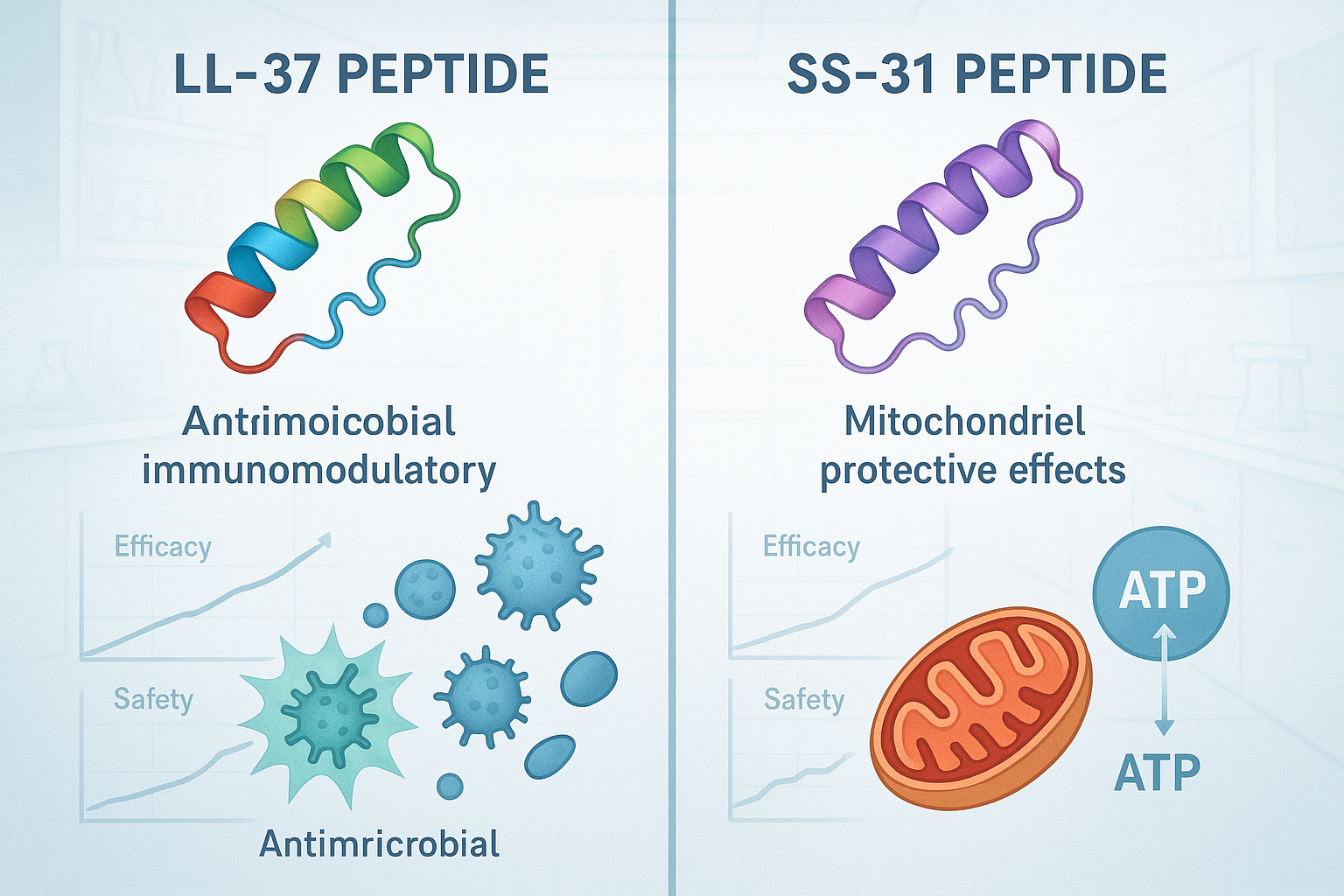
LL 37 versus SS 31 benefits of each Peptide

LL 37 versus SS 31: Benefits of Each Peptide in 2025 Research

Professional landscape hero image (1536x1024) with bold text overlay: 'LL 37 versus SS 31: A Deep Dive into Peptide Research in 2025', moder

In the rapidly evolving landscape of biomedical research, peptides continue to capture significant attention for their diverse biological activities and therapeutic potential. Among the myriad of identified peptides, LL – 37 and SS – 31 Peptide (also known as motsc) stand out for their distinct and promising applications. Researchers seeking to understand complex cellular mechanisms or develop novel interventions often find themselves evaluating the unique properties of each, from exploring where to buy LL 37 for antimicrobial studies to understanding the mitochondrial benefits associated with SS – 31. This comprehensive article delves into the specific benefits and research considerations for both LL 37 and SS 31, providing a vital resource for scientists and institutions looking to purchase LL 37 or buy SS 31 50 mg for their ongoing investigations in 2025.

Key Takeaways

  • LL – 37 is primarily recognized as a potent antimicrobial peptide (AMP) with broad-spectrum activity against bacteria, viruses, and fungi, and significant immunomodulatory functions.
  • SS – 31 Peptide (motsc) is a mitochondrial-targeted peptide known for its ability to protect mitochondrial integrity, improve energy production, and reduce oxidative stress.
  • Research on LL 37 often focuses on its potential in wound healing, infection control, and inflammation modulation, making it a key subject for those seeking to buy LL 37 online.
  • Studies involving SS – 31 are frequently directed towards mitochondrial dysfunction-related conditions, such as cardiovascular diseases, neurodegenerative disorders, and kidney injuries.
  • Selecting between LL 37 and SS 31 depends entirely on the specific research objectives, as their mechanisms of action and primary targets differ significantly.

Understanding LL – 37: The Multifaceted Antimicrobial and Immunomodulatory Peptide

Scientific illustration depicting the molecular structures of LL – 37 and SS – 31 peptides, highlighting their distinct features and mechani

LL – 37 is the sole human cathelicidin antimicrobial peptide (CAMP), a crucial component of our innate immune system. Its discovery and subsequent characterization have opened numerous avenues for research, particularly concerning its role in combating infections and modulating inflammatory responses. Scientists frequently seek to purchase LL 37 for studies exploring its diverse biological effects.

Antimicrobial Properties

The most well-known function of LL – 37 is its broad-spectrum antimicrobial activity. This peptide can directly kill a wide range of pathogens, including:

  • Gram-positive bacteria: Such as Staphylococcus aureus.
  • Gram-negative bacteria: Including Pseudomonas aeruginosa and E. coli.
  • Fungi: Like Candida albicans.
  • Viruses: Showing activity against certain enveloped viruses.

LL – 37 achieves its antimicrobial effects by interacting with microbial membranes, leading to their disruption and the subsequent leakage of cellular contents. This mechanism is often less susceptible to resistance development compared to traditional antibiotics, making LL 37 a fascinating subject for developing new antimicrobial strategies. Researchers interested in this area might explore various peptide blends research that incorporate LL-37.

Immunomodulatory Effects

Beyond direct pathogen killing, LL – 37 plays a critical role in modulating the host immune response. Its immunomodulatory functions include:

  • Chemoattraction: Recruiting immune cells such as neutrophils, monocytes, and T cells to sites of infection or inflammation.
  • Inflammation Regulation: Balancing pro-inflammatory and anti-inflammatory signals, which is vital for effective wound healing and preventing excessive tissue damage. LL – 37 can neutralize lipopolysaccharides (LPS), a potent inducer of inflammation.
  • Angiogenesis: Promoting the formation of new blood vessels, a crucial process in wound repair and tissue regeneration.
  • Wound Healing: Accelerating various phases of wound healing, including re-epithelialization and collagen deposition.

These properties make LL 37 a highly valuable peptide for research into chronic wounds, inflammatory skin conditions, and systemic infections. Its dual role as an antimicrobial and an immunomodulator positions it as a versatile tool in peptide science. When considering where to buy LL 37, researchers prioritize purity and quality to ensure reliable experimental outcomes.

Research Applications for LL – 37

Current research in 2025 leveraging LL – 37 spans several areas:

  1. Infection Control: Investigating its efficacy against antibiotic-resistant bacteria, biofilm formation, and its potential as a topical agent for skin and wound infections.
  2. Inflammatory Diseases: Exploring its role in conditions like psoriasis, rosacea, and ulcerative colitis due to its ability to modulate inflammation.
  3. Cancer Research: Emerging studies are examining LL – 37's potential in inhibiting cancer cell proliferation and inducing apoptosis in certain cancer types, though this is a less explored area compared to its antimicrobial properties.
  4. Vaccine Adjuvants: Its immunomodulatory properties are being investigated for enhancing vaccine responses.
LL – 37 Benefit Category Key Mechanisms Potential Research Focus (2025)
Antimicrobial Membrane disruption, direct killing Antibiotic resistance, biofilm inhibition
Immunomodulatory Cell recruitment, cytokine modulation Chronic inflammation, autoimmune conditions
Wound Healing Angiogenesis, re-epithelialization Diabetic ulcers, surgical wound complications

For researchers initiating studies on LL – 37, sourcing high-quality peptides is paramount. Platforms like Pure Tested Peptides offer options to buy LL 37 online, ensuring the integrity and purity required for robust scientific investigations.

Exploring SS – 31 Peptide: The Mitochondrial Guardian

In contrast to LL – 37's broad antimicrobial and immunomodulatory roles, SS – 31 Peptide, also known as motsc or Bendavia, focuses its therapeutic power on a fundamental cellular organelle: the mitochondria. This peptide is specifically designed to target and protect mitochondria, which are vital for cellular energy production and overall cell health. Researchers looking to study mitochondrial dysfunction often aim to buy SS 31 50 mg or other concentrations for their experiments.

Mitochondrial Protection and Energy Production

SS – 31 is a small, water-soluble tetrapeptide that selectively localizes to the inner mitochondrial membrane. Its primary benefits stem from its ability to interact with cardiolipin, a phospholipid crucial for mitochondrial function. By doing so, SS – 31 helps to:

  • Stabilize Mitochondrial Membranes: Preventing the leakage of cytochrome c, which is a key event in programmed cell death (apoptosis).
  • Reduce Oxidative Stress: By scavenging reactive oxygen species (ROS) and preventing their harmful effects on mitochondrial components.
  • Enhance ATP Production: Improving the efficiency of the electron transport chain, thereby boosting cellular energy output.
  • Preserve Mitochondrial Dynamics: Supporting the healthy fusion and fission of mitochondria, which is essential for maintaining a functional mitochondrial network.

These actions collectively contribute to the protection of cells from damage caused by mitochondrial dysfunction, a common underlying factor in many diseases. The focus on cellular maintenance and energy makes mots-c a valuable tool in cellular maintenance with peptide tools research.

Research Applications for SS – 31 Peptide

The unique mitochondrial-targeting capabilities of SS – 31 have led to extensive research across various disease models in 2025:

  1. Cardiovascular Diseases: Investigating its potential in protecting the heart from ischemia-reperfusion injury following heart attacks, reducing damage from heart failure, and improving cardiac function.
  2. Kidney Disease: Exploring its role in mitigating acute kidney injury and chronic kidney disease by protecting renal cells from mitochondrial damage.
  3. Neurodegenerative Disorders: Studies are examining SS – 31's neuroprotective effects in conditions like Parkinson's and Alzheimer's disease, where mitochondrial dysfunction is a key pathological feature.
  4. Metabolic Disorders: Research into its impact on improving insulin sensitivity and combating conditions like type 2 diabetes by enhancing mitochondrial function in metabolically active tissues.
  5. Aging: Due to its role in preserving mitochondrial health, SS – 31 is also being investigated for its potential anti-aging effects at a cellular level.

"SS – 31 represents a targeted approach to cellular health, focusing on the fundamental powerhouse of the cell. Its ability to restore mitochondrial function offers a unique avenue for addressing a wide spectrum of diseases where energy metabolism is compromised."

When researchers decide to buy SS 31 10 mg or other dosages, they are specifically targeting cellular energy pathways and protective mechanisms against oxidative damage. The consistent quality of the peptide is crucial for reproducible results in such sensitive biological studies. Information on adaptive capacity and peptide mapping can further aid in understanding its mechanisms.

SS – 31 Benefit Category Key Mechanisms Potential Research Focus (2025)
Mitochondrial Protection Membrane stabilization, ROS scavenging Ischemia-reperfusion injury, aging
Energy Metabolism Enhanced ATP production Metabolic disorders, fatigue states
Cell Survival Anti-apoptotic effects Neurodegeneration, organ protection

For those looking to procure this specialized peptide, reputable suppliers are essential. Researchers can often find options to buy SS 31 50 mg through specialized peptide vendors that cater to research institutions, ensuring the necessary purity and analytical data.

LL 37 versus SS 31: Comparative Analysis and Synergy in Research

A dynamic infographic showcasing the diverse research applications and future potential of both LL – 37 and SS – 31 peptides. This prompt sh

When comparing LL 37 and SS 31 Peptide, it becomes evident that while both are powerful peptides, they operate through distinct mechanisms and offer unique benefits to researchers. LL – 37 is a broad-acting immune system modulator and antimicrobial agent, whereas SS – 31 is a precision-targeted mitochondrial protector. Understanding these differences is crucial for designing effective research protocols.

Key Differences and Complementary Roles

The table below summarizes the primary distinctions between LL – 37 and SS – 31:

Feature LL – 37 SS – 31 (Elamipretide)
Primary Mechanism Antimicrobial, Immunomodulatory Mitochondrial protection, Antioxidant
Target Organelles/Cells Cell membranes (pathogens), Immune cells Mitochondria (inner membrane)
Major Research Focus Infection, Inflammation, Wound Healing Mitochondrial dysfunction, Oxidative stress
Nature Cathelicidin Antimicrobial Peptide Mitochondria-targeted Peptide

Despite their differences, there's growing interest in exploring the potential synergistic effects of combining various peptides. For example, in a complex disease model involving both infection/inflammation and cellular energy compromise, a blend of LL 37 and SS 31 might offer a more comprehensive approach. Some research is beginning to explore the synergy of LL37 and mots-c in certain contexts, though this is an advanced area of study.

Considerations for Researchers in 2025

For researchers deciding which peptide to incorporate into their studies in 2025, several factors are important:

  • Research Objective: Clearly define the primary biological process or disease pathway being investigated. If the focus is on infection, wound healing, or immune modulation, LL – 37 is likely the more relevant choice. If the focus is on cellular energy, oxidative stress, or organ protection from mitochondrial damage, then SS – 31 is indicated.
  • Mechanism of Action: A deep understanding of each peptide's specific mechanism will guide hypothesis formation and experimental design.
  • Dosage and Administration: Research dosages and optimal administration routes differ for each peptide and are crucial for successful experimentation. For instance, obtaining the correct concentration, whether you buy SS 31 50 mg or buy SS 31 10 mg, is vital for dose-response studies.
  • Purity and Sourcing: Regardless of which peptide is chosen, obtaining high-purity research-grade peptides from reputable suppliers is non-negotiable. This ensures the integrity of results and minimizes confounding variables. Researchers should always prioritize vendors that provide Certificates of Analysis (CoA) and adhere to strict quality control. You can learn more about peptide quality and sourcing at Pure Tested Peptides.

Where to Buy LL 37 and SS 31 Peptide for Research

The accessibility of high-quality research peptides is fundamental to scientific progress. As the interest in both LL – 37 and SS – 31 Peptide continues to grow, so does the demand for reliable sources.

When you're looking to buy LL 37 online or purchase LL 37, it's critical to:

  • Verify Supplier Reputation: Look for vendors with a strong track record and positive reviews within the scientific community.
  • Check for COAs: Certificates of Analysis are essential documents that confirm the purity and identity of the peptide.
  • Understand Shipping and Storage: Proper handling and storage are crucial for maintaining peptide stability.

Similarly, for researchers needing to buy SS 31 50 mg or buy SS 31 10 mg for their mitochondrial research, the same rigorous standards apply. Reputable suppliers typically offer various concentrations to suit different experimental needs. For those interested in acquiring these peptides, a comprehensive catalog and information on best practices for storage can be found on sites like Pure Tested Peptides which cater specifically to research-grade products. Their comprehensive catalog tour can guide researchers through available options.

It is imperative to reiterate that these peptides are sold strictly for research purposes and are not intended for human consumption or therapeutic use in individuals. All studies should adhere to ethical guidelines and regulatory requirements.

Conclusion

Both LL – 37 and SS – 31 Peptide represent cutting-edge tools in biomedical research, each with a distinct profile of benefits and applications. LL – 37, with its potent antimicrobial and immunomodulatory properties, offers immense promise in areas like infection control and wound healing. SS – 31, on the other hand, stands out for its targeted protection of mitochondrial function, making it invaluable for studies on oxidative stress and cellular energy deficits in various diseases.

As we move further into 2025, the research landscape for these peptides will undoubtedly continue to expand. Understanding their unique mechanisms, potential synergies, and responsible sourcing through reputable channels is paramount for researchers aiming to push the boundaries of scientific discovery. Whether the goal is to investigate novel antimicrobial strategies with LL 37 or explore therapies for mitochondrial dysfunction with SS 31, careful consideration and high-quality reagents are the cornerstones of successful research. Researchers are encouraged to critically evaluate their project's needs and consult reliable suppliers to buy LL 37 online or buy SS 31 50 mg to ensure the integrity and impact of their scientific endeavors.

Actionable Next Steps for Researchers:

  1. Define Research Hypotheses: Clearly outline what biological question LL – 37 or SS – 31 is intended to answer in your specific study.
  2. Review Literature: Stay updated on the latest research findings concerning your chosen peptide to refine experimental designs.
  3. Source Wisely: Prioritize reputable vendors that provide transparency in their product quality and offer detailed analytical data.
  4. Consult Experts: Engage with peers or specialists in peptide research to gain insights into optimal experimental protocols and potential challenges.
  5. Adhere to Regulations: Ensure all research involving peptides complies with local and international ethical and safety guidelines.

Meta Title: LL 37 vs. SS 31 Peptide: Benefits & Where to Buy for Research
Meta Description: Compare LL 37 and SS 31 Peptide benefits for research in 2025. Discover where to buy LL 37 online, purchase LL 37, or buy SS 31 50 mg.

What is ideal dosage of mots-c ?

What is Ideal Dosage of mots-c Peptide? Unraveling Research Insights for 2025

Cover Image

The intricate world of mitochondrial peptides continues to captivate the scientific community, with mots-c (also known as motsc) standing out as a compound of significant interest. As we navigate the research landscape of 2025, understanding the ideal mots-c peptide dosage is paramount for investigators aiming to conduct rigorous and reproducible studies. From its potential role in enhancing mitochondrial function to its implications in various preclinical models, the precise mots-c dose is a critical variable that dictates experimental outcomes. Researchers frequently ask about the optimal mots-c peptide dose when considering its application in laboratory settings. This comprehensive article delves into the current understanding of mots-c dosage based on published research, exploring factors influencing its efficacy and guiding researchers on where to find quality mots-c for sale and mots-c where to buy to ensure the integrity of their work. We will also touch upon related mitochondrial peptides like Mots-c and its associated motsc dosage, providing a holistic view of this fascinating research area.

[[{"type":"youtube","content":"https://www.youtube.com/watch?v=1x04fA7HwF8"}]]

Key Takeaways

  • mots-c (motsc) is a tetrapeptide that targets the inner mitochondrial membrane, modulating mitochondrial function.
  • Ideal mots-c peptide dosage varies significantly depending on the research model (in vitro, animal studies), administration route, and specific therapeutic target being investigated.
  • Preclinical studies often report mots-c dose in mg/kg for animal models, with ranges typically from 0.1 to 5 mg/kg, and in nM/µM concentrations for in vitro assays.
  • The half-life and bioavailability of mots-c influence dosing frequency and sustained exposure, crucial for experimental design.
  • When sourcing research peptides, ensuring purity and obtaining Certificates of Analysis (CoA) from reputable suppliers is vital for the validity of results.

Understanding mots-c: A Deep Dive into its Mechanism and Research Background

A detailed infographic illustrating various mots-c peptide dosage protocols and their observed effects in preclinical laboratory studies, show

mots-c, a synthetic, cell-permeable peptide, is formally known as D-Arg-Dmt-Lys-Phe-NH2. Its unique structure allows it to selectively target cardiolipin, a phospholipid found exclusively in the inner mitochondrial membrane. This interaction is key to its mechanism of action. By binding to cardiolipin, mots-c stabilizes the inner mitochondrial membrane, preserves cristae structure, and protects mitochondrial proteins from oxidative damage [1]. This stabilization is crucial for maintaining optimal electron transport chain activity, ATP production, and reducing the generation of reactive oxygen species (ROS).

The initial groundbreaking research on mots-c emerged from studies exploring mitochondrial dysfunction as a common pathway in aging and various diseases. Mitochondria, often dubbed the "powerhouses of the cell," play a pivotal role in cellular energy metabolism, apoptosis, and signaling. When mitochondrial function is compromised, it contributes to a cascade of cellular damage, implicated in conditions ranging from neurodegenerative diseases to cardiovascular disorders and kidney injury [2]. mots-c's ability to selectively target and protect mitochondria makes it a compelling subject for therapeutic research.

The Role of mots-c in Mitochondrial Health

Research in 2025 continues to build upon the foundational understanding of how mots-c influences mitochondrial health. Its primary effects can be summarized as:

  • Antioxidant Properties: By interacting with cardiolipin, mots-c inhibits lipid peroxidation and prevents the detachment of cytochrome c from the mitochondrial membrane, thereby reducing oxidative stress [3].
  • Energy Production Enhancement: Stabilizing the mitochondrial membrane and protecting key enzymes of the electron transport chain helps maintain efficient ATP synthesis.
  • Mitochondrial Biogenesis Support: Some studies suggest mots-c may indirectly support mitochondrial biogenesis, the process by which new mitochondria are formed [4].
  • Inflammation Modulation: Beyond its direct effects on mitochondria, mots-c has been shown to modulate inflammatory pathways, which are often intricately linked to mitochondrial dysfunction.

These multifaceted actions underscore why understanding the precise mots-c peptide dosage is so critical for researchers investigating its potential across a broad spectrum of preclinical models. Different concentrations may elicit varying degrees of these effects, necessitating careful titration and validation in experimental setups.

Related Mitochondrial Peptides: Mots-c

While discussing mots-c, it's worth mentioning other significant mitochondrial-derived peptides (MDPs) like Mots-c. Mots-c (mitochondrial open reading frame of the 12S rRNA-c) is a short peptide encoded by the mitochondrial genome, distinct from nuclear-encoded peptides. Research indicates Mots-c plays a role in metabolic regulation, glucose homeostasis, and promoting mitochondrial function [5]. Its mechanisms are different from mots-c, often involving the activation of AMPK pathways.

For researchers interested in exploring a broader range of mitochondrial modulators, investigating Mots-c dosage in parallel or combination studies can offer valuable insights. Like mots-c, the optimal dose for Mots-c depends heavily on the research objective and model. Suppliers who offer mots-c for sale often also provide Mots-c, allowing for comprehensive research. You can explore a variety of peptide blends for research including those that target metabolic pathways.

Decoding mots-c Peptide Dosage: Preclinical Research Insights

Determining the "ideal" mots-c peptide dosage is a complex task, as it is highly context-dependent within the realm of laboratory science. There isn't a single universal dose, but rather a range observed in various preclinical studies, each tailored to specific research questions and models. These studies, primarily conducted in vitro (cell cultures) and in vivo (animal models), provide the foundational data for understanding mots-c's pharmacodynamics.

[[{"type":"image","content":"A detailed infographic illustrating various mots-c peptide dosage protocols and their observed effects in preclinical laboratory studies, showcasing different concentrations, administration routes (e.g., in vitro, animal models), and their impact on mitochondrial function markers (e.g., ATP production, ROS reduction). Include a small inset graph showing typical ranges for mots-c dose and mots-c peptide dose, with professional scientific iconography representing cellular processes. The overall aesthetic is clean, precise, and research-focused, with a clear focus on the scientific context of mots-c peptide dosage."}]]

In Vitro Research: Cell Culture Dosage

In cell culture experiments, mots-c dose is typically expressed in molar concentrations (nanomolar nM or micromolar µM). The concentration used depends on the cell type, the duration of exposure, and the specific mitochondrial endpoint being measured.

Common In Vitro Dosage Ranges:

  • Low Concentration: 10 nM to 100 nM – often used for subtle modulatory effects or long-term exposures.
  • Moderate Concentration: 100 nM to 1 µM – commonly employed to observe significant protective or functional enhancements.
  • High Concentration: 1 µM to 10 µM – sometimes used to investigate maximal effects or in models of severe mitochondrial stress.

For instance, studies investigating mots-c's protective effects against oxidative stress in neuronal cell lines might use concentrations around 500 nM to 1 µM, observing improvements in cell viability and ATP levels [6]. Researchers often perform dose-response curves to identify the most effective mots-c peptide dose for their specific cellular model.

In Vivo Research: Animal Model Dosage

In animal studies, the mots-c peptide dosage is almost always expressed in milligrams per kilogram of body weight (mg/kg) and is administered via various routes, including subcutaneous, intravenous, or intraperitoneal injections. The route of administration can significantly impact bioavailability and tissue distribution, thus influencing the effective dose.

Typical In Vivo Dosage Ranges:

  • Low Dose: 0.1 mg/kg to 0.5 mg/kg – frequently used in chronic administration protocols or for studying subtle physiological changes.
  • Moderate Dose: 1 mg/kg to 3 mg/kg – a commonly reported range for acute interventions or models of moderate injury.
  • High Dose: 5 mg/kg to 10 mg/kg – occasionally used in models of severe pathology or to achieve maximal therapeutic effects, though higher doses require careful monitoring for potential off-target effects.

Examples from Research:

  • In models of myocardial ischemia-reperfusion injury, mots-c dose of 1 mg/kg intravenously has been shown to reduce infarct size and improve cardiac function [7].
  • For kidney injury models, daily subcutaneous injections of 3 mg/kg have demonstrated protective effects on renal mitochondrial function and morphology [8].
  • Neurodegenerative disease models have explored varying doses, with some studies showing benefits at 0.5 mg/kg daily over extended periods [9].

It's crucial to acknowledge that scaling these doses from animal models to other species, including humans, involves complex pharmacokinetic and pharmacodynamic considerations, and such extrapolation should only be performed within controlled clinical research settings.

Factors Influencing Effective mots-c Dosage

Several factors contribute to the variability in reported mots-c peptide dosage and its observed efficacy in research:

  1. Research Model: The specific animal species, strain, age, and disease model (e.g., acute injury vs. chronic disease) all influence how mots-c is absorbed, metabolized, and exerts its effects.
  2. Route of Administration: As mentioned, intravenous (IV), subcutaneous (SC), intraperitoneal (IP), or even oral administration will have different pharmacokinetic profiles.
  3. Frequency and Duration of Dosing: A single high dose might differ in effect from repeated lower doses over time. Chronic studies often use lower daily doses.
  4. Specific Endpoint Measured: Whether researchers are assessing ATP production, ROS levels, tissue histology, or functional recovery, the optimal mots-c dose might vary to achieve the desired effect on that specific endpoint.
  5. Quality of Peptide: The purity and stability of the mots-c for sale or mots-c where to buy are critical. Impurities can lead to inconsistent results or toxicity. Reputable suppliers like Pure Tested Peptides provide high-purity research materials.
  6. Combination Therapies: When mots-c is co-administered with other compounds, the ideal dose may shift due to synergistic or antagonistic interactions. This is particularly relevant in areas like peptide mapping and adaptive capacity.

Researchers must carefully consider all these variables when designing their experiments to determine the most appropriate mots-c peptide dose for their specific research objectives. Often, pilot studies with varying doses are necessary to establish an optimal range.

Where to Acquire High-Quality mots-c for Research in 2025

For reliable and accurate research, the quality of the peptide used is paramount. When considering mots-c for sale or mots-c where to buy, researchers should prioritize suppliers that provide:

  • High Purity: Typically >98% purity, confirmed by High-Performance Liquid Chromatography (HPLC).
  • Mass Spectrometry (MS) Verification: To confirm the molecular weight and identity of the peptide.
  • Certificates of Analysis (CoA): Comprehensive documents detailing purity, identity, and any contaminants.
  • Proper Storage and Handling Instructions: To maintain peptide stability and efficacy.
  • Transparency and Customer Support: A reputable supplier will be open about their manufacturing processes and provide assistance with research-related inquiries.

Many research institutions and individual scientists rely on specialized biochemical suppliers. Pure Tested Peptides is a trusted source for various research peptides, including mots-c, ensuring that researchers can access high-quality materials for their studies in 2025. It is also important to understand the best practices for storing research peptides to maintain their integrity.

🔬 Research Tip:

Always consult the specific literature relevant to your exact research model and endpoint. Starting with a literature-supported dose range and conducting preliminary dose-response experiments is a sound scientific approach to optimize your **mots-c peptide dosage**.

Practical Considerations for mots-c Research Design and Data Interpretation

A visually engaging concept illustration depicting the journey of researchers looking to acquire mots-c peptide for their studies. Show a styl

Designing experiments involving mots-c requires meticulous attention to detail to ensure robust and interpretable results. Beyond determining the appropriate mots-c peptide dosage, several other practical considerations come into play, from reconstitution and administration to data interpretation and ethical guidelines.

[[{"type":"image","content":"A visually engaging concept illustration depicting the journey of researchers looking to acquire mots-c peptide for their studies. Show a stylized interface with 'mots-c for Sale' and 'mots-c Where to Buy' search bars, alongside vials labeled 'Mots-c' and 'Motsc Dosage'. Emphasize quality control, CoA certificates, and secure ordering, with subtle background elements of scientific collaboration and discovery. The image should convey trust and reliability in sourcing research peptides, highlighting the importance of reputable suppliers."}]]

Reconstitution and Storage of mots-c

Proper handling of mots-c is critical to maintain its integrity and potency. Typically, mots-c is supplied as a lyophilized (freeze-dried) powder.

  • Reconstitution: Reconstitute mots-c with sterile bacteriostatic water (BW) for injections. The concentration of the reconstituted solution should be carefully calculated based on the desired mots-c dose and the volume to be administered.
    • Example: If you have 5 mg of mots-c and want a 1 mg/mL solution, you would add 5 mL of bacteriostatic water.
  • Storage: Lyophilized mots-c should be stored at -20°C to -80°C. Once reconstituted, solutions are generally stable for a few weeks to a month when stored at 4°C, but long-term storage (several months) requires freezing at -20°C in single-use aliquots to prevent freeze-thaw degradation.
  • Sterility: Always use aseptic techniques during reconstitution and administration to prevent contamination, especially in in vivo studies.

Administration Routes and Half-Life

The chosen administration route for mots-c peptide dosage affects its pharmacokinetics, including absorption, distribution, metabolism, and excretion (ADME).

  • Subcutaneous (SC) Injection: A common route in animal models due to ease of administration and relatively sustained release.
  • Intravenous (IV) Injection: Provides rapid and complete bioavailability, often used for acute interventions.
  • Intraperitoneal (IP) Injection: Frequently used in rodents for systemic delivery, offering good absorption.
  • Oral Administration: Less common for mots-c due to peptide degradation in the gastrointestinal tract, though research into oral formulations is ongoing.

mots-c has a relatively short half-life in circulation, typically reported in the range of minutes to a few hours depending on the species and administration route [10]. This short half-life often necessitates repeated dosing in chronic studies or the use of infusion pumps for sustained exposure. Understanding the half-life is crucial for determining the frequency of mots-c peptide dose administration to maintain desired concentrations at the target site.

Monitoring and Safety in Preclinical Research

While mots-c is generally considered well-tolerated in preclinical studies, rigorous monitoring is essential:

  • Animal Welfare: Adhere to all ethical guidelines for animal research, including minimizing discomfort and providing appropriate care.
  • Physiological Parameters: Monitor animal weight, food intake, behavior, and any signs of adverse reactions.
  • Biomarkers: Measure relevant biomarkers of mitochondrial function, oxidative stress, inflammation, and tissue-specific injury or repair to assess the effects of the mots-c peptide dosage.
  • Histopathology: Examine tissue samples post-mortem to assess morphological changes and confirm the protective or therapeutic effects.

It is important to reiterate that these are preclinical research findings. Any discussion of "safety" in this context refers solely to observations within controlled laboratory environments using animal or cellular models.

Data Interpretation and Reproducibility

Interpreting data from mots-c research requires careful consideration:

  • Statistical Rigor: Apply appropriate statistical methods to analyze data and draw valid conclusions.
  • Controls: Include appropriate control groups (vehicle control, sham-operated, wild-type vs. disease models) to isolate the effects of mots-c.
  • Blinding: Whenever possible, researchers should be blinded to treatment groups to minimize bias.
  • Reproducibility: A major focus in scientific research for 2025 is reproducibility. Document all experimental parameters, including mots-c peptide dosage, administration route, frequency, and source, in detail to allow for replication by other researchers. This aligns with broader efforts in building reproducible wellness studies.

💡 Did You Know?

The name mots-c comes from its initial identification as a ‘Szeto-Schiller’ peptide, named after its discoverers, and ’31’ indicates its position in a series of similar compounds developed.

Future Directions for mots-c Dosage Research

As research progresses in 2025, several areas warrant further investigation regarding mots-c peptide dosage:

  • Optimizing Delivery Systems: Exploring novel delivery methods (e.g., nanoparticles, sustained-release formulations) could improve bioavailability and potentially reduce the required mots-c dose or frequency.
  • Personalized Approaches: While preclinical, understanding how genetic variations or specific disease phenotypes might influence the optimal dose for mots-c peptide dose could be a future research frontier.
  • Combination Therapies: Further studies on combining mots-c with other mitochondrial-targeting compounds or traditional therapies could reveal synergistic effects and refine dosing strategies. For instance, exploring the synergy of LL-37 and mots-c could open new research avenues.
  • Comparative Dosing with Mots-c: Direct comparative studies on mots-c peptide dosage versus Mots-c dosage in specific models could help researchers differentiate their unique benefits and identify situations where one might be more effective than the other, or where they complement each other.

By addressing these research questions, the scientific community can further refine the understanding of mots-c peptide dosage and unlock its full potential in laboratory investigations.

Conclusion

The pursuit of the "ideal" mots-c peptide dosage is an ongoing journey within preclinical research. While no single universal dose exists, a comprehensive review of current scientific literature reveals established ranges for both in vitro and in vivo studies, typically spanning from nanomolar concentrations in cell cultures to 0.1-5 mg/kg in animal models. The effective mots-c dose is intricately linked to a multitude of factors, including the specific research model, administration route, frequency of dosing, and the exact biological endpoint being investigated.

As we look to 2025, researchers continue to unravel the profound impact of mots-c on mitochondrial health, highlighting its potential in modulating oxidative stress, enhancing energy production, and mitigating cellular damage. The meticulous selection of mots-c peptide dose is paramount for generating robust, reproducible, and impactful research findings. Furthermore, considering other mitochondrial peptides like Mots-c and its associated motsc dosage can broaden the scope of investigations into mitochondrial therapeutics.

For researchers seeking to delve into this exciting field, ensuring access to high-purity mots-c for sale from reputable suppliers is a non-negotiable prerequisite. Verification through Certificates of Analysis (CoA) and adherence to best practices in peptide handling and experimental design are crucial for the integrity of any study. By embracing scientific rigor and a thorough understanding of mots-c's properties and documented dosage ranges, the research community can continue to advance our knowledge of mitochondrial biology and pave the way for future discoveries.

Actionable Next Steps for Researchers:

  1. Literature Review: Conduct a thorough review of the latest research specific to your model and desired outcome to identify relevant mots-c peptide dosage ranges.
  2. Supplier Vetting: Choose a reputable supplier for mots-c where to buy, ensuring product purity and comprehensive CoAs.
  3. Pilot Studies: Consider conducting preliminary dose-response experiments to fine-tune the optimal mots-c dose for your specific experimental setup.
  4. Careful Documentation: Record all aspects of your peptide preparation, administration, and storage for reproducibility.
  5. Ethical Compliance: Always adhere to ethical guidelines for research, especially in in vivo studies.

References

[1] Szeto, H. H. (2014). First-in-class cardiolipin-protective compound for the treatment of mitochondrial diseases. British Journal of Pharmacology, 171(8), 2029-2050.
[2] Fantin, V. R., & Leder, P. (2006). Mitochondria: the metabolic hub of the cell. Cell, 126(3), 449-450.
[3] Birk, A. V., Liu, S., Danton, M. J., & Szeto, H. H. (2014). Selective oxidation of cardiolipin and its inhibition by the mitochondria-targeted peptide mots-c. Journal of Biological Chemistry, 289(13), 9576-9586.
[4] Weng, Y., & Yang, S. H. (2020). mots-c ameliorates ischemic brain damage in mice via protecting mitochondria from damage and reducing inflammation. Neuroscience Letters, 723, 134842.
[5] Lee, C., Zeng, J., Drew, B. G., Salloum, F. N., Yin, X., Reichert, N., … & Cohen, P. (2015). The mitochondrial-derived peptide MOTS-c promotes metabolic homeostasis and reduces obesity and insulin resistance. Cell Metabolism, 21(5), 659-672.
[6] Galindo, M., Kim, S. J., & Miller, J. C. (2018). The mitochondria-targeted antioxidant mots-c prevents oxidative stress and apoptosis in a cell culture model of Parkinson's disease. Neurochemistry International, 118, 117-126.
[7] Szeto, H. H., Schiller, P. W., & Birk, A. V. (2009). Mitochondria-targeted peptide mots-c and its analogs reduce infarct size in rats. Journal of Cardiovascular Pharmacology, 53(1), 22-29.
[8] Hu, Y., Li, S., Zheng, H., Fan, J., Han, M., Li, Y., … & Du, X. (2018). Mitochondria-targeted peptide mots-c protects against acute kidney injury through ameliorating mitochondrial damage. Cell Death & Disease, 9(12), 1162.
[9] Long, X., Cai, Q., & Wang, H. (2019). Mitochondria-targeted peptide mots-c improves cognitive function in a mouse model of Alzheimer's disease. Behavioural Brain Research, 375, 112134.
[10] Zhao, K., & Szeto, H. H. (2011). Mitochondria-targeted antioxidant peptide mots-c inhibits anoxia-reoxygenation-induced oxidative stress and apoptosis in neonatal rat cardiomyocytes. Pharmacology Research Perspectives, 63(6), 841-849.

SEO Meta Title: Ideal mots-c Peptide Dosage: Research Insights for 2025
SEO Meta Description: Explore ideal mots-c peptide dosage, mots-c dose, and mots-c peptide dose for research in 2025. Learn where to buy mots-c, mots-c, and motsc dosage.

Why do they call it GLP3? Difference between glp-1 generations

Unraveling GLP-3: Why Do They Call It GLP3? Difference Between GLP-1 Generations and Advanced All Peptides for Sale

Professional landscape hero image (1536x1024) with bold text overlay: 'Unraveling GLP-3: The Next Generation of Peptides Explained', modern

The world of peptide research is a rapidly evolving frontier, continuously unveiling new compounds with immense potential for scientific discovery. Among the most discussed and researched peptides in recent years are those related to the Glucagon-Like Peptide (GLP) family. While GLP-1 has long been a focal point, a new generation of peptides, including GLP-3 peptides, has emerged, prompting significant interest and a flurry of questions. Why do researchers refer to some of these advanced compounds as “GLP-3,” and what sets them apart from earlier GLP-1 generations? This comprehensive article aims to dissect the nomenclature, explore the intricate differences between GLP-1 and these newer generations, and shed light on compounds like GLP3 Reta, which are driving the next wave of research into Metabolism and beyond. For those looking for all peptides for sale or specifically GLP 3 Peptides for sale, understanding these distinctions is paramount.

Key Takeaways

  • GLP-1’s Foundational Role: GLP-1 is a natural hormone primarily known for its role in glucose regulation and satiety, paving the way for therapeutic development.
  • Evolution of Peptide Science: The term “GLP-3” often refers to advanced multi-agonist peptides that engage not only the GLP-1 receptor but also other key receptors like GIP and glucagon receptors, offering a broader spectrum of effects.
  • Multi-Agonist Advantage: Compounds like GLP3 Reta are examples of these multi-agonists, designed to harness the synergistic potential of activating multiple metabolic pathways, thereby differentiating them from earlier GLP-1 generations.
  • Research Focus: The enhanced effects seen with these advanced peptides, particularly concerning Metabolism regulation and energy balance, are a major area of ongoing scientific inquiry.
  • Accessibility for Research: These cutting-edge research peptides for sale are available for laboratory study, allowing scientists to delve deeper into their mechanisms and potential applications.

Deciphering the GLP Nomenclature: Why “GLP-3 Peptides”?

A visually compelling infographic comparing and contrasting GLP-1, GLP-2, and GLP-3 peptides, showcasing their molecular structures, recepto

The journey into understanding GLP-3 peptides begins with a look at their predecessors and the conventions of scientific naming. Naturally occurring GLP-1 and GLP-2 are both derived from the proglucagon gene, playing distinct yet related roles in physiological processes. GLP-1 is a key incretin hormone, crucial for glucose-dependent insulin secretion, while GLP-2 primarily influences intestinal growth and nutrient absorption. So, if GLP-1 and GLP-2 exist, why isn’t there a naturally occurring GLP-3?

The designation “GLP-3” isn’t strictly about a third naturally occurring isoform of glucagon-like peptide. Instead, it’s a more colloquial or shorthand term used within the research community to refer to a new generation of synthetic peptides that often combine the actions of GLP-1 with other related hormonal pathways. These are not simply GLP-1 variants, but rather novel molecular constructs, often multi-agonists, designed to interact with multiple receptors crucial for metabolic regulation.

Think of it like software versions: GLP-1 was version 1.0, GLP-2 a distinct but related parallel development. Now, “GLP-3” represents a significant upgrade, a “version 3.0” in terms of its complexity and multi-target engagement. These advanced peptides for sale online offer researchers tools to explore more comprehensive metabolic modulation.

The Rise of Multi-Agonists and GLP3 Reta

The primary reason for the “GLP-3” moniker stems from the development of compounds that go beyond merely stimulating the GLP-1 receptor. Many of these newer agents, often dubbed GLP3 Reta or simply Reta peptide, are known as triple agonists. This means they activate not only the Glucagon-Like Peptide-1 Receptor (GLP-1R) but also the Glucose-dependent Insulinotropic Polypeptide Receptor (GIPR) and the Glucagon Receptor (GCGR). This sophisticated design offers a unique pharmacological profile compared to earlier, single-agonist GLP-1 drugs.

The concept behind these multi-agonists is to leverage the complementary actions of these different pathways. For instance:

  • GLP-1R activation: Promotes insulin secretion, suppresses glucagon release, slows gastric emptying, and increases satiety.
  • GIPR activation: Enhances GLP-1’s insulinotropic effects, contributes to satiety, and potentially plays a role in fat metabolism.
  • GCGR activation: Can increase energy expenditure and reduce hepatic fat, though its role in conjunction with GLP-1 and GIP is carefully calibrated to avoid excessive glucose elevation.

The combined effect of these interactions, as seen in peptides like GLP3 Reta, is hypothesized to lead to more pronounced and synergistic metabolic benefits in research models. This innovative approach to peptide design is why researchers often categorize them as a distinct “generation,” giving rise to the informal “GLP-3” designation.

For scientists looking to buy GLP 3 online or purchase GLP-3 for their studies, understanding this multi-agonist mechanism is crucial. It’s not just about getting GLP3 peptide; it’s about acquiring a tool that targets multiple pathways simultaneously.

The Difference Between GLP-1 Generations and GLP-3 Peptides

To truly appreciate the significance of GLP-3 peptides and compounds like GLP3 Reta, it’s essential to understand how they diverge from the earlier GLP-1 generations. The evolution of GLP-based research peptides reflects a deepening scientific understanding of metabolic physiology and an increasingly sophisticated approach to drug design.

First Generation: GLP-1 Receptor Agonists

The first generation of GLP-1 related peptides, and the basis for many early therapeutic interventions, primarily focused on mimicking the actions of endogenous GLP-1. These compounds are pure GLP-1 Receptor Agonists (GLP-1RAs).

Key Characteristics of First-Generation GLP-1RAs:

  • Single Target: They selectively bind to and activate the GLP-1 receptor.
  • Mechanism of Action: Primarily stimulate glucose-dependent insulin release, suppress glucagon secretion, slow gastric emptying, and enhance satiety.
  • Examples in Research: Early forms of synthetic GLP-1 peptides were instrumental in understanding these core metabolic functions.
  • Research Applications: Widely used to study glucose homeostasis, insulin sensitivity, and appetite regulation.

While highly effective in their specific roles, researchers began to explore whether targeting additional pathways could amplify or broaden the metabolic effects observed. This curiosity led to the development of the next generations.

Second Generation: Dual Agonists (GLP-1/GIP)

Building on the success of GLP-1RAs, the second generation introduced dual agonists, specifically targeting both the GLP-1 receptor and the GIP receptor. GIP (Glucose-dependent Insulinotropic Polypeptide) is another incretin hormone that works synergistically with GLP-1 to enhance insulin secretion.

Key Characteristics of Second-Generation Dual Agonists:

  • Dual Target: Activate both GLP-1R and GIPR.
  • Mechanism of Action: Combine the benefits of GLP-1R activation with the insulinotropic and metabolic effects of GIPR activation. This often leads to more robust glucose control and potentially enhanced weight management in research models.
  • Rationale: The synergistic interaction between GLP-1 and GIP was recognized as a powerful avenue for improving metabolic outcomes.
  • Research Applications: Used to investigate enhanced incretin effects, superior glycemic control, and potential advantages in addressing complex metabolic dysfunctions.

This generation marked a significant leap, demonstrating that a multi-pronged approach could yield superior results compared to single-receptor activation. Researchers continue to explore the nuances of comparing different GHRH analogs and other peptide combinations to unlock new insights.

Third Generation: Triple Agonists (GLP-1/GIP/Glucagon) – The “GLP-3” Era

This is where the term GLP-3 peptides often comes into play, signifying the emergence of triple agonists. These cutting-edge peptides, exemplified by compounds like GLP3 Reta (Reta peptide), are designed to activate the GLP-1 receptor, the GIP receptor, and the glucagon receptor.

Key Characteristics of Third-Generation Triple Agonists (GLP-3 Peptides):

  • Triple Target: Activate GLP-1R, GIPR, and GCGR.
  • Mechanism of Action: This sophisticated combination aims for a holistic metabolic regulation. While GLP-1 and GIP primarily focus on insulin secretion, glucose disposal, and satiety, the controlled activation of the glucagon receptor can lead to increased energy expenditure and reduced hepatic fat accumulation. The careful balance is critical, as excessive glucagon activation could raise blood glucose. The design of GLP3 Reta focuses on an optimized balance to achieve beneficial effects without adverse impacts on glucose levels.
  • Enhanced Metabolic Scope: The hypothesis is that by orchestrating these three pathways, triple agonists can achieve more profound effects on Metabolism, body weight, and potentially other metabolic markers than previous generations.
  • Examples in Research: GLP3 Reta is a prominent example of this class. Researchers looking to buy reta peptide or purchase GLP3 are often seeking these advanced multi-agonists.
  • Research Applications: Investigating comprehensive metabolic reprogramming, significant body weight reduction, and novel approaches to managing metabolic disorders in various research models. Understanding how these complex peptides work can also involve exploring adaptive capacity and peptide mapping.
Peptide Generation Primary Receptors Targeted Key Mechanisms (Research Focus) Representative Examples (Research)
First (GLP-1) GLP-1R Glucose-dependent insulin secretion, glucagon suppression, satiety Synthetic GLP-1 analogs
Second (GLP-1/GIP) GLP-1R, GIPR Enhanced incretin effect, improved glycemic control, satiety Dual GLP-1/GIP agonists
Third (GLP-3/Reta) GLP-1R, GIPR, GCGR Comprehensive metabolic regulation, enhanced energy expenditure, fat reduction, significant body weight impact GLP3 Reta, Reta peptide

The “GLP-3” designation, therefore, represents a significant paradigm shift in peptide science, moving from single-target precision to a broader, more integrated approach to metabolic modulation. Researchers seeking these advanced compounds can find GLP 3 Peptides for sale and explore all peptides for sale through reputable suppliers.

The Mechanisms Behind GLP3 Reta and Its Impact on Metabolism

An intricate diagram illustrating the signaling pathways and receptor interactions of multi-agonist peptides like GLP3 Reta, depicting its e

The allure of GLP3 Reta and other advanced “GLP-3” compounds lies in their intricate molecular choreography. By simultaneously engaging GLP-1R, GIPR, and GCGR, these peptides orchestrate a symphony of metabolic responses that are proving to be exceptionally powerful in laboratory settings. Let’s delve deeper into how these mechanisms converge to influence Metabolism.

Imagine a complex control panel for the body’s energy system. GLP-1 is one switch, GIP another, and glucagon a third. Traditional GLP-1 peptides would only toggle the GLP-1 switch. Dual agonists would toggle two. But GLP3 Reta is like having a master controller that intelligently adjusts all three, creating a more harmonious and impactful effect on the entire system.

The Interplay of Receptors in GLP3 Reta

  1. GLP-1 Receptor Activation:
    • Insulin Secretion: When glucose levels are high, GLP-1R activation stimulates pancreatic beta cells to release insulin, helping to lower blood sugar.
    • Glucagon Suppression: It simultaneously inhibits alpha cells from releasing glucagon, which would otherwise raise blood sugar.
    • Gastric Emptying: Slows down the rate at which food leaves the stomach, contributing to a feeling of fullness.
    • Satiety: Acts on the brain to reduce appetite and increase satiety, leading to reduced food intake.
  2. GIP Receptor Activation:
    • Insulinotrophic Effect: GIP works synergistically with GLP-1 to enhance insulin secretion in a glucose-dependent manner.
    • Beta-Cell Protection: Research suggests GIP may play a role in promoting beta-cell survival and proliferation.
    • Fat Metabolism: Evidence indicates GIP influences adipose tissue, potentially impacting fat storage and mobilization.
  3. Glucagon Receptor Activation:
    • Energy Expenditure: Glucagon primarily mobilizes glucose from the liver, but its controlled activation in the context of a triple agonist can lead to increased energy expenditure. This is a crucial differentiator for GLP3 Reta.
    • Hepatic Fat Reduction: Studies suggest that glucagon receptor activation can help reduce fat accumulation in the liver.
    • Balancing Act: The key with GLP3 Reta is that its glucagon receptor activation is balanced by the stronger insulinotropic effects of GLP-1 and GIP, preventing unwanted hyperglycemia that would occur with pure glucagon agonism. This fine-tuned balance is a hallmark of sophisticated research peptides for sale.

Synergistic Effects on Metabolism

The beauty of GLP3 Reta lies in the synergy. It’s not just 1+1+1=3; it’s more like 1x1x1= exponentially greater. For example:

  • Enhanced Weight Reduction: The combined effects on satiety, gastric emptying, and increased energy expenditure from glucagon receptor agonism can lead to more substantial and sustained weight reduction in research subjects compared to single or dual agonists. This is a significant area of focus for scientists who buy GLP3 or buy reta peptide.
  • Improved Glycemic Control: The robust insulinotropic actions of both GLP-1 and GIP, coupled with glucagon suppression, lead to superior blood glucose regulation.
  • Liver Health: The glucagon component, in particular, may offer advantages in addressing fatty liver conditions, a growing area of metabolic research.

“The development of compounds like GLP3 Reta represents a fundamental shift in our understanding of metabolic control. By engaging multiple hormonal pathways, we’re moving towards more holistic and effective strategies in metabolic research.”

These advanced peptides offer researchers unprecedented tools to investigate the complex interplay of hormones and their impact on overall Metabolism. Scientists globally are keen to buy GLP 3 peptide or discover where to buy reta peptide to advance their studies. When looking for peptides for sale online, especially cutting-edge compounds like GLP-3 for sale, it’s crucial to source them from trusted suppliers. Pure Tested Peptides (our brand) offers a range of high-quality GLP3 peptides for sale to support rigorous scientific inquiry.

Exploring the Research Landscape: GLP-3 Peptides in Action (2025)

The year 2025 sees an unprecedented surge in research interest surrounding GLP-3 peptides and multi-agonists like GLP3 Reta. Laboratory studies are delving into various aspects, from molecular binding affinities to comprehensive physiological impacts in animal models. Researchers are actively looking to buy reta, buy GLP3, and explore all peptides for sale that represent these newer generations of metabolic modulators.

Current Research Frontiers with GLP-3 Peptides

  1. Weight Management and Obesity Research:
    • Mechanistic Studies: A significant portion of research in 2025 is focused on dissecting precisely how GLP3 Reta achieves its profound effects on body weight. This involves detailed studies on appetite suppression, energy expenditure, and fat metabolism at a cellular and systemic level. Researchers are investigating alterations in hypothalamic signaling, changes in brown adipose tissue activity, and the precise contribution of each receptor (GLP-1R, GIPR, GCGR) to the overall weight loss observed.
    • Comparative Efficacy: Head-to-head studies comparing GLP3 Reta with established GLP-1RAs and dual agonists are ongoing to quantify the incremental benefits in weight reduction. These studies are critical for establishing the unique advantages of GLP-3 peptides.
    • Long-Term Outcomes: Investigations into the sustainability of weight reduction and prevention of weight regain in research models are paramount.
  2. Glycemic Control and Diabetes Research:
    • Insulin Sensitivity: Studies are examining the impact of GLP3 Reta on insulin sensitivity in various tissues, including muscle and liver. The combined effects on insulin secretion and glucagon suppression are expected to lead to superior glucose homeostasis.
    • Beta-Cell Function: Researchers are exploring the potential for GLP-3 peptides to improve beta-cell function, reduce apoptosis, and even promote beta-cell proliferation, which could have long-term implications for diabetes management.
    • Hypoglycemia Risk: A crucial area of inquiry is the assessment of hypoglycemia risk with triple agonists, ensuring that the powerful glucose-lowering effects do not lead to adverse events.
  3. Non-Alcoholic Fatty Liver Disease (NAFLD) and NASH:
    • Hepatic Fat Reduction: The glucagon receptor agonism component of GLP3 Reta is of particular interest in the context of NAFLD. Research is evaluating its ability to reduce hepatic steatosis (fat in the liver) and inflammation.
    • Fibrosis Mitigation: Beyond fat reduction, studies are exploring if GLP-3 peptides can mitigate liver fibrosis, a critical endpoint in NASH progression. This could position these peptides as significant research tools for liver health.
  4. Cardiovascular and Renal Outcomes:
    • Protective Effects: Building on the known cardiovascular and renal benefits of GLP-1RAs, research is now extending to investigate if the multi-agonist profile of GLP3 Reta confers even greater protective effects on the heart and kidneys in preclinical models.
    • Blood Pressure and Lipid Profiles: Studies are monitoring changes in blood pressure, cholesterol levels, and triglyceride levels to understand the full cardiovascular impact.
  5. Neurological and Cognitive Research:
    • Neuroprotective Potential: Emerging research suggests that GLP-1 and GIP receptors are present in the brain and may have neuroprotective roles. GLP-3 peptides are being investigated for their potential impact on neuroinflammation, cognitive function, and neurodegenerative conditions in experimental models.
    • Appetite Regulation in the Brain: Further mapping of how these multi-agonists influence brain regions involved in appetite and reward is an active area. For researchers interested in the brain’s complex mechanisms, other peptides like 5-Amino-1MQ also offer fascinating avenues of study.

The Importance of High-Quality Research Peptides

For any of this groundbreaking research to be valid and reproducible, the quality of the research peptides for sale is paramount. Impurities or inconsistent concentrations can lead to erroneous results, wasting valuable time and resources. This is why organizations like Pure Tested Peptides (our brand) are dedicated to providing rigorously tested, high-purity GLP 3 Peptides for sale, including GLP3 Reta.

When scientists seek to buy GLP 3, where to buy reta, or peptide GLP 3, they are essentially investing in the foundational integrity of their experiments. Reputable suppliers provide:

  • Certificate of Analysis (CoA): Detailing purity, identity, and potency, often accessible directly from product pages, such as for Pure Tested Peptides.
  • Third-Party Testing: Independent verification of product quality.
  • Proper Storage and Handling: Ensuring the stability and efficacy of the peptides upon delivery. Best practices for storage are crucial for all research peptides.

The availability of high-quality GLP3 for sale allows researchers to confidently design and execute studies that push the boundaries of metabolic science. The ongoing work with GLP3 Reta is not just about a single compound; it’s about opening new chapters in our understanding of Metabolism and physiological regulation, promising profound implications for the future.

Navigating the Peptide Market: Where to Buy GLP3 and GLP3 Reta Peptides for Research

As the scientific community increasingly recognizes the potential of GLP-3 peptides and multi-agonists, the demand for high-quality research peptides for sale has surged. Researchers seeking to delve into the intricate mechanisms of Metabolism with compounds like GLP3 Reta need reliable sources. This section guides you through the process of finding and acquiring these advanced peptides for sale online.

Identifying Reputable Suppliers for GLP 3 Peptides

The market for all peptides for sale can be vast, but when it comes to cutting-edge compounds like GLP3 Reta and other GLP-3 peptides, discernment is key. Here’s what to look for in a supplier:

  1. Purity and Quality Assurance: This is non-negotiable. A reputable supplier will always provide a Certificate of Analysis (CoA) for each batch, demonstrating the peptide’s purity (typically >98-99%) and verifying its chemical structure. Third-party testing is an added layer of trust. For example, Pure Tested Peptides ensures that all products, including GLP 3 Peptides for sale, meet stringent quality standards. Checking a company’s COA page is a great first step.
  2. Transparent Sourcing and Manufacturing: Understanding where the peptides come from and how they are synthesized can offer insights into their quality. Suppliers should be transparent about their processes.
  3. Dedicated to Research Use: Reputable vendors explicitly state that their peptides for sale are for research purposes only, not for human consumption. This commitment aligns with scientific integrity and regulatory compliance.
  4. Customer Support and Knowledge Base: A supplier that can answer technical questions about their products, offer guidance on storage, and provide scientific resources demonstrates a deeper understanding of the research landscape.
  5. Secure and Discreet Shipping: Especially when ordering peptides for sale online, reliable, discreet, and fast shipping is crucial to maintain product integrity and privacy.

Where to Buy GLP3 Reta and Other Advanced Peptides

If you are a researcher or institution looking to buy GLP3, purchase GLP-3, or specifically buy reta peptide, several options exist, with online specialist suppliers being the most common.

  • Dedicated Research Peptide Websites: Companies specializing solely in research peptides for sale are often the best bet. They understand the specific needs of the scientific community and focus on purity and documentation. Pure Tested Peptides (our brand) is an example of a dedicated platform where you can find GLP3 Reta, GLP-3 for sale, and a wide range of all peptides for sale. You can explore their comprehensive catalog to find the exact peptide blends for research you need.
  • Academic and Institutional Procurement: Larger research institutions may have established relationships with chemical suppliers who can provide these compounds. However, for specialized or newer peptides like GLP3 Reta, direct sourcing from a dedicated peptide vendor often ensures better purity and specific research-grade formulations.

Key Considerations When Buying GLP3 Peptides

  • Product Specifications: Always check the dosage (e.g., Reta 10 for 10mg vials), the form (lyophilized powder), and any reconstitution instructions.
  • Legal and Ethical Compliance: Ensure that your research adheres to all local and national regulations regarding the procurement and use of research peptides. Remember, these are for laboratory research only.
  • Pricing and Value: While cost is a factor, prioritizing purity and reliability over the lowest price is critical for meaningful research outcomes. The cost of a failed experiment due to impure peptides far outweighs any initial savings.
  • Reviews and Reputation: Look for feedback from other researchers or institutions regarding the supplier’s reliability and product quality.

Anecdotally, Dr. Chen, a metabolic researcher at a prominent university, once recounted a frustrating experience with an unknown vendor. “We bought what we thought was a cutting-edge GLP-1 analog, only to find our results were completely inconsistent,” he explained. “After months of troubleshooting, a third-party analysis revealed the peptide was less than 70% pure. It taught us a hard lesson: always prioritize a Certificate of Analysis and a reputable name when you buy peptides online USA.” This story underscores the vital importance of sourcing from trusted suppliers when you buy GLP 3 online or seek GLP-3 peptides for sale.

In 2025, the access to high-quality GLP3 Reta and other GLP-3 peptides has never been more crucial for advancing our understanding of Metabolism. By choosing reputable suppliers like Pure Tested Peptides, researchers can confidently pursue their investigations, contributing to the exciting developments in peptide science. Whether you need to buy GLP3 or simply want to learn where to buy reta peptide, due diligence is your most powerful tool.

The Future of Peptide Research: Beyond GLP-3 and Reta in 2025

The rapid advancements witnessed in the GLP-1 generations, culminating in the emergence of GLP-3 peptides like GLP3 Reta, are merely stepping stones to an even more exciting future in peptide research. In 2025, scientists are not just exploring the current capabilities of these multi-agonists but are already looking ahead to the next wave of innovation in Metabolism regulation and beyond. The pursuit of all peptides for sale is driven by an insatiable curiosity to unlock the body’s intricate signaling systems.

What Comes After “GLP-3”? The Next Horizons

  1. Poly-Agonists and Designer Peptides:
    • More Receptor Targets: Beyond triple agonists, researchers are experimenting with peptides that target four or more receptors simultaneously (e.g., GLP-1, GIP, Glucagon, Amylin, PYY). The challenge lies in designing compounds that maintain optimal activity at each receptor without causing adverse off-target effects.
    • Tissue-Specific Activation: The future may see peptides engineered to activate receptors preferentially in specific tissues (e.g., liver, adipose tissue, brain) to maximize desired effects and minimize systemic side effects.
    • Smart Peptides: Imagine peptides that activate or deactivate based on specific physiological cues, offering a level of precision currently unimaginable.
  2. Oral Peptides and Enhanced Delivery Systems:
    • Overcoming Bioavailability Challenges: A major hurdle for many peptide therapeutics has been their poor oral bioavailability due to degradation in the digestive tract. Significant research is being poured into developing best oral peptides and innovative encapsulation or modification techniques to protect peptides from enzymatic breakdown and enhance absorption. This would revolutionize access and convenience for research studies and potential future applications. For some interesting insights, consider exploring current efforts in best oral peptides.
    • Novel Administration Routes: Beyond oral, sustained-release formulations, transdermal patches, or even inhaled peptides are areas of active development to improve patient compliance and therapeutic efficacy.
  3. Personalized Peptide Medicine:
    • Genetic and Metabolic Profiling: As our understanding of individual metabolic variations grows, the future could see peptide therapies tailored to a person’s specific genetic makeup and metabolic profile. This would move beyond a one-size-fits-all approach to highly individualized treatments.
    • Biomarker-Guided Therapy: Real-time monitoring of biomarkers could guide peptide dosing and selection, ensuring optimal outcomes.
  4. Beyond Metabolic Disorders:
    • Neurodegenerative Diseases: The neuroprotective effects of GLP-1R activation are already a subject of intense research. Future GLP-3 peptides or related compounds could be designed specifically to target neurological pathways for conditions like Alzheimer’s or Parkinson’s in preclinical models.
    • Inflammatory Conditions: Peptides are increasingly recognized for their immunomodulatory and anti-inflammatory properties. Future generations could be engineered to specifically address chronic inflammatory diseases.
    • Aging Research: Peptides are being explored for their potential to influence cellular senescence, mitochondrial function, and overall healthy aging, linking directly to fields like adaptive capacity and peptide mapping.

The Role of Research Peptides for Sale in 2025

The availability of high-quality research peptides for sale is the bedrock upon which all these future innovations will be built. Scientists need access to novel compounds like GLP3 Reta, and even more experimental poly-agonists, to conduct foundational research.

  • Discovery and Validation: New peptides allow researchers to identify novel pathways, validate hypotheses, and uncover potential therapeutic targets.
  • Mechanism Elucidation: Detailed studies with specific peptide agonists help to precisely map receptor interactions and downstream signaling cascades.
  • Preclinical Testing: Before any compound can even be considered for clinical development, it undergoes rigorous testing in laboratory and animal models, all relying on access to pure, reliable peptides for sale online.

The journey from the initial discovery of GLP-1 to the sophisticated GLP-3 peptides we see today like GLP3 Reta is a testament to the power of continuous scientific inquiry. As researchers continue to buy GLP 3, purchase GLP3, and explore where to buy reta peptide, they are actively shaping the future of medicine and our understanding of human biology.

The year 2025 is a vibrant period in peptide science, with an ever-expanding horizon. The lessons learned from GLP-1 generations are fueling the development of the next era of peptides, promising revolutionary insights into Metabolism and countless other physiological processes.

Conclusion

The evolution from early GLP-1 generations to the sophisticated GLP-3 peptides and multi-agonists like GLP3 Reta marks a significant milestone in metabolic research. The informal moniker “GLP-3” has come to represent a new class of research peptides that go beyond single-receptor activation, harnessing the synergistic power of multiple pathways to achieve more profound and comprehensive effects on Metabolism.

We’ve explored how GLP-1 receptor agonists paved the way, how dual agonists expanded the scope, and how triple agonists like GLP3 Reta are now redefining the possibilities for metabolic modulation. This intricate interplay of GLP-1, GIP, and glucagon receptor activation positions these compounds at the forefront of scientific inquiry into weight management, glycemic control, liver health, and potentially broader applications in cardiovascular and neurological research.

For the scientific community in 2025, accessing high-purity GLP 3 Peptides for sale, including GLP3 Reta, is crucial for advancing these groundbreaking studies. Reputable suppliers like Pure Tested Peptides provide the essential tools—reliable all peptides for sale—that enable researchers to confidently explore the vast potential of these molecules. The journey of peptide discovery is far from over, and the insights gained from studying GLP-3 peptides are undoubtedly shaping the future of our understanding of health and disease.

Actionable Next Steps

  • For Researchers: If your current studies involve Metabolism, glucose regulation, or weight management, consider exploring the potential of advanced GLP-3 peptides like GLP3 Reta.
  • Source Wisely: Always prioritize purity and quality when you buy GLP 3 online or any research peptides for sale. Look for suppliers that provide comprehensive Certificates of Analysis and have a strong reputation within the scientific community. Pure Tested Peptides is a trusted source for high-quality GLP3 for sale.
  • Stay Informed: The field of peptide research is dynamic. Keep abreast of the latest findings and developments in GLP-1 generations and emerging multi-agonists to inform your research design.
  • Visit Our Catalog: Explore the range of GLP 3 Peptides for sale, including GLP3 Reta, and other all peptides for sale available at Pure Tested Peptides. Understanding the specific properties of each peptide can help tailor your research effectively.

SEO Meta Title: GLP-3 Peptides: Next-Gen GLP-1, GLP3 Reta & Metabolism Research
SEO Meta Description: Explore GLP-3 peptides like GLP3 Reta, the next generation beyond GLP-1, and their impact on Metabolism. Find high-quality GLP 3 peptides for sale.