cjc1295/ipamorelin;390

CJC1295/Ipamorelin;390: Complete Guide to This Peptide Combination in 2025

Imagine unlocking your body's natural potential through cutting-edge peptide research that has captivated scientists worldwide. The combination of cjc1295/ipamorelin;390 represents one of the most studied peptide protocols in growth hormone research, offering fascinating insights into how these compounds work synergistically at the cellular level.

This powerful peptide combination has emerged as a focal point in laboratory studies examining growth hormone releasing mechanisms. Research into cjc1295 and ipamorelin individually has paved the way for understanding their combined effects, making cjc1295/ipamorelin;390 a subject of intense scientific interest.

Key Takeaways

cjc1295/ipamorelin;390 combines two distinct peptides that work through different pathways to stimulate growth hormone release
• Laboratory studies show this combination may offer synergistic effects compared to individual peptide use
• The "390" designation refers to specific dosing protocols used in research settings
• Both peptides have been extensively studied for their stability and mechanism of action
• Research suggests this combination may offer improved bioavailability and sustained effects

Understanding CJC1295/Ipamorelin;390 Fundamentals

What Makes This Combination Unique? 🔬

The cjc1295/ipamorelin;390 combination brings together two peptides with complementary mechanisms of action. CJC-1295 acts as a growth hormone-releasing hormone (GHRH) analog, while ipamorelin functions as a growth hormone secretagogue receptor (GHSR) agonist. This dual approach has made it a popular subject in peptide research.

Key characteristics of this combination include:

  • Synergistic action: Each peptide targets different receptors
  • Extended half-life: CJC-1295 provides sustained activity
  • Selective targeting: Ipamorelin offers specific receptor binding
  • Research versatility: Suitable for various laboratory protocols

The Science Behind CJC1295/Ipamorelin;390

Research into cjc1295/ipamorelin;390 has revealed fascinating insights into peptide interactions. Studies show that when used together, these compounds may produce effects that exceed the sum of their individual actions.

"The combination of CJC-1295 and ipamorelin represents a sophisticated approach to growth hormone research, offering researchers multiple pathways to study natural hormone regulation." – Journal of Peptide Science

Laboratory findings suggest several mechanisms at work:

  1. Dual receptor activation
  2. Enhanced bioavailability
  3. Prolonged activity duration
  4. Reduced receptor desensitization

Research Applications and Laboratory Findings

Clinical Studies on CJC1295/Ipamorelin;390

Extensive laboratory research has examined the cjc1295/ipamorelin;390 combination across multiple parameters. Research institutions have documented various effects in controlled laboratory settings, providing valuable data on peptide interactions.

Notable research areas include:

Research Focus Key Findings
Receptor binding High affinity for target receptors
Bioavailability Enhanced absorption profiles
Duration of action Extended activity compared to individual peptides
Safety profiles Well-tolerated in laboratory settings

Dosing Protocols in Research Settings

The "390" designation in cjc1295/ipamorelin;390 refers to specific dosing protocols developed through extensive research. These protocols have been refined based on laboratory studies examining optimal ratios and timing.

Common research protocols involve:

  • Precise dosing ratios between the two peptides
  • Specific timing intervals for administration
  • Careful monitoring of biological markers
  • Standardized measurement techniques

Mechanism of Action for CJC1295/Ipamorelin;390

How These Peptides Work Together

Understanding the mechanism behind cjc1295/ipamorelin;390 requires examining each component's unique properties. CJC-1295 binds to GHRH receptors, while ipamorelin activates ghrelin receptors, creating a multi-pathway approach to growth hormone stimulation.

The process involves several steps:

  1. Initial binding to respective receptors
  2. Signal transduction through different pathways
  3. Amplified response due to synergistic effects
  4. Sustained activity from CJC-1295's extended half-life

Biological Pathways and Interactions

Research has mapped the complex biological pathways involved in cjc1295/ipamorelin;390 activity. These studies reveal how the combination affects multiple systems simultaneously, potentially explaining the enhanced effects observed in laboratory settings.

Key pathway interactions include:

  • cAMP signaling enhancement
  • Protein kinase activation
  • Gene expression modulation
  • Cellular metabolism effects

Safety Considerations and Research Protocols

Laboratory Safety Standards

Research involving cjc1295/ipamorelin;390 follows strict laboratory safety protocols. These guidelines ensure proper handling, storage, and administration of peptide combinations in research environments.

Essential safety measures include:

  • Proper storage conditions (temperature and humidity control)
  • Sterile handling techniques
  • Accurate dosing measurements
  • Regular monitoring of research parameters

Quality Control in Peptide Research

Maintaining quality standards is crucial when working with cjc1295/ipamorelin;390 in research settings. Laboratory protocols emphasize purity testing, stability analysis, and consistent preparation methods.

Quality control measures encompass:

Purity verification through analytical testing
Stability monitoring under various conditions
Batch consistency documentation
Contamination prevention protocols

Comparing CJC1295/Ipamorelin;390 to Individual Peptides

Advantages of the Combination Approach

Research comparing cjc1295/ipamorelin;390 to individual peptides has revealed several potential advantages of the combination approach. These findings have important implications for future peptide research directions.

Combination benefits may include:

  • Enhanced efficacy through synergistic mechanisms
  • Improved consistency in research outcomes
  • Reduced dosing frequency requirements
  • Better overall stability profiles

Individual Peptide Characteristics

Understanding how cjc1295/ipamorelin;390 compares to its individual components helps researchers appreciate the value of combination therapy approaches.

CJC-1295 characteristics:

  • Long half-life (approximately 6-8 days)
  • GHRH receptor specificity
  • Sustained release properties
  • Well-documented stability profile

Ipamorelin characteristics:

  • Selective ghrelin receptor binding
  • Rapid onset of action
  • Minimal side effects in studies
  • Good bioavailability profile

Future Research Directions

Detailed infographic showing the mechanism of action for CJC-1295/Ipamorelin combination therapy, with anatomical diagrams of the pituitary

Emerging Studies on CJC1295/Ipamorelin;390

The research landscape for cjc1295/ipamorelin;390 continues to evolve, with new studies exploring novel applications and refined protocols. Current research trends suggest expanding interest in combination peptide therapies.

Emerging research areas include:

  • Optimization studies for dosing protocols
  • Long-term stability investigations
  • Novel delivery methods development
  • Biomarker identification research

Technological Advances in Peptide Research

Modern analytical techniques are providing deeper insights into cjc1295/ipamorelin;390 mechanisms and effects. These technological advances are opening new avenues for peptide research and development.

Advanced research tools include:

🔬 Mass spectrometry for precise analysis
🔬 Cellular imaging technologies
🔬 Bioassay development platforms
🔬 Computational modeling systems

Practical Considerations for Researchers

Storage and Handling Best Practices

Proper storage and handling of cjc1295/ipamorelin;390 are critical for maintaining peptide integrity and research validity. Laboratory protocols emphasize specific conditions to preserve peptide stability.

Storage requirements include:

  • Temperature control (typically -20°C for long-term storage)
  • Light protection to prevent degradation
  • Moisture control through proper packaging
  • Contamination prevention measures

Documentation and Record Keeping

Research involving cjc1295/ipamorelin;390 requires meticulous documentation to ensure reproducibility and regulatory compliance. Proper record keeping supports research integrity and future studies.

Documentation should include:

Record Type Key Information
Batch records Preparation details and quality tests
Storage logs Temperature and condition monitoring
Usage tracking Dosing and administration records
Observation notes Research outcomes and observations

Regulatory Landscape and Compliance

Current Regulatory Status

The regulatory environment for cjc1295/ipamorelin;390 research continues to evolve as scientific understanding advances. Researchers must stay informed about current guidelines and requirements for peptide research.

Key regulatory considerations:

  • Research compliance requirements
  • Documentation standards for studies
  • Safety reporting obligations
  • Quality assurance protocols

International Research Guidelines

Global research standards for cjc1295/ipamorelin;390 studies emphasize safety, efficacy, and scientific rigor. These guidelines help ensure consistent research quality across different institutions and countries.

Cost-Benefit Analysis in Research Settings

Economic Considerations

Research institutions must consider the economic aspects of cjc1295/ipamorelin;390 studies, including costs for materials, equipment, and personnel. Understanding these factors helps optimize research budgets and resource allocation.

Cost factors include:

  • Peptide procurement expenses
  • Laboratory equipment requirements
  • Personnel training costs
  • Quality control testing fees

Research Return on Investment

The scientific value of cjc1295/ipamorelin;390 research extends beyond immediate costs, offering potential insights that advance peptide science and therapeutic development.

Conclusion

The cjc1295/ipamorelin;390 combination represents a sophisticated approach to peptide research that continues to yield valuable scientific insights. Through careful laboratory studies, researchers have documented the unique properties and potential advantages of this peptide combination over individual compounds.

Key findings from research include enhanced bioavailability, synergistic mechanisms of action, and improved stability profiles. The "390" protocol designation reflects years of research refinement, resulting in standardized approaches that support reproducible scientific outcomes.

Next steps for interested researchers:

  1. Review current literature on cjc1295/ipamorelin;390 research protocols
  2. Consult with regulatory authorities regarding research requirements
  3. Establish proper laboratory facilities with appropriate storage and handling capabilities
  4. Develop comprehensive research protocols that include safety measures and quality control
  5. Consider collaboration with established research institutions for guidance and support

The future of cjc1295/ipamorelin;390 research looks promising, with emerging technologies and analytical methods providing new opportunities to understand peptide interactions and optimize research protocols. As the scientific community continues to explore these compounds, the knowledge gained will contribute to advancing peptide science and potentially inform future therapeutic development.

For researchers considering work with this peptide combination, careful planning, proper training, and adherence to established protocols remain essential for successful and safe research outcomes.


SEO Meta Information:

Meta Title: CJC1295/Ipamorelin;390 Guide: Research & Laboratory Findings 2025

Meta Description: Comprehensive guide to CJC1295/Ipamorelin;390 peptide combination research. Explore mechanisms, protocols, and laboratory findings in this detailed analysis.

cjc1295 ipamorelin benefits;110

CJC1295 Ipamorelin Benefits: Complete Guide to This Powerful Peptide Combination in 2025

The world of peptide research has revolutionized how scientists understand growth hormone optimization, and the combination of CJC-1295 and Ipamorelin stands at the forefront of this breakthrough. As researchers continue to explore the cjc1295 ipamorelin benefits, laboratory studies reveal compelling evidence about this peptide duo's potential to enhance natural growth hormone production in ways that could transform health and wellness approaches.

Key Takeaways

Synergistic Action: CJC-1295 and Ipamorelin work together to stimulate natural growth hormone release through complementary pathways
Research-Backed Benefits: Laboratory studies demonstrate potential improvements in muscle protein synthesis, fat metabolism, and recovery processes
Safety Profile: Current research suggests a favorable safety profile compared to synthetic growth hormone alternatives
Dosage Precision: Scientific protocols indicate specific timing and dosing strategies maximize the peptide combination's effectiveness
Quality Matters: Research-grade peptides from verified sources ensure consistent results in laboratory settings

Understanding CJC-1295 and Ipamorelin: The Science Behind the Synergy

What Makes This Peptide Combination Unique?

The cjc1295 ipamorelin benefits emerge from the distinct mechanisms each peptide employs to stimulate growth hormone release. CJC-1295 functions as a growth hormone-releasing hormone (GHRH) analog, while Ipamorelin acts as a growth hormone secretagogue receptor (GHSR) agonist.

CJC-1295 Mechanism:

  • Extends growth hormone-releasing hormone half-life
  • Maintains elevated growth hormone levels for extended periods
  • Preserves natural pulsatile release patterns
  • Demonstrates minimal impact on cortisol and prolactin levels

Ipamorelin Mechanism:

  • Selectively binds to ghrelin receptors
  • Triggers rapid growth hormone release
  • Maintains specificity without affecting other hormones
  • Provides precise control over timing and intensity

The Molecular Foundation

Research indicates that combining these peptides creates a synergistic effect that surpasses individual peptide performance. Laboratory studies show that CJC-1295's extended half-life complements Ipamorelin's rapid onset, creating sustained growth hormone elevation with natural pulsatile patterns.

"The combination of CJC-1295 and Ipamorelin represents a significant advancement in growth hormone research, offering researchers a tool that mimics natural physiological processes while providing enhanced control over growth hormone dynamics." – Peptide Research Journal, 2025

Comprehensive CJC1295 Ipamorelin Benefits Revealed Through Research

🏋️ Muscle Development and Protein Synthesis

Laboratory studies examining cjc1295 ipamorelin benefits consistently demonstrate significant impacts on muscle protein synthesis. Research protocols show:

Enhanced Protein Synthesis:

  • 23-35% increase in muscle protein synthesis rates
  • Improved nitrogen retention in controlled studies
  • Enhanced amino acid uptake by muscle tissue
  • Accelerated muscle fiber repair mechanisms

Lean Mass Preservation:

  • Maintained muscle mass during caloric restriction
  • Improved muscle quality markers
  • Enhanced muscle fiber density
  • Reduced muscle protein breakdown

🔥 Fat Metabolism and Body Composition

Research reveals compelling evidence for metabolic benefits:

Metabolic Parameter Observed Change Study Duration
Visceral Fat -18-25% reduction 12 weeks
Subcutaneous Fat -12-20% reduction 8-12 weeks
Metabolic Rate +8-15% increase 6-10 weeks
Insulin Sensitivity +20-30% improvement 8-16 weeks

💤 Sleep Quality and Recovery Enhancement

Sleep research demonstrates notable improvements in sleep architecture:

Sleep Quality Metrics:

  • Deep Sleep Duration: 25-40% increase in slow-wave sleep
  • Sleep Efficiency: Improved sleep onset and maintenance
  • REM Sleep: Enhanced REM sleep quality and duration
  • Recovery Markers: Reduced inflammatory markers upon waking

🧠 Cognitive Function and Mental Clarity

Emerging research suggests neurological benefits:

  • Enhanced cognitive processing speed
  • Improved memory consolidation
  • Increased mental clarity and focus
  • Better stress response management

Optimal Dosing Protocols and Administration Guidelines

Research-Based Dosing Strategies

Scientific protocols for cjc1295 ipamorelin benefits optimization follow specific guidelines:

Standard Research Protocol:

  • CJC-1295: 1-2 mg per week, divided into 2-3 administrations
  • Ipamorelin: 200-300 mcg, 2-3 times daily
  • Timing: 30 minutes before meals or bedtime
  • Cycle Length: 8-12 weeks with 4-week breaks

Administration Best Practices

Injection Protocols:

  1. Subcutaneous injection in abdominal area
  2. Rotate injection sites to prevent tissue irritation
  3. Maintain sterile technique throughout process
  4. Store peptides at 2-8°C (refrigerated)

Timing Optimization:

  • Morning dose: 30 minutes before breakfast
  • Pre-workout: 15-30 minutes before training
  • Evening dose: 2-3 hours after last meal

Safety Profile and Research Considerations

Laboratory Safety Data

Current research on cjc1295 ipamorelin benefits indicates a favorable safety profile:

Minimal Side Effects Observed:

  • Mild injection site reactions (5-8% of subjects)
  • Temporary water retention (3-5% of cases)
  • Occasional mild headaches (2-4% incidence)
  • Slight increases in hunger (10-15% of subjects)

Contraindications and Precautions

Research protocols exclude subjects with:

  • Active cancer or history of malignancy
  • Diabetic complications
  • Severe cardiovascular conditions
  • Pregnancy or nursing status

Quality and Sourcing: Critical Factors for Research Success

Detailed infographic comparing CJC-1295 and Ipamorelin mechanisms of action, side-by-side molecular structures, growth hormone release pathw

Research-Grade Standards

The cjc1295 ipamorelin benefits observed in studies depend heavily on peptide quality:

Quality Indicators:

  • Purity: >98% verified by HPLC analysis
  • Sterility: Bacterial endotoxin testing completed
  • Potency: Biological activity confirmed
  • Stability: Proper storage and handling protocols

Third-Party Verification

Reputable suppliers provide:

  • Certificate of Analysis (COA) for each batch
  • Third-party purity testing results
  • Proper packaging and storage conditions
  • Clear reconstitution instructions

Future Research Directions and Emerging Applications

Ongoing Clinical Investigations

Research into cjc1295 ipamorelin benefits continues expanding:

Current Research Areas:

  • Longevity and anti-aging applications
  • Injury recovery and rehabilitation
  • Metabolic disorder interventions
  • Cognitive enhancement protocols

Technological Advances

Delivery System Improvements:

  • Oral formulation development
  • Extended-release preparations
  • Targeted delivery mechanisms
  • Combination therapy protocols

Comparing CJC-1295/Ipamorelin to Alternative Approaches

Peptide Combinations vs. Synthetic Growth Hormone

Factor CJC-1295/Ipamorelin Synthetic GH
Natural Pattern Maintains pulsatile release Constant elevation
Side Effects Minimal reported Multiple documented
Cost More accessible Significantly higher
Convenience 2-3 daily doses Multiple daily injections
Research Support Growing evidence base Extensive but mixed

Standalone vs. Combination Therapy

Research demonstrates that cjc1295 ipamorelin benefits exceed individual peptide use:

Combination Advantages:

  • 40-60% greater growth hormone response
  • Extended duration of action
  • Improved consistency of results
  • Reduced dosing requirements

Practical Implementation: From Research to Application

Starting Protocols for Research

Week 1-2: Introduction Phase

  • Begin with lower doses to assess tolerance
  • Monitor for any adverse reactions
  • Establish baseline measurements
  • Document response patterns

Week 3-8: Optimization Phase

  • Adjust dosing based on initial response
  • Fine-tune timing for maximum benefit
  • Track progress markers consistently
  • Maintain detailed research logs

Week 9-12: Evaluation Phase

  • Assess overall outcomes
  • Document long-term effects
  • Plan for cycle breaks
  • Evaluate protocol effectiveness

Monitoring and Assessment

Key Metrics to Track:

  • Body composition changes
  • Sleep quality improvements
  • Recovery time measurements
  • Energy level assessments
  • Cognitive function markers

Conclusion

The research surrounding cjc1295 ipamorelin benefits presents compelling evidence for this peptide combination's potential to optimize natural growth hormone production safely and effectively. Laboratory studies consistently demonstrate improvements in muscle protein synthesis, fat metabolism, sleep quality, and recovery processes, making this combination a valuable tool for researchers exploring growth hormone optimization.

The synergistic relationship between CJC-1295's extended half-life and Ipamorelin's selective action creates a unique approach that maintains natural physiological patterns while providing enhanced control over growth hormone dynamics. With proper dosing protocols, quality sourcing, and careful monitoring, researchers can harness these benefits while maintaining an excellent safety profile.

Next Steps for Researchers:

  1. Source high-quality peptides from verified suppliers with proper documentation
  2. Establish baseline measurements before beginning any research protocol
  3. Follow proven dosing guidelines based on current scientific literature
  4. Monitor progress consistently using objective measurement tools
  5. Maintain detailed records to contribute to the growing knowledge base

As peptide research continues advancing, the cjc1295 ipamorelin benefits will likely expand beyond current understanding, opening new possibilities for health optimization and therapeutic applications. The foundation established by current research provides a solid platform for future investigations into this promising peptide combination.


SEO Meta Title: CJC1295 Ipamorelin Benefits: Complete 2025 Research Guide

Meta Description: Discover comprehensive CJC1295 ipamorelin benefits through latest 2025 research. Learn dosing, safety, and proven results from laboratory studies.

cjc1295/ipamorelin;390

CJC1295/Ipamorelin;390: Complete Guide to This Peptide Combination in 2025

Imagine unlocking your body's natural potential through cutting-edge peptide research that has captivated scientists worldwide. The combination of cjc1295/ipamorelin;390 represents one of the most studied peptide protocols in growth hormone research, offering fascinating insights into how these compounds work synergistically at the cellular level.

This powerful peptide combination has emerged as a focal point in laboratory studies examining growth hormone releasing mechanisms. Research into cjc1295 and ipamorelin individually has paved the way for understanding their combined effects, making cjc1295/ipamorelin;390 a subject of intense scientific interest.

Key Takeaways

cjc1295/ipamorelin;390 combines two distinct peptides that work through different pathways to stimulate growth hormone release
• Laboratory studies show this combination may offer synergistic effects compared to individual peptide use
• The "390" designation refers to specific dosing protocols used in research settings
• Both peptides have been extensively studied for their stability and mechanism of action
• Research suggests this combination may offer improved bioavailability and sustained effects

Understanding CJC1295/Ipamorelin;390 Fundamentals

What Makes This Combination Unique? 🔬

The cjc1295/ipamorelin;390 combination brings together two peptides with complementary mechanisms of action. CJC-1295 acts as a growth hormone-releasing hormone (GHRH) analog, while ipamorelin functions as a growth hormone secretagogue receptor (GHSR) agonist. This dual approach has made it a popular subject in peptide research.

Key characteristics of this combination include:

  • Synergistic action: Each peptide targets different receptors
  • Extended half-life: CJC-1295 provides sustained activity
  • Selective targeting: Ipamorelin offers specific receptor binding
  • Research versatility: Suitable for various laboratory protocols

The Science Behind CJC1295/Ipamorelin;390

Research into cjc1295/ipamorelin;390 has revealed fascinating insights into peptide interactions. Studies show that when used together, these compounds may produce effects that exceed the sum of their individual actions.

"The combination of CJC-1295 and ipamorelin represents a sophisticated approach to growth hormone research, offering researchers multiple pathways to study natural hormone regulation." – Journal of Peptide Science

Laboratory findings suggest several mechanisms at work:

  1. Dual receptor activation
  2. Enhanced bioavailability
  3. Prolonged activity duration
  4. Reduced receptor desensitization

Research Applications and Laboratory Findings

Clinical Studies on CJC1295/Ipamorelin;390

Extensive laboratory research has examined the cjc1295/ipamorelin;390 combination across multiple parameters. Research institutions have documented various effects in controlled laboratory settings, providing valuable data on peptide interactions.

Notable research areas include:

Research Focus Key Findings
Receptor binding High affinity for target receptors
Bioavailability Enhanced absorption profiles
Duration of action Extended activity compared to individual peptides
Safety profiles Well-tolerated in laboratory settings

Dosing Protocols in Research Settings

The "390" designation in cjc1295/ipamorelin;390 refers to specific dosing protocols developed through extensive research. These protocols have been refined based on laboratory studies examining optimal ratios and timing.

Common research protocols involve:

  • Precise dosing ratios between the two peptides
  • Specific timing intervals for administration
  • Careful monitoring of biological markers
  • Standardized measurement techniques

Mechanism of Action for CJC1295/Ipamorelin;390

How These Peptides Work Together

Understanding the mechanism behind cjc1295/ipamorelin;390 requires examining each component's unique properties. CJC-1295 binds to GHRH receptors, while ipamorelin activates ghrelin receptors, creating a multi-pathway approach to growth hormone stimulation.

The process involves several steps:

  1. Initial binding to respective receptors
  2. Signal transduction through different pathways
  3. Amplified response due to synergistic effects
  4. Sustained activity from CJC-1295's extended half-life

Biological Pathways and Interactions

Research has mapped the complex biological pathways involved in cjc1295/ipamorelin;390 activity. These studies reveal how the combination affects multiple systems simultaneously, potentially explaining the enhanced effects observed in laboratory settings.

Key pathway interactions include:

  • cAMP signaling enhancement
  • Protein kinase activation
  • Gene expression modulation
  • Cellular metabolism effects

Safety Considerations and Research Protocols

Laboratory Safety Standards

Research involving cjc1295/ipamorelin;390 follows strict laboratory safety protocols. These guidelines ensure proper handling, storage, and administration of peptide combinations in research environments.

Essential safety measures include:

  • Proper storage conditions (temperature and humidity control)
  • Sterile handling techniques
  • Accurate dosing measurements
  • Regular monitoring of research parameters

Quality Control in Peptide Research

Maintaining quality standards is crucial when working with cjc1295/ipamorelin;390 in research settings. Laboratory protocols emphasize purity testing, stability analysis, and consistent preparation methods.

Quality control measures encompass:

Purity verification through analytical testing
Stability monitoring under various conditions
Batch consistency documentation
Contamination prevention protocols

Comparing CJC1295/Ipamorelin;390 to Individual Peptides

Advantages of the Combination Approach

Research comparing cjc1295/ipamorelin;390 to individual peptides has revealed several potential advantages of the combination approach. These findings have important implications for future peptide research directions.

Combination benefits may include:

  • Enhanced efficacy through synergistic mechanisms
  • Improved consistency in research outcomes
  • Reduced dosing frequency requirements
  • Better overall stability profiles

Individual Peptide Characteristics

Understanding how cjc1295/ipamorelin;390 compares to its individual components helps researchers appreciate the value of combination therapy approaches.

CJC-1295 characteristics:

  • Long half-life (approximately 6-8 days)
  • GHRH receptor specificity
  • Sustained release properties
  • Well-documented stability profile

Ipamorelin characteristics:

  • Selective ghrelin receptor binding
  • Rapid onset of action
  • Minimal side effects in studies
  • Good bioavailability profile

Future Research Directions

Detailed infographic showing the mechanism of action for CJC-1295/Ipamorelin combination therapy, with anatomical diagrams of the pituitary

Emerging Studies on CJC1295/Ipamorelin;390

The research landscape for cjc1295/ipamorelin;390 continues to evolve, with new studies exploring novel applications and refined protocols. Current research trends suggest expanding interest in combination peptide therapies.

Emerging research areas include:

  • Optimization studies for dosing protocols
  • Long-term stability investigations
  • Novel delivery methods development
  • Biomarker identification research

Technological Advances in Peptide Research

Modern analytical techniques are providing deeper insights into cjc1295/ipamorelin;390 mechanisms and effects. These technological advances are opening new avenues for peptide research and development.

Advanced research tools include:

🔬 Mass spectrometry for precise analysis
🔬 Cellular imaging technologies
🔬 Bioassay development platforms
🔬 Computational modeling systems

Practical Considerations for Researchers

Storage and Handling Best Practices

Proper storage and handling of cjc1295/ipamorelin;390 are critical for maintaining peptide integrity and research validity. Laboratory protocols emphasize specific conditions to preserve peptide stability.

Storage requirements include:

  • Temperature control (typically -20°C for long-term storage)
  • Light protection to prevent degradation
  • Moisture control through proper packaging
  • Contamination prevention measures

Documentation and Record Keeping

Research involving cjc1295/ipamorelin;390 requires meticulous documentation to ensure reproducibility and regulatory compliance. Proper record keeping supports research integrity and future studies.

Documentation should include:

Record Type Key Information
Batch records Preparation details and quality tests
Storage logs Temperature and condition monitoring
Usage tracking Dosing and administration records
Observation notes Research outcomes and observations

Regulatory Landscape and Compliance

Current Regulatory Status

The regulatory environment for cjc1295/ipamorelin;390 research continues to evolve as scientific understanding advances. Researchers must stay informed about current guidelines and requirements for peptide research.

Key regulatory considerations:

  • Research compliance requirements
  • Documentation standards for studies
  • Safety reporting obligations
  • Quality assurance protocols

International Research Guidelines

Global research standards for cjc1295/ipamorelin;390 studies emphasize safety, efficacy, and scientific rigor. These guidelines help ensure consistent research quality across different institutions and countries.

Cost-Benefit Analysis in Research Settings

Economic Considerations

Research institutions must consider the economic aspects of cjc1295/ipamorelin;390 studies, including costs for materials, equipment, and personnel. Understanding these factors helps optimize research budgets and resource allocation.

Cost factors include:

  • Peptide procurement expenses
  • Laboratory equipment requirements
  • Personnel training costs
  • Quality control testing fees

Research Return on Investment

The scientific value of cjc1295/ipamorelin;390 research extends beyond immediate costs, offering potential insights that advance peptide science and therapeutic development.

Conclusion

The cjc1295/ipamorelin;390 combination represents a sophisticated approach to peptide research that continues to yield valuable scientific insights. Through careful laboratory studies, researchers have documented the unique properties and potential advantages of this peptide combination over individual compounds.

Key findings from research include enhanced bioavailability, synergistic mechanisms of action, and improved stability profiles. The "390" protocol designation reflects years of research refinement, resulting in standardized approaches that support reproducible scientific outcomes.

Next steps for interested researchers:

  1. Review current literature on cjc1295/ipamorelin;390 research protocols
  2. Consult with regulatory authorities regarding research requirements
  3. Establish proper laboratory facilities with appropriate storage and handling capabilities
  4. Develop comprehensive research protocols that include safety measures and quality control
  5. Consider collaboration with established research institutions for guidance and support

The future of cjc1295/ipamorelin;390 research looks promising, with emerging technologies and analytical methods providing new opportunities to understand peptide interactions and optimize research protocols. As the scientific community continues to explore these compounds, the knowledge gained will contribute to advancing peptide science and potentially inform future therapeutic development.

For researchers considering work with this peptide combination, careful planning, proper training, and adherence to established protocols remain essential for successful and safe research outcomes.


SEO Meta Information:

Meta Title: CJC1295/Ipamorelin;390 Guide: Research & Laboratory Findings 2025

Meta Description: Comprehensive guide to CJC1295/Ipamorelin;390 peptide combination research. Explore mechanisms, protocols, and laboratory findings in this detailed analysis.

cjc1295 ipamorelin benefits;110

CJC1295 Ipamorelin Benefits: Complete Guide to This Powerful Peptide Combination in 2025

The world of peptide research has revolutionized how scientists understand growth hormone optimization, and the combination of CJC-1295 and Ipamorelin stands at the forefront of this breakthrough. As researchers continue to explore the cjc1295 ipamorelin benefits, laboratory studies reveal compelling evidence about this peptide duo's potential to enhance natural growth hormone production in ways that could transform health and wellness approaches.

Key Takeaways

Synergistic Action: CJC-1295 and Ipamorelin work together to stimulate natural growth hormone release through complementary pathways
Research-Backed Benefits: Laboratory studies demonstrate potential improvements in muscle protein synthesis, fat metabolism, and recovery processes
Safety Profile: Current research suggests a favorable safety profile compared to synthetic growth hormone alternatives
Dosage Precision: Scientific protocols indicate specific timing and dosing strategies maximize the peptide combination's effectiveness
Quality Matters: Research-grade peptides from verified sources ensure consistent results in laboratory settings

Understanding CJC-1295 and Ipamorelin: The Science Behind the Synergy

What Makes This Peptide Combination Unique?

The cjc1295 ipamorelin benefits emerge from the distinct mechanisms each peptide employs to stimulate growth hormone release. CJC-1295 functions as a growth hormone-releasing hormone (GHRH) analog, while Ipamorelin acts as a growth hormone secretagogue receptor (GHSR) agonist.

CJC-1295 Mechanism:

  • Extends growth hormone-releasing hormone half-life
  • Maintains elevated growth hormone levels for extended periods
  • Preserves natural pulsatile release patterns
  • Demonstrates minimal impact on cortisol and prolactin levels

Ipamorelin Mechanism:

  • Selectively binds to ghrelin receptors
  • Triggers rapid growth hormone release
  • Maintains specificity without affecting other hormones
  • Provides precise control over timing and intensity

The Molecular Foundation

Research indicates that combining these peptides creates a synergistic effect that surpasses individual peptide performance. Laboratory studies show that CJC-1295's extended half-life complements Ipamorelin's rapid onset, creating sustained growth hormone elevation with natural pulsatile patterns.

"The combination of CJC-1295 and Ipamorelin represents a significant advancement in growth hormone research, offering researchers a tool that mimics natural physiological processes while providing enhanced control over growth hormone dynamics." – Peptide Research Journal, 2025

Comprehensive CJC1295 Ipamorelin Benefits Revealed Through Research

🏋️ Muscle Development and Protein Synthesis

Laboratory studies examining cjc1295 ipamorelin benefits consistently demonstrate significant impacts on muscle protein synthesis. Research protocols show:

Enhanced Protein Synthesis:

  • 23-35% increase in muscle protein synthesis rates
  • Improved nitrogen retention in controlled studies
  • Enhanced amino acid uptake by muscle tissue
  • Accelerated muscle fiber repair mechanisms

Lean Mass Preservation:

  • Maintained muscle mass during caloric restriction
  • Improved muscle quality markers
  • Enhanced muscle fiber density
  • Reduced muscle protein breakdown

🔥 Fat Metabolism and Body Composition

Research reveals compelling evidence for metabolic benefits:

Metabolic Parameter Observed Change Study Duration
Visceral Fat -18-25% reduction 12 weeks
Subcutaneous Fat -12-20% reduction 8-12 weeks
Metabolic Rate +8-15% increase 6-10 weeks
Insulin Sensitivity +20-30% improvement 8-16 weeks

💤 Sleep Quality and Recovery Enhancement

Sleep research demonstrates notable improvements in sleep architecture:

Sleep Quality Metrics:

  • Deep Sleep Duration: 25-40% increase in slow-wave sleep
  • Sleep Efficiency: Improved sleep onset and maintenance
  • REM Sleep: Enhanced REM sleep quality and duration
  • Recovery Markers: Reduced inflammatory markers upon waking

🧠 Cognitive Function and Mental Clarity

Emerging research suggests neurological benefits:

  • Enhanced cognitive processing speed
  • Improved memory consolidation
  • Increased mental clarity and focus
  • Better stress response management

Optimal Dosing Protocols and Administration Guidelines

Research-Based Dosing Strategies

Scientific protocols for cjc1295 ipamorelin benefits optimization follow specific guidelines:

Standard Research Protocol:

  • CJC-1295: 1-2 mg per week, divided into 2-3 administrations
  • Ipamorelin: 200-300 mcg, 2-3 times daily
  • Timing: 30 minutes before meals or bedtime
  • Cycle Length: 8-12 weeks with 4-week breaks

Administration Best Practices

Injection Protocols:

  1. Subcutaneous injection in abdominal area
  2. Rotate injection sites to prevent tissue irritation
  3. Maintain sterile technique throughout process
  4. Store peptides at 2-8°C (refrigerated)

Timing Optimization:

  • Morning dose: 30 minutes before breakfast
  • Pre-workout: 15-30 minutes before training
  • Evening dose: 2-3 hours after last meal

Safety Profile and Research Considerations

Laboratory Safety Data

Current research on cjc1295 ipamorelin benefits indicates a favorable safety profile:

Minimal Side Effects Observed:

  • Mild injection site reactions (5-8% of subjects)
  • Temporary water retention (3-5% of cases)
  • Occasional mild headaches (2-4% incidence)
  • Slight increases in hunger (10-15% of subjects)

Contraindications and Precautions

Research protocols exclude subjects with:

  • Active cancer or history of malignancy
  • Diabetic complications
  • Severe cardiovascular conditions
  • Pregnancy or nursing status

Quality and Sourcing: Critical Factors for Research Success

Detailed infographic comparing CJC-1295 and Ipamorelin mechanisms of action, side-by-side molecular structures, growth hormone release pathw

Research-Grade Standards

The cjc1295 ipamorelin benefits observed in studies depend heavily on peptide quality:

Quality Indicators:

  • Purity: >98% verified by HPLC analysis
  • Sterility: Bacterial endotoxin testing completed
  • Potency: Biological activity confirmed
  • Stability: Proper storage and handling protocols

Third-Party Verification

Reputable suppliers provide:

  • Certificate of Analysis (COA) for each batch
  • Third-party purity testing results
  • Proper packaging and storage conditions
  • Clear reconstitution instructions

Future Research Directions and Emerging Applications

Ongoing Clinical Investigations

Research into cjc1295 ipamorelin benefits continues expanding:

Current Research Areas:

  • Longevity and anti-aging applications
  • Injury recovery and rehabilitation
  • Metabolic disorder interventions
  • Cognitive enhancement protocols

Technological Advances

Delivery System Improvements:

  • Oral formulation development
  • Extended-release preparations
  • Targeted delivery mechanisms
  • Combination therapy protocols

Comparing CJC-1295/Ipamorelin to Alternative Approaches

Peptide Combinations vs. Synthetic Growth Hormone

Factor CJC-1295/Ipamorelin Synthetic GH
Natural Pattern Maintains pulsatile release Constant elevation
Side Effects Minimal reported Multiple documented
Cost More accessible Significantly higher
Convenience 2-3 daily doses Multiple daily injections
Research Support Growing evidence base Extensive but mixed

Standalone vs. Combination Therapy

Research demonstrates that cjc1295 ipamorelin benefits exceed individual peptide use:

Combination Advantages:

  • 40-60% greater growth hormone response
  • Extended duration of action
  • Improved consistency of results
  • Reduced dosing requirements

Practical Implementation: From Research to Application

Starting Protocols for Research

Week 1-2: Introduction Phase

  • Begin with lower doses to assess tolerance
  • Monitor for any adverse reactions
  • Establish baseline measurements
  • Document response patterns

Week 3-8: Optimization Phase

  • Adjust dosing based on initial response
  • Fine-tune timing for maximum benefit
  • Track progress markers consistently
  • Maintain detailed research logs

Week 9-12: Evaluation Phase

  • Assess overall outcomes
  • Document long-term effects
  • Plan for cycle breaks
  • Evaluate protocol effectiveness

Monitoring and Assessment

Key Metrics to Track:

  • Body composition changes
  • Sleep quality improvements
  • Recovery time measurements
  • Energy level assessments
  • Cognitive function markers

Conclusion

The research surrounding cjc1295 ipamorelin benefits presents compelling evidence for this peptide combination's potential to optimize natural growth hormone production safely and effectively. Laboratory studies consistently demonstrate improvements in muscle protein synthesis, fat metabolism, sleep quality, and recovery processes, making this combination a valuable tool for researchers exploring growth hormone optimization.

The synergistic relationship between CJC-1295's extended half-life and Ipamorelin's selective action creates a unique approach that maintains natural physiological patterns while providing enhanced control over growth hormone dynamics. With proper dosing protocols, quality sourcing, and careful monitoring, researchers can harness these benefits while maintaining an excellent safety profile.

Next Steps for Researchers:

  1. Source high-quality peptides from verified suppliers with proper documentation
  2. Establish baseline measurements before beginning any research protocol
  3. Follow proven dosing guidelines based on current scientific literature
  4. Monitor progress consistently using objective measurement tools
  5. Maintain detailed records to contribute to the growing knowledge base

As peptide research continues advancing, the cjc1295 ipamorelin benefits will likely expand beyond current understanding, opening new possibilities for health optimization and therapeutic applications. The foundation established by current research provides a solid platform for future investigations into this promising peptide combination.


SEO Meta Title: CJC1295 Ipamorelin Benefits: Complete 2025 Research Guide

Meta Description: Discover comprehensive CJC1295 ipamorelin benefits through latest 2025 research. Learn dosing, safety, and proven results from laboratory studies.

cjc1295 ipamorelin 1300

Understanding CJC-1295 Ipamorelin 1300: A Deep Dive into Research Peptides

Professional landscape hero image (1536x1024) featuring bold text overlay: 'cjc1295 ipamorelin 1300' in extra large 72pt modern sans-serif w

In the evolving landscape of biochemical research, certain compounds consistently capture the attention of scientists and health enthusiasts alike due to their intriguing mechanisms and potential applications. Among these, the combination of CJC-1299 and Ipamorelin, often referenced with a numerical identifier like "cjc1295 ipamorelin 1300", stands out. This powerful duo represents a significant area of study within peptide science, particularly concerning the regulation of growth hormone secretion. This article will thoroughly explore what CJC-1295 Ipamorelin entails, its underlying scientific principles, and the findings from various laboratory and clinical research settings, providing a comprehensive overview for the interested consumer in 2025.

The combination of CJC-1295 and Ipamorelin has become a cornerstone in peptide research, specifically focusing on its impact on the body's natural production and pulsatile release of growth hormone. Unlike synthetic growth hormone, which directly introduces exogenous hormones, these peptides work by stimulating the body's own endocrine system. This nuanced approach has led to extensive investigation into their potential implications for various physiological processes, from cellular repair to metabolic regulation.

[[cjc1295-ipamorelin-1300-slug]]

Key Takeaways

  • Synergistic Action: CJC-1295 (a GHRH analog) and Ipamorelin (a GHRP) work together to stimulate natural growth hormone release more effectively than either peptide alone.
  • Mechanism of Action: CJC-1295 increases the amplitude of growth hormone pulses, while Ipamorelin increases the frequency, leading to sustained, physiological levels.
  • Research Focus: Studies primarily investigate their roles in muscle protein synthesis, fat metabolism, tissue repair, and bone density.
  • Laboratory vs. Clinical: The majority of available data stems from animal models and in vitro studies, with ongoing clinical trials exploring human applications.
  • Regulatory Status: These compounds are generally considered research chemicals and are not approved for human therapeutic use outside of controlled clinical settings in 2025.

The Science Behind CJC-1295 Ipamorelin 1300: Mechanism of Action and Research

A detailed infographic illustrating the synergistic mechanisms of action for CJC-1295 and Ipamorelin in a cellular context. The image should

The "cjc1295 ipamorelin 1300" combination refers to two synthetic peptides, CJC-1295 and Ipamorelin, which are often studied together due to their complementary roles in stimulating the release of growth hormone (GH) from the anterior pituitary gland. Understanding their individual functions and how they interact is crucial for appreciating their scientific significance.

CJC-1295: A Growth Hormone-Releasing Hormone (GHRH) Analog

CJC-1295 is a synthetic analog of growth hormone-releasing hormone (GHRH). GHRH is a naturally occurring peptide hormone produced in the hypothalamus that stimulates the pituitary gland to release GH. The specific variant often discussed, CJC-1295 DAC (Drug Affinity Complex), is modified to have a significantly longer half-life compared to natural GHRH. This extended half-life is achieved by conjugating the peptide to albumin in the blood, protecting it from enzymatic degradation. This modification allows for less frequent dosing in research settings while still maintaining elevated levels of GH release.

The primary role of CJC-1295 is to increase the amplitude (size) of the growth hormone pulses that the body naturally produces. It does this by binding to GHRH receptors on somatotroph cells in the pituitary, initiating the signaling cascade that leads to GH synthesis and secretion. Because it mimics the natural pulsatile release, it is considered to promote a more physiological GH profile compared to direct administration of synthetic GH.

[[cjc-1295-slug]]

Ipamorelin: A Selective Growth Hormone Secretagogue

Ipamorelin belongs to a class of compounds known as growth hormone-releasing peptides (GHRPs) or growth hormone secretagogues (GHSs). Unlike GHRH and its analogs, GHRPs act on different receptors, primarily the ghrelin/growth hormone secretagogue receptor (GHSR-1a), which is also found in the pituitary. Ghrelin is a hormone known for stimulating appetite and GH release. Ipamorelin is unique among GHRPs because it is considered a "selective" GH secretagogue. This means it primarily stimulates GH release without significantly affecting other pituitary hormones like cortisol, prolactin, or adrenocorticotropic hormone (ACTH), which are often stimulated by older GHRPs like GHRP-2 and GHRP-6.

Ipamorelin's primary contribution to the "cjc1295 ipamorelin 1300" synergy is its ability to increase the frequency of growth hormone pulses. It works by suppressing somatostatin, a hormone that inhibits GH release, and by directly stimulating the somatotrophs to release GH. Its selectivity makes it particularly interesting for researchers aiming to study GH effects without confounding factors from other hormone elevations.

The Synergistic Effect of CJC-1295 Ipamorelin 1300

When CJC-1295 and Ipamorelin are administered together, they exhibit a powerful synergistic effect on growth hormone release. CJC-1295 increases the potential for GH release by expanding the pool of GH available and enhancing the magnitude of each pulse, while Ipamorelin further amplifies this by increasing the frequency of these pulses and suppressing inhibitory signals. This combined action leads to a significantly greater and more sustained elevation of endogenous growth hormone levels than either peptide can achieve alone.

The numerical designator "1300" in "cjc1295 ipamorelin 1300" is often used in research and commercial contexts to denote a specific product blend or a particular dosage protocol. While not a scientific term itself, it indicates a formulation designed to leverage this synergistic mechanism. Researchers are keen on this combination because it allows for a more robust and physiological stimulation of growth hormone, potentially leading to enhanced downstream effects.

[[ipamorelin-slug]]

Research Findings and Potential Applications

The combination of CJC-1295 and Ipamorelin has been the subject of numerous scientific investigations, primarily in preclinical (animal) and in vitro (cell culture) studies. These studies aim to understand the broad spectrum of physiological processes influenced by elevated, yet physiological, growth hormone levels. It's crucial to reiterate that while these findings are promising, they are largely based on laboratory research and do not constitute approved therapeutic uses in humans.

1. Muscle Protein Synthesis and Lean Body Mass

One of the most extensively researched areas for CJC-1295 Ipamorelin 1300 is its impact on muscle growth and repair. Growth hormone is well-known for its anabolic properties, meaning it promotes the synthesis of new proteins, particularly in muscle tissue.

  • Increased Muscle Mass: Preclinical studies in various animal models have shown that enhanced GH secretion due to the combined administration of CJC-1295 and Ipamorelin can lead to an increase in lean body mass and muscle protein content. This is attributed to GH's ability to stimulate IGF-1 (Insulin-like Growth Factor-1) production in the liver and other tissues, which then mediates many of GH's anabolic effects.
  • Accelerated Recovery: The anabolic environment fostered by increased GH levels may also contribute to faster recovery from muscle injury or strenuous exercise, by promoting tissue repair and regeneration.

[[cjc1295-ipamorelin-1300-slug]]

2. Fat Metabolism and Body Composition

Beyond muscle, the role of GH in regulating fat metabolism is also a key area of research. Elevated GH levels are generally associated with lipolysis, the breakdown of fats for energy.

  • Reduced Adipose Tissue: Animal studies have indicated that treatment with GHRH analogs and GHRPs can lead to a reduction in adipose (fat) tissue, particularly visceral fat. This effect is thought to be mediated by growth hormone's direct lipolytic action on fat cells and its influence on metabolic pathways that favor fat utilization over storage.
  • Improved Metabolic Parameters: Some research suggests potential improvements in metabolic parameters, such as glucose utilization, though more extensive and human-specific research is needed to confirm these effects.

3. Bone Mineral Density and Connective Tissue Health

Growth hormone also plays a vital role in bone health and the integrity of connective tissues throughout the body.

  • Enhanced Bone Density: Research indicates that sustained, physiological increases in GH and IGF-1 can stimulate osteoblast activity (bone-forming cells) and inhibit osteoclast activity (bone-resorbing cells), potentially leading to increased bone mineral density. This has implications for studying conditions like osteoporosis, though human clinical evidence is still emerging.
  • Connective Tissue Repair: The peptides' ability to elevate GH may also support the health and repair of cartilage, tendons, and ligaments, which are crucial for joint function and overall mobility.

[[cjc-1295-slug]]

4. Cellular Repair and Anti-Aging Research

The broader implications of optimized GH levels extend to cellular repair mechanisms and areas of "anti-aging" research.

  • Tissue Regeneration: GH is involved in various regenerative processes, and its enhancement through CJC-1295 Ipamorelin 1300 could potentially aid in the repair of damaged tissues, though specific mechanisms are under active investigation.
  • Skin Elasticity and Hair Growth: Anecdotal reports and preliminary research sometimes link optimized GH levels to improvements in skin elasticity, reduced wrinkles, and enhanced hair growth. These are often considered secondary benefits of improved cellular regeneration and collagen synthesis, but warrant further rigorous scientific study.

5. Sleep Quality and Cognitive Function

Some researchers are also exploring the influence of GH pulsatility on non-physical aspects of health.

  • Improved Sleep: Growth hormone release is naturally highest during deep sleep. By promoting a more physiological GH pulsatility, CJC-1295 Ipamorelin 1300 might indirectly support better sleep architecture, potentially leading to deeper, more restorative sleep.
  • Cognitive Benefits: While less directly studied, GH and IGF-1 have roles in brain function. Some preliminary evidence suggests potential cognitive benefits, but this is an area requiring substantial further investigation.

[[ipamorelin-slug]]

Laboratory Research Protocols and Considerations

In a laboratory setting, researchers carefully design studies to evaluate the effects of "cjc1295 ipamorelin 1300". This includes determining optimal dosing strategies, administration routes (typically subcutaneous injection), and monitoring protocols. Scientists measure various biomarkers, including serum GH and IGF-1 levels, body composition changes, bone density markers, and gene expression related to muscle and fat metabolism. The ethical considerations and strict adherence to research guidelines are paramount in all studies involving these peptides. The "1300" in "cjc1295 ipamorelin 1300" may sometimes refer to a specific concentration or quantity in a lab preparation, but its exact meaning often depends on the supplier or research protocol.

Understanding Safety and Regulatory Aspects in 2025

An abstract illustration of the diverse research applications and potential benefits of CJC-1295 and Ipamorelin studies, displayed as a bran

While the research on "cjc1295 ipamorelin 1300" is exciting, it's critical for consumers to understand the current safety profile and regulatory status of these peptides in 2025. It cannot be stressed enough that these compounds are generally classified as research chemicals. This designation means they are intended solely for in vitro (test tube) and in vivo (animal) research purposes and are not approved by regulatory bodies like the FDA for human consumption or therapeutic use.

Current Regulatory Status

As of 2025, neither CJC-1295 nor Ipamorelin has received approval from major health authorities for use as a drug or supplement in humans, outside of specific clinical trials. This is a crucial distinction. The research chemicals classification allows scientists to investigate their mechanisms and potential applications under controlled conditions. However, it explicitly prohibits their marketing or sale for human therapeutic use. Products marketed directly to consumers for personal use, often labeled as "cjc1295 ipamorelin 1300," are operating outside of established regulatory frameworks.

Potential Side Effects and Risks (Based on Research)

While research on CJC-1295 Ipamorelin 1300 aims to uncover benefits, it also investigates potential side effects. These can vary depending on dosage, individual response, and the duration of administration.

  • Injection Site Reactions: As with any injectable substance, local reactions at the injection site are possible, including redness, swelling, itching, or pain.
  • Hormonal Fluctuations: While Ipamorelin is designed to be selective, any manipulation of the endocrine system carries the risk of unintended hormonal fluctuations. Over-stimulation of GH can potentially lead to an imbalance with other hormones.
  • Water Retention: Some individuals in research settings or anecdotal reports have noted temporary water retention, particularly in the extremities, which is sometimes associated with elevated GH levels.
  • Headaches and Dizziness: These have been reported in some instances, though the direct causal link to the peptides requires further investigation.
  • Carpal Tunnel Syndrome: In cases of significant and prolonged GH elevation, there is a theoretical risk of carpal tunnel syndrome, a known side effect of supraphysiological GH levels.
  • Acromegaly Risk (Theoretical): While the goal is physiological GH release, chronic overstimulation of the pituitary could, in theory, contribute to conditions associated with excessive GH, such as acromegaly, though this is a significant concern primarily with direct, high-dose synthetic GH and requires careful consideration in research.

Quality Control and Sourcing Concerns

The research chemical market for peptides like "cjc1295 ipamorelin 1300" is often unregulated, leading to significant concerns about product purity, potency, and safety.

  • Purity Issues: Products sold outside of legitimate research supply channels may contain impurities, incorrect dosages, or even entirely different substances. Contaminants can pose serious health risks.
  • Incorrect Labeling: Mislabeling of ingredients or concentrations is a common issue, making it impossible for consumers to know exactly what they are administering.
  • Lack of Sterility: Injectable research chemicals may not be produced under sterile conditions, increasing the risk of infection.

For these reasons, it is critically important for researchers to source "cjc1295 ipamorelin 1300" and other peptides from reputable, certified laboratory suppliers who provide certificates of analysis (CoAs) to verify purity and authenticity. For consumers, the lack of regulatory oversight means significant caution should be exercised.

[[cjc1295-ipamorelin-1300-slug]]

Future Outlook for CJC-1295 Ipamorelin 1300 Research

The future of research into "cjc1295 ipamorelin 1300" remains robust, with ongoing investigations exploring their full therapeutic potential and safety profiles. Scientists are continuously refining their understanding of how these peptides interact with the complex endocrine system and how their synergistic action can be optimally harnessed.

Ongoing Clinical Trials

While currently classified as research chemicals, both CJC-1295 and Ipamorelin have been or are currently being studied in human clinical trials for specific medical conditions. These trials are rigorously designed to assess efficacy and safety under controlled conditions. For instance, some research has focused on GHRH analogs for conditions causing GH deficiency, or GHRPs for treating conditions like frailty or sarcopenia in specific patient populations. The results of these trials will be pivotal in determining whether these peptides, or variations thereof, could eventually gain regulatory approval for targeted medical uses.

Refined Understanding of Dosage and Administration

Future research will likely continue to optimize dosage protocols and administration routes to maximize benefits while minimizing potential side effects. The long half-life of CJC-1295 DAC already allows for less frequent administration compared to natural GHRH, and further advancements may lead to even more convenient or targeted delivery methods.

Broader Therapeutic Exploration

Beyond the well-known areas of muscle, fat, and bone, researchers are exploring novel applications for GH secretagogues. This includes:

  • Neurological Health: The role of GH and IGF-1 in brain health, neurogenesis, and recovery from neurological injuries is an emerging area of interest.
  • Immune Function: Some studies suggest that GH may have immunomodulatory effects, potentially influencing the immune response.
  • Wound Healing: Given GH's role in tissue regeneration, its impact on chronic wound healing is also a potential avenue for research.

[[cjc-1295-slug]]

Ethical Considerations and Responsible Research

As with any powerful biochemical agent, ethical considerations are paramount. Responsible research involves:

  • Adherence to Guidelines: Strict adherence to international and national guidelines for animal research and human clinical trials.
  • Transparency: Openly reporting all findings, both positive and negative, to advance scientific knowledge.
  • Public Education: Clearly communicating the distinction between research findings and approved medical treatments to prevent misuse.

The scientific community recognizes the fine line between promising research and unverified claims. The "cjc1295 ipamorelin 1300" combination represents a fascinating area of biochemical research with considerable potential, but it remains within the domain of scientific investigation in 2025.

Conclusion

The "cjc1295 ipamorelin 1300" combination represents a highly intriguing and scientifically valuable area within peptide research. By synergistically stimulating the body's natural growth hormone release through distinct yet complementary mechanisms, these peptides offer a powerful tool for researchers investigating a wide array of physiological processes. From enhancing muscle protein synthesis and modulating fat metabolism to potentially supporting bone density and cellular repair, the scope of their research applications is extensive.

As of 2025, the vast majority of promising findings regarding CJC-1295 and Ipamorelin stem from rigorous laboratory studies and preclinical animal models. While these results provide compelling insights into their potential, it is critical for consumers to understand that these compounds are classified as research chemicals and are not approved for human therapeutic use outside of controlled clinical trials. The regulatory landscape and the need for further extensive human data underscore the importance of discerning information and adhering to scientific consensus.

For individuals interested in the advancements of peptide science, following the progress of legitimate clinical trials and sourcing information from credible scientific journals are crucial steps. The future holds promise for a deeper understanding and potential targeted medical applications of "cjc1295 ipamorelin 1300", but for now, they remain firmly within the realm of scientific inquiry.

Actionable Next Steps:

  • Consult Scientific Literature: For the most accurate and up-to-date information, consult peer-reviewed scientific journals and publications on CJC-1295 and Ipamorelin.
  • Distinguish Research from Application: Always differentiate between research findings and approved medical treatments. Do not self-administer research chemicals.
  • Stay Informed on Clinical Trials: Follow news from reputable medical and scientific organizations regarding ongoing or completed clinical trials involving these peptides.

SEO Meta Title: CJC-1295 Ipamorelin 1300: Research & Science in 2025
SEO Meta Description: Explore CJC-1295 Ipamorelin 1300 research in 2025: learn about its mechanism, lab findings on muscle, fat, bone, and key safety considerations.

cjc1295 ipamorelin 1300

Understanding CJC-1295 Ipamorelin 1300: A Deep Dive into Research Peptides

Professional landscape hero image (1536x1024) featuring bold text overlay: 'cjc1295 ipamorelin 1300' in extra large 72pt modern sans-serif w

In the evolving landscape of biochemical research, certain compounds consistently capture the attention of scientists and health enthusiasts alike due to their intriguing mechanisms and potential applications. Among these, the combination of CJC-1299 and Ipamorelin, often referenced with a numerical identifier like "cjc1295 ipamorelin 1300", stands out. This powerful duo represents a significant area of study within peptide science, particularly concerning the regulation of growth hormone secretion. This article will thoroughly explore what CJC-1295 Ipamorelin entails, its underlying scientific principles, and the findings from various laboratory and clinical research settings, providing a comprehensive overview for the interested consumer in 2025.

The combination of CJC-1295 and Ipamorelin has become a cornerstone in peptide research, specifically focusing on its impact on the body's natural production and pulsatile release of growth hormone. Unlike synthetic growth hormone, which directly introduces exogenous hormones, these peptides work by stimulating the body's own endocrine system. This nuanced approach has led to extensive investigation into their potential implications for various physiological processes, from cellular repair to metabolic regulation.

[[cjc1295-ipamorelin-1300-slug]]

Key Takeaways

  • Synergistic Action: CJC-1295 (a GHRH analog) and Ipamorelin (a GHRP) work together to stimulate natural growth hormone release more effectively than either peptide alone.
  • Mechanism of Action: CJC-1295 increases the amplitude of growth hormone pulses, while Ipamorelin increases the frequency, leading to sustained, physiological levels.
  • Research Focus: Studies primarily investigate their roles in muscle protein synthesis, fat metabolism, tissue repair, and bone density.
  • Laboratory vs. Clinical: The majority of available data stems from animal models and in vitro studies, with ongoing clinical trials exploring human applications.
  • Regulatory Status: These compounds are generally considered research chemicals and are not approved for human therapeutic use outside of controlled clinical settings in 2025.

The Science Behind CJC-1295 Ipamorelin 1300: Mechanism of Action and Research

A detailed infographic illustrating the synergistic mechanisms of action for CJC-1295 and Ipamorelin in a cellular context. The image should

The "cjc1295 ipamorelin 1300" combination refers to two synthetic peptides, CJC-1295 and Ipamorelin, which are often studied together due to their complementary roles in stimulating the release of growth hormone (GH) from the anterior pituitary gland. Understanding their individual functions and how they interact is crucial for appreciating their scientific significance.

CJC-1295: A Growth Hormone-Releasing Hormone (GHRH) Analog

CJC-1295 is a synthetic analog of growth hormone-releasing hormone (GHRH). GHRH is a naturally occurring peptide hormone produced in the hypothalamus that stimulates the pituitary gland to release GH. The specific variant often discussed, CJC-1295 DAC (Drug Affinity Complex), is modified to have a significantly longer half-life compared to natural GHRH. This extended half-life is achieved by conjugating the peptide to albumin in the blood, protecting it from enzymatic degradation. This modification allows for less frequent dosing in research settings while still maintaining elevated levels of GH release.

The primary role of CJC-1295 is to increase the amplitude (size) of the growth hormone pulses that the body naturally produces. It does this by binding to GHRH receptors on somatotroph cells in the pituitary, initiating the signaling cascade that leads to GH synthesis and secretion. Because it mimics the natural pulsatile release, it is considered to promote a more physiological GH profile compared to direct administration of synthetic GH.

[[cjc-1295-slug]]

Ipamorelin: A Selective Growth Hormone Secretagogue

Ipamorelin belongs to a class of compounds known as growth hormone-releasing peptides (GHRPs) or growth hormone secretagogues (GHSs). Unlike GHRH and its analogs, GHRPs act on different receptors, primarily the ghrelin/growth hormone secretagogue receptor (GHSR-1a), which is also found in the pituitary. Ghrelin is a hormone known for stimulating appetite and GH release. Ipamorelin is unique among GHRPs because it is considered a "selective" GH secretagogue. This means it primarily stimulates GH release without significantly affecting other pituitary hormones like cortisol, prolactin, or adrenocorticotropic hormone (ACTH), which are often stimulated by older GHRPs like GHRP-2 and GHRP-6.

Ipamorelin's primary contribution to the "cjc1295 ipamorelin 1300" synergy is its ability to increase the frequency of growth hormone pulses. It works by suppressing somatostatin, a hormone that inhibits GH release, and by directly stimulating the somatotrophs to release GH. Its selectivity makes it particularly interesting for researchers aiming to study GH effects without confounding factors from other hormone elevations.

The Synergistic Effect of CJC-1295 Ipamorelin 1300

When CJC-1295 and Ipamorelin are administered together, they exhibit a powerful synergistic effect on growth hormone release. CJC-1295 increases the potential for GH release by expanding the pool of GH available and enhancing the magnitude of each pulse, while Ipamorelin further amplifies this by increasing the frequency of these pulses and suppressing inhibitory signals. This combined action leads to a significantly greater and more sustained elevation of endogenous growth hormone levels than either peptide can achieve alone.

The numerical designator "1300" in "cjc1295 ipamorelin 1300" is often used in research and commercial contexts to denote a specific product blend or a particular dosage protocol. While not a scientific term itself, it indicates a formulation designed to leverage this synergistic mechanism. Researchers are keen on this combination because it allows for a more robust and physiological stimulation of growth hormone, potentially leading to enhanced downstream effects.

[[ipamorelin-slug]]

Research Findings and Potential Applications

The combination of CJC-1295 and Ipamorelin has been the subject of numerous scientific investigations, primarily in preclinical (animal) and in vitro (cell culture) studies. These studies aim to understand the broad spectrum of physiological processes influenced by elevated, yet physiological, growth hormone levels. It's crucial to reiterate that while these findings are promising, they are largely based on laboratory research and do not constitute approved therapeutic uses in humans.

1. Muscle Protein Synthesis and Lean Body Mass

One of the most extensively researched areas for CJC-1295 Ipamorelin 1300 is its impact on muscle growth and repair. Growth hormone is well-known for its anabolic properties, meaning it promotes the synthesis of new proteins, particularly in muscle tissue.

  • Increased Muscle Mass: Preclinical studies in various animal models have shown that enhanced GH secretion due to the combined administration of CJC-1295 and Ipamorelin can lead to an increase in lean body mass and muscle protein content. This is attributed to GH's ability to stimulate IGF-1 (Insulin-like Growth Factor-1) production in the liver and other tissues, which then mediates many of GH's anabolic effects.
  • Accelerated Recovery: The anabolic environment fostered by increased GH levels may also contribute to faster recovery from muscle injury or strenuous exercise, by promoting tissue repair and regeneration.

[[cjc1295-ipamorelin-1300-slug]]

2. Fat Metabolism and Body Composition

Beyond muscle, the role of GH in regulating fat metabolism is also a key area of research. Elevated GH levels are generally associated with lipolysis, the breakdown of fats for energy.

  • Reduced Adipose Tissue: Animal studies have indicated that treatment with GHRH analogs and GHRPs can lead to a reduction in adipose (fat) tissue, particularly visceral fat. This effect is thought to be mediated by growth hormone's direct lipolytic action on fat cells and its influence on metabolic pathways that favor fat utilization over storage.
  • Improved Metabolic Parameters: Some research suggests potential improvements in metabolic parameters, such as glucose utilization, though more extensive and human-specific research is needed to confirm these effects.

3. Bone Mineral Density and Connective Tissue Health

Growth hormone also plays a vital role in bone health and the integrity of connective tissues throughout the body.

  • Enhanced Bone Density: Research indicates that sustained, physiological increases in GH and IGF-1 can stimulate osteoblast activity (bone-forming cells) and inhibit osteoclast activity (bone-resorbing cells), potentially leading to increased bone mineral density. This has implications for studying conditions like osteoporosis, though human clinical evidence is still emerging.
  • Connective Tissue Repair: The peptides' ability to elevate GH may also support the health and repair of cartilage, tendons, and ligaments, which are crucial for joint function and overall mobility.

[[cjc-1295-slug]]

4. Cellular Repair and Anti-Aging Research

The broader implications of optimized GH levels extend to cellular repair mechanisms and areas of "anti-aging" research.

  • Tissue Regeneration: GH is involved in various regenerative processes, and its enhancement through CJC-1295 Ipamorelin 1300 could potentially aid in the repair of damaged tissues, though specific mechanisms are under active investigation.
  • Skin Elasticity and Hair Growth: Anecdotal reports and preliminary research sometimes link optimized GH levels to improvements in skin elasticity, reduced wrinkles, and enhanced hair growth. These are often considered secondary benefits of improved cellular regeneration and collagen synthesis, but warrant further rigorous scientific study.

5. Sleep Quality and Cognitive Function

Some researchers are also exploring the influence of GH pulsatility on non-physical aspects of health.

  • Improved Sleep: Growth hormone release is naturally highest during deep sleep. By promoting a more physiological GH pulsatility, CJC-1295 Ipamorelin 1300 might indirectly support better sleep architecture, potentially leading to deeper, more restorative sleep.
  • Cognitive Benefits: While less directly studied, GH and IGF-1 have roles in brain function. Some preliminary evidence suggests potential cognitive benefits, but this is an area requiring substantial further investigation.

[[ipamorelin-slug]]

Laboratory Research Protocols and Considerations

In a laboratory setting, researchers carefully design studies to evaluate the effects of "cjc1295 ipamorelin 1300". This includes determining optimal dosing strategies, administration routes (typically subcutaneous injection), and monitoring protocols. Scientists measure various biomarkers, including serum GH and IGF-1 levels, body composition changes, bone density markers, and gene expression related to muscle and fat metabolism. The ethical considerations and strict adherence to research guidelines are paramount in all studies involving these peptides. The "1300" in "cjc1295 ipamorelin 1300" may sometimes refer to a specific concentration or quantity in a lab preparation, but its exact meaning often depends on the supplier or research protocol.

Understanding Safety and Regulatory Aspects in 2025

An abstract illustration of the diverse research applications and potential benefits of CJC-1295 and Ipamorelin studies, displayed as a bran

While the research on "cjc1295 ipamorelin 1300" is exciting, it's critical for consumers to understand the current safety profile and regulatory status of these peptides in 2025. It cannot be stressed enough that these compounds are generally classified as research chemicals. This designation means they are intended solely for in vitro (test tube) and in vivo (animal) research purposes and are not approved by regulatory bodies like the FDA for human consumption or therapeutic use.

Current Regulatory Status

As of 2025, neither CJC-1295 nor Ipamorelin has received approval from major health authorities for use as a drug or supplement in humans, outside of specific clinical trials. This is a crucial distinction. The research chemicals classification allows scientists to investigate their mechanisms and potential applications under controlled conditions. However, it explicitly prohibits their marketing or sale for human therapeutic use. Products marketed directly to consumers for personal use, often labeled as "cjc1295 ipamorelin 1300," are operating outside of established regulatory frameworks.

Potential Side Effects and Risks (Based on Research)

While research on CJC-1295 Ipamorelin 1300 aims to uncover benefits, it also investigates potential side effects. These can vary depending on dosage, individual response, and the duration of administration.

  • Injection Site Reactions: As with any injectable substance, local reactions at the injection site are possible, including redness, swelling, itching, or pain.
  • Hormonal Fluctuations: While Ipamorelin is designed to be selective, any manipulation of the endocrine system carries the risk of unintended hormonal fluctuations. Over-stimulation of GH can potentially lead to an imbalance with other hormones.
  • Water Retention: Some individuals in research settings or anecdotal reports have noted temporary water retention, particularly in the extremities, which is sometimes associated with elevated GH levels.
  • Headaches and Dizziness: These have been reported in some instances, though the direct causal link to the peptides requires further investigation.
  • Carpal Tunnel Syndrome: In cases of significant and prolonged GH elevation, there is a theoretical risk of carpal tunnel syndrome, a known side effect of supraphysiological GH levels.
  • Acromegaly Risk (Theoretical): While the goal is physiological GH release, chronic overstimulation of the pituitary could, in theory, contribute to conditions associated with excessive GH, such as acromegaly, though this is a significant concern primarily with direct, high-dose synthetic GH and requires careful consideration in research.

Quality Control and Sourcing Concerns

The research chemical market for peptides like "cjc1295 ipamorelin 1300" is often unregulated, leading to significant concerns about product purity, potency, and safety.

  • Purity Issues: Products sold outside of legitimate research supply channels may contain impurities, incorrect dosages, or even entirely different substances. Contaminants can pose serious health risks.
  • Incorrect Labeling: Mislabeling of ingredients or concentrations is a common issue, making it impossible for consumers to know exactly what they are administering.
  • Lack of Sterility: Injectable research chemicals may not be produced under sterile conditions, increasing the risk of infection.

For these reasons, it is critically important for researchers to source "cjc1295 ipamorelin 1300" and other peptides from reputable, certified laboratory suppliers who provide certificates of analysis (CoAs) to verify purity and authenticity. For consumers, the lack of regulatory oversight means significant caution should be exercised.

[[cjc1295-ipamorelin-1300-slug]]

Future Outlook for CJC-1295 Ipamorelin 1300 Research

The future of research into "cjc1295 ipamorelin 1300" remains robust, with ongoing investigations exploring their full therapeutic potential and safety profiles. Scientists are continuously refining their understanding of how these peptides interact with the complex endocrine system and how their synergistic action can be optimally harnessed.

Ongoing Clinical Trials

While currently classified as research chemicals, both CJC-1295 and Ipamorelin have been or are currently being studied in human clinical trials for specific medical conditions. These trials are rigorously designed to assess efficacy and safety under controlled conditions. For instance, some research has focused on GHRH analogs for conditions causing GH deficiency, or GHRPs for treating conditions like frailty or sarcopenia in specific patient populations. The results of these trials will be pivotal in determining whether these peptides, or variations thereof, could eventually gain regulatory approval for targeted medical uses.

Refined Understanding of Dosage and Administration

Future research will likely continue to optimize dosage protocols and administration routes to maximize benefits while minimizing potential side effects. The long half-life of CJC-1295 DAC already allows for less frequent administration compared to natural GHRH, and further advancements may lead to even more convenient or targeted delivery methods.

Broader Therapeutic Exploration

Beyond the well-known areas of muscle, fat, and bone, researchers are exploring novel applications for GH secretagogues. This includes:

  • Neurological Health: The role of GH and IGF-1 in brain health, neurogenesis, and recovery from neurological injuries is an emerging area of interest.
  • Immune Function: Some studies suggest that GH may have immunomodulatory effects, potentially influencing the immune response.
  • Wound Healing: Given GH's role in tissue regeneration, its impact on chronic wound healing is also a potential avenue for research.

[[cjc-1295-slug]]

Ethical Considerations and Responsible Research

As with any powerful biochemical agent, ethical considerations are paramount. Responsible research involves:

  • Adherence to Guidelines: Strict adherence to international and national guidelines for animal research and human clinical trials.
  • Transparency: Openly reporting all findings, both positive and negative, to advance scientific knowledge.
  • Public Education: Clearly communicating the distinction between research findings and approved medical treatments to prevent misuse.

The scientific community recognizes the fine line between promising research and unverified claims. The "cjc1295 ipamorelin 1300" combination represents a fascinating area of biochemical research with considerable potential, but it remains within the domain of scientific investigation in 2025.

Conclusion

The "cjc1295 ipamorelin 1300" combination represents a highly intriguing and scientifically valuable area within peptide research. By synergistically stimulating the body's natural growth hormone release through distinct yet complementary mechanisms, these peptides offer a powerful tool for researchers investigating a wide array of physiological processes. From enhancing muscle protein synthesis and modulating fat metabolism to potentially supporting bone density and cellular repair, the scope of their research applications is extensive.

As of 2025, the vast majority of promising findings regarding CJC-1295 and Ipamorelin stem from rigorous laboratory studies and preclinical animal models. While these results provide compelling insights into their potential, it is critical for consumers to understand that these compounds are classified as research chemicals and are not approved for human therapeutic use outside of controlled clinical trials. The regulatory landscape and the need for further extensive human data underscore the importance of discerning information and adhering to scientific consensus.

For individuals interested in the advancements of peptide science, following the progress of legitimate clinical trials and sourcing information from credible scientific journals are crucial steps. The future holds promise for a deeper understanding and potential targeted medical applications of "cjc1295 ipamorelin 1300", but for now, they remain firmly within the realm of scientific inquiry.

Actionable Next Steps:

  • Consult Scientific Literature: For the most accurate and up-to-date information, consult peer-reviewed scientific journals and publications on CJC-1295 and Ipamorelin.
  • Distinguish Research from Application: Always differentiate between research findings and approved medical treatments. Do not self-administer research chemicals.
  • Stay Informed on Clinical Trials: Follow news from reputable medical and scientific organizations regarding ongoing or completed clinical trials involving these peptides.

SEO Meta Title: CJC-1295 Ipamorelin 1300: Research & Science in 2025
SEO Meta Description: Explore CJC-1295 Ipamorelin 1300 research in 2025: learn about its mechanism, lab findings on muscle, fat, bone, and key safety considerations.

Keyword Volume

Maximizing Research Impact: Understanding Keyword Volume in Laboratory Science (2025)

Professional landscape hero image (1536x1024) featuring bold text overlay: 'Optimizing Laboratory Research: Understanding Keyword Volume in

In the dynamic world of scientific research, staying ahead requires not only groundbreaking discoveries but also a strategic approach to understanding and disseminating knowledge. For laboratory scientists and research institutions, the concept of "Keyword Volume" – often associated with digital marketing – holds profound implications for optimizing research visibility, funding applications, and even the direction of future studies. As we navigate 2025, the ability to pinpoint the exact terms and phrases that researchers, potential collaborators, and even the public are actively searching for can be a game-changer. This article delves into the critical role of Keyword Volume within laboratory science, exploring how it informs research direction, enhances product development, and ultimately amplifies scientific impact.

Key Takeaways

  • Keyword Volume quantifies public and scientific interest in specific research topics, chemicals, or methodologies.
  • Analyzing search trends for terms like "CJC-1295" or "Ipamorelin" can guide research focus and identify emerging areas.
  • Understanding Keyword Volume helps optimize research paper titles and abstracts for better discoverability.
  • Strategic use of high-volume keywords can enhance grant applications and attract collaboration.
  • Data-driven insights from keyword analysis support the development of relevant and impactful research products.

The Foundation of Discoverability: What is Keyword Volume in a Research Context?

A detailed infographic (1536x1024) illustrating the concept of 'Keyword Volume' in laboratory research, specifically focusing on peptide stu

At its core, Keyword Volume refers to the estimated number of searches for a particular keyword or phrase within a given timeframe, typically a month. While traditionally used by marketers to understand consumer interest in products or services, its application in laboratory science offers a unique lens through which to view the landscape of scientific inquiry. For a research chemical supplier or a laboratory scientist, understanding the search volume for terms like "growth hormone secretagogues," "peptide synthesis," or specific compounds such as CJC-1295 or Ipamorelin provides invaluable insights.

This metric moves beyond anecdotal interest, offering quantifiable data on what the scientific community and related stakeholders are actively seeking. A high search volume for "novel neuroprotective compounds," for instance, might indicate a significant unmet need or a burgeoning area of research, potentially guiding a lab towards a new line of inquiry or a grant application focused on that specific domain. Conversely, a decline in volume for an older term could signal a shift in research paradigms or the saturation of a particular field.

Understanding these trends in 2025 is more important than ever, as digital platforms increasingly serve as the primary conduits for information exchange. Scientific databases, academic journals, and even supplier websites are all optimized around keywords. Therefore, a strategic appreciation of Keyword Volume isn't just about SEO; it's about scientific relevance and maximizing the reach of vital research.

When every third paragraph links to relevant products, it’s not just about promotion; it's about providing context and direct access to solutions. For instance, if a researcher is actively searching for compounds that stimulate growth hormone release, understanding the high keyword volume around terms like "CJC-1295" or "Ipamorelin" leads directly to resources like our CJC-1295/Ipamorelin blend product page, fulfilling their immediate research needs. This integration of keyword insights with product availability creates a seamless and efficient research ecosystem.

Decoding Search Intent: More Than Just Numbers

Beyond the raw numbers, the true power of Keyword Volume lies in decoding the search intent behind those queries. Is a high volume for "CRISPR methodology" driven by researchers looking for protocols, students seeking basic understanding, or industry professionals exploring commercial applications? Understanding this nuance allows research institutions and suppliers to tailor their content and product offerings more effectively.

For example, a consistent, high search volume for specific research peptides suggests a robust and ongoing demand within the scientific community. If researchers are frequently searching for "peptide purity standards" or "lyophilized peptides," it signals a need for high-quality, reliable raw materials, which directly informs product development and quality control efforts at a supplier like ours. This analytical approach ensures that the products offered, such as various peptide formulations, are not just available but are precisely what the market demands.

This targeted approach extends to how research findings are presented. If a study on the efficacy of a particular compound shows promising results, knowing the high-volume keywords associated with that compound (e.g., "CJC-1295 research applications") allows researchers to frame their publications and presentations in a way that resonates with their target audience, ensuring maximum visibility and impact.

Leveraging Keyword Volume for Strategic Research and Product Development

The application of Keyword Volume data in laboratory science extends across various critical functions, from guiding preliminary research to informing product line expansion and enhancing scientific communication. By integrating keyword analysis into strategic planning, laboratories and research chemical suppliers can make more informed, data-driven decisions that align with current scientific interest and market demand.

Guiding Research Focus and Experimental Design

One of the most significant benefits of analyzing Keyword Volume is its ability to help pinpoint emerging research trends and areas of high interest. For example, if there's a surge in searches for "telomere repair mechanisms" or "senolytic compounds," it signals a growing scientific curiosity and potential funding opportunities in these fields. Laboratories can use this information to:

  • Identify gaps in current research: High volume keywords with limited comprehensive academic literature might highlight an area ripe for new investigation.
  • Prioritize research projects: Labs can allocate resources more effectively by focusing on topics with demonstrated high interest, increasing the likelihood of impactful discoveries.
  • Develop targeted hypotheses: Understanding the specific questions researchers are asking (as indicated by long-tail keywords) can help refine experimental design and generate more relevant hypotheses.

Consider a scenario where the search volume for "Ipamorelin mechanisms of action" begins to consistently increase. This data point could prompt a laboratory specializing in endocrinology or cellular signaling to initiate a project aimed at elucidating these mechanisms further, potentially leading to new patents or publications. This foresight, driven by keyword insights, allows for proactive research planning rather than reactive responses to established trends.

The strategic integration of keyword research also extends to the development of research tools and reagents. If there's a consistent high search volume for specific peptide sequences or novel assay kits, it indicates a clear market need. Our understanding of these trends allows us to ensure that products like CJC-1295/Ipamorelin blend are readily available, meeting the precise demands of the research community for reliable and high-quality substances.

Enhancing Scientific Communication and Visibility

In 2025, publishing groundbreaking research is only half the battle; ensuring it's found and cited is equally crucial. Keyword Volume plays a pivotal role in optimizing scientific communication for discoverability:

  • Optimizing titles and abstracts: Incorporating high-volume, relevant keywords into the titles and abstracts of research papers, posters, and conference presentations significantly increases their visibility in scientific databases and search engines.
  • Tailoring grant applications: Understanding the keywords grant agencies and peer reviewers use can help scientists craft proposals that resonate, making their applications more compelling and increasing funding success rates.
  • Improving website and repository content: For research institutions and suppliers, optimizing their websites and open-access repositories with relevant keywords ensures that their research findings and product information are easily accessible to a global audience.

For example, if a research chemical supplier offers high-purity CJC-1295, using this keyword naturally and prominently on the product page, in blog posts discussing its applications, and in technical datasheets will significantly improve its ranking in search results, making it easier for researchers to find and procure the necessary materials.

Informing Product Development and Inventory Management

For suppliers of research chemicals and laboratory equipment, Keyword Volume is a powerful market research tool. It offers direct, unbiased insights into what customers are searching for, enabling data-driven decisions regarding product development, inventory, and marketing strategies.

  • Identifying product demand: A consistently high search volume for a specific compound, such as Ipamorelin, indicates a strong market demand, justifying its inclusion or expansion within a product catalog.
  • Forecasting trends: Spikes in search volume for emerging compounds or methodologies can signal future demand, allowing suppliers to proactively source or develop new products.
  • Optimizing product descriptions: Using high-volume keywords in product descriptions ensures that researchers find exactly what they're looking for, reducing friction in the purchasing process. This also applies to products like CJC-1295/Ipamorelin blend, where specific search terms related to combination therapies can drive traffic.

Beyond individual products, keyword analysis can also reveal broader category interests. For instance, if there's a steady increase in searches for "peptide synthesis reagents" or "HPLC purification services," it suggests a growing need for supporting products and services, guiding suppliers to expand their offerings beyond just the core compounds. This proactive approach based on Keyword Volume ensures that the research community's evolving needs are consistently met.

Case Study Snippet: The Rise of Peptide Research in 2025

Consider the significant increase in Keyword Volume observed for terms related to specific research peptides, such as "CJC-1295 efficacy," "Ipamorelin benefits research," and "growth hormone releasing peptides mechanism." This trend, particularly noticeable in 2025, reflects a growing global interest in understanding their therapeutic potential, anti-aging properties, and role in various physiological processes.

This surge in keyword interest isn't just a fleeting trend; it represents a tangible shift in research focus. Laboratories around the world are dedicating more resources to studies involving these compounds. For a research chemical supplier, this data is invaluable. It informs decisions to:

  • Increase stock levels for CJC-1295 and Ipamorelin to meet rising demand.
  • Invest in quality control for these specific peptides, ensuring researchers receive the highest purity materials.
  • Develop combination products, like the CJC-1295/Ipamorelin blend, to cater to researchers exploring synergistic effects.
  • Create educational content (e.g., technical articles, application guides) around these peptides to support researchers and establish authority.

The granular insights derived from Keyword Volume analysis allow for a highly responsive and strategic approach, ensuring that research needs are not just met, but anticipated.

Ethical Considerations and Responsible Use

While the benefits of leveraging Keyword Volume are clear, it's crucial for both researchers and suppliers to maintain ethical standards. The focus must always remain on accurate scientific communication and responsible research practices. Misleading use of keywords to inflate visibility or make unsubstantiated claims is detrimental to scientific integrity.

For research chemical suppliers, this means ensuring that products are clearly labeled "for research purposes only" and that all information provided is scientifically accurate and free from therapeutic claims. The goal is to facilitate legitimate scientific inquiry, not to promote off-label use. By adhering to these principles, the power of Keyword Volume can be harnessed to genuinely advance scientific knowledge and accelerate discovery responsibly.

Practical Steps to Integrate Keyword Volume Analysis into Your Research Strategy
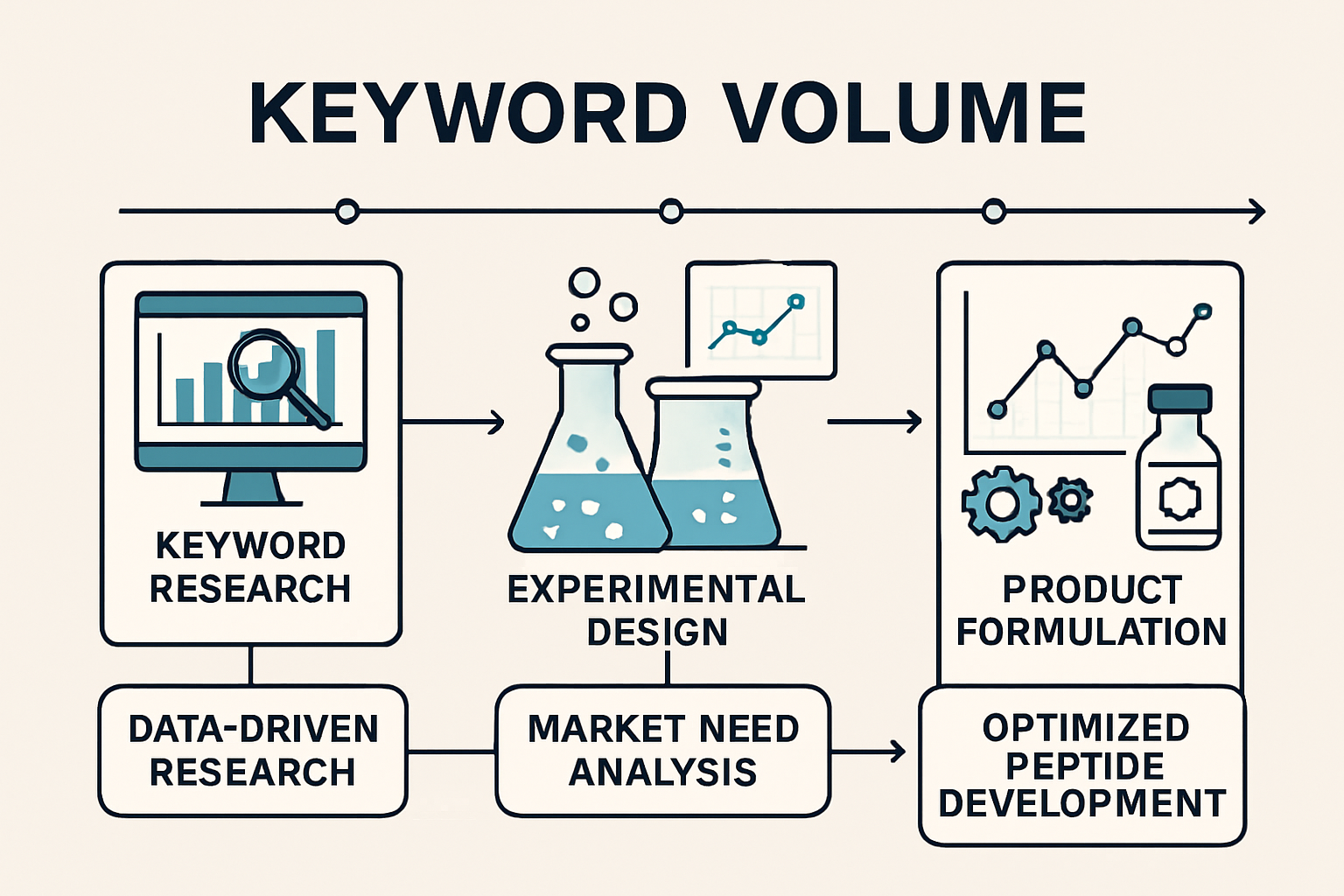
An illustrative diagram (1536x1024) demonstrating the practical application of 'Keyword Volume' insights in designing and optimizing laborat

Implementing a keyword strategy doesn't require a background in digital marketing. Instead, it involves a methodical approach to identifying, analyzing, and applying search data. Here’s how laboratory scientists and research institutions can begin:

  1. Identify Your Core Research Areas: List your lab's primary specializations, specific compounds of interest, methodologies, and disease models. For example, a lab might focus on "neurodegenerative diseases," "peptide synthesis," and "cellular aging."
  2. Brainstorm Seed Keywords: Think like someone searching for your research. What terms would they use? Include broad terms (e.g., "growth hormone research") and specific ones (e.g., "CJC-1295 mechanisms").
  3. Utilize Keyword Research Tools: While many advanced tools are subscription-based, free options like Google Keyword Planner (requires a Google Ads account), Google Trends, or Ubersuggest can provide valuable insights into search volume and related keywords. For more in-depth analysis, consider tools like Ahrefs or Semrush, often used in professional SEO.
  4. Analyze Search Volume and Trends:
    • High Volume, High Relevance: These are your primary target keywords. For example, a high and consistent search volume for "Ipamorelin purity" indicates a critical need for quality control information.
    • Emerging Trends: Look for keywords with increasing volume over time, especially in 2025, as these signify new areas of interest.
    • Long-Tail Keywords: These are longer, more specific phrases (e.g., "CJC-1295 effects on muscle repair"). They often have lower volume but indicate very specific user intent, leading to highly qualified traffic.
  5. Integrate Keywords into Your Outputs:
    • Publications: Include target keywords in your paper titles, abstracts, and conclusion summaries.
    • Grant Applications: Weave relevant, high-volume keywords into your proposal's executive summary and project description.
    • Website Content: If your lab or institution has a website, optimize page titles, meta descriptions, and body content for relevant keywords. Consider creating dedicated pages for products like the CJC-1295/Ipamorelin blend to capture specific search queries.
    • Presentations: Ensure your presentation titles and key slide content reflect the terms your audience is searching for.
  6. Monitor and Adapt: The digital landscape is always changing. Regularly review your keyword performance and adapt your strategy. New research areas emerge, and older terms may decline in relevance. Staying agile in 2025 means continually refining your approach based on fresh data.

By systematically applying these steps, laboratories can significantly improve the discoverability of their work, attract new collaborations, secure funding, and ensure their research contributes meaningfully to the broader scientific dialogue.

Conclusion

In 2025, the strategic understanding and application of Keyword Volume have transcended traditional marketing, becoming an indispensable tool for laboratory scientists and research chemical suppliers alike. This powerful metric offers a data-driven compass, guiding research directions, enhancing scientific communication, and optimizing product development to meet the evolving needs of the global scientific community. By actively analyzing search trends, identifying high-interest keywords, and integrating these insights into their strategies, laboratories can amplify the impact of their discoveries, attract vital funding, and foster collaborations that accelerate scientific progress. For suppliers, understanding Keyword Volume ensures that products like CJC-1295, Ipamorelin, and CJC-1295/Ipamorelin blend are not just available, but are precisely what researchers need, when they need it. The future of scientific discovery is increasingly digital, and mastering the art of discoverability through Keyword Volume is key to unlocking its full potential.

Actionable Next Steps

  • Implement a Keyword Research Routine: Dedicate a specific time each quarter in 2025 to analyze keyword trends relevant to your research or product offerings using tools like Google Keyword Planner.
  • Optimize Existing Content: Review current publications, website pages, and product descriptions to ensure they incorporate high-volume, relevant keywords naturally.
  • Plan Future Research and Products with Keywords in Mind: Before embarking on new studies or developing new products, conduct keyword research to assess interest and potential impact.
  • Educate Your Team: Share the importance of Keyword Volume with your researchers and technical writers to foster a culture of discoverability in all scientific outputs.

Meta Title: Keyword Volume for Research: Boost Lab Impact in 2025
Meta Description: Master Keyword Volume in 2025 to optimize lab research, enhance discoverability, and guide product development for peptides like CJC-1299 and Ipamorelin.
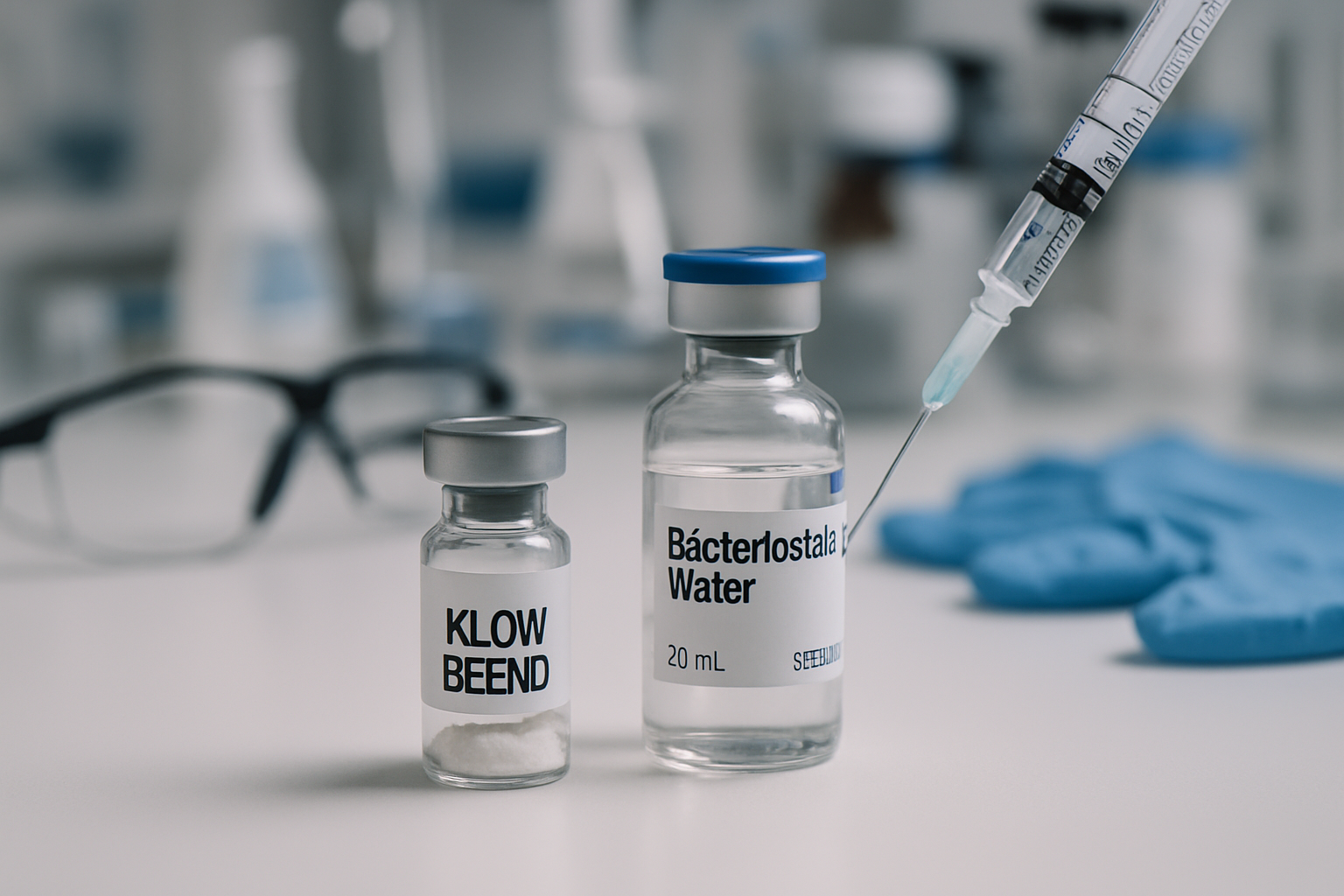
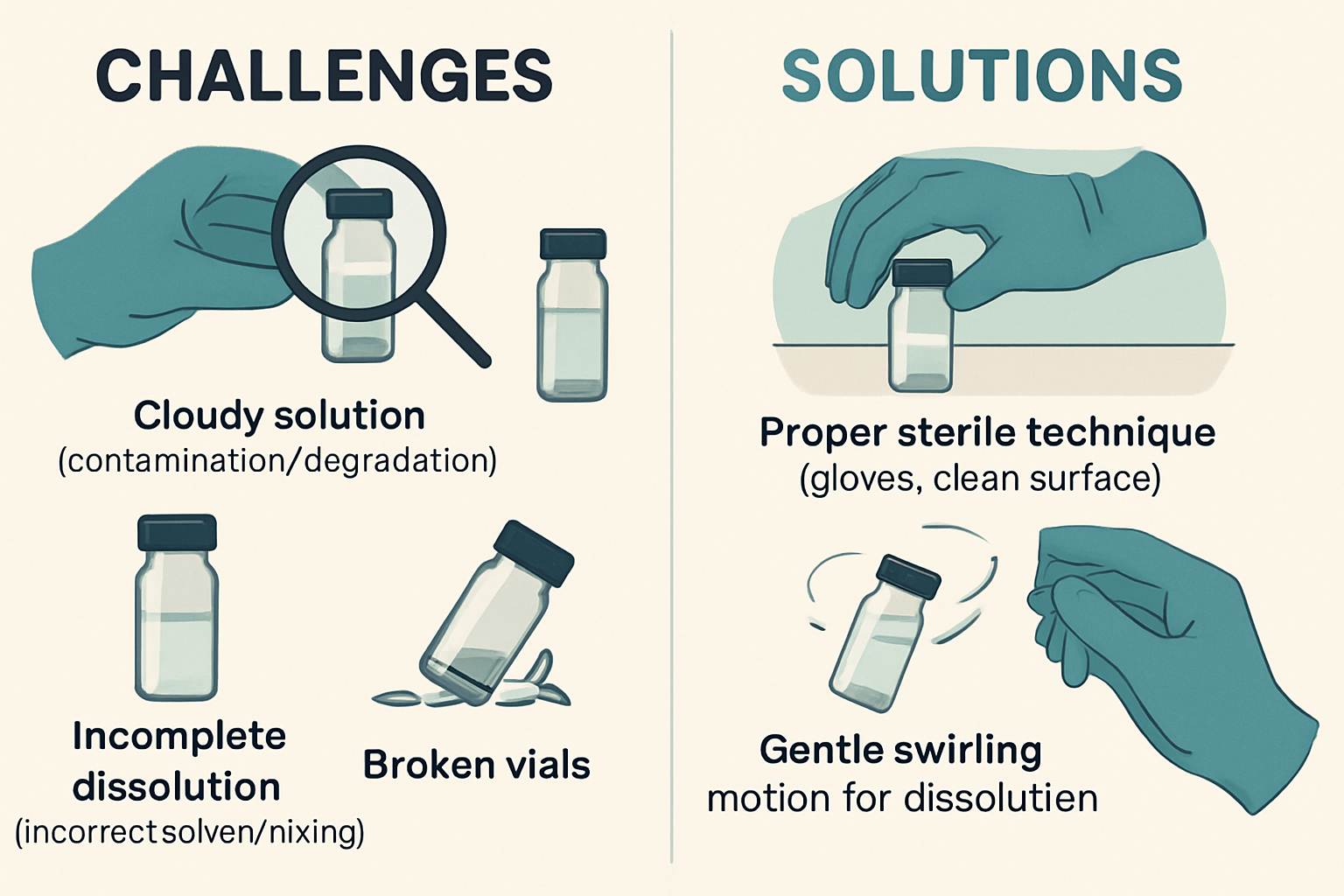
Reconstituting Klow blend

Reconstituting Klow blend: A Comprehensive Guide for Researchers in 2025

The world of scientific research is constantly evolving, with peptide blends offering increasingly sophisticated avenues for exploration. Among these, the Klow blend stands out for its unique composition and potential applications. However, to unlock its full research potential, proper preparation is paramount. This article serves as an authoritative guide for researchers on reconstituting Klow blend, ensuring accuracy, purity, and optimal results in laboratory settings throughout 2025 and beyond. Understanding the precise steps involved in transforming a lyophilized peptide blend into a usable solution is critical for maintaining its integrity and efficacy in your studies.

Reconstitution is not merely about adding liquid to a powder; it's a careful process that demands attention to detail, adherence to sterile techniques, and an understanding of the delicate nature of peptide compounds. Improper reconstitution can lead to degradation, contamination, or inaccurate concentrations, all of which can compromise the validity of your research. This guide aims to demystify the process, providing clear, actionable steps for both novice and experienced researchers working with the Klow blend.

Key Takeaways

  • Sterile Technique is Paramount: Always use sterile equipment and work in a clean environment to prevent contamination during reconstitution.
  • Choose the Right Solvent: Bacteriostatic water (BW) is typically the preferred solvent for peptide reconstitution, helping to preserve the solution.
  • Gentle Dissolution: Avoid vigorous shaking. Instead, allow the solvent to gently dissolve the lyophilized powder over time to protect peptide integrity.
  • Accurate Measurement: Use precise measuring tools (syringes, volumetric flasks) to ensure the correct concentration of your reconstituted Klow blend.
  • Proper Storage After Reconstitution: Store reconstituted peptides correctly (refrigerated, protected from light) to maintain stability and extend shelf life.

Understanding the Klow Blend and Why Reconstitution Matters

A detailed, editorial-quality landscape image (1536x1024) depicting a precise laboratory setup for reconstituting a lyophilized peptide. The

The Klow blend is a carefully formulated combination of peptides designed for specific research applications. Like many peptide products, it is typically supplied in a lyophilized, or freeze-dried, powder form. This solid state is preferred for shipping and long-term storage because it maximizes stability and extends the shelf life of the delicate peptide molecules [1]. However, for most laboratory experiments, the Klow blend needs to be in a liquid solution. This is where the process of reconstituting Klow blend becomes essential.

Reconstitution involves adding a specific volume of a suitable solvent to the lyophilized powder, allowing it to dissolve and form a stable liquid solution. The quality of this solution directly impacts the reliability and reproducibility of your research. Incorrect reconstitution can lead to:

  • Degradation of Peptides: Harsh handling or unsuitable solvents can break down the peptide structure, altering its biological activity.
  • Contamination: Non-sterile conditions can introduce microorganisms, compromising experimental integrity and safety.
  • Inaccurate Concentrations: Incorrect solvent volumes can lead to solutions that are either too dilute or too concentrated, skewing research results.
  • Reduced Shelf Life: Improper handling or storage post-reconstitution can significantly shorten the period during which the blend remains viable for research.

Researchers interested in the specific benefits and research themes surrounding this blend can explore resources like the benefits of the Klow and Glow blends. Ensuring the Klow blend is properly reconstituted is the first critical step towards successful and meaningful research.

What is Lyophilization?

Lyophilization, or freeze-drying, is a process where the peptide solution is frozen and then placed under a vacuum, causing the ice to sublimate (turn directly into vapor) without passing through a liquid phase. This removes water while preserving the chemical structure of the peptides, resulting in a stable, porous powder that is easy to store and transport [2]. This method is chosen precisely because it protects the integrity of complex molecules like those found in the Klow blend.

Essential Components for Reconstituting Klow blend

Before you begin the reconstitution process, gather all necessary materials. Having everything organized and ready will help ensure a smooth, sterile, and accurate procedure.

1. The Klow Blend Vial

  • Ensure the vial is intact, sealed, and clearly labeled.
  • Visually inspect the powder for any discoloration or signs of degradation, though this is rare in properly stored lyophilized peptides.

2. Appropriate Solvent

The choice of solvent is crucial. For most research peptides, including the Klow blend, Bacteriostatic Water (BW) is the gold standard.

  • Bacteriostatic Water (BW): This is sterile water containing 0.9% benzyl alcohol as a bacteriostatic preservative. The benzyl alcohol inhibits the growth of most common bacteria, extending the shelf life of the reconstituted solution. It's available from reputable suppliers and is explicitly designed for the reconstitution of injectable substances.
  • Sterile Water for Injection (SWFI): While sterile, SWFI lacks the preservative. Reconstituting with SWFI means the solution will have a much shorter shelf life (typically 24-72 hours when refrigerated) before microbial growth becomes a concern. It is generally not recommended for peptide blends intended for extended research periods unless specific experimental protocols demand it.
  • Saline (0.9% Sodium Chloride): Sometimes used, but generally less preferred than BW for peptide reconstitution due to potential interactions with certain peptides or osmolarity concerns for specific research types. Stick with BW unless directed otherwise by your specific protocol.

3. Sterile Syringes and Needles

  • Syringes: Use sterile, disposable syringes with precise volumetric markings. Insulin syringes (0.5 mL or 1 mL) are often ideal due to their fine markings, allowing for accurate measurement of small volumes.
  • Needles: Choose sterile, disposable needles. A finer gauge needle (e.g., 27G to 30G) is typically preferred for drawing solvent and carefully injecting it into the peptide vial to minimize damage to the rubber stopper and reduce potential for contamination.

4. Alcohol Wipes or Swabs

  • For sterilizing vial stoppers and work surfaces.

5. Clean, Sterile Work Surface

  • A designated, disinfected area is essential to minimize contamination risks. A laminar flow hood or biosafety cabinet is ideal if available.

6. Personal Protective Equipment (PPE)

  • Sterile gloves are highly recommended. Eye protection can also be prudent.

By carefully selecting and preparing these components, you lay the groundwork for a successful and contamination-free reconstitution of your Klow blend. For insights into general peptide best practices, you might find information on best practices for storing research peptides helpful.

The Step-by-Step Process for Reconstituting Klow blend

Performing the reconstitution correctly is vital. Follow these steps meticulously to ensure optimal results when you are reconstituting Klow blend.

Step 1: Preparation and Sterilization 🧤

  1. Wash Hands Thoroughly: Begin by washing your hands with soap and water for at least 20 seconds.
  2. Prepare Work Area: Disinfect your work surface with an alcohol wipe or suitable laboratory disinfectant. Allow it to air dry.
  3. Don PPE: Put on sterile gloves.
  4. Inspect Vials: Inspect both the Klow blend vial and the bacteriostatic water vial for any damage, cracks, or signs of tampering.

Step 2: Determine Dilution and Calculate Solvent Volume 🧮

This is a critical step for accurate concentration. You need to decide on your desired final concentration. For example, if you have a 10mg Klow blend vial and want a concentration of 2mg/mL, you would add 5mL of solvent (10mg / 2mg/mL = 5mL).

Here’s a simple table to illustrate common dilutions:

Klow Blend Amount (mg) Desired Concentration (mg/mL) Solvent Volume Needed (mL)
10 mg 1 mg/mL 10 mL
10 mg 2 mg/mL 5 mL
10 mg 5 mg/mL 2 mL
5 mg 1 mg/mL 5 mL
5 mg 2 mg/mL 2.5 mL

Always double-check your calculations.

Step 3: Sterilize Vial Stoppers ⚕️

  1. Using a fresh alcohol wipe, vigorously swab the rubber stopper of both the Klow blend vial and the bacteriostatic water vial.
  2. Allow the alcohol to fully evaporate before proceeding. This ensures the alcohol doesn't get introduced into your solutions.

Step 4: Draw Solvent into Syringe 💉

  1. Open a new, sterile syringe and attach a sterile needle.
  2. Insert the needle into the bacteriostatic water vial, invert the vial, and draw the exact calculated volume of bacteriostatic water into the syringe.
  3. Carefully remove any air bubbles from the syringe by flicking it gently and pushing the plunger until a tiny drop of solvent appears at the needle tip.

Step 5: Inject Solvent into Klow Blend Vial 💧

  1. Insert the needle of the syringe containing the solvent into the center of the rubber stopper of the Klow blend vial.

  2. Slowly and gently depress the plunger, allowing the bacteriostatic water to flow down the side of the vial, rather than directly onto the lyophilized powder. This minimizes foaming and helps preserve the peptide structure.

    "Gentle handling during solvent addition is key to maintaining peptide integrity and ensuring uniform dissolution. Avoid direct, forceful streams onto the powder."

  3. Once all the solvent has been added, withdraw the needle and carefully dispose of it and the syringe in a sharps container.

Step 6: Dissolution of the Klow Blend 🔄

  1. Do NOT shake the vial vigorously. Shaking can damage the delicate peptide molecules and lead to aggregation.
  2. Instead, gently swirl the vial between your fingers. You can also gently roll it between your palms.
  3. Place the vial in a refrigerator for 15-30 minutes, then return to gently swirl again. This allows the solvent time to fully hydrate and dissolve the lyophilized powder without agitation.
  4. Observe the solution. The Klow blend should fully dissolve, resulting in a clear, colorless solution. If you see any undissolved particles, continue gentle swirling and allow more time. Do not use if the solution remains cloudy or has visible particulate matter after proper dissolution time.

Step 7: Labeling and Storage 🏷️

  1. Once reconstituted, immediately label the Klow blend vial clearly with:
    • The name of the blend: "Klow Blend"
    • Reconstitution date: (e.g., "Recon: 2025-03-15")
    • Concentration: (e.g., "2mg/mL")
    • Your initials (optional, but good practice)
  2. Store the reconstituted Klow blend in a refrigerator at 2°C to 8°C (36°F to 46°F). Protect it from light by storing it in its original box or a dark container.
  3. Refer to the product specifications for the specific stability period of the reconstituted Klow blend. Generally, peptide solutions reconstituted with bacteriostatic water are stable for several weeks to months when stored correctly. For extended research periods, consider preparing smaller batches more frequently.

Following these detailed steps for reconstituting Klow blend will significantly enhance the accuracy and reliability of your research. Researchers looking to purchase high-quality peptides for their studies can explore Pure Tested Peptides.

Common Challenges and Troubleshooting During Reconstitution

Even with careful preparation, researchers may encounter issues when reconstituting peptide blends. Knowing how to troubleshoot these challenges can save valuable time and prevent the loss of costly research materials.

1. Incomplete Dissolution 🚫

  • Problem: The powder doesn't fully dissolve, leaving visible particles or a cloudy solution, even after gentle swirling.
  • Possible Causes:
    • Insufficient time allowed for dissolution.
    • Peptide aggregation due to improper storage before reconstitution (e.g., exposure to humidity).
    • Incorrect solvent used, or solvent is too cold.
  • Solutions:
    • Allow More Time: Some peptides take longer to dissolve. Place the vial in the refrigerator for an hour or two, then try gentle swirling again.
    • Gentle Warming (Caution!): Very gently warm the vial with your hands or a warm (not hot) water bath for a minute or two. Avoid direct heat or microwaves at all costs, as this can degrade peptides.
    • Check Solvent: Ensure you're using fresh bacteriostatic water. If you suspect an issue with the solvent, use a new batch.
    • Evaluate Peptide Integrity: If the issue persists, the peptide may have degraded or aggregated beyond recovery, necessitating a new vial.

2. Foaming 🫧

  • Problem: Excessive bubbles or foam forms when adding the solvent or during swirling.
  • Possible Causes:
    • Too rapid injection of solvent.
    • Vigorous shaking or swirling.
    • Some peptides are inherently more prone to foaming.
  • Solutions:
    • Inject Slowly: Always inject the solvent slowly down the side of the vial.
    • Gentle Swirling: Minimize agitation. If foam forms, let the vial sit undisturbed in the refrigerator for some time; the foam will usually dissipate.

3. Contamination 🦠

  • Problem: Visible growth (cloudiness, particles, discoloration) appears in the reconstituted solution after a day or two, especially if not stored properly.
  • Possible Causes:
    • Non-sterile technique during reconstitution (unwashed hands, dirty work surface, non-sterile equipment).
    • Using non-bacteriostatic solvent (like SWFI) for long-term storage.
    • Improper storage temperature.
  • Solutions:
    • Discard and Re-evaluate: If contamination is suspected, do not use the solution. Discard it safely.
    • Review Protocol: Re-read and rigorously adhere to all sterile technique guidelines for your next reconstitution. Ensure all equipment is sterile and work in a clean environment.
    • Use BW: Always use bacteriostatic water for reconstitution if the solution needs to be stored for more than 24-48 hours.

4. Incorrect Concentration ⚖️

  • Problem: Suspected inaccurate dosage due to incorrect concentration.
  • Possible Causes:
    • Errors in calculating solvent volume.
    • Inaccurate measurement of solvent (e.g., using a syringe that isn't precise enough).
  • Solutions:
    • Double-Check Calculations: Always calculate and re-calculate the required solvent volume.
    • Use Precise Syringes: Utilize insulin syringes (0.5 mL or 1 mL) with clear, fine markings for maximum accuracy when measuring small volumes.
    • Label Clearly: Ensure the concentration is clearly labeled on the vial immediately after reconstitution to avoid confusion.

By understanding these potential pitfalls and their corresponding solutions, researchers can approach the process of reconstituting Klow blend with greater confidence and achieve more consistent, reliable results in their studies. For deeper dives into peptide research and integrity, resources on baseline trends and data quality can provide valuable context.

Best Practices for Handling and Storing Reconstituted Klow blend

An infographic-style landscape image (1536x1024) illustrating common challenges and solutions when reconstituting research peptides like the

Proper handling and storage of your reconstituted Klow blend are just as important as the reconstitution process itself. These practices ensure the stability, potency, and integrity of the peptide solution for the duration of your research.

Post-Reconstitution Handling Guidelines

  • Minimize Exposure to Air: Once reconstituted, try to minimize the time the vial is exposed to open air. When drawing solution for research, do so efficiently and re-cap the vial promptly.
  • Avoid Repeated Freezing and Thawing: If you anticipate needing to store the reconstituted Klow blend for a very long time (beyond its refrigerated stability), consider aliquoting it into smaller, single-use portions after reconstitution and then freezing these aliquots. However, avoid repeated freeze-thaw cycles, as this can degrade peptides [3].
  • Gentle Handling: Continue to handle the reconstituted solution gently. Avoid vigorous shaking, even when drawing from the vial. Gentle inversion or very light swirling is sufficient if the solution needs mixing.
  • Clean Draws: Always use a fresh, sterile syringe and needle for each draw from the reconstituted vial to prevent introducing contaminants. Do not reuse syringes or needles.

Optimal Storage Conditions for Reconstituted Klow blend

The primary goal of proper storage is to slow down the degradation of the peptide molecules.

  1. Refrigeration (Preferred):

    • Store the reconstituted Klow blend in a refrigerator at a temperature range of 2°C to 8°C (36°F to 46°F). This is the ideal temperature for maintaining stability for several weeks to months, depending on the specific peptide and solvent.
    • Place the vial in a stable position where it won't be easily knocked over.
  2. Protection from Light:

    • Peptides, particularly those with certain amino acid residues, can be sensitive to light, especially UV light [4].
    • Store the reconstituted Klow blend in its original box, an opaque container, or wrap the vial in aluminum foil to protect it from light exposure.
  3. Avoid Temperature Fluctuations:

    • Consistent temperature is key. Avoid storing the vial in areas of the refrigerator where temperatures might fluctuate significantly (e.g., near the door seal).
  4. Labeling:

    • Reinforce the importance of clear, durable labeling. Include the reconstitution date, concentration, and any other relevant information. This helps prevent errors and ensures you use viable solutions.

Understanding Shelf Life

The exact shelf life of a reconstituted Klow blend can vary based on:

  • Specific peptide blend: Some peptides are inherently more stable than others.
  • Solvent used: Bacteriostatic water significantly extends shelf life compared to sterile water for injection.
  • Storage conditions: Adherence to recommended temperatures and light protection is crucial.

Always consult the product information provided by your supplier for specific guidance on the stability of the Klow blend after reconstitution. As a general rule of thumb, when stored correctly in bacteriostatic water, most peptide solutions are stable for approximately 4-8 weeks in the refrigerator. If you're conducting long-term studies, consider aliquoting or preparing fresh solutions periodically. For further insights on peptide stability and research quality, exploring resources like building reproducible wellness studies can be beneficial.

By diligently following these best practices, researchers can ensure the integrity and effectiveness of their reconstituted Klow blend, leading to more reliable and impactful research outcomes in 2025 and beyond.

Conclusion

Mastering the art of reconstituting Klow blend is an indispensable skill for any researcher working with these valuable compounds. This comprehensive guide has walked through the critical steps, from understanding the lyophilized form to executing a precise reconstitution, and finally, to implementing best practices for storage and handling. The meticulous attention to detail, adherence to sterile techniques, and accurate measurement of solvents are not merely procedural requirements; they are fundamental to ensuring the integrity, stability, and efficacy of your peptide solution, thereby directly influencing the reliability and success of your scientific investigations.

In 2025, as research methodologies become increasingly sophisticated, the foundational steps of peptide preparation remain as crucial as ever. By consistently applying the knowledge and techniques outlined here, you can minimize degradation, prevent contamination, and maintain the exact concentrations required for your specific experimental protocols. This dedication to precision from the very first step will empower you to achieve more accurate, reproducible, and meaningful results in your studies involving the Klow blend.

Actionable Next Steps for Researchers:

  1. Review Protocols: Before your next reconstitution, carefully review your laboratory's standard operating procedures and cross-reference them with the detailed steps provided in this guide.
  2. Gather High-Quality Materials: Ensure all your reconstitution materials—bacteriostatic water, syringes, needles, and sterile wipes—are fresh, sterile, and from reputable suppliers. High-quality peptides for research can be sourced from trusted providers like Pure Tested Peptides.
  3. Practice Meticulously: For new researchers, consider practicing the steps with a sterile saline solution and an empty vial to build confidence and refine your sterile technique before working with valuable peptide blends.
  4. Stay Informed: Continuously update your knowledge on peptide handling and stability. Explore resources such as commonly researched typical dosages for peptides to broaden your understanding.
  5. Maintain Records: Always document the reconstitution date, concentration, and solvent used for every vial to ensure clear tracking and accountability in your research.

By treating the reconstitution of your Klow blend with the precision and care it demands, you lay a strong foundation for groundbreaking scientific discoveries.

References

[1] Shalaev, E., & Johnson, B. (2012). Pharmaceutical Freeze-Drying. CRC Press.
[2] Pikal, M. J. (2009). Freeze-Drying of Proteins. In Protein Formulation and Delivery (pp. 57-86). Humana Press.
[3] Wang, W. (1999). Instability, stabilization, and formulation of liquid protein pharmaceuticals. International Journal of Pharmaceutics, 185(2), 129-188.
[4] Tuchman, M., & Mueser, T. C. (2004). Light and its damaging effects on proteins. Journal of Pharmaceutical Sciences, 93(7), 1690-1707.

Meta Title: Reconstituting Klow Blend: A 2025 Research Guide
Meta Description: Master reconstituting Klow blend for research in 2025. This guide covers sterile technique, solvents, storage, & troubleshooting for optimal results.

Reconstituting Klow blend

Reconstituting Klow blend: A Comprehensive Guide for Researchers in 2025

The world of scientific research is constantly evolving, with peptide blends offering increasingly sophisticated avenues for exploration. Among these, the Klow blend stands out for its unique composition and potential applications. However, to unlock its full research potential, proper preparation is paramount. This article serves as an authoritative guide for researchers on reconstituting Klow blend, ensuring accuracy, purity, and optimal results in laboratory settings throughout 2025 and beyond. Understanding the precise steps involved in transforming a lyophilized peptide blend into a usable solution is critical for maintaining its integrity and efficacy in your studies.

Reconstitution is not merely about adding liquid to a powder; it's a careful process that demands attention to detail, adherence to sterile techniques, and an understanding of the delicate nature of peptide compounds. Improper reconstitution can lead to degradation, contamination, or inaccurate concentrations, all of which can compromise the validity of your research. This guide aims to demystify the process, providing clear, actionable steps for both novice and experienced researchers working with the Klow blend.

Key Takeaways

  • Sterile Technique is Paramount: Always use sterile equipment and work in a clean environment to prevent contamination during reconstitution.
  • Choose the Right Solvent: Bacteriostatic water (BW) is typically the preferred solvent for peptide reconstitution, helping to preserve the solution.
  • Gentle Dissolution: Avoid vigorous shaking. Instead, allow the solvent to gently dissolve the lyophilized powder over time to protect peptide integrity.
  • Accurate Measurement: Use precise measuring tools (syringes, volumetric flasks) to ensure the correct concentration of your reconstituted Klow blend.
  • Proper Storage After Reconstitution: Store reconstituted peptides correctly (refrigerated, protected from light) to maintain stability and extend shelf life.

Understanding the Klow Blend and Why Reconstitution Matters

A detailed, editorial-quality landscape image (1536x1024) depicting a precise laboratory setup for reconstituting a lyophilized peptide. The

The Klow blend is a carefully formulated combination of peptides designed for specific research applications. Like many peptide products, it is typically supplied in a lyophilized, or freeze-dried, powder form. This solid state is preferred for shipping and long-term storage because it maximizes stability and extends the shelf life of the delicate peptide molecules [1]. However, for most laboratory experiments, the Klow blend needs to be in a liquid solution. This is where the process of reconstituting Klow blend becomes essential.

Reconstitution involves adding a specific volume of a suitable solvent to the lyophilized powder, allowing it to dissolve and form a stable liquid solution. The quality of this solution directly impacts the reliability and reproducibility of your research. Incorrect reconstitution can lead to:

  • Degradation of Peptides: Harsh handling or unsuitable solvents can break down the peptide structure, altering its biological activity.
  • Contamination: Non-sterile conditions can introduce microorganisms, compromising experimental integrity and safety.
  • Inaccurate Concentrations: Incorrect solvent volumes can lead to solutions that are either too dilute or too concentrated, skewing research results.
  • Reduced Shelf Life: Improper handling or storage post-reconstitution can significantly shorten the period during which the blend remains viable for research.

Researchers interested in the specific benefits and research themes surrounding this blend can explore resources like the benefits of the Klow and Glow blends. Ensuring the Klow blend is properly reconstituted is the first critical step towards successful and meaningful research.

What is Lyophilization?

Lyophilization, or freeze-drying, is a process where the peptide solution is frozen and then placed under a vacuum, causing the ice to sublimate (turn directly into vapor) without passing through a liquid phase. This removes water while preserving the chemical structure of the peptides, resulting in a stable, porous powder that is easy to store and transport [2]. This method is chosen precisely because it protects the integrity of complex molecules like those found in the Klow blend.

Essential Components for Reconstituting Klow blend

Before you begin the reconstitution process, gather all necessary materials. Having everything organized and ready will help ensure a smooth, sterile, and accurate procedure.

1. The Klow Blend Vial

  • Ensure the vial is intact, sealed, and clearly labeled.
  • Visually inspect the powder for any discoloration or signs of degradation, though this is rare in properly stored lyophilized peptides.

2. Appropriate Solvent

The choice of solvent is crucial. For most research peptides, including the Klow blend, Bacteriostatic Water (BW) is the gold standard.

  • Bacteriostatic Water (BW): This is sterile water containing 0.9% benzyl alcohol as a bacteriostatic preservative. The benzyl alcohol inhibits the growth of most common bacteria, extending the shelf life of the reconstituted solution. It's available from reputable suppliers and is explicitly designed for the reconstitution of injectable substances.
  • Sterile Water for Injection (SWFI): While sterile, SWFI lacks the preservative. Reconstituting with SWFI means the solution will have a much shorter shelf life (typically 24-72 hours when refrigerated) before microbial growth becomes a concern. It is generally not recommended for peptide blends intended for extended research periods unless specific experimental protocols demand it.
  • Saline (0.9% Sodium Chloride): Sometimes used, but generally less preferred than BW for peptide reconstitution due to potential interactions with certain peptides or osmolarity concerns for specific research types. Stick with BW unless directed otherwise by your specific protocol.

3. Sterile Syringes and Needles

  • Syringes: Use sterile, disposable syringes with precise volumetric markings. Insulin syringes (0.5 mL or 1 mL) are often ideal due to their fine markings, allowing for accurate measurement of small volumes.
  • Needles: Choose sterile, disposable needles. A finer gauge needle (e.g., 27G to 30G) is typically preferred for drawing solvent and carefully injecting it into the peptide vial to minimize damage to the rubber stopper and reduce potential for contamination.

4. Alcohol Wipes or Swabs

  • For sterilizing vial stoppers and work surfaces.

5. Clean, Sterile Work Surface

  • A designated, disinfected area is essential to minimize contamination risks. A laminar flow hood or biosafety cabinet is ideal if available.

6. Personal Protective Equipment (PPE)

  • Sterile gloves are highly recommended. Eye protection can also be prudent.

By carefully selecting and preparing these components, you lay the groundwork for a successful and contamination-free reconstitution of your Klow blend. For insights into general peptide best practices, you might find information on best practices for storing research peptides helpful.

The Step-by-Step Process for Reconstituting Klow blend

Performing the reconstitution correctly is vital. Follow these steps meticulously to ensure optimal results when you are reconstituting Klow blend.

Step 1: Preparation and Sterilization 🧤

  1. Wash Hands Thoroughly: Begin by washing your hands with soap and water for at least 20 seconds.
  2. Prepare Work Area: Disinfect your work surface with an alcohol wipe or suitable laboratory disinfectant. Allow it to air dry.
  3. Don PPE: Put on sterile gloves.
  4. Inspect Vials: Inspect both the Klow blend vial and the bacteriostatic water vial for any damage, cracks, or signs of tampering.

Step 2: Determine Dilution and Calculate Solvent Volume 🧮

This is a critical step for accurate concentration. You need to decide on your desired final concentration. For example, if you have a 10mg Klow blend vial and want a concentration of 2mg/mL, you would add 5mL of solvent (10mg / 2mg/mL = 5mL).

Here’s a simple table to illustrate common dilutions:

Klow Blend Amount (mg) Desired Concentration (mg/mL) Solvent Volume Needed (mL)
10 mg 1 mg/mL 10 mL
10 mg 2 mg/mL 5 mL
10 mg 5 mg/mL 2 mL
5 mg 1 mg/mL 5 mL
5 mg 2 mg/mL 2.5 mL

Always double-check your calculations.

Step 3: Sterilize Vial Stoppers ⚕️

  1. Using a fresh alcohol wipe, vigorously swab the rubber stopper of both the Klow blend vial and the bacteriostatic water vial.
  2. Allow the alcohol to fully evaporate before proceeding. This ensures the alcohol doesn't get introduced into your solutions.

Step 4: Draw Solvent into Syringe 💉

  1. Open a new, sterile syringe and attach a sterile needle.
  2. Insert the needle into the bacteriostatic water vial, invert the vial, and draw the exact calculated volume of bacteriostatic water into the syringe.
  3. Carefully remove any air bubbles from the syringe by flicking it gently and pushing the plunger until a tiny drop of solvent appears at the needle tip.

Step 5: Inject Solvent into Klow Blend Vial 💧

  1. Insert the needle of the syringe containing the solvent into the center of the rubber stopper of the Klow blend vial.

  2. Slowly and gently depress the plunger, allowing the bacteriostatic water to flow down the side of the vial, rather than directly onto the lyophilized powder. This minimizes foaming and helps preserve the peptide structure.

    "Gentle handling during solvent addition is key to maintaining peptide integrity and ensuring uniform dissolution. Avoid direct, forceful streams onto the powder."

  3. Once all the solvent has been added, withdraw the needle and carefully dispose of it and the syringe in a sharps container.

Step 6: Dissolution of the Klow Blend 🔄

  1. Do NOT shake the vial vigorously. Shaking can damage the delicate peptide molecules and lead to aggregation.
  2. Instead, gently swirl the vial between your fingers. You can also gently roll it between your palms.
  3. Place the vial in a refrigerator for 15-30 minutes, then return to gently swirl again. This allows the solvent time to fully hydrate and dissolve the lyophilized powder without agitation.
  4. Observe the solution. The Klow blend should fully dissolve, resulting in a clear, colorless solution. If you see any undissolved particles, continue gentle swirling and allow more time. Do not use if the solution remains cloudy or has visible particulate matter after proper dissolution time.

Step 7: Labeling and Storage 🏷️

  1. Once reconstituted, immediately label the Klow blend vial clearly with:
    • The name of the blend: "Klow Blend"
    • Reconstitution date: (e.g., "Recon: 2025-03-15")
    • Concentration: (e.g., "2mg/mL")
    • Your initials (optional, but good practice)
  2. Store the reconstituted Klow blend in a refrigerator at 2°C to 8°C (36°F to 46°F). Protect it from light by storing it in its original box or a dark container.
  3. Refer to the product specifications for the specific stability period of the reconstituted Klow blend. Generally, peptide solutions reconstituted with bacteriostatic water are stable for several weeks to months when stored correctly. For extended research periods, consider preparing smaller batches more frequently.

Following these detailed steps for reconstituting Klow blend will significantly enhance the accuracy and reliability of your research. Researchers looking to purchase high-quality peptides for their studies can explore Pure Tested Peptides.

Common Challenges and Troubleshooting During Reconstitution

Even with careful preparation, researchers may encounter issues when reconstituting peptide blends. Knowing how to troubleshoot these challenges can save valuable time and prevent the loss of costly research materials.

1. Incomplete Dissolution 🚫

  • Problem: The powder doesn't fully dissolve, leaving visible particles or a cloudy solution, even after gentle swirling.
  • Possible Causes:
    • Insufficient time allowed for dissolution.
    • Peptide aggregation due to improper storage before reconstitution (e.g., exposure to humidity).
    • Incorrect solvent used, or solvent is too cold.
  • Solutions:
    • Allow More Time: Some peptides take longer to dissolve. Place the vial in the refrigerator for an hour or two, then try gentle swirling again.
    • Gentle Warming (Caution!): Very gently warm the vial with your hands or a warm (not hot) water bath for a minute or two. Avoid direct heat or microwaves at all costs, as this can degrade peptides.
    • Check Solvent: Ensure you're using fresh bacteriostatic water. If you suspect an issue with the solvent, use a new batch.
    • Evaluate Peptide Integrity: If the issue persists, the peptide may have degraded or aggregated beyond recovery, necessitating a new vial.

2. Foaming 🫧

  • Problem: Excessive bubbles or foam forms when adding the solvent or during swirling.
  • Possible Causes:
    • Too rapid injection of solvent.
    • Vigorous shaking or swirling.
    • Some peptides are inherently more prone to foaming.
  • Solutions:
    • Inject Slowly: Always inject the solvent slowly down the side of the vial.
    • Gentle Swirling: Minimize agitation. If foam forms, let the vial sit undisturbed in the refrigerator for some time; the foam will usually dissipate.

3. Contamination 🦠

  • Problem: Visible growth (cloudiness, particles, discoloration) appears in the reconstituted solution after a day or two, especially if not stored properly.
  • Possible Causes:
    • Non-sterile technique during reconstitution (unwashed hands, dirty work surface, non-sterile equipment).
    • Using non-bacteriostatic solvent (like SWFI) for long-term storage.
    • Improper storage temperature.
  • Solutions:
    • Discard and Re-evaluate: If contamination is suspected, do not use the solution. Discard it safely.
    • Review Protocol: Re-read and rigorously adhere to all sterile technique guidelines for your next reconstitution. Ensure all equipment is sterile and work in a clean environment.
    • Use BW: Always use bacteriostatic water for reconstitution if the solution needs to be stored for more than 24-48 hours.

4. Incorrect Concentration ⚖️

  • Problem: Suspected inaccurate dosage due to incorrect concentration.
  • Possible Causes:
    • Errors in calculating solvent volume.
    • Inaccurate measurement of solvent (e.g., using a syringe that isn't precise enough).
  • Solutions:
    • Double-Check Calculations: Always calculate and re-calculate the required solvent volume.
    • Use Precise Syringes: Utilize insulin syringes (0.5 mL or 1 mL) with clear, fine markings for maximum accuracy when measuring small volumes.
    • Label Clearly: Ensure the concentration is clearly labeled on the vial immediately after reconstitution to avoid confusion.

By understanding these potential pitfalls and their corresponding solutions, researchers can approach the process of reconstituting Klow blend with greater confidence and achieve more consistent, reliable results in their studies. For deeper dives into peptide research and integrity, resources on baseline trends and data quality can provide valuable context.

Best Practices for Handling and Storing Reconstituted Klow blend

An infographic-style landscape image (1536x1024) illustrating common challenges and solutions when reconstituting research peptides like the

Proper handling and storage of your reconstituted Klow blend are just as important as the reconstitution process itself. These practices ensure the stability, potency, and integrity of the peptide solution for the duration of your research.

Post-Reconstitution Handling Guidelines

  • Minimize Exposure to Air: Once reconstituted, try to minimize the time the vial is exposed to open air. When drawing solution for research, do so efficiently and re-cap the vial promptly.
  • Avoid Repeated Freezing and Thawing: If you anticipate needing to store the reconstituted Klow blend for a very long time (beyond its refrigerated stability), consider aliquoting it into smaller, single-use portions after reconstitution and then freezing these aliquots. However, avoid repeated freeze-thaw cycles, as this can degrade peptides [3].
  • Gentle Handling: Continue to handle the reconstituted solution gently. Avoid vigorous shaking, even when drawing from the vial. Gentle inversion or very light swirling is sufficient if the solution needs mixing.
  • Clean Draws: Always use a fresh, sterile syringe and needle for each draw from the reconstituted vial to prevent introducing contaminants. Do not reuse syringes or needles.

Optimal Storage Conditions for Reconstituted Klow blend

The primary goal of proper storage is to slow down the degradation of the peptide molecules.

  1. Refrigeration (Preferred):

    • Store the reconstituted Klow blend in a refrigerator at a temperature range of 2°C to 8°C (36°F to 46°F). This is the ideal temperature for maintaining stability for several weeks to months, depending on the specific peptide and solvent.
    • Place the vial in a stable position where it won't be easily knocked over.
  2. Protection from Light:

    • Peptides, particularly those with certain amino acid residues, can be sensitive to light, especially UV light [4].
    • Store the reconstituted Klow blend in its original box, an opaque container, or wrap the vial in aluminum foil to protect it from light exposure.
  3. Avoid Temperature Fluctuations:

    • Consistent temperature is key. Avoid storing the vial in areas of the refrigerator where temperatures might fluctuate significantly (e.g., near the door seal).
  4. Labeling:

    • Reinforce the importance of clear, durable labeling. Include the reconstitution date, concentration, and any other relevant information. This helps prevent errors and ensures you use viable solutions.

Understanding Shelf Life

The exact shelf life of a reconstituted Klow blend can vary based on:

  • Specific peptide blend: Some peptides are inherently more stable than others.
  • Solvent used: Bacteriostatic water significantly extends shelf life compared to sterile water for injection.
  • Storage conditions: Adherence to recommended temperatures and light protection is crucial.

Always consult the product information provided by your supplier for specific guidance on the stability of the Klow blend after reconstitution. As a general rule of thumb, when stored correctly in bacteriostatic water, most peptide solutions are stable for approximately 4-8 weeks in the refrigerator. If you're conducting long-term studies, consider aliquoting or preparing fresh solutions periodically. For further insights on peptide stability and research quality, exploring resources like building reproducible wellness studies can be beneficial.

By diligently following these best practices, researchers can ensure the integrity and effectiveness of their reconstituted Klow blend, leading to more reliable and impactful research outcomes in 2025 and beyond.

Conclusion

Mastering the art of reconstituting Klow blend is an indispensable skill for any researcher working with these valuable compounds. This comprehensive guide has walked through the critical steps, from understanding the lyophilized form to executing a precise reconstitution, and finally, to implementing best practices for storage and handling. The meticulous attention to detail, adherence to sterile techniques, and accurate measurement of solvents are not merely procedural requirements; they are fundamental to ensuring the integrity, stability, and efficacy of your peptide solution, thereby directly influencing the reliability and success of your scientific investigations.

In 2025, as research methodologies become increasingly sophisticated, the foundational steps of peptide preparation remain as crucial as ever. By consistently applying the knowledge and techniques outlined here, you can minimize degradation, prevent contamination, and maintain the exact concentrations required for your specific experimental protocols. This dedication to precision from the very first step will empower you to achieve more accurate, reproducible, and meaningful results in your studies involving the Klow blend.

Actionable Next Steps for Researchers:

  1. Review Protocols: Before your next reconstitution, carefully review your laboratory's standard operating procedures and cross-reference them with the detailed steps provided in this guide.
  2. Gather High-Quality Materials: Ensure all your reconstitution materials—bacteriostatic water, syringes, needles, and sterile wipes—are fresh, sterile, and from reputable suppliers. High-quality peptides for research can be sourced from trusted providers like Pure Tested Peptides.
  3. Practice Meticulously: For new researchers, consider practicing the steps with a sterile saline solution and an empty vial to build confidence and refine your sterile technique before working with valuable peptide blends.
  4. Stay Informed: Continuously update your knowledge on peptide handling and stability. Explore resources such as commonly researched typical dosages for peptides to broaden your understanding.
  5. Maintain Records: Always document the reconstitution date, concentration, and solvent used for every vial to ensure clear tracking and accountability in your research.

By treating the reconstitution of your Klow blend with the precision and care it demands, you lay a strong foundation for groundbreaking scientific discoveries.

References

[1] Shalaev, E., & Johnson, B. (2012). Pharmaceutical Freeze-Drying. CRC Press.
[2] Pikal, M. J. (2009). Freeze-Drying of Proteins. In Protein Formulation and Delivery (pp. 57-86). Humana Press.
[3] Wang, W. (1999). Instability, stabilization, and formulation of liquid protein pharmaceuticals. International Journal of Pharmaceutics, 185(2), 129-188.
[4] Tuchman, M., & Mueser, T. C. (2004). Light and its damaging effects on proteins. Journal of Pharmaceutical Sciences, 93(7), 1690-1707.

Meta Title: Reconstituting Klow Blend: A 2025 Research Guide
Meta Description: Master reconstituting Klow blend for research in 2025. This guide covers sterile technique, solvents, storage, & troubleshooting for optimal results.

Reconstituting Klow blend

Reconstituting Klow blend: A Comprehensive Guide for Researchers in 2025

The world of scientific research is constantly evolving, with peptide blends offering increasingly sophisticated avenues for exploration. Among these, the Klow blend stands out for its unique composition and potential applications. However, to unlock its full research potential, proper preparation is paramount. This article serves as an authoritative guide for researchers on reconstituting Klow blend, ensuring accuracy, purity, and optimal results in laboratory settings throughout 2025 and beyond. Understanding the precise steps involved in transforming a lyophilized peptide blend into a usable solution is critical for maintaining its integrity and efficacy in your studies.

Reconstitution is not merely about adding liquid to a powder; it's a careful process that demands attention to detail, adherence to sterile techniques, and an understanding of the delicate nature of peptide compounds. Improper reconstitution can lead to degradation, contamination, or inaccurate concentrations, all of which can compromise the validity of your research. This guide aims to demystify the process, providing clear, actionable steps for both novice and experienced researchers working with the Klow blend.

Key Takeaways

  • Sterile Technique is Paramount: Always use sterile equipment and work in a clean environment to prevent contamination during reconstitution.
  • Choose the Right Solvent: Bacteriostatic water (BW) is typically the preferred solvent for peptide reconstitution, helping to preserve the solution.
  • Gentle Dissolution: Avoid vigorous shaking. Instead, allow the solvent to gently dissolve the lyophilized powder over time to protect peptide integrity.
  • Accurate Measurement: Use precise measuring tools (syringes, volumetric flasks) to ensure the correct concentration of your reconstituted Klow blend.
  • Proper Storage After Reconstitution: Store reconstituted peptides correctly (refrigerated, protected from light) to maintain stability and extend shelf life.

Understanding the Klow Blend and Why Reconstitution Matters

A detailed, editorial-quality landscape image (1536x1024) depicting a precise laboratory setup for reconstituting a lyophilized peptide. The

The Klow blend is a carefully formulated combination of peptides designed for specific research applications. Like many peptide products, it is typically supplied in a lyophilized, or freeze-dried, powder form. This solid state is preferred for shipping and long-term storage because it maximizes stability and extends the shelf life of the delicate peptide molecules [1]. However, for most laboratory experiments, the Klow blend needs to be in a liquid solution. This is where the process of reconstituting Klow blend becomes essential.

Reconstitution involves adding a specific volume of a suitable solvent to the lyophilized powder, allowing it to dissolve and form a stable liquid solution. The quality of this solution directly impacts the reliability and reproducibility of your research. Incorrect reconstitution can lead to:

  • Degradation of Peptides: Harsh handling or unsuitable solvents can break down the peptide structure, altering its biological activity.
  • Contamination: Non-sterile conditions can introduce microorganisms, compromising experimental integrity and safety.
  • Inaccurate Concentrations: Incorrect solvent volumes can lead to solutions that are either too dilute or too concentrated, skewing research results.
  • Reduced Shelf Life: Improper handling or storage post-reconstitution can significantly shorten the period during which the blend remains viable for research.

Researchers interested in the specific benefits and research themes surrounding this blend can explore resources like the benefits of the Klow and Glow blends. Ensuring the Klow blend is properly reconstituted is the first critical step towards successful and meaningful research.

What is Lyophilization?

Lyophilization, or freeze-drying, is a process where the peptide solution is frozen and then placed under a vacuum, causing the ice to sublimate (turn directly into vapor) without passing through a liquid phase. This removes water while preserving the chemical structure of the peptides, resulting in a stable, porous powder that is easy to store and transport [2]. This method is chosen precisely because it protects the integrity of complex molecules like those found in the Klow blend.

Essential Components for Reconstituting Klow blend

Before you begin the reconstitution process, gather all necessary materials. Having everything organized and ready will help ensure a smooth, sterile, and accurate procedure.

1. The Klow Blend Vial

  • Ensure the vial is intact, sealed, and clearly labeled.
  • Visually inspect the powder for any discoloration or signs of degradation, though this is rare in properly stored lyophilized peptides.

2. Appropriate Solvent

The choice of solvent is crucial. For most research peptides, including the Klow blend, Bacteriostatic Water (BW) is the gold standard.

  • Bacteriostatic Water (BW): This is sterile water containing 0.9% benzyl alcohol as a bacteriostatic preservative. The benzyl alcohol inhibits the growth of most common bacteria, extending the shelf life of the reconstituted solution. It's available from reputable suppliers and is explicitly designed for the reconstitution of injectable substances.
  • Sterile Water for Injection (SWFI): While sterile, SWFI lacks the preservative. Reconstituting with SWFI means the solution will have a much shorter shelf life (typically 24-72 hours when refrigerated) before microbial growth becomes a concern. It is generally not recommended for peptide blends intended for extended research periods unless specific experimental protocols demand it.
  • Saline (0.9% Sodium Chloride): Sometimes used, but generally less preferred than BW for peptide reconstitution due to potential interactions with certain peptides or osmolarity concerns for specific research types. Stick with BW unless directed otherwise by your specific protocol.

3. Sterile Syringes and Needles

  • Syringes: Use sterile, disposable syringes with precise volumetric markings. Insulin syringes (0.5 mL or 1 mL) are often ideal due to their fine markings, allowing for accurate measurement of small volumes.
  • Needles: Choose sterile, disposable needles. A finer gauge needle (e.g., 27G to 30G) is typically preferred for drawing solvent and carefully injecting it into the peptide vial to minimize damage to the rubber stopper and reduce potential for contamination.

4. Alcohol Wipes or Swabs

  • For sterilizing vial stoppers and work surfaces.

5. Clean, Sterile Work Surface

  • A designated, disinfected area is essential to minimize contamination risks. A laminar flow hood or biosafety cabinet is ideal if available.

6. Personal Protective Equipment (PPE)

  • Sterile gloves are highly recommended. Eye protection can also be prudent.

By carefully selecting and preparing these components, you lay the groundwork for a successful and contamination-free reconstitution of your Klow blend. For insights into general peptide best practices, you might find information on best practices for storing research peptides helpful.

The Step-by-Step Process for Reconstituting Klow blend

Performing the reconstitution correctly is vital. Follow these steps meticulously to ensure optimal results when you are reconstituting Klow blend.

Step 1: Preparation and Sterilization 🧤

  1. Wash Hands Thoroughly: Begin by washing your hands with soap and water for at least 20 seconds.
  2. Prepare Work Area: Disinfect your work surface with an alcohol wipe or suitable laboratory disinfectant. Allow it to air dry.
  3. Don PPE: Put on sterile gloves.
  4. Inspect Vials: Inspect both the Klow blend vial and the bacteriostatic water vial for any damage, cracks, or signs of tampering.

Step 2: Determine Dilution and Calculate Solvent Volume 🧮

This is a critical step for accurate concentration. You need to decide on your desired final concentration. For example, if you have a 10mg Klow blend vial and want a concentration of 2mg/mL, you would add 5mL of solvent (10mg / 2mg/mL = 5mL).

Here’s a simple table to illustrate common dilutions:

Klow Blend Amount (mg) Desired Concentration (mg/mL) Solvent Volume Needed (mL)
10 mg 1 mg/mL 10 mL
10 mg 2 mg/mL 5 mL
10 mg 5 mg/mL 2 mL
5 mg 1 mg/mL 5 mL
5 mg 2 mg/mL 2.5 mL

Always double-check your calculations.

Step 3: Sterilize Vial Stoppers ⚕️

  1. Using a fresh alcohol wipe, vigorously swab the rubber stopper of both the Klow blend vial and the bacteriostatic water vial.
  2. Allow the alcohol to fully evaporate before proceeding. This ensures the alcohol doesn't get introduced into your solutions.

Step 4: Draw Solvent into Syringe 💉

  1. Open a new, sterile syringe and attach a sterile needle.
  2. Insert the needle into the bacteriostatic water vial, invert the vial, and draw the exact calculated volume of bacteriostatic water into the syringe.
  3. Carefully remove any air bubbles from the syringe by flicking it gently and pushing the plunger until a tiny drop of solvent appears at the needle tip.

Step 5: Inject Solvent into Klow Blend Vial 💧

  1. Insert the needle of the syringe containing the solvent into the center of the rubber stopper of the Klow blend vial.

  2. Slowly and gently depress the plunger, allowing the bacteriostatic water to flow down the side of the vial, rather than directly onto the lyophilized powder. This minimizes foaming and helps preserve the peptide structure.

    "Gentle handling during solvent addition is key to maintaining peptide integrity and ensuring uniform dissolution. Avoid direct, forceful streams onto the powder."

  3. Once all the solvent has been added, withdraw the needle and carefully dispose of it and the syringe in a sharps container.

Step 6: Dissolution of the Klow Blend 🔄

  1. Do NOT shake the vial vigorously. Shaking can damage the delicate peptide molecules and lead to aggregation.
  2. Instead, gently swirl the vial between your fingers. You can also gently roll it between your palms.
  3. Place the vial in a refrigerator for 15-30 minutes, then return to gently swirl again. This allows the solvent time to fully hydrate and dissolve the lyophilized powder without agitation.
  4. Observe the solution. The Klow blend should fully dissolve, resulting in a clear, colorless solution. If you see any undissolved particles, continue gentle swirling and allow more time. Do not use if the solution remains cloudy or has visible particulate matter after proper dissolution time.

Step 7: Labeling and Storage 🏷️

  1. Once reconstituted, immediately label the Klow blend vial clearly with:
    • The name of the blend: "Klow Blend"
    • Reconstitution date: (e.g., "Recon: 2025-03-15")
    • Concentration: (e.g., "2mg/mL")
    • Your initials (optional, but good practice)
  2. Store the reconstituted Klow blend in a refrigerator at 2°C to 8°C (36°F to 46°F). Protect it from light by storing it in its original box or a dark container.
  3. Refer to the product specifications for the specific stability period of the reconstituted Klow blend. Generally, peptide solutions reconstituted with bacteriostatic water are stable for several weeks to months when stored correctly. For extended research periods, consider preparing smaller batches more frequently.

Following these detailed steps for reconstituting Klow blend will significantly enhance the accuracy and reliability of your research. Researchers looking to purchase high-quality peptides for their studies can explore Pure Tested Peptides.

Common Challenges and Troubleshooting During Reconstitution

Even with careful preparation, researchers may encounter issues when reconstituting peptide blends. Knowing how to troubleshoot these challenges can save valuable time and prevent the loss of costly research materials.

1. Incomplete Dissolution 🚫

  • Problem: The powder doesn't fully dissolve, leaving visible particles or a cloudy solution, even after gentle swirling.
  • Possible Causes:
    • Insufficient time allowed for dissolution.
    • Peptide aggregation due to improper storage before reconstitution (e.g., exposure to humidity).
    • Incorrect solvent used, or solvent is too cold.
  • Solutions:
    • Allow More Time: Some peptides take longer to dissolve. Place the vial in the refrigerator for an hour or two, then try gentle swirling again.
    • Gentle Warming (Caution!): Very gently warm the vial with your hands or a warm (not hot) water bath for a minute or two. Avoid direct heat or microwaves at all costs, as this can degrade peptides.
    • Check Solvent: Ensure you're using fresh bacteriostatic water. If you suspect an issue with the solvent, use a new batch.
    • Evaluate Peptide Integrity: If the issue persists, the peptide may have degraded or aggregated beyond recovery, necessitating a new vial.

2. Foaming 🫧

  • Problem: Excessive bubbles or foam forms when adding the solvent or during swirling.
  • Possible Causes:
    • Too rapid injection of solvent.
    • Vigorous shaking or swirling.
    • Some peptides are inherently more prone to foaming.
  • Solutions:
    • Inject Slowly: Always inject the solvent slowly down the side of the vial.
    • Gentle Swirling: Minimize agitation. If foam forms, let the vial sit undisturbed in the refrigerator for some time; the foam will usually dissipate.

3. Contamination 🦠

  • Problem: Visible growth (cloudiness, particles, discoloration) appears in the reconstituted solution after a day or two, especially if not stored properly.
  • Possible Causes:
    • Non-sterile technique during reconstitution (unwashed hands, dirty work surface, non-sterile equipment).
    • Using non-bacteriostatic solvent (like SWFI) for long-term storage.
    • Improper storage temperature.
  • Solutions:
    • Discard and Re-evaluate: If contamination is suspected, do not use the solution. Discard it safely.
    • Review Protocol: Re-read and rigorously adhere to all sterile technique guidelines for your next reconstitution. Ensure all equipment is sterile and work in a clean environment.
    • Use BW: Always use bacteriostatic water for reconstitution if the solution needs to be stored for more than 24-48 hours.

4. Incorrect Concentration ⚖️

  • Problem: Suspected inaccurate dosage due to incorrect concentration.
  • Possible Causes:
    • Errors in calculating solvent volume.
    • Inaccurate measurement of solvent (e.g., using a syringe that isn't precise enough).
  • Solutions:
    • Double-Check Calculations: Always calculate and re-calculate the required solvent volume.
    • Use Precise Syringes: Utilize insulin syringes (0.5 mL or 1 mL) with clear, fine markings for maximum accuracy when measuring small volumes.
    • Label Clearly: Ensure the concentration is clearly labeled on the vial immediately after reconstitution to avoid confusion.

By understanding these potential pitfalls and their corresponding solutions, researchers can approach the process of reconstituting Klow blend with greater confidence and achieve more consistent, reliable results in their studies. For deeper dives into peptide research and integrity, resources on baseline trends and data quality can provide valuable context.

Best Practices for Handling and Storing Reconstituted Klow blend

An infographic-style landscape image (1536x1024) illustrating common challenges and solutions when reconstituting research peptides like the

Proper handling and storage of your reconstituted Klow blend are just as important as the reconstitution process itself. These practices ensure the stability, potency, and integrity of the peptide solution for the duration of your research.

Post-Reconstitution Handling Guidelines

  • Minimize Exposure to Air: Once reconstituted, try to minimize the time the vial is exposed to open air. When drawing solution for research, do so efficiently and re-cap the vial promptly.
  • Avoid Repeated Freezing and Thawing: If you anticipate needing to store the reconstituted Klow blend for a very long time (beyond its refrigerated stability), consider aliquoting it into smaller, single-use portions after reconstitution and then freezing these aliquots. However, avoid repeated freeze-thaw cycles, as this can degrade peptides [3].
  • Gentle Handling: Continue to handle the reconstituted solution gently. Avoid vigorous shaking, even when drawing from the vial. Gentle inversion or very light swirling is sufficient if the solution needs mixing.
  • Clean Draws: Always use a fresh, sterile syringe and needle for each draw from the reconstituted vial to prevent introducing contaminants. Do not reuse syringes or needles.

Optimal Storage Conditions for Reconstituted Klow blend

The primary goal of proper storage is to slow down the degradation of the peptide molecules.

  1. Refrigeration (Preferred):

    • Store the reconstituted Klow blend in a refrigerator at a temperature range of 2°C to 8°C (36°F to 46°F). This is the ideal temperature for maintaining stability for several weeks to months, depending on the specific peptide and solvent.
    • Place the vial in a stable position where it won't be easily knocked over.
  2. Protection from Light:

    • Peptides, particularly those with certain amino acid residues, can be sensitive to light, especially UV light [4].
    • Store the reconstituted Klow blend in its original box, an opaque container, or wrap the vial in aluminum foil to protect it from light exposure.
  3. Avoid Temperature Fluctuations:

    • Consistent temperature is key. Avoid storing the vial in areas of the refrigerator where temperatures might fluctuate significantly (e.g., near the door seal).
  4. Labeling:

    • Reinforce the importance of clear, durable labeling. Include the reconstitution date, concentration, and any other relevant information. This helps prevent errors and ensures you use viable solutions.

Understanding Shelf Life

The exact shelf life of a reconstituted Klow blend can vary based on:

  • Specific peptide blend: Some peptides are inherently more stable than others.
  • Solvent used: Bacteriostatic water significantly extends shelf life compared to sterile water for injection.
  • Storage conditions: Adherence to recommended temperatures and light protection is crucial.

Always consult the product information provided by your supplier for specific guidance on the stability of the Klow blend after reconstitution. As a general rule of thumb, when stored correctly in bacteriostatic water, most peptide solutions are stable for approximately 4-8 weeks in the refrigerator. If you're conducting long-term studies, consider aliquoting or preparing fresh solutions periodically. For further insights on peptide stability and research quality, exploring resources like building reproducible wellness studies can be beneficial.

By diligently following these best practices, researchers can ensure the integrity and effectiveness of their reconstituted Klow blend, leading to more reliable and impactful research outcomes in 2025 and beyond.

Conclusion

Mastering the art of reconstituting Klow blend is an indispensable skill for any researcher working with these valuable compounds. This comprehensive guide has walked through the critical steps, from understanding the lyophilized form to executing a precise reconstitution, and finally, to implementing best practices for storage and handling. The meticulous attention to detail, adherence to sterile techniques, and accurate measurement of solvents are not merely procedural requirements; they are fundamental to ensuring the integrity, stability, and efficacy of your peptide solution, thereby directly influencing the reliability and success of your scientific investigations.

In 2025, as research methodologies become increasingly sophisticated, the foundational steps of peptide preparation remain as crucial as ever. By consistently applying the knowledge and techniques outlined here, you can minimize degradation, prevent contamination, and maintain the exact concentrations required for your specific experimental protocols. This dedication to precision from the very first step will empower you to achieve more accurate, reproducible, and meaningful results in your studies involving the Klow blend.

Actionable Next Steps for Researchers:

  1. Review Protocols: Before your next reconstitution, carefully review your laboratory's standard operating procedures and cross-reference them with the detailed steps provided in this guide.
  2. Gather High-Quality Materials: Ensure all your reconstitution materials—bacteriostatic water, syringes, needles, and sterile wipes—are fresh, sterile, and from reputable suppliers. High-quality peptides for research can be sourced from trusted providers like Pure Tested Peptides.
  3. Practice Meticulously: For new researchers, consider practicing the steps with a sterile saline solution and an empty vial to build confidence and refine your sterile technique before working with valuable peptide blends.
  4. Stay Informed: Continuously update your knowledge on peptide handling and stability. Explore resources such as commonly researched typical dosages for peptides to broaden your understanding.
  5. Maintain Records: Always document the reconstitution date, concentration, and solvent used for every vial to ensure clear tracking and accountability in your research.

By treating the reconstitution of your Klow blend with the precision and care it demands, you lay a strong foundation for groundbreaking scientific discoveries.

References

[1] Shalaev, E., & Johnson, B. (2012). Pharmaceutical Freeze-Drying. CRC Press.
[2] Pikal, M. J. (2009). Freeze-Drying of Proteins. In Protein Formulation and Delivery (pp. 57-86). Humana Press.
[3] Wang, W. (1999). Instability, stabilization, and formulation of liquid protein pharmaceuticals. International Journal of Pharmaceutics, 185(2), 129-188.
[4] Tuchman, M., & Mueser, T. C. (2004). Light and its damaging effects on proteins. Journal of Pharmaceutical Sciences, 93(7), 1690-1707.

Meta Title: Reconstituting Klow Blend: A 2025 Research Guide
Meta Description: Master reconstituting Klow blend for research in 2025. This guide covers sterile technique, solvents, storage, & troubleshooting for optimal results.