Call or Text 727-513-9780
  • Shopping Cart Shopping Cart
    0Shopping Cart
Pure Tested Peptides | America's most trusted Peptides for sale online
  • Peptides for sale
    • Oral Peptides for sale
      • Peptide Capsules for sale
      • BPC 157 Capsules 1000mcg
      • SLU-PP-332 Capsules | 1000 mcg
      • 5-Amino-1MQ 50mg Capsules
      • Tesofensine 500mcg
    • All Peptides for sale
    • Peptide Sprays
      • BPC 157 Nasal Spray Kit
      • BPC-157 TB500 Nasal Spray Kit
      • Semax Nasal Spray 10mg
      • Selank – Nasal Spray Kit – 10mg
      • Epithalon 50MG Nasal Spray Kit
      • Ipamorelin 10mg Nasal Spray
      • Klow Nasal Spray (BPC-157 + TB-500 + GHK-Cu + KPV) | 80mg
      • Hulk Nasal Spray Tesa / Ipa Blend 6/3 MG
      • Klow Nasal Spray
      • NAD + 500 mg Nasal Spray
      • PT-141 Nasal Spray Kit
    • GHRH Peptides
      • Ipa Peptides
      • CJC-1295 Peptides
        • CJC-1295 with DAC 5 mg
        • CJC-1295 without DAC 5 mg
        • CJC-1295 Ipa 10mg
      • Tesa Peptides
        • Tesa Peptide
        • Tesa 20 mg
    • GHK-Cu Peptides
      • All GHK-Cu Peptides
      • GHK-Cu 100mg
      • KLOW Peptide Blend – Buy KLOW blend online
    • BPC Peptides
      • All BPC Peptides
      • BPC-157
      • BPC-157 TB-500
      • BPC 157 capsules 1000mcg
    • SLU-PP-332 Peptides
      • All SLU-PP-332 Peptides
      • SLU-PP-332 5mg
    • GLP3 Peptides
      • GLP3-R
      • GLP3-R CAG 10mg
      • GLP3-R 20mg
    • PT-141 Peptides
      • PT-141 Peptides for sale
      • PT-141 10mg
      • PT-141 Nasal Spray
    • CAG Peptides
      • Lipo-C Peptide Blend
      • CAG 5mg
      • CAG 10mg
    • MOTS-C Peptides
      • MOTS-C Peptides for sale
      • MOTS-c peptide
      • MOTS-c 10mg *6 pack*
    • 5 Amino 1MQ Peptides
      • 5 Amino 1MQ Peptides for sale
      • 5-Amino-1MQ 50mg Capsules
      • 5-Amino-1MQ 5mg
    • Epithalon Peptides
      • Epithalon Peptides for sale
      • Epithalon 10mg
      • Epithalon 50mg
  • Shop
    • GLPs
      • 5-Amino-1MQ 50mg Capsules
      • 5-Amino-1MQ 5mg
      • GLP3-Reta
      • L-Carnitine 500mg/ml
      • Tesofensine 500mcg
      • SLU-PP-332 5mg
      • MOTS-c 10mg *6 pack*
    • Epithalon & BPC Peptides
      • Epithalon 10mg
      • Epithalon 50mg
      • BPC-157
      • BPC 157 capsules 1000mcg
      • BPC-157 TB-500
      • BPC-157 TB500 Nasal Spray Kit
      • BPC 157 Nasal Spray Kit
    • BPC TB-500 & NAD+ Peptides
      • NAD+ 500 mg
      • KLOW Peptide Blend – Buy KLOW blend online
      • GLOW Peptide Blend
      • TB 500 5mg
      • BPC 157 capsules 1000mcg – Supplement
      • BPC 157 Nasal Spray Kit
      • BPC-157
      • BPC-157 TB500 Nasal Spray Kit
      • BPC-157 TB-500
      • BPC 157 capsules 1000mcg
    • LL-37 Peptide
      • LL-37 10 mg
    • MOTS-C & Selank
      • MOTS-c peptide
      • Selank 10mg
    • GHK Peptides
      • GHK-Cu 100mg
      • GLOW Peptide Blend
      • KLOW Peptide Blend – Buy KLOW blend online
  • COAs
  • Wholesale
    • Wholesale Peptides for sale
  • PTP FAQ
  • Affiliates
    • Selank Peptide: Advanced Pharmacological Mechanisms Underlying Its Anxiolytic and Nootropic Effects in Research
      • 5-Amino-1MQ Peptide: Detailed Mechanisms of NNMT Inhibition and Its Impact on Cellular Metabolism Research
        • MOTS-C Peptide: Unraveling Its Role in Mitochondrial Dynamics and Energy Metabolism Research
          • Epithalon Peptide and Telomerase Regulation: Investigating Its Impact on Cellular Senescence and Lifespan Research Models
            • GLP2-T vs GLP2 Tirz Peptide: Understanding the Naming, Mechanistic Nuances, and Research Implications for Gut Health
      • Peptides and Polypeptides in Modern Pharmacology: What Research on Metoprolol, Prednisone, and Amlodipine Reveals
        • Polypeptide Peptides vs NSAIDs: What Naproxen and Diclofenac Teach Tissue-Repair Researchers About BPC‑157 and TB‑500
          • Peptides and Polypeptides in Endocrine Pharmacology: How GLP-1, GLP-2, and GLP-3 Retatrutide Differ From Classic Drugs Like Prednisone and Amlodipine
          • 5‑Amino‑1MQ Peptide and NNMT Inhibition: How It Compares With Statins Like Atorvastatin in Adipose and Lipid Metabolism Research
      • Enclomiphene, Estrogen Receptor Signaling, and Luteinizing Phase Biology: What Hormone Researchers Should Measure
        • Mesenchymal Stem Cells, BPC‑157, and GHK‑Cu: How Tissue Repair Peptides Compare With Classic NSAIDs Like Naproxen in Injury Models
          • Peptide Calculator Use Cases Beyond Growth Hormone: Working Through GLP‑3 Retatrutide, MOTS‑c, and BPC‑157 Research Dosing
        • Polypeptide Peptides in Endocrine and Metabolic Pharmacology: Lessons From Amlodipine, Prednisone, and Metoprolol
        • Peptides Calculator for Advanced Blends: Worked Examples for Tesamorelin, CJC‑1295, and Ipamorelin Stacks
          • Peptides and Polypeptides in Human Physiology: How Molecular Size Shapes Research Applications
            • Selank Peptide: Advanced Pharmacological Mechanisms Underlying Its Anxiolytic and Nootropic Effects in Research
          • 5-Amino-1MQ Peptide: Detailed Mechanisms of NNMT Inhibition and Its Impact on Cellular Metabolism Research
            • MOTS-C Peptide: Unraveling Its Role in Mitochondrial Dynamics and Energy Metabolism Research
              • Epithalon Peptide and Telomerase Regulation: Investigating Its Impact on Cellular Senescence and Lifespan Research Models
                • GLP2-T vs GLP2 Tirz Peptide: Understanding the Naming, Mechanistic Nuances, and Research Implications for Gut Health
                  • Peptides and Polypeptides in Endocrine Pharmacology: How GLP-1, GLP-2, and GLP-3 Retatrutide Differ From Classic Drugs Like Prednisone and Amlodipine
                    • Polypeptide Peptides vs NSAIDs: What Naproxen and Diclofenac Teach Tissue-Repair Researchers About BPC‑157 and TB‑500
                      • Peptides and Polypeptides in Modern Pharmacology: What Research on Metoprolol, Prednisone, and Amlodipine Reveals
                        • 5‑Amino‑1MQ Peptide and NNMT Inhibition: How It Compares With Statins Like Atorvastatin in Adipose and Lipid Metabolism Research
                        • Enclomiphene, Estrogen Receptor Signaling, and Luteinizing Phase Biology: What Hormone Researchers Should Measure
                        • Mesenchymal Stem Cells, BPC‑157, and GHK‑Cu: How Tissue Repair Peptides Compare With Classic NSAIDs Like Naproxen in Injury Models
                        • Peptide Calculator Use Cases Beyond Growth Hormone: Working Through GLP‑3 Retatrutide, MOTS‑c, and BPC‑157 Research Dosing
                        • Polypeptide Peptides in Endocrine and Metabolic Pharmacology: Lessons From Amlodipine, Prednisone, and Metoprolol
                        • Peptides Calculator for Advanced Blends: Worked Examples for Tesamorelin, CJC‑1295, and Ipamorelin Stacks
                        • Peptides and Polypeptides in Human Physiology: How Molecular Size Shapes Research Applications
                        • Selank Peptide: Advanced Pharmacological Mechanisms Underlying Its Anxiolytic and Nootropic Effects in Research
                        • MOTS-C Peptide: Unraveling Its Role in Mitochondrial Dynamics and Energy Metabolism Research
                        • Peptides and Polypeptides in Modern Pharmacology: What Research on Metoprolol, Prednisone, and Amlodipine Reveals
                        • Peptides and Polypeptides in Endocrine Pharmacology: How GLP-1, GLP-2, and GLP-3 Retatrutide Differ From Classic Drugs Like Prednisone and Amlodipine
                        • 5-Amino-1MQ Peptide: Detailed Mechanisms of NNMT Inhibition and Its Impact on Cellular Metabolism Research
                        • Mesenchymal Stem Cells, BPC‑157, and GHK‑Cu: How Tissue Repair Peptides Compare With Classic NSAIDs Like Naproxen in Injury Models
                        • Peptide Calculator Use Cases Beyond Growth Hormone: Working Through GLP‑3 Retatrutide, MOTS‑c, and BPC‑157 Research Dosing
                        • GLP2-T vs GLP2 Tirz Peptide: Understanding the Naming, Mechanistic Nuances, and Research Implications for Gut Health
                        • Polypeptide Peptides in Endocrine and Metabolic Pharmacology: Lessons From Amlodipine, Prednisone, and Metoprolol
                        • Polypeptide Peptides vs NSAIDs: What Naproxen and Diclofenac Teach Tissue-Repair Researchers About BPC‑157 and TB‑500
                        • Peptides and Polypeptides in Human Physiology: How Molecular Size Shapes Research Applications
                        • Peptides Calculator for Advanced Blends: Worked Examples for Tesamorelin, CJC‑1295, and Ipamorelin Stacks
                        • 5‑Amino‑1MQ Peptide and NNMT Inhibition: How It Compares With Statins Like Atorvastatin in Adipose and Lipid Metabolism Research
                        • Enclomiphene, Estrogen Receptor Signaling, and Luteinizing Phase Biology: What Hormone Researchers Should Measure
                        • Epithalon Peptide and Telomerase Regulation: Investigating Its Impact on Cellular Senescence and Lifespan Research Models
                        • Best research protocol Klow blend
                        • best time to take BPC-157
                        • best time to take DSIP (Delta Sleep Inducing Peptide)
                        • best time to take CJC-1295
                        • best time to take AOD-9604
                        • best time to take Follistatin 344
                        • best time to take Ipamorelin
                        • best time to take MK-677 (Ibutamoren)
                        • best time to take Ligandrol (LGD-4033) — research compound
                        • best time to take Ostarine (MK-2866) — research compound
                        • best time to take GHK-CU
                        • best time to take TB-500
                        • best time to take MOTS-c
                        • best time to take Semax
                        • best time to take RAD-140 (Testolone) — research compound
                        • best time to take Thymosin Alpha-1
                        • best time to take PEG-MGF
                        • Biolife Plasma, Octapharma Plasma, and Research Peptides: How Plasma Donation Labs Differ From Peptide Suppliers
                        • best time to take YK-11 — research compound
                        • best time to take PT-141 (Bremelanotide)
                        • Best research protocol Klow blend
  • Contact
    • Contact Customer Service
    • Text Customer Support
  • About US
  • Shop all peptides
  • Affiliate Program
    • Affiliate Signup
  • Login / Register Login / Register Page Link Login / Register Page Link
  • Click to open the search input field Click to open the search input field Search
  • Menu Menu

Tag Archive for: err-alpha agonist

SLUPP332 with 5-Amino-1MQ: Investigating Synergistic Mechanisms in Mitochondrial Biogenesis Research

SLUPP332 with 5-Amino-1MQ: Investigating Synergistic Mechanisms in Mitochondrial Biogenesis Research

July 4, 2026/0 Comments/by Pure Tested

{"cover":"Professional landscape format (1536×1024) hero image with bold text overlay: 'SLUPP332 + 5-Amino-1MQ: Synergistic Mitochondrial Biogenesis Research' in extra large 72pt white bold sans-serif font with dark semi-transparent overlay box, centered upper-third composition. Background shows a stunning macro visualization of glowing mitochondria networks inside a cell, rendered in deep teal and electric blue tones with golden energy highlights, suggesting cellular energy production and metabolic activation. Color scheme: deep navy, electric teal, gold accents. Magazine cover aesthetic, editorial quality, high contrast, science-forward visual identity.","content":["Detailed landscape format (1536×1024) scientific illustration showing two molecular compound structures, SLUPP332 and 5-Amino-1MQ, rendered as glowing 3D chemical models floating side by side, connected by luminous energy pathways suggesting synergy. Background features a dark navy gradient with subtle mitochondrial network patterns. Labels and molecular bonds are clearly visible. Color palette: electric blue for SLUPP332, warm amber for 5-Amino-1MQ, white connective energy lines. Research-lab aesthetic, editorial quality, no people, purely molecular and structural focus.","Detailed landscape format (1536×1024) cross-section diagram of a mitochondrion undergoing biogenesis, showing PGC-1-alpha pathway activation with labeled arrows indicating ERR-alpha receptor engagement and NNMT enzyme inhibition. Glowing green signals pulse along the inner mitochondrial membrane cristae. A split-panel design shows a low-energy mitochondrion on the left transforming into a dense, highly active network on the right. Color scheme: deep charcoal background, lime green activation signals, white labels, amber energy gradients. Scientific infographic style, editorial quality.","Detailed landscape format (1536×1024) overhead flat-lay research desk scene showing laboratory notebooks with handwritten metabolic pathway diagrams, glass vials labeled SLUPP332 and 5-Amino-1MQ, a microscope partially in frame, printed graphs showing NAD+ level increases and mitochondrial density curves, and a tablet displaying a molecular docking simulation. Warm clinical lighting, clean white surface, teal and gold accent objects. No people present. Compositionally balanced with rule-of-thirds framing. Editorial research aesthetic, high resolution, professional quality."]
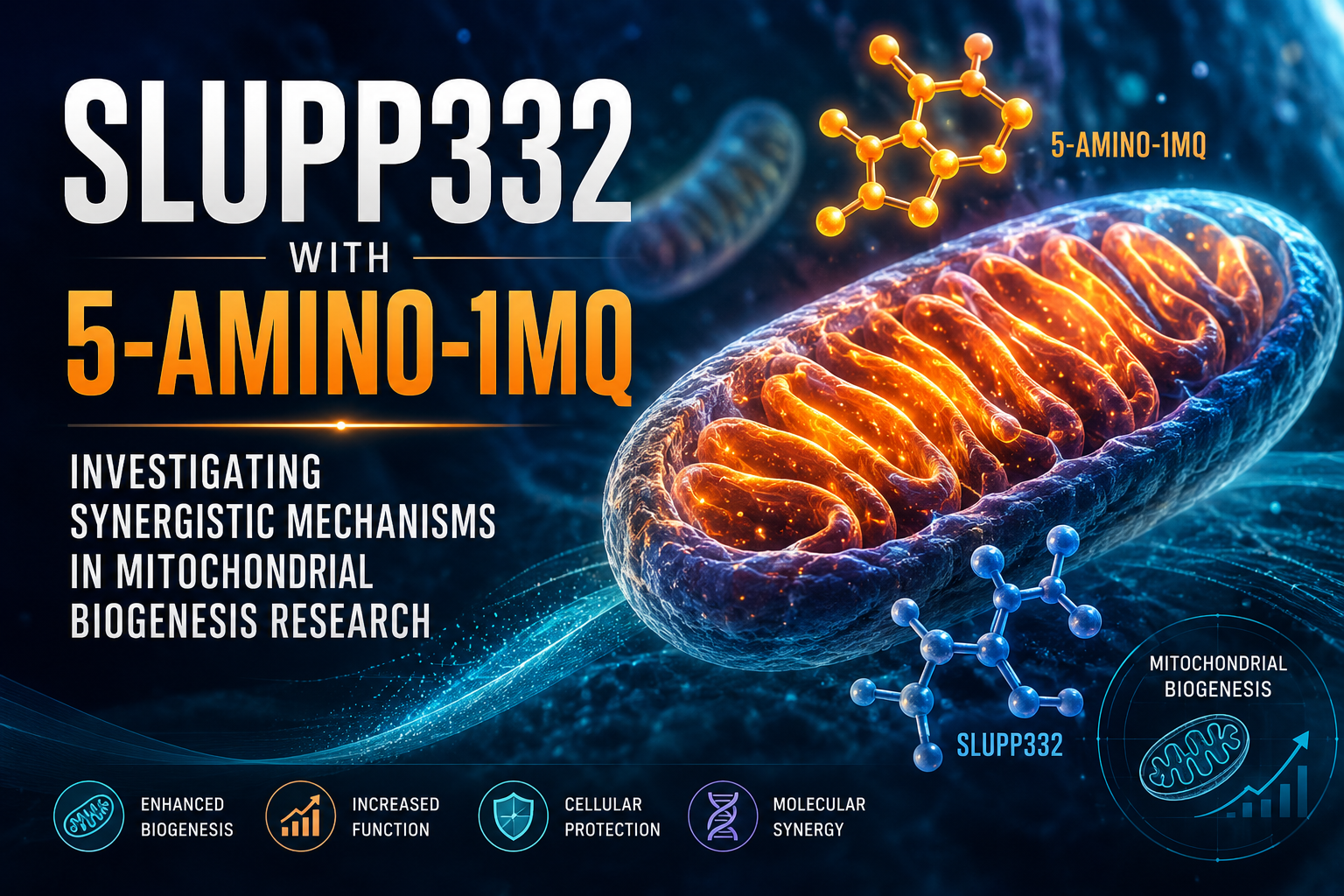
Professional landscape hero image () with : "SLUPP332 with 5-Amino-1MQ: Investigating Synergistic Mechanisms in

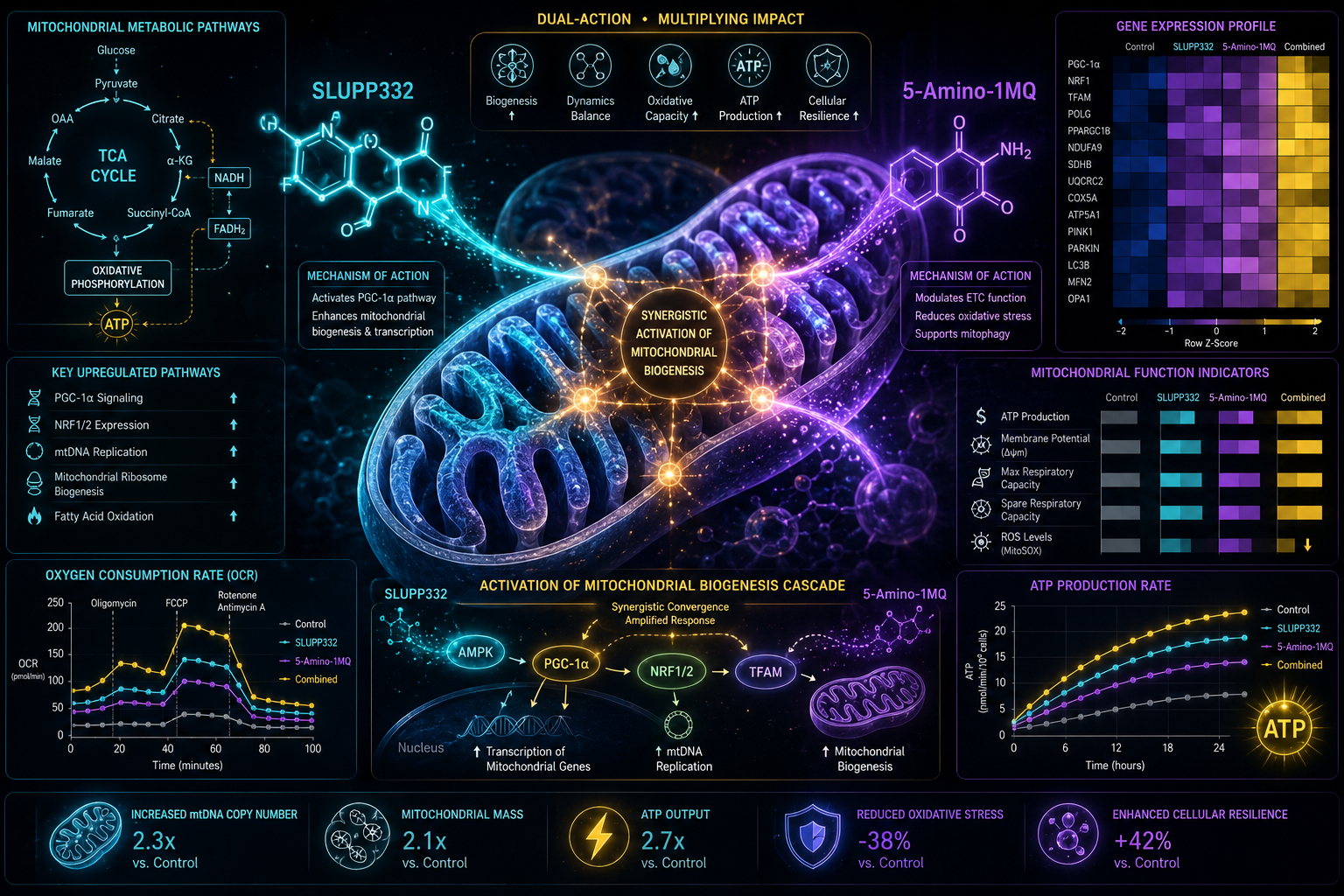
Mitochondrial dysfunction is now linked to more than 50 chronic disease states, yet most metabolic research has focused on single-compound interventions rather than multi-pathway combinations. The emerging investigation of SLUPP332 with 5-Amino-1MQ: Investigating Synergistic Mechanisms in Mitochondrial Biogenesis Research represents a notable shift in that thinking, one that targets two distinct but complementary nodes of cellular energy regulation simultaneously.

Both compounds are currently research-stage molecules. Neither has established clinical dosing protocols as of 2026. The value of studying them together lies in the mechanistic overlap they share around mitochondrial biogenesis, NAD+ metabolism, and transcriptional energy signaling.

Key Takeaways

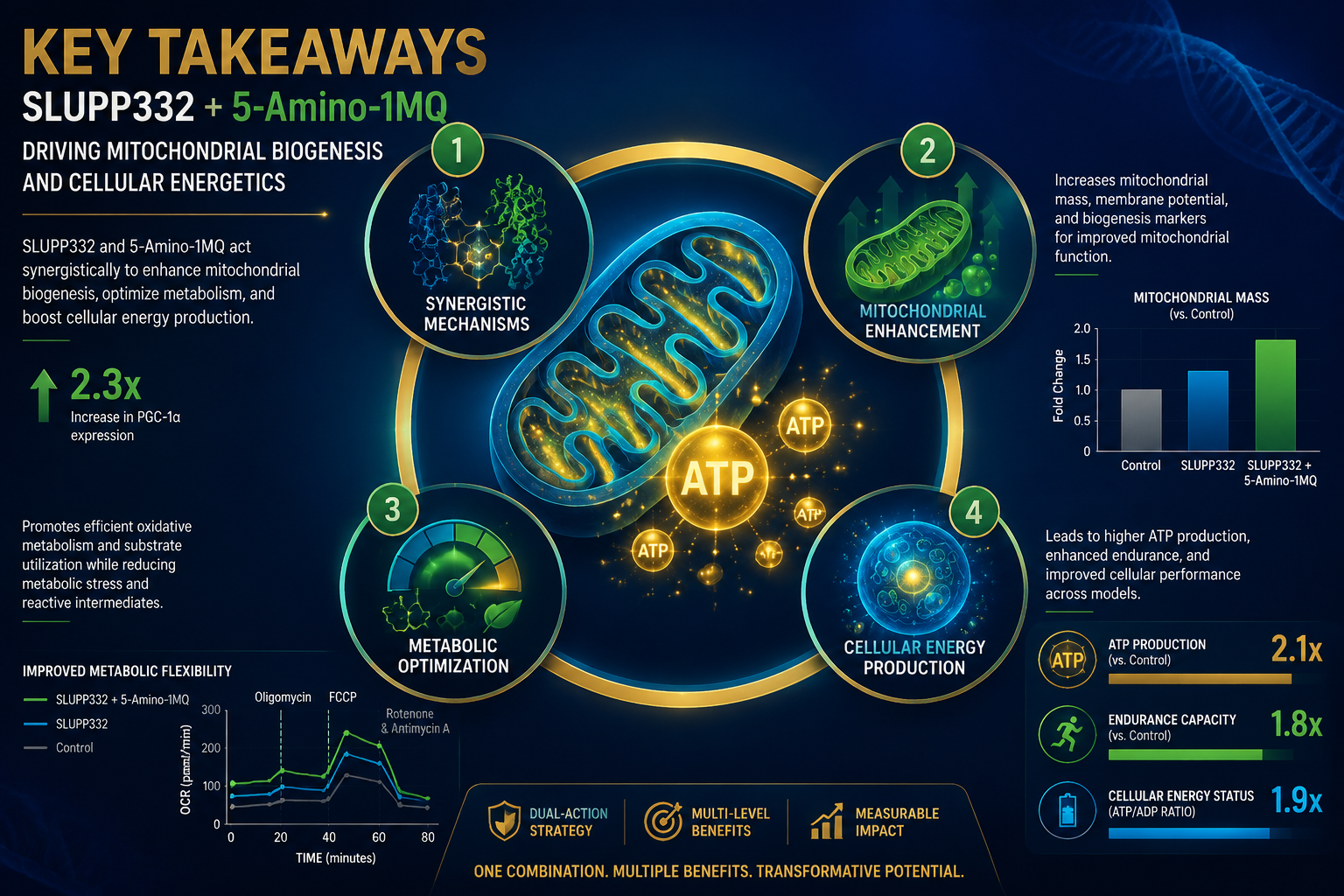
  • SLUPP332 is a synthetic ERR-alpha agonist that activates the PGC-1-alpha transcriptional pathway, a master regulator of mitochondrial biogenesis.
  • 5-Amino-1MQ is a selective NNMT inhibitor that raises intracellular NAD+ levels, supporting metabolic flexibility and cellular energy output.
  • Research suggests the two compounds may act on complementary nodes of the same mitochondrial biogenesis cascade.
  • Both compounds remain strictly in the preclinical and research phase, with no approved clinical protocols as of 2026.
  • Investigating their combined mechanisms may offer new models for understanding metabolic disease at the cellular level.
Key Takeaways

Understanding the Individual Mechanisms Before Combining Them

Before examining SLUPP332 with 5-Amino-1MQ in a synergistic context, it is essential to understand what each compound does independently.

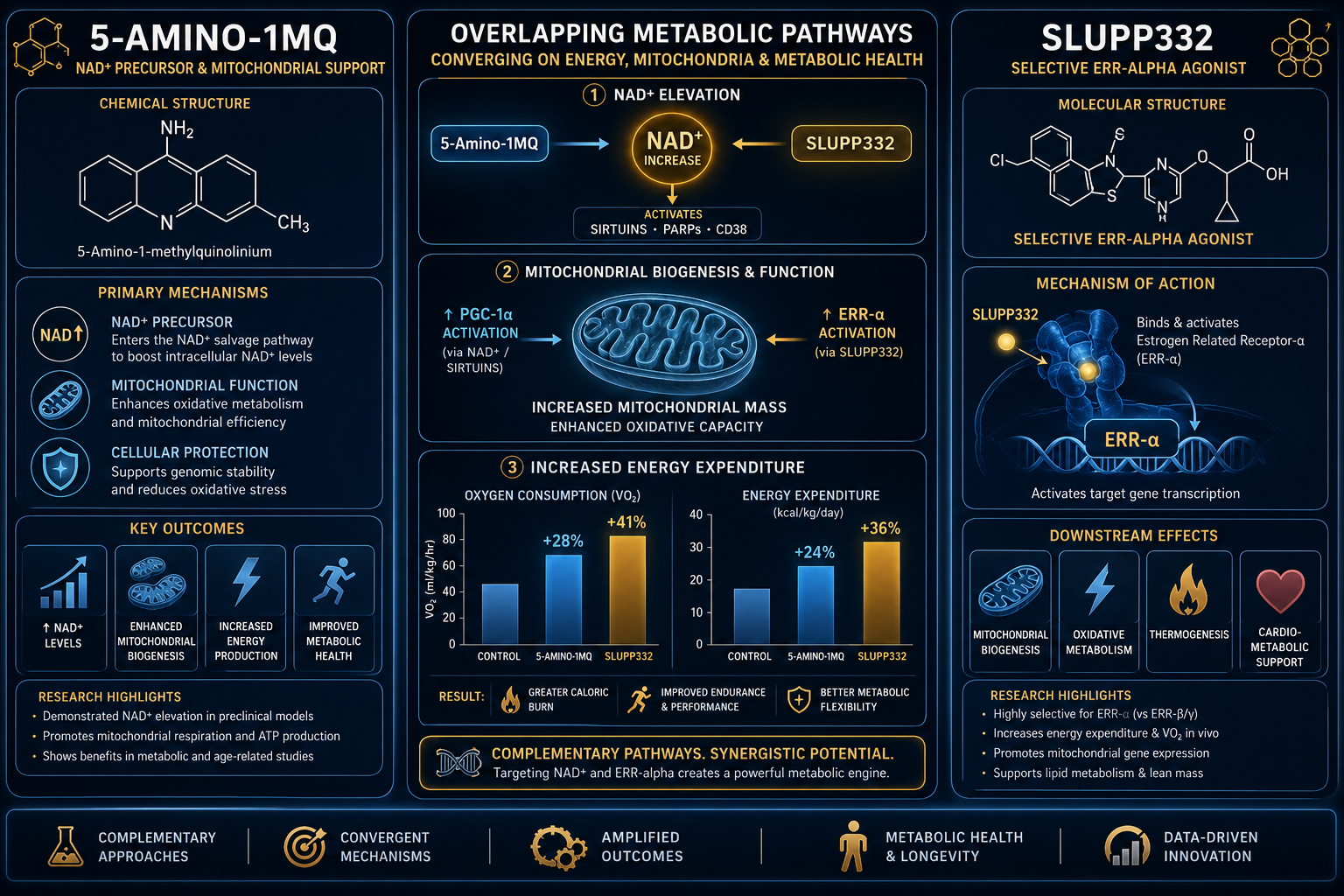
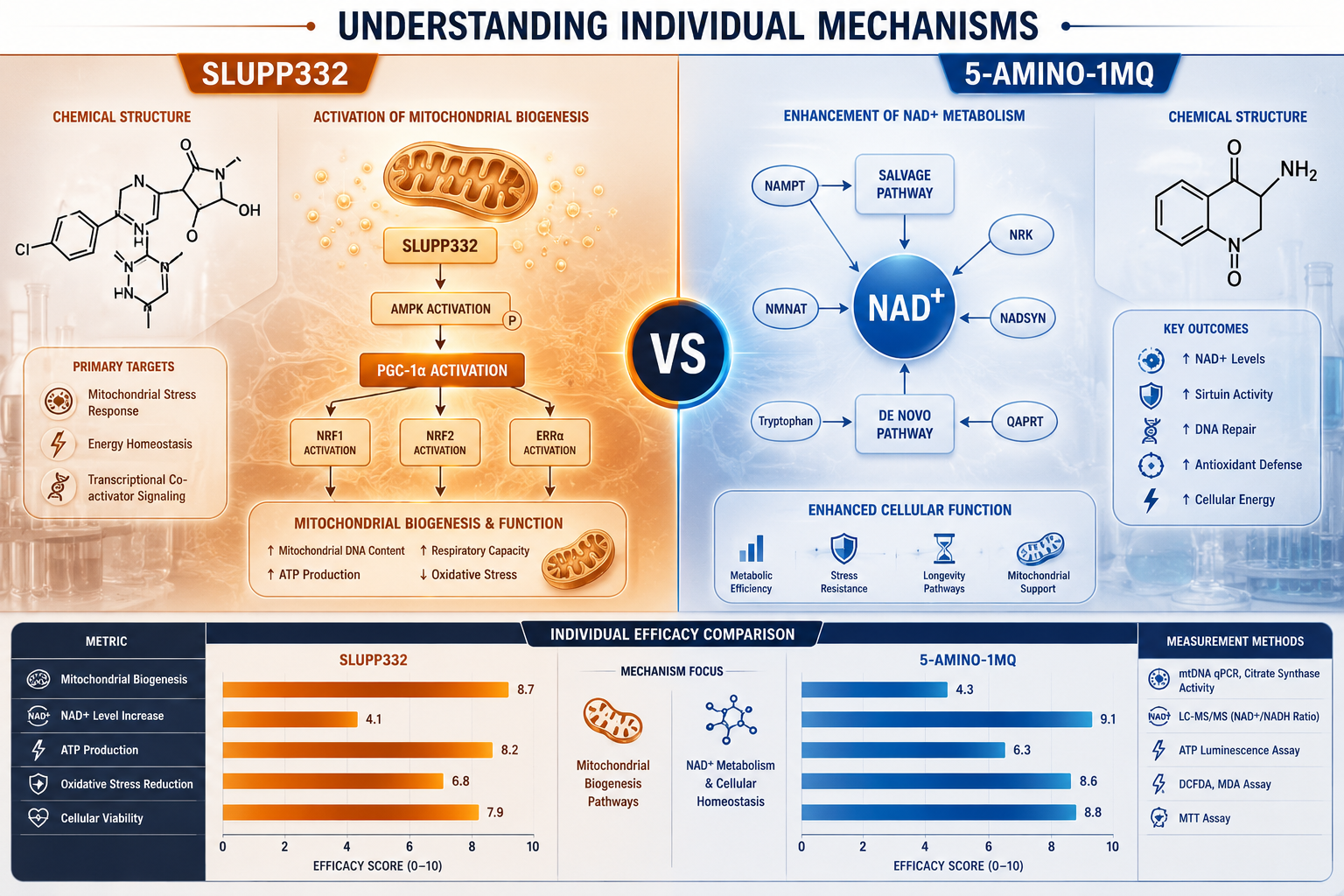
SLUPP332 (also written SLU-PP-332) is a small-molecule agonist of estrogen-related receptor alpha (ERR-alpha). ERR-alpha is an orphan nuclear receptor that, when activated, drives the expression of PGC-1-alpha, widely regarded as the master transcriptional regulator of mitochondrial biogenesis. In preclinical models, SLUPP332 has been shown to increase mitochondrial density, improve oxidative capacity in skeletal muscle, and enhance fatty acid oxidation. Researchers studying SLU-PP-332 metabolic research have noted its potential relevance to conditions involving impaired cellular energy production.

5-Amino-1MQ works through a different but related mechanism. It is a selective inhibitor of nicotinamide N-methyltransferase (NNMT), an enzyme that consumes SAM (S-adenosylmethionine) and indirectly depletes NAD+ precursors. By blocking NNMT, 5-Amino-1MQ preserves NAD+ availability within the cell. NAD+ is a critical cofactor for sirtuins and other enzymes that regulate mitochondrial function and metabolic homeostasis. Researchers exploring 5-Amino-1MQ research and data have documented its effects on adipocyte metabolism and energy expenditure in animal models.

"The significance of studying SLUPP332 with 5-Amino-1MQ together is that one compound activates the transcriptional machinery for building new mitochondria, while the other ensures the metabolic fuel, NAD+, is available to power them."


SLUPP332 with 5-Amino-1MQ: Investigating Synergistic Mechanisms in Mitochondrial Biogenesis Research
SLUPP332 with 5-Amino-1MQ: Investigating Synergistic Mechanisms in Mitochondrial Biogenesis Research

The hypothesis driving combined investigation is straightforward: SLUPP332 turns on the genetic program for mitochondrial biogenesis via ERR-alpha/PGC-1-alpha, while 5-Amino-1MQ ensures the NAD+ substrate pool is sufficient to sustain that new mitochondrial activity.

Pathway Comparison Table

Feature SLUPP332 5-Amino-1MQ
Primary Target ERR-alpha receptor NNMT enzyme
Downstream Effect PGC-1-alpha activation NAD+ preservation
Mitochondrial Role Biogenesis induction Substrate availability
Research Status (2026) Preclinical Preclinical

This complementary action is what makes the combination scientifically interesting. PGC-1-alpha activation alone is insufficient if downstream sirtuin activity, which depends on NAD+, is compromised. Conversely, restoring NAD+ levels has limited impact if the transcriptional program for building new mitochondria is not engaged.

Research into mitochondrial longevity-focused compounds and MOTS-c mitochondrial dynamics further supports the idea that multi-pathway approaches to mitochondrial health may produce more robust outcomes in preclinical models than single-target strategies.


Research Implications and Broader Metabolic Context
Research Implications and Broader Metabolic Context

The combined study of SLUPP332 with 5-Amino-1MQ: Investigating Synergistic Mechanisms in Mitochondrial Biogenesis Research connects to a broader trend in metabolic science, moving from single-target pharmacology toward systems-level thinking about cellular energy.

Key research themes worth noting include:

  • Skeletal muscle metabolism: SLUPP332 has shown particular activity in oxidative muscle fibers, where mitochondrial density is highest and most relevant to endurance and metabolic efficiency.
  • Adipose tissue remodeling: 5-Amino-1MQ research in adipocyte models suggests it may reduce lipid accumulation by shifting cells toward oxidative metabolism, an effect that could be amplified when mitochondrial biogenesis is simultaneously upregulated.
  • NAD+ and sirtuin crosstalk: Both SIRT1 and SIRT3 are NAD+-dependent enzymes that also interact with PGC-1-alpha. This creates a feedback loop where NAD+ availability, ERR-alpha signaling, and mitochondrial output are tightly interconnected.

Researchers interested in the NAD+ axis may also find value in reviewing NAD+ research overviews and MOTS-c mitochondrial research themes, which explore related mitochondria-targeted molecules. Additionally, the oral and subcutaneous evidence for SLU-PP-332 provides useful context on administration route considerations in preclinical settings.

Important research limitations to acknowledge:

  • No human clinical trials for this combination exist as of 2026.
  • Optimal dosing ratios, sequencing, and administration routes remain undefined.
  • Long-term safety profiles for both compounds in combination are unknown.
  • All current data derives from in vitro and animal model studies.

Conclusion

The investigation of SLUPP332 with 5-Amino-1MQ: Investigating Synergistic Mechanisms in Mitochondrial Biogenesis Research offers a compelling framework for understanding how two mechanistically distinct compounds might reinforce each other's effects on cellular energy production. SLUPP332 activates the transcriptional machinery that builds new mitochondria; 5-Amino-1MQ preserves the NAD+ substrate those mitochondria depend on. Together, they represent a dual-node approach to mitochondrial biogenesis that warrants rigorous preclinical investigation.

Actionable next steps for researchers and informed readers:

  1. Review existing preclinical literature on ERR-alpha agonism and NNMT inhibition independently before evaluating combination data.
  2. Monitor peer-reviewed publications for in vivo combination studies, particularly in skeletal muscle and adipose tissue models.
  3. Consult the available 5-Amino-1MQ research data and SLUPP332 metabolic research pages for updated findings.
  4. Recognize that both compounds remain strictly research-use molecules in 2026, and no clinical application should be inferred from preclinical findings.

The science of mitochondrial biogenesis is advancing rapidly. Dual-compound investigations like this one may help define the next generation of metabolic research models.

https://www.puretestedpeptides.com/wp-content/uploads/2026/07/SLUPP332-with-5-Amino-1MQ-Investigating-Synergistic-Mechanisms-in-Mitochondrial-Biogenesis-Research.png 1024 1536 Pure Tested https://www.puretestedpeptides.com/wp-content/uploads/2026/01/buy-peptides-online.jpg Pure Tested2026-07-04 13:04:002026-07-20 15:01:08SLUPP332 with 5-Amino-1MQ: Investigating Synergistic Mechanisms in Mitochondrial Biogenesis Research
5-Amino-1MQ and SLUPP332 in Metabolic Research: How NNMT Targeting Is Framed in Experimental Design

5-Amino-1MQ and SLUPP332 in Metabolic Research: How NNMT Targeting Is Framed in Experimental Design

June 17, 2026/0 Comments/by Pure Tested

Nicotinamide N-methyltransferase (NNMT) overexpression in adipose tissue correlates with increased fat accumulation, insulin resistance, and suppressed energy expenditure — yet the enzyme received relatively little research attention until small-molecule inhibitors made precise targeting feasible. The study of 5-Amino-1MQ and SLUPP332 in metabolic research: how NNMT targeting is framed in experimental design has since become a focused area for researchers building body-composition models around enzymatic control of the NAD+ pool and mitochondrial activity.

Key Takeaways

  • NNMT acts as a "methylation sink," consuming S-adenosyl methionine and depleting the NAD+ precursor pool in adipose tissue.
  • 5-Amino-1MQ inhibits NNMT directly, raising intracellular NAD+ and shifting adipocyte metabolism toward energy expenditure.
  • SLUPP332 targets ERR-alpha, a downstream node of mitochondrial biogenesis, making it a mechanistically distinct but complementary research tool.
  • Most 5-Amino-1MQ evidence comes from animal models; human clinical data remain limited as of 2026.
  • Experimental designs pairing these compounds typically use multi-arm layouts to isolate pathway-specific effects.

Key Takeaways

Understanding NNMT's Role in Metabolic Dysfunction

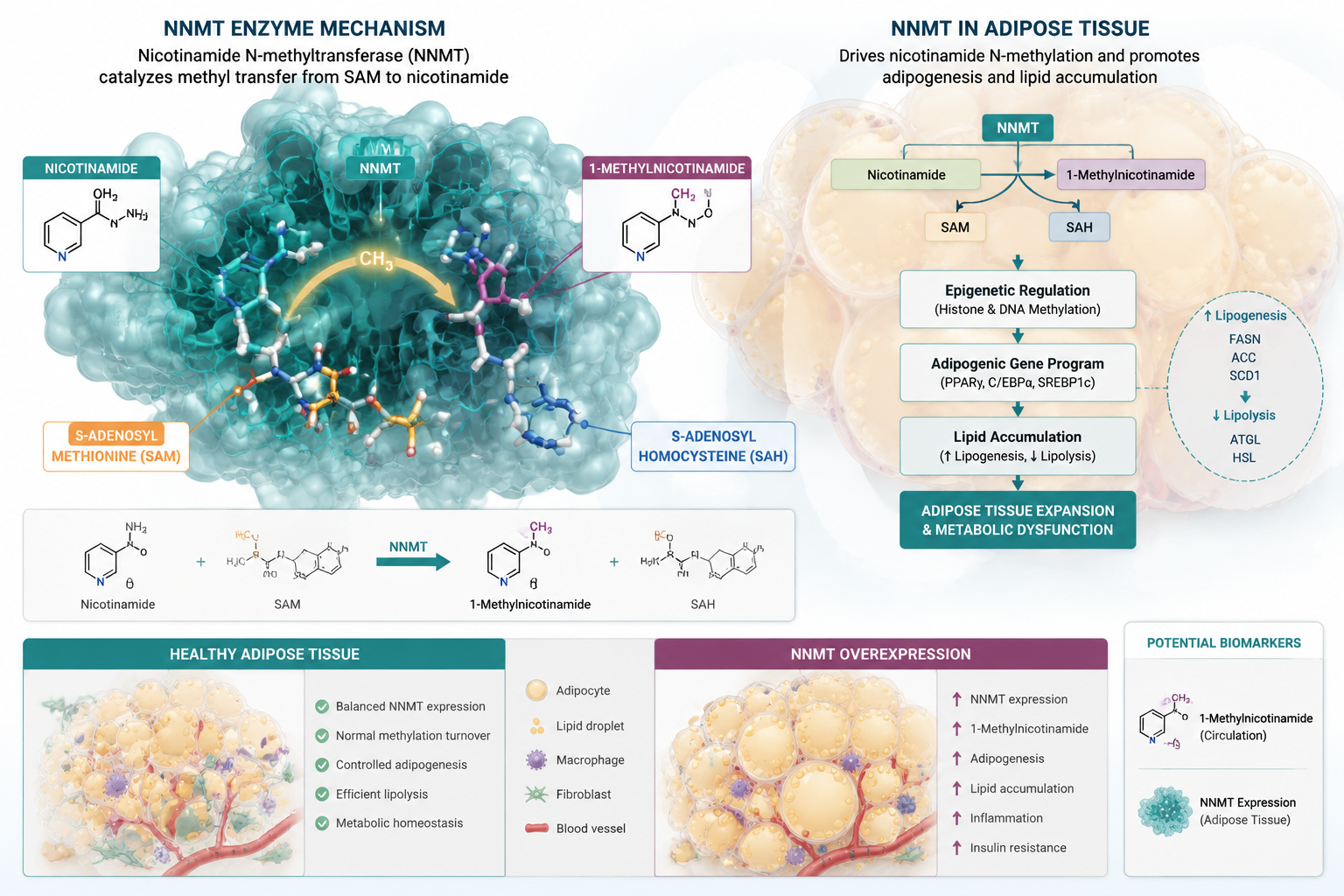
NNMT catalyzes the transfer of a methyl group from S-adenosyl methionine (SAM) to nicotinamide, producing 1-methylnicotinamide. This reaction has two major downstream consequences. First, it consumes SAM, reducing the cell's overall methylation potential — a process that, when chronic, leads to histone hypomethylation and altered gene expression. Second, it diverts nicotinamide away from NAD+ synthesis, shrinking the intracellular NAD+ pool that mitochondria depend on for oxidative phosphorylation.

In adipose tissue, NNMT overexpression is strongly associated with:

Effect Mechanism
Increased fat storage Reduced NAD+ limits fatty acid oxidation
Insulin resistance Impaired mitochondrial signaling
Epigenetic remodeling SAM depletion causes histone hypomethylation
Suppressed thermogenesis Lower energy expenditure in adipocytes

"NNMT functions less like a simple metabolic enzyme and more like a regulatory switch that integrates energy status, epigenetic state, and immune signaling simultaneously."

This multifaceted role is why NNMT has attracted attention in both metabolic disorder research and oncology. In cancer biology, the same methylation-sink mechanism supports tumor cell survival by remodeling chromatin. For researchers focused on metabolic modulation research lines, the adipose-tissue angle is the primary focus.

How 5-Amino-1MQ and SLUPP332 in Metabolic Research Frame NNMT Targeting in Experimental Design

How 5-Amino-1MQ and SLUPP332 in Metabolic Research Frame NNMT Targeting in Experimental Design

5-Amino-1MQ: The Direct NNMT Inhibitor

5-Amino-1MQ is a small-molecule competitive inhibitor of NNMT. By blocking the enzyme's active site, it prevents nicotinamide from being methylated, which preserves the substrate pool available for NAD+ synthesis. The result, observed consistently in rodent models, is a measurable rise in adipose NAD+ levels, increased mitochondrial activity, and a shift in energy balance away from lipid storage.

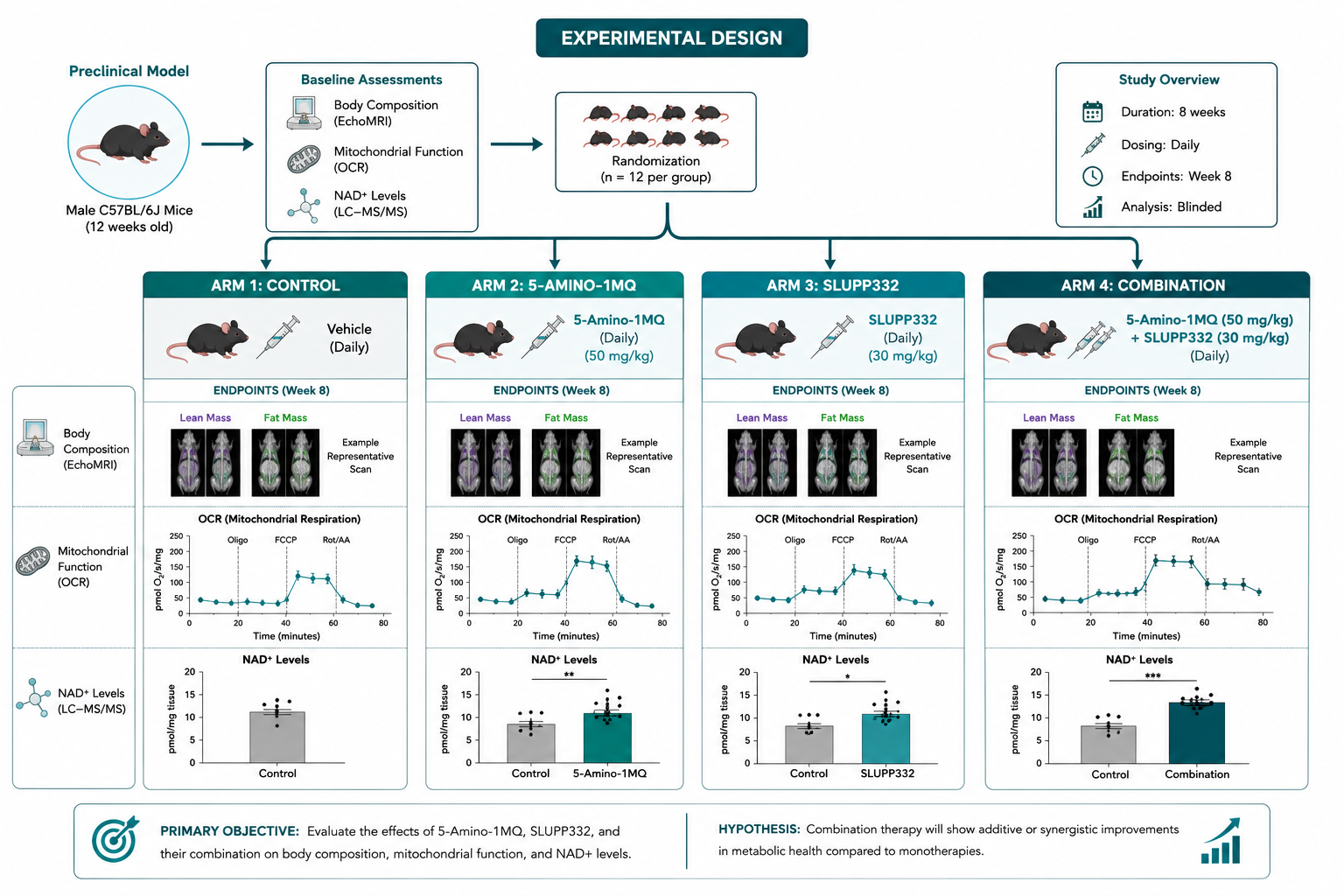
Researchers sourcing 5-Amino-1MQ for preclinical studies typically frame their endpoints around:

  • NAD+ quantification in adipose and liver tissue
  • Oxygen consumption rate (OCR) in isolated mitochondria
  • Body composition metrics via DEXA or MRI in diet-induced obesity models
  • Insulin sensitivity markers including HOMA-IR and glucose tolerance curves

Newer NNMT inhibitors such as II559 (Ki = 1.2 nM) and II802 (Ki = 1.6 nM) have demonstrated over 5,000-fold selectivity for NNMT over related methyltransferases, with cellular IC50 values near 150 nM. These figures provide a useful selectivity benchmark when designing controls for 5-Amino-1MQ studies.

Critical caveat: Despite strong animal-model data, human clinical trials for 5-Amino-1MQ remain in early stages. Researchers should treat all mechanistic claims as preclinical until robust human data emerge.

SLUPP332: A Complementary Mitochondrial Target

SLUPP332 (also written SLU-PP-332) works through a different mechanism. It is an agonist of estrogen-related receptor alpha (ERR-alpha), a nuclear receptor that drives mitochondrial biogenesis and oxidative metabolism gene expression. Rather than targeting NNMT directly, SLUPP332 in oral and subcutaneous evidence models activates downstream transcriptional programs that overlap with the metabolic benefits sought through NNMT inhibition.

This mechanistic distinction is precisely why researchers pair the two compounds in multi-arm designs — to determine whether upstream enzyme inhibition (5-Amino-1MQ) and downstream receptor activation (SLUPP332) produce additive, synergistic, or redundant effects on mitochondrial output and fat oxidation.

Experimental Design Considerations

Rigorous study layouts for 5-Amino-1MQ and SLUPP332 in metabolic research typically include:

  1. Control arm — vehicle only
  2. 5-Amino-1MQ arm — NNMT inhibition, NAD+ restoration
  3. SLUPP332 arm — ERR-alpha activation, biogenesis upregulation
  4. Combination arm — both compounds to test interaction effects

Researchers also integrate MOTS-c metabolic flexibility models as parallel comparators, given MOTS-c's role in AMPK activation and mitochondrial stress response. Similarly, IPA muscle and fat research themes offer adjacent endpoints for lean mass preservation alongside fat-loss outcomes.

For broader longevity-oriented panels, some investigators incorporate NAD+ precursor co-treatments, referencing NAD+ scientific evidence frameworks to contextualize NNMT inhibition within the wider NAD+ biology literature.

Experimental Design Considerations

Framing Limitations and Research Integrity

Honest experimental framing requires acknowledging several constraints:

  • Species translation gaps: Rodent adipose biology does not always map cleanly to human adipose, particularly regarding NNMT expression levels and tissue distribution.
  • In vivo bioavailability: Many NNMT inhibitors show strong in vitro potency but limited in vivo activity, a challenge that applies to 5-Amino-1MQ as well.
  • SLUPP332 data scarcity: Publicly available mechanistic data on SLUPP332 remain limited, making independent replication difficult.
  • Confounding variables: Diet-induced obesity models introduce metabolic heterogeneity that can obscure compound-specific signals.

Researchers building longevity peptide research protocols that include NNMT-targeting agents should pre-register endpoints and use blinded outcome assessment to minimize bias.

Conclusion

The study of 5-Amino-1MQ and SLUPP332 in metabolic research: how NNMT targeting is framed in experimental design rewards researchers who prioritize mechanistic clarity over outcome assumptions. The core logic is straightforward: NNMT overexpression depletes NAD+ and impairs mitochondrial function; inhibiting it restores metabolic flexibility. SLUPP332 adds a complementary activation signal at the transcriptional level, making multi-arm designs the most informative approach.

Actionable next steps for researchers:

  • Define NAD+ quantification and OCR as primary endpoints before dosing begins.
  • Include a selectivity control arm using a structurally related but inactive analog.
  • Cross-reference findings against mitochondrial longevity research frameworks to situate results within the broader field.
  • Treat human translation with caution until Phase I/II data are available.
  • Source compounds with verified purity documentation to ensure assay reproducibility.

Rigorous design, not compound enthusiasm, is what advances NNMT research from promising mechanism to actionable biology.

https://www.puretestedpeptides.com/wp-content/uploads/2026/06/5-Amino-1MQ-and-SLUPP332-in-Metabolic-Research-How-NNMT-Targeting-Is-Framed-in-Experimental-Design.png 1024 1536 Pure Tested https://www.puretestedpeptides.com/wp-content/uploads/2026/01/buy-peptides-online.jpg Pure Tested2026-06-17 13:04:092026-07-20 15:02:565-Amino-1MQ and SLUPP332 in Metabolic Research: How NNMT Targeting Is Framed in Experimental Design
Mitochondria and Experimental Peptides: How MOTS‑c, 5‑Amino‑1MQ, and SLUPP332 Are Used in Metabolic Research Models

Mitochondria and Experimental Peptides: How MOTS‑c, 5‑Amino‑1MQ, and SLUPP332 Are Used in Metabolic Research Models

June 5, 2026/0 Comments/by Pure Tested

Roughly 90% of cellular ATP is produced inside mitochondria — yet these organelles are also command centers for hormone signaling, fat oxidation, and stress response. That dual role makes them a prime target in modern metabolic research, and it explains why scientists are mapping how experimental compounds like MOTS‑c, 5‑Amino‑1MQ, and SLU‑PP‑332 interact with mitochondrial biology. Understanding Mitochondria and Experimental Peptides: How MOTS‑c, 5‑Amino‑1MQ, and SLUPP332 Are Used in Metabolic Research Models is now a central theme for researchers studying energy balance, obesity, and age-related metabolic decline.

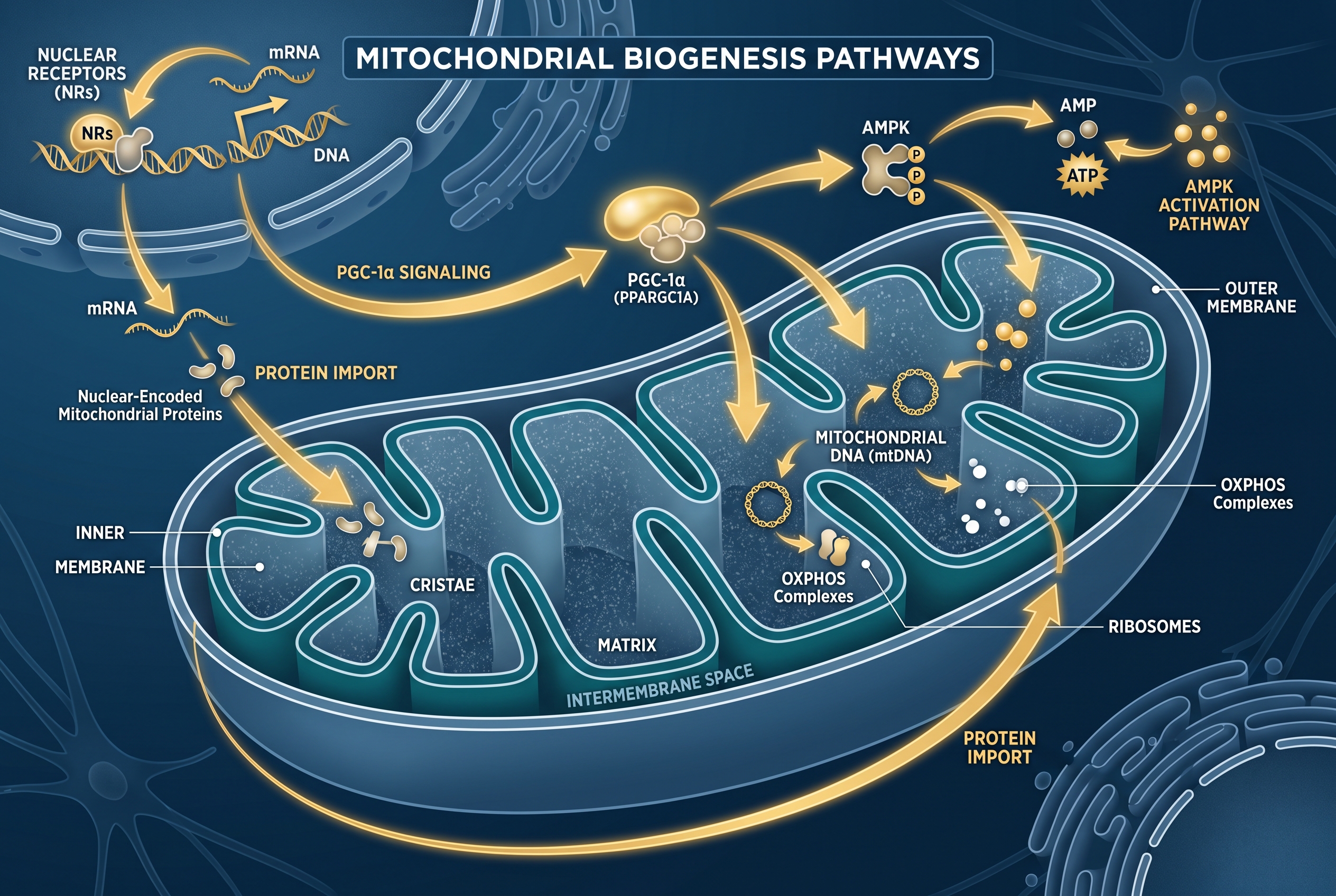
Detailed () scientific illustration showing a cross-section of a mitochondrion with labeled inner membrane, cristae, and

Key Takeaways

  • Mitochondria are not just energy factories — they encode peptides like MOTS‑c that act as hormones in skeletal muscle and fat tissue.
  • MOTS‑c activates AMPK through the folate-methionine cycle, improving glucose homeostasis in preclinical models.
  • 5‑Amino‑1MQ inhibits NNMT, an enzyme linked to fat accumulation and impaired NAD+ metabolism.
  • SLU‑PP‑332 targets ERR‑alpha receptors to mimic exercise-like signals in muscle and cardiac tissue.
  • All three compounds remain strictly research-stage tools with no established clinical dosing protocols as of 2026.

Mitochondria as Metabolic Regulators — Not Just Power Plants

For decades, biology textbooks described mitochondria as passive energy converters. More recent research has overturned that view. Mitochondria actively secrete signaling molecules called mitokines, communicate with the nucleus, and respond dynamically to nutrient status and physical stress.

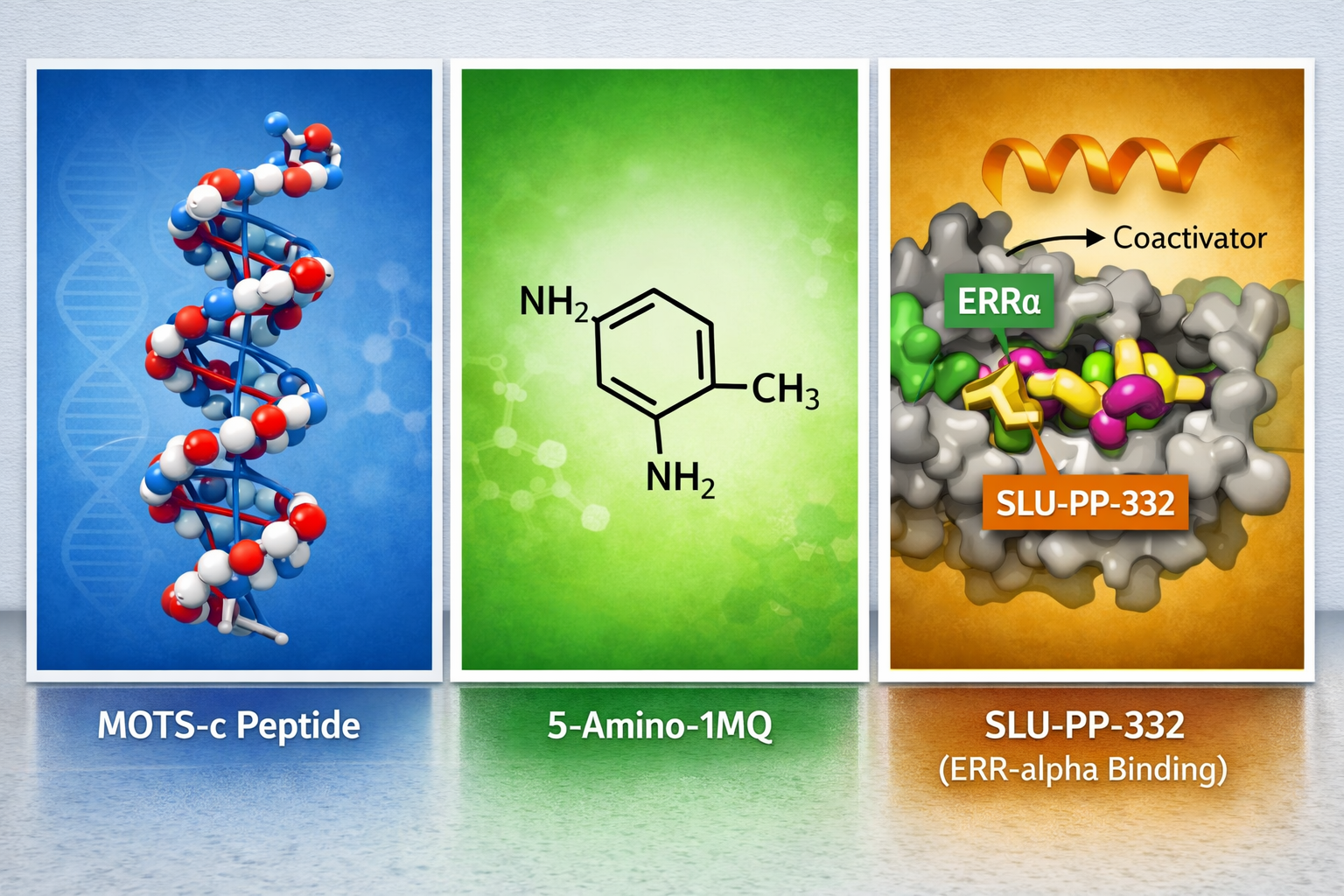
This reframing is central to understanding Mitochondria and Experimental Peptides: How MOTS‑c, 5‑Amino‑1MQ, and SLUPP332 Are Used in Metabolic Research Models. Each compound in this research cluster targets a different node in mitochondrial or mitochondria-adjacent signaling:

Compound Primary Target Research Focus
MOTS‑c AMPK / folate cycle Glucose metabolism, muscle homeostasis
5‑Amino‑1MQ NNMT enzyme Fat loss, NAD+ regulation
SLU‑PP‑332 ERR‑alpha receptor Exercise mimicry, energy expenditure

Researchers exploring mitochondrial longevity pathways often use these compounds in combination to probe how different arms of mitochondrial biology interact.


MOTS‑c: A Peptide Encoded Inside the Mitochondrial Genome

MOTS‑c is a 16‑amino‑acid peptide encoded not by nuclear DNA, but by mitochondrial DNA — a distinction that makes it biologically unusual. It circulates in the bloodstream and primarily targets skeletal muscle and adipose tissue, qualifying it as a true mitochondrial hormone.

How MOTS‑c Works in Research Models

MOTS‑c disrupts the folate-methionine cycle, which leads to accumulation of AICAR — a naturally occurring AMPK activator. AMPK activation then drives downstream effects including improved insulin sensitivity, enhanced fatty acid oxidation, and upregulation of PGC‑1alpha, a master regulator of mitochondrial biogenesis.

A March 2026 study confirmed that MOTS‑c administration in animal models improved muscle mitochondrial bioenergetic performance while reducing reactive oxygen species emission and stress-related protein damage. Separate research showed that exercise itself stimulates MOTS‑c expression in humans, suggesting the peptide may partially mediate the metabolic benefits of physical activity.

Researchers can explore MOTS‑c metabolic flexibility research themes for a deeper look at how these pathways are being studied. For those comparing compound profiles, the MOTS‑c and Elamipretide research overview provides useful context on stacking strategies in preclinical settings.

"MOTS‑c may represent the first mitochondria-derived peptide hormone with systemic metabolic effects — a finding that reshapes how researchers think about organelle-to-organ communication."

Important caveat: As of 2026, no peer-reviewed human clinical trials on MOTS‑c have been published. Optimal dosing and long-term safety remain uncharacterized outside animal models.


5‑Amino‑1MQ and SLU‑PP‑332: Complementary Tools in Metabolic Research Models

5‑Amino‑1MQ and SLU‑PP‑332: Complementary Tools in Metabolic Research Models

While MOTS‑c works from inside the mitochondrial genome outward, 5‑Amino‑1MQ and SLU‑PP‑332 approach mitochondrial metabolism from different angles.

5‑Amino‑1MQ: NNMT Inhibition and NAD+ Metabolism

5‑Amino‑1MQ is a small-molecule inhibitor of nicotinamide N-methyltransferase (NNMT), an enzyme highly expressed in fat tissue. NNMT consumes methyl groups and depletes SAM (S-adenosylmethionine), indirectly reducing NAD+ availability. By blocking NNMT, 5‑Amino‑1MQ preserves NAD+ pools and appears to shift fat cells toward a leaner metabolic phenotype.

In obese rodent models, 5‑Amino‑1MQ has shown associations with reduced fat mass and improved muscle stem-cell function without significant changes to food intake — a profile that distinguishes it from appetite-suppressing compounds. Researchers interested in NAD+ and metabolic pathway research will find this mechanism particularly relevant.

SLU‑PP‑332: ERR‑Alpha Agonism as Exercise Mimicry

SLU‑PP‑332 is an agonist of estrogen-related receptor alpha (ERR‑alpha), a nuclear receptor that regulates mitochondrial biogenesis and oxidative metabolism in muscle and cardiac tissue. By activating ERR‑alpha, SLU‑PP‑332 appears to trigger gene expression patterns that overlap with those induced by aerobic exercise — without the physical activity itself.

Preclinical data on SLU‑PP‑332 metabolic modulation shows improved endurance markers and increased mitochondrial density in muscle tissue of sedentary animal models. Detailed SLU‑PP‑332 oral and subcutaneous evidence further outlines route-of-administration differences being studied.

Like MOTS‑c, both compounds remain strictly research tools with no established human dosing protocols.


Applying These Compounds Together in Metabolic Research

Applying These Compounds Together in Metabolic Research

The growing interest in combining these compounds reflects a systems-biology approach to mitochondrial research. Rather than targeting a single pathway, researchers are using MOTS‑c, 5‑Amino‑1MQ, and SLU‑PP‑332 together to simultaneously probe AMPK signaling, NAD+ metabolism, and ERR‑alpha-driven biogenesis.

Blends incorporating NAD+ alongside MOTS‑c and 5‑Amino‑1MQ are being explored specifically for their potential in mitochondrial longevity research, targeting multiple metabolic checkpoints at once. This multi-pathway approach is also reflected in broader metabolic modulation research lines that map how different peptide classes interact.

Researchers comparing compound profiles should also review SS‑31 (Elamipretide) research, another mitochondria-targeted peptide that works through cardiolipin stabilization on the inner mitochondrial membrane — a distinct but complementary mechanism.

Key research considerations when using these compounds:

  • All three are preclinical tools only — not approved for human use
  • Animal model results may not translate directly to human physiology
  • Purity and quality verification are essential for reproducible results
  • Multi-compound protocols require careful controls to isolate individual effects

Conclusion

Mitochondria and Experimental Peptides: How MOTS‑c, 5‑Amino‑1MQ, and SLUPP332 Are Used in Metabolic Research Models represents one of the most active frontiers in preclinical metabolic science in 2026. Each compound offers a distinct lens into mitochondrial function: MOTS‑c as a mitochondria-encoded hormone activating AMPK, 5‑Amino‑1MQ as an NNMT inhibitor preserving NAD+ pools, and SLU‑PP‑332 as an ERR‑alpha agonist mimicking exercise-induced biogenesis.

Actionable next steps for researchers:

  1. Review the primary literature on MOTS‑c AMPK activation before designing animal model protocols.
  2. Establish baseline NAD+ and NNMT activity measurements when incorporating 5‑Amino‑1MQ.
  3. Use SLU‑PP‑332 alongside sedentary control groups to isolate ERR‑alpha-specific effects.
  4. Source compounds only from suppliers with verified purity testing to ensure data integrity.
  5. Treat all findings as hypothesis-generating until human trial data becomes available.

The mitochondrion is no longer just a power plant. It is a signaling hub — and these experimental peptides are the tools researchers are using to map exactly how that hub works.

https://www.puretestedpeptides.com/wp-content/uploads/2026/06/Mitochondria-and-Experimental-Peptides-How-MOTS‑c-5‑Amino‑1MQ-and-SLUPP332-Are-Used-in-Metabolic-Research-Models.png 1024 1536 Pure Tested https://www.puretestedpeptides.com/wp-content/uploads/2026/01/buy-peptides-online.jpg Pure Tested2026-06-05 13:36:412026-07-20 15:03:53Mitochondria and Experimental Peptides: How MOTS‑c, 5‑Amino‑1MQ, and SLUPP332 Are Used in Metabolic Research Models
×

Helpful Links

  • My account
  • Cart
  • Checkout
  • Refund and Returns Policy
  • Privacy Policy
  • SMS Privacy Policy
  • Login
  • My Account
  • Logout

USA Made Lab Tested Peptides

All products are sold for research, laboratory, or analytical purposes only, and are not for human consumption


Pure Tested Peptides is a chemical supplier. Pure Tested Peptides is not a compounding / chemical compounding facility as defined under 503A of the Federal Food, Drug, and Cosmetic act. Pure Tested Peptides is not an outsourcing facility as defined under 503B of the Federal Food, Drug, and Cosmetic act.

The statements made within this website have not been evaluated by the US Food and Drug Administration. The products we offer are not intended to diagnose, treat, cure or prevent any disease.

Human/Animal Consumption Prohibited. Laboratory/In-Vitro Experimental Use Only

Scroll to top Scroll to top Scroll to top