Glow Blend vs Klow Blend Peptides: Ingredient Comparison and Research Applications
Two peptide blends with nearly identical names are causing real confusion among researchers in 2026, and that confusion has a cost. Choosing the wrong formulation for a study protocol can skew results, waste materials, and delay timelines. The Glow Blend vs Klow Blend Peptides: Ingredient Comparison and Research Applications question is not just a naming issue; it reflects a meaningful difference in research intent, ingredient composition, and target tissue.
This article breaks down both blends side by side, explains what each is designed to study, and helps researchers make an informed decision.
Key Takeaways
- Glow Blend and Klow Blend share three core peptides but differ by one critical addition: KPV is exclusive to Klow Blend
- Klow Blend carries a higher total mass (80 mg) versus Glow Blend (70 mg), reflecting the added KPV component
- Glow Blend is positioned for skin, collagen, and tissue-repair research; Klow Blend targets systemic and inflammatory models
- Both blends are research-use-only (RUO) compounds and are not approved therapeutic agents
- Understanding the ingredient-level differences is essential before selecting either blend for a study protocol
What Are Glow Blend and Klow Blend?
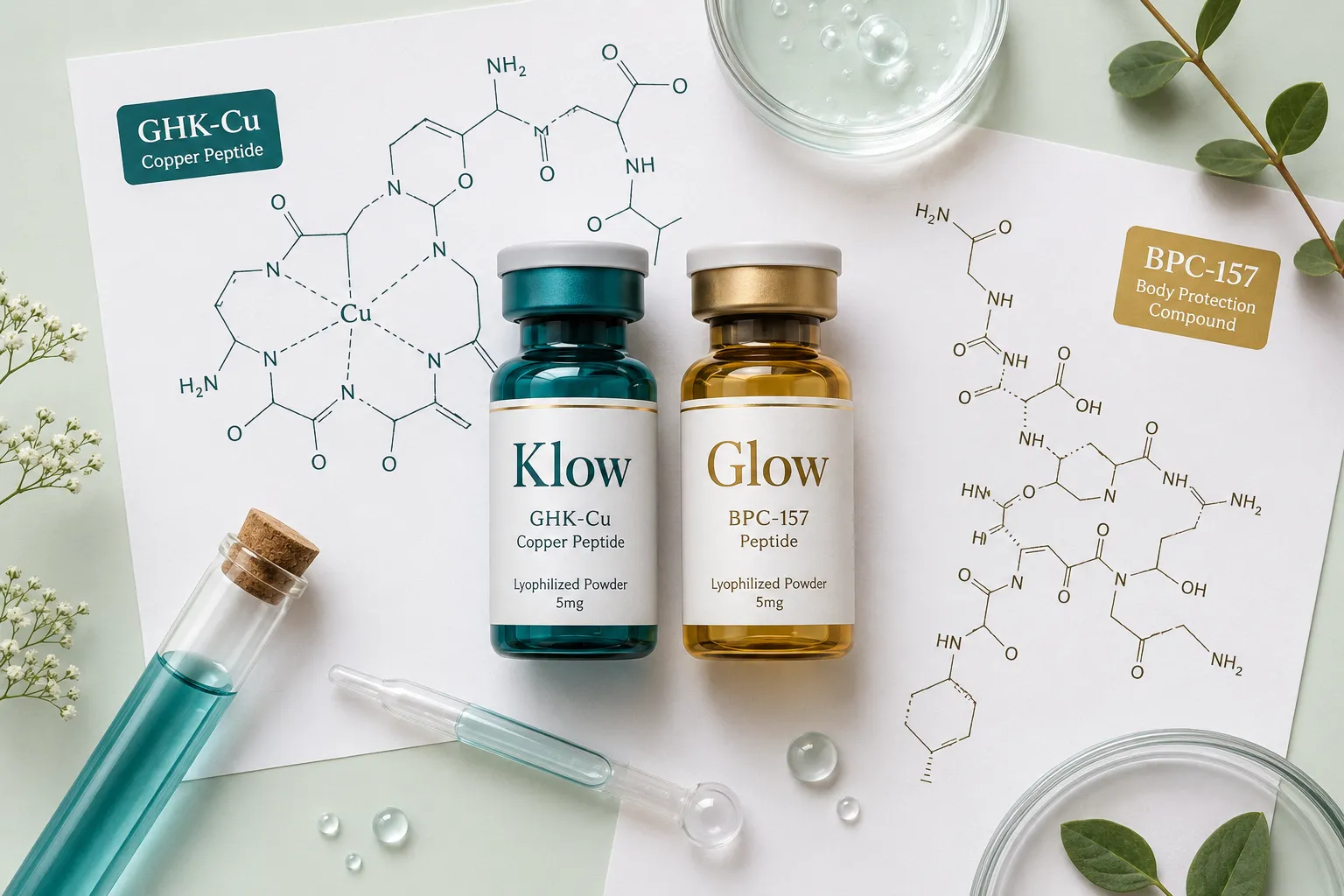
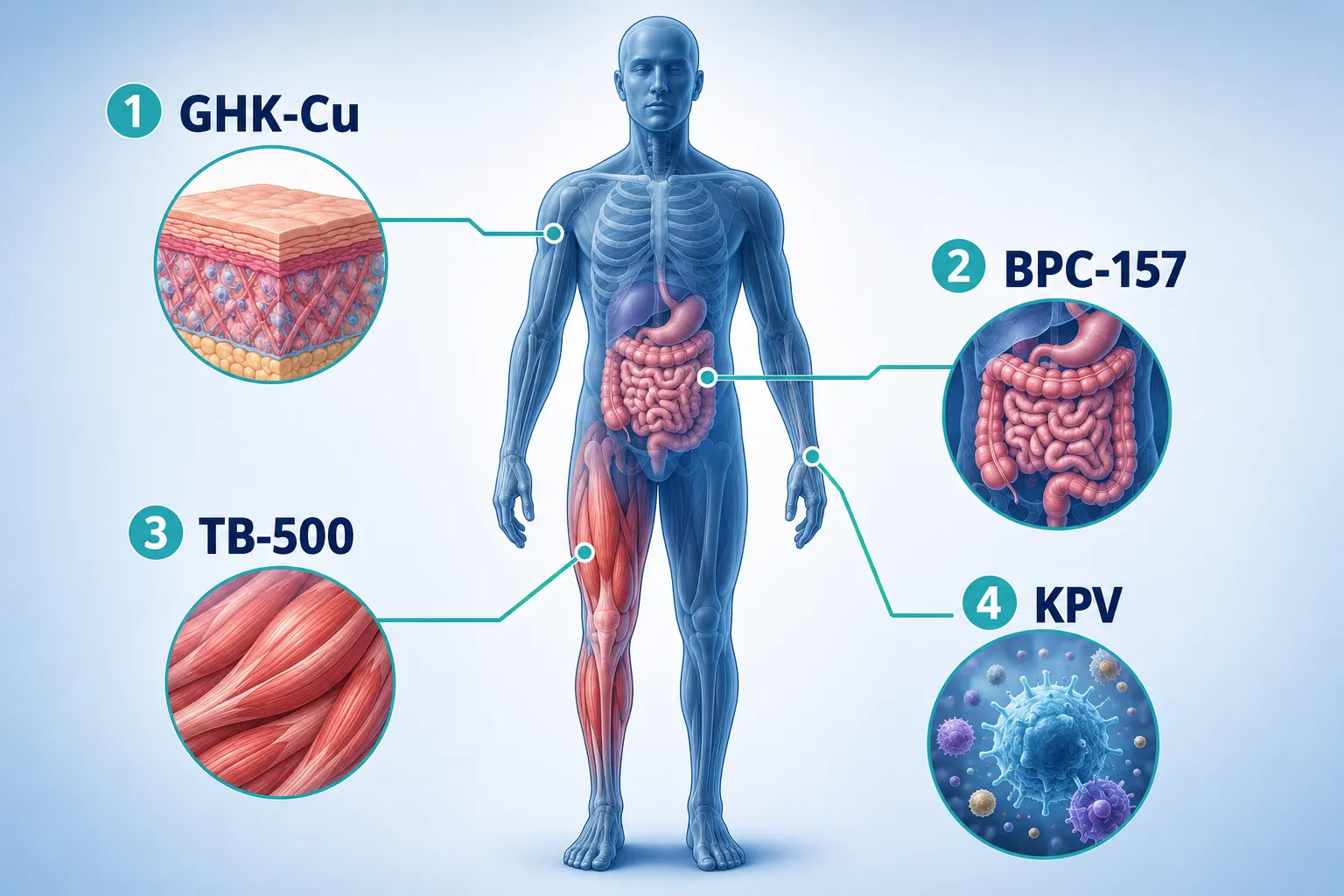
Glow Blend and Klow Blend are proprietary multi-peptide research formulations. Both contain a combination of well-documented research peptides, GHK-Cu, BPC-157, and TB-500, in comparable ratios. The core architecture of each blend is nearly identical, which is the primary source of buyer confusion.
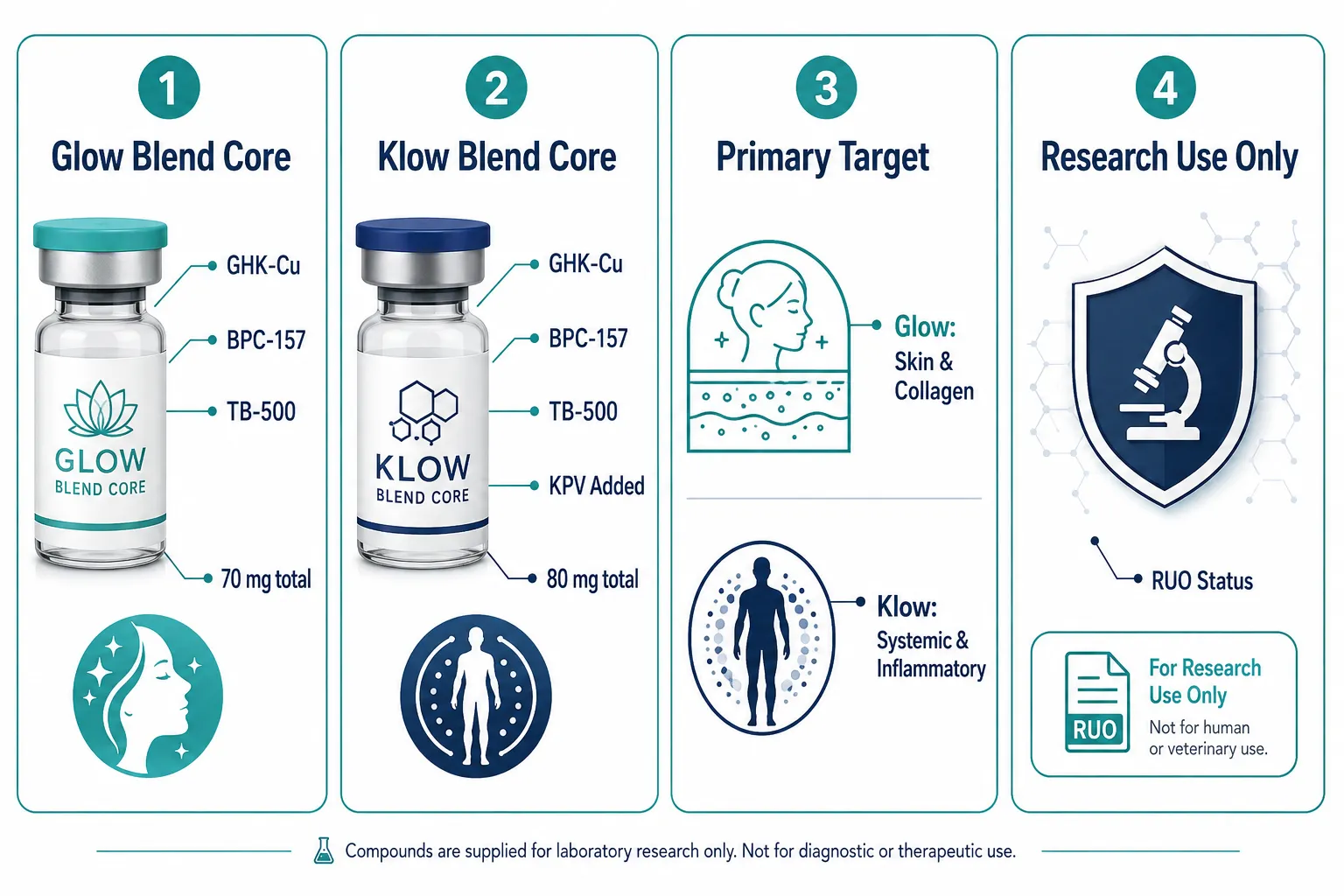
The key structural difference is straightforward: Klow Blend adds KPV, a tripeptide fragment derived from alpha-melanocyte-stimulating hormone (alpha-MSH). This single addition shifts the blend's total mass from 70 mg (Glow) to 80 mg (Klow) and meaningfully expands its research scope beyond dermal applications.
Shared Core Ingredients
| Ingredient | Known Research Focus |
|---|---|
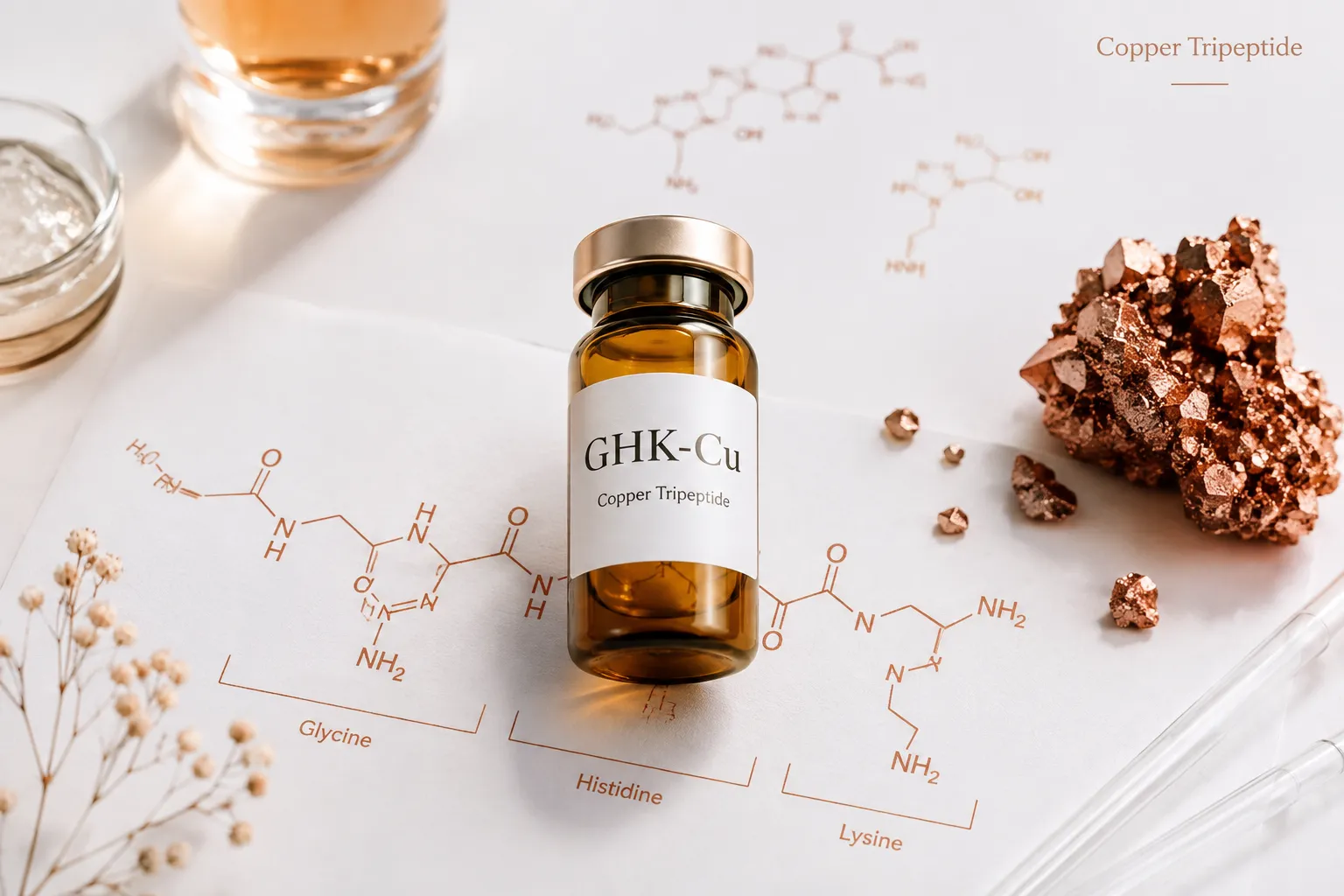
| GHK-Cu | Collagen synthesis, wound healing, antioxidant signaling |
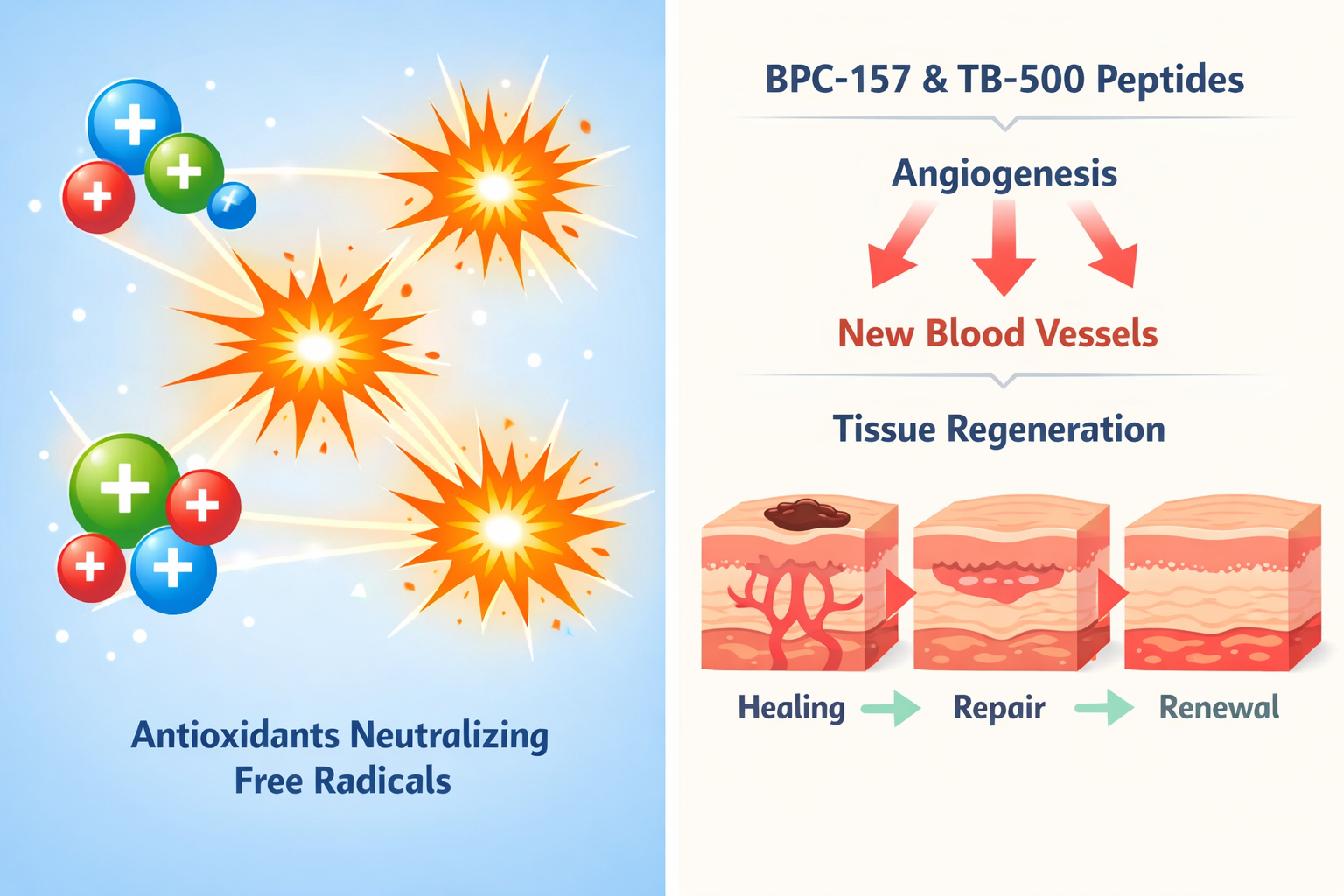
| BPC-157 | Tendon repair, gut mucosal healing, angiogenesis |
| TB-500 | Actin regulation, tissue regeneration, mobility models |
All three ingredients appear in both blends at comparable ratios. Researchers already familiar with individual peptide studies, such as those exploring BDNF peptides or growth hormone secretagogue stacks, will recognize these components from adjacent research areas.
Glow Blend vs Klow Blend Peptides: Ingredient Comparison and Research Applications in Detail
The ingredient-level differences between these two blends directly determine which research applications each one fits.
Glow Blend: Skin and Collagen Research Focus
Glow Blend, at 70 mg total, is formulated with dermal and connective tissue research as its primary orientation. The combination of GHK-Cu and BPC-157 is well-suited to studies examining:
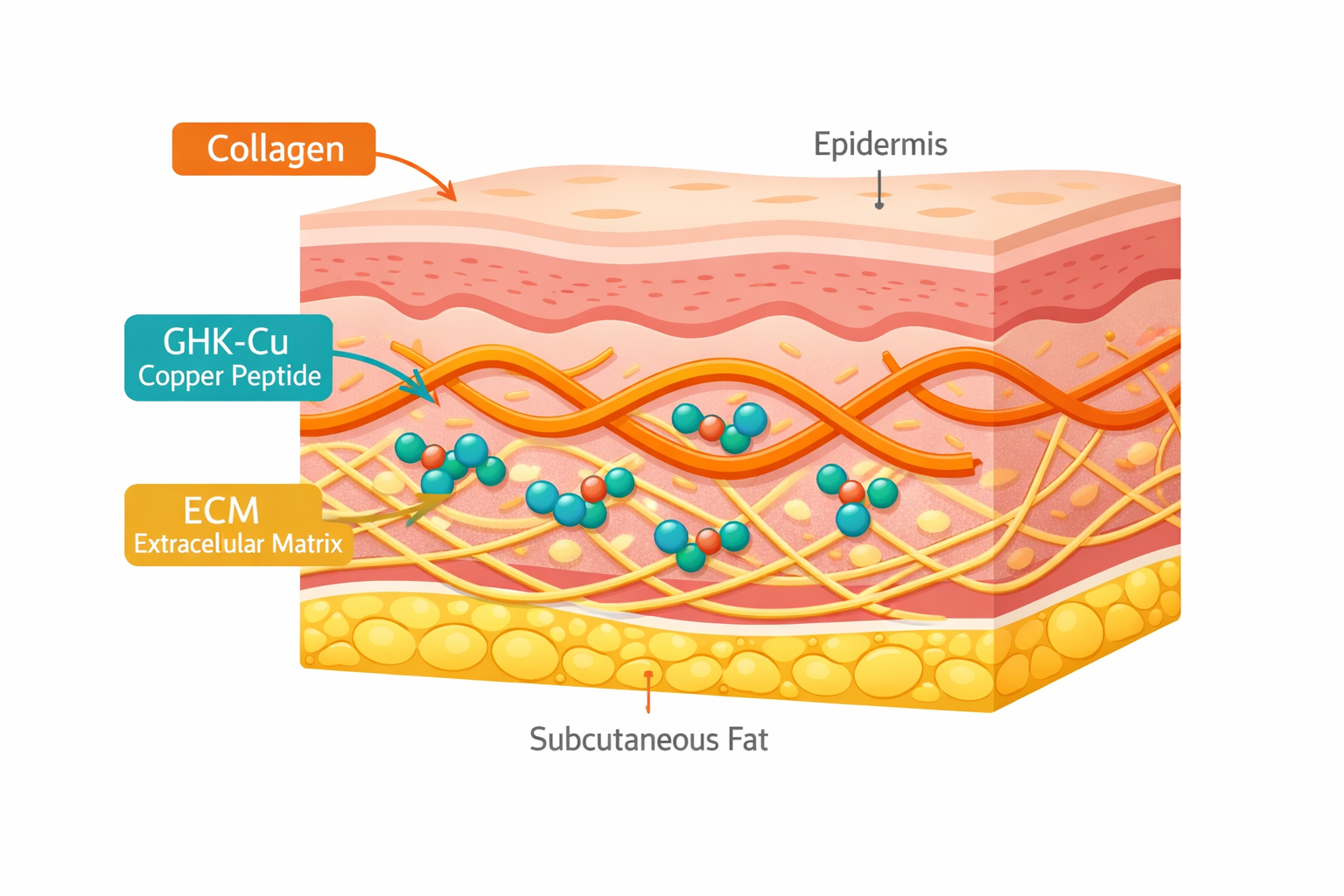
- Collagen remodeling and extracellular matrix repair
- Wound healing kinetics in skin tissue models
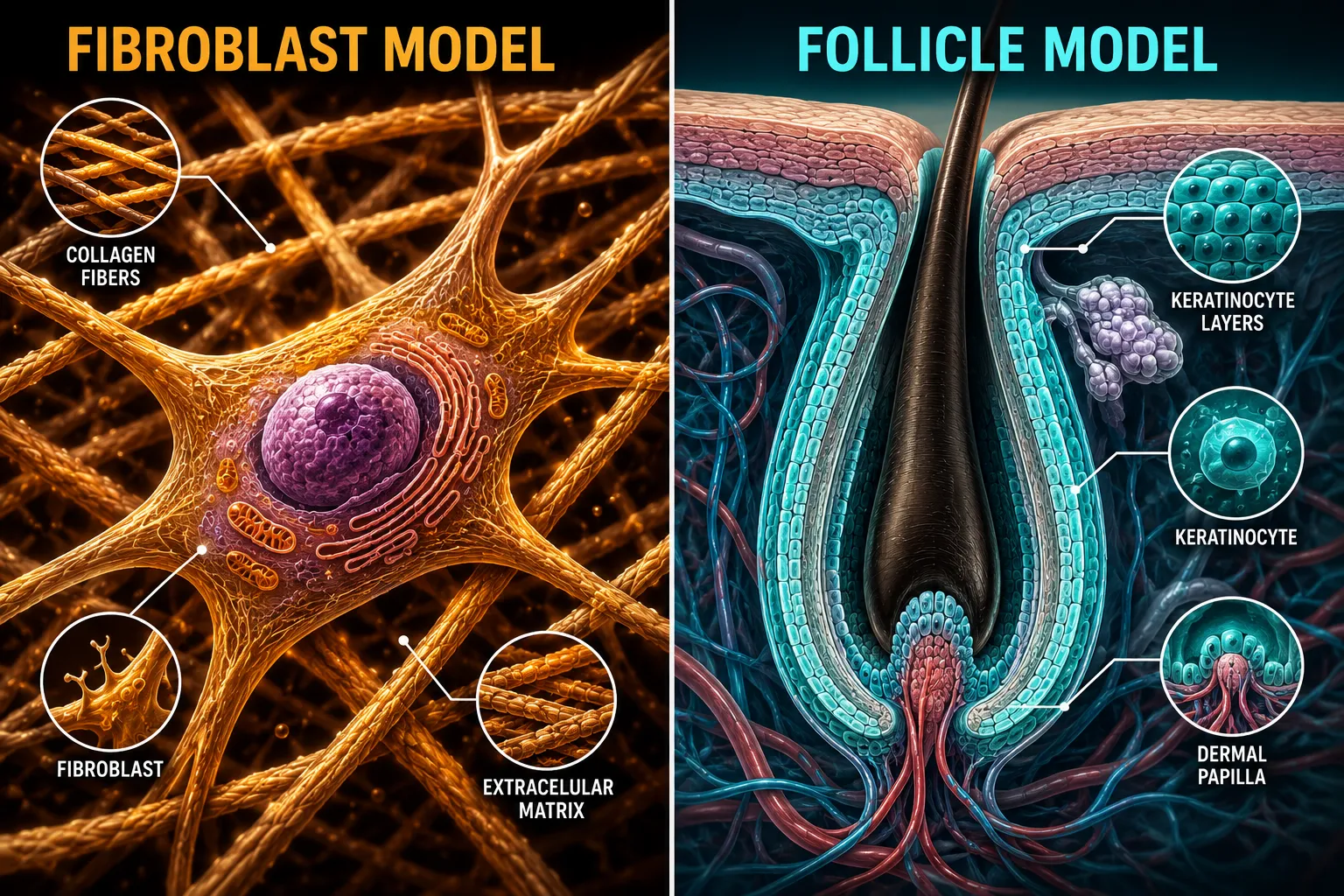
- Fibroblast activity and dermal regeneration
- Oxidative stress reduction in aging skin models
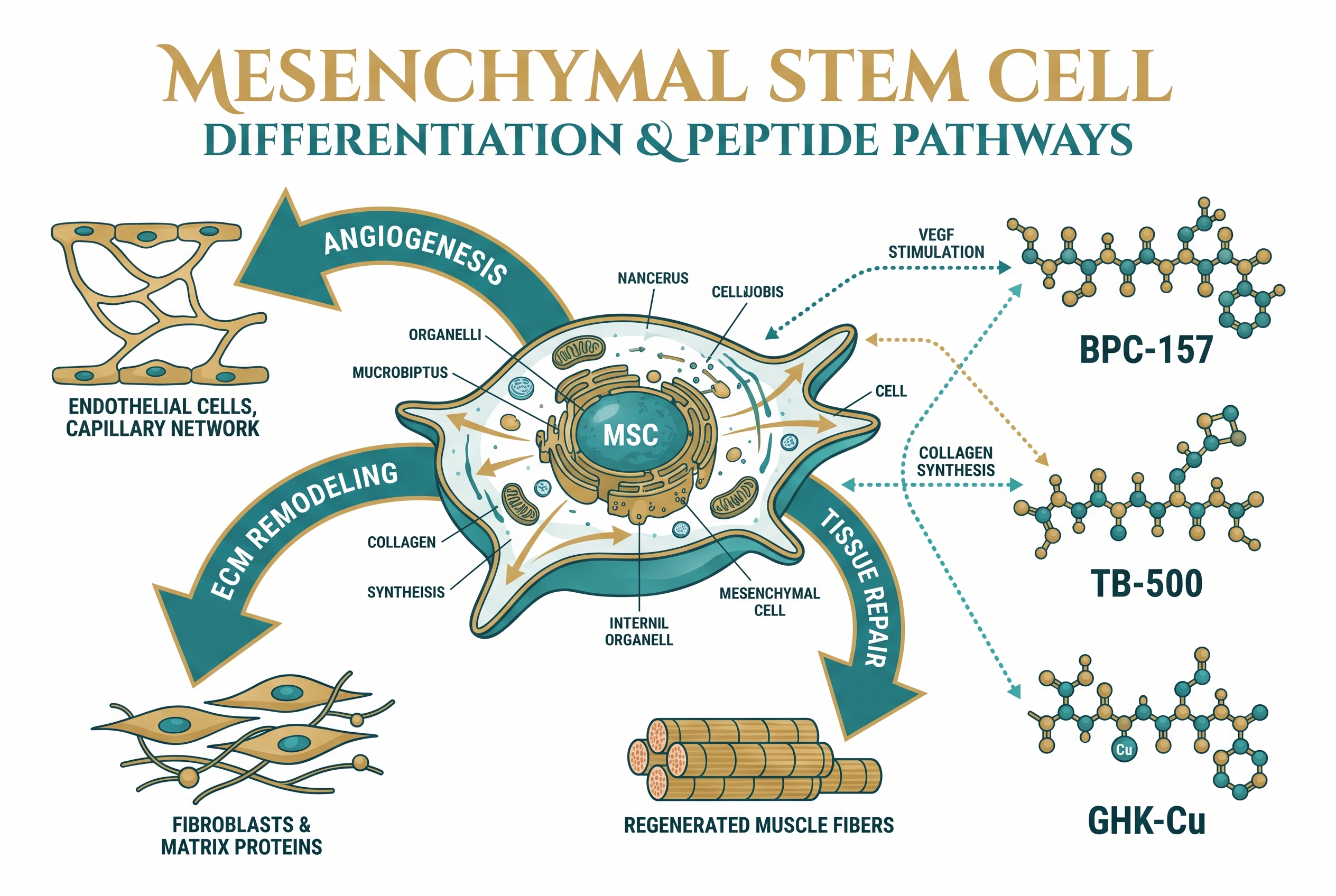
GHK-Cu has been studied extensively for its role in upregulating collagen and elastin gene expression. BPC-157 contributes to angiogenic signaling, which supports tissue repair at the vascular level. TB-500 rounds out the blend by addressing actin polymerization, a process relevant to cell migration during wound closure.
For researchers focused on dermatological or cosmetic science applications, Glow Blend offers a clean, targeted formulation without additional systemic variables.
Klow Blend: Systemic and Inflammatory Research Focus
Klow Blend, at 80 mg total, builds on the same core but adds KPV, a tripeptide with documented research interest in inflammatory signaling pathways. This addition repositions the blend for multi-tissue and systemic research models.
KPV has been studied in the context of:
- Intestinal inflammation and mucosal barrier function
- Immune modulation via melanocortin receptor pathways
- Skin inflammation as a secondary application
- Systemic anti-inflammatory signaling in preclinical models
For researchers comparing intranasal or systemic peptide delivery models, the Klow Blend vs. Semax and Selank: Intranasal Nootropic Peptides resource provides useful context on how Klow fits within the broader nootropic and neuroimmune peptide landscape.
Key distinction: Glow Blend is optimized for localized tissue research. Klow Blend is designed for studies where inflammatory modulation across multiple tissue types is a variable.
Regulatory Status, Sourcing, and Research Considerations
Both Glow Blend and Klow Blend carry research-use-only (RUO) status. Neither is an approved therapeutic, and neither should be represented as such. This classification is consistent with how the broader peptide research market operates in 2026.
Researchers sourcing either blend should prioritize vendors that provide:
- Certificate of Analysis (COA) from third-party laboratories
- Documented purity levels above 98%
- Accurate mass verification per vial
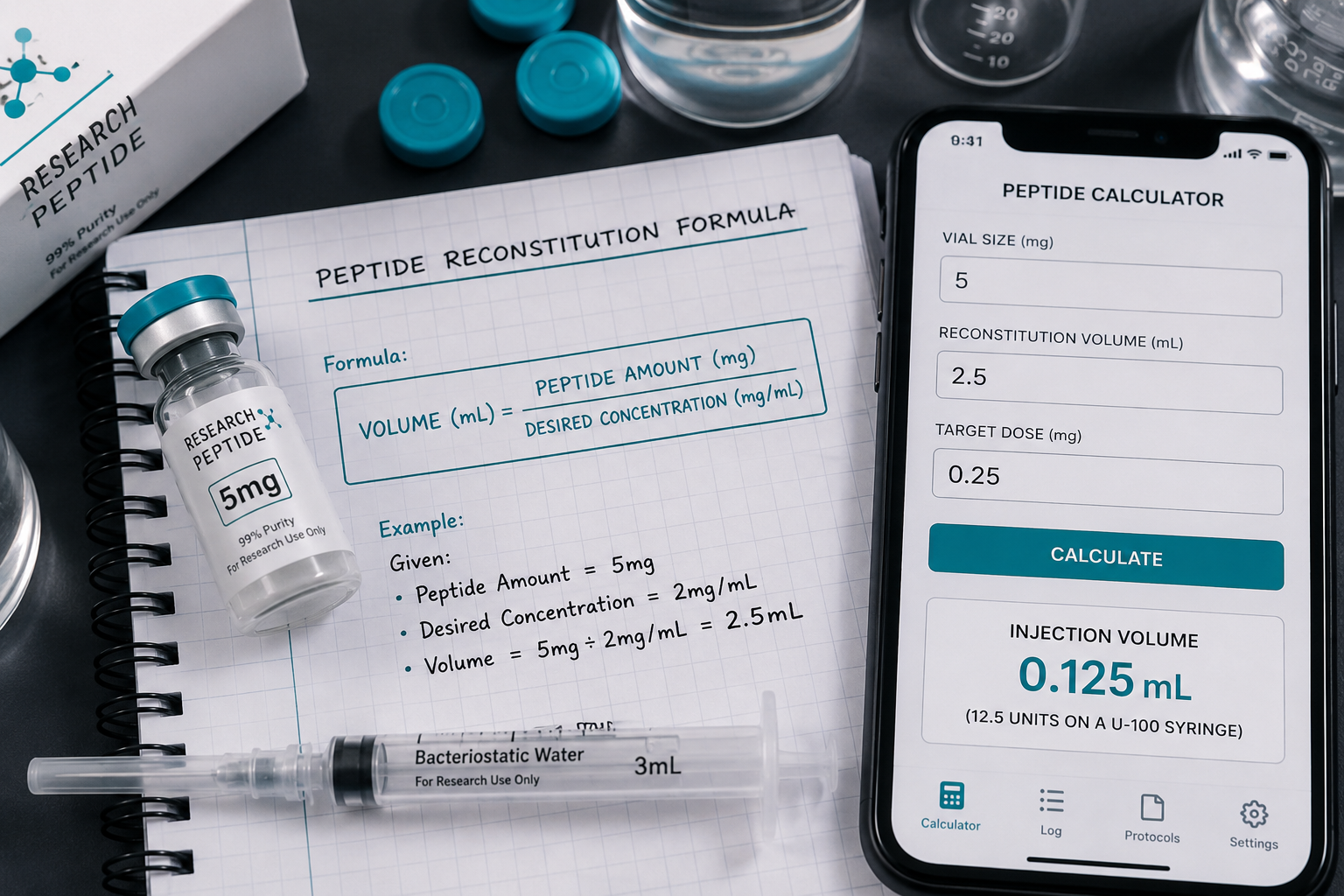
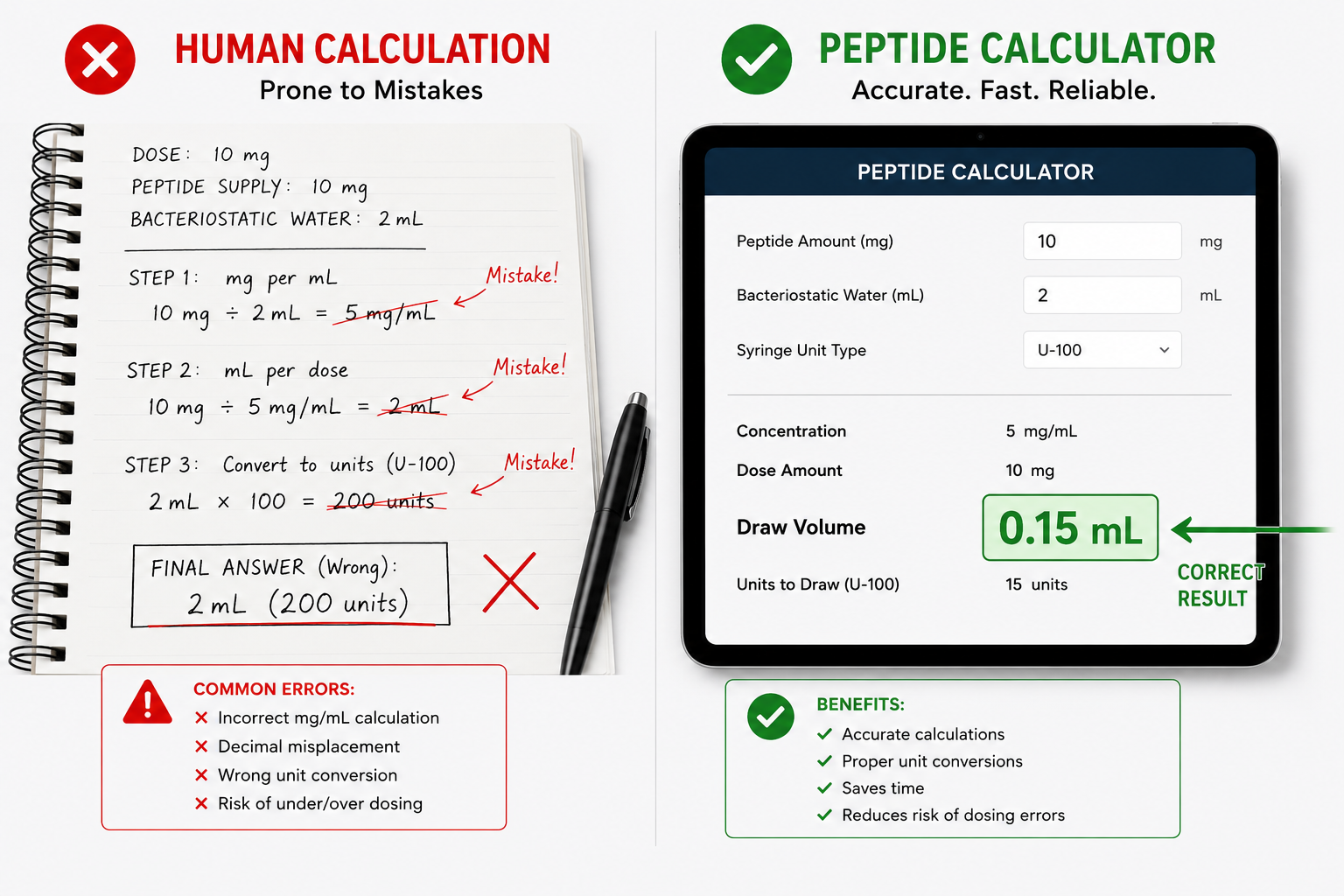
Understanding peptide COA verification is a foundational step before incorporating any blend into a formal study. Similarly, researchers should review peptide measurement standards to ensure accurate reconstitution and dosing in experimental protocols.
For those building broader metabolic or regenerative research panels, the top 5 research peptides for metabolic health guide offers useful comparative context for positioning either blend within a wider stack.
Choosing Between the Two Blends
The decision framework is relatively direct:
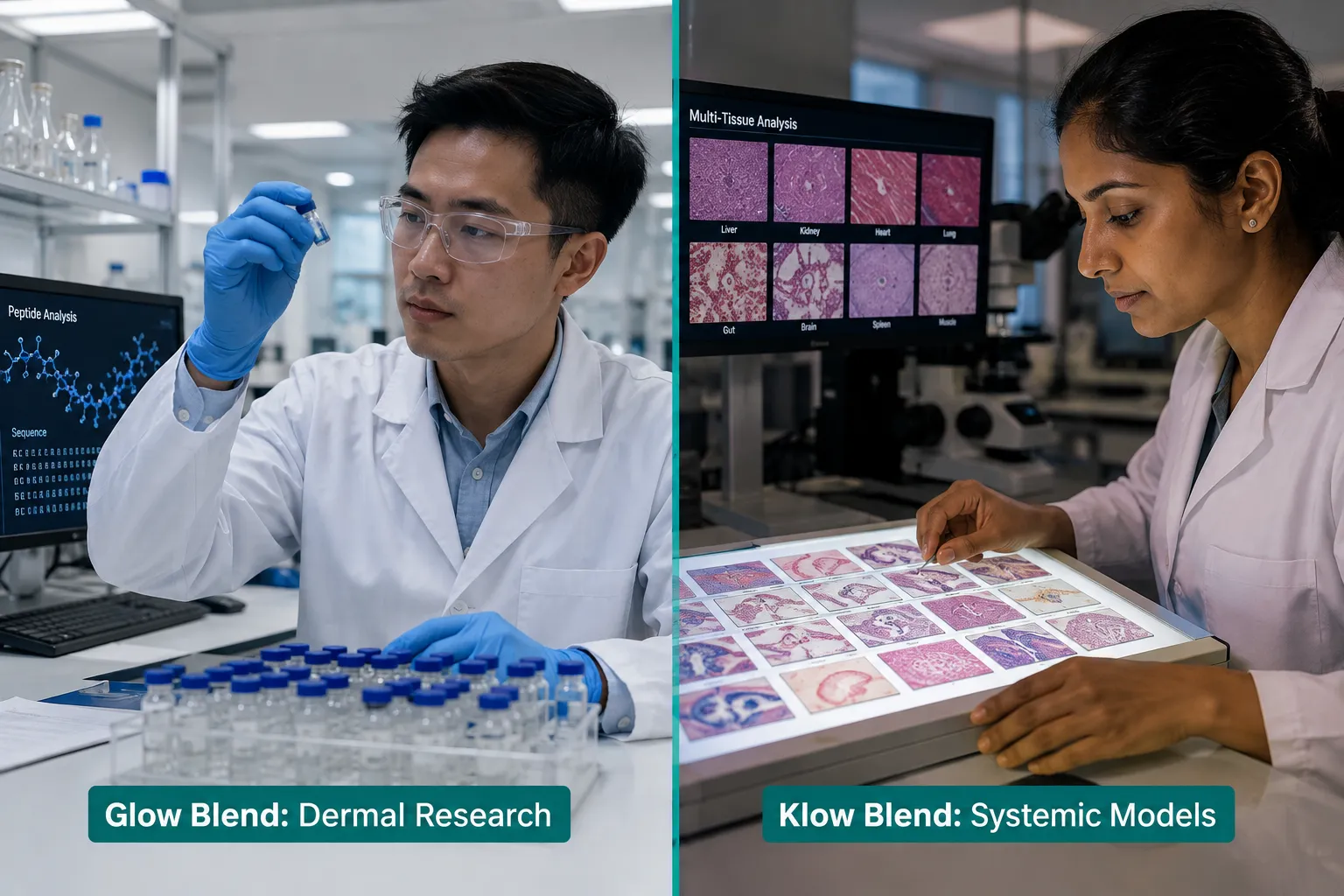
- Choose Glow Blend when the study is focused on dermal tissue, collagen dynamics, or wound repair, and when introducing an inflammatory variable (KPV) would confound results
- Choose Klow Blend when the study requires an anti-inflammatory component, involves gut or immune tissue models, or is designed to assess multi-system responses
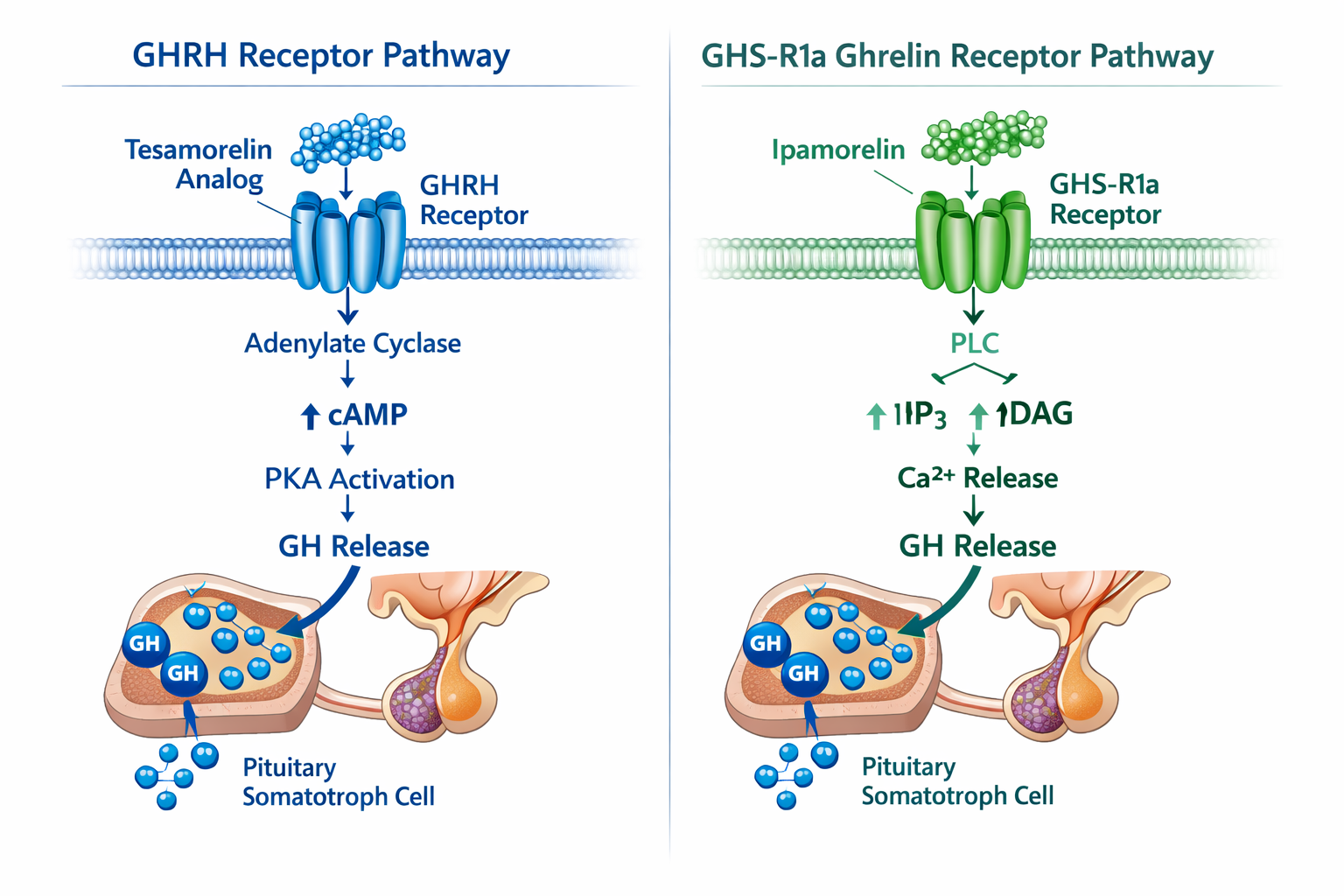
Researchers also exploring growth hormone secretagogue combinations, such as those detailed in the Tesamorelin CJC-1295 Ipamorelin 12mg Blend dosage guide, may find that either blend can serve as a complementary formulation depending on the study's primary endpoint.
Conclusion
The Glow Blend vs Klow Blend Peptides: Ingredient Comparison and Research Applications comparison ultimately comes down to one ingredient and one research intent. Both blends share a strong core of GHK-Cu, BPC-157, and TB-500. Klow Blend adds KPV, raises the total mass to 80 mg, and opens the door to inflammatory and systemic research models that Glow Blend is not designed to address.
Actionable next steps for researchers:
- Define the primary tissue target and whether inflammatory modulation is a study variable before ordering
- Request COA documentation from any vendor and verify third-party purity testing
- Review reconstitution and measurement protocols specific to multi-peptide blends
- Cross-reference with adjacent research literature on individual components before designing dosing protocols
- Consult the where to buy peptides resource to identify vendors with verified RUO-grade supply chains
Naming confusion between these two blends is real, but the underlying science is clear. Matching the formulation to the research question is the most important step any investigator can take before beginning a study.