Retatrutide 2026 Phase 3 Results: What the Latest Trial Data Means for GLP-3 Research
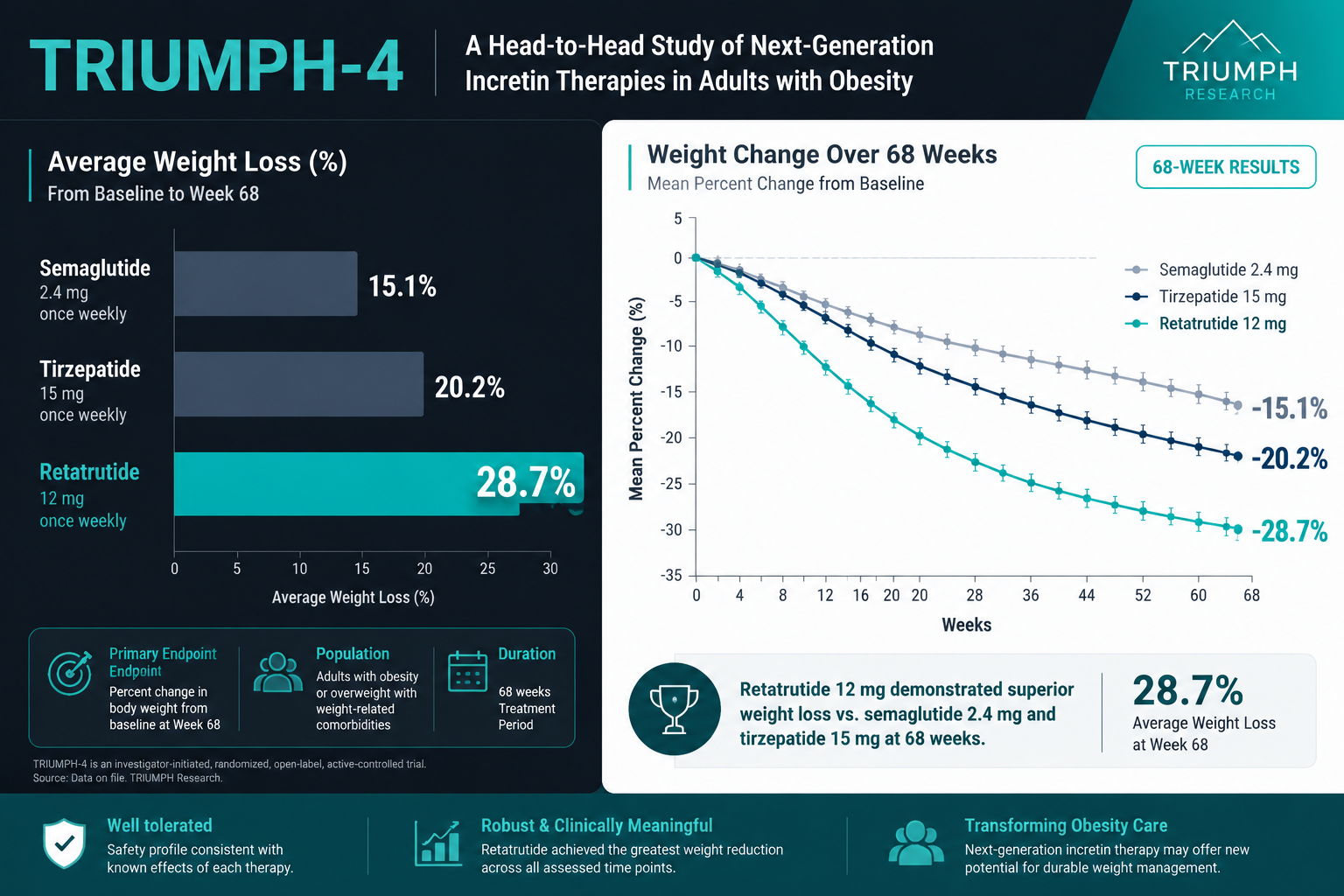
Obesity affects more than one billion people worldwide, yet until recently, pharmacologic treatments rarely achieved weight loss beyond 15 to 20 percent of body weight. The Retatrutide 2026 Phase 3 Results have changed that benchmark entirely, producing efficacy numbers that researchers once associated only with bariatric surgery. Understanding what this data means for GLP-3 and triple-agonist science is now one of the most pressing questions in metabolic medicine.
Key Takeaways
- Retatrutide's TRIUMPH-1 trial delivered unprecedented weight loss over 80 weeks, surpassing all prior pharmacologic benchmarks.
- Phase 3 data now spans obesity, type 2 diabetes, and musculoskeletal comorbidities, broadening the clinical picture significantly.
- Triple-receptor activation, targeting GLP-1, GIP, and glucagon receptors simultaneously, has been validated at scale for the first time.
- A meaningful adverse-event profile, particularly gastrointestinal, requires careful interpretation alongside the efficacy headlines.
- Regulatory decisions in 2026 remain optimistic but are not guaranteed; the commercialization path is still unfolding.
How Retatrutide Works: The Triple-Agonist Mechanism
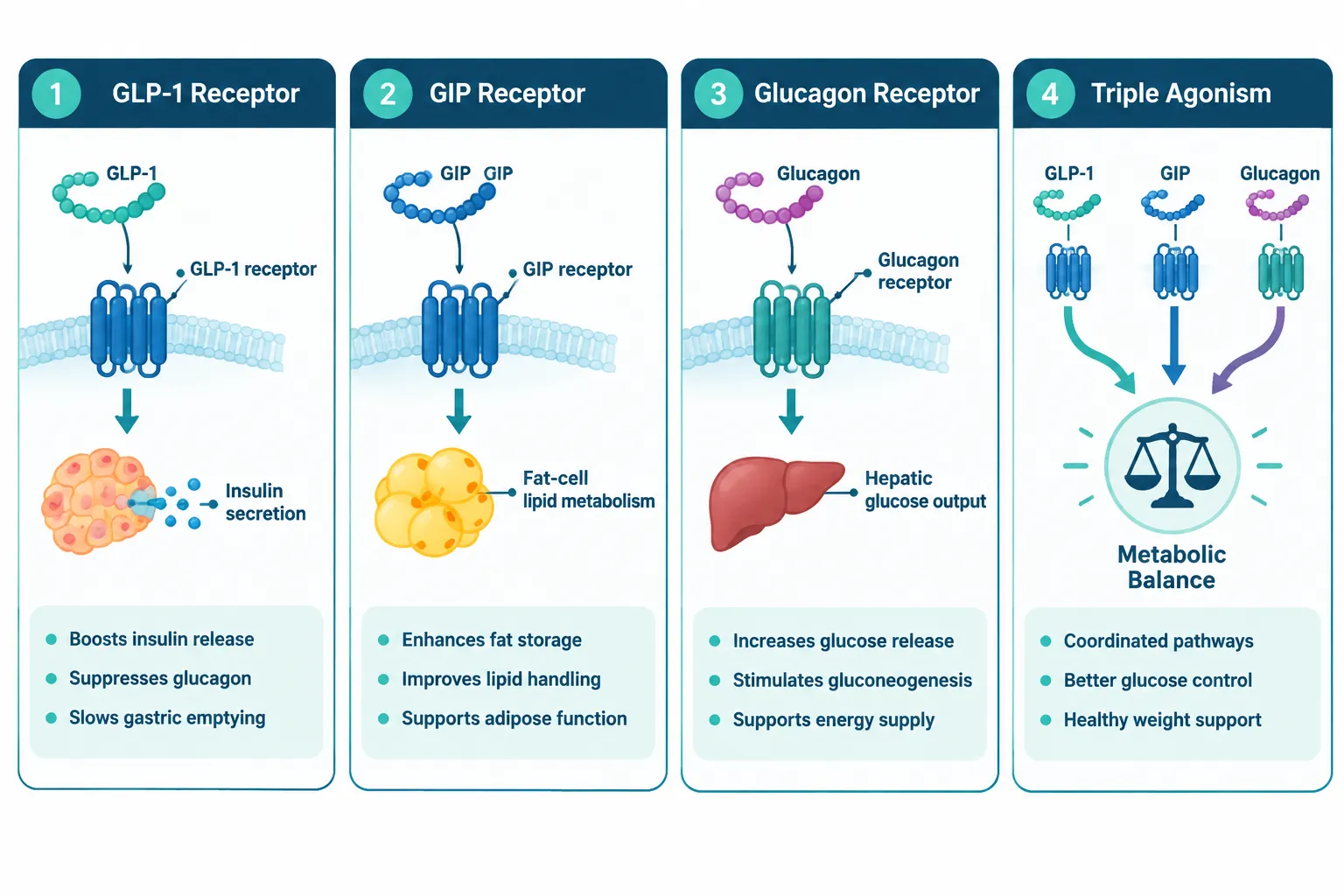
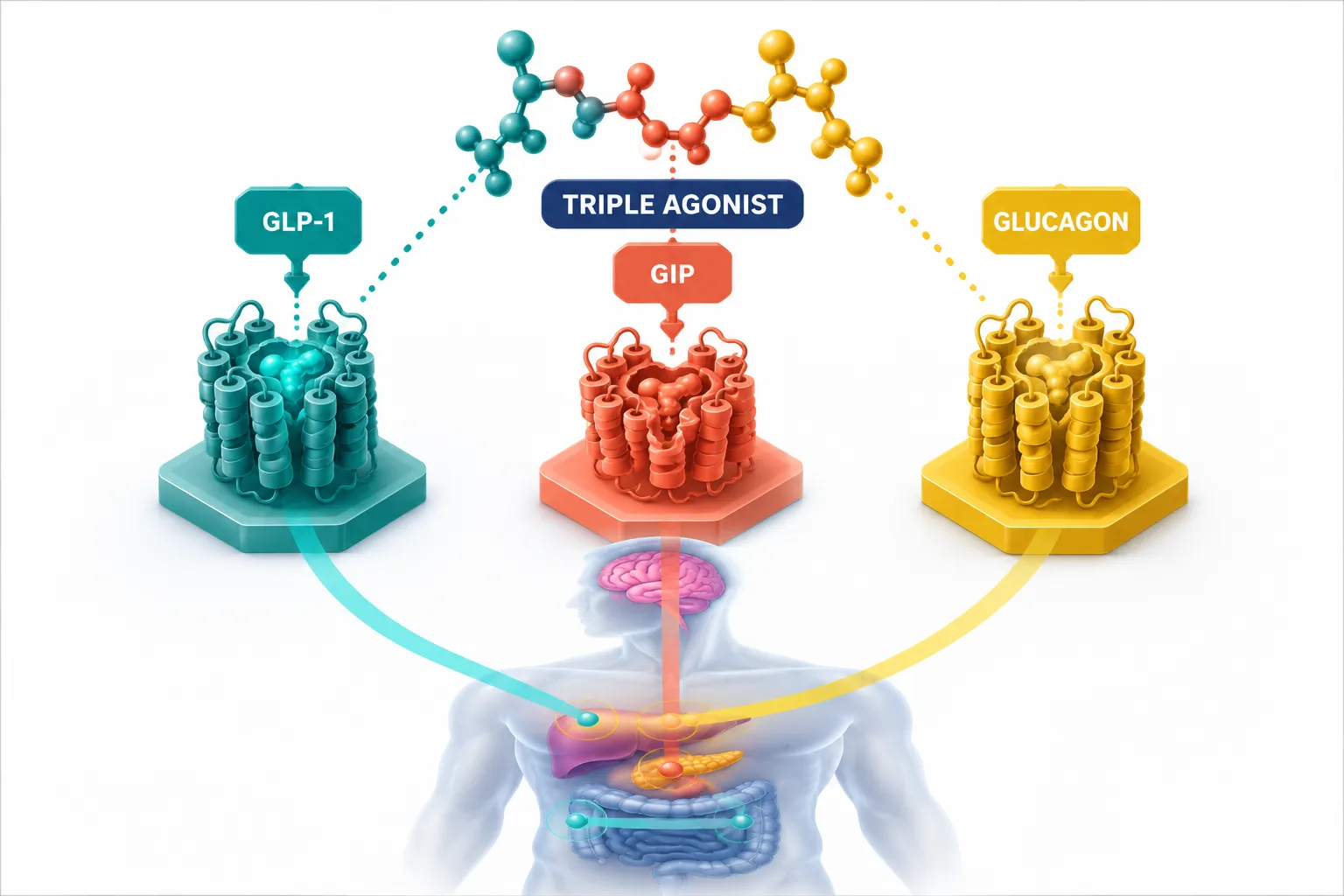
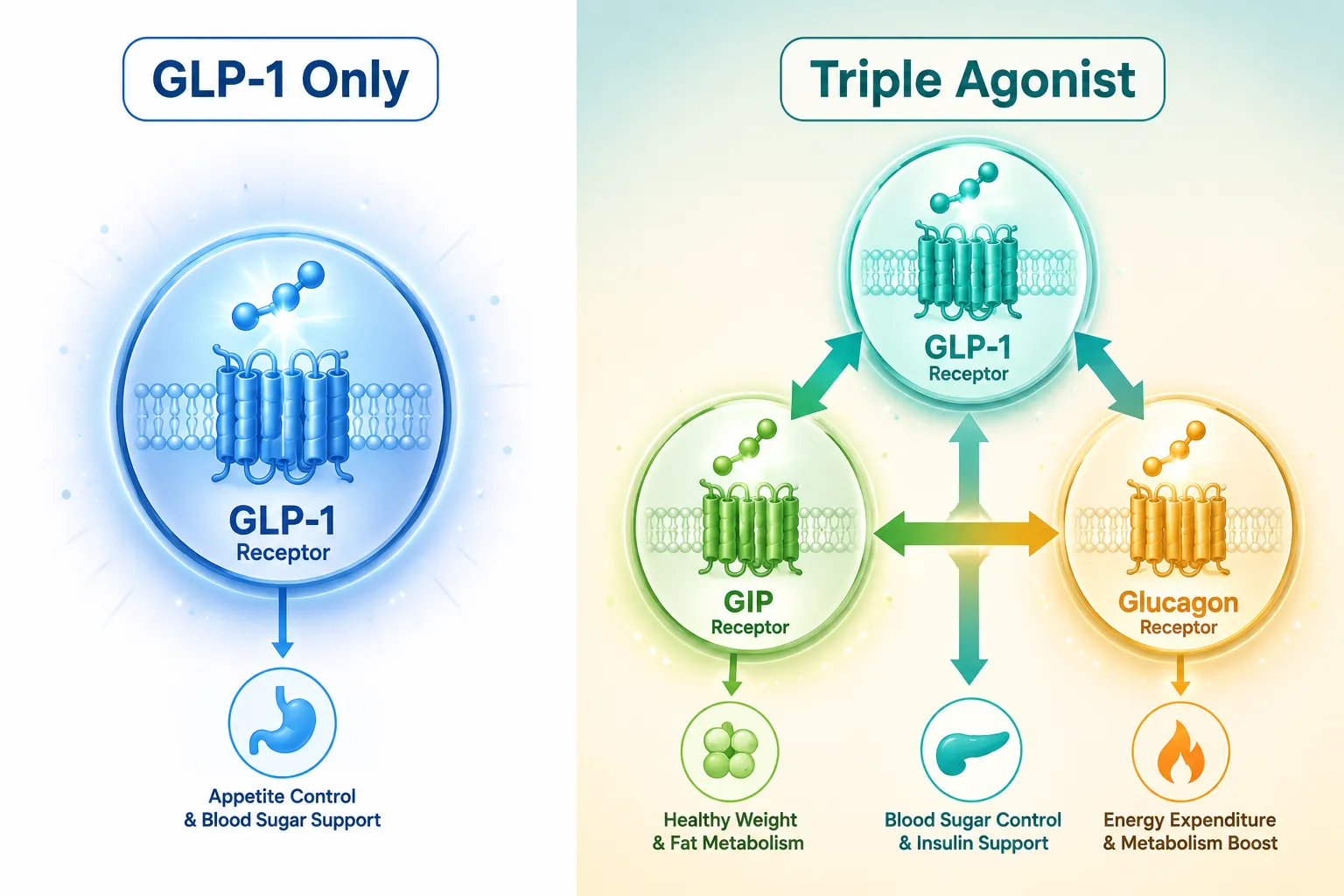
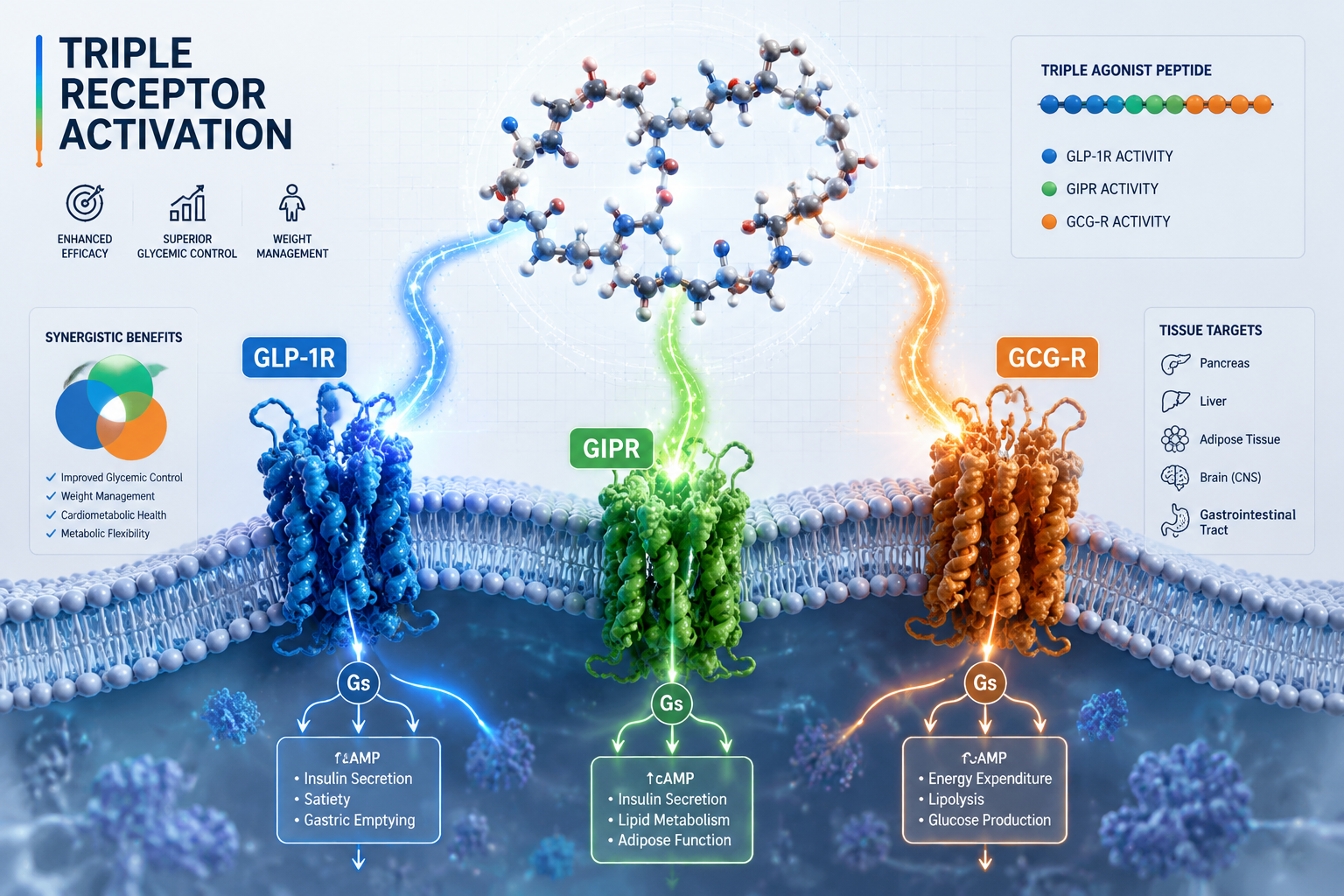
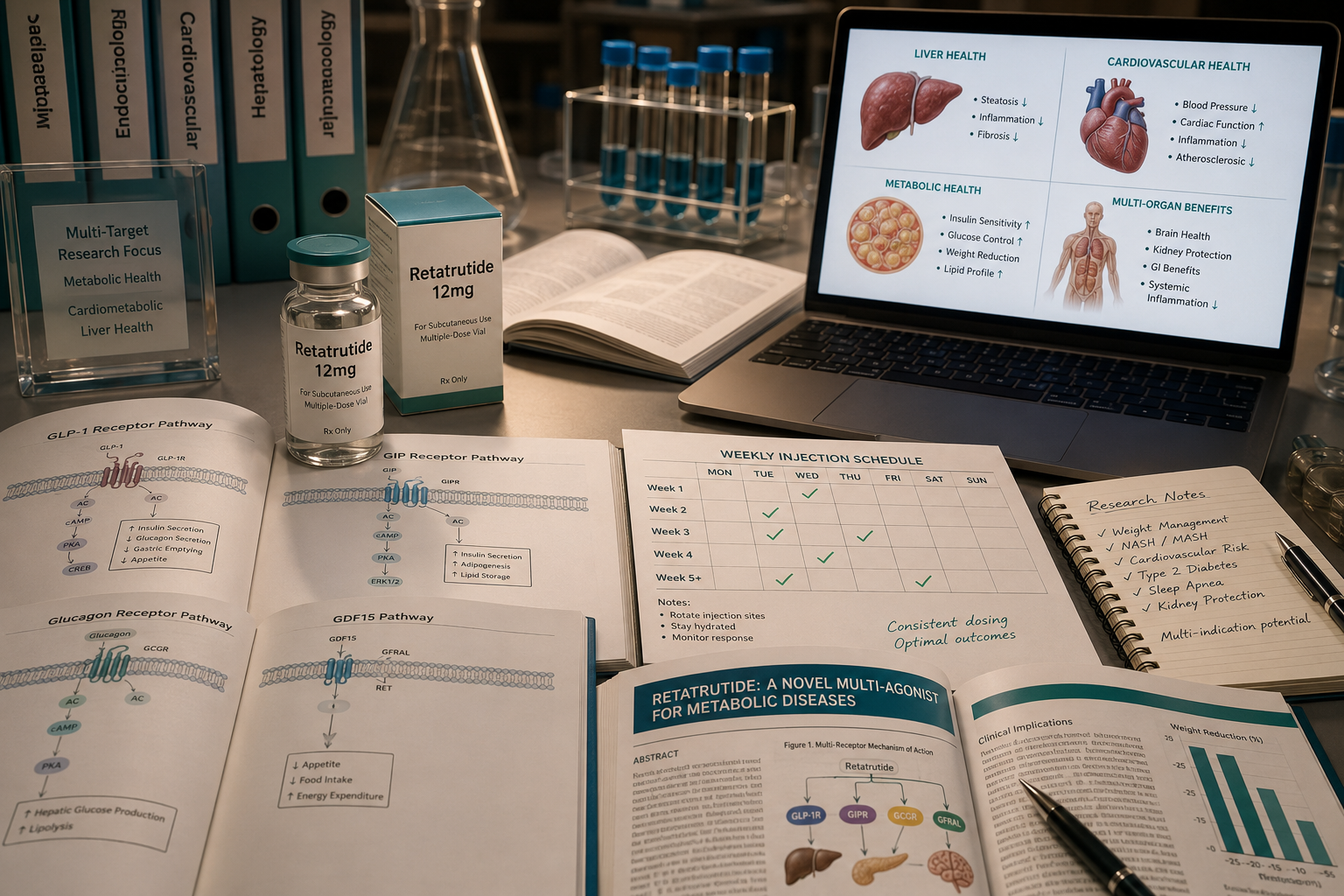
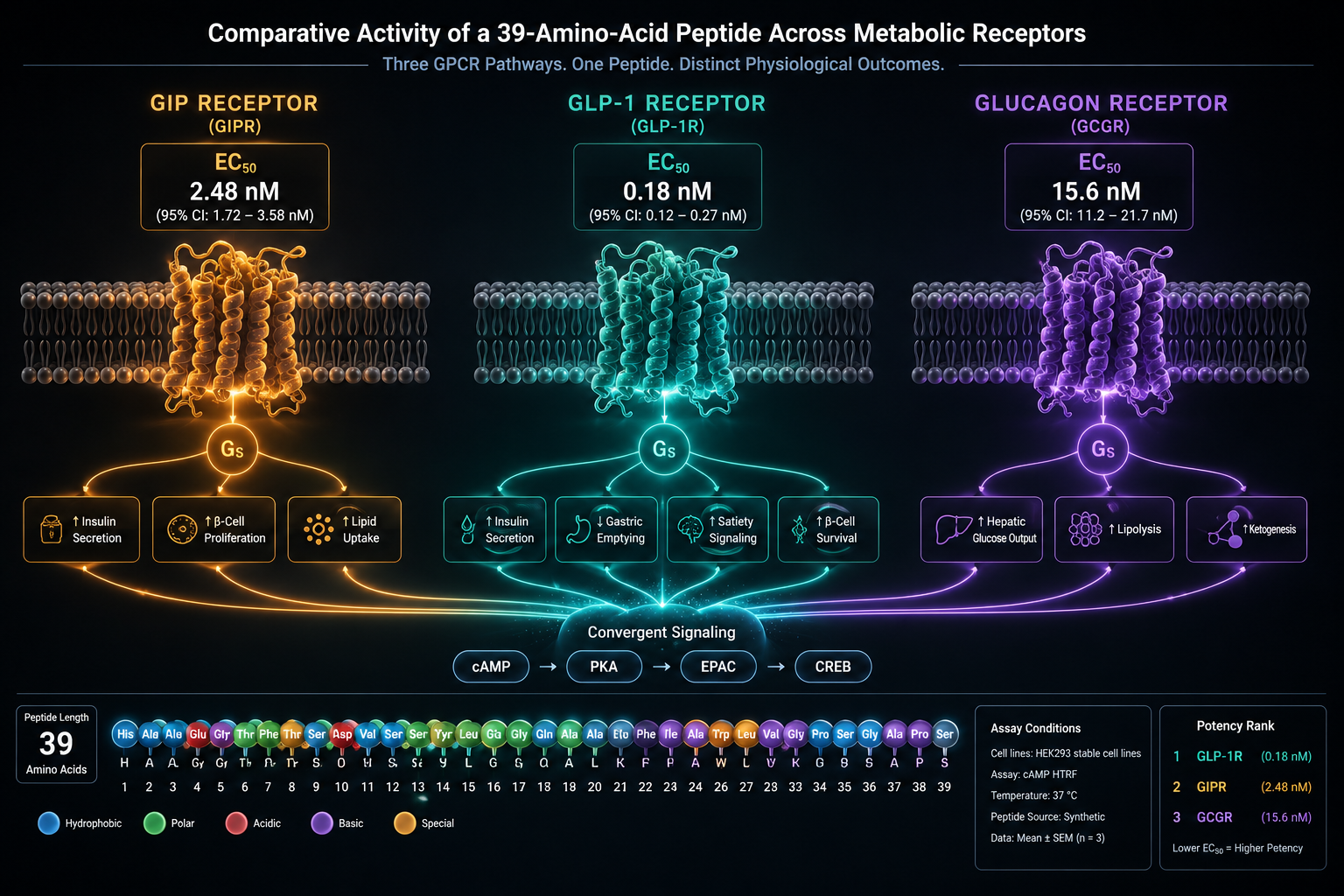
Retatrutide is a once-weekly injectable peptide that simultaneously activates three receptors: glucagon-like peptide-1 (GLP-1), glucose-dependent insulinotropic polypeptide (GIP), and glucagon. This triple-agonist profile distinguishes it from earlier agents like semaglutide (GLP-1 only) or tirzepatide (GLP-1 and GIP). By adding glucagon receptor activation, retatrutide boosts energy expenditure in addition to suppressing appetite and improving insulin sensitivity.
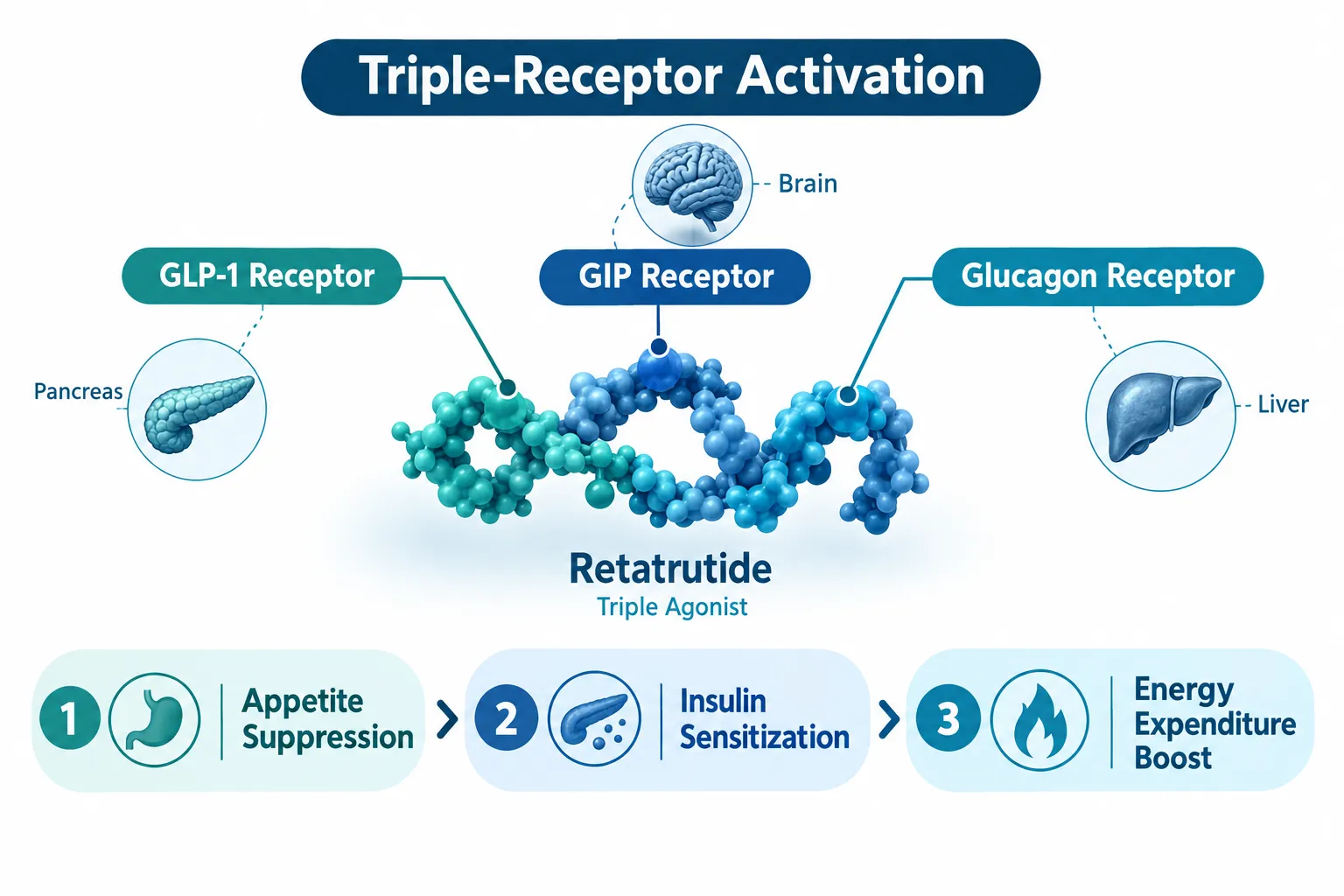
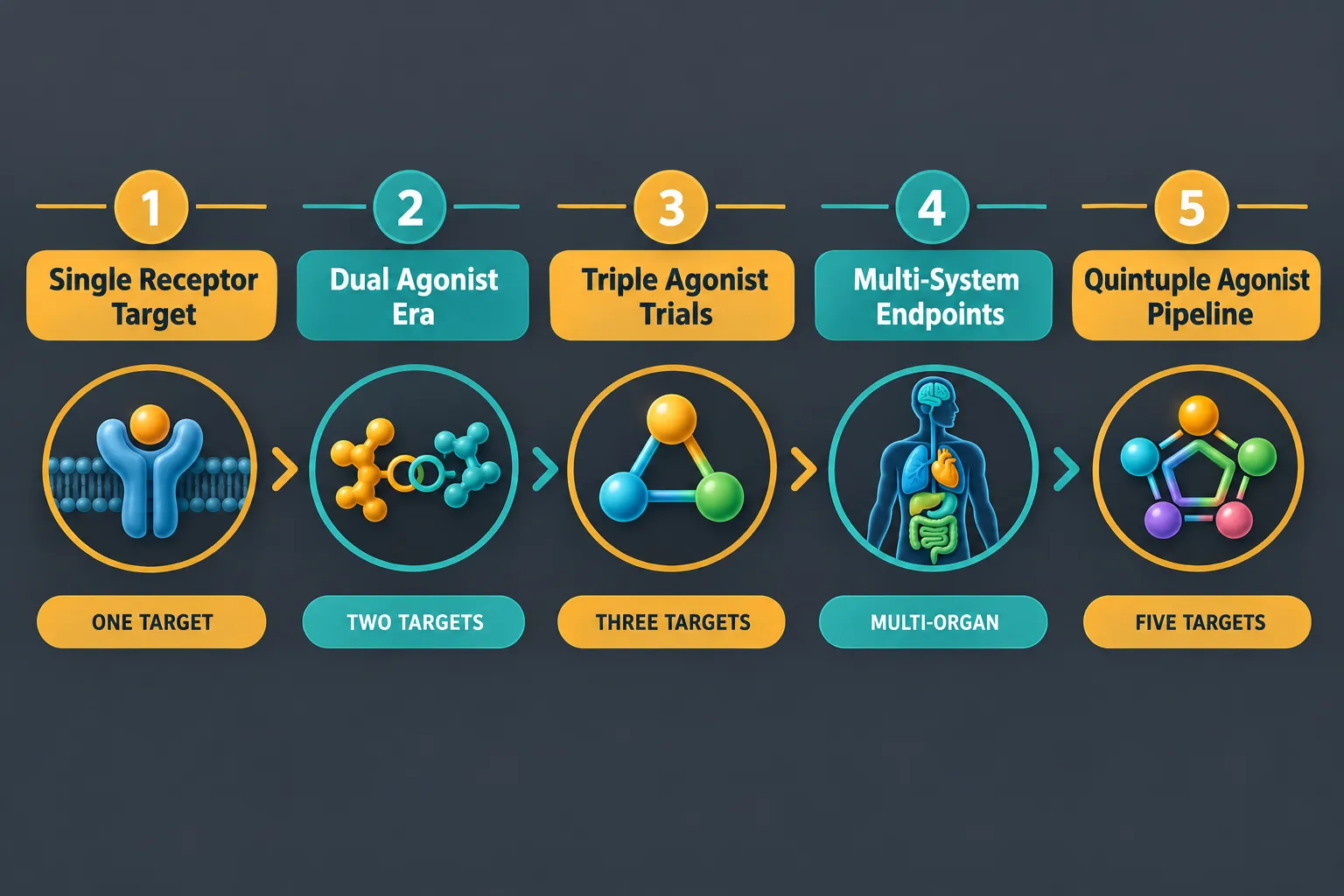
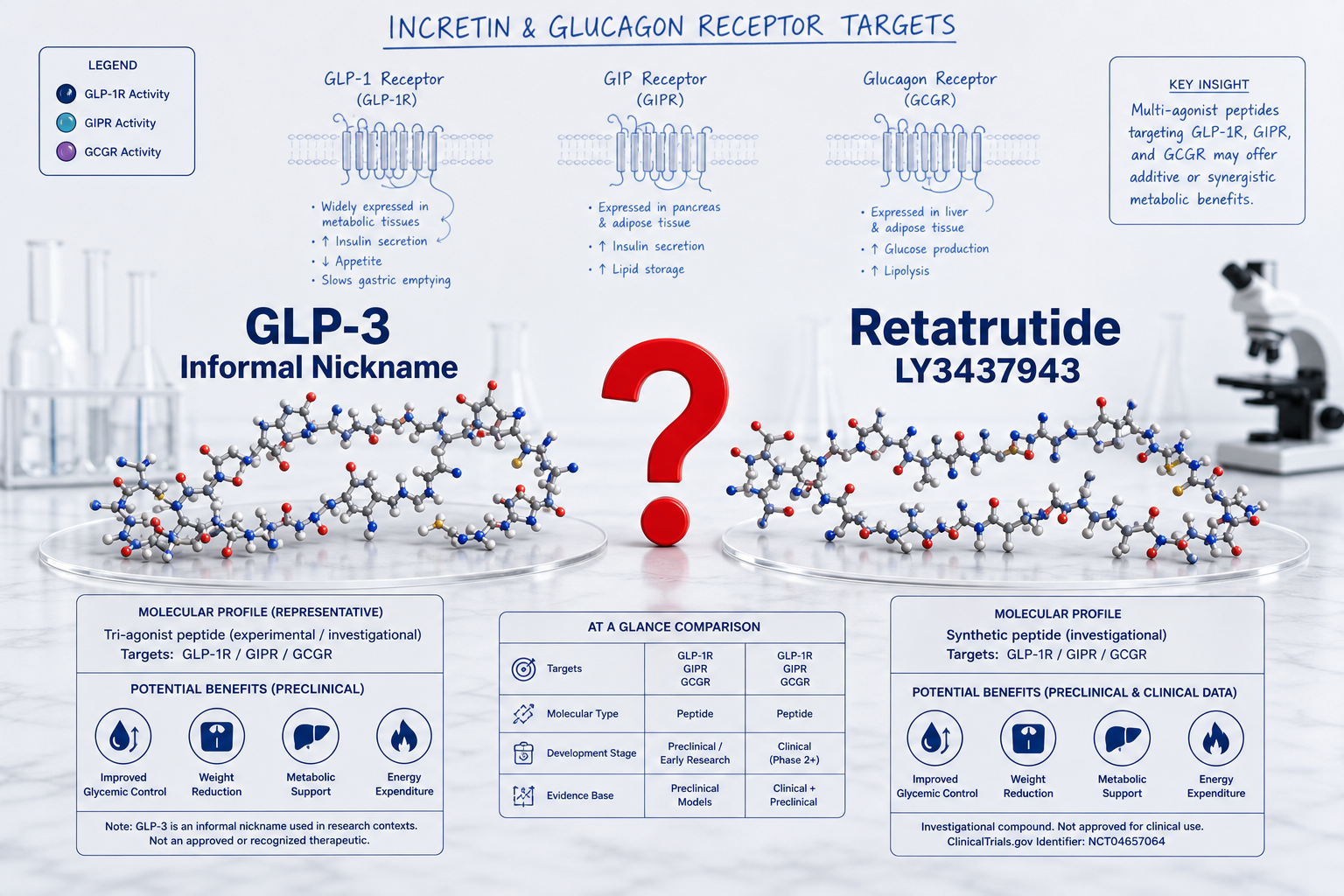
This multi-receptor strategy is the conceptual foundation of what researchers now call GLP-3 pharmacology, a term used informally to describe agents that go beyond the dual-agonist class. The Retatrutide 2026 Phase 3 Results represent the first large-scale human validation of this mechanism, moving it from Phase 2 hypothesis to Phase 3 proof.
Researchers interested in related peptide mechanisms can explore GLP-3 Reta 30mg research materials and Reta 10mg research resources for additional context on dosing formats studied in this class.
Breaking Down the TRIUMPH and TRANSCEND Phase 3 Trials
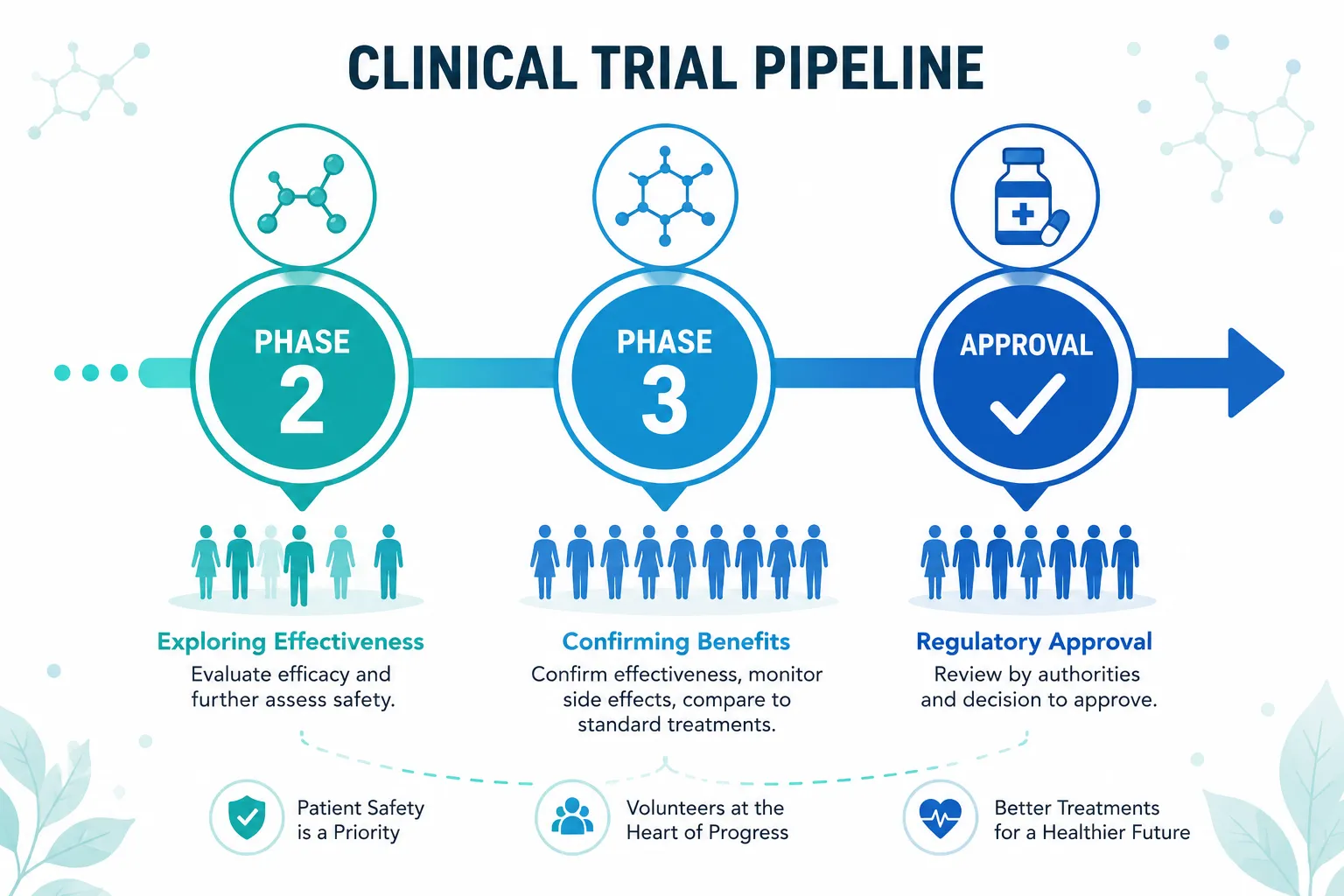
The Phase 3 program for retatrutide is structured across multiple trials, each targeting a distinct population or comorbidity profile.
TRIUMPH-1: The Headline Obesity Trial
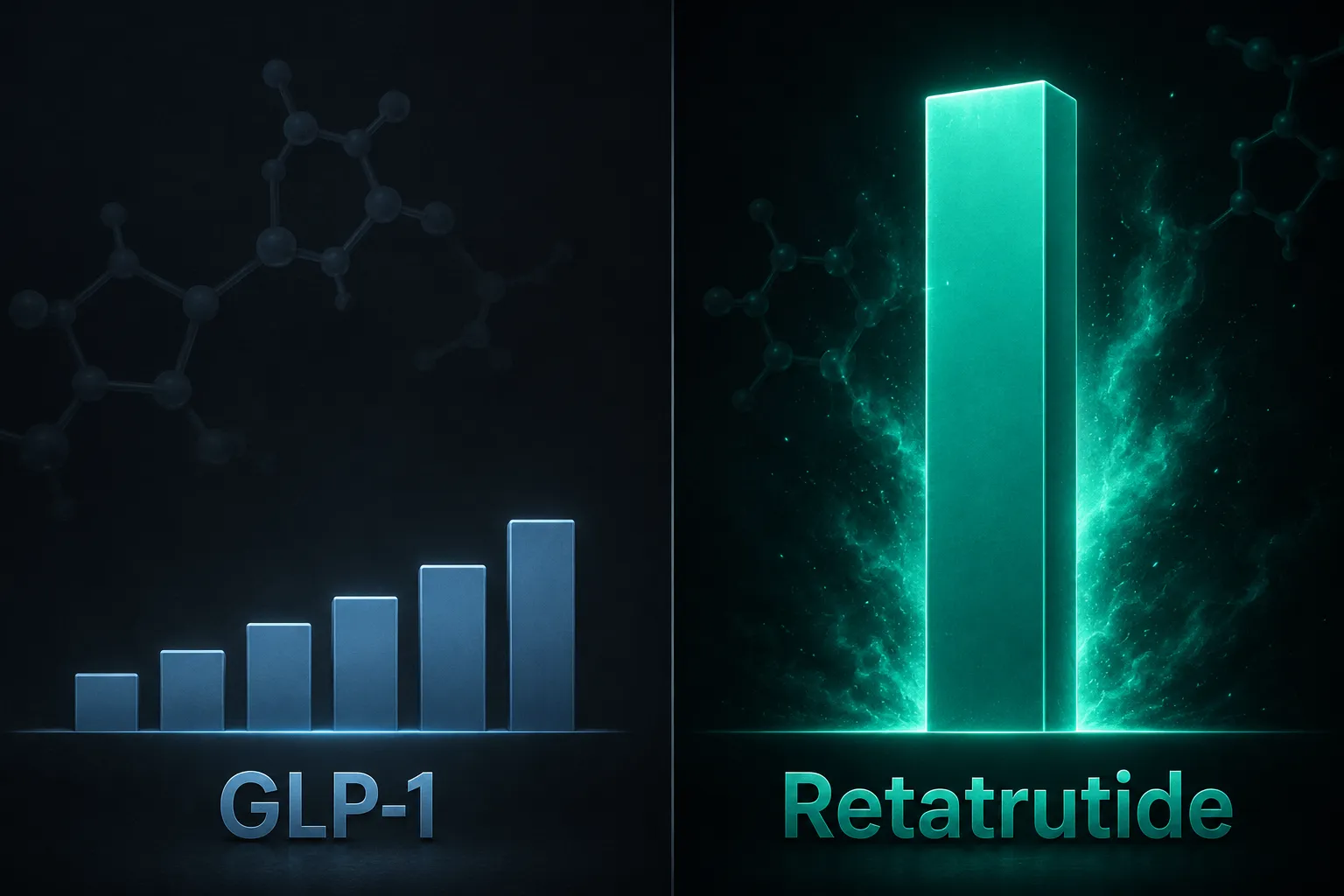
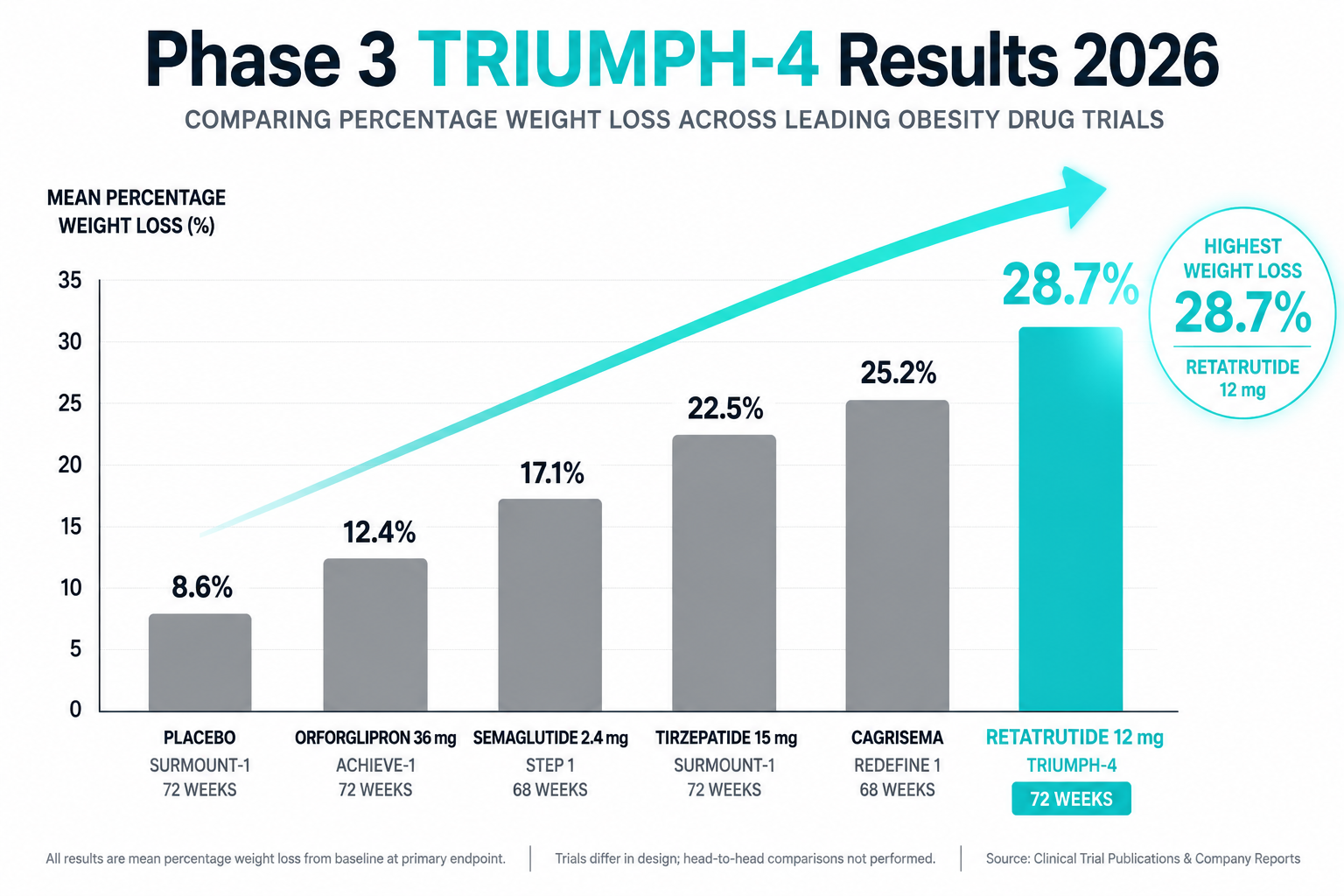
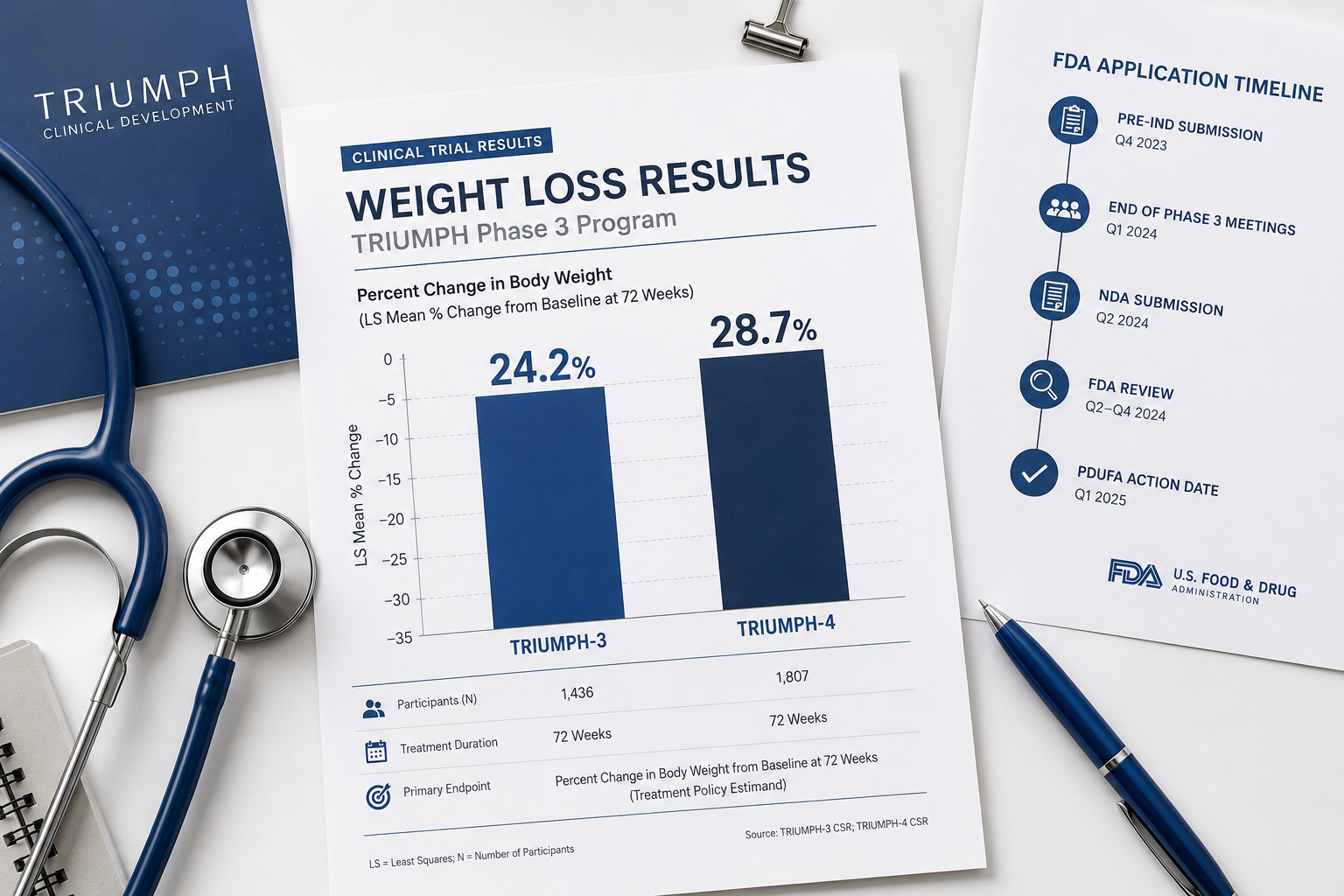
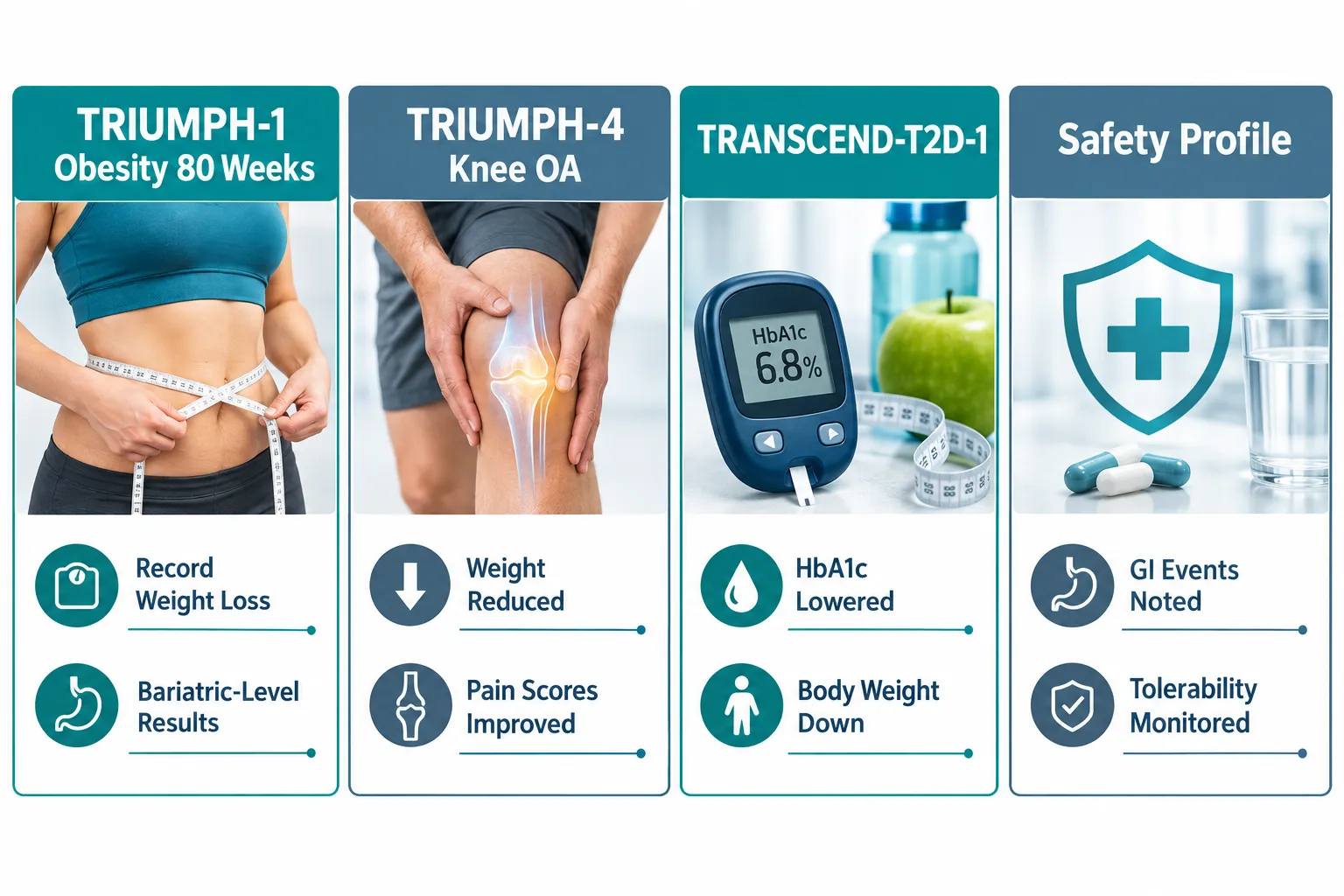
TRIUMPH-1 enrolled adults with obesity over an 80-week period, a notably longer horizon than most prior obesity trials. The results produced weight loss figures that crossed into what clinicians describe as "bariatric-level" territory, meaning reductions comparable to surgical interventions. This single data point has reshaped the ceiling for what pharmacologic treatment can achieve.
TRIUMPH-2 and TRIUMPH-3: Broadening the Evidence Base
These trials extended the obesity evidence across participants with varying comorbidities, including cardiovascular risk factors and metabolic syndrome. The consistency of weight loss outcomes across these populations strengthened the argument that retatrutide's efficacy is not limited to a narrow patient profile.
TRIUMPH-4: Weight Loss Meets Joint Health
TRIUMPH-4 is particularly notable. It enrolled patients with both obesity and knee osteoarthritis, a population where weight reduction directly correlates with pain relief and functional improvement. The dual benefit, meaningful weight loss alongside measurable reductions in pain scores, positions retatrutide as a potential disease-modifying agent for musculoskeletal conditions driven by excess weight.
TRANSCEND-T2D-1: Glycemic Efficacy in Type 2 Diabetes
The TRANSCEND-T2D-1 trial addressed type 2 diabetes specifically. Phase 3 data confirmed significant HbA1c reductions alongside substantial body weight loss, reinforcing that the glucagon receptor component does not compromise glycemic control, a concern raised in earlier mechanistic discussions.
For researchers examining how stacked peptide protocols compare, the IPA Sermorelin Stack Research page offers relevant context on multi-peptide research design.
Safety Profile, Industry Reaction, and What Comes Next
Adverse Events: The Full Picture
No Phase 3 dataset is complete without a serious look at tolerability. Retatrutide's adverse-event profile is dominated by gastrointestinal effects, nausea, vomiting, and diarrhea, consistent with the GLP-1 class broadly. However, the glucagon component introduces additional considerations around heart rate elevation and potential lean mass effects that researchers are monitoring closely. Efficacy is compelling, but it does not erase these signals.
| Trial | Primary Population | Key Outcome | Notable Safety Signal |
|---|---|---|---|
| TRIUMPH-1 | Obesity (80 weeks) | Bariatric-level weight loss | GI events, heart rate |
| TRIUMPH-4 | Obesity + knee OA | Weight loss + pain reduction | Consistent with class |
| TRANSCEND-T2D-1 | Type 2 diabetes | HbA1c reduction + weight loss | GI tolerability |
Expert and Industry Reaction in 2026
The metabolic research community has responded with measured enthusiasm. The consensus is that retatrutide establishes a new pharmacologic ceiling, but experts are careful to note that long-term cardiovascular outcome data, the kind that defines regulatory and prescribing confidence, is still maturing. Industry analysts in 2026 view a regulatory filing as imminent but not guaranteed to move quickly through review.
Implications for GLP-3 Research
The Retatrutide 2026 Phase 3 Results validate the core premise of triple-agonist research: that adding glucagon receptor activation to a GLP-1/GIP backbone produces meaningfully superior outcomes. This has accelerated interest in the broader GLP-3 research space and is driving investment into next-generation molecules that may refine the receptor balance further.
Researchers exploring this compound can review available Reta 20mg for sale and GLP3 Reta CAG 10mg for sale research formats, as well as the buy Reta peptide resource page for procurement information relevant to preclinical study contexts.
For those studying complementary mitochondrial and metabolic pathways, the SS-31 mitochondrial research themes resource provides useful mechanistic background on energy metabolism at the cellular level.

Unanswered Questions
Several critical gaps remain:
- Long-term cardiovascular outcomes: No dedicated CVOT data has been published for retatrutide yet.
- Lean mass preservation: Whether the weight lost is predominantly fat or includes significant muscle loss requires further characterization.
- Durability after discontinuation: Weight regain patterns post-treatment remain under study.
- Optimal dosing architecture: The Phase 3 program used specific titration schedules; real-world dosing flexibility is untested.
Conclusion
The Retatrutide 2026 Phase 3 Results represent a genuine inflection point in metabolic pharmacology. TRIUMPH-1's bariatric-level weight loss, TRIUMPH-4's dual benefit in osteoarthritis, and TRANSCEND-T2D-1's glycemic efficacy together confirm that triple-receptor activation is not a theoretical advantage, it is a measurable clinical reality.
Actionable next steps for researchers and clinicians:
- Monitor regulatory agency communications closely, as a filing decision is expected within the current review cycle.
- Prioritize review of the full safety dataset, not just the efficacy headlines, before drawing clinical conclusions.
- Track lean mass and cardiovascular outcome sub-analyses as they are published from the TRIUMPH program.
- Engage with the GLP-3 research literature now, as the field is moving rapidly and foundational papers are accumulating.
- Consider how comorbidity-specific trial designs, like TRIUMPH-4, may inform future research protocols in musculoskeletal and metabolic overlap conditions.
Retatrutide has set a new standard. The research community's task now is to understand exactly what that standard costs, who benefits most, and how to build on it responsibly.