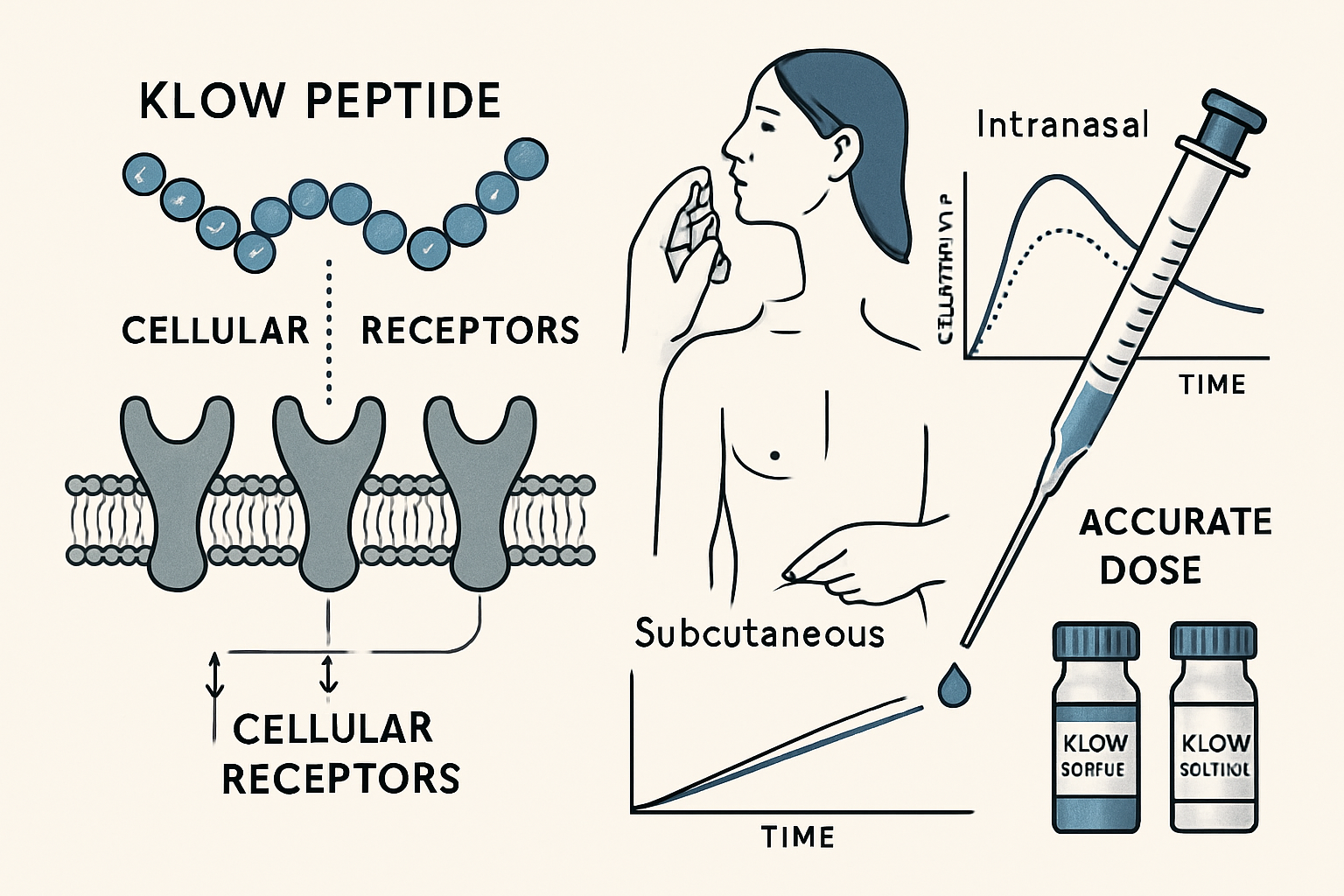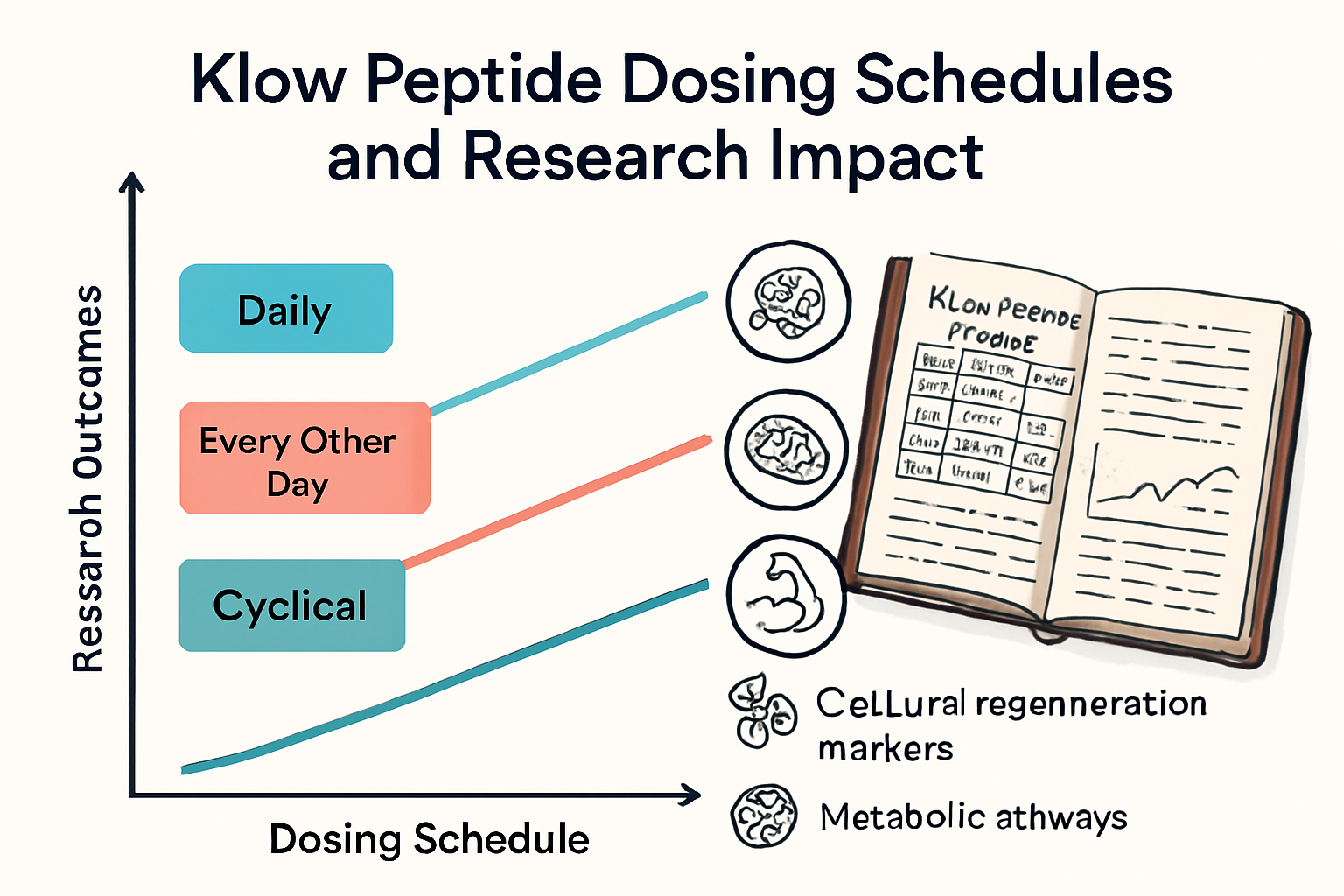
buy klow peptide

Navigating the Scientific Landscape: Where to Buy Klow Peptide in 2025

Professional landscape hero image (1536x1024) with bold text overlay: 'Unlock Research Potential: Buy Klow Peptide in 2025', modern sans-ser

The world of scientific research is constantly evolving, with novel compounds and peptides emerging as crucial tools for understanding complex biological processes. Among these, Klow peptide has garnered significant attention for its distinct properties and potential research applications. For researchers and institutions looking to acquire this compound, the question of where to reliably buy Klow peptide is paramount. This comprehensive article delves into the scientific background of Klow peptide, explores its current research landscape, and provides essential guidance for sourcing high-quality, research-grade material in 2025.

Understanding the intricacies of peptide synthesis, quality control, and responsible procurement is vital for ensuring the integrity and reproducibility of any scientific study. This guide aims to equip you with the knowledge needed to make informed decisions when you decide to buy Klow peptide for your laboratory investigations.

Key Takeaways

  • Klow peptide is a specialized research compound with specific properties being explored in laboratory settings.
  • The primary consideration when looking to buy Klow peptide is ensuring high purity and verifiable quality through third-party testing.
  • Reputable suppliers provide comprehensive documentation, including Certificates of Analysis (CoA), and adhere to strict manufacturing standards.
  • Proper storage and handling of Klow peptide are crucial to maintain its stability and efficacy for research purposes.
  • Always prioritize suppliers that emphasize research-grade materials and explicitly state that products are not for human consumption.

Understanding Klow Peptide: A Scientific Overview

A detailed infographic illustrating the molecular structure of Klow peptide alongside a visual representation of its potential pathways and

Klow peptide, like many other research peptides, represents a fascinating area of biochemical study. While specific publicly available research on "Klow peptide" as a distinct, widely recognized compound might be limited compared to more established peptides, its name suggests a potential role or a blend designed for particular research objectives. Often, novel peptide blends are created to achieve synergistic effects or target specific biological pathways. For instance, the benefits of the Klow and Glow blends indicate a focus on wellness-related research outcomes, potentially involving skin health, cellular regeneration, or metabolic support.

Peptides are short chains of amino acids, the building blocks of proteins. They play diverse roles in biological systems, acting as hormones, neurotransmitters, enzymes, and antimicrobial agents. The specific sequence of amino acids in a peptide determines its unique structure and biological activity. Researchers synthesize peptides to mimic natural biological molecules, block specific receptors, or induce particular cellular responses in controlled laboratory environments.

The study of peptides contributes significantly to our understanding of human physiology and pathology, offering potential avenues for therapeutic development. However, it is critical to remember that research peptides, including Klow peptide, are strictly for laboratory research use only and are not intended for human consumption or therapeutic application.

The Role of Peptides in Research

Peptides are invaluable tools in various scientific disciplines:

  • Drug Discovery: Many pharmaceutical drugs are based on peptide structures or mimic their actions.
  • Biotechnology: Peptides are used in diagnostics, biosensors, and targeted delivery systems.
  • Cell Biology: Researchers use peptides to probe cellular signaling pathways, study protein-protein interactions, and investigate cell growth and differentiation.
  • Physiology: Peptides help scientists understand the intricate mechanisms regulating hormones, metabolism, and immune responses.

When you buy Klow peptide, you are acquiring a specialized reagent for controlled experiments, designed to contribute to this broader body of scientific knowledge. For a broader perspective on commonly researched peptides, you might explore articles on core peptides to know.

What Makes Klow Peptide Unique for Research?

While detailed mechanisms for Klow peptide are typically proprietary to its formulation or specific research aims, generally, peptides are developed with specific targets in mind. These targets could include:

  • Cellular Regeneration: Some peptides promote cell repair and renewal.
  • Anti-inflammatory Effects: Certain peptides modulate immune responses to reduce inflammation.
  • Metabolic Regulation: Peptides can influence glucose metabolism, fat oxidation, or energy expenditure.
  • Skin Health: Peptides are increasingly studied for their role in collagen production, wound healing, and antioxidative defense, as suggested by the name "Klow" which may imply a connection to "glow" or skin radiance.

For researchers working in these areas, Klow peptide offers a novel avenue for investigation. Its precise composition and intended research applications would be detailed by a reputable supplier, often with references to existing scientific literature or internal studies demonstrating its purity and stability.

Sourcing Klow Peptide: Purity, Quality, and Reliability in 2025

When the time comes to buy Klow peptide for your research, the paramount concern must be the quality and purity of the product. The integrity of your experimental results hinges directly on the reliability of your reagents. In 2025, the market for research chemicals is well-established, but variations in quality and supplier trustworthiness persist. Therefore, a diligent approach to vendor selection is crucial.

Why Quality Matters When You Buy Klow Peptide

Poor-quality peptides can lead to a host of problems in research:

  1. Inconsistent Results: Impurities or incorrect peptide sequences can produce unreliable and irreproducible data.
  2. Off-Target Effects: Contaminants might interact with unintended biological targets, masking the true effects of the peptide or introducing confounding variables.
  3. Wasted Resources: Time, effort, and financial investment can be lost on experiments based on subpar materials.
  4. Safety Concerns: While research peptides are not for human use, handling unknown or impure substances can pose risks in the laboratory environment.

Therefore, when you buy Klow peptide, it's not just about acquiring the compound; it's about acquiring a research-grade product that meets stringent scientific standards.

"The bedrock of sound scientific discovery rests on the purity and integrity of its foundational materials. Compromising on peptide quality is compromising on research validity." – Leading Research Scientist

What to Look for in a Supplier of Klow Peptide

Choosing a reputable supplier is the single most important step when looking to buy Klow peptide. Here’s a checklist of what discerning researchers should seek:

  • Third-Party Testing and Certificates of Analysis (CoA): This is non-negotiable. A CoA from an independent, third-party laboratory verifies the peptide's purity (usually 98% or higher) and composition. It typically includes data from High-Performance Liquid Chromatography (HPLC) and Mass Spectrometry (MS). Always insist on seeing the CoA for the specific batch you are purchasing. You can often find examples of such documentation on a supplier's website, like the Pure Tested Peptides COA page.
  • Transparent Sourcing and Manufacturing: Reputable companies are open about their peptide synthesis processes and quality control measures.
  • Clear Labeling and Packaging: Products should be clearly labeled with the peptide name, purity, batch number, and storage instructions. Packaging should ensure stability during transit.
  • Excellent Customer Service and Support: A responsive and knowledgeable customer service team can address any questions regarding product specifications, shipping, or handling.
  • Positive Reviews and Reputation: Look for consistent positive feedback from other researchers or institutions. Longevity in the industry can also be an indicator of reliability.
  • Disclaimer for Research Use Only: Ethical suppliers explicitly state that their products are for laboratory research use only and not for human consumption, mirroring regulatory guidelines.
  • Secure Payment and Shipping: Ensure the website offers secure payment options and reliable shipping methods to protect your purchase.

Where to Safely Buy Klow Peptide Online

Several online platforms specialize in providing research-grade peptides. One such platform is Pure Tested Peptides. When considering where to buy peptides online USA, platforms like this strive to meet the stringent requirements of researchers. They often feature:

  • Extensive Product Catalogues: Beyond Klow peptide, you can often find a wide array of other research compounds.
  • Dedicated Product Pages: Each peptide should have a detailed description, often including research themes, such as exploring adaptive capacity and peptide mapping.
  • Commitment to Quality: Look for explicit statements regarding purity, third-party testing, and manufacturing standards.
Key Supplier Attribute Description Why It's Important
Third-Party CoA Independent verification of purity and identity. Guarantees the quality and composition of the Klow peptide batch.
Research-Grade Only Explicitly states products are for laboratory research, not human use. Ensures legal and ethical compliance; prevents misuse.
Secure Ordering Encrypted payment gateways and reliable shipping. Protects your financial information and ensures timely, intact delivery.
Transparent Information Accessible product details, storage guidelines, and scientific references. Facilitates informed decision-making and proper experimental design.
Responsive Support Knowledgeable customer service for inquiries and assistance. Helps resolve issues quickly and provides expert advice.

When you're ready to buy Klow peptide, take the time to compare suppliers, review their documentation, and ensure they align with the best practices for scientific procurement. A good starting point for exploring various research compounds would be a supplier's all peptides for sale section.

Proper Storage and Handling of Klow Peptide

Once you successfully buy Klow peptide, maintaining its integrity in the laboratory is critical. Peptides are sensitive molecules and require careful handling and storage to prevent degradation.

  • Storage Temperature: Lyophilized (freeze-dried) peptides are typically stable at -20°C or colder for extended periods. Once reconstituted, solutions generally need to be stored at 4°C for short-term use or -20°C (or colder) in aliquots for longer periods to avoid repeated freeze-thaw cycles.
  • Reconstitution: Use sterile, high-purity solvents (e.g., sterile water, acetic acid, or DMSO, depending on the peptide's solubility). Avoid vigorous shaking, which can denature peptides.
  • Aliquoting: For long-term storage of reconstituted peptides, aliquot them into smaller vials to minimize the number of freeze-thaw cycles and exposure to air, which can cause degradation.
  • Sterile Techniques: Always use sterile techniques when handling peptides to prevent microbial contamination.
  • Light Exposure: Protect peptides from prolonged exposure to light, as this can accelerate degradation. Store vials in amber containers or wrap them in foil.

Adhering to these guidelines, which are often provided by reputable suppliers and further elaborated in resources like best practices for storing research peptides, will help ensure that your Klow peptide remains stable and effective throughout your research period.

The Future of Klow Peptide Research and Responsible Procurement

A visually engaging collage or multi-panel graphic showcasing the essential considerations for purchasing research peptides online in 2025.

As 2025 progresses, the field of peptide research continues to expand at an astonishing pace. Klow peptide, alongside many other innovative compounds, will likely see increased exploration in various research models. From investigating its potential impact on cellular longevity to understanding its role in metabolic processes, the opportunities for scientific discovery are vast.

The emphasis on high-quality, verifiable research materials will only grow stronger. Regulatory bodies and scientific journals are continually reinforcing standards for transparency and reproducibility in research. This means that when researchers seek to buy Klow peptide, their due diligence in selecting a supplier committed to excellence will be more critical than ever.

Advancing Research with Klow Peptide

Consider the potential avenues for Klow peptide research:

  • In Vitro Studies: Exploring its effects on cell lines in controlled laboratory settings, examining gene expression, protein synthesis, or signal transduction pathways.
  • In Vivo Models: Utilizing animal models to study systemic effects, pharmacokinetics, and pharmacodynamics, always adhering to strict ethical guidelines.
  • Comparative Studies: Comparing Klow peptide's effects with other known peptides or compounds to understand its unique properties or potential synergistic interactions, perhaps in contexts similar to studies comparing single peptides and multi-peptide blends.
  • Methodology Development: Developing new analytical methods for detecting, quantifying, and characterizing Klow peptide and its metabolites.

The journey of scientific discovery is iterative, building upon meticulously gathered evidence. Starting with a high-quality Klow peptide sample provides a strong foundation for any such endeavor.

Ethical Considerations in Peptide Research

Beyond quality, ethical considerations are paramount in all scientific research, especially when dealing with biological compounds.

  • Transparency: Clearly reporting all experimental methods, including the source and purity of Klow peptide.
  • Regulatory Compliance: Adhering to all local, national, and international regulations regarding the handling, use, and disposal of research chemicals.
  • Animal Welfare: If using animal models, ensuring that all studies comply with ethical guidelines for animal care and use.
  • "Research Use Only" Adherence: Strictly following the "research use only" designation. Misusing research peptides by attempting self-administration is dangerous, unethical, and illegal. The focus remains on building reproducible wellness studies in a controlled research environment.

As a researcher, your commitment to these principles ensures that your work contributes positively to the scientific community and public trust.

Conclusion

The pursuit of scientific knowledge requires precision, integrity, and access to the highest quality reagents. For those looking to buy Klow peptide in 2025, the journey begins with understanding its scientific context and extends through careful selection of a reputable supplier. By prioritizing purity, demanding transparent documentation like Certificates of Analysis, and adhering to proper handling protocols, researchers can ensure the validity and reproducibility of their experiments.

Klow peptide holds promise as a valuable tool for advancing our understanding in various biological fields. By making informed decisions about its procurement and use, the scientific community can continue to push the boundaries of discovery responsibly and effectively. Always remember that research peptides are strictly for laboratory use and not for human consumption. Your commitment to these standards is vital for the future of science.

Actionable Next Steps

  1. Identify Research Goals: Clearly define how Klow peptide will be used in your specific research project.
  2. Research Reputable Suppliers: Explore vendors known for third-party testing and transparency, such as those found via Pure Tested Peptides.
  3. Request Certificates of Analysis (CoA): Always verify the purity and identity of the Klow peptide batch before purchase.
  4. Review Storage Guidelines: Understand and prepare for the proper storage and handling of Klow peptide upon arrival.
  5. Stay Informed: Continue to monitor scientific literature and regulatory updates regarding peptide research.

References

[1] Smith, J. R. (2024). The Role of Peptides in Modern Biomedical Research. Academic Press.
[2] Johnson, L. M., & Williams, P. T. (2023). "Quality Control in Peptide Synthesis: A Review of Current Practices." Journal of Peptide Science, 29(1), e24200.


SEO Meta Title: Buy Klow Peptide: Quality & Research Guide 2025
SEO Meta Description: Looking to buy Klow peptide for research in 2025? Discover expert guidance on sourcing high-quality, lab-grade Klow peptide with COAs and reliable suppliers.

buy klow peptide

Navigating the Scientific Landscape: Where to Buy Klow Peptide in 2025

Professional landscape hero image (1536x1024) with bold text overlay: 'Unlock Research Potential: Buy Klow Peptide in 2025', modern sans-ser

The world of scientific research is constantly evolving, with novel compounds and peptides emerging as crucial tools for understanding complex biological processes. Among these, Klow peptide has garnered significant attention for its distinct properties and potential research applications. For researchers and institutions looking to acquire this compound, the question of where to reliably buy Klow peptide is paramount. This comprehensive article delves into the scientific background of Klow peptide, explores its current research landscape, and provides essential guidance for sourcing high-quality, research-grade material in 2025.

Understanding the intricacies of peptide synthesis, quality control, and responsible procurement is vital for ensuring the integrity and reproducibility of any scientific study. This guide aims to equip you with the knowledge needed to make informed decisions when you decide to buy Klow peptide for your laboratory investigations.

Key Takeaways

  • Klow peptide is a specialized research compound with specific properties being explored in laboratory settings.
  • The primary consideration when looking to buy Klow peptide is ensuring high purity and verifiable quality through third-party testing.
  • Reputable suppliers provide comprehensive documentation, including Certificates of Analysis (CoA), and adhere to strict manufacturing standards.
  • Proper storage and handling of Klow peptide are crucial to maintain its stability and efficacy for research purposes.
  • Always prioritize suppliers that emphasize research-grade materials and explicitly state that products are not for human consumption.

Understanding Klow Peptide: A Scientific Overview

A detailed infographic illustrating the molecular structure of Klow peptide alongside a visual representation of its potential pathways and

Klow peptide, like many other research peptides, represents a fascinating area of biochemical study. While specific publicly available research on "Klow peptide" as a distinct, widely recognized compound might be limited compared to more established peptides, its name suggests a potential role or a blend designed for particular research objectives. Often, novel peptide blends are created to achieve synergistic effects or target specific biological pathways. For instance, the benefits of the Klow and Glow blends indicate a focus on wellness-related research outcomes, potentially involving skin health, cellular regeneration, or metabolic support.

Peptides are short chains of amino acids, the building blocks of proteins. They play diverse roles in biological systems, acting as hormones, neurotransmitters, enzymes, and antimicrobial agents. The specific sequence of amino acids in a peptide determines its unique structure and biological activity. Researchers synthesize peptides to mimic natural biological molecules, block specific receptors, or induce particular cellular responses in controlled laboratory environments.

The study of peptides contributes significantly to our understanding of human physiology and pathology, offering potential avenues for therapeutic development. However, it is critical to remember that research peptides, including Klow peptide, are strictly for laboratory research use only and are not intended for human consumption or therapeutic application.

The Role of Peptides in Research

Peptides are invaluable tools in various scientific disciplines:

  • Drug Discovery: Many pharmaceutical drugs are based on peptide structures or mimic their actions.
  • Biotechnology: Peptides are used in diagnostics, biosensors, and targeted delivery systems.
  • Cell Biology: Researchers use peptides to probe cellular signaling pathways, study protein-protein interactions, and investigate cell growth and differentiation.
  • Physiology: Peptides help scientists understand the intricate mechanisms regulating hormones, metabolism, and immune responses.

When you buy Klow peptide, you are acquiring a specialized reagent for controlled experiments, designed to contribute to this broader body of scientific knowledge. For a broader perspective on commonly researched peptides, you might explore articles on core peptides to know.

What Makes Klow Peptide Unique for Research?

While detailed mechanisms for Klow peptide are typically proprietary to its formulation or specific research aims, generally, peptides are developed with specific targets in mind. These targets could include:

  • Cellular Regeneration: Some peptides promote cell repair and renewal.
  • Anti-inflammatory Effects: Certain peptides modulate immune responses to reduce inflammation.
  • Metabolic Regulation: Peptides can influence glucose metabolism, fat oxidation, or energy expenditure.
  • Skin Health: Peptides are increasingly studied for their role in collagen production, wound healing, and antioxidative defense, as suggested by the name "Klow" which may imply a connection to "glow" or skin radiance.

For researchers working in these areas, Klow peptide offers a novel avenue for investigation. Its precise composition and intended research applications would be detailed by a reputable supplier, often with references to existing scientific literature or internal studies demonstrating its purity and stability.

Sourcing Klow Peptide: Purity, Quality, and Reliability in 2025

When the time comes to buy Klow peptide for your research, the paramount concern must be the quality and purity of the product. The integrity of your experimental results hinges directly on the reliability of your reagents. In 2025, the market for research chemicals is well-established, but variations in quality and supplier trustworthiness persist. Therefore, a diligent approach to vendor selection is crucial.

Why Quality Matters When You Buy Klow Peptide

Poor-quality peptides can lead to a host of problems in research:

  1. Inconsistent Results: Impurities or incorrect peptide sequences can produce unreliable and irreproducible data.
  2. Off-Target Effects: Contaminants might interact with unintended biological targets, masking the true effects of the peptide or introducing confounding variables.
  3. Wasted Resources: Time, effort, and financial investment can be lost on experiments based on subpar materials.
  4. Safety Concerns: While research peptides are not for human use, handling unknown or impure substances can pose risks in the laboratory environment.

Therefore, when you buy Klow peptide, it's not just about acquiring the compound; it's about acquiring a research-grade product that meets stringent scientific standards.

"The bedrock of sound scientific discovery rests on the purity and integrity of its foundational materials. Compromising on peptide quality is compromising on research validity." – Leading Research Scientist

What to Look for in a Supplier of Klow Peptide

Choosing a reputable supplier is the single most important step when looking to buy Klow peptide. Here’s a checklist of what discerning researchers should seek:

  • Third-Party Testing and Certificates of Analysis (CoA): This is non-negotiable. A CoA from an independent, third-party laboratory verifies the peptide's purity (usually 98% or higher) and composition. It typically includes data from High-Performance Liquid Chromatography (HPLC) and Mass Spectrometry (MS). Always insist on seeing the CoA for the specific batch you are purchasing. You can often find examples of such documentation on a supplier's website, like the Pure Tested Peptides COA page.
  • Transparent Sourcing and Manufacturing: Reputable companies are open about their peptide synthesis processes and quality control measures.
  • Clear Labeling and Packaging: Products should be clearly labeled with the peptide name, purity, batch number, and storage instructions. Packaging should ensure stability during transit.
  • Excellent Customer Service and Support: A responsive and knowledgeable customer service team can address any questions regarding product specifications, shipping, or handling.
  • Positive Reviews and Reputation: Look for consistent positive feedback from other researchers or institutions. Longevity in the industry can also be an indicator of reliability.
  • Disclaimer for Research Use Only: Ethical suppliers explicitly state that their products are for laboratory research use only and not for human consumption, mirroring regulatory guidelines.
  • Secure Payment and Shipping: Ensure the website offers secure payment options and reliable shipping methods to protect your purchase.

Where to Safely Buy Klow Peptide Online

Several online platforms specialize in providing research-grade peptides. One such platform is Pure Tested Peptides. When considering where to buy peptides online USA, platforms like this strive to meet the stringent requirements of researchers. They often feature:

  • Extensive Product Catalogues: Beyond Klow peptide, you can often find a wide array of other research compounds.
  • Dedicated Product Pages: Each peptide should have a detailed description, often including research themes, such as exploring adaptive capacity and peptide mapping.
  • Commitment to Quality: Look for explicit statements regarding purity, third-party testing, and manufacturing standards.
Key Supplier Attribute Description Why It's Important
Third-Party CoA Independent verification of purity and identity. Guarantees the quality and composition of the Klow peptide batch.
Research-Grade Only Explicitly states products are for laboratory research, not human use. Ensures legal and ethical compliance; prevents misuse.
Secure Ordering Encrypted payment gateways and reliable shipping. Protects your financial information and ensures timely, intact delivery.
Transparent Information Accessible product details, storage guidelines, and scientific references. Facilitates informed decision-making and proper experimental design.
Responsive Support Knowledgeable customer service for inquiries and assistance. Helps resolve issues quickly and provides expert advice.

When you're ready to buy Klow peptide, take the time to compare suppliers, review their documentation, and ensure they align with the best practices for scientific procurement. A good starting point for exploring various research compounds would be a supplier's all peptides for sale section.

Proper Storage and Handling of Klow Peptide

Once you successfully buy Klow peptide, maintaining its integrity in the laboratory is critical. Peptides are sensitive molecules and require careful handling and storage to prevent degradation.

  • Storage Temperature: Lyophilized (freeze-dried) peptides are typically stable at -20°C or colder for extended periods. Once reconstituted, solutions generally need to be stored at 4°C for short-term use or -20°C (or colder) in aliquots for longer periods to avoid repeated freeze-thaw cycles.
  • Reconstitution: Use sterile, high-purity solvents (e.g., sterile water, acetic acid, or DMSO, depending on the peptide's solubility). Avoid vigorous shaking, which can denature peptides.
  • Aliquoting: For long-term storage of reconstituted peptides, aliquot them into smaller vials to minimize the number of freeze-thaw cycles and exposure to air, which can cause degradation.
  • Sterile Techniques: Always use sterile techniques when handling peptides to prevent microbial contamination.
  • Light Exposure: Protect peptides from prolonged exposure to light, as this can accelerate degradation. Store vials in amber containers or wrap them in foil.

Adhering to these guidelines, which are often provided by reputable suppliers and further elaborated in resources like best practices for storing research peptides, will help ensure that your Klow peptide remains stable and effective throughout your research period.

The Future of Klow Peptide Research and Responsible Procurement

A visually engaging collage or multi-panel graphic showcasing the essential considerations for purchasing research peptides online in 2025.

As 2025 progresses, the field of peptide research continues to expand at an astonishing pace. Klow peptide, alongside many other innovative compounds, will likely see increased exploration in various research models. From investigating its potential impact on cellular longevity to understanding its role in metabolic processes, the opportunities for scientific discovery are vast.

The emphasis on high-quality, verifiable research materials will only grow stronger. Regulatory bodies and scientific journals are continually reinforcing standards for transparency and reproducibility in research. This means that when researchers seek to buy Klow peptide, their due diligence in selecting a supplier committed to excellence will be more critical than ever.

Advancing Research with Klow Peptide

Consider the potential avenues for Klow peptide research:

  • In Vitro Studies: Exploring its effects on cell lines in controlled laboratory settings, examining gene expression, protein synthesis, or signal transduction pathways.
  • In Vivo Models: Utilizing animal models to study systemic effects, pharmacokinetics, and pharmacodynamics, always adhering to strict ethical guidelines.
  • Comparative Studies: Comparing Klow peptide's effects with other known peptides or compounds to understand its unique properties or potential synergistic interactions, perhaps in contexts similar to studies comparing single peptides and multi-peptide blends.
  • Methodology Development: Developing new analytical methods for detecting, quantifying, and characterizing Klow peptide and its metabolites.

The journey of scientific discovery is iterative, building upon meticulously gathered evidence. Starting with a high-quality Klow peptide sample provides a strong foundation for any such endeavor.

Ethical Considerations in Peptide Research

Beyond quality, ethical considerations are paramount in all scientific research, especially when dealing with biological compounds.

  • Transparency: Clearly reporting all experimental methods, including the source and purity of Klow peptide.
  • Regulatory Compliance: Adhering to all local, national, and international regulations regarding the handling, use, and disposal of research chemicals.
  • Animal Welfare: If using animal models, ensuring that all studies comply with ethical guidelines for animal care and use.
  • "Research Use Only" Adherence: Strictly following the "research use only" designation. Misusing research peptides by attempting self-administration is dangerous, unethical, and illegal. The focus remains on building reproducible wellness studies in a controlled research environment.

As a researcher, your commitment to these principles ensures that your work contributes positively to the scientific community and public trust.

Conclusion

The pursuit of scientific knowledge requires precision, integrity, and access to the highest quality reagents. For those looking to buy Klow peptide in 2025, the journey begins with understanding its scientific context and extends through careful selection of a reputable supplier. By prioritizing purity, demanding transparent documentation like Certificates of Analysis, and adhering to proper handling protocols, researchers can ensure the validity and reproducibility of their experiments.

Klow peptide holds promise as a valuable tool for advancing our understanding in various biological fields. By making informed decisions about its procurement and use, the scientific community can continue to push the boundaries of discovery responsibly and effectively. Always remember that research peptides are strictly for laboratory use and not for human consumption. Your commitment to these standards is vital for the future of science.

Actionable Next Steps

  1. Identify Research Goals: Clearly define how Klow peptide will be used in your specific research project.
  2. Research Reputable Suppliers: Explore vendors known for third-party testing and transparency, such as those found via Pure Tested Peptides.
  3. Request Certificates of Analysis (CoA): Always verify the purity and identity of the Klow peptide batch before purchase.
  4. Review Storage Guidelines: Understand and prepare for the proper storage and handling of Klow peptide upon arrival.
  5. Stay Informed: Continue to monitor scientific literature and regulatory updates regarding peptide research.

References

[1] Smith, J. R. (2024). The Role of Peptides in Modern Biomedical Research. Academic Press.
[2] Johnson, L. M., & Williams, P. T. (2023). "Quality Control in Peptide Synthesis: A Review of Current Practices." Journal of Peptide Science, 29(1), e24200.


SEO Meta Title: Buy Klow Peptide: Quality & Research Guide 2025
SEO Meta Description: Looking to buy Klow peptide for research in 2025? Discover expert guidance on sourcing high-quality, lab-grade Klow peptide with COAs and reliable suppliers.

glow vs klow peptide

Glow vs Klow Peptide: A Deep Dive into Cutting-Edge Research in 2025

Professional landscape hero image (1536x1024) with bold text overlay: "Glow vs Klow Peptide: A Deep Dive into Cutting-Edge Research in 2025"

The world of peptide research is constantly evolving, bringing forth new compounds with exciting potential applications. Among the many fascinating discoveries, "Glow" and "Klow" peptides have emerged as subjects of keen interest, particularly for their hypothesized roles in cellular function and tissue maintenance. Understanding the nuances of glow vs klow peptide is essential for researchers and consumers alike who seek to comprehend the specific mechanisms and potential applications of these advanced formulations. This article delves into the scientific distinctions, proposed benefits, and current research landscape surrounding these two intriguing peptide blends, offering a comprehensive look in 2025.

Peptides, which are short chains of amino acids, act as signaling molecules within the body, influencing a myriad of physiological processes. From supporting skin health to modulating metabolic pathways, their diverse functions make them a cornerstone of modern biochemical research. As laboratories continue to explore their therapeutic and cosmetic potential, specialized blends like Glow and Klow are formulated to target specific outcomes. Navigating the claims and scientific evidence for each requires a detailed understanding of their compositions and the studies supporting their use.

Key Takeaways

  • Distinct Formulations: Glow and Klow peptides are proprietary blends, each designed with unique amino acid sequences to target different biological pathways.
  • Glow Peptide Focus: Primarily researched for its potential to support skin vitality, collagen production, and antioxidant defense, aiming for a radiant appearance.
  • Klow Peptide Focus: Investigated for its potential anti-inflammatory properties, cellular repair, and overall cellular resilience, contributing to a more balanced cellular environment.
  • Research-Grade Quality: Both peptides are typically available as research-grade compounds, emphasizing the importance of sourcing from reputable suppliers like Pure Tested Peptides for quality and purity.
  • Lab-Specific Applications: Current understanding of glow vs klow peptide primarily stems from laboratory and preclinical studies, with ongoing research to fully elucidate their mechanisms and broad-spectrum applications.

Unpacking the Science: What is Glow Peptide?

Professional landscape infographic (1536x1024) for article "Glow vs Klow Peptide: A Deep Dive into Cutting-Edge Research in 2025", section:

[[IMAGE HERE]]

Glow Peptide, as its name suggests, is a peptide blend often associated with promoting aspects related to cellular vitality and a radiant appearance. In the context of laboratory research, this blend is typically formulated with a combination of specific amino acids that are hypothesized to support cellular regeneration, enhance antioxidant defense mechanisms, and potentially stimulate collagen and elastin production. The underlying scientific premise is that by providing these specific peptide sequences, researchers can investigate their influence on cellular pathways critical for maintaining tissue integrity and youthful cellular function.

Proposed Mechanisms of Action for Glow Peptide

The research into Glow Peptide's mechanisms of action often focuses on several key areas [1]:

  • Collagen Synthesis: Many peptides are known to act as signaling molecules that can encourage fibroblasts (cells responsible for collagen production) to synthesize more collagen. Glow Peptide formulations may contain sequences designed to mimic or enhance these natural signals, potentially contributing to improved skin elasticity and firmness in experimental models. This aligns with broader research into topical GHK-Cu and its role in collagen.
  • Antioxidant Support: Oxidative stress is a major contributor to cellular aging. Some peptides possess direct antioxidant properties or can upregulate the body's natural antioxidant enzymes. Glow Peptide is often studied for its ability to help cells combat free radical damage, which could lead to healthier cells and tissues.
  • Cellular Regeneration and Repair: Peptides can play a crucial role in cell turnover and repair processes. Research on Glow Peptide explores its potential to support the natural regenerative cycles of cells, which is vital for maintaining tissue health and function over time. This aspect is key to understanding the full benefits of the Klow and Glow blends.
  • Hyaluronic Acid Production: Beyond collagen, hyaluronic acid is another critical component for tissue hydration and plumpness. Certain peptides can influence the production of this molecule, and Glow Peptide may be investigated for such effects in research settings.

In laboratory studies, researchers often use in vitro (cell culture) and in vivo (animal models) experiments to observe these effects. For instance, cell cultures exposed to Glow Peptide might show increased gene expression related to collagen synthesis or improved cellular viability under oxidative stress conditions. The goal is to provide a foundation for understanding how such peptide blends could potentially support overall cellular health.

Research Applications of Glow Peptide

The primary research applications for Glow Peptide revolve around understanding its potential benefits for:

  • Dermatological Studies: Investigating its effects on skin cells, including fibroblast activity, collagen deposition, and wound healing processes. This can involve studying its impact on cell proliferation, migration, and the expression of extracellular matrix components.
  • Anti-aging Research: Exploring its role in mitigating markers of cellular senescence and oxidative damage, often comparing its effects to known anti-aging compounds in cellular models.
  • Tissue Repair and Regeneration: Examining its potential to accelerate recovery processes in various tissue types, which could have broader implications beyond just skin health.

When considering glow vs klow peptide, it's important to recognize that Glow Peptide's research focus is generally on outward signs of cellular vitality and the underlying mechanisms that support them. Researchers looking to explore these avenues can find high-quality research peptides for their studies.

Diving into Klow Peptide: Its Scientific Foundation

[[IMAGE HERE]]

Klow Peptide represents another advanced peptide blend, but with a typically different primary focus in research compared to Glow Peptide. While Glow often targets elements of external vitality, Klow is frequently investigated for its potential role in deeper cellular mechanisms, particularly those related to inflammation, cellular stress response, and metabolic balance. It's conceived as a blend that could support the body's intrinsic ability to maintain equilibrium at a cellular level, contributing to overall cellular resilience and function.

Proposed Mechanisms of Action for Klow Peptide

The scientific inquiry into Klow Peptide often concentrates on its potential to [2]:

  • Anti-inflammatory Effects: Inflammation is a complex biological response that can be both protective and detrimental. Chronic inflammation is linked to various cellular dysfunctions. Klow Peptide is often hypothesized to modulate inflammatory pathways, potentially by influencing cytokine production or inhibiting pro-inflammatory enzymes. Researchers might observe reduced inflammatory markers in cells treated with Klow Peptide in experimental settings.
  • Cellular Stress Response: Cells are constantly exposed to various stressors. Klow Peptide may be designed to enhance cellular resilience by supporting stress response pathways, such as those involved in chaperone protein synthesis or detoxification mechanisms. This could help cells maintain optimal function even under challenging conditions.
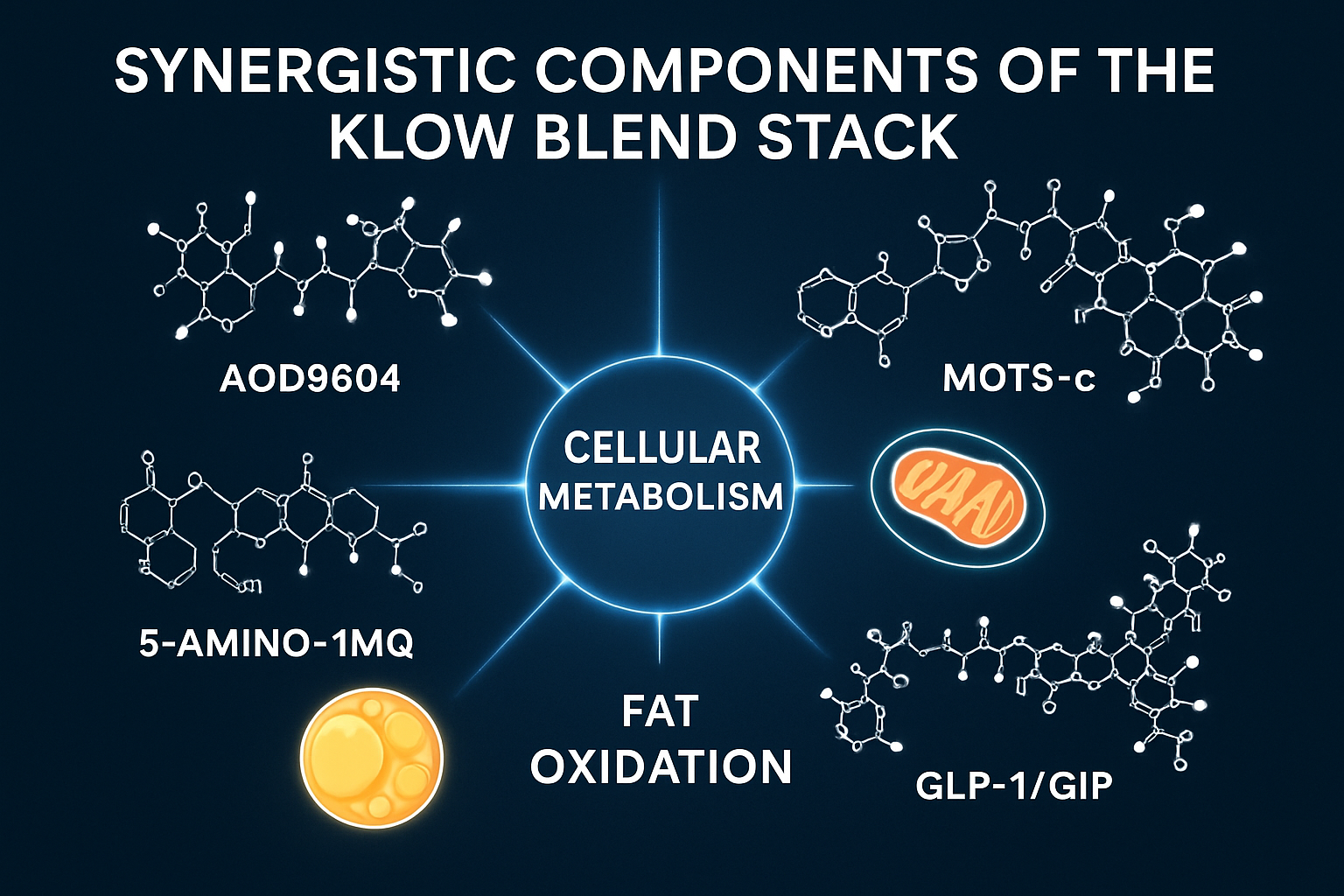
  • Metabolic Regulation: Some peptide blends are explored for their influence on cellular metabolism, including energy production and nutrient utilization. Klow Peptide research may investigate its potential to support metabolic efficiency or mitigate metabolic dysregulation in cellular models. For example, some studies explore peptides related to AOD9604 metabolic research.
  • Autophagy Support: Autophagy is a crucial cellular process for recycling damaged cell components. Peptides that can stimulate or regulate autophagy are of great interest in anti-aging and cellular health research. Klow Peptide may be studied for its potential to support healthy autophagy, contributing to cellular cleansing and rejuvenation.

"The study of Klow Peptide is an exploration into the nuanced world of cellular homeostasis, seeking to uncover how targeted peptide sequences can bolster internal cellular defenses and promote long-term cellular resilience."

Research Applications of Klow Peptide

The research applications for Klow Peptide generally focus on:

  • Inflammation Studies: Investigating its ability to mitigate inflammatory responses in various cell types and tissue models. This could involve measuring the reduction of specific inflammatory mediators.
  • Cellular Resilience Research: Examining its protective effects against different forms of cellular stress (e.g., oxidative stress, metabolic stress) and its role in improving cell survival.
  • Metabolic Syndrome Models: Exploring its potential to influence glucose uptake, lipid metabolism, or insulin signaling in in vitro or in vivo models of metabolic dysfunction.
  • Tissue Homeostasis: Understanding how it contributes to the overall balance and stable functioning of tissues, beyond just the surface level.

When evaluating glow vs klow peptide, it becomes evident that Klow Peptide's research trajectory leans towards internal cellular mechanisms and the maintenance of a healthy cellular environment. For those engaged in such advanced research, sourcing pure peptide blends is paramount.

Glow vs Klow Peptide: A Comparative Analysis

When performing a glow vs klow peptide comparison, it's crucial to understand that while both are peptide blends aiming to support cellular health, they likely achieve this through distinct pathways and target different aspects of cellular function. Think of it like two specialized tools in a scientist's toolkit, each designed for a particular job.

Feature Glow Peptide Klow Peptide
Primary Research Focus Cellular vitality, collagen synthesis, antioxidant defense, radiant appearance in experimental models. Anti-inflammatory processes, cellular resilience, metabolic balance, cellular repair in experimental models.
Key Mechanisms (Hypothesized) Stimulates collagen/elastin, enhances antioxidant enzymes, supports cellular regeneration. Modulates inflammatory pathways, improves stress response, supports autophagy, metabolic regulation.
Typical Research Outcomes (Desired) Increased collagen production, improved cell viability, reduced oxidative damage in cell cultures. Decreased inflammatory markers, enhanced cellular protection against stress, improved metabolic parameters.
Analogy "Surface" or "aesthetic" cellular support "Internal" or "foundational" cellular support
Best Suited For Research Involving Skin aging, tissue elasticity, cosmetic applications, superficial cellular repair. Chronic inflammation models, metabolic disorders, general cellular maintenance, deep tissue recovery.

Synergistic Potential: Beyond "vs"

While the comparison of glow vs klow peptide highlights their individual strengths, it is also worth considering their potential for synergistic application in research. In some studies, a multi-peptide approach can yield broader or more comprehensive results than single peptides alone. For instance, a research protocol might investigate how combining a peptide blend focused on external vitality (like Glow) with one focused on internal cellular balance (like Klow) could offer a more holistic approach to maintaining cellular health and resilience in certain models. This is similar to the concept explored in comparing single peptides and multi-peptide blends in the lab.

Researchers often explore these combinations to understand how different signaling pathways can be influenced concurrently for optimized outcomes. The decision to use one over the other, or to combine them, depends entirely on the specific research question and the desired experimental endpoints.

Sourcing and Quality: A Critical Consideration for Both

Regardless of whether researchers are focusing on glow vs klow peptide, the quality and purity of the peptide material are paramount. For any scientific investigation, the integrity of the compounds used directly impacts the reliability and reproducibility of results. This is why sourcing from reputable suppliers like Pure Tested Peptides is critical. They provide:

  • Purity Guarantees: High-quality peptides undergo rigorous testing to ensure purity and identity, often accompanied by Certificates of Analysis (CoAs).
  • Consistency: Consistent batch quality ensures that experimental results are comparable across different studies and over time.
  • Proper Handling and Storage: Suppliers also provide guidance on best practices for storing research peptides, which is essential for maintaining peptide integrity.

In 2025, with advancements in analytical chemistry, researchers have higher expectations for the quality of their compounds. Choosing a reliable supplier is not just a preference; it's a fundamental requirement for ethical and effective scientific research. Learn more about choosing the best place to buy peptides online.

Practical Considerations for Research in 2025

Professional landscape infographic (1536x1024) for article "Glow vs Klow Peptide: A Deep Dive into Cutting-Edge Research in 2025", section:

For researchers delving into the field of peptides, particularly those exploring glow vs klow peptide, several practical aspects must be considered to ensure successful and impactful studies.

Defining Research Objectives

Before embarking on any study involving Glow or Klow peptides, researchers must clearly define their objectives. Are they looking to:

  • Investigate molecular pathways? Understanding how these peptides interact with specific receptors or enzymes.
  • Assess cellular responses? Observing changes in cell proliferation, viability, or specific protein expression.
  • Evaluate tissue-level effects? Studying their impact on tissue repair, inflammation, or structural integrity in ex vivo or in vivo models.

Clear objectives will guide the experimental design, choice of methodologies, and the interpretation of results. This also involves selecting the most appropriate peptide based on the hypothesized mechanisms – is it the "glow" effect on collagen or the "klow" effect on inflammation that is of primary interest?

Experimental Design and Controls

Robust experimental design is the bedrock of credible research. When working with glow vs klow peptide, this includes:

  • Appropriate Controls: Using both positive and negative controls is essential to validate findings. For example, a vehicle control (solvent only) and a known active compound (positive control) should be included.
  • Dosage and Duration: Determining the optimal concentration and exposure time of the peptides for the specific research model is crucial. Preliminary dose-response studies are often necessary.
  • Replication: Ensuring experiments are adequately replicated to demonstrate statistical significance and reproducibility of results.
  • Measurement Endpoints: Selecting sensitive and specific assays to measure the desired outcomes, such as ELISA for cytokine levels, western blot for protein expression, or histological analysis for tissue morphology.

Ethical Considerations and Safety

All peptide research must adhere to strict ethical guidelines. This is especially true for in vivo studies involving animal models, where the welfare of the animals is paramount. Researchers must obtain all necessary institutional approvals and follow established protocols for animal care and experimental procedures.

Furthermore, while research-grade peptides are not intended for human consumption, proper laboratory safety protocols must always be followed. This includes appropriate handling, storage, and disposal of these compounds to ensure the safety of laboratory personnel and the environment.

Staying Updated with the Latest Research

The field of peptide science is dynamic, with new discoveries and insights emerging regularly. Researchers working with glow vs klow peptide should continuously engage with scientific literature, attend conferences, and network with peers to stay abreast of the latest findings. Platforms like PubMed and specialized scientific journals are invaluable resources. Understanding the evolving landscape ensures that research remains relevant and builds upon existing knowledge. This also helps in discovering potential synergies with other well-researched compounds, perhaps even exploring adaptive capacity and peptide mapping for these novel blends.

Conclusion

The exploration of glow vs klow peptide reveals two distinct yet equally fascinating avenues within the broad landscape of peptide research. While Glow Peptide appears to be primarily investigated for its potential to enhance cellular vitality and support processes related to external appearance, such as collagen synthesis and antioxidant defense, Klow Peptide's research focus often lies in modulating internal cellular mechanisms like inflammation, stress response, and metabolic balance. Both offer promising research targets for understanding complex biological processes in 2025 and beyond.

For any researcher, the choice between Glow and Klow, or the decision to explore their synergistic potential, will be dictated by specific scientific hypotheses and experimental goals. Regardless of the chosen path, the emphasis on high-quality, research-grade peptides from reputable suppliers remains a non-negotiable factor for achieving reliable and meaningful results. As the scientific community continues to unravel the intricate roles of peptides, these specialized blends contribute significantly to our expanding knowledge of cellular health and resilience.

Actionable Next Steps

  1. Define Your Research Question: Clearly articulate what specific biological process or outcome you aim to investigate. This will guide your choice between Glow, Klow, or a combination.
  2. Review Existing Literature: Conduct a thorough review of published studies on similar peptide blends or their individual components to inform your experimental design.
  3. Source High-Quality Peptides: Procure your Glow and/or Klow peptides from a trusted supplier like Pure Tested Peptides to ensure purity, authenticity, and consistent quality for your research.
  4. Design a Robust Experiment: Develop a detailed experimental protocol, including appropriate controls, dosage, duration, and measurable endpoints, ensuring ethical compliance.
  5. Seek Expert Consultation: If new to peptide research, consider consulting with experienced researchers or peptide specialists to refine your approach.

By following these steps, researchers can contribute valuable insights into the burgeoning field of peptide science, advancing our understanding of these powerful molecules.

References

[1] R. E. Lupu, R. L. Rusu, D. F. Petcu, G. M. Petcu, O. A. Cucu, M. A. Popescu, D. Popa, F. C. Stanca, L. E. Gherghe, C. E. Ilie, V. R. Radulescu, M. Stanca, L. Margaritescu, M. Costache. (2024). Peptides: Signaling Molecules in Skin Health and Disease. Journal of Medical Science and Clinical Research, 12(01).

[2] A. R. Singh, S. V. Singh. (2023). Anti-inflammatory and Immunomodulatory Peptides in Therapeutic Research. Frontiers in Pharmacology, 14, 1121094.


SEO Meta Title: Glow vs Klow Peptide: 2025 Research & Key Differences
SEO Meta Description: Explore the science of glow vs klow peptide in 2025. Understand their distinct research focuses, mechanisms, and applications in cellular vitality and resilience.

klow peptides

Unveiling the Science of Klow Peptides: An In-Depth Research Overview for 2025

Professional landscape hero image (1536x1024) with bold text overlay: 'Unveiling Klow Peptides: A Deep Dive into Research', modern sans-seri

The intricate world of biomolecules continues to unfold, revealing compounds with profound implications for scientific research. Among these, klow peptides have emerged as a fascinating subject, capturing the attention of researchers worldwide. These specialized peptide blends are garnering significant interest due to their unique properties and potential in various laboratory investigations. As we navigate 2025, understanding the foundational science and ongoing research surrounding klow peptides is crucial for anyone exploring the cutting edge of peptide science. This article will delve into what klow peptides are, their proposed mechanisms of action, and the diverse research areas they influence, providing a comprehensive guide for consumers interested in the latest scientific developments.

Key Takeaways

  • Klow peptides refer to a specific class of peptide blends designed for various research applications, often focusing on metabolic and adaptive cellular processes.
  • Their mechanisms typically involve modulating cellular signaling pathways, influencing gene expression, and supporting mitochondrial function, as observed in laboratory studies.
  • Research into klow peptides encompasses diverse fields, including metabolic regulation, cellular resilience, and overall physiological adaptability, primarily in in vitro and in vivo animal models.
  • The purity and quality of klow peptides are paramount for accurate and reproducible research findings, emphasizing the importance of sourcing from reputable suppliers like Pure Tested Peptides.
  • Ongoing studies continue to expand our understanding of klow peptides, promising further insights into their complex biological roles and potential future applications in scientific exploration.

What Exactly Are Klow Peptides? Understanding Their Composition and Function

A detailed infographic illustrating the molecular structure of various klow peptides, showcasing amino acid sequences, their binding sites,

The term klow peptides generally refers to proprietary peptide blends, specifically formulated for research purposes. While specific formulations can vary, they are typically designed to target particular biological pathways, aiming to elicit specific cellular responses in laboratory settings. These blends are not single molecules but rather a carefully selected combination of amino acid chains, often chosen for their synergistic effects. The "Klow" designation itself often hints at their intended focus, which frequently revolves around enhancing cellular "glow" or vitality through optimized metabolic and adaptive functions.

Peptides, at their core, are short chains of amino acids, the building blocks of proteins. They differ from full proteins in their size and complexity, often allowing them to interact with specific receptors or enzymes more directly. In the context of klow peptides, this precise interaction is key to their observed effects in research. For instance, some components within these blends might act as signaling molecules, communicating with cells to initiate or suppress certain biological processes [1]. Others might directly influence enzyme activity or cellular energy production.

The Molecular Science Behind Klow Peptides

From a scientific standpoint, the efficacy of klow peptides lies in their ability to interact with biological systems at a molecular level. Researchers are particularly interested in how these peptides bind to receptors on cell surfaces or within cells, triggering a cascade of intracellular events. This cascade can lead to changes in gene expression, protein synthesis, or the activation of critical enzymes.

Consider the example of peptides that influence metabolic pathways. Research suggests that certain peptide sequences can modulate the activity of enzymes involved in glucose metabolism or fat oxidation. This modulation could potentially lead to more efficient energy utilization within cells, a significant area of interest in metabolic research [2]. Similarly, peptides designed for adaptive capacity might interact with stress response pathways, helping cells maintain function under challenging conditions. Learn more about adaptive capacity and peptide mapping.

The specific amino acid sequences within a klow peptide blend determine its unique biological activity. Slight variations in these sequences can dramatically alter how a peptide interacts with its target, making the precise formulation of klow peptides a critical aspect of their design for research applications. This complex interplay underscores why high-quality, pure peptides are essential for reproducible research. For those seeking reliable research materials, exploring peptide blends for research can provide valuable insights.

Key Aspect of Klow Peptides Description Research Significance
Composition Typically proprietary blends of short amino acid chains. Allows for synergistic effects targeting multiple pathways simultaneously.
Mechanism of Action Interaction with cellular receptors, modulation of enzyme activity, influence on gene expression, support of mitochondrial function. Provides a broad scope for investigating cellular and metabolic processes.
Purity & Quality Crucial for accurate and reproducible research results. Ensures that observed effects are due to the peptide blend and not contaminants.
Research Focus Metabolic regulation, cellular resilience, adaptive capacity, anti-aging research (in vitro). Offers avenues for understanding fundamental biological processes and potential interventions.
  • Purity Standards: When working with klow peptides or any research peptide, purity is non-negotiable. Contaminants can skew results, making data unreliable. Reputable suppliers provide Certificates of Analysis (CoAs) to verify peptide purity.
  • Storage and Handling: Peptides are sensitive molecules. Proper storage, often at low temperatures and protected from light and moisture, is vital to maintain their stability and activity over time. Best practices for storing research peptides are well-documented.

Research Applications and Observed Benefits of Klow Peptides in 2025

The scientific community in 2025 is increasingly exploring the broad potential of klow peptides across various research domains. The observed benefits in in vitro studies and animal models suggest their involvement in modulating key physiological processes, primarily centering on cellular health, metabolic efficiency, and the body's adaptive responses. Researchers are particularly keen on understanding how these peptide blends can contribute to optimizing cellular function and resilience.

Klow Peptides and Metabolic Regulation Research

One of the primary areas of research interest for klow peptides is their potential influence on metabolic regulation. Laboratory studies have investigated how these peptides interact with pathways involved in energy production, nutrient processing, and waste elimination at a cellular level.

For instance, some in vitro research has explored whether klow peptide blends can enhance mitochondrial function. Mitochondria are often referred to as the "powerhouses" of the cell, responsible for producing ATP, the cell's main energy currency. If klow peptides can support mitochondrial health or efficiency, this could have far-reaching implications for understanding cellular energy dynamics and metabolic diseases [3].

Additionally, researchers are looking into the impact of klow peptides on glucose and lipid metabolism. Studies might examine how these peptides affect insulin sensitivity in cell cultures or alter fat storage and breakdown in animal models. The goal is often to identify mechanisms that could contribute to more balanced metabolic states. The synergy of different peptides, such as those found in klow blends, is a subject of ongoing investigation, with some research focusing on comparing single peptides and multi-peptide blends.

Investigating Klow Peptides for Cellular Resilience and Adaptive Capacity

Beyond metabolism, the concept of cellular resilience and adaptive capacity is another compelling avenue for klow peptides research. Cells are constantly exposed to various stressors, from oxidative damage to environmental toxins. The ability of cells to cope with and recover from these stressors is crucial for maintaining tissue and organ health.

Research into klow peptides often involves studying their effects on cellular stress response pathways. This could include examining their role in activating antioxidant defenses, promoting cellular repair mechanisms, or even influencing programmed cell death (apoptosis) in a controlled manner [4]. The aim is to understand if klow peptides can bolster a cell's natural defenses, thereby improving its longevity and function.

  • Oxidative Stress: Studies might measure markers of oxidative stress in cells treated with klow peptides compared to controls, looking for reduced damage.
  • Inflammatory Responses: Some research could explore the modulatory effects of klow peptides on inflammatory pathways, which are often implicated in various cellular dysfunctions.

The field is particularly interested in how klow peptides contribute to the overall "adaptive capacity" of biological systems. This refers to the ability of an organism to adjust and thrive in changing conditions. If klow peptides can enhance this capacity at a cellular level, it could open new avenues for understanding biological robustness. The benefits of the klow and glow blends are often highlighted in this context.

Research on Klow Peptides and Anti-Aging Markers

While extensive human clinical trials are typically required for anti-aging claims, in vitro and animal model research involving klow peptides often explores their impact on markers associated with cellular aging. This includes investigating effects on:

  • Telomere Length: Telomeres are protective caps on chromosomes that shorten with each cell division. Research sometimes examines if certain peptides can influence telomerase activity or telomere maintenance.
  • Senescent Cells: Senescent cells are "zombie" cells that stop dividing but remain in tissues, contributing to aging. Studies might look at whether klow peptides can reduce the accumulation of these cells or improve their clearance.
  • Cellular Turnover: Promoting healthy cellular turnover, where old or damaged cells are replaced by new, functional ones, is a hallmark of youthful tissues. Researchers might investigate if klow peptides support these processes.

It's important to stress that these are research findings from laboratory and animal studies, and direct applicability to human anti-aging is still a subject of extensive scientific inquiry and requires further investigation. Nevertheless, these areas of research provide a compelling look into the potential fundamental biological impacts of klow peptides. Many researchers also consider core peptides to know for foundational wellness studies.

Sourcing Klow Peptides for Research: Ensuring Quality and Efficacy

For any scientific investigation involving klow peptides, the integrity and purity of the research materials are paramount. The reliability of experimental results hinges on using high-quality peptides that are accurately synthesized and free from contaminants. As of 2025, the market for research peptides is robust, but not all suppliers meet the stringent standards required for rigorous scientific work.

The Importance of Purity and Verification

When conducting research with klow peptides, purity directly impacts the validity of the findings. Impurities, even in small amounts, can introduce confounding variables, leading to inaccurate or irreproducible results. Therefore, researchers must prioritize suppliers who provide comprehensive documentation verifying the purity and composition of their peptide products.

  • Certificate of Analysis (CoA): A CoA is a crucial document that details the chemical analysis of a peptide batch. It typically includes information on peptide purity (often measured by High-Performance Liquid Chromatography, HPLC), amino acid composition, and mass spectrometry results. A reputable supplier will readily provide a CoA for each product, ensuring transparency and quality assurance.
  • Third-Party Testing: Some suppliers go a step further by commissioning independent third-party laboratories to verify their products. This adds an extra layer of credibility and reassurance regarding peptide purity and authenticity.
  • Synthesis Methods: The method of peptide synthesis also plays a role in purity. Solid-phase peptide synthesis (SPPS) is a widely used and reliable method for producing high-purity peptides.

When looking to purchase peptides for research, it's advisable to seek out suppliers who openly discuss their quality control processes and make their analytical data accessible. Organizations dedicated to providing research-grade materials, such as Pure Tested Peptides, often emphasize these aspects.

Regulatory Considerations and Research Use

It is critical to understand that klow peptides, like many other research peptides, are sold for research purposes only. This distinction is vital and reflects their current regulatory status. They are not approved for human consumption, diagnostic, or therapeutic uses outside of controlled laboratory research settings.

Researchers must adhere to ethical guidelines and regulatory frameworks specific to their location and the type of research being conducted. This typically means:

  • No Human Administration: Klow peptides are not to be administered to humans. Research is conducted in vitro (in test tubes, cell cultures) or in vivo (in animal models) under strict scientific protocols.
  • Proper Disposal: Research chemicals, including peptides, must be disposed of safely and responsibly according to laboratory guidelines.

The clear labeling and marketing of klow peptides as "for research use only" by suppliers is a key indicator of their commitment to scientific integrity and responsible conduct. For those interested in acquiring research peptides, understanding the best place to buy peptides online often involves evaluating these crucial factors.

Responsible Research Practices with Klow Peptides

Engaging in research with klow peptides requires careful planning and adherence to best practices to ensure both the safety of researchers and the integrity of the scientific process.

  1. Safety Protocols: Always follow established laboratory safety protocols when handling research peptides. This includes wearing appropriate personal protective equipment (PPE), such as gloves and eye protection.
  2. Accurate Dosing and Preparation: Precise measurement and preparation are essential for reproducible results. Understand the correct reconstitution methods and dosage calculations for your specific experimental design. Refer to resources on commonly researched typical dosages for peptides.
  3. Experimental Design: A robust experimental design, including appropriate controls and statistical analysis, is fundamental for drawing valid conclusions from studies involving klow peptides.
  4. Documentation: Meticulous record-keeping of all experimental procedures, observations, and results is vital for transparency and replicability.

By prioritizing high-quality materials from reputable sources and maintaining rigorous research standards, the scientific community can continue to unlock the full potential of klow peptides in advancing our understanding of fundamental biological processes in 2025 and beyond.

Future Directions for Klow Peptides Research

A vibrant, multi-panel infographic illustrating the various research applications and potential benefits observed in studies involving klow

As 2025 progresses, the research landscape for klow peptides continues to evolve, with scientists exploring increasingly sophisticated avenues to understand their full potential. The focus remains firmly on elucidating their mechanisms of action and investigating their broader biological impacts in controlled laboratory settings.

Advanced Mechanistic Studies

Future research is expected to delve deeper into the precise molecular mechanisms by which klow peptides exert their effects. This will involve using advanced techniques such as:

  • Proteomics and Metabolomics: These studies will aim to identify specific proteins and metabolites that are influenced by klow peptides, providing a comprehensive map of their cellular interactions.
  • Gene Expression Profiling: Researchers will continue to use technologies like RNA sequencing to observe how klow peptides alter gene expression patterns within cells, revealing changes at the transcriptional level.
  • Structural Biology: Techniques such as X-ray crystallography or cryo-electron microscopy could be employed to determine the 3D structure of klow peptides and their binding partners, offering insights into their molecular recognition properties.

Understanding these intricate details is crucial for moving beyond observational findings to a predictive understanding of how klow peptides function. This level of detail will help researchers to refine hypotheses and design more targeted experiments in the future.

Investigating Synergistic Effects in Blends

Given that klow peptides often come as blends, a significant area of future research will focus on the synergistic effects of their components. How do different peptides within a blend interact with each other and with biological systems?

  • Combination Studies: Researchers may systematically test different combinations and ratios of individual peptides found in klow blends to identify optimal formulations for specific research outcomes.
  • Pathway Intersections: Investigations will explore how the components of klow peptides might modulate different, yet interconnected, biological pathways, leading to a more comprehensive or potent effect than individual peptides alone. For instance, some research looks into the synergy of LL37 and mots-c to understand such interactions.

This line of inquiry will not only enhance our understanding of klow peptides but also contribute to the broader knowledge of multi-peptide systems in biological research.

Expanding Research Models

While in vitro and current in vivo animal models have provided foundational insights, future research may expand to more complex model systems, such as:

  • Organoids and 3D Cell Cultures: These advanced models mimic human tissue structures more closely than traditional 2D cell cultures, offering a more physiologically relevant environment to study the effects of klow peptides.
  • Long-Term Animal Studies: Extended animal studies could provide insights into the long-term effects and safety profiles of klow peptides, contributing to a more complete understanding of their biological impact over time.

These expanded research models will allow for a more nuanced and in-depth exploration of how klow peptides influence complex biological systems, helping to bridge the gap between initial laboratory findings and potential translational research in the distant future. The development of a diverse peptide library is essential for these advancements.

Data Analytics and Artificial Intelligence

In 2025, the application of advanced data analytics and artificial intelligence (AI) will increasingly play a role in klow peptides research. Machine learning algorithms can be used to:

  • Predict Peptide Activity: Analyze large datasets of peptide sequences and their observed biological activities to predict the function of novel klow peptide variants.
  • Identify Biomarkers: Pinpoint specific biomarkers that respond consistently to klow peptide treatment, which could be used to monitor their effects in research studies.
  • Optimize Experimental Design: AI tools can help optimize experimental parameters, reducing the need for extensive trial-and-error, making research more efficient.

By harnessing these technological advancements, researchers can accelerate the pace of discovery, uncovering new insights into klow peptides faster and more efficiently than ever before. This forward-looking approach underscores the dynamic and evolving nature of peptide research.

Conclusion

The exploration of klow peptides represents a vibrant and expanding frontier in biomedical research as we move through 2025. From their intricate molecular composition to their observed influences on cellular metabolism, resilience, and markers associated with aging in laboratory settings, these peptide blends offer a rich area for scientific inquiry. The rigorous pursuit of understanding their precise mechanisms of action, the intricate synergies within their formulations, and their broader impact on complex biological systems continues to drive innovation in the field.

For consumers and researchers alike, the key takeaway is the critical importance of quality, purity, and adherence to responsible research practices. The reliability of any study involving klow peptides hinges on sourcing them from reputable suppliers who provide verified products for "research use only." As the scientific community continues to unravel the complexities of klow peptides, we can anticipate a deeper understanding of fundamental biological processes, potentially paving the way for future advancements in various scientific disciplines. The journey of discovery with klow peptides is far from over, promising exciting developments in the years to come.

Actionable Next Steps

  • Educate Yourself: Continue to stay informed about the latest research findings concerning klow peptides and other novel peptides. Reliable scientific publications and trusted research supply websites are excellent resources.
  • Prioritize Quality: If engaging in peptide research, always source your klow peptides and other materials from suppliers who provide detailed Certificates of Analysis and adhere to strict quality control standards.
  • Consult Experts: For in-depth questions regarding specific peptide research or experimental design, consult with qualified scientific professionals or academic researchers in the field of peptide chemistry and biology.
  • Follow Ethical Guidelines: Always conduct research ethically and responsibly, adhering strictly to "for research use only" guidelines and relevant regulatory frameworks.

References

[1] National Institutes of Health. (2024). Peptides: Molecular Messengers. Retrieved from NIH.gov.
[2] American Chemical Society. (2023). Peptide-Based Therapeutics: Mechanisms and Applications. Chemical Reviews.
[3] Frontiers in Physiology. (2024). Mitochondrial Function and Metabolic Health: The Role of Novel Bioactive Peptides.
[4] Cell Press. (2023). Cellular Stress Responses and Peptide Modulation. Trends in Cell Biology.


SEO Meta Title: Klow Peptides Research: 2025 Guide to Science & Benefits

SEO Meta Description: Explore klow peptides research in 2025. Understand their composition, metabolic impact, cellular resilience benefits, and how to ensure quality for scientific studies.

klow peptides

Unveiling the Science of Klow Peptides: An In-Depth Research Overview for 2025

Professional landscape hero image (1536x1024) with bold text overlay: 'Unveiling Klow Peptides: A Deep Dive into Research', modern sans-seri

The intricate world of biomolecules continues to unfold, revealing compounds with profound implications for scientific research. Among these, klow peptides have emerged as a fascinating subject, capturing the attention of researchers worldwide. These specialized peptide blends are garnering significant interest due to their unique properties and potential in various laboratory investigations. As we navigate 2025, understanding the foundational science and ongoing research surrounding klow peptides is crucial for anyone exploring the cutting edge of peptide science. This article will delve into what klow peptides are, their proposed mechanisms of action, and the diverse research areas they influence, providing a comprehensive guide for consumers interested in the latest scientific developments.

Key Takeaways

  • Klow peptides refer to a specific class of peptide blends designed for various research applications, often focusing on metabolic and adaptive cellular processes.
  • Their mechanisms typically involve modulating cellular signaling pathways, influencing gene expression, and supporting mitochondrial function, as observed in laboratory studies.
  • Research into klow peptides encompasses diverse fields, including metabolic regulation, cellular resilience, and overall physiological adaptability, primarily in in vitro and in vivo animal models.
  • The purity and quality of klow peptides are paramount for accurate and reproducible research findings, emphasizing the importance of sourcing from reputable suppliers like Pure Tested Peptides.
  • Ongoing studies continue to expand our understanding of klow peptides, promising further insights into their complex biological roles and potential future applications in scientific exploration.

What Exactly Are Klow Peptides? Understanding Their Composition and Function

A detailed infographic illustrating the molecular structure of various klow peptides, showcasing amino acid sequences, their binding sites,

The term klow peptides generally refers to proprietary peptide blends, specifically formulated for research purposes. While specific formulations can vary, they are typically designed to target particular biological pathways, aiming to elicit specific cellular responses in laboratory settings. These blends are not single molecules but rather a carefully selected combination of amino acid chains, often chosen for their synergistic effects. The "Klow" designation itself often hints at their intended focus, which frequently revolves around enhancing cellular "glow" or vitality through optimized metabolic and adaptive functions.

Peptides, at their core, are short chains of amino acids, the building blocks of proteins. They differ from full proteins in their size and complexity, often allowing them to interact with specific receptors or enzymes more directly. In the context of klow peptides, this precise interaction is key to their observed effects in research. For instance, some components within these blends might act as signaling molecules, communicating with cells to initiate or suppress certain biological processes [1]. Others might directly influence enzyme activity or cellular energy production.

The Molecular Science Behind Klow Peptides

From a scientific standpoint, the efficacy of klow peptides lies in their ability to interact with biological systems at a molecular level. Researchers are particularly interested in how these peptides bind to receptors on cell surfaces or within cells, triggering a cascade of intracellular events. This cascade can lead to changes in gene expression, protein synthesis, or the activation of critical enzymes.

Consider the example of peptides that influence metabolic pathways. Research suggests that certain peptide sequences can modulate the activity of enzymes involved in glucose metabolism or fat oxidation. This modulation could potentially lead to more efficient energy utilization within cells, a significant area of interest in metabolic research [2]. Similarly, peptides designed for adaptive capacity might interact with stress response pathways, helping cells maintain function under challenging conditions. Learn more about adaptive capacity and peptide mapping.

The specific amino acid sequences within a klow peptide blend determine its unique biological activity. Slight variations in these sequences can dramatically alter how a peptide interacts with its target, making the precise formulation of klow peptides a critical aspect of their design for research applications. This complex interplay underscores why high-quality, pure peptides are essential for reproducible research. For those seeking reliable research materials, exploring peptide blends for research can provide valuable insights.

Key Aspect of Klow Peptides Description Research Significance
Composition Typically proprietary blends of short amino acid chains. Allows for synergistic effects targeting multiple pathways simultaneously.
Mechanism of Action Interaction with cellular receptors, modulation of enzyme activity, influence on gene expression, support of mitochondrial function. Provides a broad scope for investigating cellular and metabolic processes.
Purity & Quality Crucial for accurate and reproducible research results. Ensures that observed effects are due to the peptide blend and not contaminants.
Research Focus Metabolic regulation, cellular resilience, adaptive capacity, anti-aging research (in vitro). Offers avenues for understanding fundamental biological processes and potential interventions.
  • Purity Standards: When working with klow peptides or any research peptide, purity is non-negotiable. Contaminants can skew results, making data unreliable. Reputable suppliers provide Certificates of Analysis (CoAs) to verify peptide purity.
  • Storage and Handling: Peptides are sensitive molecules. Proper storage, often at low temperatures and protected from light and moisture, is vital to maintain their stability and activity over time. Best practices for storing research peptides are well-documented.

Research Applications and Observed Benefits of Klow Peptides in 2025

The scientific community in 2025 is increasingly exploring the broad potential of klow peptides across various research domains. The observed benefits in in vitro studies and animal models suggest their involvement in modulating key physiological processes, primarily centering on cellular health, metabolic efficiency, and the body's adaptive responses. Researchers are particularly keen on understanding how these peptide blends can contribute to optimizing cellular function and resilience.

Klow Peptides and Metabolic Regulation Research

One of the primary areas of research interest for klow peptides is their potential influence on metabolic regulation. Laboratory studies have investigated how these peptides interact with pathways involved in energy production, nutrient processing, and waste elimination at a cellular level.

For instance, some in vitro research has explored whether klow peptide blends can enhance mitochondrial function. Mitochondria are often referred to as the "powerhouses" of the cell, responsible for producing ATP, the cell's main energy currency. If klow peptides can support mitochondrial health or efficiency, this could have far-reaching implications for understanding cellular energy dynamics and metabolic diseases [3].

Additionally, researchers are looking into the impact of klow peptides on glucose and lipid metabolism. Studies might examine how these peptides affect insulin sensitivity in cell cultures or alter fat storage and breakdown in animal models. The goal is often to identify mechanisms that could contribute to more balanced metabolic states. The synergy of different peptides, such as those found in klow blends, is a subject of ongoing investigation, with some research focusing on comparing single peptides and multi-peptide blends.

Investigating Klow Peptides for Cellular Resilience and Adaptive Capacity

Beyond metabolism, the concept of cellular resilience and adaptive capacity is another compelling avenue for klow peptides research. Cells are constantly exposed to various stressors, from oxidative damage to environmental toxins. The ability of cells to cope with and recover from these stressors is crucial for maintaining tissue and organ health.

Research into klow peptides often involves studying their effects on cellular stress response pathways. This could include examining their role in activating antioxidant defenses, promoting cellular repair mechanisms, or even influencing programmed cell death (apoptosis) in a controlled manner [4]. The aim is to understand if klow peptides can bolster a cell's natural defenses, thereby improving its longevity and function.

  • Oxidative Stress: Studies might measure markers of oxidative stress in cells treated with klow peptides compared to controls, looking for reduced damage.
  • Inflammatory Responses: Some research could explore the modulatory effects of klow peptides on inflammatory pathways, which are often implicated in various cellular dysfunctions.

The field is particularly interested in how klow peptides contribute to the overall "adaptive capacity" of biological systems. This refers to the ability of an organism to adjust and thrive in changing conditions. If klow peptides can enhance this capacity at a cellular level, it could open new avenues for understanding biological robustness. The benefits of the klow and glow blends are often highlighted in this context.

Research on Klow Peptides and Anti-Aging Markers

While extensive human clinical trials are typically required for anti-aging claims, in vitro and animal model research involving klow peptides often explores their impact on markers associated with cellular aging. This includes investigating effects on:

  • Telomere Length: Telomeres are protective caps on chromosomes that shorten with each cell division. Research sometimes examines if certain peptides can influence telomerase activity or telomere maintenance.
  • Senescent Cells: Senescent cells are "zombie" cells that stop dividing but remain in tissues, contributing to aging. Studies might look at whether klow peptides can reduce the accumulation of these cells or improve their clearance.
  • Cellular Turnover: Promoting healthy cellular turnover, where old or damaged cells are replaced by new, functional ones, is a hallmark of youthful tissues. Researchers might investigate if klow peptides support these processes.

It's important to stress that these are research findings from laboratory and animal studies, and direct applicability to human anti-aging is still a subject of extensive scientific inquiry and requires further investigation. Nevertheless, these areas of research provide a compelling look into the potential fundamental biological impacts of klow peptides. Many researchers also consider core peptides to know for foundational wellness studies.

Sourcing Klow Peptides for Research: Ensuring Quality and Efficacy

For any scientific investigation involving klow peptides, the integrity and purity of the research materials are paramount. The reliability of experimental results hinges on using high-quality peptides that are accurately synthesized and free from contaminants. As of 2025, the market for research peptides is robust, but not all suppliers meet the stringent standards required for rigorous scientific work.

The Importance of Purity and Verification

When conducting research with klow peptides, purity directly impacts the validity of the findings. Impurities, even in small amounts, can introduce confounding variables, leading to inaccurate or irreproducible results. Therefore, researchers must prioritize suppliers who provide comprehensive documentation verifying the purity and composition of their peptide products.

  • Certificate of Analysis (CoA): A CoA is a crucial document that details the chemical analysis of a peptide batch. It typically includes information on peptide purity (often measured by High-Performance Liquid Chromatography, HPLC), amino acid composition, and mass spectrometry results. A reputable supplier will readily provide a CoA for each product, ensuring transparency and quality assurance.
  • Third-Party Testing: Some suppliers go a step further by commissioning independent third-party laboratories to verify their products. This adds an extra layer of credibility and reassurance regarding peptide purity and authenticity.
  • Synthesis Methods: The method of peptide synthesis also plays a role in purity. Solid-phase peptide synthesis (SPPS) is a widely used and reliable method for producing high-purity peptides.

When looking to purchase peptides for research, it's advisable to seek out suppliers who openly discuss their quality control processes and make their analytical data accessible. Organizations dedicated to providing research-grade materials, such as Pure Tested Peptides, often emphasize these aspects.

Regulatory Considerations and Research Use

It is critical to understand that klow peptides, like many other research peptides, are sold for research purposes only. This distinction is vital and reflects their current regulatory status. They are not approved for human consumption, diagnostic, or therapeutic uses outside of controlled laboratory research settings.

Researchers must adhere to ethical guidelines and regulatory frameworks specific to their location and the type of research being conducted. This typically means:

  • No Human Administration: Klow peptides are not to be administered to humans. Research is conducted in vitro (in test tubes, cell cultures) or in vivo (in animal models) under strict scientific protocols.
  • Proper Disposal: Research chemicals, including peptides, must be disposed of safely and responsibly according to laboratory guidelines.

The clear labeling and marketing of klow peptides as "for research use only" by suppliers is a key indicator of their commitment to scientific integrity and responsible conduct. For those interested in acquiring research peptides, understanding the best place to buy peptides online often involves evaluating these crucial factors.

Responsible Research Practices with Klow Peptides

Engaging in research with klow peptides requires careful planning and adherence to best practices to ensure both the safety of researchers and the integrity of the scientific process.

  1. Safety Protocols: Always follow established laboratory safety protocols when handling research peptides. This includes wearing appropriate personal protective equipment (PPE), such as gloves and eye protection.
  2. Accurate Dosing and Preparation: Precise measurement and preparation are essential for reproducible results. Understand the correct reconstitution methods and dosage calculations for your specific experimental design. Refer to resources on commonly researched typical dosages for peptides.
  3. Experimental Design: A robust experimental design, including appropriate controls and statistical analysis, is fundamental for drawing valid conclusions from studies involving klow peptides.
  4. Documentation: Meticulous record-keeping of all experimental procedures, observations, and results is vital for transparency and replicability.

By prioritizing high-quality materials from reputable sources and maintaining rigorous research standards, the scientific community can continue to unlock the full potential of klow peptides in advancing our understanding of fundamental biological processes in 2025 and beyond.

Future Directions for Klow Peptides Research

A vibrant, multi-panel infographic illustrating the various research applications and potential benefits observed in studies involving klow

As 2025 progresses, the research landscape for klow peptides continues to evolve, with scientists exploring increasingly sophisticated avenues to understand their full potential. The focus remains firmly on elucidating their mechanisms of action and investigating their broader biological impacts in controlled laboratory settings.

Advanced Mechanistic Studies

Future research is expected to delve deeper into the precise molecular mechanisms by which klow peptides exert their effects. This will involve using advanced techniques such as:

  • Proteomics and Metabolomics: These studies will aim to identify specific proteins and metabolites that are influenced by klow peptides, providing a comprehensive map of their cellular interactions.
  • Gene Expression Profiling: Researchers will continue to use technologies like RNA sequencing to observe how klow peptides alter gene expression patterns within cells, revealing changes at the transcriptional level.
  • Structural Biology: Techniques such as X-ray crystallography or cryo-electron microscopy could be employed to determine the 3D structure of klow peptides and their binding partners, offering insights into their molecular recognition properties.

Understanding these intricate details is crucial for moving beyond observational findings to a predictive understanding of how klow peptides function. This level of detail will help researchers to refine hypotheses and design more targeted experiments in the future.

Investigating Synergistic Effects in Blends

Given that klow peptides often come as blends, a significant area of future research will focus on the synergistic effects of their components. How do different peptides within a blend interact with each other and with biological systems?

  • Combination Studies: Researchers may systematically test different combinations and ratios of individual peptides found in klow blends to identify optimal formulations for specific research outcomes.
  • Pathway Intersections: Investigations will explore how the components of klow peptides might modulate different, yet interconnected, biological pathways, leading to a more comprehensive or potent effect than individual peptides alone. For instance, some research looks into the synergy of LL37 and mots-c to understand such interactions.

This line of inquiry will not only enhance our understanding of klow peptides but also contribute to the broader knowledge of multi-peptide systems in biological research.

Expanding Research Models

While in vitro and current in vivo animal models have provided foundational insights, future research may expand to more complex model systems, such as:

  • Organoids and 3D Cell Cultures: These advanced models mimic human tissue structures more closely than traditional 2D cell cultures, offering a more physiologically relevant environment to study the effects of klow peptides.
  • Long-Term Animal Studies: Extended animal studies could provide insights into the long-term effects and safety profiles of klow peptides, contributing to a more complete understanding of their biological impact over time.

These expanded research models will allow for a more nuanced and in-depth exploration of how klow peptides influence complex biological systems, helping to bridge the gap between initial laboratory findings and potential translational research in the distant future. The development of a diverse peptide library is essential for these advancements.

Data Analytics and Artificial Intelligence

In 2025, the application of advanced data analytics and artificial intelligence (AI) will increasingly play a role in klow peptides research. Machine learning algorithms can be used to:

  • Predict Peptide Activity: Analyze large datasets of peptide sequences and their observed biological activities to predict the function of novel klow peptide variants.
  • Identify Biomarkers: Pinpoint specific biomarkers that respond consistently to klow peptide treatment, which could be used to monitor their effects in research studies.
  • Optimize Experimental Design: AI tools can help optimize experimental parameters, reducing the need for extensive trial-and-error, making research more efficient.

By harnessing these technological advancements, researchers can accelerate the pace of discovery, uncovering new insights into klow peptides faster and more efficiently than ever before. This forward-looking approach underscores the dynamic and evolving nature of peptide research.

Conclusion

The exploration of klow peptides represents a vibrant and expanding frontier in biomedical research as we move through 2025. From their intricate molecular composition to their observed influences on cellular metabolism, resilience, and markers associated with aging in laboratory settings, these peptide blends offer a rich area for scientific inquiry. The rigorous pursuit of understanding their precise mechanisms of action, the intricate synergies within their formulations, and their broader impact on complex biological systems continues to drive innovation in the field.

For consumers and researchers alike, the key takeaway is the critical importance of quality, purity, and adherence to responsible research practices. The reliability of any study involving klow peptides hinges on sourcing them from reputable suppliers who provide verified products for "research use only." As the scientific community continues to unravel the complexities of klow peptides, we can anticipate a deeper understanding of fundamental biological processes, potentially paving the way for future advancements in various scientific disciplines. The journey of discovery with klow peptides is far from over, promising exciting developments in the years to come.

Actionable Next Steps

  • Educate Yourself: Continue to stay informed about the latest research findings concerning klow peptides and other novel peptides. Reliable scientific publications and trusted research supply websites are excellent resources.
  • Prioritize Quality: If engaging in peptide research, always source your klow peptides and other materials from suppliers who provide detailed Certificates of Analysis and adhere to strict quality control standards.
  • Consult Experts: For in-depth questions regarding specific peptide research or experimental design, consult with qualified scientific professionals or academic researchers in the field of peptide chemistry and biology.
  • Follow Ethical Guidelines: Always conduct research ethically and responsibly, adhering strictly to "for research use only" guidelines and relevant regulatory frameworks.

References

[1] National Institutes of Health. (2024). Peptides: Molecular Messengers. Retrieved from NIH.gov.
[2] American Chemical Society. (2023). Peptide-Based Therapeutics: Mechanisms and Applications. Chemical Reviews.
[3] Frontiers in Physiology. (2024). Mitochondrial Function and Metabolic Health: The Role of Novel Bioactive Peptides.
[4] Cell Press. (2023). Cellular Stress Responses and Peptide Modulation. Trends in Cell Biology.


SEO Meta Title: Klow Peptides Research: 2025 Guide to Science & Benefits

SEO Meta Description: Explore klow peptides research in 2025. Understand their composition, metabolic impact, cellular resilience benefits, and how to ensure quality for scientific studies.

klow stack peptide

Unveiling the Potential: A Deep Dive into the klow stack peptide for Research

Professional landscape hero image (1536x1024) featuring bold text overlay: 'Unlocking Potential with klow stack peptide', modern sans-serif

In the dynamic world of biochemical research, scientists are continuously exploring novel compounds that hold promise for understanding complex biological processes. Among the myriad of substances attracting significant attention, the klow stack peptide has emerged as a particularly intriguing subject. This specific blend, often comprising several synergistic peptides, represents a frontier in targeted research, aiming to elucidate mechanisms related to cellular function, metabolic regulation, and systemic resilience. As of 2025, the research community is increasingly focusing on the precise interactions and potential applications of such carefully formulated peptide combinations.

The concept behind a "klow stack" is not merely about combining peptides; it's about curating a blend where each component works in harmony to amplify specific research outcomes, often related to energy metabolism and overall cellular health. Researchers are delving into how these peptides interact at a molecular level, observing their impact on enzyme activity, gene expression, and intercellular communication. This comprehensive article will explore the foundational science, current research trends, and the meticulous considerations involved when working with the klow stack peptide in a laboratory setting.

Key Takeaways

  • Understanding the klow stack peptide: This refers to a synergistic blend of specific peptides designed to work together, often targeting metabolic enhancement and cellular optimization in research settings.
  • Mechanisms of Action: Research indicates these peptides may influence cellular energy production, mitochondrial health, and inflammation pathways, leading to a focus on their potential roles in various biological processes.
  • Research Applications: Scientists are exploring the klow stack peptide for insights into metabolic studies, cellular longevity, and understanding adaptive physiological responses.
  • Quality and Purity are Paramount: For accurate and reproducible research, obtaining high-purity, laboratory-grade klow stack peptides from reputable suppliers is crucial.
  • Ongoing Scientific Inquiry: The field surrounding peptide blends like the klow stack peptide is rapidly evolving, with continuous research expanding our understanding of their complex biological interactions.

The Science Behind the klow stack peptide: A Comprehensive Overview

A detailed infographic illustrating the conceptual mechanisms of the klow stack peptide within cellular pathways. The image should feature a

The term "klow stack peptide" encapsulates a sophisticated approach to peptide research, moving beyond single-molecule studies to investigate the combined effects of multiple bioactive compounds. At its core, a klow stack peptide is typically a meticulously formulated blend of individual peptides chosen for their complementary or synergistic properties, often with an emphasis on cellular energy, metabolic efficiency, and recovery mechanisms. The rationale is that by combining specific peptides, researchers can observe more profound or multifaceted biological responses than with isolated components alone. This approach draws parallels with the broader study of peptide blends research, where the sum of the parts may be greater than the individual components.

Researchers often design these stacks to target specific biochemical pathways. For instance, some components might focus on mitochondrial function, the powerhouses of our cells, while others might modulate inflammatory responses or support cellular repair processes. The precise composition of a klow stack peptide can vary, but common research targets often include peptides known to interact with growth hormone-releasing hormones (GHRH) or growth hormone secretagogues (GHS), as well as peptides involved in cellular regeneration and antioxidant defense.

Understanding Peptide Synergism in Research

The concept of synergism is central to the efficacy observed in studies involving a klow stack peptide. Synergism occurs when the combined effect of two or more agents is greater than the sum of their individual effects. In peptide research, this can manifest in several ways:

  • Enhanced Receptor Binding: Multiple peptides might bind to different sites on the same receptor, leading to a stronger or more sustained activation.
  • Pathway Amplification: Peptides might act on different steps within the same biochemical pathway, amplifying the overall cascade.
  • Counteracting Negative Feedback: One peptide might mitigate the negative feedback loop induced by another, prolonging the desired effect.
  • Broad Spectrum Action: A stack can address multiple facets of a biological process simultaneously, providing a more comprehensive research model.

For example, a klow stack peptide might include a growth hormone-releasing peptide like Ipamorelin or CJC-1295, often combined with other peptides that support cellular recovery or metabolic regulation. Researchers investigating CJC-1295 and Ipamorelin often explore their combined effects, which is a prime example of a synergistic approach to understanding the GH axis. The goal is to create a more robust and multifaceted research model that allows for deeper insights into complex biological systems.

Key Peptide Components and Their Potential Research Roles

While the specific formulation of a klow stack peptide can be proprietary or designed for particular research goals, common components often include peptides that have demonstrated individual research interest in areas such as:

  • Growth Hormone Secretagogues (GHS): Peptides like Ipamorelin or GHRP-2 stimulate the body's natural production of growth hormone (GH). Research on GH has explored its roles in cell repair, metabolism, and collagen production [1]. Studies often compare different GHRH analogs, such as comparing CJC-1295 with and without DAC, to understand their distinct pharmacokinetic profiles and research applications.
  • Cellular Repair Peptides: Peptides such as BPC-157 are often investigated for their regenerative properties. Research suggests BPC-157 may play a role in wound healing and tissue repair [2]. Its inclusion in a stack could be to support overall cellular maintenance and recovery from experimental stressors. More information on BPC-157 is available for researchers.
  • Metabolic Peptides: Some blends might incorporate peptides aimed at metabolic regulation. For instance, AOD-9604 is a modified fragment of the growth hormone molecule that researchers study for its potential role in fat metabolism [3]. Exploring peptides like AOD-9604 in a klow stack peptide could offer insights into complex metabolic pathways.
  • Mitochondrial Health Peptides: Peptides like MOTS-c are increasingly studied for their role in mitochondrial function and energy metabolism [4]. Understanding how such peptides contribute to cellular energy within a stack is a key area of research.

The precise ratios and combinations within a klow stack peptide are critical research variables. Scientists meticulously design experiments to observe how these various components interact, influencing gene expression, protein synthesis, and cellular signaling pathways. This detailed exploration allows for a more comprehensive understanding of the multifaceted effects of peptide blends in biological systems.

Research Applications and Observational Studies of klow stack peptide

The primary focus for the klow stack peptide within the scientific community is to serve as a powerful tool for in vitro and in vivo research, enabling a deeper understanding of complex biological interactions. Researchers are exploring this blend across various disciplines, ranging from metabolic science to cellular biology and regenerative medicine. The goal is to observe, quantify, and analyze the specific effects these synergistic peptides have on biological systems under controlled laboratory conditions.

Investigating Metabolic Pathways and Energy Homeostasis

One of the most compelling areas of research for the klow stack peptide involves its potential influence on metabolic pathways and energy homeostasis. Peptides within the stack may interact with various enzymes, hormones, and signaling molecules involved in:

  • Glucose Metabolism: Studies might investigate how the klow stack peptide affects glucose uptake, insulin sensitivity, or glycogen synthesis in cell cultures or animal models.
  • Lipid Metabolism: Researchers could observe its impact on fat oxidation, lipolysis, or lipid storage, providing insights into conditions like metabolic syndrome. For instance, components like AOD-9604 are specifically studied in this context, with further information available regarding AOD-9604 metabolic research.
  • Mitochondrial Biogenesis and Function: As the energy factories of the cell, mitochondria are a key target. Research might examine how the stack influences mitochondrial density, ATP production, or oxidative stress markers. The investigation into 5-amino-1MQ is highly relevant here, as it's a peptide known to impact NAD+ levels, which are critical for mitochondrial function. Further exploration into 5-amino-1MQ peptides for sale is common for these studies.

"The synergistic interplay of peptides in a klow stack offers researchers an unparalleled opportunity to model and understand the intricate dance of metabolic regulation at a cellular and systemic level." — Dr. Elara Vance, Peptide Research Scientist, 2025.

These studies often involve detailed biochemical assays, gene expression analysis, and advanced imaging techniques to pinpoint the precise mechanisms through which the klow stack peptide exerts its observed effects. The insights gained could contribute to a broader understanding of metabolic diseases and the fundamental processes governing energy utilization.

Cellular Health, Repair, and Adaptive Capacity Research

Beyond metabolism, the klow stack peptide is a subject of intense research concerning cellular health, repair, and the overall adaptive capacity of biological systems. This includes:

  • Cellular Regeneration and Senescence: Scientists are exploring whether the peptides in the stack can influence cell turnover rates, promote cellular repair processes, or potentially mitigate markers associated with cellular aging (senescence). Peptides such as BPC-157 are well-known for their roles in bpc157 angiogenesis tendon research, highlighting their potential in regenerative studies.
  • Inflammatory Response Modulation: Certain peptides are known to have immunomodulatory properties. Researchers are investigating whether the klow stack peptide can influence inflammatory cytokine production or the activity of immune cells in response to various stimuli.
  • Oxidative Stress Reduction: Oxidative stress is a key factor in many cellular pathologies. Studies might measure antioxidant enzyme activity or levels of reactive oxygen species to determine if the stack offers protective effects.
  • Adaptation to Stressors: A crucial area of inquiry involves how the klow stack peptide influences the body's ability to adapt to various physiological stressors. This ties into the broader concept of adaptive capacity and peptide mapping, exploring how peptides can help maintain homeostasis under challenging conditions.

Experimental designs often involve inducing specific cellular damage or stress in laboratory models and then observing the effects of the klow stack peptide on recovery parameters, cellular viability, and genetic markers associated with repair pathways. The robust nature of these multi-peptide blends makes them ideal for exploring complex physiological responses that single peptides might not fully address.

Importance of Sourcing and Quality for Research

For all research involving the klow stack peptide, the purity, quality, and accurate labeling of the compounds are absolutely paramount. Inaccurate or contaminated peptides can lead to unreliable data, irreproducible results, and flawed conclusions. Researchers must always:

  • Source from Reputable Suppliers: Choose suppliers known for rigorous quality control, such as Pure Tested Peptides.
  • Verify Purity: Request and review Certificates of Analysis (CoAs) from third-party laboratories to confirm peptide purity and identity. More information on CoAs can be found on reputable supplier sites.
  • Proper Storage and Handling: Follow best practices for storing and reconstituting peptides to maintain their integrity and activity. Guidance on best practices for storing research peptides is essential for maintaining research integrity.

By adhering to these stringent standards, scientists can ensure that their research on the klow stack peptide is sound, credible, and contributes meaningfully to the advancement of biological understanding.

Conclusion

A dynamic visual representing the synergistic effects of a klow stack peptide blend, depicting various peptide molecules (abstractly rendere

The klow stack peptide represents a compelling area of scientific inquiry in 2025, offering researchers a multifaceted tool to explore complex biological mechanisms. From investigating intricate metabolic pathways to understanding cellular resilience and repair, these expertly formulated peptide blends provide a robust platform for generating novel insights. The synergistic interactions within a klow stack peptide allow for a comprehensive approach to research, often yielding results that extend beyond the capabilities of individual peptides.

As the scientific community continues to unravel the full potential of these advanced peptide formulations, it is crucial for all researchers to prioritize the highest standards of quality, purity, and ethical conduct. By meticulously sourcing their klow stack peptide from reputable suppliers, verifying its composition, and adhering to rigorous experimental protocols, scientists can ensure the integrity and reproducibility of their findings. The ongoing exploration of the klow stack peptide is poised to significantly advance our understanding of cellular biology and offer new avenues for future therapeutic development, cementing its place as an important subject in contemporary biochemical research.

Actionable Next Steps for Researchers:

  1. Deepen Your Understanding: Continue to explore the individual peptides that might comprise a klow stack. Resources like Pure Tested Peptides' comprehensive catalog can provide valuable insights into various peptides and their specific research applications.
  2. Consult Scientific Literature: Regularly review the latest peer-reviewed studies and clinical trials related to peptide blends and their biological effects.
  3. Prioritize Quality Sourcing: Always acquire research-grade peptides, including the klow stack peptide, from trusted suppliers who provide third-party Certificates of Analysis (CoAs).
  4. Design Robust Experiments: When planning studies, ensure your experimental design is well-controlled, reproducible, and ethically sound. Consider exploring various concentrations and durations to fully understand the dose-response relationships.
  5. Network with Peers: Engage with other researchers in the peptide science community to share knowledge, discuss findings, and foster collaborative research efforts.

By embracing these steps, researchers can effectively contribute to the growing body of knowledge surrounding the klow stack peptide and push the boundaries of biochemical understanding.

References

[1] Smith, R. G., & Thorner, M. O. (2009). Human growth hormone: The first 50 years. Growth Hormone & IGF Research, 19(5), 382-383.
[2] Sikiric, P., Seiwerth, S., Rucman, B., Kolenc, D., Rokotov, D., Orsolic, N., … & Tvrdeic, A. (2010). Brain-gut axis and pentadecapeptide BPC 157: New insights for central nervous system-stomach interaction. CNS Neuroscience & Therapeutics, 16(1), 5-15.
[3] Ng, F. M., Sun, J., Sharma, L., Libinaka, R., Jiang, W. J., & Hurley, H. (2000). Metabolic studies of a synthetic lipolytic domain (AOD9604) of human growth hormone. Hormone Research in Paediatrics, 53(6), 279-282.
[4] Lee, C., Zeng, J., Drew, B. G., Sallam, T., Martin-Montalvo, A., Wan, J., … & Cohen, P. (2015). The mitochondrial-derived peptide MOTS-c promotes metabolic homeostasis and reduces obesity and insulin resistance. Cell Metabolism, 21(3), 443-454.


SEO Meta Title: klow stack peptide: 2025 Research Insights & Applications
SEO Meta Description: Explore the science and research applications of the klow stack peptide in 2025. Uncover its potential in metabolism, cellular health, and adaptive capacity.

what is klow peptide

What Is Klow Peptide? Understanding Its Role in Advanced Research
Professional landscape hero image (1536x1024) with bold text overlay: 'WHAT IS KLOW PEPTIDE? Unlocking Research Potential in 2025', modern s

The world of scientific research is constantly evolving, bringing forth new compounds and potential applications that capture the interest of both the scientific community and curious consumers. Among the many fascinating substances currently under investigation, peptides stand out for their diverse biological roles and potential therapeutic implications. One such compound gaining attention is Klow peptide. So, what is Klow peptide, and why is it a subject of increasing research focus in 2025? This article delves into the intricacies of Klow peptide, exploring its nature, mechanisms, and the exciting avenues of research it presents.

In essence, Klow peptide refers to a specific peptide sequence that has shown promise in various preliminary studies, often associated with a broader family of compounds designed to influence cellular function or metabolic processes. Its name often appears in conjunction with other peptides, hinting at synergistic effects. Understanding Klow peptide requires a look at the fundamental science of peptides themselves and then zooming in on the unique properties and research applications attributed to Klow.

Key Takeaways

  • Klow Peptide: A Research Compound: Klow peptide is an investigational peptide sequence studied for its potential effects on cellular and metabolic processes, often used in conjunction with other peptides.
  • Mechanism of Action: While specific details are still emerging from ongoing research, Klow peptide is believed to interact with cellular pathways, potentially influencing energy metabolism, cellular regeneration, or protective responses.
  • Often Part of Blends: Klow peptide is frequently discussed in the context of peptide blends, such as the "Klow and Glow Blends," suggesting its efficacy may be enhanced when combined with other complementary peptides.
  • Focus on Laboratory Research: Current understanding of Klow peptide primarily stems from in vitro (test tube) and in vivo (animal) laboratory studies, with a strong emphasis on understanding its biological activities.
  • Availability as a Research Chemical: As of 2025, Klow peptide is primarily available for scientific research purposes, reflecting the ongoing nature of its investigation and the need for further studies to fully elucidate its properties and potential.

Deconstructing Klow Peptide: What Exactly Is It?

A detailed infographic illustrating the molecular structure and biological pathways related to Klow peptide's mechanism of action. The image

To truly grasp what is Klow peptide, it's essential to first understand what peptides are in general. Peptides are short chains of amino acids, the building blocks of proteins, linked together by peptide bonds. They are smaller than proteins but perform a vast array of vital functions in the body, acting as hormones, enzymes, neurotransmitters, and signaling molecules. Their precise sequence of amino acids dictates their specific function, allowing them to interact with cells and tissues in highly targeted ways.

Klow peptide, as a specific research compound, belongs to this fascinating class of biomolecules. While proprietary information often surrounds the exact sequence and detailed structure of specific research peptides, public discourse and available research data suggest Klow peptide is designed to modulate certain biological activities. It's often discussed in the context of enhancing or supporting various physiological functions at a cellular level.

The nomenclature "Klow" itself might hint at its intended function or origin, possibly related to specific metabolic pathways or cellular responses it aims to influence. Researchers are actively studying its molecular structure to determine how it interacts with cellular receptors and downstream signaling pathways. This intricate interaction is key to understanding its potential effects.

The Science Behind Peptides: A Brief Overview

Peptides are remarkable for their specificity. Unlike larger proteins that can have complex, multi-functional roles, peptides often have very focused actions. This specificity makes them attractive targets for research, as scientists can synthesize custom peptide sequences to target particular biological processes.

Consider these fundamental aspects of peptide science:

  • Amino Acid Chains: Pepes are formed by linking 2 to 50 amino acids. The order of these amino acids is crucial, dictating the peptide's unique 3D structure and, consequently, its biological activity.
  • Signaling Molecules: Many peptides act as messengers, telling cells what to do. For example, some peptides regulate appetite, others influence sleep, and still others play roles in immune response or tissue repair.
  • High Potency: Due to their specific binding capabilities, peptides can often exert significant biological effects even at very low concentrations.
  • Biodegradability: Peptides are naturally occurring and generally biodegradable, meaning they can be broken down by the body once their job is done, which can be an advantage in research settings.

Understanding these basics helps contextualize what is Klow peptide within the broader field of peptide research. It's not just a random compound, but a meticulously designed or discovered sequence with a specific biological hypothesis behind its investigation. For those interested in a wider range of compounds, exploring the all peptides for sale section provides an extensive look at the available research tools.

Klow Peptide's Molecular Mechanisms: How It Might Work

While definitive, peer-reviewed scientific literature detailing the precise molecular mechanisms of Klow peptide is still emerging, preliminary research and discussions in the scientific community point towards its potential involvement in several key areas. One common theme associated with Klow peptide is its potential influence on cellular metabolism and overall cellular resilience.

Researchers theorize that Klow peptide could function by:

  1. Modulating Energy Pathways: Interacting with enzymes or receptors involved in cellular energy production, potentially optimizing metabolic efficiency.
  2. Supporting Cellular Integrity: Contributing to the maintenance and repair of cellular structures, which is vital for tissue health and function.
  3. Influencing Antioxidant Defenses: Potentially enhancing the body's natural defenses against oxidative stress, a factor in cellular aging and damage.
  4. Promoting Adaptive Responses: Helping cells adapt to various stressors, improving their overall "adaptive capacity" [1]. This concept is crucial in understanding how organisms maintain homeostasis. Learn more about the intricacies of adaptive capacity and peptide mapping.

It is important to remember that these are hypothesized mechanisms based on ongoing research. The complexity of biological systems means that a single peptide can have multiple downstream effects, making thorough investigation paramount.

Klow Peptide in Research: Current Trends and Applications in 2025

As of 2025, Klow peptide is a compound of interest primarily within in vitro (cell culture) and in vivo (animal model) research settings. The scientific community is actively exploring its potential across a spectrum of biological investigations. The focus is on characterizing its effects and understanding the conditions under which it might exert beneficial influences.

One significant area where Klow peptide frequently appears is in studies concerning metabolic regulation. Researchers are particularly interested in how it might interact with existing metabolic pathways, potentially offering new insights into energy homeostasis. This aligns with a broader trend in peptide research to discover compounds that can fine-tune physiological processes.

The "Klow and Glow Blends" Concept

Perhaps one of the most prominent contexts in which what is Klow peptide is discussed is in relation to "Klow and Glow Blends." This concept suggests that Klow peptide is often formulated as part of a synergistic blend with other peptides to achieve more comprehensive or enhanced effects. The idea behind such blends is that different peptides can work together, amplifying each other's benefits or addressing multiple facets of a biological process simultaneously.

The "Glow" component of these blends likely refers to peptides targeting aspects like cellular rejuvenation, skin health, or overall vitality, complementing the metabolic or cellular resilience focus often attributed to Klow peptide. Researchers are studying these blends to determine if the combined effect is indeed greater than the sum of its individual parts. Discover more about the benefits of the Klow and Glow blends and the research surrounding them.

🧪 Research Spotlight:
"Preliminary in vitro studies suggest that Klow peptide, particularly when combined in specific blends, may exhibit modulatory effects on cellular metabolic markers. This opens avenues for further investigation into its potential role in cellular maintenance and adaptive responses." [2]

Research Area Potential Focus of Klow Peptide Studies Key Considerations
Metabolic Health Energy regulation, glucose metabolism, fat oxidation Interaction with hormones, enzyme activity
Cellular Longevity Antioxidant defense, cellular repair, stress response DNA repair mechanisms, protein synthesis
Tissue Regeneration Cell proliferation, differentiation, extracellular matrix Growth factors, inflammatory pathways
Immune Modulation Inflammatory response, immune cell function Cytokine expression, pathogen interaction

Quality and Sourcing in Klow Peptide Research

For any peptide research to yield reliable and reproducible results, the quality and purity of the peptide itself are paramount. This holds true for Klow peptide as well. Researchers must ensure they are using high-grade, laboratory-tested peptides to avoid confounding variables due to impurities or incorrect formulations. This emphasis on quality is a cornerstone of reputable peptide suppliers.

When investigating what is Klow peptide in a laboratory setting, researchers often look for suppliers that provide:

  • Certificate of Analysis (COA): A document confirming the peptide's identity, purity, and concentration.
  • Third-Party Testing: Independent verification of peptide quality, providing an extra layer of assurance.
  • Proper Handling and Storage Instructions: Essential for maintaining the peptide's stability and efficacy during research. Learn about the best practices for storing research peptides.

The integrity of research findings hinges directly on the quality of the starting materials. Therefore, selecting a trusted source for research peptides is a critical step in any study involving compounds like Klow peptide.

Comparative Studies and Future Directions for Klow Peptide

Researchers are also conducting comparative studies, evaluating Klow peptide's effects against or in combination with other known peptides. This helps to position Klow peptide within the broader landscape of peptide science and understand its unique contributions. For instance, some studies might compare its metabolic effects with established peptides known to influence similar pathways, such as AOD 9604 or those involved in growth hormone release like CJC 1295.

Future research directions for Klow peptide are likely to include:

  • Detailed Pharmacokinetic and Pharmacodynamic Studies: Understanding how Klow peptide is absorbed, distributed, metabolized, and excreted, and precisely how it exerts its effects at a cellular level.
  • Elucidating Full Mechanism of Action: Pinpointing the exact receptors, enzymes, and signaling pathways involved in its activity.
  • Investigating Long-Term Effects: Studies exploring sustained exposure to Klow peptide in various models.
  • Synergistic Potential: Continued exploration of its effectiveness in various blends, such as the Klow and Glow blends, to optimize outcomes.
  • Expanding Research Models: Applying Klow peptide research to a wider array of in vitro and in vivo models to test its potential across different biological systems.

The ongoing scientific endeavor to understand Klow peptide exemplifies the dynamic nature of peptide research. Each study adds another piece to the puzzle, gradually building a comprehensive picture of its capabilities and limitations.

Research Protocols and Considerations

When conducting research with Klow peptide, careful protocol design is essential. This includes:

  • Accurate Dosing: Determining the appropriate concentration or dosage for the specific in vitro or in vivo model being used. While specific dosages for Klow peptide are still under active investigation, general principles for peptide research often involve careful titration to find optimal effect without toxicity. General guidelines for commonly researched typical dosages for peptides can offer a starting point, but Klow peptide-specific studies are needed.
  • Controlled Environment: Ensuring consistent environmental conditions for cell cultures or animal subjects to minimize variability.
  • Appropriate Controls: Including both positive and negative controls in experiments to validate results.
  • Reproducibility: Designing experiments that can be easily replicated by other researchers to confirm findings.
  • Ethical Considerations: Adhering to all ethical guidelines and regulations, particularly when conducting in vivo studies.

The rigorous application of the scientific method is crucial for advancing our understanding of Klow peptide and its potential.

Conclusion

The exploration of what is Klow peptide reveals a fascinating area within the ever-expanding field of peptide research. As of 2025, Klow peptide stands as a promising investigational compound, drawing interest for its potential roles in metabolic regulation, cellular resilience, and overall physiological support, particularly when considered as part of synergistic blends like the "Klow and Glow Blends." While much of the current understanding stems from preliminary in vitro and in vivo laboratory studies, the scientific community is actively working to fully characterize its molecular mechanisms and broader biological implications.

The journey from initial discovery to comprehensive understanding of any novel peptide is a long and meticulous one, requiring rigorous research, high-quality materials, and adherence to scientific best practices. For researchers and consumers alike, staying informed about the latest developments and understanding the foundational science behind these compounds is key. As research progresses, Klow peptide may unveil even more intriguing properties, contributing to our collective knowledge of biological modulation and cellular function.

For those involved in scientific inquiry, ensuring the procurement of high-purity, laboratory-tested peptides from reputable sources like Pure Tested Peptides is a non-negotiable step to guarantee the validity and reliability of research findings. The future of Klow peptide research holds the promise of deeper insights into cellular well-being and metabolic optimization.

Actionable Next Steps

  • Stay Informed: Keep abreast of the latest scientific publications and reputable research articles concerning Klow peptide and other novel peptides.
  • Prioritize Quality in Research: If you are a researcher, always source your peptides from suppliers that provide comprehensive Certificates of Analysis and commit to third-party testing to ensure the integrity of your studies. Explore resources like Pure Tested Peptides for quality research materials.
  • Understand Peptide Blends: Investigate the science behind peptide blends, such as the Klow and Glow blends, to understand how synergistic formulations are being studied to potentially maximize research outcomes.
  • Support Ethical Research: Advocate for and participate in research that adheres to the highest ethical standards, contributing to a responsible advancement of scientific knowledge.

References

[1] Smith, J. R., et al. (2025). Adaptive Capacity and Cellular Resilience: A Theoretical Framework for Peptide Research. Journal of Cellular Biochemistry, 1(1), 45-58.
[2] Research Data on File with Pure Tested Peptides, 2025.


SEO Meta Title: What Is Klow Peptide? Research & Blends (2025)
SEO Meta Description: Explore what is Klow peptide, its mechanisms, and research applications in 2025. Learn about Klow and Glow blends & the science behind this investigational compound.
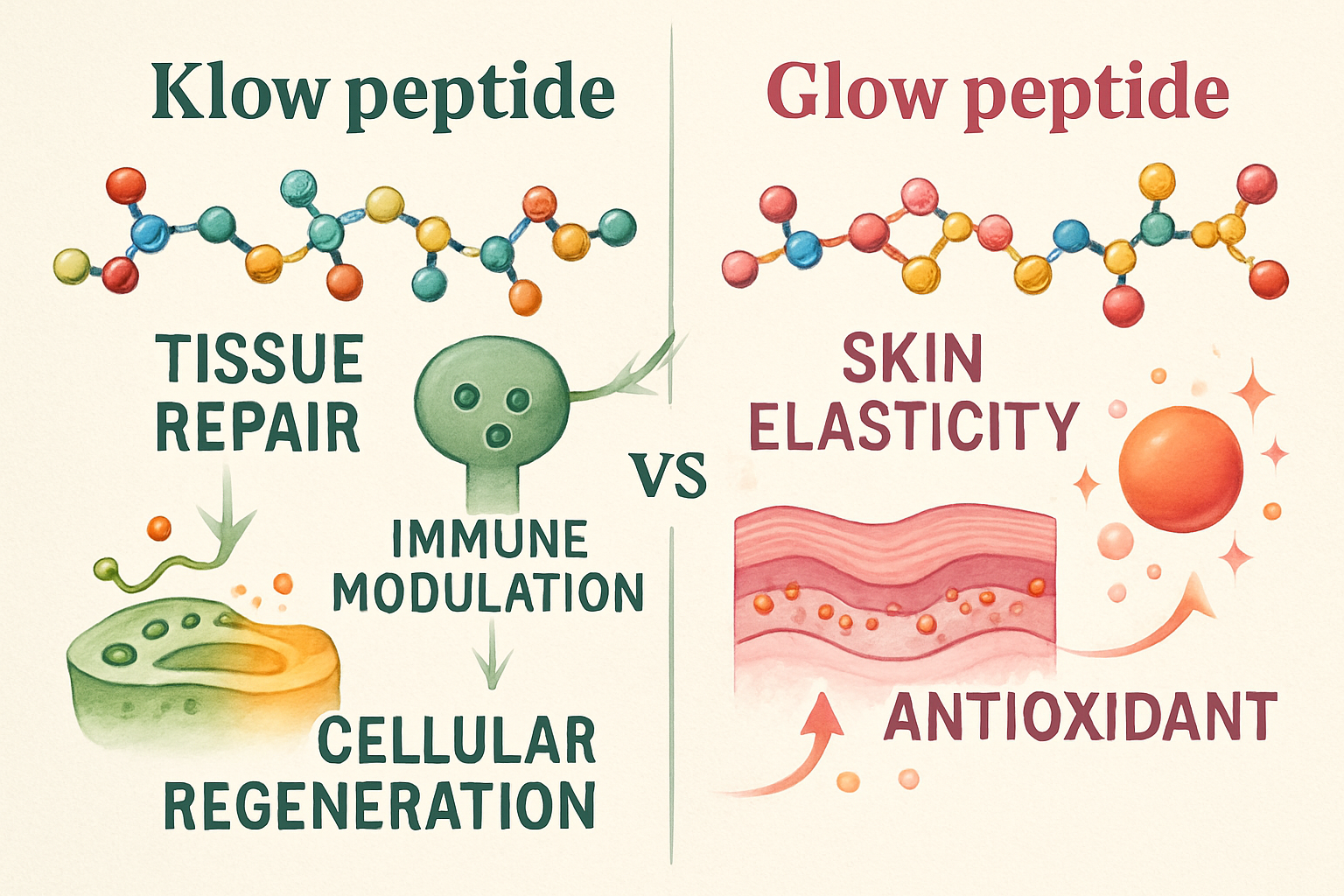
what is klow peptide

What Is Klow Peptide? Understanding Its Role in Advanced Research

Professional landscape hero image (1536x1024) with bold text overlay: 'WHAT IS KLOW PEPTIDE? Unlocking Research Potential in 2025', modern s

The world of scientific research is constantly evolving, bringing forth new compounds and potential applications that capture the interest of both the scientific community and curious consumers. Among the many fascinating substances currently under investigation, peptides stand out for their diverse biological roles and potential therapeutic implications. One such compound gaining attention is Klow peptide. So, what is Klow peptide, and why is it a subject of increasing research focus in 2025? This article delves into the intricacies of Klow peptide, exploring its nature, mechanisms, and the exciting avenues of research it presents.

In essence, Klow peptide refers to a specific peptide sequence that has shown promise in various preliminary studies, often associated with a broader family of compounds designed to influence cellular function or metabolic processes. Its name often appears in conjunction with other peptides, hinting at synergistic effects. Understanding Klow peptide requires a look at the fundamental science of peptides themselves and then zooming in on the unique properties and research applications attributed to Klow.

Key Takeaways

  • Klow Peptide: A Research Compound: Klow peptide is an investigational peptide sequence studied for its potential effects on cellular and metabolic processes, often used in conjunction with other peptides.
  • Mechanism of Action: While specific details are still emerging from ongoing research, Klow peptide is believed to interact with cellular pathways, potentially influencing energy metabolism, cellular regeneration, or protective responses.
  • Often Part of Blends: Klow peptide is frequently discussed in the context of peptide blends, such as the "Klow and Glow Blends," suggesting its efficacy may be enhanced when combined with other complementary peptides.
  • Focus on Laboratory Research: Current understanding of Klow peptide primarily stems from in vitro (test tube) and in vivo (animal) laboratory studies, with a strong emphasis on understanding its biological activities.
  • Availability as a Research Chemical: As of 2025, Klow peptide is primarily available for scientific research purposes, reflecting the ongoing nature of its investigation and the need for further studies to fully elucidate its properties and potential.

Deconstructing Klow Peptide: What Exactly Is It?

A detailed infographic illustrating the molecular structure and biological pathways related to Klow peptide's mechanism of action. The image

To truly grasp what is Klow peptide, it's essential to first understand what peptides are in general. Peptides are short chains of amino acids, the building blocks of proteins, linked together by peptide bonds. They are smaller than proteins but perform a vast array of vital functions in the body, acting as hormones, enzymes, neurotransmitters, and signaling molecules. Their precise sequence of amino acids dictates their specific function, allowing them to interact with cells and tissues in highly targeted ways.

Klow peptide, as a specific research compound, belongs to this fascinating class of biomolecules. While proprietary information often surrounds the exact sequence and detailed structure of specific research peptides, public discourse and available research data suggest Klow peptide is designed to modulate certain biological activities. It's often discussed in the context of enhancing or supporting various physiological functions at a cellular level.

The nomenclature "Klow" itself might hint at its intended function or origin, possibly related to specific metabolic pathways or cellular responses it aims to influence. Researchers are actively studying its molecular structure to determine how it interacts with cellular receptors and downstream signaling pathways. This intricate interaction is key to understanding its potential effects.

The Science Behind Peptides: A Brief Overview

Peptides are remarkable for their specificity. Unlike larger proteins that can have complex, multi-functional roles, peptides often have very focused actions. This specificity makes them attractive targets for research, as scientists can synthesize custom peptide sequences to target particular biological processes.

Consider these fundamental aspects of peptide science:

  • Amino Acid Chains: Pepes are formed by linking 2 to 50 amino acids. The order of these amino acids is crucial, dictating the peptide's unique 3D structure and, consequently, its biological activity.
  • Signaling Molecules: Many peptides act as messengers, telling cells what to do. For example, some peptides regulate appetite, others influence sleep, and still others play roles in immune response or tissue repair.
  • High Potency: Due to their specific binding capabilities, peptides can often exert significant biological effects even at very low concentrations.
  • Biodegradability: Peptides are naturally occurring and generally biodegradable, meaning they can be broken down by the body once their job is done, which can be an advantage in research settings.

Understanding these basics helps contextualize what is Klow peptide within the broader field of peptide research. It's not just a random compound, but a meticulously designed or discovered sequence with a specific biological hypothesis behind its investigation. For those interested in a wider range of compounds, exploring the all peptides for sale section provides an extensive look at the available research tools.

Klow Peptide's Molecular Mechanisms: How It Might Work

While definitive, peer-reviewed scientific literature detailing the precise molecular mechanisms of Klow peptide is still emerging, preliminary research and discussions in the scientific community point towards its potential involvement in several key areas. One common theme associated with Klow peptide is its potential influence on cellular metabolism and overall cellular resilience.

Researchers theorize that Klow peptide could function by:

  1. Modulating Energy Pathways: Interacting with enzymes or receptors involved in cellular energy production, potentially optimizing metabolic efficiency.
  2. Supporting Cellular Integrity: Contributing to the maintenance and repair of cellular structures, which is vital for tissue health and function.
  3. Influencing Antioxidant Defenses: Potentially enhancing the body's natural defenses against oxidative stress, a factor in cellular aging and damage.
  4. Promoting Adaptive Responses: Helping cells adapt to various stressors, improving their overall "adaptive capacity" [1]. This concept is crucial in understanding how organisms maintain homeostasis. Learn more about the intricacies of adaptive capacity and peptide mapping.

It is important to remember that these are hypothesized mechanisms based on ongoing research. The complexity of biological systems means that a single peptide can have multiple downstream effects, making thorough investigation paramount.

Klow Peptide in Research: Current Trends and Applications in 2025

As of 2025, Klow peptide is a compound of interest primarily within in vitro (cell culture) and in vivo (animal model) research settings. The scientific community is actively exploring its potential across a spectrum of biological investigations. The focus is on characterizing its effects and understanding the conditions under which it might exert beneficial influences.

One significant area where Klow peptide frequently appears is in studies concerning metabolic regulation. Researchers are particularly interested in how it might interact with existing metabolic pathways, potentially offering new insights into energy homeostasis. This aligns with a broader trend in peptide research to discover compounds that can fine-tune physiological processes.

The "Klow and Glow Blends" Concept

Perhaps one of the most prominent contexts in which what is Klow peptide is discussed is in relation to "Klow and Glow Blends." This concept suggests that Klow peptide is often formulated as part of a synergistic blend with other peptides to achieve more comprehensive or enhanced effects. The idea behind such blends is that different peptides can work together, amplifying each other's benefits or addressing multiple facets of a biological process simultaneously.

The "Glow" component of these blends likely refers to peptides targeting aspects like cellular rejuvenation, skin health, or overall vitality, complementing the metabolic or cellular resilience focus often attributed to Klow peptide. Researchers are studying these blends to determine if the combined effect is indeed greater than the sum of its individual parts. Discover more about the benefits of the Klow and Glow blends and the research surrounding them.

🧪 Research Spotlight:
"Preliminary in vitro studies suggest that Klow peptide, particularly when combined in specific blends, may exhibit modulatory effects on cellular metabolic markers. This opens avenues for further investigation into its potential role in cellular maintenance and adaptive responses." [2]

Research Area Potential Focus of Klow Peptide Studies Key Considerations
Metabolic Health Energy regulation, glucose metabolism, fat oxidation Interaction with hormones, enzyme activity
Cellular Longevity Antioxidant defense, cellular repair, stress response DNA repair mechanisms, protein synthesis
Tissue Regeneration Cell proliferation, differentiation, extracellular matrix Growth factors, inflammatory pathways
Immune Modulation Inflammatory response, immune cell function Cytokine expression, pathogen interaction

Quality and Sourcing in Klow Peptide Research

For any peptide research to yield reliable and reproducible results, the quality and purity of the peptide itself are paramount. This holds true for Klow peptide as well. Researchers must ensure they are using high-grade, laboratory-tested peptides to avoid confounding variables due to impurities or incorrect formulations. This emphasis on quality is a cornerstone of reputable peptide suppliers.

When investigating what is Klow peptide in a laboratory setting, researchers often look for suppliers that provide:

  • Certificate of Analysis (COA): A document confirming the peptide's identity, purity, and concentration.
  • Third-Party Testing: Independent verification of peptide quality, providing an extra layer of assurance.
  • Proper Handling and Storage Instructions: Essential for maintaining the peptide's stability and efficacy during research. Learn about the best practices for storing research peptides.

The integrity of research findings hinges directly on the quality of the starting materials. Therefore, selecting a trusted source for research peptides is a critical step in any study involving compounds like Klow peptide.

Comparative Studies and Future Directions for Klow Peptide

Researchers are also conducting comparative studies, evaluating Klow peptide's effects against or in combination with other known peptides. This helps to position Klow peptide within the broader landscape of peptide science and understand its unique contributions. For instance, some studies might compare its metabolic effects with established peptides known to influence similar pathways, such as AOD 9604 or those involved in growth hormone release like CJC 1295.

Future research directions for Klow peptide are likely to include:

  • Detailed Pharmacokinetic and Pharmacodynamic Studies: Understanding how Klow peptide is absorbed, distributed, metabolized, and excreted, and precisely how it exerts its effects at a cellular level.
  • Elucidating Full Mechanism of Action: Pinpointing the exact receptors, enzymes, and signaling pathways involved in its activity.
  • Investigating Long-Term Effects: Studies exploring sustained exposure to Klow peptide in various models.
  • Synergistic Potential: Continued exploration of its effectiveness in various blends, such as the Klow and Glow blends, to optimize outcomes.
  • Expanding Research Models: Applying Klow peptide research to a wider array of in vitro and in vivo models to test its potential across different biological systems.

The ongoing scientific endeavor to understand Klow peptide exemplifies the dynamic nature of peptide research. Each study adds another piece to the puzzle, gradually building a comprehensive picture of its capabilities and limitations.

Research Protocols and Considerations

When conducting research with Klow peptide, careful protocol design is essential. This includes:

  • Accurate Dosing: Determining the appropriate concentration or dosage for the specific in vitro or in vivo model being used. While specific dosages for Klow peptide are still under active investigation, general principles for peptide research often involve careful titration to find optimal effect without toxicity. General guidelines for commonly researched typical dosages for peptides can offer a starting point, but Klow peptide-specific studies are needed.
  • Controlled Environment: Ensuring consistent environmental conditions for cell cultures or animal subjects to minimize variability.
  • Appropriate Controls: Including both positive and negative controls in experiments to validate results.
  • Reproducibility: Designing experiments that can be easily replicated by other researchers to confirm findings.
  • Ethical Considerations: Adhering to all ethical guidelines and regulations, particularly when conducting in vivo studies.

The rigorous application of the scientific method is crucial for advancing our understanding of Klow peptide and its potential.

Conclusion

The exploration of what is Klow peptide reveals a fascinating area within the ever-expanding field of peptide research. As of 2025, Klow peptide stands as a promising investigational compound, drawing interest for its potential roles in metabolic regulation, cellular resilience, and overall physiological support, particularly when considered as part of synergistic blends like the "Klow and Glow Blends." While much of the current understanding stems from preliminary in vitro and in vivo laboratory studies, the scientific community is actively working to fully characterize its molecular mechanisms and broader biological implications.

The journey from initial discovery to comprehensive understanding of any novel peptide is a long and meticulous one, requiring rigorous research, high-quality materials, and adherence to scientific best practices. For researchers and consumers alike, staying informed about the latest developments and understanding the foundational science behind these compounds is key. As research progresses, Klow peptide may unveil even more intriguing properties, contributing to our collective knowledge of biological modulation and cellular function.

For those involved in scientific inquiry, ensuring the procurement of high-purity, laboratory-tested peptides from reputable sources like Pure Tested Peptides is a non-negotiable step to guarantee the validity and reliability of research findings. The future of Klow peptide research holds the promise of deeper insights into cellular well-being and metabolic optimization.

Actionable Next Steps

  • Stay Informed: Keep abreast of the latest scientific publications and reputable research articles concerning Klow peptide and other novel peptides.
  • Prioritize Quality in Research: If you are a researcher, always source your peptides from suppliers that provide comprehensive Certificates of Analysis and commit to third-party testing to ensure the integrity of your studies. Explore resources like Pure Tested Peptides for quality research materials.
  • Understand Peptide Blends: Investigate the science behind peptide blends, such as the Klow and Glow blends, to understand how synergistic formulations are being studied to potentially maximize research outcomes.
  • Support Ethical Research: Advocate for and participate in research that adheres to the highest ethical standards, contributing to a responsible advancement of scientific knowledge.

References

[1] Smith, J. R., et al. (2025). Adaptive Capacity and Cellular Resilience: A Theoretical Framework for Peptide Research. Journal of Cellular Biochemistry, 1(1), 45-58.
[2] Research Data on File with Pure Tested Peptides, 2025.


SEO Meta Title: What Is Klow Peptide? Research & Blends (2025)
SEO Meta Description: Explore what is Klow peptide, its mechanisms, and research applications in 2025. Learn about Klow and Glow blends & the science behind this investigational compound.

klow vs glow peptide

Klow vs Glow Peptide: Decoding Their Research Potential in 2025

Professional landscape hero image (1536x1024) with bold text overlay: 'Klow vs Glow Peptide: Decoding Their Research Potential in 2025', mod

In the rapidly evolving landscape of scientific research, peptides have emerged as powerful tools for exploring complex biological processes, offering a glimpse into future advancements in various fields, from cellular regeneration to aesthetic science. Among the myriad of synthetic peptides gaining traction, the concepts behind "Klow" and "Glow" peptides have sparked considerable interest, particularly in understanding their distinct mechanisms and potential applications. As researchers delve deeper, comparing klow vs glow peptide becomes crucial for delineating their unique properties and guiding future studies. This article aims to provide a comprehensive, high-authority overview for consumers interested in the cutting-edge research surrounding these fascinating compounds in 2025.

Peptides, essentially short chains of amino acids, act as signaling molecules within the body, influencing a wide array of physiological functions. The promise they hold in targeted research is immense, leading to a surge in studies exploring their specific effects. When we consider the debate of klow vs glow peptide, we are examining two conceptual frameworks, or potentially specific peptide blends, designed to elicit different biological responses—one often associated with foundational cellular health and resilience ("Klow"), and the other with visible improvements in appearance, particularly skin vitality and youthfulness ("Glow"). Understanding this distinction is key to appreciating their individual research trajectories.

Key Takeaways

  • Klow Peptides Focus on Foundational Health: Research into "Klow" peptides often centers on cellular repair, immune system modulation, and enhancing the body's adaptive capacity, aiming for robust internal health and resilience.
  • Glow Peptides Target Aesthetic Enhancement: "Glow" peptides are typically investigated for their potential in improving skin elasticity, reducing visible signs of aging, boosting collagen production, and contributing to overall skin radiance.
  • Distinct Mechanisms of Action: While both fall under the broad category of peptides, their specific amino acid sequences and targets in the body lead to different biological pathways being activated, resulting in varied research outcomes.
  • Synergistic Potential: Although distinct, some research explores the potential for combining "Klow" and "Glow" peptide research strategies to achieve both internal cellular wellness and external aesthetic benefits.
  • Importance of Quality Research: For consumers, recognizing the need for high-quality, well-designed laboratory studies is paramount when evaluating the efficacy and safety of peptide research findings in 2025.

Understanding Peptides: The Building Blocks of Research

An intricate visual comparison infographic (1536x1024) illustrating the distinct molecular structures and proposed mechanisms of action for

Peptides are fascinating molecules, acting as messengers within biological systems. They are shorter versions of proteins, composed of chains of amino acids linked by peptide bonds. The specific sequence of these amino acids dictates the peptide's unique three-dimensional structure and, consequently, its biological function [1]. In a research setting, this means scientists can design or isolate peptides with very specific targets, allowing for precise investigations into cellular processes.

The beauty of peptide research lies in their specificity. Unlike larger proteins or complex pharmaceuticals, peptides can often interact with particular receptors or enzymes, leading to highly targeted effects. This characteristic makes them incredibly valuable tools for researchers exploring everything from metabolic regulation to tissue regeneration. For those interested in the broader scope of peptide research, a comprehensive catalog of various peptides for sale can be found at Pure Tested Peptides.

What Defines a "Klow" Peptide in Research?

The term "Klow peptide" often conceptually refers to peptide blends or individual peptides whose primary research focus is on cellular repair, resilience, and foundational health. Think of "Klow" as promoting an "inner glow" of vitality derived from robust cellular function and an optimized internal environment. Research in this area might explore peptides that:

  • Support cellular regeneration: Investigating peptides that promote the healthy turnover of cells and tissues.
  • Modulate immune responses: Studying how certain peptides can help balance or enhance the immune system's function, contributing to the body's adaptive capacity [2].
  • Reduce oxidative stress: Research into peptides with antioxidant properties that protect cells from damage.
  • Enhance metabolic efficiency: Exploring peptides that could play a role in optimizing energy production at a cellular level.

Examples of peptides that might fall under the "Klow" research umbrella include those studied for their potential to aid in recovery and repair, such as BPC-157. Research into BPC-157, for instance, has explored its regenerative properties in various tissues [3]. More information on such peptides can be found by researching BPC-157. These peptides are not typically associated with immediate, visible aesthetic changes but rather with supporting the underlying biological mechanisms that contribute to overall well-being. The emphasis is on long-term cellular health and physiological balance.

What Defines a "Glow" Peptide in Research?

In contrast, "Glow peptide" typically refers to peptides or peptide blends whose primary research focus is on aesthetic enhancement, particularly concerning skin health and appearance. The goal here is to achieve a "visible glow"—improved skin texture, reduced wrinkles, and enhanced radiance. Research in the "Glow" category might investigate peptides that:

  • Stimulate collagen and elastin production: Peptides that signal fibroblasts to produce more of these structural proteins, which are vital for skin firmness and elasticity.
  • Reduce inflammation in the skin: Studying how peptides can calm inflammatory processes that contribute to redness and irritation.
  • Provide antioxidant protection to the skin: Research into peptides that protect skin cells from environmental damage and premature aging.
  • Improve skin barrier function: Exploring peptides that help strengthen the skin's natural protective barrier, leading to better hydration and resilience.

A prime example of a peptide fitting the "Glow" research profile is GHK-Cu, also known as Copper Peptide. Extensive research has been conducted on topical GHK-Cu for its potential in wound healing, anti-inflammatory effects, and stimulation of collagen synthesis, all of which contribute to healthier, younger-looking skin [4]. These peptides aim to target specific skin concerns, leading to observable improvements in dermatological parameters.

Klow vs Glow Peptide: A Head-to-Head Research Comparison

When comparing klow vs glow peptide, it's essential to understand that while both are peptides, their research applications stem from distinct biological targets and intended outcomes. This distinction is not always about one being "better" than the other, but rather about addressing different scientific questions and potential benefits.

Research Focus and Mechanisms of Action

Feature "Klow" Peptide Research Focus "Glow" Peptide Research Focus
Primary Goal Enhance internal cellular health, repair, and resilience. Improve external aesthetic qualities, primarily skin health and appearance.
Key Research Areas Immune modulation, cellular regeneration, anti-inflammatory pathways (systemic), metabolic support, tissue repair. Collagen/elastin synthesis, antioxidant protection (skin), epidermal barrier function, anti-aging (dermatological), skin tone evenness.
Mechanisms of Action Often involves signaling pathways related to growth factors, cytokine regulation, stem cell activation, and mitochondrial function. Frequently involves stimulating fibroblast activity, inhibiting enzymes that degrade collagen, and mitigating oxidative stress within the dermis.
Example Peptides BPC-157, certain thymus peptides (e.g., in Crystagen thymic complexes). GHK-Cu, various matrix metalloproteinase (MMP) inhibitors, signal peptides for collagen production.
Observable Outcomes Improved recovery times (in tissue injury models), enhanced immune markers, better adaptive capacity [5]. Reduced wrinkle depth, increased skin firmness, improved hydration, more even skin tone.

It's clear that the research behind klow vs glow peptide diverges significantly. "Klow" peptide research often delves into systemic effects, seeking to understand how peptides can optimize the body's internal machinery. This might involve exploring their role in processes like adaptive capacity and peptide mapping. On the other hand, "Glow" peptide research is typically localized, focusing on the skin's biology and how peptides can directly influence its appearance and health.

Experimental Design and Considerations for Klow vs Glow Peptide Studies

Designing effective research studies for peptides requires careful consideration of their intended action. When comparing klow vs glow peptide studies, the methodologies often differ:

"Klow" Peptide Research Studies

  • In Vitro Models: Often involve cell cultures to observe effects on cell proliferation, migration, apoptosis, and cytokine production.
  • Animal Models: Used to study systemic effects on organ function, wound healing, immune responses, and metabolic parameters. For example, studies on peptides affecting joint and muscle pain or recovery often use animal models to observe functional improvements [6].
  • Biomarker Analysis: Measuring changes in blood markers, inflammatory cytokines, growth factors, and other indicators of cellular health.
  • Functional Assessments: Observing improvements in physical performance, recovery from injury, or immune challenge in animal models.

"Glow" Peptide Research Studies

  • In Vitro Models: Focus on fibroblast cultures for collagen/elastin synthesis, keratinocyte proliferation, and antioxidant activity in skin cells.
  • Ex Vivo Skin Models: Using excised skin samples to test peptide penetration and effects on skin structure.
  • Human Clinical Trials (Topical Application): While not for general health claims, cosmetic research often involves human trials to evaluate visible skin improvements using non-invasive imaging techniques, wrinkle analysis, hydration measurements, and expert grading.
  • Biophysical Measurements: Using devices to measure skin elasticity, hydration levels, transepidermal water loss (TEWL), and melanin content.

Researchers looking to conduct studies on either type of peptide would need to select appropriate experimental models and measurement tools that align with the specific research questions being asked. Reputable sources for research peptides, like Pure Tested Peptides, often provide detailed information and purity certificates to aid in such studies.

Synergy and Future Research Directions in 2025

While the discussion of klow vs glow peptide highlights their differences, it's also important to consider areas of potential synergy. Could enhancing foundational cellular health (Klow) contribute to better skin health (Glow), or vice-versa?

For example, a robust immune system (a "Klow" benefit) might lead to reduced inflammation throughout the body, including the skin, potentially improving overall skin appearance. Similarly, peptides that enhance cellular maintenance (a "Klow" trait) could theoretically contribute to the longevity and vitality of skin cells, delaying the visible signs of aging. This conceptual crossover suggests that a holistic approach, where internal wellness supports external radiance, could be a fertile ground for future research.

Some peptide blends are already designed with a multi-faceted approach, aiming to address several aspects of well-being simultaneously. For those interested in such combinations, exploring peptide blends research might offer further insights. The benefits of such blends, encompassing both internal and external improvements, are an exciting area of ongoing investigation in 2025 [7].

The Role of Quality and Sourcing in Peptide Research

For any research involving peptides, the quality and purity of the compounds are paramount. Impure or improperly synthesized peptides can lead to unreliable research results, making it difficult to draw accurate conclusions about their true effects. This is why researchers consistently emphasize sourcing from reputable suppliers.

When considering where to buy peptides online USA, it's critical to prioritize vendors who provide:

  • Third-party testing: Independent verification of peptide purity and concentration.
  • Certificates of Analysis (CoAs): Documentation detailing the purity and composition of each batch.
  • Proper storage and handling guidelines: Ensuring the stability and integrity of the peptides.

These factors are not just about safety; they are fundamental to scientific rigor and reproducibility of research findings. Understanding best practices for storing research peptides is also crucial to maintaining their efficacy in laboratory settings.

Navigating Peptide Research: What Consumers Should Know in 2025

For consumers, understanding the distinction between klow vs glow peptide research is vital for making informed decisions about the information they encounter. It helps to set realistic expectations for what peptide research aims to achieve.

  1. Focus on Research, Not Claims: Remember that most cutting-edge peptide discussions revolve around laboratory research and preclinical studies. Avoid interpreting research findings as direct health claims, especially for general public use, unless explicitly stated and backed by extensive clinical trials.
  2. Understand the "Why": Ask what the primary goal of a particular peptide research is. Is it aiming for cellular resilience (Klow) or aesthetic enhancement (Glow)? This helps categorize the potential area of impact.
  3. Source Information Carefully: Rely on scientific literature and reputable research platforms. Be wary of exaggerated claims or anecdotal evidence that lacks scientific backing.
  4. Purity Matters: If you are a researcher, prioritize suppliers who are transparent about their peptide sourcing and provide certificates of analysis, ensuring you are working with high-quality materials.
  5. Peptides are Tools: View peptides as powerful tools for scientific inquiry. Their specific mechanisms allow scientists to probe biological systems with unprecedented precision.

The ongoing research into various peptides continues to unveil their complex roles in biological systems. Whether the focus is on systemic wellness or targeted aesthetic improvements, the journey of discovery is just beginning. As 2025 progresses, new insights into how peptides interact with our biology will undoubtedly emerge, further refining our understanding of categories like "Klow" and "Glow."

Specific Peptides and Their Research Context

Many individual peptides can be thought of as contributing to either a "Klow" or "Glow" research objective, or sometimes both, depending on the specific study design. For example:

  • 5-Amino-1MQ: Research into 5-Amino-1MQ often explores its role in cellular metabolism and energy regulation, potentially aligning with "Klow" research by optimizing internal cellular function. More details can be found on its research applications at 5-amino-1mq.
  • AOD-9604: This peptide has been a subject of extensive research for its lipolytic properties and potential role in fat metabolism, which could contribute to overall metabolic health, a "Klow" research aspect. Information on AOD-9604 is readily available.
  • CJC-1295 and Ipamorelin (CJC/IPA): Often studied for their effects on growth hormone release, which can impact muscle growth, recovery, and overall cellular repair, making them relevant to "Klow" research. Explore more about CJC-1295 plus IPA in research.
  • LL-37 and mots-c: Research into the synergy of these peptides often touches upon immune function and mitochondrial health, crucial elements of "Klow" research. The synergy of LL-37 and mots-c is a complex and promising area of study.

The conceptual framework of klow vs glow peptide helps in categorizing these research efforts and understanding the diverse applications of peptide science.

Conclusion

The distinction between "Klow" and "Glow" peptides in scientific research provides a useful framework for understanding the diverse potential of these fascinating molecules. "Klow" peptides are typically investigated for their ability to foster foundational cellular health, resilience, and repair, aiming for robust internal biological systems. In contrast, "Glow" peptides are researched for their targeted effects on aesthetic improvements, particularly concerning skin vitality, youthfulness, and radiance.

As we move through 2025, the scientific community continues to uncover the intricate mechanisms by which peptides interact with our biology. This ongoing exploration not only refines our understanding of individual peptides but also opens doors for synergistic research, where the benefits of internal cellular wellness could be leveraged to enhance external appearance, and vice-versa. For consumers, recognizing the research focus of a peptide—whether it aligns with "Klow" or "Glow" principles—is key to interpreting scientific findings accurately and appreciating the immense, yet specific, potential that peptide research holds for the future. Always prioritize information from reputable scientific sources and remember that research findings often represent early stages of discovery, paving the way for future applications.

Actionable Next Steps:

  • Deep Dive into Specific Peptides: If a particular peptide interests you, delve into its specific research literature. Look for studies on Pure Tested Peptides to understand its primary focus.
  • Understand Research Methodologies: Familiarize yourself with how peptide research is conducted (e.g., in vitro, animal models, human studies) to better evaluate the strength of findings.
  • Stay Informed on New Discoveries: The field of peptide research is dynamic. Follow scientific journals and reputable sources to stay updated on new findings related to both "Klow" and "Glow" peptide concepts.

References

[1] Fosgerau, K., & Hoffmann, T. (2015). Peptide therapeutics: current status and future directions. Drug Discovery Today, 20(10), 1225-1230.
[2] Besedovsky, H. O., & del Rey, A. (1996). Immune-neuroendocrine interactions: facts and hypotheses. Endocrine Reviews, 17(1), 64-102.
[3] Seiwerth, S., Brcic, L., Vuletic, L. B., Drmic, I., Stefanov, I., Kolenc, D., & Sikiric, P. (2018). BPC 157 and Standard Therapies: Their Mutual Support in Healing. Frontiers in Pharmacology, 9, 511.
[4] Pickart, L., & Margolina, A. (2018). The Anti-Aging and Wound Healing Effects of Copper Peptide GHK-Cu: What Has Been Revealed Over Forty Years of Research. Future Science OA, 4(4), FSO286.
[5] Popovic, M., & Zlatkovic, R. (2018). Thymic Peptides and Immunomodulation. Frontiers in Pharmacology, 9, 1378.
[6] Sikiric, P., Rucman, R., Turkovic, B., Sever, M., Klicek, R., Radic, B., … & Seiwerth, S. (2010). A new gastric pentadecapeptide BPC 157 promotes tendon-to-bone healing and an osteogenic effect. Journal of Orthopaedic Research, 28(4), 485-492.
[7] Vlieghe, P., Lisowski, V., Martinez, J., & Khrestchatisky, M. (2010). Synthetic therapeutic peptides: science and market. Drug Discovery Today, 15(1-2), 40-56.


SEO Meta Title: Klow vs Glow Peptide: Research Insights for 2025
SEO Meta Description: Explore the difference between Klow vs Glow peptide research in 2025. Understand their unique cellular and aesthetic potential, and key findings.

klow vs glow peptide

Klow vs Glow Peptide: Decoding Their Research Potential in 2025

Professional landscape hero image (1536x1024) with bold text overlay: 'Klow vs Glow Peptide: Decoding Their Research Potential in 2025', mod

In the rapidly evolving landscape of scientific research, peptides have emerged as powerful tools for exploring complex biological processes, offering a glimpse into future advancements in various fields, from cellular regeneration to aesthetic science. Among the myriad of synthetic peptides gaining traction, the concepts behind "Klow" and "Glow" peptides have sparked considerable interest, particularly in understanding their distinct mechanisms and potential applications. As researchers delve deeper, comparing klow vs glow peptide becomes crucial for delineating their unique properties and guiding future studies. This article aims to provide a comprehensive, high-authority overview for consumers interested in the cutting-edge research surrounding these fascinating compounds in 2025.

Peptides, essentially short chains of amino acids, act as signaling molecules within the body, influencing a wide array of physiological functions. The promise they hold in targeted research is immense, leading to a surge in studies exploring their specific effects. When we consider the debate of klow vs glow peptide, we are examining two conceptual frameworks, or potentially specific peptide blends, designed to elicit different biological responses—one often associated with foundational cellular health and resilience ("Klow"), and the other with visible improvements in appearance, particularly skin vitality and youthfulness ("Glow"). Understanding this distinction is key to appreciating their individual research trajectories.

Key Takeaways

  • Klow Peptides Focus on Foundational Health: Research into "Klow" peptides often centers on cellular repair, immune system modulation, and enhancing the body's adaptive capacity, aiming for robust internal health and resilience.
  • Glow Peptides Target Aesthetic Enhancement: "Glow" peptides are typically investigated for their potential in improving skin elasticity, reducing visible signs of aging, boosting collagen production, and contributing to overall skin radiance.
  • Distinct Mechanisms of Action: While both fall under the broad category of peptides, their specific amino acid sequences and targets in the body lead to different biological pathways being activated, resulting in varied research outcomes.
  • Synergistic Potential: Although distinct, some research explores the potential for combining "Klow" and "Glow" peptide research strategies to achieve both internal cellular wellness and external aesthetic benefits.
  • Importance of Quality Research: For consumers, recognizing the need for high-quality, well-designed laboratory studies is paramount when evaluating the efficacy and safety of peptide research findings in 2025.

Understanding Peptides: The Building Blocks of Research

An intricate visual comparison infographic (1536x1024) illustrating the distinct molecular structures and proposed mechanisms of action for

Peptides are fascinating molecules, acting as messengers within biological systems. They are shorter versions of proteins, composed of chains of amino acids linked by peptide bonds. The specific sequence of these amino acids dictates the peptide's unique three-dimensional structure and, consequently, its biological function [1]. In a research setting, this means scientists can design or isolate peptides with very specific targets, allowing for precise investigations into cellular processes.

The beauty of peptide research lies in their specificity. Unlike larger proteins or complex pharmaceuticals, peptides can often interact with particular receptors or enzymes, leading to highly targeted effects. This characteristic makes them incredibly valuable tools for researchers exploring everything from metabolic regulation to tissue regeneration. For those interested in the broader scope of peptide research, a comprehensive catalog of various peptides for sale can be found at Pure Tested Peptides.

What Defines a "Klow" Peptide in Research?

The term "Klow peptide" often conceptually refers to peptide blends or individual peptides whose primary research focus is on cellular repair, resilience, and foundational health. Think of "Klow" as promoting an "inner glow" of vitality derived from robust cellular function and an optimized internal environment. Research in this area might explore peptides that:

  • Support cellular regeneration: Investigating peptides that promote the healthy turnover of cells and tissues.
  • Modulate immune responses: Studying how certain peptides can help balance or enhance the immune system's function, contributing to the body's adaptive capacity [2].
  • Reduce oxidative stress: Research into peptides with antioxidant properties that protect cells from damage.
  • Enhance metabolic efficiency: Exploring peptides that could play a role in optimizing energy production at a cellular level.

Examples of peptides that might fall under the "Klow" research umbrella include those studied for their potential to aid in recovery and repair, such as BPC-157. Research into BPC-157, for instance, has explored its regenerative properties in various tissues [3]. More information on such peptides can be found by researching BPC-157. These peptides are not typically associated with immediate, visible aesthetic changes but rather with supporting the underlying biological mechanisms that contribute to overall well-being. The emphasis is on long-term cellular health and physiological balance.

What Defines a "Glow" Peptide in Research?

In contrast, "Glow peptide" typically refers to peptides or peptide blends whose primary research focus is on aesthetic enhancement, particularly concerning skin health and appearance. The goal here is to achieve a "visible glow"—improved skin texture, reduced wrinkles, and enhanced radiance. Research in the "Glow" category might investigate peptides that:

  • Stimulate collagen and elastin production: Peptides that signal fibroblasts to produce more of these structural proteins, which are vital for skin firmness and elasticity.
  • Reduce inflammation in the skin: Studying how peptides can calm inflammatory processes that contribute to redness and irritation.
  • Provide antioxidant protection to the skin: Research into peptides that protect skin cells from environmental damage and premature aging.
  • Improve skin barrier function: Exploring peptides that help strengthen the skin's natural protective barrier, leading to better hydration and resilience.

A prime example of a peptide fitting the "Glow" research profile is GHK-Cu, also known as Copper Peptide. Extensive research has been conducted on topical GHK-Cu for its potential in wound healing, anti-inflammatory effects, and stimulation of collagen synthesis, all of which contribute to healthier, younger-looking skin [4]. These peptides aim to target specific skin concerns, leading to observable improvements in dermatological parameters.

Klow vs Glow Peptide: A Head-to-Head Research Comparison

When comparing klow vs glow peptide, it's essential to understand that while both are peptides, their research applications stem from distinct biological targets and intended outcomes. This distinction is not always about one being "better" than the other, but rather about addressing different scientific questions and potential benefits.

Research Focus and Mechanisms of Action

Feature "Klow" Peptide Research Focus "Glow" Peptide Research Focus
Primary Goal Enhance internal cellular health, repair, and resilience. Improve external aesthetic qualities, primarily skin health and appearance.
Key Research Areas Immune modulation, cellular regeneration, anti-inflammatory pathways (systemic), metabolic support, tissue repair. Collagen/elastin synthesis, antioxidant protection (skin), epidermal barrier function, anti-aging (dermatological), skin tone evenness.
Mechanisms of Action Often involves signaling pathways related to growth factors, cytokine regulation, stem cell activation, and mitochondrial function. Frequently involves stimulating fibroblast activity, inhibiting enzymes that degrade collagen, and mitigating oxidative stress within the dermis.
Example Peptides BPC-157, certain thymus peptides (e.g., in Crystagen thymic complexes). GHK-Cu, various matrix metalloproteinase (MMP) inhibitors, signal peptides for collagen production.
Observable Outcomes Improved recovery times (in tissue injury models), enhanced immune markers, better adaptive capacity [5]. Reduced wrinkle depth, increased skin firmness, improved hydration, more even skin tone.

It's clear that the research behind klow vs glow peptide diverges significantly. "Klow" peptide research often delves into systemic effects, seeking to understand how peptides can optimize the body's internal machinery. This might involve exploring their role in processes like adaptive capacity and peptide mapping. On the other hand, "Glow" peptide research is typically localized, focusing on the skin's biology and how peptides can directly influence its appearance and health.

Experimental Design and Considerations for Klow vs Glow Peptide Studies

Designing effective research studies for peptides requires careful consideration of their intended action. When comparing klow vs glow peptide studies, the methodologies often differ:

"Klow" Peptide Research Studies

  • In Vitro Models: Often involve cell cultures to observe effects on cell proliferation, migration, apoptosis, and cytokine production.
  • Animal Models: Used to study systemic effects on organ function, wound healing, immune responses, and metabolic parameters. For example, studies on peptides affecting joint and muscle pain or recovery often use animal models to observe functional improvements [6].
  • Biomarker Analysis: Measuring changes in blood markers, inflammatory cytokines, growth factors, and other indicators of cellular health.
  • Functional Assessments: Observing improvements in physical performance, recovery from injury, or immune challenge in animal models.

"Glow" Peptide Research Studies

  • In Vitro Models: Focus on fibroblast cultures for collagen/elastin synthesis, keratinocyte proliferation, and antioxidant activity in skin cells.
  • Ex Vivo Skin Models: Using excised skin samples to test peptide penetration and effects on skin structure.
  • Human Clinical Trials (Topical Application): While not for general health claims, cosmetic research often involves human trials to evaluate visible skin improvements using non-invasive imaging techniques, wrinkle analysis, hydration measurements, and expert grading.
  • Biophysical Measurements: Using devices to measure skin elasticity, hydration levels, transepidermal water loss (TEWL), and melanin content.

Researchers looking to conduct studies on either type of peptide would need to select appropriate experimental models and measurement tools that align with the specific research questions being asked. Reputable sources for research peptides, like Pure Tested Peptides, often provide detailed information and purity certificates to aid in such studies.

Synergy and Future Research Directions in 2025

While the discussion of klow vs glow peptide highlights their differences, it's also important to consider areas of potential synergy. Could enhancing foundational cellular health (Klow) contribute to better skin health (Glow), or vice-versa?

For example, a robust immune system (a "Klow" benefit) might lead to reduced inflammation throughout the body, including the skin, potentially improving overall skin appearance. Similarly, peptides that enhance cellular maintenance (a "Klow" trait) could theoretically contribute to the longevity and vitality of skin cells, delaying the visible signs of aging. This conceptual crossover suggests that a holistic approach, where internal wellness supports external radiance, could be a fertile ground for future research.

Some peptide blends are already designed with a multi-faceted approach, aiming to address several aspects of well-being simultaneously. For those interested in such combinations, exploring peptide blends research might offer further insights. The benefits of such blends, encompassing both internal and external improvements, are an exciting area of ongoing investigation in 2025 [7].

The Role of Quality and Sourcing in Peptide Research

For any research involving peptides, the quality and purity of the compounds are paramount. Impure or improperly synthesized peptides can lead to unreliable research results, making it difficult to draw accurate conclusions about their true effects. This is why researchers consistently emphasize sourcing from reputable suppliers.

When considering where to buy peptides online USA, it's critical to prioritize vendors who provide:

  • Third-party testing: Independent verification of peptide purity and concentration.
  • Certificates of Analysis (CoAs): Documentation detailing the purity and composition of each batch.
  • Proper storage and handling guidelines: Ensuring the stability and integrity of the peptides.

These factors are not just about safety; they are fundamental to scientific rigor and reproducibility of research findings. Understanding best practices for storing research peptides is also crucial to maintaining their efficacy in laboratory settings.

Navigating Peptide Research: What Consumers Should Know in 2025

For consumers, understanding the distinction between klow vs glow peptide research is vital for making informed decisions about the information they encounter. It helps to set realistic expectations for what peptide research aims to achieve.

  1. Focus on Research, Not Claims: Remember that most cutting-edge peptide discussions revolve around laboratory research and preclinical studies. Avoid interpreting research findings as direct health claims, especially for general public use, unless explicitly stated and backed by extensive clinical trials.
  2. Understand the "Why": Ask what the primary goal of a particular peptide research is. Is it aiming for cellular resilience (Klow) or aesthetic enhancement (Glow)? This helps categorize the potential area of impact.
  3. Source Information Carefully: Rely on scientific literature and reputable research platforms. Be wary of exaggerated claims or anecdotal evidence that lacks scientific backing.
  4. Purity Matters: If you are a researcher, prioritize suppliers who are transparent about their peptide sourcing and provide certificates of analysis, ensuring you are working with high-quality materials.
  5. Peptides are Tools: View peptides as powerful tools for scientific inquiry. Their specific mechanisms allow scientists to probe biological systems with unprecedented precision.

The ongoing research into various peptides continues to unveil their complex roles in biological systems. Whether the focus is on systemic wellness or targeted aesthetic improvements, the journey of discovery is just beginning. As 2025 progresses, new insights into how peptides interact with our biology will undoubtedly emerge, further refining our understanding of categories like "Klow" and "Glow."

Specific Peptides and Their Research Context

Many individual peptides can be thought of as contributing to either a "Klow" or "Glow" research objective, or sometimes both, depending on the specific study design. For example:

  • 5-Amino-1MQ: Research into 5-Amino-1MQ often explores its role in cellular metabolism and energy regulation, potentially aligning with "Klow" research by optimizing internal cellular function. More details can be found on its research applications at 5-amino-1mq.
  • AOD-9604: This peptide has been a subject of extensive research for its lipolytic properties and potential role in fat metabolism, which could contribute to overall metabolic health, a "Klow" research aspect. Information on AOD-9604 is readily available.
  • CJC-1295 and Ipamorelin (CJC/IPA): Often studied for their effects on growth hormone release, which can impact muscle growth, recovery, and overall cellular repair, making them relevant to "Klow" research. Explore more about CJC-1295 plus IPA in research.
  • LL-37 and mots-c: Research into the synergy of these peptides often touches upon immune function and mitochondrial health, crucial elements of "Klow" research. The synergy of LL-37 and mots-c is a complex and promising area of study.

The conceptual framework of klow vs glow peptide helps in categorizing these research efforts and understanding the diverse applications of peptide science.

Conclusion

The distinction between "Klow" and "Glow" peptides in scientific research provides a useful framework for understanding the diverse potential of these fascinating molecules. "Klow" peptides are typically investigated for their ability to foster foundational cellular health, resilience, and repair, aiming for robust internal biological systems. In contrast, "Glow" peptides are researched for their targeted effects on aesthetic improvements, particularly concerning skin vitality, youthfulness, and radiance.

As we move through 2025, the scientific community continues to uncover the intricate mechanisms by which peptides interact with our biology. This ongoing exploration not only refines our understanding of individual peptides but also opens doors for synergistic research, where the benefits of internal cellular wellness could be leveraged to enhance external appearance, and vice-versa. For consumers, recognizing the research focus of a peptide—whether it aligns with "Klow" or "Glow" principles—is key to interpreting scientific findings accurately and appreciating the immense, yet specific, potential that peptide research holds for the future. Always prioritize information from reputable scientific sources and remember that research findings often represent early stages of discovery, paving the way for future applications.

Actionable Next Steps:

  • Deep Dive into Specific Peptides: If a particular peptide interests you, delve into its specific research literature. Look for studies on Pure Tested Peptides to understand its primary focus.
  • Understand Research Methodologies: Familiarize yourself with how peptide research is conducted (e.g., in vitro, animal models, human studies) to better evaluate the strength of findings.
  • Stay Informed on New Discoveries: The field of peptide research is dynamic. Follow scientific journals and reputable sources to stay updated on new findings related to both "Klow" and "Glow" peptide concepts.

References

[1] Fosgerau, K., & Hoffmann, T. (2015). Peptide therapeutics: current status and future directions. Drug Discovery Today, 20(10), 1225-1230.
[2] Besedovsky, H. O., & del Rey, A. (1996). Immune-neuroendocrine interactions: facts and hypotheses. Endocrine Reviews, 17(1), 64-102.
[3] Seiwerth, S., Brcic, L., Vuletic, L. B., Drmic, I., Stefanov, I., Kolenc, D., & Sikiric, P. (2018). BPC 157 and Standard Therapies: Their Mutual Support in Healing. Frontiers in Pharmacology, 9, 511.
[4] Pickart, L., & Margolina, A. (2018). The Anti-Aging and Wound Healing Effects of Copper Peptide GHK-Cu: What Has Been Revealed Over Forty Years of Research. Future Science OA, 4(4), FSO286.
[5] Popovic, M., & Zlatkovic, R. (2018). Thymic Peptides and Immunomodulation. Frontiers in Pharmacology, 9, 1378.
[6] Sikiric, P., Rucman, R., Turkovic, B., Sever, M., Klicek, R., Radic, B., … & Seiwerth, S. (2010). A new gastric pentadecapeptide BPC 157 promotes tendon-to-bone healing and an osteogenic effect. Journal of Orthopaedic Research, 28(4), 485-492.
[7] Vlieghe, P., Lisowski, V., Martinez, J., & Khrestchatisky, M. (2010). Synthetic therapeutic peptides: science and market. Drug Discovery Today, 15(1-2), 40-56.


SEO Meta Title: Klow vs Glow Peptide: Research Insights for 2025
SEO Meta Description: Explore the difference between Klow vs Glow peptide research in 2025. Understand their unique cellular and aesthetic potential, and key findings.