Call or Text 727-513-9780
  • Shopping Cart Shopping Cart
    0Shopping Cart
Pure Tested Peptides | America's most trusted Peptides for sale online
  • Peptides for sale
    • Oral Peptides for sale
      • Peptide Capsules for sale
      • BPC 157 Capsules 1000mcg
      • SLU-PP-332 Capsules | 1000 mcg
      • 5-Amino-1MQ 50mg Capsules
      • Tesofensine 500mcg
    • All Peptides for sale
    • Peptide Sprays
      • BPC 157 Nasal Spray Kit
      • BPC-157 TB500 Nasal Spray Kit
      • Semax Nasal Spray 10mg
      • Selank – Nasal Spray Kit – 10mg
      • Epithalon 50MG Nasal Spray Kit
      • Ipamorelin 10mg Nasal Spray
      • Klow Nasal Spray (BPC-157 + TB-500 + GHK-Cu + KPV) | 80mg
      • Hulk Nasal Spray Tesa / Ipa Blend 6/3 MG
      • Klow Nasal Spray
      • NAD + 500 mg Nasal Spray
      • PT-141 Nasal Spray Kit
    • GHRH Peptides
      • Ipa Peptides
      • CJC-1295 Peptides
        • CJC-1295 with DAC 5 mg
        • CJC-1295 without DAC 5 mg
        • CJC-1295 Ipa 10mg
      • Tesa Peptides
        • Tesa Peptide
        • Tesa 20 mg
    • GHK-Cu Peptides
      • All GHK-Cu Peptides
      • GHK-Cu 100mg
      • KLOW Peptide Blend – Buy KLOW blend online
    • BPC Peptides
      • All BPC Peptides
      • BPC-157
      • BPC-157 TB-500
      • BPC 157 capsules 1000mcg
    • SLU-PP-332 Peptides
      • All SLU-PP-332 Peptides
      • SLU-PP-332 5mg
    • GLP3 Peptides
      • GLP3-R
      • GLP3-R CAG 10mg
      • GLP3-R 20mg
    • PT-141 Peptides
      • PT-141 Peptides for sale
      • PT-141 10mg
      • PT-141 Nasal Spray
    • CAG Peptides
      • Lipo-C Peptide Blend
      • CAG 5mg
      • CAG 10mg
    • MOTS-C Peptides
      • MOTS-C Peptides for sale
      • MOTS-c peptide
      • MOTS-c 10mg *6 pack*
    • 5 Amino 1MQ Peptides
      • 5 Amino 1MQ Peptides for sale
      • 5-Amino-1MQ 50mg Capsules
      • 5-Amino-1MQ 5mg
    • Epithalon Peptides
      • Epithalon Peptides for sale
      • Epithalon 10mg
      • Epithalon 50mg
  • Shop
    • GLPs
      • 5-Amino-1MQ 50mg Capsules
      • 5-Amino-1MQ 5mg
      • GLP3-Reta
      • L-Carnitine 500mg/ml
      • Tesofensine 500mcg
      • SLU-PP-332 5mg
      • MOTS-c 10mg *6 pack*
    • Epithalon & BPC Peptides
      • Epithalon 10mg
      • Epithalon 50mg
      • BPC-157
      • BPC 157 capsules 1000mcg
      • BPC-157 TB-500
      • BPC-157 TB500 Nasal Spray Kit
      • BPC 157 Nasal Spray Kit
    • BPC TB-500 & NAD+ Peptides
      • NAD+ 500 mg
      • KLOW Peptide Blend – Buy KLOW blend online
      • GLOW Peptide Blend
      • TB 500 5mg
      • BPC 157 capsules 1000mcg – Supplement
      • BPC 157 Nasal Spray Kit
      • BPC-157
      • BPC-157 TB500 Nasal Spray Kit
      • BPC-157 TB-500
      • BPC 157 capsules 1000mcg
    • LL-37 Peptide
      • LL-37 10 mg
    • MOTS-C & Selank
      • MOTS-c peptide
      • Selank 10mg
    • GHK Peptides
      • GHK-Cu 100mg
      • GLOW Peptide Blend
      • KLOW Peptide Blend – Buy KLOW blend online
  • COAs
  • Wholesale
    • Wholesale Peptides for sale
  • PTP FAQ
  • Affiliates
    • Affiliate Program
    • Affiliate Signup
  • Contact
    • Contact Customer Service
    • Text Customer Support
  • About US
  • Shop all peptides
  • Login / Register Login / Register Page Link Login / Register Page Link
  • Click to open the search input field Click to open the search input field Search
  • Menu Menu

Tag Archive for: experimental peptides

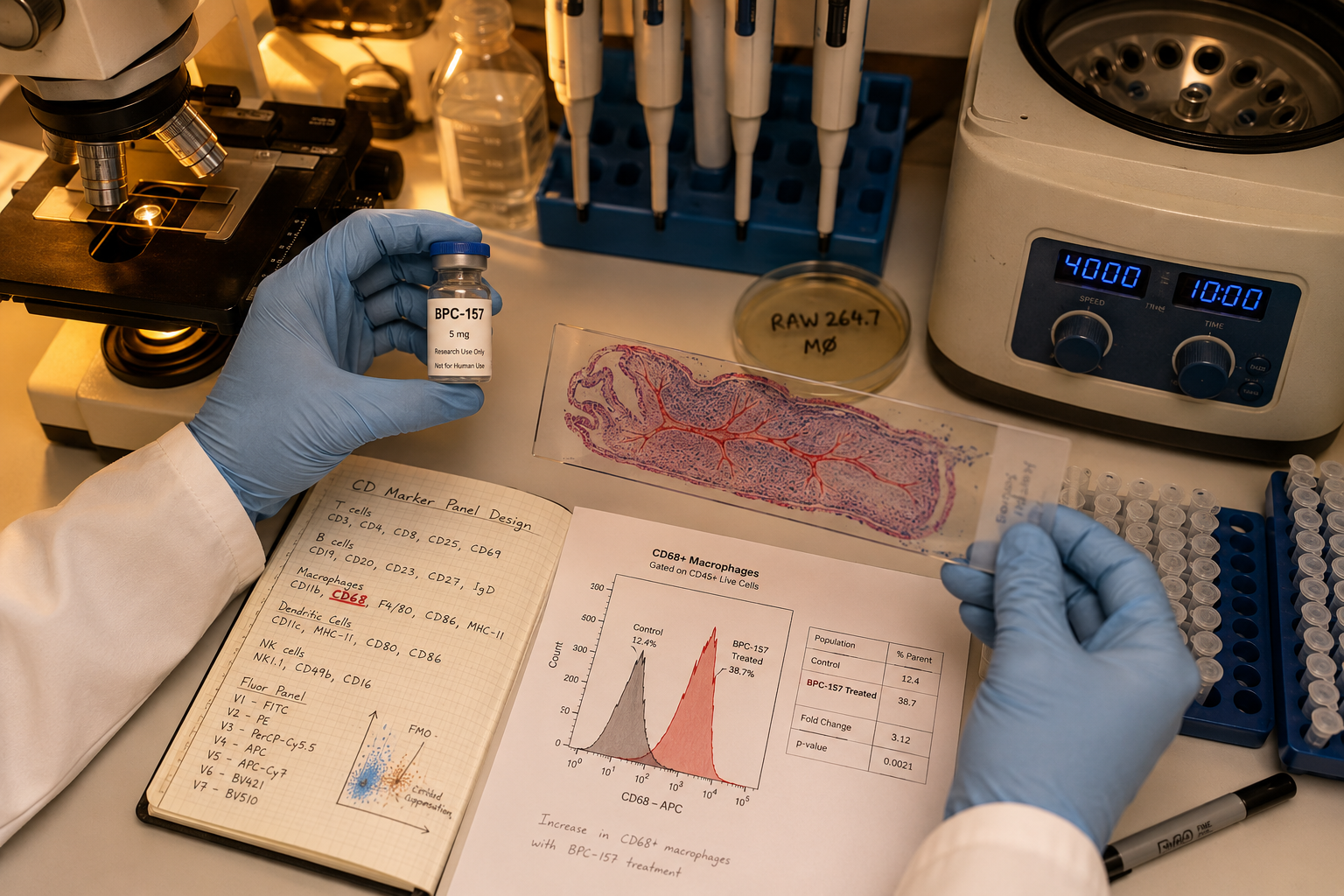
Cluster of Differentiation Markers and Experimental Peptides: Mapping Immune Pathways for Selank, Epithalon, and BPC‑157

Cluster of Differentiation Markers and Experimental Peptides: Mapping Immune Pathways for Selank, Epithalon, and BPC‑157

June 6, 2026/0 Comments/in Uncategorized/by

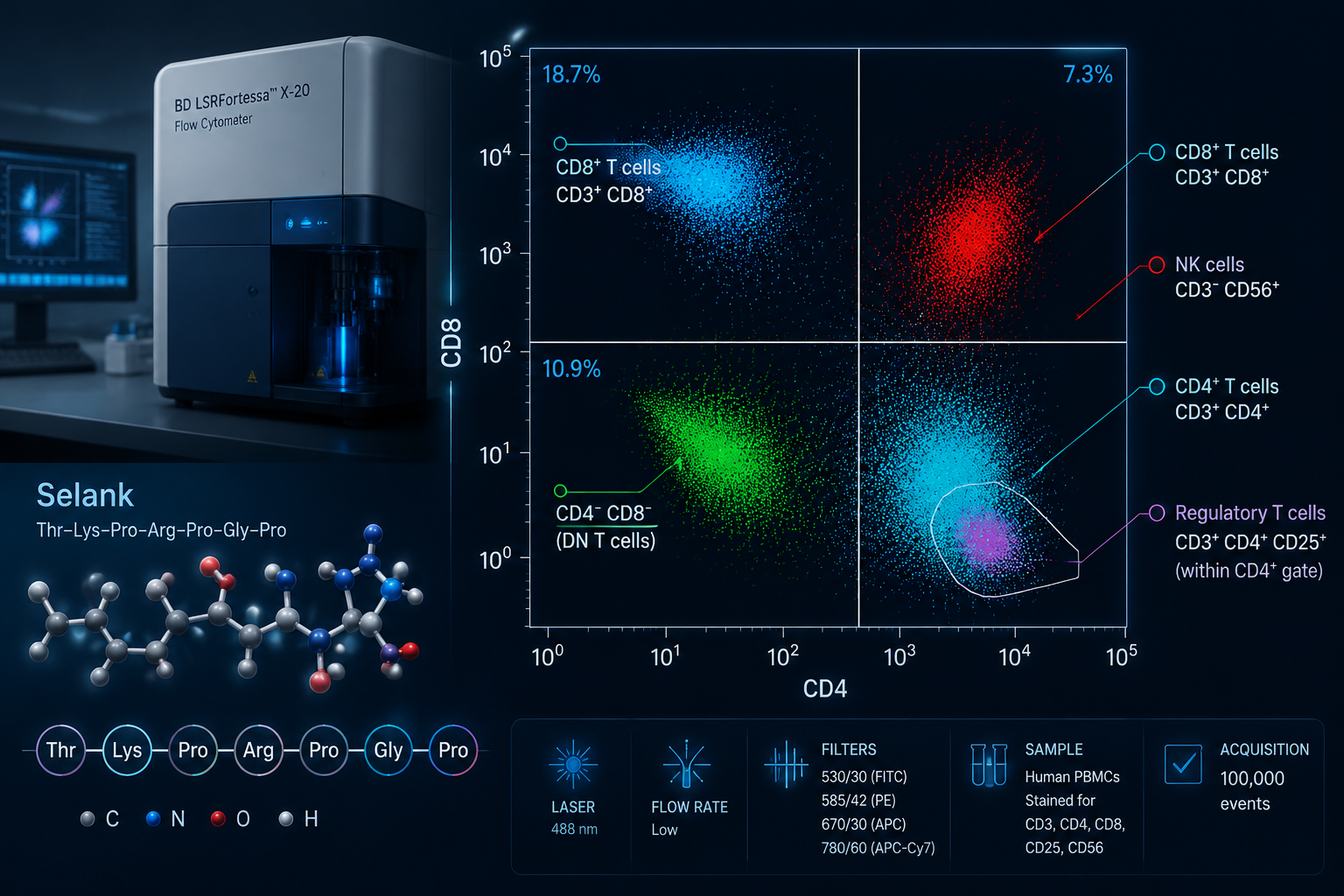
Flow cytometry panels routinely detect shifts in CD4-to-CD8 ratios within hours of peptide exposure in murine models — a detail that reveals just how precisely researchers can now track immune responses to compounds like Selank, Epithalon, and BPC-157. Understanding cluster of differentiation markers and experimental peptides is central to mapping immune pathways for Selank, Epithalon, and BPC-157 in a rigorous lab setting.

Key Takeaways

  • CD markers are surface proteins used to identify and quantify specific immune cell populations via flow cytometry.
  • Selank, Epithalon, and BPC-157 each interact with immune pathways through distinct mechanisms, including cytokine modulation and inflammatory regulation.
  • Flow cytometry is the gold-standard tool for measuring peptide-driven shifts in CD marker expression.
  • Human clinical data for all three peptides remains limited; most evidence comes from animal and in vitro models.
  • Thoughtful panel design — selecting the right CD markers for each peptide's mechanism — is critical for meaningful experimental results.

Key Takeaways

What Are CD Markers and Why Do They Matter in Peptide Research

Cluster of differentiation (CD) markers are glycoproteins expressed on the surface of immune cells. They act as molecular identity tags, allowing researchers to distinguish T cells, B cells, natural killer cells, macrophages, and regulatory populations from one another. Common markers include:

CD Marker Cell Type Function
CD3 T cells T-cell receptor complex
CD4 Helper T cells MHC class II interaction
CD8 Cytotoxic T cells MHC class I interaction
CD25 Regulatory T cells (Tregs) IL-2 receptor alpha chain
CD56 Natural killer cells Cell adhesion and activation
CD68 Macrophages Phagocytic activity marker

When an experimental peptide is introduced, shifts in these populations — measured by flow cytometry — provide quantitative evidence of immunomodulatory activity. This approach is far more precise than measuring cytokine levels alone, because it identifies which cell types are being affected and in what proportion.

For researchers designing panels, the choice of fluorochrome combinations and gating strategies directly determines the quality of the data. A poorly designed panel can miss a meaningful CD4-to-CD8 ratio shift entirely.


Mapping Immune Pathways for Selank, Epithalon, and BPC-157 Using CD Markers

Each peptide engages immune biology differently, which means the optimal CD marker panel differs by compound.

Selank

Selank is a synthetic heptapeptide originally derived from the immunomodulatory peptide tuftsin. Its primary research interest lies in anxiety modulation and cognitive support, but its immune relevance is significant. Selank has been shown in preclinical models to influence IL-6 and interferon-gamma expression, both of which are linked to T-cell activation states. Researchers tracking Selank's immune effects typically include CD3, CD4, CD8, and CD25 in their panels to capture T-cell subset dynamics and regulatory T-cell expansion.

Reviewing Selank's known side effects and biological activity can help researchers anticipate which immune compartments may show the most change during an experiment.

Epithalon

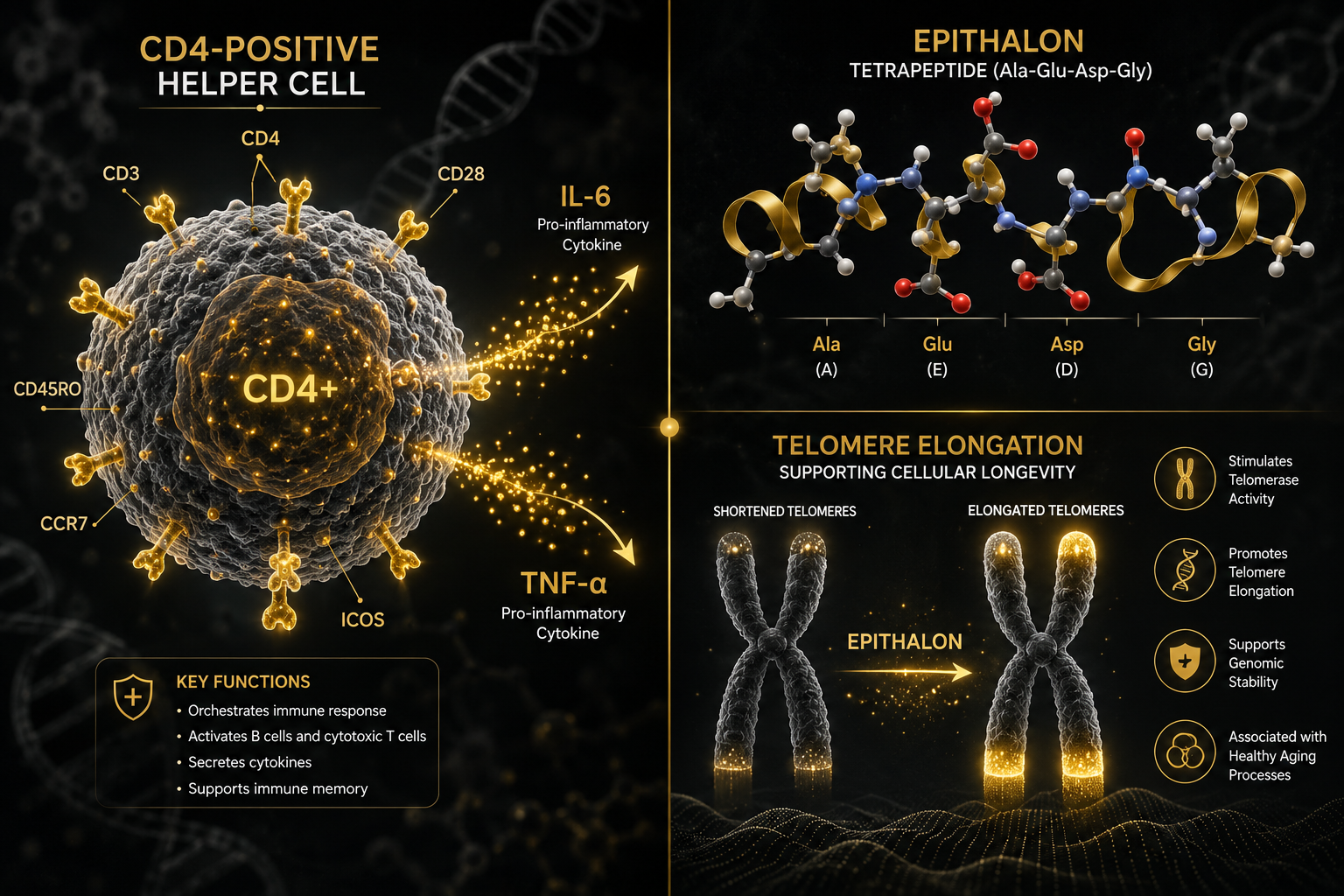
Epithalon (Ala-Glu-Asp-Gly) is a tetrapeptide studied primarily for its telomerase-activating and potential anti-aging properties. Its immune relevance connects to thymic function — the organ responsible for T-cell maturation. Preclinical data suggests Epithalon may support thymic peptide activity, which could influence naive T-cell output. A targeted flow cytometry panel for Epithalon research might include CD45RA (naive T cells), CD45RO (memory T cells), and CD56 to monitor NK cell activity. For a broader comparison of Epithalon's molecular targets, the Epithalon vs NAD evidence review provides useful context on its longevity-related mechanisms.

BPC-157

BPC-157 is a 15-amino-acid peptide (GEPPPGKPADDAGLV) derived from human gastric juice, with a molecular weight of approximately 1,419 Da and a half-life under 30 minutes. Its immune-relevant actions include promoting angiogenesis via VEGFR2 upregulation, modulating nitric oxide signaling, and regulating inflammatory cytokine cascades. Unlike classical immunosuppressants, BPC-157 appears to rebalance immune function rather than broadly suppress it.

For CD marker mapping, researchers commonly target CD68 (macrophage polarization), CD31 (endothelial and angiogenic activity), and CD4/CD8 ratios to assess systemic inflammatory tone. Oral BPC-157 research formats have also introduced questions about how route of administration affects peripheral immune marker profiles.

"The most informative experiments pair CD marker flow cytometry with cytokine multiplex assays — neither method alone tells the full story."


BPC-157

Designing a Flow Cytometry Model for Cluster of Differentiation Markers and Experimental Peptides

A well-structured experimental model for cluster of differentiation markers and experimental peptides should follow a logical sequence:

  1. Define the research question — Is the goal to detect immunosuppression, immune activation, or specific cell subset expansion?
  2. Select the peptide dose and route — BPC-157 typical research doses range from 250 to 500 mcg once or twice daily in animal models; Selank and Epithalon protocols vary.
  3. Choose the CD panel — Match markers to the peptide's known mechanism (see table above).
  4. Set time points — Acute (24-48 hours), subacute (1-2 weeks), and chronic (4-8 weeks) time points capture different phases of immune modulation.
  5. Include controls — Vehicle controls, positive immunomodulatory controls (e.g., LPS stimulation), and unstained samples are essential.
  6. Validate with secondary assays — CBC and comprehensive metabolic panel assessments at baseline and week 8 add clinical-translational value.

Researchers interested in how other peptides interact with immune and metabolic pathways may find the Thymosin Alpha-1 mechanism overview useful for comparative panel design, given Thymosin Alpha-1's well-characterized CD4 and CD8 effects.

It is worth noting that human clinical data for BPC-157 remains sparse — only three small pilot studies with a combined enrollment of 30 subjects have been published, all from a single clinic, and no randomized controlled trials exist. Selank and Epithalon face similar evidentiary gaps in human immune research. As of 2026, BPC-157's regulatory status in the United States is also in transition, with a Pharmacy Compounding Advisory Committee vote scheduled for later this year.

For researchers exploring adjacent peptide categories, IPA peptide research resources and the LL-37 innate immunity research themes page offer complementary perspectives on innate and adaptive immune pathway mapping.


Designing a Flow Cytometry Model for Cluster of Differentiation Markers and Experimental Peptides

Conclusion

Mapping immune pathways for Selank, Epithalon, and BPC-157 through cluster of differentiation markers and experimental peptides requires deliberate panel design, appropriate model selection, and honest acknowledgment of current data limitations. The actionable steps for researchers in 2026 are clear:

  • Anchor every experiment to a specific CD marker rationale tied to the peptide's known mechanism.
  • Use flow cytometry as the primary quantification tool, supported by cytokine multiplex and standard blood panels.
  • Prioritize multi-time-point designs to distinguish acute immune shifts from sustained modulation.
  • Track regulatory developments for BPC-157 in particular, as its compounding status may affect research access.

The science of peptide immunomodulation is advancing rapidly. Researchers who build rigorous CD marker frameworks now will be best positioned to generate translatable, reproducible data as clinical trials eventually expand.

https://www.puretestedpeptides.com/wp-content/uploads/2026/06/Cluster-of-Differentiation-Markers-and-Experimental-Peptides-Mapping-Immune-Pathways-for-Selank-Epithalon-and-BPC‑157.png 1024 1536 https://www.puretestedpeptides.com/wp-content/uploads/2026/01/buy-peptides-online.jpg 2026-06-06 13:03:442026-06-06 13:03:44Cluster of Differentiation Markers and Experimental Peptides: Mapping Immune Pathways for Selank, Epithalon, and BPC‑157
Mitochondria and Experimental Peptides: How MOTS‑c, 5‑Amino‑1MQ, and SLUPP332 Are Used in Metabolic Research Models

Mitochondria and Experimental Peptides: How MOTS‑c, 5‑Amino‑1MQ, and SLUPP332 Are Used in Metabolic Research Models

June 5, 2026/0 Comments/in Uncategorized/by

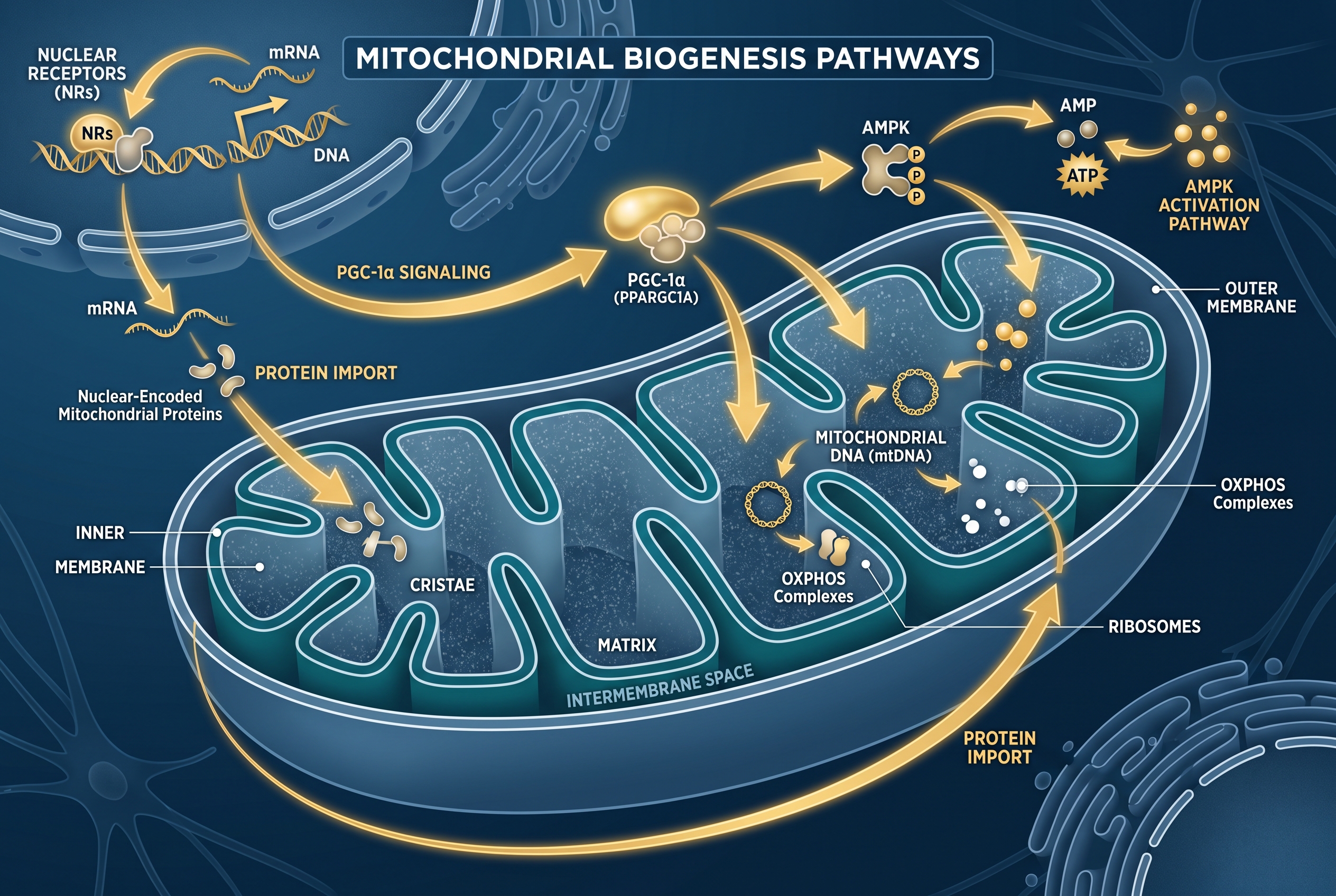
Roughly 90% of cellular ATP is produced inside mitochondria — yet these organelles are also command centers for hormone signaling, fat oxidation, and stress response. That dual role makes them a prime target in modern metabolic research, and it explains why scientists are mapping how experimental compounds like MOTS‑c, 5‑Amino‑1MQ, and SLU‑PP‑332 interact with mitochondrial biology. Understanding Mitochondria and Experimental Peptides: How MOTS‑c, 5‑Amino‑1MQ, and SLUPP332 Are Used in Metabolic Research Models is now a central theme for researchers studying energy balance, obesity, and age-related metabolic decline.

Detailed () scientific illustration showing a cross-section of a mitochondrion with labeled inner membrane, cristae, and

Key Takeaways

  • Mitochondria are not just energy factories — they encode peptides like MOTS‑c that act as hormones in skeletal muscle and fat tissue.
  • MOTS‑c activates AMPK through the folate-methionine cycle, improving glucose homeostasis in preclinical models.
  • 5‑Amino‑1MQ inhibits NNMT, an enzyme linked to fat accumulation and impaired NAD+ metabolism.
  • SLU‑PP‑332 targets ERR‑alpha receptors to mimic exercise-like signals in muscle and cardiac tissue.
  • All three compounds remain strictly research-stage tools with no established clinical dosing protocols as of 2026.

Mitochondria as Metabolic Regulators — Not Just Power Plants

For decades, biology textbooks described mitochondria as passive energy converters. More recent research has overturned that view. Mitochondria actively secrete signaling molecules called mitokines, communicate with the nucleus, and respond dynamically to nutrient status and physical stress.

This reframing is central to understanding Mitochondria and Experimental Peptides: How MOTS‑c, 5‑Amino‑1MQ, and SLUPP332 Are Used in Metabolic Research Models. Each compound in this research cluster targets a different node in mitochondrial or mitochondria-adjacent signaling:

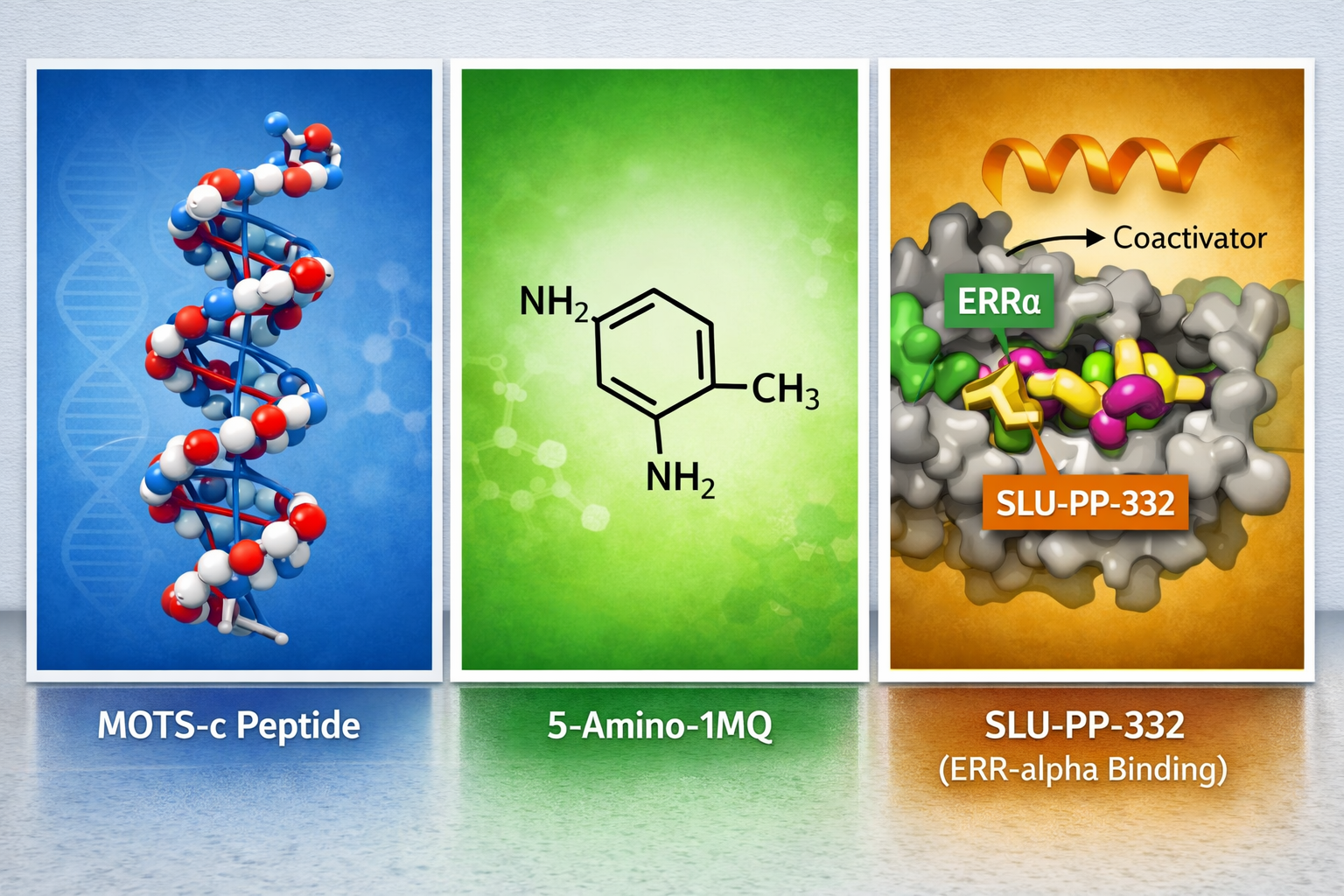
Compound Primary Target Research Focus
MOTS‑c AMPK / folate cycle Glucose metabolism, muscle homeostasis
5‑Amino‑1MQ NNMT enzyme Fat loss, NAD+ regulation
SLU‑PP‑332 ERR‑alpha receptor Exercise mimicry, energy expenditure

Researchers exploring mitochondrial longevity pathways often use these compounds in combination to probe how different arms of mitochondrial biology interact.


MOTS‑c: A Peptide Encoded Inside the Mitochondrial Genome

MOTS‑c is a 16‑amino‑acid peptide encoded not by nuclear DNA, but by mitochondrial DNA — a distinction that makes it biologically unusual. It circulates in the bloodstream and primarily targets skeletal muscle and adipose tissue, qualifying it as a true mitochondrial hormone.

How MOTS‑c Works in Research Models

MOTS‑c disrupts the folate-methionine cycle, which leads to accumulation of AICAR — a naturally occurring AMPK activator. AMPK activation then drives downstream effects including improved insulin sensitivity, enhanced fatty acid oxidation, and upregulation of PGC‑1alpha, a master regulator of mitochondrial biogenesis.

A March 2026 study confirmed that MOTS‑c administration in animal models improved muscle mitochondrial bioenergetic performance while reducing reactive oxygen species emission and stress-related protein damage. Separate research showed that exercise itself stimulates MOTS‑c expression in humans, suggesting the peptide may partially mediate the metabolic benefits of physical activity.

Researchers can explore MOTS‑c metabolic flexibility research themes for a deeper look at how these pathways are being studied. For those comparing compound profiles, the MOTS‑c and Elamipretide research overview provides useful context on stacking strategies in preclinical settings.

"MOTS‑c may represent the first mitochondria-derived peptide hormone with systemic metabolic effects — a finding that reshapes how researchers think about organelle-to-organ communication."

Important caveat: As of 2026, no peer-reviewed human clinical trials on MOTS‑c have been published. Optimal dosing and long-term safety remain uncharacterized outside animal models.


5‑Amino‑1MQ and SLU‑PP‑332: Complementary Tools in Metabolic Research Models

5‑Amino‑1MQ and SLU‑PP‑332: Complementary Tools in Metabolic Research Models

While MOTS‑c works from inside the mitochondrial genome outward, 5‑Amino‑1MQ and SLU‑PP‑332 approach mitochondrial metabolism from different angles.

5‑Amino‑1MQ: NNMT Inhibition and NAD+ Metabolism

5‑Amino‑1MQ is a small-molecule inhibitor of nicotinamide N-methyltransferase (NNMT), an enzyme highly expressed in fat tissue. NNMT consumes methyl groups and depletes SAM (S-adenosylmethionine), indirectly reducing NAD+ availability. By blocking NNMT, 5‑Amino‑1MQ preserves NAD+ pools and appears to shift fat cells toward a leaner metabolic phenotype.

In obese rodent models, 5‑Amino‑1MQ has shown associations with reduced fat mass and improved muscle stem-cell function without significant changes to food intake — a profile that distinguishes it from appetite-suppressing compounds. Researchers interested in NAD+ and metabolic pathway research will find this mechanism particularly relevant.

SLU‑PP‑332: ERR‑Alpha Agonism as Exercise Mimicry

SLU‑PP‑332 is an agonist of estrogen-related receptor alpha (ERR‑alpha), a nuclear receptor that regulates mitochondrial biogenesis and oxidative metabolism in muscle and cardiac tissue. By activating ERR‑alpha, SLU‑PP‑332 appears to trigger gene expression patterns that overlap with those induced by aerobic exercise — without the physical activity itself.

Preclinical data on SLU‑PP‑332 metabolic modulation shows improved endurance markers and increased mitochondrial density in muscle tissue of sedentary animal models. Detailed SLU‑PP‑332 oral and subcutaneous evidence further outlines route-of-administration differences being studied.

Like MOTS‑c, both compounds remain strictly research tools with no established human dosing protocols.


Applying These Compounds Together in Metabolic Research

Applying These Compounds Together in Metabolic Research

The growing interest in combining these compounds reflects a systems-biology approach to mitochondrial research. Rather than targeting a single pathway, researchers are using MOTS‑c, 5‑Amino‑1MQ, and SLU‑PP‑332 together to simultaneously probe AMPK signaling, NAD+ metabolism, and ERR‑alpha-driven biogenesis.

Blends incorporating NAD+ alongside MOTS‑c and 5‑Amino‑1MQ are being explored specifically for their potential in mitochondrial longevity research, targeting multiple metabolic checkpoints at once. This multi-pathway approach is also reflected in broader metabolic modulation research lines that map how different peptide classes interact.

Researchers comparing compound profiles should also review SS‑31 (Elamipretide) research, another mitochondria-targeted peptide that works through cardiolipin stabilization on the inner mitochondrial membrane — a distinct but complementary mechanism.

Key research considerations when using these compounds:

  • All three are preclinical tools only — not approved for human use
  • Animal model results may not translate directly to human physiology
  • Purity and quality verification are essential for reproducible results
  • Multi-compound protocols require careful controls to isolate individual effects

Conclusion

Mitochondria and Experimental Peptides: How MOTS‑c, 5‑Amino‑1MQ, and SLUPP332 Are Used in Metabolic Research Models represents one of the most active frontiers in preclinical metabolic science in 2026. Each compound offers a distinct lens into mitochondrial function: MOTS‑c as a mitochondria-encoded hormone activating AMPK, 5‑Amino‑1MQ as an NNMT inhibitor preserving NAD+ pools, and SLU‑PP‑332 as an ERR‑alpha agonist mimicking exercise-induced biogenesis.

Actionable next steps for researchers:

  1. Review the primary literature on MOTS‑c AMPK activation before designing animal model protocols.
  2. Establish baseline NAD+ and NNMT activity measurements when incorporating 5‑Amino‑1MQ.
  3. Use SLU‑PP‑332 alongside sedentary control groups to isolate ERR‑alpha-specific effects.
  4. Source compounds only from suppliers with verified purity testing to ensure data integrity.
  5. Treat all findings as hypothesis-generating until human trial data becomes available.

The mitochondrion is no longer just a power plant. It is a signaling hub — and these experimental peptides are the tools researchers are using to map exactly how that hub works.

https://www.puretestedpeptides.com/wp-content/uploads/2026/06/Mitochondria-and-Experimental-Peptides-How-MOTS‑c-5‑Amino‑1MQ-and-SLUPP332-Are-Used-in-Metabolic-Research-Models.png 1024 1536 https://www.puretestedpeptides.com/wp-content/uploads/2026/01/buy-peptides-online.jpg 2026-06-05 13:36:412026-06-05 13:36:41Mitochondria and Experimental Peptides: How MOTS‑c, 5‑Amino‑1MQ, and SLUPP332 Are Used in Metabolic Research Models
Peptides and Polypeptides in Cell Biology: How Experimental Peptides Interact With DNA, Mitochondria, and Hormone Receptors

Peptides and Polypeptides in Cell Biology: How Experimental Peptides Interact With DNA, Mitochondria, and Hormone Receptors

June 4, 2026/0 Comments/in Uncategorized/by

{"cover":"Professional landscape format (1536×1024) hero image with bold text overlay: 'Peptides & Polypeptides in Cell Biology' as main headline and subtitle 'How Experimental Peptides Interact With DNA, Mitochondria, and Hormone Receptors' in extra large 68pt bold white sans-serif font with deep navy semi-transparent overlay box, centered upper-third composition. Background shows a stunning macro scientific illustration of a glowing double-helix DNA strand intertwined with a luminous mitochondrion and molecular peptide chain structures, rendered in electric blue, teal, and white on deep navy background. Magazine cover aesthetic, editorial quality, high contrast, cinematic lighting, 2026 research theme.","content":["Detailed landscape format (1536×1024) scientific illustration showing intracellular peptide-DNA interaction: a close-up cross-section of a cell nucleus with glowing peptide chains (labeled EL28, PepH, Pep5) binding to a double-helix DNA strand. Molecular bonds shown as luminous gold nodes. Background features a translucent cell membrane with proteasome structures. Color palette: deep purple, gold, white. Clean lab-diagram aesthetic with annotated arrows, editorial quality, high contrast lighting from within the nucleus.","Detailed landscape format (1536×1024) visualization of mitochondrial targeting by peptides: a dramatic bird's-eye cross-section of a mitochondrion with its cristae structure clearly visible in electric teal and orange. Amphipathic peptide chains (MOTS-c labeled) are shown penetrating the outer mitochondrial membrane and localizing to the inner membrane. Surrounding cytoplasm shows cell-penetrating peptide vectors in motion. Deep charcoal background, bioluminescent glow effect, annotated molecular pathway arrows, editorial scientific illustration quality.","Detailed landscape format (1536×1024) diagram of hormone receptor signal transduction: a stylized cell surface showing multiple G protein-coupled receptors (GPCRs) with peptide hormone ligands docking onto receptor binding sites. Intracellular cascade shown with cAMP second messenger molecules, protein kinase activation chain, and nuclear receptor binding to DNA strand in the background. Color scheme: crimson red, white, slate blue. Clean infographic-style layout with labeled pathway steps, modern sans-serif annotations, editorial quality, high contrast."]

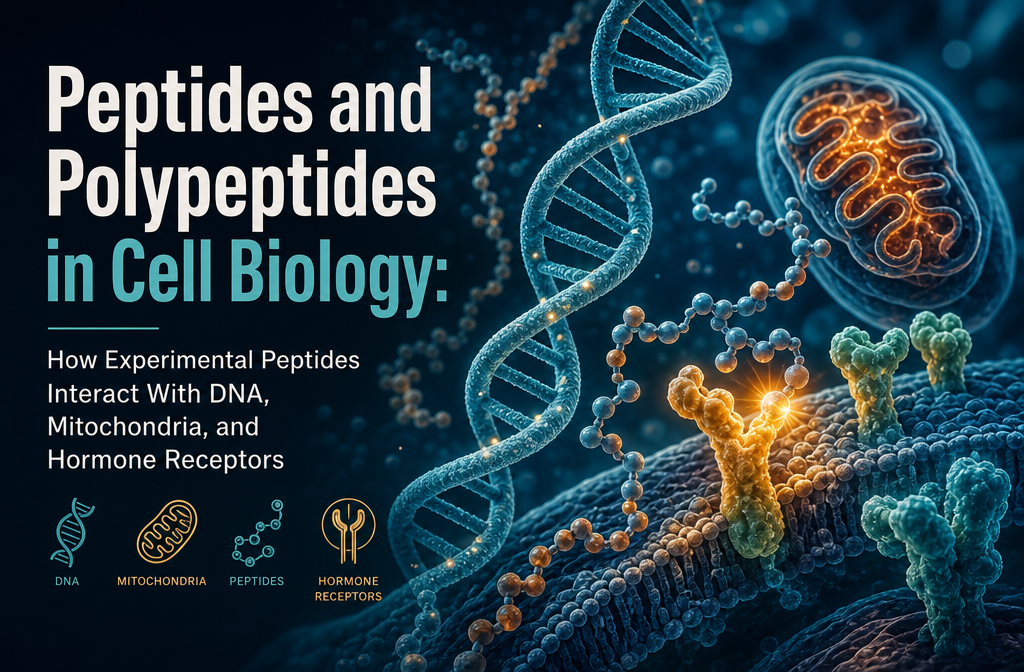
Professional landscape hero image () with : "Peptides and Polypeptides in Cell Biology: How Experimental Peptides Interact

Roughly 30% of all FDA-approved drugs work by targeting G protein-coupled receptors — proteins that respond directly to peptide signals. That single statistic reveals how deeply peptides and polypeptides in cell biology are woven into the machinery of life, and why research into experimental peptides has accelerated so sharply in 2026.

This article walks through the core mechanisms: how short amino acid chains reach the cell nucleus, penetrate mitochondrial membranes, and dock onto hormone receptors to trigger downstream signaling cascades.


Key Takeaways

  • Intracellular peptides such as EL28, PepH, and Pep5 interact directly with DNA-associated proteins and are studied as drug prototypes.
  • Peptide hormones are hydrophilic and cannot cross the lipid bilayer, so they bind cell surface receptors and activate second messengers like cyclic AMP.
  • Experimental peptides including MOTS-c can localize to mitochondria and influence energy regulation pathways.
  • GPCRs are the primary receptor family for peptide hormones and represent a major pharmacological target class.
  • Research-grade peptides such as CJC-1295 and GLP-1 analogs operate through receptor-mediated signaling with measurable downstream effects on gene expression.

Peptides and Polypeptides in Cell Biology: The Structural Foundation

Peptides and Polypeptides in Cell Biology: The Structural Foundation

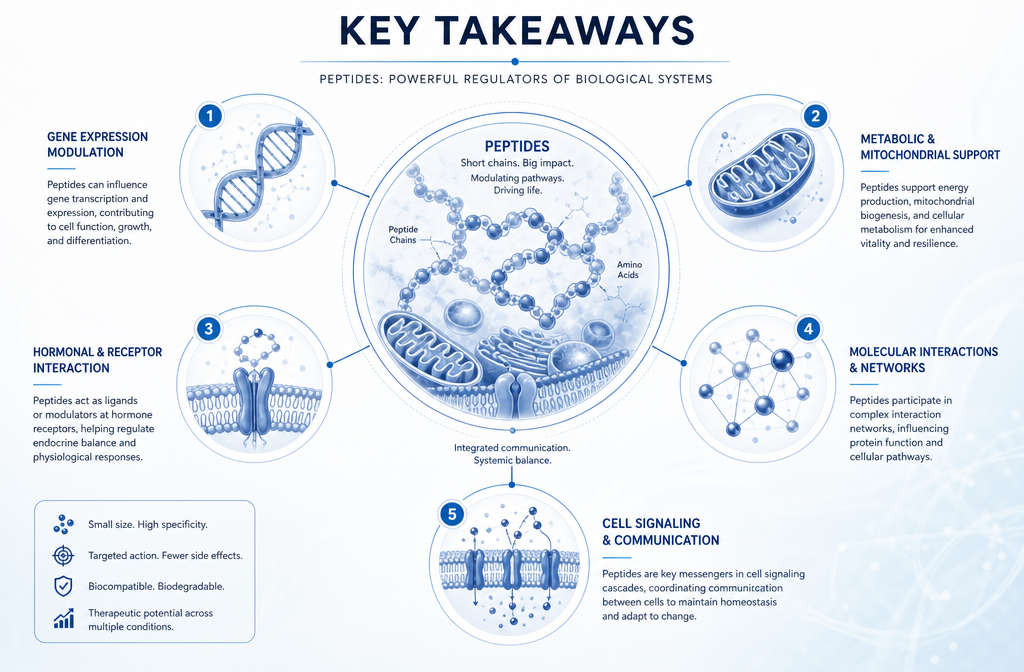
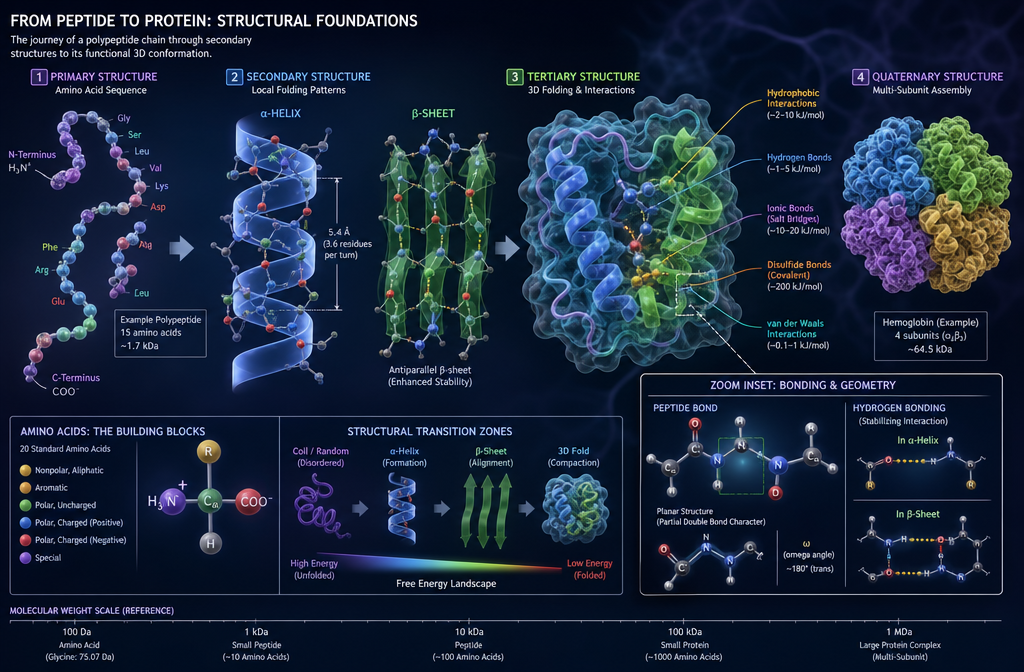
A peptide is a chain of two or more amino acids linked by peptide bonds. A polypeptide is simply a longer chain — typically more than 50 residues. When folded into functional shapes, polypeptides become proteins. The distinction matters in research because short peptides often behave differently from full proteins: they can slip through membranes, evade immune detection, and reach targets that larger molecules cannot.

Intracellular Peptides and DNA Interaction

Inside the cell, certain peptides operate in the nucleus itself. Intracellular peptides derived from proteasomal degradation — including EL28 (from proteasome regulatory subunit 4), PepH (from Histone H2B), and Pep5 (from cyclin D2) — have been identified as functional modulators of protein-protein interactions linked to gene regulation. These are not merely degradation byproducts; they act as prototype drug candidates because they already exist in the cellular environment and interact with DNA-associated machinery.

This opens a compelling research angle: if naturally occurring intracellular peptides can modulate transcription-linked proteins, then synthetic analogs designed to mimic or block those interactions could influence gene expression with high precision.


Mitochondrial Targeting: How Experimental Peptides Reach the Powerhouse

Mitochondrial Targeting: How Experimental Peptides Reach the Powerhouse

Mitochondria are not passive energy factories. They participate in intracrine signaling — internal signaling loops that influence cell survival, metabolism, and apoptosis. Peptides including angiotensin II and transforming growth factor-beta have been detected inside mitochondria, suggesting that peptide signaling extends well beyond the cell surface.

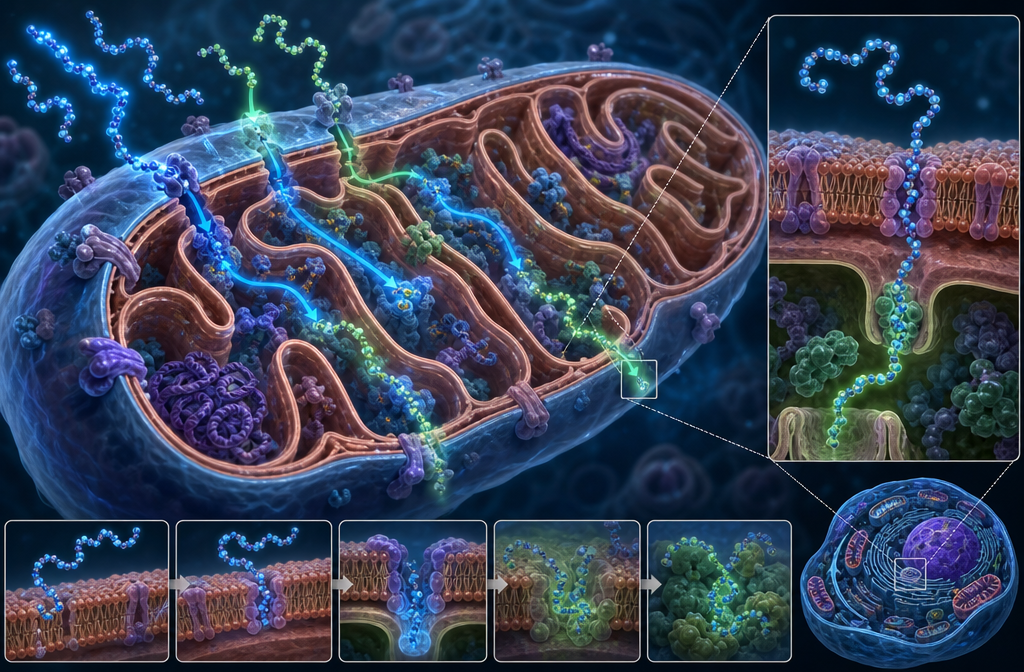
More recently, amphipathic proline-rich cell-penetrating peptides have been engineered to cross the plasma membrane and localize specifically to mitochondria. These vectors carry therapeutic payloads or act directly on mitochondrial membranes to stabilize cristae architecture and reduce oxidative stress.

MOTS-c, a mitochondria-derived peptide encoded in mitochondrial DNA, is one of the most studied examples. Research into MOTS-c mitochondrial research themes shows that it translocates to the nucleus under metabolic stress and regulates gene expression — a striking example of cross-compartment peptide signaling. The compound MOTS-c and SLU-PP-332 pairing has also attracted attention for its potential effects on mitochondrial biogenesis pathways.

The SS-31 peptide (elamipretide) represents another mitochondria-targeted research compound. Its mechanism centers on cardiolipin stabilization within the inner mitochondrial membrane. Detailed research considerations are covered in this SS-31 10mg research peptide overview, and its broader mitochondrial dynamics are explored in SS-31 mitochondrial dynamics research.


Hormone Receptors and Signal Transduction: Where Peptides Meet Cell Biology

Hormone Receptors and Signal Transduction: Where Peptides Meet Cell Biology

Because peptide hormones are hydrophilic, they cannot diffuse through the fatty lipid bilayer of the cell membrane. Instead, they bind to receptors on the cell surface, which then relay the signal inward.

Three Major Receptor Classes for Peptide Hormones

Receptor Type Mechanism Example Peptide
G protein-coupled receptors (GPCRs) Activate G proteins, trigger cAMP GLP-1, GIP
Enzyme-linked receptors Direct kinase activation Insulin, IGF-1
Ion channel receptors Gate ion flow Neuropeptides

GPCRs dominate peptide hormone pharmacology. When a peptide ligand binds, the receptor activates a G protein, which in turn stimulates adenylyl cyclase to produce cyclic AMP (cAMP). This second messenger activates protein kinases that phosphorylate downstream targets — ultimately altering metabolism, proliferation, or secretion.

Research into GLP-1 dual receptor agonism and GIP receptor importance illustrates how next-generation peptide drugs exploit this pathway. Similarly, CJC-1295 research demonstrates GPCR-mediated growth hormone secretion through GHRH receptor activation.

Steroid hormones follow a different route — they diffuse through the membrane and bind nuclear receptors that act directly as transcription factors, binding DNA to switch genes on or off. Experimental peptides that mimic steroid hormone behavior are therefore studied for their potential to regulate gene expression without the systemic side effects of steroids.


Conclusion

Understanding peptides and polypeptides in cell biology — how experimental peptides interact with DNA, mitochondria, and hormone receptors — is no longer purely academic. In 2026, this knowledge directly informs the design of research-grade compounds targeting metabolic disease, mitochondrial dysfunction, and endocrine signaling.

Actionable next steps for researchers:

  • Review mitochondria-targeted compounds such as SS-31 and MOTS-c for models of intracellular peptide delivery.
  • Study GPCR-mediated pathways when evaluating GLP-1, GIP, and secretagogue peptides like CJC-1295 and ipamorelin.
  • Examine intracellular peptide prototypes (EL28, PepH) as templates for nucleus-targeted drug design.
  • Explore the full peptides research catalog to identify compounds relevant to specific signaling pathways.

The cell is not a black box. Peptides are the keys — and mapping how they fit each lock is the central challenge of modern molecular biology.


https://www.puretestedpeptides.com/wp-content/uploads/2026/06/Peptides-and-Polypeptides-in-Cell-Biology-How-Experimental-Peptides-Interact-With-DNA-Mitochondria-and-Hormone-Receptors.png 672 1024 https://www.puretestedpeptides.com/wp-content/uploads/2026/01/buy-peptides-online.jpg 2026-06-04 13:04:432026-06-04 13:04:43Peptides and Polypeptides in Cell Biology: How Experimental Peptides Interact With DNA, Mitochondria, and Hormone Receptors
×

Helpful Links

  • My account
  • Cart
  • Checkout
  • Refund and Returns Policy
  • Privacy Policy
  • SMS Privacy Policy
  • Login
  • My Account
  • Logout

USA Made Lab Tested Peptides

All products are sold for research, laboratory, or analytical purposes only, and are not for human consumption


Pure Tested Peptides is a chemical supplier. Pure Tested Peptides is not a compounding / chemical compounding facility as defined under 503A of the Federal Food, Drug, and Cosmetic act. Pure Tested Peptides is not an outsourcing facility as defined under 503B of the Federal Food, Drug, and Cosmetic act.

The statements made within this website have not been evaluated by the US Food and Drug Administration. The products we offer are not intended to diagnose, treat, cure or prevent any disease.

Human/Animal Consumption Prohibited. Laboratory/In-Vitro Experimental Use Only

Scroll to top Scroll to top Scroll to top