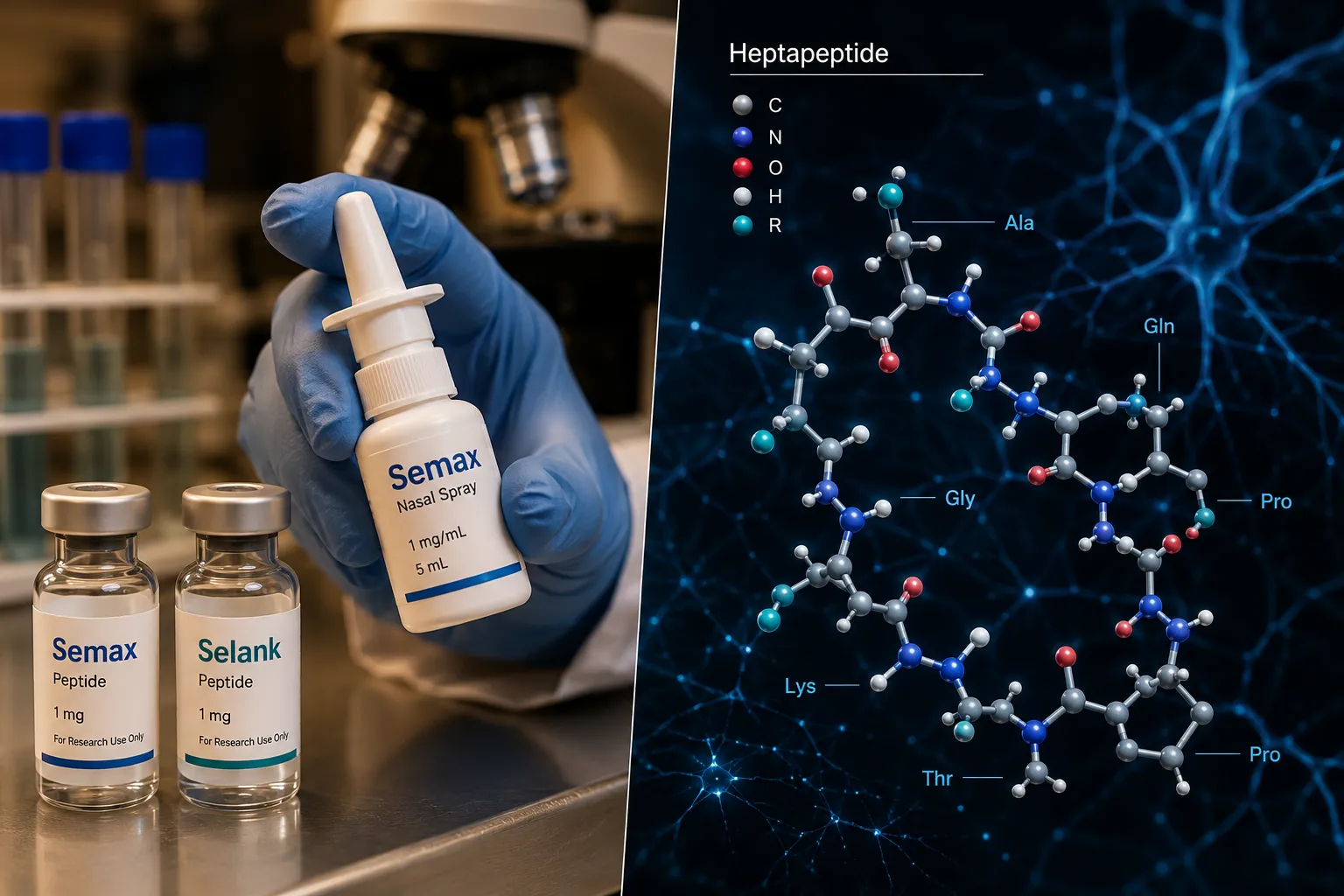
Intranasal Semax and Selank in 2026: Why Nasal Delivery Keeps Surging in Research Interest
Fewer than two dozen peptide compounds have sustained consistent growth in peer-reviewed search volume across three consecutive years, Semax and Selank are among them. The reason is not coincidence. It is anatomy. The nasal cavity offers a direct biological shortcut to the central nervous system, and in 2026, that shortcut is driving a measurable uptick in preclinical and early clinical work focused on these two neuropeptides.
This article examines why intranasal Semax and Selank in 2026 continue to attract serious research attention, what the delivery route actually means for bioavailability, and where the evidence base currently stands.
Key Takeaways
- Intranasal delivery exploits olfactory and trigeminal pathways to bypass the blood-brain barrier, giving neuropeptides like Semax and Selank rapid CNS access.
- 2026 Phase II trials are examining Semax Amidate in stroke recovery, ADHD, and traumatic brain injury, with intranasal dosing as the primary route.
- Selank's clinical evidence remains almost entirely Russia-centric, though 2026 summaries now quantify effect sizes more rigorously.
- Both compounds face regulatory headwinds in the United States, including FDA scrutiny of compounding practices and shifting scheduling categories.
- Long-term pharmacovigilance data from Western populations remain sparse, making cautious interpretation essential for researchers.
Why the Nose-to-Brain Route Changes Everything for Peptide Research
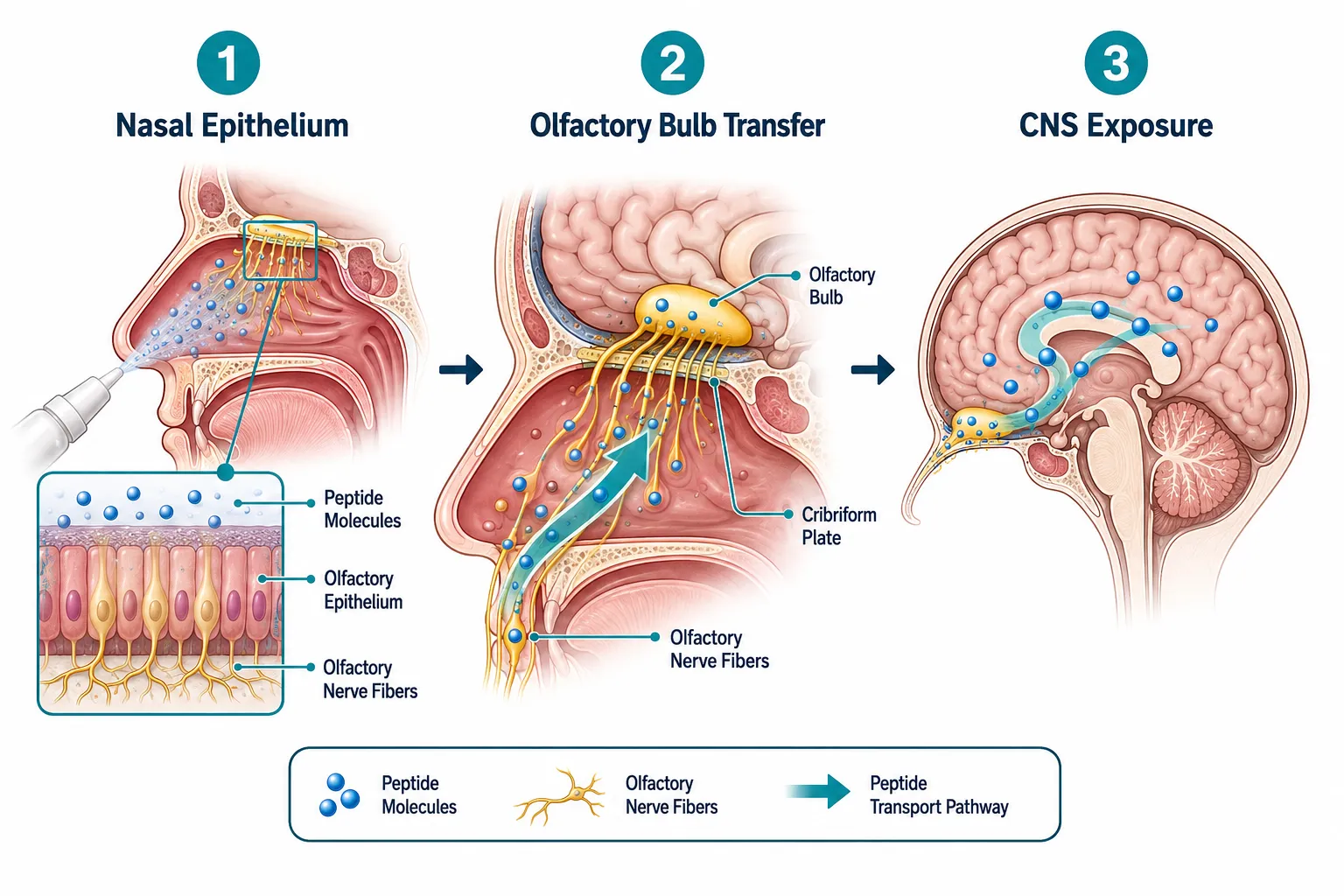
Most peptides face a fundamental problem: the blood-brain barrier degrades or blocks them before they reach meaningful CNS concentrations. Oral delivery is even less efficient, as enzymatic breakdown in the gut eliminates most peptide structures before absorption.
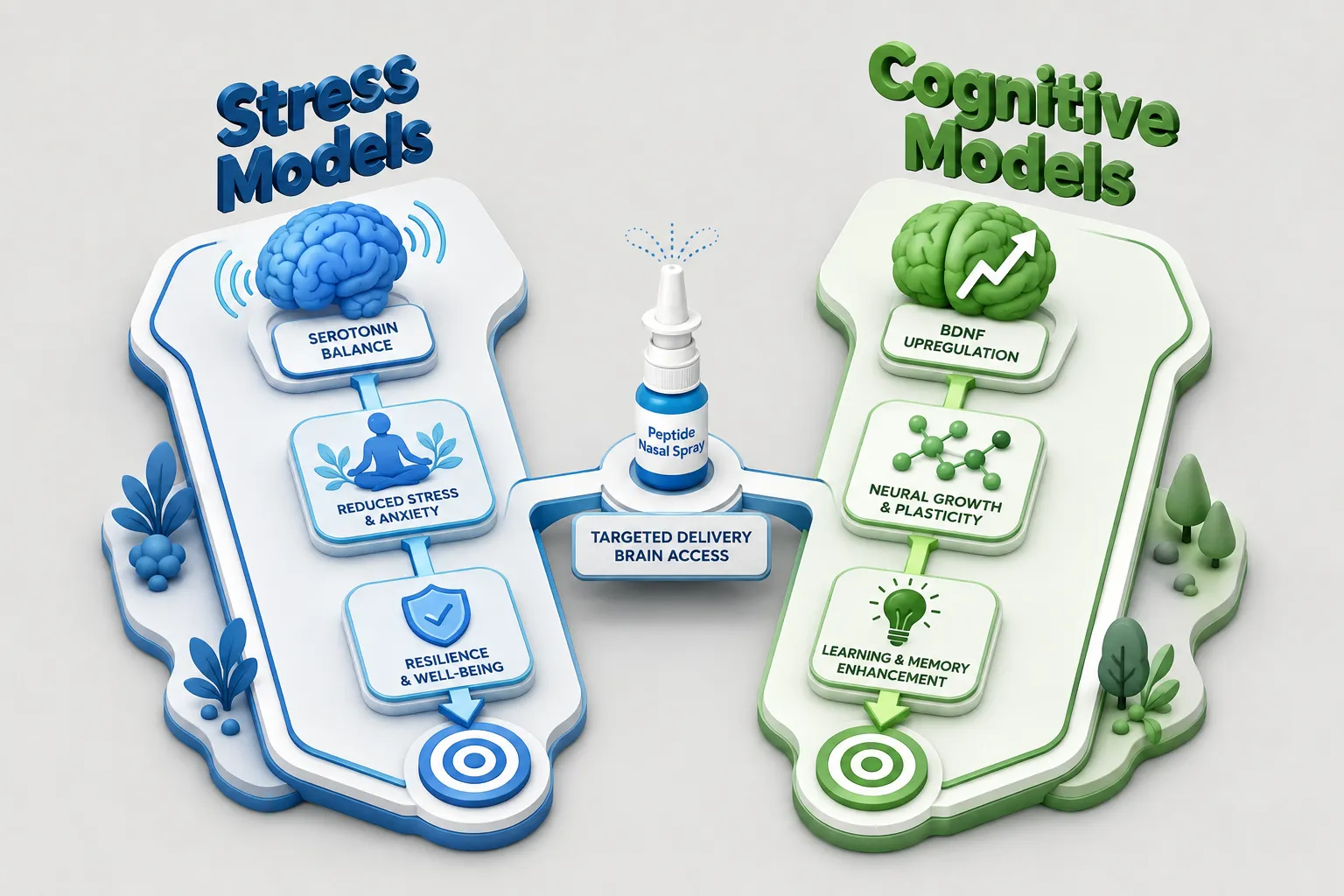
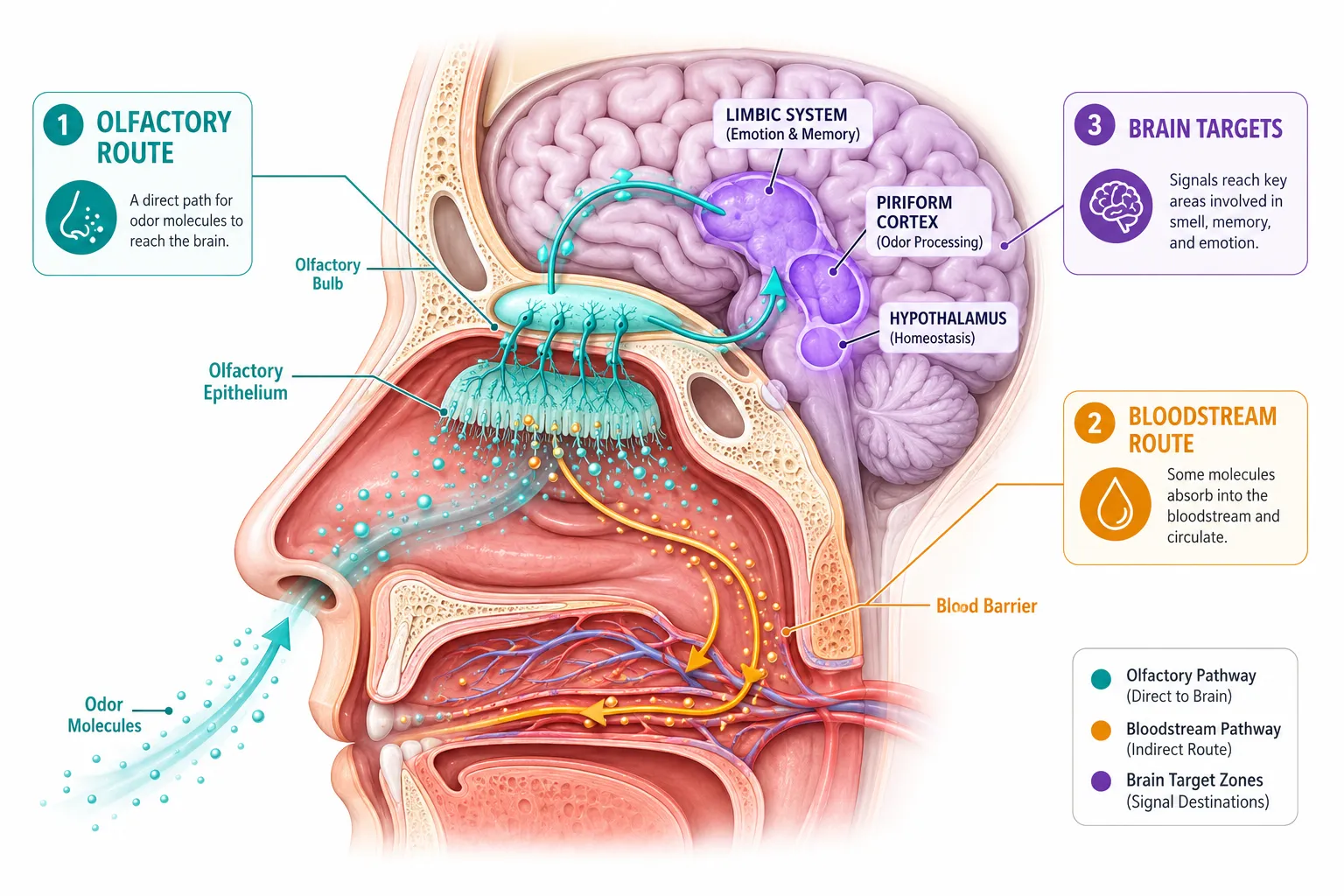
Intranasal delivery sidesteps both obstacles. When a peptide is deposited on the olfactory epithelium, it can travel along olfactory nerve axons directly into the olfactory bulb and from there into deeper brain structures. The trigeminal nerve provides a second parallel pathway. Together, these routes allow compounds to reach the CNS within minutes, at concentrations that systemic injection often cannot match for brain-specific targets.
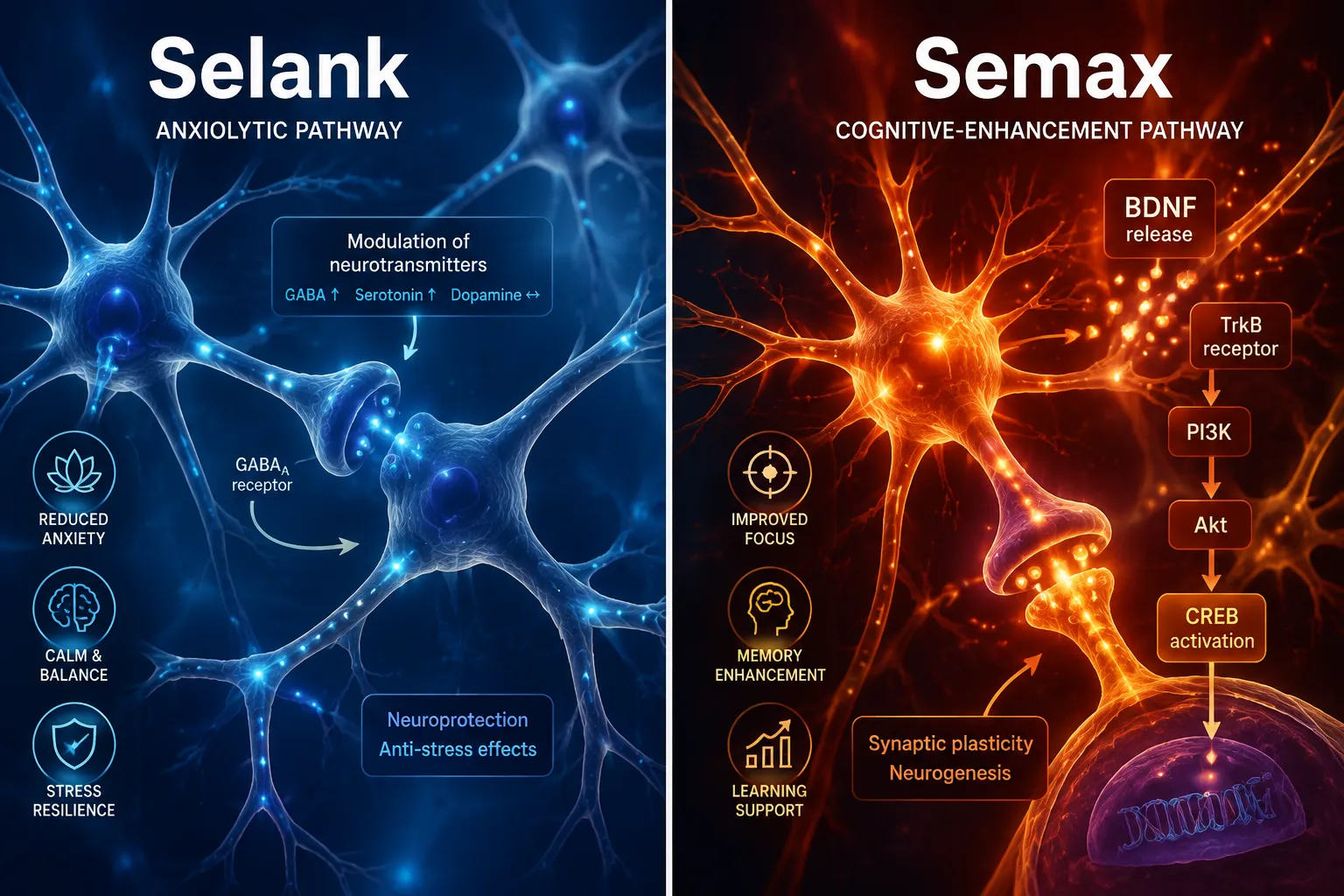
For Semax, a synthetic heptapeptide analogue of ACTH(4-7), and Selank, a synthetic analogue of the immunomodulatory peptide tuftsin, this anatomy is not incidental. It is the entire rationale for why intranasal formulations became the default in contemporary research protocols. Understanding this mechanism is foundational before evaluating any trial data.
Researchers interested in delivery-route pharmacokinetics will find useful parallel reading in the CJC-1295 without DAC half-life and growth hormone research overview, which addresses how molecular half-life interacts with route of administration in peptide research design.
The 2026 Evidence Landscape: Semax and Selank Under the Microscope
Semax: Expanding Trials, Persistent Geographic Concentration
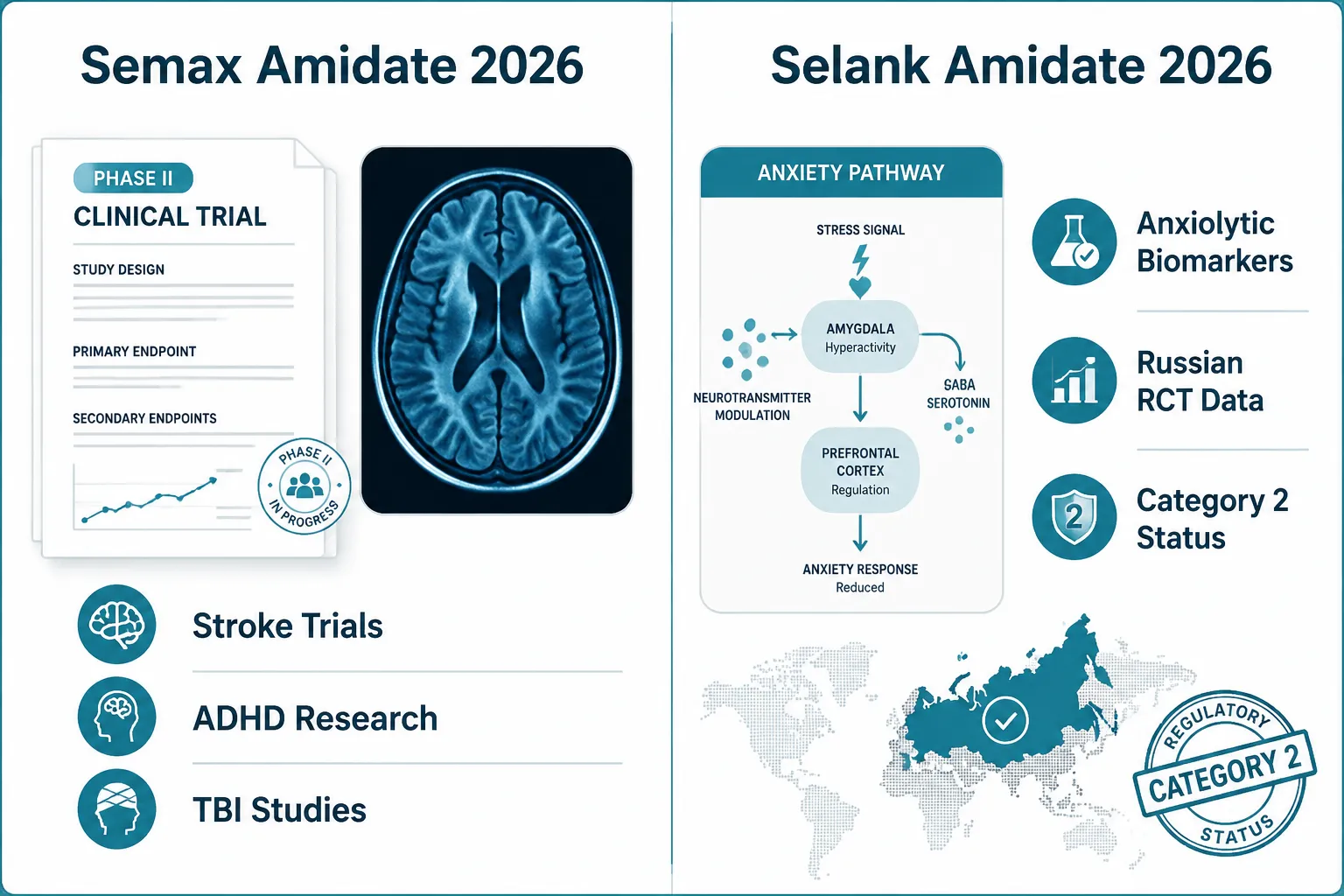
The Semax evidence base has grown in 2026, but it remains heavily Russia-centric. Phase II randomized controlled trials examining Semax Amidate are now active in three clinical areas: ischemic stroke recovery, attention-deficit/hyperactivity disorder, and traumatic brain injury. All three trial designs specify intranasal dosing as the primary administration route, reinforcing the nose-to-brain framing that has characterized this compound's research history.
Preclinical data published in 2026 add a notable dimension. Studies using Alzheimer's-model mice report that intranasal Semax administration was associated with measurable improvements in spatial cognition tasks and reductions in amyloid burden markers. These are early-stage findings, but they have contributed directly to the surge in citation frequency for intranasal neuropeptide delivery as a research topic.
"The intranasal route is not a convenience, it is a mechanistic requirement for compounds designed to act on central targets without systemic dilution."
Selank: Quantified Effect Sizes, Limited Western Replication
Selank's clinical picture is narrower. Its evidence base is almost entirely Russian, drawn from trials conducted over the past two decades. What is new in 2026 is the quality of the synthesis: updated meta-analytic summaries now report standardized effect sizes for Selank's anxiolytic and nootropic endpoints, giving researchers a cleaner statistical baseline than was previously available.
New Phase II RCTs for Selank Amidate are also underway, with trial designs that emphasize intranasal dosing and include mechanistic biomarkers, cytokine panels, BDNF levels, and EEG coherence measures, rather than relying solely on behavioral rating scales.
For background on Selank's mechanism and research context, the What Is Selank overview provides a useful primer. Researchers exploring the broader neuropeptide landscape may also find value in the top 5 research peptides for metabolic health buyer's guide, which situates cognitive peptides within the wider research peptide ecosystem.
Regulatory Status, Safety Data, and What Researchers Should Know in 2026
The Regulatory Picture
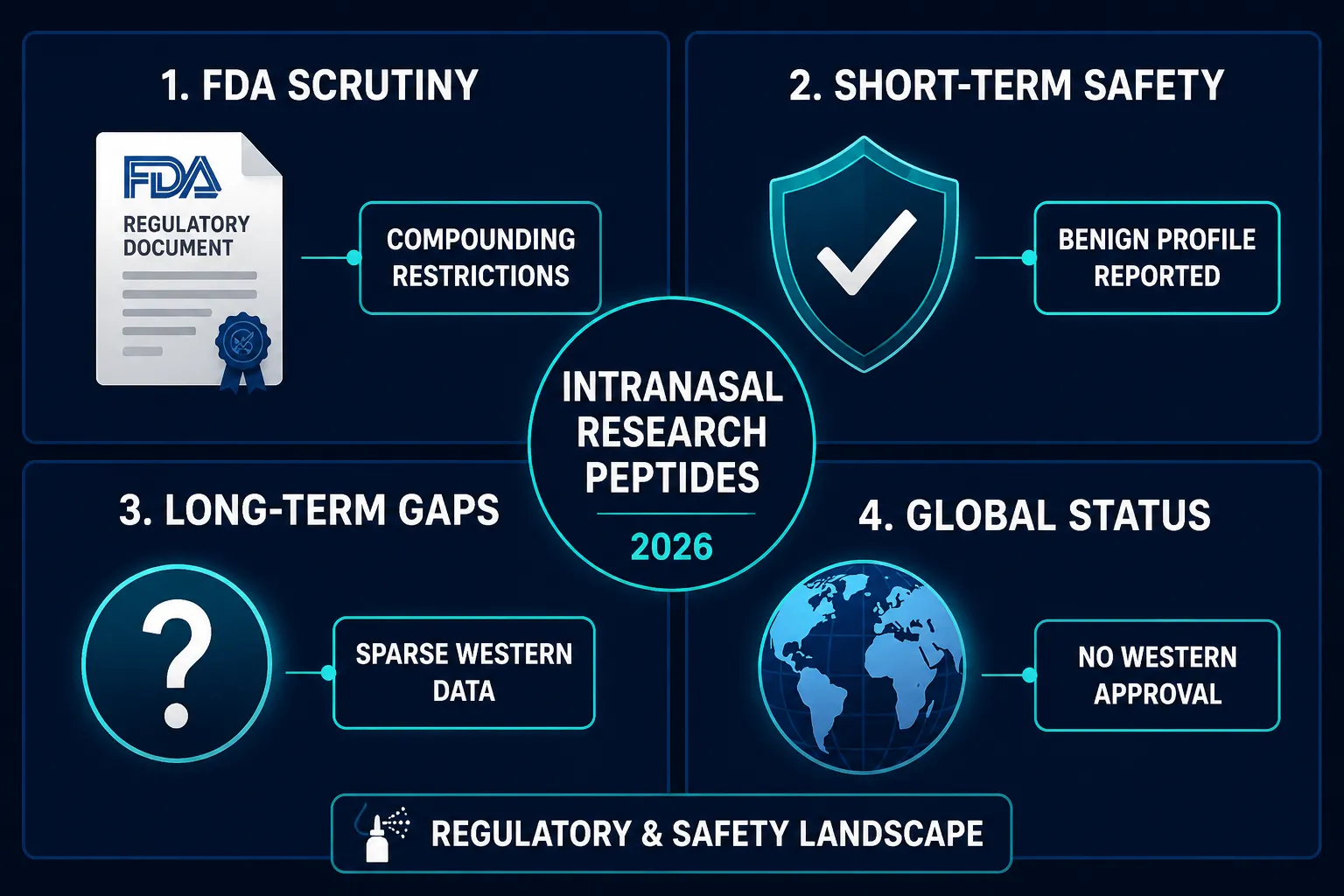
The regulatory environment for intranasal Semax and Selank in 2026 is complicated. In the United States, FDA scrutiny of compounding pharmacies has tightened, and Semax has been subject to restrictions under evolving bulk drug substance rules. Selank occupies an even more uncertain position, it remains unapproved globally and carries a shifting "Category 2" status in US compounding frameworks, meaning no active Western development pathway exists at present.
Researchers should track these developments carefully. Regulatory status affects not only sourcing but also the interpretability of any self-reported use data in observational studies.
Safety Profile: Promising but Incomplete
Short-term trial data for both compounds show generally benign tolerability profiles. Reported adverse events in existing trials are mild and transient, most commonly localized nasal irritation. No serious adverse events have been attributed to either compound in controlled settings.
The critical gap is long-term data. Western pharmacovigilance records for both Semax and Selank are sparse. Researchers drawing conclusions about chronic safety should treat the existing literature as hypothesis-generating rather than definitive. This mirrors challenges seen across the peptide research field, a point addressed in the BPC-157 core peptides documentation first research guide, which outlines similar evidence-quality considerations.
The Broader Nose-to-Brain Research Ecosystem
The surge in intranasal Semax and Selank research interest does not exist in isolation. Intranasal delivery as a CNS drug delivery strategy is attracting investment and trial activity across multiple compound classes in 2026. That broader ecosystem, covering everything from insulin analogues to oxytocin derivatives, is generating methodological infrastructure that benefits smaller-compound research like Semax and Selank by establishing validated biomarker panels and delivery device standards.
Researchers tracking adjacent peptide work may find relevant context in the AOD-9604 research method notes on storage and traceability, which addresses practical research documentation standards applicable across peptide classes.
Conclusion
The sustained growth in research interest around intranasal Semax and Selank in 2026 is grounded in biology, not trend-chasing. The nose-to-brain delivery pathway offers a mechanistically sound solution to the CNS bioavailability problem that limits most peptide compounds. Phase II trials are now active across stroke, ADHD, TBI, and anxiety indications, with intranasal dosing as the standard protocol.
Actionable next steps for researchers:
- Review the 2026 Phase II trial registrations for Semax Amidate and Selank Amidate to identify open data-sharing opportunities.
- Prioritize sourcing compounds with verified purity documentation; delivery-route efficiency is irrelevant if compound integrity is uncertain.
- Monitor FDA compounding rule updates quarterly, as Category 2 status for Selank and bulk drug substance decisions for Semax can shift research access rapidly.
- Treat current safety data as short-term only; design any observational work with appropriate follow-up windows to contribute to the long-term pharmacovigilance gap.
The delivery route is no longer a secondary consideration in neuropeptide research. In 2026, it is the primary variable, and that shift is what keeps intranasal Semax and Selank at the center of the conversation.