GLP-3 Retatrutide and Triple-Agonist Peptides: How Phase 3 Obesity Data Are Shaping Next-Generation Metabolic Research
A single injectable peptide producing nearly 30% body weight loss over 80 weeks is not a headline from a speculative pipeline report, it is the topline result from the TRIUMPH-1 Phase 3 trial announced in May 2026. That number has fundamentally shifted how researchers, clinicians, and peptide scientists think about metabolic intervention. The story of GLP-3 Retatrutide and Triple-Agonist Peptides: How Phase 3 Obesity Data Are Shaping Next-Generation Metabolic Research is now one of the most consequential conversations in modern pharmacology.
Key Takeaways
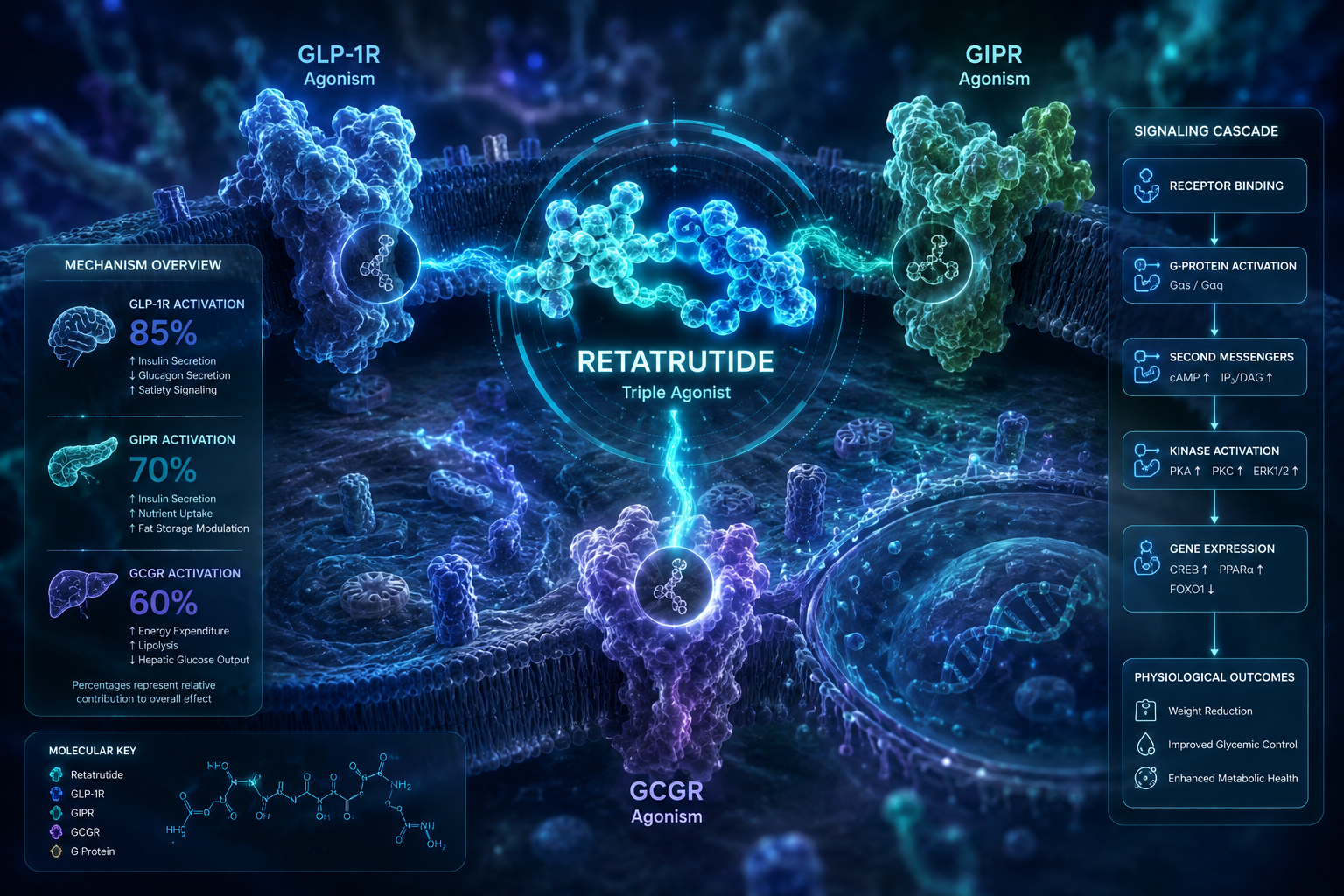
- Retatrutide (LY3437943) simultaneously activates GLP-1, GIP, and glucagon receptors, making it a true triple agonist.
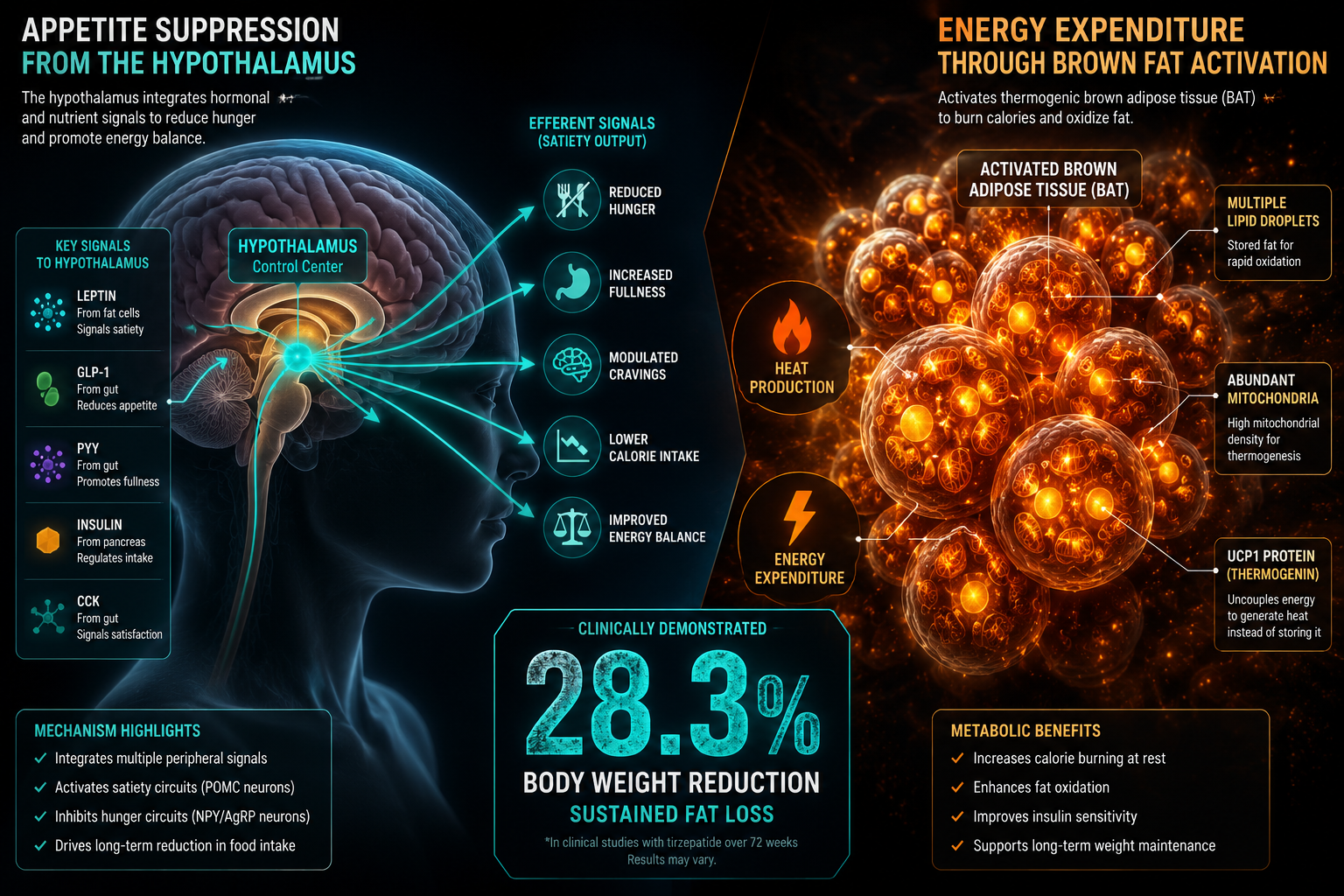
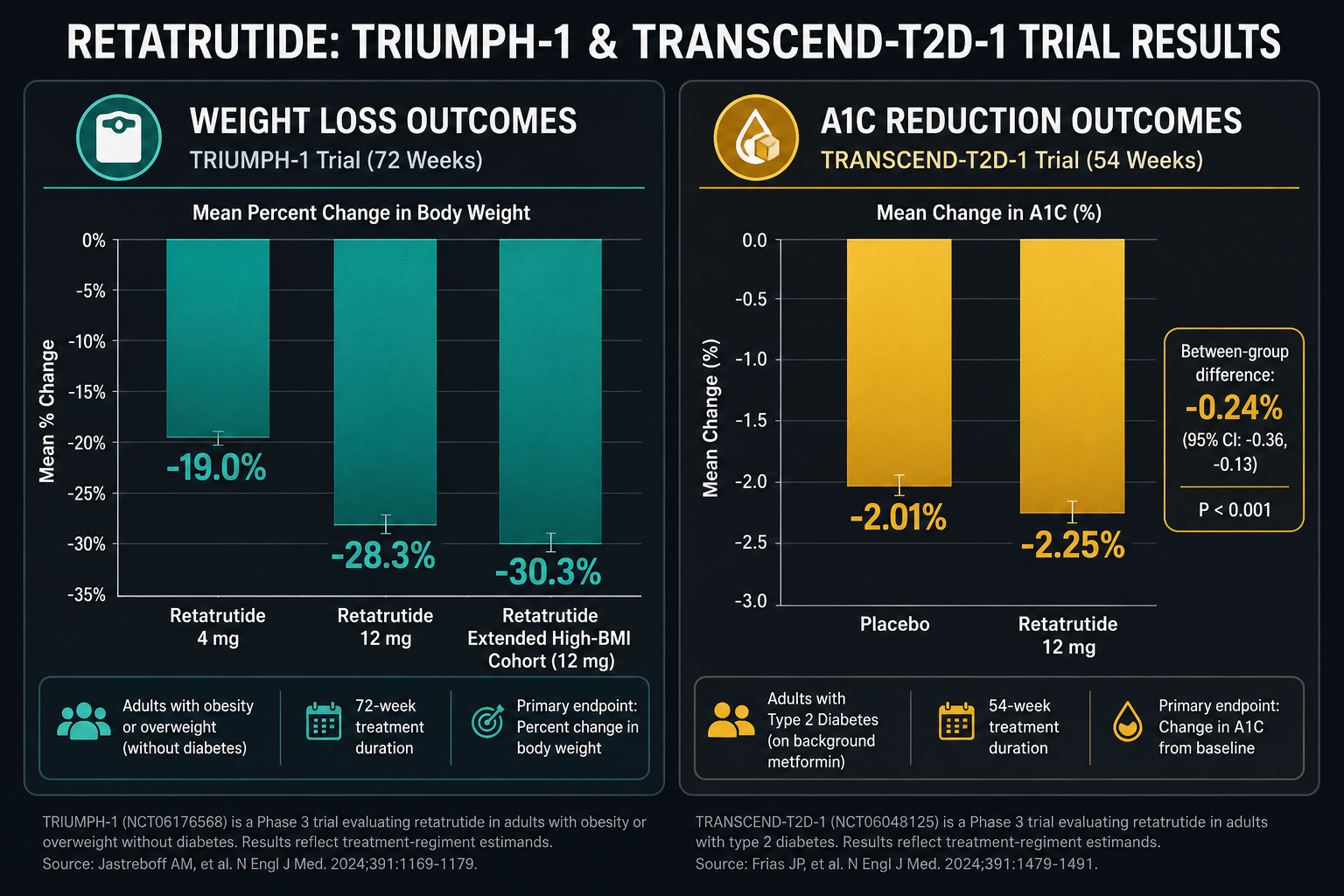
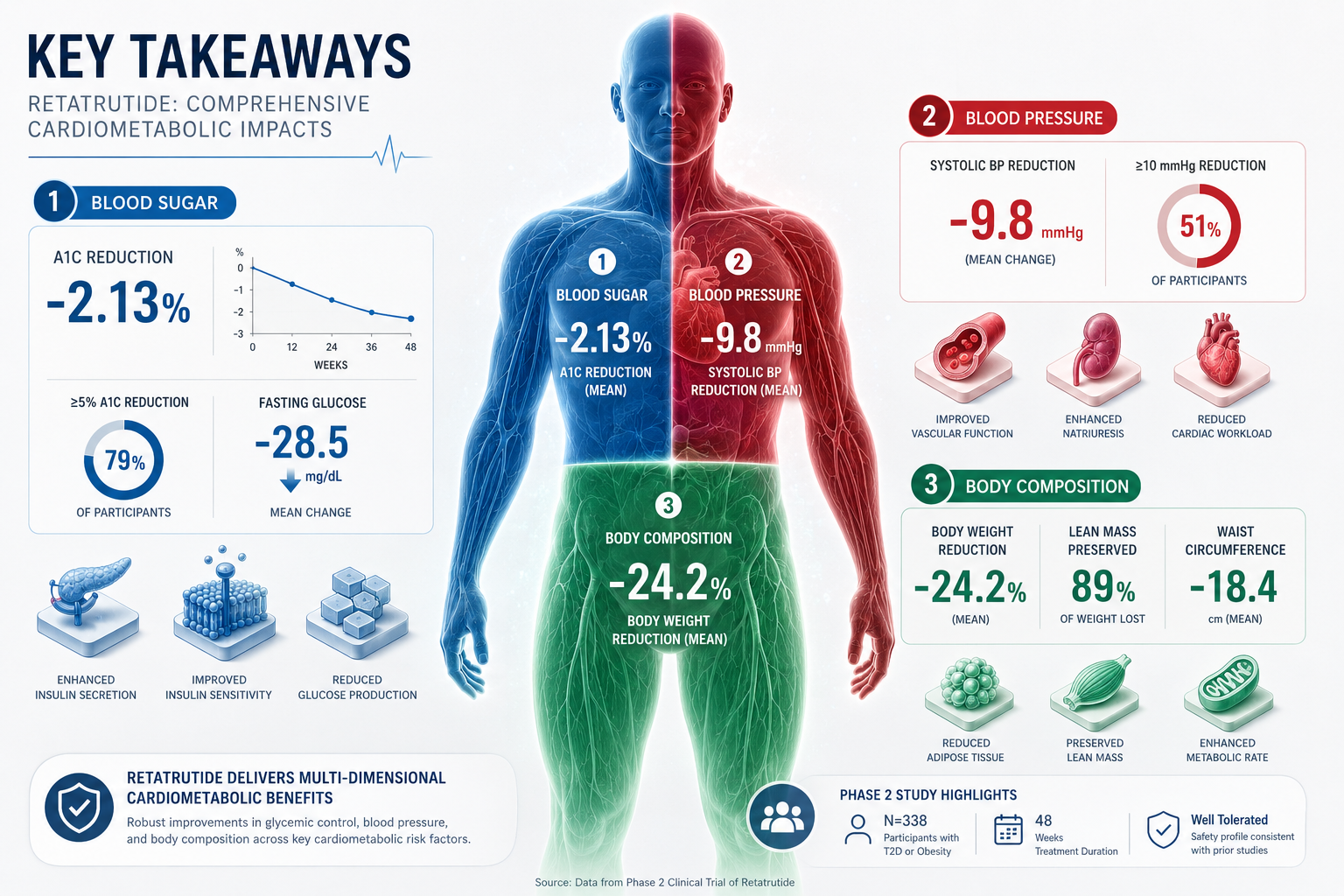
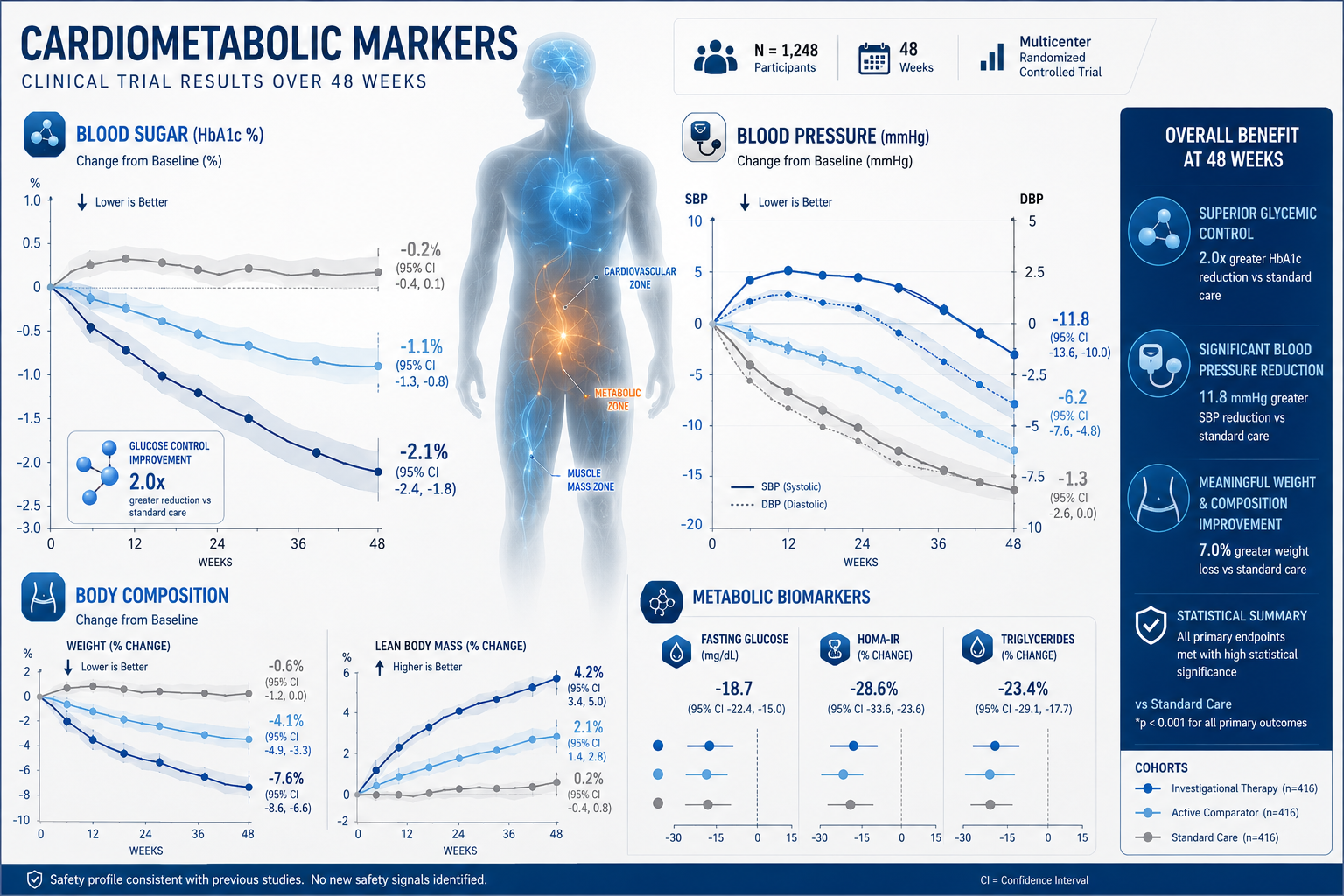
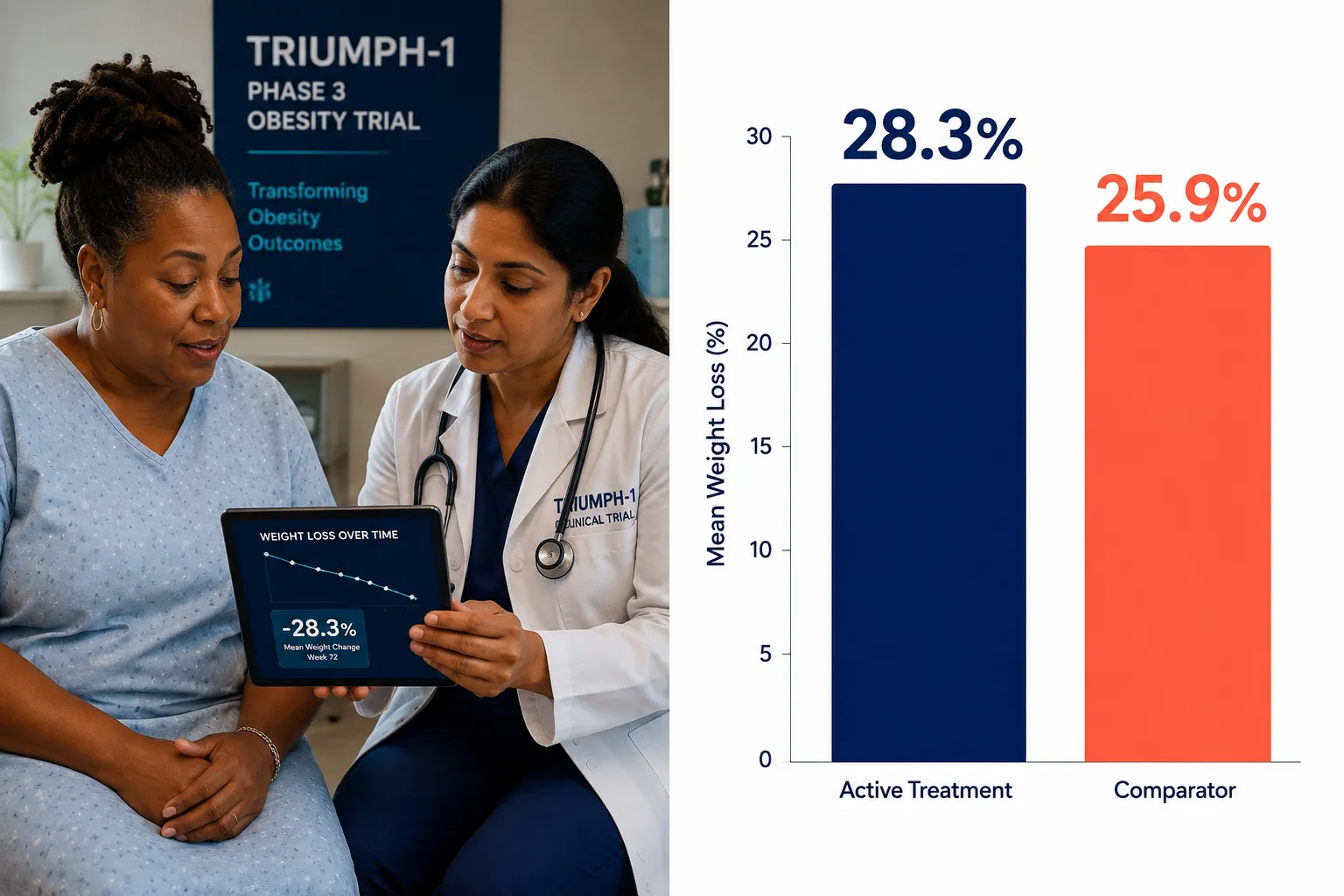
- TRIUMPH-1 Phase 3 data show 28.3% mean body weight reduction at the 12 mg dose over 80 weeks.
- The 9 mg dose achieved 25.9% mean weight loss, both results far exceeding earlier Phase 2 findings.
- These outcomes are redefining study endpoints and peptide design benchmarks across metabolic research.
- Downstream research interest in related receptor pathways, including GLP-2, MC4R, and growth hormone secretagogues, is accelerating as a result.
What Is Retatrutide and Why Does Triple Agonism Matter
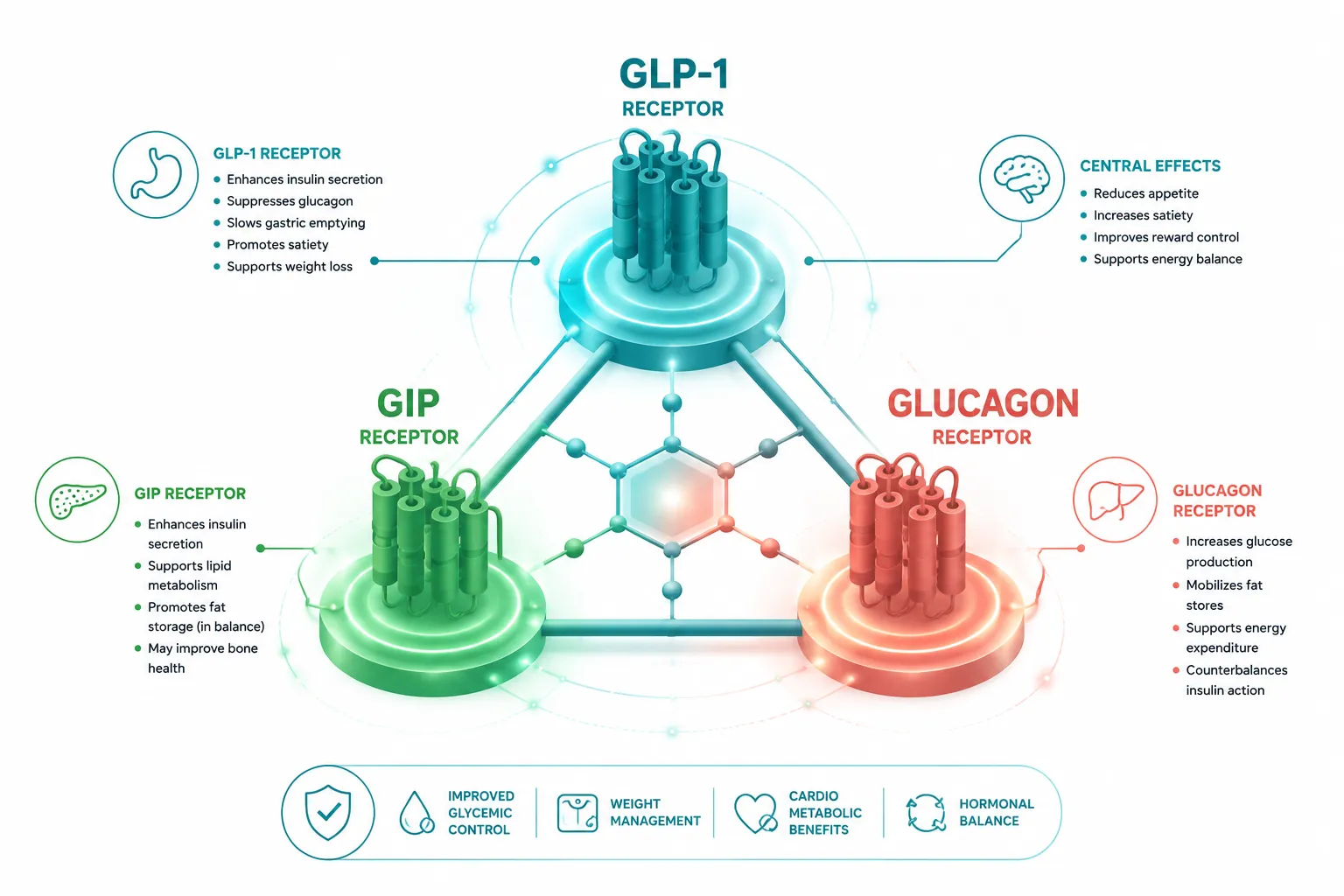
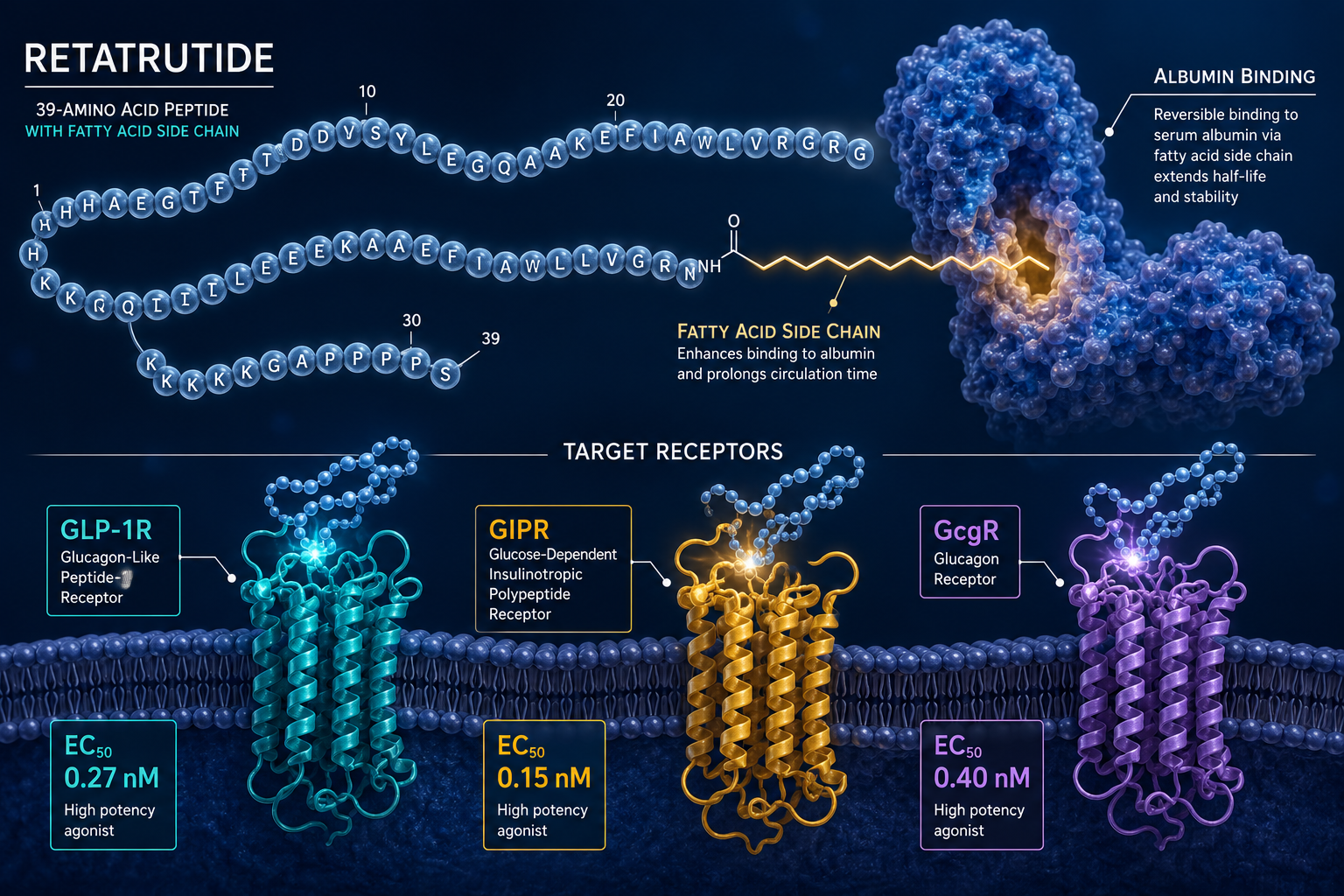
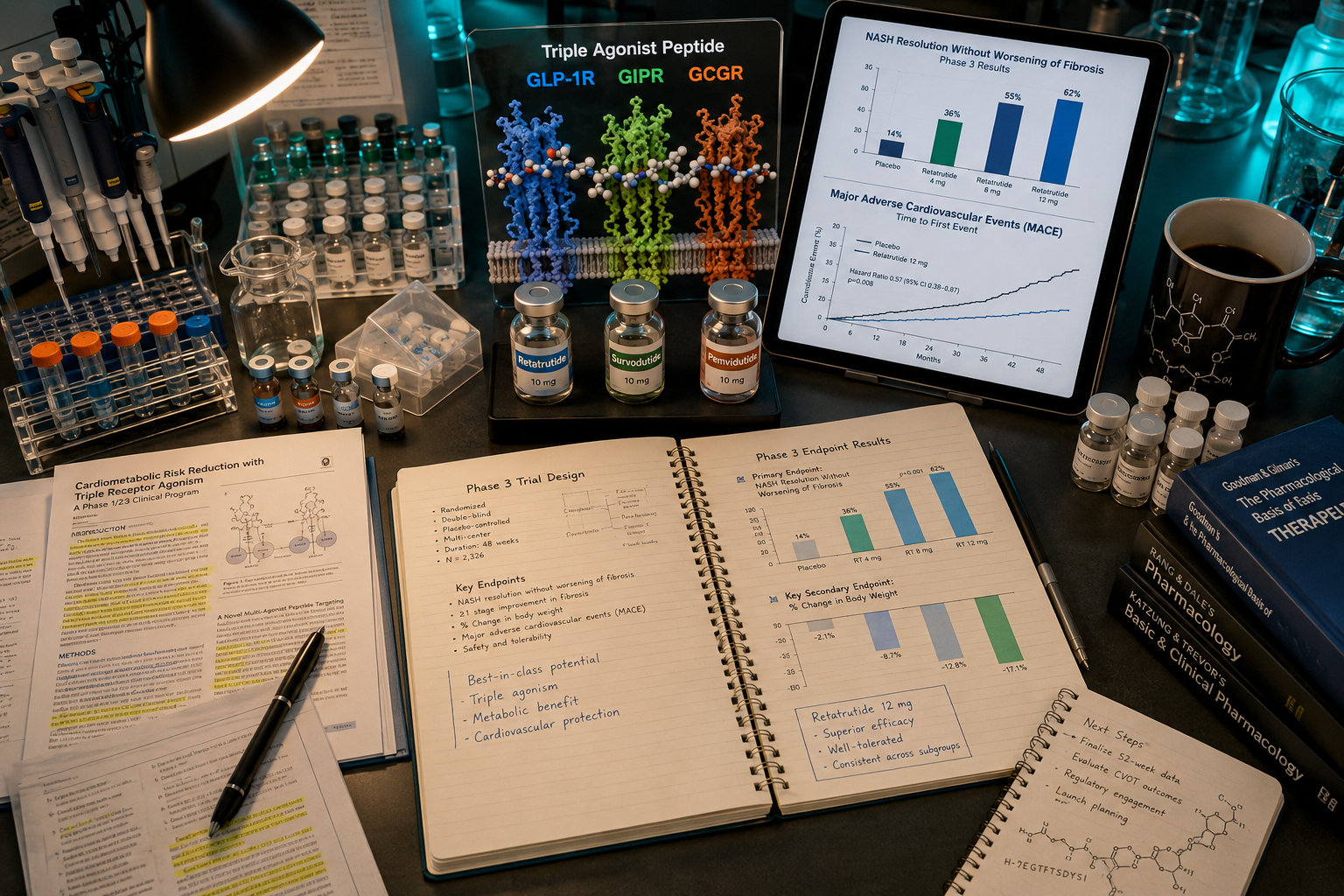
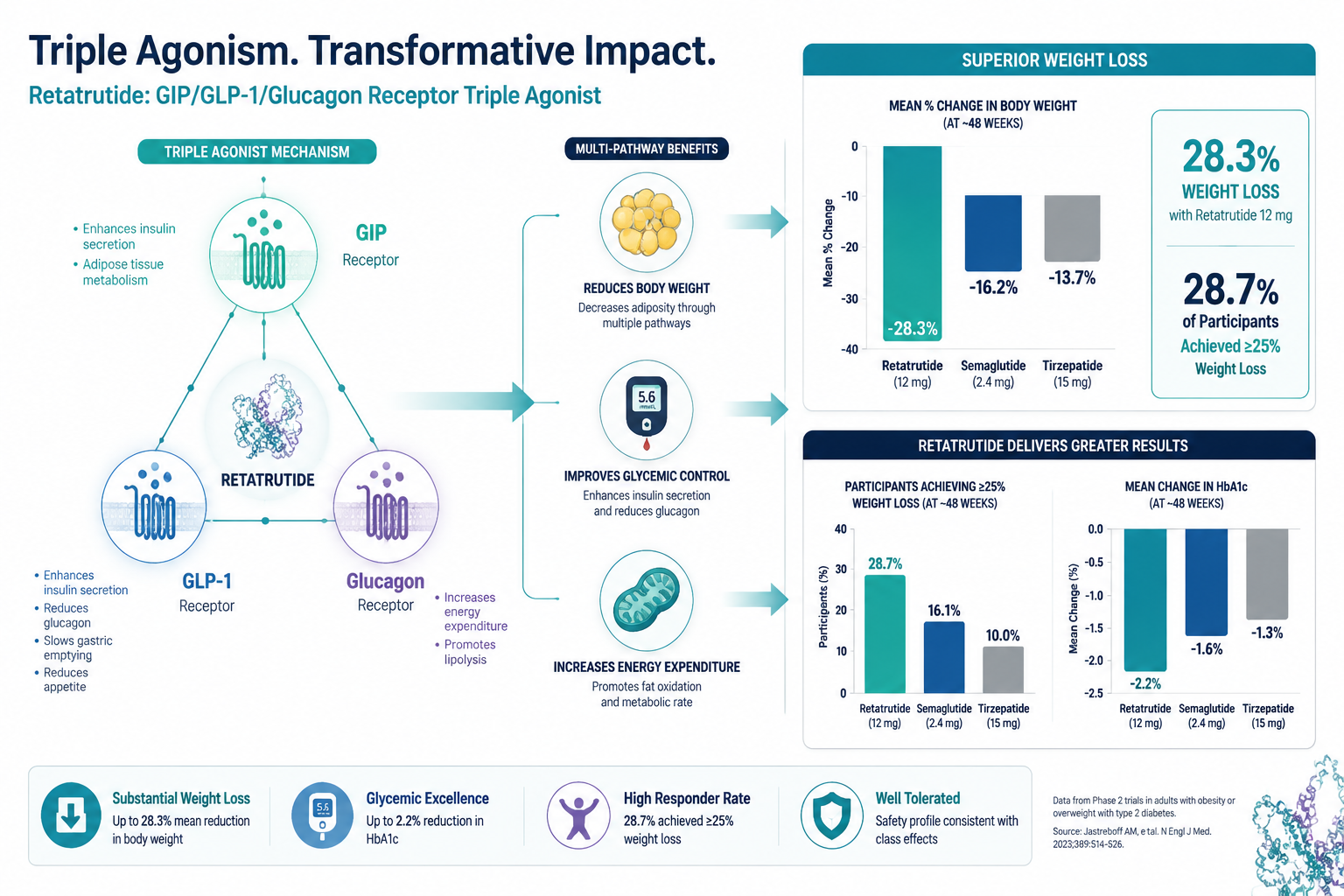
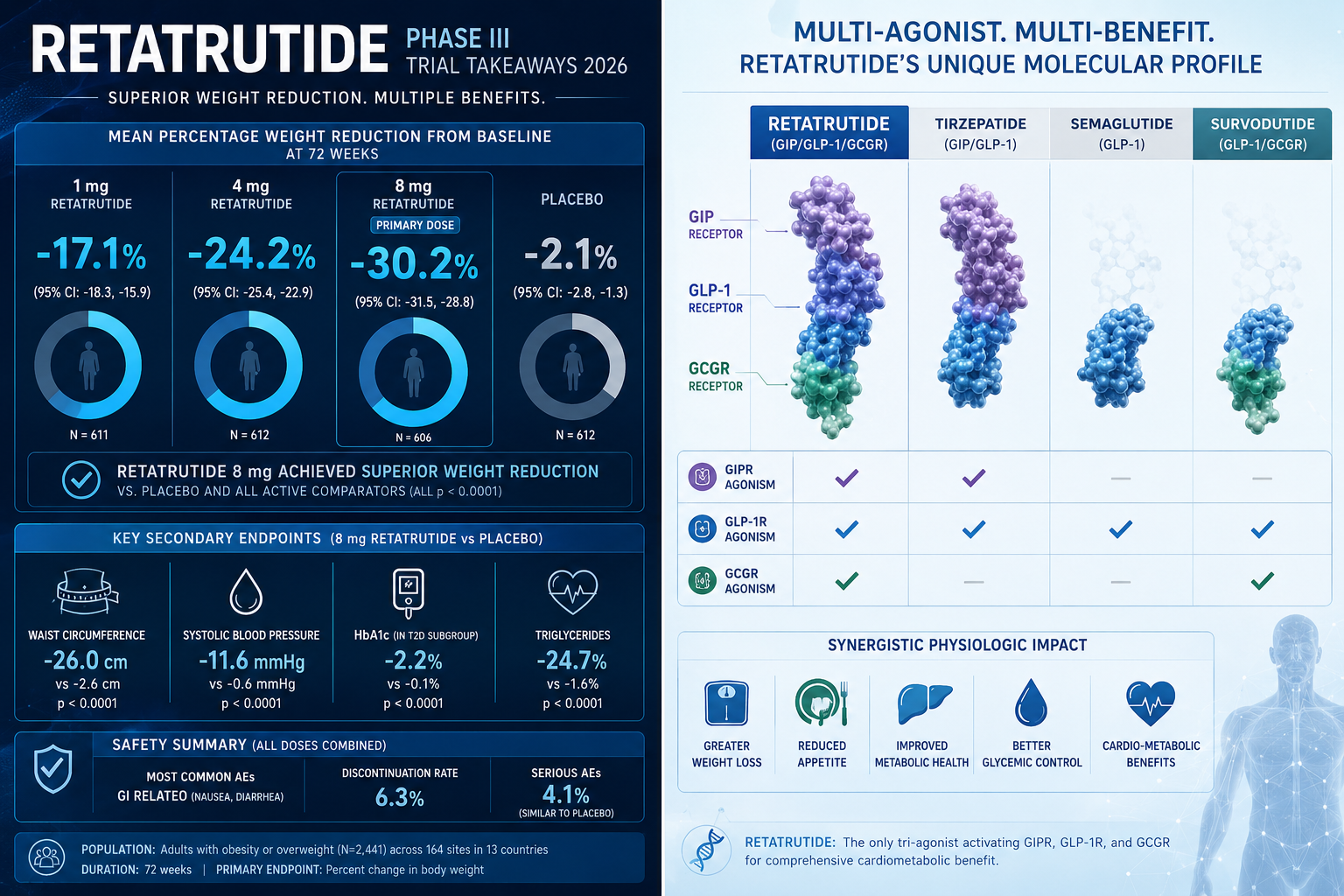
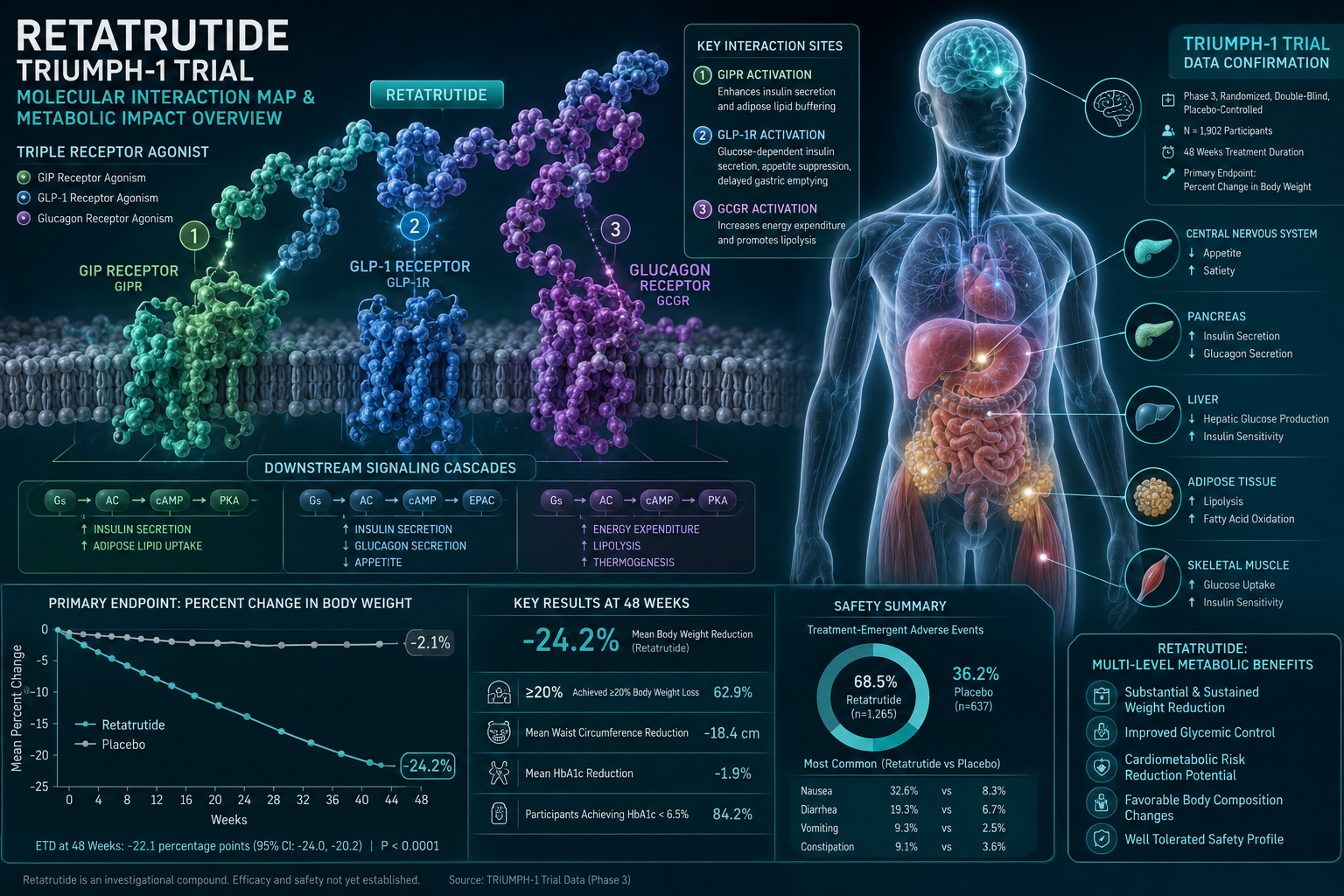
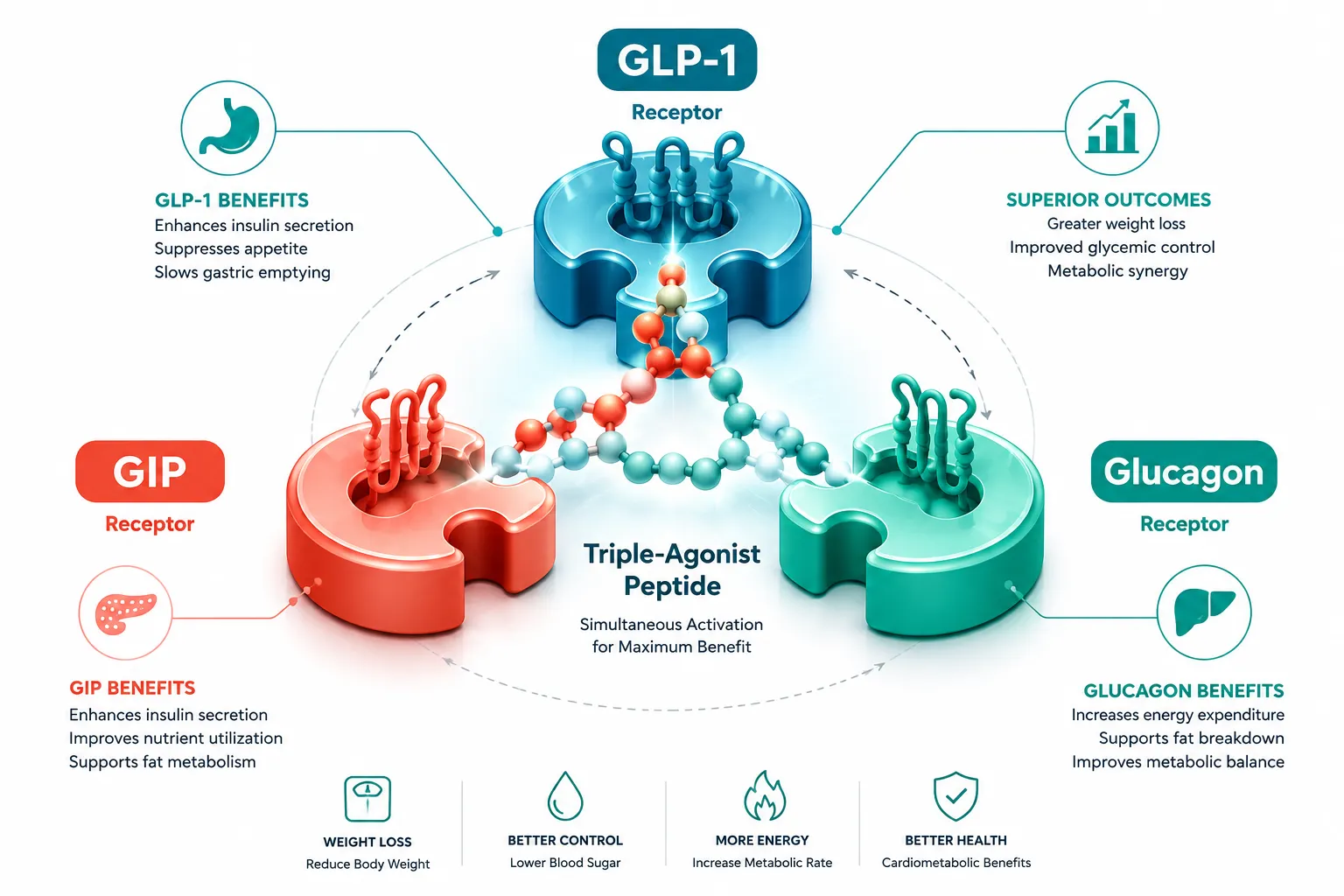
Retatrutide, developed by Eli Lilly under the code LY3437943, is a once-weekly injectable peptide that targets three distinct metabolic receptors simultaneously: the glucagon-like peptide-1 (GLP-1) receptor, the glucose-dependent insulinotropic polypeptide (GIP) receptor, and the glucagon receptor. Each receptor contributes a different metabolic effect.
| Receptor | Primary Effect |
|---|---|
| GLP-1 | Appetite suppression, slower gastric emptying |
| GIP | Enhanced insulin secretion, fat metabolism support |
| Glucagon | Increased energy expenditure, hepatic fat reduction |
By engaging all three pathways, retatrutide aims to deliver compounding benefits that single or dual agonists cannot replicate. Earlier GLP-1 agents like semaglutide and dual GIP/GLP-1 agonists like tirzepatide set a high bar. Retatrutide appears to clear it.
Researchers exploring GLP-1 peptides for metabolic studies will recognize that the triple-agonist architecture represents a logical progression from the single-receptor models that dominated the field just five years ago.
TRIUMPH-1 Phase 3 Data: The Numbers Redefining the Field
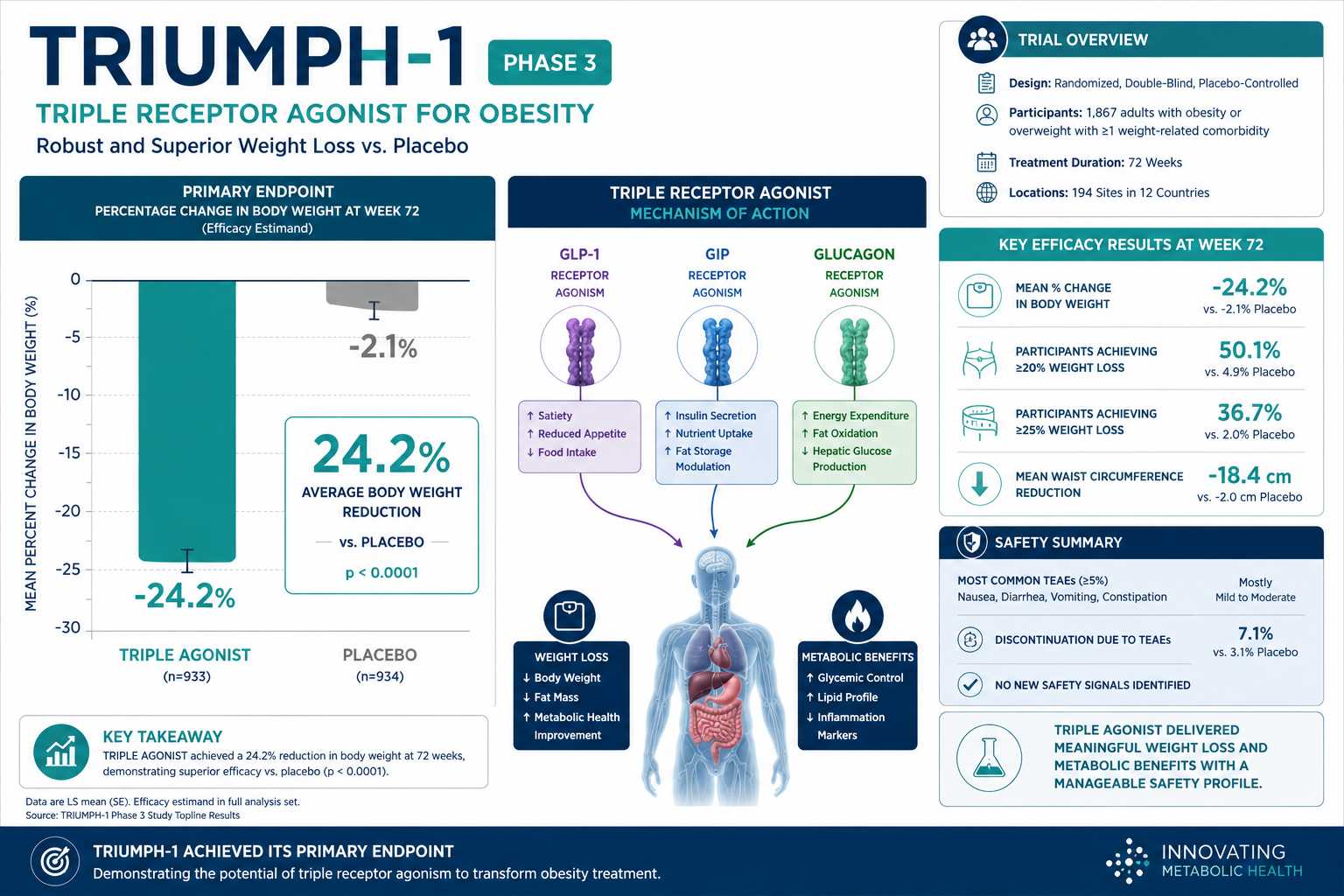
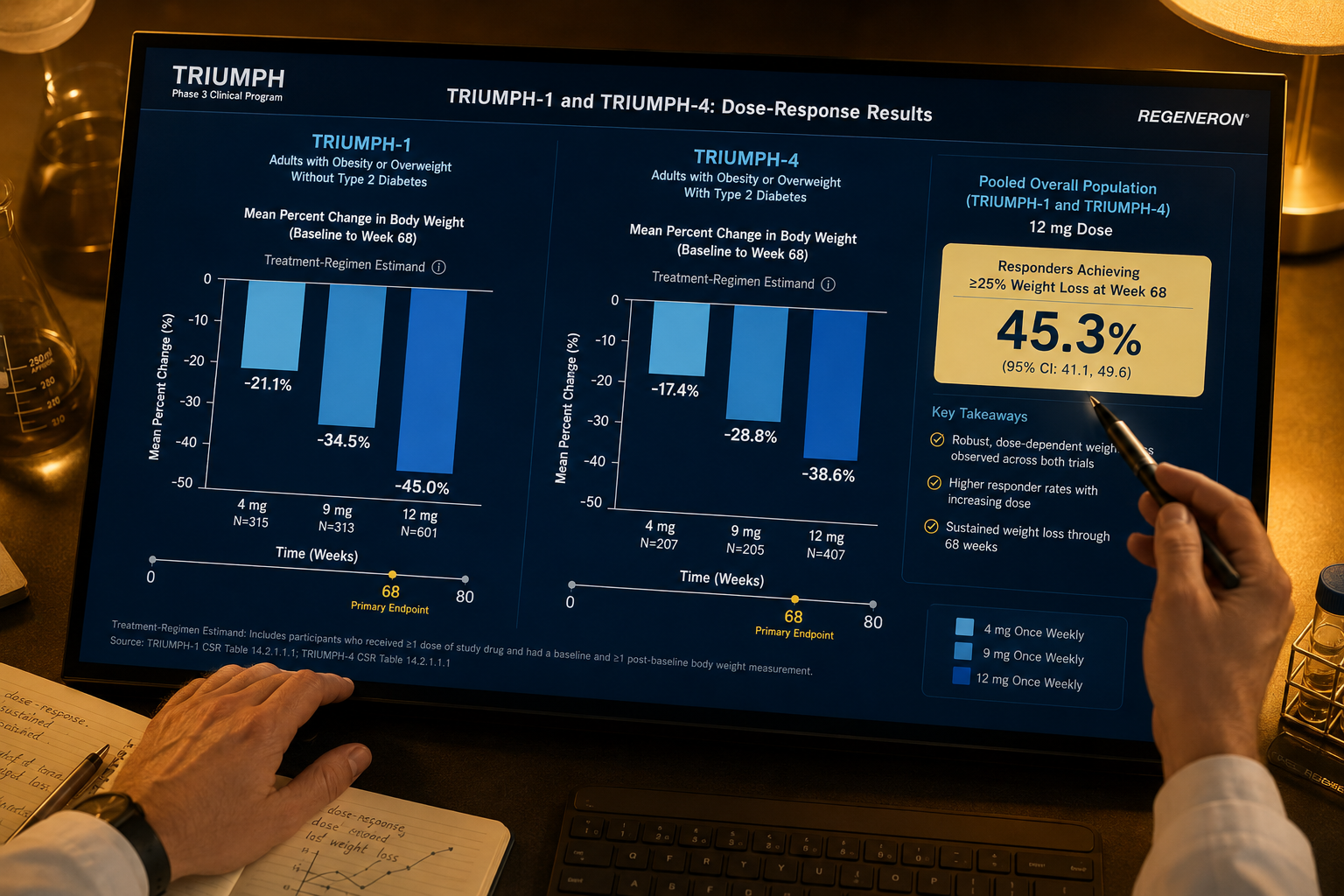
The TRIUMPH-1 trial enrolled adults with obesity or overweight without type 2 diabetes. Topline results released in May 2026 reported:
- 12 mg dose: 70.3 lb (28.3%) mean body weight reduction over 80 weeks
- 9 mg dose: 64.4 lb (25.9%) mean weight loss over the same period
- Both doses dramatically exceeded placebo and prior Phase 2 benchmarks
"A 28% mean weight reduction in a Phase 3 trial is not an incremental improvement, it represents a categorical shift in what metabolic pharmacology can achieve."
These results place retatrutide in a performance class that no approved obesity therapy has previously occupied. For context, the best-in-class dual agonist tirzepatide achieved approximately 20-22% weight loss in comparable trial designs.
Researchers sourcing GLP-3 Retatrutide peptide for study purposes are paying close attention to how these Phase 3 endpoints translate into preclinical and in-vitro research models.
How Phase 3 Obesity Data Are Shaping Next-Generation Metabolic Research
The impact of GLP-3 Retatrutide and Triple-Agonist Peptides: How Phase 3 Obesity Data Are Shaping Next-Generation Metabolic Research extends well beyond a single drug's approval pathway. These findings are actively reshaping:
1. Study Endpoint Benchmarks
Researchers designing new metabolic peptide studies now face a significantly higher performance bar. A 10-15% weight reduction, once considered a strong outcome, is no longer a compelling endpoint when triple agonism achieves nearly 30%.
2. Receptor Combination Strategies
The TRIUMPH-1 data validate the multi-receptor hypothesis. This is accelerating interest in other receptor combinations, including MC4R receptor pathways that influence energy homeostasis and appetite regulation at the central nervous system level.
3. GLP-2 and Intestinal Metabolic Pathways
Parallel interest is growing in GLP-2 peptide research, which targets intestinal adaptation and nutrient absorption. Researchers are investigating whether GLP-2 co-agonism could enhance the metabolic profile of future triple or quadruple agonist candidates.
4. Growth Hormone Axis Interactions
The glucagon receptor component of retatrutide shares metabolic territory with growth hormone secretagogue pathways. Investigators studying ipamorelin and CJC-1295 combinations are examining whether GH axis modulation can complement triple-agonist mechanisms in body composition research.
5. Adipose Tissue Remodeling
The scale of fat mass reduction seen in TRIUMPH-1 is prompting new questions about adipose tissue biology. Research intersecting with beige adipose tissue conversion is gaining renewed attention as scientists try to understand the cellular mechanisms behind such dramatic fat loss.
Peptide Design Implications for Research Use
The TRIUMPH-1 results are not just clinically significant, they are structurally instructive. Peptide researchers are drawing several design lessons:
- Half-life engineering matters. Retatrutide's once-weekly dosing relies on fatty acid conjugation that extends plasma half-life. Future research peptides are being designed with similar pharmacokinetic stability in mind.
- Receptor selectivity ratios are tunable. The balance between GLP-1, GIP, and glucagon activity can be adjusted at the molecular level, allowing researchers to probe which receptor combination drives specific outcomes.
- Tolerability profiles inform dosing models. Phase 3 data provide real-world tolerability benchmarks that preclinical models can be calibrated against.
Researchers building broader metabolic study panels can explore the full catalog of peptides for sale to identify complementary compounds for multi-pathway investigations.
For those specifically focused on the GLP class, the GLP-1 for sale research category provides a useful starting point for assembling comparative study frameworks.

Conclusion
The TRIUMPH-1 Phase 3 data have set a new standard for what metabolic peptide research must aspire to achieve. With 28.3% mean body weight reduction at the 12 mg dose, retatrutide has moved triple-agonist pharmacology from a promising hypothesis to a clinically validated reality. For researchers, this means recalibrating study endpoints, expanding receptor combination strategies, and engaging more deeply with the molecular architecture that makes multi-target agonism so effective.
Actionable next steps for researchers in 2026:
- Review updated Phase 3 endpoints and align preclinical models to match realistic efficacy benchmarks.
- Explore GIP, GLP-1, and glucagon receptor interactions as a combined rather than isolated system.
- Investigate complementary pathways, MC4R, GLP-2, growth hormone axis, for synergistic study designs.
- Source high-purity, well-characterized peptides to ensure experimental reproducibility as study complexity increases.
The era of single-receptor metabolic research is giving way to a more sophisticated, multi-pathway paradigm. The data are clear. The direction is set.