Call or Text 727-513-9780
  • Shopping Cart Shopping Cart
    0Shopping Cart
Pure Tested Peptides | America's most trusted Peptides for sale online
  • Peptides for sale
    • Oral Peptides for sale
      • Peptide Capsules for sale
      • BPC 157 Capsules 1000mcg
      • SLU-PP-332 Capsules | 1000 mcg
      • 5-Amino-1MQ 50mg Capsules
      • Tesofensine 500mcg
    • All Peptides for sale
    • Peptide Sprays
      • BPC 157 Nasal Spray Kit
      • BPC-157 TB500 Nasal Spray Kit
      • Semax Nasal Spray 10mg
      • Selank – Nasal Spray Kit – 10mg
      • Epithalon 50MG Nasal Spray Kit
      • Ipamorelin 10mg Nasal Spray
      • Klow Nasal Spray (BPC-157 + TB-500 + GHK-Cu + KPV) | 80mg
      • Hulk Nasal Spray Tesa / Ipa Blend 6/3 MG
      • Klow Nasal Spray
      • NAD + 500 mg Nasal Spray
      • PT-141 Nasal Spray Kit
    • GHRH Peptides
      • Ipa Peptides
      • CJC-1295 Peptides
        • CJC-1295 with DAC 5 mg
        • CJC-1295 without DAC 5 mg
        • CJC-1295 Ipa 10mg
      • Tesa Peptides
        • Tesa Peptide
        • Tesa 20 mg
    • GHK-Cu Peptides
      • All GHK-Cu Peptides
      • GHK-Cu 100mg
      • KLOW Peptide Blend – Buy KLOW blend online
    • BPC Peptides
      • All BPC Peptides
      • BPC-157
      • BPC-157 TB-500
      • BPC 157 capsules 1000mcg
    • SLU-PP-332 Peptides
      • All SLU-PP-332 Peptides
      • SLU-PP-332 5mg
    • GLP3 Peptides
      • GLP3-R
      • GLP3-R CAG 10mg
      • GLP3-R 20mg
    • PT-141 Peptides
      • PT-141 Peptides for sale
      • PT-141 10mg
      • PT-141 Nasal Spray
    • CAG Peptides
      • Lipo-C Peptide Blend
      • CAG 5mg
      • CAG 10mg
    • MOTS-C Peptides
      • MOTS-C Peptides for sale
      • MOTS-c peptide
      • MOTS-c 10mg *6 pack*
    • 5 Amino 1MQ Peptides
      • 5 Amino 1MQ Peptides for sale
      • 5-Amino-1MQ 50mg Capsules
      • 5-Amino-1MQ 5mg
    • Epithalon Peptides
      • Epithalon Peptides for sale
      • Epithalon 10mg
      • Epithalon 50mg
  • Shop
    • GLPs
      • 5-Amino-1MQ 50mg Capsules
      • 5-Amino-1MQ 5mg
      • GLP3-Reta
      • L-Carnitine 500mg/ml
      • Tesofensine 500mcg
      • SLU-PP-332 5mg
      • MOTS-c 10mg *6 pack*
    • Epithalon & BPC Peptides
      • Epithalon 10mg
      • Epithalon 50mg
      • BPC-157
      • BPC 157 capsules 1000mcg
      • BPC-157 TB-500
      • BPC-157 TB500 Nasal Spray Kit
      • BPC 157 Nasal Spray Kit
    • BPC TB-500 & NAD+ Peptides
      • NAD+ 500 mg
      • KLOW Peptide Blend – Buy KLOW blend online
      • GLOW Peptide Blend
      • TB 500 5mg
      • BPC 157 capsules 1000mcg – Supplement
      • BPC 157 Nasal Spray Kit
      • BPC-157
      • BPC-157 TB500 Nasal Spray Kit
      • BPC-157 TB-500
      • BPC 157 capsules 1000mcg
    • LL-37 Peptide
      • LL-37 10 mg
    • MOTS-C & Selank
      • MOTS-c peptide
      • Selank 10mg
    • GHK Peptides
      • GHK-Cu 100mg
      • GLOW Peptide Blend
      • KLOW Peptide Blend – Buy KLOW blend online
  • COAs
  • Wholesale
    • Wholesale Peptides for sale
  • PTP FAQ
  • Affiliates
    • Affiliate Program
    • Affiliate Signup
  • Contact
    • Contact Customer Service
    • Text Customer Support
  • About US
  • Shop all peptides
  • Login / Register Login / Register Page Link Login / Register Page Link
  • Click to open the search input field Click to open the search input field Search
  • Menu Menu

Tag Archive for: nootropic peptides

Cluster of Differentiation Markers and Experimental Peptides: Mapping Immune Pathways for Selank, Epithalon, and BPC‑157

Cluster of Differentiation Markers and Experimental Peptides: Mapping Immune Pathways for Selank, Epithalon, and BPC‑157

June 6, 2026/0 Comments/in Uncategorized/by

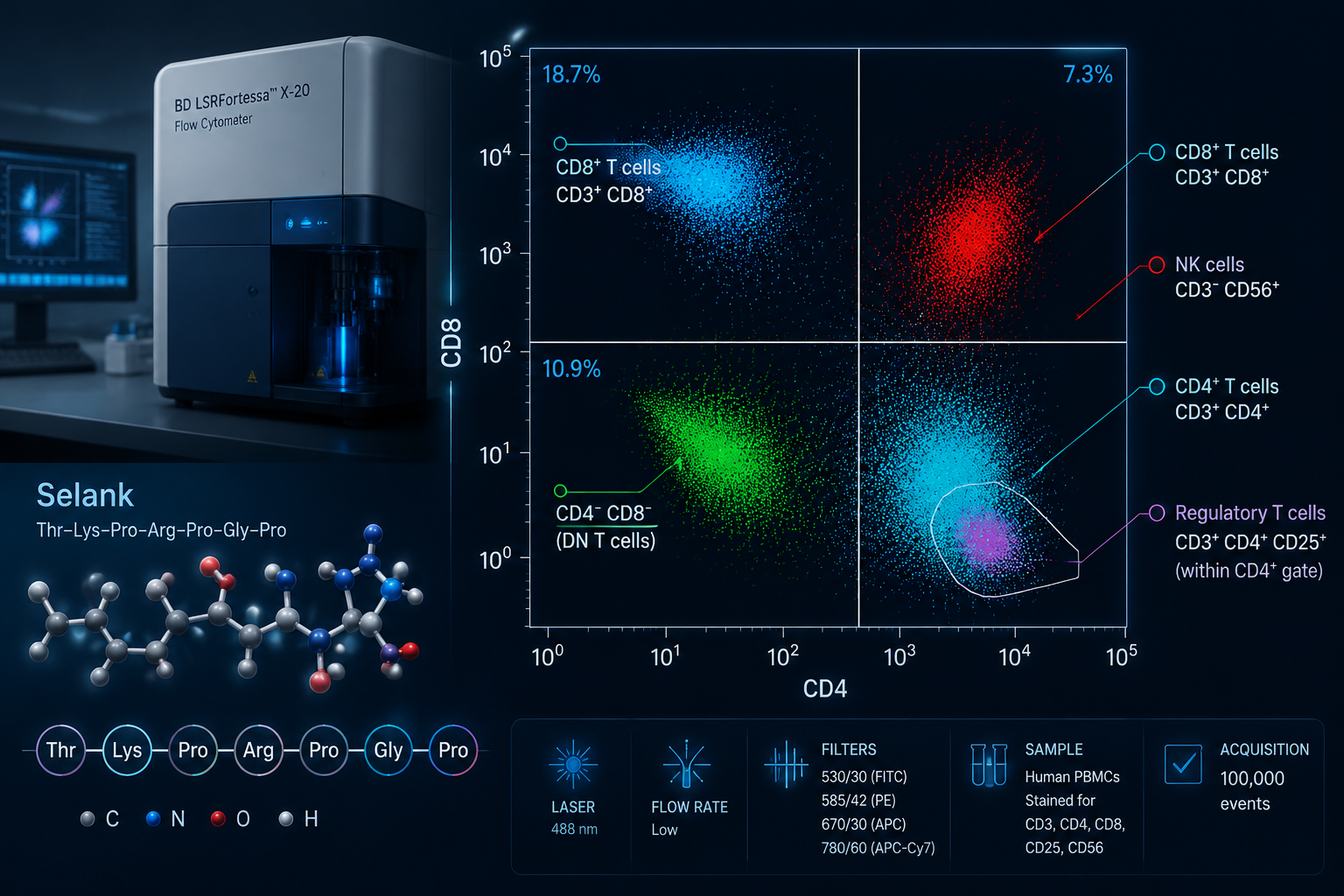
Flow cytometry panels routinely detect shifts in CD4-to-CD8 ratios within hours of peptide exposure in murine models — a detail that reveals just how precisely researchers can now track immune responses to compounds like Selank, Epithalon, and BPC-157. Understanding cluster of differentiation markers and experimental peptides is central to mapping immune pathways for Selank, Epithalon, and BPC-157 in a rigorous lab setting.

Key Takeaways

  • CD markers are surface proteins used to identify and quantify specific immune cell populations via flow cytometry.
  • Selank, Epithalon, and BPC-157 each interact with immune pathways through distinct mechanisms, including cytokine modulation and inflammatory regulation.
  • Flow cytometry is the gold-standard tool for measuring peptide-driven shifts in CD marker expression.
  • Human clinical data for all three peptides remains limited; most evidence comes from animal and in vitro models.
  • Thoughtful panel design — selecting the right CD markers for each peptide's mechanism — is critical for meaningful experimental results.

Key Takeaways

What Are CD Markers and Why Do They Matter in Peptide Research

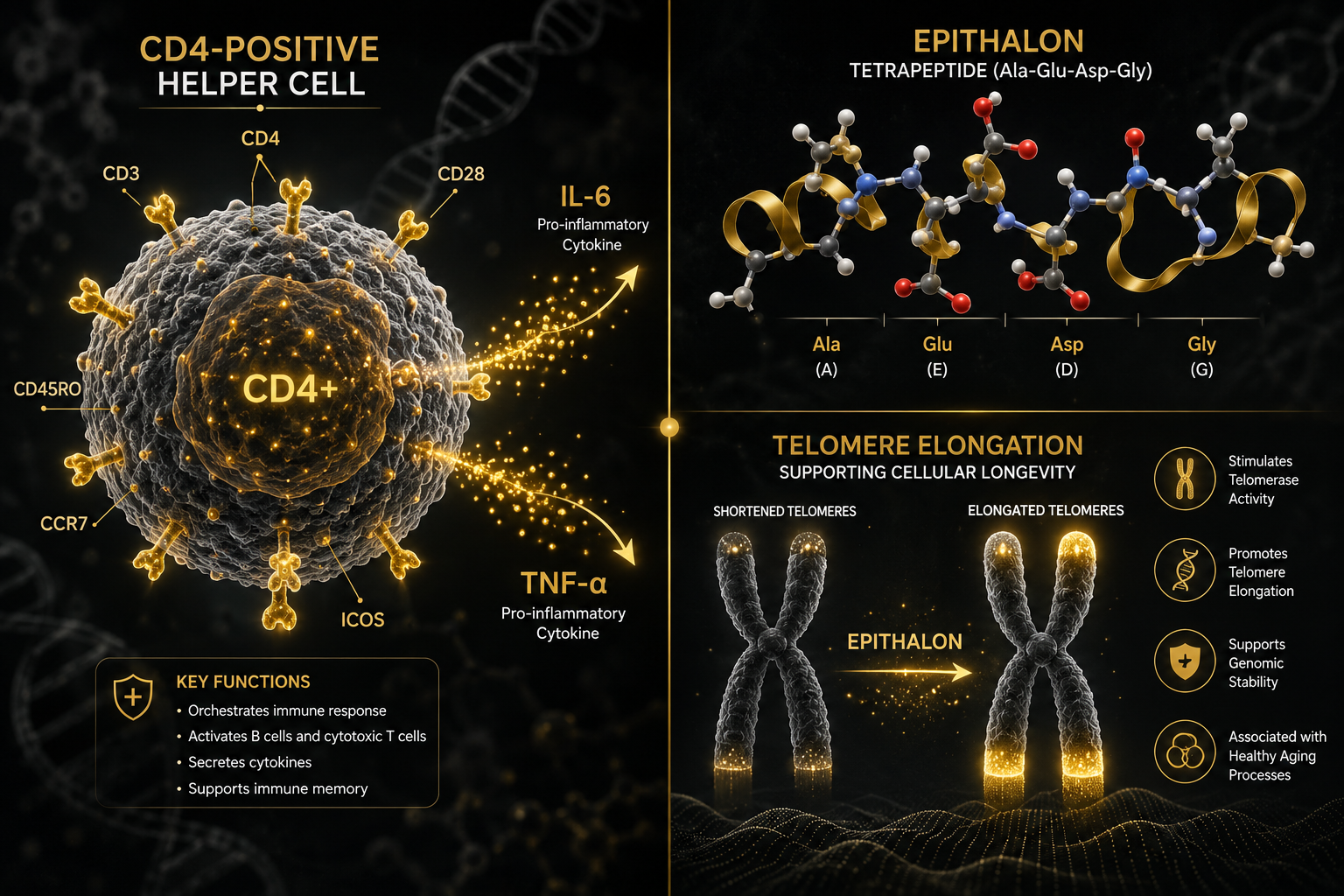
Cluster of differentiation (CD) markers are glycoproteins expressed on the surface of immune cells. They act as molecular identity tags, allowing researchers to distinguish T cells, B cells, natural killer cells, macrophages, and regulatory populations from one another. Common markers include:

CD Marker Cell Type Function
CD3 T cells T-cell receptor complex
CD4 Helper T cells MHC class II interaction
CD8 Cytotoxic T cells MHC class I interaction
CD25 Regulatory T cells (Tregs) IL-2 receptor alpha chain
CD56 Natural killer cells Cell adhesion and activation
CD68 Macrophages Phagocytic activity marker

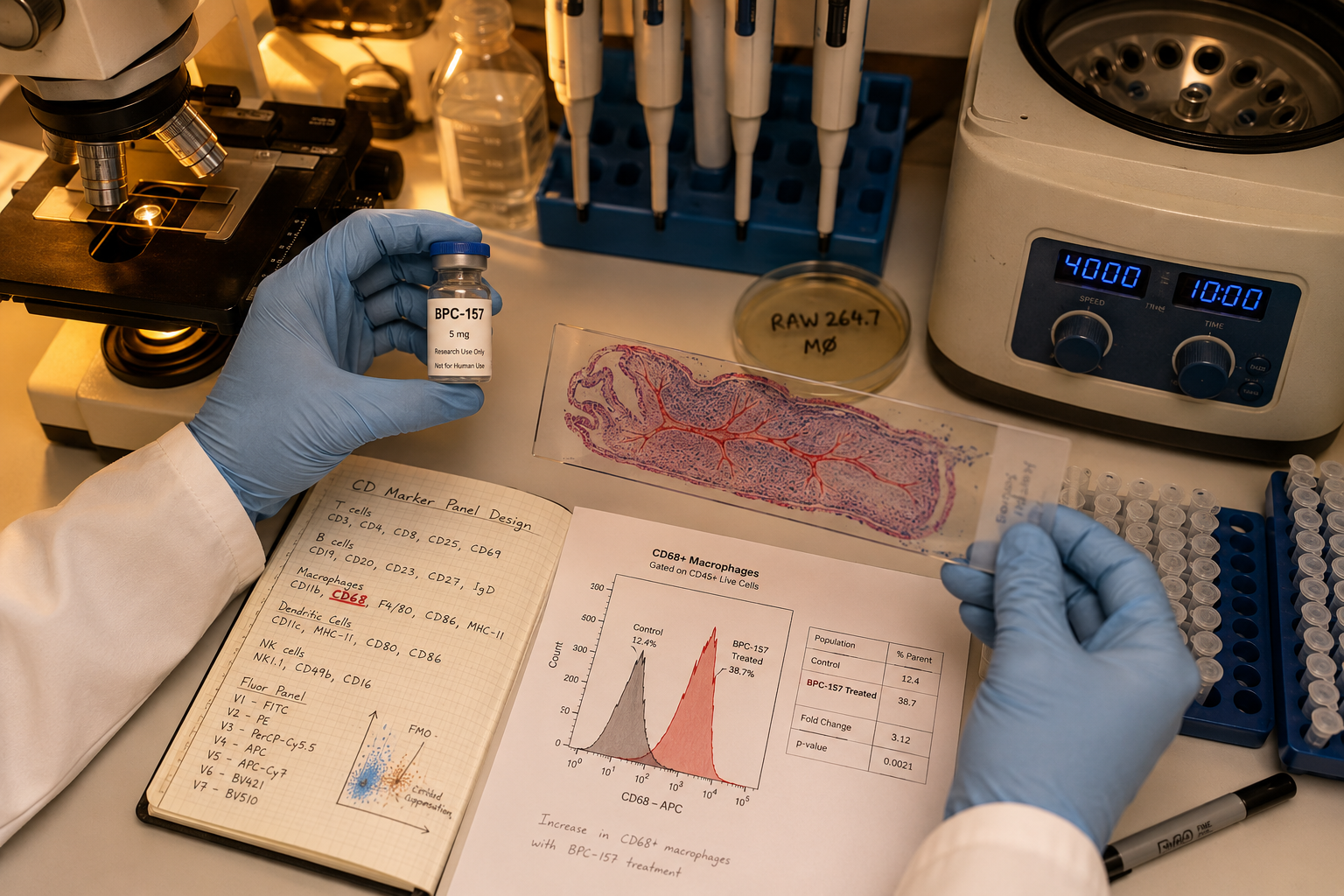
When an experimental peptide is introduced, shifts in these populations — measured by flow cytometry — provide quantitative evidence of immunomodulatory activity. This approach is far more precise than measuring cytokine levels alone, because it identifies which cell types are being affected and in what proportion.

For researchers designing panels, the choice of fluorochrome combinations and gating strategies directly determines the quality of the data. A poorly designed panel can miss a meaningful CD4-to-CD8 ratio shift entirely.


Mapping Immune Pathways for Selank, Epithalon, and BPC-157 Using CD Markers

Each peptide engages immune biology differently, which means the optimal CD marker panel differs by compound.

Selank

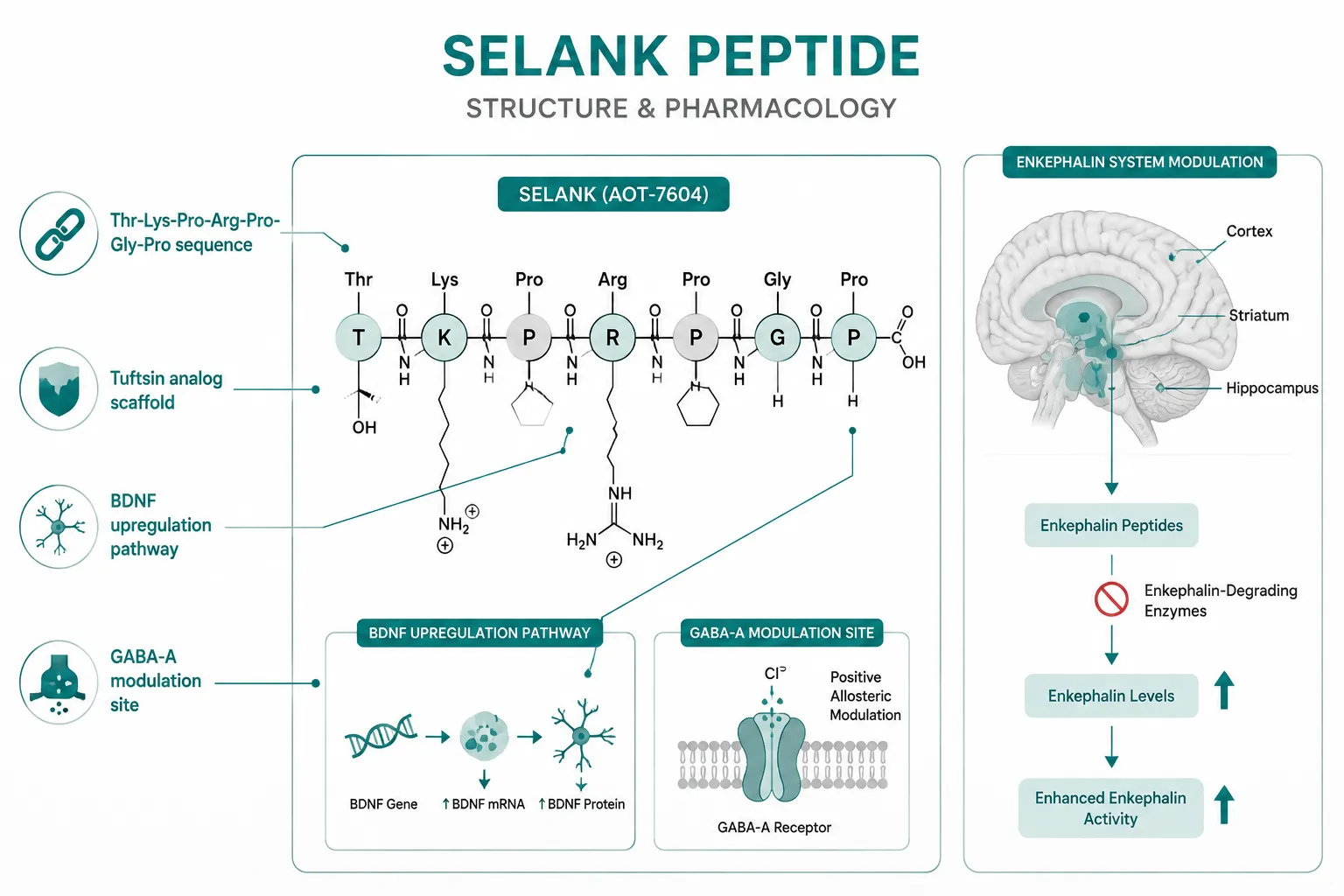
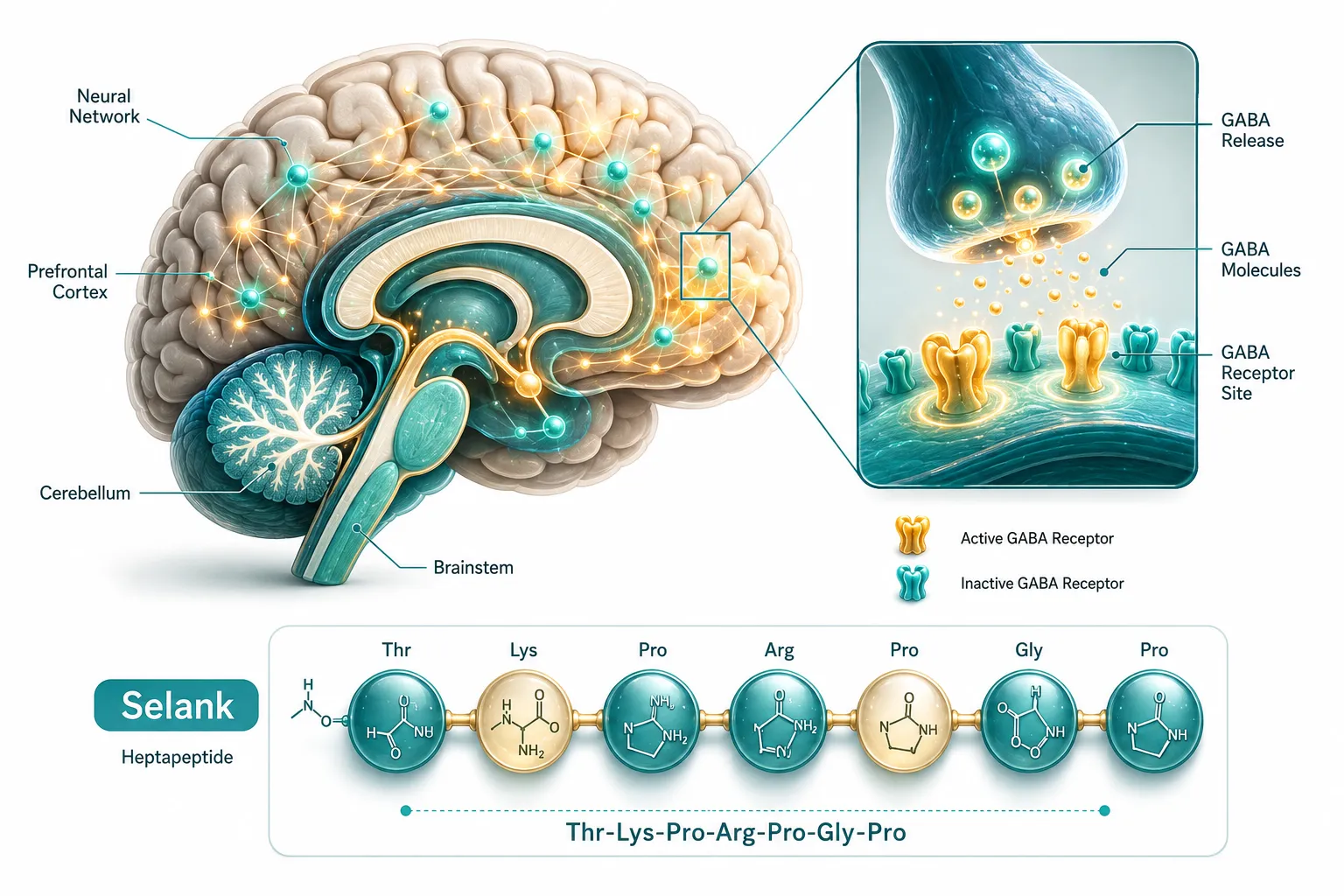
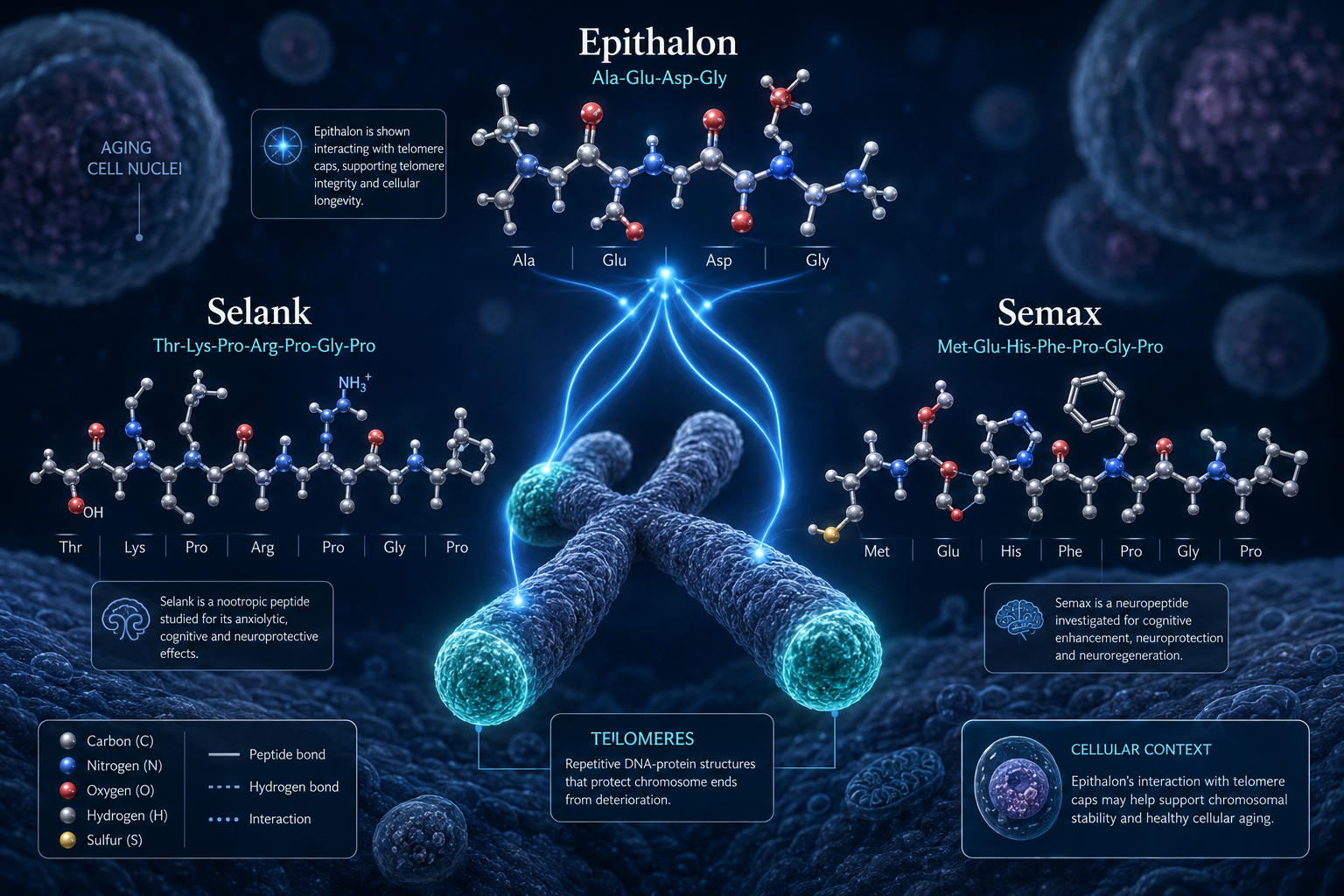
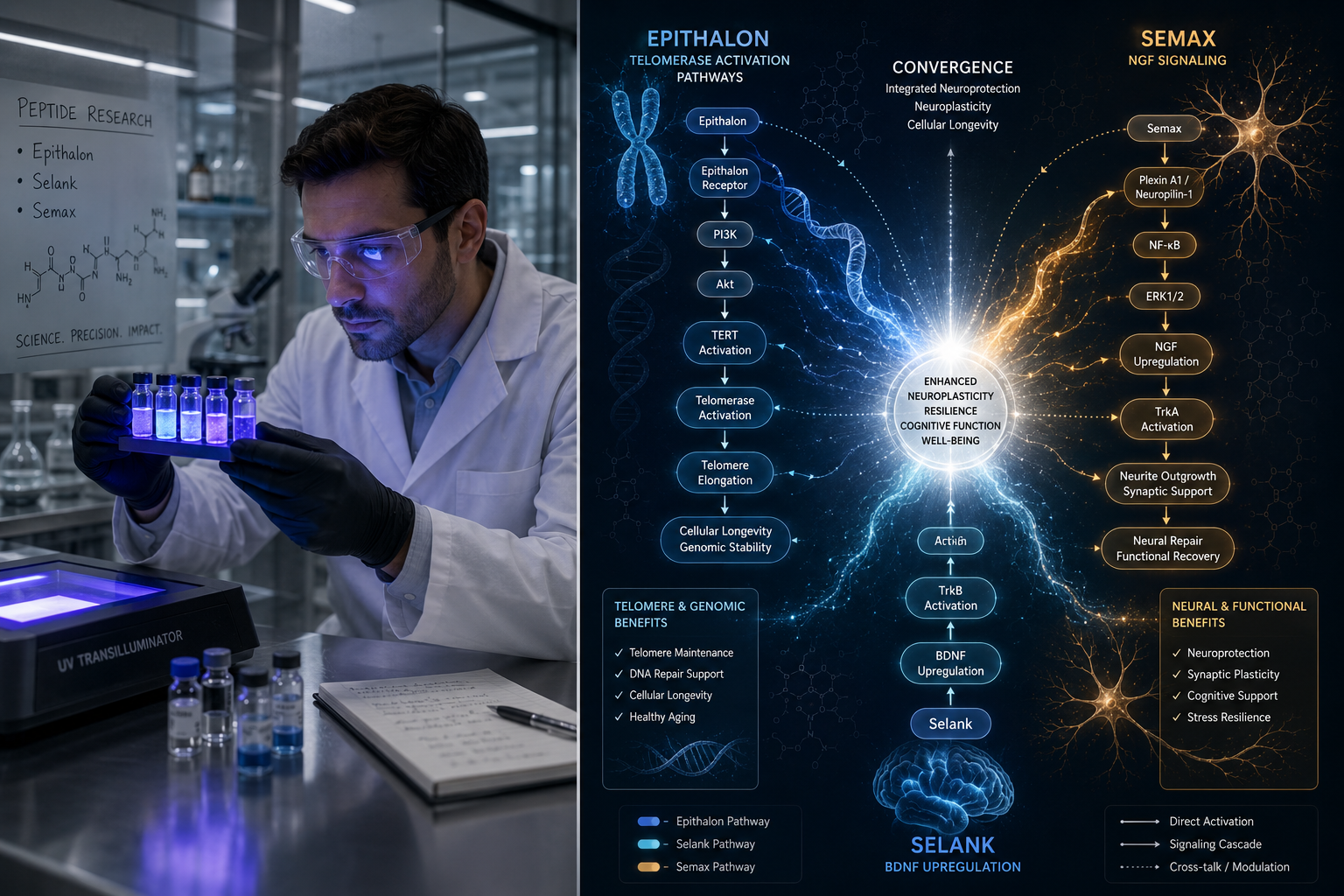
Selank is a synthetic heptapeptide originally derived from the immunomodulatory peptide tuftsin. Its primary research interest lies in anxiety modulation and cognitive support, but its immune relevance is significant. Selank has been shown in preclinical models to influence IL-6 and interferon-gamma expression, both of which are linked to T-cell activation states. Researchers tracking Selank's immune effects typically include CD3, CD4, CD8, and CD25 in their panels to capture T-cell subset dynamics and regulatory T-cell expansion.

Reviewing Selank's known side effects and biological activity can help researchers anticipate which immune compartments may show the most change during an experiment.

Epithalon

Epithalon (Ala-Glu-Asp-Gly) is a tetrapeptide studied primarily for its telomerase-activating and potential anti-aging properties. Its immune relevance connects to thymic function — the organ responsible for T-cell maturation. Preclinical data suggests Epithalon may support thymic peptide activity, which could influence naive T-cell output. A targeted flow cytometry panel for Epithalon research might include CD45RA (naive T cells), CD45RO (memory T cells), and CD56 to monitor NK cell activity. For a broader comparison of Epithalon's molecular targets, the Epithalon vs NAD evidence review provides useful context on its longevity-related mechanisms.

BPC-157

BPC-157 is a 15-amino-acid peptide (GEPPPGKPADDAGLV) derived from human gastric juice, with a molecular weight of approximately 1,419 Da and a half-life under 30 minutes. Its immune-relevant actions include promoting angiogenesis via VEGFR2 upregulation, modulating nitric oxide signaling, and regulating inflammatory cytokine cascades. Unlike classical immunosuppressants, BPC-157 appears to rebalance immune function rather than broadly suppress it.

For CD marker mapping, researchers commonly target CD68 (macrophage polarization), CD31 (endothelial and angiogenic activity), and CD4/CD8 ratios to assess systemic inflammatory tone. Oral BPC-157 research formats have also introduced questions about how route of administration affects peripheral immune marker profiles.

"The most informative experiments pair CD marker flow cytometry with cytokine multiplex assays — neither method alone tells the full story."


BPC-157

Designing a Flow Cytometry Model for Cluster of Differentiation Markers and Experimental Peptides

A well-structured experimental model for cluster of differentiation markers and experimental peptides should follow a logical sequence:

  1. Define the research question — Is the goal to detect immunosuppression, immune activation, or specific cell subset expansion?
  2. Select the peptide dose and route — BPC-157 typical research doses range from 250 to 500 mcg once or twice daily in animal models; Selank and Epithalon protocols vary.
  3. Choose the CD panel — Match markers to the peptide's known mechanism (see table above).
  4. Set time points — Acute (24-48 hours), subacute (1-2 weeks), and chronic (4-8 weeks) time points capture different phases of immune modulation.
  5. Include controls — Vehicle controls, positive immunomodulatory controls (e.g., LPS stimulation), and unstained samples are essential.
  6. Validate with secondary assays — CBC and comprehensive metabolic panel assessments at baseline and week 8 add clinical-translational value.

Researchers interested in how other peptides interact with immune and metabolic pathways may find the Thymosin Alpha-1 mechanism overview useful for comparative panel design, given Thymosin Alpha-1's well-characterized CD4 and CD8 effects.

It is worth noting that human clinical data for BPC-157 remains sparse — only three small pilot studies with a combined enrollment of 30 subjects have been published, all from a single clinic, and no randomized controlled trials exist. Selank and Epithalon face similar evidentiary gaps in human immune research. As of 2026, BPC-157's regulatory status in the United States is also in transition, with a Pharmacy Compounding Advisory Committee vote scheduled for later this year.

For researchers exploring adjacent peptide categories, IPA peptide research resources and the LL-37 innate immunity research themes page offer complementary perspectives on innate and adaptive immune pathway mapping.


Designing a Flow Cytometry Model for Cluster of Differentiation Markers and Experimental Peptides

Conclusion

Mapping immune pathways for Selank, Epithalon, and BPC-157 through cluster of differentiation markers and experimental peptides requires deliberate panel design, appropriate model selection, and honest acknowledgment of current data limitations. The actionable steps for researchers in 2026 are clear:

  • Anchor every experiment to a specific CD marker rationale tied to the peptide's known mechanism.
  • Use flow cytometry as the primary quantification tool, supported by cytokine multiplex and standard blood panels.
  • Prioritize multi-time-point designs to distinguish acute immune shifts from sustained modulation.
  • Track regulatory developments for BPC-157 in particular, as its compounding status may affect research access.

The science of peptide immunomodulation is advancing rapidly. Researchers who build rigorous CD marker frameworks now will be best positioned to generate translatable, reproducible data as clinical trials eventually expand.

https://www.puretestedpeptides.com/wp-content/uploads/2026/06/Cluster-of-Differentiation-Markers-and-Experimental-Peptides-Mapping-Immune-Pathways-for-Selank-Epithalon-and-BPC‑157.png 1024 1536 https://www.puretestedpeptides.com/wp-content/uploads/2026/01/buy-peptides-online.jpg 2026-06-06 13:03:442026-06-06 13:03:44Cluster of Differentiation Markers and Experimental Peptides: Mapping Immune Pathways for Selank, Epithalon, and BPC‑157
Semax Peptide Nasal Spray Research: Cognitive Performance, Neuroprotection, and Delivery Considerations

Semax Peptide Nasal Spray Research: Cognitive Performance, Neuroprotection, and Delivery Considerations

June 5, 2026/0 Comments/in Uncategorized/by

Fewer than a dozen peptides developed outside Western regulatory systems have attracted as much sustained research attention as Semax — a synthetic heptapeptide that Russian scientists have studied for over three decades. Semax Peptide Nasal Spray Research: Cognitive Performance, Neuroprotection, and Delivery Considerations sits at the crossroads of neuroscience, pharmacology, and delivery science, raising questions that matter well beyond Russia's borders.

Key Takeaways

  • Semax is a synthetic peptide derived from an ACTH(4-10) fragment, approved in Russia for stroke and neuroprotection but not approved by the FDA or EMA.
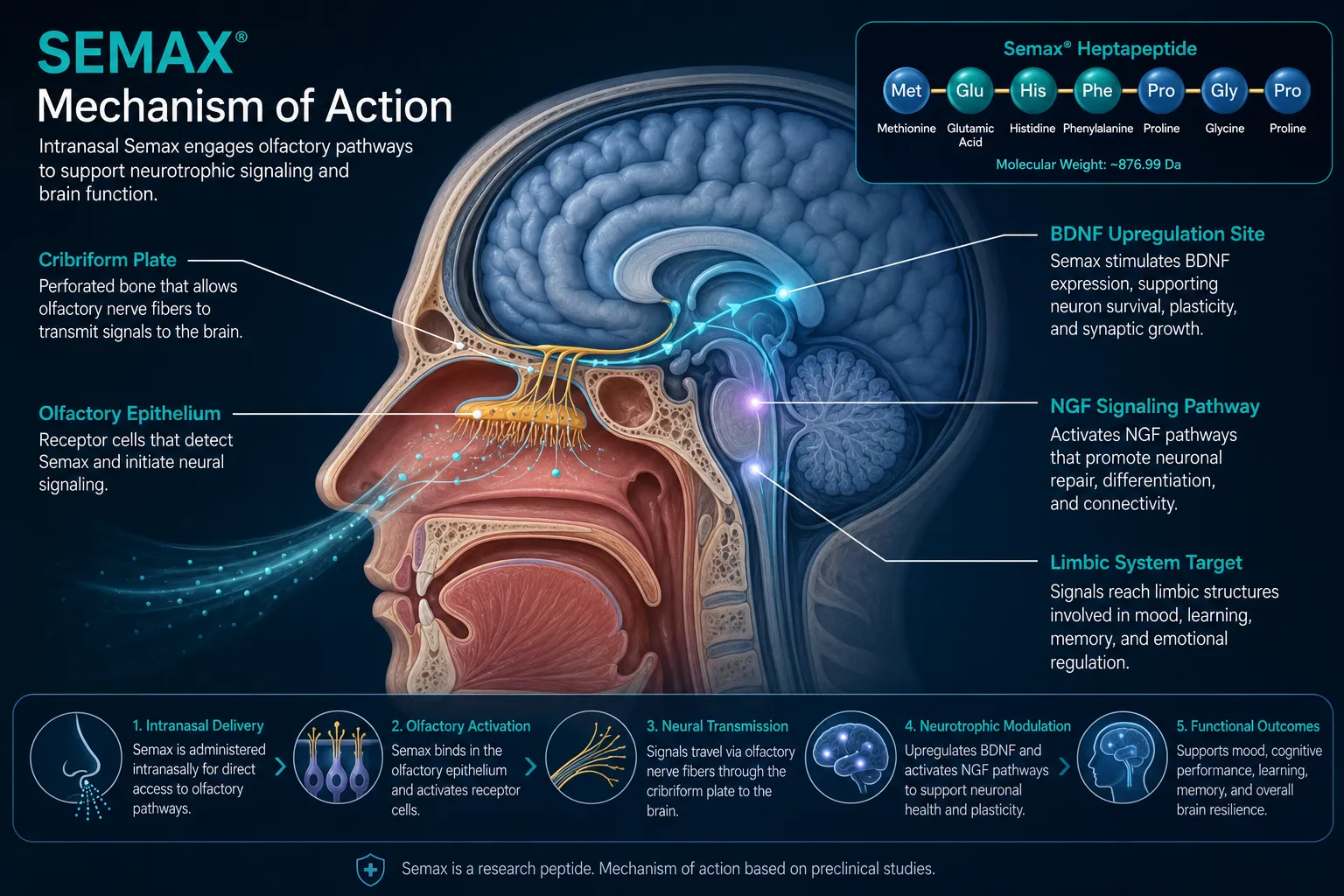
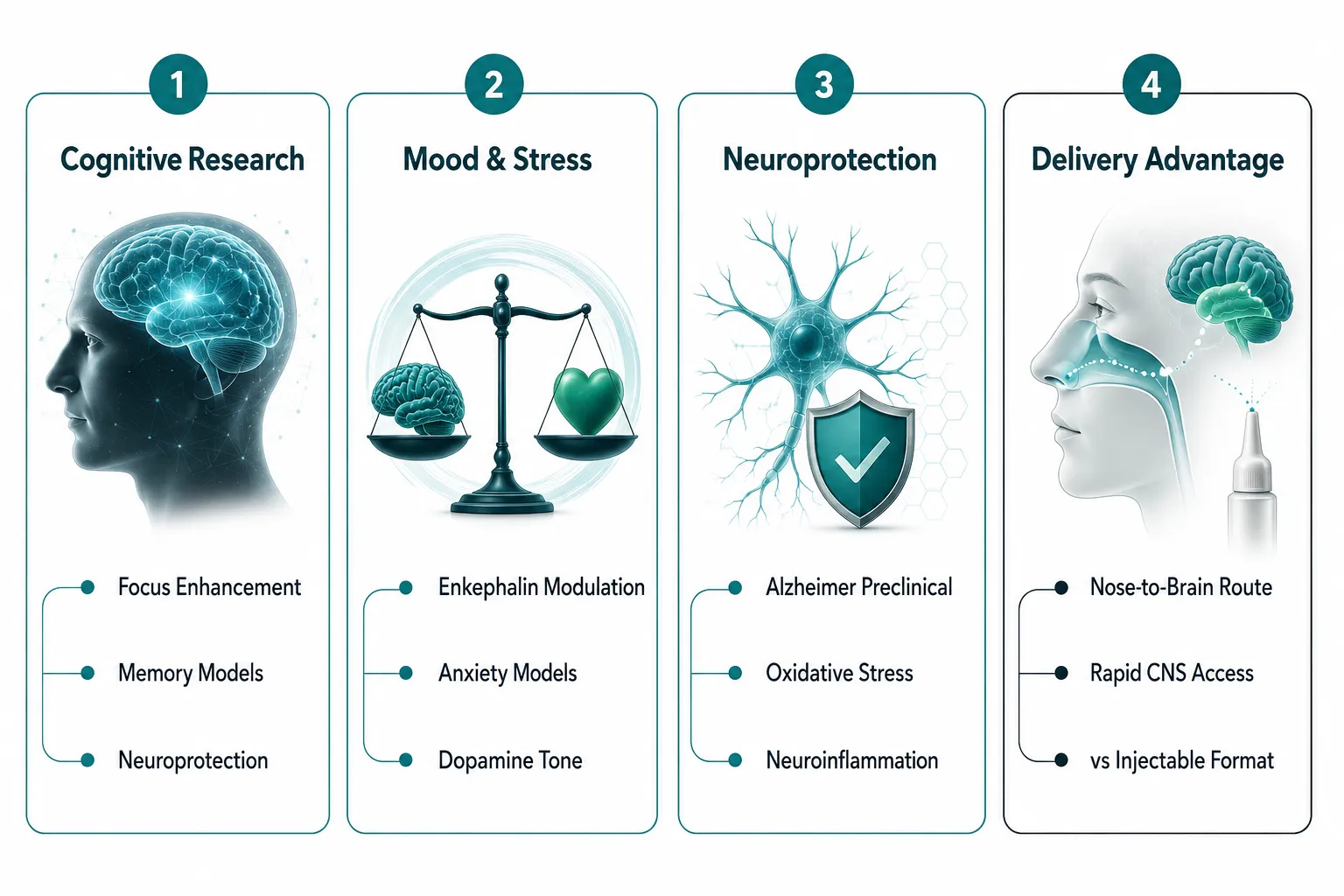
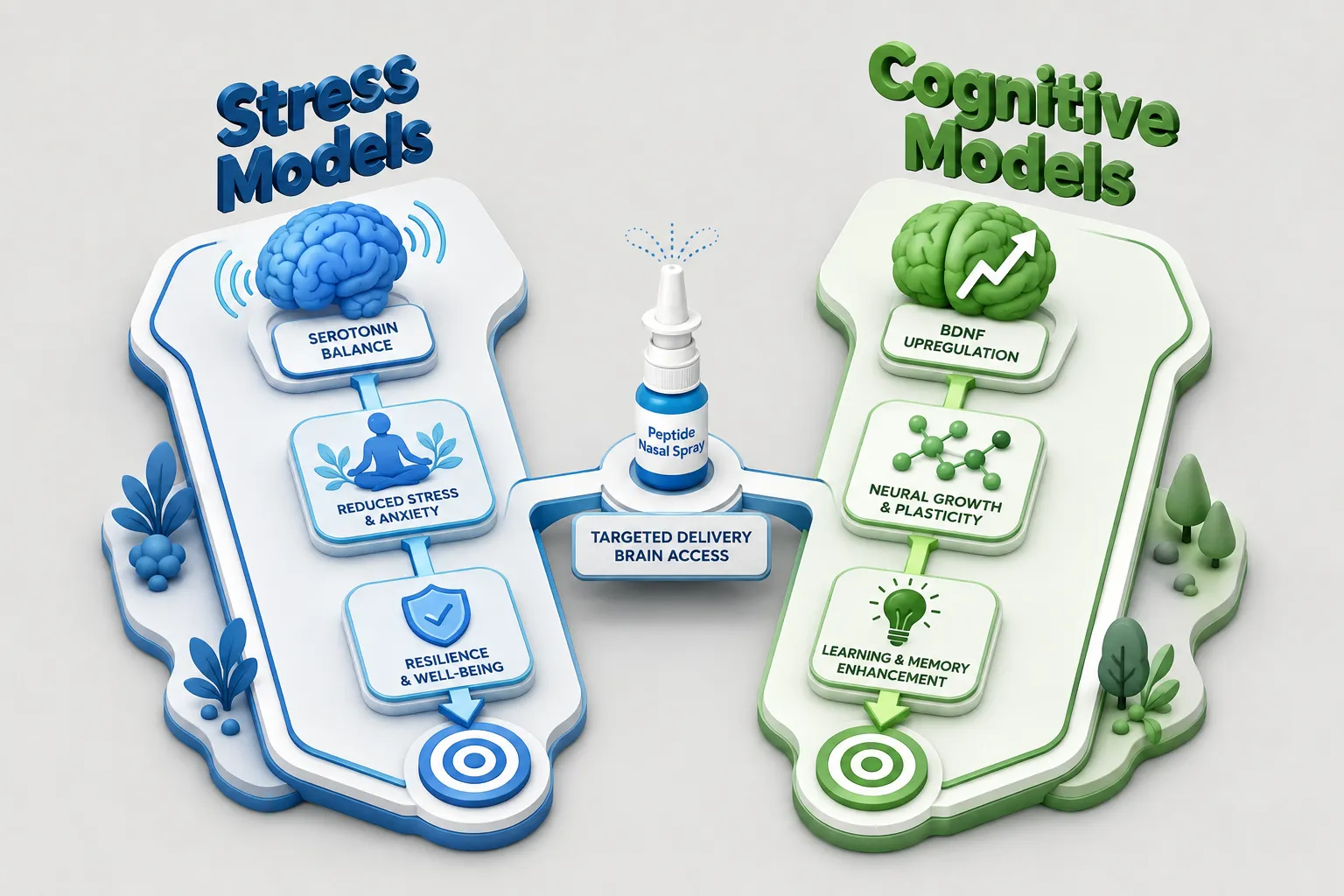
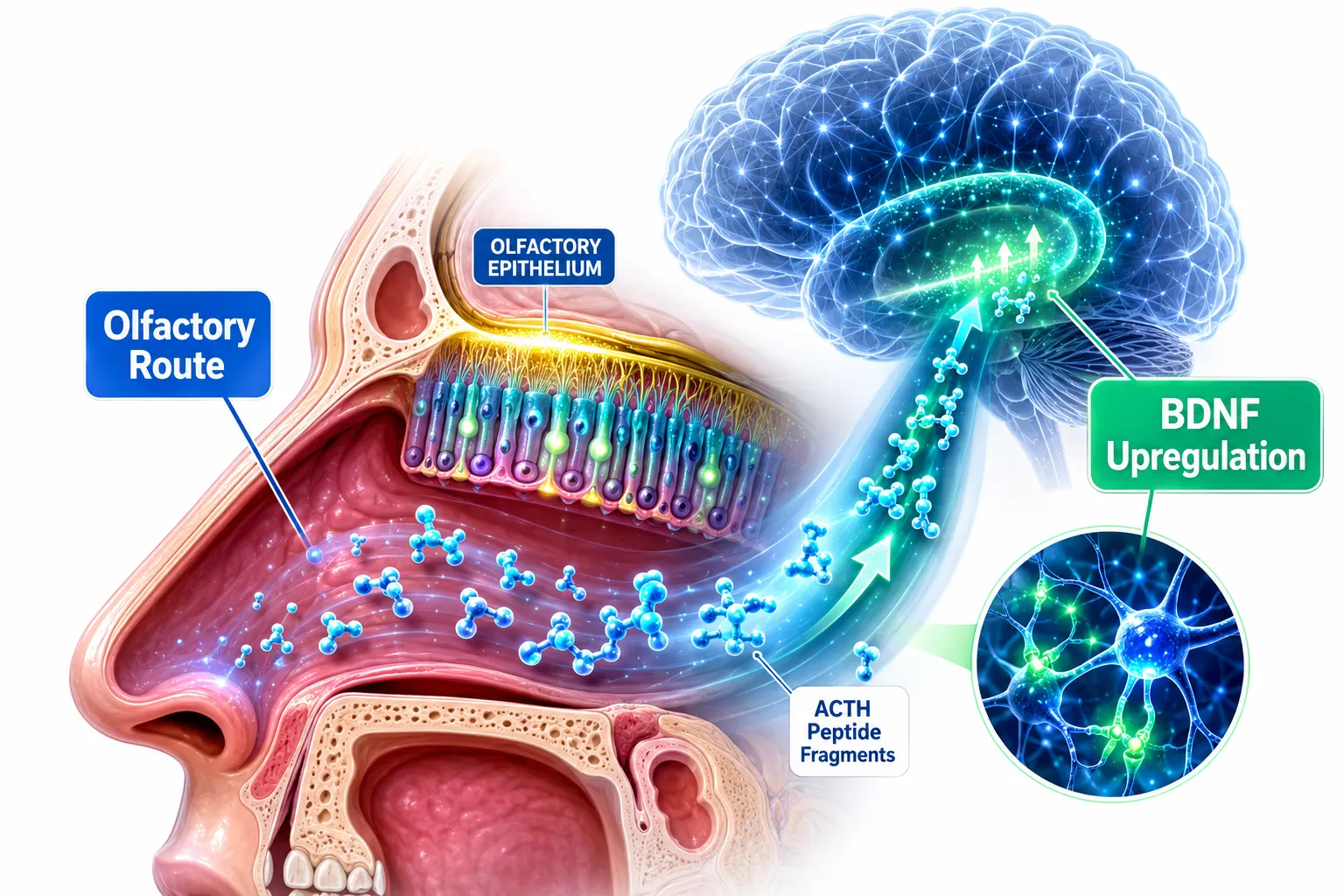
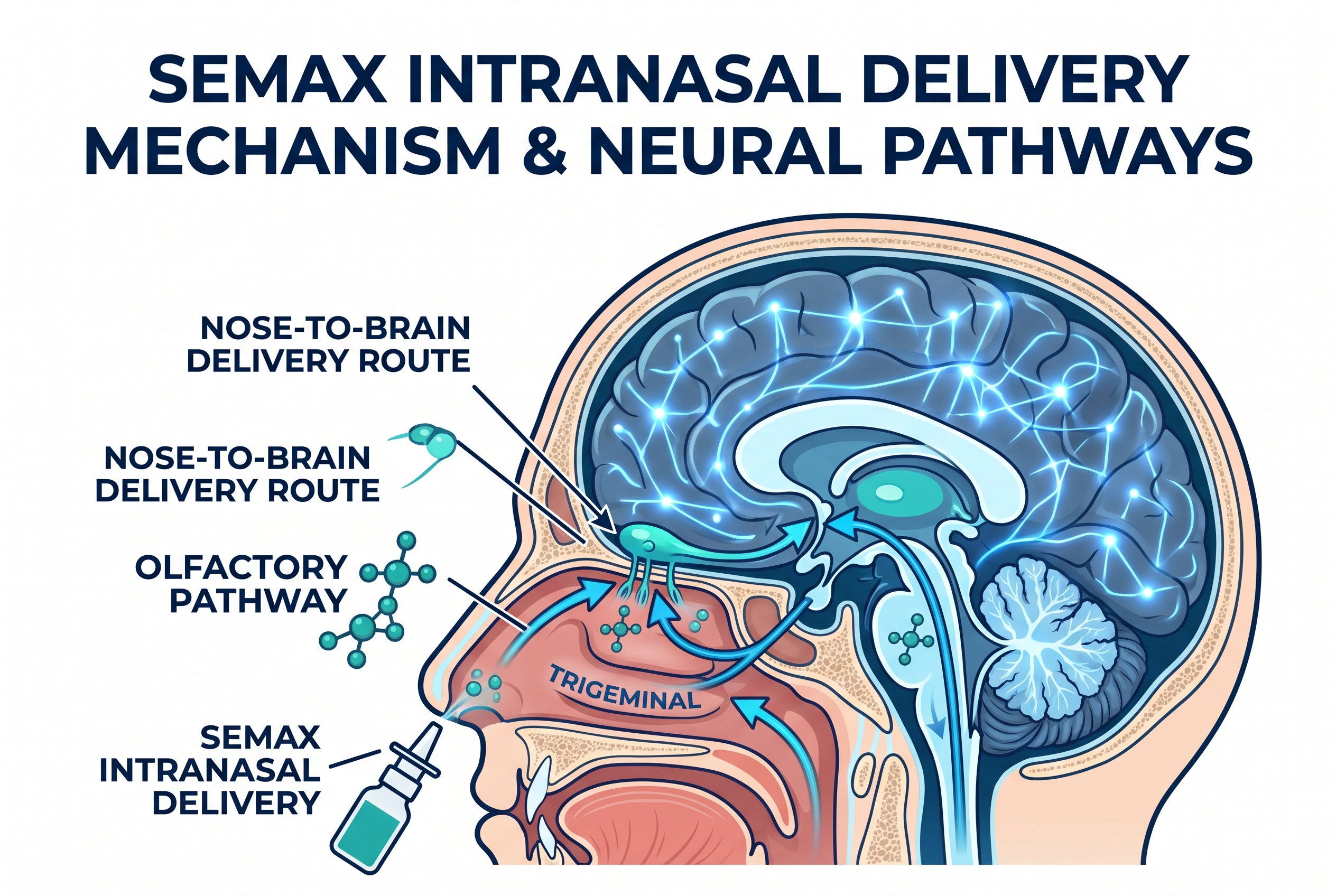
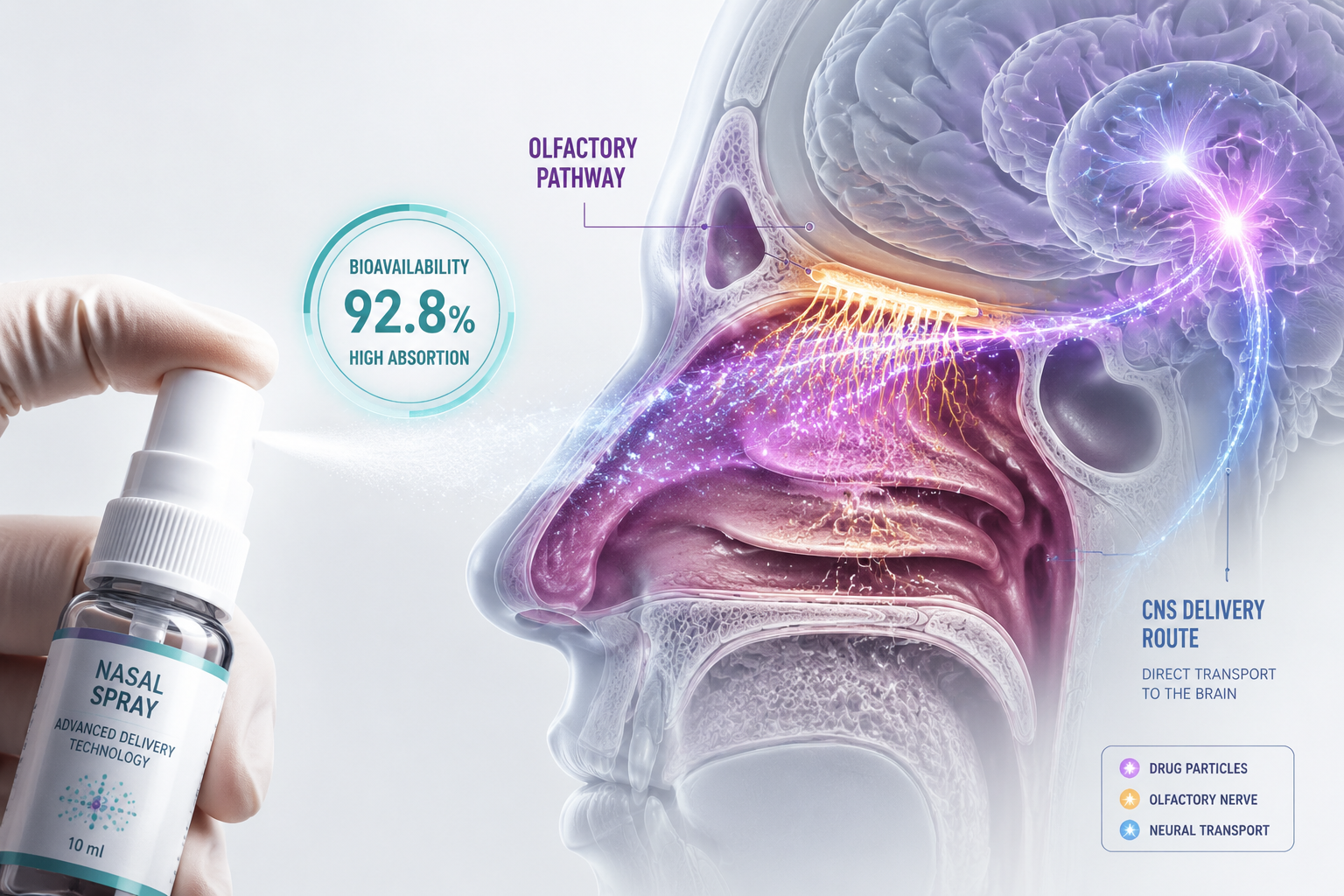
  • Intranasal delivery is the dominant route in both clinical and research settings, with direct nose-to-brain transport hypothesized via olfactory and trigeminal pathways.
  • Preclinical data shows Semax modulates BDNF expression and neuroinflammatory gene activity; human cognitive data exists but comes largely from small Russian studies.
  • No large randomized controlled trials in healthy Western populations have been published as of 2026.
  • Researchers and clinicians should weigh the mechanistic plausibility against the current evidence gaps before drawing conclusions.

What Is Semax and Why Does the Delivery Route Matter

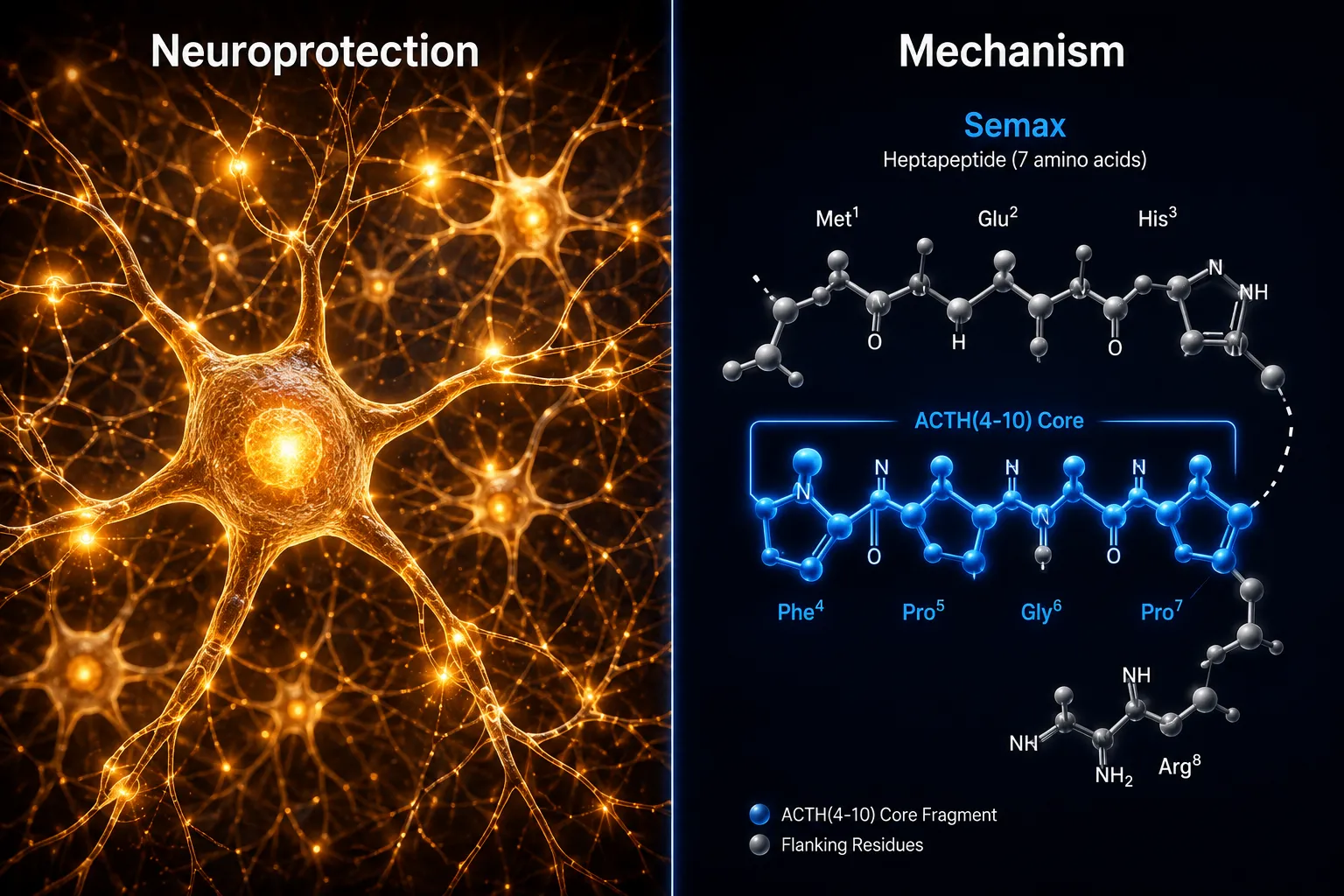
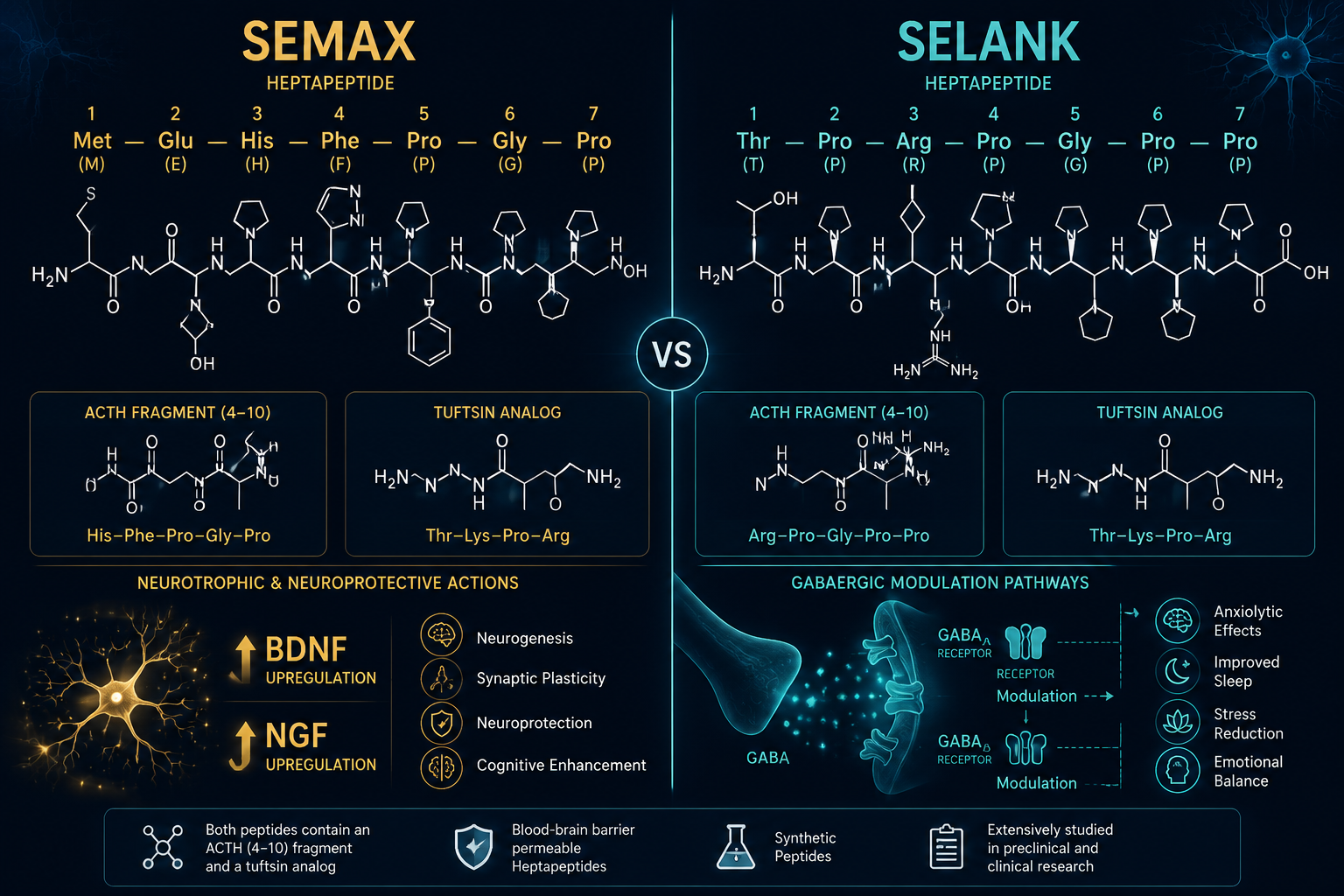
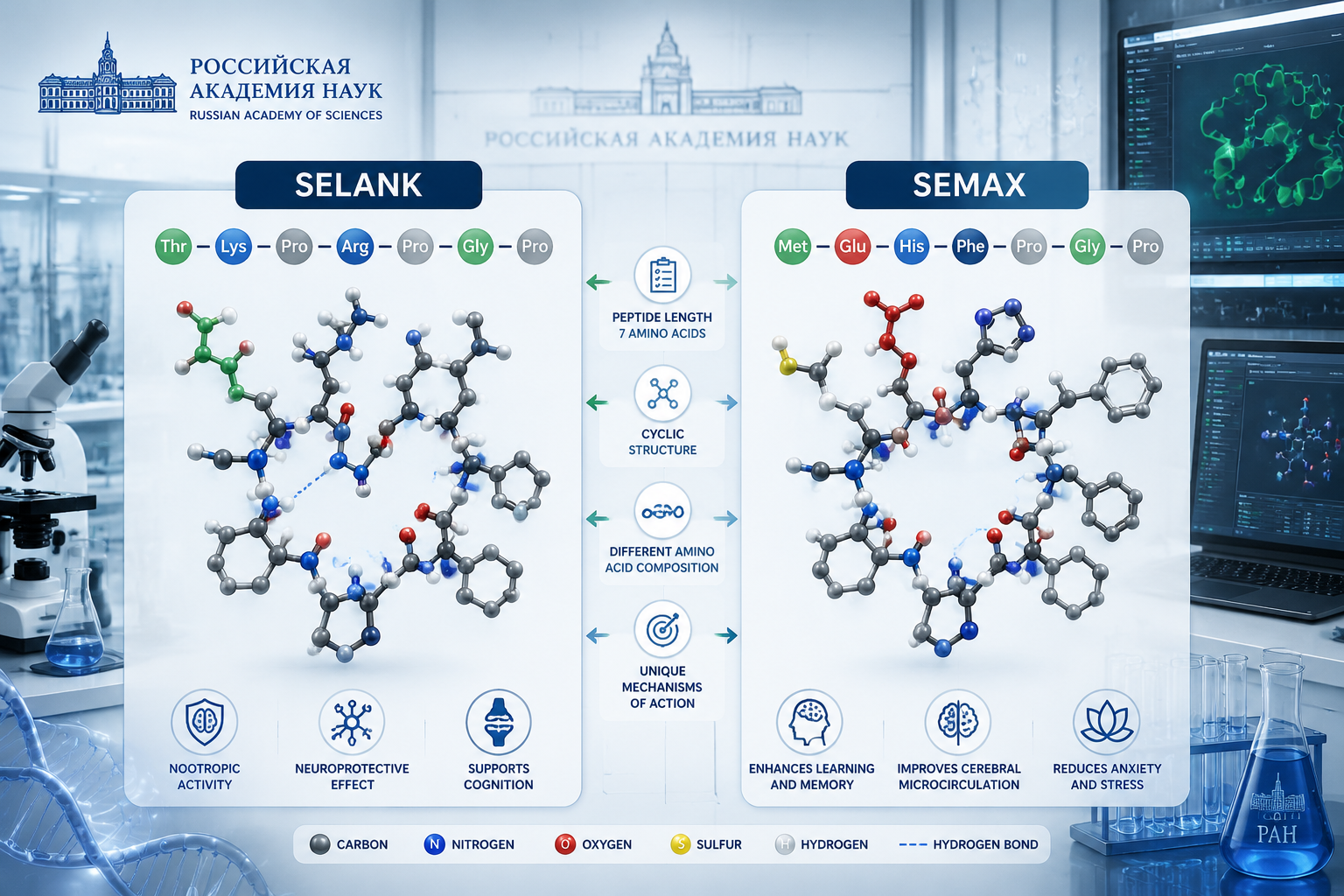
Semax is a heptapeptide built from a fragment of adrenocorticotropic hormone (ACTH), specifically the 4-10 sequence, with a proline-glycine-proline extension that increases its stability. Developed at the Russian Academy of Sciences in the late 1980s, it earned regulatory approval in Russia for conditions including ischemic stroke, discirculatory encephalopathy, optic nerve atrophy, and neonatal neurological deficits.

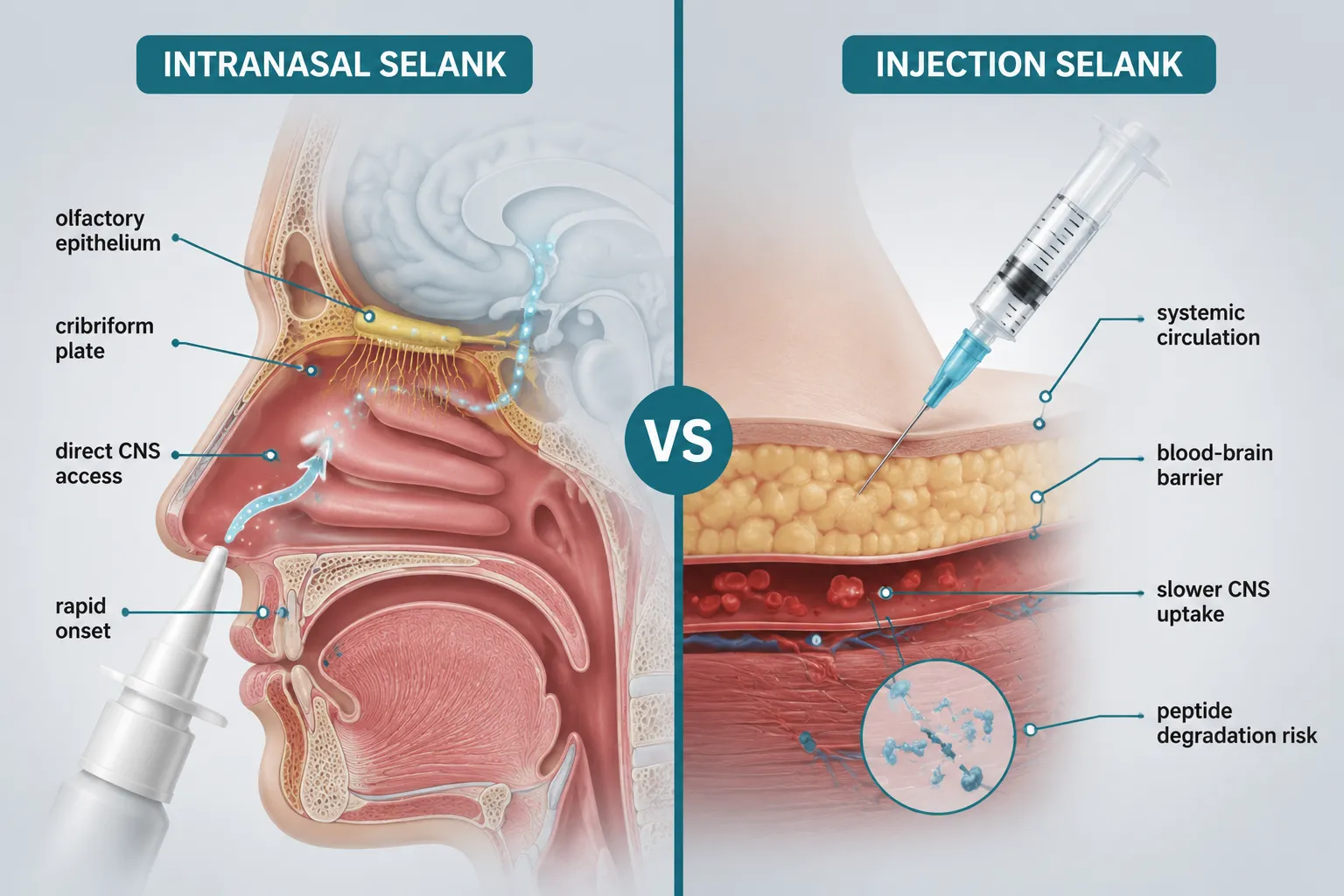
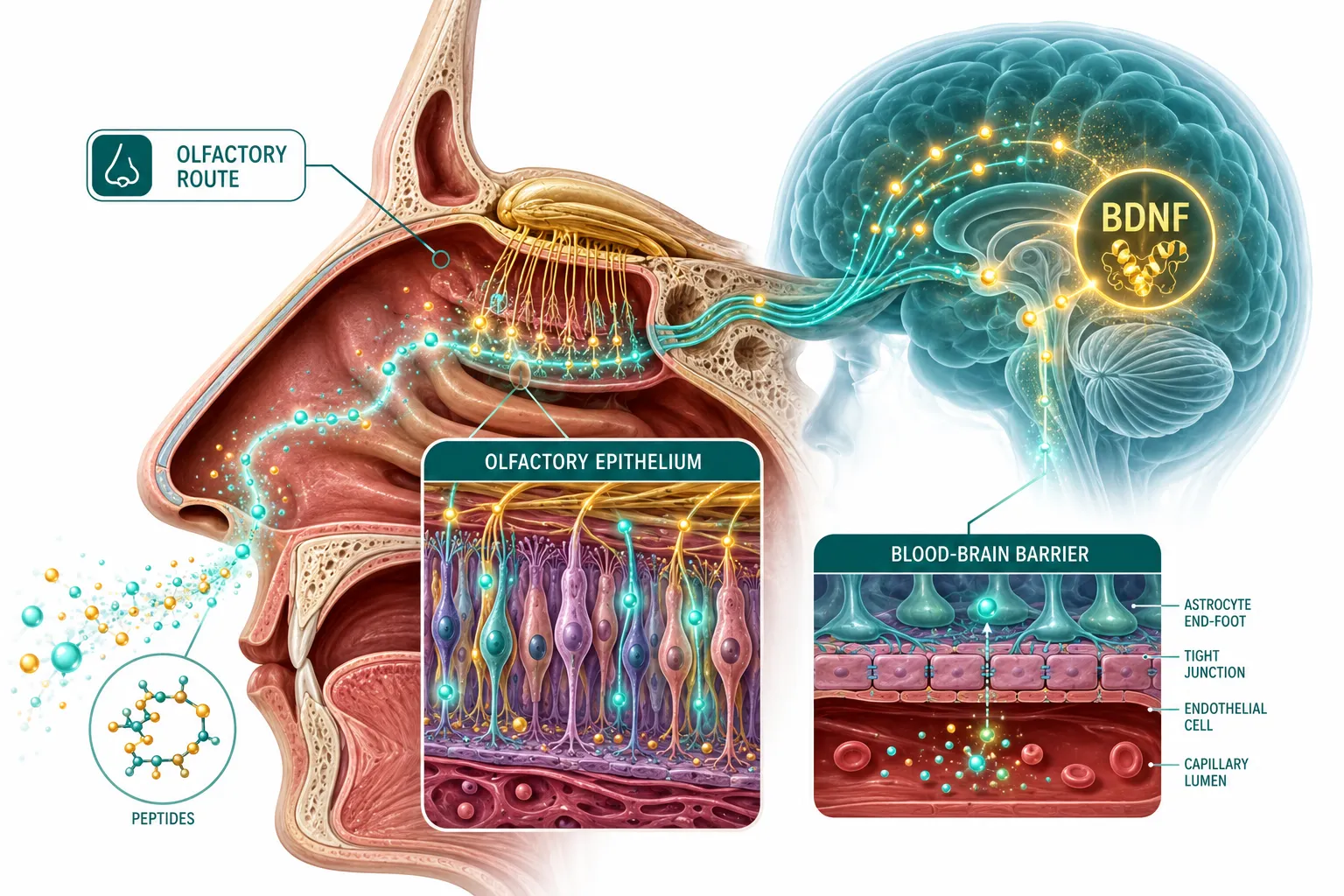
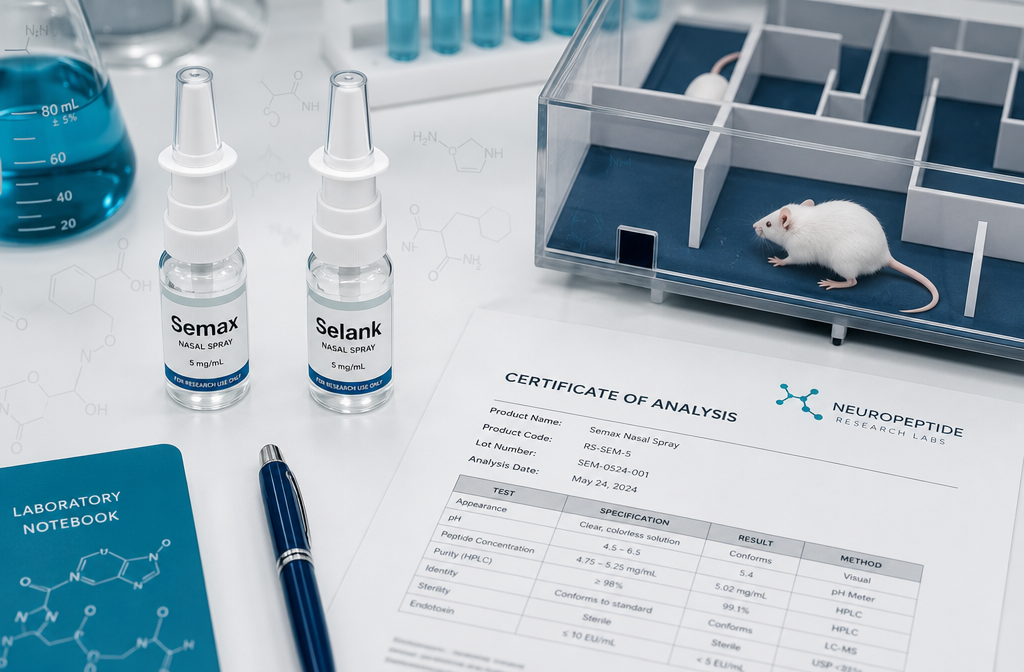
The delivery route is not a minor detail — it is central to the entire research profile. Unlike many peptides that require injection to reach systemic circulation, Semax is most commonly administered as a nasal spray or nasal drops. This matters because the nasal mucosa offers a relatively direct pathway to the central nervous system through the olfactory epithelium and trigeminal nerve branches, bypassing the blood-brain barrier to a meaningful degree.

What Is Semax and Why Does the Delivery Route Matter

Standard intranasal dosing protocols referenced in the literature include:

Indication Concentration Typical Dosing
Acute stroke (clinical) 1% solution 2-4 drops, 3-4 times daily
Mild cognitive or neuroprotective use 0.1% solution 1-2 drops, twice daily
Healthy volunteer research Variable 250-1,000 mcg/kg

Onset of reported cognitive effects via the intranasal route is approximately 30 minutes in both user accounts and clinical observations, which aligns with the expected pharmacokinetics of nose-to-brain transport. Subcutaneous injection is an alternative route studied for systemic indications, but intranasal administration appears to produce more pronounced cognitive effects in reported data, likely because of the direct central delivery mechanism.

Researchers interested in the broader landscape of what is new in peptide research will find Semax's delivery profile particularly instructive as a model for CNS-targeted peptide administration.


Cognitive Performance: What the Research Actually Shows

The cognitive performance data for Semax is real but limited. Russian clinical studies in healthy volunteers using intranasal doses of 250 to 1,000 mcg/kg reported improvements in attention, short-term memory, and EEG patterns consistent with neuroprotective agents. These findings are notable, but they come with significant caveats.

Most of these studies are small, conducted in Russian-language journals, and have not been replicated in large, double-blind, placebo-controlled trials in Western research settings. As of 2026, no clinical trials are registered in the United States, and no pivotal trials appear in Western regulatory databases. The evidence for cognitive benefits in healthy adults remains promising but not conclusive.

"Evidence for healthy users is limited and largely not replicated in Western cohorts."

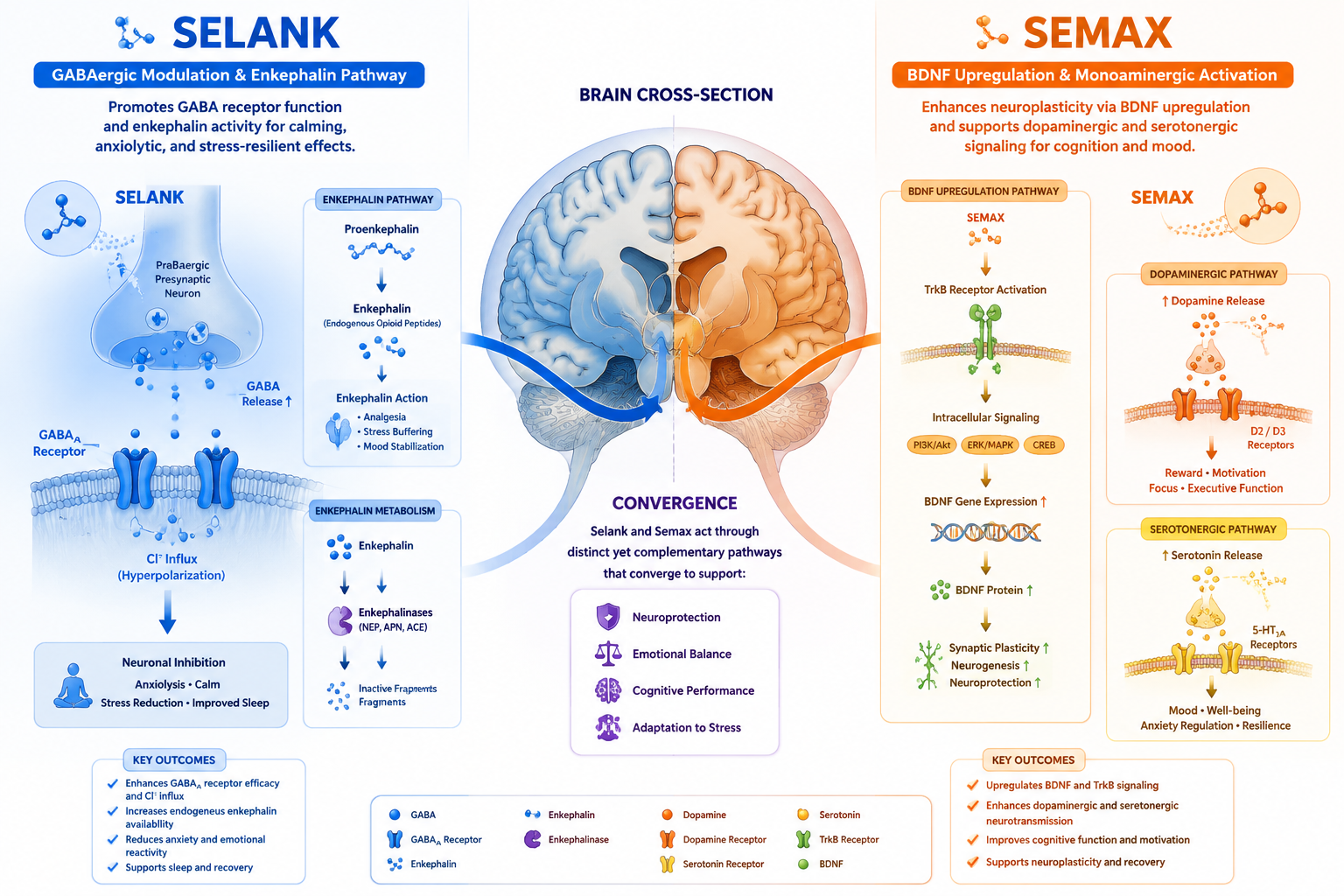
This does not invalidate the mechanistic rationale. Semax's structural relationship to ACTH fragments suggests interactions with melanocortin receptors, and its effects on neurotransmitter systems — including serotonin and dopamine modulation — provide a plausible biological basis for the reported cognitive changes.

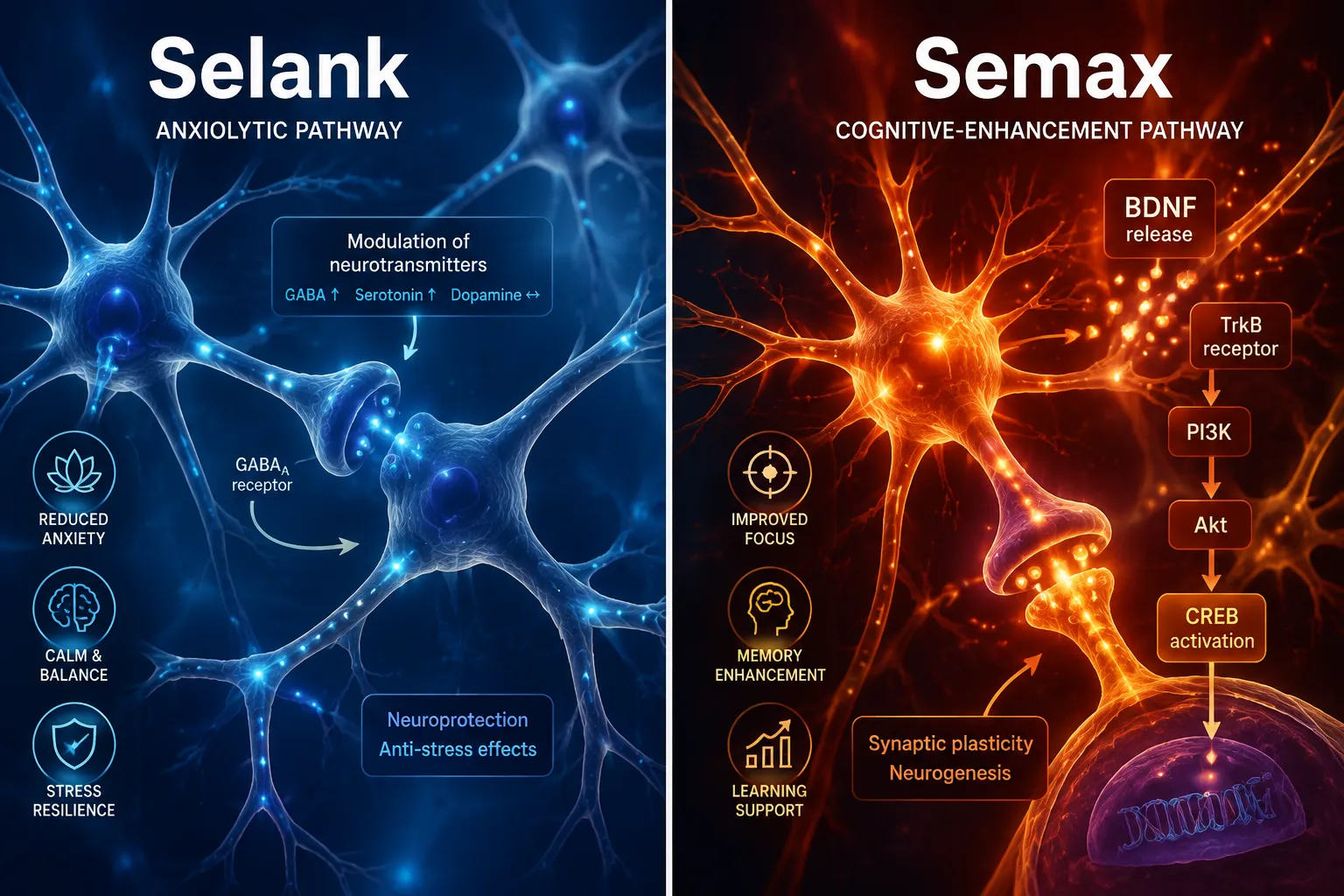
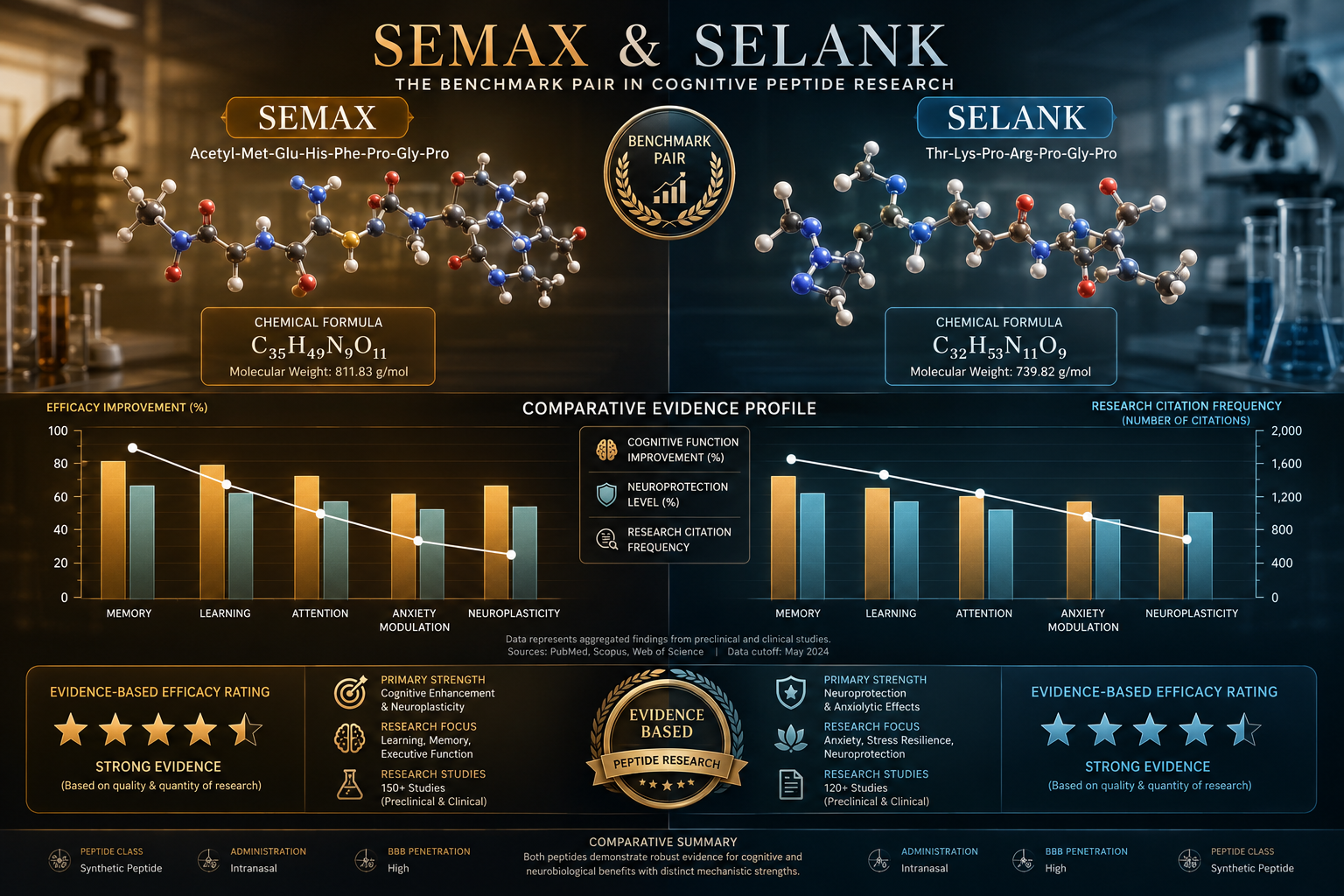
Researchers studying related anxiolytic and cognitive peptides may find value in comparing Semax's profile with Selank peptide benefits, another Russian-developed nootropic with overlapping research themes. A direct comparison is also available in the Selank and Semax research overview.


Neuroprotection Mechanisms and Preclinical Evidence

Neuroprotection Mechanisms and Preclinical Evidence

The neuroprotection angle of Semax Peptide Nasal Spray Research: Cognitive Performance, Neuroprotection, and Delivery Considerations is arguably the strongest area of the existing evidence base, even if it remains largely preclinical.

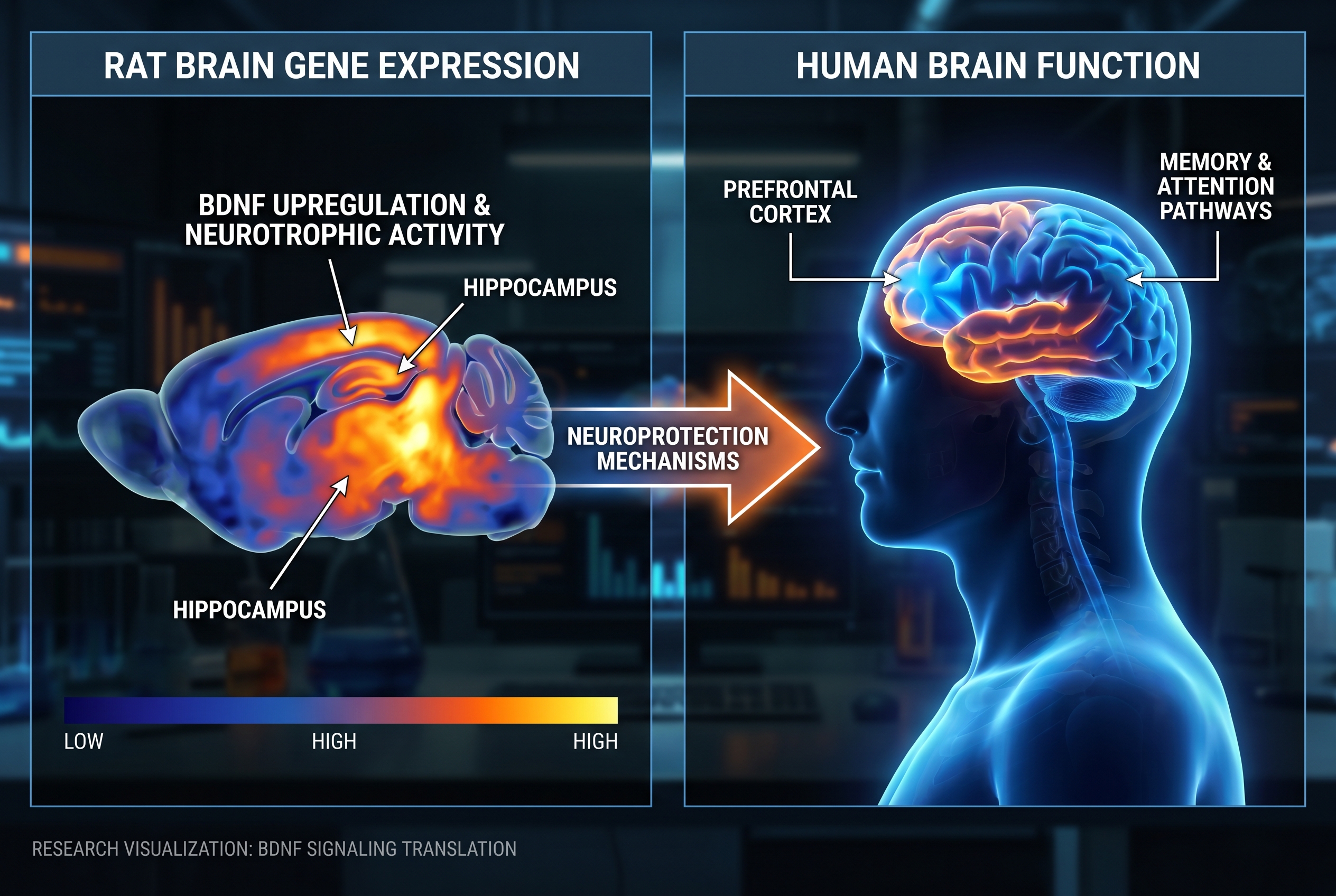
Animal studies published in peer-reviewed journals demonstrate that Semax modulates the expression of genes linked to:

  • Neurotrophic factors, particularly BDNF (brain-derived neurotrophic factor)
  • Neurotransmission pathways across multiple receptor systems
  • Inflammatory response genes in brain tissue following ischemic insult

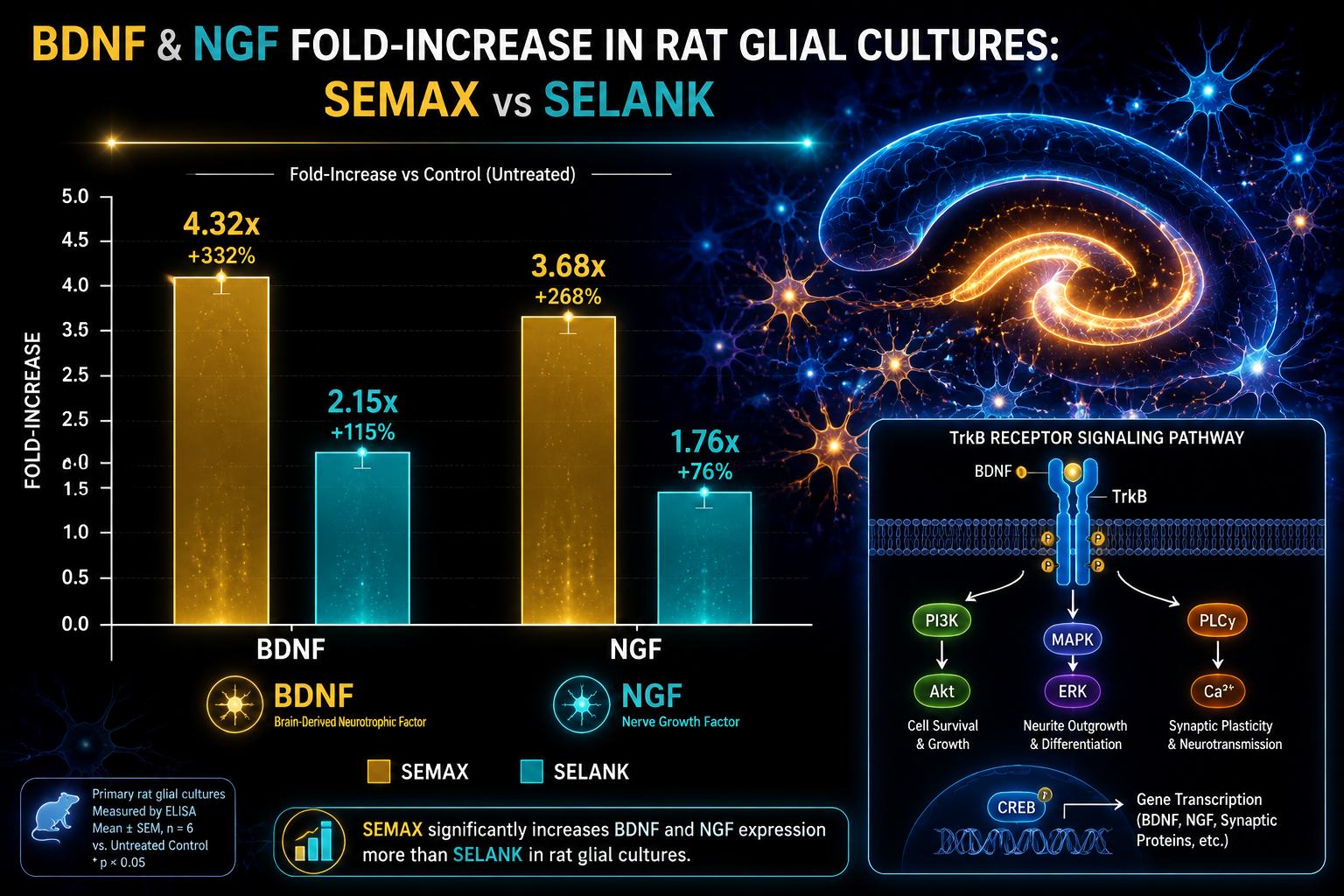
BDNF upregulation is especially significant. BDNF supports neuronal survival, synaptic plasticity, and learning consolidation — making it a central target in neuroprotection research. Semax's ability to increase BDNF expression in rat brain models provides a mechanistic framework that helps explain the clinical observations in stroke patients.

In Russian clinical settings, Semax added to standard stroke therapy reportedly improved neurological outcomes compared to control groups. However, many of these studies are open-label or lack rigorous methodology descriptions, and access to primary datasets remains limited for Western researchers.

For context on how neurotrophic and recovery-oriented peptides are studied more broadly, the recovery and tissue biology research overview provides useful framing. Similarly, researchers tracking longevity-adjacent peptide mechanisms may find parallels in GHK-Cu longevity research themes.

The Selank side effects profile also offers comparative safety context for researchers evaluating CNS-active peptides with similar origins.


Conclusion

Semax Peptide Nasal Spray Research: Cognitive Performance, Neuroprotection, and Delivery Considerations represents one of the more developed — yet still evidence-limited — areas of peptide neuroscience. The intranasal delivery route is not incidental; it is the defining feature that makes Semax pharmacologically distinct and practically relevant for CNS research. The mechanistic case for neuroprotection through BDNF modulation is credible and supported by preclinical work. The cognitive performance data from human studies is suggestive but not yet validated by large, well-controlled Western trials.

Actionable next steps for researchers and clinicians:

  • Treat existing Russian clinical data as hypothesis-generating, not confirmatory.
  • Prioritize understanding the nose-to-brain delivery pathway when designing or evaluating Semax studies.
  • Monitor Western regulatory databases for any emerging IND filings or registered trials.
  • Compare Semax's neurotrophic mechanism against better-characterized peptides to contextualize effect size expectations.
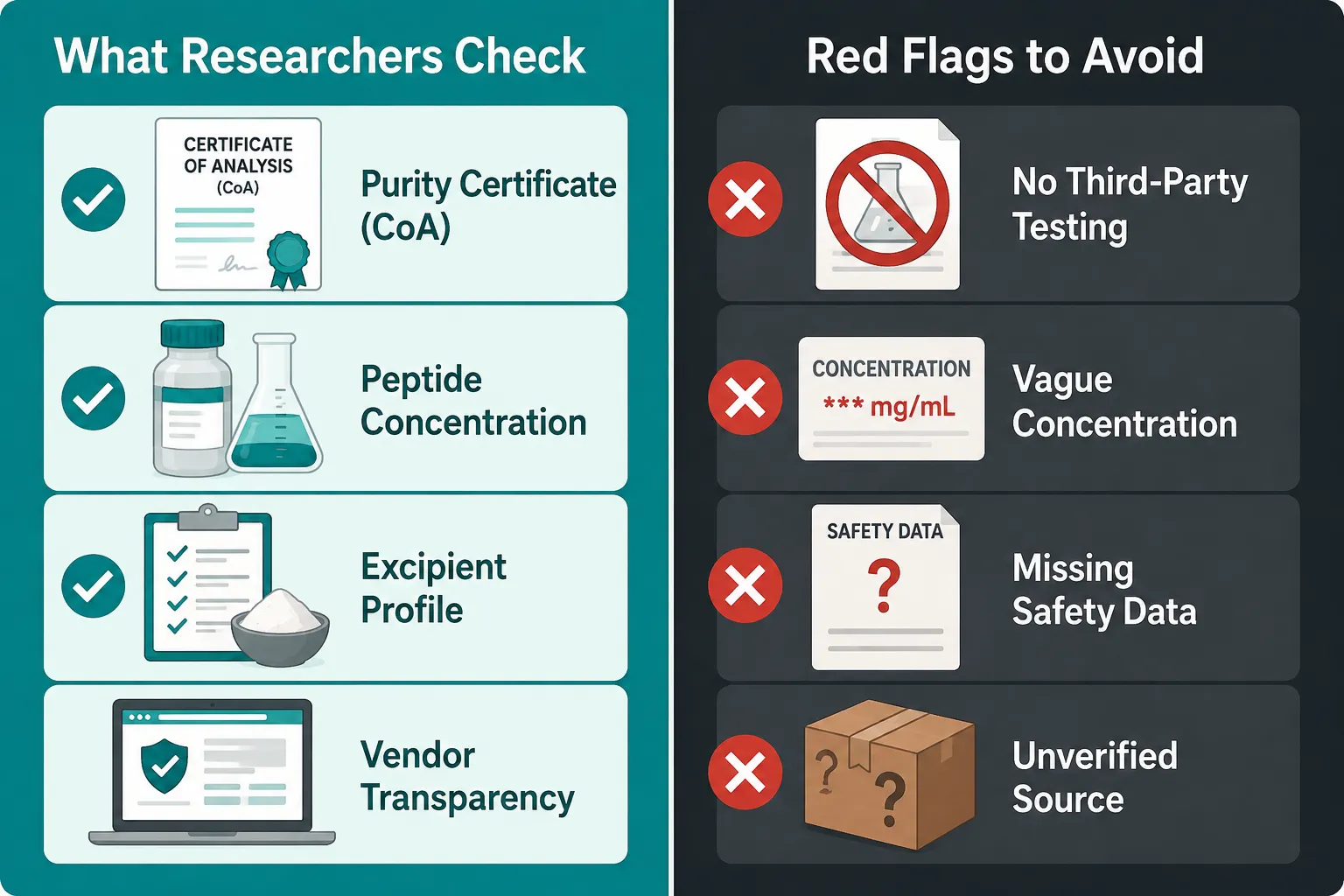
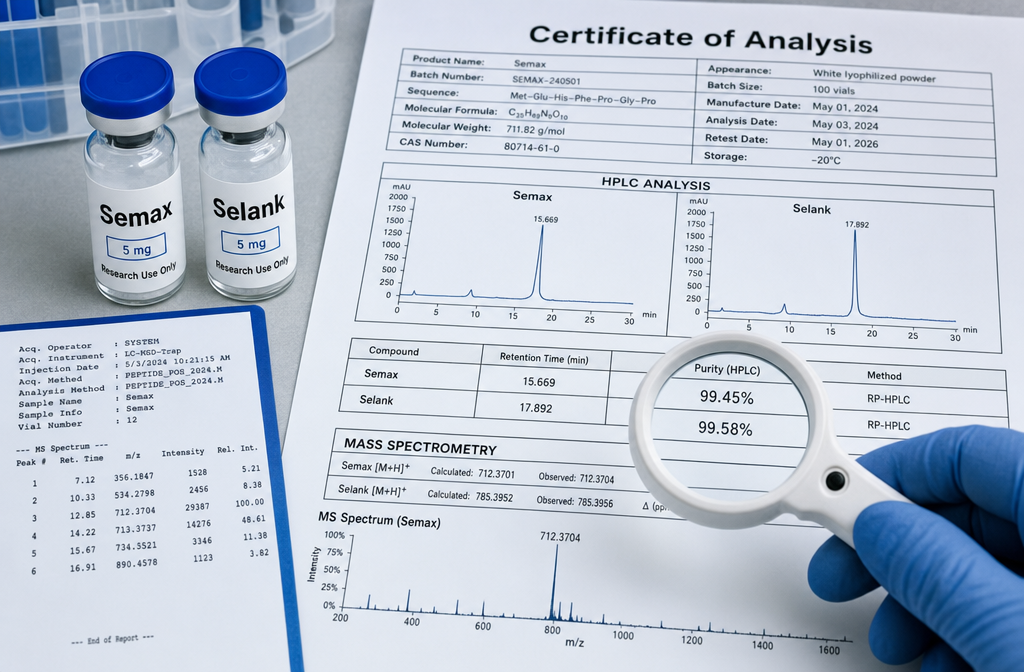
  • Consult purity and testing documentation — such as available certificates of analysis — when sourcing research-grade material.

The science is moving. The evidence base, while still maturing, offers enough mechanistic depth to justify continued structured investigation.

https://www.puretestedpeptides.com/wp-content/uploads/2026/06/Semax-Peptide-Nasal-Spray-Research-Cognitive-Performance-Neuroprotection-and-Delivery-Considerations.png 1024 1536 https://www.puretestedpeptides.com/wp-content/uploads/2026/01/buy-peptides-online.jpg 2026-06-05 13:36:212026-06-05 13:36:21Semax Peptide Nasal Spray Research: Cognitive Performance, Neuroprotection, and Delivery Considerations
×

Helpful Links

  • My account
  • Cart
  • Checkout
  • Refund and Returns Policy
  • Privacy Policy
  • SMS Privacy Policy
  • Login
  • My Account
  • Logout

USA Made Lab Tested Peptides

All products are sold for research, laboratory, or analytical purposes only, and are not for human consumption


Pure Tested Peptides is a chemical supplier. Pure Tested Peptides is not a compounding / chemical compounding facility as defined under 503A of the Federal Food, Drug, and Cosmetic act. Pure Tested Peptides is not an outsourcing facility as defined under 503B of the Federal Food, Drug, and Cosmetic act.

The statements made within this website have not been evaluated by the US Food and Drug Administration. The products we offer are not intended to diagnose, treat, cure or prevent any disease.

Human/Animal Consumption Prohibited. Laboratory/In-Vitro Experimental Use Only

Scroll to top Scroll to top Scroll to top