Best Vitamin D3 and Mitochondrial Peptide Stacks: Optimizing Nuclear Receptor and MOTS-c Signaling Pathways
Roughly one billion people worldwide have insufficient vitamin D levels, yet the molecular machinery that calcitriol activates inside the cell nucleus shares a striking functional overlap with a peptide encoded not in nuclear DNA but in mitochondrial DNA. That convergence is the foundation for exploring the best Vitamin D3 and mitochondrial peptide stacks: optimizing nuclear receptor and MOTS-c signaling pathways — a frontier that is generating serious interest in metabolic research circles in 2026.
Key Takeaways
- Vitamin D3 (as calcitriol) acts through the vitamin D receptor (VDR), a nuclear receptor that directly regulates gene transcription for metabolic and immune functions.
- MOTS-c is a mitochondria-derived peptide that activates AMPK and can translocate to the cell nucleus, giving it a genomic influence that parallels VDR signaling.
- No published human clinical trial has yet tested a combined Vitamin D3 and MOTS-c stack; the evidence base remains mechanistic and preclinical.
- The first true MOTS-c efficacy trial (MOTS-MET, Phase 2a) is underway but has not yet reported results.
- Stack design in 2026 must be grounded in the available mechanistic evidence, with speculative synergies clearly labeled as such.
How Vitamin D3 Activates Nuclear Receptors
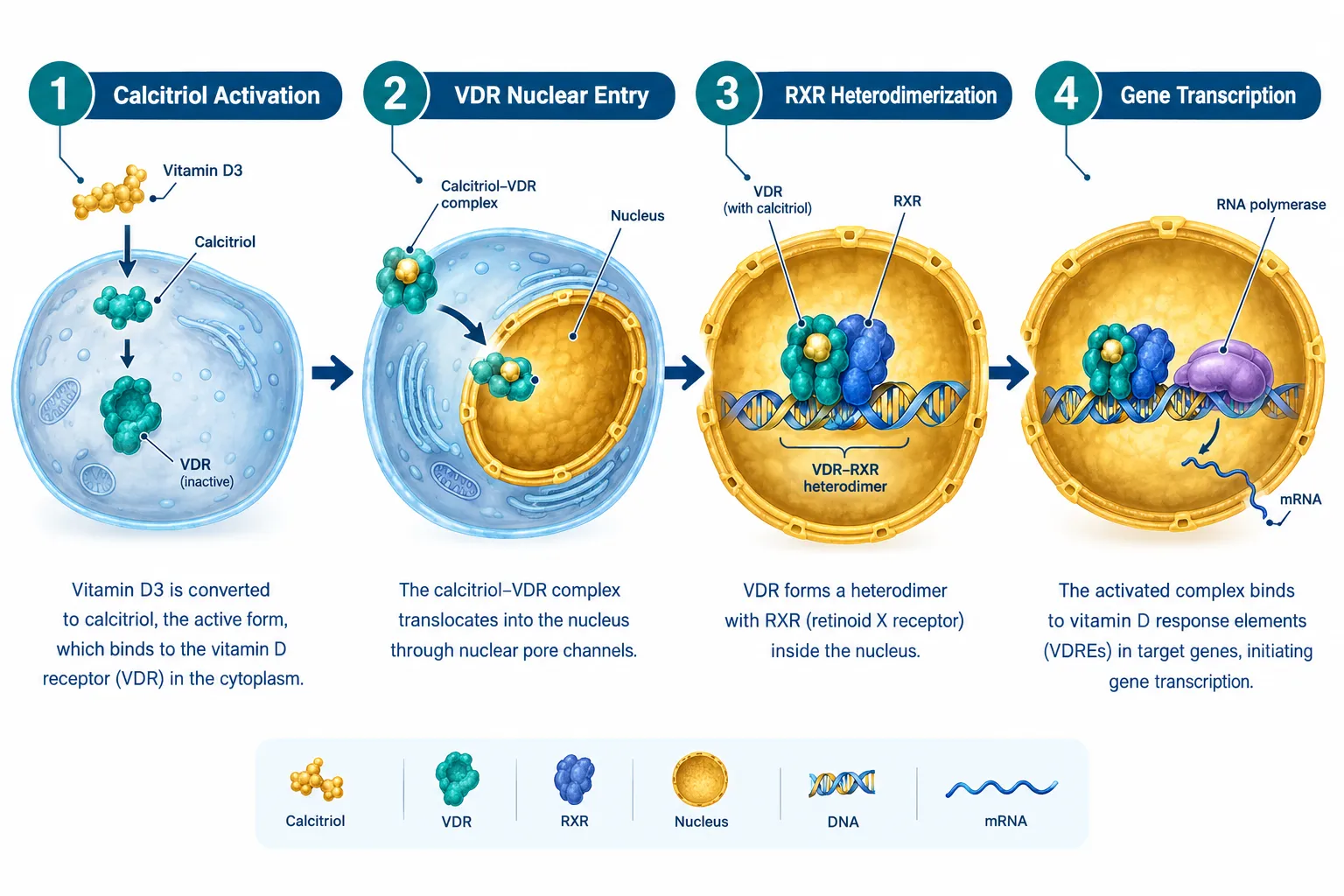
Vitamin D3 itself is biologically inert until the liver converts it to 25-hydroxyvitamin D and the kidneys complete the process by producing calcitriol (1,25-dihydroxyvitamin D3). Calcitriol is the active hormone, and its primary mechanism is genomic: it binds the vitamin D receptor (VDR), which then pairs with the retinoid X receptor (RXR) to form a heterodimer. That complex binds vitamin D response elements on DNA and switches target genes on or off.
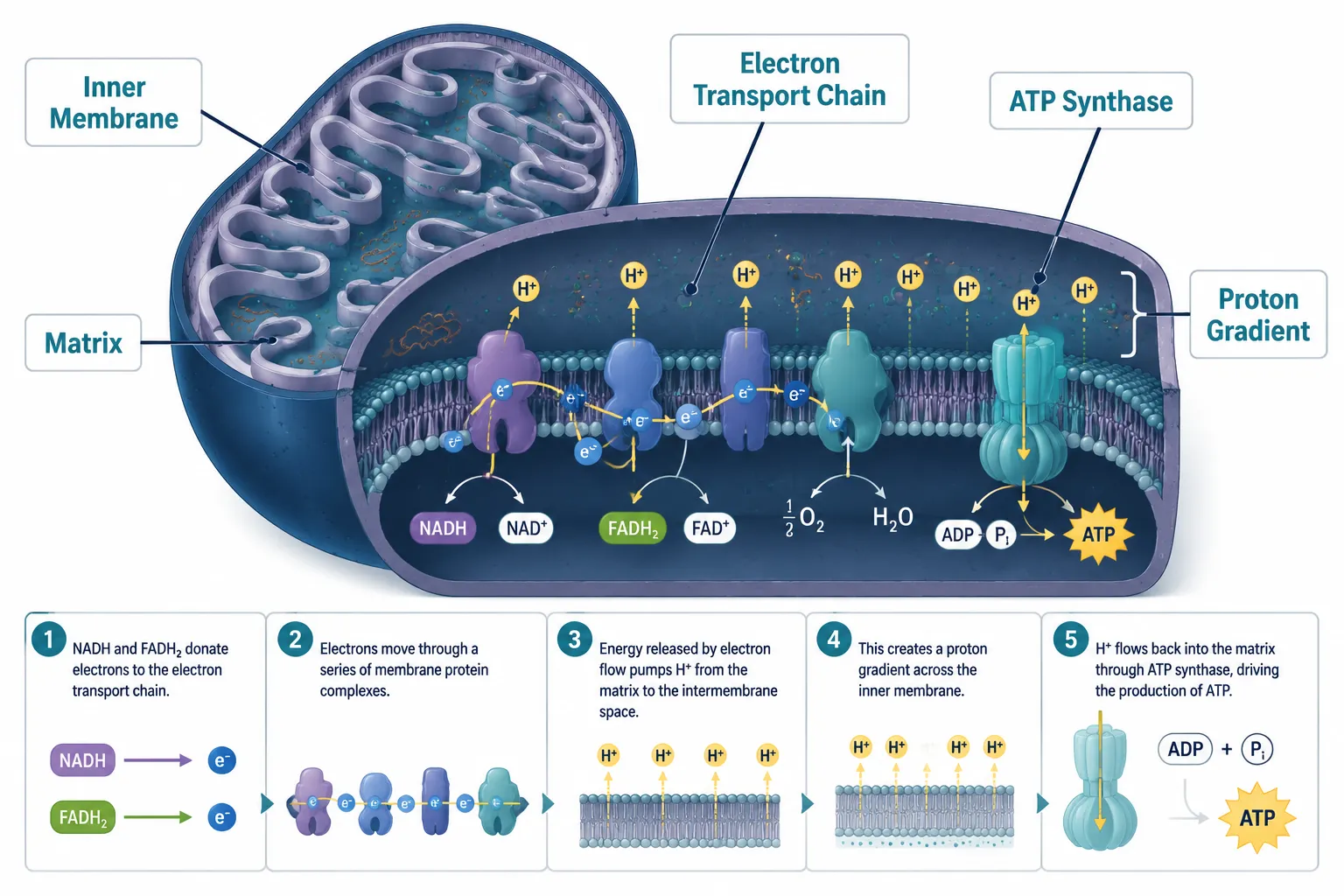
The downstream effects are broad. VDR target genes regulate calcium homeostasis, innate immune responses, insulin secretion, and mitochondrial biogenesis. This last point is critical: calcitriol can upregulate PGC-1 alpha expression, a master regulator of mitochondrial function. That creates a direct genomic bridge between Vitamin D3 status and the health of the very organelle that produces MOTS-c.
Key VDR-mediated metabolic effects:
- Improved insulin sensitivity via GLUT4 regulation
- Reduced inflammatory cytokine expression
- Enhanced mitochondrial biogenesis through PGC-1 alpha
- Modulation of AMPK activity (indirectly)
MOTS-c: A Mitochondrial Peptide With Nuclear Reach
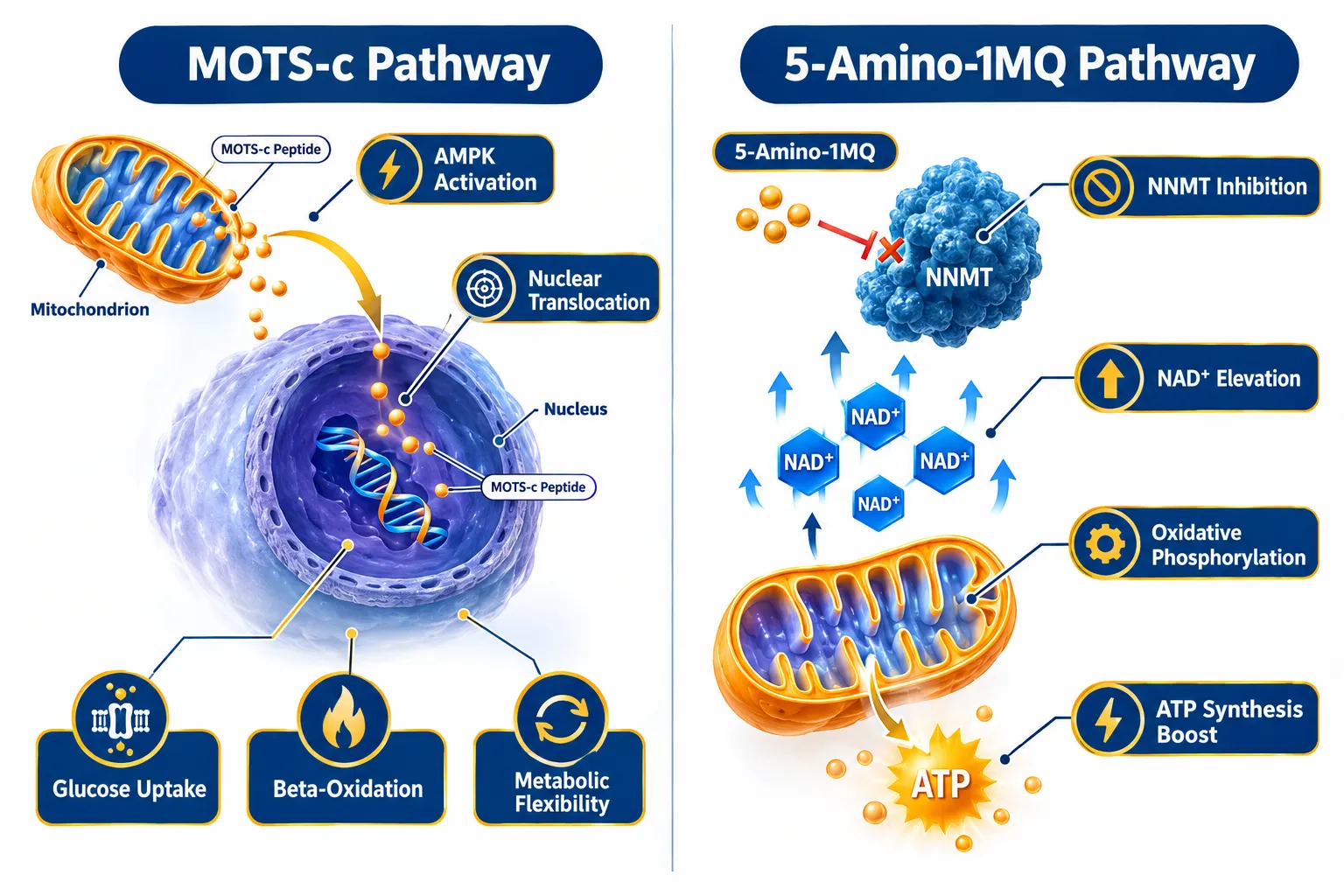
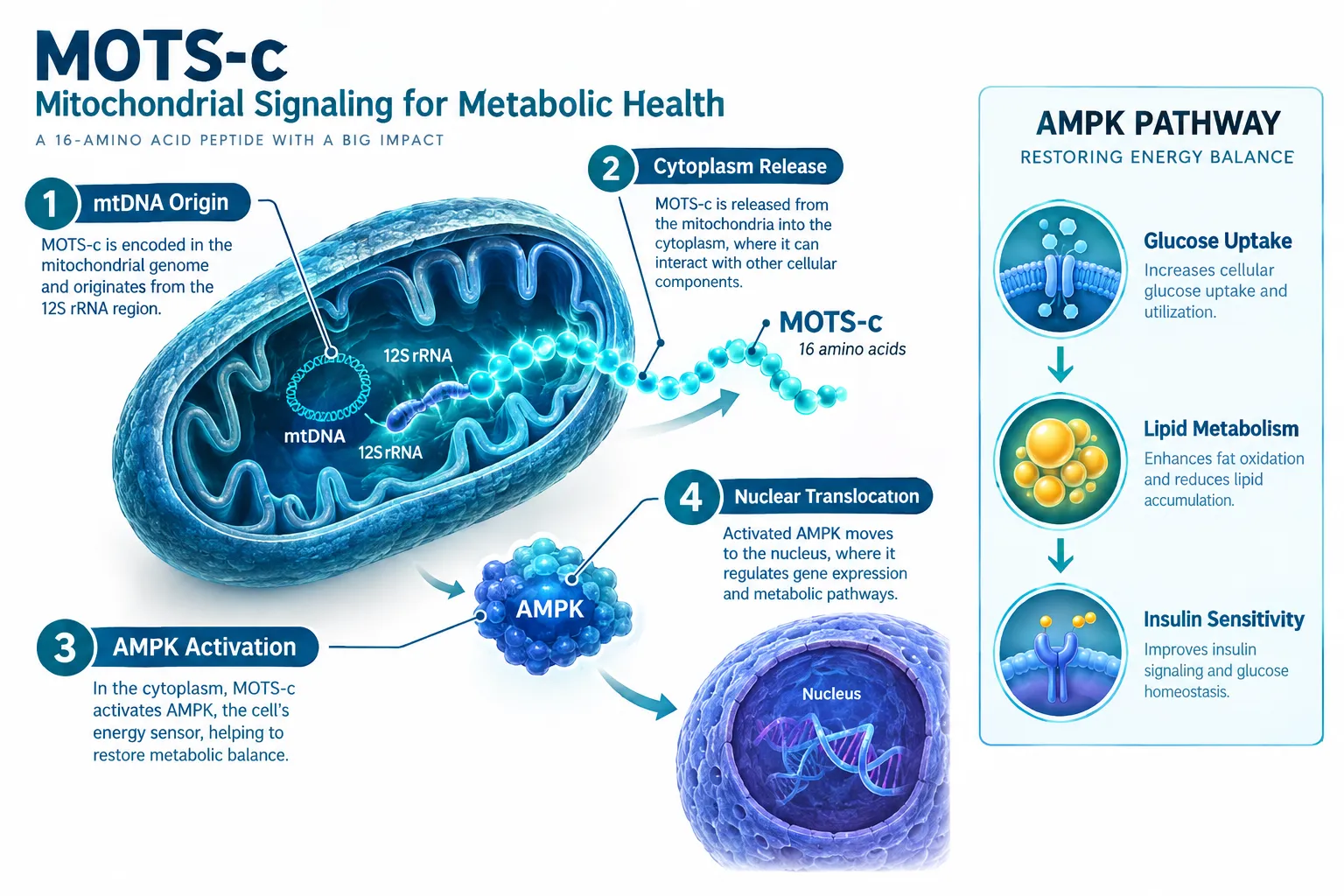
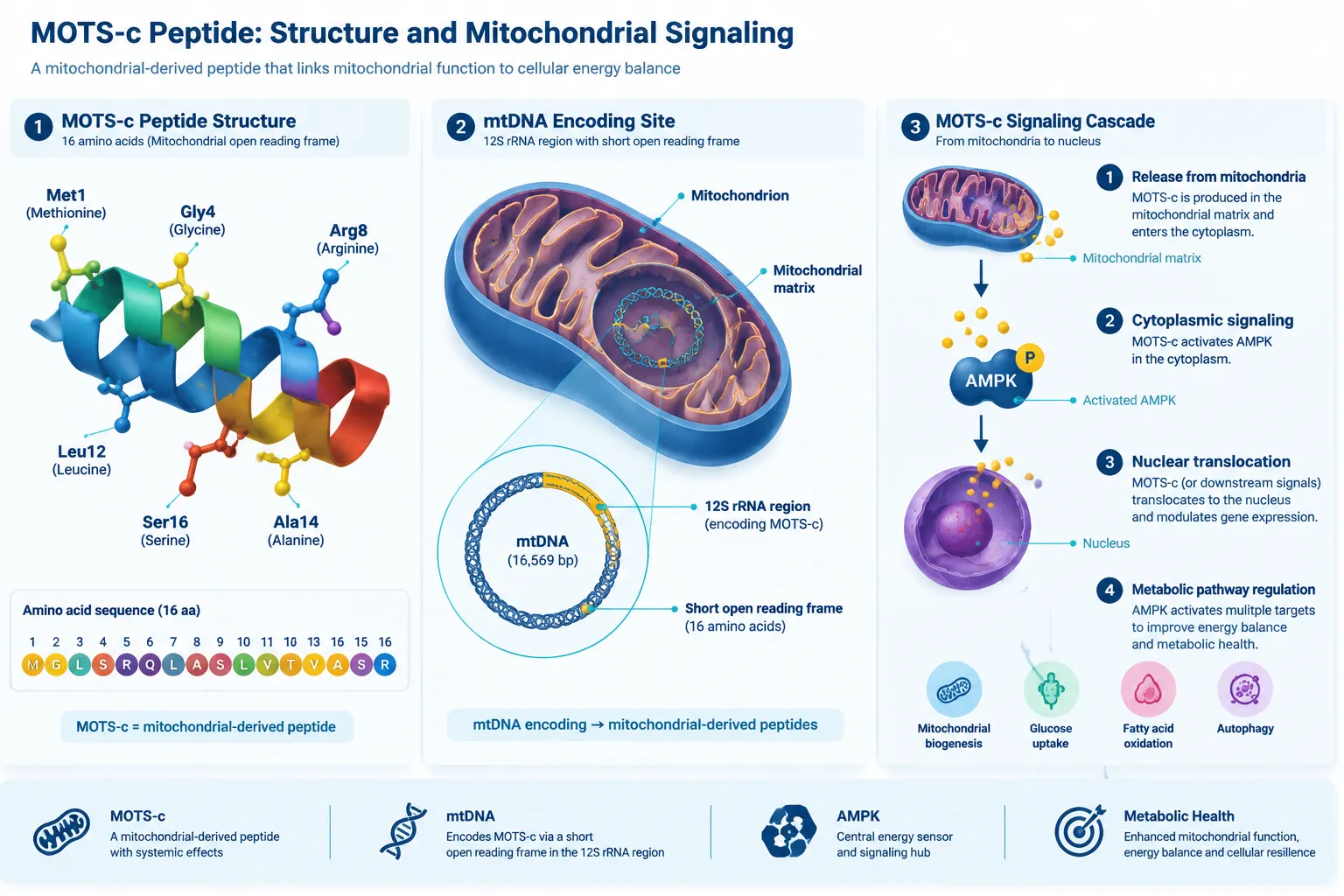
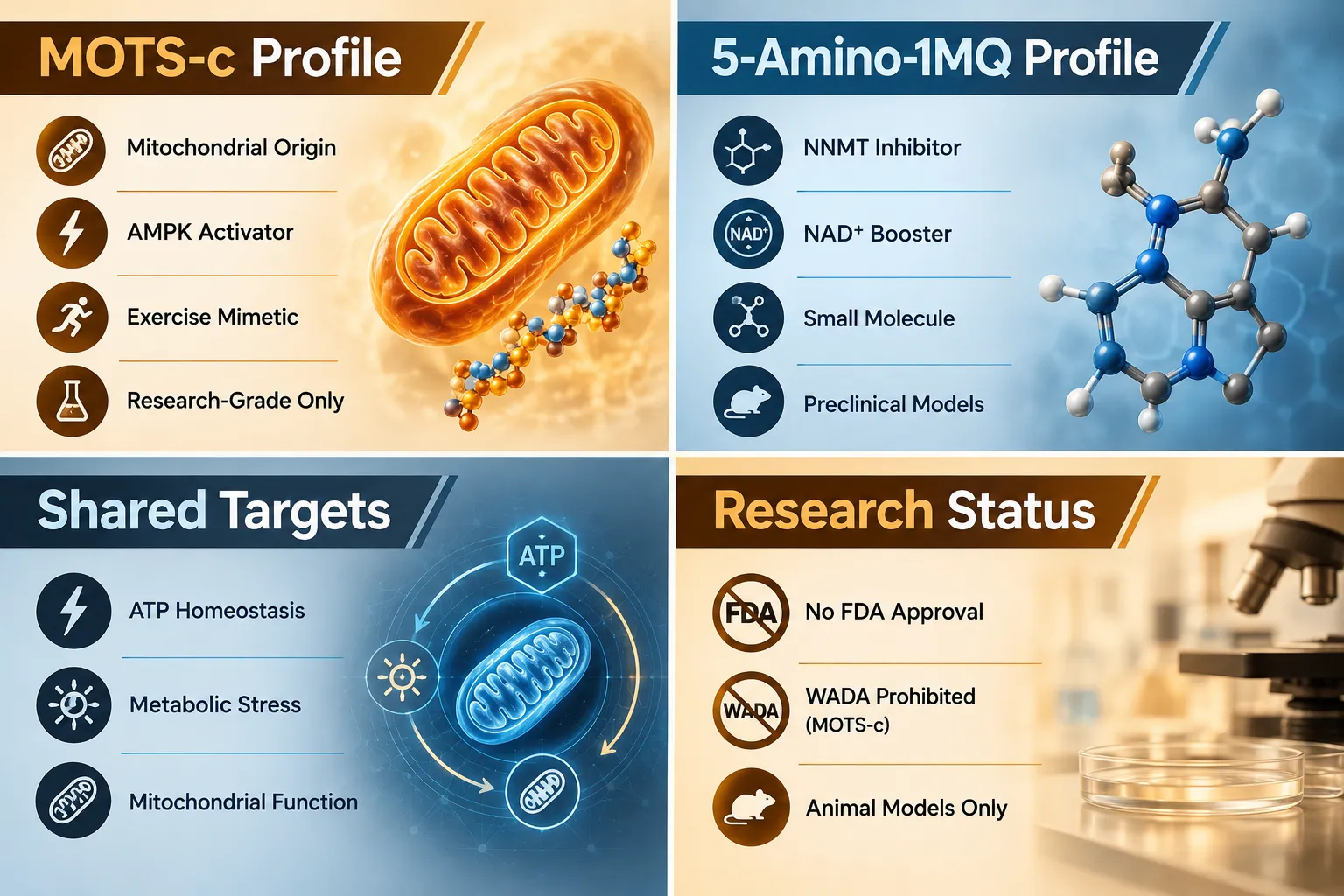
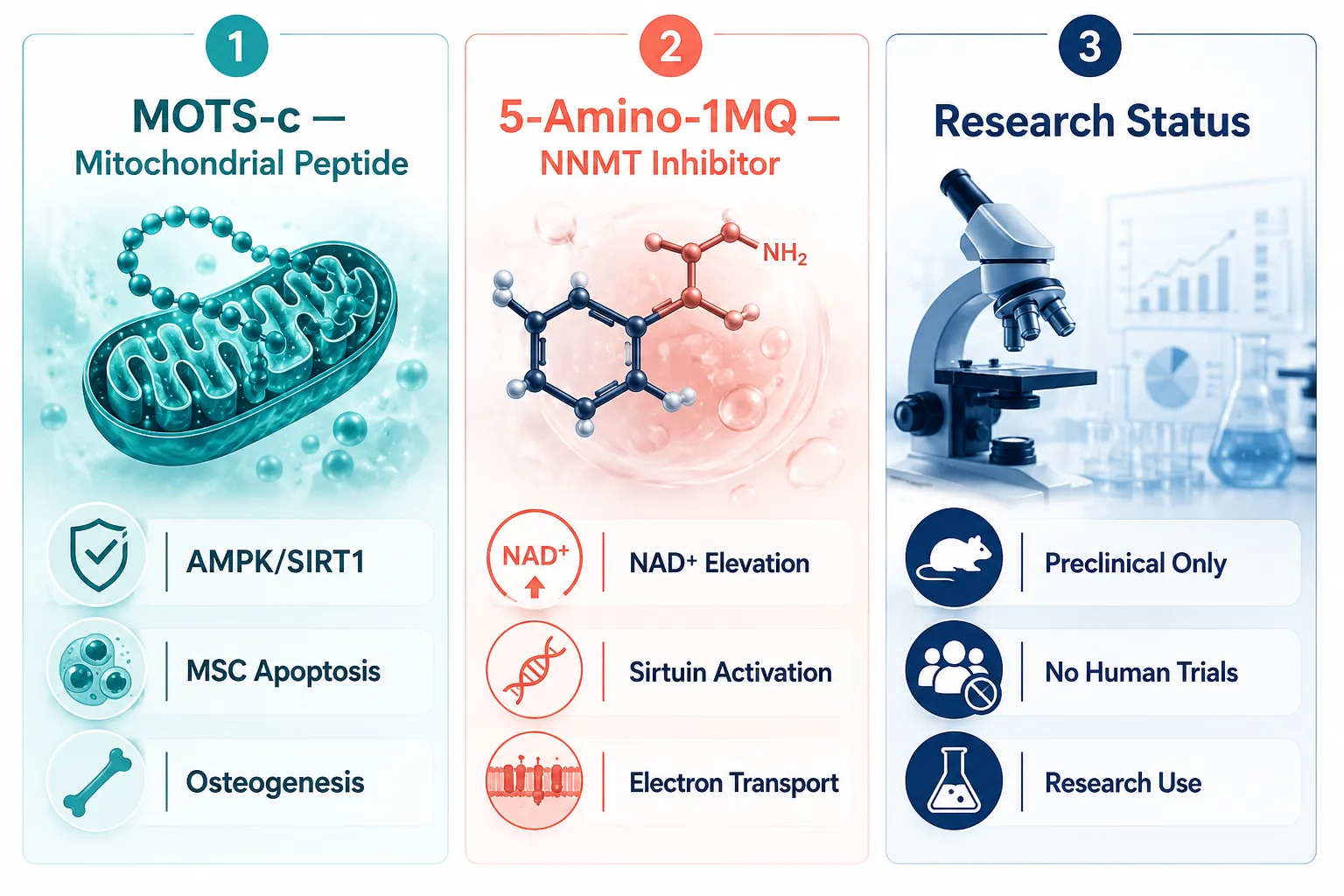
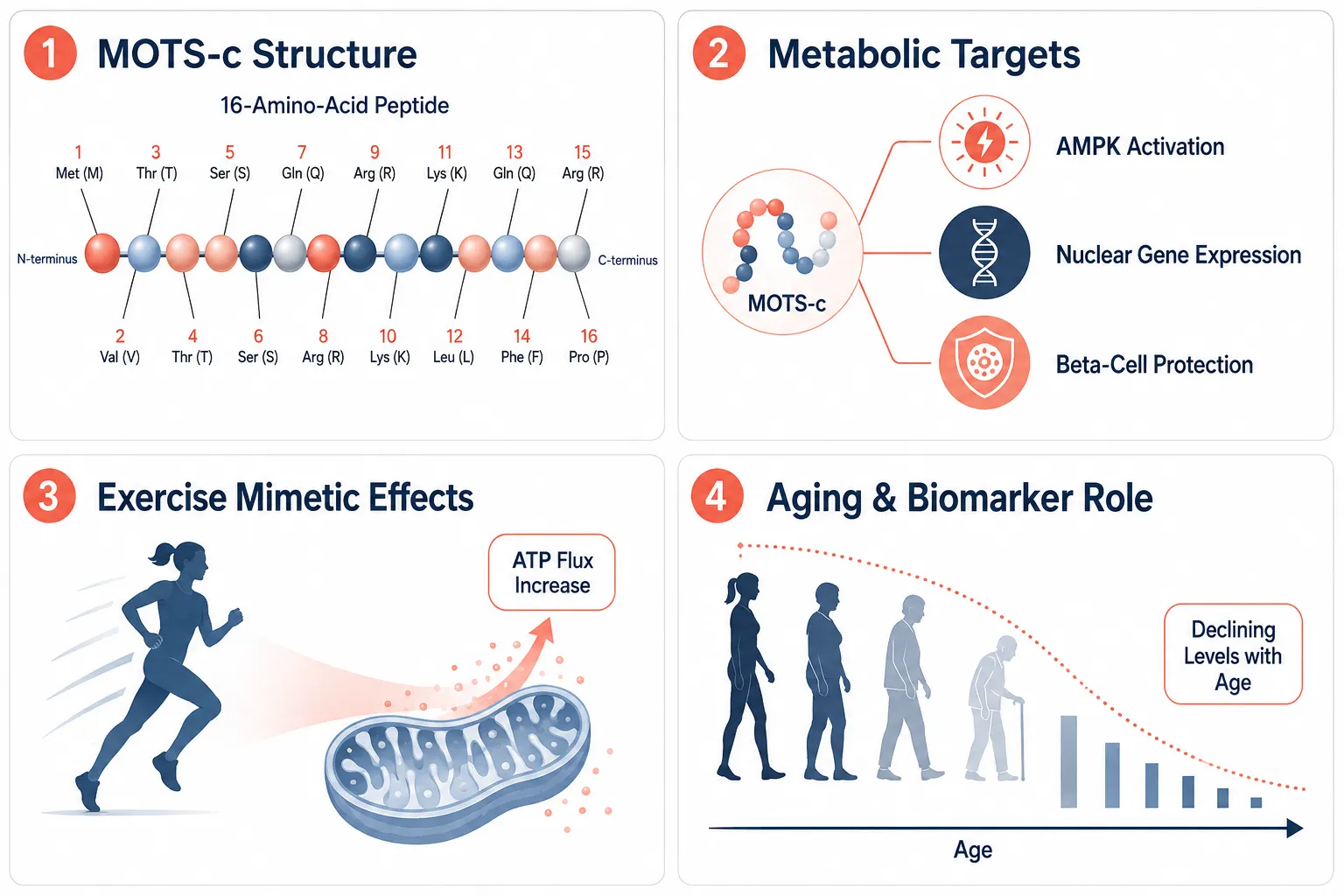
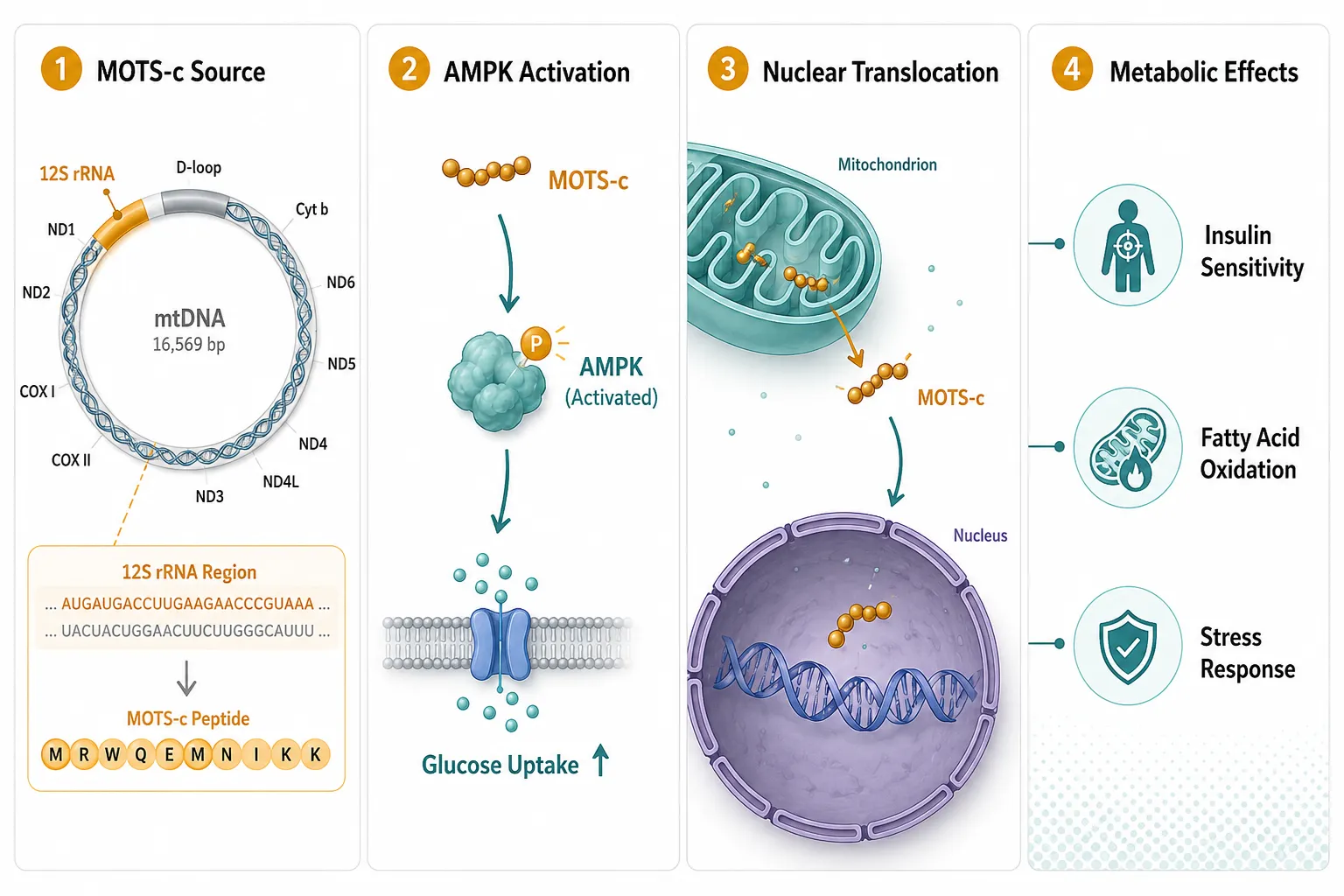
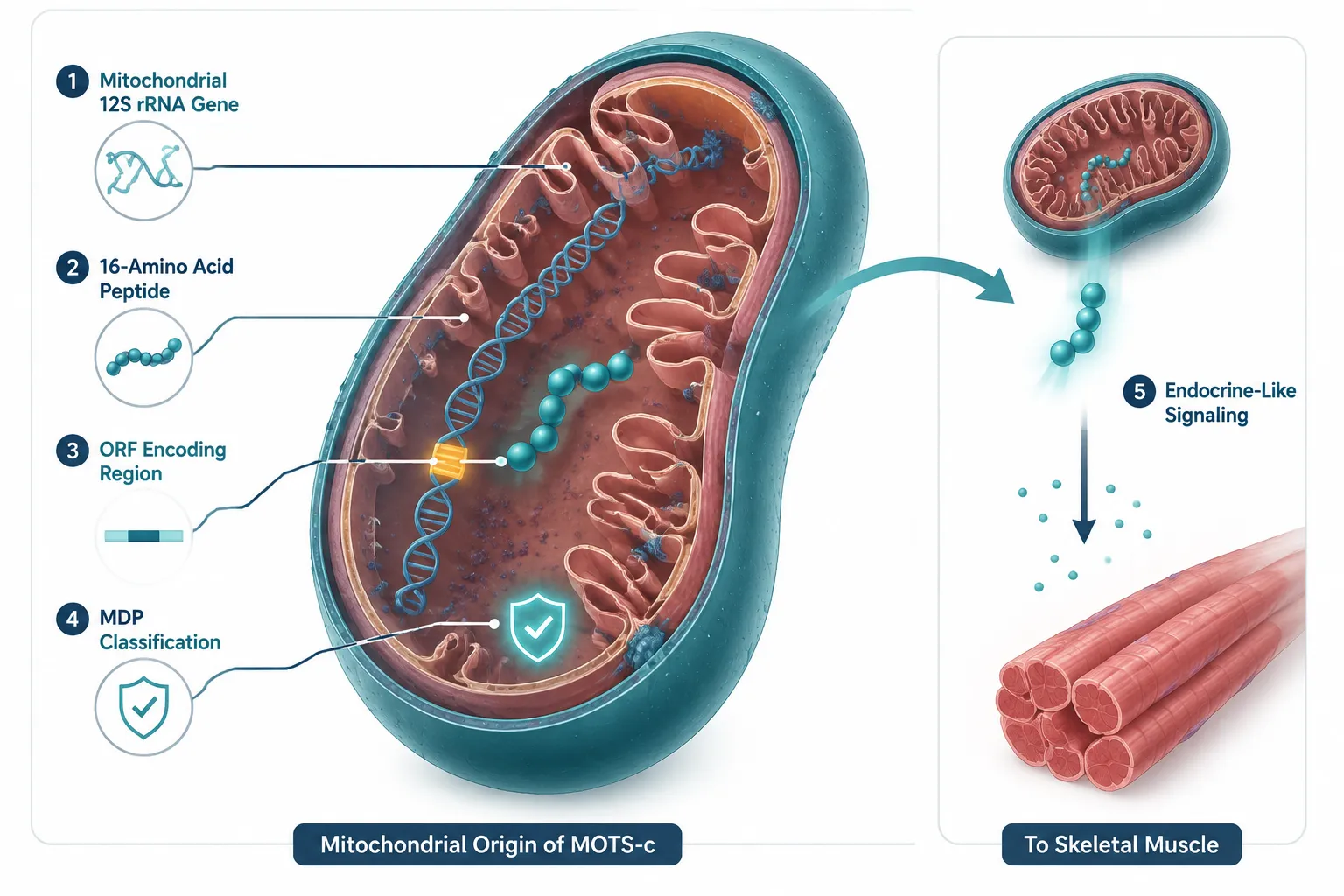
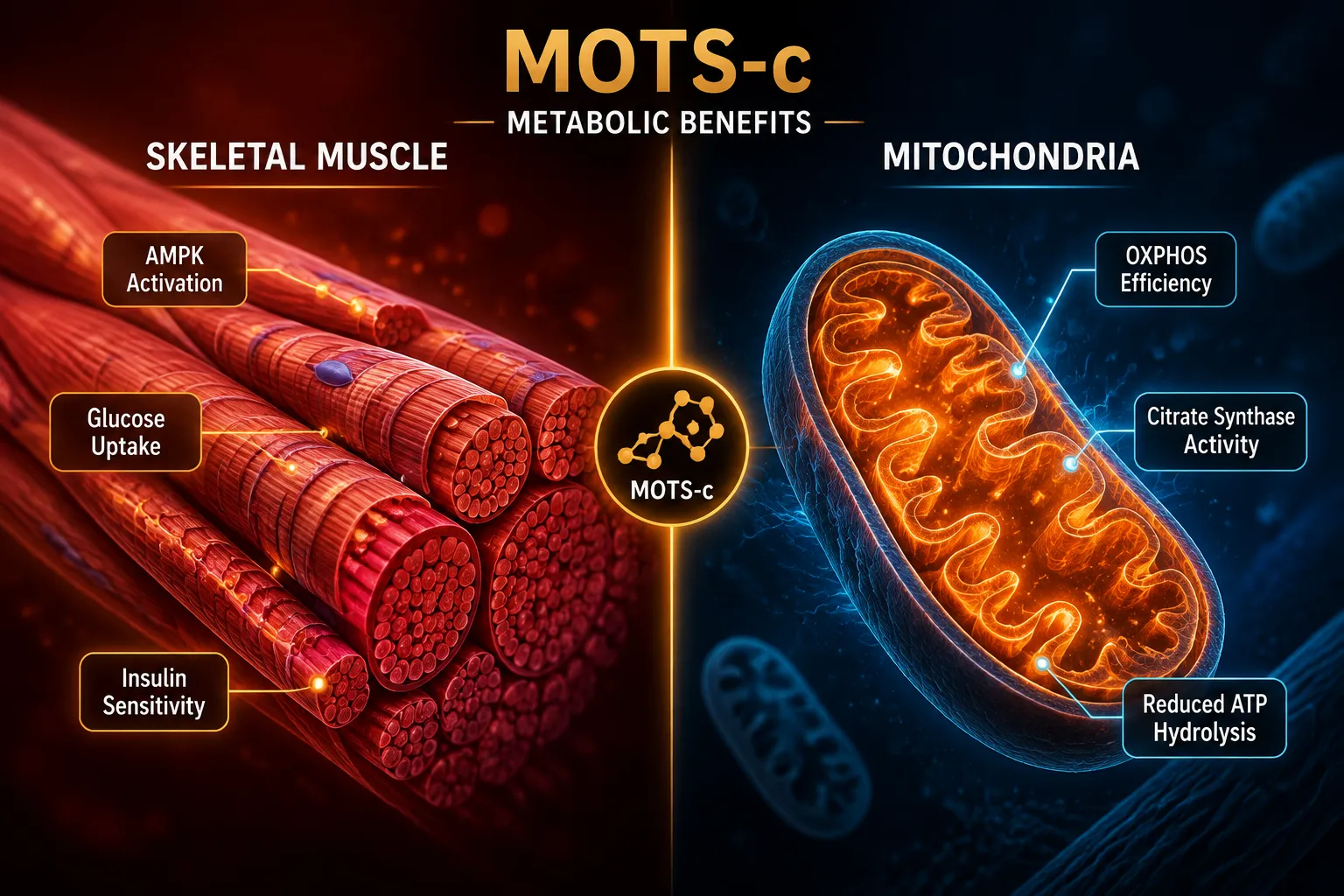
MOTS-c (Mitochondrial Open Reading Frame of the 12S rRNA type-c) is a 16-amino-acid peptide encoded within mitochondrial DNA. Its discovery challenged the assumption that mitochondria only produce energy — they also produce signaling molecules that travel to the nucleus and alter gene expression.
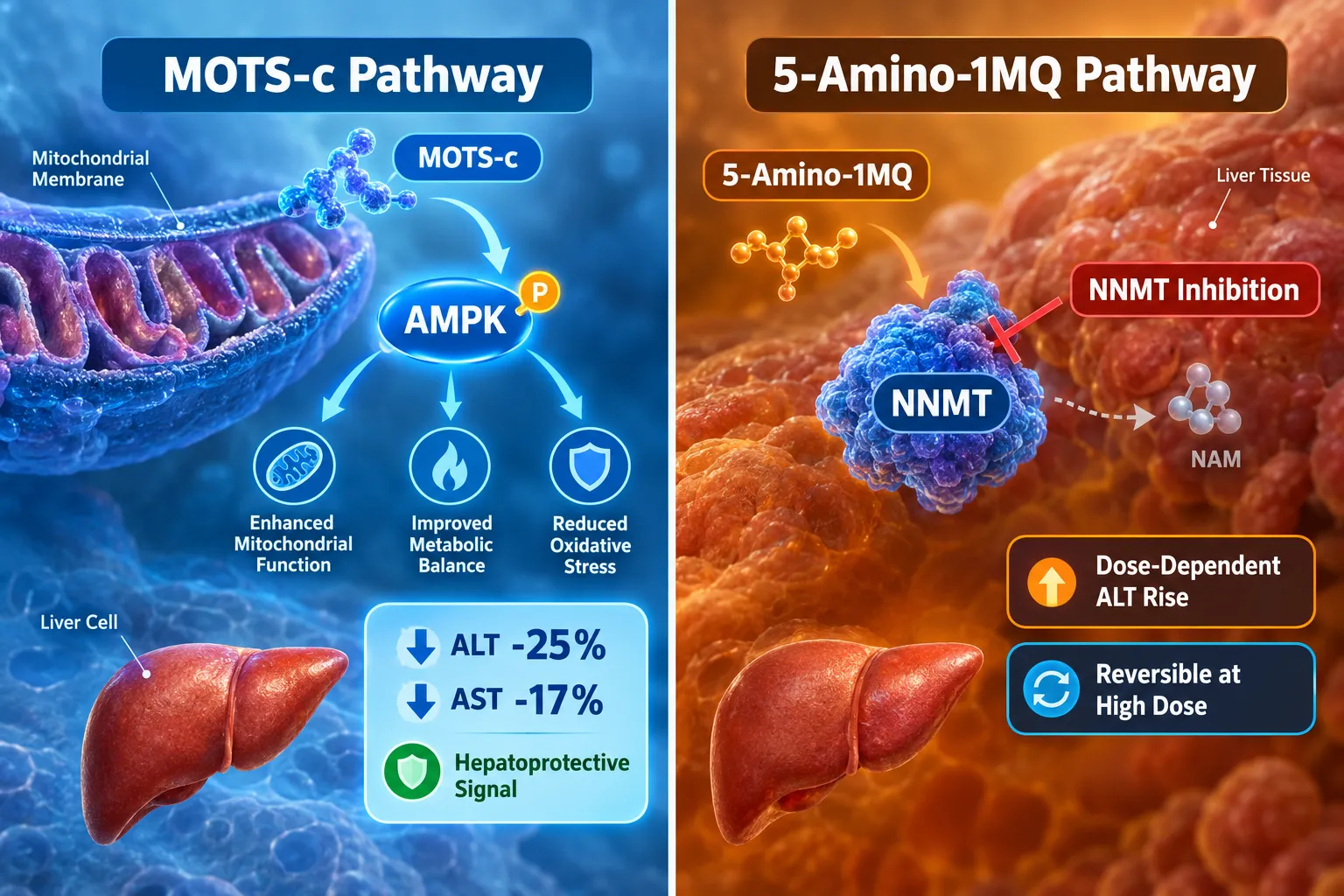
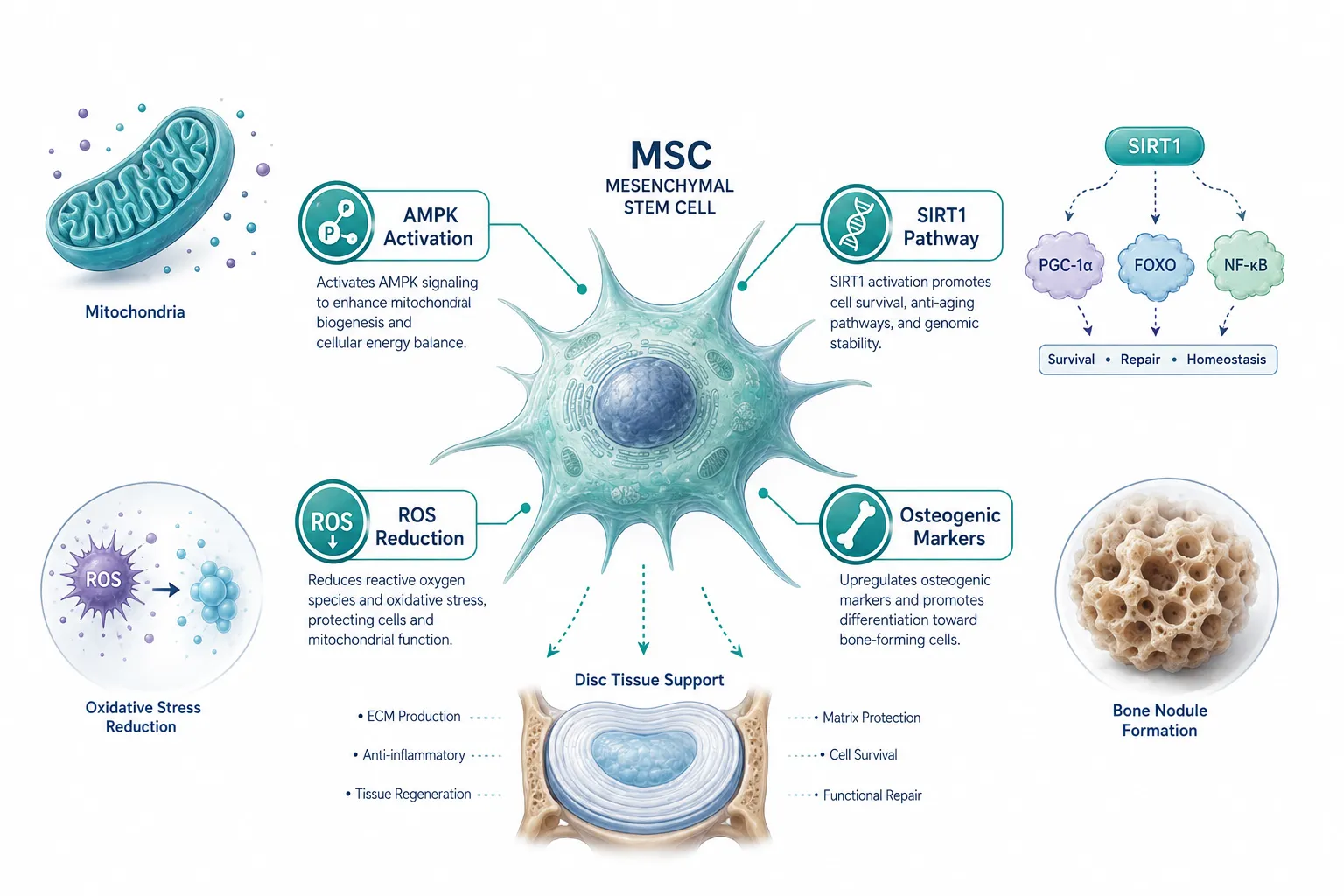
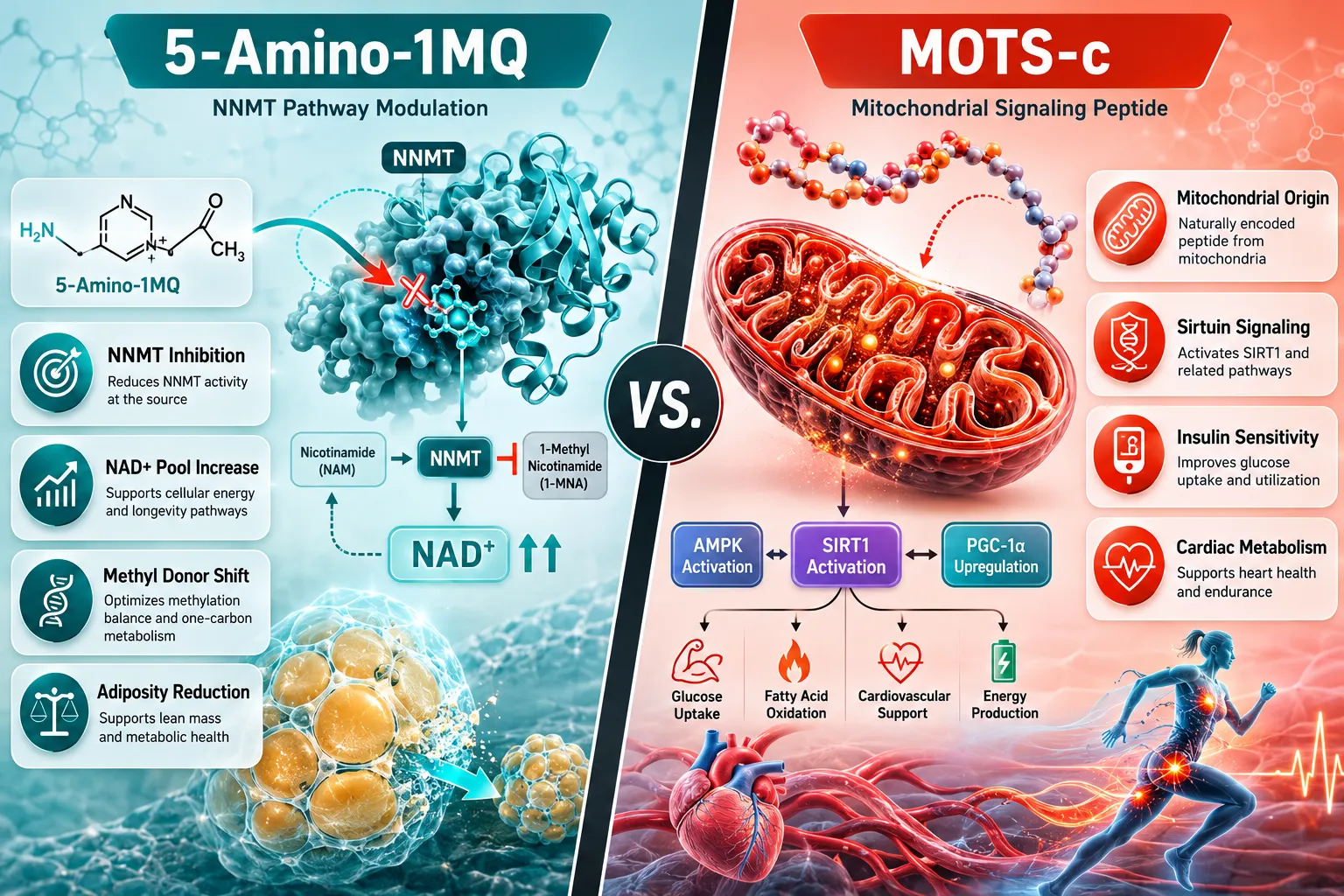
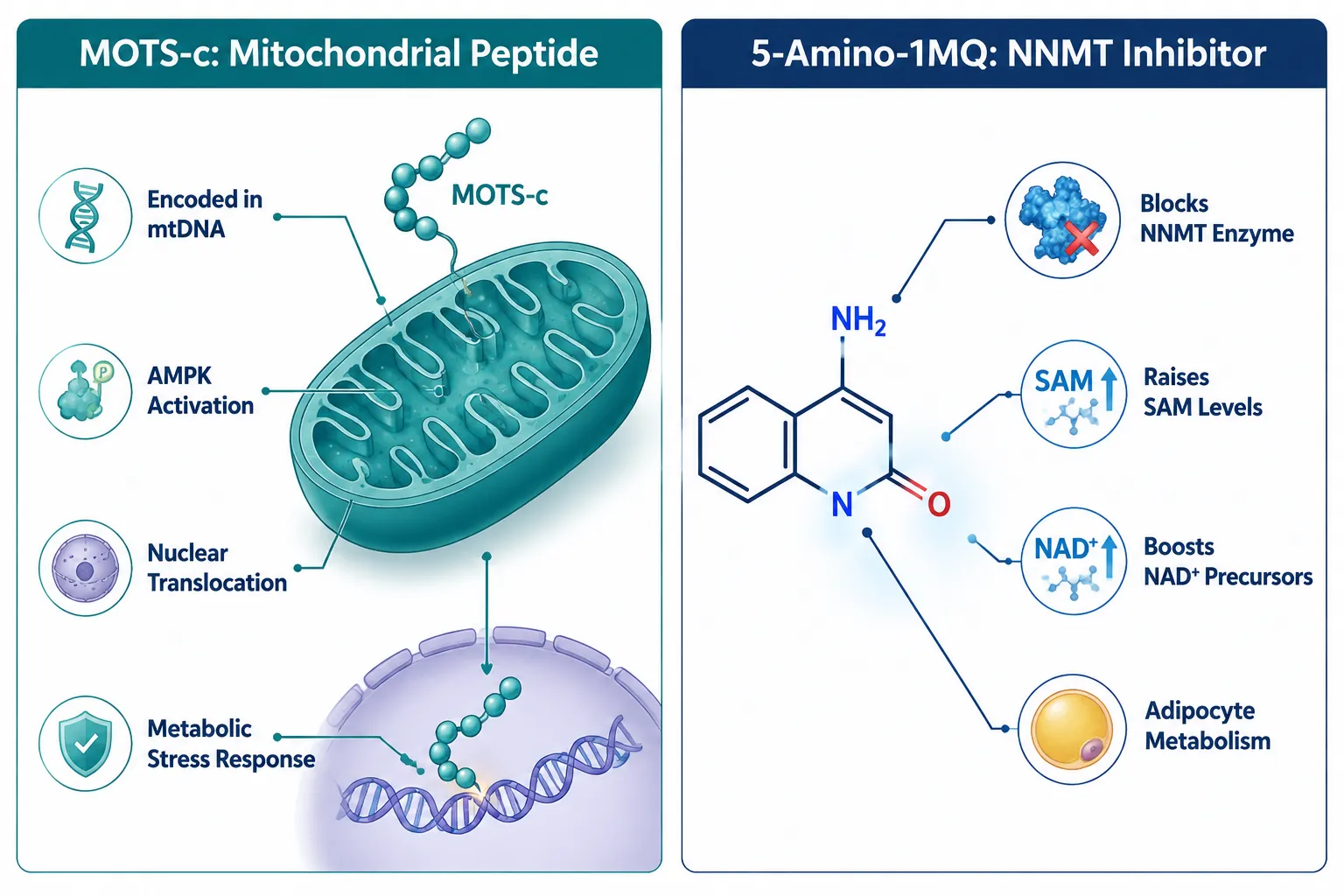
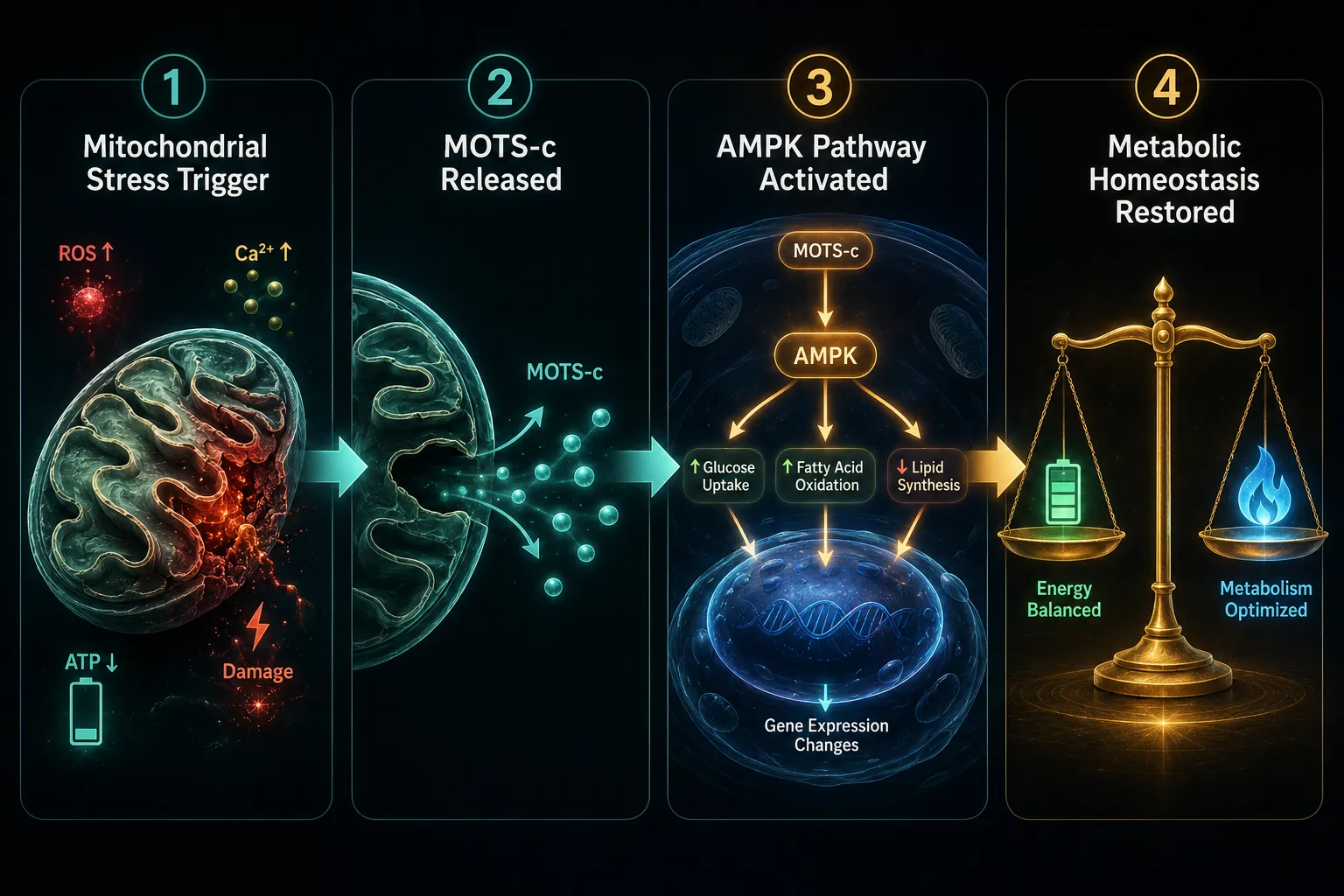
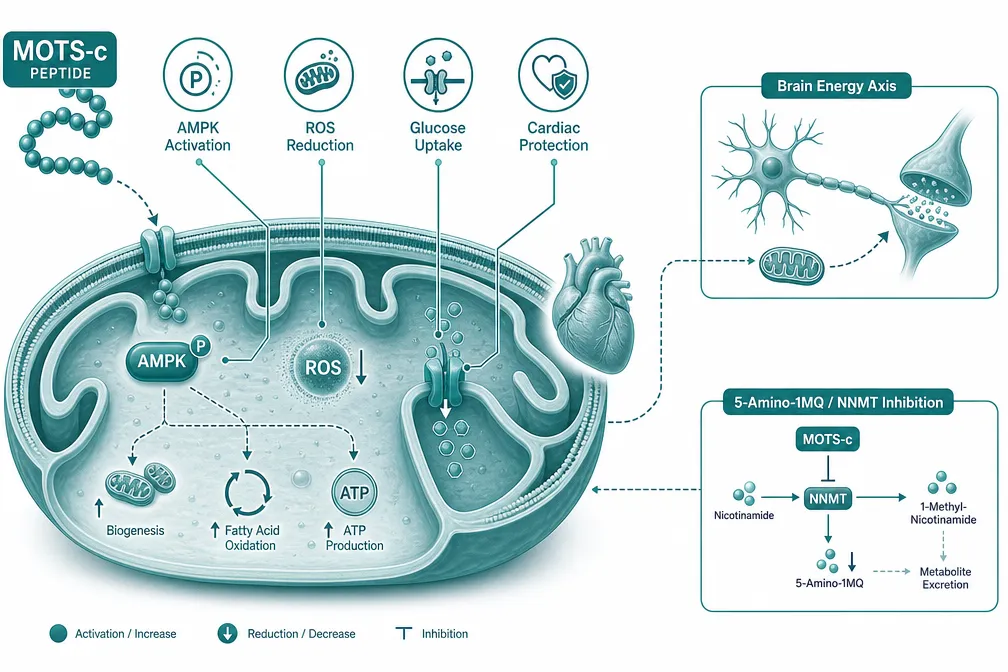
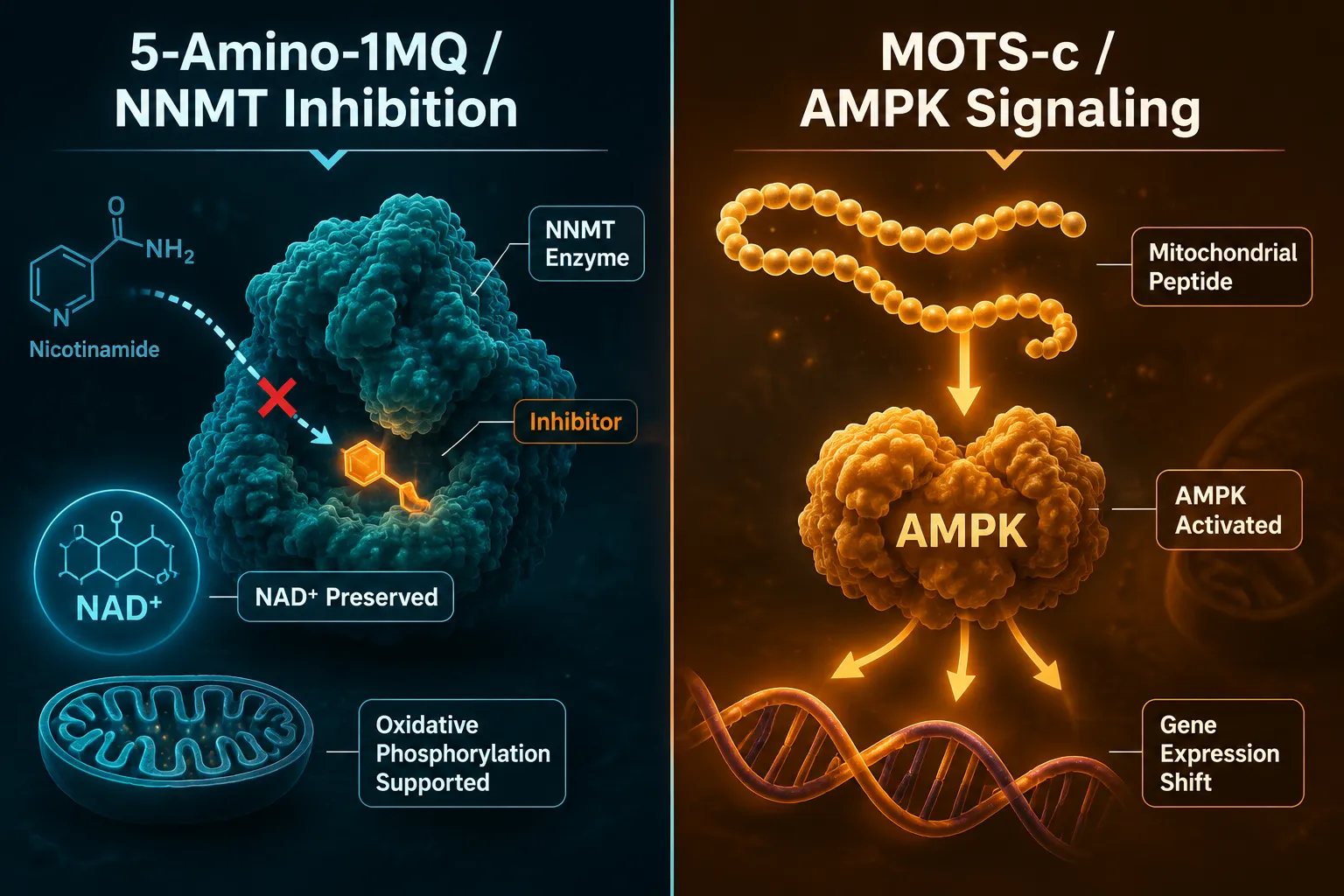
The primary mechanism involves AMPK activation. Under metabolic stress, MOTS-c is released from mitochondria, activates AMPK in the cytoplasm, and then translocates into the nucleus. Inside the nucleus, it binds to stress-response elements and regulates genes involved in glucose metabolism, oxidative stress defense, and longevity pathways. This nuclear translocation step makes MOTS-c functionally analogous to a nuclear receptor ligand — a remarkable parallel to how calcitriol operates through VDR.
For researchers sourcing this compound, MOTS-c 10mg is available for preclinical study purposes, and those exploring MOTS-c from Peptide Science can compare vendor specifications before purchasing.
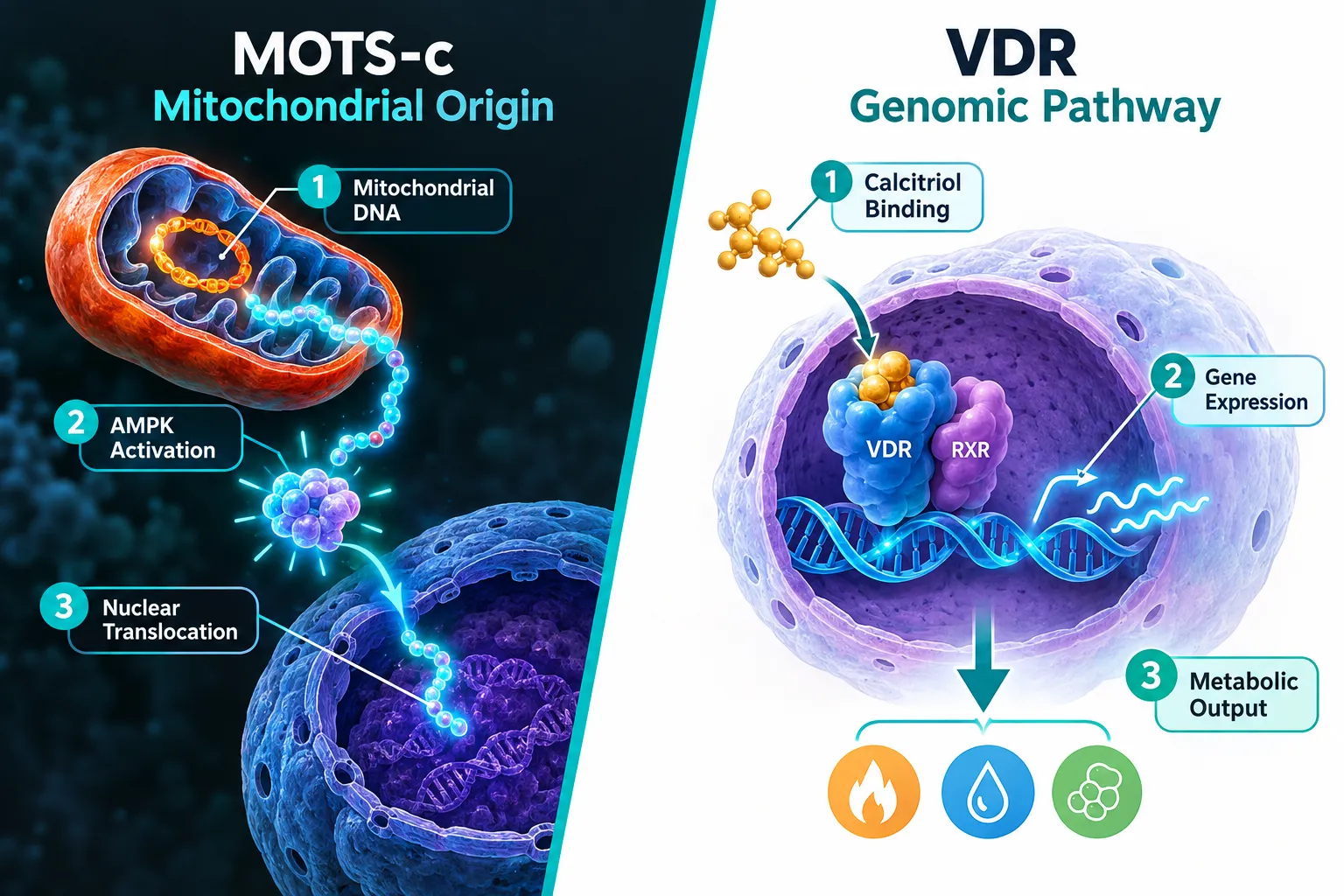
"MOTS-c is not simply a metabolic hormone — it is a retrograde signal from the mitochondria to the genome, recalibrating nuclear gene expression in response to bioenergetic stress."
Documented MOTS-c preclinical effects include:
| Outcome | Evidence Level |
|---|---|
| Improved insulin sensitivity | Rodent models, strong |
| Reduced obesity markers | CB4211 analog human trial |
| AMPK-dependent glucose uptake | Cell and animal studies |
| Nuclear stress-response gene regulation | Mechanistic studies |
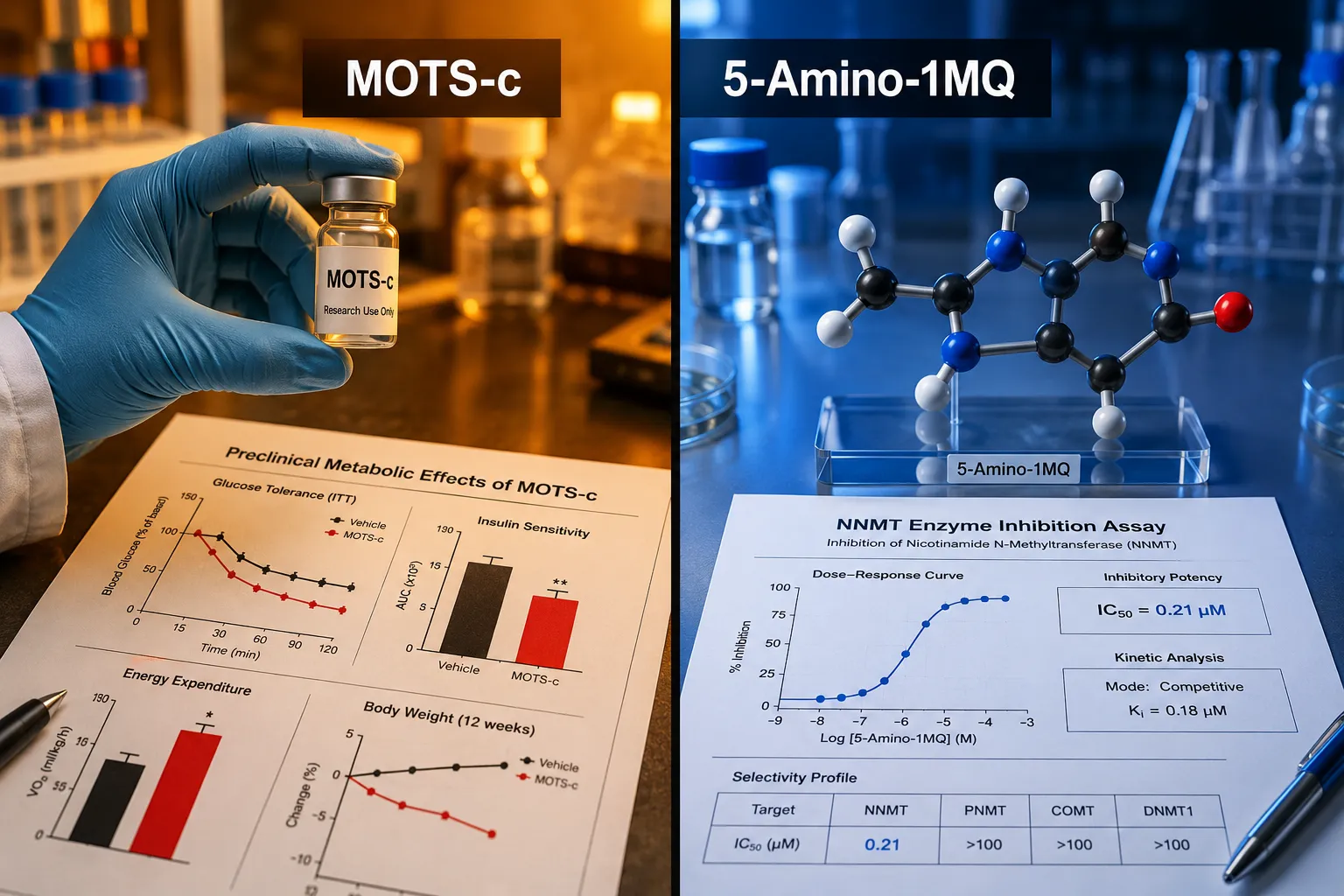
| Lifespan extension in mice | Preclinical only |
Designing the Best Vitamin D3 and Mitochondrial Peptide Stacks: Optimizing Nuclear Receptor and MOTS-c Signaling Pathways
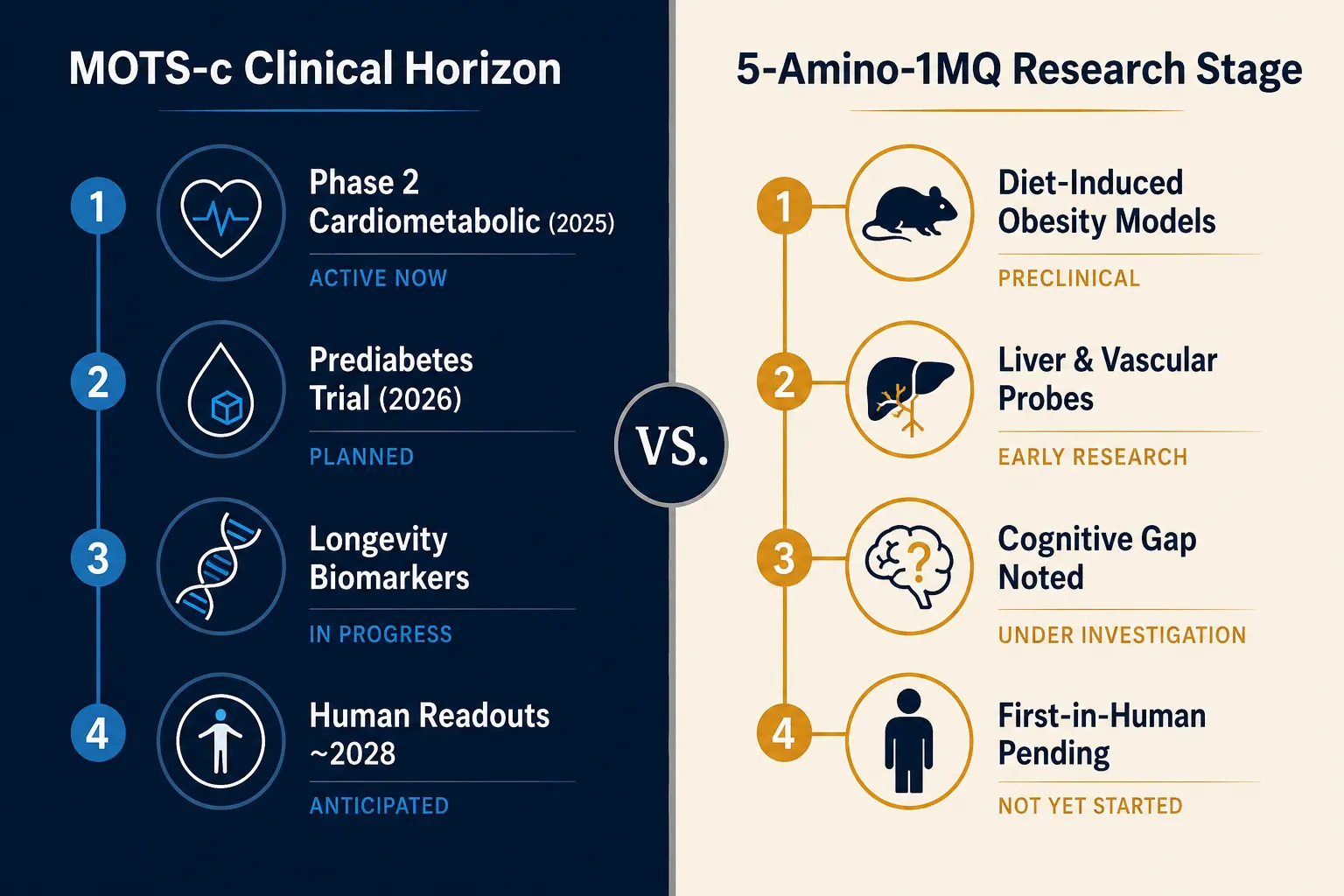
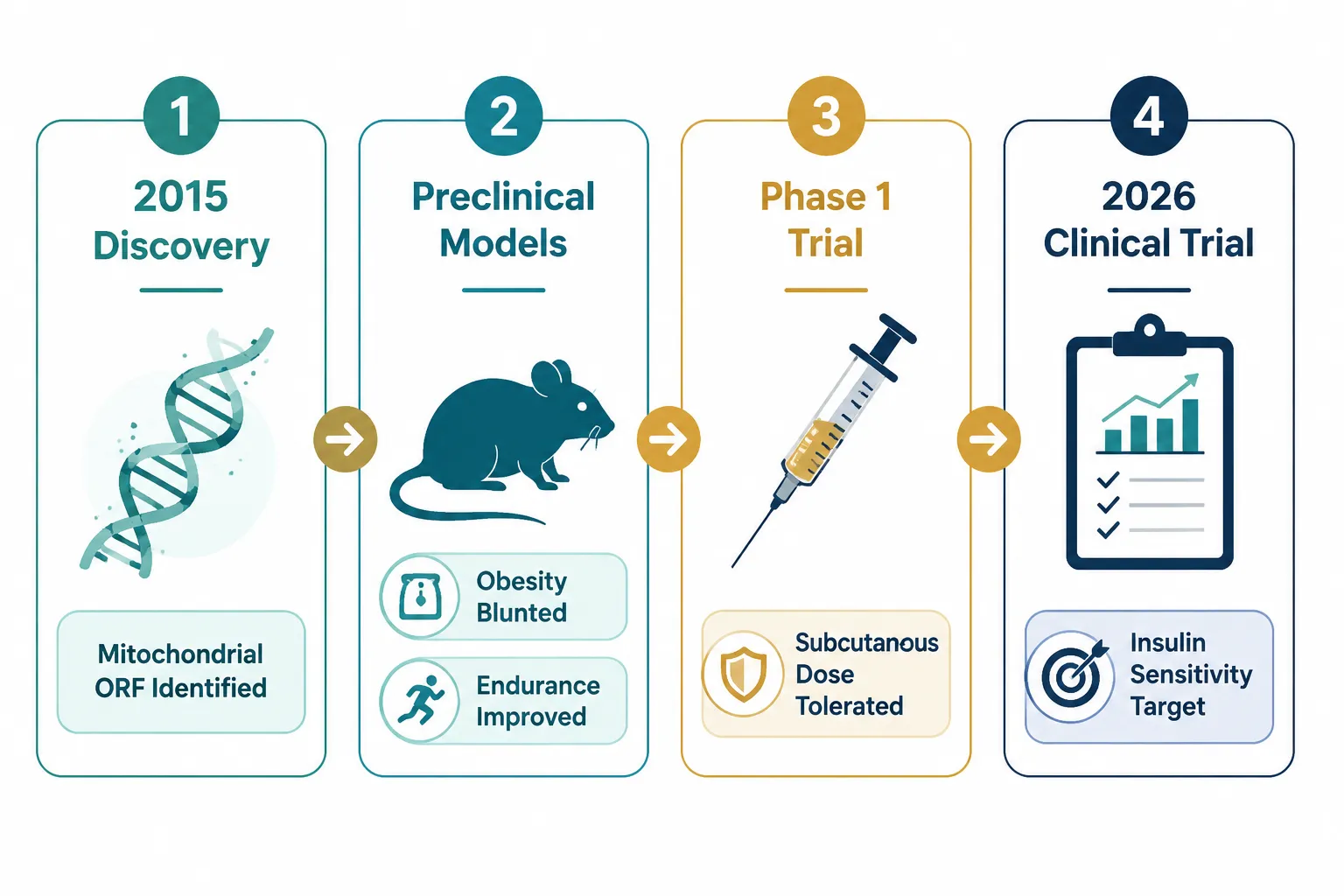
The rationale for combining Vitamin D3 with MOTS-c rests on three mechanistic pillars: shared AMPK involvement, convergent effects on mitochondrial biogenesis, and complementary nuclear gene regulation. However, it is important to state clearly — no published human trial has tested this combination. The MOTS-MET trial (NCT07505745), a Phase 2a study representing the first true MOTS-c efficacy trial in humans, is underway but has not yet reported data. Of nine registered human MOTS-c trial records as of 2026, only one dosing study has been completed.
What does exist is a compelling mechanistic case. Calcitriol upregulates PGC-1 alpha, which drives mitochondrial biogenesis and increases the cellular pool from which MOTS-c is produced. MOTS-c then activates AMPK, which in turn can phosphorylate and enhance VDR sensitivity. This creates a potential positive feedback loop between the two pathways.
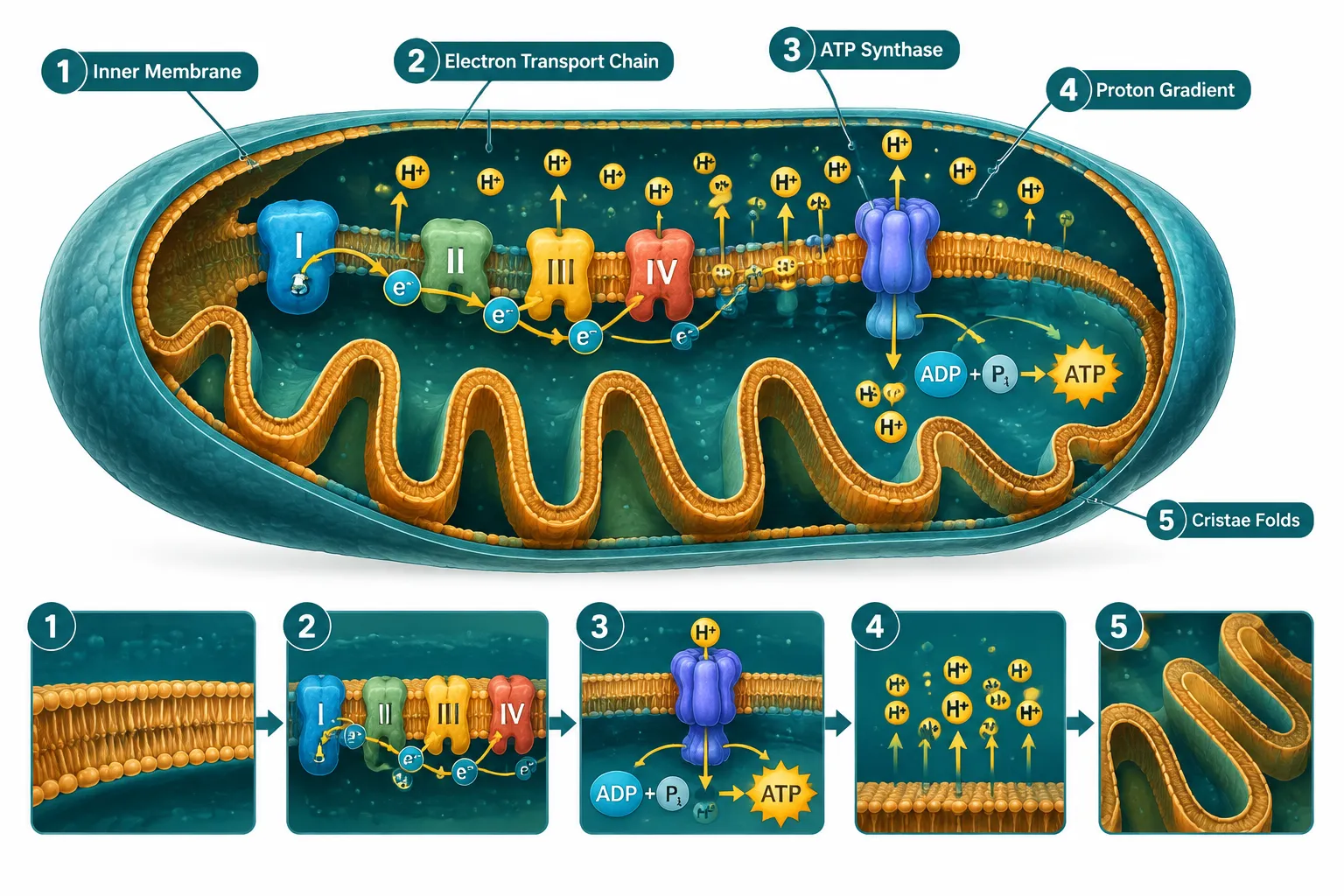
A secondary mitochondrial peptide worth considering in stack design is SS-31 (elamipretide), which targets cardiolipin on the inner mitochondrial membrane to reduce oxidative stress. Detailed research on SS-31 mitochondrial dynamics and a review of SS-31 peptide benefits can help researchers understand how this compound complements MOTS-c in a broader mitochondrial support stack. For procurement, SS-31 peptide is available for research use, and those comparing costs can review SS-31 peptide price options.
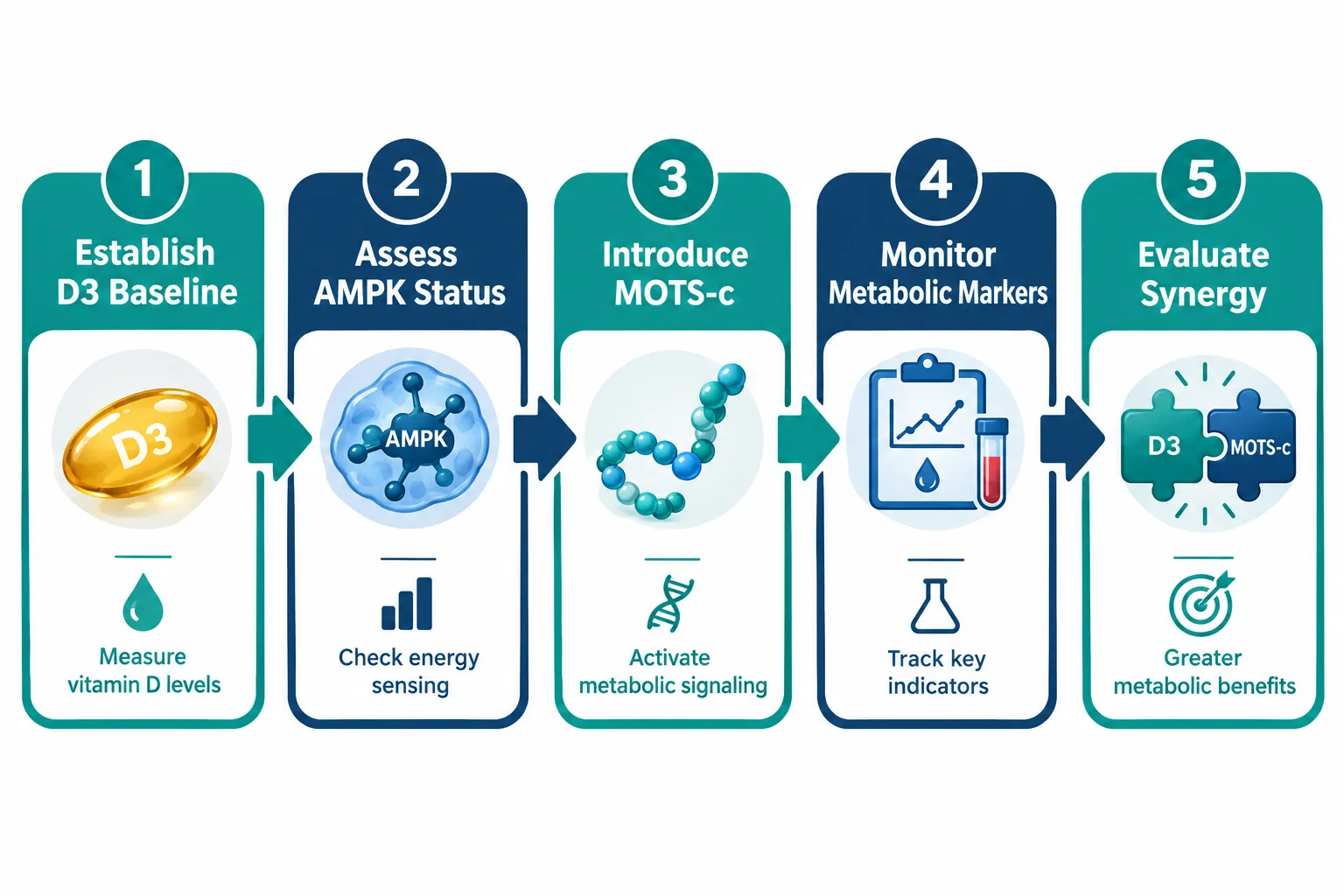
Speculative stack framework (preclinical rationale only):
- Optimize Vitamin D3 status first — target serum 25-OH-D levels in the 40-60 ng/mL range to ensure adequate VDR activation and PGC-1 alpha expression.
- Introduce MOTS-c — to leverage AMPK-mediated nuclear signaling and glucose metabolism support.
- Consider SS-31 — to reduce mitochondrial oxidative stress, protecting the organelle that produces MOTS-c.
- Monitor metabolic markers — fasting glucose, insulin sensitivity indices, and inflammatory markers.
Evidence Gaps, Legal Context, and Research Outlook
The legal and clinical landscape for MOTS-c in 2026 remains constrained. Native MOTS-c has not received regulatory approval in any jurisdiction. The CB4211 analog — a modified version tested in a small human trial for fatty liver disease and obesity — showed early promise but remains in early-phase development. Researchers and clinicians operating outside formal trial settings face gray-market exposure when sourcing native MOTS-c, and this risk must be factored into any research protocol design.
Vitamin D3, by contrast, is fully approved, widely available, and has decades of safety data. Its nuclear receptor mechanism is among the best-characterized in human biology. This asymmetry in evidence quality is the defining practical challenge when designing the best Vitamin D3 and mitochondrial peptide stacks: optimizing nuclear receptor and MOTS-c signaling pathways for any serious research application.
Those sourcing compounds for legitimate research purposes should prioritize purity verification. Lab-tested peptides with documented certificate-of-analysis data reduce the risk of contaminant interference in mechanistic studies.
Conclusion
The convergence of calcitriol's genomic VDR signaling and MOTS-c's mitochondria-to-nucleus communication represents one of the most intellectually compelling areas in metabolic biology in 2026. The mechanistic case for a synergistic stack is coherent — shared AMPK pathways, complementary effects on mitochondrial biogenesis, and dual nuclear gene regulation make the combination theoretically attractive.
Actionable next steps for researchers:
- Establish and document baseline Vitamin D3 status before introducing any mitochondrial peptide.
- Follow the MOTS-MET trial (NCT07505745) for the first human efficacy data on MOTS-c.
- Consider SS-31 as a mitochondrial oxidative stress companion in any stack protocol.
- Source only from vendors providing independent purity verification.
- Treat any claimed synergy between Vitamin D3 and MOTS-c as a hypothesis requiring formal trial validation, not an established clinical outcome.
The gap between mechanistic plausibility and clinical proof remains wide. Closing that gap is the work ahead.