Call or Text 727-513-9780
  • Shopping Cart Shopping Cart
    0Shopping Cart
Pure Tested Peptides | America's most trusted Peptides for sale online
  • Peptides for sale
    • Oral Peptides for sale
      • Peptide Capsules for sale
      • BPC 157 Capsules 1000mcg
      • SLU-PP-332 Capsules | 1000 mcg
      • 5-Amino-1MQ 50mg Capsules
      • Tesofensine 500mcg
    • All Peptides for sale
    • Peptide Sprays
      • BPC 157 Nasal Spray Kit
      • BPC-157 TB500 Nasal Spray Kit
      • Semax Nasal Spray 10mg
      • Selank – Nasal Spray Kit – 10mg
      • Epithalon 50MG Nasal Spray Kit
      • Ipamorelin 10mg Nasal Spray
      • Klow Nasal Spray (BPC-157 + TB-500 + GHK-Cu + KPV) | 80mg
      • Hulk Nasal Spray Tesa / Ipa Blend 6/3 MG
      • Klow Nasal Spray
      • NAD + 500 mg Nasal Spray
      • PT-141 Nasal Spray Kit
    • GHRH Peptides
      • Ipa Peptides
      • CJC-1295 Peptides
        • CJC-1295 with DAC 5 mg
        • CJC-1295 without DAC 5 mg
        • CJC-1295 Ipa 10mg
      • Tesa Peptides
        • Tesa Peptide
        • Tesa 20 mg
    • GHK-Cu Peptides
      • All GHK-Cu Peptides
      • GHK-Cu 100mg
      • KLOW Peptide Blend – Buy KLOW blend online
    • BPC Peptides
      • All BPC Peptides
      • BPC-157
      • BPC-157 TB-500
      • BPC 157 capsules 1000mcg
    • SLU-PP-332 Peptides
      • All SLU-PP-332 Peptides
      • SLU-PP-332 5mg
    • GLP3 Peptides
    • PT-141 Peptides
      • PT-141 Peptides for sale
      • PT-141 10mg
      • PT-141 Nasal Spray
    • CAG Peptides
      • Lipo-C Peptide Blend
      • CAG 5mg
      • CAG 10mg
    • MOTS-C Peptides
      • MOTS-C Peptides for sale
      • MOTS-c peptide
      • MOTS-c 10mg *6 pack*
    • 5 Amino 1MQ Peptides
      • 5 Amino 1MQ Peptides for sale
      • 5-Amino-1MQ 50mg Capsules
      • 5-Amino-1MQ 5mg
    • Epithalon Peptides
      • Epithalon Peptides for sale
      • Epithalon 10mg
      • Epithalon 50mg
  • Shop
    • GLPs
      • 5-Amino-1MQ 50mg Capsules
      • 5-Amino-1MQ 5mg
      • L-Carnitine 500mg/ml
      • Tesofensine 500mcg
      • SLU-PP-332 5mg
      • MOTS-c 10mg *6 pack*
    • Epithalon & BPC Peptides
      • Epithalon 10mg
      • Epithalon 50mg
      • BPC-157
      • BPC 157 capsules 1000mcg
      • BPC-157 TB-500
      • BPC-157 TB500 Nasal Spray Kit
      • BPC 157 Nasal Spray Kit
    • BPC TB-500 & NAD+ Peptides
      • NAD+ 500 mg
      • KLOW Peptide Blend – Buy KLOW blend online
      • GLOW Peptide Blend
      • TB 500 5mg
      • BPC 157 capsules 1000mcg – Supplement
      • BPC 157 Nasal Spray Kit
      • BPC-157
      • BPC-157 TB500 Nasal Spray Kit
      • BPC-157 TB-500
      • BPC 157 capsules 1000mcg
    • LL-37 Peptide
      • LL-37 10 mg
    • MOTS-C & Selank
      • MOTS-c peptide
      • Selank 10mg
    • GHK Peptides
      • GHK-Cu 100mg
      • GLOW Peptide Blend
      • KLOW Peptide Blend – Buy KLOW blend online
  • COAs
  • Wholesale
    • Wholesale Peptides for sale
  • PTP FAQ
  • Affiliates
    • Selank Peptide: Advanced Pharmacological Mechanisms Underlying Its Anxiolytic and Nootropic Effects in Research
      • 5-Amino-1MQ Peptide: Detailed Mechanisms of NNMT Inhibition and Its Impact on Cellular Metabolism Research
        • MOTS-C Peptide: Unraveling Its Role in Mitochondrial Dynamics and Energy Metabolism Research
          • Epithalon Peptide and Telomerase Regulation: Investigating Its Impact on Cellular Senescence and Lifespan Research Models
            • GLP2-T vs GLP2 Tirz Peptide: Understanding the Naming, Mechanistic Nuances, and Research Implications for Gut Health
      • Peptides and Polypeptides in Modern Pharmacology: What Research on Metoprolol, Prednisone, and Amlodipine Reveals
        • Polypeptide Peptides vs NSAIDs: What Naproxen and Diclofenac Teach Tissue-Repair Researchers About BPC‑157 and TB‑500
          • Peptides and Polypeptides in Endocrine Pharmacology: How GLP-1, GLP-2, and GLP-3 Retatrutide Differ From Classic Drugs Like Prednisone and Amlodipine
          • 5‑Amino‑1MQ Peptide and NNMT Inhibition: How It Compares With Statins Like Atorvastatin in Adipose and Lipid Metabolism Research
      • Enclomiphene, Estrogen Receptor Signaling, and Luteinizing Phase Biology: What Hormone Researchers Should Measure
        • Mesenchymal Stem Cells, BPC‑157, and GHK‑Cu: How Tissue Repair Peptides Compare With Classic NSAIDs Like Naproxen in Injury Models
          • Peptide Calculator Use Cases Beyond Growth Hormone: Working Through GLP‑3 Retatrutide, MOTS‑c, and BPC‑157 Research Dosing
        • Polypeptide Peptides in Endocrine and Metabolic Pharmacology: Lessons From Amlodipine, Prednisone, and Metoprolol
        • Peptides Calculator for Advanced Blends: Worked Examples for Tesamorelin, CJC‑1295, and Ipamorelin Stacks
          • Peptides and Polypeptides in Human Physiology: How Molecular Size Shapes Research Applications
            • Selank Peptide: Advanced Pharmacological Mechanisms Underlying Its Anxiolytic and Nootropic Effects in Research
          • 5-Amino-1MQ Peptide: Detailed Mechanisms of NNMT Inhibition and Its Impact on Cellular Metabolism Research
            • MOTS-C Peptide: Unraveling Its Role in Mitochondrial Dynamics and Energy Metabolism Research
              • Epithalon Peptide and Telomerase Regulation: Investigating Its Impact on Cellular Senescence and Lifespan Research Models
                • GLP2-T vs GLP2 Tirz Peptide: Understanding the Naming, Mechanistic Nuances, and Research Implications for Gut Health
                  • Peptides and Polypeptides in Endocrine Pharmacology: How GLP-1, GLP-2, and GLP-3 Retatrutide Differ From Classic Drugs Like Prednisone and Amlodipine
                    • Polypeptide Peptides vs NSAIDs: What Naproxen and Diclofenac Teach Tissue-Repair Researchers About BPC‑157 and TB‑500
                      • Peptides and Polypeptides in Modern Pharmacology: What Research on Metoprolol, Prednisone, and Amlodipine Reveals
                        • 5‑Amino‑1MQ Peptide and NNMT Inhibition: How It Compares With Statins Like Atorvastatin in Adipose and Lipid Metabolism Research
                        • Enclomiphene, Estrogen Receptor Signaling, and Luteinizing Phase Biology: What Hormone Researchers Should Measure
                        • Mesenchymal Stem Cells, BPC‑157, and GHK‑Cu: How Tissue Repair Peptides Compare With Classic NSAIDs Like Naproxen in Injury Models
                        • Peptide Calculator Use Cases Beyond Growth Hormone: Working Through GLP‑3 Retatrutide, MOTS‑c, and BPC‑157 Research Dosing
                        • Polypeptide Peptides in Endocrine and Metabolic Pharmacology: Lessons From Amlodipine, Prednisone, and Metoprolol
                        • Peptides Calculator for Advanced Blends: Worked Examples for Tesamorelin, CJC‑1295, and Ipamorelin Stacks
                        • Peptides and Polypeptides in Human Physiology: How Molecular Size Shapes Research Applications
                        • Selank Peptide: Advanced Pharmacological Mechanisms Underlying Its Anxiolytic and Nootropic Effects in Research
                        • MOTS-C Peptide: Unraveling Its Role in Mitochondrial Dynamics and Energy Metabolism Research
                        • Peptides and Polypeptides in Modern Pharmacology: What Research on Metoprolol, Prednisone, and Amlodipine Reveals
                        • Peptides and Polypeptides in Endocrine Pharmacology: How GLP-1, GLP-2, and GLP-3 Retatrutide Differ From Classic Drugs Like Prednisone and Amlodipine
                        • 5-Amino-1MQ Peptide: Detailed Mechanisms of NNMT Inhibition and Its Impact on Cellular Metabolism Research
                        • Mesenchymal Stem Cells, BPC‑157, and GHK‑Cu: How Tissue Repair Peptides Compare With Classic NSAIDs Like Naproxen in Injury Models
                        • Peptide Calculator Use Cases Beyond Growth Hormone: Working Through GLP‑3 Retatrutide, MOTS‑c, and BPC‑157 Research Dosing
                        • GLP2-T vs GLP2 Tirz Peptide: Understanding the Naming, Mechanistic Nuances, and Research Implications for Gut Health
                        • Polypeptide Peptides in Endocrine and Metabolic Pharmacology: Lessons From Amlodipine, Prednisone, and Metoprolol
                        • Polypeptide Peptides vs NSAIDs: What Naproxen and Diclofenac Teach Tissue-Repair Researchers About BPC‑157 and TB‑500
                        • Peptides and Polypeptides in Human Physiology: How Molecular Size Shapes Research Applications
                        • Peptides Calculator for Advanced Blends: Worked Examples for Tesamorelin, CJC‑1295, and Ipamorelin Stacks
                        • 5‑Amino‑1MQ Peptide and NNMT Inhibition: How It Compares With Statins Like Atorvastatin in Adipose and Lipid Metabolism Research
                        • Enclomiphene, Estrogen Receptor Signaling, and Luteinizing Phase Biology: What Hormone Researchers Should Measure
                        • Epithalon Peptide and Telomerase Regulation: Investigating Its Impact on Cellular Senescence and Lifespan Research Models
                        • Best research protocol Klow blend
                        • best time to take BPC-157
                        • best time to take DSIP (Delta Sleep Inducing Peptide)
                        • best time to take CJC-1295
                        • best time to take AOD-9604
                        • best time to take Follistatin 344
                        • best time to take Ipamorelin
                        • best time to take MK-677 (Ibutamoren)
                        • best time to take Ligandrol (LGD-4033) — research compound
                        • best time to take Ostarine (MK-2866) — research compound
                        • best time to take GHK-CU
                        • best time to take TB-500
                        • best time to take MOTS-c
                        • best time to take Semax
                        • best time to take RAD-140 (Testolone) — research compound
                        • best time to take Thymosin Alpha-1
                        • best time to take PEG-MGF
                        • Biolife Plasma, Octapharma Plasma, and Research Peptides: How Plasma Donation Labs Differ From Peptide Suppliers
                        • best time to take YK-11 — research compound
                        • best time to take PT-141 (Bremelanotide)
                        • Best research protocol Klow blend
                        • 5-Amino-1MQ and MOTS-C Synergy: Metabolic Signaling, Mitochondria, and Research Design
                        • BPC-157 and TB-500: Investigating Their Combined Effects on Angiogenesis and Cellular Migration in Tissue Repair Models
                        • BPC-157 Peptide: Gut Barrier Function, Inflammation, and Tissue-Recovery Research
                        • 5‑Amino‑1MQ and MOTS‑c Synergy in Metabolic Research: Designing NNMT and Mitochondrial Biogenesis Stacks
                        • CJC-1295 with DAC vs. Without DAC: Half-Life, Release Kinetics, and Research Implications
                        • CJC‑1295 with DAC vs. Without DAC: Expanding on Half‑Life Differences Using Tesamorelin and Ipamorelin Blend Case Studies
                        • Collagen Biology and Copper‑Binding Peptides: How GHK‑Cu, Glow Blend, and Klow Blend Interact with Skin and Connective Tissue
                        • Collagen Biology and Regenerative Peptides: How GHK‑Cu, Glow Blend, and Klow Blend Affect Extracellular Matrix Research
                    • DNA, Telomeres, and Longevity Peptides: Positioning Epithalon and MOTS‑c in Genetic Aging Research
                      • Enclomiphene Citrate: serm Mechanism, Testosterone Research, and Stack Compatibility
                        • Enclomiphene vs Enclomiphene Citrate: Formulation, Bioavailability, and Research Distinctions
                        • Epithalon Peptide Research: Telomerase Activation, Aging, and Pineal Gland Function
                        • Estrogen Receptor Signaling and Enclomiphene: How Selective Modulators Compare with Classic Polypeptide Hormones
                        • GHK-Cu Peptide: Advanced Mechanisms in Extracellular Matrix Remodeling and Wound Healing Research
                        • GHK-Cu Peptide: Collagen Synthesis, Wound Repair, and Skin-Barrier Research Models
                        • GLP-1 vs GLP-3 vs GLP-2: Peptide Classification and Research Applications
                        • GLP-2 Peptide Research Guide: Gut Barrier Function, Nutrient Absorption, and Intestinal Recovery Models
                        • GLP-3 Retatrutide vs. GLP-1 Drugs: What Triple-Agonist Biology Changes in Research Models
                        • Ipamorelin and Tesamorelin Combination: Synergistic GH Secretagogue Research and Dosing Protocols
                        • GLP2 Tirz Peptide: What It Is, Why the Name Exists, and How Researchers Should Interpret It
                        • Klow Blend Peptide Nasal Spray: What the Formulation Is Trying to Do in Cognitive Research
                        • Mitochondria, NNMT Inhibition, and Peptide Modulators: Where MOTS‑c and 5‑Amino‑1MQ Fit in Cellular Energy Research
                        • MOTS-c Peptide: Mitochondrial Function, Energy Metabolism, and What Researchers Measure
                        • MOTS-c vs. 5-Amino-1MQ: Which Metabolic Research Questions Each Compound Actually Answers
                        • Nasal Spray Peptides: Bioavailability, Administration, and Semax/Selank Research Applications
                        • PT-141 Peptide Research: Mechanism of Action and Melanocortin Receptor Signaling
                        • Retatrutide for Research: Mechanism, Structure, and GLP-1/GLP-3 Dual Action
                        • Retatrutide for Obesity and Type 2 Diabetes: What the Latest Trial Data Suggest
                        • Tesofensine Peptide Research: Mechanism, Appetite Suppression, and Neuropeptide Y Pathways
  • Contact
    • Contact Customer Service
    • Text Customer Support
  • About US
  • Shop all peptides
  • Affiliate Program
    • Affiliate Signup
  • Login / Register Login / Register Page Link Login / Register Page Link
  • Click to open the search input field Click to open the search input field Search
  • Menu Menu

Tag Archive for: mots-c peptide

Adenosine Triphosphate, Mitochondrial Function, and Why Peptide Researchers Care About Cellular Energy

Adenosine Triphosphate, Mitochondrial Function, and Why Peptide Researchers Care About Cellular Energy

August 18, 2026/0 Comments/in Uncategorized/by

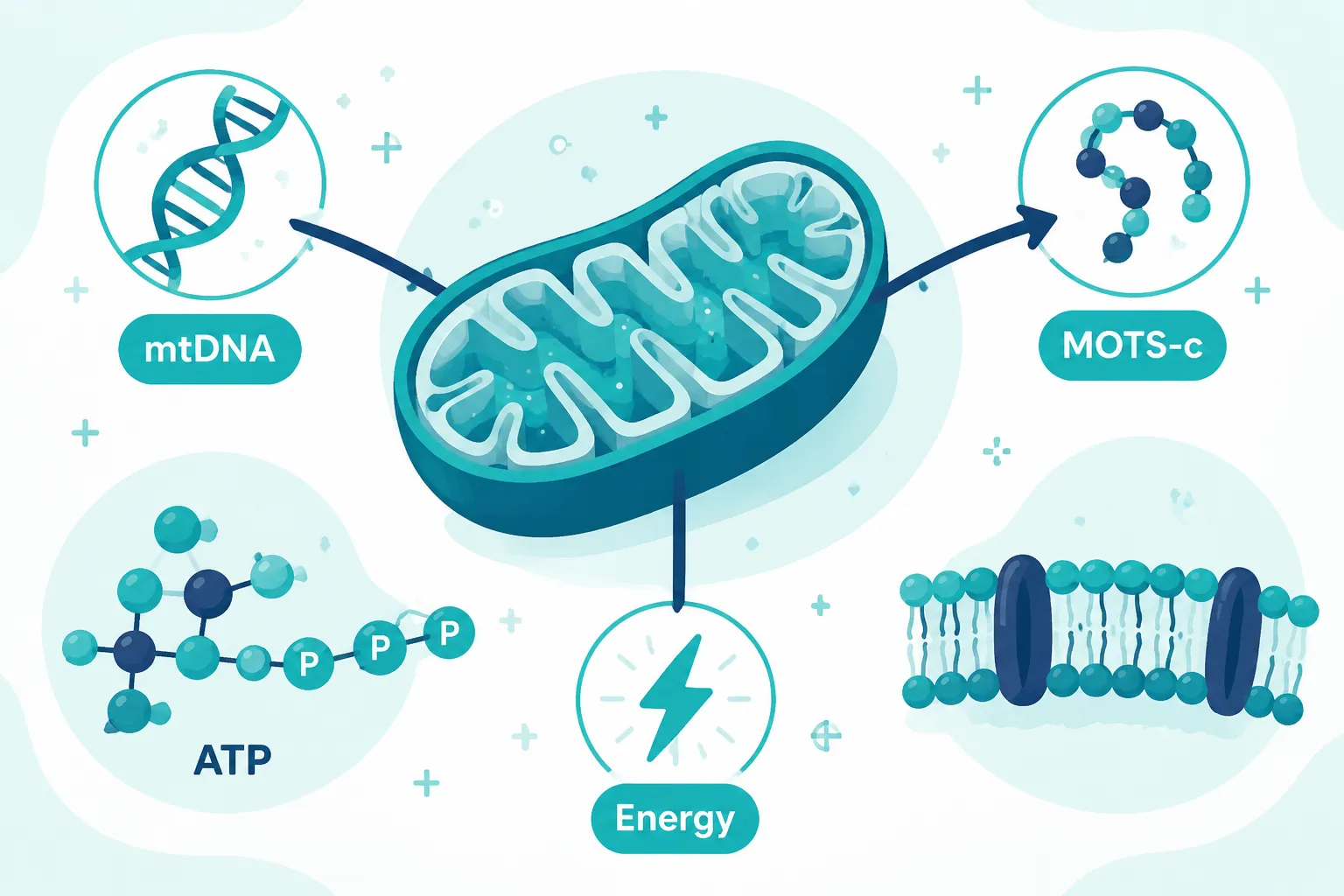
Every cell in the human body runs on a single molecular currency. Without a steady supply of adenosine triphosphate, neurons stop firing, muscles stop contracting, and repair processes stall within seconds. Understanding adenosine triphosphate, mitochondrial function, and why peptide researchers care about cellular energy is not an abstract exercise in biochemistry, it is the foundation for interpreting nearly every efficacy claim and endpoint choice in modern mitochondria-targeted peptide research.

Key Takeaways

  • Adenosine triphosphate (ATP) is produced primarily through oxidative phosphorylation inside mitochondria, making mitochondrial health the central determinant of cellular energy output.
  • Peptides such as SS-31 (elamipretide) target the inner mitochondrial membrane directly, stabilizing cardiolipin-dependent respiratory complexes and improving ATP synthesis efficiency.
  • Mitochondria-derived peptides (MDPs), including MOTS-c and humanin, are encoded by mitochondrial DNA and act as systemic regulators of energy metabolism and stress resistance.
  • In September 2025, elamipretide became the first FDA-approved mitochondria-targeted peptide drug, validating ATP modulation as a clinically recognized therapeutic endpoint.
  • Peptide researchers measure ATP turnover, reactive oxygen species, and mitochondrial membrane potential as primary outcomes because these metrics directly reflect whether an intervention is working at the cellular energy level.

How Mitochondria Produce ATP and Why the Process Fails

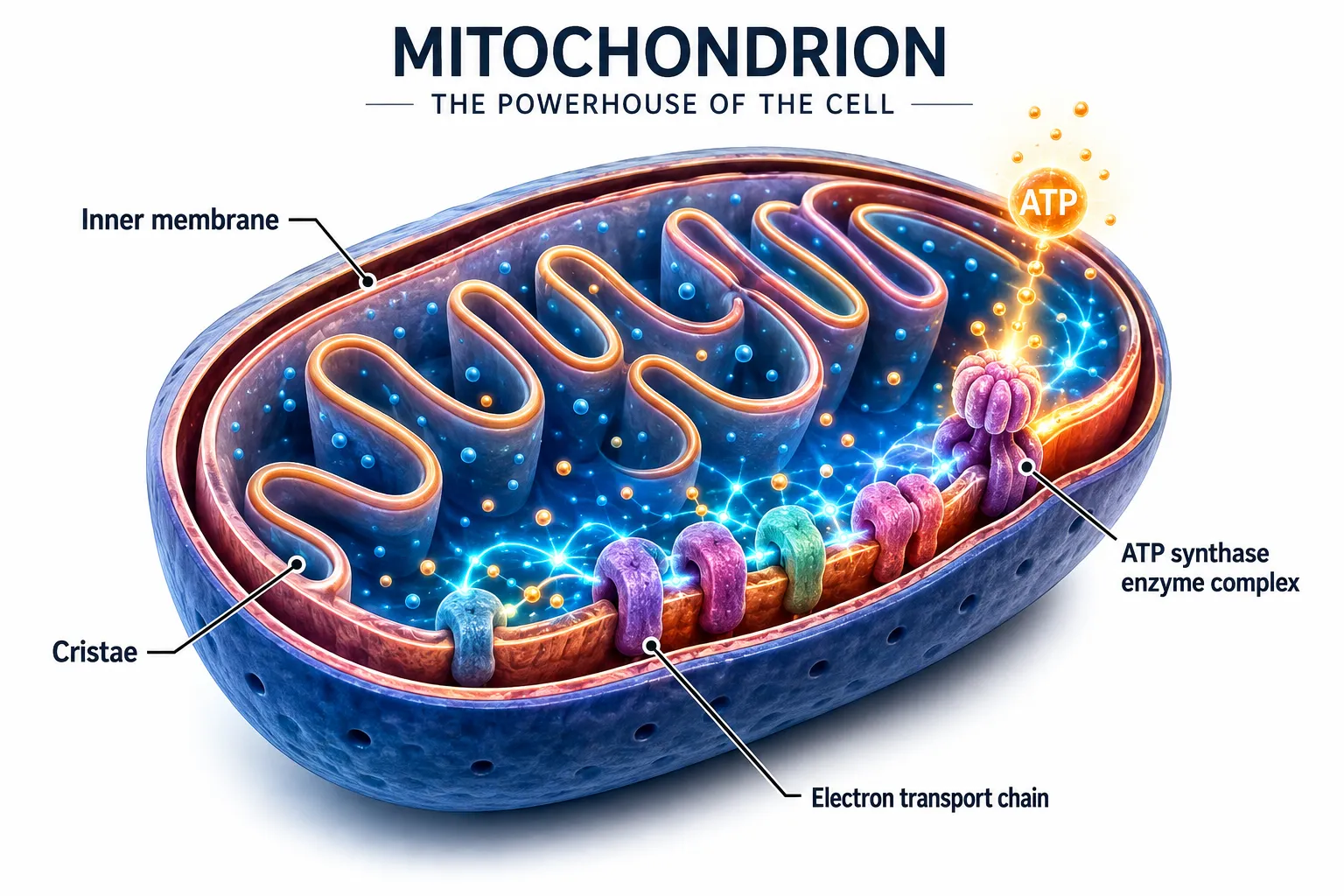
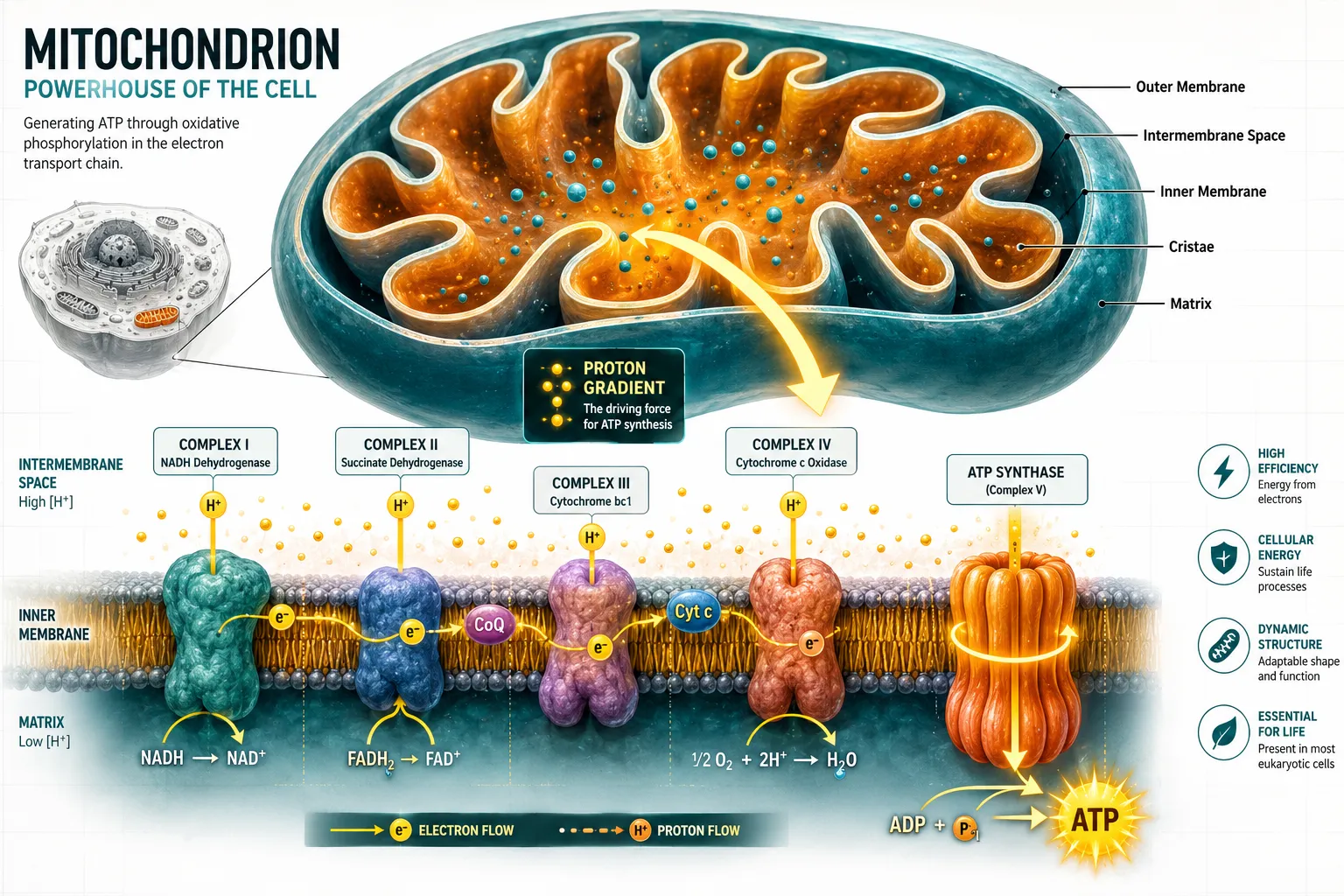
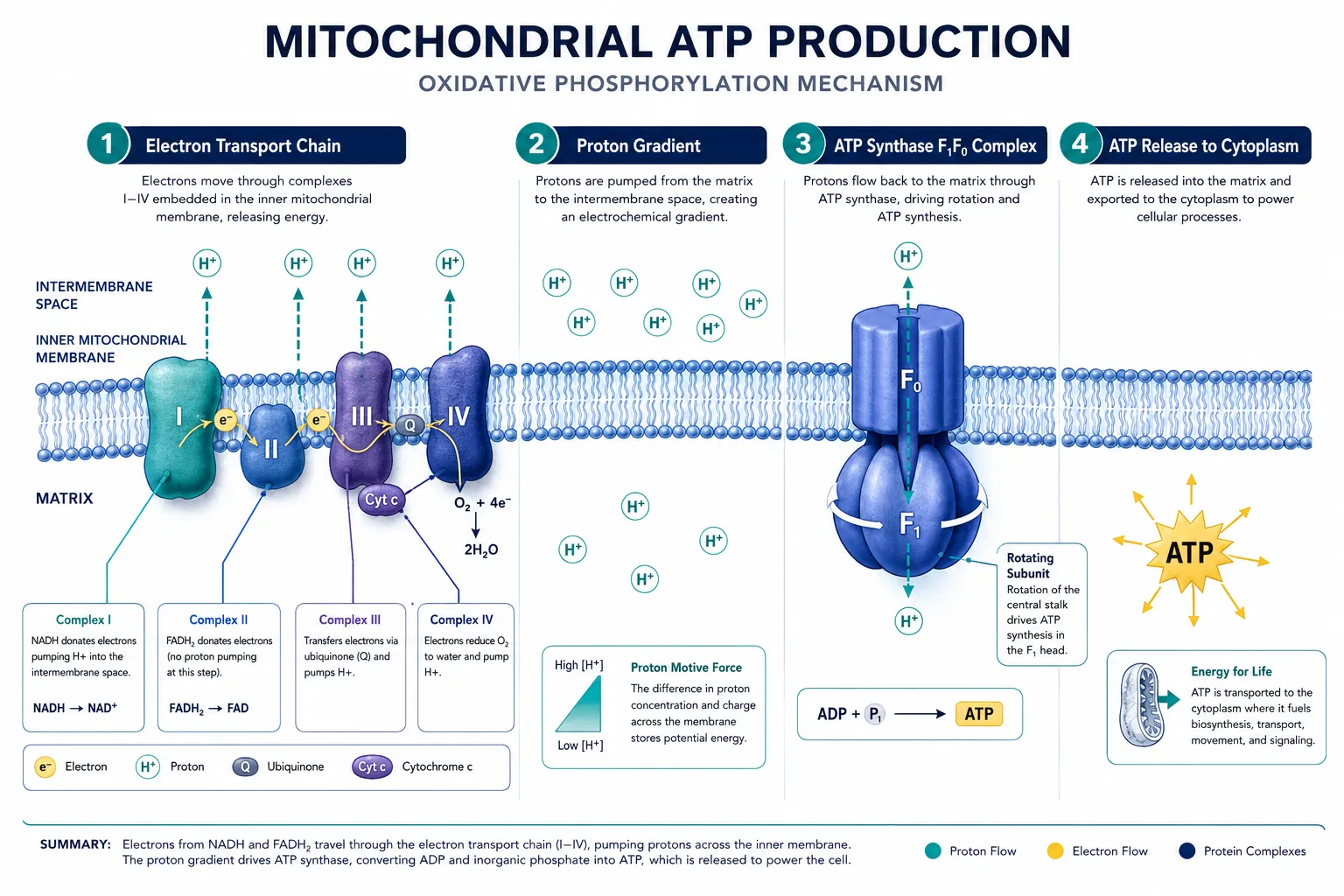
The mitochondrion is often called the powerhouse of the cell, but that shorthand understates its complexity. Inside the inner mitochondrial membrane, five large protein complexes, collectively known as the electron transport chain and ATP synthase, work in sequence to convert nutrients into usable energy. Electrons stripped from glucose and fatty acids travel through Complexes I through IV, driving protons across the membrane and creating an electrochemical gradient. Complex V, the F1Fo ATP synthase, then uses that gradient to phosphorylate ADP into ATP.
How Mitochondria Produce ATP and Why the Process Fails

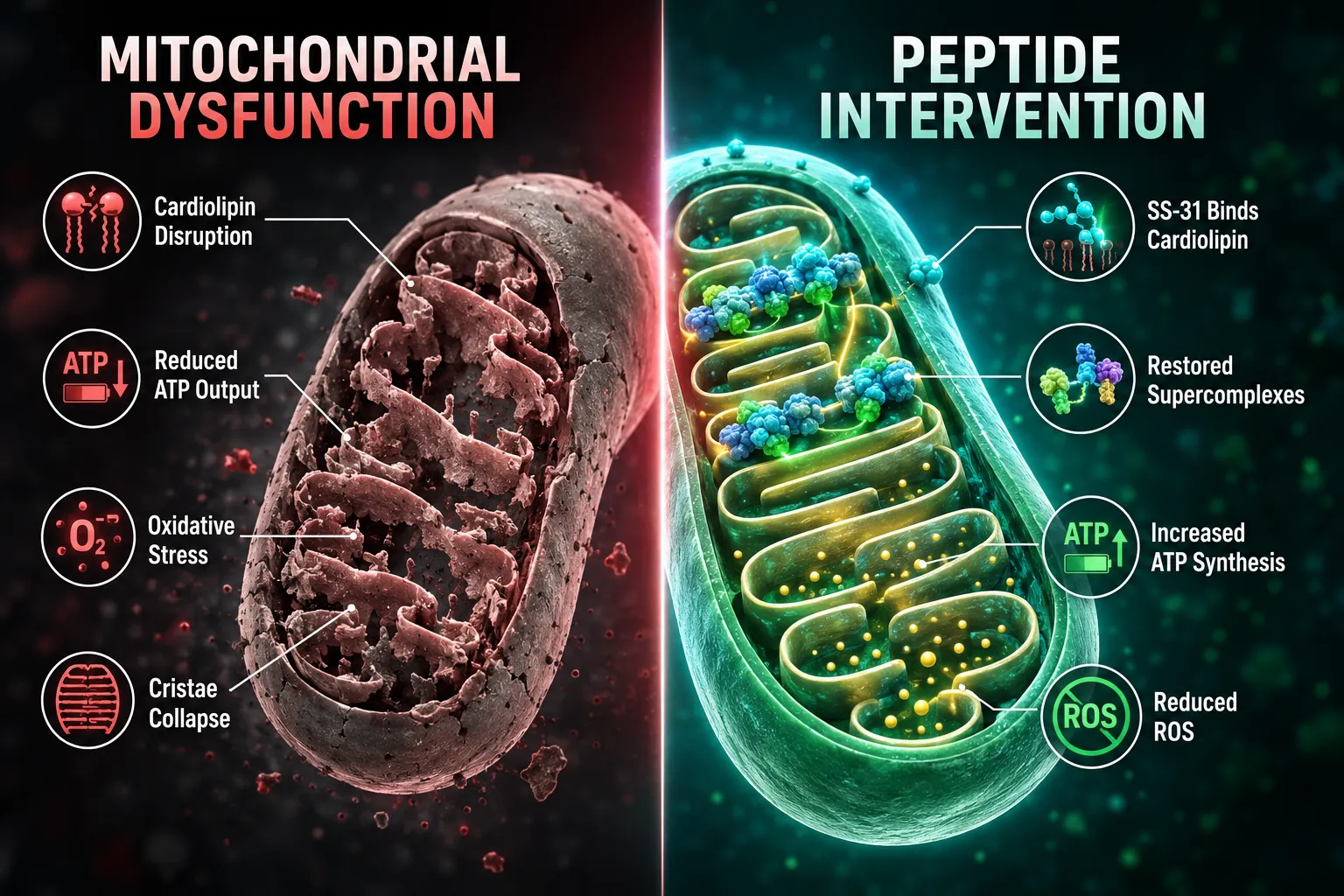
What makes this system fragile is its dependence on a specialized phospholipid called cardiolipin. Cardiolipin anchors the respiratory complexes into functional supercomplexes on the inner membrane. When cardiolipin is oxidized or depleted, as happens with aging, metabolic disease, or genetic disorders, the supercomplexes destabilize, electron flow becomes inefficient, and ATP output drops. Simultaneously, electron leakage increases reactive oxygen species (ROS), which further damage the membrane in a self-reinforcing cycle.

This is precisely why peptide researchers focus on ATP and mitochondrial function as primary endpoints rather than downstream symptoms. Measuring ATP turnover, mitochondrial membrane potential, and ROS levels gives researchers a direct, quantifiable window into whether an intervention is actually working at the cellular level.

Adenosine Triphosphate, Mitochondrial Function, and the Rise of Targeted Peptides

The connection between adenosine triphosphate, mitochondrial function, and why peptide researchers care about cellular energy became clinically concrete in September 2025, when the FDA granted accelerated approval to elamipretide, sold under the brand name Forzinity, for Barth syndrome. This made elamipretide the first drug to directly target mitochondrial dysfunction and the first mitochondria-targeted peptide to reach regulatory approval.

Elamipretide is also known as SS-31, a synthetic tetrapeptide with the sequence D-Arg-Dmt-Lys-Phe-NH2. It crosses mitochondrial membranes and binds directly to cardiolipin on the inner membrane, stabilizing respiratory chain supercomplexes and improving ATP production efficiency. Mechanistic reviews confirm that its benefits extend well beyond simple antioxidant activity, it modulates membrane electrostatic potentials and supports the assembly of cardiolipin-dependent protein complexes. Researchers interested in this area can explore detailed SS-31 mitochondrial research themes and the broader topic of SS31 mitochondrial dynamics for mechanistic context.

Earlier in vivo work demonstrated that a single injection of SS-31 could restore mitochondrial energetics to "young" levels in aged mouse skeletal muscle within one hour, normalizing both ATP synthesis and the cellular redox environment. That finding gave the field a mechanistic foundation: peptides could rapidly recalibrate cellular energy output rather than simply slowing its decline.
Adenosine Triphosphate, Mitochondrial Function, and the Rise of Targeted Peptides

Beyond SS-31, plant-derived peptides such as roseltide rT1 have demonstrated the ability to increase cellular ATP production by hyperpolarizing the mitochondrial membrane and directly interacting with ATP synthase subunit O, the intramitochondrial component of the F1Fo complex. This finding is significant because it shows that peptide researchers can tune cellular energy at the level of ATP synthase itself, not only at upstream electron transport steps.

Mitochondria-Derived Peptides and the Broader Cellular Energy Architecture

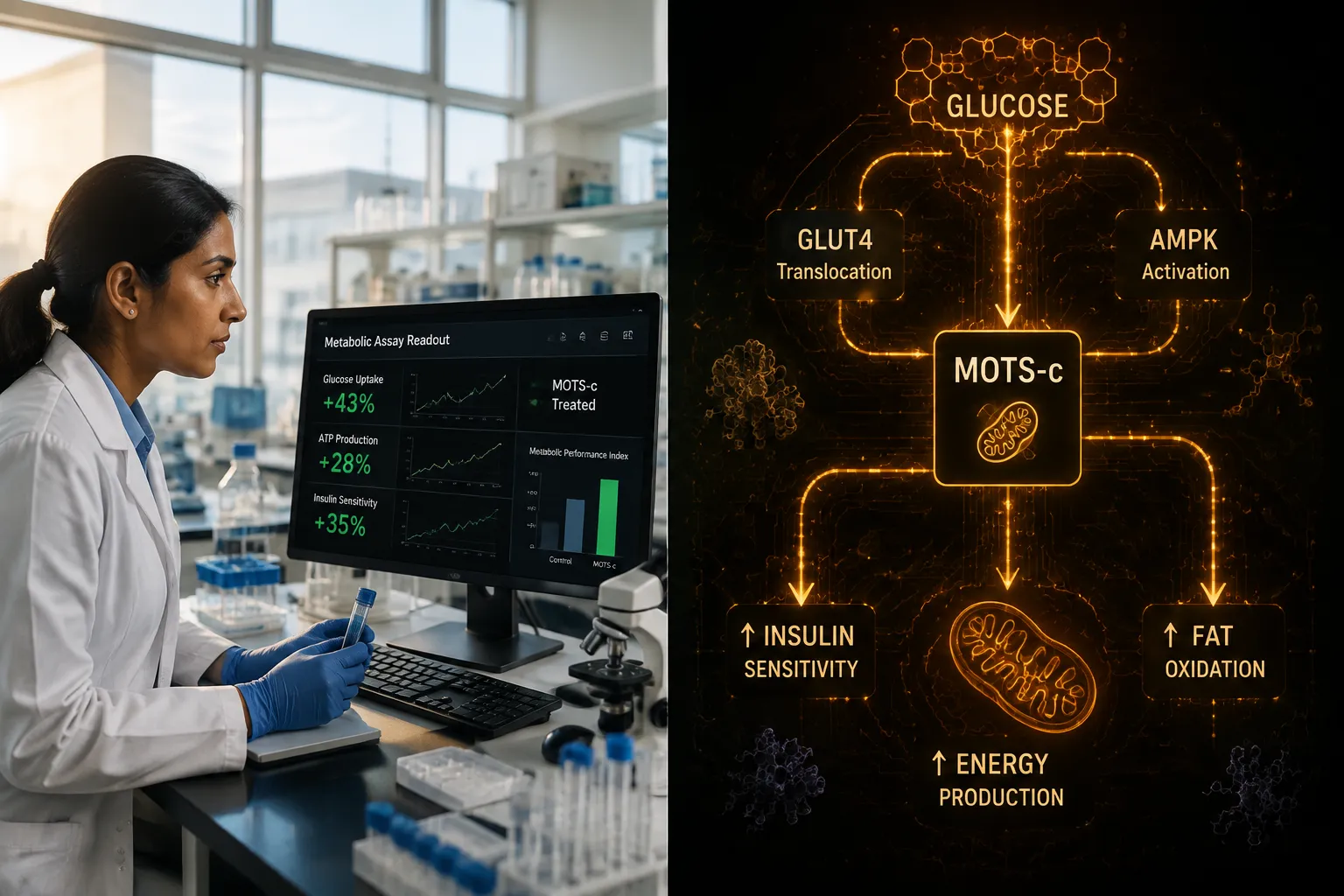
A parallel and rapidly expanding area of research concerns mitochondria-derived peptides (MDPs), bioactive microproteins encoded by short open reading frames within mitochondrial DNA itself. The best-characterized MDPs include MOTS-c, humanin, and the small humanin-like peptides (SHLPs). These molecules influence glucose and lipid metabolism, stress resistance, and longevity pathways, making them central to any peptide strategy aimed at optimizing ATP production and metabolic resilience.

MOTS-c, a 16-amino-acid MDP, has produced some of the most compelling human data to date. A 2026 trial reported in the Journal of Cellular Biochemistry found that twice-weekly subcutaneous dosing of 5-10 mg MOTS-c increased skeletal muscle ATP turnover by approximately 18-22% over 12 weeks in 84 adults aged 35-55. Separate work in diabetic models shows that MOTS-c can restore mitochondrial function and improve metabolic parameters under insulin-resistant conditions, extending its relevance beyond rare diseases.

Humanin and the SHLPs are also under active investigation for neurodegenerative diseases, Alzheimer's, Parkinson's, and Huntington's, where maintaining neuronal ATP supply and limiting mitochondrial stress are critical survival factors for neurons.

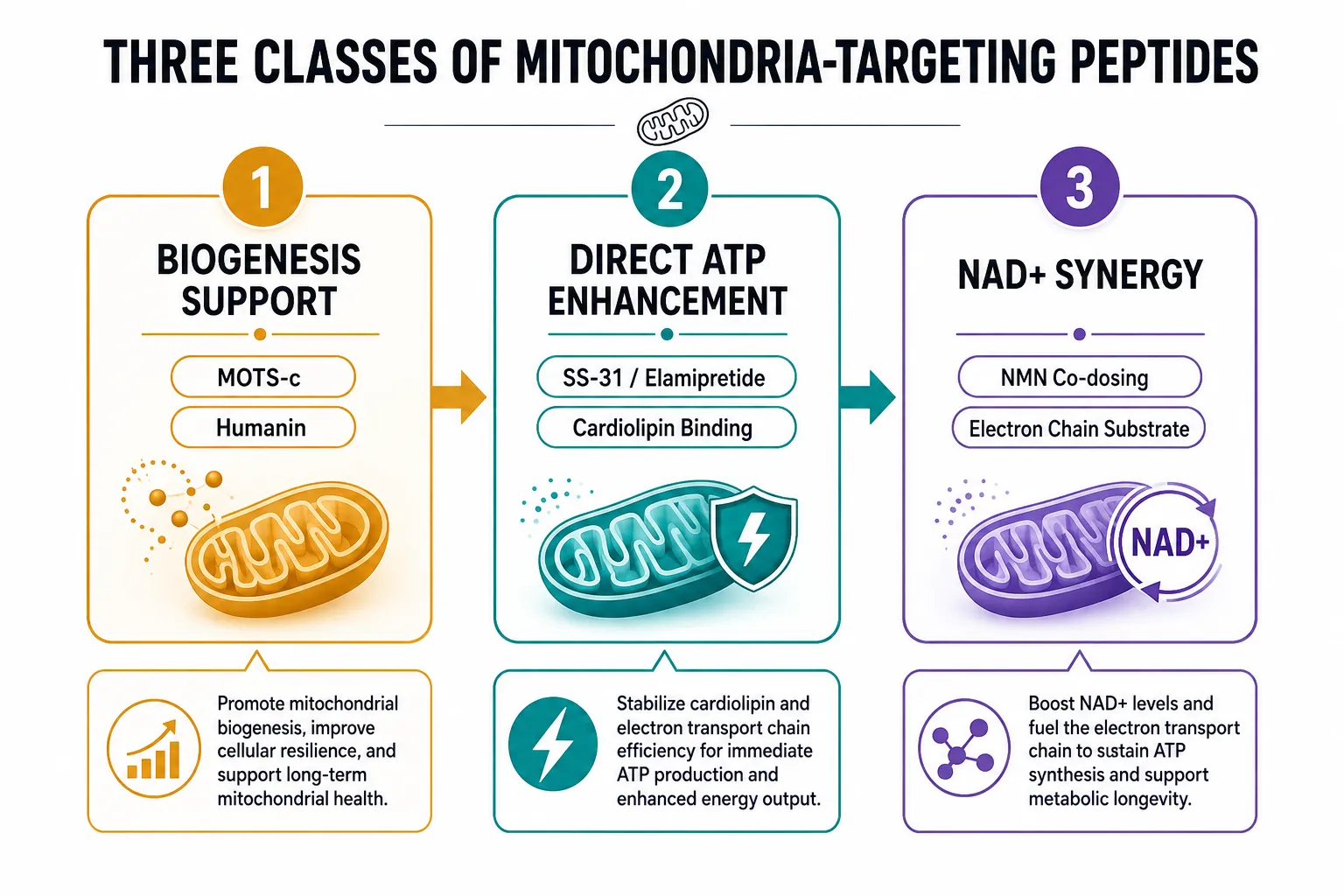
Research Insight: Peptide researchers now categorize mitochondria-targeting compounds into three mechanistic classes: those that support mitochondrial biogenesis (MOTS-c, humanin), those that directly enhance ATP synthesis (SS-31/elamipretide), and those optimized for NAD+ synergy, often combined with NMN (~500 mg/day) or NR (~300 mg/day) to simultaneously support electron transport chain substrate availability.

This three-class framework helps explain endpoint selection. A researcher studying an SS-31 analog will measure cardiolipin integrity and ATP synthase flux. A researcher studying MOTS-c will track glucose uptake, mitochondrial biogenesis markers, and ATP turnover rates. The choice of endpoint is not arbitrary, it follows directly from the peptide's mechanism of action.

Next-generation delivery platforms are also entering the picture. A 2026 study introduced a cationic liposomal system that co-delivers SS-31 with metabolic agents directly to adipose-tissue mitochondria, aiming to modulate fat-cell energy metabolism in obesity models. While this platform remains preclinical, it illustrates how cellular energy and ATP output have become central design constraints for advanced drug delivery research.

For researchers sourcing compounds for controlled laboratory investigations, quality documentation is a critical prerequisite. Resources covering peptide Certificate of Analysis standards and sourcing guides such as the GHK-Cu copper peptide research sourcing guide provide useful frameworks for evaluating purity and traceability before beginning any cellular energy study.
Mitochondria-Derived Peptides and the Broader Cellular Energy Architecture

The synergy between different peptide classes is also drawing attention. Combining compounds that target different nodes of the mitochondrial energy network, membrane stabilization, biogenesis signaling, and substrate availability, reflects how researchers now think in terms of integrated cellular energy architectures rather than single-target interventions. The documented synergy of LL-37 and SS-31 offers one example of how multi-peptide approaches are being explored in preclinical settings.

Conclusion

Adenosine triphosphate, mitochondrial function, and why peptide researchers care about cellular energy ultimately comes down to measurement and mechanism. ATP is not just a biological detail, it is the most direct indicator of whether a mitochondria-targeted intervention is producing a real cellular effect. The FDA approval of elamipretide, the human data on MOTS-c, and the expanding library of MDPs all point toward the same conclusion: peptides offer unusually precise tools for modulating cellular energy, and researchers who understand the underlying ATP biology are better equipped to design studies, select endpoints, and interpret results.

Actionable next steps for researchers:

  • Identify which mechanistic class a candidate peptide belongs to (biogenesis support, direct ATP enhancement, or NAD+ synergy) before selecting outcome measures.
  • Use ATP turnover rate, mitochondrial membrane potential, and ROS levels as primary endpoints rather than relying solely on downstream functional markers.
  • Review available mechanistic literature on cardiolipin-targeted peptides, particularly SS-31 research, to establish a baseline for comparing novel compound data.
  • Prioritize sourcing compounds with verified Certificates of Analysis to ensure that purity variables do not confound cellular energy measurements.
  • Consider multi-class peptide combinations in study design, informed by the growing body of work on integrated mitochondrial energy architectures.
https://www.puretestedpeptides.com/wp-content/uploads/2026/08/adenosine-triphosphate-mitochondrial-function-and-why-peptide-researchers-care-a.webp 1024 1536 https://www.puretestedpeptides.com/wp-content/uploads/2026/01/buy-peptides-online.jpg 2026-08-18 13:08:442026-08-18 13:08:44Adenosine Triphosphate, Mitochondrial Function, and Why Peptide Researchers Care About Cellular Energy
5-Amino-1MQ and MOTS-c Synergy in Adiposity Research: How Labs Stack Mitochondrial Peptides

5-Amino-1MQ and MOTS-c Synergy in Adiposity Research: How Labs Stack Mitochondrial Peptides

August 16, 2026/0 Comments/in Uncategorized/by

Visceral fat accumulation drives metabolic disease more aggressively than subcutaneous fat, yet most research compounds target only one pathway at a time. The growing interest in combining 5-Amino-1MQ and MOTS-c synergy in adiposity research reflects a shift in how labs approach mitochondrial peptide stacking, moving from single-target interventions toward coordinated, multi-pathway designs that address the underlying bioenergetic dysfunction behind excess adiposity.

Key Takeaways

  • 5-Amino-1MQ is a small-molecule NNMT inhibitor, not a peptide, but is routinely co-studied with mitochondrial peptides because of its shared NAD+ framework.
  • MOTS-c activates AMPK and improves metabolic homeostasis, with particular relevance to visceral fat reduction in preclinical models.
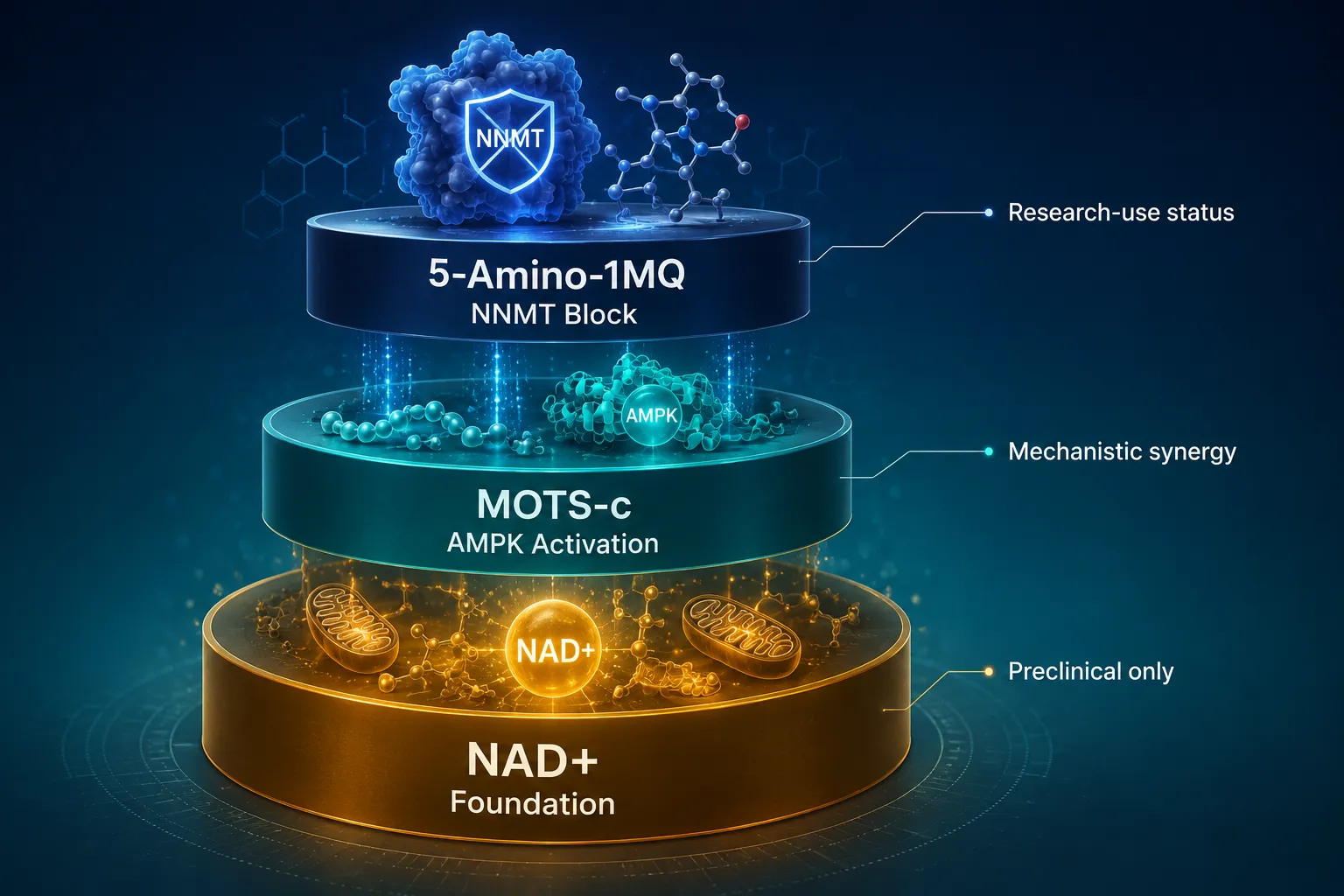
  • The mechanistic rationale for stacking these two compounds is strong, but all current evidence is preclinical; no approved human indications exist as of 2026.
  • Researchers quantify synergy through specific outcome measures including AMPK phosphorylation, NAD+ levels, and body composition endpoints.
  • Combined stacks including SLUPP332 are emerging, but remain strictly research-use only pending safety and off-target risk clarification.

Understanding the Two Compounds Before Stacking

Understanding the Two Compounds Before Stacking

Before modeling a combined protocol, it is essential to understand what each compound actually does, and where common misconceptions arise.

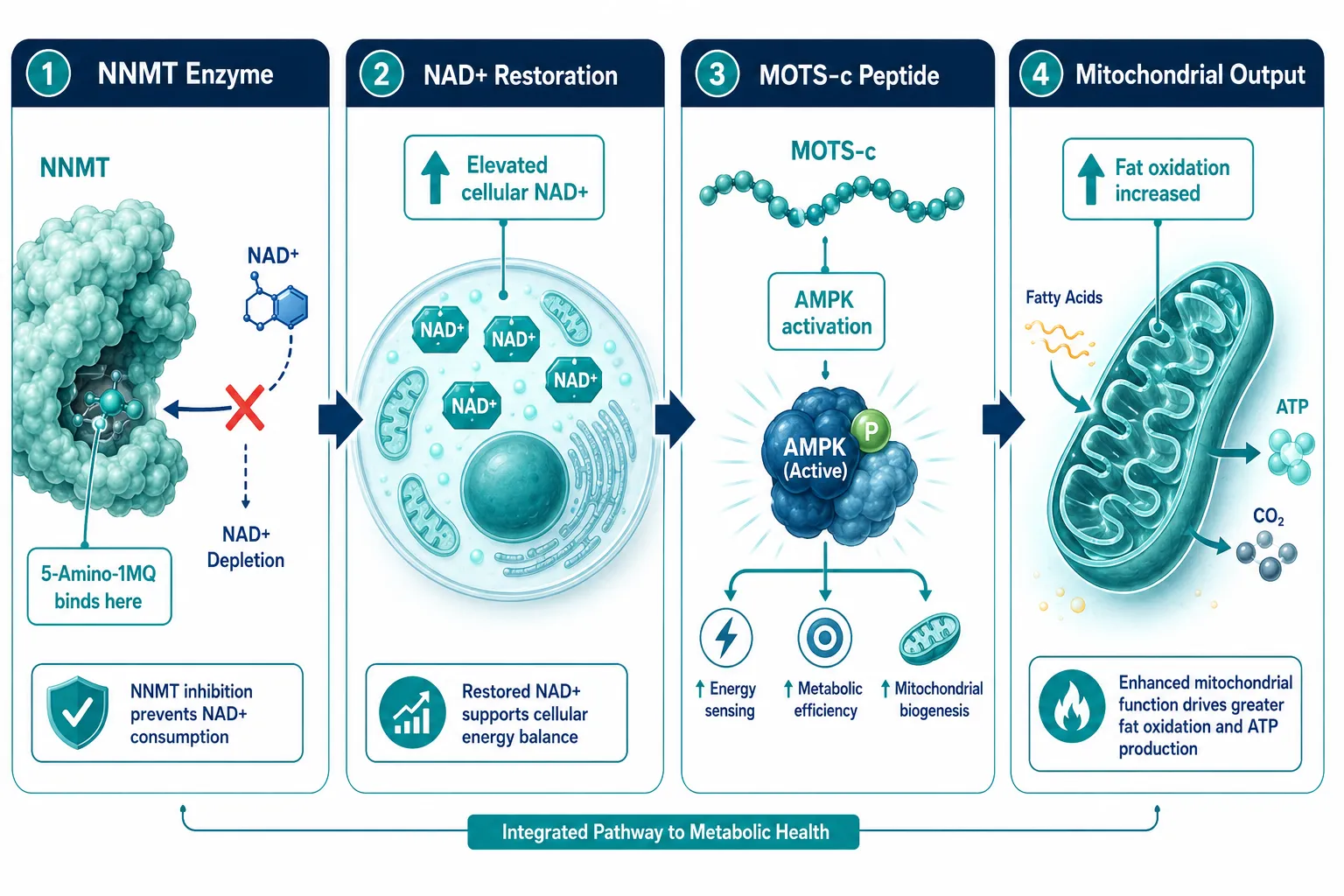
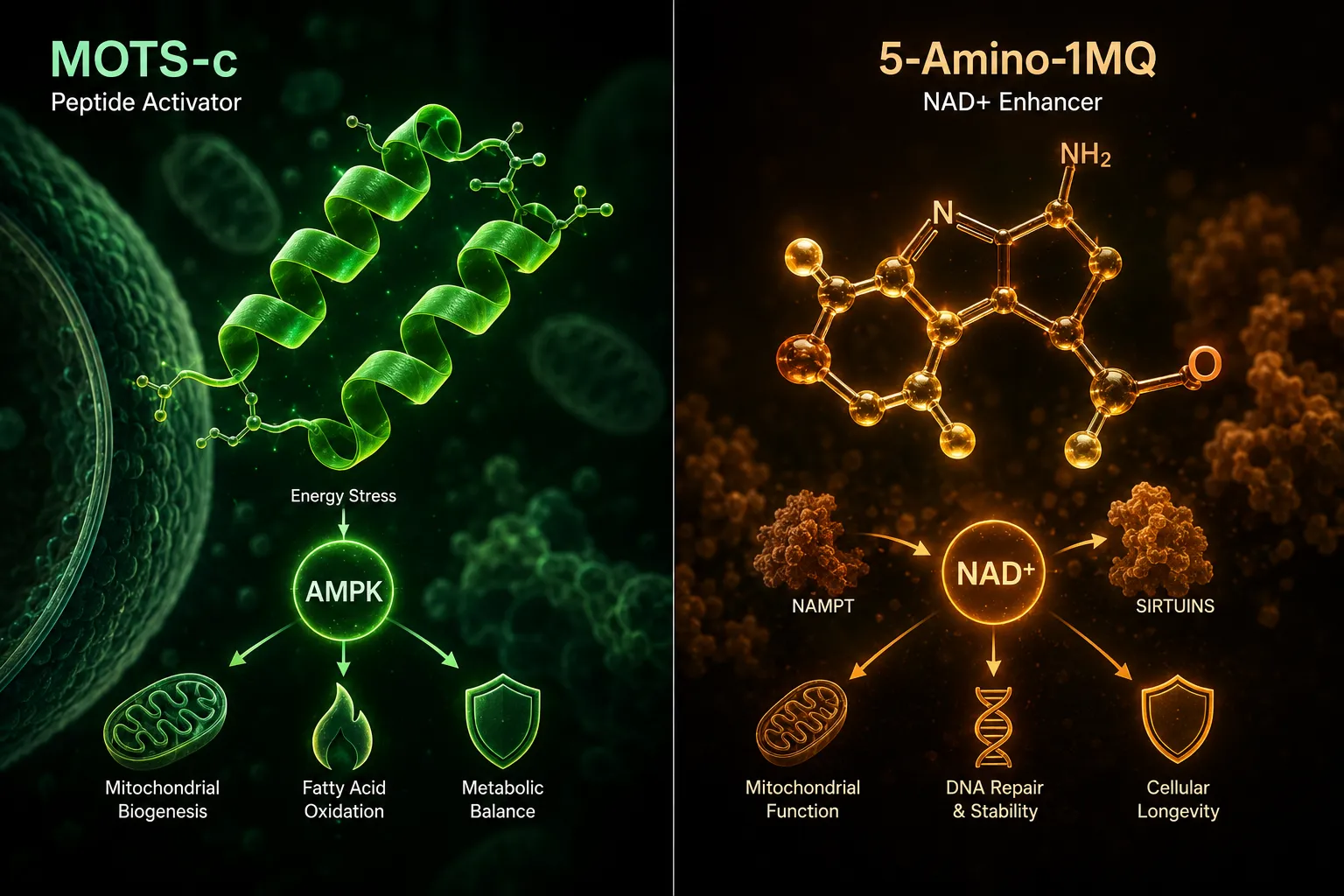
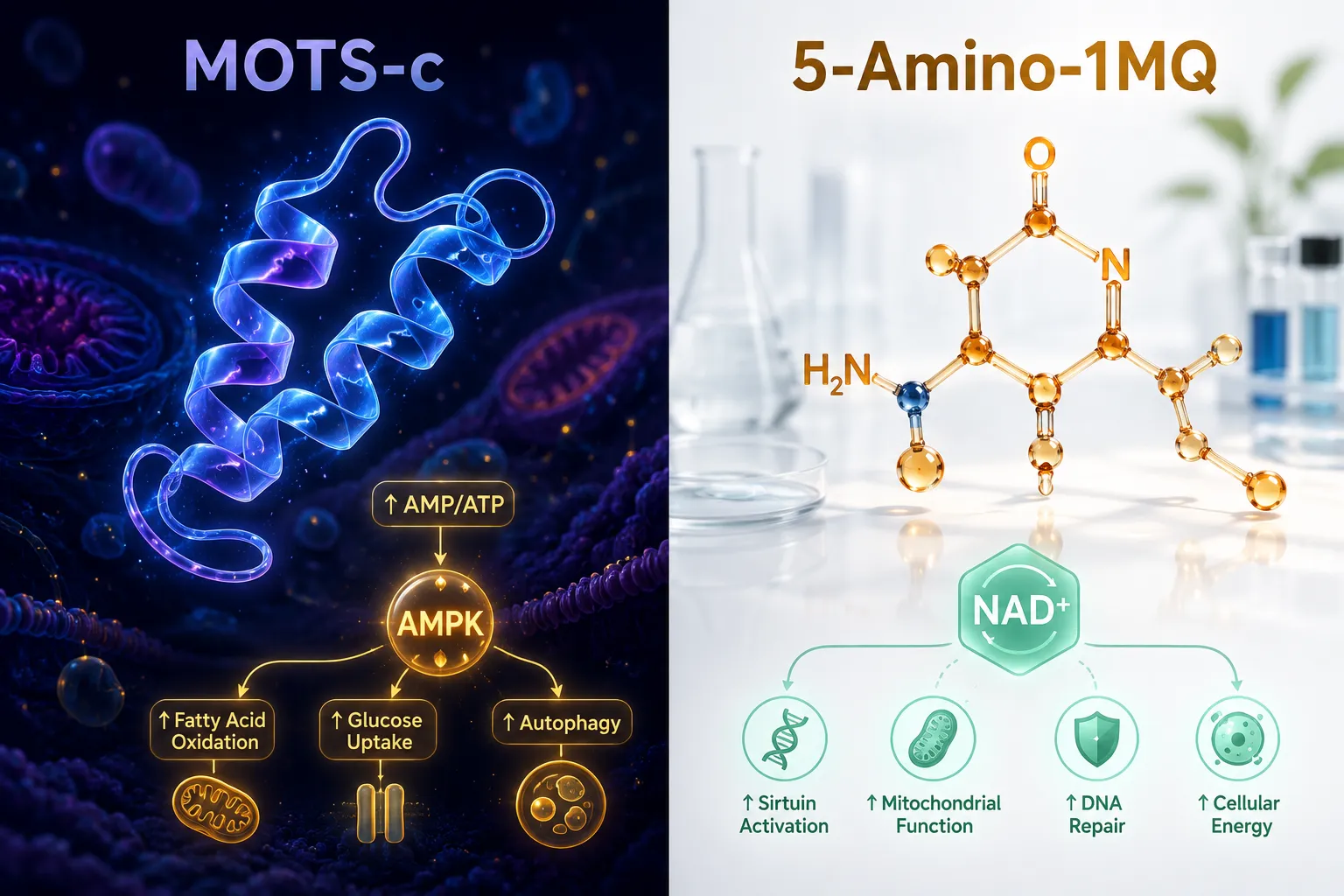
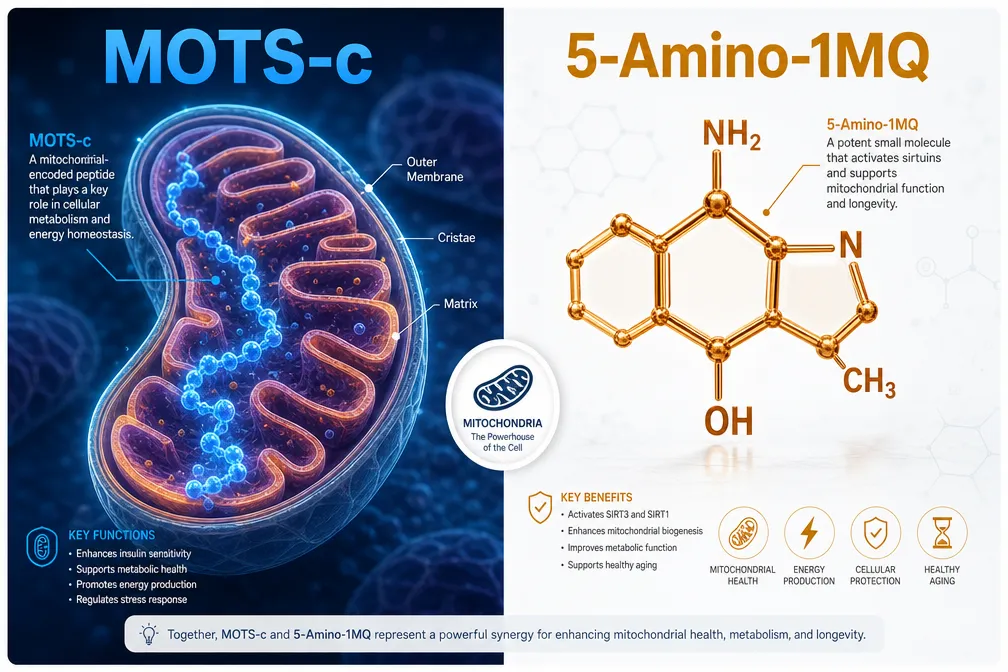
5-Amino-1MQ is a small-molecule inhibitor of nicotinamide N-methyltransferase (NNMT), the enzyme responsible for consuming SAM (S-adenosylmethionine) and degrading NAD+ precursors in adipose tissue. By blocking NNMT, 5-Amino-1MQ elevates intracellular NAD+ and reduces adipocyte hypertrophy. In diet-induced obesity (DIO) mouse models, it has demonstrated measurable reductions in total adiposity without significant lean mass loss. A critical clarification: 5-Amino-1MQ is frequently mis-grouped as a "mitochondrial peptide" in popular research blogs, but it is a non-peptide small molecule. Its inclusion in peptide stacks is based on functional overlap within the NAD+/mitochondrial axis, not structural similarity.

MOTS-c is a 16-amino-acid peptide encoded within the mitochondrial genome, specifically within the 12S rRNA region. It is a true mitochondrial-derived peptide (MDP). Its primary mechanism involves activation of AMPK (AMP-activated protein kinase), the master metabolic regulator that promotes fatty acid oxidation, suppresses lipogenesis, and improves insulin sensitivity. Industry summaries in 2026 increasingly highlight its visceral-fat-targeting effects as a distinguishing feature among metabolic research peptides. For a broader overview of how MOTS-c is positioned alongside other mitochondrial compounds, see the MOTS-c and Elamipretide research overview.

Feature 5-Amino-1MQ MOTS-c
Compound class Small molecule Mitochondrial peptide
Primary target NNMT enzyme AMPK pathway
Key metabolic effect NAD+ elevation, fat cell reduction Fatty acid oxidation, insulin sensitivity
Evidence base DIO mouse models Preclinical; human pilot data emerging
Route in research Oral Subcutaneous injection

Modeling Research Designs for 5-Amino-1MQ and MOTS-c Synergy in Adiposity Research

Modeling Research Designs for 5-Amino-1MQ and MOTS-c Synergy in Adiposity Research

Most published synergy explainers stop at mechanism. A more useful framing for researchers involves modeling how a dual-compound study would actually be structured, including dose timing, sequencing, and how synergy is quantified rather than assumed.

Dose Timing and Sequencing Rationale

In preclinical adiposity models, the general design logic follows this sequence:

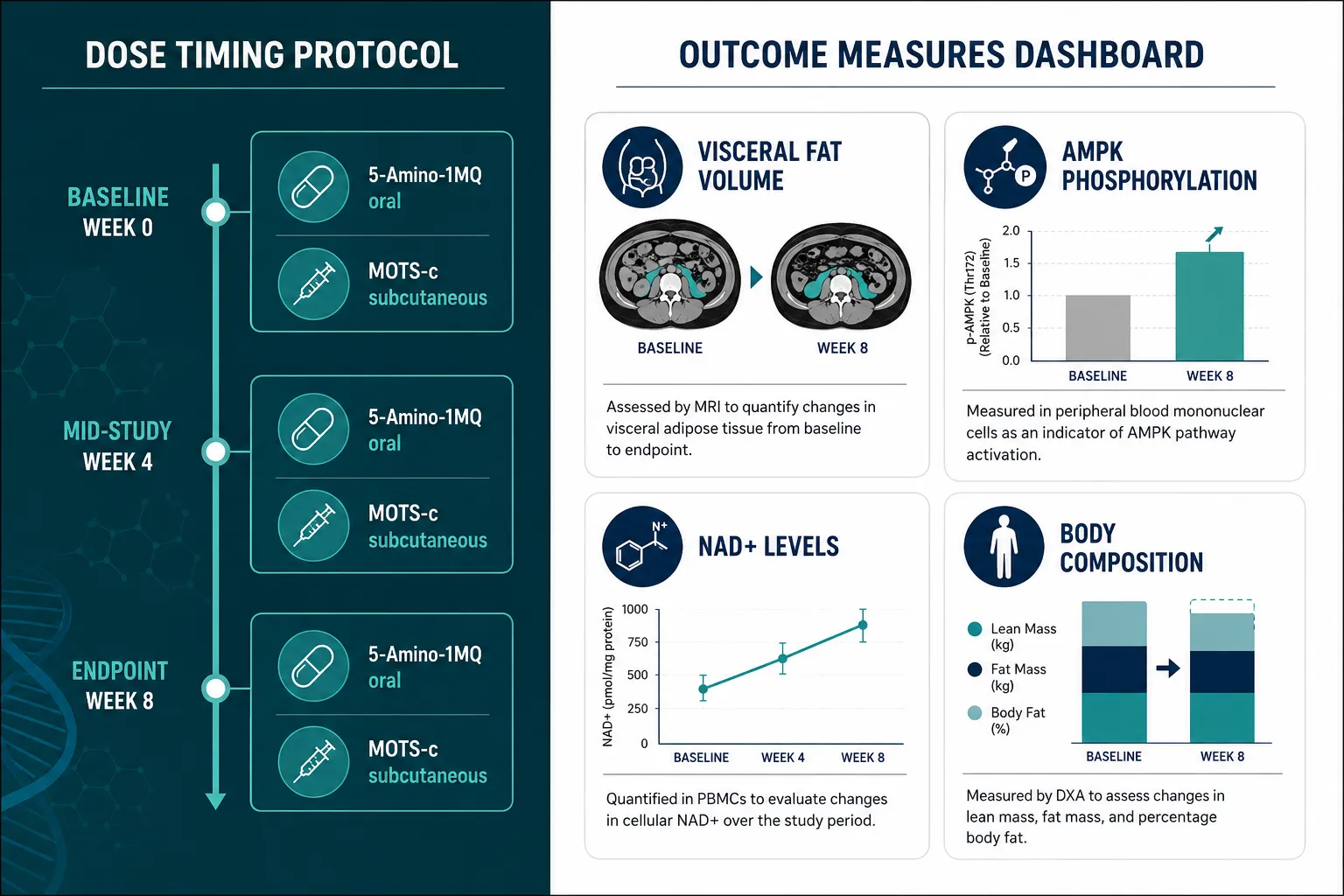
  1. Baseline assessment (Week 0): Body composition via MRI or DEXA, fasting glucose, insulin, and tissue NAD+ levels established in DIO subjects.
  2. MOTS-c administration (Weeks 1-4): Subcutaneous delivery to activate AMPK and prime mitochondrial fatty acid oxidation pathways before introducing the NNMT inhibitor.
  3. 5-Amino-1MQ introduction (Week 3 onward, overlapping): Oral administration begins while MOTS-c continues, allowing NAD+ elevation to amplify the metabolic environment already primed by AMPK activation.
  4. Mid-study checkpoint (Week 4): AMPK phosphorylation assays, plasma NAD+ metabolomics, and adipose tissue biopsy for lipid droplet morphology.
  5. Endpoint analysis (Week 8): Full body composition, visceral vs. subcutaneous fat volume, inflammatory cytokine panels, and methylation markers to monitor SAM/SAH ratios.

This staggered approach is mechanistically justified: MOTS-c's AMPK activation creates a catabolic metabolic state that may enhance the downstream effects of elevated NAD+ produced by NNMT inhibition. The two pathways are complementary rather than redundant.

Quantifying Synergy, Not Just Additive Effects

Researchers distinguish between additive and synergistic effects using the Bliss independence model or Loewe additivity framework. In a well-designed metabolic study, synergy would be demonstrated if the combined reduction in visceral fat volume exceeds the mathematical sum of each compound's individual effect at the same dose. Secondary markers for synergy include:

  • AMPK phosphorylation ratio (pAMPK/total AMPK) in adipose and liver tissue
  • Intracellular NAD+/NADH ratio in white adipose tissue
  • Adiponectin and leptin levels as functional adiposity biomarkers
  • Methylation index (SAM/SAH) to confirm NNMT inhibition without excessive methyl donor depletion

For researchers exploring how metabolic peptides are evaluated across different endpoints, the top 5 research peptides for metabolic health buyer's guide provides useful comparative context.

The Expanding Stack: SLUPP332, Evidence Gaps, and Research Outlook

The Expanding Stack: SLUPP332, Evidence Gaps, and Research Outlook

The concept of the "NAD+/MOTS-c/5-Amino-1MQ mitochondrial longevity stack" has gained traction in 2026 research community discussions, with one notable expansion: SLUPP332, a synthetic REV-ERB agonist that regulates circadian metabolic rhythms, is now being included in advanced stack models alongside MOTS-c and 5-Amino-1MQ. The rationale is that circadian dysregulation compounds adiposity by disrupting the timing of mitochondrial biogenesis, a gap that neither NNMT inhibition nor AMPK activation directly addresses.

"Mechanistic promise is not clinical proof. Every current stack model involving 5-Amino-1MQ and MOTS-c remains explicitly hypothetical until controlled human trial data exists."

This caution is not pessimism, it is the appropriate scientific framing. As of mid-2026, no formal clinical trials have been completed for this compound combination. All stacking guidance circulating in research blogs is derived from mechanistic reasoning, not outcome data. Researchers interested in adjacent mitochondrial peptide comparisons may find the LL-37 versus SS-31 peptide benefits comparison useful for understanding how different mitochondrial-targeting peptides are differentiated in research settings.

Those sourcing MOTS-c for preclinical work should review dedicated sourcing resources such as the buy MOTS-c peptide sourcing page to ensure compound purity and certificate of analysis standards are met.

Key Evidence Gaps Researchers Must Address

  • NAD+/methylation crosstalk risk: NNMT inhibition affects SAM availability; prolonged inhibition could theoretically disrupt methylation-dependent processes. No long-term safety data exists.
  • Off-target AMPK effects: Systemic AMPK activation via MOTS-c may affect cardiac and skeletal muscle tissue in ways not yet characterized at combined doses.
  • Species translation: DIO mouse model results for 5-Amino-1MQ do not automatically translate to human adiposity phenotypes, which are metabolically more heterogeneous.

For researchers working within a broader metabolic peptide framework, the GLP-1 peptide generational research concepts and sourcing notes and the Retatrutide and MASLD triple-agonist research overview offer complementary perspectives on how multi-target metabolic strategies are being evaluated in 2026.

Conclusion

The intersection of 5-Amino-1MQ and MOTS-c synergy in adiposity research represents one of the more mechanistically coherent compound stacking concepts in current metabolic science. The logic is clear: NNMT inhibition elevates NAD+ while AMPK activation drives fat oxidation, and the two pathways reinforce each other within the mitochondrial bioenergetic framework.

Actionable next steps for researchers:

  • Design studies with staggered dosing (MOTS-c preceding 5-Amino-1MQ) to allow AMPK priming before NAD+ elevation.
  • Use Bliss independence or Loewe additivity models to formally test synergy rather than assuming it from mechanism alone.
  • Include methylation index (SAM/SAH) and AMPK phosphorylation assays as mandatory secondary endpoints.
  • Source compounds with verified certificates of analysis and maintain strict research-use-only protocols.
  • Monitor the literature for early human pilot trial data, which industry analysts expect to emerge within the next few years as preclinical evidence matures.

Until controlled human data is available, the stack remains a hypothesis worth testing rigorously, not a protocol ready for translation.

https://www.puretestedpeptides.com/wp-content/uploads/2026/08/5-amino-1mq-and-mots-c-synergy-in-adiposity-research-how-labs-stack-mitochondria.webp 1024 1536 https://www.puretestedpeptides.com/wp-content/uploads/2026/01/buy-peptides-online.jpg 2026-08-16 13:04:092026-08-16 13:04:095-Amino-1MQ and MOTS-c Synergy in Adiposity Research: How Labs Stack Mitochondrial Peptides
MOTS-c Peptide: Mitochondrial Signaling, Metabolic Research, and Why Researchers Study It

MOTS-c Peptide: Mitochondrial Signaling, Metabolic Research, and Why Researchers Study It

August 8, 2026/0 Comments/in Uncategorized/by

Fewer than two decades ago, scientists believed mitochondria served one primary purpose, producing energy. The discovery that mitochondrial DNA encodes its own signaling molecules, including the MOTS-c peptide, fundamentally changed that assumption. MOTS-c Peptide: Mitochondrial Signaling, Metabolic Research, and Why Researchers Study It has become a central topic in metabolic biology precisely because this small molecule appears to do far more than anyone expected from a peptide encoded outside the cell nucleus.

Key Takeaways

  • MOTS-c is a mitochondria-derived peptide encoded by the 12S rRNA gene within mitochondrial DNA.
  • It acts as an intracellular and systemic signaling molecule that influences glucose metabolism and cellular stress responses.
  • Researchers study MOTS-c primarily for its role in metabolic regulation, insulin sensitivity, and exercise-related physiology.
  • MOTS-c is often studied alongside other mitochondria-targeted compounds such as SS-31 peptide in experimental models.
  • All current research is preclinical; MOTS-c is not approved for human therapeutic use.

Key Takeaways

What Is MOTS-c and Where Does It Come From

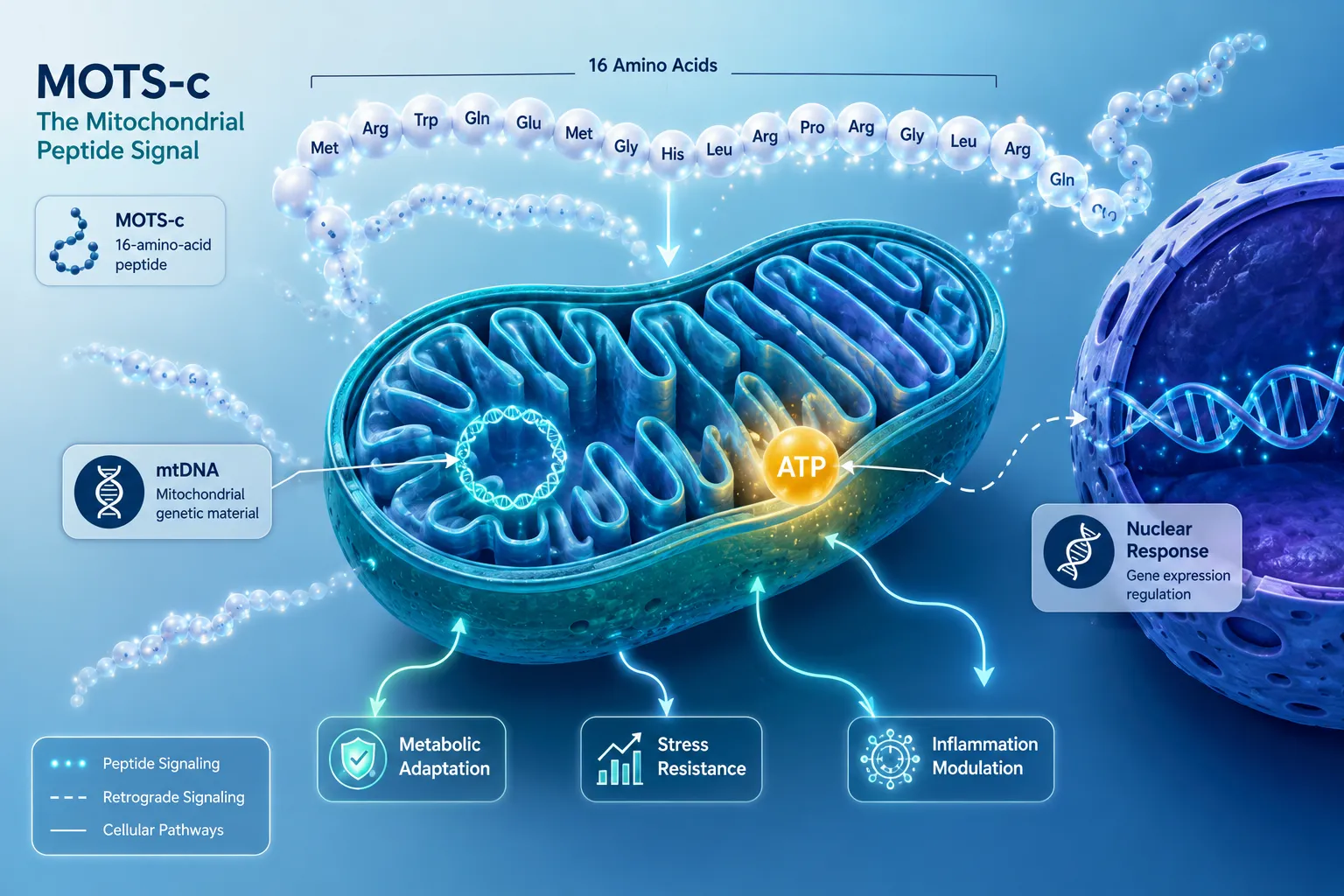
MOTS-c stands for Mitochondrial Open Reading Frame of the 12S rRNA-c. It is a 16-amino acid peptide encoded within the mitochondrial genome, specifically within the 12S ribosomal RNA gene. This origin makes it a member of a broader class of molecules called mitochondria-derived peptides (MDPs).

Unlike most peptides, which are encoded by nuclear DNA, MOTS-c is produced directly inside the mitochondria. Under conditions of metabolic stress, it can translocate to the cell nucleus, where it interacts with gene expression pathways. This dual location, mitochondrial origin, nuclear activity, is a key reason it attracts significant research attention.

Basic structural profile:

Feature Detail
Length 16 amino acids
Encoding gene Mitochondrial 12S rRNA
Molecular weight Approximately 2.17 kDa
Primary research area Metabolic regulation, cellular stress

Researchers also note that MOTS-c can be detected in circulating blood, suggesting it functions as a systemic hormone-like signal, not just a local intracellular messenger.

MOTS-c Peptide: Mitochondrial Signaling Mechanisms Researchers Measure

Understanding how MOTS-c works requires looking at the specific pathways researchers track in experimental settings.

AMPK Pathway Activation

One of the most studied mechanisms involves AMP-activated protein kinase (AMPK), a master regulator of cellular energy balance. Preclinical data suggest MOTS-c activates AMPK, which in turn promotes glucose uptake and fatty acid oxidation. This pathway is particularly relevant in models examining insulin resistance and type 2 diabetes.

Folate Cycle and One-Carbon Metabolism

Research published by Lee et al. (2015) identified that MOTS-c targets the folate cycle within the methionine pathway. By inhibiting the AICAR transformylase enzyme, MOTS-c increases intracellular AICAR levels, a natural AMPK activator. This mechanism links mitochondrial signaling directly to nuclear gene regulation.

Nuclear Translocation Under Stress

Under oxidative or metabolic stress, MOTS-c moves from the mitochondria to the nucleus. Once there, it binds to antioxidant response elements (ARE) and modulates stress-response gene expression. This makes it a candidate for research into cellular resilience and aging biology.

"MOTS-c represents a new class of mitochondrial signals that coordinate nuclear gene expression in response to metabolic demand.", Adapted from Lee et al., 2015

Researchers studying mitochondrial compounds often compare MOTS-c alongside SS31 and MOTS-c combination protocols to understand how different mitochondria-targeted peptides interact within the same experimental model.

Nuclear Translocation Under Stress

Metabolic Research Applications and Experimental Design

The scope of MOTS-c Peptide: Mitochondrial Signaling, Metabolic Research, and Why Researchers Study It extends across several active research domains.

Insulin Sensitivity Models

In rodent studies, MOTS-c administration improved insulin sensitivity and reduced fat accumulation in diet-induced obesity models. Researchers measure outcomes including fasting glucose, insulin tolerance, and lipid profiles when designing these experiments.

Exercise Physiology

MOTS-c levels in human subjects appear to rise during physical exercise. This observation has prompted researchers to investigate whether the peptide mediates some of the metabolic adaptations associated with regular physical activity, including improved mitochondrial biogenesis.

Aging and Longevity Research

Circulating MOTS-c levels decline with age in both animal models and human populations. Studies examining centenarians have identified specific mitochondrial DNA variants associated with higher MOTS-c expression. This has positioned it within the broader field of geroscience alongside compounds like Epithalon peptide, which is also studied for longevity-related mechanisms.

How MOTS-c Differs from Broader Metabolic Peptides

Researchers frequently compare MOTS-c to GLP-1 receptor agonists and growth hormone-releasing peptides. The distinction is important for experimental design:

  • GLP-1 peptides (see GLP-1 peptide research resources) act primarily through extracellular receptor binding.
  • MOTS-c works largely through intracellular and nuclear mechanisms, making it a fundamentally different tool for studying mitochondrial-nuclear communication.
  • Tesamorelin (reviewed in Tesamorelin peptide benefits research) targets growth hormone pathways, a separate axis from mitochondrial signaling.

This distinction matters when researchers select compounds for multi-peptide experimental panels.

How MOTS-c Differs from Broader Metabolic Peptides

Sourcing Considerations for Research Use

Researchers sourcing MOTS-c for preclinical studies should prioritize suppliers that provide third-party purity verification. Peptide integrity directly affects experimental reproducibility. Reviewing lab tested peptides and understanding peptide supplier comparison resources can help research teams make informed procurement decisions.

Key sourcing criteria:

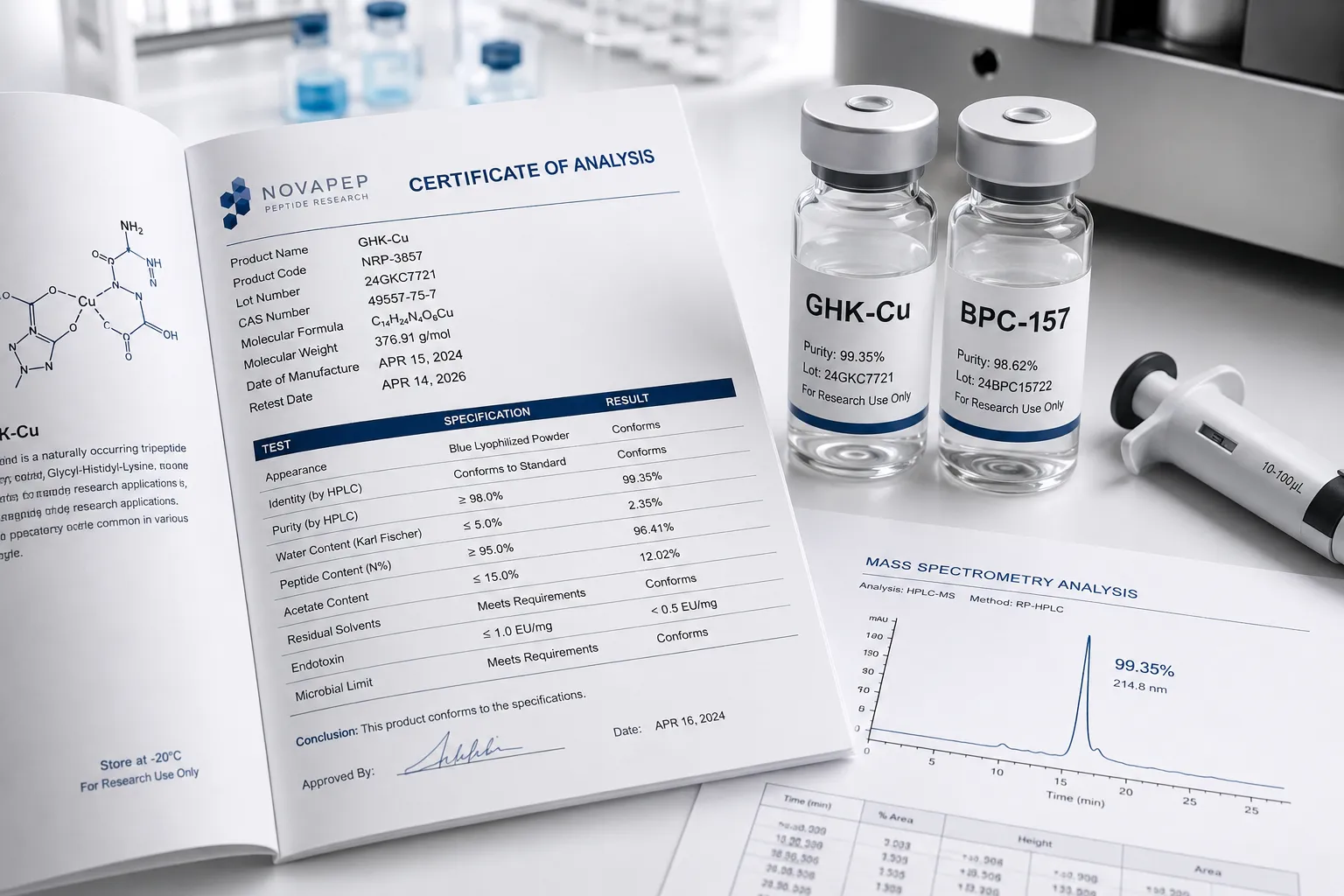
  • Certificate of Analysis (CoA) with HPLC purity data
  • Mass spectrometry confirmation of molecular weight
  • Lyophilized format for storage stability
  • Clear lot-specific documentation

Conclusion

MOTS-c is a compelling subject for mitochondrial and metabolic research because it bridges intracellular energy sensing with systemic signaling, a combination rarely seen in a single 16-amino acid molecule. Researchers studying insulin resistance, exercise adaptation, or cellular aging have concrete, measurable endpoints to work with, from AMPK activation to nuclear gene expression changes.

Actionable next steps for research teams:

  1. Review the current preclinical literature on MOTS-c and AMPK pathway interaction before designing protocols.
  2. Define whether the experimental question requires isolated intracellular endpoints or systemic metabolic outcomes, this shapes dosing and model selection.
  3. Compare MOTS-c against complementary mitochondrial compounds in multi-arm study designs.
  4. Source only from suppliers providing verified purity documentation to ensure data integrity.
  5. Register experimental protocols with institutional review boards where applicable and stay current with regulatory guidance on peptide research.

The field is moving quickly. Researchers who establish rigorous baseline protocols now will be best positioned to build on findings as the science matures.


References

  • Lee, C., Zeng, J., Drew, B. G., Sallam, T., Martin-Montalvo, A., Wan, J., Kim, S. J., Mehta, H., Hevener, A. L., de Cabo, R., & Cohen, P. (2015). The mitochondrial-derived peptide MOTS-c promotes metabolic homeostasis and reduces obesity and insulin resistance. Cell Metabolism, 21(3), 443-454.
  • Kim, S. J., Xiao, J., Wan, J., Cohen, P., & Yen, K. (2017). Mitochondrially derived peptides as novel regulators of metabolism. Journal of Physiology, 595(21), 6613-6621.
  • Reynolds, J. C., Lai, R. W., Woodhead, J. S. T., Joly, J. H., Mitchell, C. J., Cameron-Smith, D., Lu, R., Cohen, P., Graham, N. A., Bhatt, D. L., Bhatt, D., & Yen, K. (2021). MOTS-c is an exercise-induced mitochondrial-encoded regulator of age-dependent physical decline and muscle homeostasis. Nature Communications, 12(1), 470.
  • Zempo, H., Kim, S. J., Fuku, N., Nishida, Y., Higaki, Y., Wan, J., Yen, K., & Cohen, P. (2021). A pro-diabetogenic mtDNA polymorphism in the mitochondrial-derived peptide MOTS-c. Aging, 13(2), 1692-1717.
https://www.puretestedpeptides.com/wp-content/uploads/2026/08/mots-c-peptide-mitochondrial-signaling-metabolic-research-and-why-researchers-st.webp 1024 1536 https://www.puretestedpeptides.com/wp-content/uploads/2026/01/buy-peptides-online.jpg 2026-08-08 13:03:472026-08-08 13:03:47MOTS-c Peptide: Mitochondrial Signaling, Metabolic Research, and Why Researchers Study It
Peptides vs Classic Small-Molecule Drugs: How Compounds Like Prednisone, Amlodipine, and Metoprolol Differ From Modern Research-Use Peptides

Peptides vs Classic Small-Molecule Drugs: How Compounds Like Prednisone, Amlodipine, and Metoprolol Differ From Modern Research-Use Peptides

August 4, 2026/0 Comments/in Uncategorized/by

{"cover":"Professional landscape format (1536×1024) hero image with bold text overlay (≤42 chars): 'Peptides vs Classic Small-Molecule Drugs' in crisp white bold sans-serif centered on a deep navy semi-transparent panel, 8% safe margins from every edge, no text touching edges. Background: split editorial scene, left side shows a clinical pharmacy shelf with amber pill bottles (prednisone, amlodipine labels), right side shows a modern research lab with peptide vials on ice and molecular chain diagrams on a lightboard. Cool blue and white color palette, magazine-quality editorial lighting, high contrast, pharmaceutical science aesthetic.","content":["Bright editorial infographic-style landscape (1536×1024): two large molecular structure illustrations side by side, left shows a compact steroid ring structure labeled 'Small Molecule' in bold 4-word label, right shows an elongated amino acid chain labeled 'Peptide Chain', both rendered as glowing 3D models on a clean white laboratory background with soft blue accent lighting. Scientific diagram aesthetic, vivid teal and orange contrast palette, no tables, no pricing grids, save-worthy Pinterest science illustration style.","Split-screen editorial photograph landscape (1536×1024): left half shows a close-up of white prednisone tablets and amlodipine capsules arranged on a stainless steel lab tray under bright clinical white lighting; right half shows research-use peptide vials (BPC-157, MOTS-c labeled in 3-word max text) on crushed ice in a modern biochemistry lab with blue LED ambient lighting. High-contrast pharmaceutical editorial photography, cool clinical palette of white, steel-blue, and amber, sharp product focus, magazine quality.","Symbolic conceptual illustration landscape (1536×1024): isometric flat-vector scene of a research laboratory interior, a female South Asian scientist in a white coat examines a glowing peptide chain hologram floating above a lab bench, while in the background a wall display shows simplified receptor-binding diagrams with short labels 'Receptor Target' and 'Signal Path'. Bright daylight through large windows, clean pastel palette of mint green, soft yellow, and white, modern scientific illustration style, no tables, no grids, Pinterest-quality editorial."]

Professional landscape hero image () with a reading "Peptides vs Classic Small-Molecule Drugs…". CRITICAL TYPOGRAPHY RULES:

More than 90% of all approved drugs on the market today are small molecules, yet the fastest-growing segment of pharmaceutical research now centers on peptides. This shift is not accidental. As researchers probe the limits of traditional pharmacology, the structural and mechanistic gap between classic drugs like prednisone, amlodipine, and metoprolol and modern research-use peptides has become one of the most important distinctions in biochemistry. Understanding peptides vs classic small-molecule drugs clarifies why compounds like BPC-157, MOTS-c, and GLP-3 occupy a fundamentally different category from the drugs most people take daily.

Key Takeaways

  • Small-molecule drugs are compact, chemically synthesized compounds that typically act on a single receptor or enzyme target.
  • Peptides are short chains of amino acids that mimic or modulate the body's own signaling molecules, enabling more targeted biological interactions.
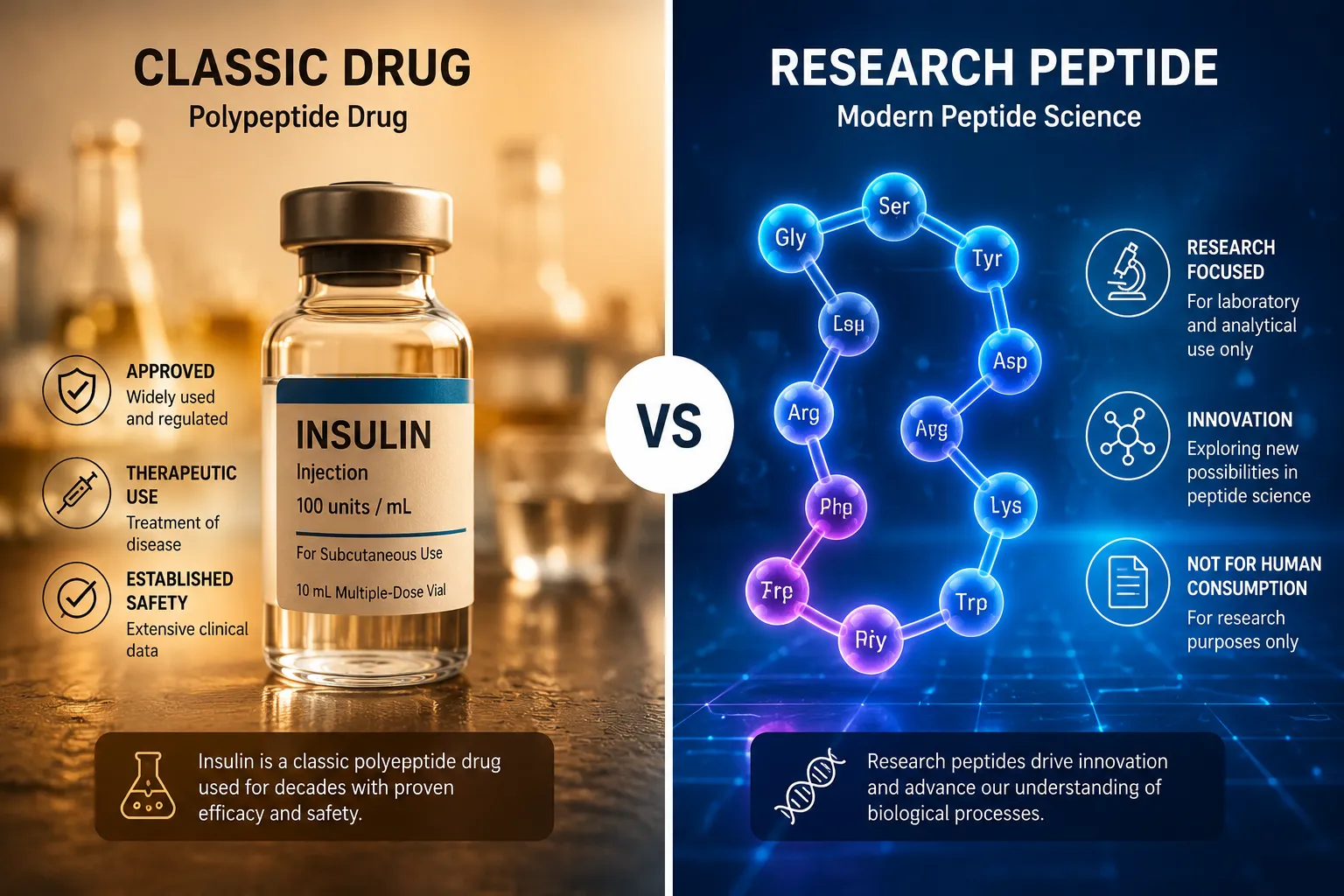
  • Classic drugs like prednisone, amlodipine, and metoprolol have well-established clinical profiles; research-use peptides are studied under controlled laboratory conditions and are not approved for human therapeutic use.
  • Peptides generally have higher target specificity but lower oral bioavailability than small molecules.
  • The regulatory and research frameworks governing peptides differ substantially from those governing licensed pharmaceuticals.

Key Takeaways

Structural Foundations: What Separates Small Molecules From Peptides

The most fundamental difference in peptides vs classic small-molecule drugs is molecular architecture.

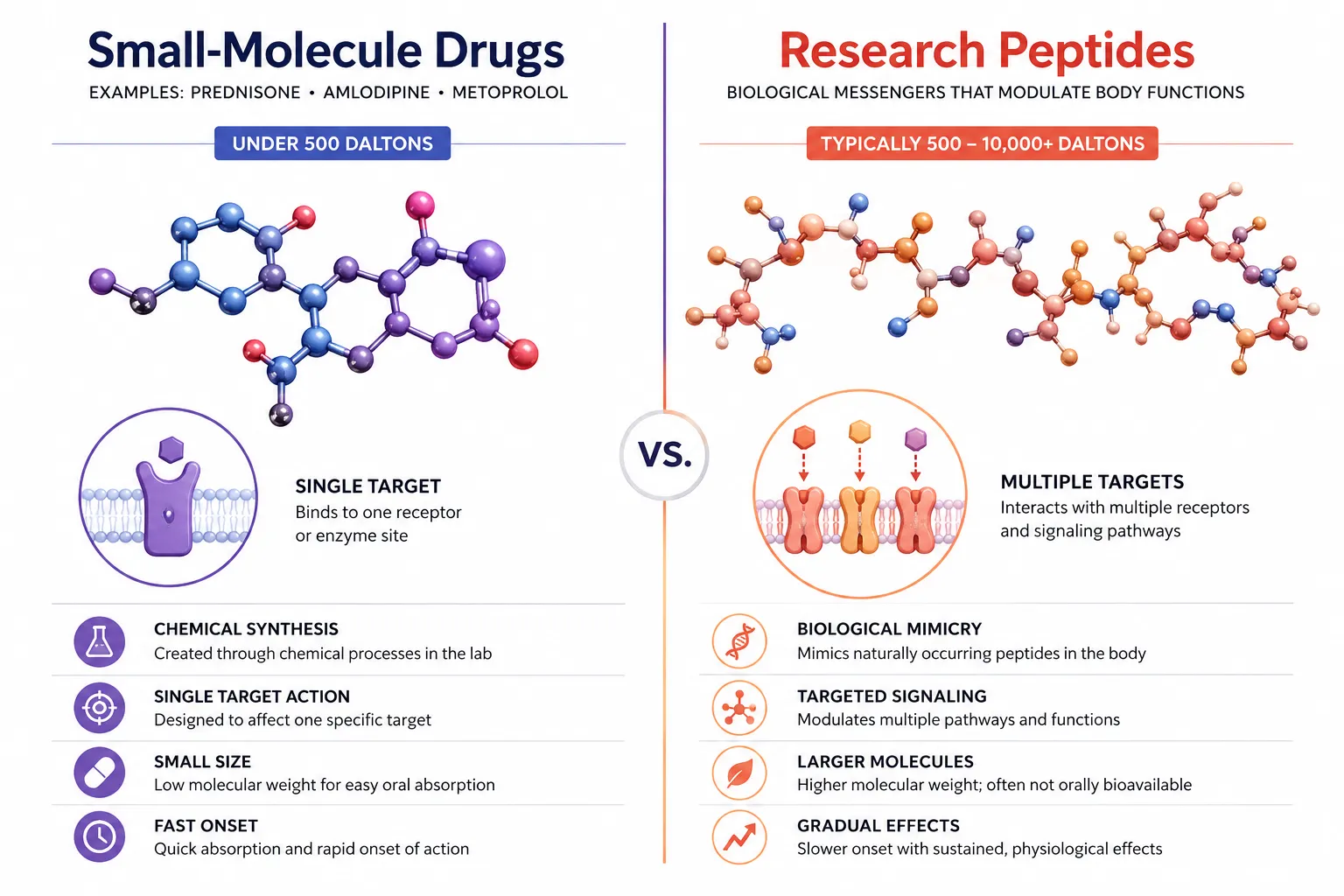
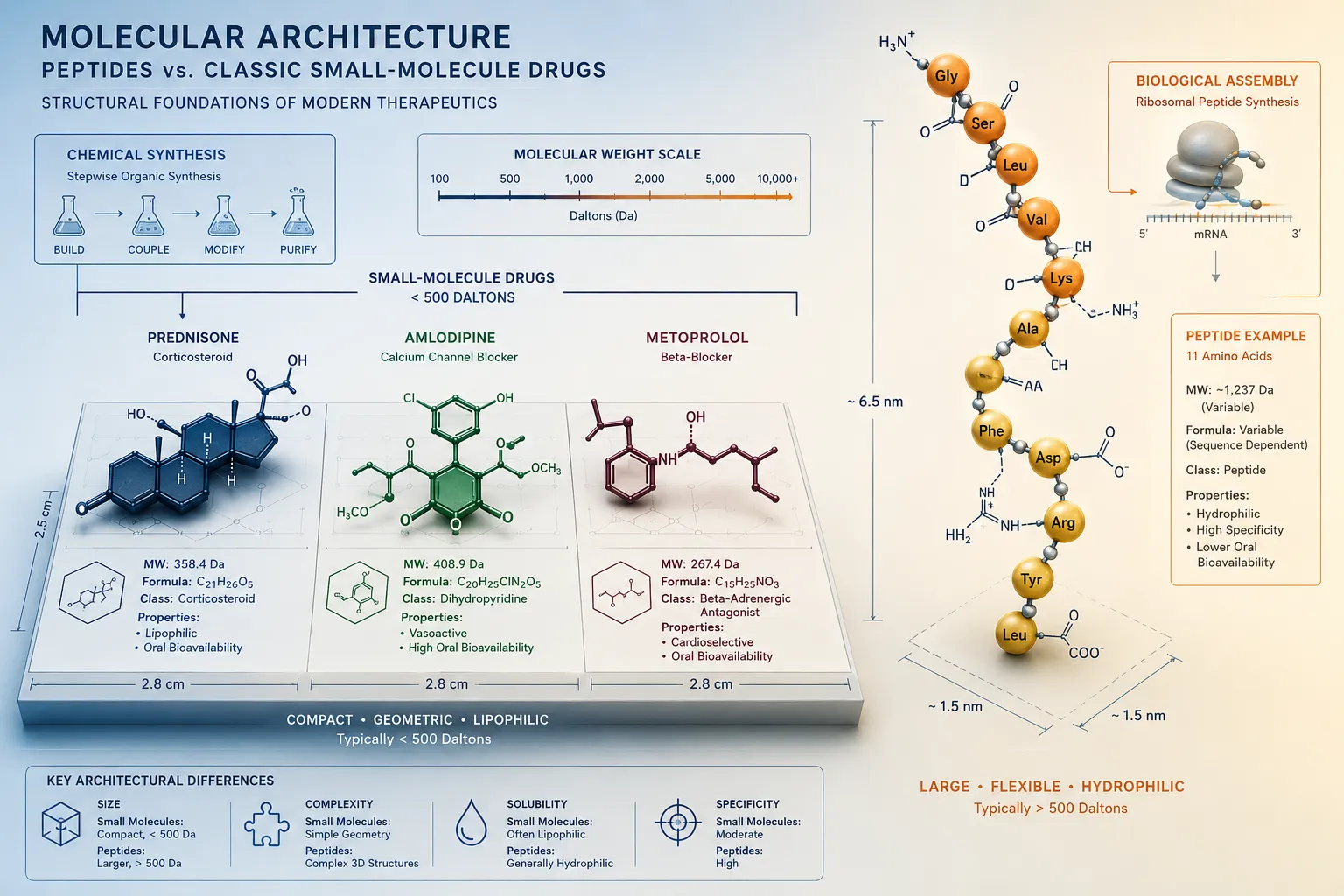
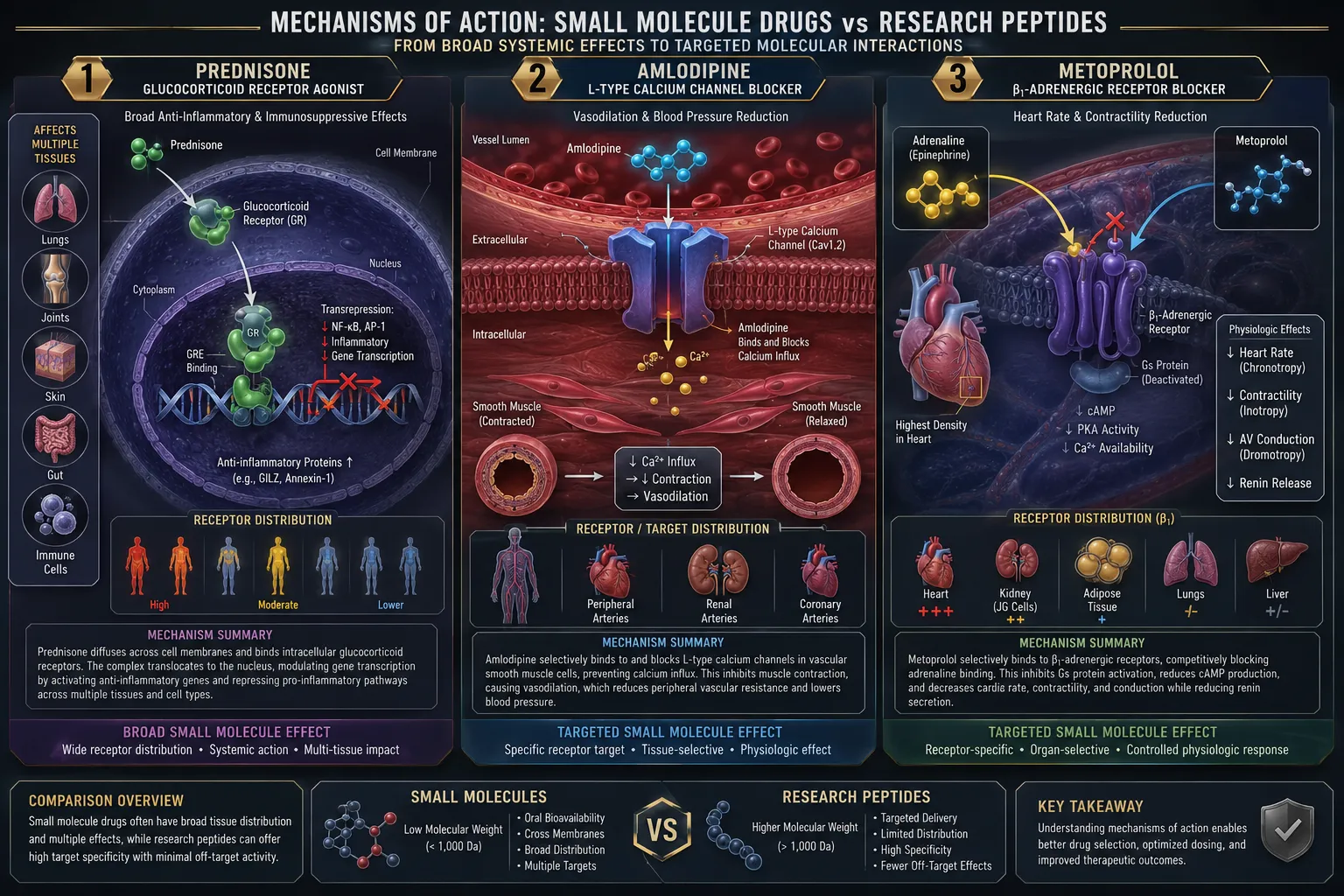
Small molecules, including prednisone, amlodipine, and metoprolol, are low-molecular-weight organic compounds, typically under 500 daltons. They are built through chemical synthesis, not biological processes, and their compact size allows them to cross cell membranes, enter the bloodstream via oral administration, and bind to specific receptor pockets.

Feature Small-Molecule Drugs Research-Use Peptides
Molecular weight Under 500 Da 500-5,000+ Da
Composition Synthetic organic chemistry Amino acid chains
Oral bioavailability Generally high Generally low
Synthesis route Chemical Chemical or biosynthetic
Target specificity Moderate to high High

Peptides, by contrast, are short chains of amino acids, typically 2 to 50 residues, that mimic or modulate the body's endogenous signaling molecules. Their larger size and more complex three-dimensional shape allow them to interact with biological targets in ways small molecules cannot, but this same size makes them vulnerable to digestive enzymes, which is why many research-use peptides require parenteral administration.

"The structural complexity of a peptide is both its greatest advantage and its primary delivery challenge."

Compounds like TB-500 or the BPC-157 and TB-500 combination illustrate this point well, their amino acid sequences enable highly specific tissue interactions that a small steroid molecule like prednisone simply cannot replicate.

Mechanisms of Action: How Prednisone, Amlodipine, and Metoprolol Work vs Research Peptides

Mechanisms of Action: How Prednisone, Amlodipine, and Metoprolol Work vs Research Peptides

Classic small-molecule drugs each act through well-characterized, narrow mechanisms:

  • Prednisone is a synthetic corticosteroid. It binds glucocorticoid receptors inside cells, suppressing inflammatory gene transcription broadly across multiple tissue types. Its wide receptor distribution explains both its therapeutic power and its side-effect profile (blood sugar changes, bone density loss, immune suppression).
  • Amlodipine is a calcium channel blocker. It binds L-type calcium channels in vascular smooth muscle, reducing calcium influx and causing vasodilation. The mechanism is highly localized to one channel subtype.
  • Metoprolol is a beta-1 selective adrenergic blocker. It competes with catecholamines at beta-1 receptors in cardiac tissue, slowing heart rate and reducing myocardial oxygen demand.

Each of these drugs acts on a defined, single-class receptor. Their mechanisms are predictable, well-studied, and the basis for decades of clinical data.

Research-use peptides operate differently. Rather than blocking or activating a single receptor, many peptides act as signaling modulators, they interact with receptor complexes, growth factor pathways, or intracellular signaling cascades in a more context-dependent way.

For example:

  • BPC-157 is studied for its interactions with growth hormone receptor pathways and nitric oxide systems, with research endpoints focused on tissue repair models.
  • MOTS-c is a mitochondria-derived peptide investigated for its role in metabolic regulation and cellular stress responses. Research on MOTS-c and mitochondrial function explores mechanisms that have no equivalent in classic pharmacology.
  • GLP-1 and GLP-3 class peptides act on incretin receptors involved in insulin secretion and gut motility, a mechanism that bridges peptide biology and metabolic research.

The SS-31 peptide's mitochondrial research themes demonstrate another dimension: peptides can localize to specific organelles, something small molecules rarely achieve with the same precision.

Research Context, Regulatory Status, and Practical Differences

Research Context, Regulatory Status, and Practical Differences

Understanding peptides vs classic small-molecule drugs also requires clarity on their regulatory and research contexts.

Prednisone, amlodipine, and metoprolol are FDA-approved pharmaceuticals. They have completed clinical trials, carry established dosing guidelines, and are prescribed by licensed clinicians for defined indications. Their safety and efficacy data span millions of patient-years.

Research-use peptides occupy a different category entirely. Compounds like AOD-9604 or Epithalon are sold strictly for laboratory and preclinical research purposes. They are not approved for human therapeutic use, and their research endpoints are studied in controlled in vitro and animal model settings.

Key practical distinctions include:

  • Stability: Small molecules are generally shelf-stable at room temperature. Most research peptides require refrigeration or lyophilization to maintain structural integrity.
  • Administration route: Classic drugs are predominantly oral. Research peptides are typically reconstituted and administered via injection in research settings.
  • Selectivity: Peptides often show higher target selectivity, which is why combinations like LL-37 and SS-31 are studied for their complementary, non-overlapping mechanisms.
  • Research endpoints: Small-molecule research focuses on receptor occupancy and clinical outcomes. Peptide research often examines upstream signaling, gene expression changes, and cellular repair processes.

Researchers exploring BDNF-related peptide pathways or Selank's neurological research profile encounter a level of mechanistic specificity that classic pharmacology rarely achieves.

Conclusion

The comparison of peptides vs classic small-molecule drugs is not a question of which category is superior, it is a question of purpose, mechanism, and context. Prednisone, amlodipine, and metoprolol are proven therapeutic tools with decades of clinical validation. Research-use peptides like BPC-157, MOTS-c, and GLP-3 represent a different scientific frontier: larger, more structurally complex molecules that interact with biological systems in ways that mirror the body's own signaling language.

Actionable next steps for researchers and informed readers:

  1. Review primary literature on specific peptide mechanisms before drawing comparisons to approved drugs.
  2. Source research-use peptides only from verified suppliers with documented purity testing.
  3. Consult the growing body of preclinical data on mitochondrial peptides, incretin analogs, and tissue-repair compounds to understand where the science currently stands.
  4. Recognize that regulatory status is not a proxy for scientific interest, many of the most actively studied peptides are pre-clinical compounds with significant research momentum.

The structural and mechanistic divide between small molecules and peptides will continue to shape pharmacology research well into the future.

https://www.puretestedpeptides.com/wp-content/uploads/2026/08/peptides-vs-classic-small-molecule-drugs-how-compounds-like-prednisone-amlodipin.webp 1024 1536 https://www.puretestedpeptides.com/wp-content/uploads/2026/01/buy-peptides-online.jpg 2026-08-04 13:06:152026-08-04 13:06:15Peptides vs Classic Small-Molecule Drugs: How Compounds Like Prednisone, Amlodipine, and Metoprolol Differ From Modern Research-Use Peptides
DNA, Mitochondria, and Research Peptides: How MOTS-c and 5-Amino-1MQ Interface With Cellular Energy and Genomic Pathways

DNA, Mitochondria, and Research Peptides: How MOTS-c and 5-Amino-1MQ Interface With Cellular Energy and Genomic Pathways

August 4, 2026/0 Comments/in Uncategorized/by

Fewer than 37 genes in the human mitochondrial genome were thought to matter for decades, until researchers discovered that a tiny open reading frame within one of those genes encodes a peptide capable of reshaping whole-body metabolism. That discovery opened an entirely new field. Today, the study of DNA, mitochondria, and research peptides, specifically how MOTS-c and 5-Amino-1MQ interface with cellular energy and genomic pathways, sits at the frontier of metabolic biology and peptide science.

Key Takeaways

  • MOTS-c is a 16-amino-acid peptide encoded directly within mitochondrial DNA, making it one of the few known peptides with a purely mitochondrial genetic origin.
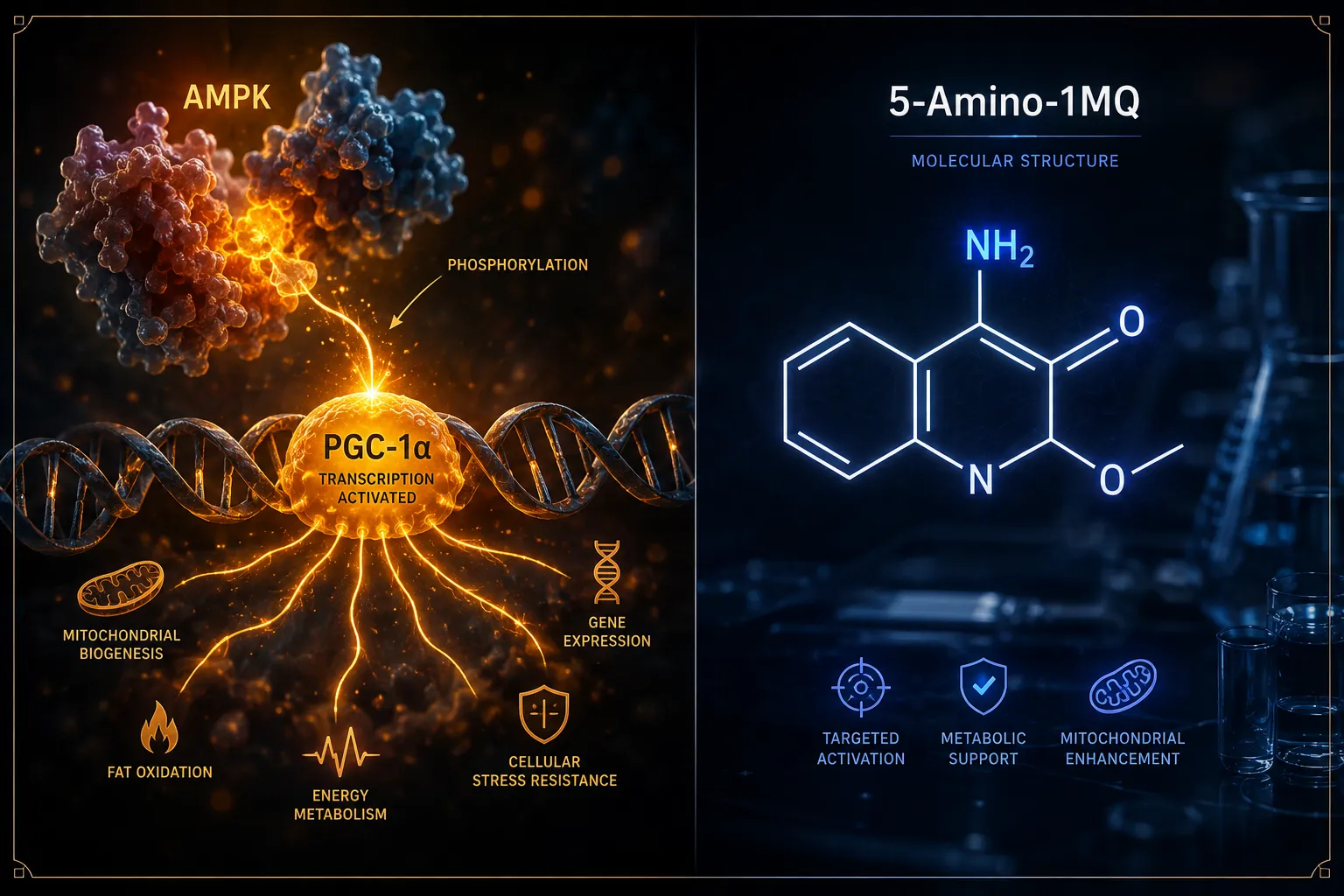
  • MOTS-c activates AMPK and PGC-1alpha, two master regulators that link mitochondrial signaling to nuclear gene expression and energy metabolism.
  • 5-Amino-1MQ is a small-molecule NNMT inhibitor that modulates cellular energy balance by influencing NAD+ metabolism and mitochondrial function.
  • Both compounds are strictly research-use compounds studied in preclinical and early clinical models, neither is approved for human therapeutic use.
  • Understanding how these agents interact with mitochondrial and genomic pathways helps contextualize the broader landscape of experimental metabolic peptides.

Key Takeaways

The Mitochondrial Genome: A Hidden Source of Bioactive Peptides

Most biology courses teach that the mitochondrial genome encodes only structural components, ribosomal RNAs, transfer RNAs, and a handful of proteins involved in oxidative phosphorylation. That picture is now incomplete.

Mitochondrial-derived peptides (MDPs) are a class of small signaling molecules translated from short open reading frames within mitochondrial DNA. MOTS-c is among the most studied. Its full sequence, MRWQEMGYIFYPRKLR, is translated from within the MT-RNR1 gene, which codes for the 12S ribosomal RNA. The fact that a metabolically active signaling peptide emerges from what was once considered a purely structural gene region underscores how much remains to be learned about the mitochondrial genome.

This discovery matters because it reframes the mitochondrion not just as an energy factory, but as an active endocrine organ, one capable of producing peptides that travel to distant tissues and influence gene expression at the nuclear level.

For researchers already familiar with mitochondria-targeting compounds, this connects directly to work on other mitochondrial research themes, such as those explored in SS-31 mitochondrial research contexts, where membrane-targeted peptides address oxidative stress and bioenergetic efficiency from a different mechanistic angle.

How MOTS-c Interfaces With Cellular Energy and Genomic Pathways

The central question in the study of DNA, mitochondria, and research peptides, specifically how MOTS-c and 5-Amino-1MQ interface with cellular energy and genomic pathways, is mechanistic: exactly how does a peptide born in the mitochondria influence the nucleus?

AMPK and PGC-1alpha: The Genomic Bridge

MOTS-c activates AMP-activated protein kinase (AMPK), a cellular energy sensor that responds to low ATP states. AMPK activation triggers a cascade that includes upregulation of PGC-1alpha, a transcriptional coactivator that controls mitochondrial biogenesis and oxidative metabolism genes housed in nuclear DNA.

"MOTS-c essentially acts as a messenger that tells the nucleus: the mitochondria need more capacity, build it."

A 2026 transgenic mouse study confirmed this pathway directly. In two distinct mouse strains, exogenous MOTS-c increased intrinsic muscle mitochondrial performance, with measurable improvements in oxidative phosphorylation and ATP output. The dependency on AMPK and PGC-1alpha was mechanistically confirmed, positioning MOTS-c as a genuine bridge between mitochondrial peptide signaling and nuclear genomic programs.

Metabolic Flexibility and the "Exercise Mimetic" Concept

MOTS-c has been described in research literature as a mitochondrial exercise mimetic, a compound that replicates some metabolic adaptations normally triggered by physical exercise. These include:

  • Improved fatty acid oxidation
  • Enhanced glucose uptake in skeletal muscle
  • Greater resistance to metabolic stress
  • Upregulation of mitochondrial biogenesis markers

Human clinical development has advanced to at least one Phase 2a trial examining insulin sensitivity, suggesting that the preclinical findings are compelling enough to warrant early human investigation.

Researchers sourcing compounds for mitochondrial pathway studies can also explore the SS-31 and MOTS-c product tag for catalog context, or review SS-31 mitochondrial dynamics research for comparative mechanistic reading.

Metabolic Flexibility and the "Exercise Mimetic" Concept

5-Amino-1MQ: NAD+ Metabolism and Mitochondrial Energy Balance

While MOTS-c originates from mitochondrial DNA itself, 5-Amino-1MQ approaches the same energy-regulation problem from a different direction. It is a small-molecule inhibitor of nicotinamide N-methyltransferase (NNMT), an enzyme that consumes SAM (S-adenosylmethionine) and diverts nicotinamide away from NAD+ synthesis.

Why NNMT Inhibition Matters for Mitochondria

NAD+ is essential for mitochondrial function. It serves as a critical electron carrier in the oxidative phosphorylation chain and as a substrate for sirtuins, NAD+-dependent deacetylases that regulate mitochondrial biogenesis and stress response. When NNMT is overactive, NAD+ availability drops, and mitochondrial efficiency suffers.

By inhibiting NNMT, 5-Amino-1MQ research models have demonstrated:

Effect Mechanism
Increased NAD+ levels Reduced nicotinamide diversion
Elevated cellular energy expenditure Enhanced mitochondrial activity
Reduced lipid accumulation Improved fatty acid oxidation
Potential epigenetic effects SAM availability for methylation reactions

This positions 5-Amino-1MQ as a metabolic amplifier that works upstream of mitochondrial function, influencing the availability of molecules the mitochondria depend on to generate ATP efficiently.

Researchers interested in broader metabolic peptide stacks may find relevant context in IPA-Sermorelin stack research or explore Epithalon peptide research, which touches on genomic longevity pathways from a telomere-based perspective.

Why NNMT Inhibition Matters for Mitochondria

Comparing the Two Compounds: Convergent Pathways, Distinct Origins

Understanding DNA, mitochondria, and research peptides, and how MOTS-c and 5-Amino-1MQ interface with cellular energy and genomic pathways, is clearer when both compounds are viewed side by side.

MOTS-c acts top-down: it is produced by the mitochondria, released into circulation, and signals back to the nucleus via AMPK/PGC-1alpha to increase mitochondrial capacity. 5-Amino-1MQ acts bottom-up: it preserves NAD+ availability so the mitochondria have the substrates needed to function optimally.

Both compounds are strictly for research use in preclinical and early clinical models. Neither has received regulatory approval for therapeutic application. Researchers working in this space should source compounds through verified, tested suppliers. Those evaluating supplier quality can consult peptide supplier comparison resources before procurement.

For researchers building broader experimental protocols, the SS-31 ideal dosage research page offers a useful reference for how dosing rationale is developed in mitochondria-targeted peptide research.

Conclusion

The intersection of DNA, mitochondria, and research peptides, specifically how MOTS-c and 5-Amino-1MQ interface with cellular energy and genomic pathways, represents one of the most mechanistically rich areas in current metabolic science. MOTS-c demonstrates that mitochondrial DNA is not a passive bystander but an active producer of signaling molecules that reach the nucleus and reshape gene expression. 5-Amino-1MQ shows that protecting the metabolic inputs mitochondria depend on can produce measurable bioenergetic benefits in research models.

Actionable next steps for researchers:

  • Review the primary literature on MOTS-c transgenic mouse models to understand AMPK/PGC-1alpha dependency before designing protocols.
  • Evaluate NAD+ pathway data for 5-Amino-1MQ in the context of your specific cell or animal model.
  • Source both compounds only from suppliers with documented purity testing and COA availability.
  • Consider comparative mitochondrial peptide models, including SS-31, to build mechanistically layered experimental designs.

As 2026 research continues to clarify the clinical relevance of these pathways, the foundational preclinical work on MOTS-c and 5-Amino-1MQ provides a strong framework for understanding how mitochondrial biology and genomic regulation are far more intertwined than once believed.

https://www.puretestedpeptides.com/wp-content/uploads/2026/08/dna-mitochondria-and-research-peptides-how-mots-c-and-5-amino-1mq-interface-with.webp 1024 1536 https://www.puretestedpeptides.com/wp-content/uploads/2026/01/buy-peptides-online.jpg 2026-08-04 13:05:302026-08-04 13:05:30DNA, Mitochondria, and Research Peptides: How MOTS-c and 5-Amino-1MQ Interface With Cellular Energy and Genomic Pathways
What Are Polypeptide Peptides? From Collagen and Hormones to Advanced Research Compounds Like GLP-3 Retatrutide

What Are Polypeptide Peptides? From Collagen and Hormones to Advanced Research Compounds Like GLP-3 Retatrutide

August 4, 2026/0 Comments/in Uncategorized/by

Over 7,000 known peptide compounds have been identified in the human body, and researchers in 2026 are still discovering new ones. The question "What Are Polypeptide Peptides? From Collagen and Hormones to Advanced Research Compounds Like GLP-3 Retatrutide" sits at the intersection of foundational biology and frontier science. Understanding polypeptides means understanding the molecular language your body uses to build tissue, regulate metabolism, signal hormones, and potentially respond to next-generation therapeutic compounds.

Professional () hero image with (≤42 chars): 'What Are Polypeptide Peptides?' in crisp white on a deep navy semi-transparent

Key Takeaways

  • Polypeptides are chains of amino acids linked by peptide bonds; length and sequence determine their biological function.
  • Natural polypeptides include structural proteins like collagen and signaling hormones like insulin and GLP-1.
  • Advanced research compounds such as GLP-3 Retatrutide, CJC-1295, and SS-31 extend polypeptide science into metabolic and mitochondrial research.
  • Peptide length, receptor specificity, and stability are the key variables that separate a dietary supplement from a research-grade compound.
  • Research peptides are studied strictly in controlled settings; they are not approved drugs for human self-administration.

The Biology Behind Polypeptide Peptides: Amino Acids, Chains, and Function

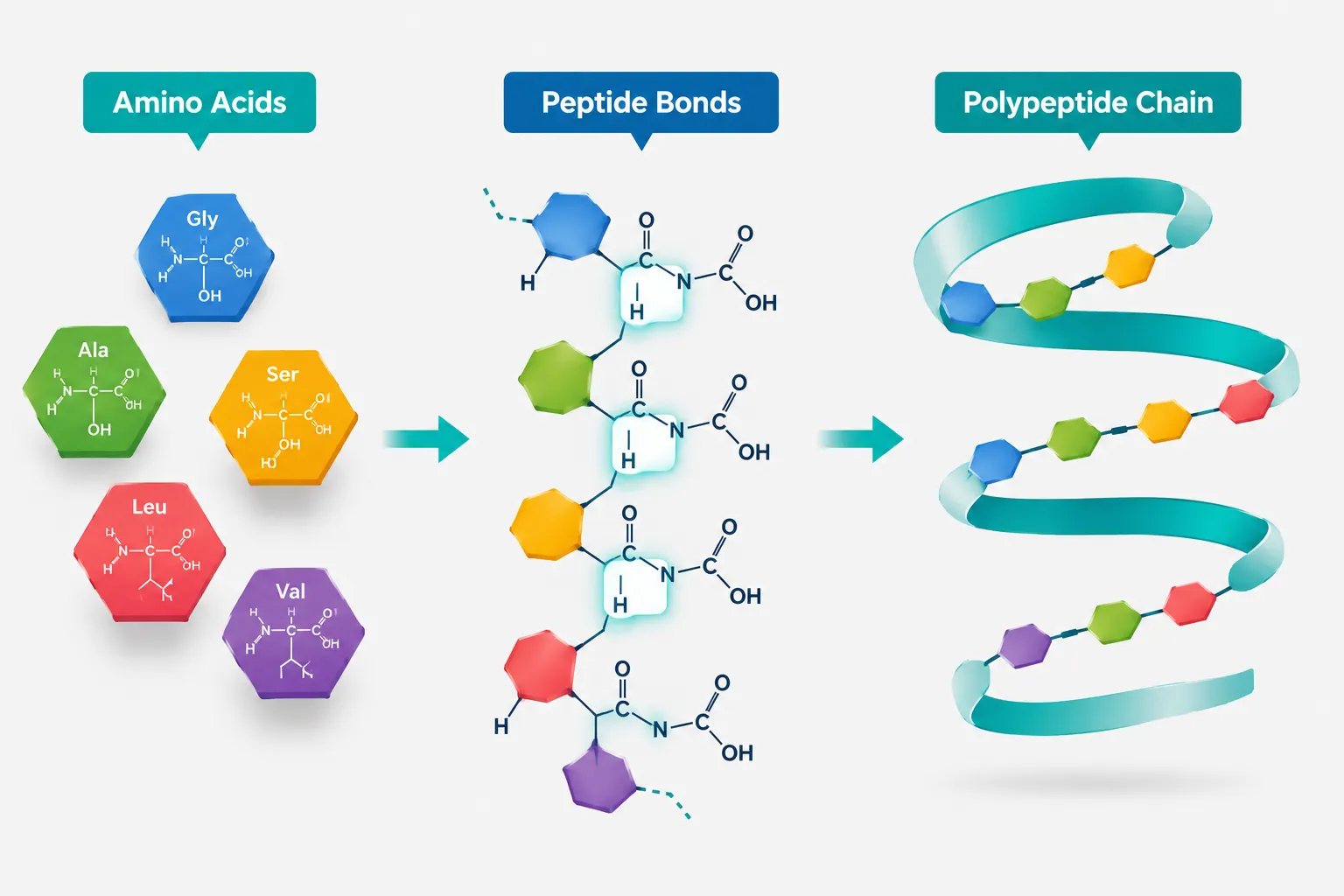
Every polypeptide begins with the same building block: an amino acid. When two amino acids join through a covalent bond between the carboxyl group of one and the amino group of another, a peptide bond forms. String together 2 to 49 amino acids and the result is a peptide. Cross the 50-amino-acid threshold and the molecule is conventionally called a polypeptide or protein.

Size classification at a glance:

Term Chain Length Example
Dipeptide 2 amino acids Carnosine
Oligopeptide 3-9 amino acids GHK-Cu (3 AA)
Polypeptide 10-49 amino acids Glucagon (29 AA)
Protein 50+ amino acids Collagen alpha chain

The sequence of amino acids, not just the length, dictates how the chain folds, which receptors it binds, and what biological effect it produces. A single substitution can transform a neutral peptide into a potent hormone agonist or render it biologically inert.

The Biology Behind Polypeptide Peptides: Amino Acids, Chains, and Function

Collagen: The Body's Most Abundant Polypeptide

Collagen is the most abundant protein in the human body, accounting for roughly 30% of total protein mass. It is assembled from polypeptide alpha chains wound into a triple-helix structure. Collagen provides tensile strength to skin, tendons, cartilage, and bone. As the body ages, collagen synthesis declines, a fact that drives enormous interest in both dietary collagen peptides and topical copper peptide compounds like GHK-Cu, a naturally occurring tripeptide with documented roles in wound healing and tissue remodeling research.

Hormones as Polypeptides

Many of the body's most critical hormones are polypeptides. Insulin (51 amino acids) regulates blood glucose. Glucagon (29 amino acids) raises blood sugar when levels drop. Growth hormone (191 amino acids) governs cellular repair and metabolism. These molecules work by binding specific receptors on cell surfaces, triggering intracellular signaling cascades that produce measurable physiological effects.

From Natural Hormones to Research Peptides: The GLP Family and Beyond

The glucagon-like peptide (GLP) family illustrates how polypeptide science evolves from textbook biology to cutting-edge research. GLP-1 is a naturally secreted incretin hormone that stimulates insulin release and reduces appetite. Its clinical derivatives have transformed metabolic medicine. GLP-1 peptide research has expanded significantly, with researchers now examining multi-receptor agonists that target GLP-1, GIP, and glucagon receptors simultaneously.

GLP-2, a closely related peptide, plays a distinct role in intestinal mucosal growth and nutrient absorption. Researchers tracking GLP-2 peptide activity have noted its potential relevance in gut integrity studies.

What Is GLP-3 Retatrutide?

Retatrutide, sometimes referred to in research contexts as a GLP-3 class compound, represents one of the most studied advanced polypeptides in 2026. It is a triple-receptor agonist, designed to activate GLP-1R, GIPR, and glucagon receptors simultaneously. This multi-target mechanism is what separates it structurally and functionally from earlier single-agonist peptides.

For researchers exploring this compound, the GLP-3 Retatrutide peptide page provides detailed sourcing and specification information. Additional context on its nomenclature and classification is available through the GLP-3 name and classification resource.

"The shift from single-receptor peptides to multi-agonist polypeptides like Retatrutide represents a structural leap in research compound design, not just a pharmacological one."

Growth Hormone Secretagogues: CJC-1295 and Ipamorelin

CJC-1295 is a synthetic analog of growth hormone-releasing hormone (GHRH), engineered for extended half-life through drug affinity complex (DAC) technology. Paired with Ipamorelin, a selective growth hormone secretagogue, the combination produces a synergistic pulse of endogenous GH release. Researchers studying Ipamorelin vs. Sermorelin vs. Hexarelin can find comparative analysis of these secretagogue profiles in detail.

Mitochondrial Peptides: SS-31 and MOTS-c

Polypeptide research has reached subcellular territory. SS-31 (Elamipretide) is a tetrapeptide that targets the inner mitochondrial membrane, where it appears to stabilize cardiolipin and support electron transport chain efficiency. Research into SS-31 mitochondrial mechanisms is active across aging and metabolic dysfunction models. MOTS-c is a mitochondria-derived peptide encoded within mitochondrial DNA, a discovery that challenged the long-held assumption that all peptides are nuclear-gene products. Researchers can explore MOTS-c and Elamipretide research for current study summaries.

Tissue-Focused Peptides: TB-500 and BPC-157

TB-500 (Thymosin Beta-4 fragment) and BPC-157 (Body Protection Compound) are among the most studied tissue-repair polypeptides. TB-500 promotes actin regulation and angiogenesis in preclinical models. Researchers interested in TB-500 peptide research and those studying BPC-157 and TB-500 combined protocols will find detailed sourcing and study references available.

Tissue-Focused Peptides: TB-500 and BPC-157

Key Factors That Define a Research-Grade Polypeptide

Key Factors That Define a Research-Grade Polypeptide

Not all peptides sold commercially meet the standards required for rigorous preclinical research. The following variables determine compound quality:

  • Purity level: Research-grade peptides typically require 98%+ purity confirmed by HPLC analysis.
  • Sequence fidelity: Mass spectrometry verification confirms the correct amino acid sequence was synthesized.
  • Lyophilization stability: Freeze-dried (lyophilized) peptides maintain structural integrity far longer than liquid preparations.
  • Sterility: Peptides intended for in vitro or in vivo research require sterile manufacturing environments.
  • Third-party testing: Independent lab verification removes manufacturer bias from purity claims.

Researchers sourcing compounds should prioritize suppliers who provide certificates of analysis (CoA) for every batch. Browsing all peptides for sale with verified testing documentation is a practical starting point for building a compliant research inventory.

Important note: Research peptides are not approved pharmaceutical drugs. They are intended exclusively for laboratory research and are not approved for human therapeutic use outside of clinical trial frameworks.

Conclusion

Understanding what polypeptide peptides are, from the collagen scaffolding in skin to the triple-agonist architecture of GLP-3 Retatrutide, provides a foundation for interpreting both basic biology and advanced research literature. The field has moved well beyond single-target hormone analogs. In 2026, researchers are working with mitochondria-targeting tetrapeptides, multi-receptor metabolic agonists, and growth hormone secretagogue combinations that would have seemed speculative a decade ago.

Actionable next steps for researchers:

  1. Establish baseline knowledge of peptide bond chemistry and receptor pharmacology before evaluating research compounds.
  2. Review published preclinical literature for any compound before sourcing, PubMed and ClinicalTrials.gov are authoritative starting points.
  3. Source only from suppliers who provide third-party HPLC and mass spectrometry CoA documentation.
  4. Consult institutional review frameworks if research involves in vivo applications.
  5. Track the GLP family research pipeline closely, multi-agonist polypeptide science is advancing rapidly and new data emerges frequently.
https://www.puretestedpeptides.com/wp-content/uploads/2026/08/what-are-polypeptide-peptides-from-collagen-and-hormones-to-advanced-research-co.webp 1024 1536 https://www.puretestedpeptides.com/wp-content/uploads/2026/01/buy-peptides-online.jpg 2026-08-04 13:05:202026-08-04 13:05:20What Are Polypeptide Peptides? From Collagen and Hormones to Advanced Research Compounds Like GLP-3 Retatrutide
Adenosine Triphosphate and Mitochondrial Peptides: How MOTS-c and 5-Amino-1MQ Influence ATP Production in Research Models

Adenosine Triphosphate and Mitochondrial Peptides: How MOTS-c and 5-Amino-1MQ Influence ATP Production in Research Models

August 1, 2026/0 Comments/in Uncategorized/by

Every cell in the body runs on a single molecular currency, adenosine triphosphate (ATP). When that currency becomes scarce, cellular function deteriorates rapidly. The emerging science of mitochondrial peptides now offers researchers a new lens for understanding how ATP production can be modulated at the molecular level, and two compounds sit at the center of that conversation: MOTS-c and 5-Amino-1MQ. The study of adenosine triphosphate and mitochondrial peptides, specifically how MOTS-c and 5-Amino-1MQ influence ATP production in research models, has accelerated considerably in 2026, with the first interventional human trials now recruiting.

Bright editorial infographic-style landscape image () showing a detailed cross-section diagram of a mitochondrion with

Key Takeaways

  • ATP is the primary energy currency of cells, produced mainly within mitochondrial inner membranes via oxidative phosphorylation.
  • MOTS-c is a mitochondria-encoded peptide that modulates the AMP/ATP ratio and activates AMPK, indirectly protecting ATP reserves under metabolic stress.
  • 5-Amino-1MQ inhibits NNMT, raising intracellular NAD+ levels and supporting mitochondrial electron transport chain efficiency.
  • Both compounds influence overlapping metabolic pathways, including NAD+ metabolism and AMPK signaling, making them complementary subjects in energy research.
  • The evidence base for both compounds remains primarily preclinical, though human data for MOTS-c is growing rapidly.

ATP Fundamentals: Why Mitochondrial Output Matters

Adenosine triphosphate is synthesized primarily through oxidative phosphorylation, a process driven by the electron transport chain (ETC) embedded in the inner mitochondrial membrane. Each glucose molecule, when fully oxidized, yields approximately 30-32 ATP molecules, the majority generated at the ATP synthase complex (Complex V).

Several factors limit this output in aging or diseased tissue:

  • Declining NAD+ availability, which slows ETC electron flow
  • Mitochondrial membrane damage, reducing proton gradient efficiency
  • Excess ATP hydrolysis under stress conditions, depleting reserves faster than they can be replenished
  • Impaired mitophagy, allowing dysfunctional mitochondria to accumulate

Understanding these bottlenecks is essential context for evaluating how peptides like MOTS-c and 5-Amino-1MQ interact with ATP metabolism. Researchers exploring related mitochondrial compounds such as SS-31 and its mitochondrial research themes will recognize many of the same upstream mechanisms at work.

How MOTS-c and 5-Amino-1MQ Influence ATP Production in Research Models

How MOTS-c and 5-Amino-1MQ Influence ATP Production in Research Models

MOTS-c: A Mitochondria-Encoded Metabolic Regulator

MOTS-c (Mitochondrial Open Reading Frame of the 12S rRNA type-c) is a 16-amino-acid peptide encoded directly within mitochondrial DNA, a distinction that makes it biologically unique. Rather than directly synthesizing ATP, MOTS-c acts as a metabolic stress sensor that modulates the AMP-to-ATP ratio and activates AMP-activated protein kinase (AMPK).

Key findings from preclinical and early human research include:

Observation Model Type
Acute exercise sharply elevates MOTS-c in muscle and circulation Human subjects
MOTS-c reduces ATP hydrolysis during anoxic stress Cellular/animal models
AMPK activation improves glucose uptake and fatty acid oxidation Animal models
MOTS-c preserves mitochondrial membrane integrity under oxidative load Preclinical

By slowing ATP hydrolysis rather than boosting raw production, MOTS-c effectively conserves the ATP pool when cellular demand outpaces supply. This mechanism is especially relevant in hypoxic or ischemic conditions studied in research settings.

Researchers interested in exploring MOTS-c peptide research will find it pairs conceptually with other mitochondria-targeted compounds. For a broader comparative view, the MOTS-c and elamipretide research overview provides useful context on how these agents differ mechanistically.

5-Amino-1MQ: NAD+ Elevation and ETC Support

5-Amino-1MQ (5-amino-1-methylquinolinium) takes a fundamentally different approach. It is a small-molecule inhibitor of nicotinamide N-methyltransferase (NNMT), an enzyme that consumes S-adenosylmethionine and depletes the methyl donor pool needed for NAD+ biosynthesis.

By blocking NNMT, 5-Amino-1MQ:

  1. Raises intracellular NAD+ concentrations
  2. Supports sirtuin (SIRT1/SIRT3) activity, which regulates mitochondrial biogenesis
  3. Enhances electron flow through Complexes I and III of the ETC
  4. Reduces adipogenesis in preclinical obesity models, indirectly improving metabolic efficiency

The downstream result in research models is improved mitochondrial respiratory capacity and greater ATP output per unit of substrate. Because NAD+ is consumed at multiple points in the ETC, even modest increases in its availability can meaningfully shift ATP yield.

"NAD+ is not merely a cofactor, it is a rate-limiting variable in mitochondrial energy production, and compounds that restore its availability represent a high-leverage intervention point in metabolic research."

Overlapping Pathways and Downstream Signaling

The significance of studying adenosine triphosphate and mitochondrial peptides, how MOTS-c and 5-Amino-1MQ influence ATP production in research models, becomes clearest when their pathways are examined together.

Both compounds converge on AMPK and sirtuin signaling:

  • MOTS-c activates AMPK via AMP/ATP ratio changes
  • Elevated NAD+ from 5-Amino-1MQ activates SIRT1, which can also stimulate AMPK indirectly

This convergence suggests potential synergistic effects in research models, though direct combination studies remain limited as of 2026. Researchers studying mitochondrial dynamics may also find value in reviewing SS-31 mitochondrial dynamics research, which addresses cristae remodeling, a structural factor that influences ETC efficiency upstream of both MOTS-c and 5-Amino-1MQ targets.

Additional peptides with metabolic relevance, such as those explored in epithalon peptide research, demonstrate that mitochondrial health intersects with broader cellular aging pathways, reinforcing the value of a systems-level research approach.

Overlapping Pathways and Downstream Signaling

The 2026 Research Landscape

The field has matured considerably. Key developments include:

  • First interventional human MOTS-c trials now actively recruiting as of 2026
  • Growing body of human exercise data showing MOTS-c responds dynamically to metabolic demand
  • Increased interest in 5-Amino-1MQ as a metabolic adjunct in obesity and insulin resistance models
  • Expanded understanding of how NAD+ precursor availability limits or enables peptide-driven ATP gains

Researchers sourcing compounds for preclinical work should prioritize purity and documentation. Resources such as quality peptides for research and verified peptides for sale help ensure experimental reproducibility.

Conclusion

The intersection of adenosine triphosphate and mitochondrial peptides, specifically how MOTS-c and 5-Amino-1MQ influence ATP production in research models, represents one of the most actionable frontiers in cellular bioenergetics research today. MOTS-c protects ATP reserves by moderating hydrolysis and activating AMPK, while 5-Amino-1MQ raises NAD+ availability to directly support electron transport chain throughput. Together, they illuminate distinct but complementary levers for improving mitochondrial energy output.

Actionable next steps for researchers:

  • Review current preclinical literature on MOTS-c's AMP/ATP modulation before designing in vitro protocols
  • Establish baseline NAD+ measurements in model systems before introducing 5-Amino-1MQ to accurately assess ETC changes
  • Consider AMPK pathway readouts as shared endpoints when studying both compounds
  • Monitor 2026 clinical trial registries for emerging human MOTS-c data that may inform translational research design
  • Source research-grade compounds from verified suppliers with documented purity testing to ensure data integrity
https://www.puretestedpeptides.com/wp-content/uploads/2026/08/adenosine-triphosphate-and-mitochondrial-peptides-how-mots-c-and-5-amino-1mq-inf.webp 1024 1536 https://www.puretestedpeptides.com/wp-content/uploads/2026/01/buy-peptides-online.jpg 2026-08-01 13:04:542026-08-01 13:04:54Adenosine Triphosphate and Mitochondrial Peptides: How MOTS-c and 5-Amino-1MQ Influence ATP Production in Research Models
Adenosine Triphosphate, Cellular Energy, and Metabolic Peptides: How MOTS‑c and 5‑Amino‑1MQ Influence ATP-Linked Pathways

Adenosine Triphosphate, Cellular Energy, and Metabolic Peptides: How MOTS‑c and 5‑Amino‑1MQ Influence ATP-Linked Pathways

July 30, 2026/0 Comments/in Uncategorized/by

Every cell in the human body burns through roughly its own weight in adenosine triphosphate (ATP) each day, a staggering metabolic fact that underscores just how central this molecule is to survival. When that production falters, fatigue, metabolic dysfunction, and accelerated aging follow. Researchers are now exploring how specific mitochondrial peptides, particularly MOTS-c and 5-Amino-1MQ, can modulate the very signaling networks that govern ATP synthesis and consumption. The study of Adenosine Triphosphate, Cellular Energy, and Metabolic Peptides: How MOTS-c and 5-Amino-1MQ Influence ATP-Linked Pathways sits at the frontier of metabolic science, offering new frameworks for understanding energy regulation at the cellular level.

Key Takeaways

  • ATP is the universal energy currency of the cell, produced primarily through mitochondrial oxidative phosphorylation.
  • MOTS-c is a mitochondria-derived peptide that activates AMPK and supports metabolic flexibility.
  • 5-Amino-1MQ inhibits NNMT, raising NAD+ availability and enhancing mitochondrial energy output.
  • Both peptides influence overlapping ATP-linked signaling pathways, including AMPK, NAD+/SIRT1, and PGC-1 alpha.
  • Current research is preclinical; these compounds are studied in controlled laboratory settings.

Key Takeaways

ATP Production: The Mitochondrial Engine

Adenosine triphosphate is synthesized primarily through oxidative phosphorylation, a process occurring across the inner mitochondrial membrane. Electrons stripped from nutrients like glucose and fatty acids travel down the electron transport chain (ETC), releasing energy that pumps protons across the membrane. ATP synthase then harnesses this proton gradient to phosphorylate ADP into ATP, a process called chemiosmosis.

Key stages of ATP production include:

  • Glycolysis, produces 2 net ATP per glucose molecule in the cytoplasm
  • Citric acid cycle (Krebs cycle), generates electron carriers (NADH, FADH2) in the mitochondrial matrix
  • Oxidative phosphorylation, yields approximately 30-32 ATP per glucose molecule

"Mitochondrial efficiency is not just about energy output, it determines how well a cell responds to metabolic stress, inflammation, and aging."

When mitochondrial function declines, ATP output drops, triggering compensatory stress responses. This is where metabolic peptides enter the picture. Compounds like SS-31 (Elamipretide) have been studied for their ability to stabilize cardiolipin on the inner mitochondrial membrane, directly supporting ETC integrity and ATP production efficiency.

ATP Production: The Mitochondrial Engine

How MOTS-c and 5-Amino-1MQ Influence ATP-Linked Pathways

Understanding Adenosine Triphosphate, Cellular Energy, and Metabolic Peptides: How MOTS-c and 5-Amino-1MQ Influence ATP-Linked Pathways requires examining each compound's distinct mechanism, and where those mechanisms converge.

MOTS-c: A Mitochondria-Encoded Metabolic Regulator

MOTS-c (Mitochondrial Open Reading Frame of the 12S rRNA type-c) is a 16-amino-acid peptide encoded within mitochondrial DNA. Unlike most peptides, it originates inside the mitochondria and can translocate to the nucleus, where it regulates gene expression related to metabolism.

Primary mechanisms of MOTS-c:

Mechanism Effect on ATP-Linked Signaling
AMPK activation Increases glucose uptake, inhibits anabolic pathways that consume ATP
Folate cycle modulation Reduces AICAR accumulation, fine-tuning purine synthesis
Mitochondrial biogenesis Upregulates PGC-1 alpha, increasing mitochondrial mass and ATP capacity
Insulin sensitization Improves glucose flux into energy-producing pathways

AMPK (AMP-activated protein kinase) is essentially the cell's low-energy sensor. When ATP levels fall and AMP rises, AMPK switches on catabolic pathways to restore energy balance. MOTS-c amplifies this response, making cells more responsive to metabolic stress. Research on MOTS-c and related mitochondrial peptides highlights its role in exercise mimicry and metabolic flexibility.

Researchers interested in combined mitochondrial support have also examined SS-31 and MOTS-c together, given their complementary actions on membrane integrity and AMPK signaling respectively.

5-Amino-1MQ: Targeting NNMT to Elevate NAD+

5-Amino-1-methylquinolinium (5-Amino-1MQ) takes a different approach. It is a small-molecule inhibitor of nicotinamide N-methyltransferase (NNMT), an enzyme that consumes SAM (S-adenosylmethionine) and diverts nicotinamide away from NAD+ synthesis.

By blocking NNMT, 5-Amino-1MQ:

  • Raises intracellular NAD+ levels, fueling the electron transport chain
  • Activates SIRT1, a NAD+-dependent deacetylase that promotes mitochondrial biogenesis
  • Reduces fat cell differentiation by altering methylation patterns in adipocytes
  • Supports PGC-1 alpha expression, linking NAD+ status to mitochondrial ATP output

NAD+ is indispensable to ATP production, it serves as the primary electron carrier feeding into Complex I of the ETC. When NAD+ availability increases, the mitochondrial proton gradient strengthens, and ATP synthase output rises accordingly.

This mechanism places 5-Amino-1MQ squarely within the broader landscape of metabolic peptides and small molecules that target ATP-linked pathways from the upstream NAD+ supply side. Researchers exploring mitochondrial dynamics and SS-31 will recognize the parallel logic: support the upstream inputs, and ATP production follows.

5-Amino-1MQ: Targeting NNMT to Elevate NAD+

Convergence Points: AMPK, NAD+, and Mitochondrial Biogenesis

The deepest insight from studying Adenosine Triphosphate, Cellular Energy, and Metabolic Peptides: How MOTS-c and 5-Amino-1MQ Influence ATP-Linked Pathways is that these two compounds converge on the same downstream targets through different upstream routes.

Shared pathway nodes:

  • AMPK activation, MOTS-c directly activates AMPK; elevated NAD+ from 5-Amino-1MQ activates SIRT1, which deacetylates and activates LKB1, an upstream AMPK kinase
  • PGC-1 alpha upregulation, both compounds promote this master regulator of mitochondrial biogenesis
  • Mitochondrial membrane potential, improved NAD+ flux and AMPK-mediated fission/fusion balance both support a healthy proton gradient

This convergence suggests potential complementarity in research models, though all current data remains preclinical. For researchers building comprehensive metabolic protocols, resources on quality-tested peptides and aging support compounds provide relevant context for experimental design.

It is also worth noting that other peptides studied in metabolic contexts, such as those reviewed in SS-31 peptide benefits research, share the theme of protecting mitochondrial function to preserve ATP output under stress conditions.

Conclusion

The science of adenosine triphosphate, cellular energy, and metabolic peptides is rapidly evolving. MOTS-c and 5-Amino-1MQ represent two mechanistically distinct but functionally convergent tools for modulating ATP-linked signaling, one acting through AMPK activation at the mitochondrial genome level, the other through NAD+ elevation via NNMT inhibition.

Actionable next steps for researchers:

  1. Review preclinical literature on MOTS-c's AMPK activation and compare dosing models used in rodent metabolic studies.
  2. Examine NNMT inhibition data for 5-Amino-1MQ in adipocyte and hepatocyte models to understand tissue-specific NAD+ responses.
  3. Explore complementary mitochondrial peptides, including SS-31, to build multi-target experimental frameworks.
  4. Source compounds only from verified, purity-tested suppliers to ensure research integrity.
  5. Consult current regulatory guidelines, as these compounds are for research use only and not approved for human therapeutic use.

The intersection of ATP biology and mitochondrial peptide research offers one of the most promising avenues in metabolic science today.

References

  • Lee, C., Zeng, J., Drew, B. G., Sallam, T., Martin-Montalvo, A., Wan, J., Kim, S. J., Mehta, H., Hevener, A. L., de Cabo, R., & Cohen, P. (2015). The mitochondrial-derived peptide MOTS-c promotes metabolic homeostasis and reduces obesity and insulin resistance. Cell Metabolism, 21(3), 443-454.
  • Kim, S. J., Mehta, H. H., Wan, J., Kuehnemann, C., Chen, J., Hu, J. F., Hoffman, A. R., & Cohen, P. (2018). Mitochondrial peptides modulate mitochondrial function during cellular senescence. Aging, 10(6), 1239-1256.
  • Neelakantan, H., Vance, V., Wetzel, M. D., Wang, H. L., McHardy, S. F., Finnerty, C. C., Hommel, J. D., & Watowich, S. J. (2018). Selective and membrane-permeable small molecule inhibitors of nicotinamide N-methyltransferase reverse high fat diet-induced obesity in mice. Biochemical Pharmacology, 147, 141-152.
  • Hardie, D. G., Ross, F. A., & Hawley, S. A. (2012). AMPK: a nutrient and energy sensor that maintains energy homeostasis. Nature Reviews Molecular Cell Biology, 13(4), 251-262.
  • Yoshino, J., Baur, J. A., & Imai, S. I. (2018). NAD+ intermediates: the biology and therapeutic potential of NMN and NR. Cell Metabolism, 27(3), 513-528.
https://www.puretestedpeptides.com/wp-content/uploads/2026/07/adenosine-triphosphate-cellular-energy-and-metabolic-peptides-how-mots-c-and-5-a.webp 1024 1536 https://www.puretestedpeptides.com/wp-content/uploads/2026/01/buy-peptides-online.jpg 2026-07-30 13:05:352026-07-30 13:05:35Adenosine Triphosphate, Cellular Energy, and Metabolic Peptides: How MOTS‑c and 5‑Amino‑1MQ Influence ATP-Linked Pathways
Where to Buy Research-Grade MOTS‑c and 5‑Amino‑1MQ: Quality Criteria for Mitochondrial Peptide Studies

Where to Buy Research-Grade MOTS‑c and 5‑Amino‑1MQ: Quality Criteria for Mitochondrial Peptide Studies

July 30, 2026/0 Comments/in Uncategorized/by

Fewer than 30% of peptide products sold online meet the purity thresholds required for reproducible preclinical research, a sobering figure for any investigator designing mitochondrial biogenesis experiments. Knowing where to buy research-grade MOTS-c and 5-Amino-1MQ, and understanding the quality criteria for mitochondrial peptide studies, is not a minor administrative detail. It is a foundational decision that determines whether experimental data will hold up to scrutiny.

Key Takeaways

  • Research-grade MOTS-c and 5-Amino-1MQ require a minimum purity of 98%, confirmed by HPLC and mass spectrometry.
  • A valid Certificate of Analysis (COA) from an independent third-party laboratory is the single most important vendor document to request.
  • Mitochondrial peptide studies are especially sensitive to impurities because contaminants can independently alter cellular energy metabolism.
  • Vendor transparency, including batch-specific testing, storage protocols, and synthesis documentation, is a reliable proxy for product quality.
  • Price alone is a poor quality indicator; the cheapest option often carries the highest experimental risk.

Key Takeaways

Understanding MOTS-c and 5-Amino-1MQ in Mitochondrial Research

MOTS-c is a 16-amino-acid peptide encoded within the mitochondrial genome. Research published since its identification has linked it to insulin sensitivity, AMPK pathway activation, and cellular stress responses. It is one of a small class of mitochondria-derived peptides (MDPs) that operate as systemic metabolic regulators.

5-Amino-1MQ (5-amino-1-methylquinolinium) is a small-molecule NNMT inhibitor. By blocking nicotinamide N-methyltransferase, it influences the NAD+ salvage pathway, which is tightly coupled to mitochondrial function and energy homeostasis. Researchers investigating metabolic disease, adipogenesis, and mitochondrial biogenesis increasingly combine these two compounds to probe complementary mechanisms.

Both compounds are sold exclusively for in vitro and in vivo research purposes. Neither is approved for human therapeutic use. Investigators should review the research-only peptides guidelines before designing any protocol.

Because mitochondrial assays, including oxygen consumption rate (OCR) measurements, ATP quantification, and membrane potential assays, are highly sensitive to trace contaminants, the sourcing decision carries more weight here than in many other peptide research contexts. Even sub-percent impurities can independently modulate mitochondrial membrane potential, producing artifacts that mimic or mask the compound's true effect.

Core Quality Criteria for Mitochondrial Peptide Studies

Core Quality Criteria for Mitochondrial Peptide Studies

When evaluating where to buy research-grade MOTS-c and 5-Amino-1MQ, quality criteria for mitochondrial peptide studies come down to five verifiable standards.

Purity Threshold

Minimum acceptable purity: 98% by HPLC. For mitochondrial assays, many research groups set an internal standard of 99% or higher. Any vendor unable to provide batch-specific HPLC chromatograms should be disqualified immediately.

Mass Spectrometry Confirmation

HPLC alone confirms purity but not identity. Mass spectrometry (MS) verification confirms the molecular weight matches the target compound. For MOTS-c, the expected molecular weight is approximately 2174 Da. For 5-Amino-1MQ, it is approximately 174.2 Da. A COA that lacks MS data is incomplete.

Certificate of Analysis, What to Look For

A valid COA should include:

  • Compound name and CAS number
  • Lot or batch number
  • Synthesis date and expiration date
  • HPLC purity percentage with a chromatogram
  • MS data confirming molecular weight
  • Residual solvent testing results
  • Sterility or endotoxin data (for in vivo studies)

The COA must be batch-specific, not a generic document reused across multiple lots. Vendors who provide only a single undated COA for all stock are a red flag. For a broader discussion of how reference standards underpin peptide benchmarking, see this resource on Bachem and reference standards for peptide benchmarks.

Third-Party vs. In-House Testing

Third-party laboratory testing carries significantly more credibility than in-house testing. Independent labs have no financial incentive to pass a failing batch. Reputable vendors will name the testing laboratory on the COA or provide a direct link to the lab's report.

Storage and Shipping Conditions

MOTS-c is a peptide and degrades under heat and moisture. 5-Amino-1MQ is more stable but still benefits from controlled storage. Vendors should ship with desiccant, cold packs where appropriate, and provide clear reconstitution and storage instructions. Lyophilized peptides stored at -20°C retain potency significantly longer than those stored at room temperature.

Evaluating Vendors: A Practical Framework

Evaluating Vendors: A Practical Framework

Knowing where to buy research-grade MOTS-c and 5-Amino-1MQ requires a structured vendor evaluation process. The following framework applies quality criteria for mitochondrial peptide studies in a practical, repeatable way.

Step 1, Request Documentation Before Purchase

Contact the vendor directly and request:

  1. A batch-specific COA for the current lot
  2. The name of the third-party testing laboratory
  3. Confirmation of synthesis method (solid-phase peptide synthesis is standard for MOTS-c)
  4. Storage and stability data

A vendor that responds promptly with complete documentation is demonstrating operational transparency. A vendor that deflects, provides generic documents, or cannot name their testing lab warrants immediate disqualification.

Step 2, Cross-Reference Molecular Data

Use publicly available databases (PubChem, UniProt) to verify that the molecular weight and sequence data on the COA match the known reference values for MOTS-c and 5-Amino-1MQ. This takes under five minutes and catches a surprising number of mislabeled products.

Step 3, Assess Vendor Transparency

Reputable suppliers of quality peptides publish their testing methodology, maintain updated product pages with current lot information, and respond to technical inquiries with substantive answers, not sales language.

Researchers sourcing MOTS-c specifically can review detailed product documentation at the MOTS-c peptide product page, which provides synthesis and purity information relevant to study design.

For comparative context on mitochondria-targeting peptides, the MOTS-c and elamipretide research overview is a useful reference when designing multi-compound protocols.

Step 4, Evaluate the Product Catalog Context

A vendor specializing in research peptides with a broad, documented catalog, including compounds like SS-31 (elamipretide), GHK-Cu, and other mitochondrial or metabolic peptides, is more likely to maintain consistent quality standards than a generalist supplement retailer adding peptides as an afterthought. The SS-31 elamipretide product category is a useful benchmark: vendors who carry it with proper documentation tend to apply the same rigor across their catalog.

For researchers working with copper peptides in parallel studies, the GHK-Cu peptide sourcing guide applies many of the same COA evaluation principles discussed here.

Common Sourcing Pitfalls

Pitfall Why It Matters
No batch-specific COA Cannot verify lot-to-lot consistency
HPLC purity below 98% Contaminants may alter mitochondrial assay results
No MS identity confirmation Product may be a structural analog, not the target compound
Ambient-temperature shipping Peptide degradation before arrival
Unusually low price Often correlates with reduced testing rigor

Researchers tempted by low-cost options should review the risks outlined in this analysis of cheapest peptides online before making a sourcing decision based primarily on price.

Conclusion

The integrity of mitochondrial peptide research depends directly on the quality of the compounds used. For investigators focused on MOTS-c and 5-Amino-1MQ, the sourcing decision is inseparable from the scientific decision. Applying rigorous quality criteria, batch-specific COAs, third-party HPLC and MS verification, proper cold-chain logistics, and vendor transparency, is not optional; it is the baseline for producing reproducible data.

Actionable next steps for researchers in 2026:

  1. Build a vendor evaluation checklist using the five quality criteria outlined above.
  2. Request COA documentation before placing any order, and verify molecular data against reference databases.
  3. Prioritize suppliers who name their third-party testing laboratory and provide batch-specific documentation.
  4. Store lyophilized MOTS-c at -20°C and follow vendor-specific reconstitution protocols to preserve activity.
  5. Cross-reference sourcing decisions with peer-reviewed protocols to ensure compound specifications meet the demands of the specific assay being used.

Reproducible science starts with verified compounds. The time invested in evaluating a vendor before purchase is always less than the time lost to ambiguous experimental results caused by substandard materials.

https://www.puretestedpeptides.com/wp-content/uploads/2026/07/where-to-buy-research-grade-mots-c-and-5-amino-1mq-quality-criteria-for-mitochon.webp 1024 1536 https://www.puretestedpeptides.com/wp-content/uploads/2026/01/buy-peptides-online.jpg 2026-07-30 13:04:592026-07-30 13:04:59Where to Buy Research-Grade MOTS‑c and 5‑Amino‑1MQ: Quality Criteria for Mitochondrial Peptide Studies
Polypeptide Peptides and Drug Mechanisms: What Common Medications Reveal About Research-Use Peptide Pharmacology

Polypeptide Peptides and Drug Mechanisms: What Common Medications Reveal About Research-Use Peptide Pharmacology

July 29, 2026/0 Comments/in Uncategorized/by

More than 80 FDA-approved peptide-based drugs are currently on the market, generating over $50 billion in annual global sales, yet most researchers exploring novel compounds have only scratched the surface of what polypeptide pharmacology can teach them. The field of polypeptide peptides and drug mechanisms: what common medications reveal about research-use peptide pharmacology sits at a unique crossroads: approved drugs like insulin and GLP-1 agonists have mapped receptor signaling pathways that directly inform how newer, research-only compounds are designed, tested, and interpreted.

Understanding this bridge between clinical medications and experimental peptides is not just academic. It shapes how researchers evaluate half-life engineering, receptor selectivity, and structure-activity relationships (SAR) for compounds that are not yet approved for human use.

Key Takeaways

  • Approved polypeptide drugs (insulin, GLP-1 agonists, oxytocin) established the receptor signaling blueprints that research peptides now exploit.
  • Half-life engineering, through PEGylation, DAC technology, and amino acid substitution, is the central design challenge separating short-lived natural peptides from viable drug candidates.
  • Structure-activity relationships (SAR) explain why small changes in peptide sequence produce large changes in receptor binding affinity and biological effect.
  • Research-only peptides such as GLP-3 analogs, CJC-1295, and MOTS-c extend these pharmacological principles into territories not yet covered by approved medicines.
  • Purity and sourcing quality directly affect the reliability of any peptide pharmacology research.

Key Takeaways

How Approved Polypeptide Drugs Built the Pharmacology Roadmap

The story of polypeptide peptides and drug mechanisms begins with insulin. Discovered in 1921, insulin is a 51-amino-acid polypeptide that binds the insulin receptor tyrosine kinase, triggering a phosphorylation cascade that drives glucose uptake. Every modern research peptide targeting metabolic pathways owes something to this foundational mechanism.

GLP-1 receptor agonists extended this roadmap dramatically. Drugs like semaglutide and liraglutide are engineered analogs of native glucagon-like peptide-1, a 30-amino-acid incretin hormone. Their pharmacological success revealed three principles now central to peptide drug design:

Principle Clinical Example Research Application
Receptor selectivity GLP-1R agonism vs. GLP-2R GLP-3 analog design
Half-life extension Fatty acid conjugation (liraglutide) DAC-modified CJC-1295
Structural mimicry Exendin-4 from Gila monster venom Non-mammalian peptide scaffolds

Native GLP-1 has a plasma half-life of under two minutes due to DPP-4 enzyme cleavage. Pharmaceutical engineers solved this by attaching C18 fatty acid chains, enabling albumin binding and extending half-life to 13 hours or more. Researchers studying GLP-1 peptide analogs apply this same logic when evaluating modified sequences in preclinical settings.

Similarly, GLP-3 and related peptide analogs represent the next generation of incretin-pathway research, building directly on the receptor mapping done by approved GLP-1 drugs.

Receptor Signaling and Structure-Activity Relationships in Peptide Pharmacology

Receptor Signaling and Structure-Activity Relationships in Peptide Pharmacology

Most therapeutic peptides act on one of three receptor classes: G-protein coupled receptors (GPCRs), receptor tyrosine kinases, or nuclear receptors. Understanding which class a research peptide targets is the first step in predicting its downstream effects.

GPCRs are the most common target. When a peptide ligand binds a GPCR, it triggers either Gs (stimulatory), Gi (inhibitory), or Gq (phospholipase C) signaling cascades. The melanocortin system, targeted by research compounds like MT-1 peptide and PT-141, operates through MC1R and MC4R GPCRs. Approved drugs like afamelanotide (for erythropoietic protoporphyria) validated this receptor pathway before research analogs entered laboratory use.

Structure-activity relationships explain why even single amino acid substitutions matter enormously:

  • D-amino acid substitution resists proteolytic degradation without altering binding affinity
  • N-terminal acetylation increases lipophilicity and membrane permeability
  • Cyclization locks the peptide in a bioactive conformation, improving receptor fit

These are not theoretical concepts. They are the same tools used to engineer CJC-1295, a growth hormone-releasing hormone (GHRH) analog that uses Drug Affinity Complex (DAC) technology, essentially covalent albumin binding, to extend its half-life from minutes to days. Researchers studying CJC-1295 and ipamorelin combinations rely on this half-life engineering to design stable, reproducible experimental protocols.

"The difference between a peptide that lasts two minutes and one that lasts two days is almost entirely a structural chemistry decision, not a biological one."

Mitochondria-targeted peptides like SS-31 represent another frontier. Unlike GPCR-acting peptides, SS-31 penetrates the inner mitochondrial membrane through electrostatic interactions, scavenging reactive oxygen species at the source. Researchers exploring SS-31 peptide mechanisms are working in a pharmacological space that approved cardioprotective drugs have only partially mapped.

Research-Only Peptides: Extending the Pharmacological Blueprint

Research-Only Peptides: Extending the Pharmacological Blueprint

The principles established by approved polypeptide drugs now guide a generation of research-only compounds. The key distinction is regulatory status: these peptides are not approved for human therapeutic use and are studied exclusively in controlled research contexts.

MOTS-c is a 16-amino-acid peptide encoded within mitochondrial DNA, a discovery that overturned assumptions about where bioactive peptides originate. Its mechanism involves AMPK pathway activation, the same energy-sensing pathway targeted by metformin, the world's most prescribed diabetes drug. This pharmacological parallel gives researchers a validated reference point for interpreting MOTS-c data.

Epithalon (a tetrapeptide) and TB-500 (a thymosin beta-4 fragment) operate through entirely different mechanisms, telomerase activation and actin polymerization regulation, respectively, yet both reflect the same SAR principle: minimal sequence, maximal specificity. Researchers can explore Epithalon peptide research and TB-500 peptide studies with a clearer interpretive framework when they understand the approved-drug pharmacology that preceded them.

BPC-157, a 15-amino-acid gastric pentadecapeptide fragment, activates the NO-cGMP pathway and modulates VEGF expression, mechanisms shared with several approved wound-healing and gastroprotective agents. The BPC-157 research documentation available to researchers reflects years of preclinical data building on these established pathways.

Sourcing and Purity: The Variable That Changes Everything

Pharmacological research is only as reliable as the compound being studied. A peptide with 85% purity produces different receptor-binding data than one at 99%+ purity, not because the peptide itself is different, but because impurities compete for binding sites or trigger off-target effects. Researchers should consult peptide supplier comparison resources and prioritize vendors who provide third-party mass spectrometry and HPLC certificates of analysis.

Conclusion

The field of polypeptide peptides and drug mechanisms offers researchers a powerful interpretive lens. Approved medications, from insulin to semaglutide to afamelanotide, have already validated the receptor systems, signaling cascades, and structural engineering principles that research-only peptides now explore further.

Actionable next steps for researchers:

  1. Map any research peptide to its closest approved-drug analog to identify the validated receptor pathway it likely engages.
  2. Evaluate half-life data critically, always ask whether a modification (DAC, PEGylation, fatty acid conjugation) is present and how it affects experimental timing.
  3. Prioritize purity documentation. Request HPLC and mass spec data before any experimental protocol begins.
  4. Use SAR principles to interpret unexpected results, a single amino acid change can shift a peptide from agonist to antagonist.
  5. Stay current with preclinical literature on emerging peptides like MOTS-c and GLP-3 analogs, where the pharmacological blueprint is still being drawn.

The gap between a common medication and a research-use peptide is often smaller than it appears, and understanding that gap is what separates rigorous research from guesswork.

https://www.puretestedpeptides.com/wp-content/uploads/2026/07/polypeptide-peptides-and-drug-mechanisms-what-common-medications-reveal-about-re.webp 1024 1536 https://www.puretestedpeptides.com/wp-content/uploads/2026/01/buy-peptides-online.jpg 2026-07-29 13:05:092026-07-29 13:05:09Polypeptide Peptides and Drug Mechanisms: What Common Medications Reveal About Research-Use Peptide Pharmacology
Page 2 of 3123
×

Helpful Links

  • My account
  • Cart
  • Checkout
  • Refund and Returns Policy
  • Privacy Policy
  • SMS Privacy Policy
  • Login
  • My Account
  • Logout

USA Made Lab Tested Peptides

All products are sold for research, laboratory, or analytical purposes only, and are not for human consumption


Pure Tested Peptides is a chemical supplier. Pure Tested Peptides is not a compounding / chemical compounding facility as defined under 503A of the Federal Food, Drug, and Cosmetic act. Pure Tested Peptides is not an outsourcing facility as defined under 503B of the Federal Food, Drug, and Cosmetic act.

The statements made within this website have not been evaluated by the US Food and Drug Administration. The products we offer are not intended to diagnose, treat, cure or prevent any disease.

Human/Animal Consumption Prohibited. Laboratory/In-Vitro Experimental Use Only

Scroll to top Scroll to top Scroll to top