

A peptide encoded not in the nuclear genome but inside the mitochondria itself, that discovery alone reshaped how researchers think about cellular energy regulation. MOTS-c (Mitochondrial Open Reading Frame of the 12S rRNA Type-c) is a 16-amino-acid mitochondrial-derived peptide that has become a focal point in the study of mitochondrial biogenesis and metabolic health. As 2026 brings the first randomized controlled human trial of MOTS-c into full enrollment, understanding its mechanisms and research potential has never been more timely.
Key Takeaways
- MOTS-c is a mitochondria-encoded peptide that regulates cellular energy metabolism through the AMPK pathway
- Preclinical research links MOTS-c to improved insulin sensitivity, glucose uptake, and fat oxidation
- The peptide acts as a retrograde signal, traveling from mitochondria to the nucleus to influence gene expression
- A Phase 2a human trial (NCT07505745) launched in February 2026 to test MOTS-c in adults with prediabetes
- Purity and research-grade quality remain critical factors when sourcing MOTS-c for laboratory investigation
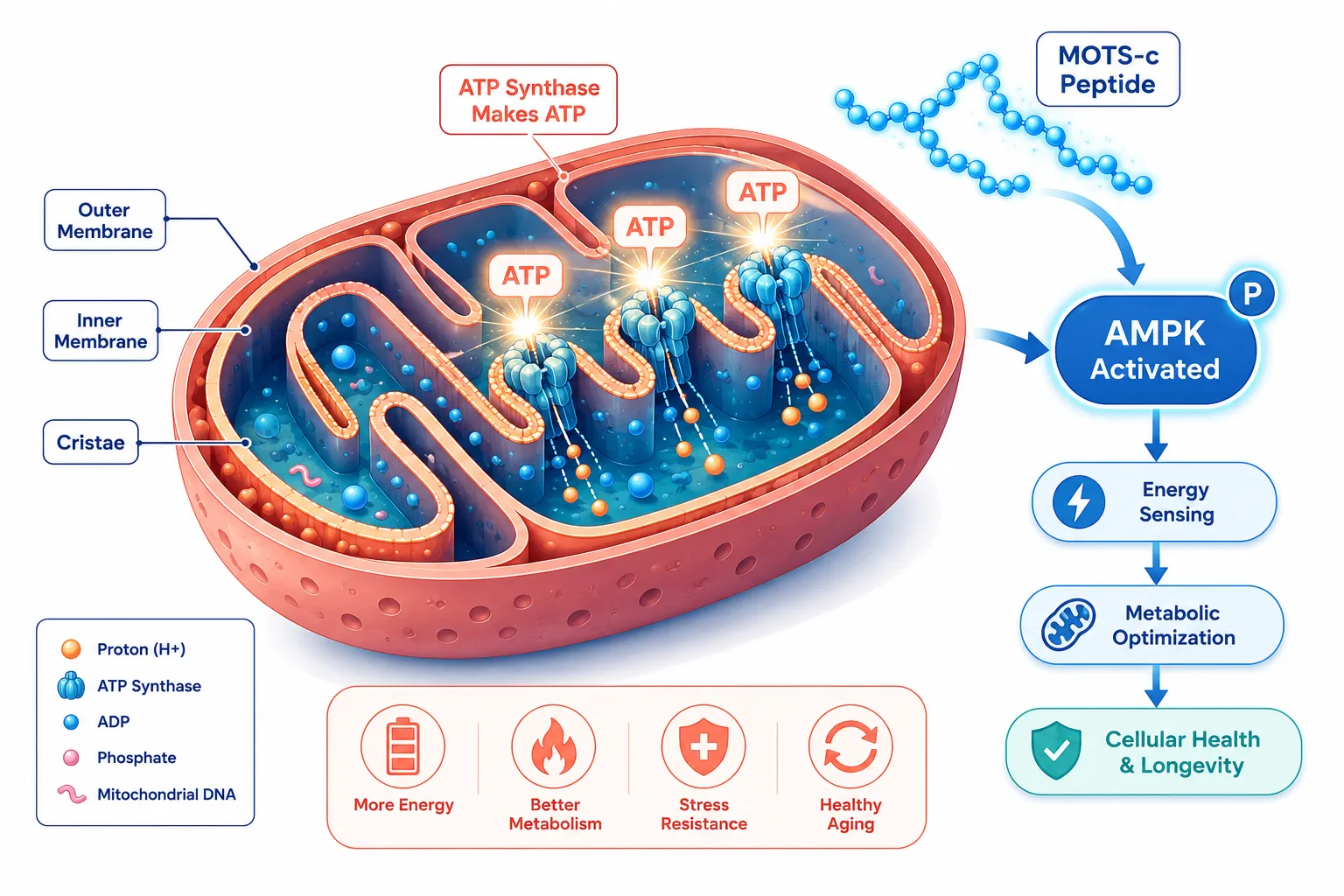
How MOTS-c Influences Mitochondrial Function and Metabolic Signaling
The study of mitochondrial biogenesis and metabolic health through the lens of MOTS-c peptide begins at the cellular level. MOTS-c is released from mitochondria in response to metabolic stress, including nutrient deprivation, exercise, and oxidative load. Once released, it migrates to the nucleus, where it activates AMP-activated protein kinase (AMPK), a master regulator of energy homeostasis.
AMPK activation triggers several downstream effects relevant to metabolic research:
- Enhanced glucose uptake in skeletal muscle cells
- Increased fatty acid oxidation (fat burning at the cellular level)
- Suppression of the folate cycle and one-carbon metabolism to redirect energy substrates
- Upregulation of genes involved in mitochondrial biogenesis, including PGC-1 alpha
"MOTS-c appears to function as a retrograde mitochondrial signal, essentially the mitochondria communicating metabolic need directly to the genome."
This retrograde signaling model is what makes MOTS-c so distinct from conventional metabolic peptides. Rather than acting through a receptor on the cell surface, it enters the nucleus directly and modulates transcription. Researchers exploring MOTS-c mitochondrial dynamics have documented this pathway across multiple cell types, including hepatocytes and myocytes.
Metabolic Research Themes: Insulin Sensitivity, Obesity, and Energy Balance
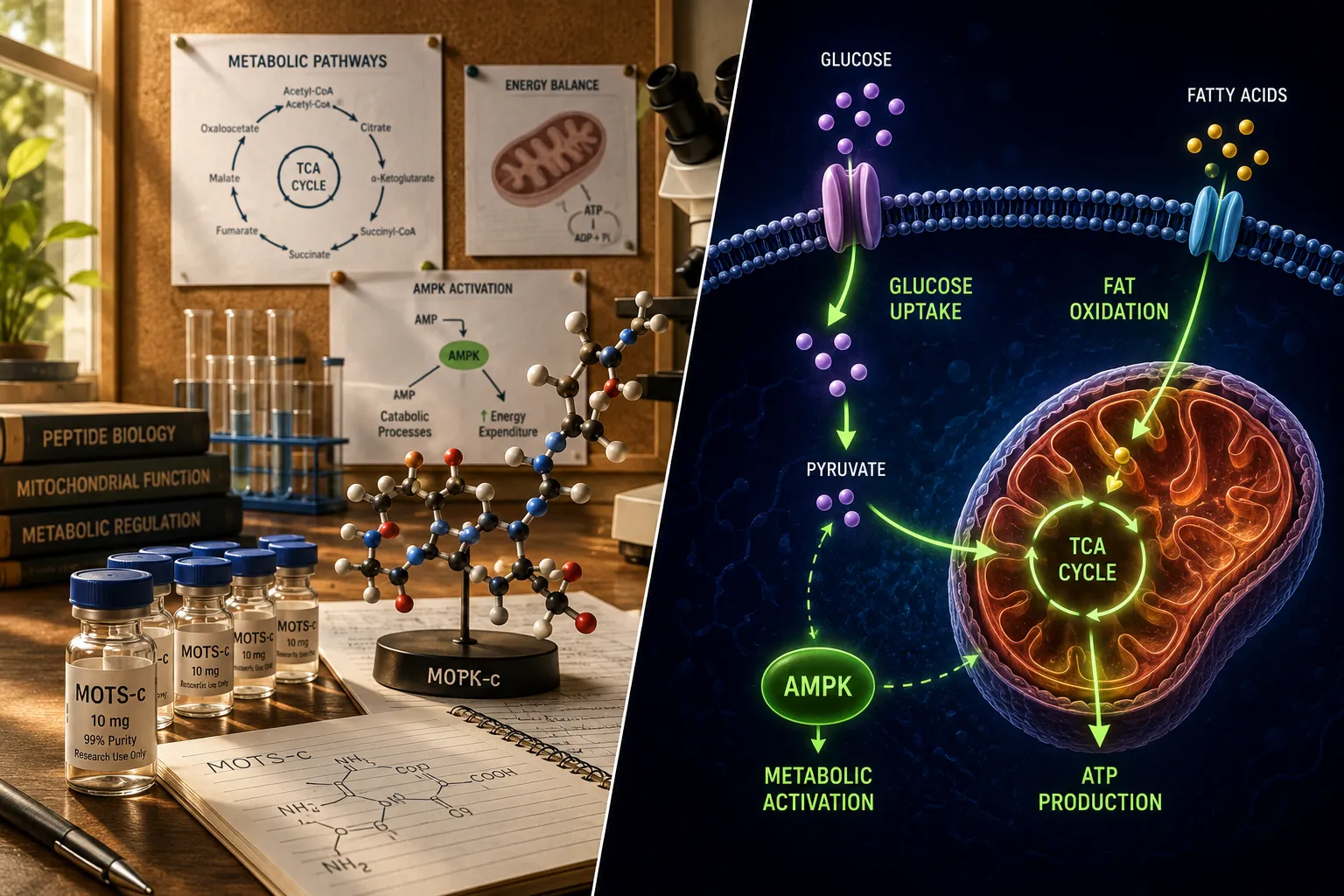
Preclinical data consistently position MOTS-c as a compelling candidate for metabolic modulation research. In rodent models, systemic MOTS-c administration improved insulin sensitivity, reduced fat mass, and countered diet-induced obesity, even without changes in caloric intake. These findings have driven interest in its potential relevance to type 2 diabetes and obesity-related metabolic dysfunction.
Key areas where MOTS-c research has shown signal:
| Research Area | Observed Preclinical Effect |
|---|---|
| Insulin resistance | Improved glucose tolerance and GLUT4 translocation |
| Obesity models | Reduced adiposity, improved lipid profiles |
| Aging models | Attenuated age-related metabolic decline |
| Exercise mimicry | Activated exercise-related metabolic pathways at rest |
For researchers building broader programs around cellular energy, metabolic modulation research lines provide useful context on how MOTS-c fits alongside other investigational compounds. Similarly, SLU-PP-332 metabolic modulation research explores parallel exercise-mimetic mechanisms worth comparing.
Researchers interested in mitochondrial protection from a different angle may also find value in reviewing SS-31 kidney health research, as SS-31 targets mitochondrial membrane integrity, a complementary mechanism to MOTS-c's transcriptional signaling role.
The 2026 Human Trial and the Future of MOTS-c Research

The most significant development in the field of mitochondrial biogenesis and metabolic health research involving MOTS-c peptide arrived in early 2026. A Phase 2a randomized, double-blind, placebo-controlled trial (NCT07505745, named "MOTS-MET") began enrolling in February 2026. The trial targets approximately 120 adults with prediabetes and overweight or obesity, administering native MOTS-c over 12 weeks with safety follow-up extending to week 16.
This represents the first rigorous human test of MOTS-c's metabolic effects, moving the compound from preclinical promise to clinical scrutiny. The trial's primary endpoints center on metabolic biomarkers, with safety profiling as a parallel objective.
For researchers sourcing compounds for parallel preclinical work, MOTS-c mechanism and research overview offers detailed documentation on the peptide's pharmacological profile. Those building out metabolic research panels can also explore MOTS-c metabolic flexibility research themes for a broader view of its investigational applications.
Purity is non-negotiable in peptide research. Contaminants or degraded sequences can confound results significantly. Reviewing peptide purity testing standards before sourcing any research-grade compound is a recommended first step.
Conclusion
MOTS-c occupies a unique position in the landscape of mitochondrial biogenesis and metabolic health research. Its origin within the mitochondrial genome, its AMPK-activating mechanism, and its exercise-mimetic properties make it one of the more mechanistically interesting peptides under active investigation. With a Phase 2a human trial now underway in 2026, the research community is closer than ever to understanding whether preclinical findings translate to measurable human metabolic benefit.
Actionable next steps for researchers:
- Review the current preclinical literature on MOTS-c's AMPK and folate-cycle mechanisms before designing new protocols
- Compare MOTS-c's mitochondrial signaling profile against complementary compounds in your research panel
- Prioritize verified, purity-tested peptide sources to ensure experimental integrity
- Monitor the MOTS-MET trial (NCT07505745) for interim safety and biomarker data expected in late 2026
Leave a Reply
Want to join the discussion?Feel free to contribute!