Call or Text 727-513-9780
  • Shopping Cart Shopping Cart
    0Shopping Cart
Pure Tested Peptides | America's most trusted Peptides for sale online
  • Peptides for sale
    • Oral Peptides for sale
      • Peptide Capsules for sale
      • BPC 157 Capsules 1000mcg
      • SLU-PP-332 Capsules | 1000 mcg
      • 5-Amino-1MQ 50mg Capsules
      • Tesofensine 500mcg
    • All Peptides for sale
    • Peptide Sprays
      • BPC 157 Nasal Spray Kit
      • BPC-157 TB500 Nasal Spray Kit
      • Semax Nasal Spray 10mg
      • Selank – Nasal Spray Kit – 10mg
      • Epithalon 50MG Nasal Spray Kit
      • Ipamorelin 10mg Nasal Spray
      • Klow Nasal Spray (BPC-157 + TB-500 + GHK-Cu + KPV) | 80mg
      • Hulk Nasal Spray Tesa / Ipa Blend 6/3 MG
      • Klow Nasal Spray
      • NAD + 500 mg Nasal Spray
      • PT-141 Nasal Spray Kit
    • GHRH Peptides
      • Ipa Peptides
      • CJC-1295 Peptides
        • CJC-1295 with DAC 5 mg
        • CJC-1295 without DAC 5 mg
        • CJC-1295 Ipa 10mg
      • Tesa Peptides
        • Tesa Peptide
        • Tesa 20 mg
    • GHK-Cu Peptides
      • All GHK-Cu Peptides
      • GHK-Cu 100mg
      • KLOW Peptide Blend – Buy KLOW blend online
    • BPC Peptides
      • All BPC Peptides
      • BPC-157
      • BPC-157 TB-500
      • BPC 157 capsules 1000mcg
    • SLU-PP-332 Peptides
      • All SLU-PP-332 Peptides
      • SLU-PP-332 5mg
    • GLP3 Peptides
      • GLP3-R
      • GLP3-R CAG 10mg
      • GLP3-R 20mg
    • PT-141 Peptides
      • PT-141 Peptides for sale
      • PT-141 10mg
      • PT-141 Nasal Spray
    • CAG Peptides
      • Lipo-C Peptide Blend
      • CAG 5mg
      • CAG 10mg
    • MOTS-C Peptides
      • MOTS-C Peptides for sale
      • MOTS-c peptide
      • MOTS-c 10mg *6 pack*
    • 5 Amino 1MQ Peptides
      • 5 Amino 1MQ Peptides for sale
      • 5-Amino-1MQ 50mg Capsules
      • 5-Amino-1MQ 5mg
    • Epithalon Peptides
      • Epithalon Peptides for sale
      • Epithalon 10mg
      • Epithalon 50mg
  • Shop
    • GLPs
      • 5-Amino-1MQ 50mg Capsules
      • 5-Amino-1MQ 5mg
      • GLP3-Reta
      • L-Carnitine 500mg/ml
      • Tesofensine 500mcg
      • SLU-PP-332 5mg
      • MOTS-c 10mg *6 pack*
    • Epithalon & BPC Peptides
      • Epithalon 10mg
      • Epithalon 50mg
      • BPC-157
      • BPC 157 capsules 1000mcg
      • BPC-157 TB-500
      • BPC-157 TB500 Nasal Spray Kit
      • BPC 157 Nasal Spray Kit
    • BPC TB-500 & NAD+ Peptides
      • NAD+ 500 mg
      • KLOW Peptide Blend – Buy KLOW blend online
      • GLOW Peptide Blend
      • TB 500 5mg
      • BPC 157 capsules 1000mcg – Supplement
      • BPC 157 Nasal Spray Kit
      • BPC-157
      • BPC-157 TB500 Nasal Spray Kit
      • BPC-157 TB-500
      • BPC 157 capsules 1000mcg
    • LL-37 Peptide
      • LL-37 10 mg
    • MOTS-C & Selank
      • MOTS-c peptide
      • Selank 10mg
    • GHK Peptides
      • GHK-Cu 100mg
      • GLOW Peptide Blend
      • KLOW Peptide Blend – Buy KLOW blend online
  • COAs
  • Wholesale
    • Wholesale Peptides for sale
  • PTP FAQ
  • Affiliates
    • Affiliate Program
    • Affiliate Signup
  • Contact
    • Contact Customer Service
    • Text Customer Support
  • About US
  • Shop all peptides
  • Login / Register Login / Register Page Link Login / Register Page Link
  • Click to open the search input field Click to open the search input field Search
  • Menu Menu

Tag Archive for: semax peptide

Semax and Selank Peptide Nasal Sprays: Comparative Mechanisms in Neurotrophic and Anxiolytic Research

Semax and Selank Peptide Nasal Sprays: Comparative Mechanisms in Neurotrophic and Anxiolytic Research

June 7, 2026/0 Comments/in Uncategorized/by

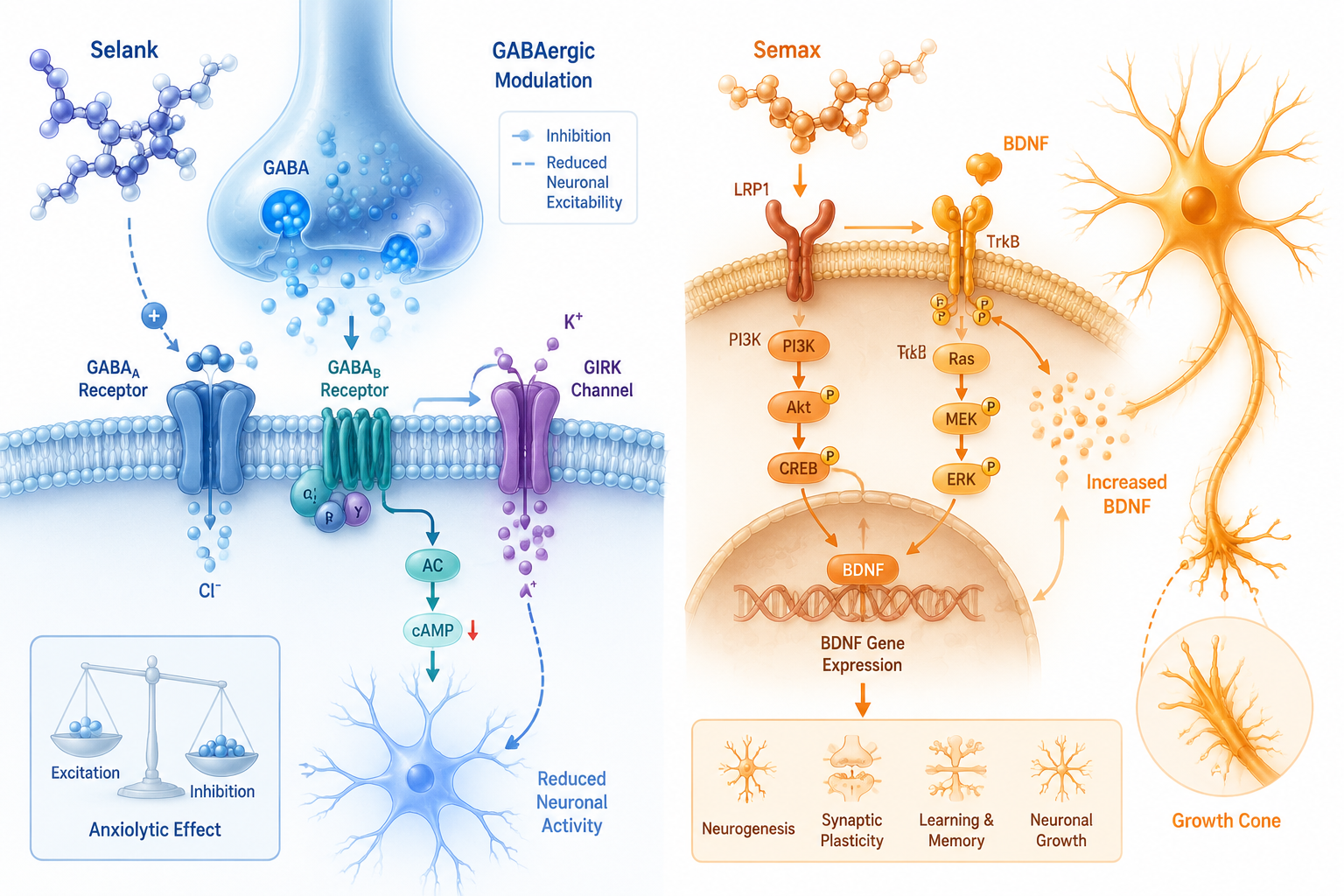
Two synthetic heptapeptides developed at the Russian Academy of Sciences have drawn sustained attention in preclinical neuroscience: Semax and Selank. Despite sharing a seven-amino-acid backbone and the same intranasal delivery route, their downstream effects diverge sharply — one drives neurotrophin expression, the other recalibrates GABAergic tone. Understanding this divergence is central to Semax and Selank peptide nasal sprays: comparative mechanisms in neurotrophic and anxiolytic research.

Key Takeaways

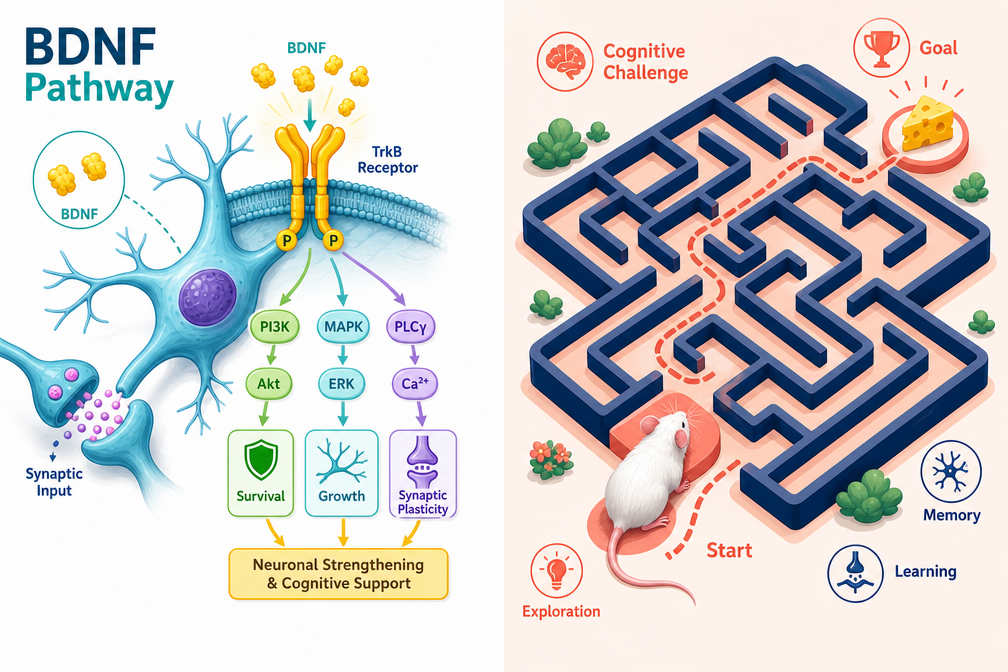
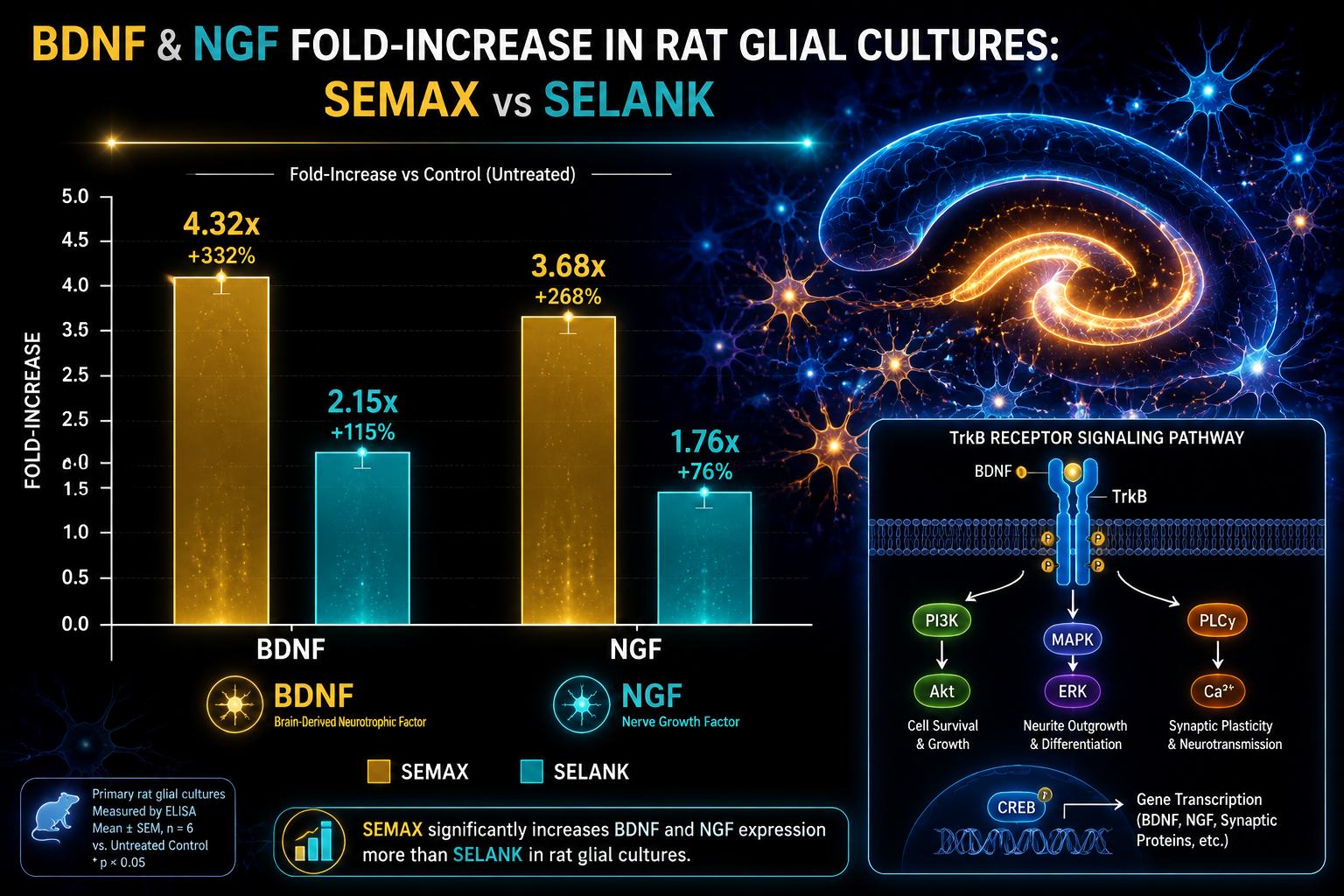
  • Semax is an ACTH(4-10) analog that upregulates BDNF and NGF, supporting cognitive and neuroprotective research models.
  • Selank is derived from the immunomodulatory peptide tuftsin and modulates GABAergic signaling without direct receptor binding.
  • Intranasal delivery bypasses first-pass metabolism, enabling rapid CNS uptake in animal research models.
  • Both peptides carry favorable preclinical safety profiles, but large-scale Western-standard trials remain limited.
  • Regulatory status differs by jurisdiction; researchers should verify current compliance requirements before sourcing.

Key Takeaways

Structural Origins and Mechanistic Divergence

Both peptides are heptapeptides, yet their parent sequences define entirely different pharmacological identities.

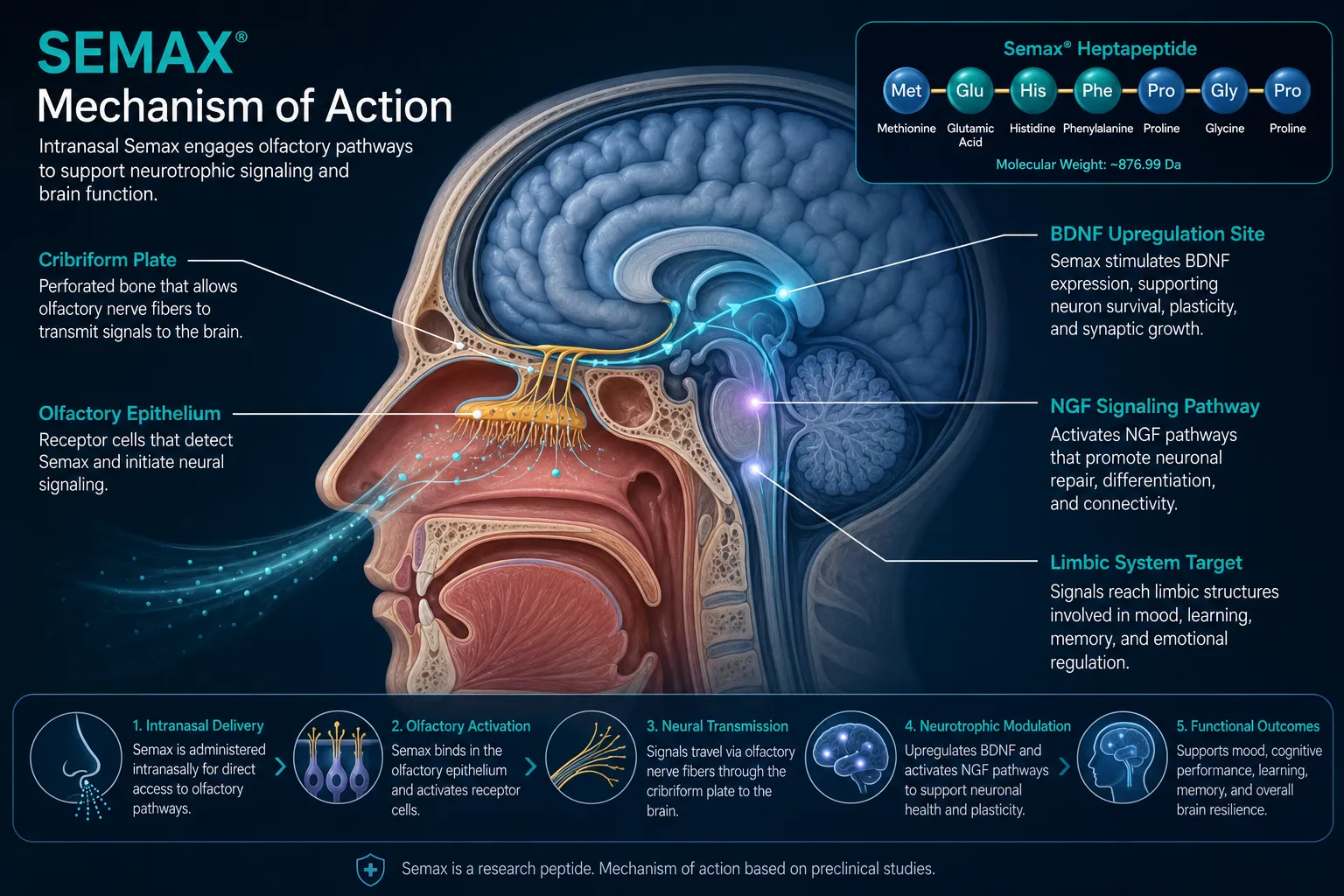
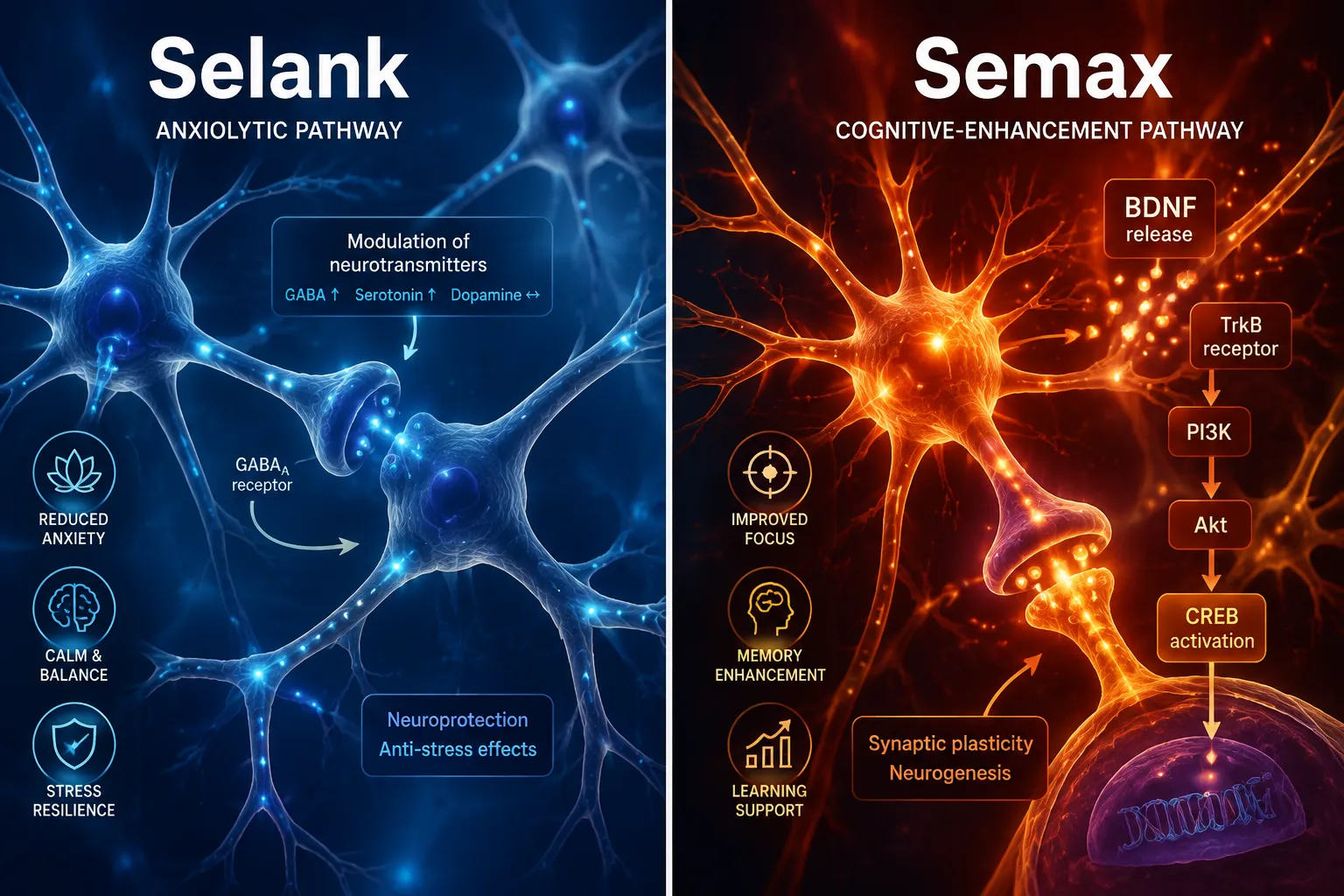
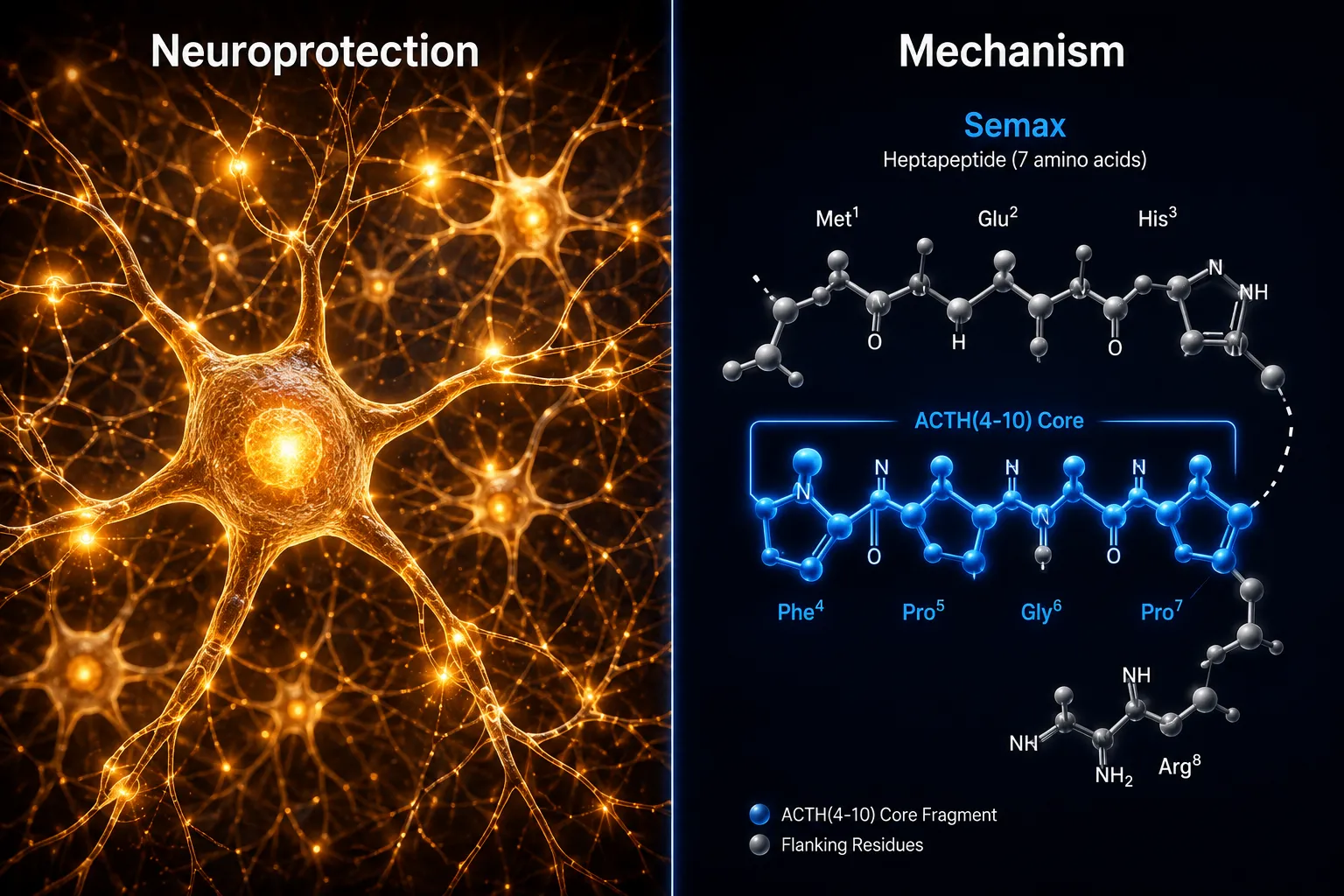
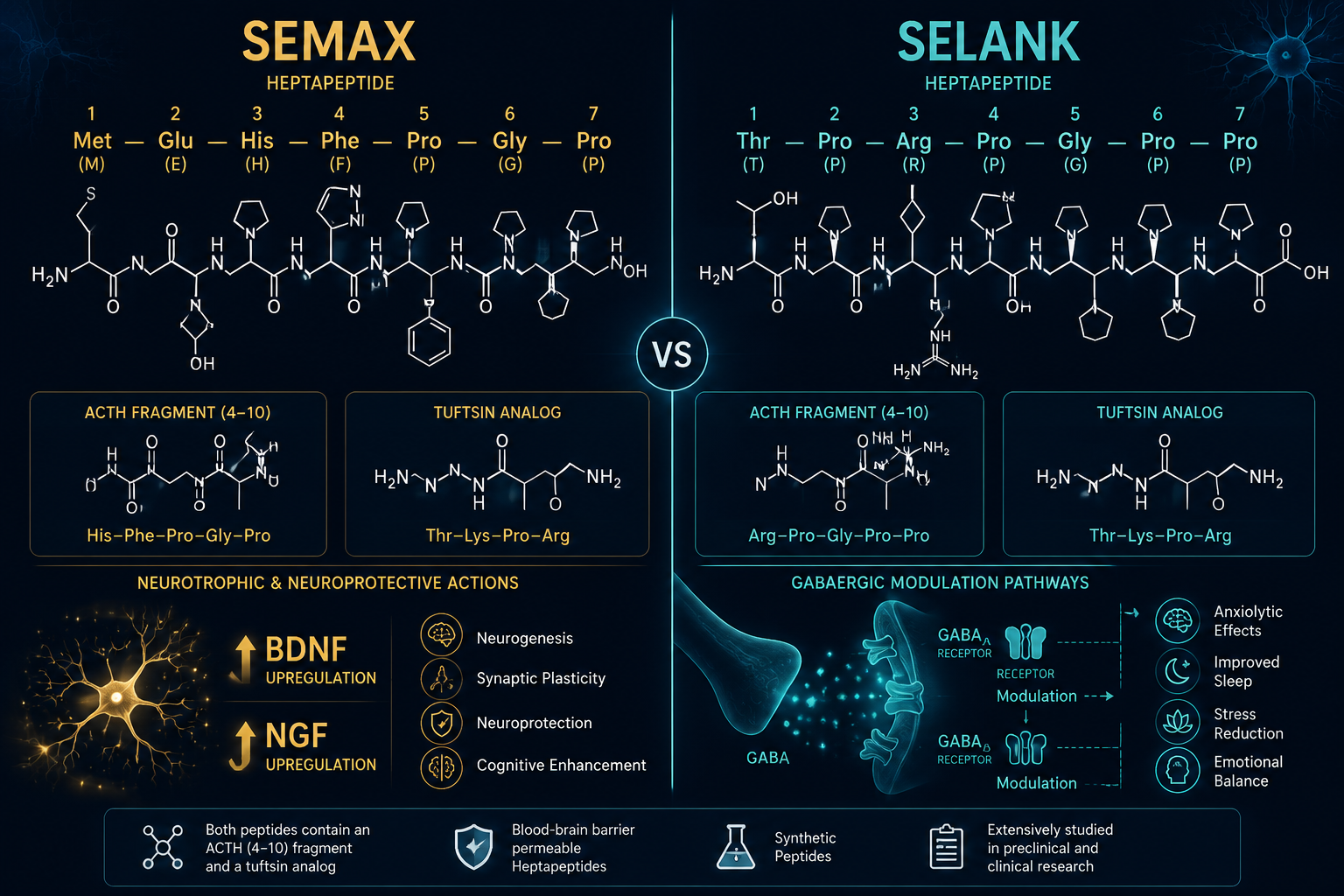
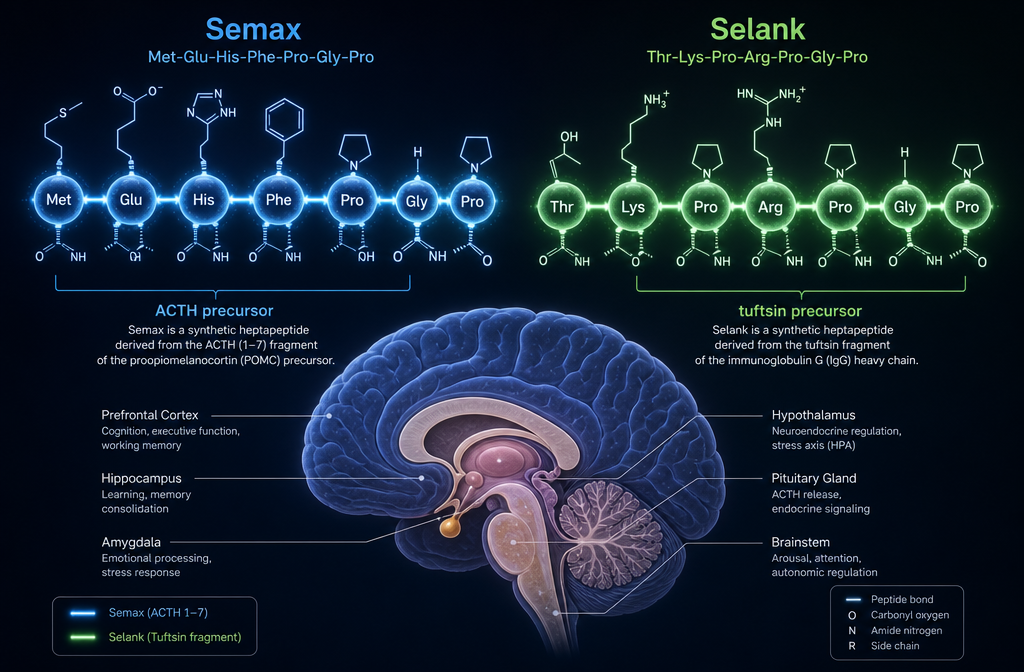
Semax (Met-Glu-His-Phe-Pro-Gly-Pro) is a synthetic analog of the ACTH(4-10) fragment. Its primary research interest lies in neurotrophin modulation. Preclinical data from rat glial cultures show that Semax rapidly induces BDNF mRNA expression approximately eight-fold and NGF mRNA approximately five-fold within hours of administration. These upregulations are believed to underlie the peptide's cognitive-enhancing and neuroprotective properties, making it a focus in stroke and ischemic injury models. In Russia, it holds approved status for ischemic stroke and transient ischemic attacks.

Selank (Thr-Lys-Pro-Arg-Pro-Gly-Pro) descends from tuftsin, a naturally occurring immunomodulatory tetrapeptide. Rather than driving neurotrophin synthesis, Selank modulates the GABAergic system by increasing expression of genes encoding GABA-A receptor subunits in the hippocampus and prefrontal cortex. Critically, it does not directly bind GABA-A receptors. Instead, it enhances receptor sensitivity to endogenous GABA — a mechanism that produces anxiolytic effects without the sedation, dependence, or withdrawal risks associated with benzodiazepines. Selank is registered in Russia for generalized anxiety disorder.

Feature Semax Selank
Parent sequence ACTH(4-10) Tuftsin
Primary mechanism BDNF/NGF upregulation GABAergic modulation
Key research area Neuroprotection, cognition Anxiety, stress response
Sedation risk Minimal None reported
Russian approval Ischemic stroke Generalized anxiety disorder

Researchers exploring broader neuropeptide frameworks may also find value in reviewing GHK-Cu longevity research themes and neuroendocrine and innate immunity interactions for comparative context.


Intranasal Delivery as a CNS Research Tool

The shared intranasal route is not incidental — it is mechanistically significant in Semax and Selank peptide nasal sprays: comparative mechanisms in neurotrophic and anxiolytic research.

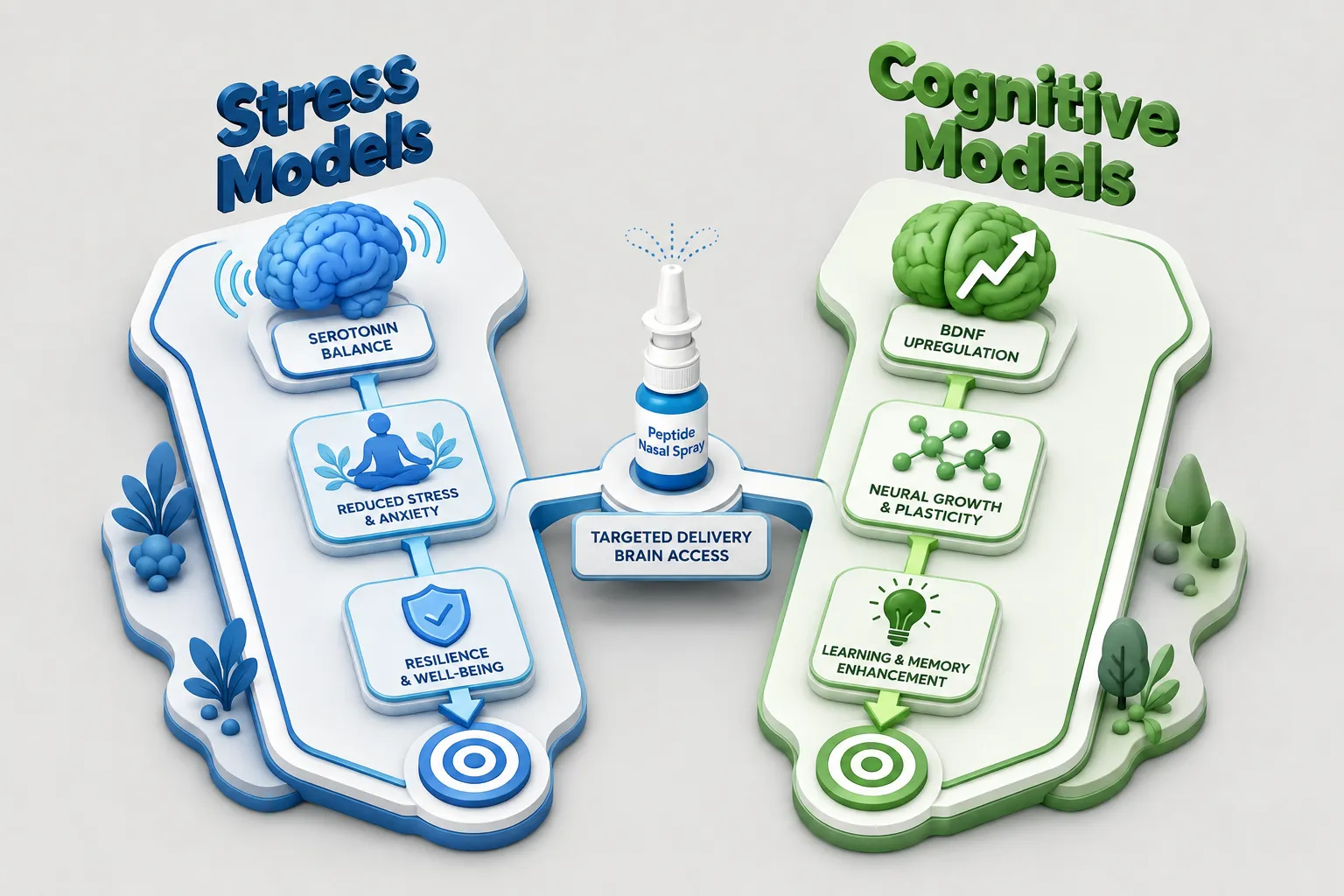
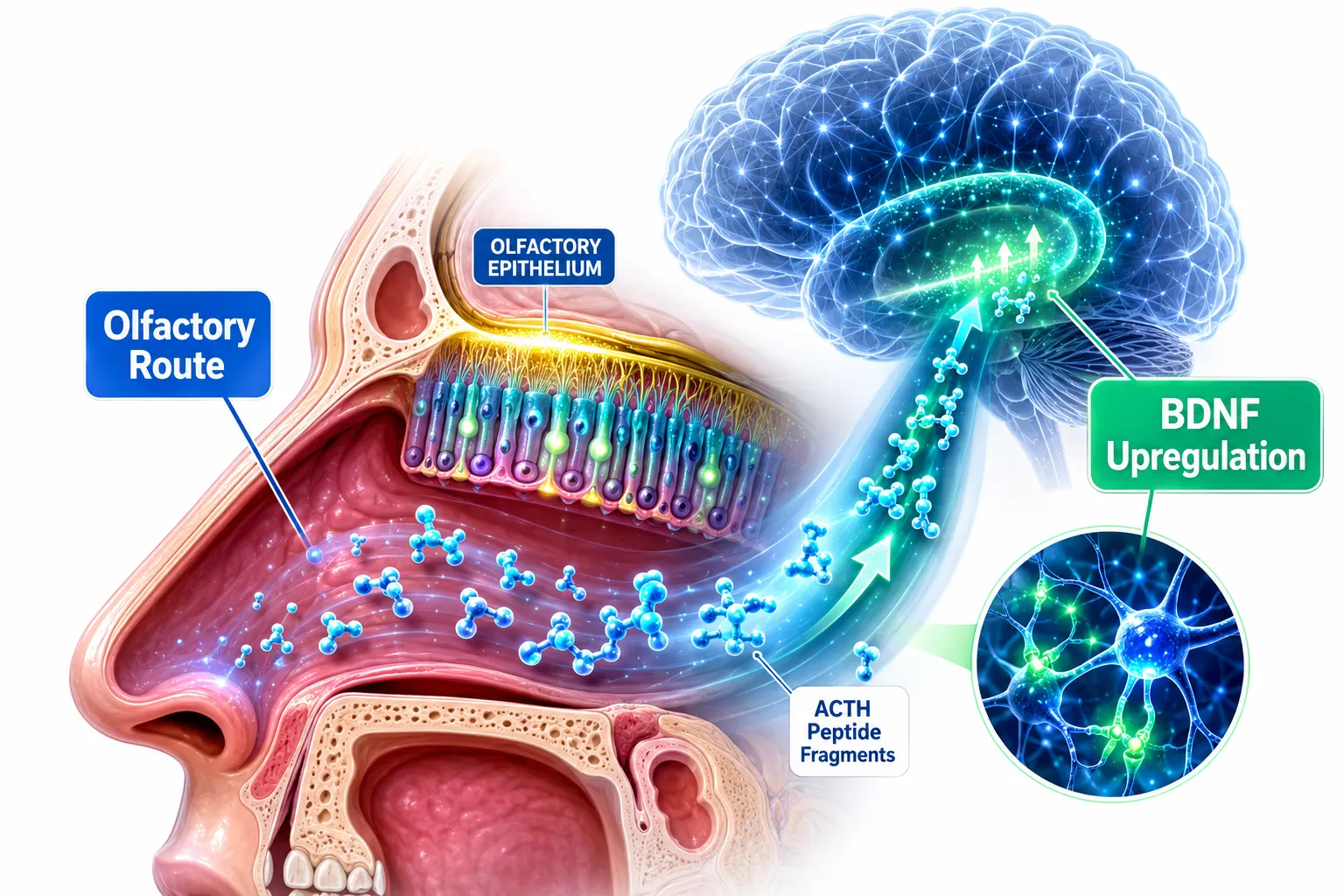
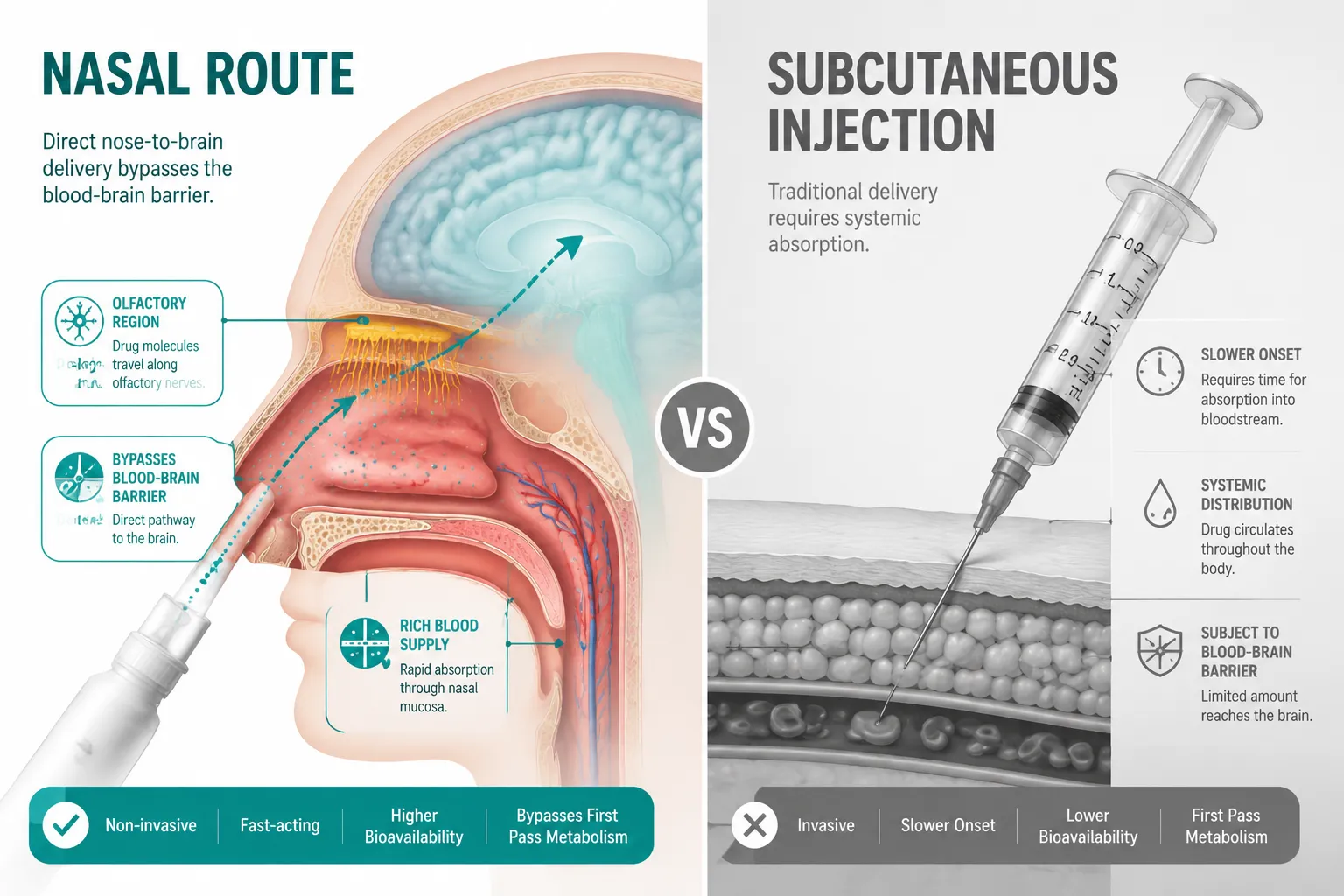
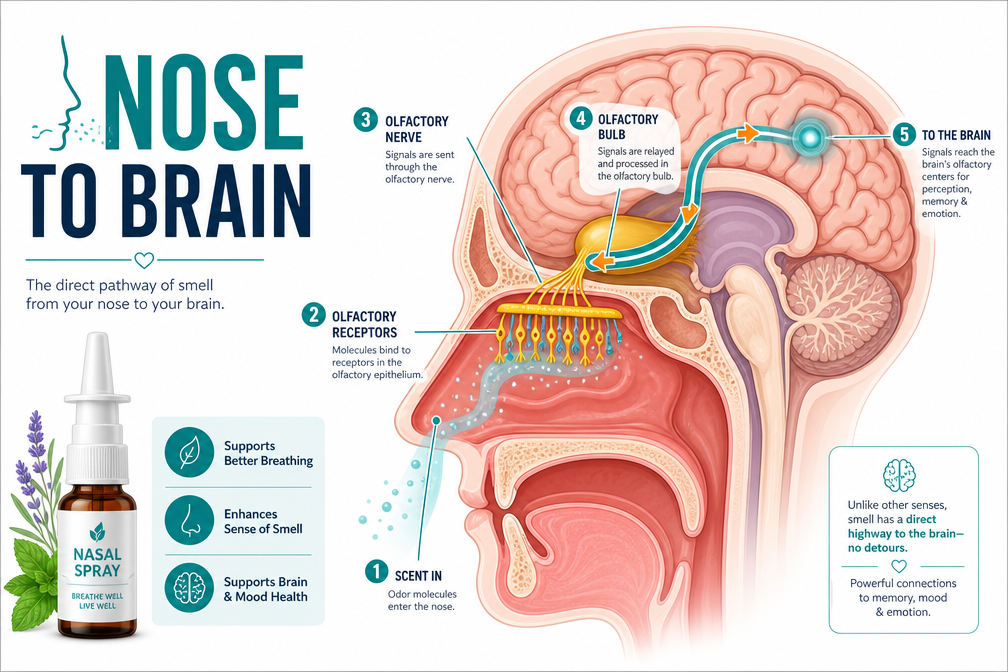
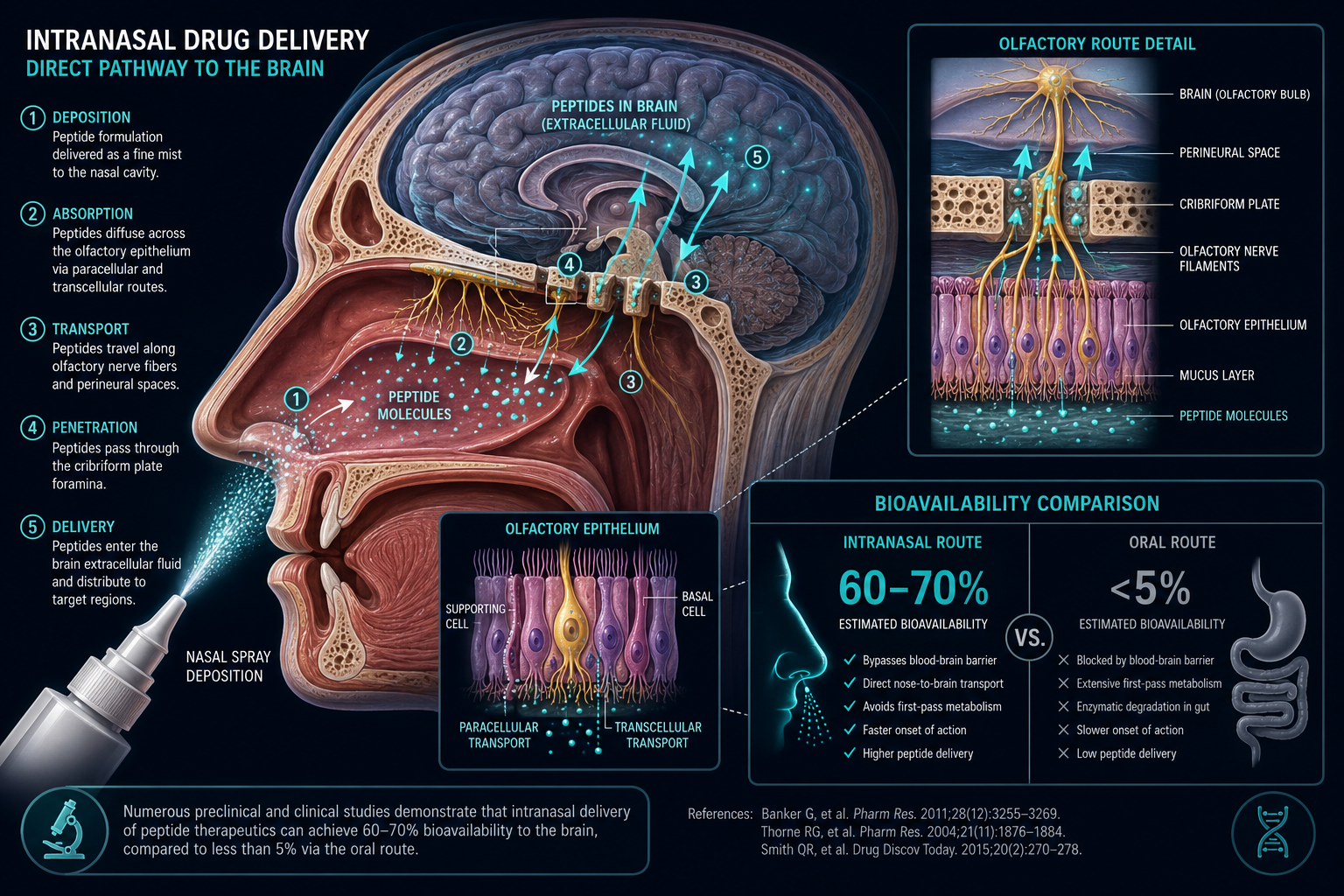
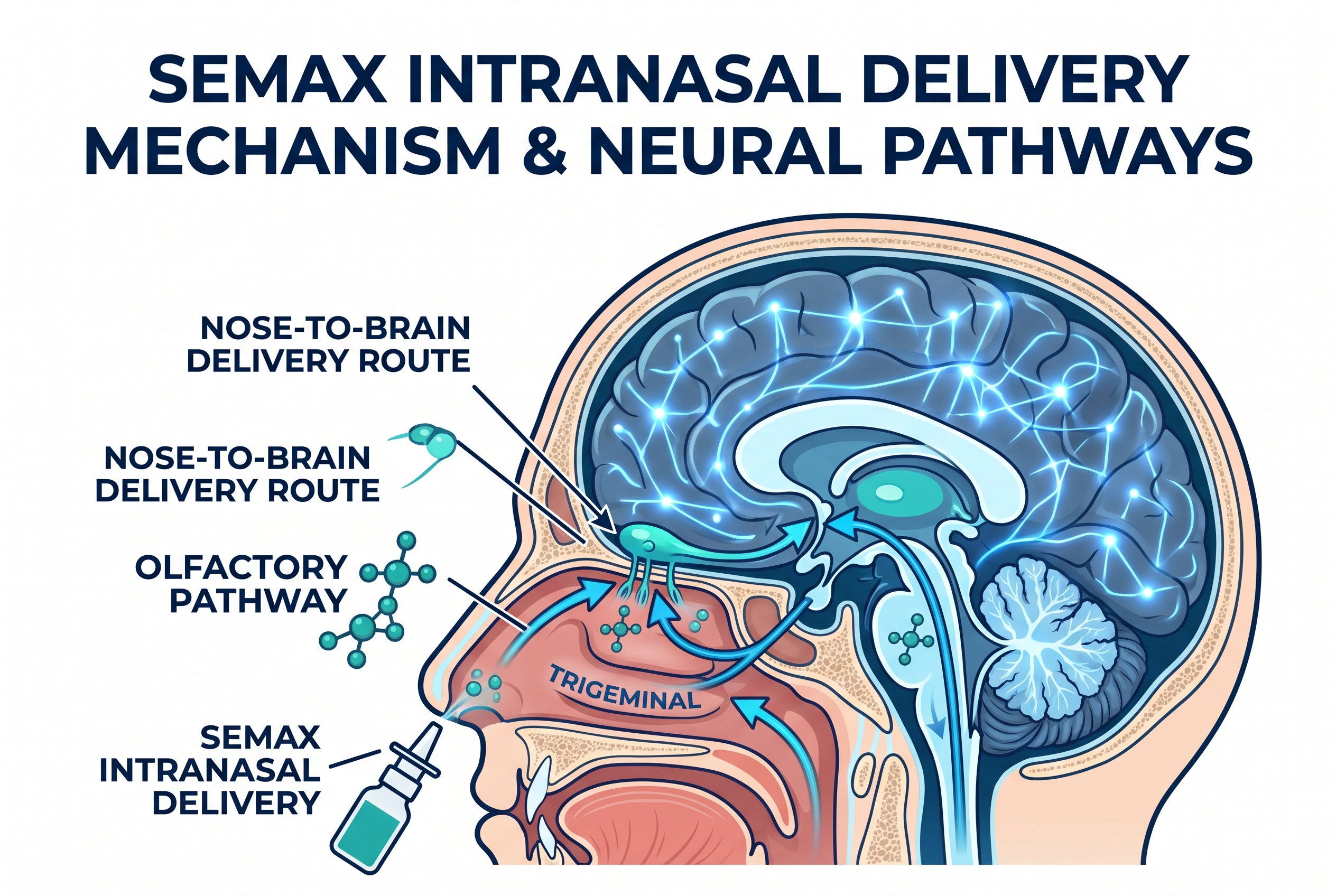
Intranasal administration bypasses the blood-brain barrier via olfactory and trigeminal pathways, enabling direct CNS uptake without first-pass hepatic metabolism. In animal models, this translates to faster onset and more predictable CNS bioavailability compared to oral routes. Both peptides benefit from this delivery advantage, which is why nasal spray formulations remain the standard in preclinical protocols.

"Intranasal delivery offers a non-invasive pathway to CNS-targeted peptide exposure, making it particularly valuable in rodent behavioral and neurochemical research."

This delivery principle is relevant across multiple peptide research lines. For example, PT-141 neural and metabolic research themes similarly highlight how administration route shapes CNS receptor engagement. Likewise, Epithalon research demonstrates how peptide structure and delivery interact in longevity-focused models.


Evidence Landscape, Safety, and Research Gaps

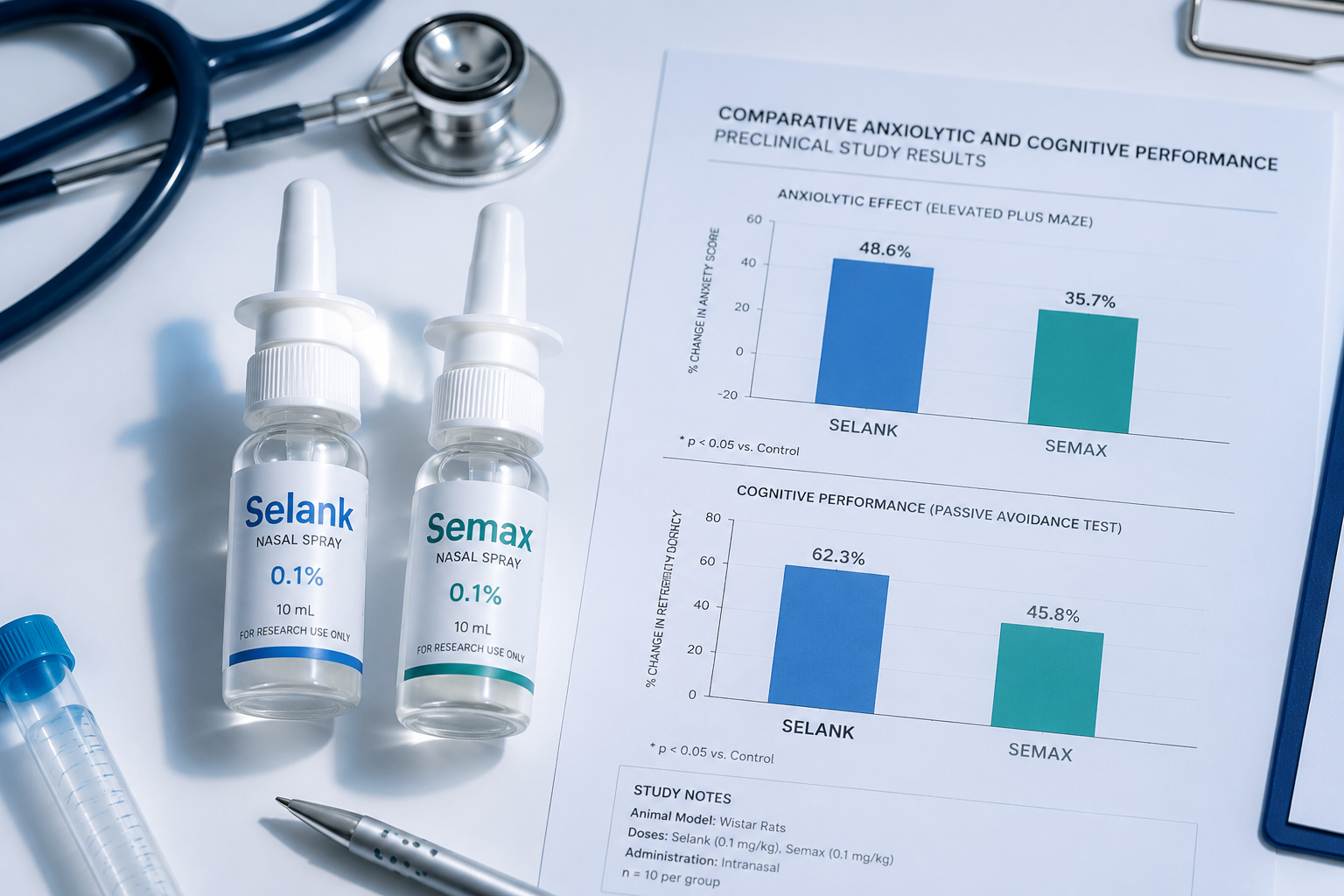
The clinical evidence base for Semax and Selank peptide nasal sprays: comparative mechanisms in neurotrophic and anxiolytic research is real but geographically concentrated. Most published studies originate from Russian-language literature and report positive outcomes — improved cognitive markers with Semax, reduced anxiety indices with Selank. However, large-scale, randomized, double-blind, placebo-controlled trials meeting Western regulatory standards are sparse, limiting generalizability.

Safety profiles for both peptides appear favorable in available data. Selank in particular shows no sedation, dependence, or withdrawal effects across reported use, a meaningful distinction from classical anxiolytics.

On the regulatory front, Selank was placed on the FDA's Category 2 list in September 2023, restricting pharmacy compounding. A reclassification announced in February 2026 is expected to return it to Category 1 status, which would restore legal compounding access in the United States.

Evidence Landscape, Safety, and Research Gaps

Combination protocols pairing Semax's neurotrophic effects with Selank's anxiolytic profile are an emerging research direction. The rationale is straightforward: BDNF-driven plasticity and reduced stress-pathway interference may complement each other in cognitive performance models. Researchers interested in multi-pathway peptide stacking can also review the KLOW blend multipathway research overview and Selank side effects research for additional context.

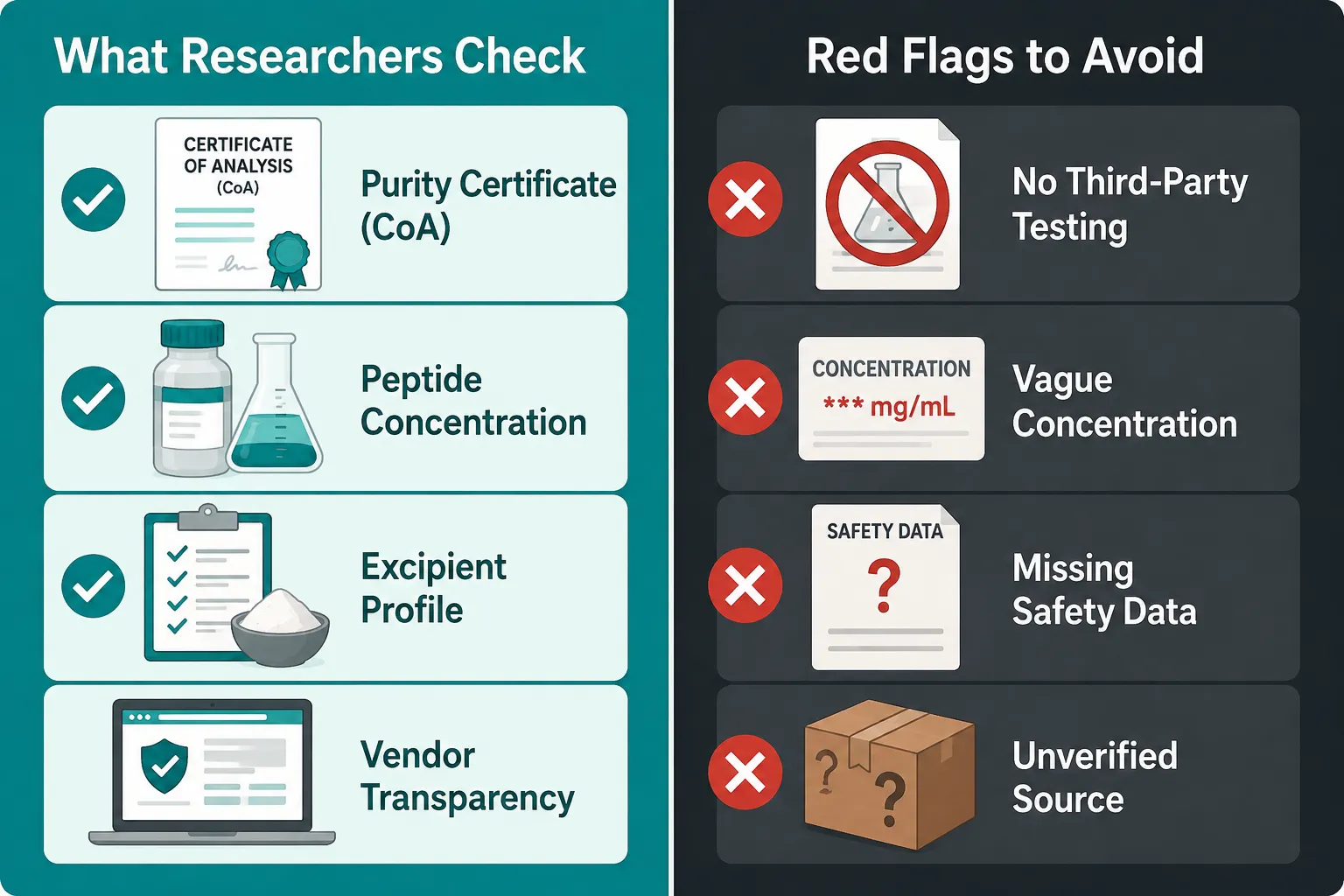
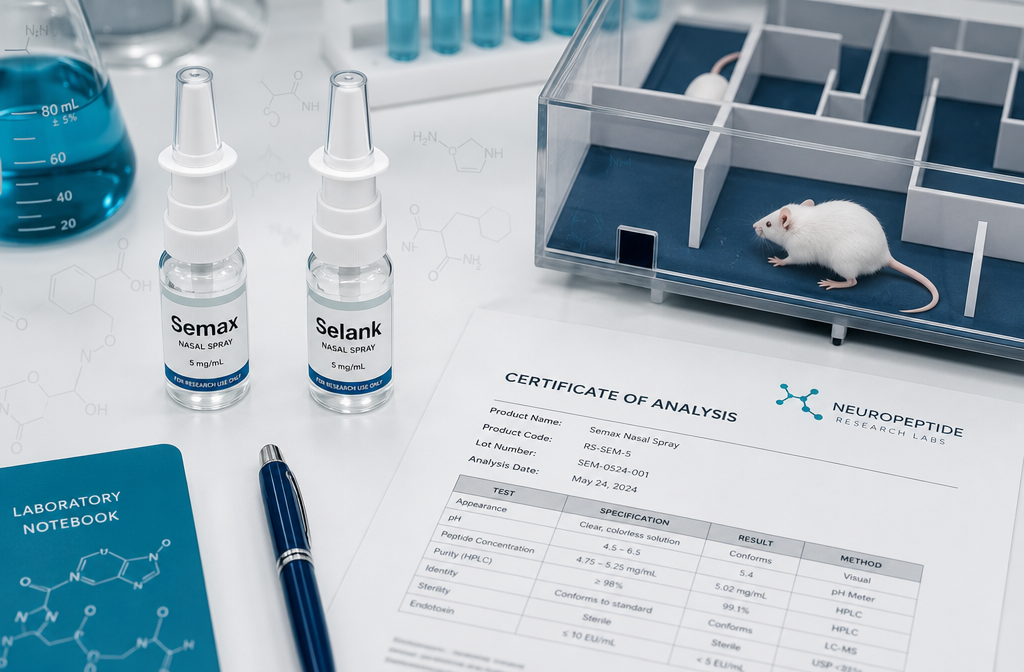
For sourcing decisions, verifying supplier quality documentation is essential. Reviewing a supplier's certificate of analysis standards helps ensure peptide purity and traceability in research applications.



Conclusion

Semax and Selank represent two distinct but complementary research tools within CNS-targeted peptide science. Semax drives neurotrophin expression — particularly BDNF and NGF — making it relevant to neuroprotection and cognitive research models. Selank modulates GABAergic receptor sensitivity without direct binding, offering anxiolytic effects free of dependence risk. Intranasal delivery amplifies both peptides' CNS accessibility, making nasal spray formulations the preferred vehicle in animal research.

Actionable next steps for researchers:

  • Prioritize peer-reviewed preclinical data when designing protocols; acknowledge the Western-trial gap.
  • Verify current regulatory status in your jurisdiction before sourcing either peptide.
  • Request certificates of analysis from suppliers to confirm purity and batch consistency.
  • Consider combination protocols only after establishing individual baseline responses in your model system.
  • Monitor the FDA reclassification timeline for Selank, anticipated to shift in 2026.
https://www.puretestedpeptides.com/wp-content/uploads/2026/06/Semax-and-Selank-Peptide-Nasal-Sprays-Comparative-Mechanisms-in-Neurotrophic-and-Anxiolytic-Research.png 672 1024 https://www.puretestedpeptides.com/wp-content/uploads/2026/01/buy-peptides-online.jpg 2026-06-07 13:03:562026-06-07 13:03:56Semax and Selank Peptide Nasal Sprays: Comparative Mechanisms in Neurotrophic and Anxiolytic Research
Semax Peptide Nasal Spray Research: Cognitive Performance, Neuroprotection, and Delivery Considerations

Semax Peptide Nasal Spray Research: Cognitive Performance, Neuroprotection, and Delivery Considerations

June 5, 2026/0 Comments/in Uncategorized/by

Fewer than a dozen peptides developed outside Western regulatory systems have attracted as much sustained research attention as Semax — a synthetic heptapeptide that Russian scientists have studied for over three decades. Semax Peptide Nasal Spray Research: Cognitive Performance, Neuroprotection, and Delivery Considerations sits at the crossroads of neuroscience, pharmacology, and delivery science, raising questions that matter well beyond Russia's borders.

Key Takeaways

  • Semax is a synthetic peptide derived from an ACTH(4-10) fragment, approved in Russia for stroke and neuroprotection but not approved by the FDA or EMA.
  • Intranasal delivery is the dominant route in both clinical and research settings, with direct nose-to-brain transport hypothesized via olfactory and trigeminal pathways.
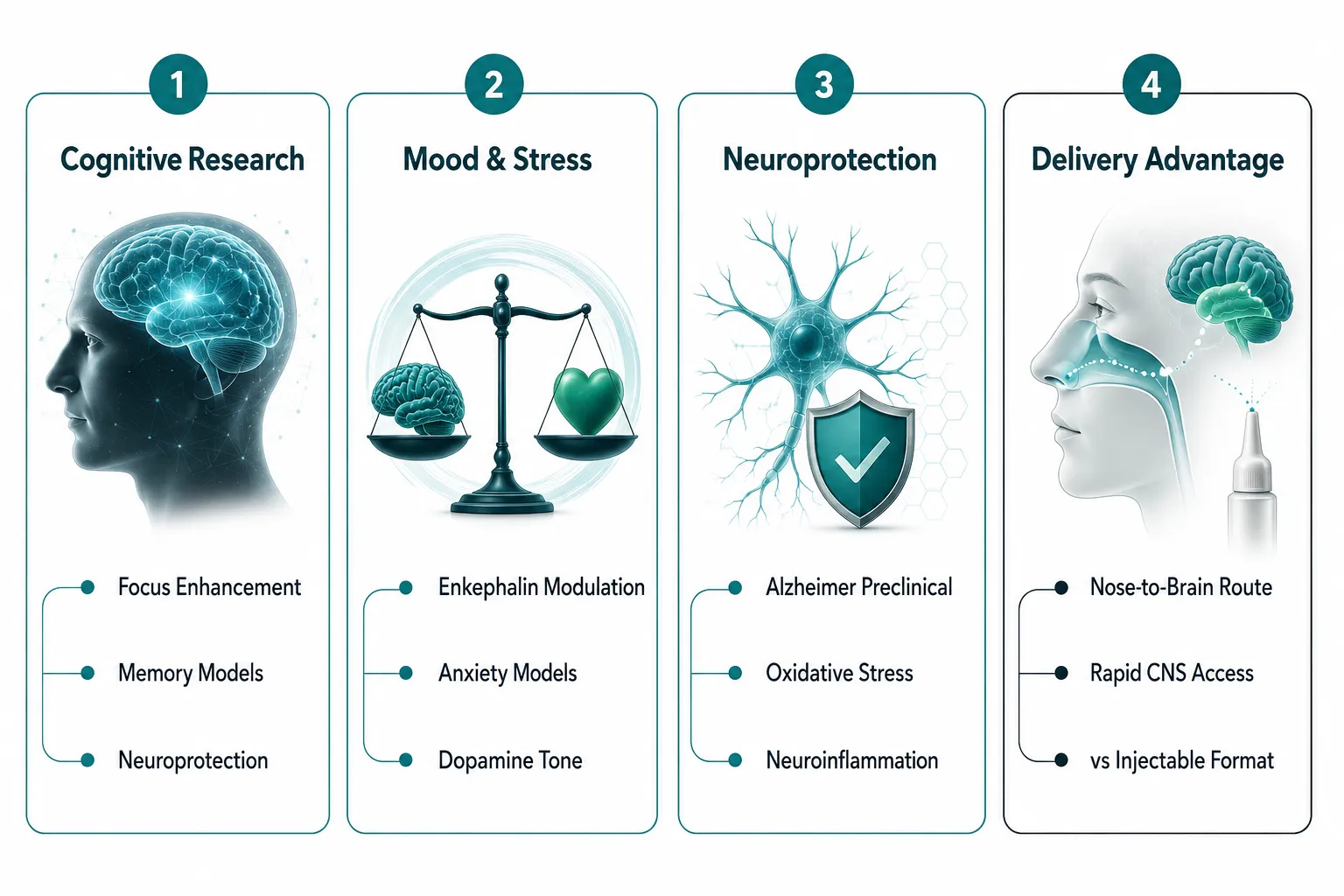
  • Preclinical data shows Semax modulates BDNF expression and neuroinflammatory gene activity; human cognitive data exists but comes largely from small Russian studies.
  • No large randomized controlled trials in healthy Western populations have been published as of 2026.
  • Researchers and clinicians should weigh the mechanistic plausibility against the current evidence gaps before drawing conclusions.

What Is Semax and Why Does the Delivery Route Matter

Semax is a heptapeptide built from a fragment of adrenocorticotropic hormone (ACTH), specifically the 4-10 sequence, with a proline-glycine-proline extension that increases its stability. Developed at the Russian Academy of Sciences in the late 1980s, it earned regulatory approval in Russia for conditions including ischemic stroke, discirculatory encephalopathy, optic nerve atrophy, and neonatal neurological deficits.

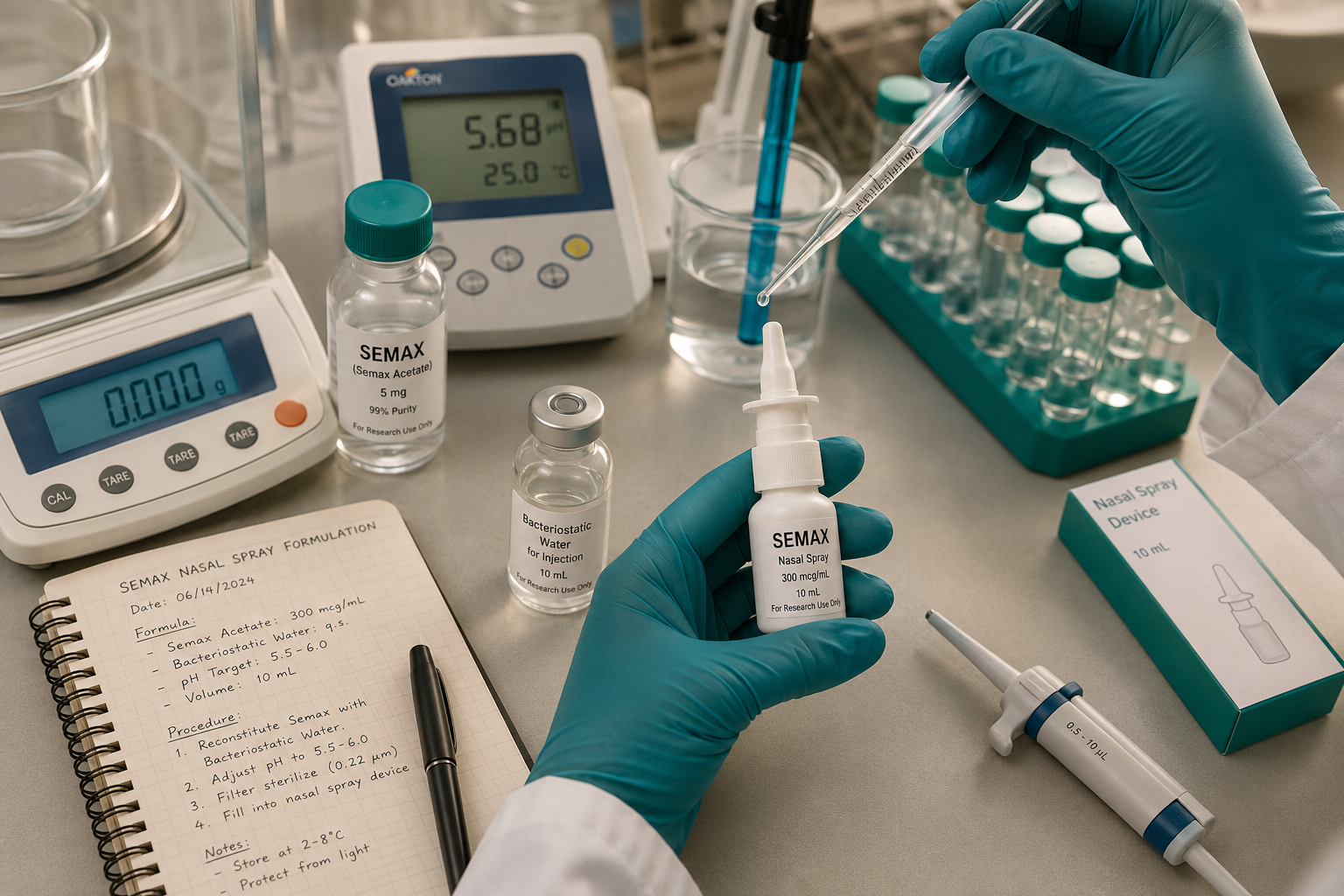
The delivery route is not a minor detail — it is central to the entire research profile. Unlike many peptides that require injection to reach systemic circulation, Semax is most commonly administered as a nasal spray or nasal drops. This matters because the nasal mucosa offers a relatively direct pathway to the central nervous system through the olfactory epithelium and trigeminal nerve branches, bypassing the blood-brain barrier to a meaningful degree.

What Is Semax and Why Does the Delivery Route Matter

Standard intranasal dosing protocols referenced in the literature include:

Indication Concentration Typical Dosing
Acute stroke (clinical) 1% solution 2-4 drops, 3-4 times daily
Mild cognitive or neuroprotective use 0.1% solution 1-2 drops, twice daily
Healthy volunteer research Variable 250-1,000 mcg/kg

Onset of reported cognitive effects via the intranasal route is approximately 30 minutes in both user accounts and clinical observations, which aligns with the expected pharmacokinetics of nose-to-brain transport. Subcutaneous injection is an alternative route studied for systemic indications, but intranasal administration appears to produce more pronounced cognitive effects in reported data, likely because of the direct central delivery mechanism.

Researchers interested in the broader landscape of what is new in peptide research will find Semax's delivery profile particularly instructive as a model for CNS-targeted peptide administration.


Cognitive Performance: What the Research Actually Shows

The cognitive performance data for Semax is real but limited. Russian clinical studies in healthy volunteers using intranasal doses of 250 to 1,000 mcg/kg reported improvements in attention, short-term memory, and EEG patterns consistent with neuroprotective agents. These findings are notable, but they come with significant caveats.

Most of these studies are small, conducted in Russian-language journals, and have not been replicated in large, double-blind, placebo-controlled trials in Western research settings. As of 2026, no clinical trials are registered in the United States, and no pivotal trials appear in Western regulatory databases. The evidence for cognitive benefits in healthy adults remains promising but not conclusive.

"Evidence for healthy users is limited and largely not replicated in Western cohorts."

This does not invalidate the mechanistic rationale. Semax's structural relationship to ACTH fragments suggests interactions with melanocortin receptors, and its effects on neurotransmitter systems — including serotonin and dopamine modulation — provide a plausible biological basis for the reported cognitive changes.

Researchers studying related anxiolytic and cognitive peptides may find value in comparing Semax's profile with Selank peptide benefits, another Russian-developed nootropic with overlapping research themes. A direct comparison is also available in the Selank and Semax research overview.


Neuroprotection Mechanisms and Preclinical Evidence

Neuroprotection Mechanisms and Preclinical Evidence

The neuroprotection angle of Semax Peptide Nasal Spray Research: Cognitive Performance, Neuroprotection, and Delivery Considerations is arguably the strongest area of the existing evidence base, even if it remains largely preclinical.

Animal studies published in peer-reviewed journals demonstrate that Semax modulates the expression of genes linked to:

  • Neurotrophic factors, particularly BDNF (brain-derived neurotrophic factor)
  • Neurotransmission pathways across multiple receptor systems
  • Inflammatory response genes in brain tissue following ischemic insult

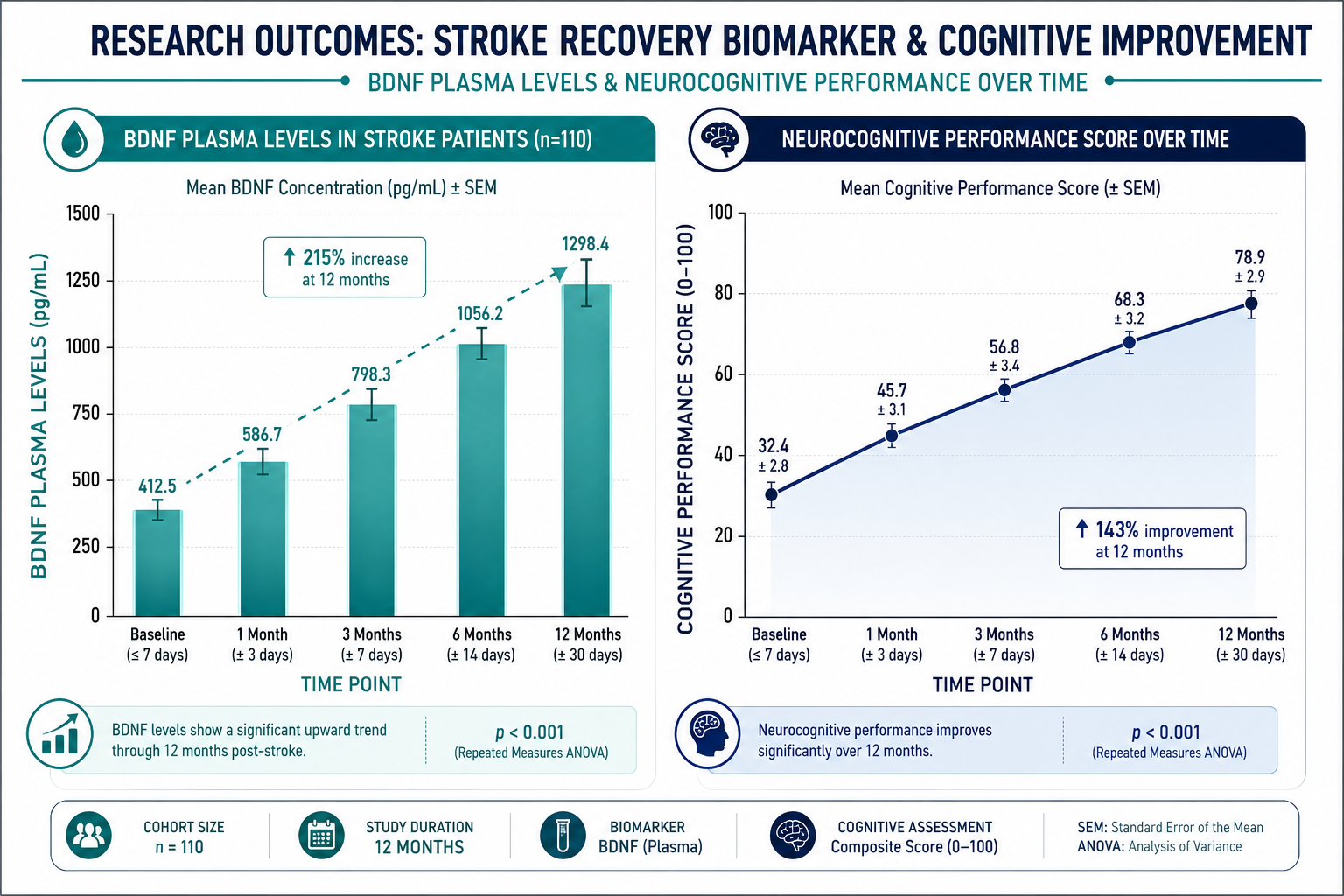
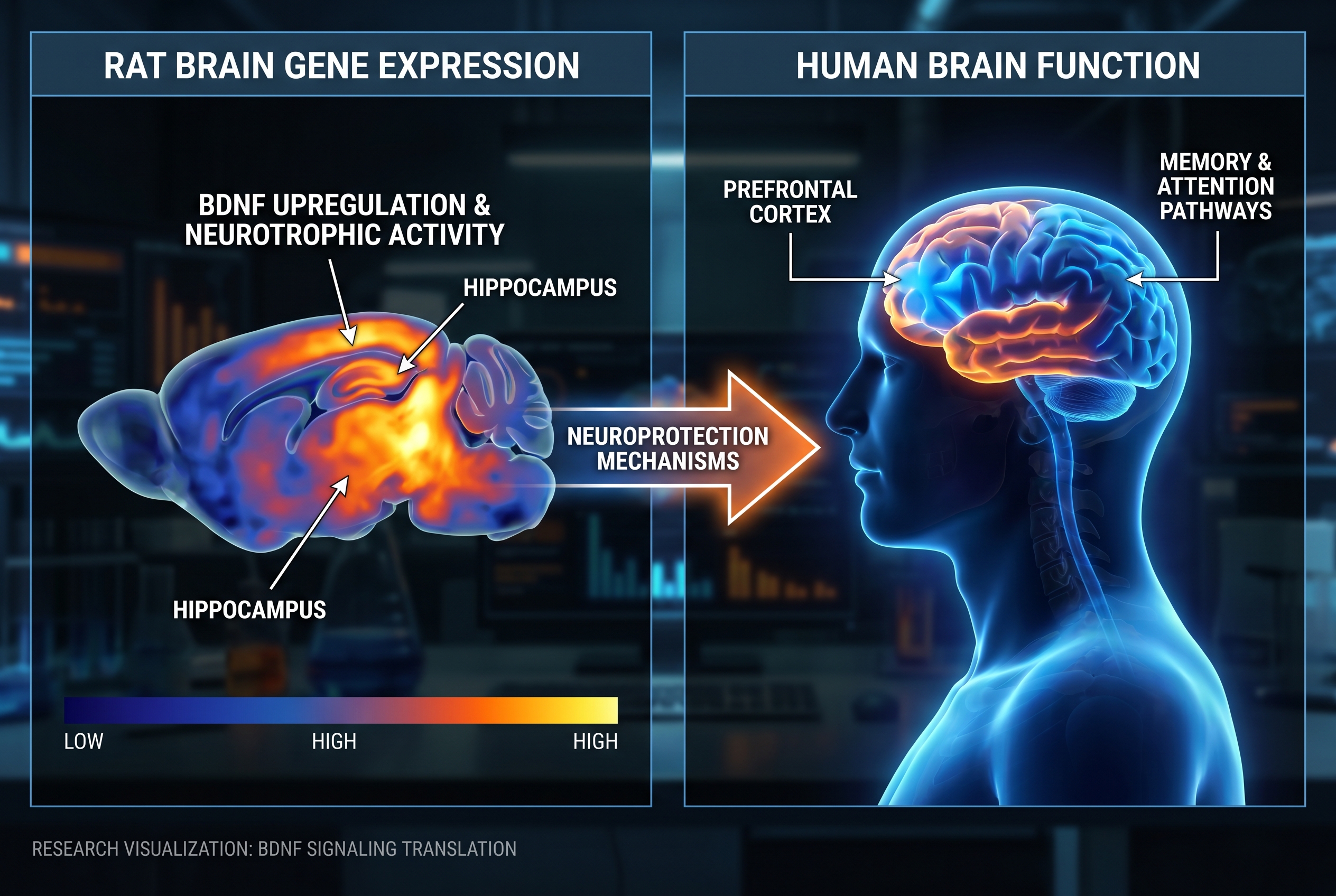
BDNF upregulation is especially significant. BDNF supports neuronal survival, synaptic plasticity, and learning consolidation — making it a central target in neuroprotection research. Semax's ability to increase BDNF expression in rat brain models provides a mechanistic framework that helps explain the clinical observations in stroke patients.

In Russian clinical settings, Semax added to standard stroke therapy reportedly improved neurological outcomes compared to control groups. However, many of these studies are open-label or lack rigorous methodology descriptions, and access to primary datasets remains limited for Western researchers.

For context on how neurotrophic and recovery-oriented peptides are studied more broadly, the recovery and tissue biology research overview provides useful framing. Similarly, researchers tracking longevity-adjacent peptide mechanisms may find parallels in GHK-Cu longevity research themes.

The Selank side effects profile also offers comparative safety context for researchers evaluating CNS-active peptides with similar origins.


Conclusion

Semax Peptide Nasal Spray Research: Cognitive Performance, Neuroprotection, and Delivery Considerations represents one of the more developed — yet still evidence-limited — areas of peptide neuroscience. The intranasal delivery route is not incidental; it is the defining feature that makes Semax pharmacologically distinct and practically relevant for CNS research. The mechanistic case for neuroprotection through BDNF modulation is credible and supported by preclinical work. The cognitive performance data from human studies is suggestive but not yet validated by large, well-controlled Western trials.

Actionable next steps for researchers and clinicians:

  • Treat existing Russian clinical data as hypothesis-generating, not confirmatory.
  • Prioritize understanding the nose-to-brain delivery pathway when designing or evaluating Semax studies.
  • Monitor Western regulatory databases for any emerging IND filings or registered trials.
  • Compare Semax's neurotrophic mechanism against better-characterized peptides to contextualize effect size expectations.
  • Consult purity and testing documentation — such as available certificates of analysis — when sourcing research-grade material.

The science is moving. The evidence base, while still maturing, offers enough mechanistic depth to justify continued structured investigation.

https://www.puretestedpeptides.com/wp-content/uploads/2026/06/Semax-Peptide-Nasal-Spray-Research-Cognitive-Performance-Neuroprotection-and-Delivery-Considerations.png 1024 1536 https://www.puretestedpeptides.com/wp-content/uploads/2026/01/buy-peptides-online.jpg 2026-06-05 13:36:212026-06-05 13:36:21Semax Peptide Nasal Spray Research: Cognitive Performance, Neuroprotection, and Delivery Considerations
Selank vs Semax: Neuroimmune, Anxiolytic, and Cognitive Pathways Compared for Research Use

Selank vs Semax: Neuroimmune, Anxiolytic, and Cognitive Pathways Compared for Research Use

June 2, 2026/0 Comments/in Uncategorized/by

Two peptides developed at the same institution, sharing a stabilizing tripeptide backbone, yet targeting almost opposite ends of the neurological spectrum — that structural paradox is exactly what makes the Selank vs Semax comparison so valuable for researchers in 2026.

Both compounds emerged from the Russian Academy of Sciences in the 1990s. Both incorporate a Pro-Gly-Pro (PGP) sequence that resists enzymatic breakdown. Beyond those shared traits, their pharmacological profiles diverge sharply, and understanding where anxiolytic signaling ends and cognitive-support hypotheses begin is essential for any serious research application.

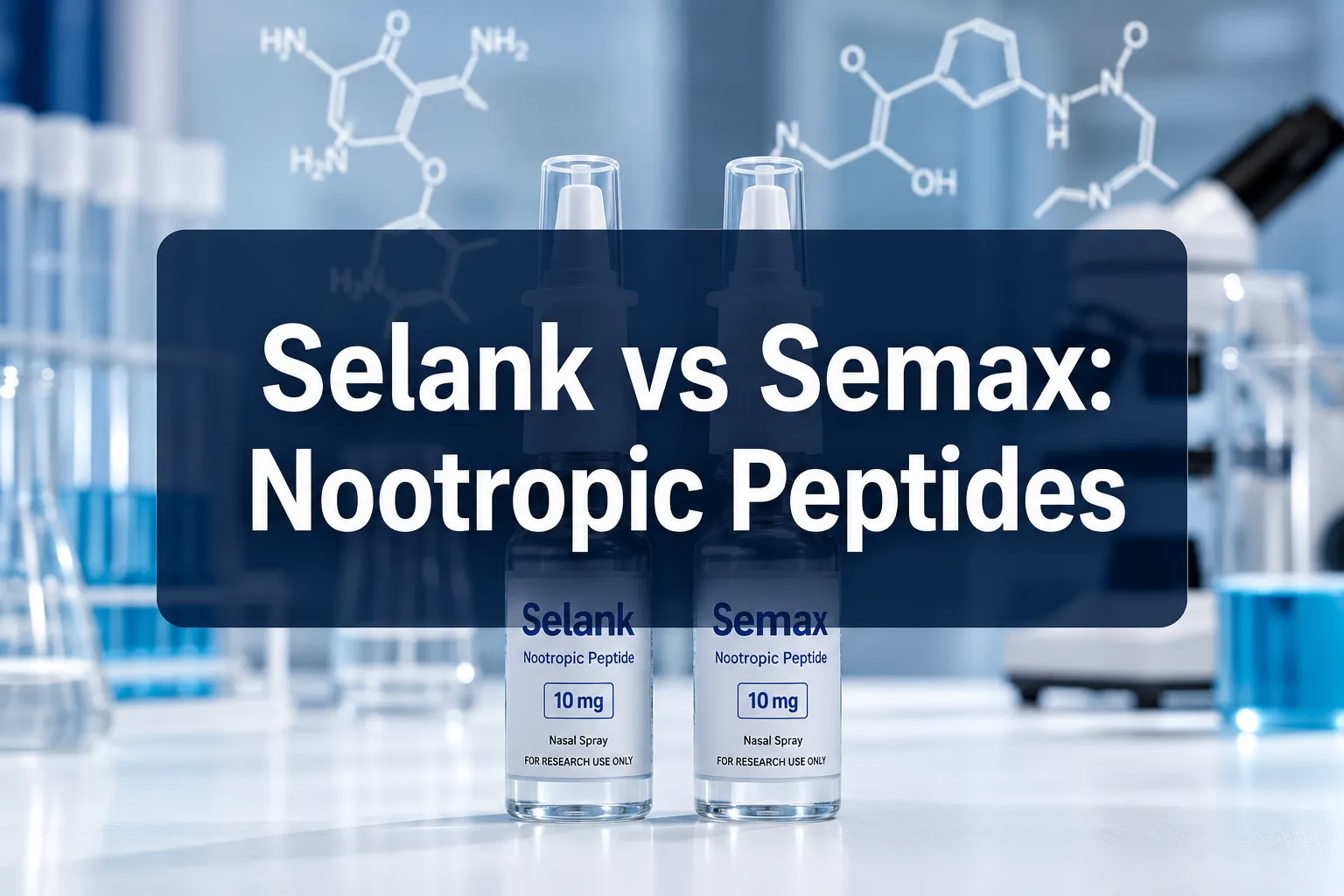
Close-up laboratory research scene showing two glass vials labeled with molecular diagrams on a reflective surface, one vial

Key Takeaways

  • Semax is an ACTH(4-10) analog focused on BDNF upregulation and dopaminergic cognitive enhancement.
  • Selank is derived from tuftsin and primarily modulates GABAergic and enkephalin pathways for anxiolytic effects.
  • Selank carries meaningful neuroimmune activity; Semax does not at standard research doses.
  • Neither compound is FDA, EMA, or Health Canada approved; both are research-use compounds outside Russia.
  • Combining both may offer complementary coverage, but no controlled combination studies exist yet.

Structural Origins and Primary Mechanisms

Semax is a synthetic analog of the adrenocorticotropic hormone fragment ACTH(4-10). Its dominant mechanism involves potent upregulation of brain-derived neurotrophic factor (BDNF) in the hippocampus and prefrontal cortex, supporting neuroplasticity, attention, and working memory. It also modulates serotonergic and dopaminergic signaling, which drives its cognitive-activating profile.

Selank traces its lineage to tuftsin, a naturally occurring immunopeptide. Rather than stimulating BDNF as its primary action, Selank acts as a positive allosteric modulator of GABA-A receptors and inhibits enkephalin degradation. The result is anxiety reduction without sedation or dependence risk — a profile that sets it apart from classical anxiolytics.

For researchers exploring Selank peptide benefits in greater depth, the GABAergic and enkephalin mechanisms are central to understanding its unique anxiolytic signature.


Anxiolytic and Neuroimmune Pathways: Where Selank Leads

Selank's anxiolytic effects are mechanistically distinct from benzodiazepines. By modulating GABA-A receptors allosterically and slowing enkephalin breakdown, it reduces anxiety without producing the sedation or withdrawal patterns associated with classical agents. This makes it a compelling research subject for stress-related behavioral models.

Critically, Selank also retains tuftsin's cytokine-regulatory properties. This neuroimmune activity — influencing interleukin expression and immune cell signaling — may itself contribute to its anxiolytic effects, suggesting a bidirectional brain-immune axis at work. Semax, by contrast, shows no significant immune modulation at standard nootropic research doses.

"Selank's neuroimmune activity represents a distinct mechanistic layer that Semax simply does not share — making the two compounds complementary rather than interchangeable."

Researchers interested in innate immune peptide interactions may find it useful to compare Selank's cytokine modulation with the mechanisms described in LL-37 innate research themes, where immune-neural crosstalk is also a central focus.

For a detailed look at Selank side effects observed in research contexts, mild nasal irritation from intranasal delivery is the most commonly noted finding, with no significant dependence signals reported.


Cognitive Pathways and Research Protocols: Selank vs Semax Compared

Cognitive Pathways and Research Protocols: Selank vs Semax Compared

When evaluating Selank vs Semax for cognitive research, the distinction comes down to mechanism and target population.

Semax enhances:

  • Attention and processing speed via dopaminergic modulation
  • Working memory through BDNF-driven hippocampal support
  • Neuroprotection in ischemic injury models (registered in Russia for stroke and transient ischemic attacks)

Selank enhances:

  • Emotional regulation and stress-impaired cognition
  • Anxiety-adjacent cognitive deficits via GABAergic and serotonergic pathways
  • Immune-mediated stress responses through cytokine modulation

A 2020 resting-state fMRI study in 52 healthy participants found that both peptides influence functional connectivity between the right amygdala and temporal cortex — confirming overlapping yet distinct effects on networks governing both anxiety and cognition.

Feature Selank Semax
Primary mechanism GABA-A modulation, enkephalin BDNF upregulation, dopamine
Anxiolytic activity Strong Mild
Cognitive enhancement Stress-impaired focus Direct attention/memory
Neuroimmune activity Yes (cytokine regulation) Minimal
Typical research dose 200-400 mcg, 2-3x daily 300-600 mcg, 1-2x daily
Approved use (Russia) Generalized anxiety disorder Ischemic stroke, TIA

Researchers building multi-pathway stacks may also find value in reviewing what is Selank as a foundational reference before designing protocols.

For broader neuromodulatory context, the PT-141 neural and metabolic research themes page illustrates how centrally acting peptides can produce overlapping yet mechanistically separate effects — a pattern directly relevant to the Selank vs Semax comparison.

Cognitive Pathways and Research Protocols: Selank vs Semax Compared

Combination use of both peptides has been discussed in research circles as a way to address both anxiety and direct cognitive activation simultaneously. However, no controlled Phase 3 trials have evaluated this combination, and caution is warranted until more data emerges. Researchers exploring multi-compound designs may also want to review KLow blend multipathway research for examples of how complementary mechanisms are structured in blended research protocols.

Both compounds remain unapproved by the FDA, EMA, MHRA, and Health Canada. The majority of published clinical evidence originates from Russian-language journals, limiting direct translation to Western research frameworks.


Conclusion

The Selank vs Semax comparison for neuroimmune, anxiolytic, and cognitive pathways reveals two compounds that are far more complementary than competitive. Semax is the stronger candidate for direct cognitive activation research — particularly attention, memory, and neuroprotection models. Selank is the clearer choice for anxiety-focused and neuroimmune research, with its GABAergic, enkephalin, and cytokine-regulatory mechanisms offering a profile no other peptide in this class replicates.

Actionable next steps for researchers in 2026:

  1. Define the primary research endpoint first — anxiety reduction or cognitive enhancement — before selecting a compound.
  2. Review available Russian-language clinical literature alongside Western fMRI and behavioral data.
  3. If designing a combination protocol, treat Selank and Semax as mechanistically distinct agents requiring independent dose optimization.
  4. Source only verified, lab-tested material and confirm purity documentation before any research application.
  5. Monitor for transient dopaminergic sensitization with higher Semax doses and nasal mucosal tolerance with Selank intranasal administration.

https://www.puretestedpeptides.com/wp-content/uploads/2026/06/Selank-vs-Semax-Neuroimmune-Anxiolytic-and-Cognitive-Pathways-Compared-for-Research-Use.png 1024 1536 https://www.puretestedpeptides.com/wp-content/uploads/2026/01/buy-peptides-online.jpg 2026-06-02 22:10:112026-06-02 22:10:11Selank vs Semax: Neuroimmune, Anxiolytic, and Cognitive Pathways Compared for Research Use
×

Helpful Links

  • My account
  • Cart
  • Checkout
  • Refund and Returns Policy
  • Privacy Policy
  • SMS Privacy Policy
  • Login
  • My Account
  • Logout

USA Made Lab Tested Peptides

All products are sold for research, laboratory, or analytical purposes only, and are not for human consumption


Pure Tested Peptides is a chemical supplier. Pure Tested Peptides is not a compounding / chemical compounding facility as defined under 503A of the Federal Food, Drug, and Cosmetic act. Pure Tested Peptides is not an outsourcing facility as defined under 503B of the Federal Food, Drug, and Cosmetic act.

The statements made within this website have not been evaluated by the US Food and Drug Administration. The products we offer are not intended to diagnose, treat, cure or prevent any disease.

Human/Animal Consumption Prohibited. Laboratory/In-Vitro Experimental Use Only

Scroll to top Scroll to top Scroll to top