Epithalon Peptide: Telomerase Activation and Cellular Senescence Research Applications
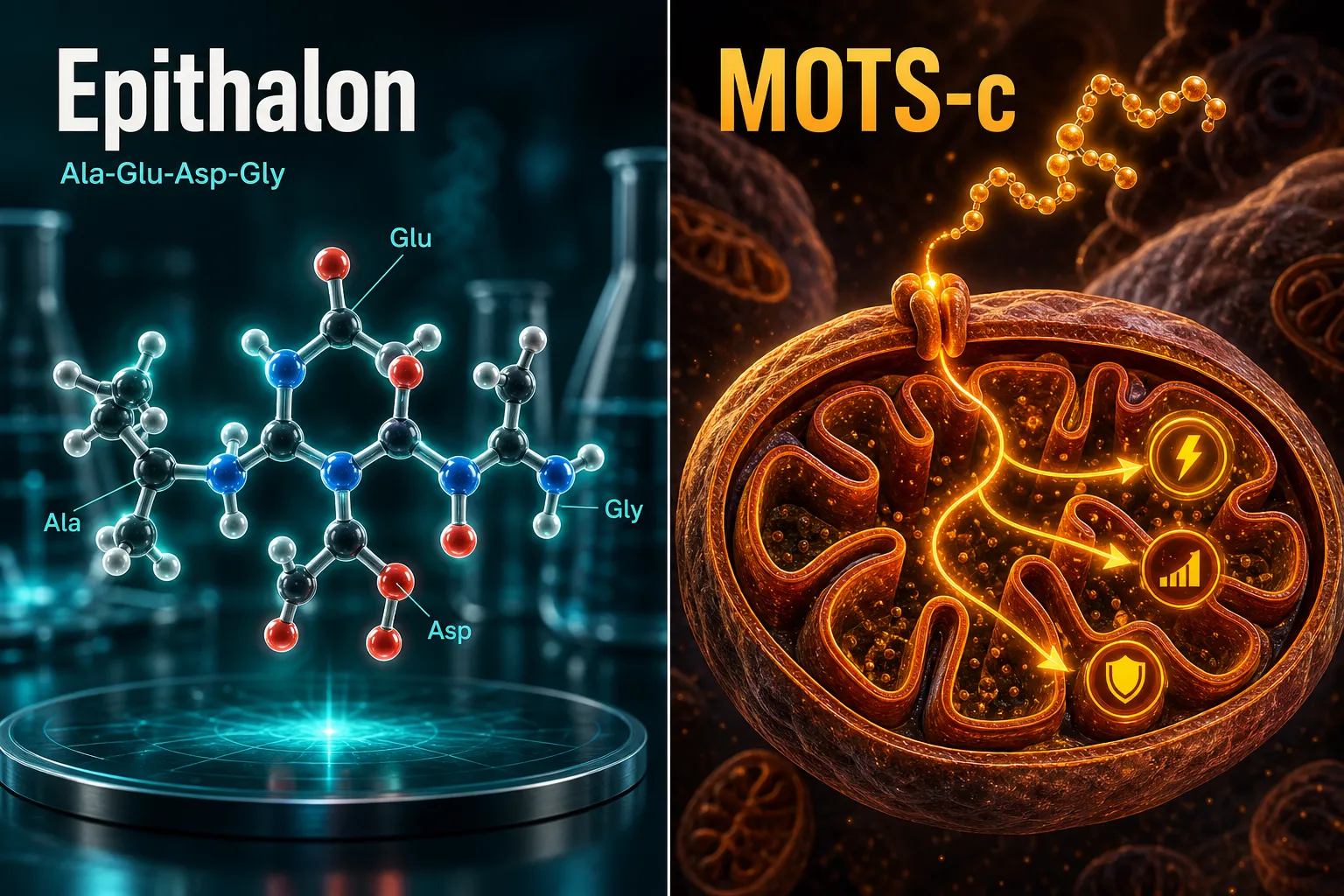
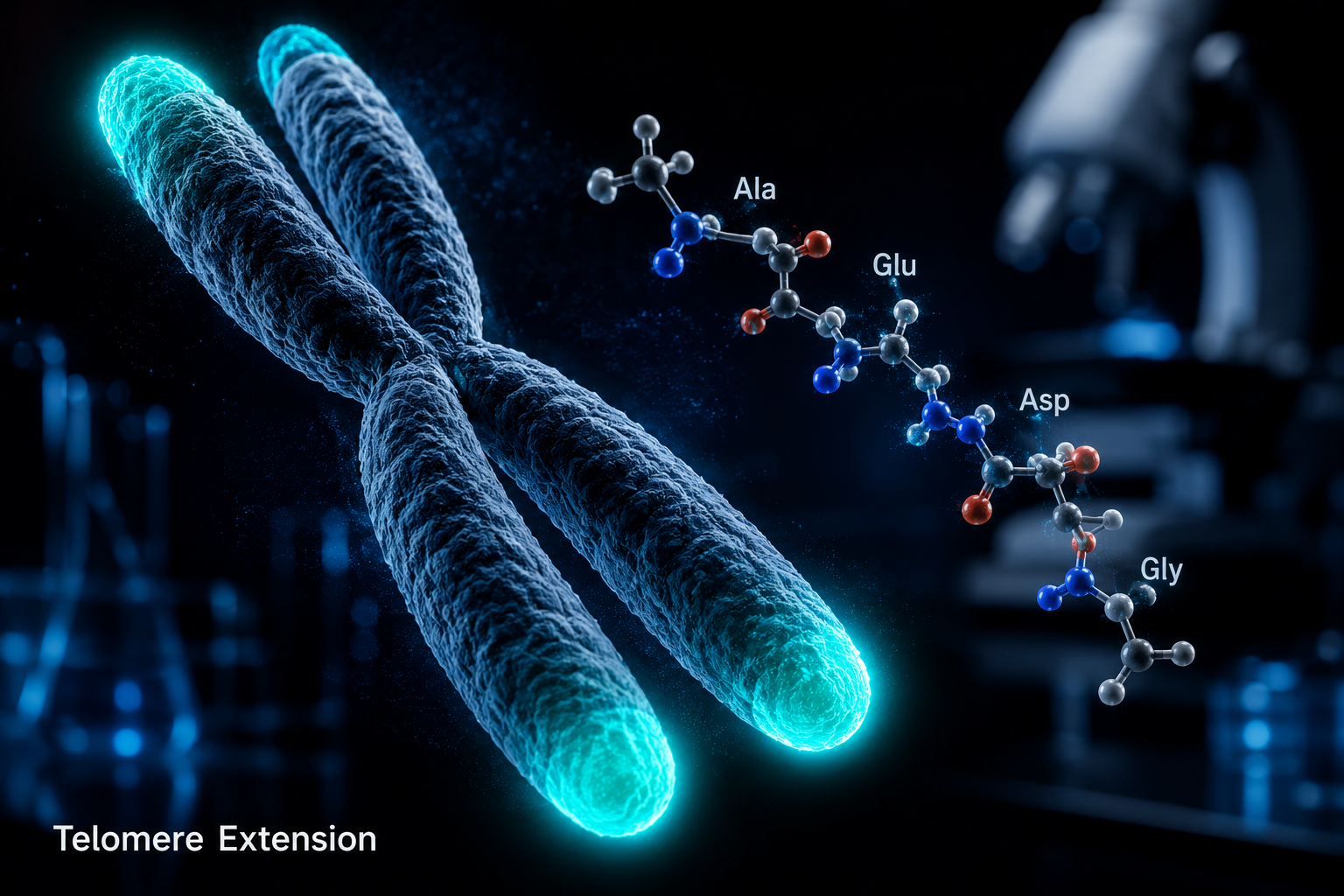
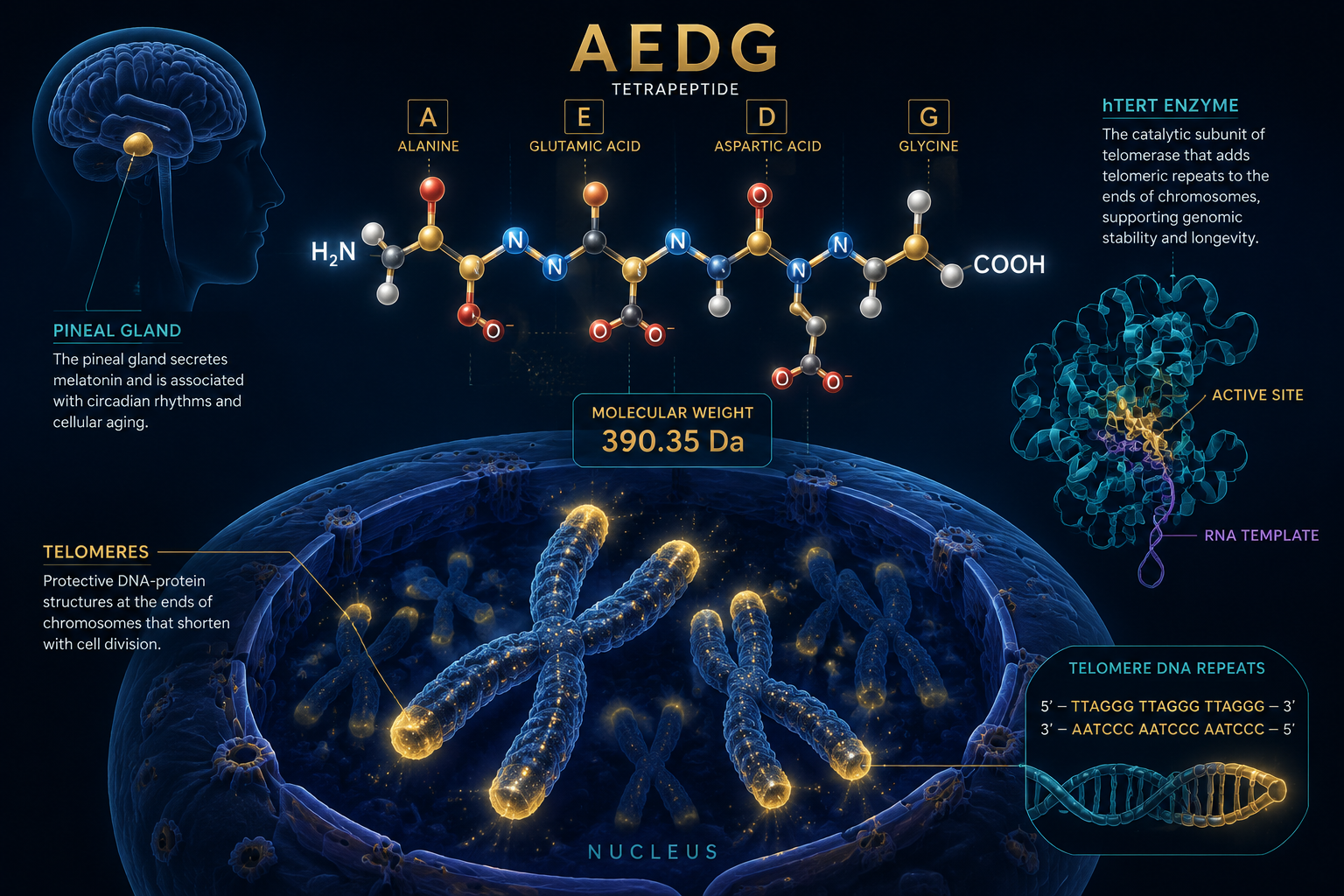
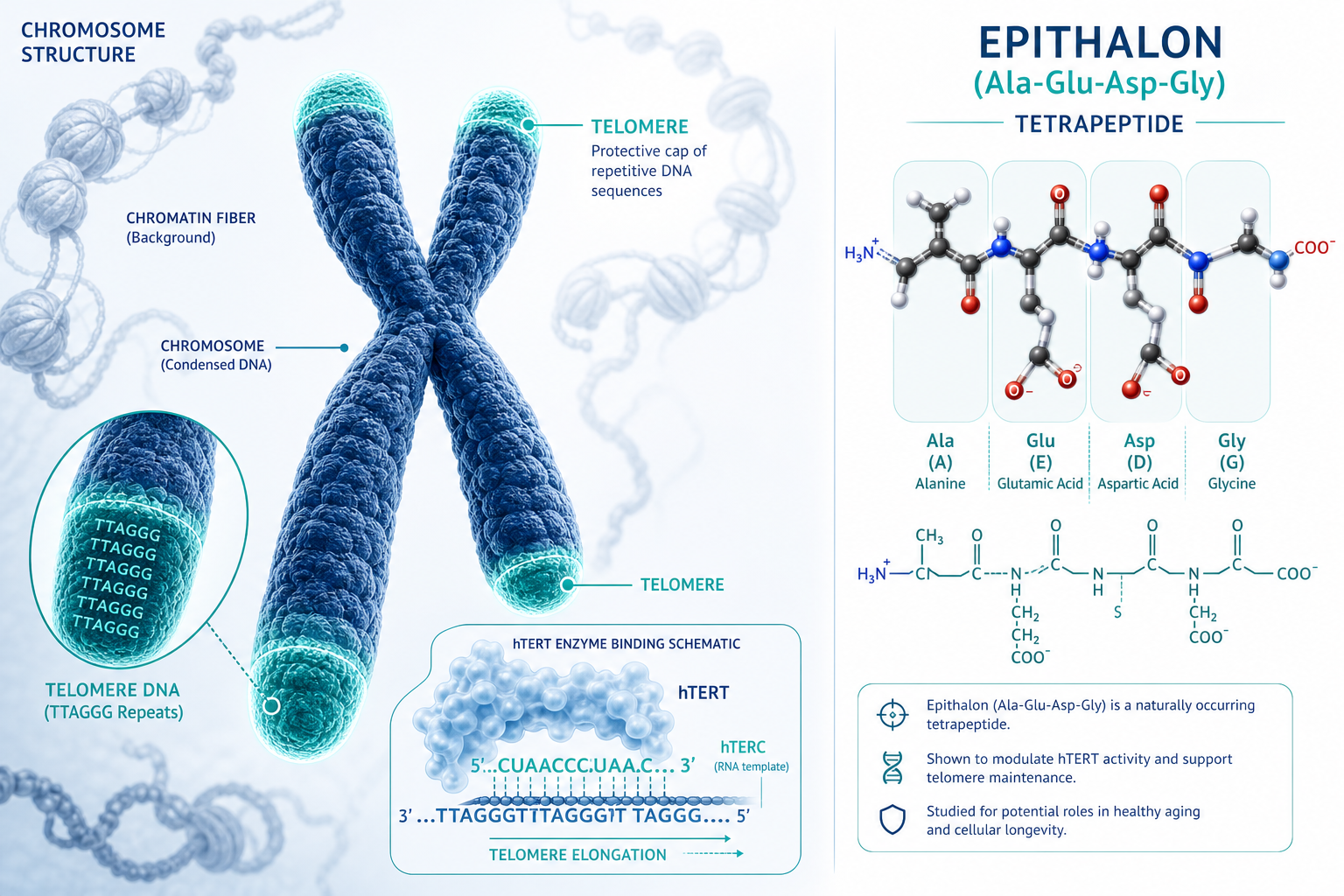
A tetrapeptide made of just four amino acids, Alanine, Glutamic acid, Aspartic acid, and Glycine, has generated decades of scientific debate over whether it holds a key to slowing cellular aging at its most fundamental level. Epithalon peptide: telomerase activation and cellular senescence research applications sit at the center of that debate, drawing attention from gerontologists, reproductive biologists, and translational researchers alike. As of 2026, the compound remains strictly a research tool, yet the mechanistic data emerging from cell-line studies continues to sharpen understanding of how telomere dynamics govern the aging process.
Key Takeaways
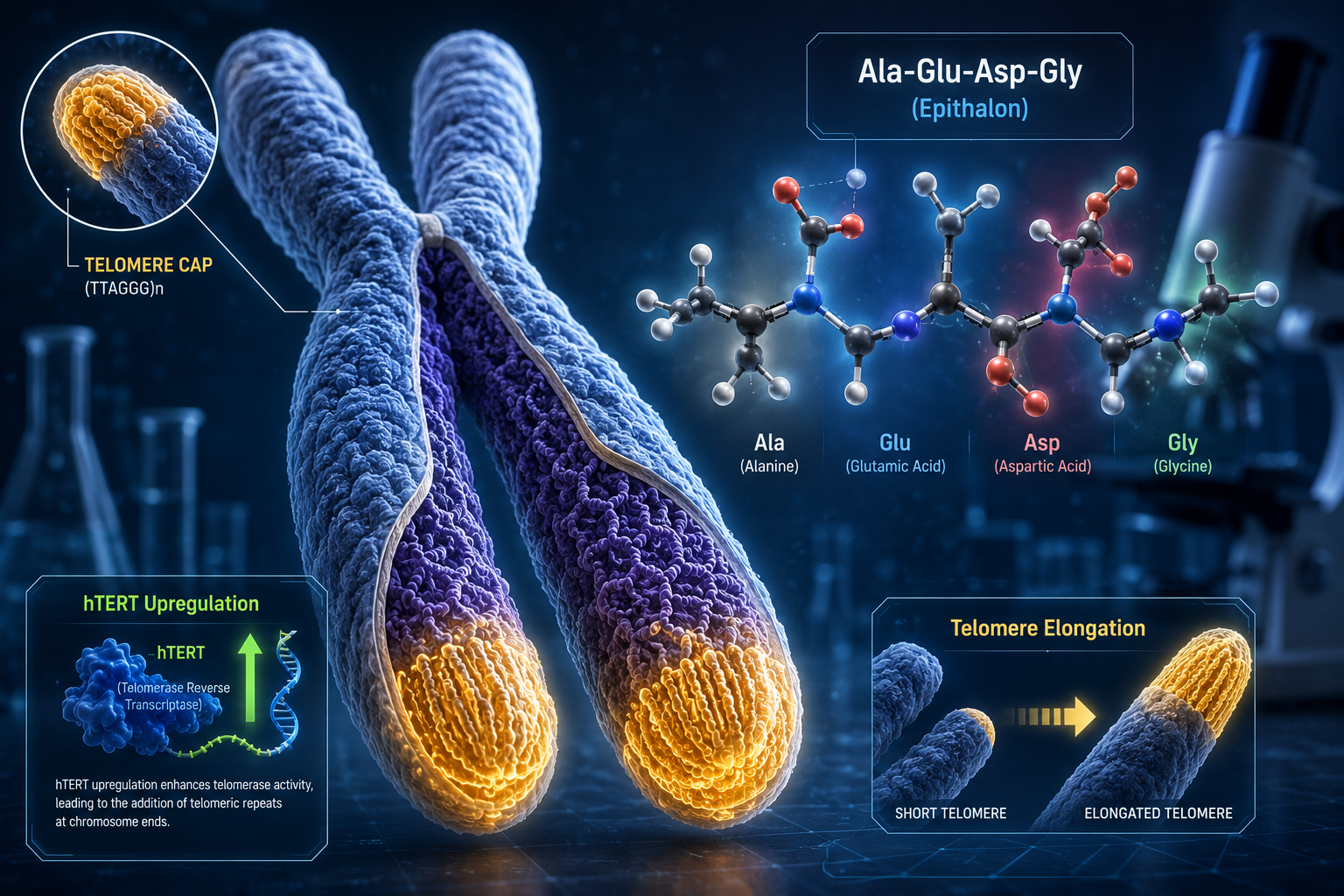
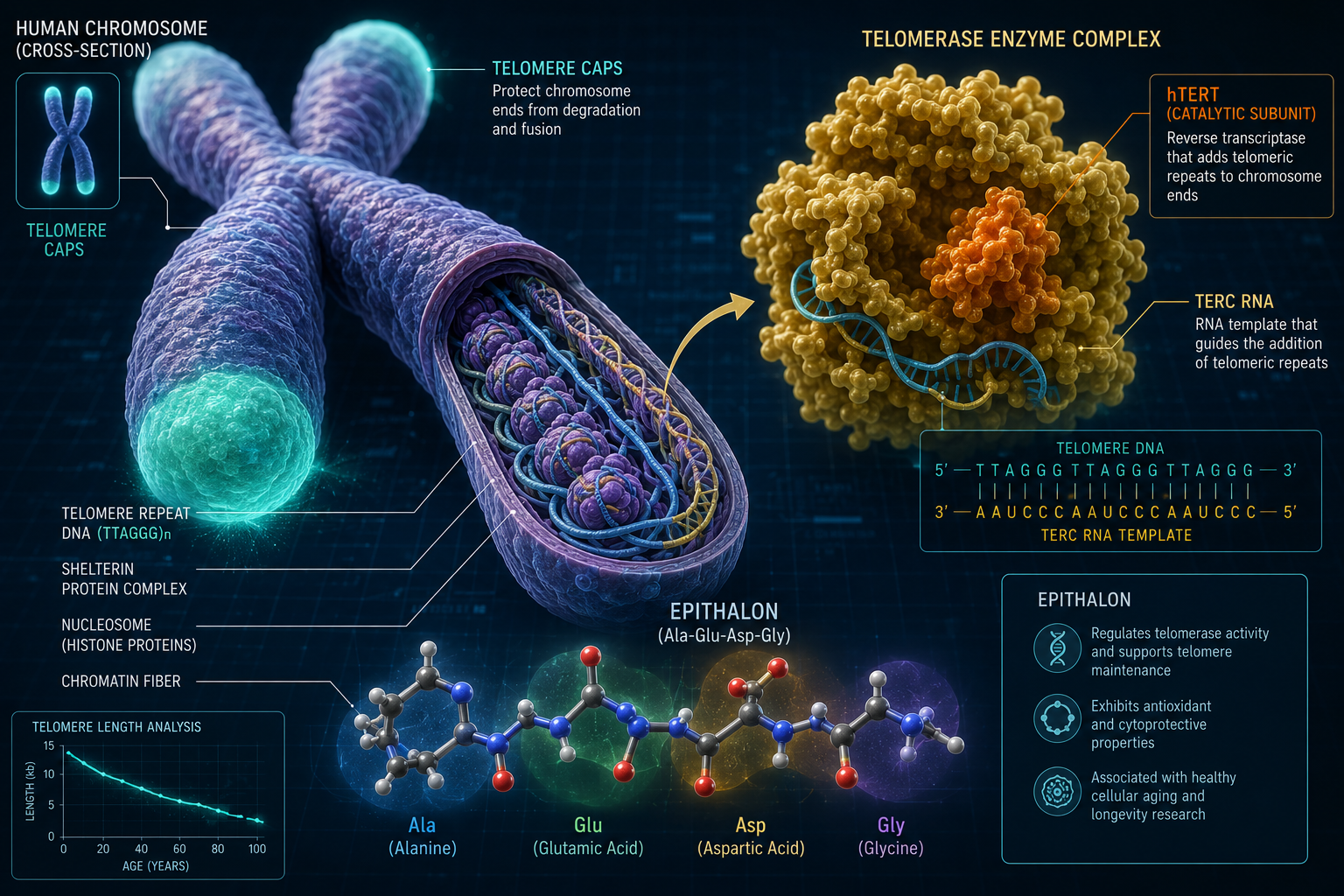
- Epithalon (Ala-Glu-Asp-Gly) activates telomerase by upregulating the catalytic subunit hTERT, producing measurable telomere elongation in human somatic cell cultures.
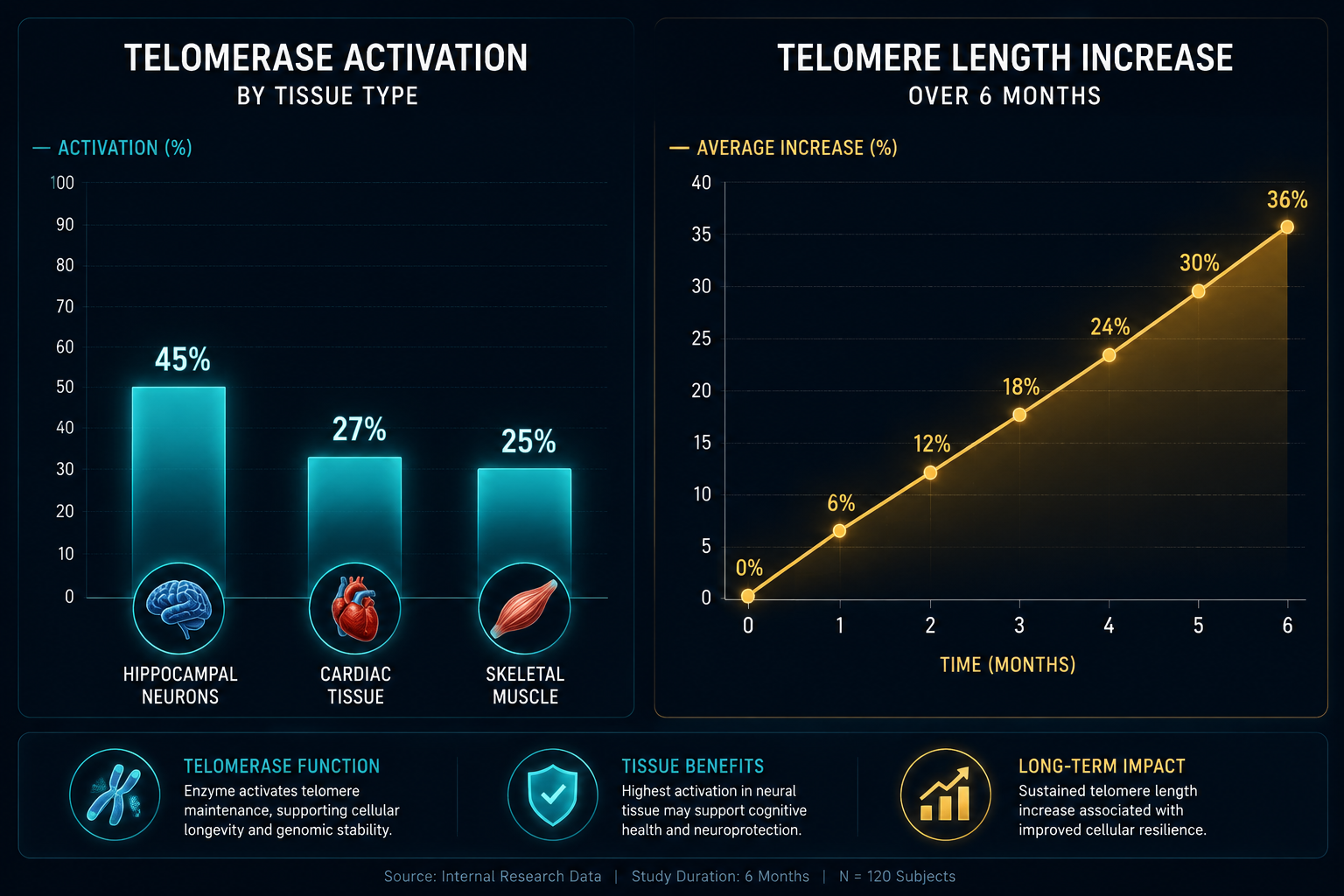
- In vitro studies report telomere length increases from roughly 2.4 kb to as much as 8 kb at doses of 0.1-1.0 micrograms per milliliter over three weeks.
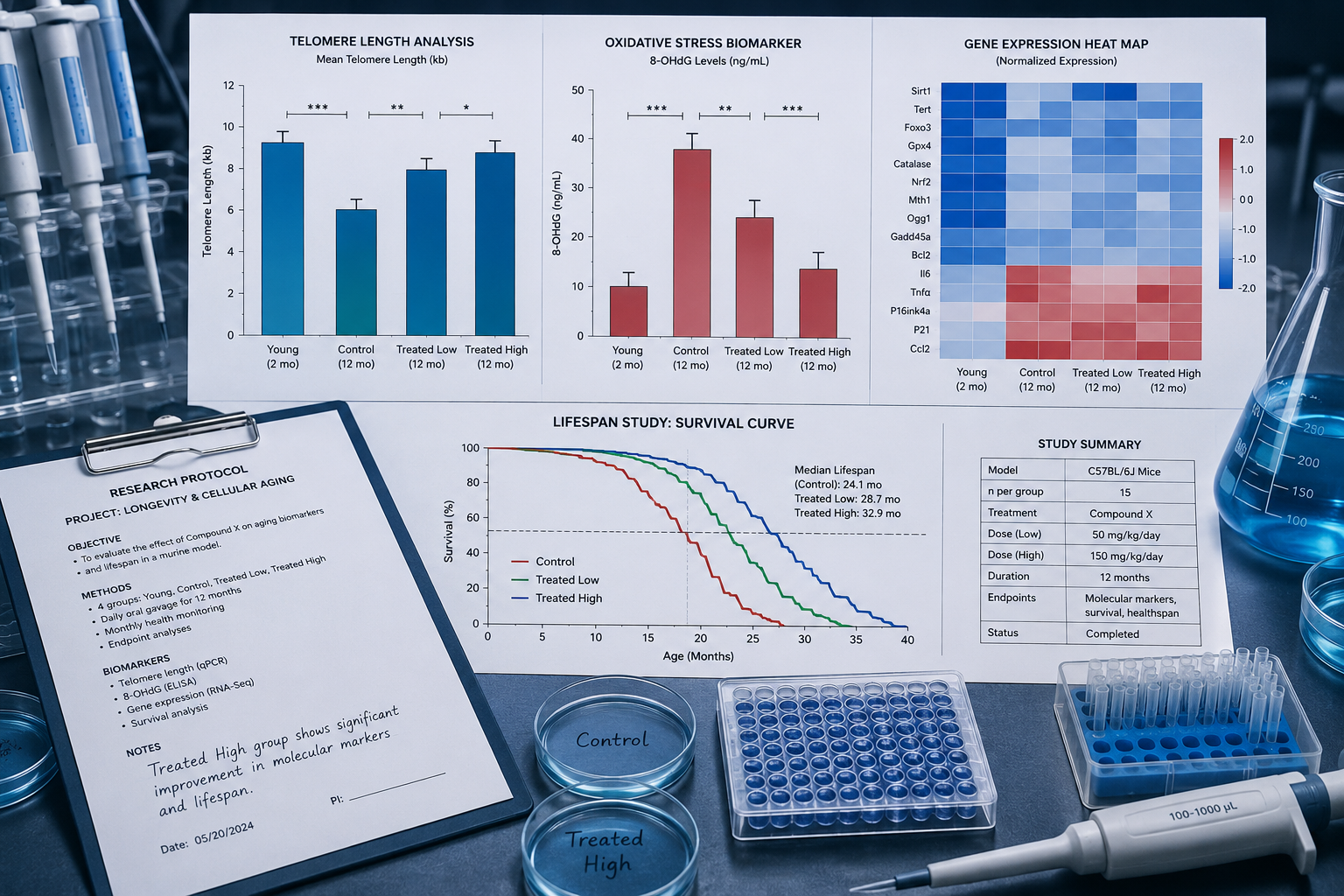
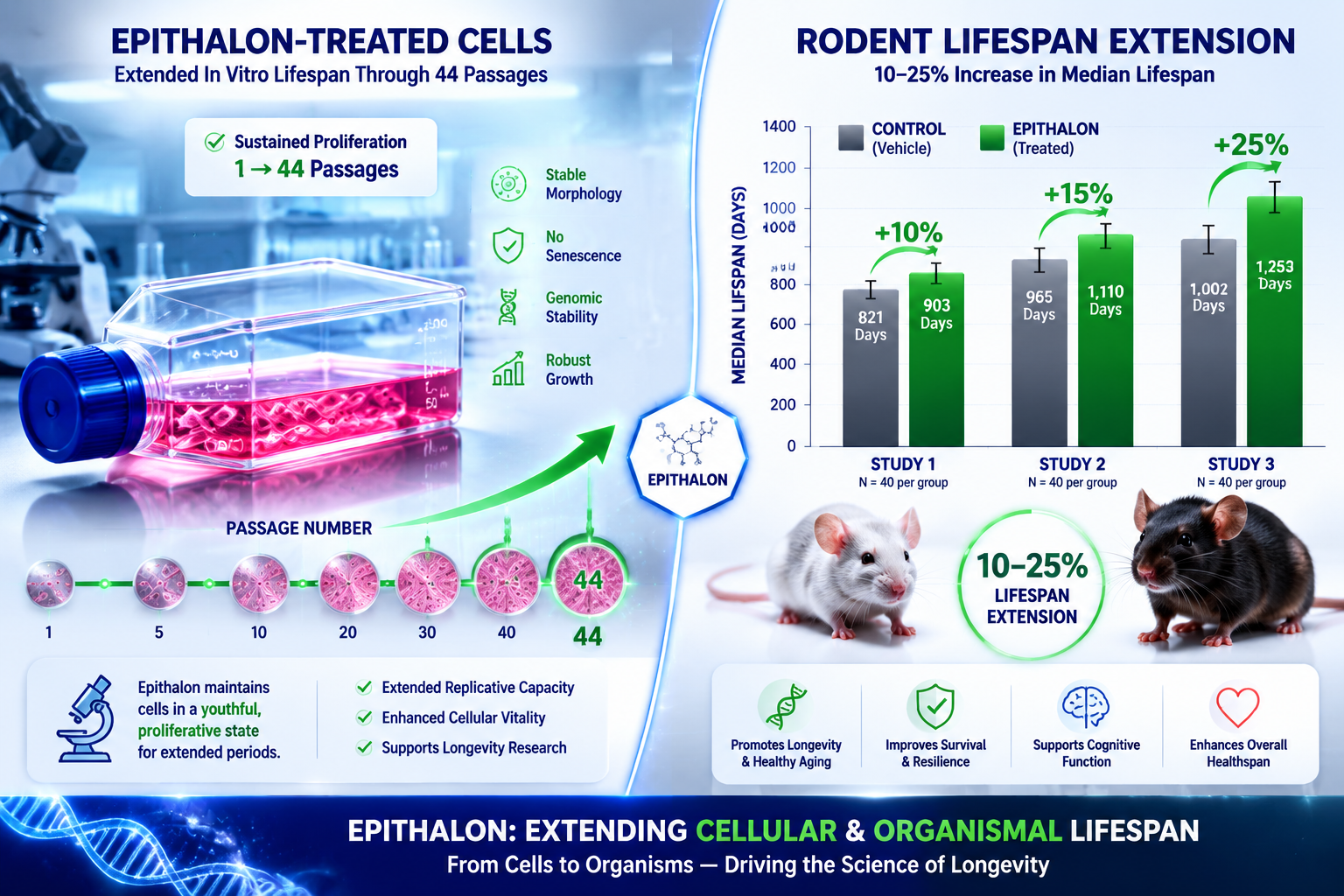
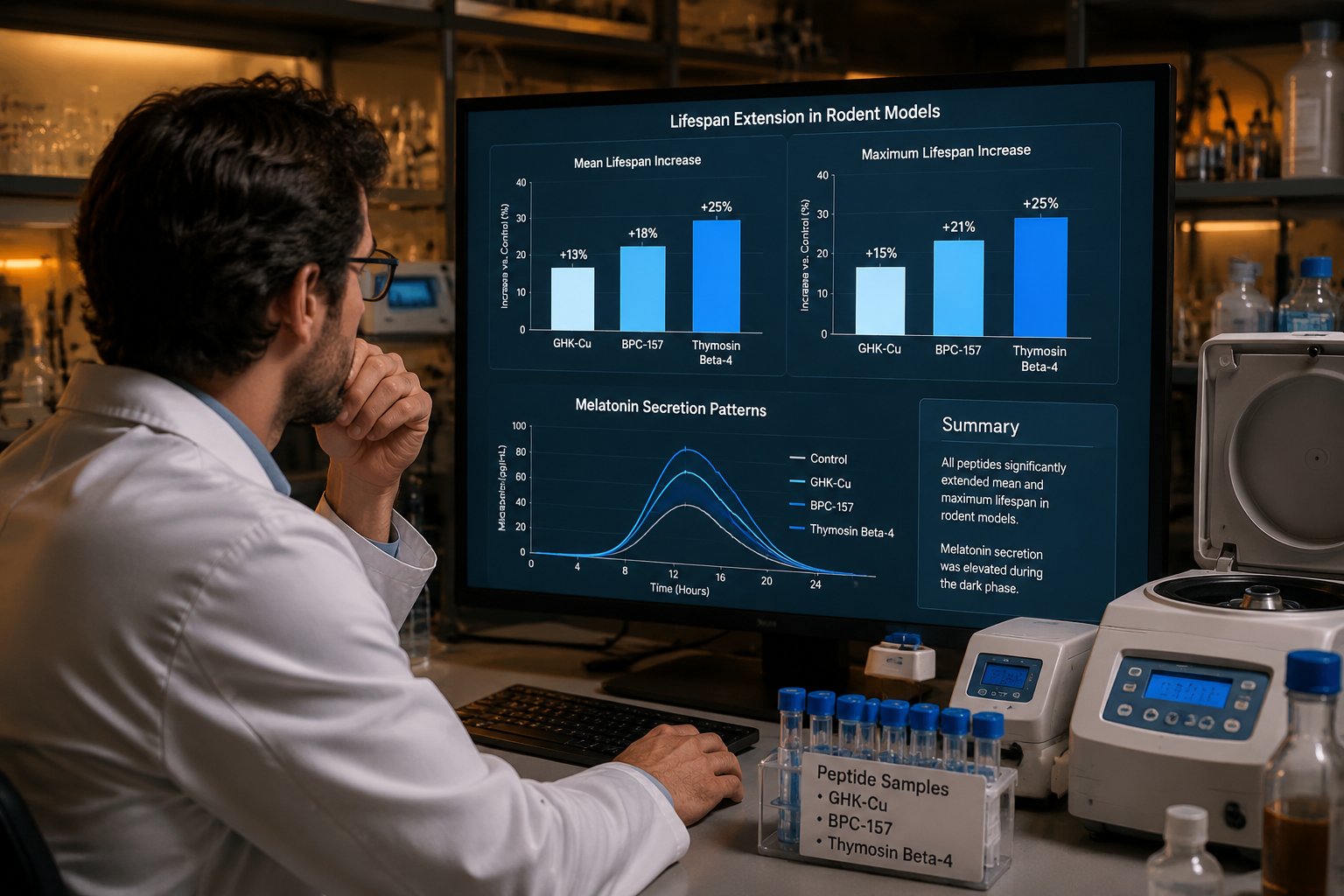
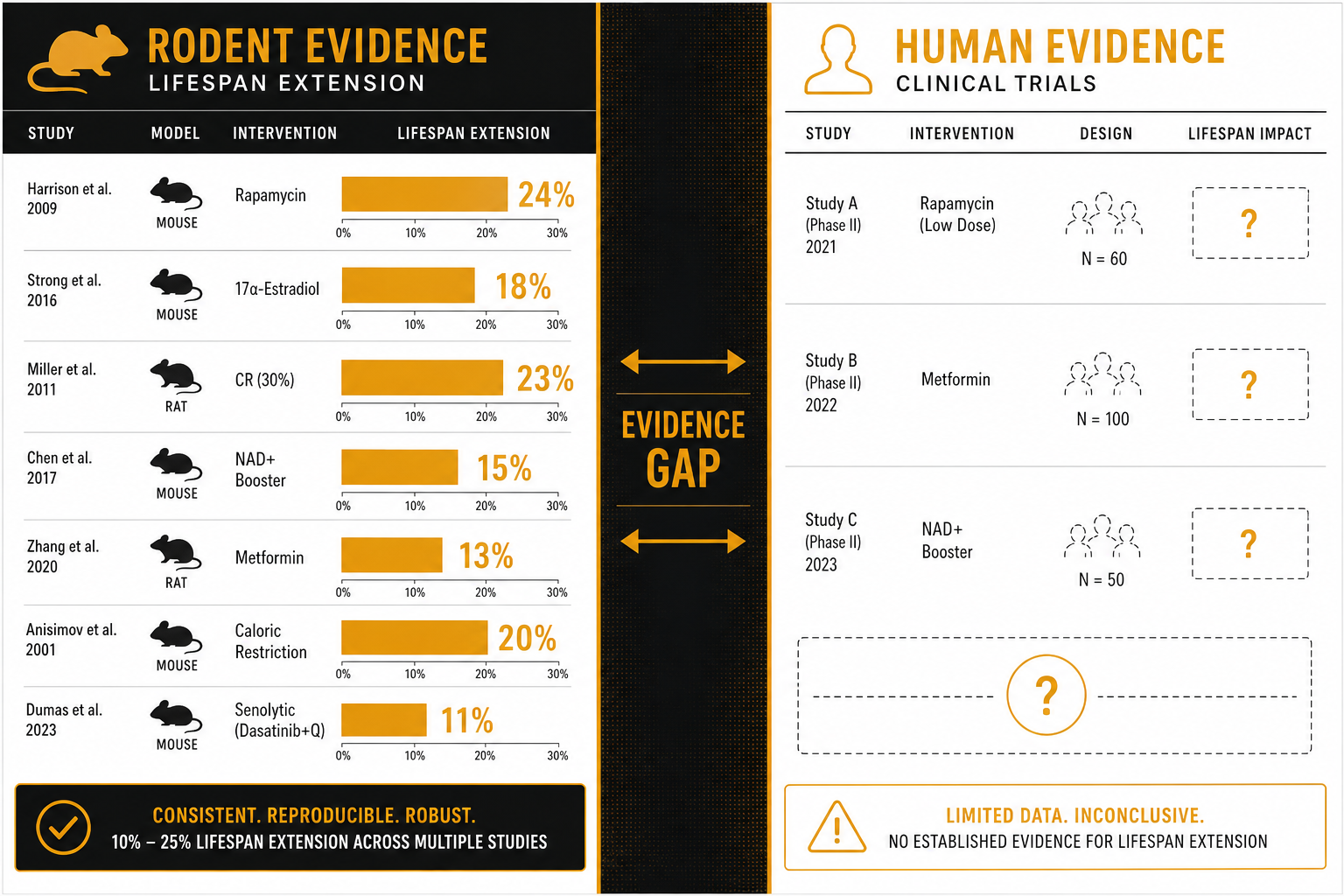
- Rodent models have reported lifespan extensions of approximately 12-24%, though no controlled human clinical trials have replicated these findings.
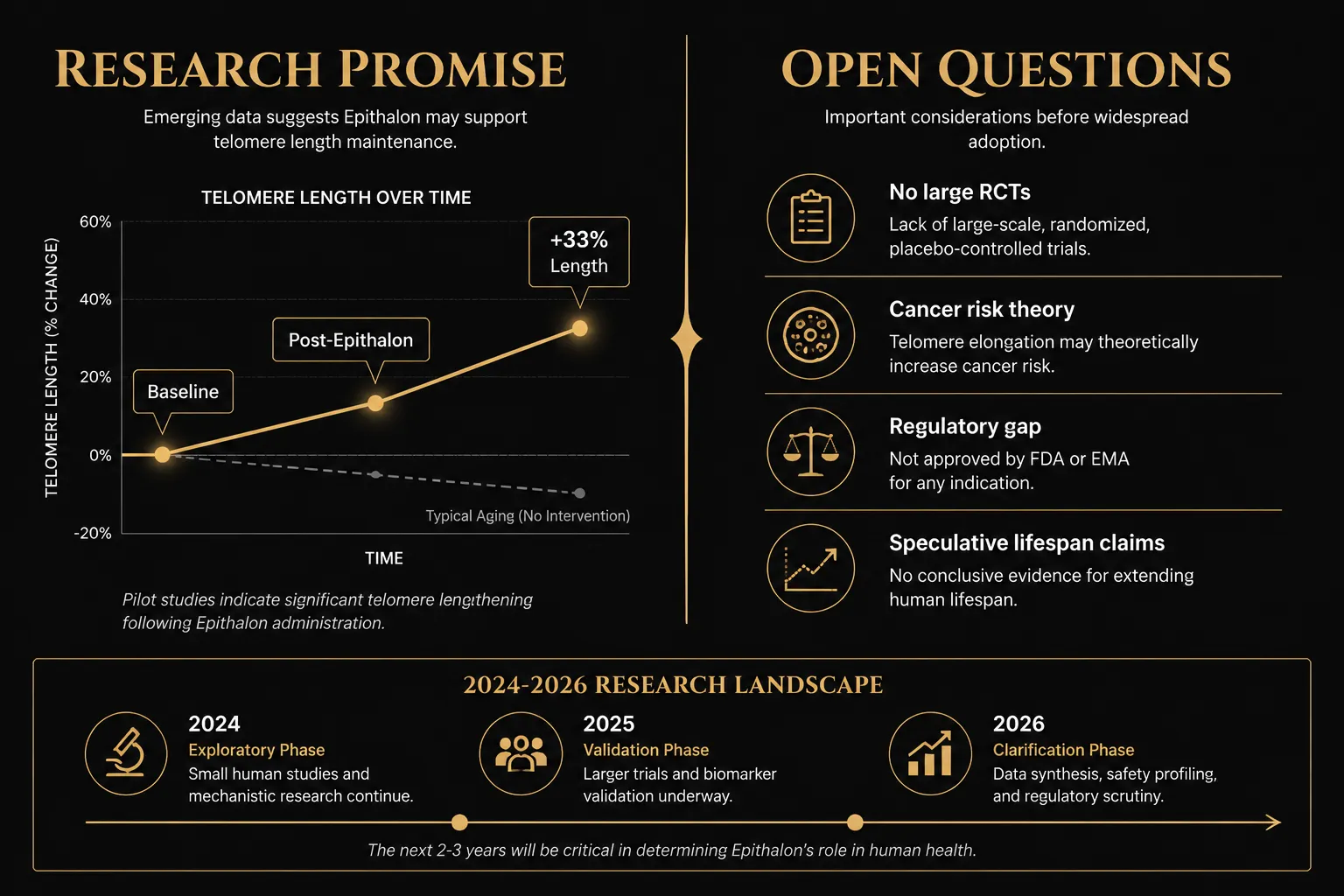
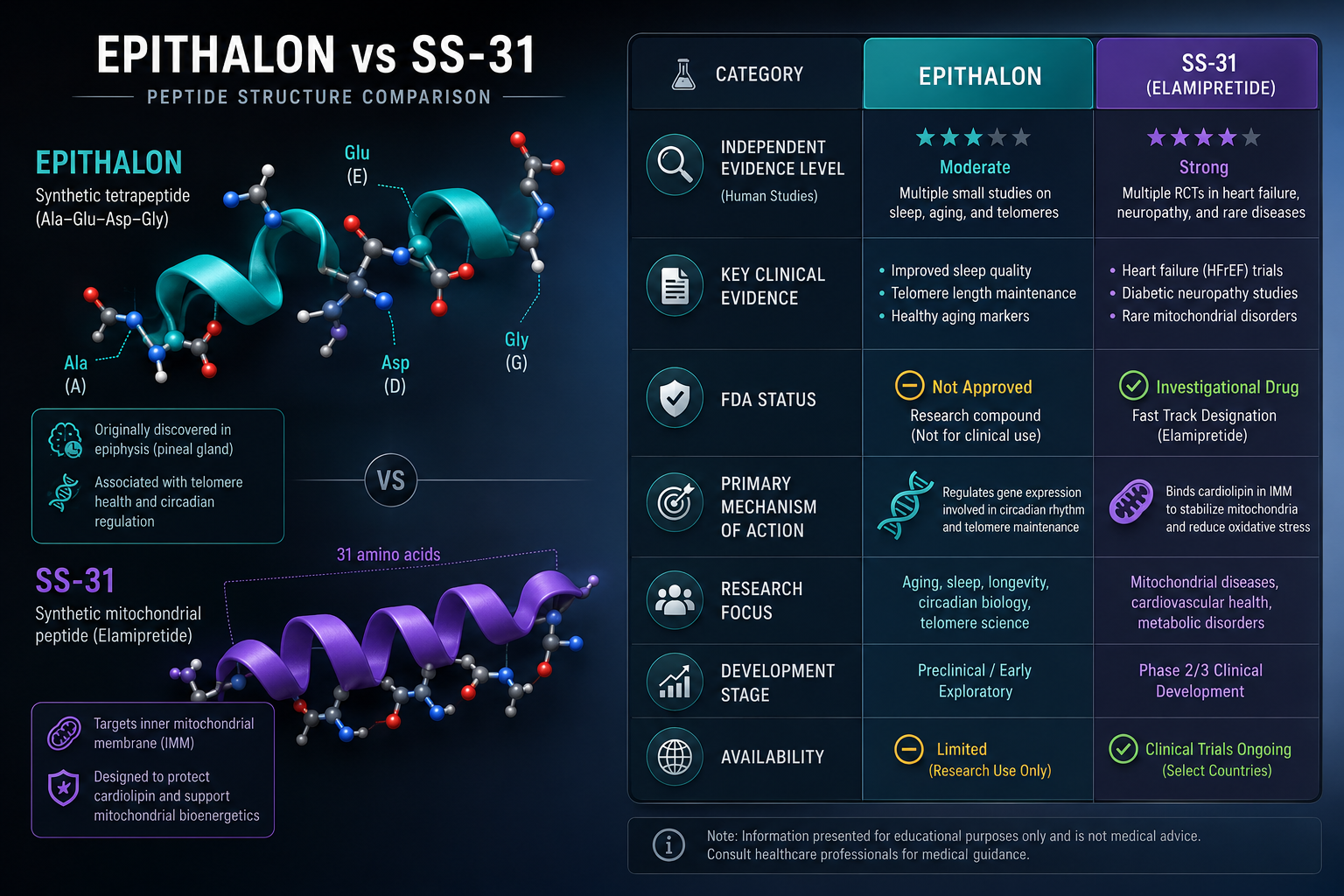
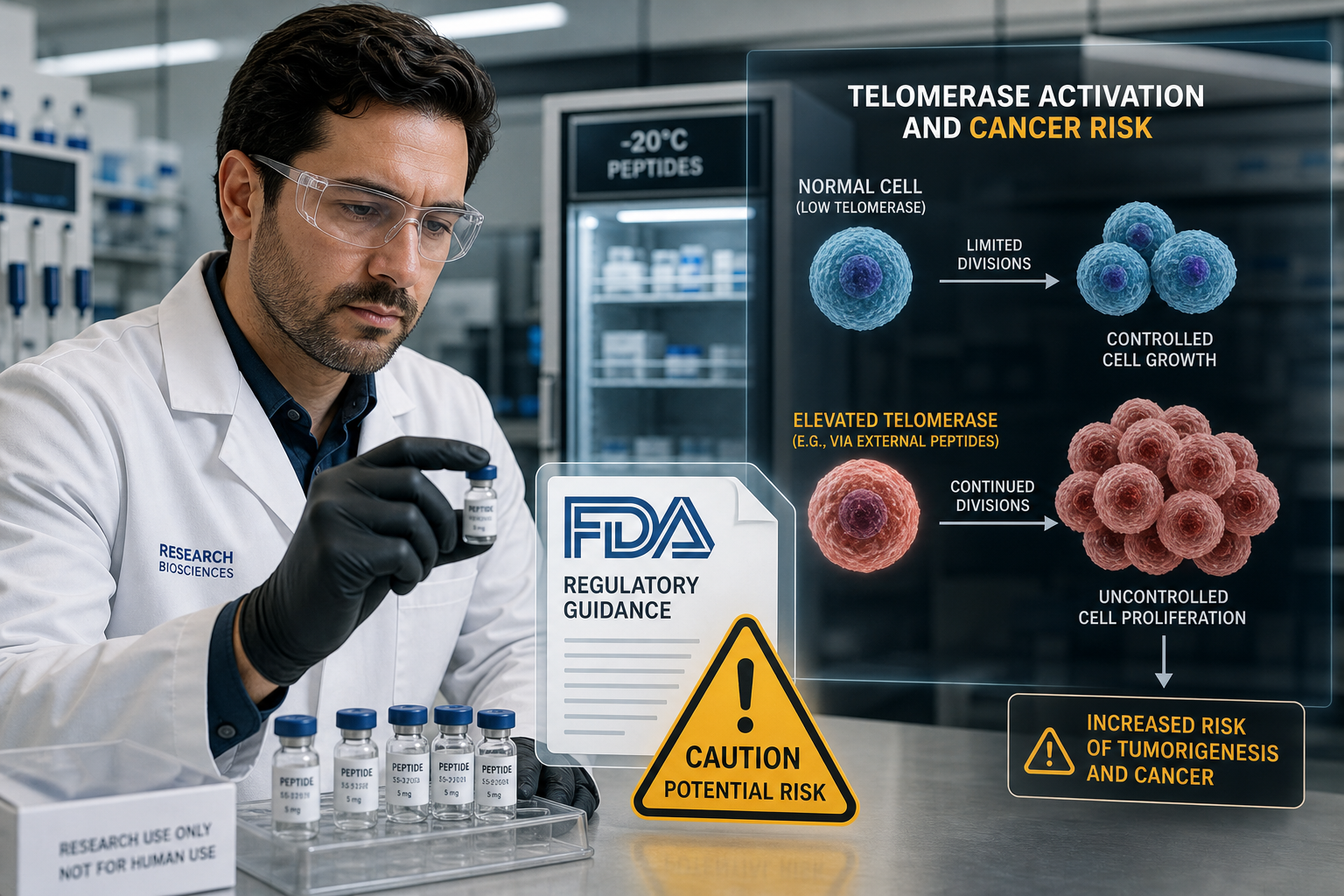
- Epithalon carries no FDA, EMA, or MHRA approval; it was removed from the FDA Category 2 bulk drug list in April 2026 and is scheduled for regulatory review in July 2026.
- Human evidence is currently graded as low-quality (Grade D), meaning researchers must treat all findings as preliminary and hypothesis-generating only.
Mechanism of Action: How Epithalon Activates Telomerase
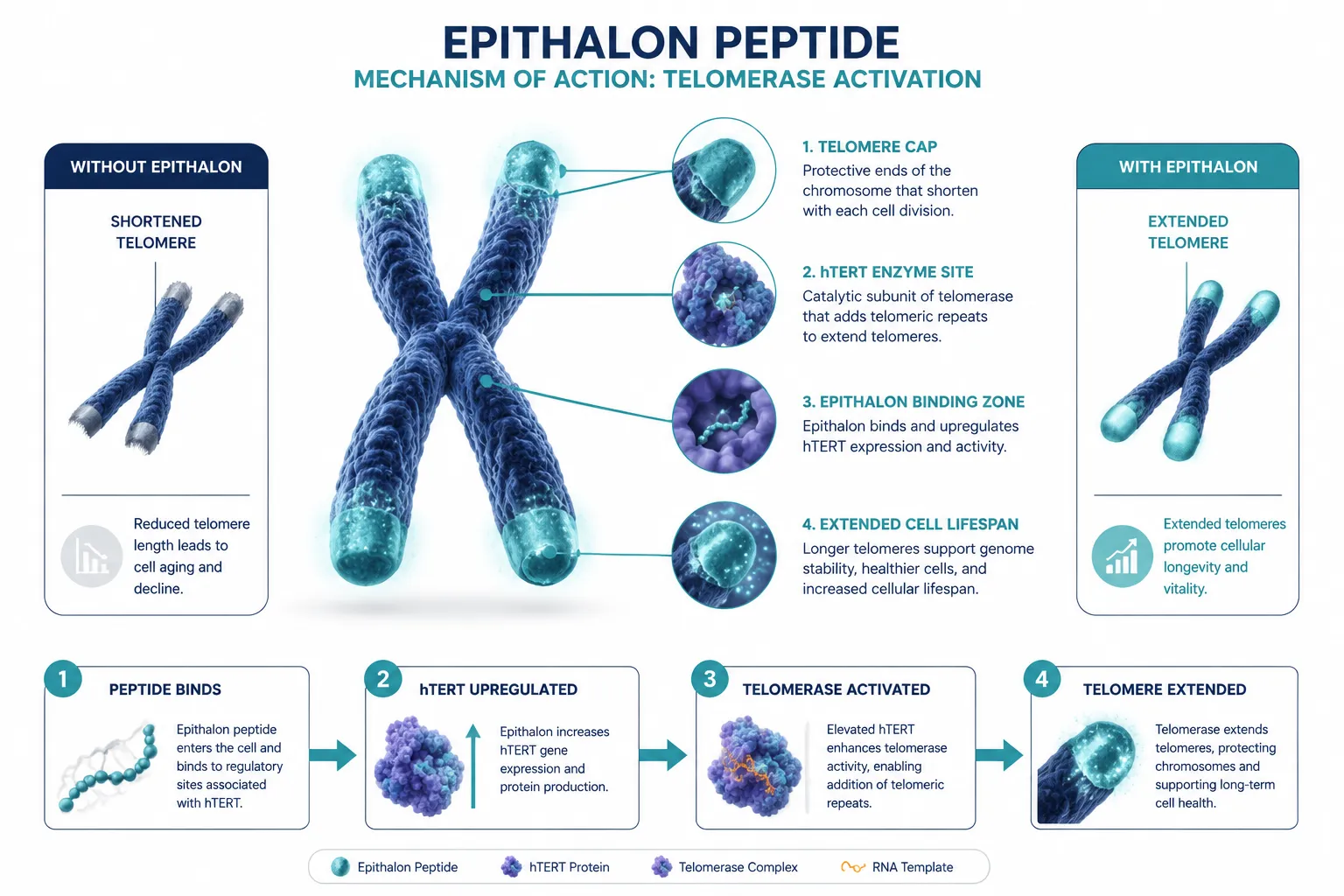
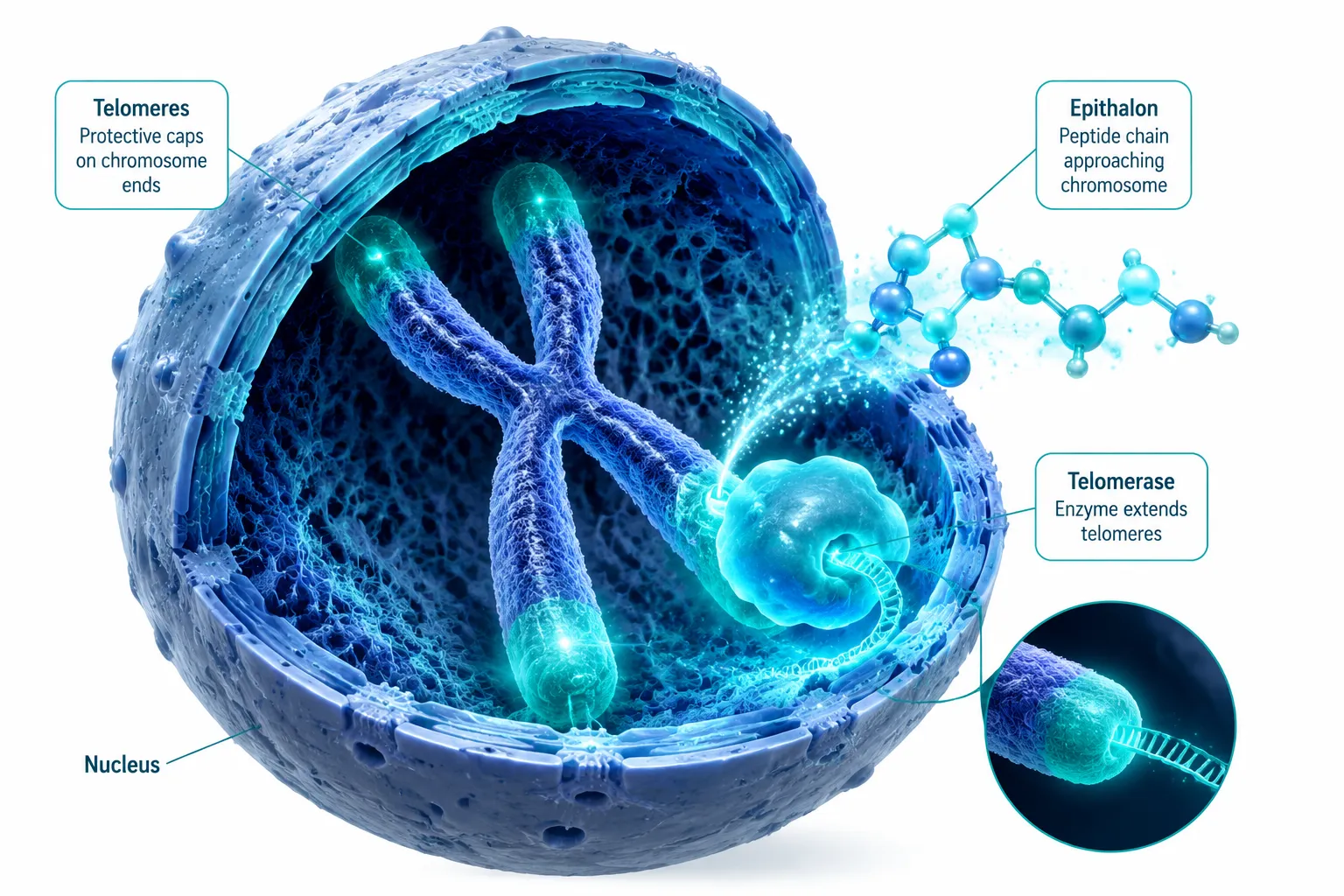
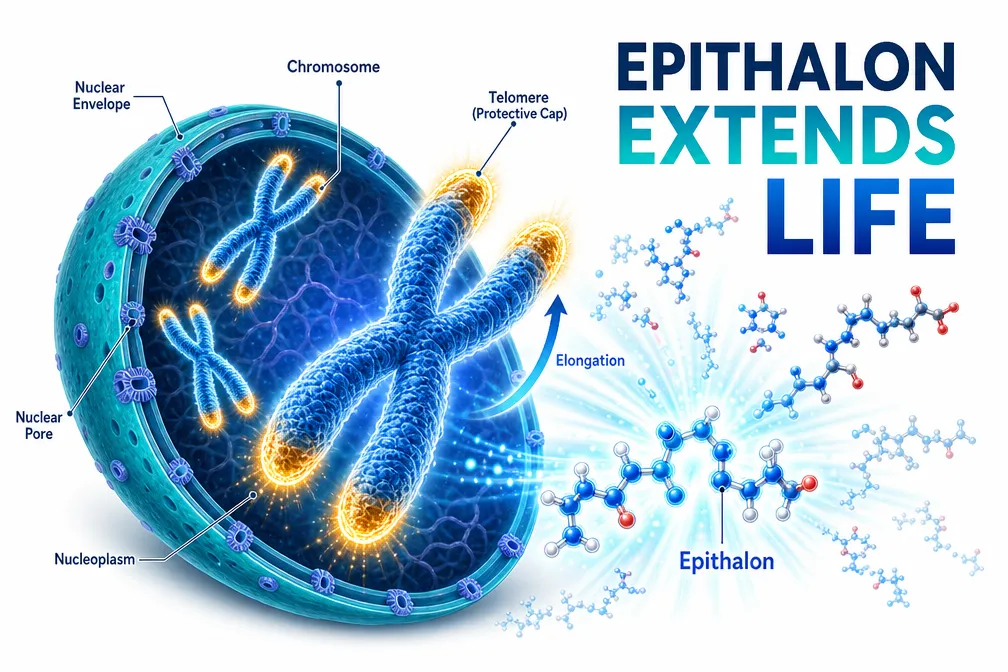
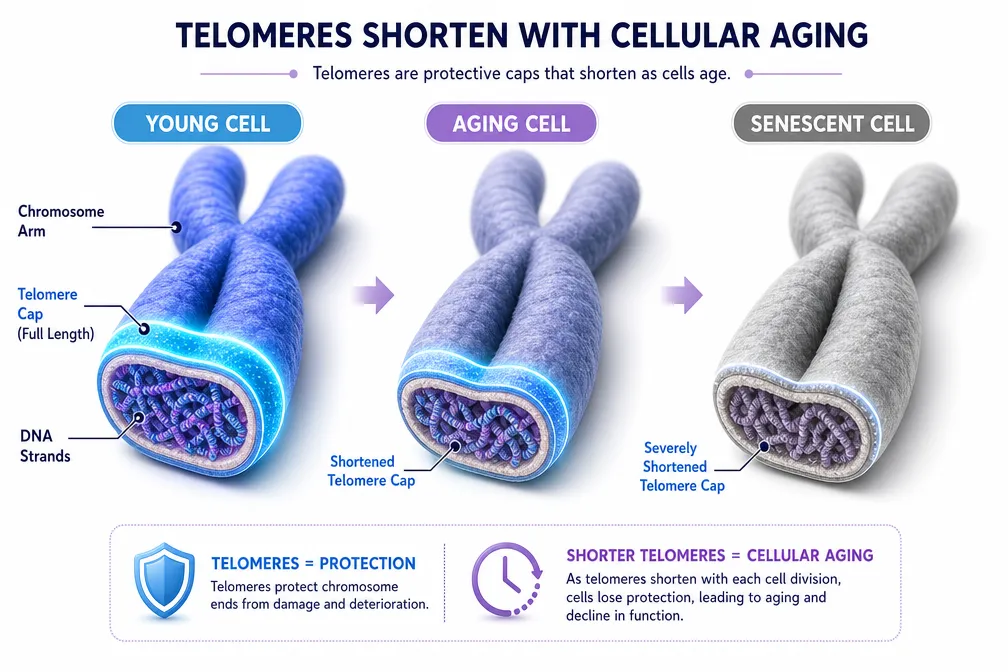
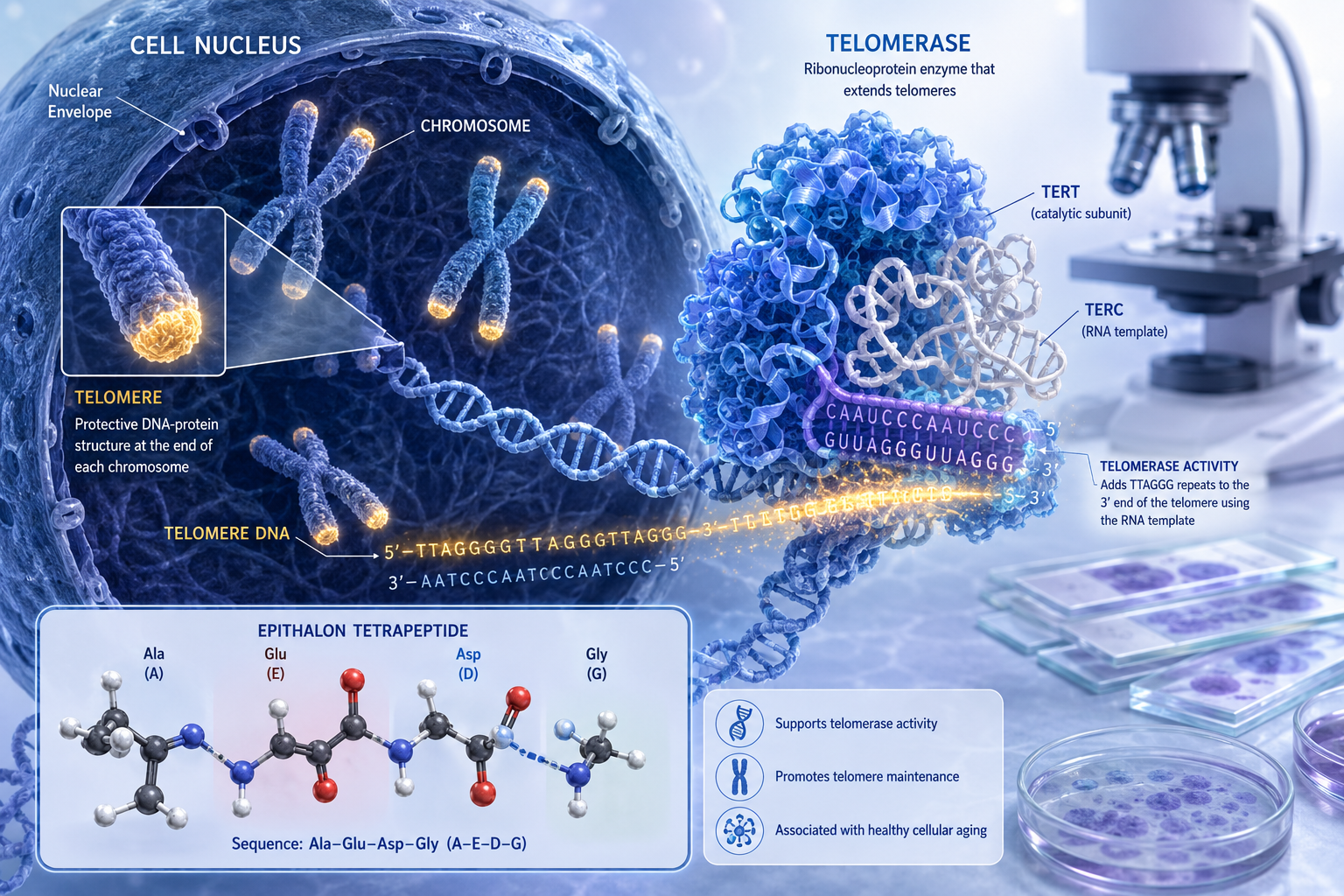
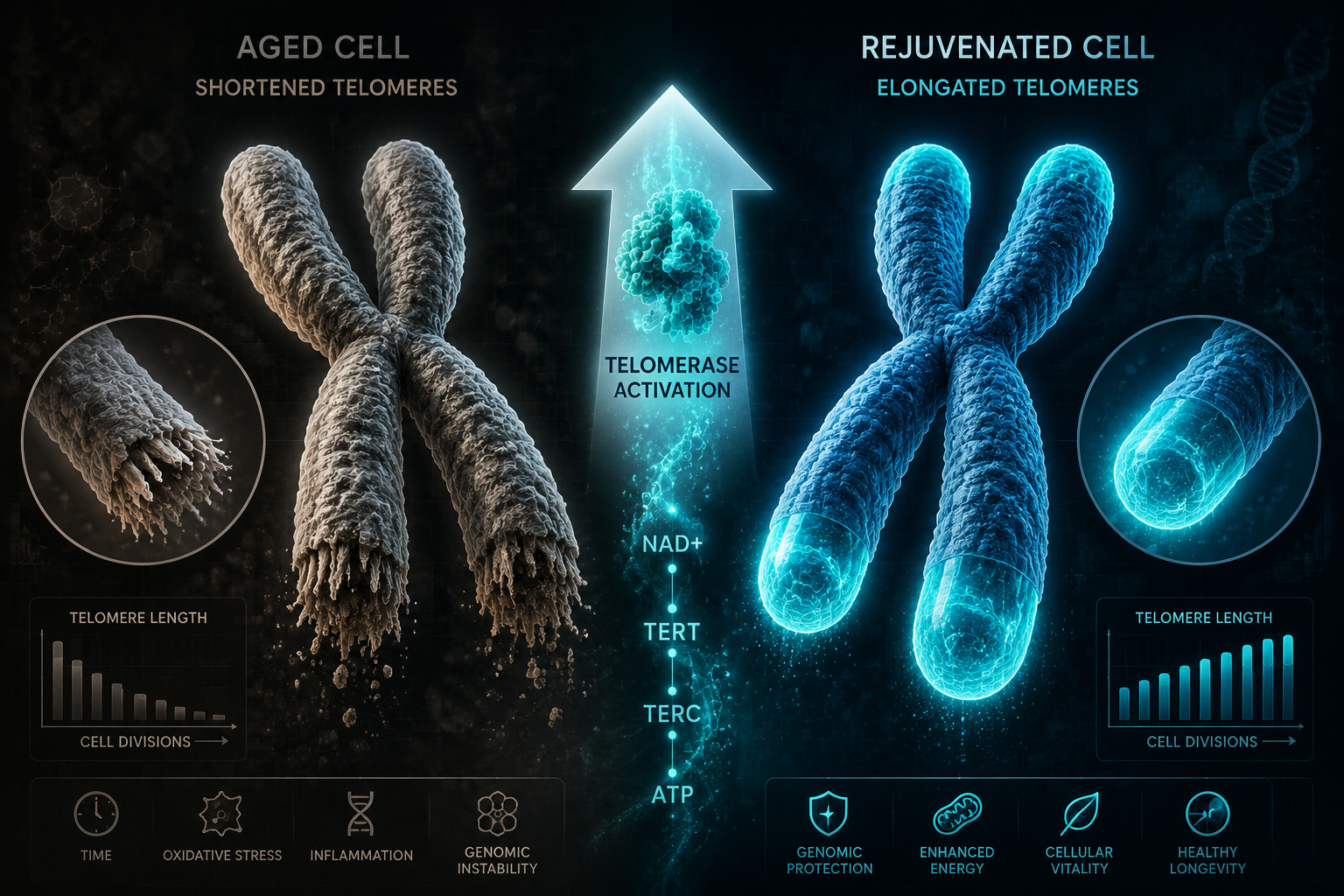
Understanding telomerase activation is essential before interpreting Epithalon's research profile. Telomerase is a ribonucleoprotein enzyme that adds repetitive nucleotide sequences to the ends of chromosomes, counteracting the progressive shortening that occurs with each cell division. In most adult somatic cells, telomerase activity is suppressed, which is a primary driver of replicative senescence.
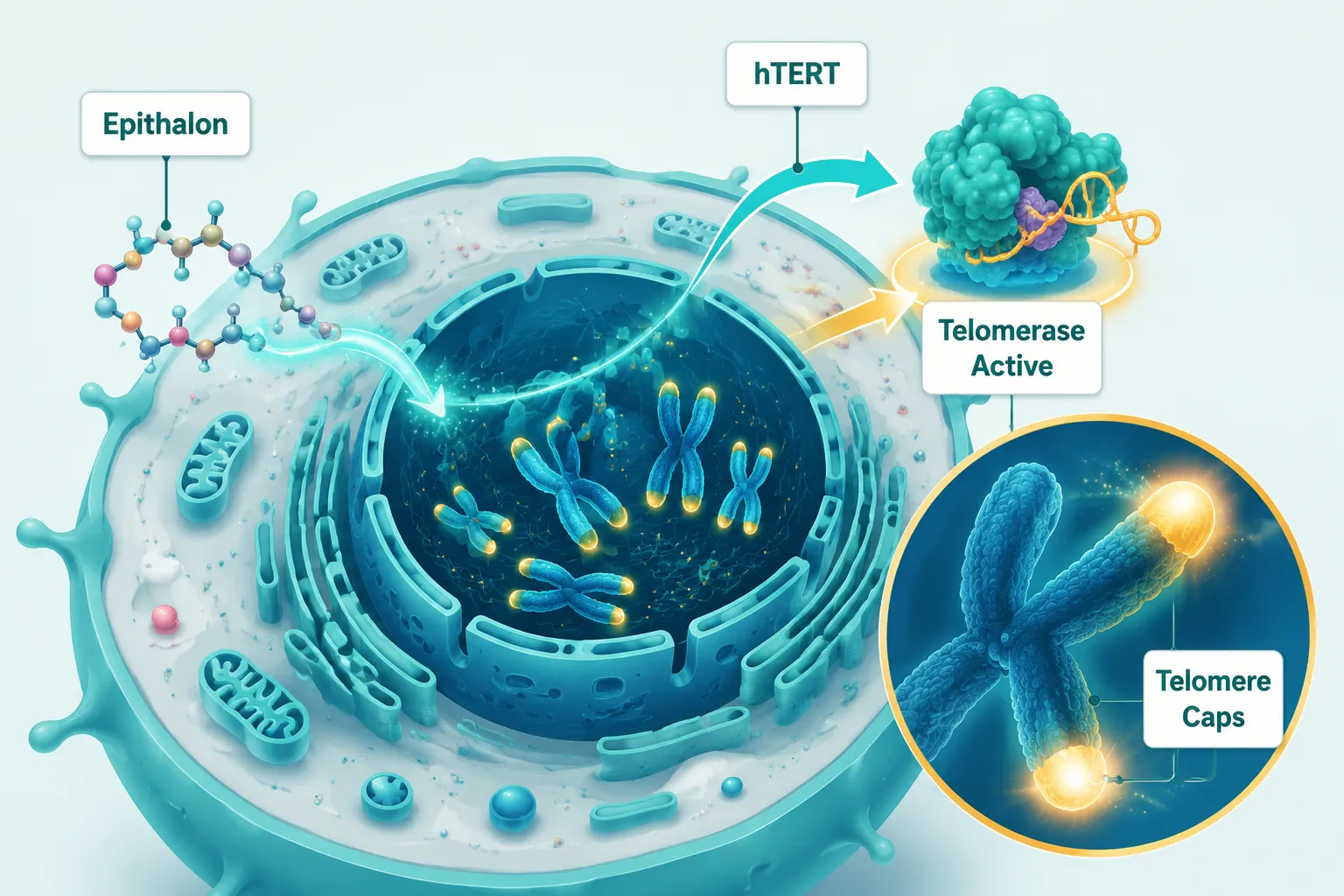
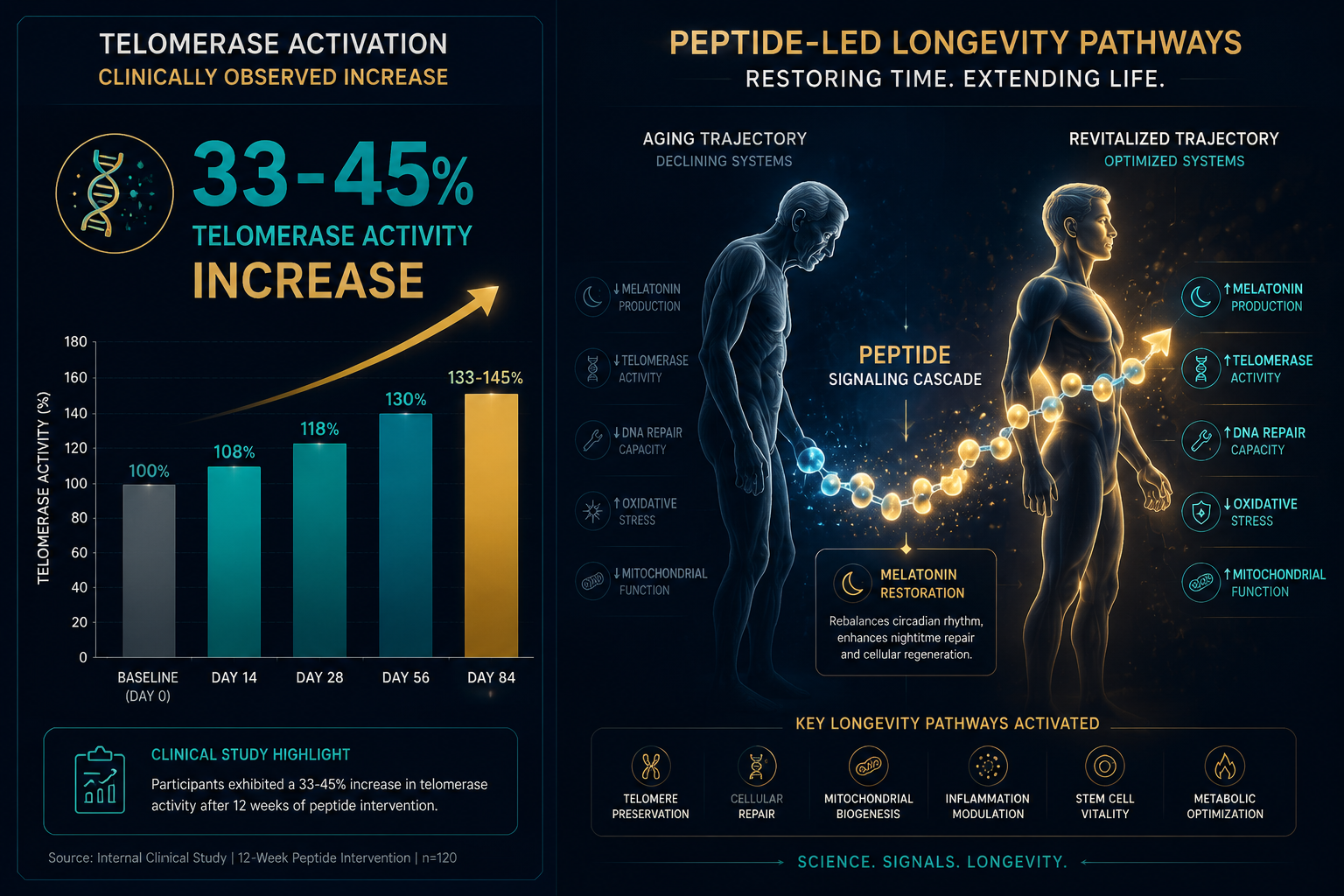
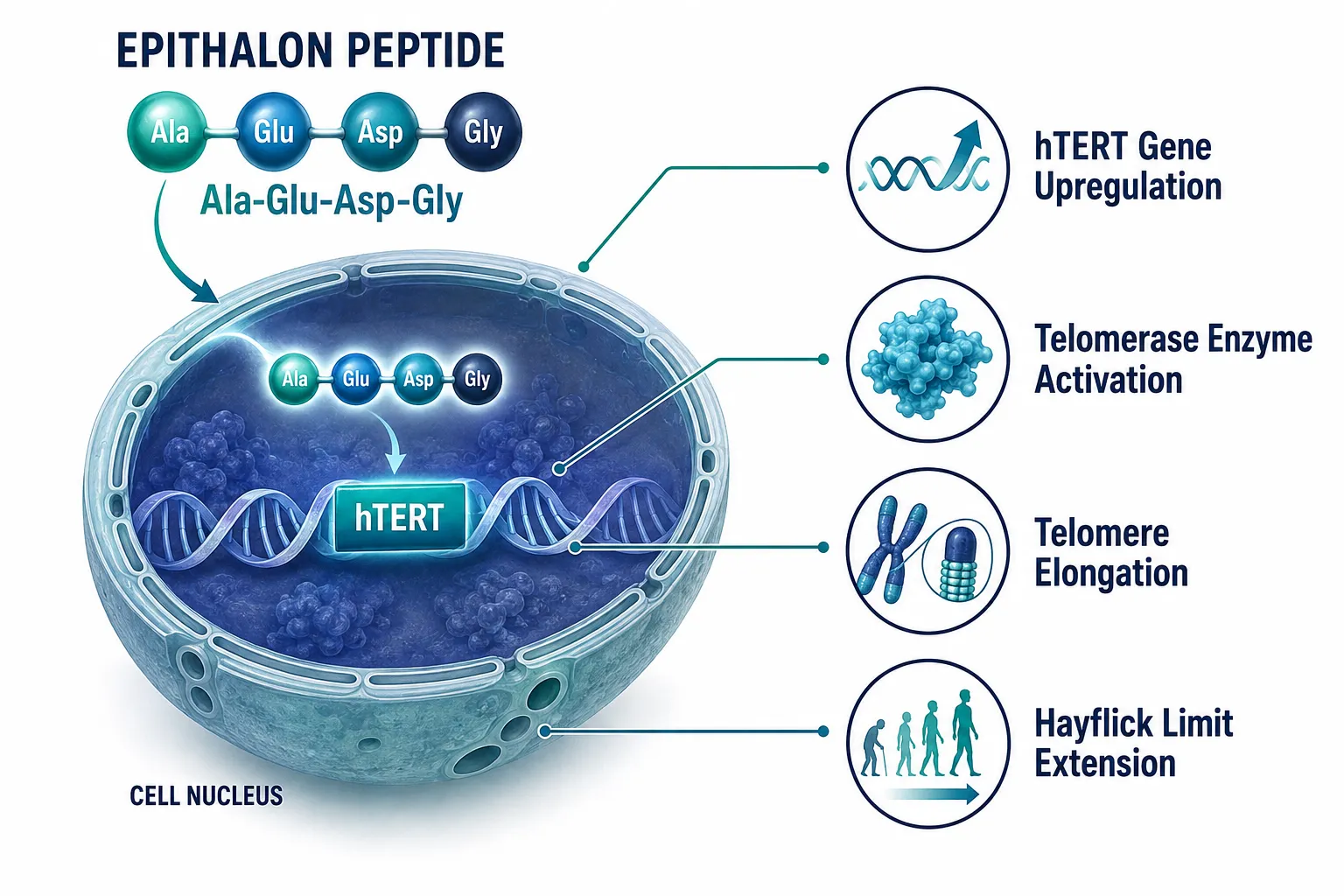
Epithalon's primary mechanism involves inducing expression of hTERT, the catalytic subunit of telomerase, in human somatic cell cultures. A 2026 mechanistic review confirmed that this induction increases telomerase enzymatic activity to a degree sufficient to extend cellular lifespan beyond the Hayflick limit in vitro. A 2024 study at the Institute of Bioregulation and Gerontology in St. Petersburg quantified this effect: telomerase activity increased by approximately 30-40% in human fibroblast cultures within 72 hours, with the most pronounced changes occurring during the G1 phase of the cell cycle.
Key mechanistic steps observed in research models:
- Epithalon binds to regulatory regions influencing hTERT gene transcription
- Increased hTERT mRNA is detected within hours of exposure
- Telomerase enzymatic activity rises in a dose-dependent pattern
- Telomere elongation follows over days to weeks of sustained exposure
These findings position Epithalon as a valuable signaling peptides research tool for dissecting the upstream regulation of telomerase in normal aging cells.
Epithalon Peptide: Telomerase Activation and Cellular Senescence Research Applications in Cell-Line Studies
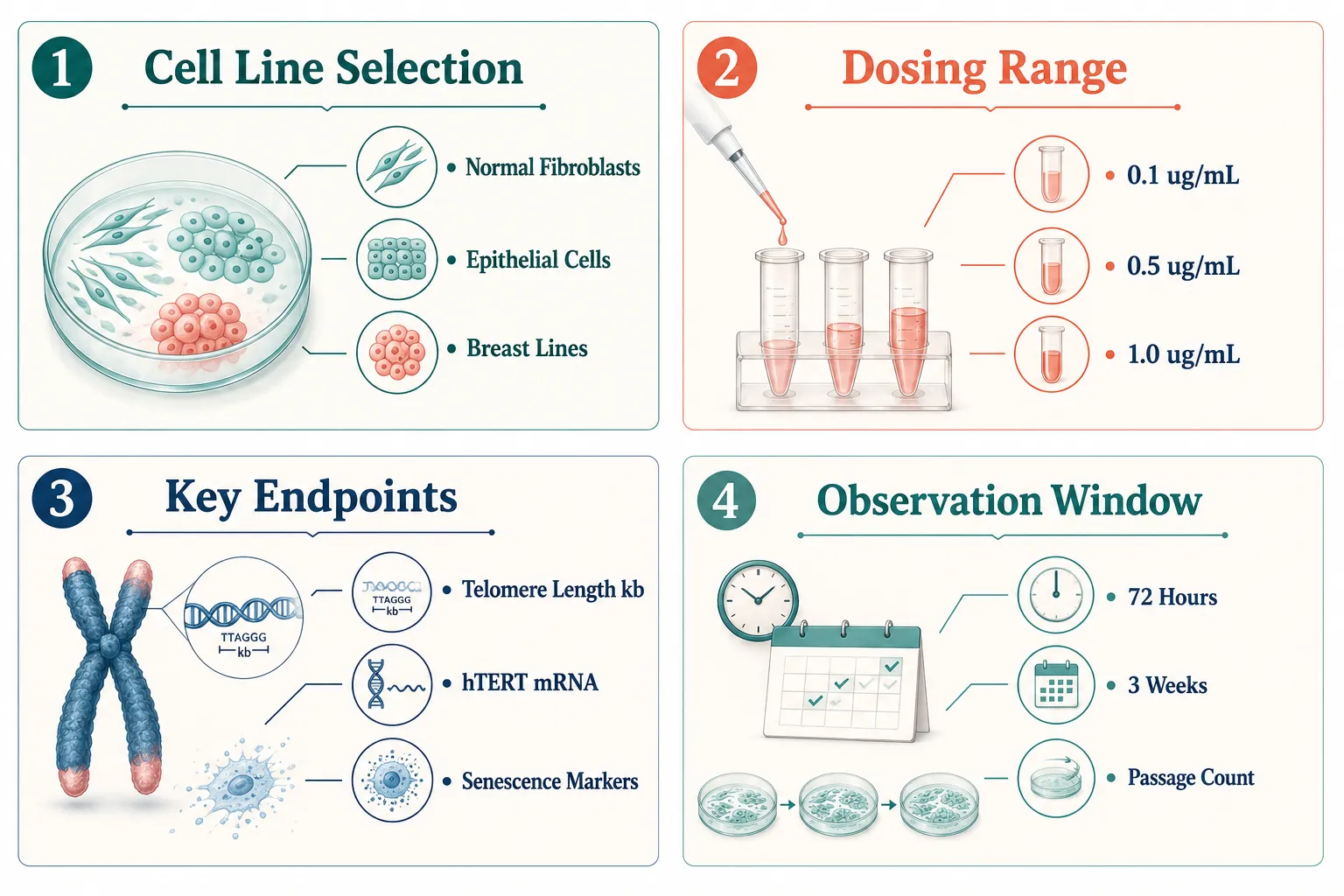
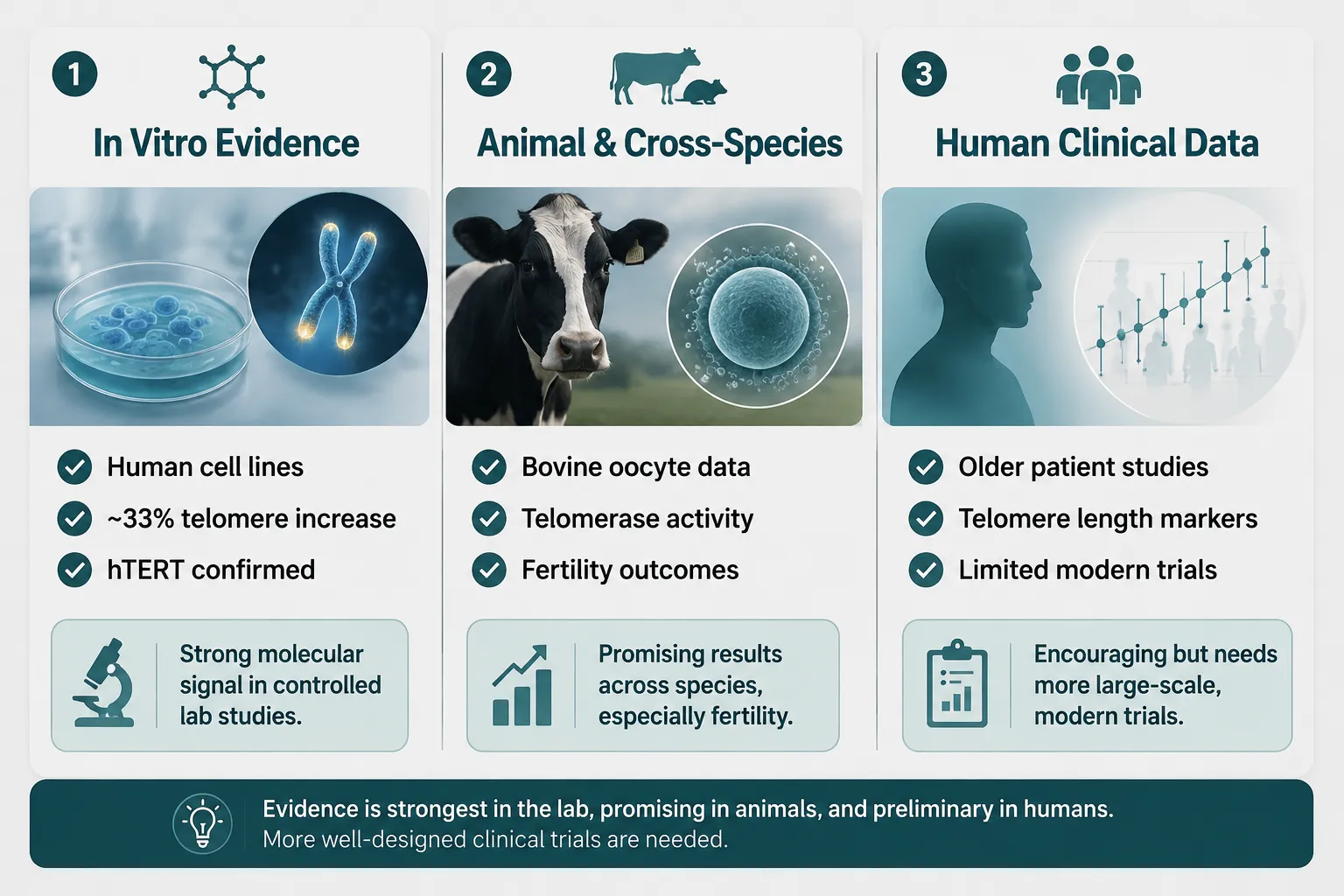
The most rigorous recent work comes from a 2025 Brunel University replication study. Researchers treated four human cell lines, two breast cancer lines and two normal mammary epithelial lines, with Epithalon at concentrations ranging from 0.1 to 1.0 micrograms per milliliter for three weeks. The results showed dose-dependent telomere elongation, with baseline telomere lengths near 2.4 kilobases extending to approximately 8 kilobases in some lines. Critically, the authors framed Epithalon as a tool compound for telomere biology research, not a clinically validated therapy.
A separate 2025 human cell-line study confirmed that Epithalon increased telomere length in normal epithelial and fibroblast cells by upregulating both hTERT mRNA and telomerase activity, corroborating earlier Russian data in a Western laboratory context.
Tracking senescence markers alongside telomere measurements is considered best practice in this research area. Useful endpoints for study design include:
| Endpoint | Measurement Method | Relevance |
|---|---|---|
| Telomere length (kb) | Q-FISH or Southern blot | Direct senescence indicator |
| hTERT mRNA expression | RT-qPCR | Mechanistic confirmation |
| Beta-galactosidase activity | Histochemical staining | Classic senescence marker |
| Reactive oxygen species | Fluorescent probes | Oxidative stress component |
| Cell passage number | Manual counting | Replicative lifespan proxy |
For researchers designing experiments, a translational research design framework that pairs molecular endpoints with functional senescence assays will yield the most interpretable data.
Epithalon Peptide: Telomerase Activation and Cellular Senescence Research Applications Beyond Standard Cell Lines
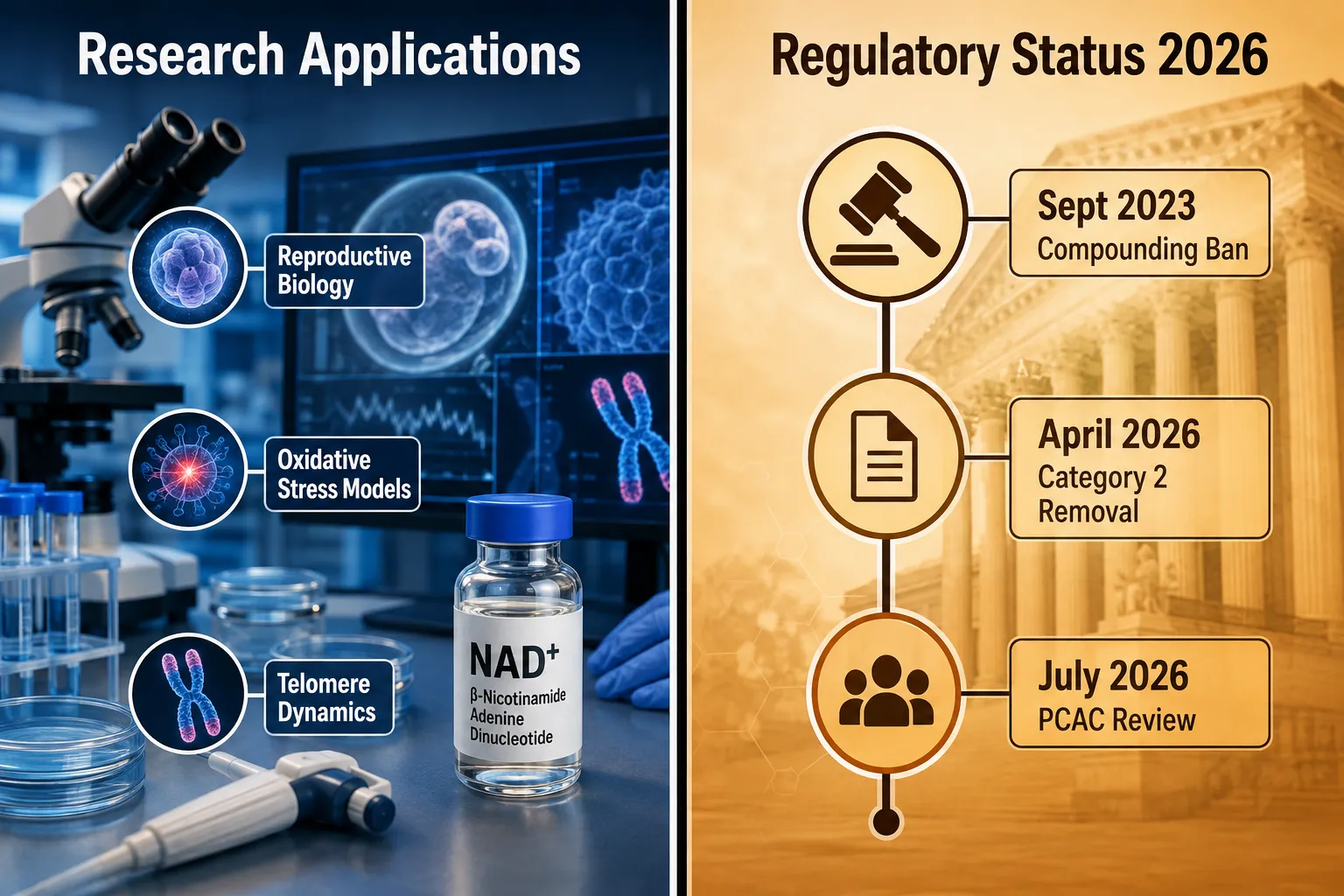
Research interest in Epithalon has expanded beyond standard fibroblast and epithelial models. A 2025 study by Ullah et al. demonstrated that Epithalon stimulates telomerase activity in bovine cumulus cells and cumulus-oocyte complexes, opening a pathway for studying reproductive aging and in vitro oocyte senescence. A complementary 2022 oocyte study found that appropriately dosed Epithalon can reduce oxidative stress-related damage associated with post-ovulatory aging, suggesting relevance to experimental models of oxidative stress-induced cellular senescence.
These findings connect to broader skin biology research and tissue recovery research contexts, where controlling cellular senescence in specialized cell populations is a growing priority.
Regulatory and safety context researchers must understand in 2026:
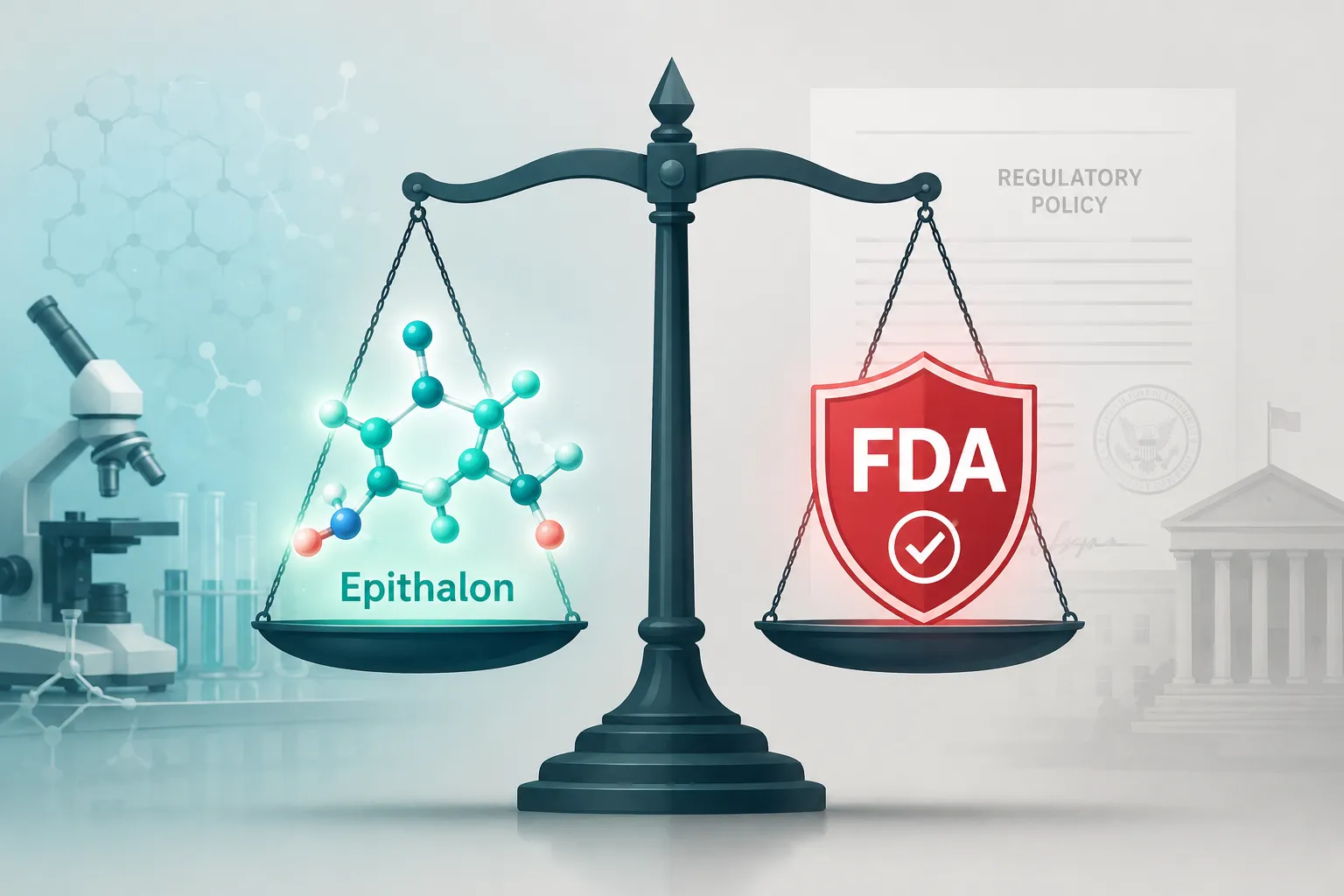
- Epithalon has no FDA, EMA, or MHRA approval and no active IND, NDA, or BLA filing
- It was banned from U.S. compounding pharmacies in September 2023 due to concerns including immunogenicity, aggregation risk, and insufficient clinical data
- The FDA removed Epithalon from its Category 2 bulk drug substances list effective April 22, 2026, with a Pharmacy Compounding Advisory Committee review scheduled for July 24, 2026
- Telomerase activation carries a theoretical long-term carcinogenic risk that regulators have flagged as a key concern
- All human evidence is currently classified as Grade D, based primarily on small Soviet-era and Russian cohort data with no modern Phase 3 trials
"In vitro telomerase activation should not be equated with proven clinical anti-aging effects, the mechanistic data is compelling, but the clinical translation gap remains wide."
Researchers exploring therapeutic peptides in aging models should build study designs that explicitly account for this gap, using Epithalon as a mechanistic probe rather than a presumed intervention.
Conclusion
Epithalon peptide: telomerase activation and cellular senescence research applications represent one of the most mechanistically detailed areas of peptide aging biology available to researchers in 2026. The compound reliably upregulates hTERT, increases telomerase activity by measurable margins, and produces telomere elongation across multiple human cell-line models. Rodent lifespan data adds biological plausibility, and emerging reproductive biology findings expand the experimental toolkit further.
Actionable next steps for researchers:
- Design studies with paired molecular endpoints (hTERT mRNA, telomerase activity) and functional senescence assays (beta-galactosidase, passage number) to build interpretable datasets.
- Use dose ranges of 0.1-1.0 micrograms per milliliter as a validated starting point, with observation windows of at least 72 hours for acute mechanistic work and three weeks for telomere length outcomes.
- Monitor the July 2026 PCAC review outcomes, as regulatory conclusions will shape future research access and compounding pathways.
- Frame all findings within the Grade D human evidence classification and avoid extrapolating in vitro telomerase activation to clinical anti-aging conclusions.
- Pair Epithalon with established senescence marker panels to contribute data that moves the field toward higher evidence grades.
The science is genuinely interesting. The regulatory and safety landscape demands that researchers approach it with rigorous methodology and transparent reporting.