Tesofensine vs Semaglutide vs Retatrutide: Appetite Research Pathways Compared
Obesity now affects more than one billion people globally, yet the mechanisms researchers use to study appetite suppression differ dramatically depending on the compound under investigation. When examining Tesofensine vs Semaglutide vs Retatrutide: Appetite Research Pathways Compared, three distinct biological architectures emerge, each targeting a different node in the energy-balance network. Understanding those differences is essential for any researcher designing a metabolic study in 2026.
Key Takeaways
- Tesofensine acts primarily through central noradrenergic, dopaminergic, and serotonergic reuptake inhibition, making it a small-molecule CNS-focused tool.
- Semaglutide is a GLP-1 receptor agonist that reduces appetite through both peripheral gut signaling and central hypothalamic pathways.
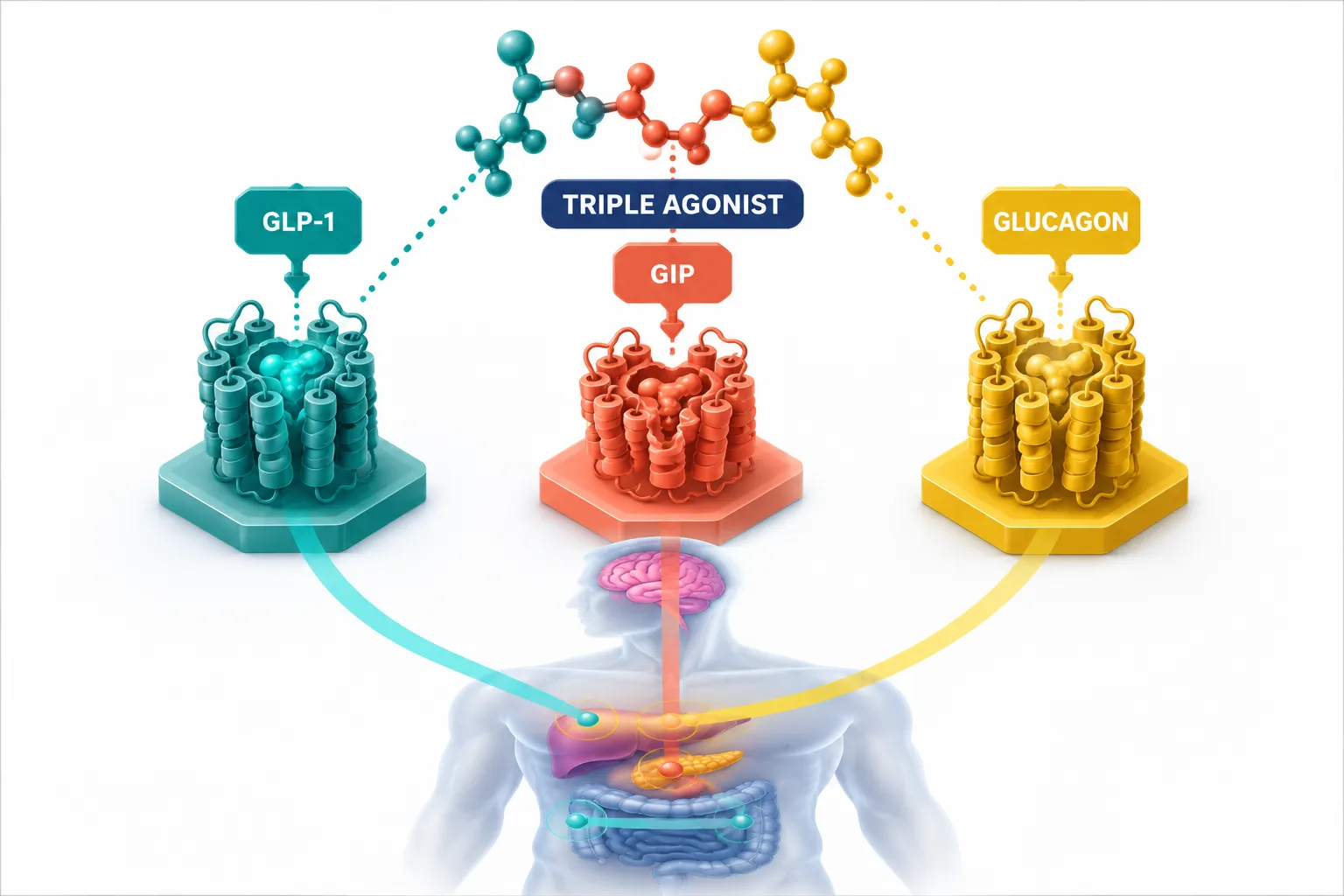
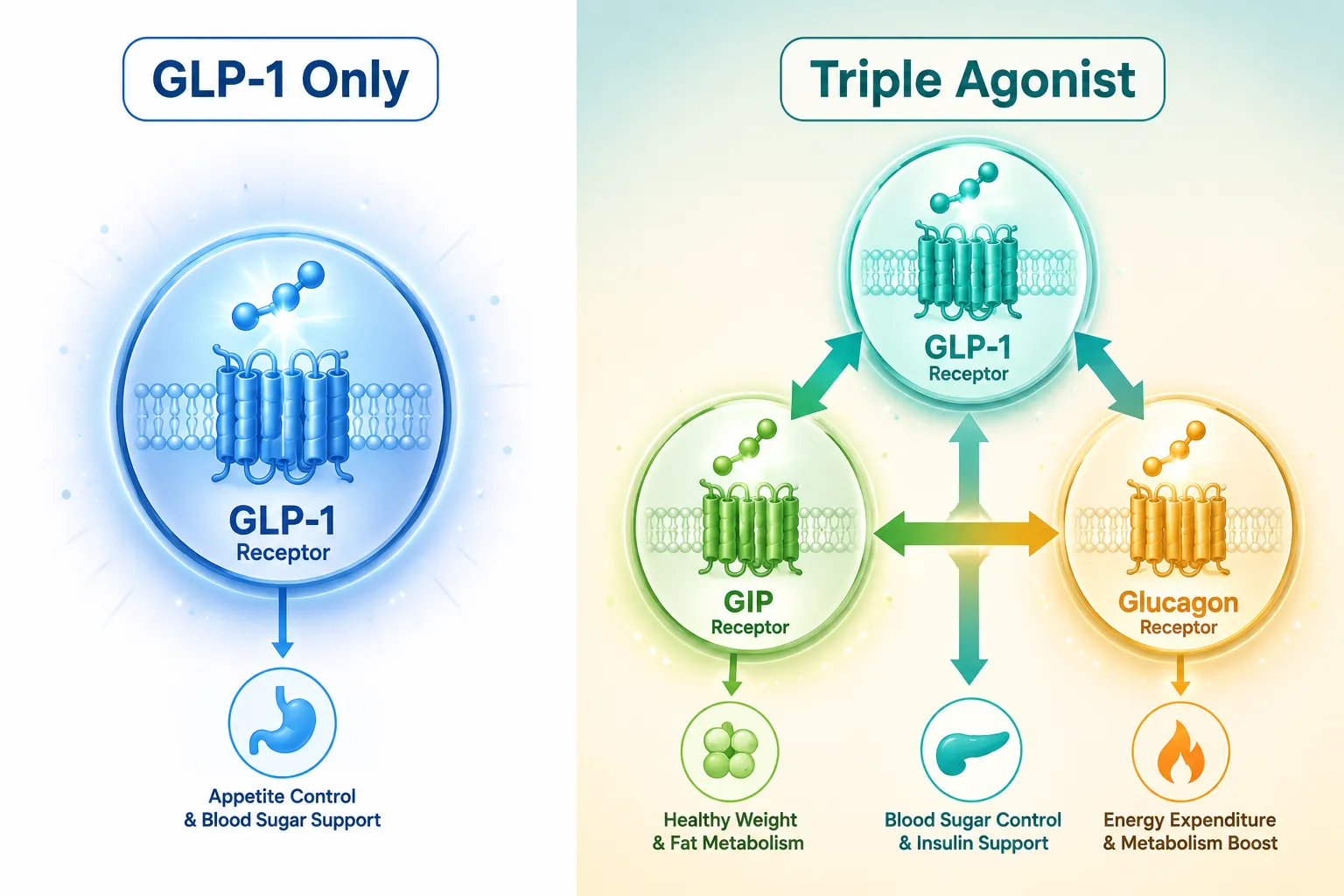
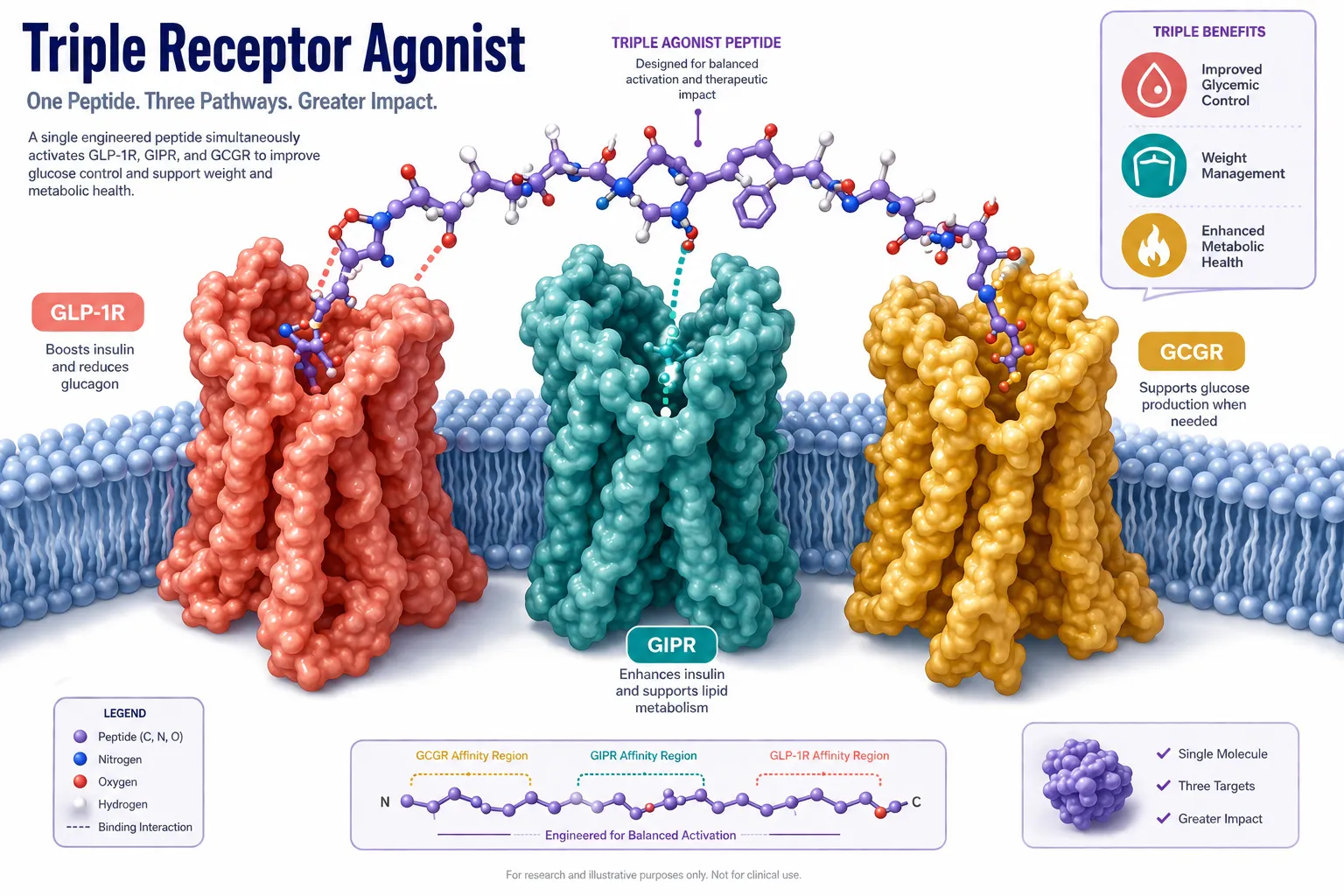
- Retatrutide is a triple agonist (GLP-1, GIP, and glucagon receptors), offering the broadest multi-receptor metabolic coverage of the three.
- Each compound suits different study-design goals: CNS appetite modeling, incretin-axis research, or multi-pathway energy expenditure studies.
- Researchers should align compound selection with their specific endpoint, appetite suppression, insulin sensitivity, hepatic fat, or energy expenditure.
How Each Compound Targets Appetite: Mechanism Overview
Tesofensine: Central Monoamine Reuptake Inhibition
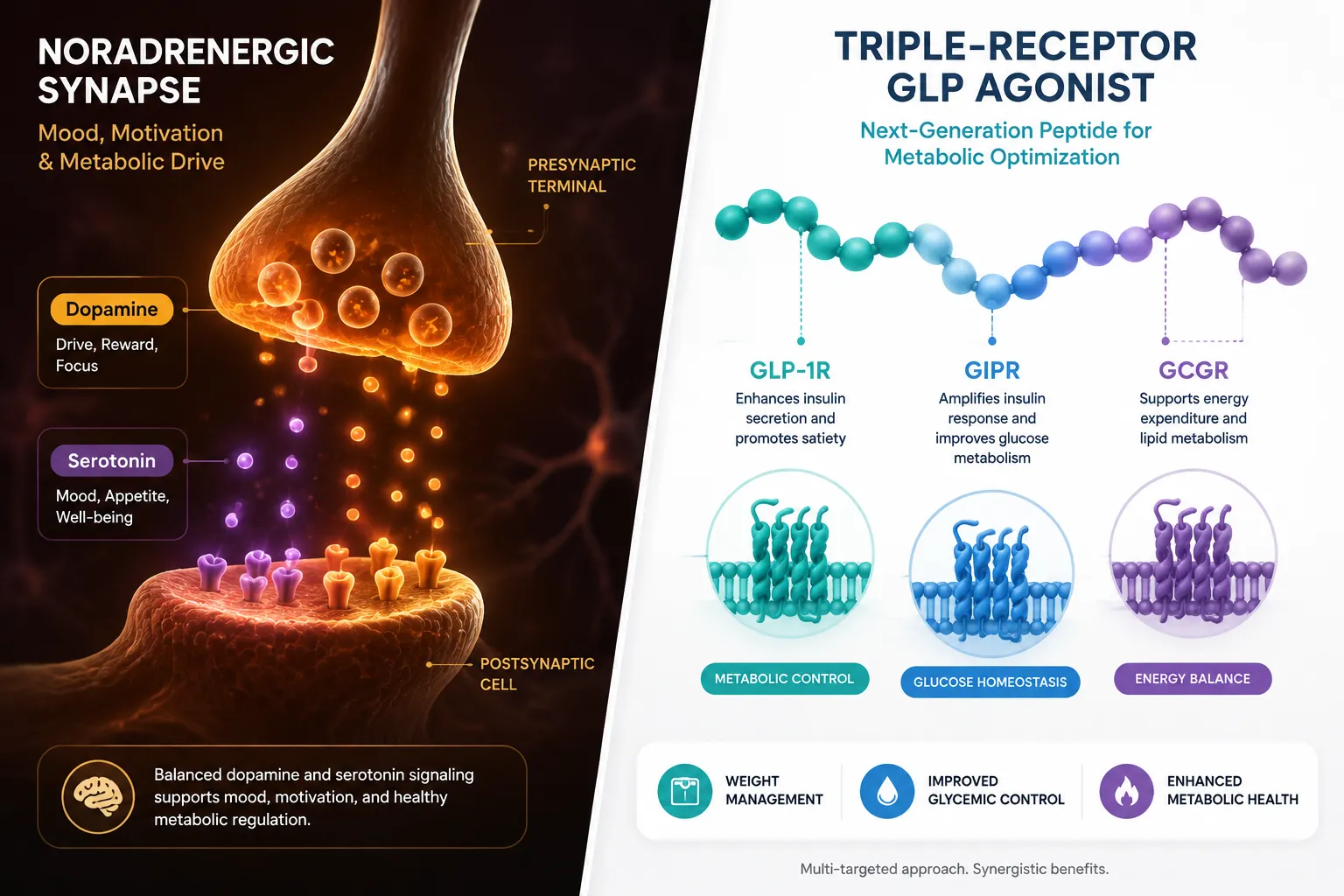
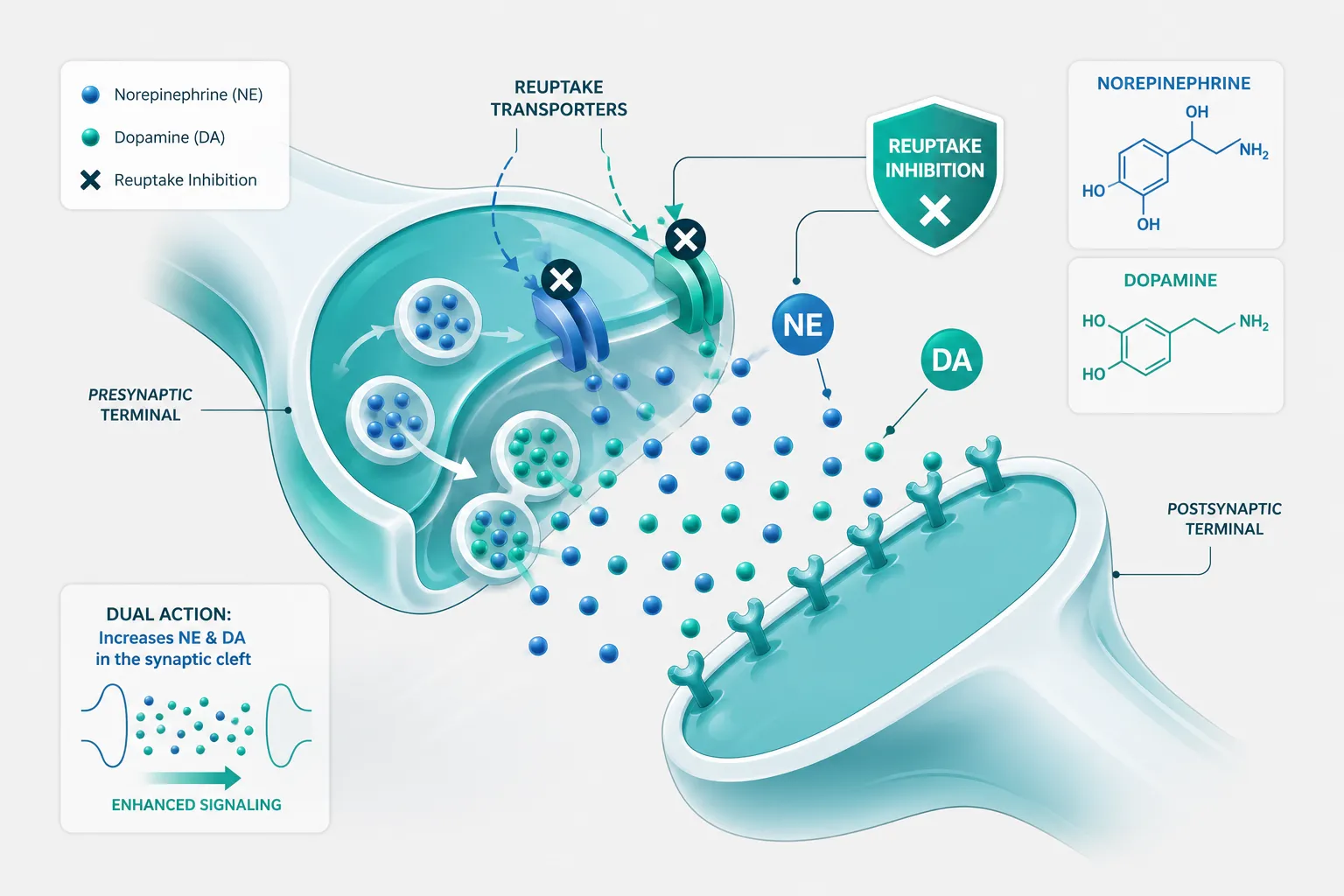
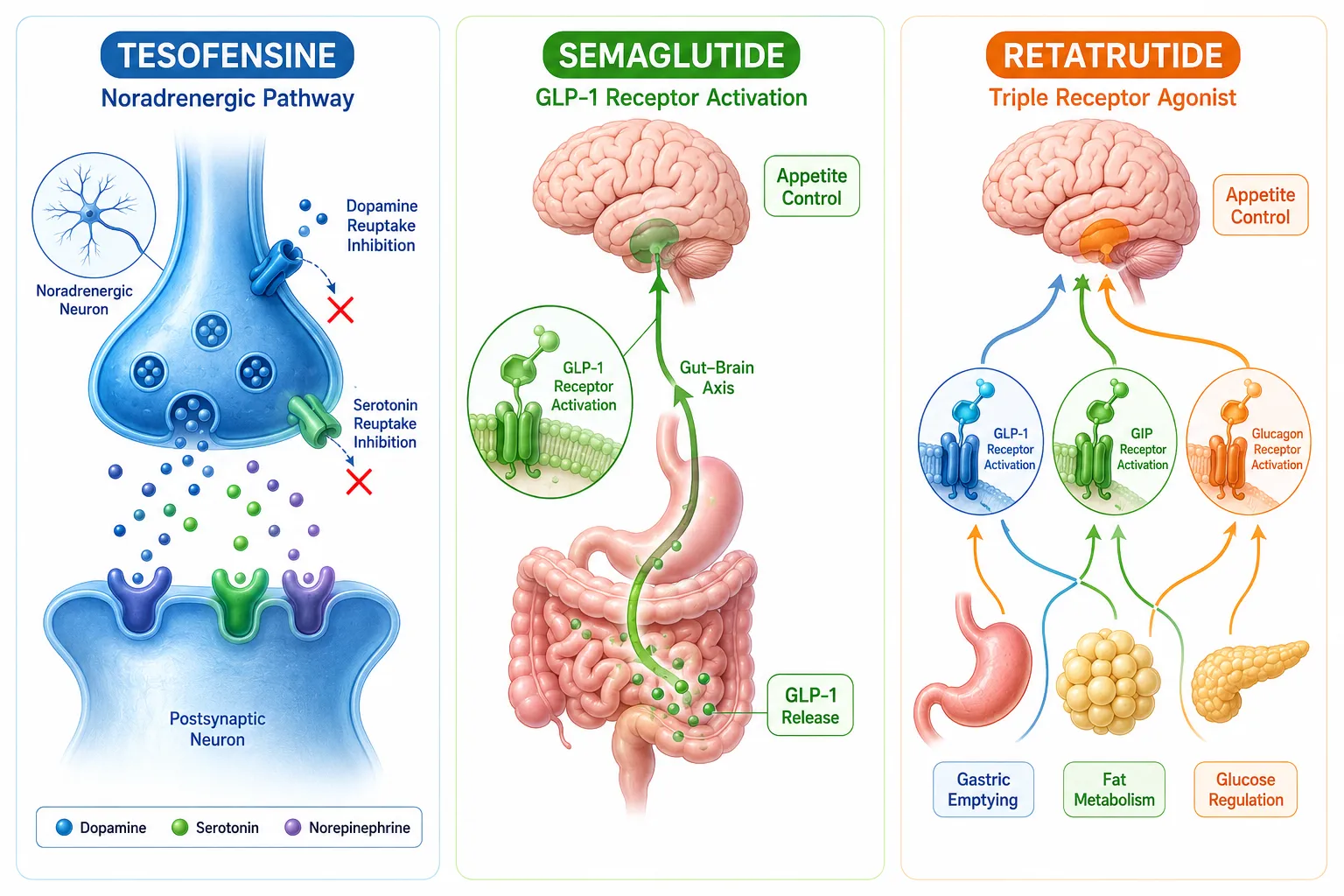
Tesofensine is a small-molecule triple monoamine reuptake inhibitor. It blocks the reuptake of norepinephrine, dopamine, and serotonin simultaneously. This action elevates monoamine tone in the central nervous system, suppressing appetite through hypothalamic and mesolimbic circuits.
For a deeper look at how this works at the synapse level, the Tesofensine mechanism explained: noradrenergic appetite modulation vs incretin-based pathways resource provides a detailed mechanistic breakdown.
Key research characteristics of tesofensine:
- Acts centrally, not peripherally
- Does not require receptor agonism, works by prolonging neurotransmitter availability
- Studied for effects on energy expenditure beyond appetite alone
- Small-molecule structure distinguishes it from peptide-based compounds
Semaglutide: GLP-1 Receptor Agonism
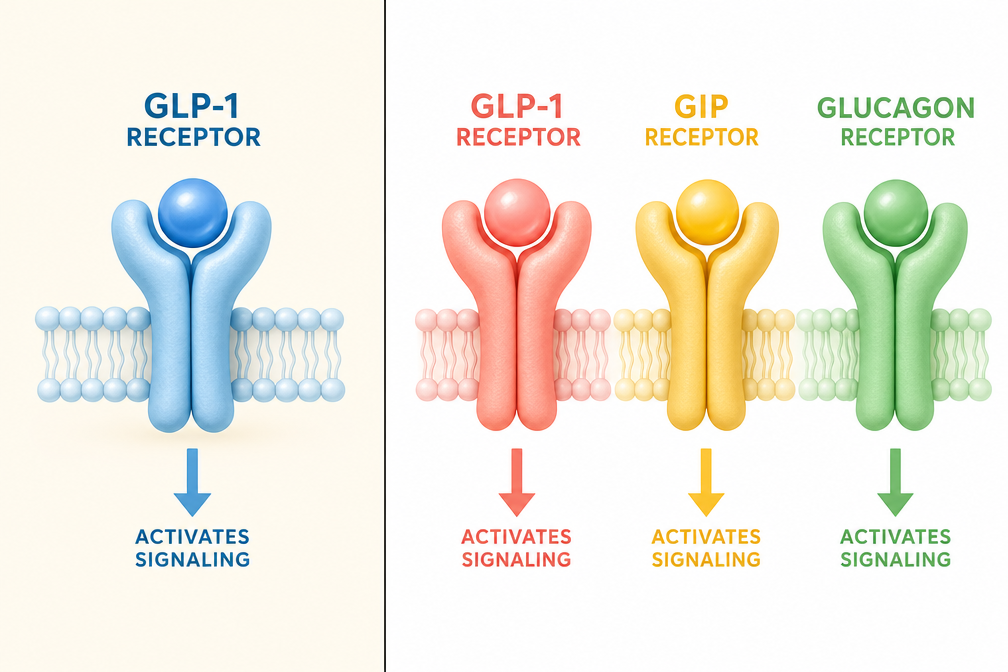
Semaglutide is a glucagon-like peptide-1 (GLP-1) receptor agonist. It mimics the action of endogenous GLP-1, a hormone released from intestinal L-cells after food intake. Its appetite-suppressing effects are mediated both peripherally (slowing gastric emptying, increasing satiety signals) and centrally (acting on hypothalamic GLP-1 receptors).
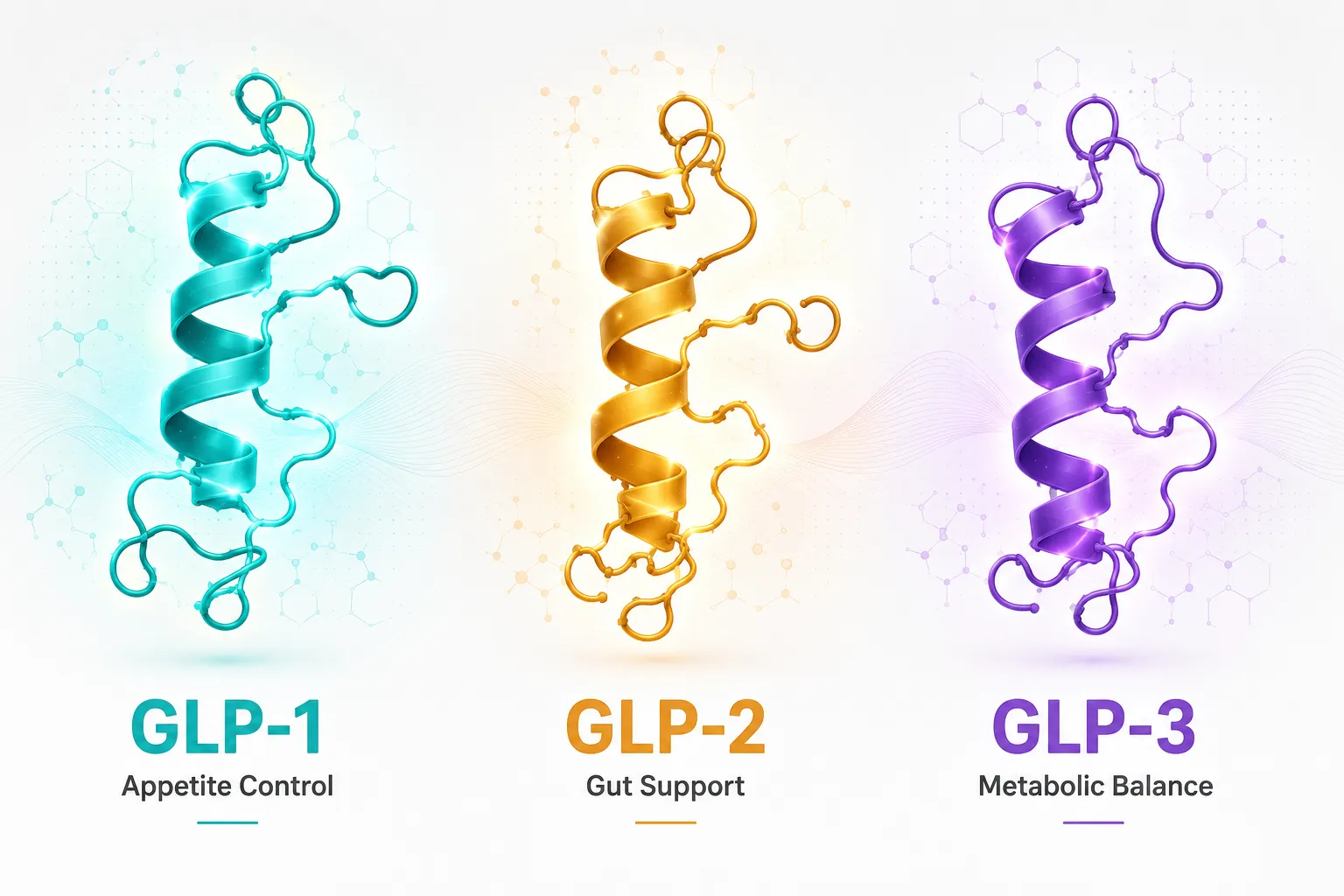
Researchers interested in the broader GLP-1 landscape can explore GLP-1 peptide research: generational concepts and sourcing notes for context on how this class has evolved.
Retatrutide: Triple Receptor Agonism
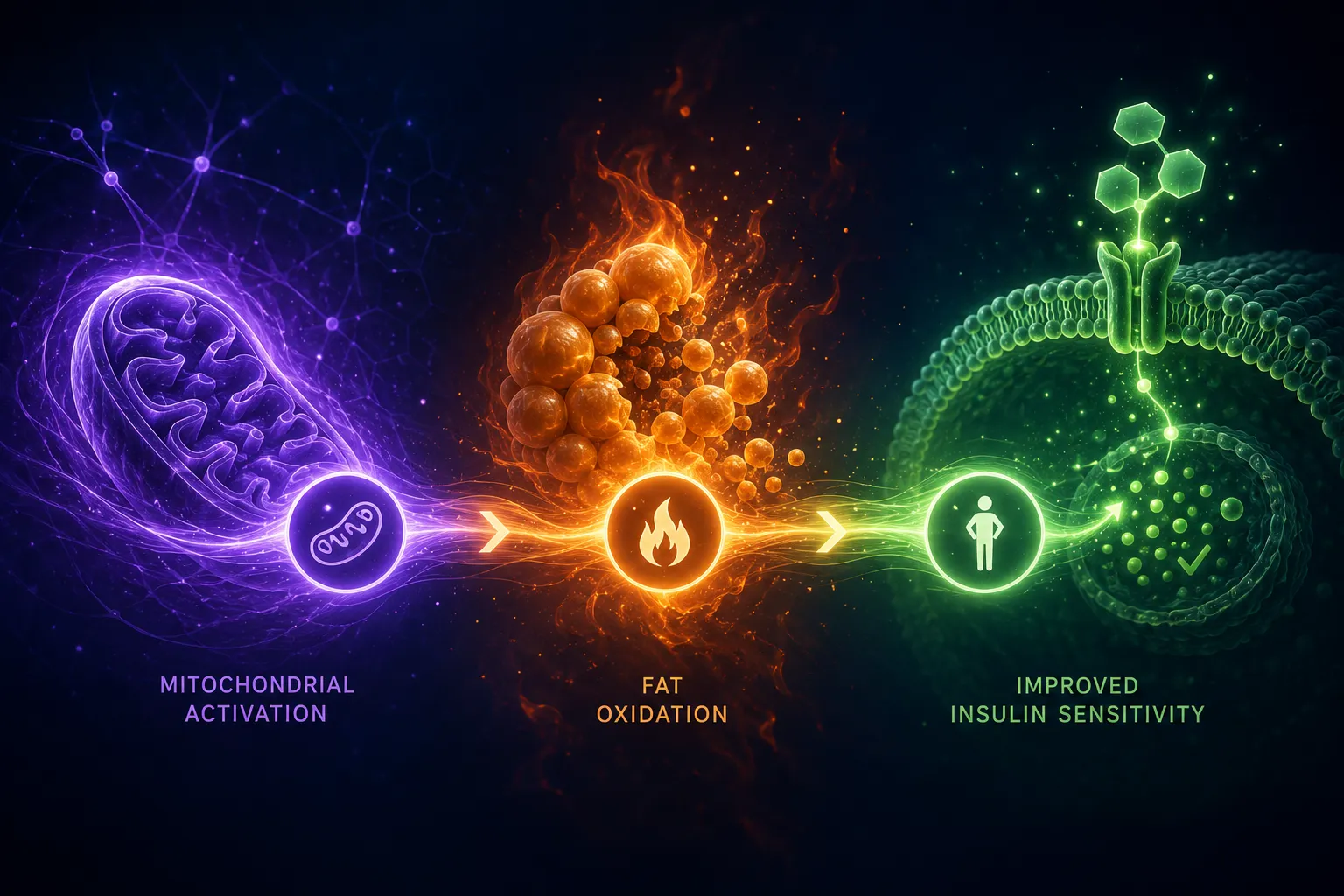
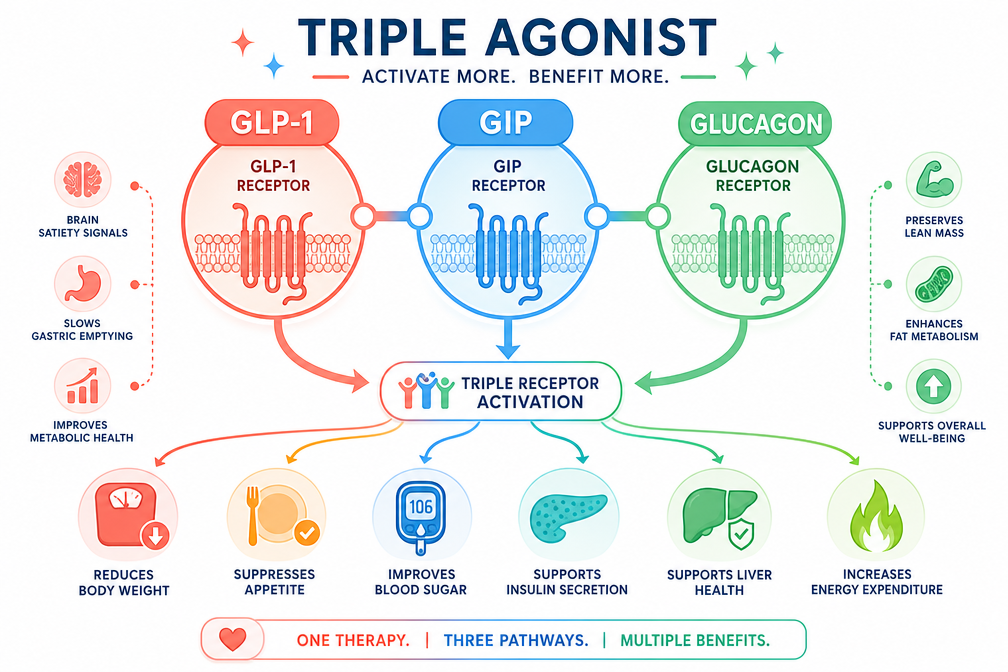
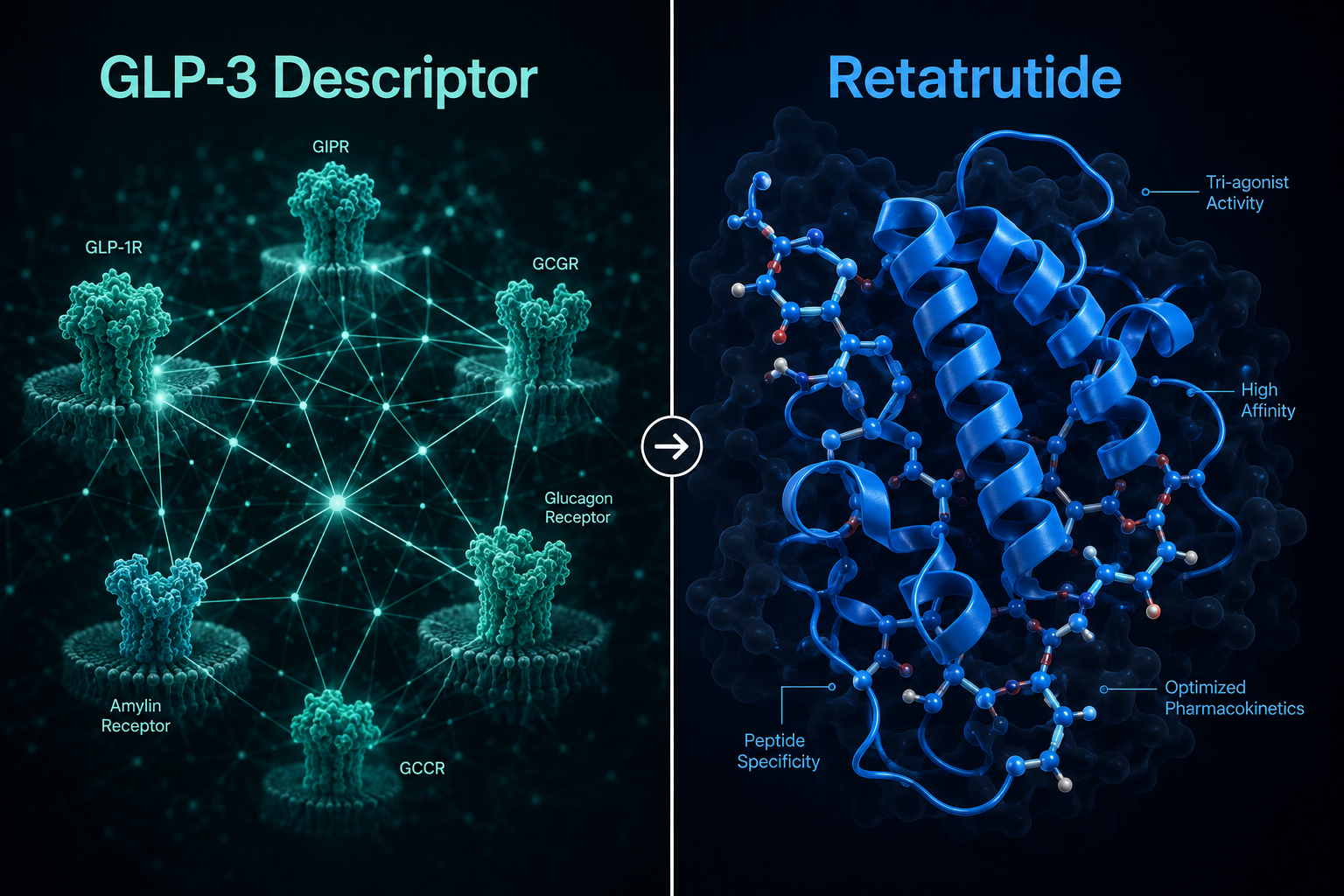
Retatrutide simultaneously activates three receptors: GLP-1, GIP (glucose-dependent insulinotropic polypeptide), and glucagon receptors. This triple-agonist profile makes it the most mechanistically complex of the three. The glucagon receptor component adds a direct thermogenic and hepatic fat-reduction dimension not present in semaglutide alone.
For research focused on liver endpoints, retatrutide and MASLD: how triple-agonist research is reframing liver fat endpoints covers how this receptor profile is being applied in hepatic studies.
Tesofensine vs Semaglutide vs Retatrutide: Appetite Research Pathways Compared Side by Side

Understanding how these compounds differ requires examining their pathways across several research-relevant dimensions.
| Feature | Tesofensine | Semaglutide | Retatrutide |
|---|---|---|---|
| Compound type | Small molecule | Peptide analog | Peptide analog |
| Primary target | Monoamine transporters (CNS) | GLP-1 receptor | GLP-1 / GIP / Glucagon receptors |
| Appetite pathway | Central (hypothalamic, mesolimbic) | Central + peripheral | Central + peripheral + hepatic |
| Energy expenditure effect | Moderate (sympathomimetic) | Indirect (via weight loss) | Direct (glucagon-driven thermogenesis) |
| Hepatic fat relevance | Low | Moderate | High |
Research design insight: Tesofensine is best suited for studies isolating CNS appetite modulation. Semaglutide fits incretin-axis and glycemic research. Retatrutide is the tool of choice when multi-pathway metabolic endpoints are the goal.
For a focused comparison between tesofensine and retatrutide specifically, tesofensine vs GLP-3 retatrutide: which appetite-modulating pathways each answer in metabolic research design offers a detailed side-by-side analysis.
Selecting the Right Pathway for Your Study Design

Choosing between these three compounds in a research context depends on the specific biological question being asked. The following framework helps clarify that decision.
When CNS Appetite Circuits Are the Focus
If the study aims to understand how monoamine tone influences food intake, reward-driven eating, or hypothalamic appetite regulation, tesofensine is the logical selection. Its mechanism does not involve receptor agonism, which means it avoids confounding incretin-axis variables.
Researchers exploring how tesofensine fits into broader metabolic study designs can review tesofensine and metabolic research: how a noradrenergic appetite modulator compares with GLP-3 peptides in study design.
When Incretin Biology Is Central
Semaglutide remains the reference compound for GLP-1 receptor research. Its well-characterized pharmacokinetics and receptor selectivity make it a clean tool for studies examining insulin secretion, gastric motility, and hypothalamic satiety signaling. It is also the most studied of the three in human clinical settings.
When Multi-Pathway Energy Balance Is the Endpoint
Retatrutide's triple-agonist profile makes it uniquely suited for studies where the goal is to understand how simultaneous activation of GLP-1, GIP, and glucagon receptors affects total energy balance. This includes hepatic lipid metabolism, brown adipose tissue activation, and integrated hormonal appetite suppression.
For researchers comparing tesofensine's small-molecule profile against peptide-based options more broadly, 5-Amino-1MQ vs Tesofensine: weight loss peptides compared provides additional context on how compound class affects study design choices.
Overlapping Variables to Control
When running Tesofensine vs Semaglutide vs Retatrutide: Appetite Research Pathways Compared studies, researchers must account for:
- Baseline metabolic state of the model system
- Duration of exposure, monoamine effects may differ in time course from incretin effects
- Endpoint selection, appetite suppression, body weight, insulin sensitivity, or hepatic fat require different assay designs
- Receptor expression levels in the target tissue or model organism
Conclusion
The comparison of Tesofensine vs Semaglutide vs Retatrutide: Appetite Research Pathways Compared reveals three mechanistically distinct tools serving different research purposes. Tesofensine addresses CNS monoamine-driven appetite circuits. Semaglutide targets the incretin axis with a well-validated GLP-1 receptor profile. Retatrutide offers the broadest receptor coverage, making it the most versatile for multi-pathway metabolic endpoints.
Actionable next steps for researchers in 2026:
- Define the primary biological question before selecting a compound, mechanism should drive selection, not availability.
- Review published pharmacokinetic data for each compound to align dosing windows with study duration.
- Consider whether a single-pathway or multi-pathway design better answers the hypothesis.
- Consult the tesofensine peptide overview for sourcing and purity documentation considerations specific to tesofensine.
- Ensure all compounds are sourced to research-grade standards with verified certificates of analysis before initiating any protocol.
Matching the right appetite-modulation pathway to the right study design is the single most important variable in generating reproducible, meaningful metabolic research data.