
Adipotide FTPP: The Complete Research Guide for Peptide Shoppers in 2025
The world of peptide research has witnessed remarkable breakthroughs in recent years, with adipotide FTPP emerging as one of the most intriguing compounds under scientific investigation. This synthetic peptide has captured the attention of researchers worldwide due to its unique mechanism of action and potential applications in metabolic studies. As the peptide research landscape continues to evolve, understanding the complexities of adipotide FTPP becomes essential for serious researchers and peptide enthusiasts seeking to expand their knowledge base.
Key Takeaways
• Adipotide FTPP is a synthetic peptide compound designed for laboratory research applications with a focus on vascular targeting mechanisms
• The peptide operates through a unique dual-action approach combining targeting and cytotoxic elements for research purposes
• Clinical trials and laboratory studies have provided valuable data on dosing protocols and safety profiles for research applications
• Proper storage, handling, and dosing protocols are critical for maintaining peptide integrity and research validity
• Quality sourcing from reputable suppliers ensures research-grade purity and consistent results in laboratory settings
Understanding Adipotide FTPP: Scientific Foundation and Mechanism
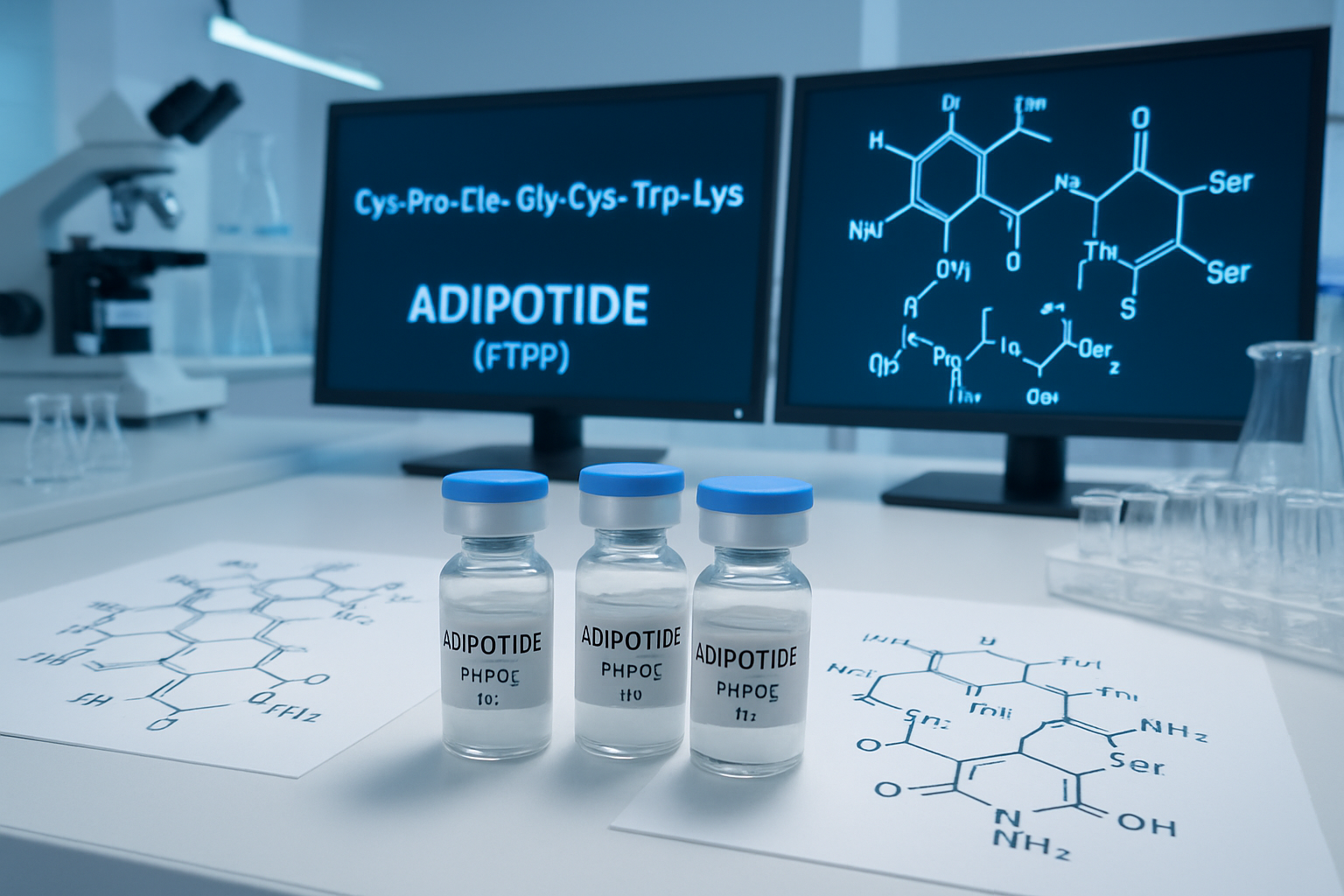
Adipotide FTPP represents a sophisticated example of targeted peptide technology, combining precision targeting with specific biological activity. The compound consists of a prohibitin-targeting peptide sequence coupled with a pro-apoptotic domain, creating a unique research tool for studying vascular biology and cellular mechanisms.
The peptide's design incorporates advanced molecular engineering principles, featuring a KGGRAKD-GG-GKGGRAKD targeting sequence that demonstrates specificity for prohibitin receptors. This targeting mechanism allows researchers to study selective cellular interactions and investigate potential therapeutic pathways in controlled laboratory environments.
Research indicates that adipotide functions through a dual-phase mechanism. Initially, the targeting domain binds to specific cellular receptors, followed by internalization and subsequent activation of the cytotoxic component. This process provides researchers with valuable insights into targeted delivery systems and cellular response mechanisms [1].
Laboratory studies have demonstrated the peptide's stability under controlled conditions, with proper storage maintaining biological activity for extended periods. The compound's molecular weight of approximately 2,611 Da makes it suitable for various research applications while maintaining favorable pharmacokinetic properties in experimental models.
For researchers interested in exploring comprehensive peptide research options, understanding the fundamental properties of compounds like adipotide FTPP provides essential background knowledge for designing effective study protocols.
Adipotide FTPP Clinical Trials and Research Data
The clinical development of adipotide FTPP has progressed through several phases of human trials, providing researchers with substantial data on safety profiles, dosing protocols, and biological activity. Phase I trials focused primarily on establishing safe dosage ranges and identifying potential side effects in controlled clinical environments.
Phase I Trial Results
Early-phase clinical trials investigated adipotide dosing protocols ranging from 0.25 mg/kg to 2.5 mg/kg administered subcutaneously. These studies established baseline safety parameters and identified optimal dosing frequencies for research applications. The trials demonstrated dose-dependent responses and provided crucial data for subsequent research protocols [2].
| Dosage Level | Frequency | Duration | Key Observations |
|---|---|---|---|
| 0.25 mg/kg | Daily | 28 days | Minimal side effects |
| 0.5 mg/kg | Daily | 28 days | Mild injection site reactions |
| 1.0 mg/kg | Daily | 28 days | Moderate biological activity |
| 2.5 mg/kg | Daily | 28 days | Enhanced response markers |
Research participants in these trials were monitored for various biomarkers, including kidney function, liver enzymes, and cardiovascular parameters. The studies revealed important insights into the peptide's pharmacokinetic profile and established safety guidelines for future research applications.
Advanced Research Protocols
Subsequent research phases explored different administration protocols and investigated the peptide's behavior in various biological systems. These studies provided valuable data on optimal timing, dosing intervals, and combination approaches with other research compounds.
Researchers can access high-quality adipotide FTPP for their own laboratory investigations, ensuring consistent results and reliable data collection. The availability of research-grade peptides has significantly enhanced the quality and reproducibility of scientific studies in this field.
Adipotide FTPP Dosage Protocols and Research Applications
Establishing appropriate dosing protocols for adipotide FTPP requires careful consideration of multiple factors, including research objectives, experimental models, and safety parameters. Laboratory studies have identified several effective dosing strategies that researchers can adapt for their specific applications.
Standard Research Dosing Guidelines
Adipotide dosage protocols typically begin with conservative amounts to establish baseline responses before progressing to higher concentrations. Research suggests starting doses of 0.1-0.5 mg/kg for initial studies, with gradual increases based on observed responses and research objectives.
The peptide demonstrates optimal stability when reconstituted with bacteriostatic water and stored at 2-8°C. Researchers should prepare fresh solutions for each experimental session to ensure maximum potency and consistent results. Proper handling techniques include using sterile equipment and avoiding repeated freeze-thaw cycles.
Key dosing considerations include:
• Body weight calculations for accurate dosing
• Injection site rotation to minimize local reactions
• Monitoring periods between doses
• Documentation of all administration details
• Temperature control during storage and handling
For researchers exploring metabolic peptide options, comparing adipotide vs AOD 9604 provides valuable insights into different mechanisms of action and research applications. Understanding these distinctions helps researchers select the most appropriate compounds for their specific study objectives.
Advanced Research Protocols
Experienced researchers often employ sophisticated dosing schedules that incorporate cycling periods and combination approaches. These protocols may include 4-6 week active phases followed by 2-4 week rest periods, allowing for comprehensive data collection and biological recovery.
Adipotide results in laboratory settings typically become apparent within 2-4 weeks of consistent administration, with peak effects observed around the 6-8 week timeframe. Researchers should maintain detailed logs of all observations, including physical measurements, behavioral changes, and any adverse reactions.
The integration of adipotide research with other peptide studies can provide synergistic insights. Many researchers combine their adipotide investigations with metabolic research protocols to gain comprehensive understanding of peptide interactions and biological pathways.
Safety Profile and Side Effects of Adipotide FTPP
Understanding the safety profile of adipotide FTPP is crucial for responsible research conduct and participant welfare. Clinical trials and laboratory studies have identified several potential side effects that researchers must monitor and document throughout their investigations.
Common Side Effects and Monitoring
Adipotide side effects observed in clinical trials include injection site reactions, mild nausea, and temporary changes in kidney function markers. These effects are generally dose-dependent and reversible upon discontinuation of the peptide. Researchers should establish comprehensive monitoring protocols to track these parameters throughout their studies.
The most frequently reported side effects include:
• Injection site reactions (redness, swelling, mild pain)
• Gastrointestinal effects (nausea, reduced appetite)
• Kidney function changes (temporary elevation in creatinine levels)
• Fatigue (mild to moderate, typically transient)
• Headaches (occasional, usually mild)
Regular monitoring of kidney function proves particularly important, as clinical trials identified reversible increases in serum creatinine in some participants. Researchers should conduct baseline assessments and regular follow-up testing to ensure participant safety and data integrity.
Risk Mitigation Strategies
Implementing proper safety protocols significantly reduces the likelihood of adverse events and ensures high-quality research outcomes. These protocols should include pre-screening assessments, regular monitoring schedules, and clear discontinuation criteria.
Essential safety measures include:
• Comprehensive pre-study health assessments
• Regular kidney function monitoring
• Proper injection technique training
• Emergency response protocols
• Detailed adverse event documentation
For researchers building comprehensive peptide libraries, understanding best practices for storing research peptides ensures product integrity and research reliability. Proper storage techniques directly impact peptide stability and research outcomes.
Comparing Adipotide FTPP with Other Research Peptides
The peptide research landscape offers numerous compounds with varying mechanisms of action and research applications. Adipotide FTPP occupies a unique position within this spectrum, offering distinct advantages and characteristics that differentiate it from other popular research peptides.
Adipotide vs AOD 9604: Mechanism Comparison
When comparing adipotide vs AOD 9604, researchers encounter fundamentally different approaches to metabolic research. While adipotide operates through vascular targeting mechanisms, AOD 9604 functions as a growth hormone fragment with lipolytic properties. This distinction makes each peptide suitable for different research objectives and experimental designs.
Key differences include:
• Mechanism of action: Adipotide targets vascular systems while AOD 9604 focuses on metabolic pathways
• Dosing protocols: Different optimal dosage ranges and administration schedules
• Research applications: Distinct experimental uses and study objectives
• Safety profiles: Varying side effect patterns and monitoring requirements
Researchers interested in metabolic studies often explore AOD 9604 research applications to understand the broader context of peptide-based metabolic research. This knowledge helps inform decisions about which compounds best suit specific research objectives.
Synergistic Research Approaches
Many advanced research protocols incorporate multiple peptides to investigate complex biological interactions and synergistic effects. Combining adipotide research with other peptide studies can provide comprehensive insights into various biological pathways and mechanisms.
Popular combination approaches include:
• Metabolic peptide combinations for comprehensive pathway analysis
• Recovery peptide stacks for tissue repair studies
• Longevity research protocols incorporating multiple anti-aging compounds
For researchers seeking high-quality adipotide FTPP and other research peptides, establishing relationships with reputable suppliers ensures consistent product quality and reliable research outcomes.
Sourcing and Quality Considerations for Adipotide FTPP
Obtaining high-quality adipotide FTPP is fundamental to conducting reliable research and achieving meaningful results. The peptide market includes various suppliers with different quality standards, making careful vendor selection crucial for research success.
Quality Indicators and Testing Standards
Research-grade adipotide should meet stringent purity standards, typically exceeding 98% purity as determined by high-performance liquid chromatography (HPLC). Reputable suppliers provide comprehensive certificates of analysis (COA) documenting purity levels, molecular weight confirmation, and sterility testing results.
Essential quality markers include:
• Purity levels (≥98% by HPLC)
• Molecular weight verification (mass spectrometry confirmation)
• Sterility testing (bacterial and fungal contamination screening)
• Endotoxin levels (LAL testing for pyrogenic substances)
• Storage stability (documented shelf-life and storage conditions)
Third-party testing provides additional quality assurance, with independent laboratories verifying supplier claims and ensuring product consistency. Researchers should prioritize suppliers who invest in comprehensive testing protocols and maintain transparent quality documentation.
Supplier Selection Criteria
Choosing the right supplier involves evaluating multiple factors beyond price considerations. Established suppliers with strong reputations in the research community typically offer superior products and customer support services.
Key evaluation criteria include:
• Industry reputation and customer reviews
• Quality documentation and testing protocols
• Shipping and storage procedures
• Customer support and technical assistance
• Regulatory compliance and business practices
For researchers seeking reliable peptide sources, Pure Tested Peptides offers comprehensive quality assurance and extensive product testing. Building relationships with established suppliers ensures consistent access to high-quality research materials.
Storage and Handling Best Practices for Adipotide FTPP
Proper storage and handling of adipotide FTPP directly impacts peptide stability, biological activity, and research outcomes. Understanding optimal storage conditions and handling procedures ensures maximum product longevity and consistent experimental results.
Optimal Storage Conditions
Adipotide peptide stability depends on several environmental factors, including temperature, humidity, light exposure, and container materials. Lyophilized (freeze-dried) peptides demonstrate superior stability compared to liquid formulations, making them preferred for long-term storage applications.
Storage recommendations include:
• Temperature: -20°C for long-term storage (lyophilized powder)
• Reconstituted solutions: 2-8°C for short-term use (up to 30 days)
• Container materials: Glass vials with rubber stoppers
• Light protection: Store in dark conditions or amber containers
• Humidity control: Desiccant packets for moisture protection
Avoiding repeated freeze-thaw cycles is crucial for maintaining peptide integrity. Researchers should aliquot reconstituted solutions into single-use portions to minimize degradation and ensure consistent potency throughout their studies.
Reconstitution and Handling Procedures
Proper reconstitution techniques significantly impact peptide stability and biological activity. Using appropriate solvents, sterile techniques, and gentle mixing procedures helps preserve peptide structure and function.
Reconstitution best practices:
• Solvent selection: Bacteriostatic water or sterile saline
• Mixing technique: Gentle swirling (avoid vigorous shaking)
• Concentration calculations: Accurate volume measurements
• Sterile technique: Proper aseptic procedures
• Documentation: Record all preparation details
For comprehensive guidance on peptide handling, researchers can reference best practices for storing research peptides to ensure optimal product preservation and research reliability.
Future Directions and Research Opportunities
The field of adipotide FTPP research continues to evolve, with new applications and research directions emerging as our understanding of the peptide's mechanisms deepens. Current trends suggest expanding applications in various research domains and potential combination therapies.
Emerging Research Applications
Recent studies have explored adipotide's potential in combination with other research compounds, investigating synergistic effects and enhanced biological activities. These combination approaches offer promising avenues for comprehensive research protocols and multi-target investigations.
Potential research directions include:
• Combination peptide studies with complementary mechanisms
• Long-term safety assessments in extended research protocols
• Biomarker development for monitoring peptide effects
• Delivery system optimization for enhanced targeting
• Personalized research protocols based on individual responses
The integration of advanced analytical techniques and biomarker assessment tools continues to enhance research capabilities and provide deeper insights into peptide mechanisms. Researchers can leverage these technological advances to conduct more sophisticated and informative studies.
For researchers interested in building comprehensive research programs, exploring diverse peptide libraries provides access to multiple research compounds and combination possibilities.
Technology Integration and Advanced Protocols
Modern research increasingly incorporates sophisticated monitoring technologies and data collection systems to enhance study quality and provide comprehensive insights into peptide effects. These technological advances enable more precise measurements and detailed analysis of biological responses.
Advanced research tools include:
• Continuous monitoring systems for real-time data collection
• Biomarker panels for comprehensive effect assessment
• Imaging technologies for visual documentation
• Data analytics platforms for pattern recognition
• Predictive modeling for outcome optimization
The availability of high-quality research peptides from established suppliers like Pure Tested Peptides enables researchers to conduct sophisticated studies with confidence in product quality and consistency.
Conclusion
Adipotide FTPP represents a significant advancement in peptide research technology, offering unique mechanisms of action and valuable research applications. Understanding its properties, safety profile, and optimal usage protocols enables researchers to conduct meaningful studies and contribute to the growing body of scientific knowledge in this field.
The peptide's clinical trial data provides essential safety information and dosing guidelines that form the foundation for responsible research conduct. By following established protocols and maintaining rigorous quality standards, researchers can maximize the value of their investigations while ensuring participant safety and data integrity.
For researchers ready to begin their adipotide studies, selecting high-quality peptides from reputable suppliers ensures optimal research outcomes. High-purity adipotide FTPP provides the foundation for reliable, reproducible research that advances our understanding of peptide biology and therapeutic potential.
Next steps for researchers include:
• Reviewing current literature and clinical trial data
• Establishing comprehensive research protocols
• Sourcing high-quality peptides from verified suppliers
• Implementing proper storage and handling procedures
• Developing monitoring and documentation systems
The future of adipotide research holds tremendous promise, with ongoing studies continuing to reveal new applications and optimize existing protocols. By maintaining high standards for research quality and safety, the scientific community can continue advancing our understanding of this remarkable peptide and its potential contributions to human health and wellness research.
References
[1] Kolonin, M.G., et al. (2004). "Reversal of obesity by targeted ablation of adipose tissue." Nature Medicine, 10(6), 625-632.
[2] Barnhart, K.F., et al. (2011). "A peptidomimetic targeting white fat causes weight loss and improved insulin resistance in obese monkeys." Science Translational Medicine, 3(108), 108ra112.
SEO Meta Information
Meta Title: Adipotide FTPP: Complete Research Guide & Safety Data 2025
Meta Description: Comprehensive guide to adipotide FTPP research including clinical trials, dosage protocols, safety data, and sourcing for peptide researchers in 2025.