
NAD+ Peptides: Separating Science from Marketing Hype in 2025
The supplement industry has been buzzing with claims about NAD+ peptides promising to turn back the clock on aging, boost energy levels, and restore youthful vitality. But here's a surprising truth: NAD+ isn't actually a peptide at all, despite how it's marketed. As consumers spend millions on these supplements based on bold anti-aging promises, groundbreaking 2025 research is revealing a stark disconnect between marketing claims and scientific reality.
Key Takeaways
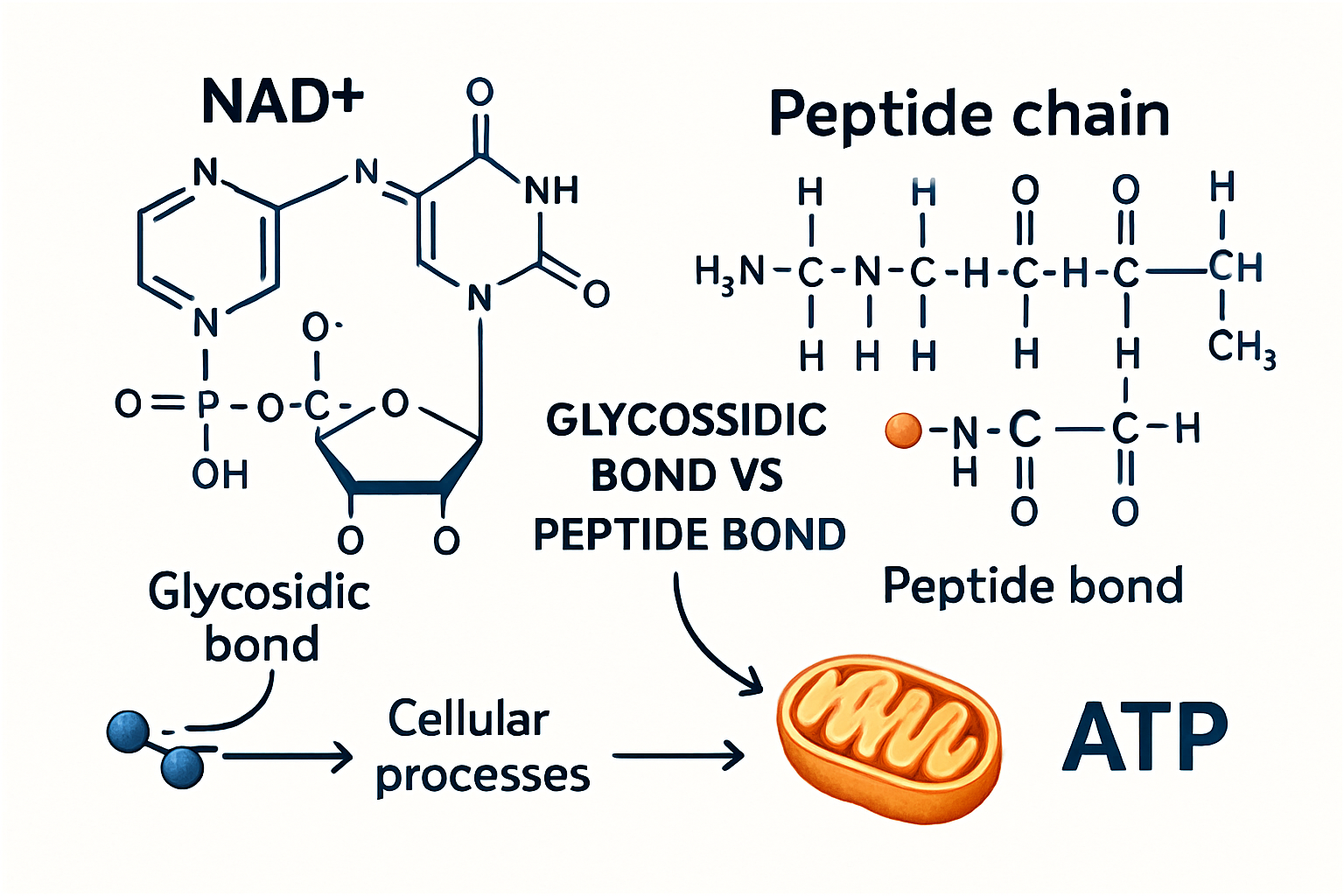
- NAD+ is not technically a peptide – it uses glycosidic bonds rather than peptide bonds, despite widespread marketing as "NAD+ peptides"
- Recent 2025 studies contradict anti-aging claims – showing no lifespan extension and questioning the significance of age-related NAD+ decline
- FDA restrictions are reshaping the market – NMN supplements face regulatory challenges, while consumer interest surged 133% despite declining actual purchases
- Limited human evidence exists – most promising results come from animal studies that don't translate to proven human benefits
- Natural decline may not be problematic – research shows 85% NAD+ reduction in mice maintained normal muscle function and health markers
Understanding NAD+ and the Peptide Misconception
What NAD+ Actually Is
Nicotinamide adenine dinucleotide (NAD+) is a naturally occurring coenzyme found in every living cell. It serves as cellular currency for energy metabolism, DNA repair, and various enzymatic reactions that keep our bodies functioning. Think of NAD+ as the fuel that powers your cellular engines.
However, calling NAD+ a "peptide" represents a fundamental scientific misunderstanding. True peptides are chains of amino acids connected by peptide bonds. NAD+ uses glycosidic bonds in its structure, making it chemically distinct from actual peptides. This distinction matters because it affects how the molecule behaves in the body and how it should be regulated.
The confusion likely stems from marketing strategies that capitalize on the growing popularity of peptide therapies. By labeling NAD+ supplements as "peptides," companies tap into consumer interest in cutting-edge wellness treatments.
The Science Behind NAD+ Function
NAD+ plays crucial roles in:
- Energy production through cellular respiration
- DNA repair mechanisms that maintain genetic integrity
- Cellular signaling pathways that regulate metabolism
- Enzyme activation for hundreds of biological processes
As we age, NAD+ levels naturally decline by approximately 30% – a significant but far less dramatic reduction than many supplement companies claim. This decline has led researchers to investigate whether boosting NAD+ levels could slow aging or improve health outcomes.
For those interested in exploring research-grade NAD+ compounds, understanding the underlying science becomes essential for making informed decisions.
The Reality of NAD+ Research: 2025 Findings Challenge Popular Claims
Groundbreaking Lifespan Studies
The most significant development in NAD+ research came from 2025 studies that directly challenged the anti-aging narrative. A comprehensive lifespan study found NAD+ supplementation produced no difference in longevity compared to placebo groups – a finding that contradicts years of marketing claims about life extension benefits.
Even more revealing, the National Institute on Aging's Interventions Testing Program, considered the gold standard for aging research, found that nicotinamide riboside (NR) supplementation did not extend lifespan in mice. This program specifically tests compounds with the strongest anti-aging claims, making these negative results particularly significant.
The Muscle Function Revelation
Perhaps the most surprising finding emerged from research examining muscle aging. Scientists created mice with 85% reduction in skeletal muscle NAD+ – far exceeding the natural 30% decline seen in aging. Remarkably, these mice retained:
- ✅ Normal muscle function and strength
- ✅ Unchanged exercise performance
- ✅ Healthy metabolic markers
- ✅ No signs of accelerated aging
This research fundamentally challenges the assumption that NAD+ decline drives muscle aging and weakness. If mice can maintain normal function with massive NAD+ reductions, the significance of natural age-related decline becomes questionable.
Short-Term vs. Long-Term Effects
While NAD+ boosters like NR and NMN can increase cellular NAD+ levels by 40-90% in short-term laboratory studies, these acute changes don't translate to meaningful long-term health benefits. The disconnect between biochemical markers and actual health outcomes represents a critical gap in the supplement industry's claims.
Researchers studying adaptive capacity and peptide mapping have noted similar patterns across various compounds – where laboratory measurements don't predict real-world benefits.
NAD+ Precursors and Supplement Options
Common NAD+ Boosting Compounds
The supplement market offers several approaches to increasing NAD+ levels:
Nicotinamide Riboside (NR)
- Most extensively studied NAD+ precursor
- Generally well-tolerated with minimal side effects
- Can increase NAD+ levels by 40-60% in studies
- Available as dietary supplement
Nicotinamide Mononucleotide (NMN)
- Potentially more potent than NR
- Faces FDA regulatory restrictions since 2022
- Cannot be legally marketed as dietary supplement
- Shows 60-90% NAD+ increases in research
Nicotinamide (NAM)
- Basic form of vitamin B3
- Less effective at boosting NAD+ than NR or NMN
- Widely available and inexpensive
- May cause flushing at higher doses
Regulatory Landscape Changes
The FDA ruled in 2022 that NMN cannot be marketed as a dietary supplement because it was investigated as a pharmaceutical drug first. This decision led major retailers including Amazon, PayPal, and Shopify to restrict NMN sales, creating market confusion.
The regulatory shift reflects growing scrutiny of supplement claims and the need for proper clinical evidence before making health assertions. Companies now navigate a complex landscape where biochemical effects don't automatically translate to approved health benefits.
For researchers seeking high-quality peptide compounds for legitimate scientific investigation, understanding these regulatory distinctions becomes crucial.
Market Trends and Consumer Behavior in 2025
The Interest vs. Purchase Paradox
NAD+ supplement search interest surged 133% from 55,408 monthly searches in January 2024 to 129,328 in July 2025, indicating massive consumer curiosity. However, this interest didn't translate to sustained purchases:
- 📉 'NAD Supplement' searches dropped 43% after New Year's
- 📉 Actual sales declined despite increased awareness
- 📉 Consumer reviews became more skeptical of anti-aging claims
This pattern suggests consumers are becoming more discerning about supplement purchases, possibly influenced by emerging research that questions dramatic anti-aging benefits.
Marketing vs. Scientific Evidence
Companies continue marketing NAD+ supplements for:
- 🔄 "Youth repair" and anti-aging
- 🧠 Enhanced cognitive function
- ⚡ Increased energy levels
- 💪 Improved physical performance
However, adequate supporting data in humans remains lacking for most of these claims. The gap between marketing promises and scientific evidence has widened as more rigorous studies emerge.
The Role of Social Media and Influencers
Social media influencers and wellness personalities have significantly amplified NAD+ supplement marketing, often making claims that exceed scientific evidence. This influence creates challenges for consumers trying to separate legitimate research from promotional content.
The best practices for storing research peptides emphasize the importance of proper handling and realistic expectations – principles that apply equally to NAD+ compounds.
Potential Benefits: What the Research Actually Shows
Metabolic and Cardiovascular Effects
While lifespan studies show negative results, some animal research indicates potential benefits in specific areas:
Insulin Sensitivity
- Improved glucose metabolism in diabetic mouse models
- Enhanced cellular energy utilization
- Better metabolic flexibility during fasting
Cardiovascular Health
- Reduced inflammation markers in some studies
- Improved blood vessel function in aged mice
- Enhanced recovery from cardiovascular stress
Brain Health
- Neuroprotective effects in neurodegeneration models
- Improved cognitive function in aged animals
- Enhanced neuroplasticity markers
The Exercise and Calorie Restriction Connection
Interestingly, many NAD+ supplement benefits mirror those achieved through exercise or calorie restriction – interventions with proven human health benefits. This suggests that lifestyle modifications might achieve similar results without supplementation.
The overlap raises questions about whether NAD+ supplements provide unique benefits or simply activate pathways that natural interventions already target more effectively.
Limited Human Clinical Data
The transition from promising animal studies to human benefits remains largely unproven. Most human trials focus on:
- Short-term biochemical markers rather than health outcomes
- Small sample sizes with limited statistical power
- Surrogate endpoints that may not predict real benefits
- Healthy populations rather than those with age-related decline
This evidence gap represents a critical limitation in current NAD+ supplement recommendations.
For those exploring comprehensive peptide research approaches, understanding the difference between biochemical effects and clinical benefits becomes essential.
Safety Profile and Considerations
Generally Recognized Safety
NAD+ precursors show minimal side effects in most studies, with the following safety profile:
Common Side Effects (Mild)
- Nausea or stomach discomfort
- Flushing (especially with nicotinamide)
- Fatigue in some individuals
- Headaches (rare)
Serious Adverse Events
- No major safety concerns in healthy adults
- Limited long-term safety data available
- Potential interactions with certain medications
- Unknown effects during pregnancy or breastfeeding
Dosage and Administration Considerations
Research studies typically use doses ranging from 250mg to 1000mg daily for NAD+ precursors, but optimal dosing for specific outcomes remains unclear. The lack of standardized protocols makes it difficult for consumers to make informed decisions about appropriate usage.
Drug Interactions and Contraindications
NAD+ supplements may interact with:
- Blood thinning medications
- Diabetes medications (due to metabolic effects)
- Chemotherapy drugs (theoretical concerns about DNA repair enhancement)
- Alcohol (competing metabolic pathways)
Consulting healthcare providers becomes particularly important for individuals with existing medical conditions or those taking prescription medications.
Making Informed Decisions About NAD+ Supplements
Evaluating Claims vs. Evidence
When considering NAD+ supplements, consumers should:
✅ Look for evidence-based claims
- Peer-reviewed research in humans
- Realistic benefit expectations
- Clear disclosure of study limitations
❌ Be skeptical of dramatic promises
- "Fountain of youth" marketing
- Guaranteed anti-aging effects
- Claims without scientific citations
🔍 Consider the source
- Independent research vs. company-funded studies
- Conflicts of interest in research funding
- Regulatory approval status
Alternative Approaches to Healthy Aging
Given the limited evidence for NAD+ supplements, proven interventions for healthy aging include:
Lifestyle Modifications
- Regular exercise (both cardio and resistance training)
- Caloric restriction or intermittent fasting
- Stress management and adequate sleep
- Social connections and mental stimulation
Nutritional Approaches
- Mediterranean-style diet patterns
- Adequate protein intake for muscle maintenance
- Antioxidant-rich foods and beverages
- Proper hydration and micronutrient status
Medical Interventions
- Regular preventive healthcare
- Management of chronic conditions
- Evidence-based supplements (vitamin D, omega-3s)
- Hormone optimization when appropriate
For researchers interested in evidence-based peptide approaches, focusing on compounds with stronger human evidence may provide more reliable outcomes.
Cost-Benefit Analysis
NAD+ supplements typically cost $50-200 monthly, making them a significant investment without guaranteed returns. Comparing this cost to proven interventions like gym memberships, healthy food, or preventive medical care may provide better value for health improvement goals.
The opportunity cost of spending on unproven supplements versus evidence-based health interventions deserves careful consideration in personal wellness planning.
The Future of NAD+ Research
Ongoing Clinical Trials
Several human trials are investigating NAD+ supplementation for:
- Age-related cognitive decline
- Metabolic syndrome and diabetes
- Cardiovascular disease prevention
- Muscle aging and sarcopenia
- Neurodegenerative disease progression
Results from these studies will provide clearer guidance about potential human benefits and appropriate usage protocols.
Regulatory Evolution
The FDA continues evaluating NAD+ compounds and related substances, with potential changes in:
- Supplement classification and approval processes
- Required evidence standards for health claims
- Manufacturing and quality control requirements
- Consumer protection and labeling standards
Research Methodology Improvements
Future studies are incorporating:
- Longer follow-up periods to assess sustained benefits
- Larger sample sizes for statistical reliability
- Diverse populations including older adults
- Hard endpoints like disease prevention rather than just biomarkers
- Comparison groups using proven interventions
The evolution toward more rigorous research standards will ultimately benefit consumers by providing clearer guidance about supplement effectiveness.
Understanding baseline trends and data quality becomes crucial for interpreting future research findings and making evidence-based decisions.
Conclusion
The story of NAD+ peptides in 2025 represents a cautionary tale about the gap between marketing promises and scientific reality. While NAD+ plays important roles in cellular function, recent research challenges fundamental assumptions about its decline with aging and the benefits of supplementation.
Key takeaways for consumers:
- NAD+ is not technically a peptide, despite common marketing terminology
- 2025 studies show no lifespan extension benefits from NAD+ supplementation
- Natural age-related NAD+ decline may be less problematic than previously thought
- Human evidence remains limited compared to animal research
- Proven lifestyle interventions may provide similar or superior benefits
Moving forward, consumers should:
- Maintain healthy skepticism about dramatic anti-aging claims
- Prioritize proven interventions like exercise, nutrition, and stress management
- Consult healthcare providers before starting any supplement regimen
- Stay informed about evolving research and regulatory changes
- Consider opportunity costs when allocating wellness budgets
The supplement industry will likely continue evolving as research provides clearer guidance about NAD+ and related compounds. Until then, focusing on evidence-based approaches to healthy aging remains the most reliable path forward.
For those interested in legitimate research applications, working with reputable suppliers who prioritize quality and transparency ensures access to properly characterized compounds for scientific investigation.
The future of anti-aging interventions may indeed include NAD+ modulation, but current evidence suggests we're not there yet. Patience, critical thinking, and commitment to proven health practices remain our best tools for aging successfully.
SEO Meta Information
Meta Title: NAD+ Peptides: 2025 Research Reveals Truth About Anti-Aging Claims
Meta Description: Discover what 2025 research reveals about NAD+ peptides. Learn why recent studies challenge anti-aging claims and what consumers need to know about safety and effectiveness.