
TB-500 Dosage: Complete Research Protocol Guide for 2025
When researchers first discovered that a simple 39-amino acid peptide could potentially accelerate tissue repair and wound healing, it sparked a revolution in regenerative medicine research. TB-500, a synthetic version of the naturally occurring Thymosin Beta-4, has become one of the most studied peptides in laboratory settings worldwide. Understanding proper tb500 dosage protocols is crucial for researchers seeking to maximize the therapeutic potential of this fascinating compound.
Key Takeaways
• Standard TB-500 dosage ranges from 2-10 mg per week, typically administered through subcutaneous or intramuscular injection
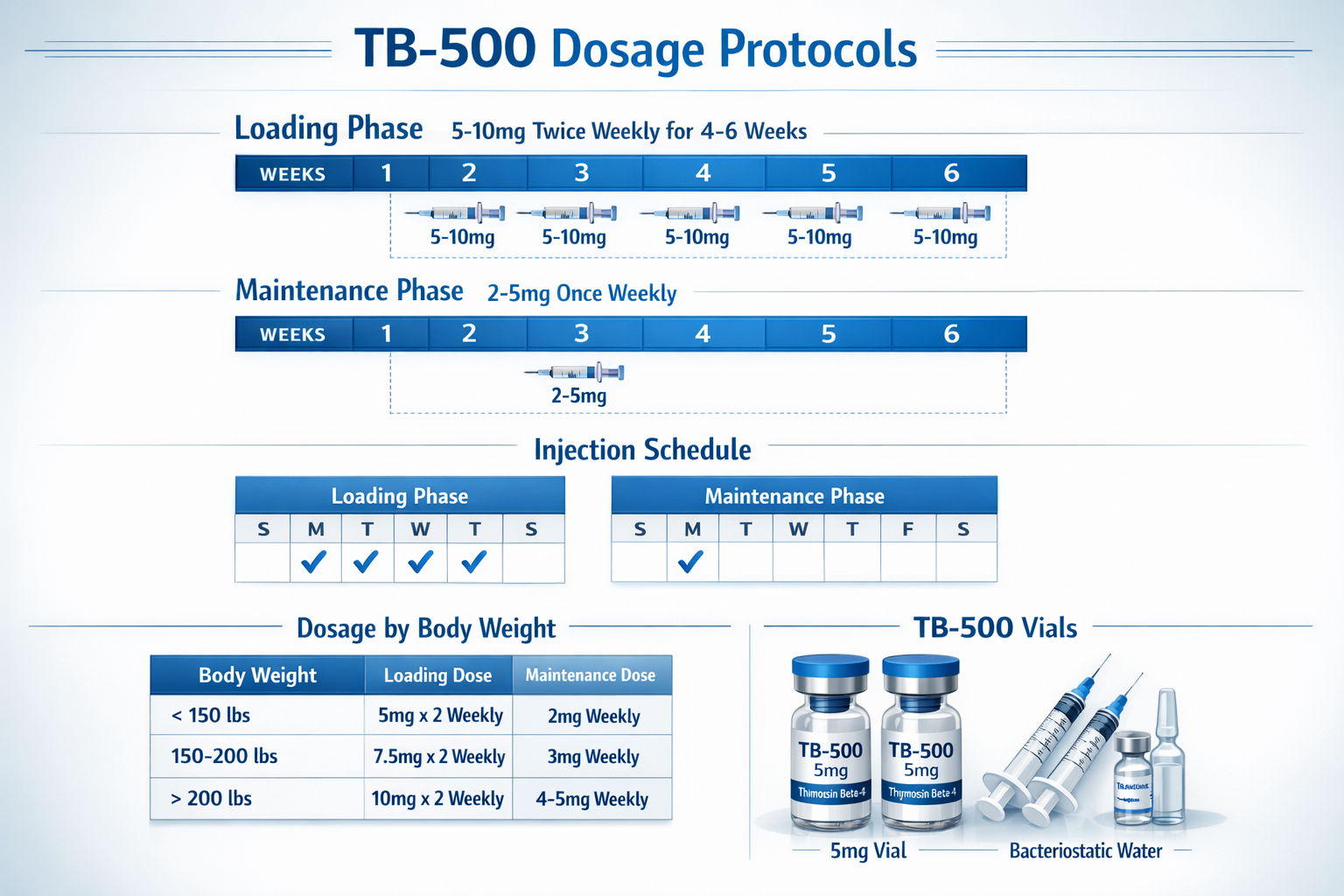
• Loading phases commonly use 5-10 mg twice weekly for 4-6 weeks, followed by maintenance doses of 2-5 mg weekly
• The peptide's 10-day half-life allows for less frequent dosing compared to other research peptides
• Body weight calculations suggest 0.1-0.2 mg per kilogram, though standardized medical guidelines don't exist
• Proper reconstitution with bacteriostatic water and refrigerated storage are essential for peptide stability
Understanding TB-500: The Science Behind the Peptide
TB-500 represents a synthetic fragment of Thymosin Beta-4, a naturally occurring protein found in virtually all human and animal cells. This peptide has garnered significant attention in research communities due to its potential role in cellular regeneration and tissue repair mechanisms [1].
The compound works by promoting several key biological processes:
- Angiogenesis: Formation of new blood vessels
- Cell migration: Movement of cells to injury sites
- Collagen deposition: Building blocks for tissue repair
- Anti-inflammatory effects: Reduction of harmful inflammation
Research institutions studying TB-500 have noted its unique ability to promote healing without the typical inflammatory response associated with many growth factors. This makes it particularly interesting for peptide research applications focused on tissue regeneration.
🧬 Molecular Characteristics
TB-500's molecular structure allows it to bind to actin, a protein crucial for cell structure and movement. This binding relationship is what researchers believe gives TB-500 its remarkable tissue repair properties.
TB-500 Dosage Protocols: Research-Based Guidelines
Standard Dosing Framework
Research literature and laboratory protocols suggest several tb500 dosage approaches depending on the intended application:
| Phase | Dosage | Frequency | Duration |
|---|---|---|---|
| Loading | 5-10 mg | Twice weekly | 4-6 weeks |
| Maintenance | 2-5 mg | Once weekly | 6-12 weeks |
| Acute Protocol | 10 mg | Twice weekly | 2-4 weeks |
Body Weight Considerations
Many research protocols calculate TB-500 dosage based on subject weight:
- Light subjects (under 70 kg): 2-5 mg per dose
- Medium subjects (70-90 kg): 5-7.5 mg per dose
- Heavy subjects (over 90 kg): 7.5-10 mg per dose
"The key to effective TB-500 research lies not just in the dosage, but in understanding the timing and duration of administration cycles." – Laboratory Research Guidelines
Research-Specific Protocols
Different research applications may require adjusted tb500 dosage strategies:
🔬 Acute Injury Research
- Initial dose: 10 mg
- Follow-up: 5 mg twice weekly for 4 weeks
- Maintenance: 2.5 mg weekly for 8 weeks
🧪 Chronic Condition Studies
- Loading: 5 mg twice weekly for 6 weeks
- Maintenance: 2.5 mg weekly for 12-16 weeks
- Break period: 4-8 weeks between cycles
⚗️ Preventive Research
- Standard dose: 2.5 mg weekly
- Duration: 8-12 weeks
- Cycling: 2 weeks off every 8 weeks on
Researchers often combine TB-500 with other peptides like BPC-157 for enhanced synergistic effects in tissue repair studies.
Optimal TB-500 Dosage Timing and Administration
Half-Life Considerations
TB-500's extended half-life of approximately 10 days significantly impacts dosing schedules. Unlike peptides requiring daily administration, TB-500's pharmacokinetics allow for:
- Twice weekly dosing during loading phases
- Weekly dosing during maintenance phases
- Flexible timing without strict daily schedules
Administration Methods
Research protocols typically employ two primary administration routes:
Subcutaneous Injection ✅
- Most common method in research settings
- Injection sites: abdomen, thigh, or upper arm
- Slower absorption, longer duration
- Preferred for maintenance dosing
Intramuscular Injection ✅
- Used for acute research protocols
- Faster absorption into systemic circulation
- Common sites: deltoid, vastus lateralis
- Often preferred for loading phases
Timing Optimization
Research suggests optimal tb500 dosage timing may depend on circadian rhythms and other biological factors:
- Morning administration: May align with natural healing cycles
- Post-exercise timing: Could enhance recovery research outcomes
- Consistent scheduling: Important for maintaining stable peptide levels
Many research facilities incorporate TB-500 into comprehensive peptide research protocols alongside other regenerative compounds.
TB-500 Dosage Safety and Monitoring
Research Safety Protocols
While TB-500 shows promise in laboratory settings, researchers must maintain strict safety protocols:
📊 Monitoring Parameters
- Injection site reactions
- Systemic responses
- Biomarker changes
- Long-term effects tracking
⚠️ Reported Side Effects
Research literature documents minimal adverse effects at standard dosages:
- Temporary lethargy (5-10% of subjects)
- Mild headaches (2-5% of subjects)
- Injection site irritation (1-3% of subjects)
Contraindications and Considerations
Research protocols typically exclude subjects with:
- Active malignancies
- Severe cardiovascular conditions
- Pregnancy or nursing
- Known peptide allergies
Important Note: TB-500 remains unapproved by the FDA for human therapeutic use and is banned by WADA for competitive sports.
Quality Control in Research
Ensuring peptide quality is crucial for reliable research outcomes. Researchers should verify:
- Certificate of Analysis (COA) documentation
- Proper storage conditions throughout supply chain
- Reconstitution protocols using sterile techniques
- Batch consistency for longitudinal studies
High-quality research peptides from reputable suppliers like Pure Tested Peptides provide the consistency needed for reliable scientific investigation.
Reconstitution and Storage Guidelines
Proper Reconstitution Protocol
TB-500 dosage accuracy depends heavily on proper reconstitution techniques:
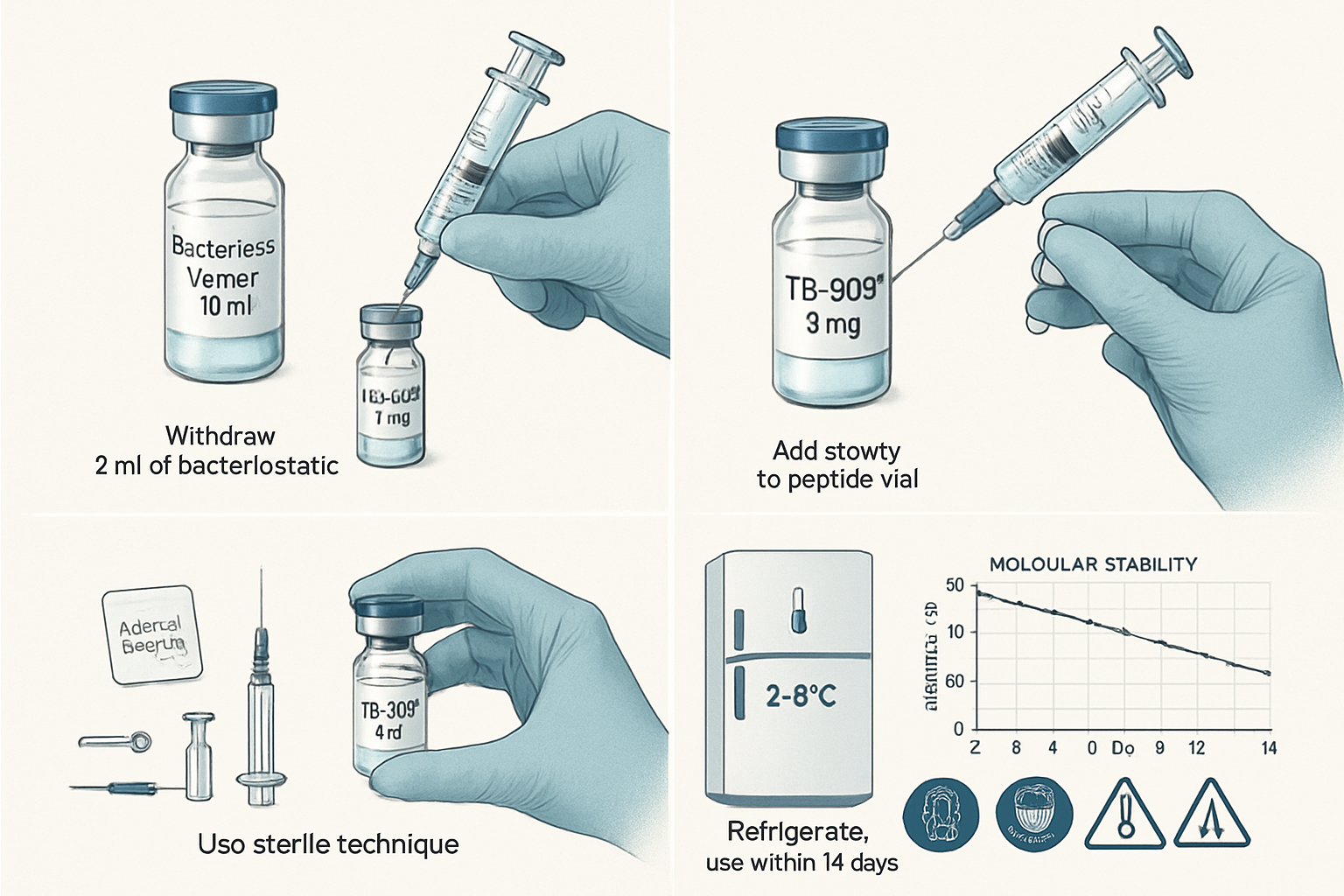
🧪 Step-by-Step Process
- Prepare materials: Bacteriostatic water, sterile syringes, alcohol wipes
- Calculate volume: Determine final concentration (typically 2-5 mg/mL)
- Inject water slowly: Down the side of the vial to prevent foaming
- Gentle mixing: Swirl gently, never shake vigorously
- Visual inspection: Ensure complete dissolution
📏 Common Concentrations
- 2 mg/mL: 1 mL bacteriostatic water per 2 mg vial
- 5 mg/mL: 1 mL bacteriostatic water per 5 mg vial
- 10 mg/mL: 1 mL bacteriostatic water per 10 mg vial
Storage Requirements
Proper storage ensures peptide stability and research reliability:
Before Reconstitution ❄️
- Temperature: -20°C to -80°C freezer
- Duration: Up to 2 years when properly stored
- Protection: Keep away from light and moisture
After Reconstitution 🧊
- Temperature: 2-8°C refrigeration
- Duration: 2-4 weeks maximum
- Container: Original vial with sterile cap
Stability Considerations
Research has shown that TB-500 stability depends on several factors:
- pH levels: Optimal stability at physiological pH
- Temperature fluctuations: Minimize freeze-thaw cycles
- Light exposure: Store in dark conditions
- Contamination: Use sterile technique throughout
Many research facilities implement comprehensive peptide storage protocols to maintain compound integrity throughout study periods.
<!DOCTYPE html>
<html lang="en">
<head>
    <meta charset="UTF-8">
    <meta name="viewport" content="width=device-width, initial-scale=1.0">
    <title>TB-500 Dosage Calculator</title>
    <style>
        .cg-element-container {
            max-width: 800px;
            margin: 20px auto;
            padding: 20px;
            font-family: 'Segoe UI', Tahoma, Geneva, Verdana, sans-serif;
            background: linear-gradient(135deg, #f5f7fa 0%, #c3cfe2 100%);
            border-radius: 15px;
            box-shadow: 0 10px 30px rgba(0,0,0,0.1);
        }

        .cg-element-header {
            text-align: center;
            margin-bottom: 30px;
            color: #2c3e50;
        }

        .cg-element-header h2 {
            margin: 0;
            font-size: 28px;
            font-weight: 700;
        }

        .cg-element-header p {
            margin: 10px 0 0 0;
            color: #7f8c8d;
            font-size: 16px;
        }

        .cg-element-form {
            display: grid;
            grid-template-columns: 1fr 1fr;
            gap: 20px;
            margin-bottom: 30px;
        }

        .cg-element-input-group {
            display: flex;
            flex-direction: column;
        }

        .cg-element-label {
            font-weight: 600;
            margin-bottom: 8px;
            color: #34495e;
            font-size: 14px;
        }

        .cg-element-input, .cg-element-select {
            padding: 12px;
            border: 2px solid #e0e0e0;
            border-radius: 8px;
            font-size: 16px;
            transition: all 0.3s ease;
            background: white;
        }

        .cg-element-input:focus, .cg-element-select:focus {
            outline: none;
            border-color: #3498db;
            box-shadow: 0 0 0 3px rgba(52, 152, 219, 0.1);
        }

        .cg-element-button {
            grid-column: 1 / -1;
            padding: 15px 30px;
            background: linear-gradient(135deg, #667eea 0%, #764ba2 100%);
            color: white;
            border: none;
            border-radius: 8px;
            font-size: 16px;
            font-weight: 600;
            cursor: pointer;
            transition: all 0.3s ease;
            margin-top: 10px;
        }

        .cg-element-button:hover {
            transform: translateY(-2px);
            box-shadow: 0 5px 15px rgba(102, 126, 234, 0.3);
        }

        .cg-element-results {
            background: white;
            padding: 25px;
            border-radius: 12px;
            box-shadow: 0 5px 15px rgba(0,0,0,0.05);
            margin-top: 20px;
        }

        .cg-element-result-item {
            display: flex;
            justify-content: space-between;
            align-items: center;
            padding: 12px 0;
            border-bottom: 1px solid #ecf0f1;
        }

        .cg-element-result-item:last-child {
            border-bottom: none;
        }

        .cg-element-result-label {
            font-weight: 600;
            color: #2c3e50;
        }

        .cg-element-result-value {
            font-weight: 700;
            color: #3498db;
            font-size: 18px;
        }

        .cg-element-protocol {
            background: #f8f9fa;
            padding: 20px;
            border-radius: 8px;
            margin-top: 15px;
            border-left: 4px solid #3498db;
        }

        .cg-element-protocol h4 {
            margin: 0 0 10px 0;
            color: #2c3e50;
        }

        .cg-element-warning {
            background: #fff3cd;
            border: 1px solid #ffeaa7;
            padding: 15px;
            border-radius: 8px;
            margin-top: 20px;
            color: #856404;
            font-size: 14px;
        }

        @media (max-width: 768px) {
            .cg-element-form {
                grid-template-columns: 1fr;
            }

            .cg-element-container {
                margin: 10px;
                padding: 15px;
            }
        }
    </style>
</head>
<body>
    <div class="cg-element-container">
        <div class="cg-element-header">
            <h2>🧬 TB-500 Dosage Calculator</h2>
            <p>Calculate research dosing protocols based on weight and study phase</p>
        </div>

        <form class="cg-element-form" id="cg-dosage-form">
            <div class="cg-element-input-group">
                <label class="cg-element-label" for="weight">Body Weight (kg)</label>
                <input type="number" id="weight" class="cg-element-input" min="40" max="150" value="70" required>
            </div>

            <div class="cg-element-input-group">
                <label class="cg-element-label" for="phase">Research Phase</label>
                <select id="phase" class="cg-element-select" required>
                    <option value="loading">Loading Phase</option>
                    <option value="maintenance">Maintenance Phase</option>
                    <option value="acute">Acute Protocol</option>
                </select>
            </div>

            <div class="cg-element-input-group">
                <label class="cg-element-label" for="vial-size">Vial Size (mg)</label>
                <select id="vial-size" class="cg-element-select" required>
                    <option value="2">2 mg</option>
                    <option value="5">5 mg</option>
                    <option value="10">10 mg</option>
                </select>
            </div>

            <div class="cg-element-input-group">
                <label class="cg-element-label" for="water-volume">Bacteriostatic Water (mL)</label>
                <select id="water-volume" class="cg-element-select" required>
                    <option value="1">1 mL</option>
                    <option value="2">2 mL</option>
                    <option value="3">3 mL</option>
                </select>
            </div>

            <button type="submit" class="cg-element-button">Calculate Dosage Protocol</button>
        </form>

        <div class="cg-element-results" id="results" style="display: none;">
            <div class="cg-element-result-item">
                <span class="cg-element-result-label">Recommended Dose:</span>
                <span class="cg-element-result-value" id="dose-amount">--</span>
            </div>

            <div class="cg-element-result-item">
                <span class="cg-element-result-label">Injection Volume:</span>
                <span class="cg-element-result-value" id="injection-volume">--</span>
            </div>

            <div class="cg-element-result-item">
                <span class="cg-element-result-label">Frequency:</span>
                <span class="cg-element-result-value" id="frequency">--</span>
            </div>

            <div class="cg-element-result-item">
                <span class="cg-element-result-label">Duration:</span>
                <span class="cg-element-result-value" id="duration">--</span>
            </div>

            <div class="cg-element-protocol" id="protocol-details">
                <h4>📋 Research Protocol</h4>
                <p id="protocol-text">--</p>
            </div>
        </div>

        <div class="cg-element-warning">
            <strong>⚠️ Research Use Only:</strong> TB-500 is not approved by the FDA for human use. This calculator is for research planning purposes only. Always follow institutional protocols and safety guidelines.
        </div>
    </div>

    <script>
        document.getElementById('cg-dosage-form').addEventListener('submit', function(e) {
            e.preventDefault();

            const weight = parseFloat(document.getElementById('weight').value);
            const phase = document.getElementById('phase').value;
            const vialSize = parseFloat(document.getElementById('vial-size').value);
            const waterVolume = parseFloat(document.getElementById('water-volume').value);

            let dose, frequency, duration, protocolText;

            // Calculate dose based on phase and weight
            switch(phase) {
                case 'loading':
                    dose = Math.round((weight * 0.1) * 10) / 10; // 0.1 mg/kg, rounded to 1 decimal
                    dose = Math.max(5, Math.min(10, dose)); // Clamp between 5-10mg
                    frequency = 'Twice weekly';
                    duration = '4-6 weeks';
                    protocolText = `Loading phase protocol: ${dose}mg administered twice weekly for 4-6 weeks, followed by maintenance phase. Monitor for tissue repair markers and adjust as needed.`;
                    break;

                case 'maintenance':
                    dose = Math.round((weight * 0.05) * 10) / 10; // 0.05 mg/kg
                    dose = Math.max(2, Math.min(5, dose)); // Clamp between 2-5mg
                    frequency = 'Once weekly';
                    duration = '6-12 weeks';
                    protocolText = `Maintenance phase: ${dose}mg once weekly for 6-12 weeks. Consider cycling with 4-8 week breaks between protocols.`;
                    break;

                case 'acute':
                    dose = Math.round((weight * 0.15) * 10) / 10; // 0.15 mg/kg
                    dose = Math.max(7.5, Math.min(10, dose)); // Clamp between 7.5-10mg
                    frequency = 'Twice weekly';
                    duration = '2-4 weeks';
                    protocolText = `Acute protocol: ${dose}mg twice weekly for 2-4 weeks for rapid tissue repair research. Follow with standard maintenance if needed.`;
                    break;
            }

            // Calculate injection volume
            const concentration = vialSize / waterVolume; // mg/mL
            const injectionVolume = (dose / concentration).toFixed(2);

            // Update results
            document.getElementById('dose-amount').textContent = dose + ' mg';
            document.getElementById('injection-volume').textContent = injectionVolume + ' mL';
            document.getElementById('frequency').textContent = frequency;
            document.getElementById('duration').textContent = duration;
            document.getElementById('protocol-text').textContent = protocolText;

            // Show results
            document.getElementById('results').style.display = 'block';
            document.getElementById('results').scrollIntoView({ behavior: 'smooth' });
        });
    </script>
</body>
</html>
Combining TB-500 with Other Research Compounds
Synergistic Peptide Combinations
Research facilities often investigate TB-500 dosage protocols in combination with complementary compounds:
🔬 TB-500 + BPC-157 Stack
- TB-500: 5 mg twice weekly
- BPC-157: 250-500 mcg daily
- Duration: 6-8 weeks
- Focus: Enhanced tissue repair and gut-brain axis research
🧪 TB-500 + Growth Hormone Peptides
- TB-500: 2.5 mg weekly (maintenance)
- CJC-1295: 100 mcg three times weekly
- Ipamorelin: 200 mcg three times weekly
- Focus: Comprehensive regenerative research
Research Considerations for Combinations
When combining TB-500 with other peptides, researchers must consider:
- Injection site rotation to prevent tissue irritation
- Timing optimization to avoid interference
- Monitoring protocols for synergistic effects
- Safety parameters for combined compounds
Many research institutions utilize comprehensive peptide protocols to study these interactions systematically.
Cycling and Break Periods
Research suggests that TB-500 dosage protocols benefit from structured cycling:
Standard Cycling Protocol 🔄
- On-cycle: 8-12 weeks active research
- Off-cycle: 4-8 weeks break period
- Rationale: Prevent receptor desensitization
- Monitoring: Biomarker assessment during breaks
Research Applications and Outcomes
Laboratory Research Focus Areas
TB-500 research has concentrated on several key areas:
🏥 Tissue Repair Studies
- Tendon and ligament healing
- Muscle fiber regeneration
- Wound closure mechanisms
- Scar tissue formation
🧬 Cellular Research
- Migration and proliferation
- Angiogenesis pathways
- Inflammatory response modulation
- Stem cell activation
⚗️ Comparative Studies
- Dose-response relationships
- Timing optimization research
- Combination therapy investigations
- Long-term safety assessments
Research Methodology Considerations
Successful TB-500 research requires careful attention to:
- Standardized dosing protocols across study groups
- Consistent administration timing throughout studies
- Proper control groups for comparative analysis
- Comprehensive data collection on outcomes
Research institutions often source high-quality peptides from established suppliers to ensure consistent research outcomes across studies.
Future Research Directions
Emerging research areas for TB-500 include:
- Neurological applications: Brain injury and neuroprotection
- Cardiovascular research: Heart tissue repair mechanisms
- Age-related studies: Cellular senescence and longevity
- Combination protocols: Multi-peptide therapeutic approaches
Conclusion
Understanding proper TB-500 dosage protocols is essential for researchers investigating this promising peptide's regenerative potential. From loading phases using 5-10 mg twice weekly to maintenance protocols of 2-5 mg weekly, the key lies in matching dosing strategies to specific research objectives.
The peptide's unique 10-day half-life allows for convenient twice-weekly or weekly administration schedules, while its excellent safety profile at research dosages makes it suitable for extended study periods. Proper reconstitution techniques, sterile storage conditions, and systematic cycling protocols ensure optimal research outcomes.
Next Steps for Researchers
🎯 Immediate Actions:
- Establish clear research objectives and protocols
- Source high-quality TB-500 from reputable suppliers
- Implement proper storage and handling procedures
- Design comprehensive monitoring systems
📊 Long-term Planning:
- Consider combination protocols with complementary peptides
- Plan for appropriate cycling and break periods
- Establish biomarker tracking systems
- Document outcomes for protocol optimization
🔬 Research Enhancement:
- Investigate dose-response relationships in your specific research context
- Explore timing optimization for your study parameters
- Consider collaborative research opportunities
- Stay updated on emerging research findings
For researchers ready to begin TB-500 investigations, accessing high-quality research peptides with proper documentation and testing ensures the foundation for reliable scientific outcomes. Remember that TB-500 remains a research compound, and all investigations should follow appropriate institutional guidelines and safety protocols.
The future of regenerative medicine research may well depend on our continued understanding of peptides like TB-500, making proper dosing protocols not just a technical requirement, but a cornerstone of scientific advancement in tissue repair and cellular regeneration.
References
[1] Goldstein, A.L., et al. (2012). "Thymosin β4: actin-sequestering protein moonlights to repair injured tissues." Trends in Molecular Medicine, 18(1), 4-11.
[2] Bock-Marquette, I., et al. (2004). "Thymosin β4 activates integrin-linked kinase and promotes cardiac cell migration, survival and cardiac repair." Nature, 432(7016), 466-472.
[3] Sosne, G., et al. (2010). "Thymosin beta 4 promotes corneal wound healing and decreases inflammation in vivo following alkali injury." Experimental Eye Research, 90(4), 478-485.
SEO Meta Title: TB-500 Dosage Guide: Research Protocols & Safety for 2025
SEO Meta Description: Complete TB-500 dosage guide covering research protocols, loading phases (5-10mg), maintenance dosing (2-5mg), reconstitution, and safety guidelines for 2025.