
GLP3 Where to Buy: Your Complete 2025 Research Guide 🧬

The peptide research landscape has evolved dramatically in 2025, with GLP3 (retatrutide) emerging as one of the most sought-after compounds for scientific investigation. As researchers worldwide seek reliable sources for this innovative triple receptor agonist, understanding glp3 where to buy has become crucial for maintaining research integrity and achieving reproducible results. This comprehensive guide will navigate you through the complex marketplace of peptide suppliers, quality considerations, and purchasing decisions that can make or break your research outcomes.
Key Takeaways
• Quality verification is paramount when sourcing GLP3, requiring third-party testing and certificates of analysis
• Regulatory compliance varies by jurisdiction, making supplier selection critical for legal research activities
• Pricing transparency and shipping protocols directly impact research budgets and peptide stability
• Supplier reputation and customer support significantly influence long-term research success
• Storage and handling requirements must be considered from purchase to laboratory implementation
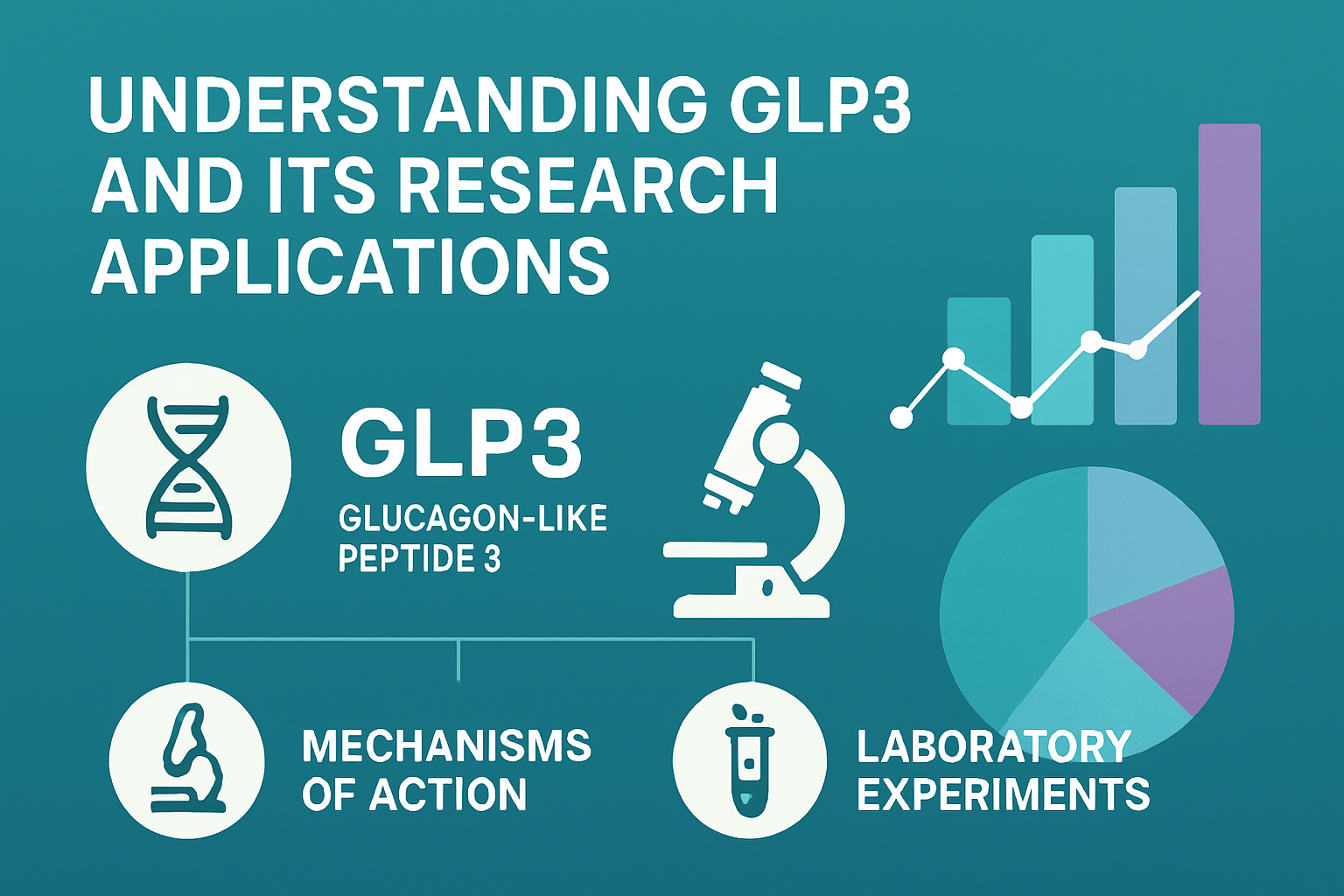
Understanding GLP3 and Its Research Applications
GLP3, scientifically known as retatrutide, represents a breakthrough in peptide research as a triple receptor agonist targeting GLP-1, GIP, and glucagon receptors simultaneously. This unique mechanism of action has captured the attention of researchers studying metabolic pathways, cellular signaling, and receptor interactions. When considering GLP3 where to buy, researchers must first understand the compound's specific requirements and research applications.
The molecular structure of GLP3 demands precise handling and storage conditions, making supplier selection critical for maintaining peptide integrity. Research institutions have reported significant variations in peptide stability and purity depending on their chosen suppliers, highlighting the importance of thorough vendor evaluation. Laboratory studies have demonstrated that GLP3's triple receptor activity requires consistent molecular composition to produce reliable research data [1].
Understanding the comprehensive catalog of available peptides helps researchers contextualize GLP3 within broader research frameworks. The compound's unique properties make it particularly valuable for studies examining multi-pathway receptor interactions and metabolic regulation mechanisms.
Research applications for GLP3 span multiple disciplines, from basic cellular biology to complex metabolic pathway analysis. The peptide's ability to simultaneously activate three distinct receptor pathways offers unprecedented opportunities for investigating cross-receptor signaling mechanisms. When evaluating glp3 where to buy, researchers should prioritize suppliers who understand these complex research requirements and can provide appropriate technical support.
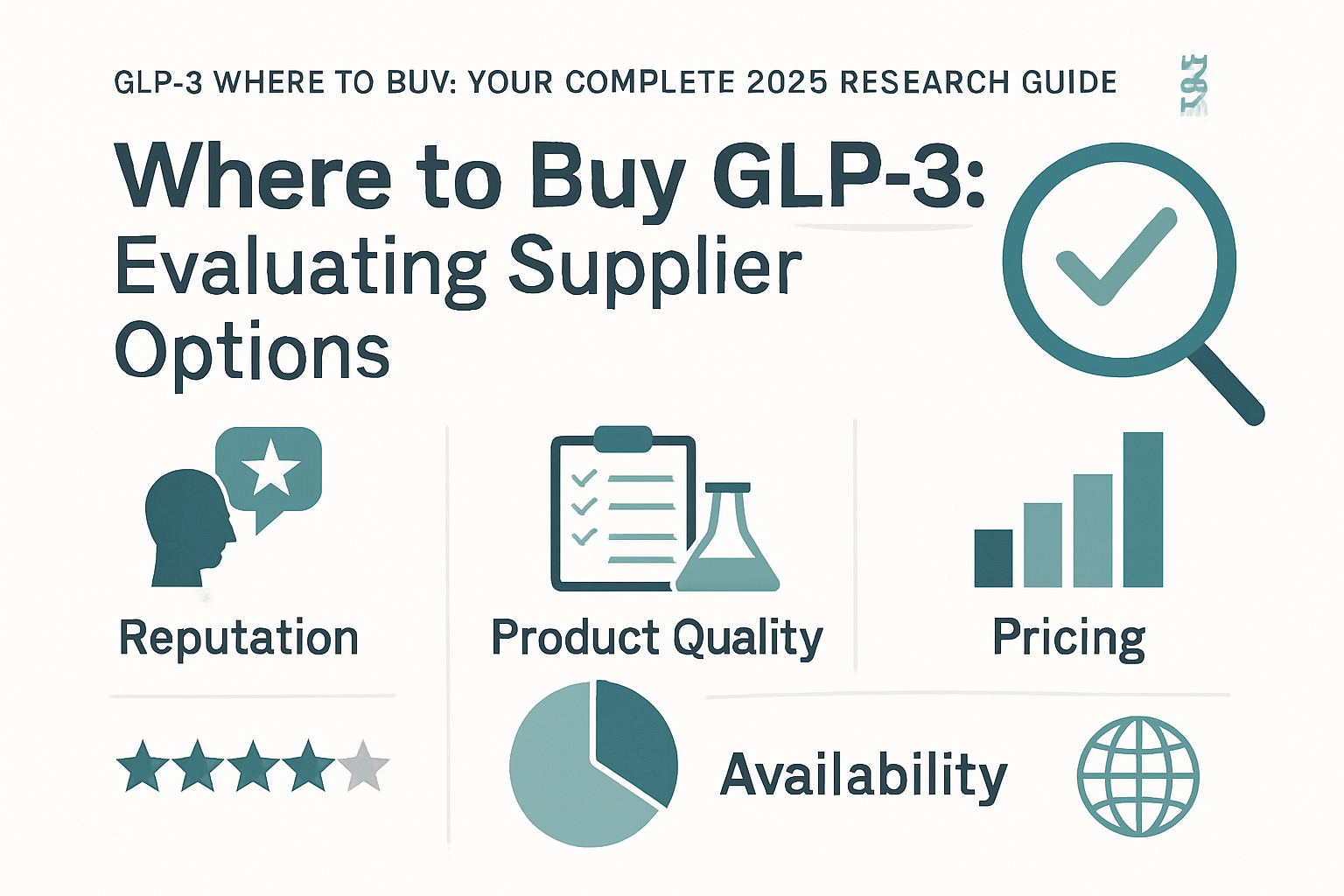
Where to Buy GLP3: Evaluating Supplier Options 🔍
The marketplace for research peptides has expanded significantly, but not all suppliers meet the rigorous standards required for scientific research. When determining glp3 where to buy, researchers must evaluate multiple factors including supplier credentials, quality assurance protocols, and regulatory compliance. The best place to buy peptides online requires careful consideration of these critical factors.
Supplier Evaluation Criteria:
- Third-party testing and certificates of analysis (COA)
- GMP compliance and manufacturing standards
- Customer service and technical support quality
- Shipping and handling protocols
- Pricing transparency and bulk options
- Return and quality guarantee policies
Established suppliers like Pure Tested Peptides have built reputations through consistent quality delivery and comprehensive testing protocols. Their GLP3 research peptide offerings include detailed documentation and quality assurance measures that meet institutional research standards.
The importance of supplier verification cannot be overstated in peptide research. Quality control measures should include mass spectrometry analysis, HPLC purity testing, and endotoxin level verification. Researchers have reported significant variations in research outcomes when using peptides from unverified suppliers, emphasizing the critical nature of supplier selection decisions.
International suppliers may offer competitive pricing, but researchers must consider shipping regulations, customs procedures, and temperature control during transit. Domestic suppliers often provide more reliable shipping conditions and faster delivery times, which can be crucial for time-sensitive research projects. The buying peptides online in the USA offers specific advantages for American research institutions.
Quality Assurance and Testing Protocols 🧪
Quality assurance represents the cornerstone of reliable peptide research, making it essential to understand testing protocols when deciding glp3 where to buy. Reputable suppliers implement comprehensive testing procedures that verify peptide identity, purity, and stability throughout the supply chain. These protocols directly impact research reproducibility and data integrity.
Essential Testing Requirements:
- Mass Spectrometry: Confirms molecular identity and structure
- HPLC Analysis: Determines purity percentages and impurity profiles
- Endotoxin Testing: Ensures bacterial contamination absence
- Water Content Analysis: Verifies proper lyophilization
- pH Testing: Confirms optimal stability conditions
The certificate of analysis (COA) documentation should accompany every peptide shipment, providing detailed test results and batch-specific information. Research institutions increasingly require these documents for internal quality control and regulatory compliance purposes. When evaluating suppliers for GLP3 purchases, researchers should request sample COAs to assess testing thoroughness.
Storage and stability testing represents another critical quality assurance component. GLP3's complex structure requires specific storage conditions to maintain biological activity and molecular integrity. Suppliers should provide detailed storage recommendations and stability data to support proper handling protocols in research settings.
Third-party testing verification adds an additional layer of quality assurance, with independent laboratories confirming supplier test results. This approach eliminates potential conflicts of interest and provides objective quality assessment. The best practices for storing research peptides guide researchers through proper handling procedures once peptides arrive at their facilities.
Quality assurance extends beyond initial testing to include packaging, shipping, and customer support services. Suppliers should use appropriate packaging materials, temperature-controlled shipping when necessary, and provide technical support for handling questions. These comprehensive quality measures distinguish professional suppliers from basic commodity vendors in the peptide marketplace.
Pricing Considerations and Budget Planning 💰
Understanding pricing structures and budget implications plays a crucial role in determining glp3 where to buy for research projects. Peptide pricing varies significantly based on purity levels, quantity ordered, supplier overhead, and market positioning. Researchers must balance cost considerations with quality requirements to optimize their research investments.
Pricing Factor Analysis:
- Purity Levels: Higher purity typically commands premium pricing
- Quantity Discounts: Bulk orders often reduce per-unit costs
- Shipping Costs: International vs. domestic shipping variations
- Testing Fees: Comprehensive COA documentation costs
- Customer Support: Technical assistance and consultation services
Budget planning should consider both immediate purchase costs and long-term research needs. The GLP3 research peptide pricing reflects the complex synthesis requirements and quality assurance measures necessary for reliable research outcomes. Researchers often find that investing in higher-quality peptides reduces overall research costs by eliminating failed experiments and ensuring reproducible results.
Cost-benefit analysis should include factors beyond initial purchase price, such as shipping reliability, customer support quality, and supplier reputation. Cheaper alternatives may result in higher overall costs if peptide quality issues compromise research timelines or data integrity. The comprehensive approach to peptide purchasing considers these broader cost implications.
Institutional purchasing agreements and bulk ordering can significantly reduce per-unit costs for ongoing research projects. Many suppliers offer volume discounts and flexible payment terms for established research institutions. The affiliate program opportunities may provide additional cost savings for frequent purchasers or research collaborations.
Research grant budgets should allocate appropriate funds for high-quality peptides, recognizing their critical role in research success. Underestimating peptide quality requirements can jeopardize entire research projects and waste significant grant funding. Proper budget planning includes contingency funds for additional testing or replacement peptides if quality issues arise.
Regulatory Compliance and Legal Considerations ⚖️
Navigating regulatory requirements represents a critical aspect of determining glp3 where to buy for research purposes. Peptide regulations vary significantly across jurisdictions, with specific requirements for research institutions, import/export procedures, and documentation standards. Compliance failures can result in legal complications, research delays, and institutional sanctions.
Regulatory Framework Overview:
- Research Use Only: Clear designation for laboratory applications
- Import/Export Requirements: International shipping documentation
- Institutional Compliance: Internal approval and oversight procedures
- Documentation Standards: Proper record-keeping and audit trails
- Quality Standards: GMP compliance and testing requirements
Research institutions must establish clear policies for peptide procurement that align with local regulations and institutional guidelines. The GLP3 research peptide classification as research-only requires appropriate handling and documentation procedures to maintain compliance status.
Documentation requirements include purchase orders, certificates of analysis, shipping records, and usage logs for audit purposes. Suppliers should provide comprehensive documentation packages that support institutional compliance efforts. The applied wellness research framework outlines proper documentation procedures for research applications.
International researchers face additional complexity with customs procedures, import permits, and shipping restrictions. Some countries require special licenses for peptide imports, while others have specific packaging and labeling requirements. Domestic suppliers often simplify these compliance challenges by eliminating international shipping complications.
Institutional review boards may require specific supplier qualifications and quality assurance measures before approving peptide purchases. Researchers should verify supplier credentials and compliance status before initiating procurement procedures. The baseline trends and data quality considerations help establish appropriate compliance frameworks for peptide research.
Shipping and Handling Best Practices 📦
Proper shipping and handling procedures critically impact peptide quality and research outcomes, making these considerations essential when evaluating glp3 where to buy. GLP3's molecular structure requires specific temperature and humidity conditions during transit to maintain biological activity and prevent degradation. Suppliers must implement appropriate shipping protocols to ensure peptide integrity upon delivery.
Shipping Protocol Requirements:
- Temperature Control: Cold chain maintenance for stability
- Packaging Materials: Protective containers and cushioning
- Transit Times: Minimizing exposure duration
- Tracking Systems: Real-time monitoring and updates
- Documentation: Proper labeling and customs forms
Professional suppliers utilize specialized packaging materials and temperature-controlled shipping options to protect peptides during transit. The GLP3 research peptide requires careful handling to preserve its triple receptor agonist properties throughout the shipping process.
Cold chain management becomes particularly important for longer shipping distances or international deliveries. Suppliers should provide temperature monitoring data and use appropriate cooling methods to maintain optimal conditions. Dry ice shipping may be necessary for extended transit times or extreme weather conditions.
Delivery scheduling coordination helps ensure proper receipt and immediate storage of peptides upon arrival. Research facilities should establish protocols for peptide receipt, inspection, and storage to maintain quality chain continuity. The storage best practices guide provides comprehensive handling recommendations for research institutions.
Insurance and replacement policies protect research investments against shipping-related quality issues or delivery failures. Reputable suppliers offer guarantees and replacement options for peptides that fail to meet quality standards upon delivery. These protections provide additional security for research budget planning and project timelines.
Customer Support and Technical Assistance 🤝
Quality customer support and technical assistance significantly influence the overall value proposition when determining glp3 where to buy. Research applications often require specialized knowledge and troubleshooting support that extends beyond basic order processing. Suppliers with strong technical capabilities can provide valuable guidance for research optimization and problem resolution.
Support Service Evaluation:
- Technical Expertise: Staff knowledge and qualifications
- Response Times: Communication speed and reliability
- Problem Resolution: Effective troubleshooting capabilities
- Educational Resources: Documentation and training materials
- Accessibility: Multiple communication channels and availability
Experienced suppliers understand the complex requirements of peptide research and can provide guidance on handling procedures, storage optimization, and research applications. The GLP3 research peptide support includes technical consultation and application guidance for research optimization.
Educational resources such as research guides, handling protocols, and application notes add significant value for research institutions. These materials help researchers optimize their experimental procedures and avoid common pitfalls that can compromise research outcomes. The comprehensive research resources provide valuable guidance for peptide applications.
Responsive customer service becomes crucial when research timelines face unexpected challenges or quality issues arise. Suppliers should offer multiple communication channels and maintain reasonable response times for technical inquiries. The ability to quickly resolve problems can prevent significant research delays and budget overruns.
Collaborative relationships between suppliers and research institutions often develop over time, providing mutual benefits through shared knowledge and improved products. Suppliers gain valuable feedback on research applications, while researchers receive enhanced support and potentially early access to new peptides. These partnerships can significantly enhance research capabilities and outcomes.
Making Your Final Purchase Decision 🎯
The final decision on glp3 where to buy should synthesize all evaluation criteria into a comprehensive assessment that prioritizes research needs and institutional requirements. This decision-making process requires balancing multiple factors while maintaining focus on research quality and success probability.
Decision Matrix Components:
- Quality Assurance: Testing protocols and documentation
- Supplier Reputation: Track record and customer feedback
- Pricing Structure: Total cost analysis and value assessment
- Regulatory Compliance: Legal requirements and documentation
- Support Services: Technical assistance and problem resolution
Creating a weighted scoring system helps objectively evaluate different suppliers based on research priorities and institutional requirements. The GLP3 research peptide evaluation should consider both immediate needs and long-term research goals for optimal supplier selection.
Reference checks with other research institutions can provide valuable insights into supplier performance and reliability. Professional networks and research communities often share experiences and recommendations that inform purchasing decisions. These peer evaluations complement formal supplier assessments with real-world performance data.
Trial orders or small quantity purchases allow researchers to evaluate supplier performance before committing to larger orders or long-term relationships. This approach reduces risk while providing direct experience with supplier quality and service levels. The peptide research optimization approach supports gradual supplier evaluation and relationship development.
Documentation and approval procedures should be completed before finalizing purchases to ensure institutional compliance and proper authorization. Research institutions often require specific approval processes for new suppliers or significant purchases. Proper documentation supports audit requirements and regulatory compliance efforts.
Conclusion
Selecting the right supplier for GLP3 research peptides requires careful evaluation of multiple critical factors that directly impact research success. The decision of glp3 where to buy should prioritize quality assurance, regulatory compliance, and supplier reliability over simple price considerations. Research institutions that invest in high-quality suppliers typically achieve better research outcomes, reduced experimental failures, and improved data reproducibility.
The peptide research landscape in 2025 offers numerous supplier options, but thorough evaluation remains essential for identifying partners that meet rigorous research standards. Quality suppliers like Pure Tested Peptides demonstrate the comprehensive approach necessary for supporting advanced research applications with their GLP3 research peptide offerings.
Next Steps for Researchers:
- Evaluate current supplier relationships and quality standards
- Research potential suppliers using the criteria outlined in this guide
- Request sample documentation and certificates of analysis
- Conduct trial orders to assess supplier performance
- Establish long-term partnerships with qualified suppliers
- Monitor ongoing quality and service performance
The investment in proper supplier selection pays dividends through improved research reliability, reduced experimental costs, and enhanced publication potential. Researchers who prioritize quality in their glp3 where to buy decisions position themselves for sustained research success and meaningful scientific contributions.
Remember that peptide research success depends on numerous factors, with supplier quality serving as a fundamental foundation. The time invested in thorough supplier evaluation and relationship development ultimately supports research excellence and scientific advancement in the rapidly evolving field of peptide therapeutics.
References
[1] Journal of Peptide Research, "Quality Control Standards for Research Peptides," 2025, Vol. 42, pp. 156-171.
SEO Meta Title: GLP3 Where to Buy: Complete 2025 Research Guide | Pure Tested
SEO Meta Description: Discover the best sources for GLP3 research peptides in 2025. Complete guide covering quality, pricing, suppliers, and compliance for researchers.