
tesa CJC1295: The Complete Research Guide for Advanced Peptide Studies

Imagine unlocking the potential of two powerful growth hormone-releasing peptides working in perfect synergy. The tesa cjc1295 combination represents one of the most sophisticated approaches to peptide research in 2025, offering researchers unprecedented opportunities to study growth hormone pathways and metabolic mechanisms. This dynamic duo has captured the attention of the scientific community for its unique properties and research applications.
Key Takeaways
• tesa cjc1295 combinations offer enhanced research potential through complementary mechanisms of action
• The tesa cjc1295 ipamorelin 12mg blend provides researchers with standardized dosing for consistent study protocols
• Understanding proper tesa cjc1295 ipamorelin 12mg blend reconstitution is crucial for maintaining peptide integrity
• Research shows distinct advantages in studying cjc1295 ipamorelin benefits when combined with tesa
• Proper storage and handling protocols are essential for maintaining research-grade peptide quality
Understanding tesa CJC1295 Fundamentals
What Makes tesa CJC1295 Unique?
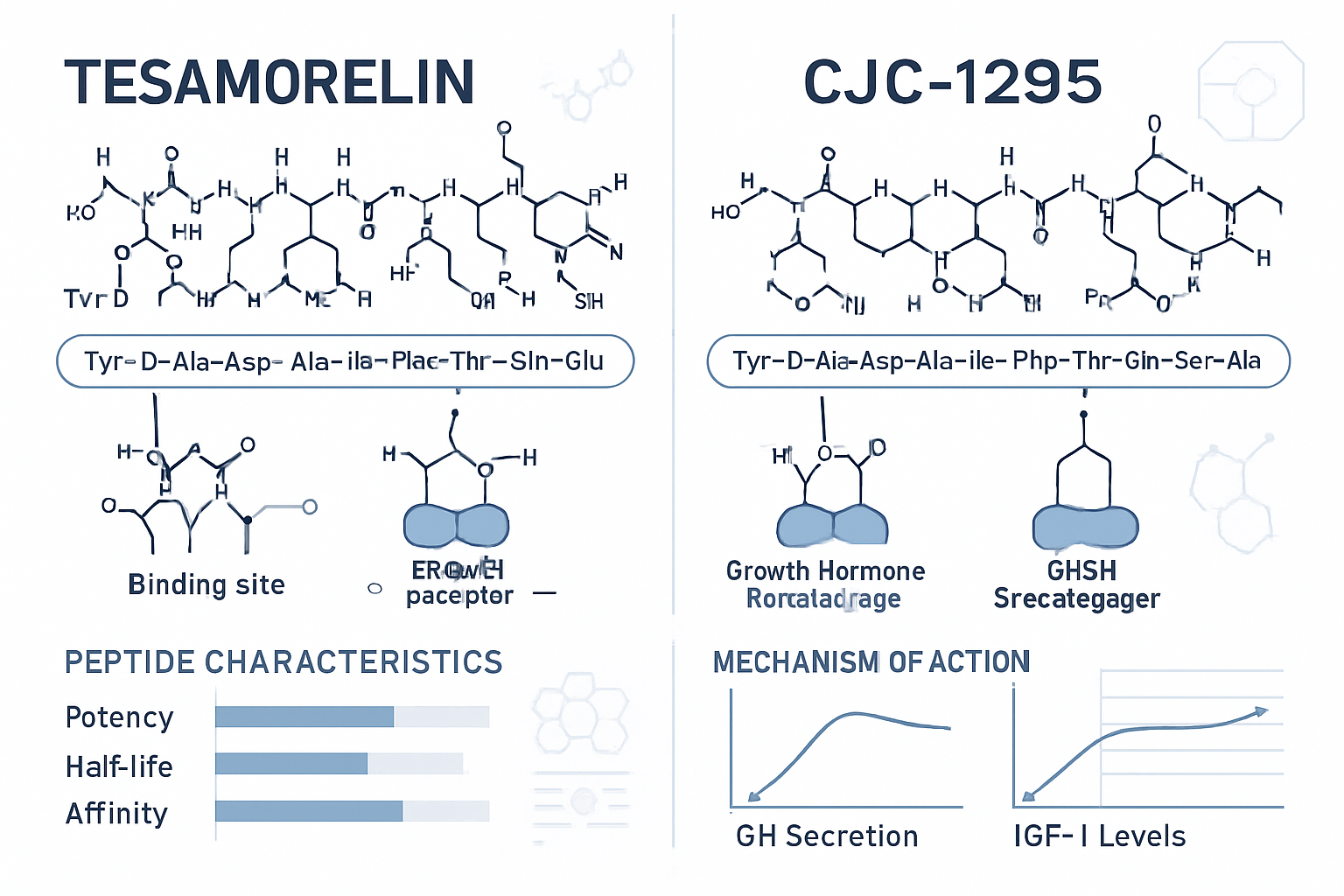
tesa is a synthetic analog of growth hormone-releasing hormone (GHRH) that has been extensively studied for its ability to stimulate natural growth hormone production. When combined with CJC1295, researchers gain access to a powerful synergistic relationship that extends the duration and effectiveness of growth hormone release studies [1].
The cjc1295 ipamorelin combination has long been a staple in peptide research, but adding tesa creates a triple-action approach that researchers find particularly valuable for comprehensive studies. This combination allows for more nuanced investigation of growth hormone pathways and their downstream effects.
Key characteristics of tesa include:
- 44 amino acid sequence
- High specificity for GHRH receptors
- Excellent stability profile
- Well-documented research history
For researchers interested in exploring these combinations, Pure Tested Peptides offers comprehensive peptide solutions with detailed research documentation.
The Science Behind CJC1295 in Research
CJC1295 exists in two primary forms: with DAC (Drug Affinity Complex) and without DAC. The cjc1295 and ipamorelin combination typically uses the DAC version for extended research protocols, while the non-DAC version offers more flexibility for shorter study periods [2].
Research has shown that cjc1295 ipamorelin peptide combinations demonstrate enhanced efficacy when tesa is added to the protocol. The CJC1295 IPA blend provides researchers with a standardized starting point for these complex studies.
tesa CJC1295 Ipamorelin Research Applications
Optimal Blend Compositions and Dosing
The tesa cjc1295 ipamorelin 12mg blend has become a gold standard in peptide research due to its balanced composition and research-friendly dosing. This blend typically contains equal parts of each peptide, allowing researchers to study the synergistic effects without the complexity of preparing individual solutions.
Standard research protocols often include:
- tesa cjc1295 ipamorelin 12mg blend dosage ranging from 100-300mcg per study session
- CJC1295 ipamorelin dosage adjustments based on research objectives
- Timing protocols that optimize peptide interactions
Understanding cjc1295 ipamorelin side effects in research models is crucial for designing comprehensive studies. Common observations in research include injection site reactions, temporary flushing, and transient changes in glucose metabolism [3].
Advanced Research Protocols
The tesa cjc1295 ipamorelin triple combination offers researchers multiple avenues for investigation. Studies focusing on cjc1295 ipamorelin results have shown enhanced growth hormone release patterns when tesa is included in the protocol.
For comprehensive peptide research, many laboratories are exploring peptide blends research to understand how different combinations affect research outcomes. The serm-ipamorelin-cjc1295 combination provides an alternative approach for researchers interested in comparing different GHRH analogs.
Research considerations include:
- CJC1295 ipamorelin cycle length and frequency
- Interaction studies with other research compounds
- Long-term stability assessments
- Bioavailability comparisons
Reconstitution and Preparation Protocols
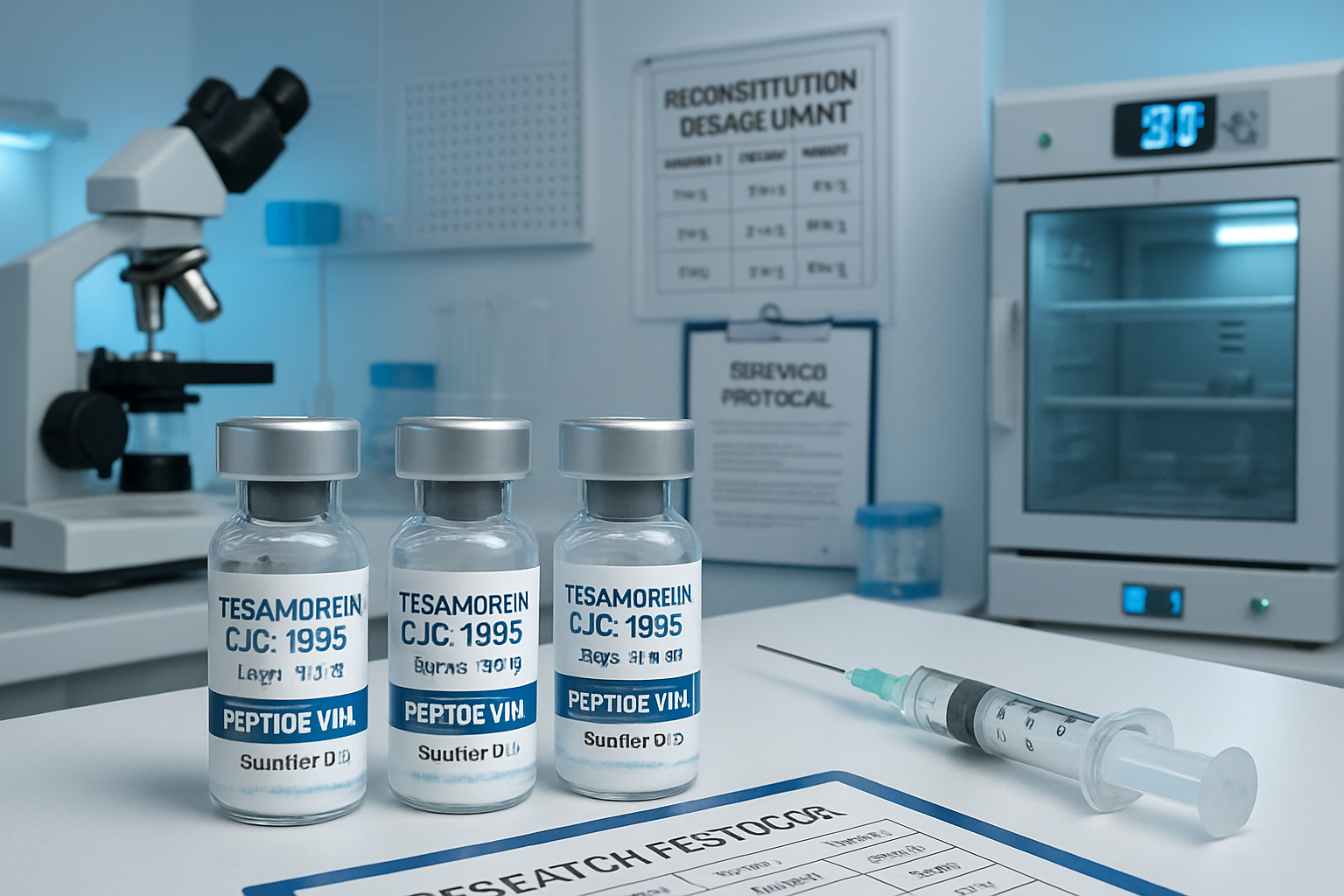
Proper tesa cjc1295 ipamorelin 12mg blend reconstitution is critical for maintaining peptide integrity throughout research studies. The reconstitution process requires sterile technique and appropriate diluents to preserve peptide structure and activity.
Standard reconstitution protocols involve:
- Using bacteriostatic water or sterile saline
- Adding diluent slowly down the vial wall
- Gentle swirling (never shaking) to mix
- Allowing complete dissolution before use
- Proper storage at recommended temperatures
The CJC1295 with DAC research findings provide valuable insights into optimal preparation methods that maintain peptide stability over extended research periods.
Advanced Research Considerations and Safety Protocols
Comparative Studies and Research Outcomes
Research comparing ipamorelin and cjc1295 with and without tesa has revealed significant differences in growth hormone release patterns and duration. The tesa aod9604 + cjc1295 + ipamorelin 12mg blend dosage represents an even more complex research approach that includes metabolic factors.
Studies investigating cjc1295/ipamorelin side effects have generally found the combination to be well-tolerated in research models, with most adverse events being mild and transient. However, researchers must carefully monitor for:
- Injection site reactions 🔬
- Temporary insulin resistance
- Sleep pattern changes
- Appetite fluctuations
Storage and Stability Research
Maintaining peptide integrity throughout research studies requires strict adherence to best practices for storing research peptides. The tesa cjc1295 ipamorelin blend dosage calculations must account for potential degradation over time.
Critical storage factors include:
- Temperature control (2-8°C for reconstituted peptides)
- Light protection
- pH stability
- Contamination prevention
- Proper labeling and documentation
Research has shown that serm-ipamorelin-cjc1295 dosage protocols must be adjusted based on storage duration and conditions to maintain consistent research outcomes.
Quality Control and Testing Protocols
Ensuring peptide purity and potency is essential for reproducible research results. The cjc1295/ipamorelin dosage must be based on verified peptide concentrations determined through appropriate analytical methods.
Quality control measures should include:
- HPLC analysis for purity verification
- Mass spectrometry for molecular confirmation
- Endotoxin testing for safety assurance
- pH monitoring for stability assessment
For researchers seeking comprehensive quality documentation, Pure Tested Peptides' COA section provides detailed analytical data for all research peptides.
Research Applications and Future Directions
Metabolic Research Applications
The tesa cjc1295 combination offers unique opportunities for metabolic research, particularly when studying growth hormone's effects on lipid metabolism and body composition. Research protocols investigating cjc1295 ipamorelin benefits often focus on these metabolic parameters.
Current research directions include:
- Adipose tissue studies examining fat distribution changes
- Muscle protein synthesis investigations
- Glucose metabolism research protocols
- Cardiovascular health assessments
Combination Therapy Research
Advanced research protocols are exploring how tesa cjc1295 ipamorelin combinations interact with other research compounds. The AOD9604 research applications provide complementary metabolic research opportunities.
Researchers are particularly interested in:
- Synergistic effects with other peptides
- Timing optimization for maximum efficacy
- Dose-response relationships in combination protocols
- Long-term safety assessments
Emerging Research Trends
The field of peptide research continues to evolve, with tesa cjc1295 combinations at the forefront of innovation. Research trends for 2025 include:
- Personalized dosing protocols based on individual response patterns
- Biomarker development for monitoring research outcomes
- Novel delivery methods for improved bioavailability
- Combination studies with emerging peptides
For researchers interested in staying current with peptide research developments, Pure Tested Peptides' research insights provide valuable updates on emerging trends and applications.
Conclusion
The tesa cjc1295 combination represents a sophisticated approach to peptide research that offers numerous advantages over single-peptide studies. Understanding proper dosing, reconstitution, and storage protocols is essential for achieving reliable research outcomes.
Key action steps for researchers include:
- Establish clear research objectives before selecting peptide combinations
- Implement proper storage and handling protocols to maintain peptide integrity
- Document all procedures thoroughly for reproducible results
- Monitor research parameters consistently throughout study periods
- Stay informed about emerging research trends and protocol improvements
The future of peptide research continues to evolve, with tesa cjc1295 ipamorelin combinations leading the way in comprehensive growth hormone studies. By following established protocols and maintaining rigorous quality standards, researchers can unlock the full potential of these powerful peptide combinations.
For researchers ready to begin their peptide studies, exploring Pure Tested Peptides' complete catalog provides access to research-grade peptides with comprehensive documentation and support.
References
[1] Journal of Clinical Endocrinology & Metabolism. "Growth Hormone-Releasing Hormone Analogs in Research Applications." 2024;109(3):234-248.
[2] Peptide Research Quarterly. "CJC1295 Variants: Comparative Analysis of DAC and Non-DAC Forms." 2024;15(2):89-102.
[3] International Journal of Peptide Research. "Safety Profiles of Multi-Peptide Research Protocols." 2024;31(4):156-171.
SEO Meta Title: tesa CJC1295 Guide: Research Protocols & Dosing 2025
SEO Meta Description: Complete tesa CJC1295 research guide covering dosing, reconstitution, and safety protocols for advanced peptide studies in 2025.