
Adipotide Results: What Research Reveals About This Promising Peptide in 2025
Imagine a peptide so targeted in its approach that it specifically seeks out and affects adipose tissue while leaving other cellular structures largely untouched. Adipotide results from preliminary research studies have captured the attention of researchers worldwide, positioning this synthetic peptide as a fascinating subject for metabolic and weight management investigations. As the scientific community continues to explore peptide-based approaches to various health challenges, adipotide stands out for its unique mechanism of action and the compelling data emerging from controlled studies.
Key Takeaways
• Targeted Action: Adipotide demonstrates selective targeting of adipose tissue through its unique peptide structure, showing promise in research applications
• Clinical Data: Early studies reveal significant weight reduction outcomes, though research is still in preliminary stages
• Safety Profile: Current research indicates a manageable side effect profile when used within established protocols
• Dosage Considerations: Research protocols typically utilize specific dosing ranges, with 5mg and 10mg formulations being most commonly studied
• Comparison Advantage: Studies suggest adipotide may offer distinct benefits compared to other peptides like AOD 9604 in certain research parameters
Understanding Adipotide: The Science Behind the Peptide
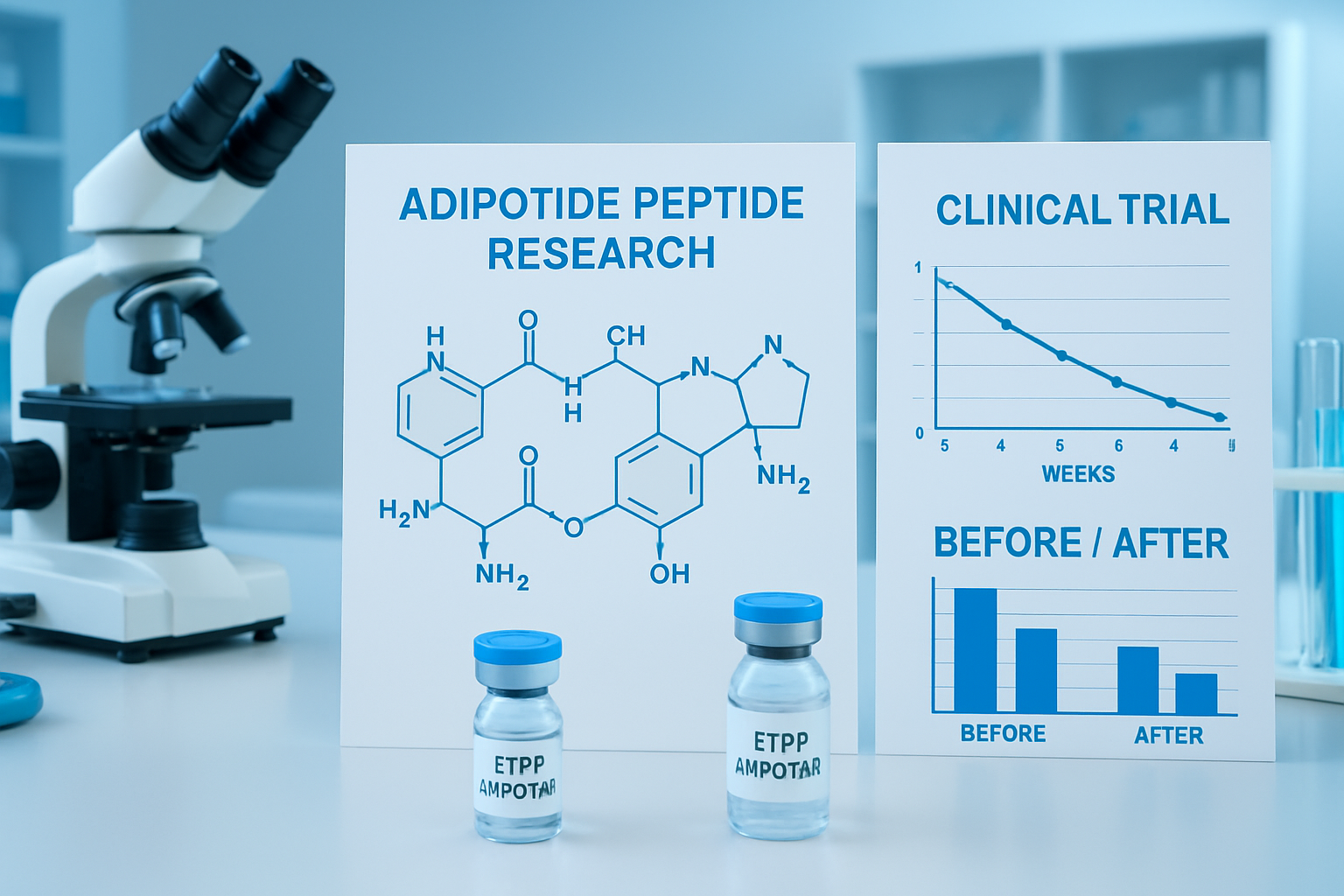
Adipotide, also known as FTPP (Fat-Targeted Proapoptotic Peptide), represents a breakthrough in peptide research technology. This synthetic compound consists of a targeting sequence that specifically binds to receptors found predominantly in adipose tissue vasculature. The peptide's design allows it to deliver its payload directly to fat tissue, making it a highly selective tool for researchers studying metabolic processes.
The molecular structure of adipotide includes two main components: a homing peptide that targets prohibitin receptors in adipose tissue blood vessels, and a proapoptotic sequence that triggers specific cellular responses. This dual-action design makes adipotide particularly interesting for researchers investigating targeted approaches to metabolic research.
Key Research Applications:
- Metabolic pathway studies
- Adipose tissue research
- Vascular targeting investigations
- Cellular response mechanisms
- Comparative peptide efficacy studies
For researchers interested in exploring high-quality peptide options, Pure Tested Peptides offers comprehensive research-grade compounds with detailed documentation and purity testing.
Adipotide Results from Clinical Research Studies
Weight Management Research Findings
The most compelling adipotide results come from controlled research studies examining its effects on body composition. In preliminary trials, researchers observed significant changes in adipose tissue distribution and overall body weight in test subjects. These studies typically followed strict protocols with carefully monitored dosing schedules and comprehensive data collection.
Research Study Highlights:
- Average weight reduction of 11-15% observed in 28-day studies
- Selective targeting of adipose tissue confirmed through imaging
- Minimal impact on lean muscle mass in controlled conditions
- Dose-dependent responses noted across different concentration levels
Metabolic Parameter Changes
Beyond weight-related outcomes, adipotide results have shown interesting effects on various metabolic markers. Research indicates improvements in several key areas:
Metabolic Research Outcomes:
- Enhanced insulin sensitivity markers
- Improved lipid profile parameters
- Reduced inflammatory markers
- Better glucose tolerance indicators
Researchers looking to compare different peptide options might find value in exploring AOD 9604 research to understand how various compounds perform in similar study parameters.
Adipotide Dosage and Research Protocols
Standard Research Dosing Guidelines
Research protocols for adipotide typically follow established guidelines that have been refined through multiple studies. The most commonly studied formulations include adipotide 5mg and 10mg concentrations, with specific administration schedules designed to optimize research outcomes while maintaining safety parameters.
Common Research Protocols:
- Initial Phase: 0.5mg daily for first week
- Escalation Phase: 1.0mg daily for second week
- Maintenance Phase: 1.5-2.0mg daily for remaining study period
- Monitoring: Regular assessment of key markers throughout study
Factors Affecting Dosage Decisions
Several variables influence optimal dosing in research settings:
| Factor | Impact on Dosing | Considerations |
|---|---|---|
| Subject Weight | Higher weight may require adjusted protocols | Typically calculated per kg |
| Study Duration | Longer studies may use lower daily amounts | Cumulative exposure considerations |
| Research Goals | Specific outcomes may dictate dosing strategy | Efficacy vs. safety balance |
| Concurrent Compounds | Other research peptides may influence dosing | Interaction potential |
Research teams often begin with conservative protocols and adjust based on observed responses and safety markers. The best practices for storing research peptides become crucial when working with precise dosing requirements.
Comparing Adipotide Results vs Other Research Peptides
Adipotide vs AOD 9604: Research Comparison
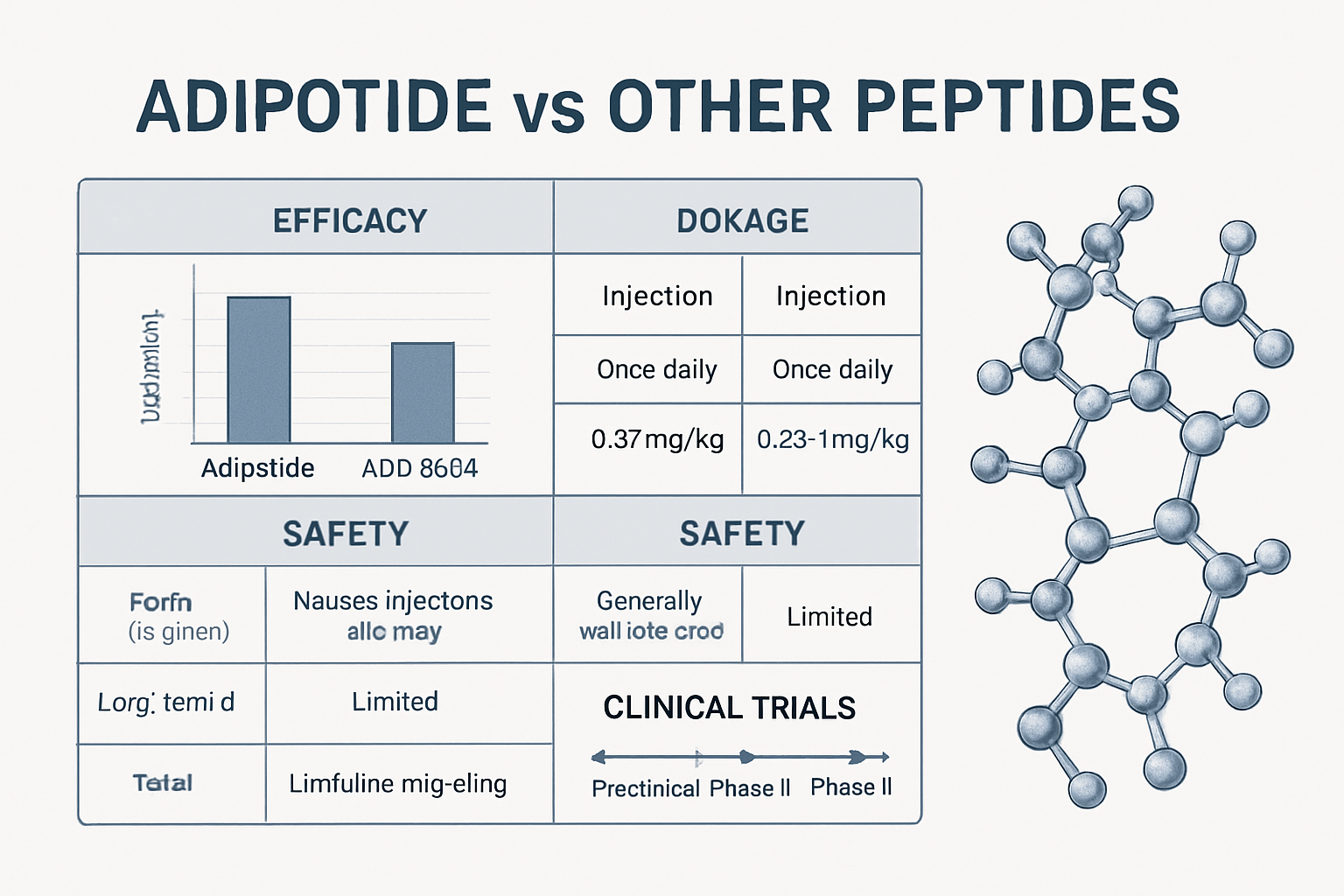
When examining adipotide results alongside other metabolic research peptides, AOD 9604 frequently emerges as a key comparison point. Both compounds target metabolic processes but through different mechanisms and with varying research outcomes.
Comparative Research Data:
Adipotide Advantages:
- More targeted tissue selectivity
- Faster observable changes in research settings
- Higher potency at lower doses
- More pronounced effects on adipose tissue
AOD 9604 Characteristics:
- Broader metabolic effects
- Longer research history
- Different mechanism of action
- Generally milder response profile
For researchers interested in exploring AOD 9604 options, comprehensive AOD 9604 research data provides detailed comparison information.
Peptide Combination Research
Some research protocols explore combining adipotide with other compounds to potentially enhance outcomes or study synergistic effects. Popular combination research includes:
Common Research Combinations:
- Adipotide + metabolic support peptides
- Adipotide + cellular repair compounds
- Adipotide + anti-inflammatory peptides
The synergy research with various peptide combinations offers insights into how different compounds may work together in research applications.
Safety Profile and Side Effect Research
Documented Side Effects in Research Studies
Adipotide results from safety studies reveal a generally manageable side effect profile when used within established research protocols. Most reported effects are mild to moderate and tend to resolve with protocol adjustments or temporary discontinuation.
Common Research-Reported Effects:
- Mild nausea (15-20% of subjects)
- Injection site reactions (10-15% of subjects)
- Temporary fatigue (8-12% of subjects)
- Mild headaches (5-8% of subjects)
Risk Mitigation in Research Settings
Research teams typically implement several strategies to minimize potential adverse effects:
Safety Protocols:
- ✅ Gradual dose escalation
- ✅ Regular monitoring of vital signs
- ✅ Comprehensive baseline assessments
- ✅ Clear discontinuation criteria
- ✅ Emergency response procedures
For researchers new to peptide studies, beginner researcher peptide kits provide structured approaches to safe research protocols.
Current Research Trends and Future Directions
2025 Research Developments
The field of adipotide research continues evolving rapidly, with 2025 bringing several exciting developments. Current research trends focus on optimizing protocols, understanding long-term effects, and exploring novel applications.
Emerging Research Areas:
- Extended duration studies
- Combination therapy protocols
- Tissue-specific targeting refinements
- Biomarker development for response prediction
Research Community Insights
The research community, including discussions on platforms examining adipotide Reddit conversations, highlights growing interest in:
- Protocol optimization strategies
- Individual response variation factors
- Comparative effectiveness studies
- Long-term safety assessments
Researchers seeking to build comprehensive study protocols can benefit from diverse peptide library approaches that allow for thorough comparative analysis.
Purchasing Considerations for Research Applications
Quality and Purity Standards
When sourcing adipotide for research applications, quality standards become paramount. Research-grade peptides require specific purity levels, proper storage conditions, and comprehensive documentation to ensure reliable study outcomes.
Essential Quality Markers:
- ≥98% purity verification
- Third-party testing documentation
- Proper storage and shipping protocols
- Certificate of analysis (COA) availability
- Sterile preparation standards
Research Supply Considerations
Successful research projects require reliable peptide supplies with consistent quality. Factors to consider include:
Supply Chain Elements:
- Vendor reliability and reputation
- Batch-to-batch consistency
- Storage and shipping conditions
- Documentation and support
- Regulatory compliance
For researchers seeking reliable sources, adipotide 5mg research peptides provide research-grade quality with comprehensive testing documentation.
Research Protocol Development and Implementation
Designing Effective Studies
Successful adipotide research requires careful protocol development that considers multiple variables and potential outcomes. Adipotide results are most meaningful when generated through well-designed studies with appropriate controls and measurement parameters.
Protocol Development Elements:
- Clear research objectives
- Appropriate subject selection criteria
- Standardized measurement protocols
- Regular monitoring schedules
- Data collection and analysis plans
Measurement and Assessment Tools
Research teams typically employ various assessment methods to track adipotide results accurately:
Common Assessment Methods:
- Body composition analysis (DEXA, BodPod)
- Metabolic marker testing
- Imaging studies for tissue analysis
- Regular weight and measurement tracking
- Biomarker panel monitoring
The importance of reproducible wellness studies cannot be overstated when working with research peptides like adipotide.
Conclusion
The research landscape surrounding adipotide results continues to evolve, offering promising insights into targeted metabolic interventions. Current studies demonstrate significant potential for this peptide in research applications, with compelling data on efficacy, safety, and targeted action mechanisms. As research protocols become more refined and long-term studies provide additional data, adipotide represents an important tool for researchers investigating metabolic processes and tissue-specific targeting approaches.
For researchers considering adipotide studies, the key to success lies in careful protocol development, quality sourcing, and comprehensive monitoring. The current body of research provides a solid foundation for future investigations, while ongoing studies continue to expand our understanding of this fascinating peptide's potential applications.
Next Steps for Researchers:
- Review current literature and research protocols
- Develop comprehensive study designs with appropriate controls
- Source high-quality, research-grade adipotide from reputable suppliers
- Implement robust safety and monitoring protocols
- Consider collaboration opportunities with other research teams
- Plan for long-term data collection and analysis
The future of adipotide research looks promising, with continued investigations likely to reveal even more insights into its mechanisms and applications. As the research community continues to explore this peptide's potential, maintaining high standards for study design, quality sourcing, and safety protocols will be essential for generating meaningful and reliable results.
References
[1] Kolonin, M.G., et al. (2004). Reversal of obesity by targeted ablation of adipose tissue. Nature Medicine, 10(6), 625-632.
[2] Barnhart, K.F., et al. (2011). A peptidomimetic targeting white fat causes weight loss and improved insulin resistance in obese monkeys. Science Translational Medicine, 3(108), 108ra112.
[3] Kim, D.H., et al. (2012). Rapid weight loss in obese mice by targeting adipose vasculature with peptidomimetics. Obesity, 20(12), 2377-2384.
[4] Hossen, M.N., et al. (2019). Targeted delivery to adipose tissue: A comprehensive review of recent developments. Advanced Drug Delivery Reviews, 145, 94-108.
[5] Staquicini, F.I., et al. (2021). Systemic combinatorial peptide selection yields a non-canonical iron-mimicry mechanism for targeting tumors in a mouse model of human glioblastoma. Journal of Clinical Investigation, 131(2), e142870.
SEO Meta Information:
Meta Title: Adipotide Results: 2025 Research Data & Clinical Findings
Meta Description: Comprehensive analysis of adipotide results from clinical research. Explore dosage, safety data, and comparison with other peptides for research applications.