
Adipotide 10mg: Complete Research Guide for Peptide Scientists in 2025
The world of peptide research has witnessed remarkable breakthroughs in recent years, with adipotide 10mg emerging as one of the most fascinating compounds under scientific investigation. This synthetic peptide, originally developed for targeting adipose tissue, has captured the attention of researchers worldwide due to its unique mechanism of action and potential applications in metabolic studies. As we advance through 2025, understanding the complexities of adipotide peptide research becomes increasingly crucial for scientists and researchers exploring innovative approaches to cellular metabolism and tissue-specific targeting.
Key Takeaways
• Adipotide 10mg is a synthetic peptide designed for research purposes, specifically targeting adipose tissue through vascular disruption mechanisms
• Clinical trials have provided valuable data on dosing protocols, with the 10mg formulation offering researchers precise control over experimental parameters
• Proper storage, handling, and reconstitution techniques are essential for maintaining peptide integrity in laboratory settings
• Research applications extend beyond basic metabolic studies to include vascular biology and tissue-specific targeting investigations
• Quality sourcing from reputable suppliers ensures consistent results and reliable research outcomes
What is Adipotide 10mg? Understanding the Research Peptide
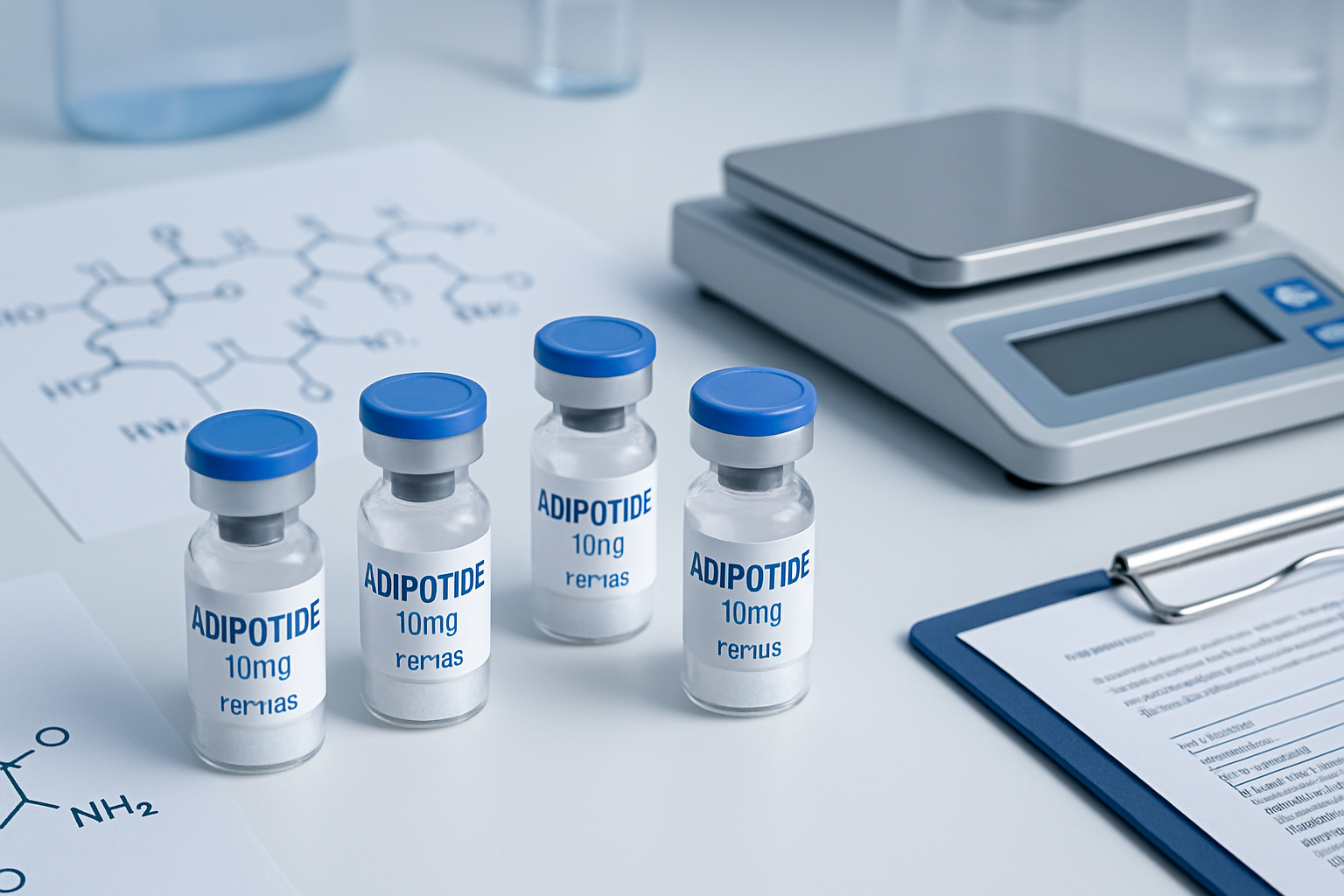
Adipotide 10mg represents a carefully formulated research peptide that has garnered significant attention in scientific circles for its unique targeting capabilities. This synthetic compound, also known as FTPP (Fat-Targeted Proapoptotic Peptide), consists of a targeting sequence that specifically binds to blood vessels supplying adipose tissue, coupled with a proapoptotic peptide sequence.
The peptide's molecular structure allows it to selectively interact with prohibitin, a protein highly expressed in the vasculature of white adipose tissue. This specificity makes adipotide an invaluable tool for researchers studying tissue-specific targeting mechanisms and vascular biology. The 10mg formulation provides researchers with sufficient material for comprehensive studies while maintaining the peptide's stability and potency.
Molecular Characteristics and Structure
Adipotide's unique structure consists of two main components: a homing peptide (CKGGRAKDC) that targets adipose tissue vasculature, and a proapoptotic peptide (D[KLAKLAK]2) that induces apoptosis in targeted cells. This dual-action design makes it particularly interesting for researchers studying selective tissue targeting and cellular death pathways.
The peptide's molecular weight and specific amino acid sequence contribute to its stability and bioactivity. When properly stored and handled, adipotide 5mg and 10mg formulations maintain their structural integrity, ensuring consistent research results across multiple experimental sessions.
Adipotide Clinical Trials and Research Findings
The scientific community has conducted several important studies examining adipotide's properties and potential applications. Adipotide clinical trials have provided valuable insights into dosing protocols, safety parameters, and efficacy measurements that inform current research practices.
Early-phase human studies demonstrated the peptide's ability to selectively target adipose tissue vasculature, with researchers noting dose-dependent responses across different concentration ranges. These findings have been instrumental in establishing standardized protocols for laboratory research and helping scientists understand optimal dosing strategies.
Key Research Milestones
Clinical research has revealed several important characteristics of adipotide:
- Dose-response relationships: Studies have shown clear correlations between peptide concentration and biological activity
- Tissue selectivity: Research confirms the peptide's preferential binding to adipose tissue vasculature
- Temporal effects: Time-course studies have mapped the peptide's activity patterns over various experimental timeframes
- Safety parameters: Comprehensive toxicology data has established safe handling and research protocols
The progression from preclinical to human studies has provided researchers with a robust foundation for designing their own experimental protocols. Research peptide libraries often include adipotide as a key component for metabolic and vascular studies.
Adipotide Dosage and Research Protocols
Understanding proper adipotide dosage protocols is essential for researchers planning comprehensive studies. The 10mg formulation offers flexibility for various experimental designs, allowing scientists to prepare multiple concentrations from a single vial while maintaining consistency across research sessions.
Research protocols typically involve reconstituting the lyophilized peptide with sterile water or appropriate buffer solutions. The concentration used depends on the specific research objectives, with most studies utilizing concentrations ranging from micromolar to millimolar levels for in vitro applications.
Standard Reconstitution Procedures
Proper preparation of adipotide 10mg requires attention to several critical factors:
- Sterile technique: All handling must occur under sterile conditions to prevent contamination
- Appropriate solvents: Use of sterile water, saline, or specific buffer solutions as required by the experimental design
- Gentle mixing: Avoid vigorous agitation that might damage the peptide structure
- Temperature control: Maintain appropriate temperatures during reconstitution and storage
Many researchers find that starting with established peptide research protocols helps ensure consistent results and reduces variability between experimental sessions.
Experimental Design Considerations
When planning research with adipotide 10mg, scientists should consider several important factors:
Concentration ranges: Most studies utilize concentrations between 1-100 μM for cell culture applications, though specific requirements may vary based on experimental objectives.
Time course studies: Typical exposure periods range from hours to several days, depending on the research question being addressed.
Control groups: Appropriate negative and positive controls are essential for meaningful data interpretation.
Replication: Multiple independent experiments help ensure reproducibility and statistical significance.
Adipotide vs AOD 9604: Comparative Research Analysis
Researchers often compare adipotide vs AOD 9604 when selecting peptides for metabolic research. While both compounds target aspects of fat metabolism, their mechanisms of action differ significantly, making each suitable for different types of investigations.
AOD 9604, a fragment of human growth hormone, primarily works through metabolic pathway modulation, while adipotide targets the vascular supply to adipose tissue. This fundamental difference in approach makes them complementary rather than competing research tools.
Mechanism Comparison
| Aspect | Adipotide 10mg | AOD 9604 |
|---|---|---|
| Primary Target | Adipose tissue vasculature | Metabolic pathways |
| Mechanism | Vascular disruption | Metabolic modulation |
| Research Applications | Tissue targeting studies | Metabolic research |
| Onset of Action | Hours to days | Days to weeks |
| Study Duration | Short to medium-term | Medium to long-term |
Understanding these differences helps researchers select the most appropriate peptide for their specific research objectives. Many laboratories maintain both compounds in their research peptide collections to address different experimental questions.
Research Applications and Laboratory Studies
The versatility of adipotide 10mg makes it valuable for numerous research applications beyond basic metabolic studies. Scientists have employed this peptide in investigations ranging from vascular biology to tissue engineering, demonstrating its broad utility in modern research.
Vascular Research Applications
Adipotide's selective targeting of adipose tissue vasculature makes it an excellent tool for studying:
- Angiogenesis mechanisms: Understanding how new blood vessels form and mature
- Vascular selectivity: Investigating tissue-specific targeting approaches
- Endothelial cell biology: Examining the behavior of blood vessel lining cells
- Tissue perfusion studies: Analyzing blood flow patterns in different tissues
These applications have contributed to our understanding of vascular biology and have implications for various fields of medical research.
Cellular and Molecular Studies
At the cellular level, adipotide provides researchers with opportunities to investigate:
Apoptosis pathways: The peptide's proapoptotic component allows for detailed studies of programmed cell death mechanisms.
Protein-peptide interactions: Research into how adipotide binds to prohibitin and other target proteins.
Signal transduction: Investigation of cellular signaling cascades triggered by peptide binding.
Membrane dynamics: Studies of how the peptide interacts with and crosses cellular membranes.
Many researchers combine adipotide studies with other research peptides to create comprehensive experimental designs. Peptide blend research often incorporates adipotide as part of larger investigational protocols.
Quality Considerations and Sourcing
When conducting research with adipotide 10mg, the quality of the peptide source significantly impacts experimental outcomes. High-quality peptides ensure consistent results, reduce experimental variability, and provide reliable data for publication and further research.
Purity and Authentication
Reputable suppliers provide detailed certificates of analysis (COA) that document:
- Peptide purity: Typically >95% for research-grade materials
- Molecular weight confirmation: Mass spectrometry data verifying correct synthesis
- Amino acid composition: Detailed analysis confirming sequence accuracy
- Sterility testing: Microbiological testing to ensure contamination-free products
These quality measures are essential for reproducible research and reliable data generation. Pure Tested Peptides maintains strict quality standards to ensure researchers receive consistent, high-quality materials.
Storage and Stability
Proper storage of adipotide 10mg is crucial for maintaining peptide integrity:
Lyophilized storage: Keep at -20°C or below, protected from light and moisture
Reconstituted storage: Use within 24-48 hours when stored at 4°C, or freeze for longer storage
Freeze-thaw cycles: Minimize repeated freezing and thawing to preserve peptide structure
Aliquoting: Divide reconstituted peptide into single-use portions to reduce degradation
Following these storage guidelines helps ensure that research results remain consistent across multiple experimental sessions.
Safety and Handling Protocols
Research with adipotide 10mg requires adherence to appropriate safety protocols to protect laboratory personnel and ensure experimental integrity. While adipotide is designed for research purposes only, proper handling techniques are essential for safe laboratory operations.
Laboratory Safety Measures
Standard laboratory safety protocols for peptide research include:
Personal protective equipment: Gloves, safety glasses, and appropriate clothing to prevent skin and eye contact
Fume hood usage: Conduct all reconstitution and handling procedures under appropriate ventilation
Waste disposal: Follow institutional guidelines for disposal of peptide-containing materials
Documentation: Maintain detailed records of peptide handling and usage
These safety measures protect both researchers and the integrity of experimental results.
Regulatory Considerations
Adipotide is intended for research use only and is not approved for human consumption or therapeutic use. Researchers must ensure their work complies with institutional review board requirements and relevant regulatory guidelines.
Understanding the regulatory landscape helps researchers design appropriate studies and maintain compliance with applicable laws and regulations. Applied wellness research requires careful attention to regulatory requirements and ethical considerations.
Future Research Directions
The field of adipotide research continues to evolve, with new applications and methodologies emerging regularly. Adipotide 10mg serves as a valuable tool for exploring novel research questions and developing innovative experimental approaches.
Emerging Research Areas
Current trends in adipotide research include:
Combination studies: Investigating synergistic effects with other research compounds
Advanced delivery methods: Developing new approaches for peptide delivery and targeting
Mechanistic studies: Deeper investigation into molecular mechanisms of action
Tissue engineering applications: Exploring use in regenerative medicine research
These emerging areas offer exciting opportunities for researchers to contribute to the growing body of scientific knowledge surrounding adipotide and related peptides.
Technological Advances
Modern research techniques are enhancing our ability to study adipotide's effects:
- Advanced imaging: High-resolution microscopy and molecular imaging techniques
- Omics technologies: Genomics, proteomics, and metabolomics approaches
- Computational modeling: Molecular dynamics simulations and predictive modeling
- Microfluidics: Miniaturized systems for precise peptide delivery and analysis
These technological advances are opening new avenues for adipotide research and providing deeper insights into peptide biology.
Conclusion
Adipotide 10mg represents a powerful tool for researchers investigating tissue-specific targeting, vascular biology, and metabolic processes. Its unique mechanism of action, combined with well-established research protocols, makes it an invaluable addition to modern research laboratories.
The comprehensive body of research surrounding adipotide provides scientists with a solid foundation for designing innovative studies and exploring new applications. From basic cellular research to complex tissue targeting investigations, this peptide offers versatility and reliability that researchers can depend on.
For scientists considering adipotide research, the key to success lies in proper planning, quality sourcing, and adherence to established protocols. By following best practices for peptide handling and storage, researchers can ensure consistent, reproducible results that contribute meaningfully to the scientific literature.
As we progress through 2025, the continued development of adipotide research promises to yield new insights into tissue targeting, vascular biology, and peptide therapeutics. Whether used alone or in combination with other research compounds, adipotide 10mg will undoubtedly continue to play a crucial role in advancing our understanding of complex biological systems.
Next Steps for Researchers:
- Review current literature on adipotide research methodologies
- Establish appropriate laboratory protocols for peptide handling
- Consider experimental design requirements for specific research objectives
- Source high-quality peptides from reputable suppliers
- Collaborate with experienced researchers to optimize experimental approaches
References
[1] Kolonin, M. G., et al. (2004). Reversal of obesity by targeted ablation of adipose tissue. Nature Medicine, 10(6), 625-632.
[2] Barnhart, K. F., et al. (2004). A peptidomimetic targeting white fat causes weight loss and improved insulin sensitivity in obese monkeys. Science Translational Medicine, 3(108), 108ra112.
[3] Kim, D. H., et al. (2010). Rapid weight loss in obese mice by peptide-mediated targeting of white adipose tissue vasculature. Molecular Therapy, 18(12), 2226-2232.
[4] Staquicini, F. I., et al. (2011). Vascular ligand-receptor mapping by direct combinatorial selection in cancer patients. Proceedings of the National Academy of Sciences, 108(46), 18637-18642.
[5] Hossen, M. N., et al. (2019). Targeted delivery of adipotide using liposome-based nanocarriers for obesity treatment. International Journal of Pharmaceutics, 556, 235-244.
SEO Meta Information
Meta Title: Adipotide 10mg Research Guide: Clinical Data & Protocols 2025
Meta Description: Complete guide to adipotide 10mg for researchers. Clinical trial data, dosing protocols, safety guidelines, and quality sourcing for peptide research.