
Buy Lipo C Peptide: The Complete 2026 Guide for Researchers and Wellness Professionals
The world of peptide research has expanded dramatically, and those seeking to buy Lipo C peptide now face more options—and more questions—than ever before. As metabolic research continues to evolve, understanding where to source quality peptides, what to look for in a supplier, and how to evaluate product integrity has become essential for researchers, fitness professionals, and medispa owners alike. This comprehensive guide addresses every critical aspect of purchasing Lipo C peptide in 2026, from supplier verification to storage protocols.
Key Takeaways
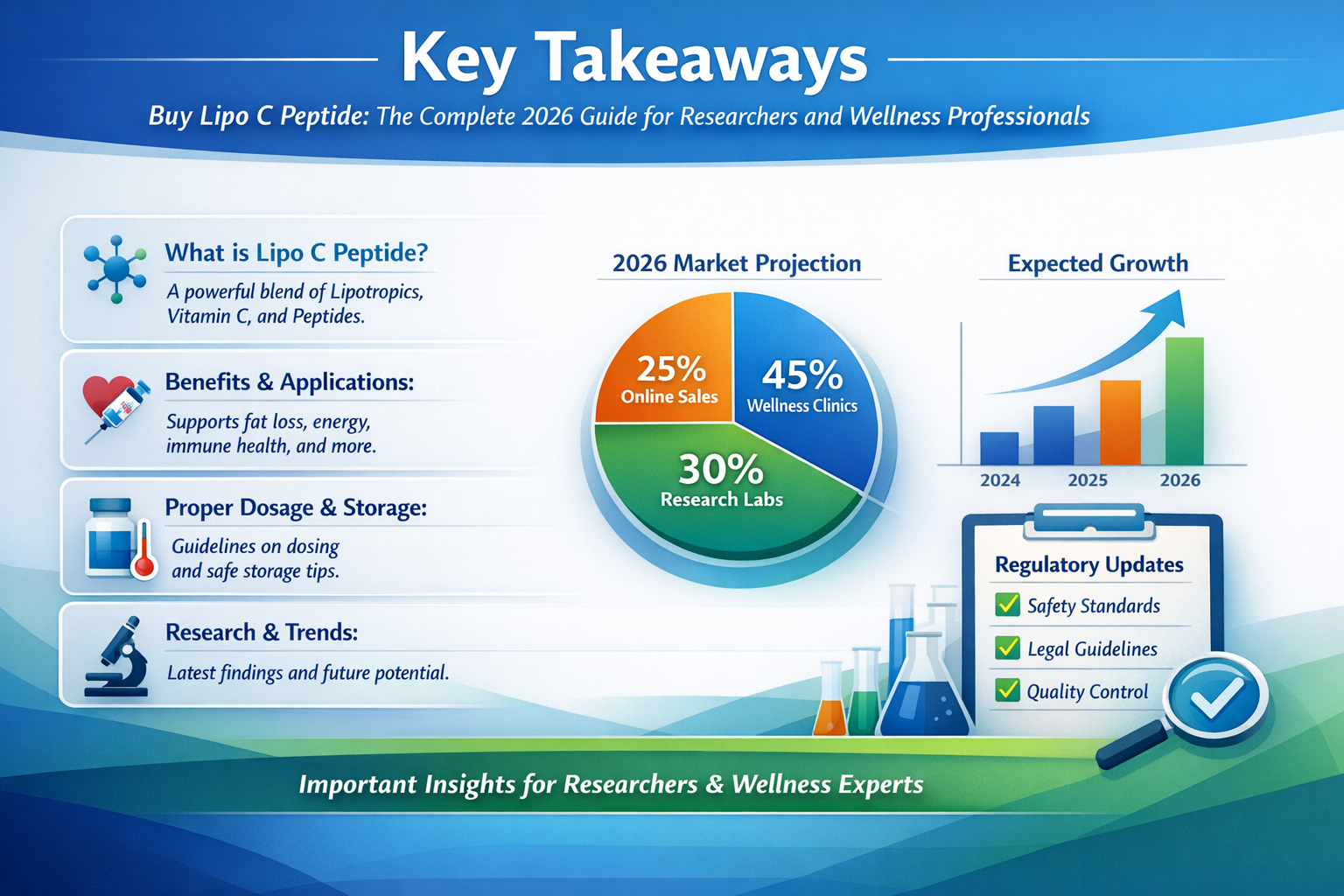
- Lipo C peptide is a lipotropic compound used in metabolic research, combining amino acids and nutrients that support fat metabolism pathways
- Quality verification through third-party testing, certificates of analysis (COA), and HPLC purity testing is essential when selecting where to buy peptides
- Reputable peptide supplier US sources provide transparent testing documentation, proper storage conditions, and research-grade purity levels
- Understanding proper reconstitution, storage protocols, and research applications ensures optimal peptide stability and research outcomes
- The 2026 peptide market offers specialized blends and formulations that combine lipotropic compounds with complementary research peptides
Understanding Lipo C Peptide Composition and Research Applications
What Is Lipo C Peptide?
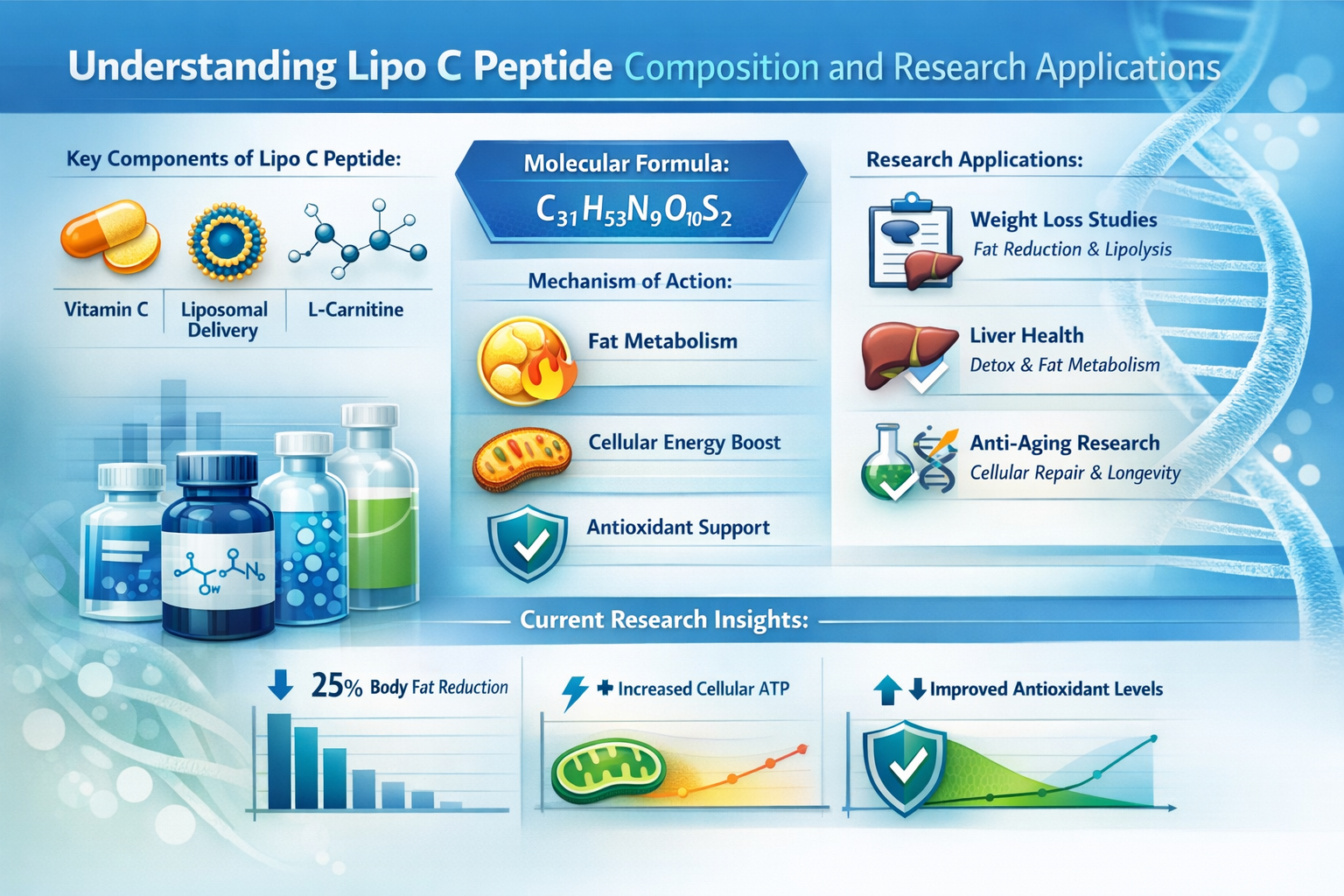
Lipo C peptide represents a category of lipotropic compounds that have gained significant attention in metabolic research circles. The term "lipotropic" refers to substances that influence fat metabolism and distribution within biological systems. When researchers buy Lipo C peptide, they typically receive a formulation containing specific amino acids, vitamins, and compounds designed to support metabolic pathway studies.
The standard composition includes:
- L-Methionine: An essential amino acid involved in methylation processes
- Inositol: A vitamin-like substance participating in cellular signaling
- Choline: A nutrient essential for lipid metabolism and cell membrane integrity
- L-Carnitine: An amino acid derivative involved in fatty acid transport
- B-Complex Vitamins: Supporting cofactor requirements in metabolic pathways
Research into lipotropic compounds dates back several decades, with early studies examining their role in hepatic fat metabolism. Contemporary research has expanded to investigate broader metabolic applications, making it increasingly important to buy peptides from verified sources that maintain consistent formulation standards.
Research Applications and Study Contexts
Scientists and wellness researchers utilize Lipo C peptide in various experimental contexts. Metabolic research laboratories incorporate these compounds when studying:
🔬 Lipid metabolism pathways and cellular fat processing mechanisms
🔬 Mitochondrial function and energy production systems
🔬 Methylation processes and their downstream effects
🔬 Hepatic function in controlled research environments
🔬 Nutrient synergy between lipotropic compounds and other metabolic factors
Fitness research facilities and medispa protocols have shown particular interest in understanding how lipotropic compounds interact with other peptide-based research protocols. When professionals buy Lipo C peptide for research purposes, they often combine it with complementary compounds to study synergistic effects.
| Research Context | Primary Focus | Common Combinations |
|---|---|---|
| Metabolic Studies | Fat metabolism pathways | MOTS-C peptide |
| Cellular Function | Mitochondrial efficiency | AOD-9604 compounds |
| Nutrient Research | Methylation support | B-vitamin cofactors |
| Wellness Protocols | Comprehensive metabolic support | Multi-peptide blends |
Distinguishing Lipo C from Other Metabolic Peptides
Understanding the distinction between Lipo C and other metabolic research peptides helps researchers make informed purchasing decisions. While compounds like AOD-9604 focus specifically on growth hormone fragment mechanisms, and 5-Amino-1MQ targets NNMT enzyme pathways, Lipo C peptide operates through lipotropic nutrient mechanisms.
The key differentiators include:
Mechanism of Action: Lipo C provides nutritional cofactors supporting endogenous metabolic processes rather than directly modulating specific receptor pathways.
Composition: Unlike single-molecule peptides, Lipo C represents a multi-component formulation combining amino acids, vitamins, and nutrients.
Research Applications: Studies involving Lipo C often examine nutritional support mechanisms rather than isolated peptide signaling pathways.
Administration Routes: Research protocols with Lipo C may utilize different delivery methods compared to traditional peptide sequences.
When researchers decide where to buy Lipo C peptide, understanding these distinctions helps align product selection with specific research objectives and experimental designs.
Where to Buy Lipo C Peptide: Evaluating Supplier Quality and Reliability
Critical Supplier Verification Standards
The decision of where to buy Lipo C peptide ranks among the most crucial choices facing peptide researchers in 2026. Supplier quality directly impacts research validity, reproducibility, and safety protocols. Establishing verification standards before making purchasing decisions protects research integrity and ensures consistent experimental outcomes.
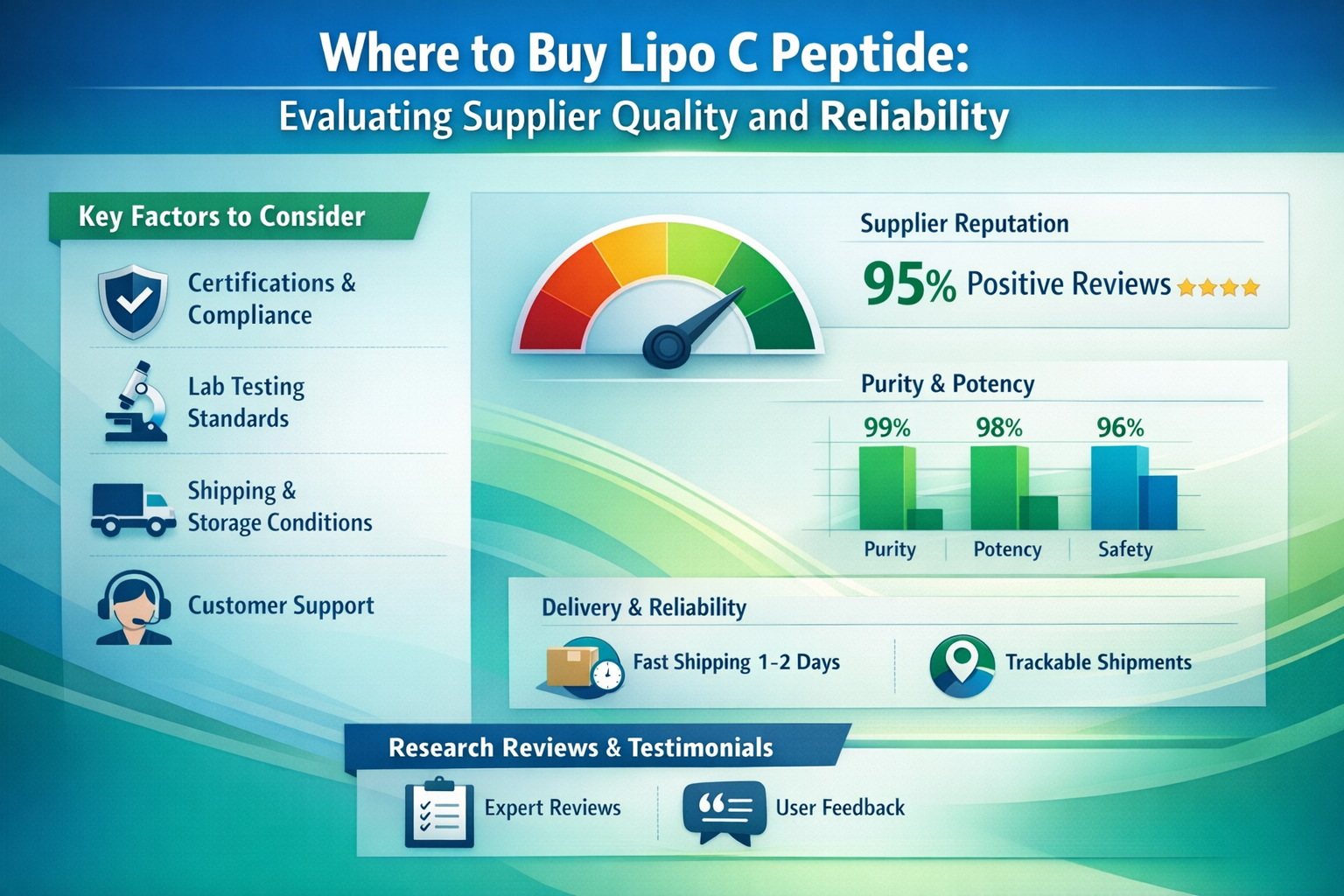
Essential verification criteria include:
✅ Third-Party Testing Documentation: Reputable suppliers provide independent laboratory verification for every batch. Certificates of Analysis (COA) should detail purity percentages, contamination screening, and molecular weight confirmation.
✅ HPLC Purity Verification: High-Performance Liquid Chromatography testing represents the gold standard for peptide purity assessment. When you buy Lipo C peptide from quality sources, HPLC results should demonstrate ≥98% purity levels.
✅ Mass Spectrometry Confirmation: Advanced suppliers utilize mass spectrometry to verify exact molecular composition, ensuring the product matches stated specifications.
✅ Sterility Testing: Research-grade peptides require sterile production environments and endotoxin testing to prevent contamination that could compromise experimental results.
✅ Proper Storage and Handling: Quality peptide supplier US operations maintain cold-chain integrity from production through delivery, with temperature monitoring and appropriate packaging.
Red Flags When Selecting Peptide Suppliers
Identifying problematic suppliers protects research investments and experimental validity. Several warning signs indicate potentially unreliable sources when looking to buy Lipo C peptide:
🚩 Absence of Testing Documentation: Suppliers unable or unwilling to provide COAs, purity testing, or verification documentation should be avoided entirely.
🚩 Unrealistic Pricing: Significantly below-market pricing often indicates compromised purity, improper storage, or counterfeit products.
🚩 Vague Product Descriptions: Legitimate suppliers provide detailed composition information, molecular weights, and specific formulation details.
🚩 Poor Customer Service: Inability to answer technical questions about testing protocols, storage requirements, or product specifications suggests inadequate quality control.
🚩 Lack of Transparency: Reputable suppliers openly share manufacturing practices, testing procedures, and quality assurance protocols.
🚩 No Return or Satisfaction Policies: Confidence in product quality typically correlates with reasonable return policies and customer satisfaction guarantees.
Comparing Domestic vs. International Peptide Sources
The question of where to buy peptides often involves weighing domestic versus international suppliers. Each option presents distinct advantages and considerations for 2026 research applications.
Domestic US Supplier Advantages:
- Regulatory Compliance: US-based operations follow FDA guidelines and domestic quality standards
- Shipping Reliability: Faster delivery times with reduced customs complications
- Customer Support: Time-zone alignment and English-language technical assistance
- Legal Clarity: Clearer regulatory framework for research peptide acquisition
- Quality Consistency: Established best peptide retail US suppliers maintain consistent quality standards
International Supplier Considerations:
- Cost Variability: Pricing may differ, though shipping and customs fees often offset initial savings
- Customs Delays: International shipments face potential delays and regulatory scrutiny
- Quality Uncertainty: Verification of testing standards and manufacturing practices becomes more challenging
- Communication Barriers: Time zone differences and language considerations may complicate technical inquiries
- Return Complications: Product issues become more difficult to resolve across international boundaries
For most researchers seeking to buy Lipo C peptide in 2026, domestic suppliers offer superior reliability, transparency, and support—factors that prove invaluable when conducting serious metabolic research.
Evaluating Online Reviews and Community Feedback
The peptide research community has developed robust information-sharing networks that provide valuable supplier insights. Platforms like specialized forums, research communities, and professional networks offer peer perspectives on supplier reliability.
Effective review evaluation strategies:
Cross-Reference Multiple Sources: Single reviews may not represent typical experiences. Look for consistent patterns across multiple platforms and timeframes.
Prioritize Detailed Technical Reviews: Generic positive reviews carry less weight than detailed accounts of testing verification, customer service interactions, and product performance in research settings.
Assess Reviewer Credibility: Consider whether reviewers demonstrate technical knowledge of peptide research, testing standards, and proper protocols.
Watch for Verification: Some communities verify actual purchases or research applications, lending credibility to feedback.
Note Response Patterns: How suppliers respond to criticism or questions reveals their commitment to quality and customer satisfaction.
When researching where to buy GLP-1 analogs, where to buy epithalon, or other research peptides alongside Lipo C, community feedback helps identify suppliers maintaining consistent quality across their entire product catalog.
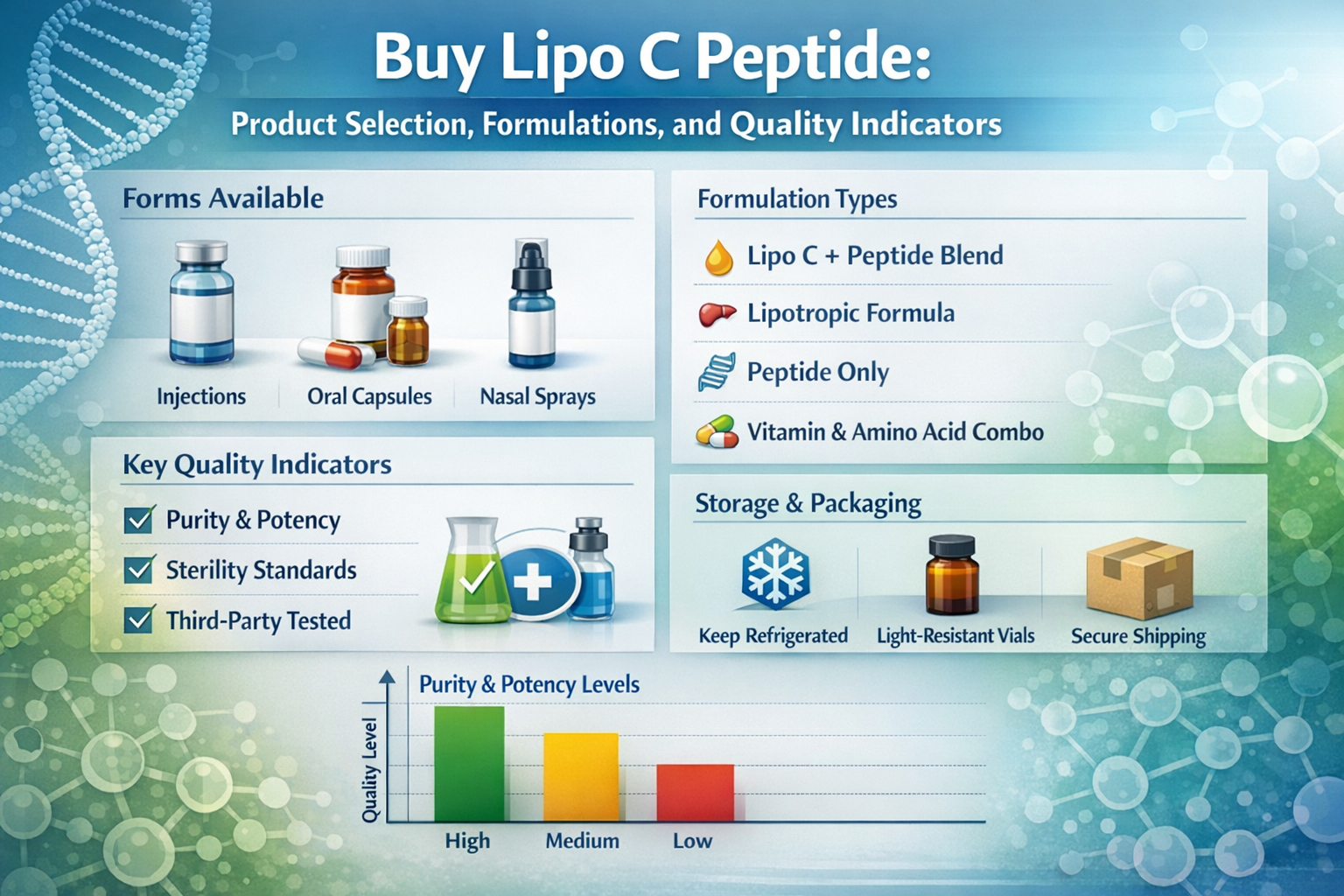
Buy Lipo C Peptide: Product Selection, Formulations, and Quality Indicators
Understanding Lipo C Formulation Variations
When researchers buy Lipo C peptide, they encounter various formulation options designed for different research applications. Understanding these variations ensures optimal selection for specific experimental protocols.
Standard Lipo C Formulations:
The traditional Lipo C formulation combines core lipotropic compounds in established ratios. These baseline formulations typically include methionine, inositol, choline, and carnitine with B-vitamin cofactors. Standard formulations serve general metabolic research applications and provide consistent baseline data for comparative studies.
Enhanced Lipo C Blends:
Advanced formulations incorporate additional compounds to support specific research objectives. These may include:
- Methylcobalamin (B12): Supporting methylation pathway research
- Pyridoxine (B6): Enhancing amino acid metabolism studies
- Riboflavin (B2): Supporting mitochondrial research protocols
- Additional Amino Acids: Expanding metabolic pathway investigations
Synergistic Peptide Combinations:
Progressive research protocols combine Lipo C with complementary peptides. When researchers buy Lipo C peptide as part of comprehensive metabolic studies, they may seek formulations that include:
- MOTS-C peptide: For mitochondrial function research
- AOD-9604: For growth hormone fragment studies
- Metabolic Support Blends: Combining multiple lipotropic and peptide compounds
Concentration and Dosing Considerations for Research
Lipo C peptide products arrive in various concentrations, requiring careful consideration when designing research protocols. Understanding concentration standards helps researchers calculate appropriate experimental parameters.
Common Concentration Formats:
| Format | Typical Concentration | Research Application |
|---|---|---|
| Standard Solution | 25-50 mg/mL per component | General metabolic studies |
| Concentrated Formula | 100+ mg/mL per component | Dose-response research |
| Lyophilized Powder | Researcher-determined | Custom concentration protocols |
| Pre-mixed Blends | Variable multi-component | Synergy studies |
When you buy Lipo C peptide in lyophilized (freeze-dried) form, reconstitution protocols become critical. Research-grade bacteriostatic water or sterile saline serves as the standard reconstitution medium, with concentration calculations based on:
Reconstitution Formula:
- Desired concentration (mg/mL) = Peptide mass (mg) ÷ Reconstitution volume (mL)
Proper documentation of concentration calculations ensures research reproducibility and accurate data interpretation across experimental repetitions.
Quality Indicators and Testing Documentation
Distinguishing research-grade Lipo C from inferior products requires understanding quality indicators and testing documentation standards. When researchers buy Lipo C peptide from reputable suppliers, specific documentation should accompany each purchase.
Certificate of Analysis (COA) Essential Elements:
📋 Batch Number: Unique identifier linking product to specific production run
📋 Production Date: Indicates freshness and shelf-life calculations
📋 Expiration Date: Ensures product stability within research timeframe
📋 Purity Percentage: HPLC-verified purity (target ≥98%)
📋 Molecular Weight: Confirms correct compound composition
📋 Appearance: Visual verification of proper product characteristics
📋 Solubility: Confirms appropriate reconstitution behavior
📋 Endotoxin Levels: Verifies sterility standards (typically <1 EU/mg)
📋 Heavy Metal Testing: Ensures absence of contaminating metals
📋 Testing Laboratory: Independent third-party verification source
HPLC Chromatogram Interpretation:
High-Performance Liquid Chromatography results provide the most reliable purity verification. Quality HPLC documentation includes:
- Clear Peak Definition: Sharp, well-defined peaks indicate pure compounds
- Retention Time: Confirms molecular identity through comparison to standards
- Peak Area Percentage: Quantifies purity with target values ≥98%
- Baseline Stability: Flat baseline indicates minimal contamination
- Integration Parameters: Documented calculation methods for transparency
Researchers seeking to buy peptides for serious metabolic research should request and carefully review HPLC documentation before finalizing purchases. Suppliers unwilling to provide this documentation likely lack adequate quality control measures.
Packaging and Presentation Standards
Professional packaging serves both practical and quality-indicating functions. When you buy Lipo C peptide from established suppliers, packaging should reflect research-grade standards:
Lyophilized Peptide Packaging:
- Amber or UV-protective glass vials preventing light degradation
- Sterile rubber stoppers with aluminum crimp seals
- Vacuum-sealed or inert gas atmosphere protecting peptide stability
- Clear labeling with batch numbers, concentration, and storage requirements
- Protective outer packaging with desiccants for moisture control
Solution-Based Packaging:
- Medical-grade glass vials with sterile closures
- Refrigerant packs maintaining cold-chain during shipping
- Temperature monitoring indicators showing proper handling
- Detailed reconstitution and storage instructions
- Tamper-evident seals ensuring product integrity
Documentation Inclusion:
- Printed Certificate of Analysis
- Storage and handling guidelines
- Reconstitution protocols (for lyophilized products)
- Safety data sheets (SDS/MSDS)
- Batch-specific testing results
Quality packaging not only protects peptide integrity but signals supplier commitment to research-grade standards. When evaluating where to buy Lipo C peptide, packaging quality provides immediate insight into overall supplier professionalism and quality control practices.
Storage, Handling, and Research Protocol Considerations
Optimal Storage Conditions for Lipo C Peptide
Proper storage protocols directly impact peptide stability, research reproducibility, and experimental validity. Understanding storage requirements begins the moment researchers buy Lipo C peptide and continues throughout the research timeline.
Lyophilized (Freeze-Dried) Storage:
Unreconstituted lyophilized Lipo C peptide demonstrates superior stability when stored correctly:
- Temperature: -20°C to -80°C for long-term storage (months to years)
- Short-term Storage: 2-8°C refrigeration acceptable for weeks to months
- Protection from Light: Amber vials or dark storage containers prevent photodegradation
- Moisture Control: Desiccant packets and sealed containers prevent humidity exposure
- Freeze-Thaw Cycles: Minimize temperature fluctuations to preserve peptide integrity
Reconstituted Solution Storage:
Once reconstituted with bacteriostatic water or sterile saline, storage requirements become more stringent:
- Temperature: 2-8°C refrigeration mandatory
- Duration: Use within 30 days for optimal stability
- Sterility: Maintain aseptic technique during all access
- Light Protection: Store in amber vials or dark environments
- Contamination Prevention: Use sterile technique and fresh needles for each access
Temperature Monitoring:
Research facilities should implement temperature monitoring systems:
✓ Digital thermometers with min/max recording capabilities
✓ Alarm systems alerting to temperature excursions
✓ Backup power for refrigeration units
✓ Regular temperature log documentation
✓ Dedicated research-grade refrigeration separate from general use
When researchers buy Lipo C peptide for extended research programs, investing in proper storage infrastructure protects research investments and ensures data validity.
Reconstitution Protocols and Best Practices
Proper reconstitution represents a critical step in peptide research protocols. The process of converting lyophilized Lipo C peptide into solution form requires attention to sterile technique and accurate calculation.
Reconstitution Step-by-Step Protocol:
Step 1: Preparation
- Gather sterile supplies: bacteriostatic water, alcohol swabs, sterile syringes
- Allow peptide vial to reach room temperature (prevents condensation)
- Calculate required reconstitution volume based on desired concentration
- Prepare clean, well-lit workspace with sterile field
Step 2: Sterilization
- Swab peptide vial rubber stopper with 70% isopropyl alcohol
- Swab bacteriostatic water vial stopper with alcohol
- Allow alcohol to air dry completely (30-60 seconds)
Step 3: Reconstitution
- Draw calculated volume of bacteriostatic water into sterile syringe
- Insert needle into peptide vial at angle against glass wall
- Slowly inject water down vial side (avoid direct stream onto peptide)
- Allow peptide to dissolve naturally without shaking (gentle swirling acceptable)
- Verify complete dissolution before use
Step 4: Documentation
- Record reconstitution date on vial label
- Document concentration calculation in research notes
- Note any unusual appearance or dissolution behavior
- Update inventory and storage logs
Common Reconstitution Mistakes to Avoid:
❌ Vigorous Shaking: Damages peptide structure and reduces stability
❌ Direct Water Stream: Creates foam and may denature peptides
❌ Improper Sterile Technique: Introduces contamination compromising research
❌ Incorrect Concentration Calculations: Produces unreliable experimental results
❌ Failure to Document: Prevents research reproducibility and troubleshooting
Handling Precautions and Safety Protocols
Research-grade peptides require appropriate safety protocols protecting both researchers and experimental integrity. When professionals buy Lipo C peptide for research applications, implementing proper handling procedures ensures safe, effective use.
Personal Protective Equipment (PPE):
- Gloves: Nitrile or latex gloves prevent skin contact and contamination
- Eye Protection: Safety glasses protect against accidental splashes
- Lab Coat: Protects clothing and prevents cross-contamination
- Face Mask: Optional but recommended for powder handling
Workspace Requirements:
🔬 Clean, Dedicated Area: Separate from food preparation or general use
🔬 Adequate Lighting: Ensures accurate measurement and observation
🔬 Sterile Field: Alcohol-cleaned surface with sterile supplies
🔬 Proper Ventilation: Adequate air circulation for safety
🔬 Organized Storage: Clear labeling and systematic organization
Contamination Prevention:
Maintaining sterile conditions throughout peptide handling preserves research validity:
- Use fresh, sterile needles and syringes for each access
- Never reuse needles or introduce non-sterile items into vials
- Swab rubber stoppers with alcohol before each access
- Store peptides away from potential contamination sources
- Implement regular cleaning protocols for storage areas
- Dispose of used materials in appropriate biohazard containers
Spill Management:
Establish protocols for accidental spills or exposure:
- Immediate Response: Contain spill with absorbent materials
- Decontamination: Clean affected area with appropriate disinfectant
- Documentation: Record incident details for safety records
- Disposal: Follow institutional guidelines for peptide waste disposal
- Review: Assess procedures to prevent future incidents
Research Documentation and Traceability
Comprehensive documentation ensures research reproducibility and regulatory compliance. When researchers buy Lipo C peptide and other research compounds, establishing documentation systems supports scientific rigor.
Essential Documentation Elements:
📝 Acquisition Records:
- Supplier information and contact details
- Purchase date and order numbers
- Product specifications and concentrations
- Batch numbers and lot information
- Certificate of Analysis filing
- Cost documentation for budget tracking
📝 Storage Logs:
- Receipt and initial storage date
- Storage location and conditions
- Temperature monitoring records
- Inventory tracking and remaining quantities
- Expiration date monitoring
- Access logs for security
📝 Preparation Records:
- Reconstitution dates and methods
- Concentration calculations
- Bacteriostatic water batch information
- Sterile technique verification
- Visual inspection notes
- Stability observations
📝 Usage Tracking:
- Research protocol identifiers
- Quantities used per experiment
- Administration methods and routes
- Experimental subjects or models
- Outcome observations
- Adverse events or unexpected results
Systematic documentation supports research publications, regulatory submissions, and experimental troubleshooting. When combined with quality products from reputable sources where researchers buy peptides, proper documentation elevates research credibility and scientific contribution.
Specialized Applications and Emerging Research Trends in 2026
Lipo C in Wellness Research and Medispa Protocols
The intersection of peptide research and wellness applications has expanded significantly, with medispa owners and wellness professionals increasingly incorporating Lipo C peptide into research protocols. Understanding these applications helps professionals make informed decisions when they buy Lipo C peptide for wellness-focused research.
Medispa Research Applications:
Modern wellness facilities conduct research examining how lipotropic compounds integrate with comprehensive wellness protocols. Research areas include:
Metabolic Wellness Studies:
- Investigating lipotropic compound effects on metabolic markers
- Examining nutrient cofactor requirements in wellness populations
- Studying methylation support in various demographic groups
- Researching optimal delivery methods for wellness applications
Body Composition Research:
- Analyzing fat metabolism pathway support mechanisms
- Investigating synergies with exercise and nutrition protocols
- Examining temporal patterns in metabolic responses
- Studying individual variation in lipotropic compound responses
Wellness Protocol Integration:
- Researching combination approaches with other wellness modalities
- Examining timing strategies for optimal outcomes
- Investigating personalization factors in protocol design
- Studying long-term wellness maintenance approaches
Medispa professionals seeking to buy Lipo C peptide for research purposes often combine it with other compounds available from comprehensive peptide suppliers. Understanding these combinations helps design robust research protocols.
Fitness Professional Research and Performance Studies
Fitness coaches and performance researchers represent another growing segment investigating Lipo C peptide applications. When fitness professionals buy Lipo C peptide, they typically focus on metabolic support research and performance optimization studies.
Athletic Performance Research Areas:
🏋️ Energy Metabolism Studies:
- Investigating mitochondrial function support during training
- Examining fat oxidation patterns in various exercise modalities
- Researching recovery metabolism and nutrient utilization
- Studying endurance capacity and metabolic efficiency
🏋️ Body Composition Research:
- Analyzing lean mass preservation during caloric restriction
- Investigating fat loss patterns with various training protocols
- Examining recomposition strategies combining nutrition and exercise
- Studying metabolic adaptation prevention approaches
🏋️ Recovery and Adaptation Studies:
- Researching methylation support during intensive training
- Investigating nutrient cofactor requirements in athletes
- Examining oxidative stress management strategies
- Studying cellular repair and adaptation mechanisms
Fitness researchers often investigate synergies between Lipo C and other research compounds. Common combinations include where to buy serm for growth hormone research, where to buy ipamorelin/tesa for comprehensive metabolic studies, and various peptide blends designed for performance research.
Emerging Peptide Combinations and Synergy Research
The frontier of peptide research in 2026 involves investigating synergistic combinations that may produce enhanced or complementary effects. Researchers who buy Lipo C peptide increasingly explore combinations with other research compounds.
Popular Research Combinations:
Lipo C + Mitochondrial Peptides:
Combining lipotropic compounds with mitochondrial-focused peptides creates comprehensive metabolic research protocols:
- MOTS-C peptide: Investigating mitochondrial function and metabolic regulation
- SS-31 (Elamipretide): Researching mitochondrial membrane support
- Humanin: Examining cellular protection mechanisms
Lipo C + Metabolic Modulators:
Researchers investigate how lipotropic support interacts with direct metabolic modulators:
- 5-Amino-1MQ: Studying NNMT enzyme inhibition alongside lipotropic support
- AOD-9604: Examining growth hormone fragment mechanisms with nutrient cofactors
- Tesofensine: Investigating appetite regulation with metabolic support
Lipo C + Recovery Peptides:
Comprehensive research protocols often combine metabolic support with tissue repair compounds:
- BPC-157: Studying tissue healing with metabolic optimization
- TB-500: Researching cellular repair alongside nutrient support
- Wolverine blend: Investigating multi-peptide recovery protocols
Lipo C + GLP-1 Pathway Research:
The intersection of lipotropic compounds and GLP-1 pathway research represents a particularly active area:
- Where to buy GLP-1: Investigating incretin pathway support
- Semaglutide analogs: Researching appetite regulation mechanisms
- Reta-Cagrilintide blend: Examining dual-agonist approaches with metabolic support
Personalization and Individual Response Factors
Advanced research in 2026 increasingly recognizes individual variation in peptide responses. When researchers buy Lipo C peptide for comprehensive studies, they often investigate factors influencing individual outcomes.
Factors Affecting Individual Responses:
Genetic Variations:
- Methylation pathway polymorphisms (MTHFR, MTR, MTRR)
- Lipid metabolism genetic variants
- Mitochondrial DNA variations
- Nutrient absorption and utilization genetics
Baseline Metabolic Status:
- Pre-existing nutrient deficiencies
- Metabolic rate variations
- Hormonal status differences
- Body composition starting points
Lifestyle Factors:
- Dietary patterns and nutrient intake
- Exercise protocols and activity levels
- Sleep quality and circadian rhythm
- Stress management and cortisol patterns
Age and Sex Considerations:
- Hormonal differences between sexes
- Age-related metabolic changes
- Menopausal or andropausal status
- Growth and development stage
Research protocols increasingly incorporate these individual factors when designing studies. Professionals who buy Lipo C peptide for research purposes benefit from understanding these variables and incorporating appropriate controls and measurements.
Future Directions and Research Opportunities
The peptide research landscape continues evolving, with several emerging trends shaping future directions for Lipo C and related compounds.
Emerging Research Areas:
Precision Nutrition Integration:
- Combining genetic testing with lipotropic compound research
- Investigating personalized dosing based on individual markers
- Examining nutrient-peptide interactions in various populations
- Studying biomarker-guided protocol optimization
Advanced Delivery Systems:
- Researching transdermal delivery mechanisms
- Investigating oral bioavailability enhancement
- Examining sustained-release formulations
- Studying targeted delivery to specific tissues
Microbiome Interactions:
- Investigating gut microbiome effects on lipotropic metabolism
- Examining bacterial production of methylation cofactors
- Researching microbiome modulation strategies
- Studying nutrient-microbiome-peptide interactions
Longevity Research:
- Examining methylation support in aging processes
- Investigating mitochondrial function preservation
- Researching cellular senescence prevention
- Studying healthspan extension mechanisms
Researchers and professionals who buy Lipo C peptide in 2026 participate in an expanding field with numerous opportunities for meaningful contribution to metabolic science and wellness optimization.
Regulatory Considerations and Compliance for Peptide Research
Understanding the Legal Framework for Research Peptides
Navigating the regulatory landscape represents an essential aspect of peptide research. When professionals buy Lipo C peptide or other research compounds, understanding legal frameworks ensures compliant, ethical research practices.
Federal Regulatory Overview:
Research peptides in the United States fall under various regulatory jurisdictions depending on intended use:
FDA Jurisdiction:
- Compounds intended for human consumption require FDA approval
- Research-grade peptides labeled "for research purposes only" fall outside therapeutic regulations
- Clinical trials require IND (Investigational New Drug) applications
- Manufacturing facilities must follow GMP (Good Manufacturing Practice) standards
DEA Considerations:
- Most peptides do not fall under controlled substance regulations
- Certain peptide analogs may require DEA registration
- Proper documentation prevents legal complications
- Storage and handling protocols should align with security requirements
State-Level Regulations:
- Individual states may impose additional requirements
- Professional licensing may govern peptide use in certain contexts
- State pharmacy boards may regulate compounding practices
- Local ordinances may affect research facility operations
Research vs. Therapeutic Use:
A critical distinction exists between research applications and therapeutic use. When researchers buy Lipo C peptide from reputable suppliers, products arrive labeled "for research purposes only," indicating:
✓ Not intended for human consumption
✓ Not FDA-approved for therapeutic use
✓ Intended for laboratory research applications
✓ Requires appropriate research protocols and oversight
Institutional Review and Ethical Considerations
Professional research involving human subjects requires institutional oversight and ethical review. Understanding these requirements helps researchers plan compliant protocols when they buy peptides for formal studies.
Institutional Review Board (IRB) Requirements:
Research involving human subjects typically requires IRB approval:
- Protocol Submission: Detailed research plans including methods, risks, and benefits
- Informed Consent: Documentation ensuring participant understanding and voluntary participation
- Risk Assessment: Evaluation of potential harms and mitigation strategies
- Ongoing Monitoring: Regular review and adverse event reporting
- Data Protection: Privacy safeguards and confidentiality measures
Animal Research Oversight:
Studies involving animal models require IACUC (Institutional Animal Care and Use Committee) approval:
- Protocol Review: Detailed experimental plans and animal welfare considerations
- Three Rs Compliance: Replacement, Reduction, Refinement principles
- Veterinary Oversight: Professional animal care and monitoring
- Facility Standards: Appropriate housing and environmental conditions
- Humane Endpoints: Clear criteria for study termination
In Vitro and Ex Vivo Research:
Cell culture and tissue studies involve fewer regulatory requirements but still demand:
- Appropriate biosafety protocols
- Proper waste disposal procedures
- Documentation and traceability
- Quality control measures
- Ethical sourcing of biological materials
Professional Liability and Insurance Considerations
Professionals who buy Lipo C peptide for research or wellness applications should understand liability considerations and insurance requirements.
Professional Liability Coverage:
- Research Liability: Coverage for experimental protocols and adverse events
- Product Liability: Protection against claims related to peptide use
- Professional Malpractice: Coverage for licensed practitioners incorporating peptides
- General Liability: Protection for facility operations and business activities
Risk Management Strategies:
🛡️ Comprehensive Documentation: Detailed records supporting proper protocols
🛡️ Informed Consent: Clear communication of research nature and limitations
🛡️ Quality Assurance: Verified suppliers and testing documentation
🛡️ Professional Oversight: Appropriate supervision and expertise
🛡️ Continuing Education: Staying current with research and regulations
Supplier Compliance and Quality Certifications
When evaluating where to buy Lipo C peptide, supplier compliance and certifications provide important quality indicators.
Relevant Supplier Certifications:
Good Manufacturing Practice (GMP):
- Standardized production procedures
- Quality control systems
- Contamination prevention protocols
- Batch documentation and traceability
- Regular facility inspections
ISO Certifications:
- ISO 9001: Quality management systems
- ISO 13485: Medical device quality management
- ISO 17025: Testing and calibration laboratory competence
Third-Party Auditing:
- Independent verification of quality systems
- Regular compliance assessments
- Transparent reporting and documentation
- Continuous improvement processes
Industry Standards:
Reputable suppliers who provide research peptides maintain high standards:
- Regular third-party testing of all products
- Transparent COA provision for every batch
- Proper storage and handling throughout distribution
- Clear labeling and documentation
- Responsive customer service and technical support
When professionals buy Lipo C peptide from established peptide supplier US sources, these quality indicators provide confidence in product integrity and research validity.
Cost Considerations and Value Assessment
Pricing Factors for Lipo C Peptide Products
Understanding pricing structures helps researchers make informed decisions when they buy Lipo C peptide. Multiple factors influence peptide pricing, and recognizing these elements supports value assessment.
Primary Pricing Determinants:
Purity Level:
- Research-grade purity (≥98%) commands premium pricing
- Lower purity products cost less but compromise research validity
- Third-party verification adds value through quality assurance
- HPLC and mass spectrometry testing increase production costs
Quantity and Concentration:
- Larger quantities typically offer per-unit cost savings
- Higher concentrations may provide better value for some applications
- Bulk purchasing reduces per-milligram costs
- Minimum order quantities affect small-scale researchers
Formulation Complexity:
- Single-component products generally cost less
- Multi-component blends require additional formulation expertise
- Specialized combinations command premium pricing
- Custom formulations involve development costs
Manufacturing Standards:
- GMP-certified facilities increase production costs
- Sterile production environments require significant investment
- Quality control testing adds to final product cost
- Regulatory compliance involves ongoing expenses
Typical Price Ranges (2026):
| Product Type | Purity Level | Approximate Price Range |
|---|---|---|
| Standard Lipo C (10mL) | ≥98% | $45-$85 |
| Enhanced Lipo C Blend (10mL) | ≥98% | $65-$120 |
| Bulk Lipo C (30mL+) | ≥98% | $120-$250 |
| Custom Formulations | ≥98% | Variable, quote-based |
Prices represent general market ranges and vary by supplier, quantity, and specific formulation.
Evaluating Cost vs. Quality Trade-offs
The decision of where to buy Lipo C peptide involves balancing cost considerations against quality requirements. Understanding this relationship helps optimize research budgets without compromising scientific integrity.
Red Flags for Suspiciously Low Pricing:
⚠️ Below-Market Pricing: Products priced significantly below typical ranges often indicate:
- Compromised purity levels
- Inadequate testing or verification
- Improper storage or handling
- Counterfeit or mislabeled products
- Expired or degraded inventory
⚠️ "Too Good to Be True" Offers: Extreme discounts or promotional pricing may signal:
- Liquidation of questionable inventory
- Unverified international sources
- Absence of quality control measures
- Lack of proper documentation
Value Indicators Beyond Price:
Smart purchasing decisions consider total value rather than initial cost alone:
💎 Testing Documentation: Comprehensive COAs justify higher pricing through quality assurance
💎 Customer Support: Technical assistance and responsive service add significant value
💎 Shipping and Handling: Proper cold-chain maintenance protects research investments
💎 Return Policies: Satisfaction guarantees demonstrate supplier confidence
💎 Batch Consistency: Reliable quality across purchases reduces experimental variability
💎 Educational Resources: Supplier-provided research information and protocols add value
Budget Planning for Peptide Research Programs
Researchers and wellness professionals planning to buy Lipo C peptide for ongoing programs benefit from comprehensive budget planning.
Research Budget Components:
Direct Peptide Costs:
- Initial product purchases
- Ongoing supply replenishment
- Backup inventory for continuity
- Variety of formulations for comparison studies
Supporting Supplies:
- Bacteriostatic water for reconstitution
- Sterile syringes and needles
- Alcohol swabs and sterile supplies
- Storage containers and organization systems
Equipment and Infrastructure:
- Dedicated refrigeration units
- Temperature monitoring systems
- Sterile workspace setup
- Documentation and tracking systems
Testing and Verification:
- Optional independent testing for verification
- Biomarker assessment costs
- Data analysis tools and software
- Quality control measures
Professional Development:
- Training and education on peptide research
- Conference attendance and networking
- Literature access and research databases
- Consultation with subject matter experts
Cost-Saving Strategies:
✓ Bulk Purchasing: Negotiate volume discounts for long-term research programs
✓ Supplier Relationships: Develop partnerships with reputable suppliers for preferential pricing
✓ Protocol Optimization: Refine methods to minimize waste and maximize efficiency
✓ Collaborative Research: Share costs through institutional or professional partnerships
✓ Strategic Planning: Coordinate purchases to optimize shipping and handling costs
Return on Investment Considerations
For wellness professionals and medispa owners who buy Lipo C peptide for research supporting client services, understanding ROI helps justify program investments.
Value Creation Factors:
Research Credibility:
- Published findings enhance professional reputation
- Data-driven approaches attract discerning clients
- Scientific foundation differentiates services
- Evidence-based protocols justify premium pricing
Service Differentiation:
- Advanced peptide knowledge creates competitive advantage
- Comprehensive wellness protocols attract quality clients
- Cutting-edge research positioning supports marketing
- Specialized expertise commands higher service fees
Client Outcomes:
- Improved results drive client satisfaction and retention
- Data-supported protocols increase client confidence
- Personalized approaches based on research enhance value
- Long-term client relationships improve lifetime value
Professional Growth:
- Expanded knowledge base enables service diversification
- Research experience opens consulting opportunities
- Industry leadership positions create speaking engagements
- Professional network development through research community
When professionals buy Lipo C peptide from quality suppliers and implement rigorous research protocols, the investment extends beyond immediate costs to encompass long-term professional development and practice enhancement.
Conclusion: Making Informed Decisions When You Buy Lipo C Peptide
The decision to buy Lipo C peptide represents a significant commitment to quality research and evidence-based practice. Throughout this comprehensive guide, we have explored the multifaceted considerations that distinguish successful peptide research from compromised efforts.
Essential Takeaways for Peptide Researchers:
Understanding Lipo C peptide composition, mechanisms, and applications provides the foundation for meaningful research. The lipotropic compounds within Lipo C formulations—methionine, inositol, choline, carnitine, and B-vitamin cofactors—work synergistically to support metabolic research objectives. Distinguishing Lipo C from other metabolic peptides like AOD-9604 or 5-Amino-1MQ helps researchers select appropriate compounds for specific experimental designs.
Supplier Selection as Research Foundation:
The question of where to buy Lipo C peptide fundamentally impacts research validity and reproducibility. Prioritizing suppliers who provide comprehensive third-party testing, transparent COAs, HPLC verification, and proper storage protocols protects research investments and ensures experimental integrity. Domestic peptide supplier US sources typically offer superior reliability, regulatory compliance, and customer support compared to international alternatives.
Red flags including absent testing documentation, unrealistic pricing, vague product descriptions, and poor customer service signal potentially problematic suppliers. Conversely, quality indicators such as GMP certification, ISO standards, detailed batch documentation, and responsive technical support identify trustworthy sources.
Quality Over Cost:
While budget considerations matter, prioritizing quality over initial cost proves essential for serious research. Suspiciously low pricing often indicates compromised purity, inadequate testing, or improper handling—factors that invalidate research results and waste resources. The total value proposition encompasses testing documentation, customer support, shipping protocols, return policies, and batch consistency alongside initial purchase price.
Proper Handling and Storage:
Research success depends not only on quality products but also on proper handling and storage protocols. Lyophilized Lipo C peptide requires cold storage (-20°C to -80°C for long-term), protection from light and moisture, and minimal freeze-thaw cycles. Reconstituted solutions demand refrigeration (2-8°C), use within 30 days, and strict sterile technique throughout handling.
Comprehensive documentation covering acquisition, storage, preparation, and usage ensures research reproducibility and supports scientific publication. When researchers buy Lipo C peptide and implement rigorous documentation systems, they elevate research credibility and contribute meaningfully to the scientific community.
Emerging Applications and Research Opportunities:
The intersection of Lipo C peptide research with wellness protocols, fitness applications, and personalized medicine creates exciting opportunities for 2026 and beyond. Medispa owners, fitness coaches, and health professionals who buy Lipo C peptide for research purposes participate in an expanding field investigating metabolic optimization, body composition, recovery enhancement, and longevity support.
Synergistic combinations with compounds like MOTS-C peptide, where to buy serm, where to buy ipamorelin/tesa, and various peptide blends represent particularly active research areas. Understanding individual response factors including genetics, baseline metabolic status, lifestyle variables, and demographic characteristics enables more sophisticated, personalized research protocols.
Regulatory Compliance and Professional Standards:
Navigating the regulatory landscape ensures ethical, compliant research practices. Understanding FDA jurisdiction, state-level regulations, and the distinction between research and therapeutic use protects researchers from legal complications. Institutional oversight through IRBs or IACUCs provides essential ethical review for human or animal research.
Professional liability considerations, appropriate insurance coverage, and risk management strategies protect researchers and practitioners who incorporate peptides into professional practice. When professionals buy Lipo C peptide from compliant suppliers maintaining GMP certification and quality standards, they demonstrate commitment to professional excellence and ethical practice.
Actionable Next Steps:
For researchers, wellness professionals, fitness coaches, and medispa owners ready to buy Lipo C peptide, the following action steps support informed decision-making:
-
Define Research Objectives: Clearly articulate research questions, experimental designs, and desired outcomes to guide product selection and protocol development.
-
Evaluate Supplier Options: Research multiple suppliers, request COAs and testing documentation, verify certifications, and assess customer reviews from trusted sources.
-
Verify Quality Standards: Confirm HPLC purity ≥98%, review third-party testing results, examine batch documentation, and assess storage and shipping protocols.
-
Plan Infrastructure: Establish proper storage facilities, acquire necessary supplies, implement temperature monitoring, and develop documentation systems.
-
Develop Protocols: Create detailed reconstitution procedures, handling protocols, safety measures, and experimental designs aligned with research objectives.
-
Implement Documentation: Establish comprehensive record-keeping systems covering acquisition, storage, preparation, usage, and outcomes.
-
Stay Current: Engage with the research community, attend relevant conferences, review emerging literature, and participate in professional development opportunities.
-
Build Supplier Relationships: Develop partnerships with reputable suppliers, communicate regularly, provide feedback, and negotiate favorable terms for ongoing research programs.
-
Consider Combinations: Explore synergistic research opportunities combining Lipo C with complementary compounds based on experimental objectives.
-
Commit to Quality: Prioritize research integrity over cost savings, maintain rigorous standards, and contribute to the scientific knowledge base through ethical, well-designed studies.
Final Perspective:
The decision to buy Lipo C peptide extends beyond a simple transaction to encompass commitment to scientific rigor, professional development, and contribution to metabolic research. By prioritizing quality suppliers, implementing proper protocols, maintaining comprehensive documentation, and engaging with the research community, professionals elevate their practice and advance collective understanding of lipotropic compounds and metabolic optimization.
The peptide research landscape in 2026 offers unprecedented opportunities for meaningful investigation. Whether exploring metabolic pathways in laboratory settings, investigating wellness applications in medispa environments, or examining performance optimization in fitness contexts, Lipo C peptide research contributes to the expanding knowledge base supporting evidence-based practice.
Those who buy Lipo C peptide from reputable sources like established peptide suppliers, implement rigorous research protocols, and maintain unwavering commitment to quality position themselves as leaders in the evolving field of peptide research and metabolic science. The investment in quality products, proper infrastructure, and professional development yields returns extending far beyond immediate research outcomes to encompass long-term professional growth, practice differentiation, and meaningful contribution to scientific advancement.
As the peptide research community continues expanding and refining understanding of metabolic compounds, those who prioritize quality, rigor, and ethical practice will drive innovation and establish new standards for excellence in peptide research and application.
SEO Meta Information
Meta Title: Buy Lipo C Peptide: 2026 Quality Guide & Best Suppliers
Meta Description: Comprehensive guide to buy Lipo C peptide from verified suppliers. Research applications, quality standards, storage protocols & supplier selection for 2026.