
Peptides Buy: Your Complete 2026 Guide to Safe and Legal Peptide Purchasing
The global peptide market is exploding, with projections showing it will reach $62.4 billion by 2030. Whether you're a fitness enthusiast researching bodybuilding peptides for sale, a medispa owner exploring cosmetic applications, or a researcher seeking laboratory-grade compounds, understanding how to safely peptides buy has never been more critical. The challenge? Navigating a complex landscape filled with regulatory gray zones, questionable suppliers, and products that range from pharmaceutical-grade to potentially dangerous counterfeits. 🔬
This comprehensive guide cuts through the confusion to help you make informed decisions when you peptides buy in 2026. You'll discover the differences between legitimate and questionable sources, understand legal requirements, learn quality verification methods, and gain practical knowledge about storage, handling, and safety protocols.
Key Takeaways
- Quality matters supremely: Legitimate peptide suppliers provide Certificates of Analysis (COA) showing 98%+ purity verified through HPLC testing, while unverified sources pose contamination and dosing risks
- Legal distinctions are critical: FDA-approved prescription peptides, research-grade compounds, and cosmetic peptides operate under different regulatory frameworks with distinct purchasing requirements
- Source verification protects you: Established suppliers require research credentials, provide proper documentation, and operate transparently, unlike gray-market vendors that may sell contaminated or counterfeit products
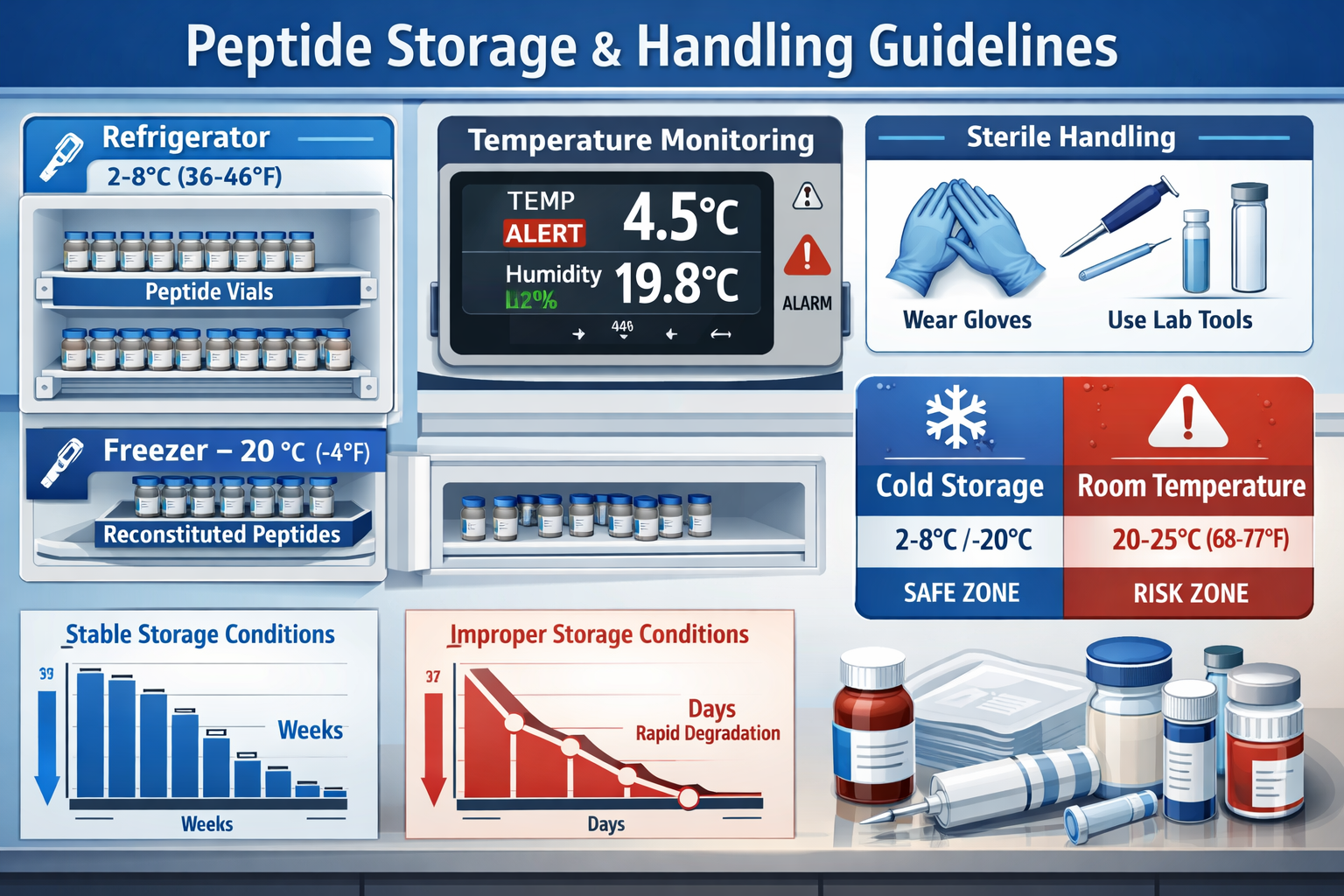
- Storage protocols preserve efficacy: Proper refrigeration (2-8°C for lyophilized, -20°C for reconstituted peptides) maintains stability and prevents degradation
- Athletic considerations apply: WADA prohibits many peptides in competitive sports, making informed purchasing decisions essential for athletes
Understanding Peptides: What You're Actually Buying
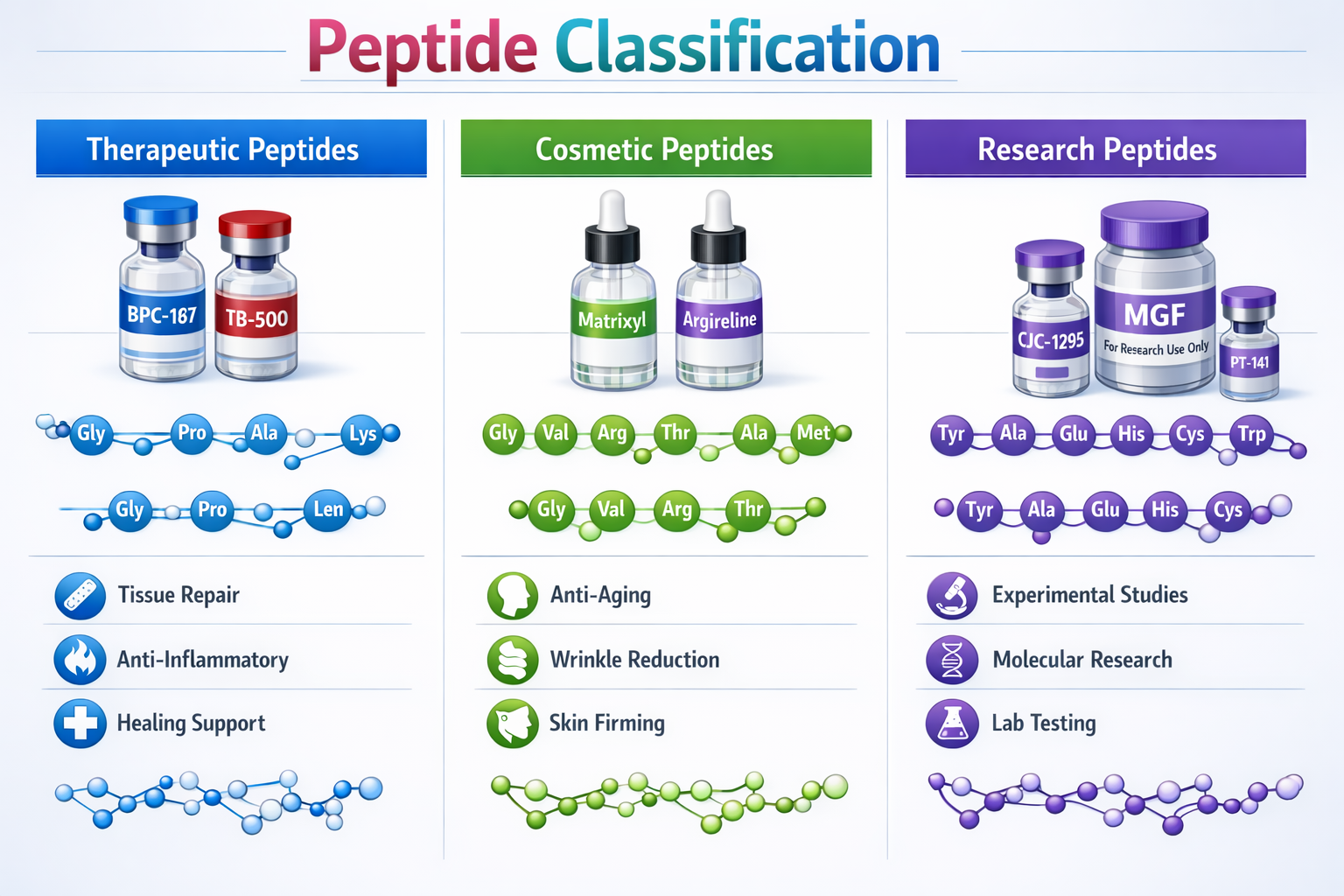
Before you peptides buy, understanding what peptides actually are forms the foundation of smart purchasing decisions. Peptides are short chains of amino acids—typically containing 2-50 amino acid residues—that serve as the building blocks of proteins. Think of them as smaller, more targeted versions of proteins with specific biological functions.
The Three Main Categories of Peptides Available for Purchase
When you explore peptide stores or online vendors, you'll encounter three distinct categories, each with different regulatory status and intended uses:
1. Therapeutic/Pharmaceutical Peptides 💊
These FDA-approved medications require prescriptions and must be obtained through licensed healthcare providers. Examples include:
- Semaglutide (Ozempic, Wegovy) for diabetes and weight management
- Tirzepatide (Mounjaro) for type 2 diabetes
- Insulin analogs for diabetes management
- Oxytocin for labor induction
When you seek legitimate therapeutic peptides, you'll need to consult with a peptides doctor near me who can evaluate your medical needs and provide proper prescriptions.
2. Research-Grade Peptides 🔬
This category includes compounds sold explicitly "not for human consumption" and intended for laboratory research. Common examples include:
- BPC-157 (Body Protection Compound)
- TB-500 (Thymosin Beta-4) – known for tb-500 benefits bodybuilding applications in research settings
- MOD GRF (Modified Growth Hormone Releasing Factor)
- AOD 9604 – a fragment studied for metabolic research
These peptides occupy a regulatory gray zone. While legal to purchase for research purposes, marketing them for human consumption violates FDA regulations.
3. Cosmetic Peptides ✨
Legally sold in skincare products and regulated as cosmetics rather than drugs, these include:
- Matrixyl (palmitoyl pentapeptide)
- Argireline (acetyl hexapeptide-8)
- Copper peptides (GHK-Cu)
- Palmitoyl tripeptide-1
The cosmetic peptide market continues expanding through 2026, with these compounds appearing in serums, creams, and professional treatments.
Why Peptides Have Become So Popular
The surge in peptide popularity stems from several factors:
| Factor | Impact |
|---|---|
| Targeted Action | Peptides can be designed for specific biological pathways |
| Lower Side Effects | Generally better tolerated than larger protein molecules |
| Diverse Applications | From anti-aging to athletic recovery to metabolic research |
| Research Advancement | Growing scientific understanding of peptide mechanisms |
| Manufacturing Improvements | Better synthesis techniques have reduced costs |
When you buy peptide online, you're accessing compounds that were once only available in research laboratories or through expensive medical treatments.
Where to Buy Peptides: Navigating Your Options Safely
The question "where to buy glp 1 peptide" or any other peptide compound requires careful consideration of source legitimacy, quality assurance, and legal compliance. Your purchasing options in 2026 fall into several distinct categories.
Legitimate Pharmaceutical Sources
For FDA-approved therapeutic peptides, the only legal path involves:
Licensed Pharmacies 🏥
- Require valid prescriptions from licensed healthcare providers
- Dispense FDA-approved medications with verified quality
- Provide proper dosing instructions and safety information
- Offer insurance coverage options for approved indications
- Maintain proper storage and handling protocols
Compounding Pharmacies
- Create customized peptide formulations under prescription
- Must follow USP 797 sterile compounding guidelines
- Regulated by state pharmacy boards and FDA
- Useful when commercial products don't meet specific needs
- Subject to recent increased FDA scrutiny regarding quality
Research Peptide Suppliers
When you buypeptides for research purposes, legitimate suppliers share common characteristics:
Quality Indicators ✅
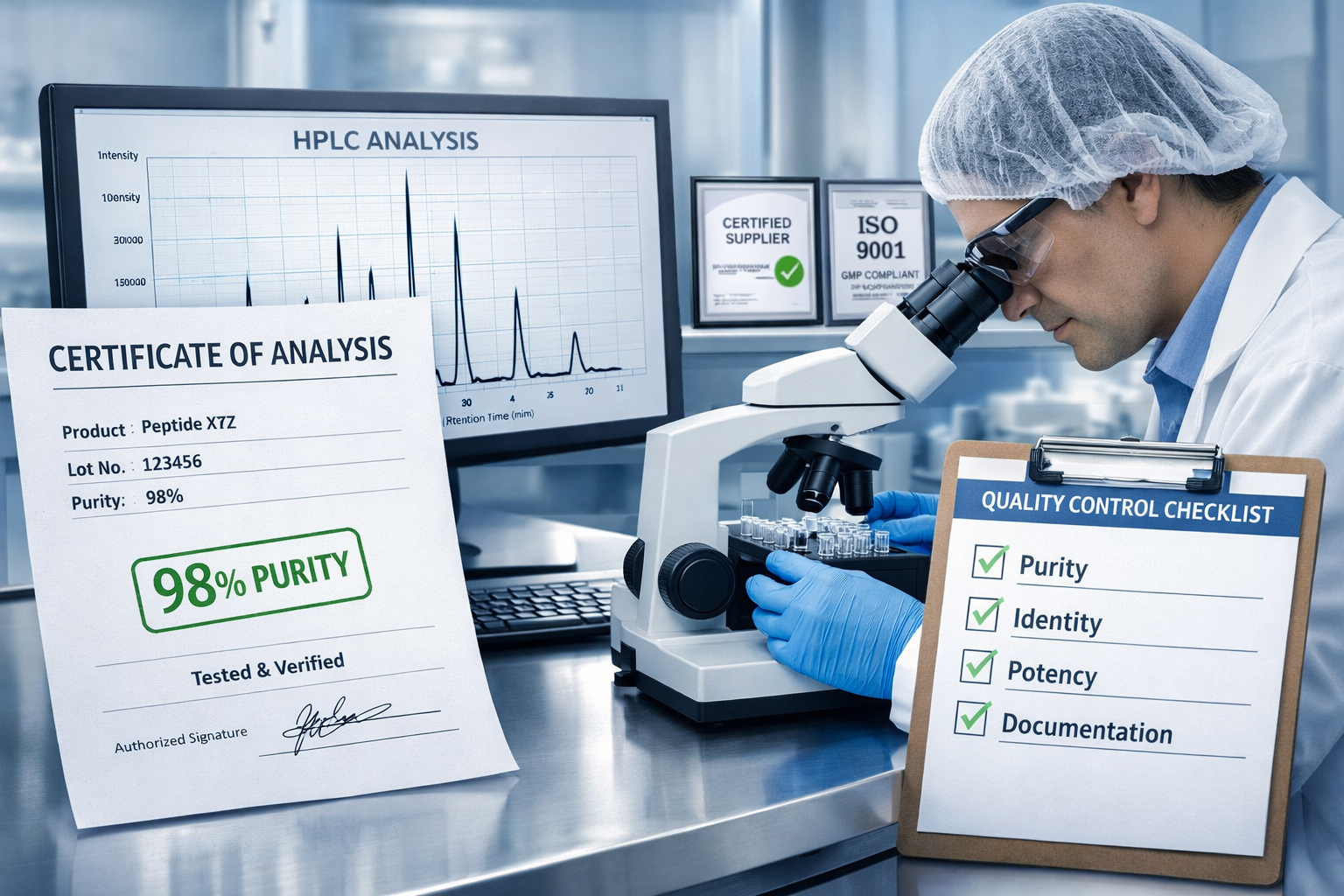
- Certificates of Analysis (COA): Every batch should include third-party testing showing purity levels (typically 98%+)
- HPLC Testing: High-Performance Liquid Chromatography verification of peptide identity and purity
- Mass Spectrometry: Confirms molecular weight and structure
- Proper Labeling: Clear identification of peptide, concentration, and "research use only" designation
- Transparent Operations: Physical address, contact information, and business registration
Reputable Research Suppliers
Established scientific suppliers serving research institutions include:
- Sigma-Aldrich (Merck)
- Thermo Fisher Scientific
- GenScript
- Bachem – known for reference standards and robust peptide benchmarks
- Pure Tested Peptides – specializing in research-grade compounds with comprehensive testing
When you explore peptides buy options from these sources, expect to provide research credentials or institutional affiliation documentation.
Online Peptide Vendors: Proceed with Caution ⚠️
The internet hosts numerous vendors offering to peptide sale products, but quality varies dramatically:
Red Flags to Avoid:
- No Certificate of Analysis provided
- Vague or missing company information
- Marketing claims about human health benefits
- Suspiciously low prices compared to established suppliers
- Poor website security (no HTTPS)
- No customer service or scientific support
- Based in countries with minimal regulatory oversight
- Accept only cryptocurrency payments
- No return or quality guarantee policies
Due Diligence Checklist:
Before you buy aod 9604 online or any peptide, verify:
- ✓ Company has been operating for multiple years
- ✓ Third-party testing results are current (within 6 months)
- ✓ Customer reviews from verified purchasers exist
- ✓ Scientific support staff can answer technical questions
- ✓ Proper storage and shipping methods are used
- ✓ Clear terms of service and research-only disclaimers
- ✓ Secure payment processing through established providers
International Peptide Sources
Many online peptide vendors operate internationally to avoid FDA oversight. While some provide quality products, purchasing from international sources presents challenges:
Considerations:
- Customs Issues: Peptides may be seized at borders
- Quality Verification: Harder to verify legitimacy of foreign labs
- Legal Ambiguity: Importing peptides may violate import laws
- No Recourse: Limited options if products are contaminated or counterfeit
- Shipping Stability: Longer transit times risk peptide degradation without proper cold chain
When you explore most popular products for sale, domestic suppliers typically offer better accountability and faster, more reliable shipping with appropriate temperature control.
Cosmetic Peptide Sources
For cosmetic applications, peptides are legally available through:
- Skincare Brands: Professional and consumer products containing peptide complexes
- Medical Spas: Professional-grade treatments with higher peptide concentrations
- Dermatology Offices: Medical-grade formulations under professional guidance
- Beauty Retailers: Mainstream products from Sephora, Ulta, and similar stores
These products undergo different regulatory scrutiny than therapeutic peptides but should still come from reputable manufacturers with quality control standards.
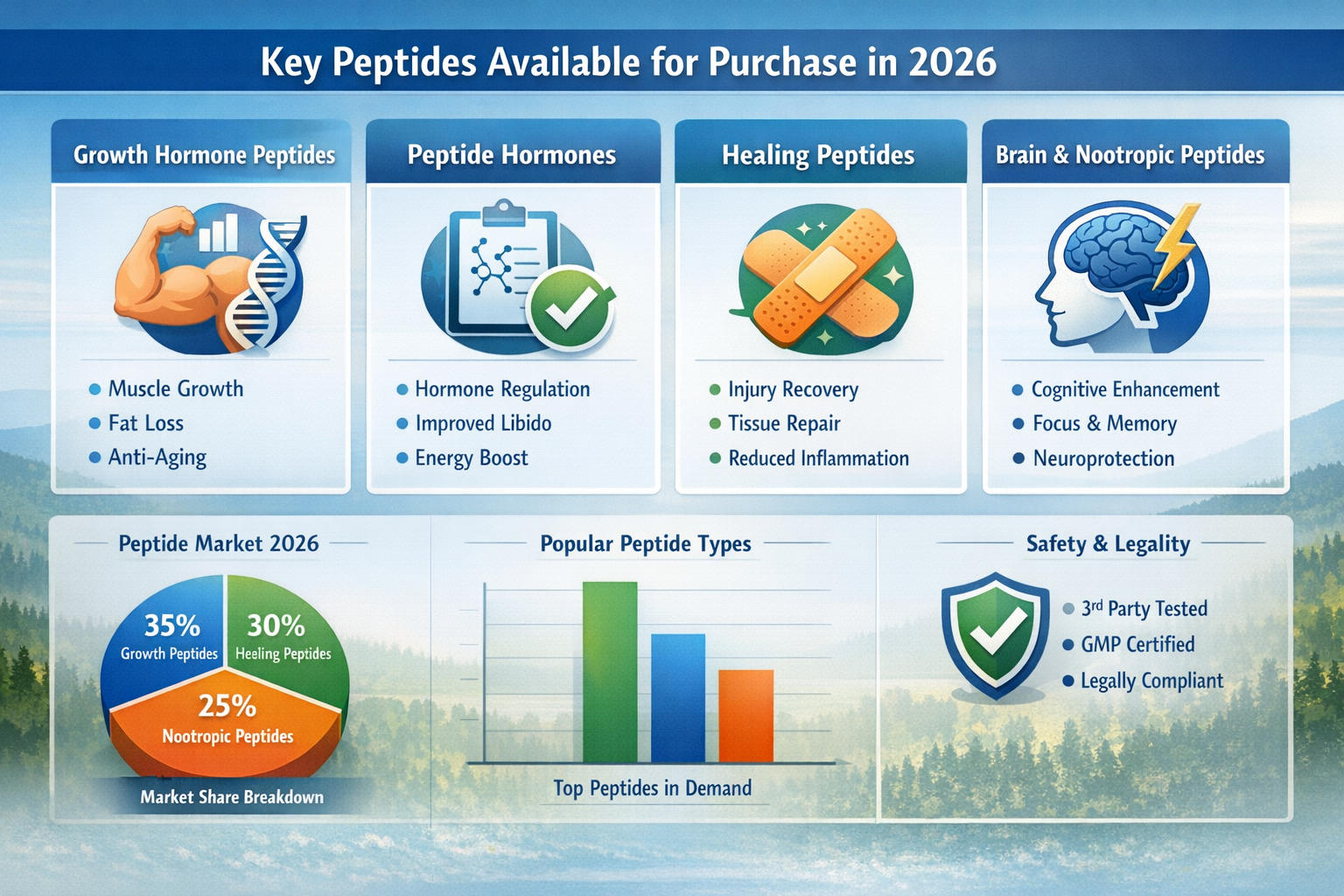
Key Peptides Available for Purchase in 2026
Understanding specific peptides helps you make informed decisions when you peptides buy for research or legitimate use. Here's a comprehensive overview of commonly available compounds.
Popular Research Peptides
BPC-157 (Body Protection Compound-157) 🧬
This synthetic peptide derived from a protective stomach protein has gained attention in research circles:
- Research Focus: Tissue repair, wound healing, gastrointestinal protection
- Typical Forms: Injectable solution, oral capsules (research formulations)
- Purity Standards: 98%+ for quality research-grade products
- Storage: Refrigerate at 2-8°C before reconstitution
- Legal Status: Not FDA-approved; sold as research chemical only
TB-500 (Thymosin Beta-4) 💪
A naturally occurring peptide studied for its potential regenerative properties:
- Research Applications: Benefits of TB-500 include studies on tissue repair and inflammation
- Common Dosages (Research): 2-10mg per administration in animal studies
- Athletic Considerations: Prohibited by WADA for competitive athletes
- Quality Markers: Should include COA with HPLC verification
- Related Compounds: TB-4 Frag, various thymosin analogs
MOD GRF (CJC-1295 without DAC) 📊
A modified growth hormone releasing factor studied in research settings:
- Mechanism: GHRH analog studied for growth hormone release patterns
- Research Interest: Metabolic studies, aging research
- Half-Life: Approximately 30 minutes (without DAC modification)
- Combinations: Often studied alongside other peptides in research protocols
- Availability: Common in research peptide catalogs
AOD 9604 🔬
A fragment of human growth hormone studied for metabolic effects:
- Research Focus: Fat metabolism, body composition studies
- Oral Bioavailability: Some research on oral administration
- Typical Research Doses: 250-500mcg in animal studies
- Purchase Options: When you buy aod 9604 online, verify purity through COA
- Storage Requirements: Lyophilized form stable at room temperature short-term, refrigeration preferred
5-Amino-1MQ ⚗️
A newer compound gaining research attention:
- Mechanism: NNMT inhibitor studied in metabolic research
- Forms Available: Powder, capsules for research purposes
- Research Applications: 5-Amino-1MQ dosage protocols vary in research settings
- Quality Sources: Should include comprehensive testing documentation
- Community Interest: Growing discussion on platforms like 5-Amino-1MQ Reddit
GLP-1 Receptor Agonists
The question "where to buy glp 1 peptide" requires understanding the distinction between prescription medications and research compounds:
Prescription GLP-1 Medications 💊
- Semaglutide (Ozempic, Wegovy, Rybelsus)
- Tirzepatide (Mounjaro, Zepbound)
- Liraglutide (Victoza, Saxenda)
- Dulaglutide (Trulicity)
These require prescriptions and should only be obtained through licensed pharmacies. The shortage of these medications in 2024-2025 led to increased interest in compounded versions, though FDA oversight of compounding pharmacies has intensified.
Research GLP-1 Analogs
Some suppliers offer research-grade GLP-1 analogs, but these are:
- Not approved for human use
- Require institutional research credentials
- Must be properly tested and documented
- Subject to regulatory scrutiny
Melanotan Peptides
Buy Melanotan 1 (Afamelanotide) and Melanotan 2 represent peptides studied for melanocortin receptor effects:
- MT-1: FDA-approved as Scenesse for specific rare conditions; otherwise research-only
- MT-2: Not FDA-approved; available only as research chemical
- Safety Concerns: Unregulated use has raised significant safety issues
- Legal Status: Varies by jurisdiction; often in regulatory gray zones
Cosmetic and Anti-Aging Peptides
When exploring simple peptides for cosmetic applications, several are widely available in skincare:
Topically Applied Peptides ✨
| Peptide | Primary Use | Typical Concentration |
|---|---|---|
| Matrixyl (Palmitoyl Pentapeptide) | Collagen production support | 3-5% |
| Argireline (Acetyl Hexapeptide-8) | Expression line reduction | 5-10% |
| Copper Peptides (GHK-Cu) | Skin repair and renewal | 0.5-2% |
| Palmitoyl Tripeptide-1 | Collagen and elastin support | 2-5% |
These cosmetic peptides are legally available in over-the-counter products and professional treatments without prescriptions.
Quality Verification: Ensuring You Get What You Pay For
When you peptides buy, quality verification separates legitimate products from potentially dangerous counterfeits. Understanding testing methods and documentation protects your research investment and safety.
Certificates of Analysis (COA): Your Quality Assurance Tool
A Certificate of Analysis is a document from an independent testing laboratory that verifies peptide identity, purity, and quality. Every reputable supplier should provide COAs for each batch.
Essential COA Components 📋
-
Peptide Identity Verification
- Molecular weight confirmation via mass spectrometry
- Amino acid sequence verification
- Chemical structure confirmation
-
Purity Analysis
- HPLC (High-Performance Liquid Chromatography) results
- Percentage purity (should be ≥98% for research-grade)
- Identification of impurities or degradation products
-
Testing Laboratory Information
- Independent third-party lab name and credentials
- Testing date (should be recent, within 6 months)
- Methodology descriptions
- Laboratory accreditation details
-
Batch Information
- Unique batch or lot number
- Manufacturing date
- Expiration date
- Storage recommendations
Red Flags in COAs 🚩
- Generic or template appearance without specific data
- No testing laboratory identification
- Outdated testing (over 1 year old)
- Purity below 95%
- Missing HPLC chromatogram
- No batch-specific information
- Suspiciously perfect results (exactly 100% purity)
Understanding HPLC Testing
High-Performance Liquid Chromatography is the gold standard for peptide purity verification. When you review HPLC results:
What to Look For:
- Clear Peak: The peptide should show a distinct, sharp peak
- Peak Area Percentage: Represents purity (98%+ is excellent)
- Baseline Separation: Clean separation indicates fewer impurities
- Retention Time: Should match expected values for the specific peptide
- Minor Peaks: Small peaks indicate impurities or related compounds
Mass Spectrometry Verification
Mass spectrometry confirms the molecular weight of the peptide, ensuring you're receiving the correct compound:
- Expected vs. Actual: Should match within acceptable margins
- Fragmentation Patterns: Confirm peptide structure
- Isotope Distribution: Validates molecular composition
When you buy peptide online, suppliers should provide both HPLC and mass spec data for comprehensive verification.
Sterility and Endotoxin Testing
For injectable research peptides, additional testing ensures safety:
Sterility Testing 🧪
- Verifies absence of bacterial and fungal contamination
- Particularly critical for reconstituted solutions
- Should follow USP <71> standards
- Results should show "no growth"
Endotoxin Testing
- Measures bacterial endotoxins (lipopolysaccharides)
- Uses LAL (Limulus Amebocyte Lysate) test
- Results measured in EU/mg (Endotoxin Units per milligram)
- Should be <1 EU/mg for research-grade peptides
Visual Inspection and Physical Characteristics
Before reconstitution, inspect lyophilized peptides:
Quality Indicators:
- ✓ White to off-white powder or cake
- ✓ Uniform appearance without discoloration
- ✓ No signs of moisture or melting
- ✓ Intact vacuum seal (if applicable)
- ✓ Proper labeling with peptide name, amount, batch number
Warning Signs:
- ✗ Yellow, brown, or discolored appearance
- ✗ Clumping or crystallization
- ✗ Liquid present in lyophilized vial
- ✗ Damaged or compromised seal
- ✗ Missing or unclear labeling
Supplier Transparency and Communication
Legitimate suppliers demonstrate quality through:
Transparency Markers 💎
- Readily available COAs for all products
- Responsive customer service with scientific knowledge
- Clear communication about testing methods
- Willingness to address quality concerns
- Established relationships with research institutions
- Professional website with detailed product information
When exploring bodybuilding peptides for sale or any research compounds, prioritize suppliers who demonstrate these quality commitments.
Third-Party Testing Services
For high-value research projects, consider independent verification:
Independent Testing Options:
- Janoshik Analytical: Popular peptide testing service
- Colmaric Analyticals: Pharmaceutical testing laboratory
- University Laboratories: Some offer testing services
- Chromadex: Standards and testing for research compounds
Independent testing costs $100-400 per sample but provides unbiased verification when you peptides buy from new or unverified sources.
Legal and Regulatory Considerations When You Peptides Buy
Understanding the legal landscape is crucial when you peptides buy in 2026. Regulatory frameworks vary significantly based on peptide type, intended use, and jurisdiction.
FDA Regulation of Peptides
The Food and Drug Administration regulates peptides as drugs when marketed for therapeutic purposes:
FDA-Approved Peptides ✅
- Require New Drug Application (NDA) approval
- Must demonstrate safety and efficacy through clinical trials
- Can only be legally obtained with valid prescriptions
- Must be manufactured in FDA-registered facilities
- Subject to post-market surveillance and reporting
Examples of FDA-Approved Peptide Drugs:
- Insulin analogs (Humalog, Novolog, Lantus)
- GLP-1 receptor agonists (Ozempic, Wegovy, Mounjaro)
- Oxytocin (Pitocin)
- Vasopressin analogs (Desmopressin)
- Calcitonin (Fortical, Miacalcin)
Research Peptides and FDA Oversight 🔬
Peptides sold "not for human consumption" occupy a regulatory gray zone:
- Legal for Research: Can be sold for legitimate laboratory research
- Not Approved for Human Use: Cannot be marketed or sold for human consumption
- Warning Letters: FDA issues warnings to companies making therapeutic claims
- Enforcement Actions: Companies selling unapproved peptides for human use face penalties
The FDA has intensified enforcement in recent years, particularly targeting:
- Anti-aging clinics offering unapproved peptides
- Online vendors marketing peptides for bodybuilding or weight loss
- Compounding pharmacies creating peptides without proper authorization
The "Research Chemical" Designation
When you see peptides labeled "for research purposes only" or "not for human consumption," understand what this means:
Legal Protection for Sellers:
- Allows sale of non-approved compounds for legitimate research
- Shifts liability away from seller if buyer misuses product
- Provides legal cover in regulatory gray zones
Buyer Responsibilities:
- Purchasing implies agreement to use only for research
- Human consumption violates terms of sale
- May have legal consequences if misused
- No quality guarantees for human use apply
When you explore most popular products for sale, this designation appears frequently and carries important legal implications.
WADA Prohibited Substances
The World Anti-Doping Agency prohibits many peptides in competitive sports:
Prohibited Peptide Categories 🚫
-
Growth Hormone Secretagogues (GHS)
- GHRPs (GHRP-2, GHRP-6, Hexarelin)
- GHRHs (CJC-1295, Modified GRF, Sermorelin)
- Ipamorelin
- Other GH-releasing compounds
-
Peptide Hormones
- Growth hormone fragments
- IGF-1 and analogs
- Mechano growth factors
-
Other Prohibited Peptides
- TB-500 and thymosin beta-4
- BPC-157
- Melanotan peptides
Implications for Athletes:
- Positive tests result in competition bans
- Purchasing prohibited peptides creates risk even without use
- Supplements may contain undisclosed peptides
- Therapeutic Use Exemptions (TUEs) rarely granted for these compounds
Athletes considering research peptides should consult with sports medicine professionals and anti-doping experts before any peptides buy decisions.
State and Local Regulations
Beyond federal oversight, state and local regulations may apply:
State-Level Considerations:
- Prescription Requirements: Some states have stricter prescription drug laws
- Compounding Regulations: State pharmacy boards regulate compounding practices
- Professional Practice Acts: Restrictions on who can prescribe or administer peptides
- Consumer Protection Laws: Additional protections against fraudulent sales
International Regulations
If you buy peptide online from international sources, multiple regulatory frameworks may apply:
Import Considerations:
- Customs Regulations: Peptides may be seized at borders
- Prescription Requirements: Many countries require prescriptions for peptide imports
- Quantity Limits: Personal use quantities may be restricted
- Documentation: Proper paperwork may be required for legal import
Popular International Sources:
- European Union: Generally stricter peptide regulations than US
- China: Major peptide manufacturing hub with variable quality control
- India: Pharmaceutical industry produces peptides, quality varies
- Australia: Strict import controls on therapeutic goods
Legal Risks and Consequences
Understanding potential legal consequences protects you when you peptides buy:
Potential Legal Issues:
- Purchasing Unapproved Drugs: May violate drug importation laws
- Misbranding Violations: If peptides are misrepresented
- Customs Seizures: Loss of product and potential legal action
- Professional Consequences: Healthcare professionals face licensing risks
- Athletic Sanctions: Competition bans and record disqualification
Protecting Yourself Legally:
- ✓ Only purchase FDA-approved peptides with valid prescriptions
- ✓ Use research peptides only for legitimate research purposes
- ✓ Maintain documentation of research credentials if applicable
- ✓ Avoid suppliers making therapeutic claims for unapproved products
- ✓ Understand your professional and athletic obligations
- ✓ Consult legal counsel if uncertain about regulations
Recent FDA Enforcement Actions
The FDA has increased enforcement against peptide sellers in recent years:
Notable Actions (2023-2026):
- Warning letters to online peptide vendors
- Seizures of imported peptide products
- Enforcement against compounding pharmacies
- Crackdowns on anti-aging clinics
- Increased scrutiny of GLP-1 compounded products
When you explore peptide stores or online vendors, awareness of this enforcement environment helps you make informed decisions about source legitimacy and legal compliance.
Storage, Handling, and Safety Protocols
Proper storage and handling preserve peptide quality and ensure safety when you peptides buy for research purposes. Temperature control, reconstitution techniques, and contamination prevention are critical.
Storage Requirements for Lyophilized Peptides
Lyophilized (freeze-dried) peptides are the most stable form for storage:
Optimal Storage Conditions ❄️
| Storage Duration | Temperature | Additional Notes |
|---|---|---|
| Short-term (1-3 months) | 2-8°C (refrigerator) | Most common storage method |
| Long-term (6-12 months) | -20°C (freezer) | Extends stability significantly |
| Extended storage (1-2 years) | -80°C (ultra-low freezer) | For valuable research compounds |
Storage Best Practices:
- ✓ Keep peptides in original sealed vials
- ✓ Store in airtight containers with desiccant
- ✓ Protect from light exposure
- ✓ Avoid temperature fluctuations
- ✓ Label clearly with peptide name, date, and batch number
- ✓ Keep inventory records for research documentation
Common Storage Mistakes to Avoid:
- ✗ Leaving peptides at room temperature for extended periods
- ✗ Repeated freeze-thaw cycles
- ✗ Exposure to moisture before reconstitution
- ✗ Storage in humid environments
- ✗ Inadequate labeling leading to identification errors
Reconstitution Procedures
When preparing peptides for use, proper reconstitution maintains quality:
Reconstitution Solutions 💧
- Bacteriostatic Water: Most common, contains 0.9% benzyl alcohol preservative
- Sterile Water: For single-use applications
- Bacteriostatic Sodium Chloride: For peptides sensitive to pH changes
- Acetic Acid Solutions: For peptides with solubility issues
Reconstitution Steps:
-
Preparation
- Allow peptide vial to reach room temperature
- Sanitize work surface and gather sterile supplies
- Calculate required volume based on desired concentration
-
Reconstitution Process
- Clean vial tops with alcohol swabs
- Draw reconstitution solution into sterile syringe
- Inject solution slowly down the vial side (not directly onto powder)
- Allow liquid to dissolve powder naturally without shaking
- Gently swirl if needed (never shake vigorously)
-
Post-Reconstitution
- Inspect for complete dissolution and clarity
- Label with reconstitution date and concentration
- Store immediately at appropriate temperature
Storage of Reconstituted Peptides
Once reconstituted, peptides have shorter stability:
Reconstituted Storage Guidelines:
- Bacteriostatic Water: 2-4 weeks at 2-8°C
- Sterile Water: 3-5 days at 2-8°C (use quickly)
- Frozen Storage: -20°C extends stability to 1-3 months
Important Considerations:
- Avoid multiple freeze-thaw cycles of reconstituted peptides
- Aliquot into smaller portions for single-use if possible
- Monitor for cloudiness, precipitation, or color changes
- Discard if any signs of contamination appear
Contamination Prevention
Maintaining sterility protects research integrity:
Sterile Technique Essentials 🧤
-
Personal Preparation
- Wash hands thoroughly
- Wear disposable gloves
- Avoid touching sterile surfaces
-
Work Area
- Clean surface with 70% isopropyl alcohol
- Use sterile field or laminar flow hood if available
- Minimize air exposure during procedures
-
Equipment
- Use sterile syringes and needles
- Never reuse needles or syringes
- Properly dispose of sharps in designated containers
-
Vial Management
- Wipe vial tops with alcohol before each access
- Never touch needle tips to non-sterile surfaces
- Minimize number of vial punctures
Safety Considerations
When handling research peptides, safety protocols protect researchers:
Personal Protective Equipment (PPE) 🥽
- Disposable gloves (nitrile recommended)
- Safety glasses or goggles
- Lab coat or protective clothing
- Closed-toe shoes
Chemical Safety:
- Review Safety Data Sheets (SDS) for each peptide
- Understand potential hazards and exposure risks
- Know emergency procedures for spills or exposure
- Maintain proper ventilation in work areas
Disposal Procedures:
- Follow institutional and local regulations
- Use appropriate sharps containers for needles
- Dispose of peptide waste according to chemical waste protocols
- Never pour peptides down drains
- Decontaminate work surfaces after use
Shipping and Transportation
When you buy aod 9604 online or other peptides, proper shipping maintains quality:
Shipping Requirements for Peptides:
- Temperature Control: Cold packs or dry ice for temperature-sensitive compounds
- Insulated Packaging: Maintains temperature during transit
- Fast Shipping: 1-3 day shipping minimizes temperature exposure
- Tracking: Ensures timely delivery and reduces transit time
Upon Receipt:
- Inspect package immediately upon arrival
- Check for temperature indicators or melted ice packs
- Verify peptide appearance and packaging integrity
- Store immediately at appropriate temperature
- Contact supplier if any quality concerns arise
Documentation and Record-Keeping
Proper documentation supports research integrity:
Essential Records 📝
- Purchase receipts and supplier information
- Certificates of Analysis for each batch
- Storage logs with temperature monitoring
- Reconstitution dates and calculations
- Usage logs for inventory management
- Disposal records for waste management
When you explore peptides buy options, establishing these protocols before purchase ensures proper handling throughout the research process.
Making Informed Purchasing Decisions
Armed with knowledge about quality, legality, and safety, you can make smart decisions when you peptides buy in 2026. This section provides practical guidance for evaluating suppliers and products.
Evaluating Peptide Suppliers: A Comprehensive Checklist
Before making any purchase, assess potential suppliers using these criteria:
Company Legitimacy ✅
- Established business history (2+ years operating)
- Physical address and contact information provided
- Responsive customer service with scientific knowledge
- Professional website with secure payment processing
- Clear terms of service and privacy policies
- Transparent about research-only designation
- Active presence in research community
Quality Assurance 🔬
- Certificates of Analysis provided for all products
- Third-party testing from accredited laboratories
- HPLC and mass spectrometry results included
- Batch-specific testing (not generic COAs)
- Purity levels ≥98% for research-grade peptides
- Sterility and endotoxin testing for injectables
- Recent testing dates (within 6 months)
Product Information 📋
- Clear peptide identification and nomenclature
- Accurate molecular weight and formula
- Proper storage instructions provided
- Reconstitution guidelines included
- Appropriate concentration information
- Batch/lot numbers for traceability
Shipping and Handling 📦
- Temperature-controlled shipping options
- Appropriate packaging for peptide stability
- Reasonable shipping timeframes
- Tracking information provided
- Clear policies for damaged or degraded products
Pricing and Value 💰
- Competitive pricing for quality level
- Transparent pricing without hidden fees
- Bulk purchase options if applicable
- Clear refund or replacement policies
- Payment security and options
Red Flags to Avoid 🚩
- ✗ No COAs available or generic testing documents
- ✗ Therapeutic claims for unapproved peptides
- ✗ Suspiciously low prices compared to market rates
- ✗ Poor communication or unprofessional responses
- ✗ No physical address or verifiable business information
- ✗ Pressure tactics or aggressive marketing
- ✗ Accepts only cryptocurrency or untraceable payments
- ✗ Based in jurisdictions with no regulatory oversight
Comparing Research Peptide Suppliers
When you explore peptide stores, comparing options helps identify the best source:
Key Comparison Factors:
| Factor | Importance | What to Look For |
|---|---|---|
| Testing Quality | Critical | Third-party HPLC, mass spec, recent dates |
| Product Range | Moderate | Comprehensive catalog vs. limited selection |
| Customer Support | High | Scientific knowledge, responsive communication |
| Shipping Speed | Moderate | 1-3 day options with temperature control |
| Pricing | Moderate | Competitive but not suspiciously low |
| Documentation | High | Complete COAs, proper labeling |
| Reputation | High | Verified reviews, research community presence |
Understanding Pricing: What's Reasonable?
Peptide pricing varies based on several factors:
Price Determinants:
- Peptide Complexity: Longer chains cost more to synthesize
- Purity Level: Higher purity (99%+ vs. 98%) increases cost
- Quantity: Bulk purchases typically offer per-unit savings
- Testing Rigor: Comprehensive testing adds to costs
- Supplier Overhead: Established companies with quality systems cost more
Typical Price Ranges (2026):
- Simple Peptides (5-10 amino acids): $30-80 per 5mg
- Moderate Complexity (10-20 amino acids): $50-150 per 5mg
- Complex Peptides (20+ amino acids): $100-300+ per 5mg
- Specialty Compounds: Variable based on synthesis difficulty
Warning Signs in Pricing:
- Prices 50%+ below market average (possible quality issues)
- Identical pricing across all peptides (suggests lack of differentiation)
- No pricing transparency (hidden fees, unclear quantities)
Questions to Ask Before You Peptides Buy
Engage with suppliers to assess their knowledge and legitimacy:
Essential Questions ❓
-
"Can you provide the Certificate of Analysis for the current batch?"
- Should receive immediate access to batch-specific testing
-
"What testing methods do you use to verify purity?"
- Should mention HPLC, mass spectrometry, and specific testing labs
-
"What are the storage requirements for this peptide?"
- Should provide specific temperature and handling guidance
-
"What is your return or replacement policy for degraded products?"
- Legitimate suppliers stand behind product quality
-
"Can you provide references from research institutions?"
- Established suppliers often work with universities and labs
-
"What documentation do you require for purchase?"
- Research suppliers may request credentials or institutional affiliation
-
"How do you ensure temperature control during shipping?"
- Should describe specific cold-chain methods
Building a Relationship with a Trusted Supplier
Once you identify a quality source, maintaining that relationship benefits your research:
Long-Term Supplier Benefits:
- Consistent product quality across batches
- Familiarity with your research needs
- Priority customer service
- Potential volume discounts
- Early access to new products
- Technical support and consultation
When you establish a relationship with suppliers like Pure Tested Peptides, you gain a reliable partner for ongoing research needs.
Special Considerations for Different User Groups
For Research Institutions 🏛️
- Establish vendor accounts with institutional purchasing
- Maintain documentation for grant compliance
- Coordinate with institutional review boards as needed
- Ensure supplier meets institutional quality standards
For Medical Professionals 👨⚕️
- Only prescribe FDA-approved peptides for legitimate medical indications
- Use licensed pharmacies or approved compounding facilities
- Maintain proper documentation for medical records
- Stay current on regulatory changes affecting peptide prescribing
For Fitness Professionals 💪
- Focus on legal supplements and FDA-approved options
- Avoid recommending unapproved peptides to clients
- Educate clients about legal and safety considerations
- Partner with qualified healthcare providers for peptide therapy
For Medispa Owners ✨
- Use only approved cosmetic peptides in treatments
- Source from reputable cosmetic ingredient suppliers
- Maintain proper licensing for any injectable treatments
- Stay informed about cosmetic regulations and compliance
Creating Your Peptide Purchase Protocol
Develop a systematic approach to peptides buy decisions:
Your Personal Checklist:
-
Define Your Needs
- Specific peptide required
- Quantity needed
- Purity requirements
- Budget parameters
-
Research Suppliers
- Identify 3-5 potential sources
- Review their credentials and testing
- Compare pricing and policies
-
Verify Quality
- Request and review COAs
- Check testing dates and methods
- Verify batch-specific documentation
-
Assess Legality
- Confirm compliance with applicable regulations
- Understand intended use restrictions
- Verify any required credentials
-
Make Purchase
- Use secure payment methods
- Document transaction details
- Confirm shipping and handling procedures
-
Upon Receipt
- Inspect immediately
- Verify against documentation
- Store properly
- Maintain records
When you follow this systematic approach, you minimize risks and maximize the value of your peptide purchases.
Conclusion: Your Path Forward with Peptide Purchasing
Navigating the complex world of peptide purchasing in 2026 requires knowledge, diligence, and commitment to quality and legality. Whether you're researching bodybuilding peptides for sale, exploring where to buy glp 1 peptide options, or seeking cosmetic applications, the principles remain constant: prioritize quality verification, understand legal frameworks, and source from reputable suppliers.
Key Takeaways for Safe Peptide Purchasing
Quality First 🥇
- Always demand Certificates of Analysis with third-party testing
- Verify purity levels of 98%+ for research-grade compounds
- Inspect products upon receipt and store properly
- Maintain documentation for research integrity
Legal Compliance ⚖️
- Understand the distinction between FDA-approved, research, and cosmetic peptides
- Only purchase prescription peptides through licensed healthcare providers
- Respect research-only designations and intended use restrictions
- Be aware of athletic anti-doping regulations if applicable
Supplier Selection 🔍
- Choose established suppliers with transparent operations
- Verify business legitimacy and quality assurance processes
- Avoid sources making therapeutic claims for unapproved products
- Build relationships with trusted suppliers for consistent quality
Safety Protocols 🛡️
- Follow proper storage guidelines (2-8°C for lyophilized, -20°C for reconstituted)
- Use sterile techniques for reconstitution and handling
- Maintain appropriate documentation and records
- Dispose of peptides and materials according to regulations
Actionable Next Steps
Ready to make informed peptide purchasing decisions? Here's your action plan:
Immediate Actions 📝
-
Assess Your Needs
- Define specific peptides required for your research or legitimate use
- Determine quality requirements and budget parameters
- Identify any regulatory or institutional requirements
-
Research Suppliers
- Explore reputable sources like Pure Tested Peptides
- Review their testing protocols and quality documentation
- Compare multiple suppliers using the evaluation checklist
-
Verify Credentials
- Ensure you have appropriate credentials for research peptide purchases
- Obtain necessary prescriptions for FDA-approved therapeutic peptides
- Confirm compliance with your institutional or professional requirements
Before Your First Purchase 🛒
-
Request Documentation
- Ask for current Certificates of Analysis
- Review testing methods and results
- Verify batch-specific information
-
Prepare for Storage
- Ensure you have appropriate refrigeration/freezer capacity
- Gather necessary supplies (bacteriostatic water, syringes, alcohol swabs)
- Set up documentation and record-keeping systems
-
Understand Handling
- Review reconstitution procedures for your specific peptides
- Familiarize yourself with safety protocols
- Prepare your work area with appropriate equipment
Ongoing Best Practices 🔄
-
Maintain Quality Standards
- Always verify COAs with each new batch
- Monitor storage conditions regularly
- Keep detailed usage and inventory records
-
Stay Informed
- Follow regulatory updates affecting peptide purchasing
- Engage with research communities for supplier feedback
- Continue education about peptide science and safety
-
Build Relationships
- Develop connections with trusted suppliers
- Maintain open communication about quality concerns
- Participate in research communities for shared knowledge
The Future of Peptide Purchasing
The peptide market continues evolving rapidly in 2026, with several trends shaping the landscape:
Emerging Developments 🚀
- Increased Regulation: Expect continued FDA scrutiny and enforcement
- Quality Improvements: Better manufacturing and testing standards
- New Applications: Expanding research into novel therapeutic areas
- Market Growth: Continued expansion of both therapeutic and cosmetic peptide markets
- Technology Advances: Improved synthesis methods and delivery systems
Final Thoughts
When you peptides buy in 2026, you're accessing powerful compounds with significant research and therapeutic potential. The responsibility to source quality products from legitimate suppliers, understand legal requirements, and handle materials safely rests with each purchaser.
Whether you're exploring 5-amino-1mq peptides for sale, researching adipotide peptide applications, or seeking AOD 9604 for metabolic studies, the principles outlined in this guide will help you make informed, safe, and legal purchasing decisions.
The world of peptides offers exciting possibilities for research, therapeutic applications, and wellness enhancement. By prioritizing quality, legality, and safety, you can confidently navigate this complex landscape and access the peptides you need for legitimate purposes.
Ready to explore quality peptides from a trusted source? Visit Pure Tested Peptides to discover comprehensive testing, transparent operations, and research-grade compounds backed by Certificates of Analysis. Whether you're seeking peptide blends for research, individual compounds, or expert guidance, starting with a reputable supplier sets the foundation for successful peptide research.
Remember: informed decisions lead to better outcomes. Take the time to verify quality, understand regulations, and source responsibly. Your research—and your safety—depend on it. 🔬✨
SEO Meta Information
Meta Title: Peptides Buy: Complete 2026 Guide to Safe Purchasing
Meta Description: Discover how to safely peptides buy in 2026. Learn quality verification, legal considerations, supplier evaluation, and storage protocols for research peptides.