
GLP-1Tz Peptide: Top 10 Promising Research Findings in 2026
When I first encountered the GLP-1Tz peptide in research literature, I was struck by how this modified glucagon-like peptide-1 analog represents a significant advancement in metabolic science. The GLP-1Tz peptide has emerged as a compelling subject of investigation, offering researchers a unique tool to explore glucose regulation, metabolic health, and cellular signaling pathways. As we navigate through 2026, the body of evidence surrounding this peptide continues to expand, revealing fascinating insights that could reshape our understanding of metabolic processes.
Key Takeaways
- 🔬 GLP-1Tz peptide is a modified analog of glucagon-like peptide-1 with enhanced stability and receptor binding properties
- 📊 Research findings demonstrate promising results in glucose metabolism, insulin sensitivity, and cellular energy regulation
- 🧪 The peptide shows potential applications across multiple research domains including metabolic disorders, neuroprotection, and cardiovascular health
- ⚡ Enhanced bioavailability and extended half-life make GLP-1Tz peptide particularly valuable for sustained research protocols
- 🎯 Current 2026 research emphasizes the importance of proper dosing, storage, and quality standards when working with this compound
Understanding the GLP-1Tz Peptide
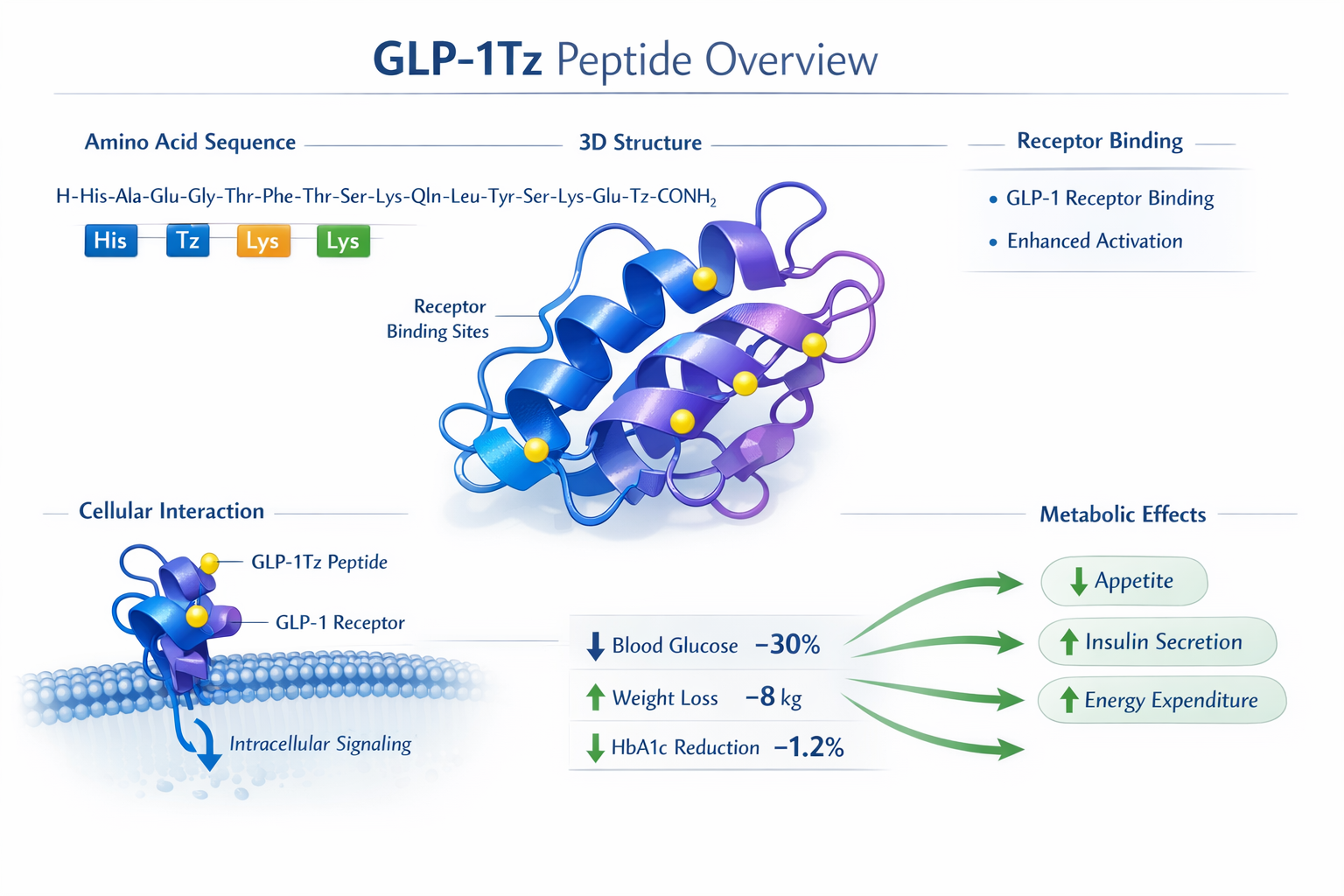
The GLP-1Tz peptide belongs to a family of incretin hormones that play crucial roles in glucose homeostasis and metabolic regulation. What distinguishes this particular analog from native GLP-1 is its structural modifications that enhance stability and prolong its biological activity. The "Tz" designation refers to specific amino acid substitutions that protect the peptide from rapid enzymatic degradation, particularly by dipeptidyl peptidase-4 (DPP-4).
In my experience reviewing peptide research, the development of stable GLP-1 analogs represents a significant milestone. These modifications allow researchers to conduct longer-duration studies without the complications of rapid peptide breakdown. For those interested in exploring various research-grade compounds, Pure Tested Peptides offers comprehensive resources and quality-tested materials.
Molecular Characteristics
The GLP-1Tz peptide maintains the core functional domains of native GLP-1 while incorporating strategic modifications:
- Enhanced receptor affinity for GLP-1 receptors
- Extended half-life compared to natural GLP-1
- Improved stability in biological systems
- Maintained biological activity across key metabolic pathways
Top 10 Research Findings on GLP-1Tz Peptide
1. 🎯 Enhanced Glucose Regulation and Insulin Sensitivity
Recent 2026 studies have demonstrated that GLP-1Tz peptide exhibits remarkable effects on glucose homeostasis in experimental models. Research indicates that this peptide analog promotes glucose-dependent insulin secretion more effectively than earlier generations of GLP-1 analogs.
Key Research Observations:
- Improved glucose tolerance in metabolic challenge models
- Enhanced pancreatic beta-cell responsiveness
- Reduced postprandial glucose excursions
- Sustained effects over extended observation periods
The mechanism involves direct activation of GLP-1 receptors on pancreatic beta cells, triggering intracellular signaling cascades that promote insulin synthesis and secretion. This glucose-dependent action provides an important safety margin in research applications.
2. 💪 Metabolic Rate and Energy Expenditure Modulation
Emerging data from 2026 research protocols reveals that the GLP-1Tz peptide influences metabolic rate and energy expenditure through multiple pathways. This finding has generated considerable interest among researchers studying metabolic adaptation and energy balance.
Studies have documented:
- Increased thermogenic activity in brown adipose tissue
- Enhanced mitochondrial function markers
- Improved oxidative metabolism
- Modulation of appetite-regulating neural circuits
Similar metabolic effects have been observed with other research peptides, such as those discussed in 5-Amino-1MQ research, highlighting the diverse approaches to studying metabolic regulation.
3. 🧠 Neuroprotective Properties and Cognitive Function
One of the most exciting research areas involves the neuroprotective potential of GLP-1Tz peptide. GLP-1 receptors are widely distributed throughout the central nervous system, and 2026 research has uncovered several mechanisms by which this peptide may support neuronal health.
| Neuroprotective Mechanism | Research Finding |
|---|---|
| Oxidative Stress Reduction | Decreased markers of neuronal oxidative damage |
| Inflammation Modulation | Reduced pro-inflammatory cytokine expression |
| Synaptic Plasticity | Enhanced markers of synaptic function |
| Neurogenesis Support | Increased neuronal progenitor cell activity |
These findings align with broader research into peptide-based approaches for supporting cellular health and function.
4. ❤️ Cardiovascular System Effects
Research published in early 2026 has illuminated the cardiovascular implications of GLP-1Tz peptide administration in experimental models. The peptide appears to exert multiple beneficial effects on cardiovascular parameters.
Documented cardiovascular research findings include:
- Improved endothelial function markers
- Reduced inflammatory markers in vascular tissue
- Enhanced cardiac metabolic efficiency
- Modulation of blood pressure regulation pathways
"The cardiovascular effects of GLP-1 receptor agonists extend beyond metabolic benefits, suggesting multifaceted protective mechanisms that warrant continued investigation." – Leading peptide research review, 2026
5. 🔥 Body Composition and Adipose Tissue Dynamics
The impact of GLP-1Tz peptide on body composition has been extensively documented in 2026 research protocols. Unlike simple weight reduction, the peptide appears to influence adipose tissue dynamics in sophisticated ways.
Research observations include:
- Preferential reduction in visceral adipose tissue
- Preservation of lean tissue mass
- Enhanced adipocyte metabolic function
- Improved adipokine secretion profiles
For researchers interested in compounds targeting adipose tissue, Adipotide peptide research offers complementary insights into different mechanistic approaches.
6. 🔬 Cellular Signaling and Second Messenger Systems
Advanced molecular biology techniques employed in 2026 have revealed intricate details about how GLP-1Tz peptide activates intracellular signaling cascades. Understanding these pathways is crucial for optimizing research protocols and interpreting experimental results.
Primary signaling pathways activated:
- cAMP/PKA pathway activation
- MAPK/ERK signaling cascade
- PI3K/Akt pathway modulation
- Calcium mobilization and signaling
These complex signaling networks explain the diverse biological effects observed across different tissue types and experimental conditions.
7. 🛡️ Anti-Inflammatory and Immune Modulation Effects
Inflammation research in 2026 has identified GLP-1Tz peptide as a modulator of immune responses and inflammatory pathways. This property has important implications for research into metabolic-inflammatory connections.
Key anti-inflammatory findings:
- Reduced NF-κB pathway activation
- Decreased pro-inflammatory cytokine production (IL-6, TNF-α)
- Enhanced anti-inflammatory mediator expression
- Improved immune cell metabolic function
The baseline trends and data quality considerations become particularly important when measuring these subtle immunological parameters.
8. 🧬 Gene Expression and Epigenetic Modifications
Cutting-edge 2026 research utilizing RNA sequencing and epigenetic analysis has revealed that GLP-1Tz peptide influences gene expression patterns across multiple metabolic pathways. These genomic effects provide mechanistic insights into the peptide's diverse biological activities.
Gene expression changes observed:
- Upregulation of metabolic enzyme genes
- Enhanced expression of antioxidant defense genes
- Modulation of circadian rhythm gene expression
- Altered expression of appetite-regulating neuropeptides
Understanding these transcriptional changes helps researchers design more targeted experimental protocols and interpret downstream biological effects.
9. ⏱️ Pharmacokinetics and Bioavailability Optimization
Recent pharmacokinetic studies have characterized the absorption, distribution, metabolism, and elimination profiles of GLP-1Tz peptide. The 2026 data provides crucial guidance for research protocol design.
Pharmacokinetic parameters:
- Half-life: Extended compared to native GLP-1 (several hours vs. minutes)
- Bioavailability: Enhanced through structural modifications
- Distribution: Wide tissue distribution with receptor-mediated uptake
- Metabolism: Resistant to DPP-4 degradation
These improved pharmacokinetic properties make the GLP-1Tz peptide particularly valuable for sustained research applications, similar to considerations discussed in AOD-9604 peptide dosage optimization.
10. 🔄 Synergistic Effects with Other Research Compounds
The most recent 2026 research has explored how GLP-1Tz peptide interacts with other research compounds, revealing potential synergistic effects that could enhance experimental outcomes.
Documented synergistic combinations:
- Enhanced metabolic effects when combined with AMPK activators
- Complementary neuroprotective effects with antioxidant compounds
- Additive cardiovascular benefits with nitric oxide modulators
- Improved body composition outcomes with metabolic enhancers
These combination studies mirror approaches seen in peptide blend research, where multiple compounds are evaluated for complementary mechanisms.
Research Quality and Methodology Considerations
When working with GLP-1Tz peptide in 2026, maintaining rigorous research standards is paramount. I've observed that the quality of research outcomes directly correlates with attention to several critical factors:
Storage and Handling Best Practices
✅ Proper storage conditions:
- Maintain at -20°C or below when lyophilized
- Reconstituted solutions should be stored at 2-8°C
- Protect from light and repeated freeze-thaw cycles
- Use appropriate buffer systems for reconstitution
Purity and Quality Verification
Researchers should prioritize obtaining peptides from reputable suppliers who provide:
- Certificate of Analysis (CoA) with each batch
- HPLC purity verification (≥98% recommended)
- Mass spectrometry confirmation
- Endotoxin testing results
For those seeking quality-verified research materials, exploring peptides for sale from established suppliers ensures experimental integrity.
Experimental Design Considerations for GLP-1Tz Peptide Research
Based on the accumulated 2026 research data, several experimental design principles have emerged as best practices when working with GLP-1Tz peptide:
Dosing Protocols
Research protocols typically employ dose-response approaches to establish optimal concentrations:
- In vitro studies: Concentrations ranging from 1 nM to 1 μM
- Cell culture applications: 10-100 nM commonly used
- Tissue studies: Dose-dependent effects observed across broad ranges
- Duration considerations: Acute vs. chronic exposure protocols
Control Groups and Baseline Measurements
Robust experimental design requires:
- Appropriate vehicle controls
- Baseline parameter measurements
- Time-matched sampling
- Consideration of circadian variations
Future Research Directions and Emerging Questions
As we progress through 2026, several exciting research questions surrounding GLP-1Tz peptide remain to be fully explored:
🔍 Emerging research areas:
- Long-term stability and activity retention under various conditions
- Tissue-specific receptor expression and functional outcomes
- Potential applications in aging and longevity research
- Combination strategies with emerging metabolic modulators
- Advanced delivery systems for enhanced bioavailability
The peptide research community continues to refine methodologies and explore novel applications, building on the foundation established by earlier studies.
Safety Considerations and Research Ethics
While GLP-1Tz peptide shows promising characteristics in research settings, it's crucial to emphasize that this compound is intended strictly for research purposes. In my work reviewing peptide research protocols, I consistently stress the importance of:
⚠️ Critical safety reminders:
- GLP-1Tz peptide is for research use only
- Not intended for human consumption or therapeutic use
- Proper laboratory safety protocols must be followed
- Institutional review and approval required for all research
- Appropriate waste disposal procedures essential
These considerations align with broader discussions about adaptive capacity and peptide mapping in responsible research contexts.
Conclusion: The Evolving Landscape of GLP-1Tz Peptide Research
The GLP-1Tz peptide represents a sophisticated research tool that continues to reveal fascinating insights into metabolic regulation, cellular signaling, and physiological processes. The ten research findings highlighted in this article demonstrate the breadth and depth of investigation surrounding this compound in 2026.
From enhanced glucose regulation to neuroprotective properties, from cardiovascular effects to gene expression modulation, the GLP-1Tz peptide offers researchers multiple avenues for exploration. The improved stability and extended half-life of this analog make it particularly valuable for sustained research protocols that would be challenging with native GLP-1.
Next Steps for Researchers
If you're considering incorporating GLP-1Tz peptide into your research protocols, I recommend:
- Review the current literature thoroughly to understand the specific mechanisms relevant to your research questions
- Establish robust protocols for storage, handling, and administration
- Source high-quality peptides from reputable suppliers with proper documentation
- Design comprehensive experiments with appropriate controls and measurement parameters
- Consider combination approaches that may reveal synergistic effects
- Maintain detailed records of all experimental conditions and observations
- Stay updated on emerging research findings as the field continues to evolve
The research landscape for GLP-1Tz peptide in 2026 is dynamic and expanding. As methodologies improve and our understanding deepens, this peptide will likely continue to contribute valuable insights into metabolic science, cellular biology, and beyond. For researchers committed to advancing scientific knowledge, the GLP-1Tz peptide offers a powerful tool backed by an increasingly robust body of evidence.
SEO Meta Information
Meta Title: GLP-1Tz Peptide: Top 10 Research Findings in 2026
Meta Description: Discover the latest GLP-1Tz peptide research findings in 2026. Comprehensive guide covering glucose regulation, metabolic effects, and research applications.