
Best Time to Take BPC-157: Complete Timing Guide for Optimal Results
Picture this: You've just invested in your first vial of BPC-157, one of the most researched healing peptides available in 2026. You're excited about the potential benefits, but there's one crucial question keeping you up at night – when exactly should you take it? The timing of your BPC-157 administration could make the difference between mediocre results and the transformative healing experience you're hoping for. Understanding the best time to take BPC-157 isn't just about convenience; it's about maximizing your investment and optimizing your body's natural healing processes.
Key Takeaways
• Morning or post-workout timing appears to be the most effective for recovery and healing optimization
• Twice-daily dosing spaced 12 hours apart provides superior results compared to once-daily protocols
• Evening administration can support nighttime tissue repair and recovery processes
• Consistency in timing is more important than the specific time chosen for your protocol
• Post-physical therapy timing may enhance therapeutic benefits during active recovery windows
Understanding BPC-157 and Its Mechanisms
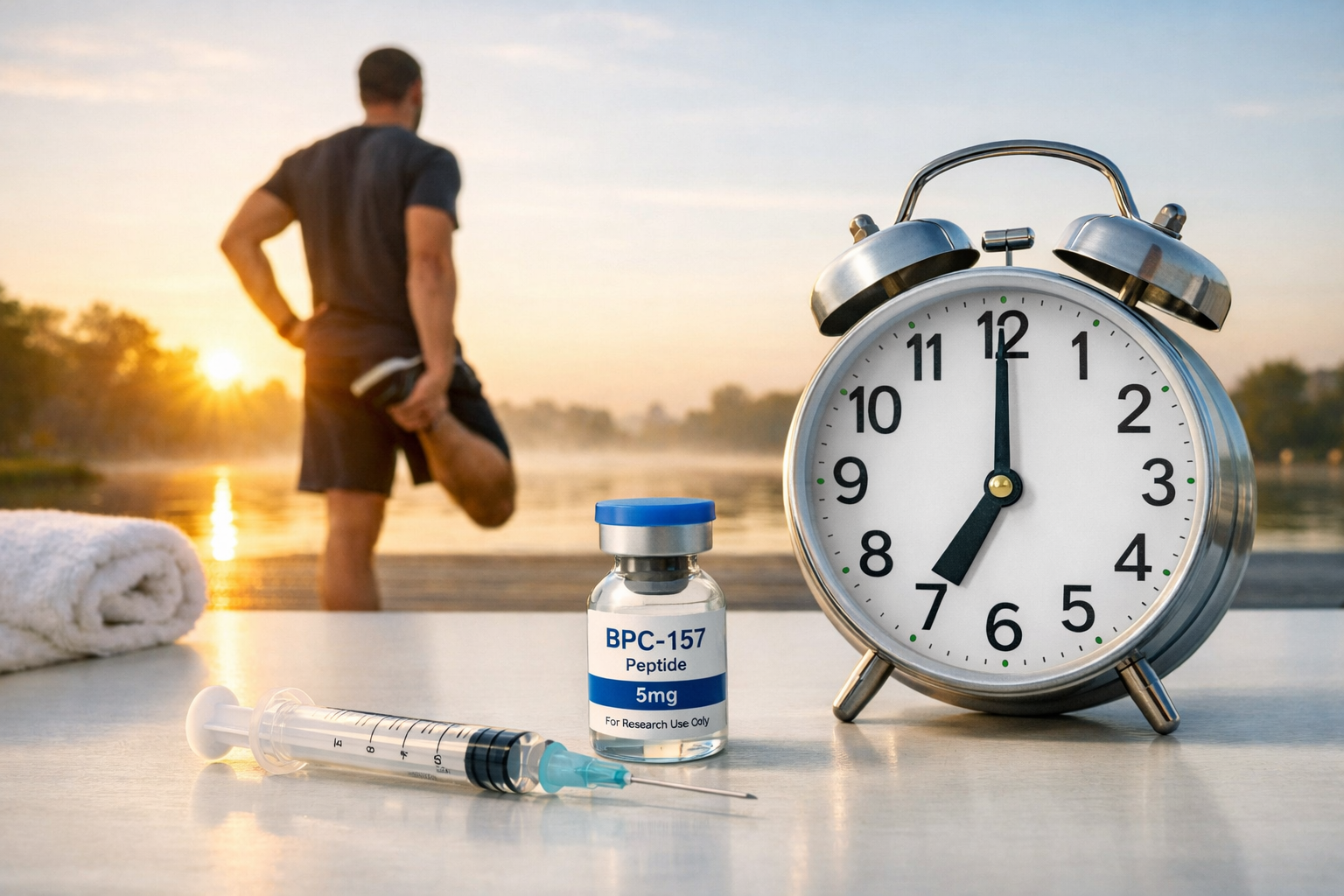
Before diving into the best time to take BPC-157, it's essential to understand what this remarkable peptide does in your body. BPC-157, or Body Protection Compound-157, is a synthetic peptide derived from a protein found in human gastric juice. Research suggests it plays a crucial role in tissue repair, wound healing, and overall cellular regeneration [3].
The peptide works by promoting angiogenesis (the formation of new blood vessels), enhancing collagen synthesis, and modulating various growth factors involved in healing processes. This means that timing your administration to align with your body's natural repair cycles could significantly impact its effectiveness.
When considering the best time to take TB-500 alongside BPC-157, many researchers note synergistic effects. Both peptides work on different pathways of healing, making them popular choices for comprehensive healing protocols.
For those exploring peptide therapy, understanding how BPC-157 fits into the broader landscape of healing compounds is crucial. The best time to take CJC-1295 or best time to take Ipamorelin may differ significantly from BPC-157 due to their growth hormone-releasing properties.
Morning Administration: The Recovery Champion
Why Morning Timing Works
Morning administration has emerged as one of the most popular timing strategies for BPC-157, and for good reason. Research indicates that morning or post-workout injection is ideal for recovery [2]. This timing aligns with several physiological advantages that can enhance the peptide's effectiveness.
During the morning hours, your body naturally experiences elevated cortisol levels as part of the circadian rhythm. This cortisol spike, while often viewed negatively, actually primes your system for healing and repair processes. When you administer BPC-157 during this window, you're essentially providing your body with additional healing resources when it's most prepared to utilize them.
The best time to take Sermorelin often follows similar morning protocols, as growth hormone-releasing peptides tend to work synergistically with the body's natural hormone cycles. Many users report enhanced energy and recovery when combining morning BPC-157 with other growth hormone peptides.
Post-Workout Timing Benefits
If you're an active individual, timing your BPC-157 administration immediately after your workout could provide additional benefits. Post-physical therapy timing is theorized by some users to optimize results by coinciding with enhanced cellular activity during recovery windows [1].
During and immediately after exercise, your body initiates various repair mechanisms. Blood flow increases to damaged tissues, inflammatory markers rise to clear cellular debris, and growth factors begin mobilizing to rebuild stronger tissue. Introducing BPC-157 during this critical window may enhance these natural processes.
For those interested in comprehensive recovery protocols, exploring the best time to take MK-677 (Ibutamoren) alongside BPC-157 could provide additional growth hormone support during the post-workout recovery phase.
Evening Dosing: Maximizing Nighttime Repair
The Science of Sleep and Healing
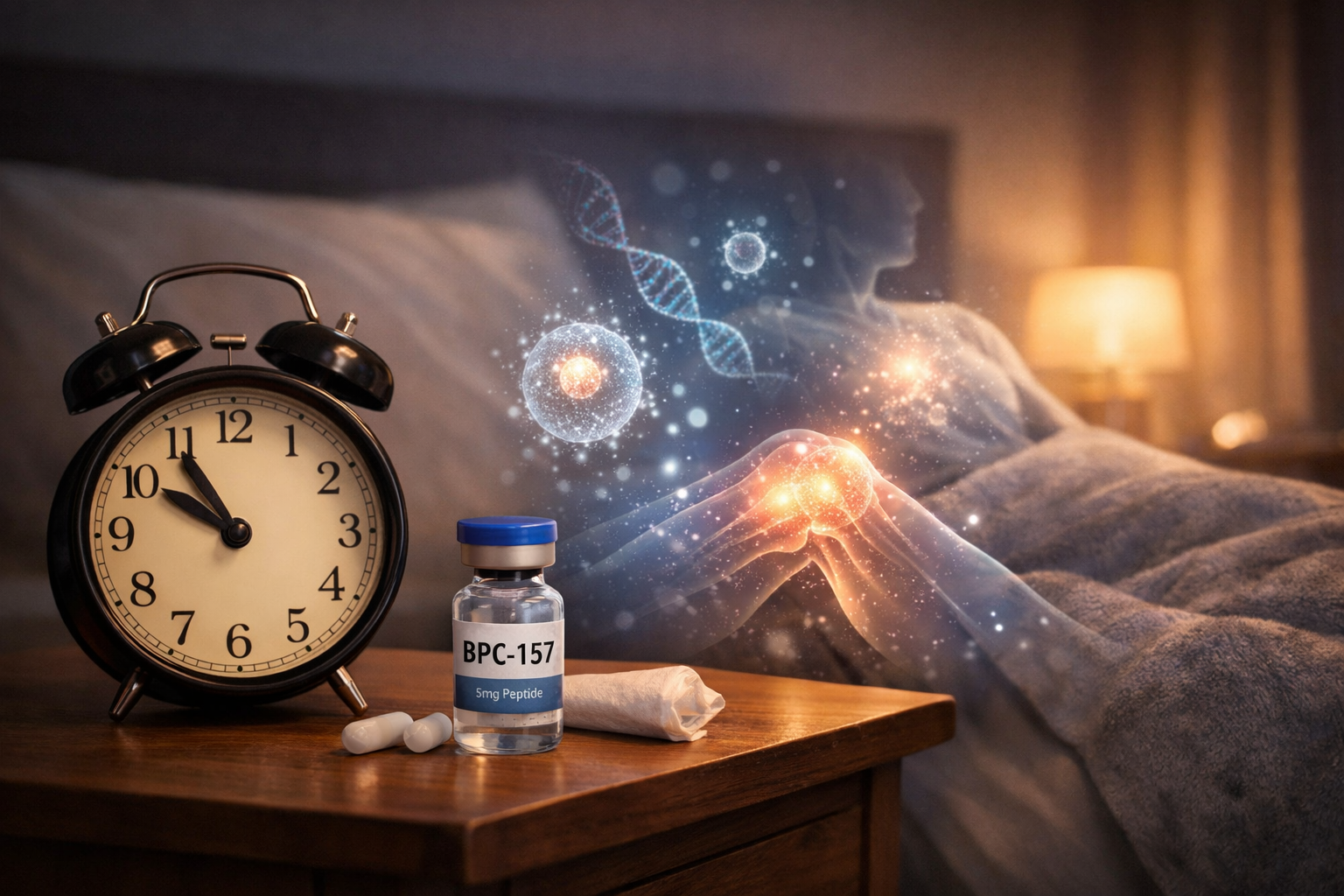
Evening or pre-bed dosing is mentioned as an alternative for nighttime tissue repair [1][2]. This timing strategy capitalizes on your body's natural repair processes that occur during sleep. During the deep sleep phases, your body releases growth hormone, increases protein synthesis, and focuses energy on tissue repair and regeneration.
When you administer BPC-157 before bed, you're providing your body with additional healing resources during its most active repair period. This can be particularly beneficial for individuals dealing with chronic injuries or those looking to optimize recovery from intense training periods.
The best time to take DSIP (Delta Sleep Inducing Peptide) often complements evening BPC-157 protocols, as both peptides can work together to enhance sleep quality and recovery processes.
Optimizing Sleep Quality for Enhanced Results
Evening BPC-157 administration may also indirectly improve sleep quality, which is crucial for healing. Some users report better sleep patterns when taking BPC-157 before bed, though this effect varies among individuals.
For those exploring comprehensive evening protocols, understanding the best time to take MOTS-c can provide additional mitochondrial support during nighttime recovery. MOTS-c research suggests it may enhance cellular energy production during rest periods.
Quality sleep is essential for peptide effectiveness. Ensure your sleep environment is optimized with proper temperature, darkness, and minimal disruptions to maximize the benefits of your evening BPC-157 protocol.
Twice-Daily Protocols: The Gold Standard
Superior Results Through Consistent Levels
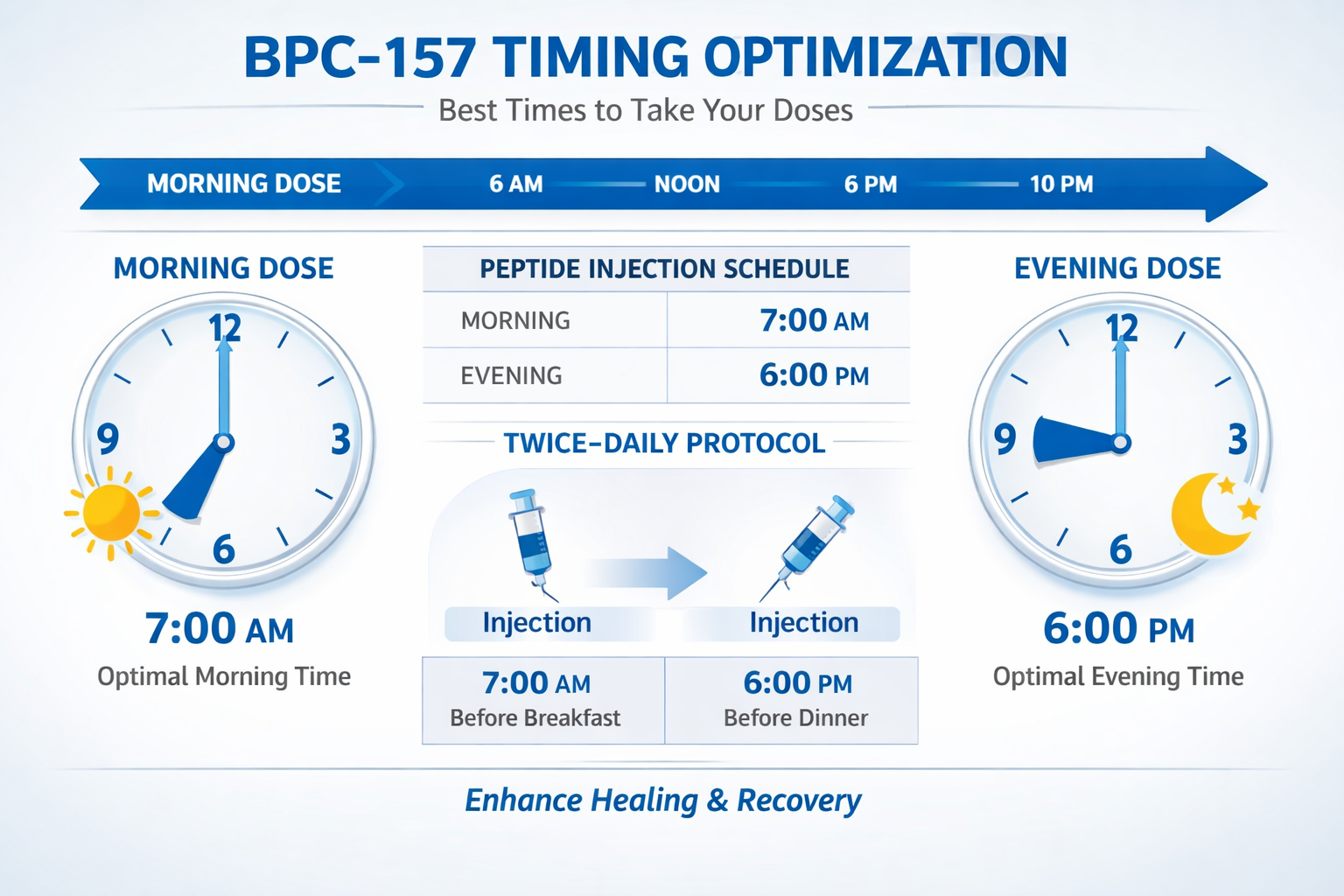
Twice-daily dosing spaced approximately 12 hours apart is the most commonly recommended protocol for maintaining therapeutic levels [1]. This approach ensures consistent peptide levels in your system throughout the day, potentially maximizing healing benefits.
The science behind twice-daily dosing lies in BPC-157's half-life and elimination patterns. While the exact pharmacokinetics in humans require more research, anecdotal evidence strongly suggests that maintaining more consistent levels leads to better outcomes than sporadic dosing.
Many users following twice-daily protocols report faster healing times and more consistent results. Once-daily dosing reportedly takes 6-8 weeks to achieve results that twice-daily users see in 4 weeks, due to gaps in therapeutic exposure [1].
For those considering combination protocols, the best time to take PEG-MGF often follows similar twice-daily patterns, as both peptides benefit from consistent therapeutic levels. Exploring popular peptide combinations can help optimize your overall protocol.
Practical Implementation of Twice-Daily Dosing
Implementing a twice-daily protocol requires planning and consistency. Most successful users establish routines around their morning and evening schedules, spacing doses approximately 12 hours apart. Common timing combinations include:
- 7 AM and 7 PM: Ideal for working professionals
- 6 AM and 6 PM: Good for early risers
- 8 AM and 8 PM: Suitable for night owls
The best time to take Follistatin 344 may also benefit from twice-daily protocols, particularly for those focused on muscle development and recovery. Consistency in timing helps establish routine and ensures you don't miss doses.
When following twice-daily protocols, consider keeping a dosing journal to track timing, effects, and any side effects. This documentation can help you optimize your protocol and provide valuable information for healthcare providers.
Factors Influencing Optimal Timing
Individual Circadian Rhythms
Your personal circadian rhythm plays a significant role in determining the best time to take BPC-157 for your specific situation. Some individuals are natural early risers with peak energy in the morning, while others function better in the evening hours.
Understanding your chronotype can help optimize timing. Morning types may benefit more from early administration, while evening types might see better results with later dosing. The best time to take GHK-CU often follows similar personalized timing based on individual circadian preferences.
Consider tracking your energy levels, sleep patterns, and natural rhythms for a week before starting BPC-157 to identify your optimal timing windows.
Training Schedule and Recovery Needs
Your exercise routine significantly impacts optimal BPC-157 timing. Athletes with morning training sessions might benefit from pre-workout administration, while those training in the evening may prefer post-workout timing.
The best time to take Thymosin Alpha-1 often aligns with training schedules for immune system support during intense training periods. Research peptides for recovery can provide additional insights into timing optimization.
Consider your training intensity, recovery needs, and injury status when determining timing. Higher intensity periods may benefit from twice-daily protocols, while maintenance phases might work well with once-daily dosing.
Meal Timing and Absorption
Food intake can potentially affect peptide absorption, though research on BPC-157 specifically is limited. Many users prefer taking BPC-157 on an empty stomach, either upon waking or before bed, to potentially enhance absorption.
The best time to take Selank and best time to take Semax often follow similar fasting protocols for optimal absorption. Waiting 30-60 minutes after administration before eating is a common practice among experienced users.
If you must take BPC-157 with food, try to maintain consistency in your approach. Some users find that taking it with the same meal each day helps establish routine and potentially normalizes any absorption variations.
Special Considerations and Advanced Timing Strategies
Injury-Specific Timing Protocols
Different types of injuries may benefit from specific timing strategies. Acute injuries might respond better to more frequent dosing during the initial healing phase, while chronic conditions may benefit from consistent, long-term protocols.
For those dealing with specific injury types, understanding how the best time to take AOD-9604 complements BPC-157 for metabolic healing can provide additional benefits. AOD-9604 research suggests synergistic effects with healing peptides.
Soft tissue injuries often respond well to post-activity dosing, while bone and joint issues may benefit more from consistent twice-daily protocols. Always consult with healthcare providers for serious injuries.
Combination Protocols and Timing
When combining BPC-157 with other peptides, timing becomes more complex. Some peptides work synergistically when taken together, while others may compete for absorption or have conflicting optimal timing windows.
The best time to take PT-141 (Bremelanotide) differs significantly from BPC-157 due to its specific mechanism of action. Understanding how different peptides interact helps optimize combination protocols.
For those exploring research compounds, the best time to take Ligandrol (LGD-4033) or best time to take RAD-140 (Testolone) may require separate timing considerations from healing peptides. Always research potential interactions and consult with knowledgeable healthcare providers.
Age and Hormonal Considerations
Age-related factors can influence optimal BPC-157 timing. Older individuals may have different circadian rhythms, slower healing processes, and altered hormone patterns that affect peptide effectiveness.
The best time to take Ostarine (MK-2866) or best time to take YK-11 as research compounds may also vary with age and hormonal status. Hormonal fluctuations throughout the menstrual cycle in women may also influence optimal timing.
Consider working with healthcare providers familiar with peptide therapy to optimize timing based on your age, hormonal status, and overall health profile.
Common Timing Mistakes to Avoid
Inconsistent Administration
One of the most common mistakes is inconsistent timing. Irregular dosing can lead to fluctuating peptide levels and potentially reduced effectiveness. Establishing a routine and sticking to it is crucial for optimal results [4].
Many users start with enthusiasm but gradually become inconsistent with timing. Setting phone alarms, using pill organizers, or linking administration to existing habits can help maintain consistency.
Ignoring Individual Response
Another mistake is rigidly following generic timing advice without considering individual response. What works for others may not be optimal for your specific situation, lifestyle, or healing needs.
Pay attention to how your body responds to different timing strategies and be willing to adjust based on your experience. The best time to take BPC-157 for you may be different from published recommendations.
Rushing the Process
Expecting immediate results and frequently changing timing protocols can hinder progress. BPC-157 typically requires several weeks to show significant effects, and constantly changing variables makes it difficult to assess what's working [8].
Stick with a chosen timing protocol for at least 4-6 weeks before making significant changes. This allows enough time to properly evaluate effectiveness and make informed adjustments.
Monitoring and Adjusting Your Protocol
Tracking Progress and Effects
Maintaining detailed records of your BPC-157 protocol helps optimize timing and dosing. Track administration times, any side effects, healing progress, and subjective improvements in recovery or pain levels.
Consider using a simple journal or smartphone app to record daily entries. Include information about sleep quality, energy levels, pain scores, and any notable changes in healing progress.
Signs of Optimal Timing
Indicators that you've found your optimal timing include improved recovery, reduced pain, better sleep quality, and enhanced overall well-being. Some users report increased energy and motivation when timing is optimized.
Negative indicators might include disrupted sleep, increased fatigue, or lack of progress after several weeks. These signs suggest timing adjustments may be beneficial.
When to Seek Professional Guidance
Consider consulting with healthcare providers familiar with peptide therapy if you're not seeing expected results, experiencing side effects, or have complex health conditions that might affect timing.
Professional guidance becomes particularly important when combining multiple peptides or dealing with serious injuries. Many providers now offer peptide therapy consultations and can provide personalized timing recommendations.
Conclusion
Finding the best time to take BPC-157 requires balancing scientific evidence with individual factors like lifestyle, training schedule, and personal response patterns. While morning or post-workout administration appears optimal for many users, and twice-daily protocols show superior results to once-daily dosing, the most important factor is consistency.
Start with evidence-based timing strategies – either morning administration for active recovery or twice-daily dosing spaced 12 hours apart. Monitor your response carefully and be prepared to adjust based on your individual results. Remember that BPC-157 is a tool that works best when combined with proper nutrition, adequate sleep, and appropriate recovery practices.
Whether you choose morning, evening, or twice-daily protocols, commit to consistency for at least 4-6 weeks before making significant changes. Your optimal timing may be different from others, and finding it requires patience, attention to detail, and sometimes professional guidance.
Take action today by choosing a timing protocol that fits your lifestyle, setting up systems to maintain consistency, and beginning your journey toward optimized healing and recovery. The investment in finding your optimal timing will pay dividends in improved results and faster achievement of your health and performance goals.
For those ready to begin their BPC-157 journey, ensure you're sourcing from reputable peptide manufacturers with proper quality testing and documentation.
References
[1] How Long Does Bpc 157 Take To Work – https://peptideslabuk.com/how-long-does-bpc-157-take-to-work/
[2] Bpc 157 Dosage Guide – https://tucsonwellnessmd.com/bpc-157-dosage-guide/
[3] Bpc 157 Human Trials – https://peptide-db.com/guides/bpc-157-human-trials
[4] Beginners Guide To Peptide Therapy – https://www.innerbody.com/beginners-guide-to-peptide-therapy
[5] Discover – https://www.ctcd.edu/sites/myctcd/discover/?p=2026-guide-to-peptides-for-muscle-growth-and-fat-loss-inside-the-hype-the-doubts-and-the-real-world-trade-offs-69732f06df2b8
[6] pubmed.ncbi.nlm.nih.gov – https://pubmed.ncbi.nlm.nih.gov/41476424/
[7] Watch – https://www.youtube.com/watch?v=HIrI8STJPJo
[8] Peptide Bpc 157 For Healing Is It Worth The Risk – https://preferredregen.com/blog/peptide-bpc-157-for-healing-is-it-worth-the-risk
SEO Meta Title: Best Time to Take BPC-157: Complete Timing Guide 2026
SEO Meta Description: Discover the optimal timing for BPC-157 administration. Learn morning vs evening dosing, twice-daily protocols, and factors affecting peptide effectiveness.