

Melanocortin Agonist: The Revolutionary Peptide Pathway Transforming Weight Management in 2026

Imagine a single peptide pathway that could revolutionize how researchers approach weight management, metabolic health, and obesity treatment. The melanocortin agonist represents one of the most promising frontiers in peptide research, with breakthrough clinical trials showing remarkable results and new compounds entering development pipelines in 2026.
This powerful class of peptides works by targeting specific melanocortin receptors in the brain and peripheral tissues, offering a sophisticated approach to appetite regulation and energy homeostasis that goes far beyond traditional weight management strategies.
Key Takeaways
• Melanocortin agonist compounds target MC4R and MC5R receptors to regulate appetite, energy expenditure, and metabolic function
• Clinical trials demonstrate significant weight reduction of 5.07 kg compared to placebo, with some studies showing up to 13.67% BMI reduction
• Next-generation compounds like PL7737 and KCEM1 are entering Phase 1 trials in 2026 with improved bioavailability and tolerability profiles
• Melanocortin agonist peptides show synergistic effects when combined with GLP-1 receptor agonists, enhancing weight loss outcomes
• Research indicates potential applications beyond weight management, including diabetes, cardiomyopathy, and metabolic disorders
Understanding Melanocortin Agonist Mechanisms and Receptor Biology
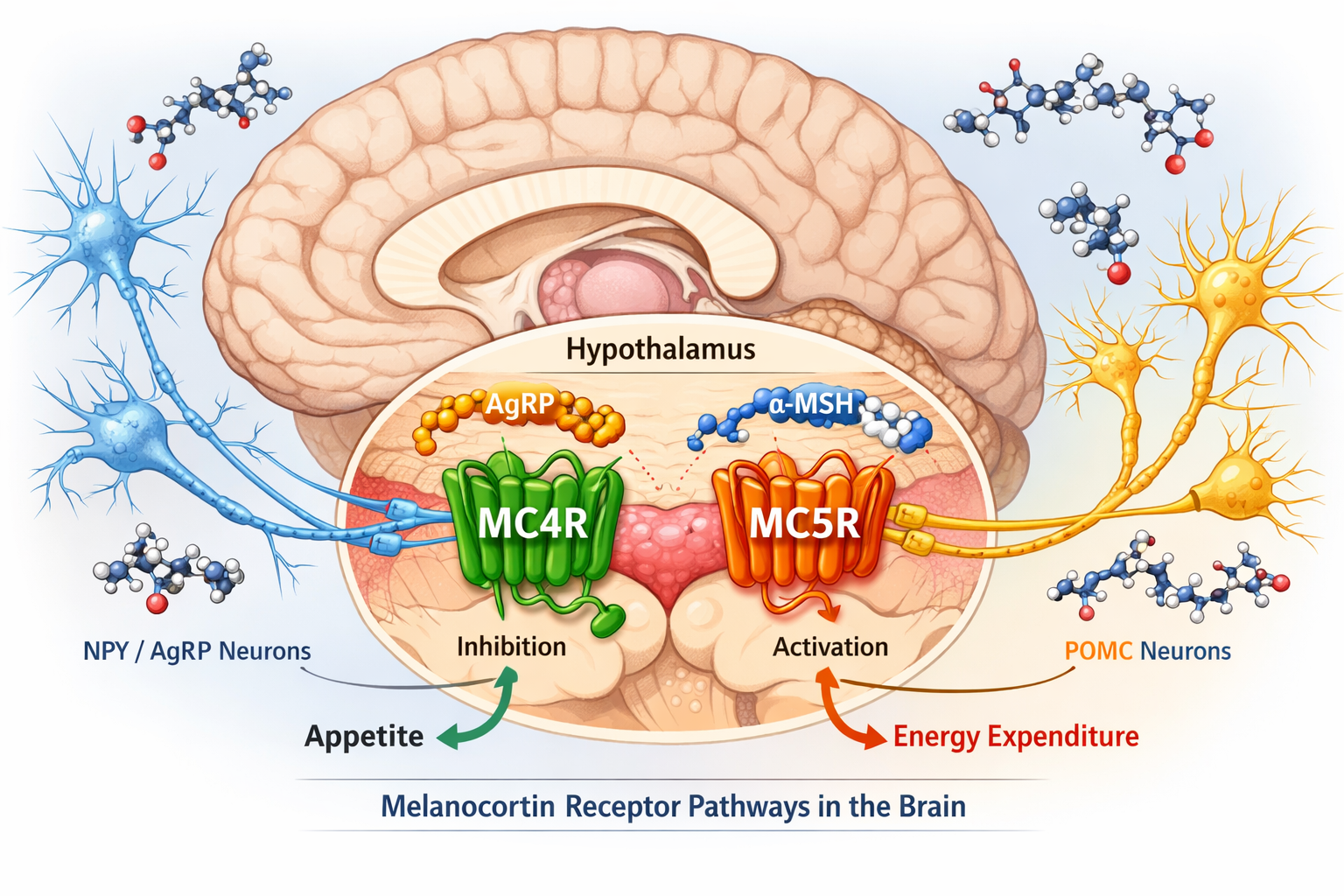
The melanocortin agonist pathway represents a sophisticated biological system that has evolved to regulate energy balance, appetite, and metabolic homeostasis. At its core, this system involves the activation of melanocortin receptors, particularly MC4R (melanocortin-4 receptor) and MC5R (melanocortin-5 receptor), which play crucial roles in weight regulation and metabolic function.
The Science Behind Melanocortin Receptor Activation
Melanocortin receptors belong to the G-protein coupled receptor family and are distributed throughout the central nervous system and peripheral tissues. When a melanocortin agonist binds to these receptors, it triggers a cascade of intracellular signaling that ultimately influences appetite suppression, energy expenditure, and metabolic rate.
The MC4R pathway is particularly significant for weight management research. Located primarily in the hypothalamus, these receptors respond to melanocortin agonist compounds by:
- Reducing food intake through appetite suppression mechanisms
- Increasing energy expenditure via thermogenesis activation
- Modulating glucose homeostasis and insulin sensitivity
- Regulating lipid metabolism and fat storage patterns
Recent research has identified MC5R as another promising target, with innovative peptide delivery systems showing potential for treating diabetes, obesity, cardiomyopathy, heart failure, and various metabolic disorders.[1]
Endogenous vs. Synthetic Melanocortin Agonist Compounds
The body naturally produces melanocortin peptides, including α-melanocyte-stimulating hormone (α-MSH), which serves as an endogenous melanocortin agonist. However, synthetic compounds offer several advantages:
| Aspect | Endogenous Peptides | Synthetic Agonists |
|---|---|---|
| Stability | Rapidly degraded | Enhanced stability |
| Selectivity | Broad receptor activity | Receptor-specific targeting |
| Bioavailability | Limited oral absorption | Improved delivery profiles |
| Duration | Short half-life | Extended action |
For researchers interested in exploring the broader landscape of peptide compounds, our comprehensive peptide catalog offers insights into various therapeutic applications and mechanisms.
Clinical Evidence and Breakthrough Melanocortin Agonist Research
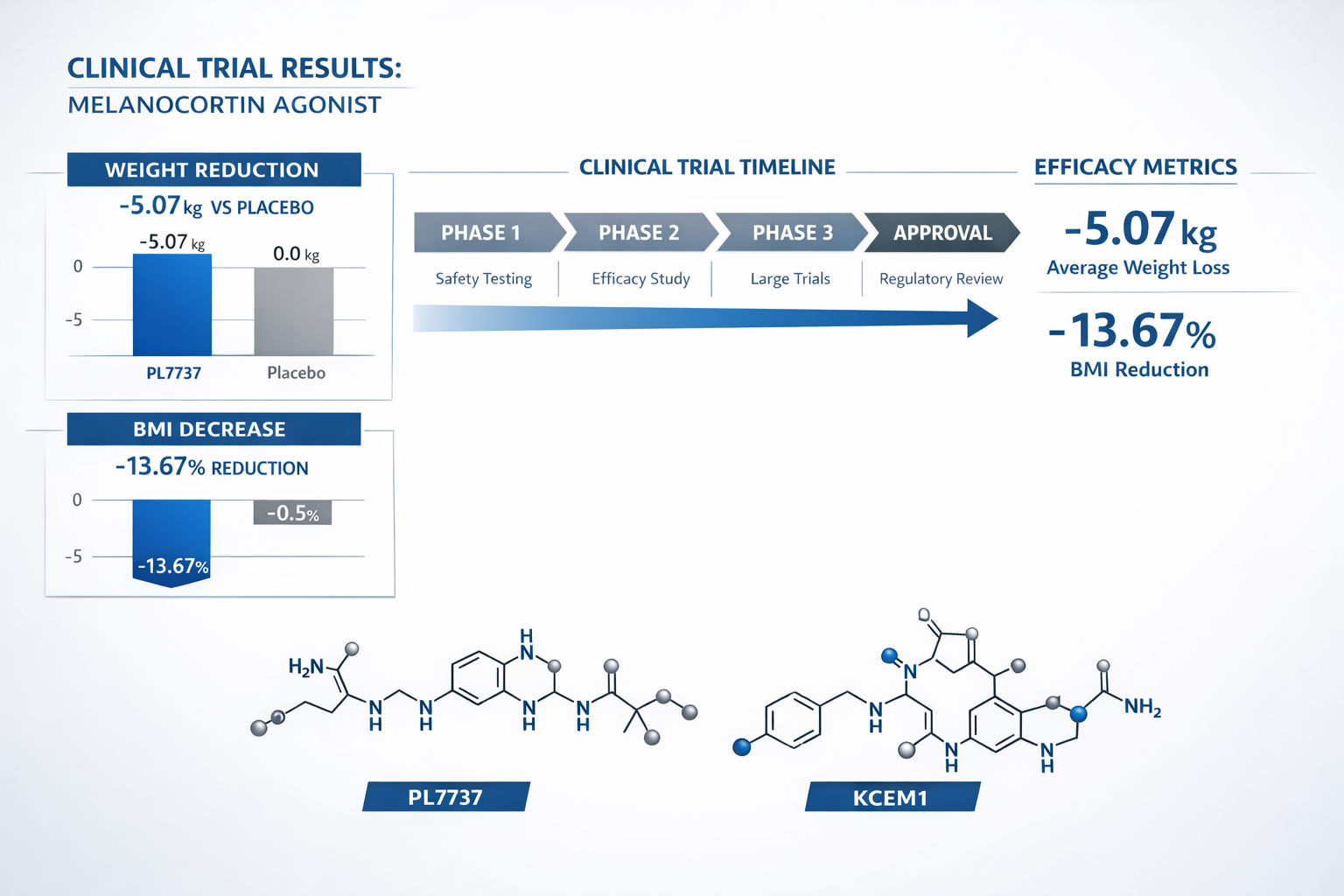
The clinical development of melanocortin agonist compounds has accelerated dramatically in 2026, with multiple breakthrough studies demonstrating significant efficacy in weight management and metabolic health. The most compelling evidence comes from recent meta-analyses and clinical trials that showcase the therapeutic potential of this peptide class.
Meta-Analysis Results: Quantifying Weight Loss Efficacy
A comprehensive meta-analysis of 12 randomized controlled trials revealed that melanocortin agonist treatments produced a mean weight reduction of 5.07 kg compared to placebo.[5] This represents a clinically significant outcome that positions melanocortin agonists as serious contenders in the obesity treatment landscape.
Even more impressive were the results from single-arm studies, which demonstrated:
- Mean weight decrease of 11.23% (95% CI: −15.43 to −7.04)
- BMI reduction of 13.67% (95% CI: −17.21 to −10.12)
These findings suggest that melanocortin agonist compounds may offer superior weight loss outcomes compared to many existing interventions, particularly when considering the sustained nature of the effects observed in longer-term studies.
PL7737: The Next-Generation Oral Melanocortin Agonist
Palatin Technologies has developed PL7737, a novel oral melanocortin agonist that addresses many of the limitations associated with earlier compounds. Preclinical studies have demonstrated remarkable characteristics:
Bioavailability and Pharmacokinetics:
- Approximately 50% oral bioavailability in animal models
- Half-life exceeding three hours in rats
- Dose-dependent, statistically significant weight loss in diet-induced obese mice
- No observed effect on systolic blood pressure[2]
Safety Profile:
- No hERG (cardiac safety) concerns identified
- Negative Ames assay results (no mutagenic potential)
- No toxicity observed in 28-day non-GLP rat studies[2]
The company plans to file an IND (Investigational New Drug) application and initiate Phase 1 trials in the first half of 2026, with clinical data expected in the second half of the year.[2][3]
KCEM1: Triple Agonist Innovation
Another exciting development in melanocortin agonist research is KCEM1, a novel triple agonist that simultaneously targets GLP-1R, GIPR, and MC4R receptors. This innovative approach demonstrates:
- Anorectic effects comparable to current GLP-1R agonists
- Improved tolerability profiles compared to single-target approaches
- Enhanced glucose homeostasis through multi-receptor activation[6]
Researchers exploring combination approaches might find value in understanding how different peptide mechanisms work synergistically, similar to the metabolic benefits observed with MOTS-C and metabolic flexibility research.
Combination Therapy Breakthroughs
One of the most promising developments in melanocortin agonist research involves combination therapies. A Phase II study (BMT-801) examined the combination of bremelanotide (a melanocortin agonist) with tirzepatide, revealing several key findings:
Safety and Tolerability:
- No new safety concerns identified
- No increase in gastrointestinal side effects typically associated with GLP-1 agonists
- Well-tolerated combination profile[2]
Efficacy Enhancements:
- Greater weight loss compared to tirzepatide alone
- Prevention of weight regain after stopping tirzepatide treatment
- Synergistic effects with low-dose melanocortin agonist addition[2]
This research parallels findings in other peptide combinations, such as those explored in longevity peptide research, where multiple pathways often work together to produce enhanced outcomes.
Future Applications and Emerging Melanocortin Agonist Developments
The therapeutic potential of melanocortin agonist compounds extends far beyond weight management, with emerging research revealing applications across multiple disease states and metabolic conditions. As we progress through 2026, several breakthrough developments are reshaping the landscape of melanocortin-based therapeutics.
Expanding Therapeutic Horizons
Recent research from Monash University has identified novel MC5R agonists with potential applications in treating diabetes, obesity, cardiomyopathy, heart failure, renal disorders, Rabson Mendenhall syndrome, Donohue syndrome, and lipodystrophy.[1] This expansion of therapeutic targets demonstrates the versatility of melanocortin agonist compounds in addressing complex metabolic disorders.
The cyclic peptide designs being developed show particular promise for:
- Cardiovascular protection through MC5R-mediated cardioprotective pathways
- Renal function improvement in diabetic nephropathy models
- Insulin sensitivity enhancement in rare genetic disorders
- Lipid metabolism regulation in lipodystrophy conditions
Next-Generation Delivery Systems
Palatin Technologies is developing next-generation MC4R peptide agonists specifically designed for once-weekly subcutaneous dosing. These compounds are entering IND filing and Phase 1 trials in mid-2026, with particular focus on patients with hypothalamic obesity.[3]
Key advantages of these next-generation melanocortin agonist formulations include:
Enhanced Convenience:
- Weekly dosing schedules improve patient compliance
- Reduced injection frequency compared to daily alternatives
- Sustained therapeutic levels throughout the dosing interval
Improved Targeting:
- Specific focus on hypothalamic obesity, a particularly challenging condition
- Enhanced receptor selectivity to minimize side effects
- Optimized pharmacokinetic profiles for sustained action
For researchers interested in understanding how advanced delivery systems enhance peptide effectiveness, exploring peptide blend research can provide valuable insights into combination approaches and delivery optimization.
Metabolic Syndrome and Diabetes Applications
The role of melanocortin agonist compounds in diabetes management represents a rapidly evolving field. Beyond weight loss, these peptides demonstrate significant effects on:
Glucose Homeostasis:
- Improved insulin sensitivity independent of weight loss effects
- Enhanced glucose uptake in peripheral tissues
- Reduced hepatic glucose production
- Better glycemic control in type 2 diabetes models
Lipid Metabolism:
- Favorable changes in lipid profiles
- Reduced visceral adiposity
- Improved adipose tissue distribution
- Enhanced lipolysis and fat oxidation
The metabolic benefits observed with melanocortin agonist compounds complement other metabolic interventions, similar to the comprehensive approach seen in MOTS-C mechanism research, where multiple pathways contribute to metabolic optimization.
Precision Medicine and Personalized Approaches
As melanocortin agonist research advances, personalized medicine approaches are becoming increasingly important. Genetic variations in melanocortin receptor expression and function can significantly influence treatment responses, leading to the development of:
Biomarker-Driven Selection:
- Genetic testing for MC4R and MC5R variants
- Baseline metabolic profiling to predict response
- Personalized dosing based on receptor sensitivity
- Combination therapy selection based on individual profiles
Targeted Patient Populations:
- Hypothalamic obesity patients with specific genetic profiles
- Individuals with melanocortin pathway deficiencies
- Patients with treatment-resistant obesity
- Those with specific metabolic syndrome phenotypes
Research and Development Pipeline
The melanocortin agonist development pipeline for 2026 and beyond includes several promising compounds at various stages:
| Compound | Developer | Stage | Unique Features |
|---|---|---|---|
| PL7737 | Palatin | Phase 1 (2026) | Oral bioavailability, cardiac safety |
| Next-gen MC4R | Palatin | IND filing (mid-2026) | Weekly dosing, hypothalamic obesity |
| KCEM1 | Research institutions | Preclinical | Triple agonist (GLP-1R/GIPR/MC4R) |
| MC5R cyclic peptides | Monash University | Discovery | Multi-indication potential |
For researchers seeking to stay current with the latest developments in peptide therapeutics, our comprehensive peptide research updates provide regular insights into emerging compounds and applications.
Integration with Existing Therapeutic Approaches
The future of melanocortin agonist therapy likely involves integration with existing treatment modalities. Current research explores combinations with:
- GLP-1 receptor agonists for enhanced weight loss and glucose control
- Metabolic support peptides for comprehensive metabolic optimization
- Lifestyle interventions for sustainable long-term outcomes
- Other peptide therapeutics for synergistic effects
This integrative approach mirrors successful strategies seen in other areas of peptide research, such as the combination approaches explored in SS-31 peptide applications, where multiple mechanisms work together to achieve optimal therapeutic outcomes.
Conclusion

The melanocortin agonist pathway represents a revolutionary approach to weight management and metabolic health that is rapidly advancing through clinical development in 2026. With compelling evidence showing significant weight reduction, improved metabolic parameters, and expanding therapeutic applications, these peptides are positioned to transform how researchers and clinicians approach obesity and related metabolic disorders.
The clinical data is particularly impressive, with meta-analyses demonstrating 5.07 kg weight reduction compared to placebo and single-arm studies showing up to 13.67% BMI reduction. Next-generation compounds like PL7737 and KCEM1 are addressing previous limitations with improved bioavailability, enhanced safety profiles, and innovative combination approaches that maximize therapeutic benefits while minimizing side effects.
Actionable Next Steps for Researchers and Biohackers
-
Stay Informed on Clinical Developments: Monitor the progress of PL7737 Phase 1 trials and next-generation MC4R agonists entering development in 2026.
-
Explore Combination Approaches: Research the synergistic potential of melanocortin agonist compounds with other metabolic peptides and therapeutic interventions.
-
Consider Personalized Approaches: Investigate genetic testing for melanocortin receptor variants to optimize treatment selection and dosing strategies.
-
Monitor Safety Data: Follow emerging safety and tolerability data from ongoing clinical trials to understand the full risk-benefit profile of these compounds.
-
Evaluate Integration Opportunities: Assess how melanocortin agonist therapies might complement existing metabolic health protocols and lifestyle interventions.
The future of melanocortin-based therapeutics extends far beyond weight management, with promising applications in diabetes, cardiovascular health, and rare metabolic disorders. As research continues to unveil the full therapeutic potential of these remarkable peptides, the melanocortin agonist pathway stands as a testament to the power of precision medicine and targeted therapeutic interventions in addressing complex metabolic challenges.
For researchers ready to explore the cutting-edge of peptide therapeutics, the melanocortin system offers unprecedented opportunities to advance our understanding of metabolic health and develop innovative solutions for some of medicine's most challenging conditions.
References
[1] 727922 Monash University Describes New Melanocortin Mc5 Receptor Agonists – https://www.bioworld.com/articles/727922-monash-university-describes-new-melanocortin-mc5-receptor-agonists
[2] Palatin Presents Data At Obesityweek 2025 Highlighting Promise Of Melanocortin Based Therapies For Obesity 302606887 – https://www.prnewswire.com/news-releases/palatin-presents-data-at-obesityweek-2025-highlighting-promise-of-melanocortin-based-therapies-for-obesity-302606887.html
[3] Palatin Presents Data At Obesityweek 2025 Highlighting Promise Of Melanocortin Based Therapies For Obesity – https://palatin.com/press_releases/palatin-presents-data-at-obesityweek-2025-highlighting-promise-of-melanocortin-based-therapies-for-obesity/
[5] Pmc12860172 – https://pmc.ncbi.nlm.nih.gov/articles/PMC12860172/
[6] academic.oup – https://academic.oup.com/jes/article/9/Supplement_1/bvaf149.069/8298469
SEO Meta Title: Melanocortin Agonist: Complete Guide to Weight Loss Peptides 2026
SEO Meta Description: Discover melanocortin agonist peptides for weight management. Learn about MC4R, MC5R mechanisms, clinical trials, and breakthrough compounds like PL7737 in 2026.
{“@context”:”https://schema.org”,”@type”:”Article”,”headline”:”melanocortin agonist”,”description”:” Discover melanocortin agonist peptides for weight management. Learn about MC4R, MC5R mechanisms, clinical trials, and breakthrough compounds like PL7737 in 202″,”image”:”https://zsxkvszxbhpwnvzxdydv.supabase.co/storage/v1/object/public/generated-images/kie/11a6d800-feee-49b2-b071-5581916a13e0/slot-0-1770266888509.png”,”datePublished”:”2026-02-05T04:45:42.635642+00:00″,”dateModified”:”2026-02-05T04:48:47.906Z”,”author”:{“@type”:”Organization”,”name”:”PTP UPDATED 2.1.26″},”publisher”:{“@type”:”Organization”,”name”:”PTP UPDATED 2.1.26″}}