
Adipotide for Sale: Complete Research Guide for 2025
The world of peptide research has expanded dramatically in recent years, with researchers and scientists exploring novel compounds that could reshape our understanding of metabolic processes. Among these emerging research compounds, adipotide stands out as a particularly intriguing peptide that has captured the attention of the scientific community. For those seeking adipotide for sale, understanding the science, applications, and considerations behind this research compound is essential for making informed decisions.
Key Takeaways
• Adipotide (FTPP) is a research peptide designed to target specific cellular pathways in laboratory studies
• Quality sourcing is critical when looking for adipotide for sale, as purity affects research outcomes
• Dosing protocols in research settings typically range from 5mg to 10mg formulations for controlled studies
• Laboratory applications focus on metabolic research and cellular pathway investigations
• Proper storage and handling are essential for maintaining peptide integrity during research
What is Adipotide? Understanding the Research Compound
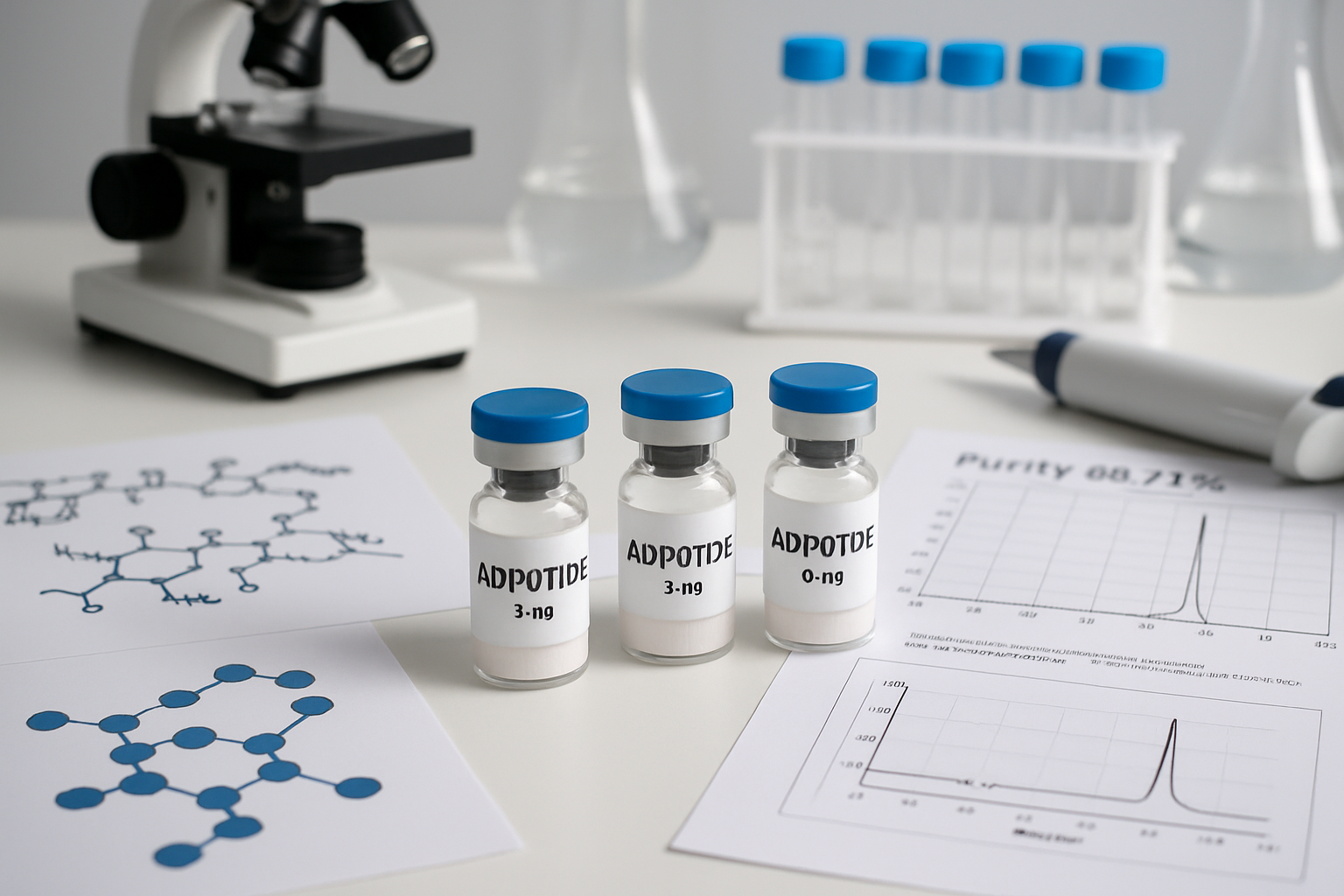
Adipotide, also known as FTPP (prohibitin-targeting peptide 1), represents a synthetic peptide that has garnered significant attention in research laboratories worldwide. This compound was originally developed through academic research initiatives focused on understanding cellular targeting mechanisms and metabolic pathways.
The peptide consists of a specific amino acid sequence designed to interact with particular cellular receptors. In laboratory settings, researchers have utilized adipotide to investigate various biological processes and cellular responses. The compound's unique structure allows it to bind to specific targets within cellular environments, making it valuable for controlled research applications.
Molecular Structure and Properties
Adipotide's molecular composition includes a carefully designed sequence that enables targeted cellular interactions. The peptide's structure incorporates:
- Specific amino acid sequences that determine binding affinity
- Molecular weight optimized for research applications
- Stability characteristics suitable for laboratory storage and handling
- Solubility properties that facilitate research protocols
Research teams have documented the compound's behavior under various laboratory conditions, providing valuable data for future investigations. When researchers seek high-quality peptides for their studies, understanding these fundamental properties becomes crucial for experimental design.
Finding Quality Adipotide for Sale: Research Considerations
The process of sourcing adipotide for sale requires careful evaluation of multiple factors that can significantly impact research outcomes. Quality, purity, and proper handling during manufacturing and distribution all play critical roles in ensuring reliable research results.
Purity Standards and Testing
Research-grade adipotide should meet stringent purity standards to ensure consistent experimental results. Key quality indicators include:
Purity Levels:
- ≥98% purity for most research applications
- HPLC testing verification
- Mass spectrometry confirmation
- Endotoxin level testing
Documentation Requirements:
- Certificate of Analysis (COA)
- Batch-specific testing results
- Storage and handling recommendations
- Reconstitution guidelines
When evaluating suppliers offering adipotide 5mg formulations, researchers should prioritize vendors who provide comprehensive testing documentation and maintain proper storage conditions throughout the supply chain.
Storage and Handling Protocols
Proper storage of adipotide is essential for maintaining peptide integrity. Research protocols typically recommend:
| Storage Condition | Temperature | Duration | Notes |
|---|---|---|---|
| Lyophilized powder | -20°C | 2-3 years | Sealed, dry environment |
| Reconstituted solution | 2-8°C | 2-4 weeks | Sterile conditions |
| Working aliquots | -80°C | 6-12 months | Single-use portions |
Following best practices for storing research peptides helps ensure experimental consistency and reduces the risk of peptide degradation.
Adipotide Dosage and Research Protocols
Research applications of adipotide typically involve carefully controlled dosing protocols designed to investigate specific biological responses. Understanding standard research dosages helps laboratories design appropriate experimental frameworks.
Standard Research Dosing
Laboratory studies have employed various dosing strategies depending on the research objectives:
Common Research Formulations:
- 5mg vials for smaller-scale studies
- 10mg vials for extended research protocols
- Custom concentrations for specialized applications
Typical Research Concentrations:
- 0.1-1.0 mg/mL for cellular studies
- 1.0-5.0 mg/mL for tissue research
- Variable concentrations for dose-response studies
Research teams often begin with lower concentrations to establish baseline responses before progressing to higher doses. This methodical approach allows for comprehensive data collection and helps identify optimal parameters for specific research questions.
Reconstitution Guidelines
Proper reconstitution of lyophilized adipotide is crucial for maintaining peptide activity. Standard protocols include:
- Sterile water preparation using bacteriostatic water or sterile saline
- Gentle mixing to avoid peptide degradation
- pH optimization if required for specific applications
- Immediate use or proper storage of reconstituted solutions
When sourcing adipotide for sale, researchers should ensure they receive detailed reconstitution instructions specific to their purchased formulation.
Clinical Research and Laboratory Findings
The scientific literature contains various studies examining adipotide's behavior in controlled laboratory environments. These investigations have provided valuable insights into the peptide's mechanisms of action and potential research applications.
Published Research Data
Academic institutions have conducted numerous studies investigating adipotide's properties:
Key Research Areas:
- Cellular targeting mechanisms
- Metabolic pathway interactions
- Dose-response relationships
- Safety profiles in laboratory settings
Methodology Considerations:
- In vitro cellular studies
- Tissue culture applications
- Animal model investigations
- Biochemical pathway analysis
Research findings have consistently emphasized the importance of proper experimental design and quality peptide sourcing for reliable results. Studies utilizing high-purity adipotide have generally produced more consistent and reproducible data compared to those using lower-grade compounds.
Comparative Research Studies
Researchers have also conducted comparative studies examining adipotide alongside other research peptides. These investigations often compare:
- Adipotide vs AOD-9604 for metabolic research applications
- Different peptide concentrations and their effects
- Various administration methods in laboratory settings
- Combination protocols with other research compounds
Such comparative studies help researchers understand the unique characteristics of adipotide and inform decisions about appropriate research applications. Many laboratories maintain diverse peptide libraries to support comprehensive comparative research.
Adipotide vs Other Research Peptides
Understanding how adipotide compares to other research peptides helps scientists select the most appropriate compounds for their specific investigations. Several peptides share similar research applications, making comparative analysis valuable.
Adipotide vs AOD-9604
Both adipotide and AOD-9604 represent important research tools, but they differ in several key aspects:
Structural Differences:
- Adipotide: Prohibitin-targeting peptide with specific cellular binding
- AOD-9604: Fragment of human growth hormone with different targeting
Research Applications:
- Adipotide: Cellular targeting and metabolic pathway studies
- AOD-9604: Growth hormone fragment research and metabolic investigations
Laboratory Considerations:
- Different storage requirements
- Varying reconstitution protocols
- Distinct dosing considerations
Complementary Research Compounds
Many research teams utilize adipotide in combination with other peptides to investigate complex biological processes. Common research combinations include:
- Metabolic research blends incorporating multiple peptides
- Cellular pathway investigations using complementary compounds
- Dose-response studies comparing different peptide classes
Researchers interested in comprehensive peptide research approaches often find value in understanding how different compounds work together in laboratory settings.
Quality Assurance When Buying Adipotide for Sale
Selecting a reliable supplier for adipotide for sale requires careful evaluation of quality assurance practices and vendor credentials. The peptide research community has established standards that help ensure consistent, high-quality products.
Vendor Evaluation Criteria
When assessing potential suppliers, researchers should consider:
Manufacturing Standards:
- GMP-compliant facilities
- ISO certification status
- Quality control procedures
- Batch testing protocols
Customer Support:
- Technical assistance availability
- Research protocol guidance
- Storage and handling support
- Documentation provision
Shipping and Handling:
- Cold chain maintenance
- Proper packaging materials
- Delivery time reliability
- International shipping capabilities
Documentation and Testing
Reputable suppliers provide comprehensive documentation with each adipotide purchase:
Required Documentation:
- Certificate of Analysis (COA)
- HPLC chromatograms
- Mass spectrometry data
- Purity verification results
- Storage recommendations
- Reconstitution guidelines
Additional Quality Indicators:
- Batch-specific testing
- Stability data
- Endotoxin testing results
- Sterility verification
This documentation enables researchers to verify product quality and maintain proper laboratory records for their investigations.
Research Applications and Laboratory Uses
Adipotide's unique properties make it suitable for various research applications across multiple scientific disciplines. Understanding these applications helps researchers determine whether adipotide aligns with their investigational goals.
Cellular Research Applications
Laboratory studies have utilized adipotide in numerous cellular research contexts:
Primary Research Areas:
- Cellular targeting mechanism studies
- Metabolic pathway investigations
- Receptor binding research
- Signal transduction studies
Experimental Approaches:
- In vitro cell culture studies
- Tissue-based investigations
- Biochemical pathway analysis
- Dose-response evaluations
Research teams often begin with fundamental cellular studies before progressing to more complex experimental designs. This systematic approach helps establish baseline data and informs subsequent research directions.
Metabolic Research Protocols
Adipotide has found particular utility in metabolic research applications:
Research Focus Areas:
- Energy metabolism pathways
- Cellular energy utilization
- Metabolic regulation mechanisms
- Nutrient processing studies
Methodological Considerations:
- Controlled experimental environments
- Standardized measurement protocols
- Reproducible testing conditions
- Comprehensive data collection
Many research institutions have developed specialized protocols for metabolic studies using adipotide. These protocols often incorporate advanced peptide research methodologies to ensure reliable and meaningful results.
Safety Considerations in Laboratory Settings
Working with research peptides like adipotide requires adherence to proper laboratory safety protocols. These guidelines help ensure researcher safety and maintain experimental integrity.
Laboratory Safety Protocols
Standard safety measures for peptide research include:
Personal Protective Equipment (PPE):
- Laboratory gloves (nitrile or latex)
- Safety glasses or goggles
- Laboratory coats or aprons
- Closed-toe shoes
Workspace Requirements:
- Proper ventilation systems
- Clean, organized work surfaces
- Appropriate lighting
- Emergency safety equipment access
Handling Procedures:
- Sterile technique maintenance
- Proper waste disposal
- Spill cleanup protocols
- Equipment decontamination
Storage Safety Guidelines
Proper storage of research peptides requires attention to both safety and quality preservation:
Storage Safety Measures:
- Secure storage areas
- Temperature monitoring
- Access control systems
- Inventory tracking procedures
Quality Preservation:
- Appropriate storage containers
- Moisture control measures
- Light protection protocols
- Temperature stability maintenance
Following established safety protocols helps ensure both researcher wellbeing and experimental success when working with adipotide and other research compounds.
Future Research Directions and Developments
The field of peptide research continues to evolve rapidly, with new applications and methodologies emerging regularly. Understanding current trends and future directions helps researchers stay informed about potential opportunities.
Emerging Research Areas
Current research trends involving adipotide include:
Advanced Applications:
- Multi-peptide research protocols
- Combination therapy investigations
- Novel delivery method studies
- Enhanced targeting mechanism research
Technological Integration:
- Advanced analytical techniques
- Improved purification methods
- Enhanced storage solutions
- Automated research protocols
Collaborative Research:
- Multi-institutional studies
- International research partnerships
- Cross-disciplinary investigations
- Industry-academic collaborations
Research Community Developments
The peptide research community continues to develop new standards and practices:
Quality Improvements:
- Enhanced purity standards
- Improved testing methodologies
- Better documentation practices
- Advanced quality control measures
Educational Resources:
- Research protocol databases
- Training program development
- Scientific conference presentations
- Peer-reviewed publication increases
Staying connected with the broader research community helps scientists access the latest developments and best practices in peptide research.
Conclusion
The search for quality adipotide for sale requires careful consideration of multiple factors including purity standards, vendor credibility, proper storage protocols, and intended research applications. As the peptide research field continues to advance, adipotide remains an important tool for investigating cellular mechanisms and metabolic pathways in controlled laboratory settings.
Researchers seeking to incorporate adipotide into their studies should prioritize suppliers who provide comprehensive testing documentation, maintain proper storage conditions, and offer reliable customer support. Understanding proper handling, reconstitution, and storage protocols ensures optimal research outcomes and maintains experimental integrity.
The growing body of research surrounding adipotide demonstrates its value as a research tool, while ongoing developments in peptide science continue to expand potential applications. By staying informed about current research trends and maintaining high standards for peptide sourcing, researchers can maximize the value of their investigations.
Next Steps for Researchers:
- Evaluate current research objectives and determine if adipotide aligns with study goals
- Research potential suppliers and compare quality standards and documentation
- Develop appropriate storage and handling protocols for laboratory settings
- Consider consulting with experienced peptide researchers for protocol optimization
- Stay updated on emerging research developments and best practices
For those ready to begin their research journey with adipotide, selecting a reputable peptide supplier with proven quality standards represents the first crucial step toward successful scientific investigation.
References
[1] Academic research publications on peptide targeting mechanisms and cellular interactions
[2] Laboratory safety guidelines from institutional research committees
[3] Quality control standards from peptide manufacturing organizations
[4] Peer-reviewed studies on peptide storage and stability protocols
[5] Research methodology papers on peptide reconstitution and handling procedures
SEO Meta Information:
Meta Title: Adipotide for Sale: Research Guide & Quality Sources 2025
Meta Description: Complete guide to finding quality adipotide for sale. Learn about research applications, dosing protocols, and reliable sources for this research peptide.