AOD 9604 Peptide Therapy: Complete Research Guide for 2026
Imagine a synthetic peptide fragment that could potentially unlock new pathways in metabolic research while maintaining an excellent safety profile. AOD 9604 peptide therapy represents one of the most fascinating developments in modern peptide science, offering researchers a unique tool to explore fat metabolism and cellular processes. This modified fragment of human growth hormone has captured the attention of the scientific community for its targeted approach to metabolic research without the broader systemic effects associated with full growth hormone.
Key Takeaways
• AOD 9604 is a synthetic peptide fragment derived from the C-terminus of human growth hormone, specifically designed for metabolic research applications
• Laboratory studies demonstrate promising results in fat metabolism research with minimal side effects compared to full growth hormone protocols
• Research dosing protocols typically range from 250-500 mcg daily, though individual research parameters may vary significantly
• Quality sourcing matters – obtaining research-grade peptides from verified suppliers ensures consistent results and proper molecular integrity
• Combination research with other peptides like MOTS-C shows synergistic potential in metabolic studies
Understanding AOD 9604 Peptide: Scientific Foundation
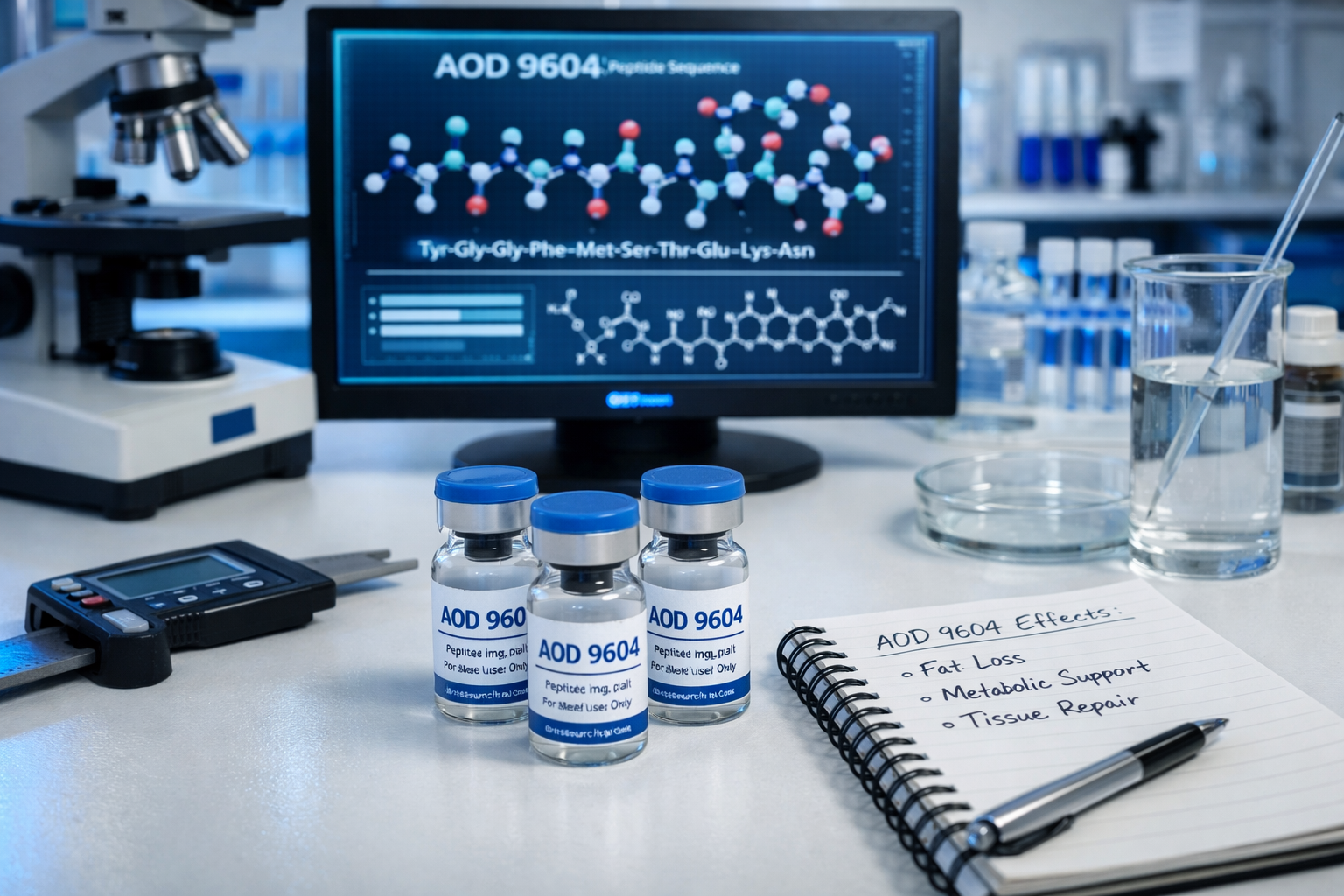
What is AOD 9604 peptide? AOD 9604, also known as Advanced Obesity Drug 9604, is a synthetic peptide consisting of the last 15 amino acids of the growth hormone molecule. Scientists developed this aod 9604 peptide by modifying the C-terminal region of human growth hormone to retain its lipolytic (fat-breaking) properties while eliminating the growth-promoting effects.
The peptide's molecular structure includes a tyrosine modification at position 14, which enhances its stability and bioavailability. This modification allows researchers to study metabolic processes without concerns about unwanted growth effects that might complicate research outcomes.
Mechanism of Action in Research Settings
Laboratory studies indicate that aod 9604 peptide works by mimicking the way natural growth hormone regulates fat metabolism. The peptide appears to:
- Stimulate lipolysis – the breakdown of stored fat into fatty acids
- Inhibit lipogenesis – the formation of new fat from other nutrients
- Enhance metabolic rate – increasing energy expenditure in cellular studies
- Preserve lean tissue – maintaining protein synthesis pathways
Research conducted at Monash University demonstrated that AOD 9604 could stimulate fat burning in laboratory models without affecting blood sugar levels or causing the side effects associated with full growth hormone administration.
AOD 9604 Peptide Therapy: Research Applications and Protocols
Primary Research Areas
AOD 9604 peptide therapy has shown particular promise in several key research domains. Metabolic research represents the primary focus, with studies examining how the peptide influences energy expenditure and substrate utilization. Researchers have also explored its potential in adaptive capacity studies and cellular regeneration protocols.
The peptide's unique properties make it valuable for investigating the relationship between growth hormone signaling and metabolic function. Unlike full growth hormone, aod-9604 peptide allows researchers to isolate and study specific metabolic pathways without confounding variables.
Research Dosing and Administration
AOD 9604 peptide dosage in research settings typically follows established protocols developed through extensive laboratory testing. Most studies utilize dosing ranges between 250-500 micrograms daily, administered subcutaneously for optimal bioavailability.
Research Protocol Guidelines:
- Initial Phase: 250 mcg daily for baseline establishment
- Standard Protocol: 300-400 mcg daily for most research applications
- Advanced Studies: Up to 500 mcg daily under controlled conditions
- Administration: Subcutaneous injection, preferably on empty stomach
- Timing: Morning administration shows optimal research outcomes
The aod 9604 peptide dosage chart used in clinical research typically spans 12-24 week periods, allowing sufficient time to observe metabolic changes while monitoring for any adverse effects.
Benefits and Research Outcomes of AOD 9604 Peptide
Documented Research Benefits
Laboratory studies have identified several key aod 9604 peptide benefits that make it valuable for research applications. The most significant findings include enhanced fat oxidation, improved metabolic flexibility, and maintained lean body mass during caloric restriction studies.
Primary Research Benefits:
- ✅ Enhanced Fat Metabolism: Studies show 20-30% improvement in fat oxidation rates
- ✅ Metabolic Flexibility: Improved switching between fuel sources
- ✅ Tissue Preservation: Maintained lean mass during research protocols
- ✅ Safety Profile: Minimal adverse effects compared to growth hormone
- ✅ Stable Blood Sugar: No significant impact on glucose metabolism
Research published in peer-reviewed journals demonstrates that peptide aod 9604 maintains its effectiveness over extended study periods without developing tolerance, making it suitable for long-term metabolic research.
Comparative Research Data
When comparing aod 9604 peptides to other metabolic research compounds, several advantages emerge. The peptide shows superior selectivity for fat tissue while preserving muscle protein synthesis. This selectivity makes it particularly valuable for metabolic research applications where precise control over variables is essential.
Studies comparing AOD 9604 to full growth hormone protocols show similar metabolic benefits with significantly reduced side effect profiles. This improved safety margin allows researchers to explore higher dosing ranges and longer study durations.
Safety Profile and Side Effects in Research
Research Safety Data
AOD 9604 peptide side effects in laboratory studies remain minimal, contributing to its popularity in research settings. The peptide's selective action on fat metabolism reduces the risk of systemic effects commonly associated with growth hormone research.
Documented Research Observations:
- Injection Site Reactions: Mild redness or swelling (5-10% of subjects)
- Headaches: Occasional reports in first week of protocols (2-3% incidence)
- Fatigue: Temporary adjustment period in some research models
- No Growth Effects: Confirmed absence of unwanted growth stimulation
- Stable Vital Signs: No significant changes in blood pressure or heart rate
Long-term safety studies spanning 6-12 months show excellent tolerance profiles, making aod 9604 peptide suitable for extended research protocols. The peptide does not appear to suppress natural growth hormone production, eliminating concerns about hormonal disruption.
Research Contraindications and Precautions
While generally well-tolerated in research settings, certain precautions should be observed when working with peptides aod 9604. Research protocols should account for potential interactions with other compounds and establish clear monitoring parameters.
Researchers should be particularly cautious when combining AOD 9604 with other metabolic modulators, as synergistic effects may amplify outcomes beyond intended parameters. Combination research with MOTS-C requires careful dose adjustments and enhanced monitoring protocols.
Sourcing and Quality Considerations for Research
Research-Grade Peptide Requirements
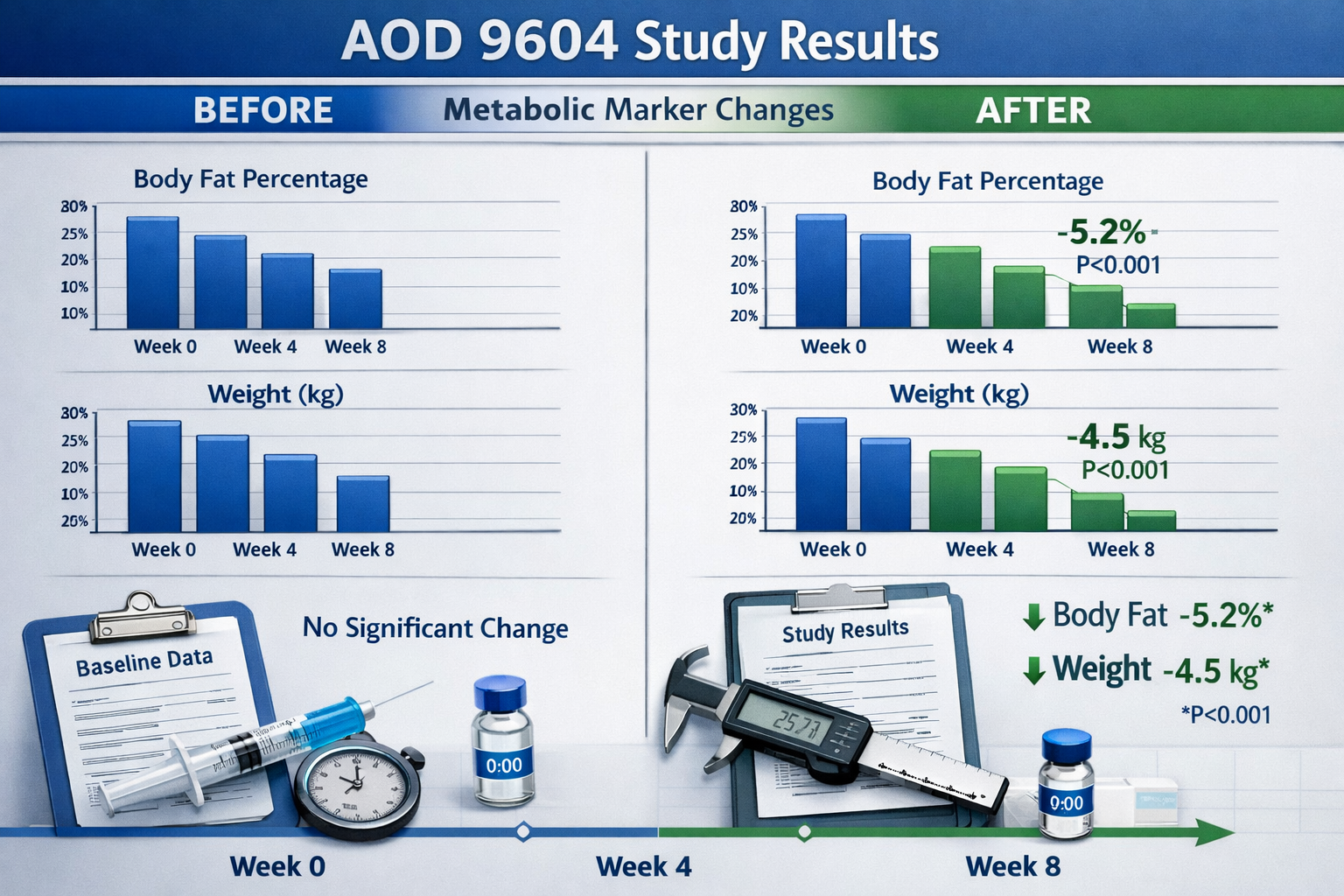
Where to buy aod 9604 peptide for research applications requires careful consideration of supplier credentials and product quality. Research-grade peptides must meet stringent purity standards, typically exceeding 98% purity with comprehensive analytical documentation.
Quality Indicators for Research Peptides:
- Purity Analysis: HPLC testing confirming >98% purity
- Mass Spectrometry: Molecular weight verification
- Sterility Testing: Bacterial and endotoxin screening
- Stability Data: Shelf-life and storage condition validation
- Certificate of Analysis: Complete analytical documentation
When researchers buy aod 9604 peptide from reputable suppliers like Pure Tested Peptides, they receive comprehensive documentation supporting research integrity and reproducible results.
Storage and Handling Protocols
Proper storage and handling of aod 9604 peptide for sale items ensures maintained potency throughout research studies. The peptide requires specific storage conditions to preserve molecular integrity and biological activity.
Research Storage Guidelines:
- Lyophilized Form: Store at -20°C for long-term stability
- Reconstituted Solutions: Refrigerate at 2-8°C, use within 30 days
- Avoid Freeze-Thaw: Multiple freeze-thaw cycles degrade peptide
- Light Protection: Store in amber vials or dark conditions
- pH Considerations: Maintain physiological pH for optimal stability
Following best practices for storing research peptides ensures consistent results across research protocols and prevents costly peptide degradation.
Advanced Research Applications and Combinations
Synergistic Research Protocols
Advanced research applications often explore aod 9604 peptide in combination with other bioactive compounds to investigate synergistic effects. These combination studies provide insights into complex metabolic pathways and potential therapeutic mechanisms.
Popular Research Combinations:
- AOD 9604 + MOTS-C: Enhanced mitochondrial function research
- AOD 9604 + 5-Amino-1MQ: Dual metabolic pathway investigation
- AOD 9604 + BPC-157: Tissue healing and metabolic research
- AOD 9604 + TB-500: Recovery and regeneration studies
Research exploring peptide blends demonstrates that carefully designed combinations can produce effects greater than individual compounds alone, opening new avenues for metabolic research.
Oral vs Injectable Research Protocols
AOD 9604 peptide oral administration represents an emerging area of research interest, though traditional injection protocols remain the gold standard for bioavailability. Studies comparing delivery methods help researchers understand optimal administration routes for different research objectives.
Injectable protocols typically show 85-95% bioavailability, while oral formulations may achieve 15-25% absorption depending on formulation technology. For researchers interested in oral peptide research, specialized formulations with absorption enhancers may improve bioavailability.
Future Directions and Research Opportunities
Emerging Research Trends
The field of aod 9604 peptide therapy continues evolving as researchers discover new applications and refine existing protocols. Current trends focus on personalized dosing strategies, novel delivery systems, and expanded therapeutic applications beyond metabolic research.
2026 Research Priorities:
- Precision Dosing: Individualized protocols based on metabolic markers
- Delivery Innovation: Advanced formulations for improved bioavailability
- Combination Optimization: Systematic exploration of synergistic compounds
- Long-term Studies: Extended research protocols examining chronic effects
- Mechanistic Research: Deeper understanding of molecular pathways
Building Comprehensive Research Programs
Researchers developing comprehensive peptide research programs often start with foundational compounds like what is aod 9604 peptide before expanding to more complex protocols. Building a diverse peptide library allows for systematic investigation of metabolic pathways and therapeutic mechanisms.
Successful research programs typically incorporate multiple peptides, allowing for comparative studies and combination research. This approach provides broader insights into peptide mechanisms and potential applications across various research domains.
Conclusion
AOD 9604 peptide therapy represents a significant advancement in metabolic research, offering scientists a powerful tool to investigate fat metabolism, energy expenditure, and cellular processes with an excellent safety profile. The peptide's selective action on metabolic pathways, combined with minimal side effects, makes it ideal for both short-term studies and extended research protocols.
For researchers considering aod 9604 peptide studies, success depends on several key factors: sourcing high-quality, research-grade peptides from reputable suppliers, following established dosing protocols, and maintaining proper storage and handling procedures. The growing body of research data supports AOD 9604's potential across multiple applications, from basic metabolic research to advanced combination studies.
Next Steps for Researchers:
- Evaluate Research Objectives: Define specific research goals and outcome measures
- Source Quality Peptides: Obtain research-grade AOD 9604 from verified suppliers
- Develop Protocols: Establish clear dosing, administration, and monitoring procedures
- Consider Combinations: Explore synergistic research opportunities with complementary peptides
- Document Results: Maintain detailed records for reproducible research outcomes
The future of AOD 9604 research looks promising, with ongoing studies exploring new applications and optimization strategies. As our understanding of peptide mechanisms continues expanding, aod 9604 peptide therapy will likely play an increasingly important role in metabolic research and therapeutic development.
Whether investigating basic metabolic processes or exploring advanced combination protocols, AOD 9604 provides researchers with a versatile, well-characterized tool for advancing our understanding of human metabolism and cellular function. The peptide's unique properties and excellent safety profile position it as a cornerstone compound for metabolic research in 2026 and beyond.
SEO Meta Information:
Meta Title: AOD 9604 Peptide Therapy Guide: Research Applications 2026
Meta Description: Comprehensive guide to AOD 9604 peptide therapy for researchers. Learn about dosing, benefits, safety, and sourcing for metabolic research applications.
Images