
Buy Peptide Online: Your Complete 2026 Guide to Safe & Legitimate Purchases
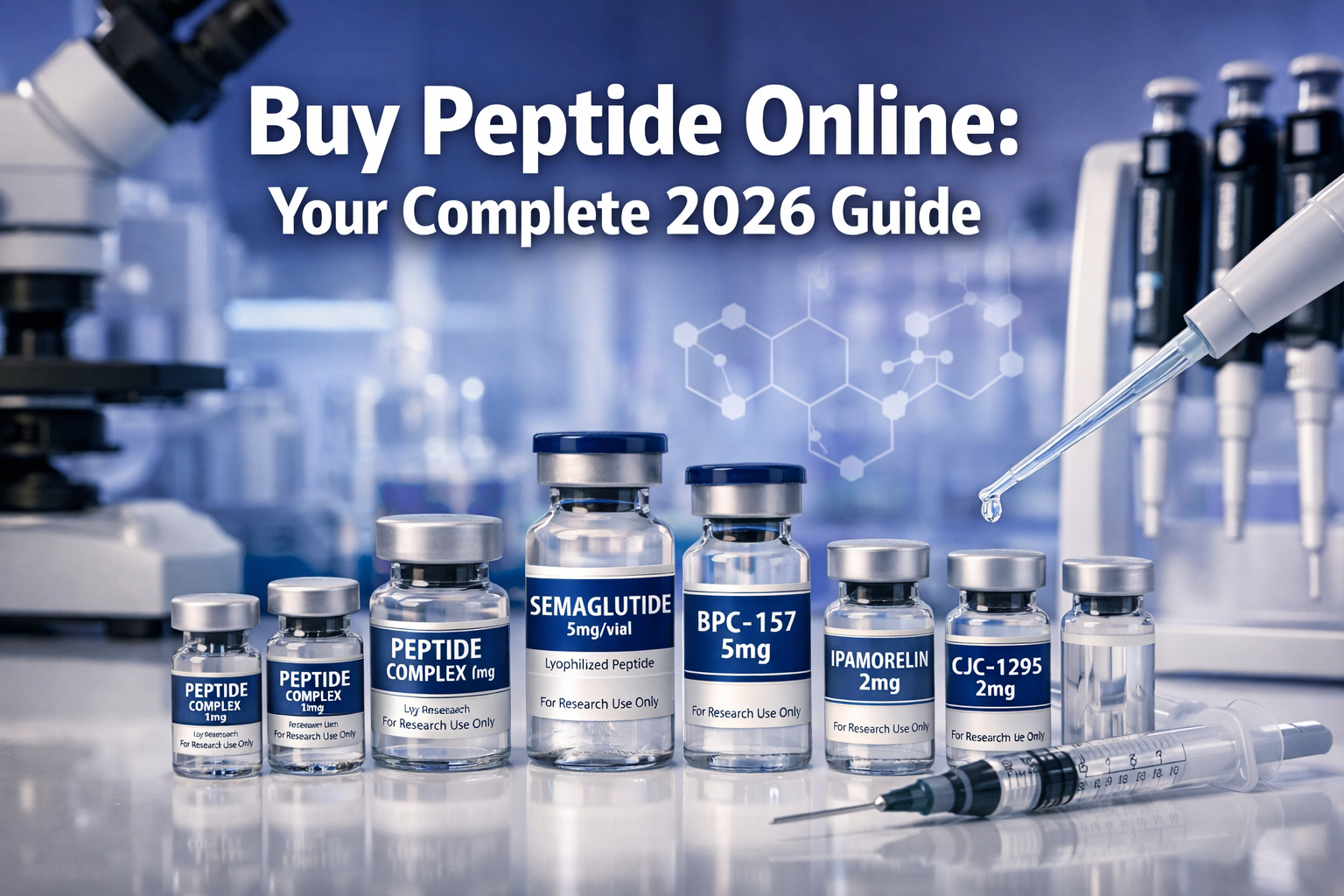
The peptide market has exploded in recent years, with more health enthusiasts, bodybuilders, and researchers looking to buy peptide online than ever before. In fact, the global peptide therapeutics market is projected to reach a staggering $62.4 billion by 2028. But here's the catch: not all online peptide vendors are created equal, and navigating this complex landscape requires knowledge, caution, and a commitment to quality. Whether you're a fitness professional seeking performance enhancement, a medical spa owner exploring anti-aging solutions, or a researcher conducting legitimate studies, understanding how to safely buy peptide online can mean the difference between achieving your goals and facing serious health risks. 🔬
Key Takeaways
- Quality varies dramatically among online peptide vendors, with some products containing contaminants, incorrect dosing, or completely different compounds than advertised
- Regulatory status matters: The FDA does not approve peptides sold online for human consumption outside prescription medications, and many vendors operate in legal gray areas
- Third-party testing is essential: Certificates of analysis (COA) from independent laboratories are critical for verifying peptide purity and authenticity
- Proper storage and handling can make or break peptide effectiveness, as these compounds are highly sensitive to temperature, light, and contamination
- Medical supervision is recommended: Self-administering peptides without physician guidance can lead to serious adverse effects, medication interactions, and hormonal imbalances
Understanding Peptides: What You're Really Buying Online
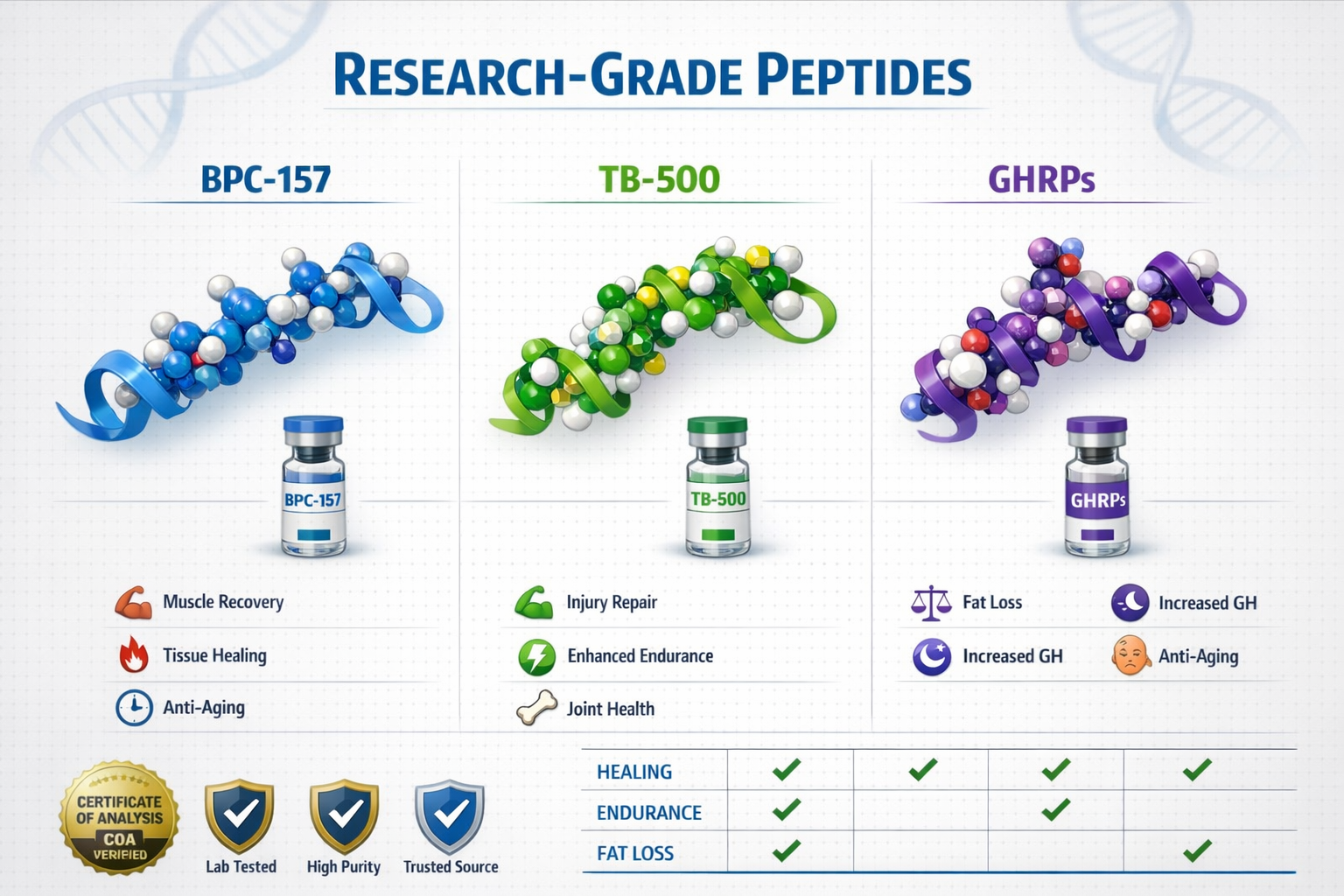
Peptides are short chains of amino acids that serve as the building blocks of proteins in the human body. These remarkable molecules play crucial roles in everything from muscle recovery to hormone regulation, making them increasingly popular among various communities seeking specific health and performance benefits.
What Are Peptides and Why Buy Them Online?
When you buy peptides through online channels, you're typically purchasing synthetic versions of naturally occurring compounds that your body already produces. These molecules can range from just two amino acids to complex chains containing dozens of amino acid sequences. The appeal is straightforward: peptides offer targeted benefits without the complexity of full protein supplementation.
The convenience of online purchasing has revolutionized access to these compounds. Instead of requiring a doctor's prescription or institutional affiliation, consumers can now browse extensive catalogs of peptide products from the comfort of their homes. However, this accessibility comes with significant responsibilities and risks that every buyer must understand.
Common Peptides Available Through Online Vendors
The peptide sale market includes several popular compounds, each with distinct properties and applications:
BPC-157 (Body Protection Compound) has gained tremendous popularity for its potential tissue repair and healing properties. Researchers and athletes alike seek this peptide for recovery support, though its long-term safety profile remains under investigation.
TB-500 (Thymosin Beta-4) is another frequently purchased compound, with users reporting benefits for muscle recovery and flexibility. The tb-500 benefits bodybuilding community has extensively documented anecdotal experiences, though controlled clinical trials remain limited.
Growth Hormone-Releasing Peptides (GHRPs) including ModGRF variants represent a category designed to stimulate natural growth hormone production. These compounds attract bodybuilders and anti-aging enthusiasts seeking metabolic and recovery benefits.
AOD-9604 has emerged as a popular choice for those researching metabolic function and body composition. Many looking to buy AOD 9604 online appreciate its targeted approach to fat metabolism research.
Melanotan Peptides including MT-1 variants appeal to those interested in tanning and potential metabolic effects. Users searching to buy melanotan 1 should understand both the cosmetic and systemic implications of these compounds.
The Science Behind Peptide Functionality
Peptides work by binding to specific receptors on cell surfaces, triggering cascades of biological responses. This targeted mechanism explains why different peptides produce such varied effects—each is designed to interact with particular cellular pathways.
For instance, GLP-1 peptides have revolutionized metabolic research and diabetes management. Those wondering where to buy GLP 1 peptide should recognize that prescription versions (like semaglutide) differ significantly from research-grade compounds available online.
The molecular structure determines everything from absorption rates to duration of action. Simple peptides with fewer amino acids may act quickly but have shorter half-lives, while complex peptides might provide sustained effects over longer periods.
Where to Buy Peptide Online: Evaluating Vendor Legitimacy
Finding trustworthy sources when you want to buy peptide online requires careful vetting and due diligence. The online marketplace contains both reputable suppliers and questionable operators, making vendor selection your most critical decision.
Red Flags: Identifying Disreputable Peptide Vendors
Several warning signs indicate a vendor may not meet quality or safety standards:
Absence of third-party testing represents the biggest red flag. Legitimate suppliers provide current certificates of analysis (COA) from independent laboratories for every batch. If a vendor can't produce these documents or provides outdated certificates, look elsewhere.
Unrealistic claims about peptide effects should trigger immediate skepticism. Vendors promising "miracle results," "FDA-approved" status for research peptides, or guaranteed outcomes are likely misleading customers. Remember, most peptides sold online are marketed as research chemicals specifically to avoid regulatory scrutiny.
Poor website security and unprofessional presentation often correlate with substandard products. Before entering payment information, verify the site uses SSL encryption (look for "https" in the URL) and displays professional product information with proper disclaimers.
Lack of customer support or evasive responses to questions about sourcing, testing, or storage recommendations suggests a vendor prioritizes quick sales over customer safety and satisfaction.
Green Flags: Characteristics of Reputable Peptide Suppliers
Quality vendors distinguish themselves through several key practices:
Comprehensive third-party testing with readily available COAs for purity, concentration, and contamination screening demonstrates commitment to quality. The best peptide stores update these certificates regularly and make them easily accessible to customers.
Transparent sourcing information including manufacturing location, synthesis methods, and quality control procedures indicates a vendor has nothing to hide. Reputable suppliers willingly discuss their supply chain and quality assurance processes.
Proper storage and shipping protocols ensure peptides maintain stability from warehouse to doorstep. Look for vendors using temperature-controlled shipping with cold packs, insulated packaging, and expedited delivery options.
Educational resources including reconstitution guides, storage instructions, and safety information suggest a vendor cares about proper usage beyond just making sales. The best suppliers act as educational partners rather than just product distributors.
Responsive customer service with knowledgeable representatives who can answer technical questions about peptide properties, dosing calculations, and storage requirements separates professional operations from fly-by-night vendors.
Regulatory Considerations When Buying Peptides Online
Understanding the legal landscape helps buyers make informed decisions and avoid potential legal complications:
The FDA does not approve peptides sold online for human consumption outside prescription medications. Most online vendors market products as "research chemicals" or "not for human use" to operate within regulatory gray areas. This distinction matters for both legal protection and realistic expectations about product oversight.
International purchases introduce additional complexity, as peptide legality varies significantly by jurisdiction. Some countries classify certain peptides as controlled substances, while others permit them as research chemicals. Buyers should research local regulations before ordering from international suppliers.
WADA prohibitions affect competitive athletes, as the World Anti-Doping Agency bans many commonly sold peptides including growth hormone secretagogues and peptide hormones. Athletes subject to testing should avoid these substances entirely to prevent sanctions.
Prescription peptide medications like semaglutide (Ozempic, Wegovy) and tirzepatide (Mounjaro) have spawned counterfeit and compounded versions sold through questionable online channels. The FDA has issued multiple warnings about these products, which may contain incorrect dosing or dangerous contaminants.
How to Buy Peptide Online Safely: A Step-by-Step Guide
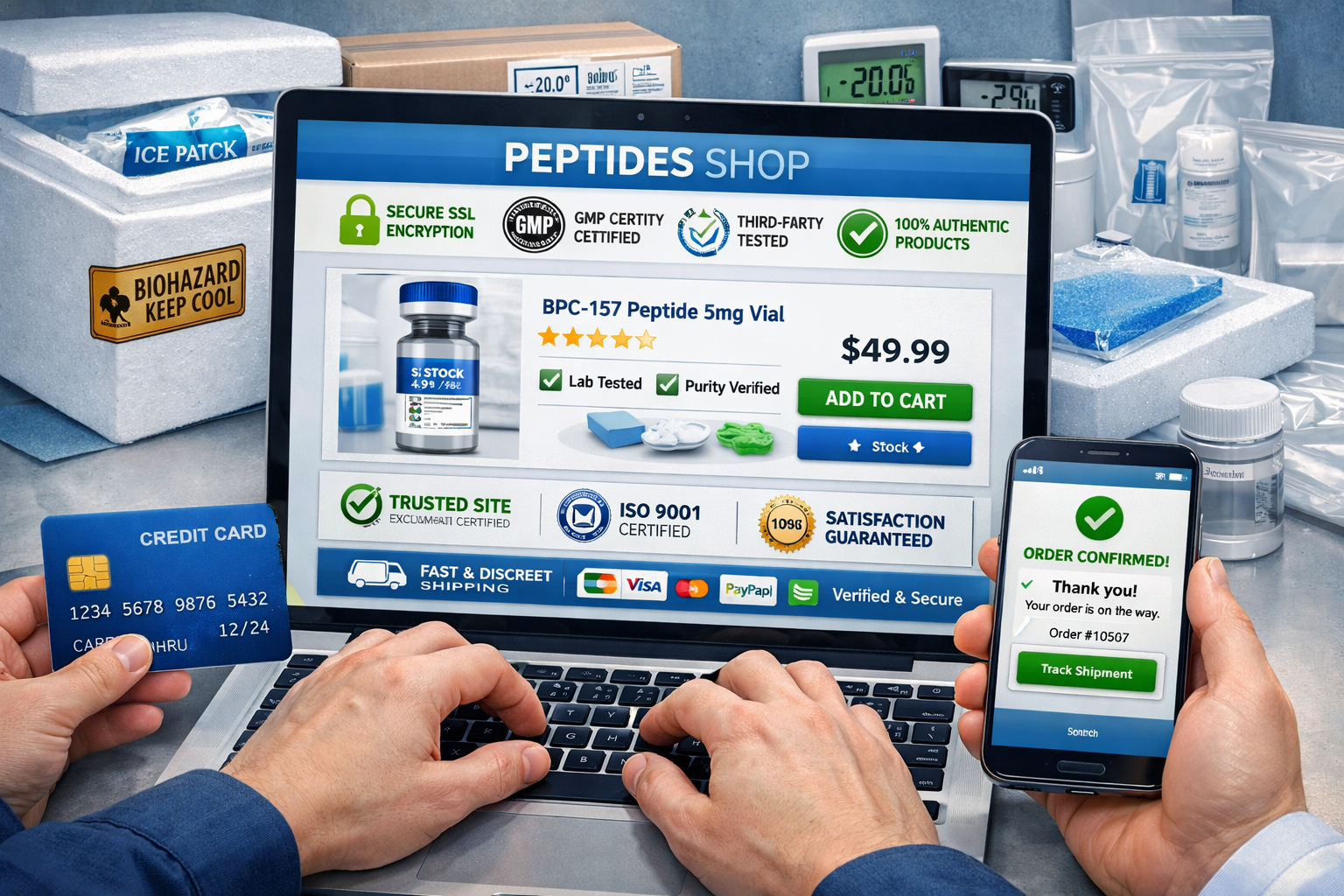
Successfully navigating the online peptide marketplace requires a systematic approach that prioritizes safety, quality, and legitimacy at every step.
Step 1: Research Your Target Peptide Thoroughly
Before spending a dollar, invest time understanding the specific peptide you're considering:
Review scientific literature through databases like PubMed to understand the peptide's mechanisms, studied effects, and known safety concerns. While many peptides lack extensive human trials, animal studies and preliminary research provide valuable context.
Understand dosing protocols by consulting research papers and experienced practitioners. Improper dosing represents one of the most common mistakes when people buy bodybuilding peptides for sale without adequate preparation.
Identify potential interactions with medications, supplements, or health conditions you may have. Some peptides can affect insulin sensitivity, blood pressure, or hormone levels in ways that interact with existing treatments.
Set realistic expectations based on evidence rather than marketing hype. Many peptides show promising preliminary results but lack the robust clinical validation of prescription medications.
Step 2: Identify and Vet Potential Suppliers
Creating a shortlist of candidate vendors requires careful evaluation:
Search for established suppliers with track records spanning multiple years. Newer vendors aren't automatically disqualified, but longevity suggests stability and customer satisfaction.
Read independent reviews from multiple sources including forums, Reddit communities, and third-party review sites. Be skeptical of reviews on the vendor's own website, as these may be curated or fabricated.
Verify testing protocols by requesting sample COAs before purchasing. Legitimate vendors provide these without hesitation, while questionable operators make excuses or provide suspicious documentation.
Compare pricing across multiple vendors, but remember that unusually low prices often indicate compromised quality. Peptide synthesis and testing involve real costs that legitimate vendors must recoup.
Contact customer service with specific technical questions to gauge knowledge and responsiveness. Quality suppliers employ staff who understand peptide chemistry and can provide detailed answers.
Step 3: Verify Product Quality and Testing
Once you've identified promising vendors, dig deeper into their quality assurance:
Request current COAs for the specific batch you'll receive, not just generic certificates. Batch-to-batch variation occurs even with reputable manufacturers, making current testing essential.
Verify testing laboratory credentials by researching the independent lab that performed analysis. Legitimate testing facilities have their own websites, accreditations, and contact information.
Understand testing parameters including purity percentage (should be 95%+ for most peptides), concentration accuracy, and contamination screening for heavy metals, bacteria, and endotoxins.
Check reconstitution requirements and storage specifications, as these vary by peptide. Vendors should provide detailed instructions specific to each compound.
Step 4: Place Your Order Securely
When ready to purchase, protect your financial and personal information:
Use secure payment methods that offer buyer protection, such as credit cards rather than wire transfers or cryptocurrency. While some vendors only accept crypto for privacy reasons, this limits recourse if problems arise.
Verify shipping discretion if privacy concerns exist, though remember that legitimate peptide purchases for research purposes shouldn't require excessive secrecy.
Select appropriate shipping speed considering peptide stability and local climate. Expedited shipping with cold packs becomes essential during summer months or for highly temperature-sensitive compounds.
Document your purchase including order confirmations, tracking information, and all communication with the vendor. This documentation proves invaluable if quality issues or disputes arise.
Step 5: Inspect and Test Upon Arrival
Your responsibility doesn't end when the package arrives:
Inspect packaging immediately for signs of temperature compromise, damage, or tampering. Peptides exposed to heat during shipping may be degraded even if they appear normal.
Verify product labeling matches your order, including peptide identity, concentration, and batch number. Cross-reference the batch number with the provided COA.
Consider independent testing for high-value orders or new vendors. Several laboratories offer peptide testing services for individual consumers, providing peace of mind about product authenticity.
Store properly immediately according to manufacturer specifications, typically in refrigerated conditions away from light. Improper storage after delivery can negate all previous quality precautions.
Peptide Quality, Purity, and Testing: What You Need to Know
Understanding peptide quality metrics empowers buyers to make informed decisions and recognize substandard products before they cause problems.
Understanding Certificates of Analysis (COAs)
Certificates of Analysis represent the gold standard for verifying peptide quality, but reading them requires some knowledge:
Purity percentage indicates what proportion of the product consists of the target peptide versus impurities, byproducts, or degradation products. Research-grade peptides should demonstrate 95% or higher purity, with pharmaceutical-grade products exceeding 98%.
Concentration accuracy confirms the labeled amount matches actual content. A vial labeled as containing 5mg should test within a narrow range of that specification—significant deviations suggest quality control problems.
Contaminant screening tests for heavy metals, bacterial endotoxins, and other potentially harmful substances. Even if the peptide itself is pure, contamination during synthesis or handling can introduce dangerous compounds.
Identity confirmation through methods like mass spectrometry verifies you're receiving the correct peptide, not a different compound or mixture. This testing prevents the disturbing scenario where vendors sell completely wrong products.
Testing methodology should be specified, with techniques like HPLC (High-Performance Liquid Chromatography) and mass spectrometry representing industry standards. Vague testing descriptions or unspecified methods raise red flags.
Common Quality Issues in Online Peptide Markets
The unregulated nature of online peptide sales creates opportunities for various quality problems:
Underdosing represents one of the most common issues, where vials contain significantly less peptide than labeled. This practice allows vendors to increase profit margins while technically providing "real" product.
Contamination with bacteria, endotoxins, or synthesis byproducts can cause adverse reactions ranging from injection site irritation to serious systemic effects. Proper synthesis and handling in sterile environments prevents most contamination.
Degradation occurs when peptides are exposed to inappropriate temperatures, light, or pH conditions during storage or shipping. Degraded peptides may appear normal but deliver reduced or unpredictable effects.
Substitution involves selling a different, cheaper peptide under the label of a more expensive compound. Without independent testing, buyers have no way to detect this fraud until they experience unexpected effects or lack of results.
Counterfeit COAs can be fabricated or altered to show desired results that don't reflect actual product quality. Verifying the testing laboratory's legitimacy helps combat this deception.
The Importance of Third-Party Testing
Independent laboratory analysis provides the only reliable verification of peptide quality:
Removes conflict of interest by having an unaffiliated laboratory assess product quality rather than relying on vendor self-reporting. This independence is crucial for honest results.
Provides standardized methodology using validated analytical techniques that produce reliable, reproducible results. Reputable testing labs follow strict protocols and maintain proper accreditation.
Enables batch-specific verification rather than assuming consistency across production runs. Even excellent manufacturers experience occasional quality variations that batch testing identifies.
Creates accountability for vendors, as they know customers can verify claims through independent analysis. This transparency pressure incentivizes maintaining high standards.
Empowers informed decisions by giving buyers objective data rather than marketing claims. Understanding what you're actually purchasing enables appropriate dosing and realistic expectations.
When you buy peptide online, insisting on current third-party testing represents your most powerful tool for ensuring quality and safety.
Storage, Handling, and Reconstitution: Protecting Your Investment
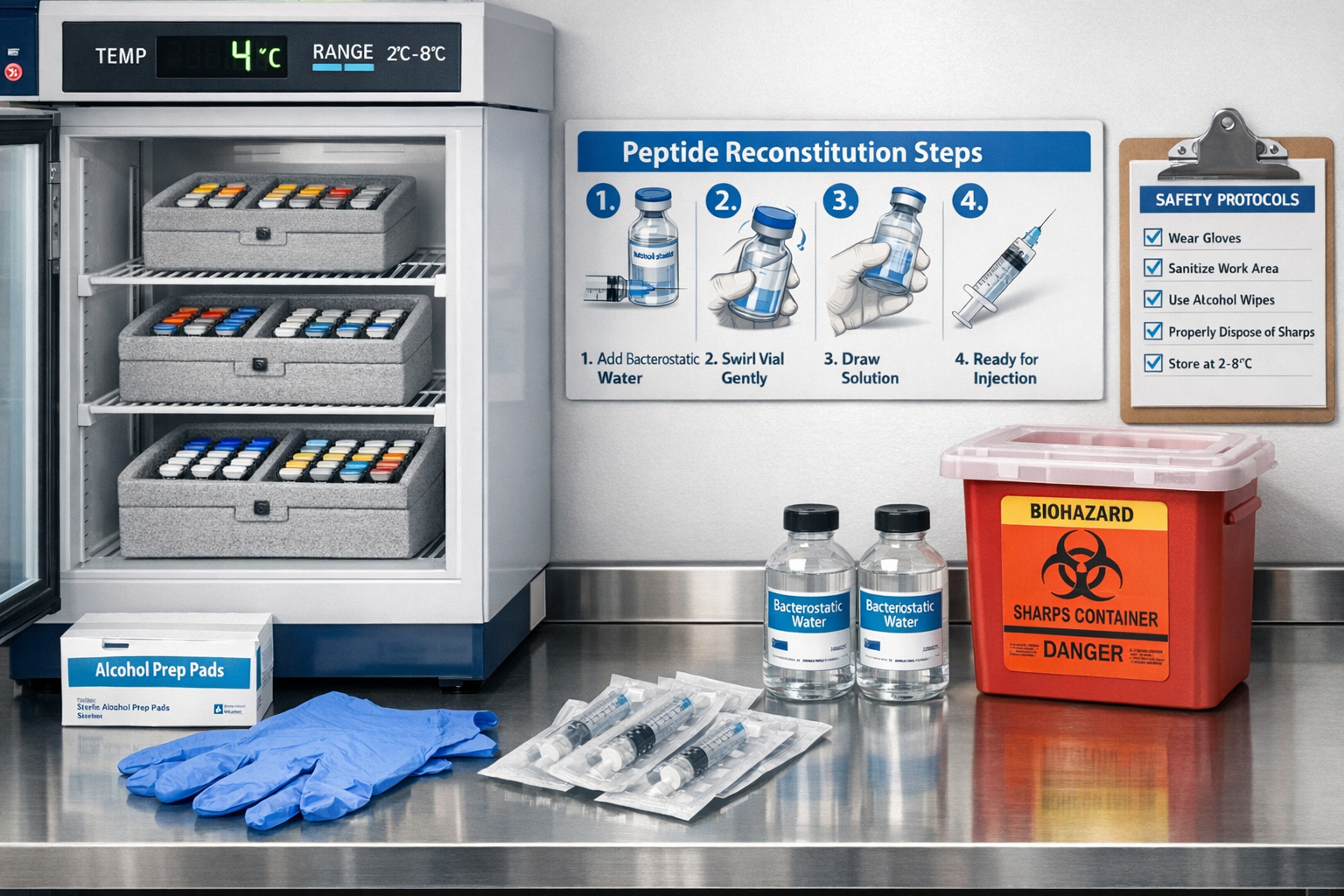
Even the highest-quality peptides become worthless if improperly stored or handled. Understanding these critical factors ensures your purchase maintains potency from delivery through final use.
Proper Peptide Storage Conditions
Peptides are remarkably sensitive molecules that require specific environmental conditions:
Temperature control represents the most critical storage factor. Lyophilized (freeze-dried) peptides typically require refrigeration at 2-8°C (36-46°F), while reconstituted peptides often need freezing at -20°C (-4°F) or colder. Room temperature storage dramatically accelerates degradation for most compounds.
Light protection prevents photodegradation that can alter peptide structure and reduce potency. Store peptides in their original amber vials or wrap containers in aluminum foil to block light exposure.
Moisture control matters for lyophilized peptides, which should remain completely dry until reconstitution. Humidity exposure can trigger premature degradation even in sealed vials.
Contamination prevention requires sterile handling techniques whenever accessing peptide vials. Use alcohol wipes to clean vial tops, never touch needle tips, and work in clean environments to prevent bacterial introduction.
Stability duration varies by peptide and storage conditions. Lyophilized peptides typically remain stable for months to years when properly refrigerated, while reconstituted solutions may only maintain potency for weeks even when frozen.
Reconstitution Best Practices
Converting lyophilized peptide powder into usable solution requires careful technique:
Choose appropriate solvent, typically bacteriostatic water for injection, which contains a small amount of benzyl alcohol to prevent bacterial growth. Some peptides require specific solvents like acetic acid solution—always verify requirements for your specific compound.
Calculate volumes carefully to achieve desired concentration. If a 5mg vial should yield 2mg/mL solution, you'll need to add 2.5mL of bacteriostatic water. Incorrect calculations lead to dosing errors.
Add solvent gently by directing liquid down the vial wall rather than directly onto the peptide powder. Aggressive mixing can damage delicate peptide bonds through mechanical stress.
Allow passive dissolution by letting the vial sit undisturbed in the refrigerator for several minutes. Gentle swirling is acceptable if needed, but never shake peptide solutions vigorously.
Inspect the solution after reconstitution for clarity and complete dissolution. Cloudiness, particles, or undissolved powder suggests problems with the peptide or reconstitution process.
Label clearly with peptide identity, concentration, reconstitution date, and expiration based on stability data. Unlabeled vials create dangerous confusion when working with multiple compounds.
Handling Precautions and Safety Measures
Safe peptide handling protects both product quality and personal health:
Use sterile technique for all handling, including alcohol wipes for vial tops, sterile needles and syringes, and clean work surfaces. Contamination risks increase with each access to the vial.
Minimize freeze-thaw cycles for frozen reconstituted peptides, as repeated temperature changes accelerate degradation. Consider aliquoting into smaller vials for single-use portions.
Dispose of sharps properly using puncture-resistant containers specifically designed for needle disposal. Never recap needles or throw them in regular trash.
Wash hands thoroughly before and after handling peptides, and consider wearing gloves to prevent both product contamination and personal exposure.
Keep detailed records of storage conditions, reconstitution dates, and any observations about product appearance or effects. This documentation helps identify problems and optimize protocols.
Those looking for guidance on specific compounds like AOD9604 5mg should consult detailed storage and reconstitution instructions specific to that peptide, as requirements vary.
Medical Considerations and Safety When You Buy Peptide Online
While the convenience of online peptide purchasing appeals to many, understanding medical implications and safety concerns remains paramount for responsible use.
Why Medical Supervision Matters
Self-administering peptides without professional guidance carries significant risks:
Individual variation in response to peptides can be dramatic. Factors including genetics, existing health conditions, medications, and lifestyle all influence how your body processes and responds to these compounds. A protocol that works well for one person might cause problems for another.
Medication interactions represent a serious concern, as peptides can affect insulin sensitivity, blood pressure, hormone levels, and other physiological parameters. These changes may interact dangerously with prescription medications, particularly those for diabetes, hypertension, or hormone-related conditions.
Underlying health conditions may contraindicate certain peptides or require dosage adjustments. For example, peptides affecting growth hormone pathways might pose risks for individuals with cancer history or active tumors.
Monitoring requirements ensure safety during peptide use. Regular blood work, blood pressure checks, and other assessments help detect problems before they become serious. Self-administration without monitoring leaves you vulnerable to developing complications undetected.
Professional dosing guidance optimizes results while minimizing risks. Physicians experienced with peptide therapy understand appropriate starting doses, titration schedules, and maximum safe amounts for different compounds and individual circumstances.
Finding Qualified Medical Professionals
Locating knowledgeable practitioners requires some research:
Search for peptide-experienced providers using terms like "peptides doctor near me" or "peptide therapy specialist." Anti-aging clinics, functional medicine practitioners, and sports medicine physicians often have relevant expertise.
Verify credentials including medical licenses, board certifications, and specific training in peptide therapy. Some practitioners complete specialized courses or certifications in regenerative medicine or anti-aging protocols.
Ask about experience with your specific peptide of interest. A doctor familiar with growth hormone peptides might have limited knowledge of tissue repair compounds like BPC-157, and vice versa.
Discuss testing protocols including baseline labs, monitoring frequency, and specific markers assessed. Comprehensive oversight requires more than just prescribing peptides—it demands ongoing evaluation and adjustment.
Evaluate communication style and willingness to educate. The best practitioners explain mechanisms, risks, and realistic expectations rather than simply selling products or services.
Common Adverse Effects and Risk Mitigation
Understanding potential side effects enables informed decision-making and appropriate responses:
Injection site reactions including redness, swelling, or discomfort represent the most common adverse effects. Proper injection technique, site rotation, and sterile handling minimize these issues.
Allergic reactions can range from mild skin irritation to severe anaphylaxis, though serious reactions remain rare. Starting with low doses and monitoring for symptoms helps identify sensitivity before serious reactions develop.
Hormonal effects may occur with peptides affecting growth hormone, insulin, or other endocrine pathways. Symptoms might include changes in blood sugar, fluid retention, joint discomfort, or mood alterations.
Cardiovascular effects such as blood pressure changes or heart rate alterations can occur with certain peptides. Regular monitoring catches these changes early, allowing dosage adjustment or discontinuation.
Unknown long-term effects remain a concern for many peptides lacking extensive human safety data. This uncertainty requires weighing potential benefits against unknown risks, ideally with medical guidance.
Contamination-related complications including infections or toxic reactions can result from impure products or improper handling. Sourcing from reputable vendors and maintaining sterile technique reduces these risks significantly.
Special Populations and Contraindications
Certain groups face elevated risks from peptide use:
Pregnant or nursing women should avoid peptides entirely unless prescribed by a physician for specific medical indications. Effects on fetal development and breast milk remain largely unknown for most compounds.
Individuals with cancer history should exercise extreme caution with growth-promoting peptides, as these might theoretically stimulate cancer cell growth. Medical supervision becomes absolutely essential for this population.
People with diabetes require careful monitoring when using peptides affecting insulin sensitivity or glucose metabolism, as blood sugar changes can be dangerous without appropriate management.
Competitive athletes must recognize that many peptides violate anti-doping regulations and can result in sanctions, even when used for legitimate medical purposes. WADA prohibitions extend to numerous commonly purchased compounds.
Adolescents should generally avoid peptides affecting growth hormone or other developmental pathways unless under specialized medical care for specific conditions. Interfering with natural development carries unknown risks.
The Future of Online Peptide Markets in 2026 and Beyond

The peptide industry continues evolving rapidly, with regulatory changes, technological advances, and market maturation shaping the landscape for buyers and vendors alike.
Regulatory Trends and Anticipated Changes
Government oversight of online peptide sales appears likely to increase:
FDA enforcement actions against vendors making therapeutic claims or selling adulterated products have intensified in recent years. This trend will likely continue as agencies respond to safety concerns and counterfeit medications.
Prescription requirements may expand to include more peptides currently sold as research chemicals. As compounds gain popularity and safety concerns emerge, regulators often respond by restricting access to medical channels.
International harmonization efforts aim to create consistent regulations across jurisdictions, though progress remains slow. Buyers should anticipate changing legal status for various compounds as countries update their controlled substance lists.
Compounding pharmacy oversight has tightened following issues with contaminated products and counterfeit weight-loss peptides. Legitimate compounding facilities now face stricter quality requirements and inspection protocols.
Anti-doping regulations continue expanding their prohibited substance lists, with new peptides added regularly as they emerge in sports contexts. Athletes must stay current on these changes to avoid inadvertent violations.
Quality Improvements and Industry Maturation
The peptide market shows signs of increasing professionalism:
Third-party testing has become more standard as buyers demand verification and reputable vendors differentiate themselves through transparency. This trend benefits consumers by raising baseline quality expectations.
Vendor consolidation may occur as established, quality-focused suppliers gain market share while questionable operators face increased scrutiny or exit the market. Fewer but better vendors would improve average product quality.
Educational resources from vendors and independent sources help buyers make informed decisions and use products safely. The best suppliers increasingly position themselves as educational partners rather than just product sellers.
Technology integration including blockchain verification systems and advanced testing methods may provide better authenticity guarantees and quality tracking throughout the supply chain.
Professional associations for peptide researchers and therapeutic users could emerge, establishing best practices and quality standards that guide industry development.
Emerging Peptides and Research Directions
Scientific advances continue expanding the peptide landscape:
Novel compounds with unique mechanisms and applications regularly emerge from research laboratories. Staying informed about new developments helps identify promising options while avoiding untested compounds with unknown risks.
Improved formulations including oral peptides, transdermal delivery systems, and sustained-release preparations may address current limitations around injection requirements and frequent dosing schedules.
Combination protocols exploring synergistic effects between different peptides could optimize results while potentially reducing individual compound doses. Research into peptide blends continues advancing.
Precision medicine approaches using genetic testing and biomarker analysis to match individuals with optimal peptide protocols represent an exciting frontier that could improve results and safety.
Clinical validation through proper trials may elevate some peptides from research chemicals to legitimate therapeutics with established safety profiles and dosing guidelines.
Making Informed Decisions in an Evolving Market
Navigating the changing peptide landscape requires adaptability:
Stay educated through scientific literature, reputable forums, and professional resources. The peptide field evolves quickly, making ongoing learning essential for informed decision-making.
Build relationships with trusted vendors, medical professionals, and knowledgeable community members who can provide guidance and share experiences.
Prioritize safety over convenience or cost savings. The cheapest peptide or fastest shipping means nothing if the product is contaminated, mislabeled, or dangerous.
Document everything including sources, batch numbers, effects, and any issues encountered. This information protects you legally and helps optimize future protocols.
Advocate for sensible regulation that protects consumer safety without unnecessarily restricting legitimate research and therapeutic access. Industry maturation benefits from appropriate oversight rather than prohibition or complete deregulation.
Conclusion: Empowering Your Peptide Purchase Journey
Making the decision to buy peptide online opens doors to fascinating research possibilities and potential health benefits, but success requires knowledge, caution, and commitment to quality. The online peptide marketplace offers unprecedented access to compounds that were previously available only through medical channels or research institutions, democratizing access while simultaneously introducing risks from variable quality and regulatory uncertainty.
Your Action Plan for Safe Peptide Purchasing
Armed with the information in this guide, you're prepared to navigate the online peptide landscape more safely and effectively:
Start with education by thoroughly researching your target peptide through scientific literature, understanding its mechanisms, studied effects, and known risks before spending money on products you don't fully understand.
Vet vendors meticulously using the criteria outlined above, prioritizing third-party testing, transparent sourcing, proper storage protocols, and responsive customer service over price or convenience alone.
Consider medical supervision especially when starting peptide use, dealing with complex health conditions, or using compounds affecting critical systems like hormones or metabolism. Professional guidance dramatically improves safety and results.
Implement proper handling from the moment your package arrives, following storage specifications, using sterile technique, and maintaining detailed records throughout your peptide journey.
Stay informed about regulatory changes, emerging research, and quality issues within the peptide community. Markets evolve quickly, and yesterday's reputable vendor might not maintain standards indefinitely.
Start conservatively with lower doses and single compounds before experimenting with higher amounts or complex protocols. This cautious approach helps identify sensitivities and establish baseline responses.
Monitor and document your experiences systematically, tracking effects, side effects, and any concerning symptoms. This data informs protocol adjustments and provides valuable information for medical professionals if issues arise.
The Bigger Picture: Responsible Peptide Use
The peptide industry stands at a crossroads between expanding access to promising compounds and protecting public health from unscrupulous vendors and uninformed use. Every buyer who prioritizes quality, seeks education, and uses products responsibly contributes to positive industry evolution.
When you choose to buy peptide online from reputable sources, insist on third-party testing, and approach use with appropriate caution, you're not just protecting yourself—you're supporting a market structure that rewards quality over quick profits.
The future of peptide access depends partly on how current users conduct themselves. Responsible practices, honest reporting of effects and issues, and advocacy for sensible regulation all contribute to an environment where legitimate research and therapeutic use can flourish while protecting vulnerable consumers from exploitation.
Final Thoughts
Peptides represent powerful tools with genuine potential for health optimization, recovery enhancement, and therapeutic applications. The ability to buy peptide online has made these compounds accessible to researchers, practitioners, and individuals who can benefit from them. However, this access carries responsibilities that every buyer must take seriously.
Quality matters. Testing matters. Education matters. Medical supervision matters. These aren't obstacles to overcome in pursuit of results—they're essential components of a safe, effective, and sustainable approach to peptide use.
Whether you're a bodybuilder researching bodybuilding peptides for sale, a medical spa professional exploring anti-aging protocols, or a researcher investigating novel compounds, the principles remain the same: prioritize quality, demand transparency, seek knowledge, and never compromise safety for convenience.
The peptide journey can be rewarding, fascinating, and potentially transformative when approached with appropriate care and respect for these powerful molecules. Use this guide as your roadmap, stay curious and cautious in equal measure, and remember that the best results come from informed decisions backed by quality products and professional guidance.
Your health and safety are worth the extra effort to do things right. When you're ready to take the next step, choose your vendors wisely, ask questions freely, and never settle for anything less than verified quality and transparent practices. The peptide world awaits—navigate it with confidence, caution, and commitment to excellence. 🎯
SEO Meta Information
Meta Title: Buy Peptide Online: Complete 2026 Safety & Quality Guide
Meta Description: Discover how to safely buy peptide online in 2026. Expert guide covering quality testing, vendor selection, storage, and safety for researchers and health enthusiasts.