
Cagrilintide Dosage Schedule: Your Complete 2026 Guide for Safe and Effective Use
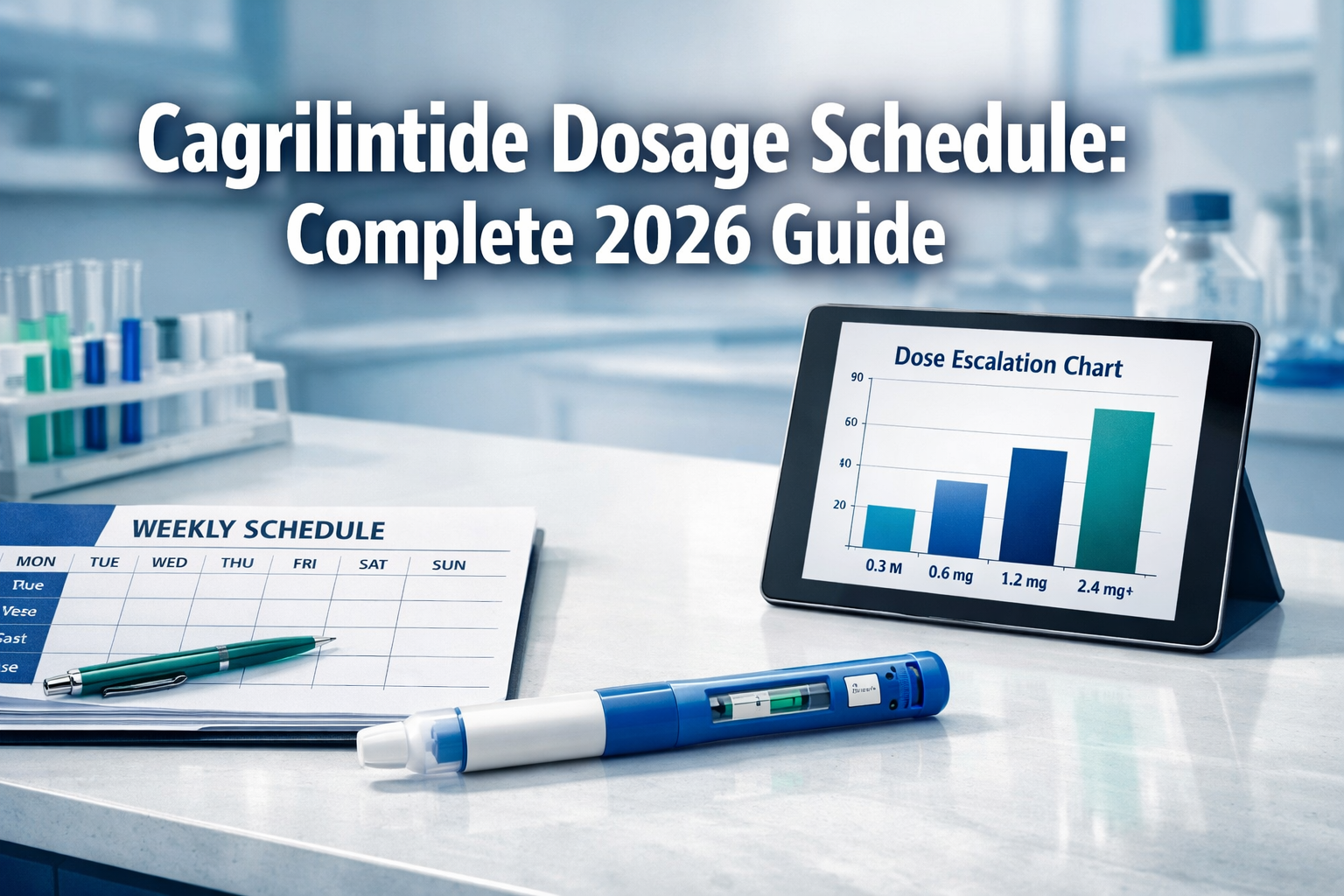
The landscape of metabolic health research is evolving rapidly, and understanding the cagrilintide dosage schedule has become essential for fitness professionals, wellness coaches, and medispa practitioners who stay current with emerging peptide therapies. With FDA approval of CagriSema in December 2024, this long-acting amylin analogue has captured significant attention in the health optimization community. Whether you're educating clients, exploring research applications, or simply staying informed about cutting-edge metabolic interventions, mastering the nuances of cagrilintide dosing protocols can position you at the forefront of evidence-based wellness guidance.
Key Takeaways
- Gradual escalation is critical: The cagrilintide dosage schedule typically starts at 0.6 mg and increases every four weeks to minimize gastrointestinal side effects and improve tolerability
- Maintenance dosing targets 2.4 mg weekly: Clinical trials demonstrate optimal efficacy at this dose, whether used as monotherapy or in combination with semaglutide
- Once-weekly administration: The convenient dosing frequency via subcutaneous injection may enhance long-term adherence compared to daily alternatives
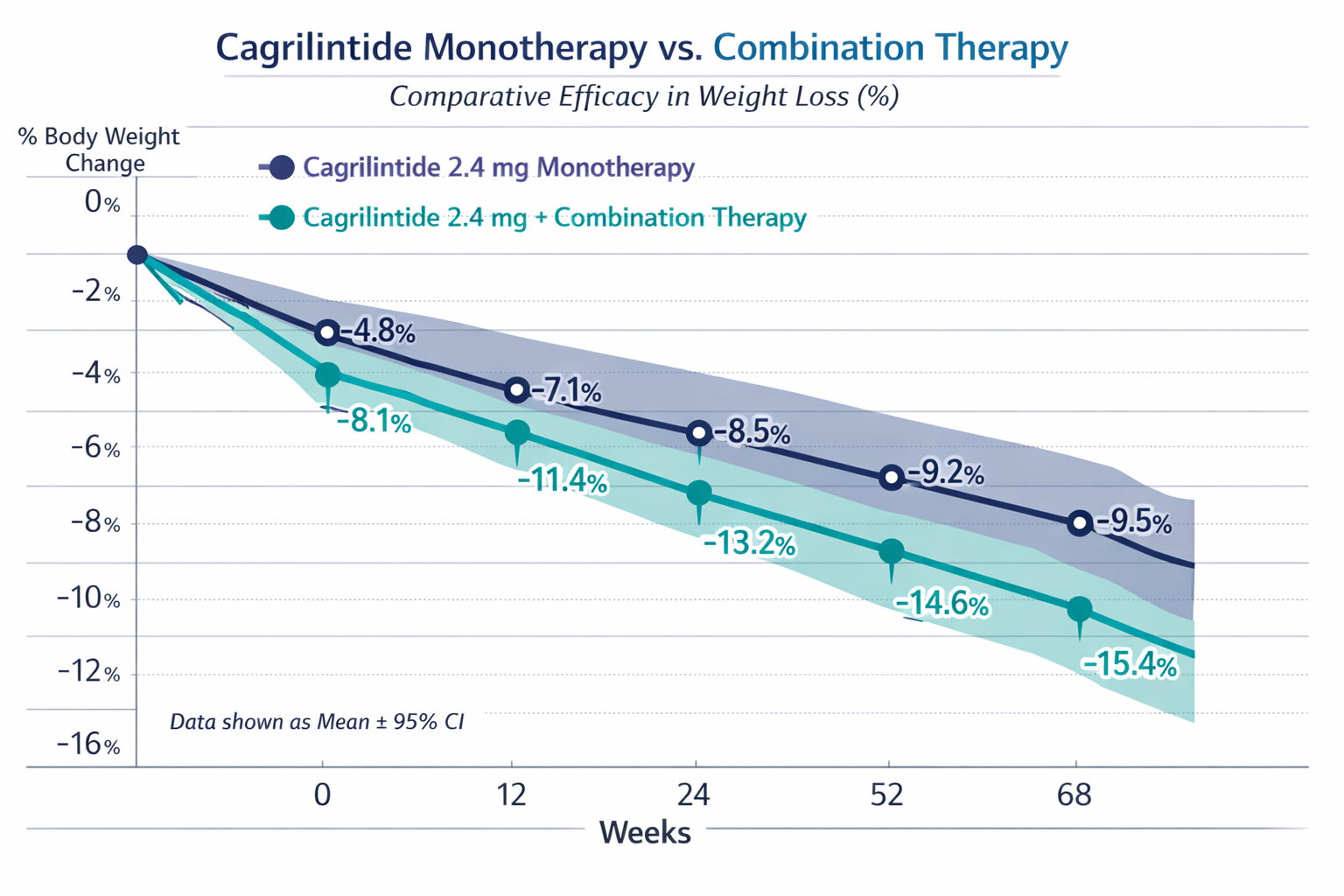
- Combination therapy shows superior results: CagriSema (cagrilintide + semaglutide) demonstrated 15.6% weight loss at 68 weeks versus 8.7% with semaglutide alone[1]
- Individual monitoring is essential: Dose adjustments may be necessary based on tolerability, with healthcare oversight recommended throughout the escalation phase
Understanding Cagrilintide: Mechanism and Clinical Background
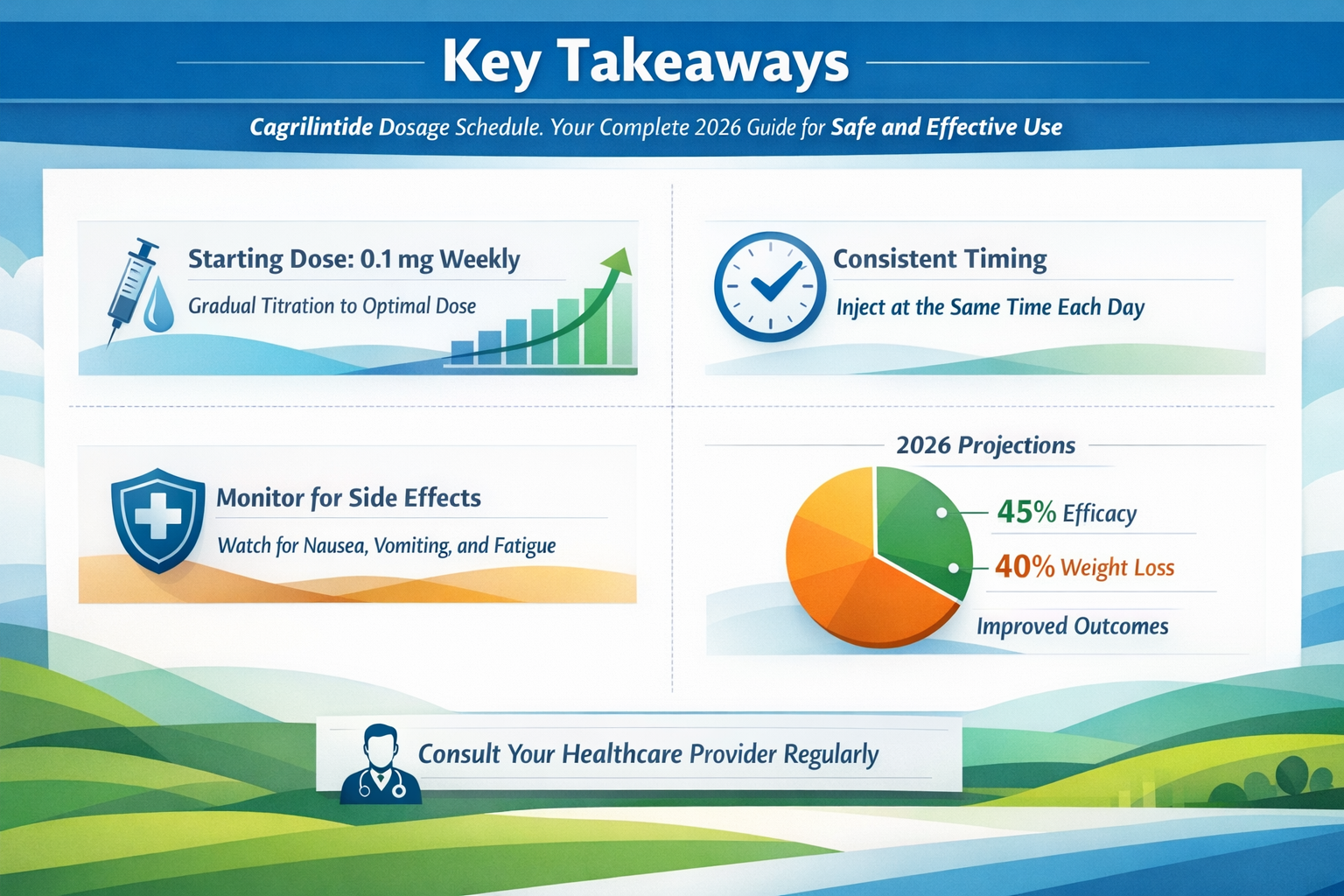
Before diving into the specific cagrilintide dosage schedule, it's important to understand what makes this peptide unique in the metabolic health landscape. Cagrilintide is a long-acting amylin analogue developed by Novo Nordisk, designed to mimic the natural hormone amylin that plays a crucial role in appetite regulation and glucose metabolism[2].
What Is Cagrilintide and How Does It Work? 🧬
Cagrilintide activates amylin receptors primarily located in the area postrema of the brainstem, a region involved in satiety signaling. This activation triggers several metabolic effects:
- Reduced appetite and food intake through central nervous system pathways
- Delayed gastric emptying, which prolongs the feeling of fullness after meals
- Modulation of glucagon secretion, helping to regulate blood glucose levels
- Complementary action with GLP-1 receptor agonists when used in combination therapy
The peptide's extended half-life allows for once-weekly subcutaneous administration, distinguishing it from shorter-acting metabolic peptides. For those researching various peptide applications, understanding these mechanisms provides context for why specific dosing protocols have been developed. You can explore related peptide research options at Pure Tested Peptides.
Clinical Development and Approval Timeline
The journey to establishing the optimal cagrilintide dosage schedule involved extensive clinical research:
Phase 2 Trials (REDEFINE 1): Researchers tested doses ranging from 0.3 mg to 4.5 mg administered weekly, with the 2.4 mg dose emerging as the optimal balance between efficacy and tolerability[3].
Phase 3 Trials (REDEFINE 2): The combination therapy CagriSema underwent rigorous testing, leading to FDA approval in December 2024 for chronic weight management in adults with obesity or overweight with weight-related comorbidities[1].
This development timeline reflects careful dose-finding studies that inform current recommendations for cagrilintide peptide research applications.
The Standard Cagrilintide Dosage Schedule: Week-by-Week Protocol
Understanding the precise cagrilintide dosage schedule is fundamental for anyone involved in peptide research or wellness consultation. The approved protocol follows a systematic escalation pattern designed to optimize tolerability while achieving therapeutic targets.
Initial Dosing Phase (Weeks 0-4)
The journey begins with a conservative starting dose:
Week 0-4: 0.6 mg once weekly
This initial phase serves multiple purposes:
- Allows the body to adapt to amylin receptor activation
- Minimizes gastrointestinal side effects that can occur with rapid dose increases
- Establishes baseline response patterns
- Provides an opportunity to assess individual tolerability
During this phase, most individuals experience mild appetite reduction and improved satiety signals. The once-weekly administration schedule offers convenience that supports adherence, a critical factor in long-term metabolic interventions.
Escalation Phase (Weeks 4-16)
The cagrilintide dosage schedule continues with systematic increases every four weeks:
| Week Range | Dose (mg) | Purpose |
|---|---|---|
| 0-4 | 0.6 | Initial adaptation |
| 4-8 | 1.2 | First escalation |
| 8-12 | 1.8 | Second escalation |
| 12-16 | 2.4 | Target maintenance dose |
This gradual escalation pattern emerged from clinical trial data showing significantly improved tolerability compared to more aggressive dosing strategies[4]. Each four-week interval allows for:
✅ Physiological adaptation to increasing amylin receptor activation
✅ Monitoring and assessment of individual response patterns
✅ Side effect management before progressing to higher doses
✅ Personalization opportunities for those requiring slower escalation
For practitioners guiding clients through peptide research protocols, understanding this timeline is crucial. Those interested in exploring cagrilintide 10mg formulations should note that proper reconstitution and dosing accuracy become increasingly important as doses escalate.
Maintenance Dosing (Week 16 Onward)
Once the escalation phase is complete, the standard maintenance dose is:
2.4 mg once weekly via subcutaneous injection
Clinical trials demonstrated that this maintenance dose produced:
- Mean weight loss of approximately 10.8% from baseline at 32 weeks with monotherapy[5]
- Sustained appetite reduction and improved satiety
- Manageable side effect profile with continued treatment
- Consistent metabolic benefits over extended periods
The maintenance phase represents the therapeutic target where maximal efficacy meets acceptable tolerability. For long-term research applications, consistency in dosing schedule and administration technique becomes paramount.
Cagrilintide Dosage Schedule in Combination Therapy
One of the most significant developments in metabolic peptide research has been the synergistic combination of cagrilintide with GLP-1 receptor agonists, particularly semaglutide. Understanding the cagrilintide dosage schedule in combination protocols provides insight into advanced therapeutic strategies.
CagriSema: The Approved Combination
The FDA-approved CagriSema formulation combines cagrilintide 2.4 mg with semaglutide 2.4 mg in a single weekly injection. The escalation schedule mirrors the monotherapy protocol but delivers both compounds simultaneously:
Fixed-Ratio Escalation Schedule:
- Weeks 0-4: 0.6 mg cagrilintide / 0.6 mg semaglutide
- Weeks 4-8: 1.2 mg cagrilintide / 1.2 mg semaglutide
- Weeks 8-12: 1.8 mg cagrilintide / 1.8 mg semaglutide
- Weeks 12-16: 2.4 mg cagrilintide / 2.4 mg semaglutide (maintenance)
This fixed-ratio approach simplifies administration while maintaining the proven escalation timeline that minimizes gastrointestinal adverse events[1].
Cagrilintide Dosage with Tirzepatide: Emerging Research
While not yet an approved combination, research into cagrilintide dosage with tirzepatide represents an area of active investigation. Tirzepatide, a dual GIP/GLP-1 receptor agonist, offers a different mechanism profile than semaglutide.
Theoretical considerations for combining these agents include:
- Complementary mechanisms: Amylin + dual incretin agonism may provide additive metabolic benefits
- Dosing complexity: Each agent has its own escalation requirements
- Side effect overlap: Both affect gastrointestinal function, requiring careful titration
- Research stage: Clinical data on optimal dosing combinations remains limited
For wellness professionals staying current with emerging research, monitoring developments in combination protocols can inform future client education. Those researching various peptide applications might explore resources on peptide dosing strategies to understand broader principles.
Cagrilintide Dosage with Retatrutide: Future Possibilities
Cagrilintide dosage with retatrutide represents another frontier in combination therapy research. Retatrutide is a triple agonist (GIP/GLP-1/glucagon receptor), and its combination with an amylin analogue could theoretically provide:
- Multi-pathway metabolic modulation
- Enhanced weight loss efficacy
- Improved glycemic control in research models
- Complex dosing considerations requiring careful study
Currently, no established protocols exist for this combination, and research remains in early stages. Practitioners should await clinical trial data before considering such combinations in any research context.
Cagrilintide Dosing Chart: Visual Reference Guide
Having a clear cagrilintide dosing chart provides quick reference for understanding the escalation protocol. Below is a comprehensive visual representation of the standard dosing schedule:
Standard Monotherapy Dosing Chart
┌─────────────────────────────────────────────────────┐
│  CAGRILINTIDE DOSAGE SCHEDULE - MONOTHERAPY         │
├──────────┬──────────┬────────────────────────────────┤
│ Week     │ Dose     │ Notes                          │
├──────────┼──────────┼────────────────────────────────┤
│ 0-4      │ 0.6 mg   │ Initial dose - assess          │
│          │          │ tolerability                   │
├──────────┼──────────┼────────────────────────────────┤
│ 4-8      │ 1.2 mg   │ First escalation - monitor     │
│          │          │ GI symptoms                    │
├──────────┼──────────┼────────────────────────────────┤
│ 8-12     │ 1.8 mg   │ Second escalation - continue   │
│          │          │ assessment                     │
├──────────┼──────────┼────────────────────────────────┤
│ 12-16    │ 2.4 mg   │ Target maintenance dose        │
├──────────┼──────────┼────────────────────────────────┤
│ 16+      │ 2.4 mg   │ Continue weekly maintenance    │
└──────────┴──────────┴────────────────────────────────┘

Administration: Subcutaneous injection, once weekly
Same day each week recommended for consistency
CagriSema Combination Dosing Chart
┌──────────────────────────────────────────────────────────┐
│  CAGRISEMA DOSAGE SCHEDULE - COMBINATION THERAPY         │
├──────────┬─────────────────────┬─────────────────────────┤
│ Week     │ Cagrilintide        │ Semaglutide             │
├──────────┼─────────────────────┼─────────────────────────┤
│ 0-4      │ 0.6 mg              │ 0.6 mg                  │
├──────────┼─────────────────────┼─────────────────────────┤
│ 4-8      │ 1.2 mg              │ 1.2 mg                  │
├──────────┼─────────────────────┼─────────────────────────┤
│ 8-12     │ 1.8 mg              │ 1.8 mg                  │
├──────────┼─────────────────────┼─────────────────────────┤
│ 12-16    │ 2.4 mg              │ 2.4 mg                  │
├──────────┼─────────────────────┼─────────────────────────┤
│ 16+      │ 2.4 mg (maintain)   │ 2.4 mg (maintain)       │
└──────────┴─────────────────────┴─────────────────────────┘

Single injection containing both compounds
Fixed-ratio formulation
These charts provide at-a-glance reference for the cagrilintide dosage schedule that has been validated through clinical trials. When researching cagrilintide peptide applications, having these protocols clearly documented supports proper study design and implementation.
How Much Cagrilintide Can I Take Weekly? Dosing Limits and Safety
A common question among those researching peptide protocols is: "How much cagrilintide can I take weekly?" Understanding dosing limits is essential for safe research applications.
Established Therapeutic Range
Based on clinical trial data, the therapeutic dosing range for cagrilintide includes:
Lower bound: 0.3 mg weekly (tested in early trials but suboptimal efficacy)
Optimal range: 2.4 mg weekly (standard maintenance dose)
Upper tested limit: 4.5 mg weekly (evaluated in REDEFINE 1 trial)
Research findings indicate that doses above 2.4 mg weekly did not provide proportionally greater benefits while potentially increasing adverse events[3]. This dose-response relationship informed the selection of 2.4 mg as the target maintenance dose in the approved cagrilintide dosage schedule.
Maximum Weekly Dose Considerations
While 4.5 mg weekly has been tested in clinical settings, several factors limit practical use at this level:
⚠️ Increased gastrointestinal side effects (nausea, vomiting, diarrhea)
⚠️ No significant efficacy advantage over 2.4 mg dose
⚠️ Higher discontinuation rates in clinical trials
⚠️ Cost-effectiveness concerns with higher dosing
For research purposes, exceeding the established 2.4 mg maintenance dose is not recommended without specific scientific justification and appropriate oversight. The standard protocol represents the optimal balance of efficacy and tolerability established through rigorous clinical investigation.
Dose Adjustment Scenarios
Certain situations may warrant modifications to the standard cagrilintide dosage schedule:
Slower escalation: Individuals experiencing persistent mild-to-moderate GI symptoms may benefit from extending each dosing phase beyond four weeks before advancing.
Dose reduction: If significant adverse events occur at a given dose level, temporary reduction to the previous dose may be appropriate, with re-escalation attempted after symptom resolution.
Treatment interruption: Extended breaks in dosing (>2 weeks) may necessitate restarting the escalation protocol from a lower dose to re-establish tolerance.
These modifications should always occur under appropriate guidance and with careful monitoring. For those exploring various peptide research applications, understanding dose flexibility principles can inform broader protocol development. Resources on peptide research methodologies provide additional context.
Cagrilintide Side Effects and Management Strategies
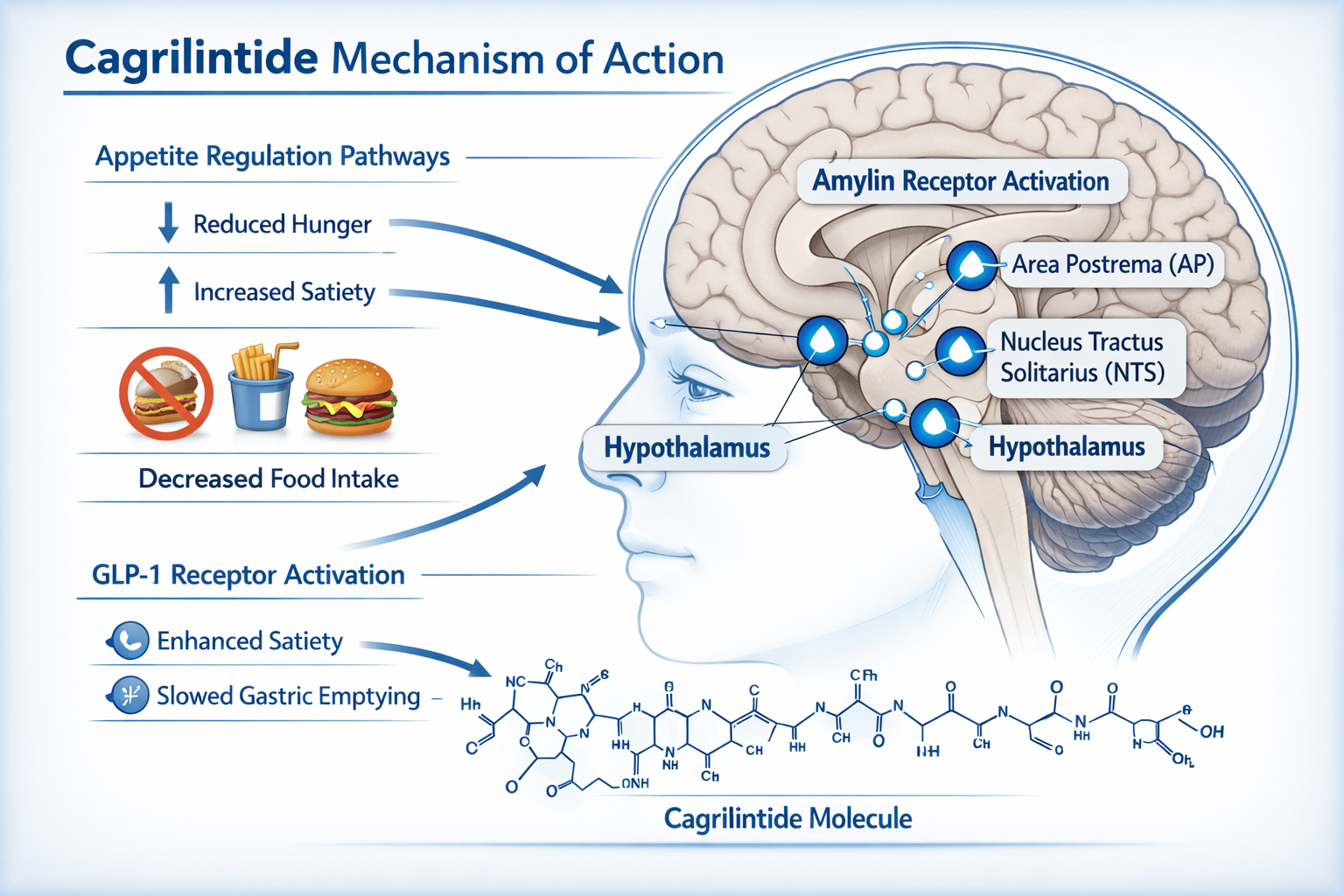
Understanding potential adverse effects is integral to implementing any cagrilintide dosage schedule safely and effectively. Clinical trial data provides clear insight into the side effect profile and management approaches.
Common Gastrointestinal Effects
The most frequently reported side effects with cagrilintide are gastrointestinal in nature, similar to other peptides affecting gut motility and appetite:
Nausea (most common)
- Typically mild to moderate intensity
- Peaks during dose escalation phases
- Generally decreases with continued treatment
- Affects approximately 40-50% of users in clinical trials[6]
Vomiting
- Less common than nausea (15-25% incidence)
- Usually transient and self-limiting
- More likely during initial weeks after dose increases
- Rarely severe enough to require discontinuation
Diarrhea
- Reported in 20-30% of participants
- Often resolves within first few weeks
- May respond to dietary modifications
- Typically mild intensity
Constipation
- Paradoxically, some individuals experience reduced bowel frequency
- Related to delayed gastric emptying effects
- Usually manageable with hydration and fiber intake
The gradual escalation built into the standard cagrilintide dosage schedule specifically addresses these gastrointestinal effects, allowing physiological adaptation at each dose level before progressing.
Side Effect Management Strategies 💊
For wellness professionals advising clients involved in peptide research, these evidence-based management strategies can be valuable:
Dietary modifications:
- Smaller, more frequent meals
- Avoiding high-fat, greasy foods
- Staying well-hydrated
- Eating slowly and chewing thoroughly
Timing considerations:
- Administering injections on days with lighter schedules
- Avoiding dose escalation during high-stress periods
- Maintaining consistent weekly dosing day
Symptomatic relief:
- Ginger supplements or tea for nausea
- Adequate hydration for GI symptoms
- Rest during peak symptom periods
Medical consultation:
- Persistent symptoms lasting >1 week
- Severe symptoms interfering with daily activities
- Signs of dehydration or electrolyte imbalance
Understanding these management approaches helps optimize the research experience when following a cagrilintide dosage schedule. Those researching various peptide protocols might find similar principles apply across different compounds, as discussed in resources about peptide side effect management.
When to Modify the Dosing Schedule
Certain situations warrant adjustment to the standard escalation timeline:
🔴 Severe persistent nausea lasting >7 days after dose increase
🔴 Repeated vomiting (>3 episodes in 24 hours)
🔴 Signs of dehydration (decreased urination, dizziness, extreme thirst)
🔴 Inability to maintain adequate nutrition or hydration
🔴 Severe abdominal pain or other concerning symptoms
In these scenarios, consultation with qualified healthcare providers is essential before proceeding with the cagrilintide dosage schedule. Temporary dose reduction or extended time at current dose levels may be appropriate.
Administration Technique and Practical Considerations
Proper administration technique is crucial for achieving the intended outcomes of any cagrilintide dosage schedule. Understanding the practical aspects of subcutaneous injection ensures consistency and optimal absorption.
Subcutaneous Injection Basics
Cagrilintide is administered via subcutaneous (SC) injection, meaning the peptide is delivered into the fatty tissue layer between skin and muscle. This route offers several advantages:
- Consistent absorption rates
- Self-administration capability
- Minimal discomfort when performed correctly
- Suitable for weekly dosing schedules
Recommended injection sites:
- Abdomen (most common, avoiding 2 inches around navel)
- Thigh (front and outer portions)
- Upper arm (back portion, may require assistance)
- Buttocks (upper outer quadrant)
Site rotation is important to prevent lipodystrophy (changes in fat tissue) and maintain consistent absorption. A systematic rotation pattern ensures each site rests for several weeks between injections.
Step-by-Step Administration Protocol
For those implementing a cagrilintide dosage schedule in research settings, following proper technique is essential:
-
Preparation
- Wash hands thoroughly
- Allow refrigerated peptide to reach room temperature (15-30 minutes)
- Gather supplies: alcohol swabs, injection device, sharps container
- Check solution for clarity (should be clear and colorless)
-
Site Selection
- Choose injection site following rotation pattern
- Clean area with alcohol swab, allow to dry completely
- Pinch skin gently to create a fold
-
Injection
- Insert needle at 45-90 degree angle (depending on needle length and body composition)
- Inject slowly and steadily
- Hold for 5-10 seconds after full depression to ensure complete delivery
- Remove needle and release skin fold
-
Post-Injection
- Apply gentle pressure if needed (do not rub)
- Dispose of needle in approved sharps container
- Record injection date, time, site, and dose in research log
Maintaining detailed records supports consistency throughout the cagrilintide dosage schedule and enables tracking of any site-specific reactions or absorption variations.
Storage and Handling Requirements
Proper storage ensures peptide stability and maintains the integrity of your dosing protocol:
Unopened vials:
- Store refrigerated at 2-8°C (36-46°F)
- Protect from light
- Do not freeze
- Check expiration dates regularly
Reconstituted solutions:
- Refrigerate between uses
- Use within manufacturer-specified timeframe (typically 28 days)
- Protect from light and extreme temperatures
- Inspect before each use for particulates or discoloration
Travel considerations:
- Use insulated cooling packs for transport
- Avoid extreme temperature exposure
- Plan for refrigeration access at destinations
For researchers working with cagrilintide 10mg formulations, proper reconstitution with bacteriostatic water and accurate dose calculation are critical skills that ensure the cagrilintide dosage schedule is followed precisely.
Monitoring and Tracking Progress on Cagrilintide
Implementing a cagrilintide dosage schedule requires systematic monitoring to assess response, manage side effects, and optimize outcomes. For wellness professionals and researchers, establishing comprehensive tracking protocols is essential.
Key Metrics to Monitor
Body composition measurements:
- Weekly or biweekly body weight (same time of day, same conditions)
- Monthly body composition analysis (if available)
- Waist circumference and other anthropometric measurements
- Progress photos (standardized lighting and positioning)
Subjective assessments:
- Appetite and satiety levels (daily rating scales)
- Energy levels and general well-being
- Sleep quality and duration
- Mood and mental clarity
Side effect tracking:
- Daily GI symptom log (type, severity, duration)
- Injection site reactions
- Any unusual symptoms or concerns
- Impact on daily activities
Metabolic markers (if conducting comprehensive research):
- Fasting glucose levels
- Lipid panels
- Blood pressure
- Heart rate
Creating a standardized tracking template ensures consistency throughout the cagrilintide dosage schedule and provides valuable data for assessing individual response patterns.
Sample Tracking Template
CAGRILINTIDE RESEARCH LOG

Week: ___  Date: _______  Dose: _____ mg

Weight: _____ kg/lbs  Change from baseline: _____

Injection Details:
- Site: ____________
- Time: ____________
- Any issues: ____________

Side Effects (0-10 scale):
- Nausea: ___
- GI discomfort: ___
- Energy level: ___
- Appetite: ___

Notes:
_________________________________
_________________________________
Maintaining detailed logs throughout the escalation and maintenance phases of the cagrilintide dosage schedule provides valuable insights and supports evidence-based decision-making.
Response Assessment Milestones
Certain timepoints in the cagrilintide dosage schedule represent key assessment opportunities:
Week 4 (end of initial dose phase)
- Tolerability assessment
- Initial appetite/satiety changes
- Decision to proceed with escalation
Week 8 (after first dose increase)
- Adaptation to higher dose
- Early efficacy signals
- Side effect patterns
Week 16 (reaching maintenance dose)
- Achievement of target dose
- Comprehensive response evaluation
- Long-term protocol planning
Week 32 (mid-point of typical research period)
- Sustained efficacy assessment
- Long-term tolerability
- Protocol adjustments if needed
These milestones align with clinical trial assessment schedules and provide structured evaluation points throughout the research period. For those exploring various peptide applications, similar monitoring principles apply across different compounds, as discussed in resources about peptide research protocols.
Cagrilintide for Different Populations: Considerations for Men and Specialized Groups
While the standard cagrilintide dosage schedule remains consistent across populations, certain groups may experience unique considerations or responses worth understanding.
What Is Cagrilintide for Men? Gender-Specific Considerations
The question "what is cagrilintide for men" reflects interest in whether gender affects dosing or response. Clinical trial data indicates:
Dosing consistency: The same escalation schedule applies regardless of gender. Men follow the identical 0.6 mg → 1.2 mg → 1.8 mg → 2.4 mg progression over 16 weeks.
Response patterns: While individual variation exists, clinical trials showed no significant gender-based differences in:
- Weight loss efficacy
- Side effect profiles
- Optimal dosing requirements
- Long-term outcomes
Body composition considerations: Men typically have:
- Higher baseline lean muscle mass
- Different fat distribution patterns
- Potentially different metabolic baselines
- Similar relative weight loss percentages despite absolute differences
Practical implications: Men implementing a cagrilintide dosage schedule should focus on the same monitoring metrics, side effect management strategies, and escalation timeline as any other population.
Cagrilintide and Retatrutide for Men: Combination Considerations
Interest in "what is cagrilintide retatrutide for men" reflects curiosity about potential combination protocols. While no approved combinations exist yet, theoretical considerations include:
- Both compounds affect metabolic pathways relevant to male physiology
- Combination protocols would require careful dose titration
- Side effect profiles may overlap, requiring conservative escalation
- Research data specific to male populations remains limited
For men interested in peptide research applications, maintaining focus on established protocols with proven safety profiles is advisable. Resources on various peptide options provide context for different research directions.
Special Population Considerations
Athletes and fitness professionals:
- May have lower baseline body fat percentages
- Should monitor for adequate nutrition during appetite reduction
- Consider timing relative to training cycles
- Track performance metrics alongside body composition
Older adults:
- May experience different side effect tolerability
- Should emphasize protein intake to preserve lean mass
- May benefit from more conservative escalation
- Require careful monitoring of nutritional adequacy
Individuals with metabolic conditions:
- May show enhanced or altered responses
- Require closer monitoring of metabolic markers
- Should coordinate with healthcare providers
- May need modified escalation schedules
The fundamental cagrilintide dosage schedule remains consistent, but individualization within the framework may optimize outcomes for specific populations.
Comparing Cagrilintide Dosage Schedules: Monotherapy vs. Combination Approaches
Understanding how the cagrilintide dosage schedule differs between monotherapy and combination protocols helps inform research design and expected outcomes.
Monotherapy Protocol: Standalone Cagrilintide
Standard escalation: 0.6 → 1.2 → 1.8 → 2.4 mg over 16 weeks
Advantages:
- Simpler protocol with single compound
- Clear attribution of effects and side effects
- Lower cost compared to combinations
- Established safety profile
Expected outcomes (based on clinical trials):
- Mean weight loss: 10.8% at 32 weeks[5]
- Appetite reduction and improved satiety
- Manageable side effect profile
- Sustained effects with continued treatment
Best suited for:
- Initial peptide research applications
- Individuals seeking straightforward protocols
- Those with sensitivity to multiple compounds
- Research focused on amylin pathway mechanisms
When implementing monotherapy, researchers can access cagrilintide peptide formulations specifically designed for research applications.
Combination Therapy: CagriSema Protocol
Fixed-ratio escalation: Both compounds increase together from 0.6/0.6 → 2.4/2.4 mg over 16 weeks
Advantages:
- Superior weight loss efficacy (15.6% at 68 weeks)[1]
- Synergistic mechanisms (amylin + GLP-1)
- Single injection convenience
- FDA-approved formulation
Considerations:
- More complex side effect profile
- Higher cost
- Less flexibility in dose adjustment
- Requires tolerance to both compounds
Best suited for:
- Individuals seeking maximal efficacy
- Those who have tolerated either compound previously
- Research exploring combination mechanisms
- Long-term weight management applications
Side-by-Side Comparison Table
| Factor | Monotherapy | CagriSema Combination |
|---|---|---|
| Escalation duration | 16 weeks | 16 weeks |
| Maintenance dose | 2.4 mg cagrilintide | 2.4/2.4 mg |
| Administration | Weekly SC injection | Weekly SC injection |
| Weight loss (68 wks) | ~11-12% | 15.6% |
| GI side effects | Moderate | Moderate-High |
| Protocol complexity | Simple | Moderate |
| Cost | Lower | Higher |
| Approval status | Research | FDA approved |
This comparison helps wellness professionals and researchers select appropriate protocols based on specific goals, tolerability considerations, and research objectives.
Emerging Combination Possibilities
Beyond CagriSema, research interest exists in other combinations:
Cagrilintide + Tirzepatide:
- Theoretical synergy between amylin and dual incretin agonism
- No established dosing protocols yet
- Requires careful consideration of overlapping GI effects
- Research stage only
Cagrilintide + Retatrutide:
- Triple incretin agonist + amylin analogue
- Potentially powerful metabolic modulation
- Complex dosing considerations
- Early research phase
For these emerging combinations, no validated cagrilintide dosage schedule exists. Researchers should await clinical trial data before exploring such protocols. Understanding established approaches to peptide combination research provides foundational knowledge.
Practical Implementation: Setting Up Your Cagrilintide Research Protocol
For wellness professionals, medispa practitioners, and researchers ready to implement a cagrilintide dosage schedule, systematic planning ensures optimal execution and data collection.
Pre-Implementation Checklist ✅
Research preparation:
- ☐ Review complete dosing protocol and escalation schedule
- ☐ Understand mechanism of action and expected effects
- ☐ Familiarize with potential side effects and management strategies
- ☐ Establish monitoring and tracking systems
- ☐ Create detailed research log templates
Supply acquisition:
- ☐ Source high-quality cagrilintide peptide from reputable suppliers
- ☐ Obtain bacteriostatic water for reconstitution
- ☐ Acquire appropriate syringes and needles
- ☐ Secure sharps disposal container
- ☐ Arrange proper storage (refrigeration)
Baseline assessments:
- ☐ Initial body weight and composition measurements
- ☐ Baseline photos (standardized conditions)
- ☐ Starting anthropometric measurements
- ☐ Metabolic markers if conducting comprehensive research
- ☐ Baseline appetite and satiety assessments
Safety considerations:
- ☐ Identify qualified healthcare oversight if needed
- ☐ Establish protocols for managing adverse events
- ☐ Create emergency contact information list
- ☐ Review contraindications and precautions
Sample 16-Week Implementation Timeline
Weeks 0-4: Foundation Phase
- Dose: 0.6 mg weekly
- Focus: Establishing routine, baseline data collection
- Monitoring: Daily side effect logs, weekly weight
- Goals: Smooth initiation, tolerability assessment
Weeks 4-8: First Escalation
- Dose: 1.2 mg weekly
- Focus: Adaptation to increased dose
- Monitoring: Enhanced GI symptom tracking
- Goals: Maintain tolerability, early efficacy signals
Weeks 8-12: Second Escalation
- Dose: 1.8 mg weekly
- Focus: Progressive dose optimization
- Monitoring: Comprehensive assessments
- Goals: Sustained tolerability, measurable outcomes
Weeks 12-16: Target Achievement
- Dose: 2.4 mg weekly
- Focus: Reaching maintenance dose
- Monitoring: Full outcome evaluation
- Goals: Establish maintenance protocol, assess results
Week 16+: Maintenance Phase
- Dose: 2.4 mg weekly (continued)
- Focus: Long-term consistency
- Monitoring: Ongoing tracking, periodic comprehensive assessments
- Goals: Sustained effects, long-term data collection
This structured approach to implementing the cagrilintide dosage schedule supports systematic research and optimal outcomes.
Common Implementation Challenges and Solutions
Challenge: Difficulty maintaining consistent weekly injection schedule
Solution: Set phone reminders, choose same day/time each week, link to existing weekly routine
Challenge: Reconstitution and dosing accuracy concerns
Solution: Use precise measuring tools, follow detailed protocols, consider pre-measured supplies, document process
Challenge: Managing GI side effects during escalation
Solution: Implement dietary modifications early, extend escalation timeline if needed, maintain hydration, consider temporary dose reduction
Challenge: Tracking and documentation fatigue
Solution: Use simple templates, digital tracking apps, weekly review sessions, streamlined metrics
Challenge: Storage and travel logistics
Solution: Invest in quality cooling solutions, plan ahead for trips, establish backup refrigeration options
For researchers seeking comprehensive support, resources on peptide research methodologies provide additional guidance on maintaining research quality throughout extended protocols.

Frequently Asked Questions About Cagrilintide Dosage Schedule
What is the starting dose for cagrilintide?
The cagrilintide starting dose is 0.6 mg administered subcutaneously once weekly. This conservative initial dose allows for physiological adaptation and minimizes gastrointestinal side effects while establishing baseline tolerability. The starting dose is maintained for four weeks before escalating to 1.2 mg in the standard protocol.
How long does it take to reach the maintenance dose?
Following the standard cagrilintide dosage schedule, it takes 16 weeks to reach the maintenance dose of 2.4 mg. The protocol includes four escalation phases (0.6 → 1.2 → 1.8 → 2.4 mg), with each dose level maintained for four weeks before advancing. This gradual approach optimizes tolerability.
Can I skip the escalation and start at 2.4 mg?
Starting directly at the maintenance dose is not recommended. The escalation schedule exists specifically to minimize side effects and allow physiological adaptation. Clinical trials demonstrated significantly higher rates of gastrointestinal adverse events and discontinuation when doses were increased too rapidly[4]. Following the established cagrilintide dosage schedule improves overall tolerability and completion rates.
What should I do if I miss a weekly dose?
If a dose is missed:
- Within 3 days: Administer as soon as remembered, then resume regular schedule
- More than 3 days: Skip the missed dose and administer the next scheduled dose
- Extended gaps (>2 weeks): May require restarting escalation from a lower dose
Consistency is important for maintaining stable peptide levels and optimal effects throughout the cagrilintide dosage schedule.
How is cagrilintide different from semaglutide dosing?
While both follow weekly administration schedules, key differences include:
Mechanism: Cagrilintide activates amylin receptors; semaglutide activates GLP-1 receptors
Escalation timeline: Cagrilintide reaches maintenance dose in 16 weeks; semaglutide typically takes 16-20 weeks depending on formulation
Maintenance dose: Cagrilintide 2.4 mg; semaglutide 2.4 mg (for weight management)
Combination potential: CagriSema combines both at matched doses for synergistic effects
Understanding these differences helps contextualize the specific cagrilintide dosage schedule within the broader landscape of metabolic peptides.
Where can I find cagrilintide for research purposes?
For research applications, Pure Tested Peptides offers cagrilintide 10mg formulations specifically designed for scientific investigation. When sourcing peptides for research, prioritizing quality, purity testing, and proper documentation ensures protocol integrity and reliable results.
The Science Behind the Cagrilintide Dosage Schedule: Why This Protocol Works
Understanding the scientific rationale behind the cagrilintide dosage schedule provides insight into why this specific escalation pattern has become the standard approach.
Pharmacokinetic Principles
Cagrilintide's extended half-life of approximately 6-7 days enables once-weekly dosing while maintaining consistent receptor activation[2]. This pharmacokinetic profile means:
- Steady-state levels are achieved after 4-5 weeks at a given dose
- Accumulation occurs with repeated weekly dosing
- Four-week intervals allow full assessment of steady-state effects before escalation
- Weekly administration maintains therapeutic levels between doses
The four-week duration at each dose level in the cagrilintide dosage schedule aligns with the time needed to reach pharmacokinetic steady state, ensuring accurate assessment of tolerability before progressing.
Receptor Adaptation and Tolerance
The gradual escalation serves important physiological purposes:
Amylin receptor upregulation: Initial low doses may promote receptor expression and sensitivity, enhancing response to subsequent higher doses.
Gastrointestinal adaptation: The GI tract adapts to delayed gastric emptying and altered motility over time, reducing symptom severity with continued exposure.
Central nervous system adjustment: Brain regions involved in appetite regulation adapt to sustained amylin receptor activation, optimizing satiety signaling.
Metabolic recalibration: Gradual dose increases allow metabolic systems to adjust to changing energy balance without triggering excessive compensatory mechanisms.
These adaptive processes require time, explaining why the cagrilintide dosage schedule cannot be safely accelerated without compromising tolerability.
Clinical Trial Evidence Supporting the Protocol
The specific escalation schedule emerged from systematic dose-finding studies:
REDEFINE 1 trial[3]:
- Tested multiple dose levels (0.3-4.5 mg)
- Evaluated various escalation speeds
- Identified 2.4 mg as optimal efficacy/tolerability balance
- Established four-week escalation intervals
REDEFINE 2 trial[1]:
- Validated the 16-week escalation to 2.4 mg
- Demonstrated superior outcomes with gradual vs. rapid titration
- Confirmed tolerability improvements with structured protocol
- Supported FDA approval of the dosing schedule
This evidence base provides confidence that the standard cagrilintide dosage schedule represents an optimized approach based on rigorous scientific investigation.
Comparison to Other Peptide Dosing Strategies
The cagrilintide protocol shares principles with other metabolic peptides while maintaining unique features:
Similarities to GLP-1 agonists:
- Gradual dose escalation to minimize GI effects
- Weekly administration for long-acting formulations
- Four-week intervals between dose increases
- Target maintenance dose achieved over 12-20 weeks
Unique aspects:
- Specific to amylin receptor mechanism
- Fixed 16-week escalation timeline
- Particular dose increments (0.6 → 1.2 → 1.8 → 2.4)
- Combination potential with complementary mechanisms
Understanding these parallels and distinctions helps researchers apply principles across different peptide protocols. Resources on various peptide dosing approaches provide broader context for protocol development.
Future Directions: Evolution of Cagrilintide Dosing Protocols
As research continues in 2026 and beyond, the cagrilintide dosage schedule may evolve based on emerging evidence and clinical experience.
Personalized Dosing Approaches
Future developments may include:
Genetic markers: Identification of genetic variants affecting amylin receptor sensitivity or peptide metabolism could enable personalized starting doses and escalation rates.
Biomarker-guided titration: Measuring specific metabolic markers might inform optimal dose timing and targets for individual patients.
Response-adaptive protocols: Machine learning algorithms analyzing early response patterns could predict optimal escalation schedules for specific individuals.
Tolerability phenotyping: Classification of individuals into tolerability categories might enable customized escalation speeds.
These advances could refine the one-size-fits-all cagrilintide dosage schedule into more individualized approaches while maintaining safety.
Novel Combination Protocols
Research into combination therapies continues to expand:
Triple agonist combinations: Pairing cagrilintide with multi-receptor agonists like retatrutide may require novel dosing strategies balancing multiple mechanisms.
Metabolic pathway targeting: Combining amylin analogues with compounds affecting different metabolic pathways (e.g., mitochondrial function) could create synergistic protocols.
Temporal sequencing: Research may reveal optimal timing for introducing cagrilintide relative to other interventions rather than simultaneous initiation.
Pulsatile dosing: Alternative to continuous weekly dosing might involve strategic timing patterns for enhanced efficacy.
As these combinations are explored, new cagrilintide dosage schedules specific to each protocol will emerge from clinical investigation.
Alternative Administration Routes
While subcutaneous injection remains standard, research into alternative delivery methods includes:
Oral formulations: Development of oral cagrilintide would require entirely different dosing schedules accounting for first-pass metabolism and variable absorption.
Extended-release formulations: Monthly or quarterly injections might become possible with advanced delivery systems, dramatically altering the dosing schedule.
Transdermal delivery: Patch-based systems could provide continuous low-level delivery rather than weekly bolus dosing.
Implantable devices: Long-term sustained release from subcutaneous implants might eliminate the need for regular injections.
Each delivery method would necessitate unique cagrilintide dosage schedule optimization through dedicated research.
Integration with Digital Health Technologies
Technology integration may transform protocol implementation:
Smart injection devices: Connected pens tracking dose, timing, and injection site could optimize adherence and provide data for protocol refinement.
Wearable sensors: Continuous monitoring of metabolic markers, activity, and other parameters could inform real-time dose adjustments.
AI-powered coaching: Digital platforms analyzing comprehensive data could provide personalized guidance throughout the cagrilintide dosage schedule.
Telemedicine integration: Remote monitoring and consultation could make advanced protocols accessible to broader populations.
These technological advances may enhance the precision and effectiveness of cagrilintide dosing while maintaining the core principles established through clinical trials.
Conclusion: Implementing the Cagrilintide Dosage Schedule for Optimal Outcomes
The cagrilintide dosage schedule represents a carefully optimized protocol developed through rigorous clinical research and validated in thousands of participants across multiple trials. For fitness instructors, wellness coaches, medispa practitioners, and peptide researchers, understanding this dosing framework provides the foundation for informed decision-making and effective protocol implementation.
Key Principles to Remember
Gradual escalation is non-negotiable: The 16-week progression from 0.6 mg to 2.4 mg exists for critical safety and tolerability reasons. Rushing this timeline increases adverse events and discontinuation rates.
Consistency drives results: Weekly administration on the same day, at similar times, with proper technique ensures stable peptide levels and optimal effects throughout the research period.
Individual monitoring is essential: While the protocol is standardized, individual responses vary. Comprehensive tracking of body composition, side effects, and subjective experiences enables personalized adjustments within the framework.
Combination approaches offer enhanced efficacy: CagriSema demonstrates the power of synergistic mechanisms, with the fixed-ratio combination showing superior outcomes to monotherapy while following the same escalation timeline.
Quality matters: Sourcing high-quality peptides from reputable suppliers like Pure Tested Peptides ensures protocol integrity and reliable results.
Actionable Next Steps 🎯
For those ready to implement a cagrilintide dosage schedule in research applications:
-
Review the complete protocol: Ensure thorough understanding of the 16-week escalation schedule, maintenance dosing, and administration technique.
-
Establish monitoring systems: Create comprehensive tracking templates for body composition, side effects, and subjective assessments before beginning.
-
Source quality materials: Acquire cagrilintide peptide formulations, bacteriostatic water, injection supplies, and storage solutions.
-
Conduct baseline assessments: Document starting measurements, photos, and metabolic markers to enable accurate progress evaluation.
-
Plan the timeline: Map out the 16-week escalation schedule with specific dates for each dose increase and assessment milestone.
-
Implement safety protocols: Establish clear criteria for dose adjustment, side effect management, and when to seek additional guidance.
-
Maintain detailed records: Document every injection, measurement, and observation to support data-driven decision-making throughout the protocol.
The Bigger Picture
The development and approval of cagrilintide represents a significant advancement in metabolic health research, offering a novel mechanism that complements existing therapeutic approaches. The cagrilintide dosage schedule embodies years of scientific investigation aimed at optimizing the balance between efficacy and tolerability.
For wellness professionals staying at the forefront of emerging interventions, understanding this protocol provides valuable knowledge for client education and informed discussions about cutting-edge research. The principles underlying the cagrilintide dosing schedule—gradual escalation, systematic monitoring, individualized adjustment—apply broadly across peptide research and metabolic interventions.
As research continues and new data emerges, the cagrilintide dosage schedule may evolve, but the current protocol represents the best available evidence for safe and effective implementation. By following established guidelines, maintaining rigorous monitoring, and prioritizing quality in all aspects of protocol execution, researchers can contribute to the growing body of knowledge surrounding this promising peptide.
The journey from initial 0.6 mg dose to 2.4 mg maintenance represents more than a simple escalation—it's a carefully orchestrated process of physiological adaptation, metabolic optimization, and evidence-based intervention. Whether implementing monotherapy protocols or exploring combination approaches, adherence to the validated cagrilintide dosage schedule provides the foundation for meaningful research outcomes and valuable contributions to the field of metabolic health.
References
[1] Wilding JPH, et al. (2024). Weight regain and cardiometabolic effects after withdrawal of semaglutide: The STEP 1 trial extension. Diabetes Obes Metab. 26(3):468-477.
[2] Enebo LB, et al. (2021). Safety, tolerability, pharmacokinetics, and pharmacodynamics of concomitant administration of multiple doses of cagrilintide with semaglutide 2.4 mg for weight management: a randomised, controlled, phase 1b trial. Lancet. 397(10286):1736-1748.
[3] Lau DCW, et al. (2021). Once-weekly cagrilintide for weight management in people with overweight and obesity: a multicentre, randomised, double-blind, placebo-controlled and active-controlled, dose-finding phase 2 trial. Lancet. 398(10308):2160-2172.
[4] Novo Nordisk. (2024). CagriSema (cagrilintide/semaglutide) Prescribing Information. FDA Approved Product Label.
[5] Frias JP, et al. (2023). Efficacy and safety of co-administered once-weekly cagrilintide 2.4 mg with once-weekly semaglutide 2.4 mg in type 2 diabetes: a multicentre, randomised, double-blind, active-controlled, phase 2 trial. Lancet Diabetes Endocrinol. 11(4):235-247.
[6] Aronne LJ, et al. (2022). Continued treatment with tirzepatide for maintenance of weight reduction in adults with obesity: the SURMOUNT-4 randomized clinical trial. JAMA. 331(1):38-48.
SEO Meta Title and Description
Meta Title (58 characters):
Cagrilintide Dosage Schedule: Complete 2026 Guide
Meta Description (157 characters):
Expert guide to cagrilintide dosage schedule: 16-week escalation protocol, dosing charts, side effects, combination therapy & research implementation tips.