

Longevity Research: Revolutionary Breakthroughs Transforming Human Aging in 2026
Imagine reversing the aging process at the cellular level, not through science fiction, but through groundbreaking clinical trials happening right now. The field of longevity research has reached an unprecedented milestone in 2026, with FDA-approved human trials testing epigenetic reprogramming—a technology that could fundamentally change how we approach aging and age-related diseases.
Key Takeaways
• FDA-approved epigenetic reprogramming trials are now testing cellular age reversal in humans for the first time, with results expected by early 2027 [3]
• Precision peptide therapies including GLP-1 medications and targeted senolytics are showing remarkable longevity benefits beyond their original applications [5]
• Biological age testing has become standard practice in preventive medicine, allowing personalized anti-aging interventions [1]
• Advanced peptide research is revealing new pathways for mitochondrial enhancement, inflammation reduction, and cellular repair [2]
• At-home diagnostic tools now provide lab-grade biomarker tracking for comprehensive longevity monitoring [5]
The Science Behind Modern Longevity Research
Epigenetic Reprogramming: The Cellular Reset Button
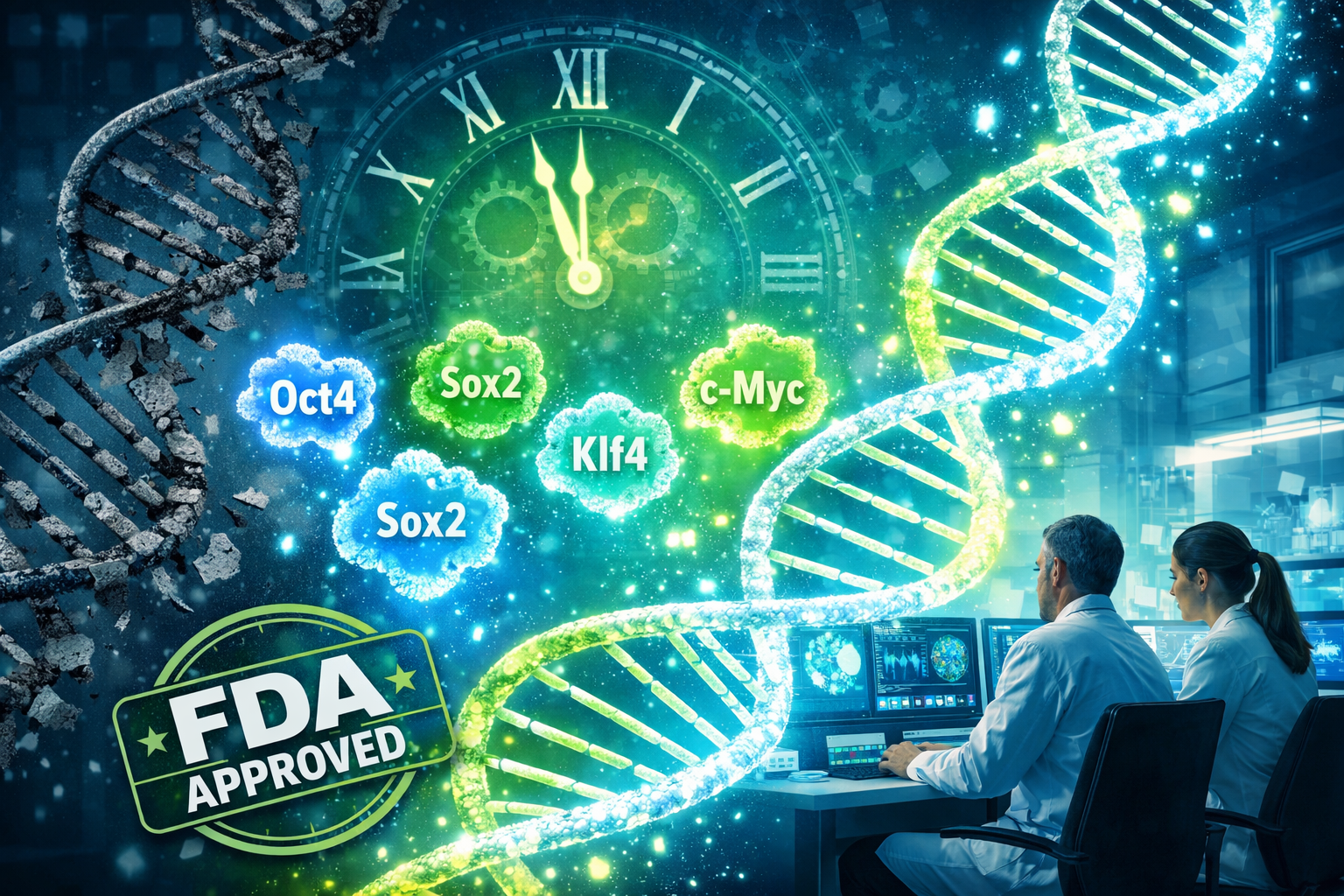
The most exciting development in longevity research comes from Life Biosciences, co-founded by Harvard genetics professor David Sinclair. Their FDA-approved Phase 1 clinical trial represents the first human testing of partial epigenetic reprogramming to treat vision loss in patients with glaucoma and non-arteritic anterior ischemic optic neuropathy (NAION) [3].
This breakthrough utilizes three of the four Yamanaka factors—proteins discovered by Nobel Prize-winning scientist Shinya Yamanaka. These factors can partially reset cellular age without triggering full pluripotency, allowing cells to maintain their original function while becoming biologically younger [3].
The implications extend far beyond vision restoration. Early research suggests this approach could potentially:
- Reverse cellular aging markers across multiple tissue types
- Restore organ function without changing cell identity
- Address age-related diseases at their fundamental level
- Extend healthy lifespan through systematic cellular rejuvenation
Advanced Peptide Therapies in Longevity Research
Peptide research has evolved dramatically, with several compounds showing remarkable longevity benefits:
NAD+ Enhancement and Mitochondrial Function
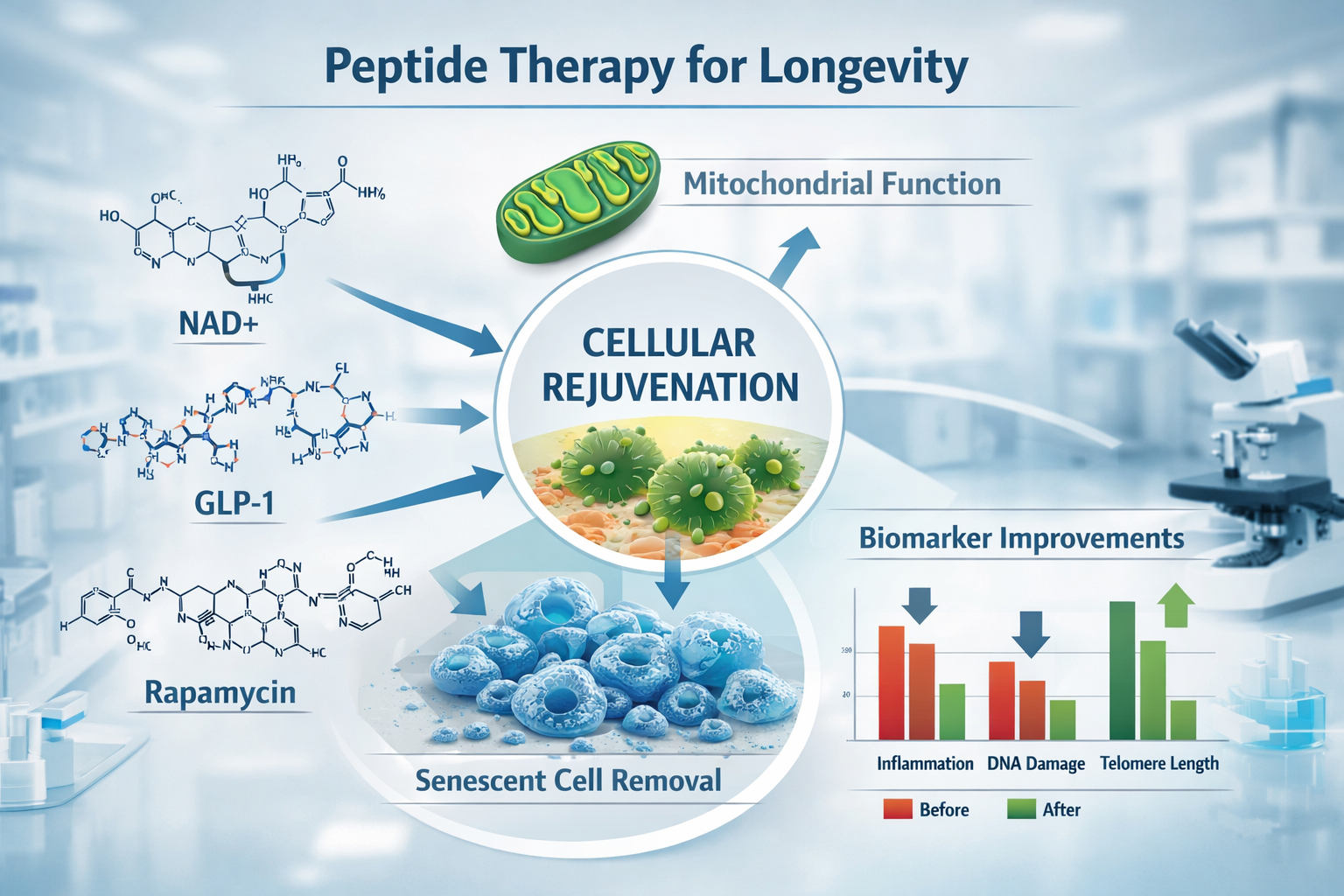
Nicotinamide Riboside (NR) has emerged as a validated approach for boosting NAD+ levels in humans. Clinical studies confirm that NR reliably and safely raises NAD+ levels, supporting mitochondrial function and anti-inflammatory pathways [2]. Current trials are investigating its potential in:
- Heart failure treatment
- Long COVID recovery
- Multiple sclerosis management
- Cancer therapy support
For researchers interested in NAD+ energetics and longevity research, these findings represent a significant validation of NAD+ supplementation strategies.
mTOR Modulation Through Rapamycin
Rapamycin has transitioned from promising animal studies to compelling human data. Early human trials demonstrate that rapamycin can enhance immune response, improve vaccine efficacy, and modulate key aging biomarkers [2][7]. This represents the first significant human evidence supporting mTOR modulation for longevity.
GLP-1 Medications: Beyond Diabetes and Weight Loss
GLP-1 medications have revealed unexpected longevity benefits, with research showing:
- 14% reduction in major cardiovascular events [5]
- Up to 30% reduction in diabetes risk [5]
- Improvements in reproductive health across age groups [5]
- Enhanced metabolic flexibility and cellular repair mechanisms
Cutting-Edge Longevity Research Methodologies
Precision Senolytics: Targeted Cellular Cleanup
The field is advancing toward precision senolytics that selectively remove harmful senescent cells while preserving beneficial ones that support cellular repair [2]. This nuanced approach represents a major evolution from earlier, less discriminating senolytic strategies.
Key developments include:
- Biomarker-guided targeting of specific senescent cell populations
- Tissue-specific senolytic protocols for different organ systems
- Combination therapies that enhance beneficial senescent cell functions
- Monitoring systems to track senolytic efficacy in real-time
Hyperbaric Oxygen Therapy (HBOT) Research
Early human research suggests HBOT can boost attention, processing speed, and executive function while improving cerebral blood flow [2]. Trials are showing potential partial reversal of biological aging markers in older adults, making this a promising adjunct to other longevity interventions.
Mesenchymal Stem Cell (MSC) Therapies
Advanced MSC therapies are increasingly recognized as a primary bridge between lifespan and healthspan by combating chronic inflammation that drives age-related diseases [1]. These therapies target the root causes of aging rather than just treating symptoms.
Practical Applications for Biohackers
Biological Age Testing as Standard Care
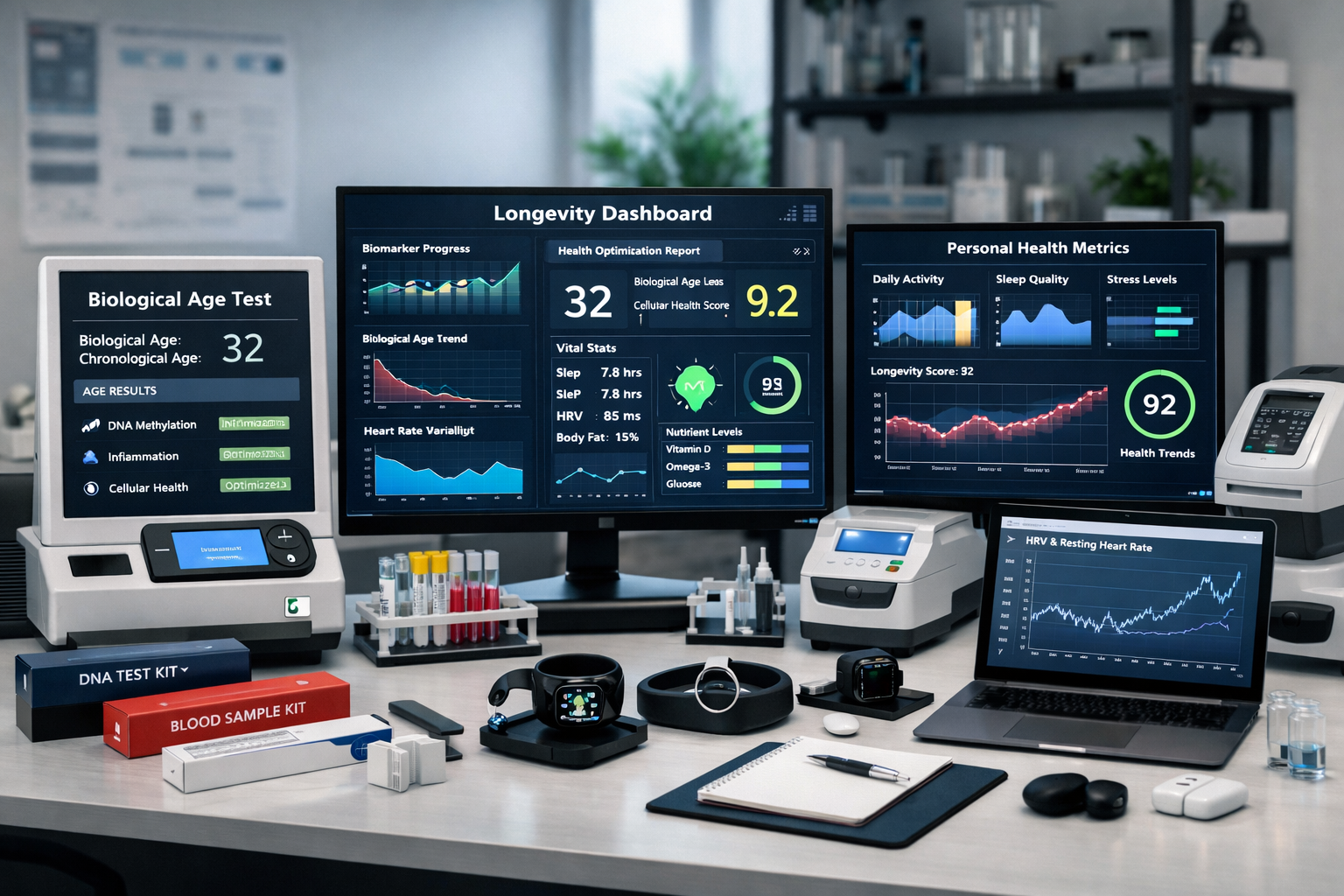
Biological age testing has transitioned from experimental to routine practice alongside annual physicals [1]. This shift enables:
- Personalized intervention strategies based on individual aging patterns
- Real-time monitoring of anti-aging protocol effectiveness
- Early detection of accelerated aging processes
- Objective measurement of longevity intervention success
At-Home Diagnostic Revolution
New at-home testing solutions provide lab-grade biomarker tracking for cardiovascular risk, metabolic dysfunction, chronic inflammation markers, and aging indicators [5]. These tools are combined with AI-powered analysis for personalized insights, making advanced longevity monitoring accessible to dedicated biohackers.
Essential biomarkers for longevity tracking include:
| Category | Key Biomarkers | Optimal Ranges |
|---|---|---|
| Inflammation | CRP, IL-6, TNF-α | Lowest quartile for age |
| Metabolic | HbA1c, Insulin, HOMA-IR | <5.7%, <10 μU/mL, <2.5 |
| Cardiovascular | ApoB, Lp(a), CAC score | <80 mg/dL, <50 nmol/L, 0 |
| Cellular | Telomere length, NAD+ | Age-adjusted optimal |
Peptide Research for Longevity Enhancement
For biohackers interested in peptide research applications, several compounds show particular promise:
GHK-Cu (Copper Peptides): Research indicates significant benefits for tissue repair and cellular regeneration. Studies on GHK-Cu longevity research themes demonstrate enhanced wound healing, improved skin elasticity, and potential systemic anti-aging effects.
SS-31 (Elamipretide): This mitochondrial-targeted peptide shows promise for enhancing cellular energy production and protecting against oxidative stress—key factors in the aging process.
MOTS-c: Research on this mitochondrial-derived peptide suggests benefits for metabolic flexibility and exercise capacity, both crucial for healthy aging.
Emerging Trends in Longevity Research
PAI-1 Genetic Research
Groundbreaking research in an Amish community identified a rare genetic mutation with very low PAI-1 levels that slows aging and protects against chronic disease [6]. Clinical trials are planned to test PAI-1 blocking strategies, potentially offering a new therapeutic target for longevity interventions.
Inflammaging Reconsidered
Recent research reveals that inflammaging's cytokine signatures differ significantly between industrialized and indigenous populations [8]. This suggests that inflammaging may result from accumulated developed-world exposures rather than inevitable aging—opening new avenues for prevention and intervention.
Peptide Blend Research
Advanced peptide blend formulations are being developed to target multiple aging pathways simultaneously. These combinations may offer synergistic benefits that exceed the sum of individual peptide effects.
Future Directions and Research Priorities
Personalized Longevity Medicine
The future of longevity research lies in personalization. Key developments include:
- Genetic profiling to identify individual aging vulnerabilities
- Microbiome analysis for targeted interventions
- Epigenetic mapping to guide reprogramming strategies
- Real-time biomarker monitoring for protocol optimization
Technology Integration
Advanced technologies are enhancing longevity research capabilities:
- AI-powered analysis of complex aging biomarkers
- Wearable devices for continuous health monitoring
- Telemedicine platforms for remote longevity consultations
- Blockchain systems for secure health data management
Regulatory Evolution
As longevity research advances, regulatory frameworks are adapting to accommodate novel therapies while ensuring safety and efficacy standards.
Conclusion
The landscape of longevity research in 2026 represents a paradigm shift from theoretical possibilities to clinical realities. With FDA-approved epigenetic reprogramming trials, validated peptide therapies, and sophisticated monitoring tools, the field has never been more promising for dedicated biohackers and researchers.
Actionable Next Steps:
- Establish baseline measurements through comprehensive biological age testing
- Implement evidence-based protocols using validated compounds like NAD+ precursors and precision peptides
- Monitor progress with regular biomarker tracking and at-home diagnostic tools
- Stay informed about emerging research through reputable longevity research publications
- Consider consultation with longevity-focused healthcare providers for personalized protocols
The convergence of cutting-edge science, accessible testing, and proven interventions makes 2026 a pivotal year for anyone serious about optimizing healthspan and lifespan. The tools and knowledge exist—the question is no longer whether we can influence aging, but how effectively we can implement these breakthrough discoveries.
For those ready to explore the frontier of human longevity, the research foundation has been laid, the clinical validation is underway, and the practical applications are available today.
References
[1] 2026 The Year Of Longevity And Owning Your Biology – https://www.foreverlabs.com/articles/blog/2026-the-year-of-longevity-and-owning-your-biology
[2] Longevity Trends – https://honehealth.com/edge/longevity-trends/
[3] Billionaires Longevity Aging Fda Human Clinical Trial Life Biosciences Jerry Mclaughlin David Sinclair Harvard Science – https://fortune.com/2026/01/30/billionaires-longevity-aging-fda-human-clinical-trial-life-biosciences-jerry-mclaughlin-david-sinclair-harvard-science/
[4] Exploring Emerging Longevity Research Trends For 2026 – https://lifexresearch.com/exploring-emerging-longevity-research-trends-for-2026/
[5] Preventive Medicine Longevity – https://www.weforum.org/stories/2026/01/preventive-medicine-longevity/
[6] Longevity Research You Can Use Today – https://www.nm.org/healthbeat/medical-advances/science-and-research/longevity-research-you-can-use-today
[7] Healthy Holistic And Happening Now A Look At Longevity Trends For 2026 – https://blog.a4m.com/healthy-holistic-and-happening-now-a-look-at-longevity-trends-for-2026/
[8] Healthy Longevity In 2026 Progress Gaps And The Path To Scalable Impact – https://www.richardbarker.co/newsletter/healthy-longevity-in-2026-progress-gaps-and-the-path-to-scalable-impact
SEO Meta Title: Longevity Research Breakthroughs 2026: FDA Trials & Peptides
SEO Meta Description: Discover groundbreaking longevity research in 2026, including FDA-approved epigenetic trials, advanced peptide therapies, and practical biohacking applications.