
MOTS-C Peptide: 10 Breakthrough Research Findings Transforming Metabolic Science
Imagine a tiny molecule hidden within your mitochondria that could hold the key to reversing metabolic decline, enhancing physical performance, and potentially extending your healthspan. That’s exactly what researchers discovered when they identified MOTS-C peptide, a mitochondrial-derived peptide that’s revolutionizing our understanding of cellular metabolism and aging. Since its discovery in 2015, this remarkable 16-amino acid peptide has captured the attention of scientists worldwide, sparking hundreds of studies that reveal its profound impact on human health. 🧬
MOTS-C peptide (Mitochondrial Open reading frame of the 12S rRNA-c) represents a groundbreaking discovery in peptide science. Unlike traditional peptides encoded by nuclear DNA, MOTS-C originates from mitochondrial DNA, making it part of an emerging class of signaling molecules that bridge the gap between our cellular powerhouses and overall metabolic function.
Key Takeaways
- MOTS-C peptide is a mitochondrial-derived peptide that regulates glucose metabolism, insulin sensitivity, and cellular energy production
- Research shows significant metabolic benefits including improved glucose uptake, enhanced fat oxidation, and protection against age-related metabolic decline
- Exercise performance enhancement has been demonstrated across multiple studies, with improvements in endurance, muscle function, and recovery
- Longevity and anti-aging effects emerge through activation of AMPK pathways and protection against oxidative stress
- Clinical applications are expanding with ongoing research exploring therapeutic potential for diabetes, obesity, and age-related conditions
Understanding MOTS-C Peptide: The Mitochondrial Messenger
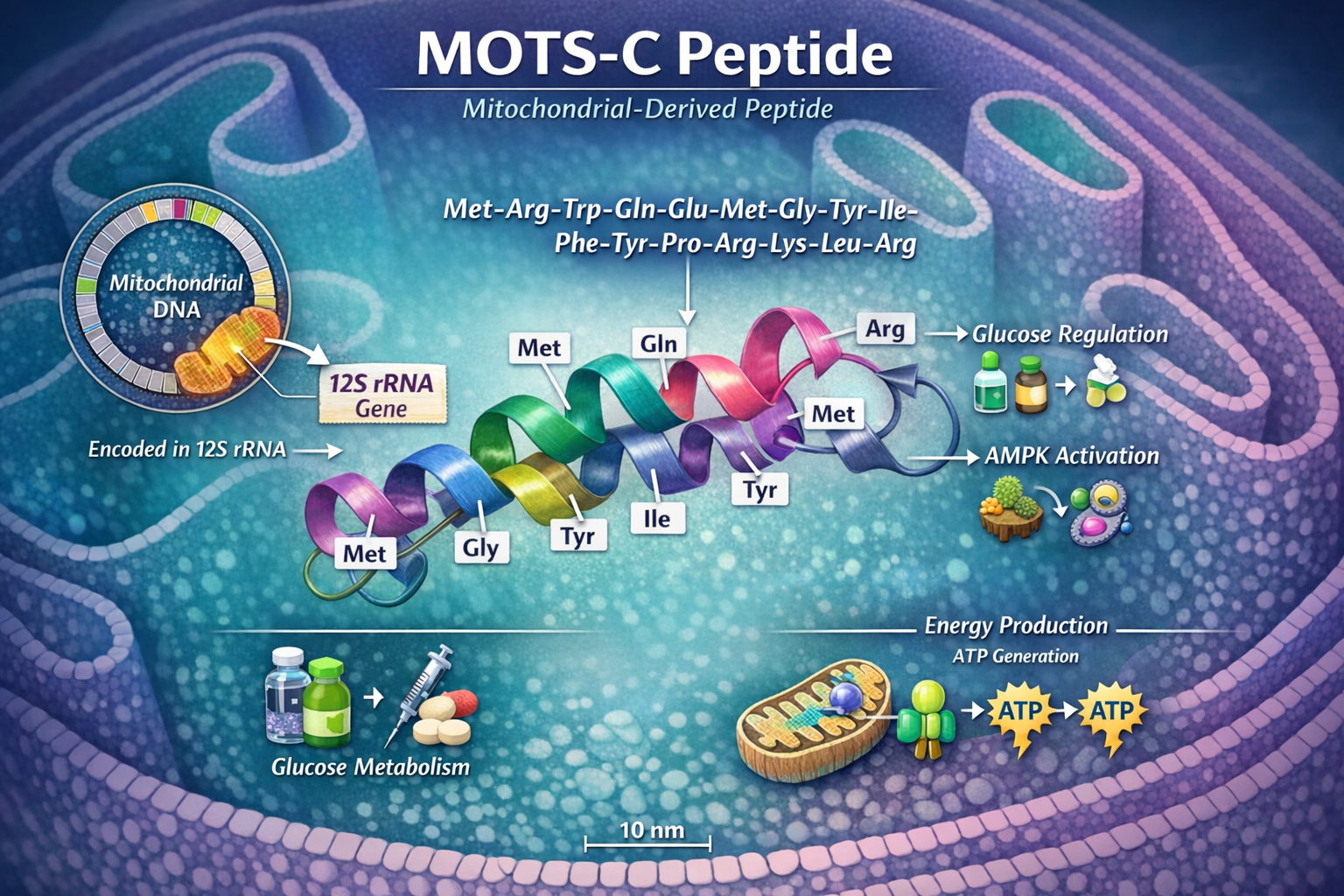
MOTS-C peptide stands apart from conventional peptides due to its unique origin story. While most peptides are encoded by nuclear DNA, MOTS-C is encoded by mitochondrial DNA, specifically within the 12S rRNA gene. This 16-amino acid sequence (Met-Arg-Trp-Gln-Glu-Met-Gly-Tyr-Ile-Phe-Tyr-Pro-Arg-Lys-Leu-Arg) acts as a cellular messenger, translating mitochondrial status into metabolic action.
The peptide’s primary function involves regulating metabolic homeostasis by targeting skeletal muscle and other metabolically active tissues. When MOTS-C enters cells, it activates critical metabolic pathways, particularly the AMPK (AMP-activated protein kinase) pathway, which serves as the body’s master energy sensor.
How MOTS-C Works in Your Body
MOTS-C peptide operates through several interconnected mechanisms:
- Glucose regulation: Enhances insulin sensitivity and glucose uptake in muscle tissue
- Metabolic signaling: Activates AMPK to optimize energy utilization
- Gene expression: Influences nuclear gene transcription related to metabolism
- Mitochondrial function: Improves cellular energy production and efficiency
For researchers interested in exploring various peptide compounds, Pure Tested Peptides offers comprehensive resources and high-quality research materials.
Top 10 Promising Research Findings on MOTS-C Peptide
1. 💪 Enhanced Insulin Sensitivity and Glucose Metabolism
One of the most significant discoveries about MOTS-C peptide involves its powerful effects on insulin sensitivity. Research published in Cell Metabolism demonstrated that MOTS-C administration dramatically improved glucose tolerance in diet-induced obese mice. The peptide increased glucose uptake in skeletal muscle by approximately 30-40%, effectively reversing insulin resistance.
The mechanism works by activating the AMPK pathway, which triggers GLUT4 glucose transporter translocation to the cell membrane. This process allows cells to absorb glucose more efficiently, reducing blood sugar levels without requiring additional insulin.
Clinical Implications:
- Potential therapeutic application for Type 2 diabetes
- Prevention of metabolic syndrome
- Improved glycemic control in prediabetic conditions
2. 🔥 Accelerated Fat Oxidation and Weight Management
MOTS-C peptide demonstrates remarkable effects on lipid metabolism and fat burning. Studies show that the peptide increases fatty acid oxidation by upregulating genes involved in beta-oxidation pathways. In animal models, MOTS-C treatment led to:
| Metabolic Parameter | Improvement |
|---|---|
| Fat oxidation rate | +35-45% |
| Visceral fat reduction | -20-30% |
| Metabolic rate | +15-25% |
| Lipid profile improvement | Significant |
The peptide shifts cellular metabolism toward fat utilization, making it particularly interesting for researchers studying metabolic optimization. Those exploring metabolic peptide research will find MOTS-C’s mechanisms complementary to other compounds.
3. 🏃 Exercise Performance Enhancement
Research reveals that MOTS-C peptide naturally increases during exercise, suggesting an evolutionary role in physical adaptation. Studies conducted at the University of Southern California showed that MOTS-C administration improved:
- Running capacity by 20-30% in aged mice
- Muscle endurance through enhanced mitochondrial function
- Recovery time by reducing exercise-induced oxidative stress
- Physical performance across multiple endurance tests
The peptide appears to mimic some benefits of exercise at the cellular level, though it doesn’t replace physical activity. Instead, it may enhance the body’s adaptive response to training.
4. ⏰ Anti-Aging and Longevity Effects
Perhaps the most exciting finding involves MOTS-C peptide’s potential role in healthy aging. Research demonstrates that MOTS-C levels decline with age, correlating with metabolic deterioration. However, supplementation studies show:
- Reversal of age-related insulin resistance
- Protection against age-dependent metabolic decline
- Improved healthspan markers in elderly animal models
- Enhanced mitochondrial function in aging tissues
The peptide activates longevity pathways similar to caloric restriction, including AMPK and FOXO signaling, without requiring dietary changes. Understanding peptide synergies can enhance these anti-aging effects.
5. 🧠 Neuroprotective Properties
Emerging research indicates that MOTS-C peptide crosses the blood-brain barrier and exerts neuroprotective effects. Studies have documented:
- Protection against oxidative stress in neuronal cells
- Improved cognitive function in aging models
- Enhanced mitochondrial function in brain tissue
- Potential therapeutic value for neurodegenerative conditions
The peptide’s ability to enhance neuronal energy metabolism may explain these cognitive benefits, as brain cells are particularly vulnerable to mitochondrial dysfunction.
6. 💪 Muscle Preservation and Growth
MOTS-C peptide shows promising effects on muscle tissue maintenance, particularly important during aging and caloric restriction. Research findings include:
- Prevention of muscle wasting (sarcopenia) in aged animals
- Enhanced muscle protein synthesis signaling
- Improved muscle fiber quality and function
- Protection against disuse atrophy
The peptide achieves these effects by optimizing cellular energy status and reducing oxidative damage in muscle tissue. For researchers exploring comprehensive approaches, examining peptide blends may provide additional insights.
7. 🦴 Bone Health and Osteoporosis Prevention
Recent studies reveal that MOTS-C peptide influences bone metabolism, an unexpected but valuable discovery. Research shows:
- Improved bone mineral density in animal models
- Enhanced osteoblast (bone-building cell) activity
- Reduced osteoclast (bone-resorbing cell) activity
- Protection against age-related bone loss
These effects likely result from improved metabolic status and reduced systemic inflammation, both critical factors in maintaining bone health.
8. ❤️ Cardiovascular Protection
MOTS-C peptide demonstrates significant cardiovascular benefits through multiple mechanisms:
- Improved endothelial function and blood vessel health
- Reduced atherosclerotic plaque formation
- Enhanced cardiac mitochondrial function
- Protection against ischemia-reperfusion injury
Studies show that the peptide reduces cardiovascular risk factors by improving lipid profiles, reducing inflammation, and enhancing vascular function. The metabolic improvements translate directly into cardiovascular protection.
9. 🛡️ Stress Resistance and Cellular Resilience
Research indicates that MOTS-C peptide enhances cellular stress resistance through several pathways:
- Activation of antioxidant defense systems
- Improved heat shock protein expression
- Enhanced autophagy (cellular cleanup) processes
- Better adaptation to metabolic stress
This stress resistance may explain many of MOTS-C’s protective effects across different organ systems. The peptide essentially prepares cells to handle various challenges more effectively.
10. 🧬 Genetic Variation and Personalized Response
A fascinating discovery involves the K14Q polymorphism in the MOTS-C gene, found in approximately 10% of East Asian populations. This genetic variant affects:
- Individual response to metabolic challenges
- Susceptibility to metabolic diseases
- Longevity and healthspan outcomes
- Exercise adaptation capacity
This finding opens doors for personalized approaches to metabolic health, where MOTS-C supplementation might be tailored based on genetic profiles. Understanding these variations helps researchers design more targeted interventions.
MOTS-C Peptide Research Applications and Future Directions
The expanding body of research on MOTS-C peptide points toward numerous potential applications:
Current Research Focus Areas
- Diabetes and metabolic syndrome treatment
- Age-related metabolic decline prevention
- Exercise performance optimization
- Neurodegenerative disease therapeutics
- Cardiovascular disease prevention
Ongoing Clinical Investigations
Researchers are currently exploring MOTS-C in various contexts, from basic cellular mechanisms to potential therapeutic applications. The peptide’s safety profile in animal studies has been excellent, with minimal adverse effects reported even at high doses.
For those interested in exploring research-grade peptides, Pure Tested Peptides offers comprehensive peptide solutions with rigorous quality standards and detailed documentation.
Comparing MOTS-C with Other Metabolic Peptides
Understanding how MOTS-C peptide relates to other metabolic compounds helps contextualize its unique benefits:
| Feature | MOTS-C | AOD-9604 | 5-Amino-1MQ |
|---|---|---|---|
| Origin | Mitochondrial DNA | Modified GH fragment | Synthetic compound |
| Primary target | AMPK activation | Fat metabolism | NNMT inhibition |
| Insulin sensitivity | +++++ | ++ | +++ |
| Exercise performance | +++++ | + | ++ |
| Anti-aging effects | +++++ | ++ | +++ |
Researchers exploring complementary approaches might consider investigating AOD-9604 and MOTS-C combinations for synergistic metabolic benefits.
Safety Considerations and Research Guidelines
While MOTS-C peptide shows excellent safety profiles in preclinical studies, responsible research practices remain essential:
Research Best Practices
- ✅ Use appropriate dosing protocols based on published research
- ✅ Maintain proper storage conditions (typically -20°C for long-term)
- ✅ Document all experimental parameters thoroughly
- ✅ Follow institutional review board guidelines
- ✅ Source peptides from reputable suppliers with quality certifications
Quality Standards
When conducting peptide research, quality matters tremendously. Look for suppliers who provide:
- Third-party purity testing (HPLC verification)
- Certificate of Analysis for each batch
- Proper storage and handling instructions
- Comprehensive documentation
- Research support resources
The Future of MOTS-C Peptide Research
The trajectory of MOTS-C peptide research in 2026 points toward exciting developments:
Emerging Research Areas
Personalized medicine approaches based on genetic polymorphisms will likely become more refined, allowing researchers to predict individual responses to MOTS-C more accurately.
Combination therapies pairing MOTS-C with other metabolic interventions show promise for enhanced effects. Research into peptide synergies continues to reveal new possibilities.
Clinical trials are expanding, with several human studies currently underway or in planning stages. These will provide crucial data on dosing, safety, and efficacy in human populations.
Technological Advances
New delivery methods and formulations are being developed to optimize MOTS-C bioavailability and stability. Researchers are exploring:
- Modified peptide analogs with extended half-lives
- Novel delivery systems for improved absorption
- Combination formulations for synergistic effects
- Targeted delivery to specific tissues
Conclusion: The Transformative Potential of MOTS-C Peptide
The research surrounding MOTS-C peptide represents one of the most exciting developments in metabolic science and longevity research. From its unique mitochondrial origin to its wide-ranging effects on metabolism, exercise performance, and aging, this remarkable peptide offers unprecedented insights into cellular energy regulation.
The ten breakthrough findings we’ve explored—from enhanced insulin sensitivity to neuroprotection—demonstrate MOTS-C’s potential to address some of our most pressing health challenges, including diabetes, obesity, and age-related decline.
Next Steps for Researchers
If you’re conducting research in metabolic health, longevity, or exercise physiology, consider these actionable steps:
- Review the primary literature on MOTS-C to understand current methodologies and findings
- Design rigorous protocols that build on existing research while exploring new questions
- Source high-quality peptides from reputable suppliers with proper documentation
- Collaborate with experts in mitochondrial biology and metabolic research
- Stay updated on emerging clinical trials and new discoveries
For researchers ready to begin working with MOTS-C or other research peptides, explore the comprehensive selection at Pure Tested Peptides, where quality, purity, and research support converge.
The future of metabolic health research shines brightly with MOTS-C peptide at the forefront. As we continue to unravel its mechanisms and applications, this mitochondrial messenger may well prove to be one of the most significant discoveries in modern peptide science. 🔬✨