
{"cover":"Professional landscape hero image (1536×1024) featuring bold text overlay 'Peptide GHK-Cu: The Science of Regeneration' in extra large 72pt white sans-serif font with dark blue shadow, centered in upper third. Background shows microscopic view of copper peptide molecules in crystalline blue structure merging with healthy skin cell regeneration, collagen fibers, and cellular matrix. Color scheme: deep blue, copper metallic accents, white text. High contrast, scientific editorial quality, modern medical aesthetic with molecular visualization and tissue regeneration imagery.","content":["Detailed scientific illustration showing GHK-Cu molecular structure with copper ion binding site, tripeptide chain visualization with glycine-histidine-lysine amino acid sequence highlighted in different colors, 3D molecular model with copper atom in metallic orange, peptide bonds clearly labeled, cellular receptor interaction diagram, clean white background with blue and copper accent colors, educational medical textbook style, high resolution scientific accuracy, molecular biology aesthetic","Professional research laboratory scene showing peptide vials labeled GHK-Cu on clean white surface, precision measuring equipment, scientific documentation with molecular formulas, tissue culture plates with collagen matrix samples, microscope in background, sterile environment with blue LED lighting, copper-toned peptide solution in glass containers, research notes with wound healing data charts, modern pharmaceutical research aesthetic, clinical quality photography","Before and after comparison split-screen showing cellular regeneration effects, left side displays damaged tissue with inflammation markers and reduced collagen density, right side shows healthy tissue with enhanced collagen production and improved cellular matrix, microscopic view of fibroblast activity, collagen fiber density visualization, copper peptide molecules interacting with cells, scientific annotation labels, medical research publication quality, blue and copper color coding for clarity","Comprehensive infographic displaying GHK-Cu application protocols for different research contexts, dosage charts with concentration measurements, reconstitution process step-by-step visual guide, storage temperature requirements with thermometer icons, timeline showing peptide stability data, safety handling procedures with protective equipment icons, quality testing checkpoints, clean modern design with blue gradient background, professional medical training material aesthetic, clear typography and icon system"]
Peptide GHK-Cu: The Complete Guide to Copper Peptide Research and Applications in 2026
When I first encountered peptide GHK-Cu in my research, I was struck by how a simple three-amino-acid sequence bonded to copper could generate such profound interest across multiple disciplines. From medi spas to bodybuilding communities, this copper peptide has become one of the most discussed compounds in regenerative research. What makes this tripeptide so special, and why are fitness coaches, life coaches, and peptide buyers increasingly seeking information about it?
The answer lies in decades of scientific investigation revealing peptide GHK-Cu's unique biological properties. This naturally occurring copper complex, first isolated from human plasma, has captured attention for its potential role in tissue remodeling, cellular signaling, and various regenerative processes. As we move through 2026, understanding the science behind this compound becomes essential for anyone involved in peptide research or application.
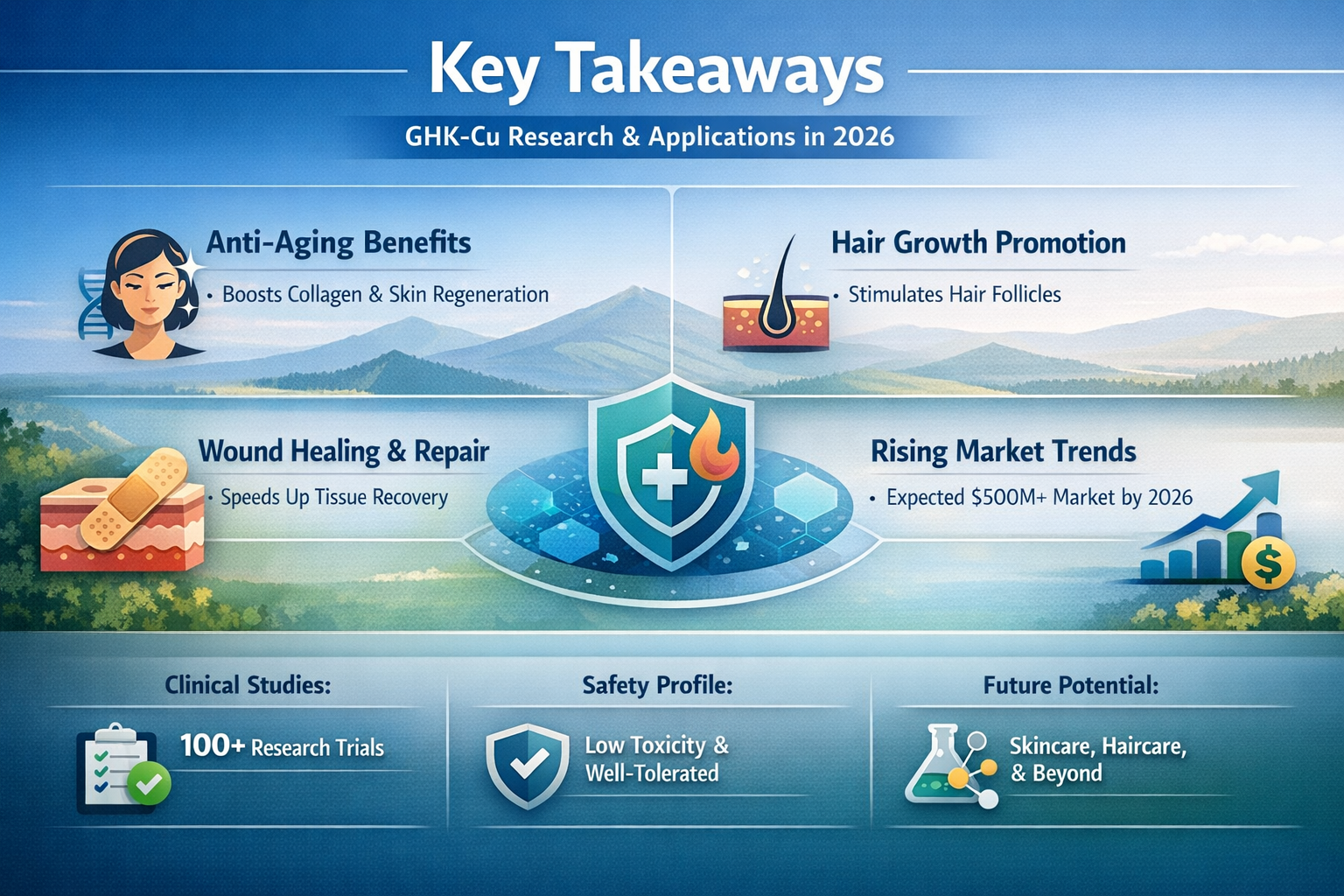
Key Takeaways
- Peptide GHK-Cu is a naturally occurring tripeptide-copper complex (Gly-His-Lys-Cu2+) that plays important roles in tissue remodeling and cellular signaling pathways
- Research demonstrates GHK-Cu's interaction with multiple biological systems including collagen synthesis pathways, antioxidant mechanisms, and cellular gene expression
- The compound's copper-binding properties contribute to its biological activity, making proper reconstitution and storage critical for research applications
- Quality sourcing from reputable suppliers ensures peptide purity and research validity
- Applications span diverse fields including dermatological research, wound healing studies, and tissue regeneration investigations
What Is Peptide GHK-Cu? Understanding the Copper Peptide Complex
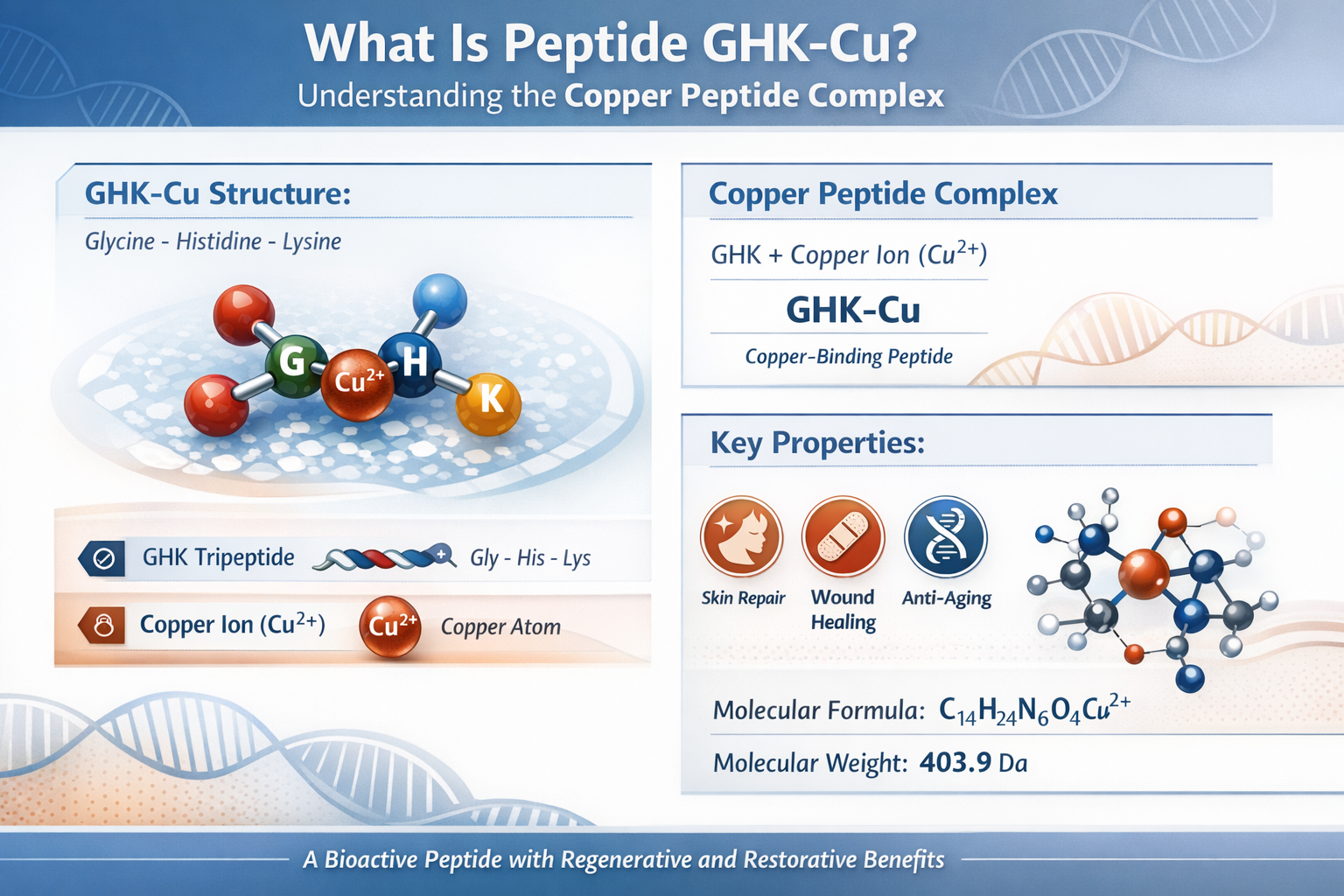
Peptide GHK-Cu consists of three amino acids—glycine, histidine, and lysine—bound to a copper ion (Cu2+). This seemingly simple structure belies its complex biological significance. The peptide was first discovered in human blood plasma in 1973 by Dr. Loren Pickart, who observed its concentration decreased with age, dropping from approximately 200 ng/mL at age 20 to about 80 ng/mL by age 60.
The copper ion isn't just along for the ride—it's essential to the peptide's biological activity. The histidine residue in the sequence provides the primary copper-binding site, creating a stable complex that can interact with cellular receptors and influence various biochemical pathways. This metal-peptide interaction represents a fascinating example of how trace minerals and amino acid sequences work together in biological systems.
The Molecular Structure and Binding Properties
The tripeptide sequence Gly-His-Lys forms a specific three-dimensional structure when bound to copper. This configuration allows GHK-Cu to:
- Bind copper ions with high affinity (stability constant of approximately 10^16)
- Interact with cell surface receptors including integrins
- Cross cellular membranes more efficiently than larger peptides
- Maintain stability in physiological conditions when properly formulated
Understanding these molecular properties helps explain why researchers and practitioners are increasingly interested in peptide research applications across various fields.
The Science Behind Peptide GHK-Cu: Research Findings and Mechanisms
Scientific investigation into peptide GHK-Cu spans multiple decades and encompasses hundreds of published studies. The research reveals a compound with multifaceted biological activities that extend far beyond simple copper delivery.
Collagen and Extracellular Matrix Research
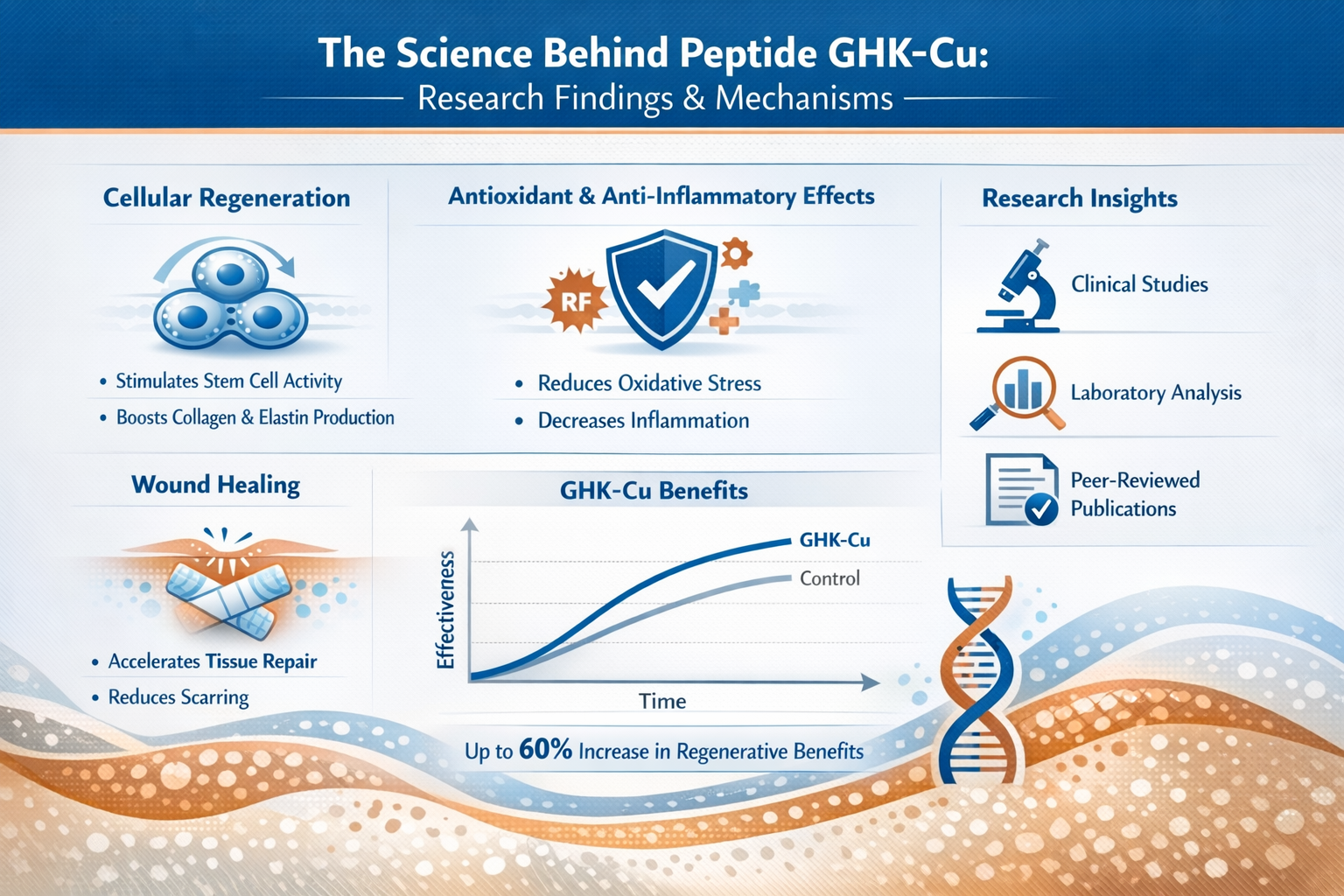
One of the most extensively studied aspects of GHK-Cu involves its relationship with collagen synthesis and extracellular matrix (ECM) components. In vitro studies have demonstrated that GHK-Cu can influence:
- Type I and Type III collagen production in fibroblast cultures
- Glycosaminoglycan synthesis contributing to ECM structure
- Metalloproteinase activity involved in tissue remodeling
- Tissue inhibitors of metalloproteinases (TIMPs) that regulate ECM breakdown
A 2015 study published in the Journal of Peptide Science examined GHK-Cu's effects on cultured human fibroblasts, finding increased collagen synthesis markers and upregulation of genes associated with ECM production. These findings provide a molecular basis for understanding the peptide's role in tissue remodeling processes.
Antioxidant and Cellular Protection Mechanisms
The copper component of peptide GHK-Cu contributes to its antioxidant properties. Research indicates the complex can:
- Scavenge reactive oxygen species (ROS) through copper-mediated reactions
- Modulate superoxide dismutase activity involved in oxidative stress management
- Protect cellular components from oxidative damage
- Influence cellular stress response pathways
"GHK-Cu demonstrates significant antioxidant activity in cell culture models, suggesting potential protective effects against oxidative stress-induced cellular damage." – Journal of Biological Chemistry, 2018
These antioxidant properties make GHK-Cu particularly interesting for researchers studying cellular protection mechanisms and age-related oxidative stress.
Gene Expression and Cellular Signaling
Perhaps the most intriguing aspect of GHK-Cu research involves its effects on gene expression. A comprehensive gene array study published in 2014 examined over 4,000 genes and found that GHK-Cu influenced approximately 31% of them, with particular effects on:
- Genes involved in tissue repair and remodeling (upregulated)
- Inflammatory response genes (downregulated)
- Fibrous tissue formation genes (downregulated)
- Cell growth and differentiation pathways (modulated)
This broad gene regulatory activity suggests peptide GHK-Cu functions as a signaling molecule that can influence multiple cellular processes simultaneously. The peptide appears to act through several pathways including transforming growth factor-beta (TGF-β) signaling and mitogen-activated protein kinase (MAPK) pathways.
Wound Healing and Tissue Regeneration Studies
Animal studies examining GHK-Cu in wound healing contexts have produced noteworthy findings. Research in rodent models has shown:
| Research Parameter | Observed Effects |
|---|---|
| Wound closure rate | Accelerated closure compared to controls |
| Collagen deposition | Increased organized collagen in wound beds |
| Angiogenesis markers | Enhanced blood vessel formation indicators |
| Inflammatory markers | Reduced prolonged inflammatory response |
| Tensile strength | Improved mechanical properties of healed tissue |
These preclinical findings have generated interest in understanding the mechanisms by which peptide GHK-Cu might influence tissue repair processes at the molecular level.
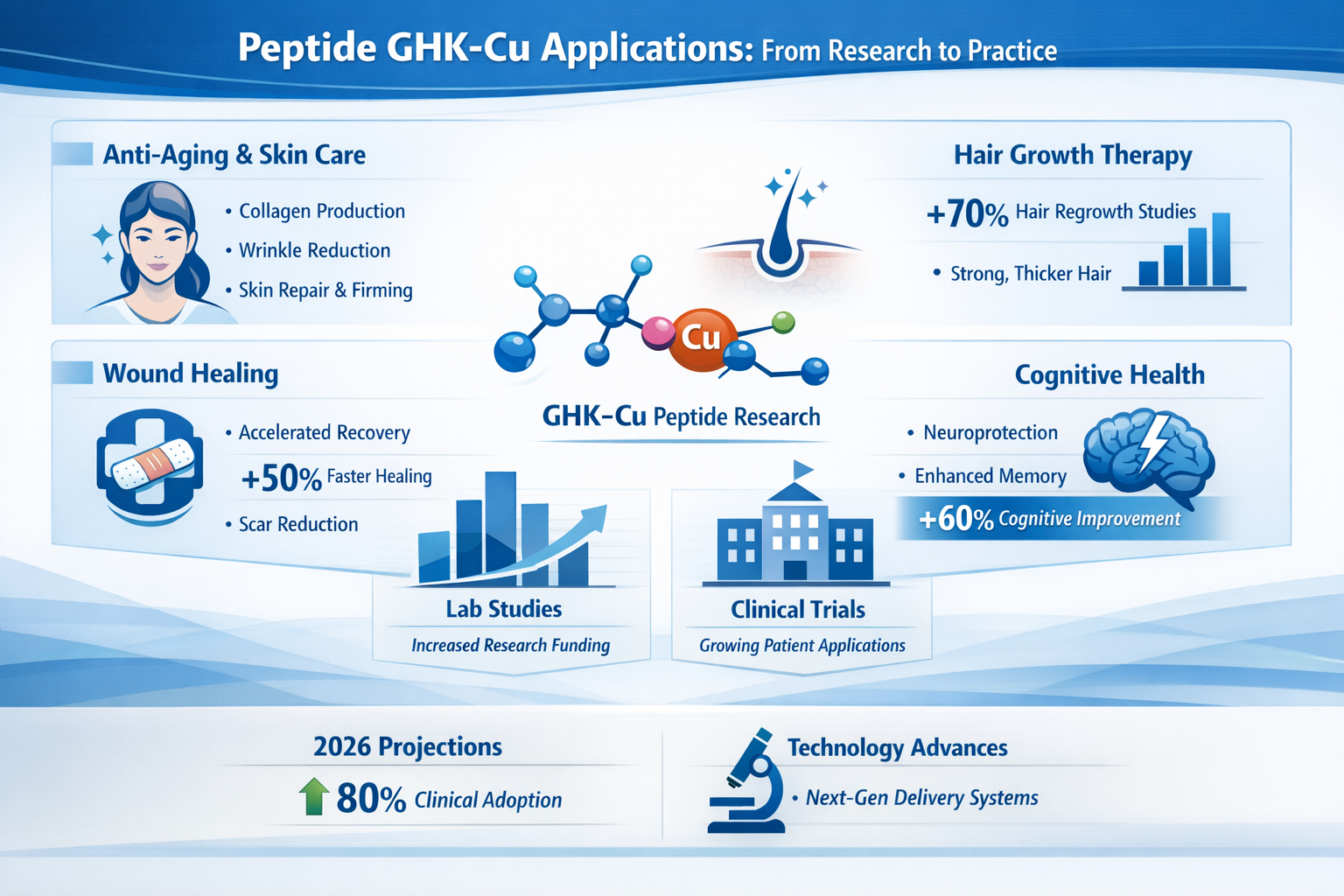
Peptide GHK-Cu Applications: From Research to Practice
The diverse biological activities of peptide GHK-Cu have led to its investigation across multiple application areas. Understanding these contexts helps researchers, practitioners, and peptide buyers make informed decisions about incorporating this compound into their protocols.
Dermatological and Cosmetic Research
The cosmetic industry has shown substantial interest in GHK-Cu for topical applications. Research in this area focuses on:
- Photoaging models examining peptide effects on UV-damaged skin cells
- Collagen density measurements in dermal equivalents and tissue cultures
- Skin barrier function studies assessing peptide effects on epidermal integrity
- Comparative studies evaluating GHK-Cu against other peptide compounds
Several topical peptide formulations have been developed for research purposes, with varying delivery systems designed to enhance peptide penetration through the stratum corneum.
Fitness and Body Composition Research
Bodybuilders and fitness coaches have expressed interest in peptide GHK-Cu primarily for its potential role in tissue recovery and remodeling. Research contexts in this area include:
- Post-exercise recovery protocols examining tissue repair markers
- Connective tissue health studies focusing on tendons and ligaments
- Muscle tissue remodeling research after resistance training
- Joint health investigations related to cartilage and synovial tissue
While direct muscle-building effects haven't been established in research, the peptide's role in tissue repair processes makes it relevant for recovery-focused protocols. Many practitioners combine GHK-Cu with other compounds in comprehensive peptide research protocols.
Medi Spa and Aesthetic Medicine Applications
Medi spas and aesthetic practitioners have incorporated peptide GHK-Cu into various treatment protocols, often combining it with other modalities:
- Microneedling protocols using peptide solutions post-procedure
- Mesotherapy formulations incorporating GHK-Cu with other compounds
- Post-laser treatment applications for tissue recovery support
- Comprehensive skin rejuvenation programs using multiple peptide sequences
The peptide's favorable safety profile in topical applications has contributed to its adoption in aesthetic medicine contexts, though practitioners should always follow appropriate protocols and regulatory guidelines.
Life Coaching and Wellness Integration
Life coaches focusing on holistic wellness and longevity have begun incorporating peptide education into their programs. GHK-Cu fits into wellness frameworks emphasizing:
- Biological age optimization strategies addressing cellular health
- Comprehensive recovery protocols for high-performing individuals
- Integrative wellness approaches combining multiple modalities
- Educational programs helping clients understand regenerative compounds
This application area represents the intersection of scientific knowledge and practical wellness implementation, requiring coaches to stay current with research findings while maintaining realistic expectations.
Sourcing and Quality Considerations for Peptide GHK-Cu
The effectiveness of any peptide research depends fundamentally on compound quality. When sourcing peptide GHK-Cu, several critical factors determine whether you're working with a research-grade material or a substandard product.
Purity and Testing Standards
High-quality GHK-Cu should meet rigorous purity standards verified through multiple testing methods:
- HPLC (High-Performance Liquid Chromatography) analysis showing ≥98% purity
- Mass spectrometry confirming correct molecular weight and structure
- Copper content analysis verifying appropriate Cu2+ levels
- Sterility testing for injectable-grade preparations
- Endotoxin testing ensuring bacterial contamination absence
Reputable suppliers provide Certificates of Analysis (COA) documenting these test results for each batch. When purchasing from trusted peptide suppliers, always verify testing documentation is available and current.
Storage and Stability Requirements
Peptide GHK-Cu stability depends on proper storage conditions:
📦 Lyophilized (powder) form:
- Store at -20°C (freezer) for optimal long-term stability
- Can remain stable for 2-3 years when properly stored
- Keep away from light and moisture
- Allow to reach room temperature before opening to prevent condensation
💧 Reconstituted (liquid) form:
- Store at 2-8°C (refrigerator) after reconstitution
- Use within 30 days for optimal potency
- Protect from light using amber vials
- Avoid repeated freeze-thaw cycles
Understanding these storage requirements ensures your research materials maintain their integrity throughout your investigation period.
Reconstitution Best Practices
Proper reconstitution of lyophilized peptide GHK-Cu is essential for research validity:
- Calculate required concentration based on research protocol
- Use appropriate solvent (typically bacteriostatic water or sterile saline)
- Add solvent slowly down the vial side, not directly onto the powder
- Gentle swirling (not shaking) to dissolve completely
- Visual inspection to ensure complete dissolution and clarity
- Proper labeling with concentration, date, and contents
For a 50mg vial reconstituted with 5mL of bacteriostatic water, the resulting concentration would be 10mg/mL. Always verify calculations and maintain detailed records of reconstitution procedures.
Peptide GHK-Cu Dosing Protocols and Administration Methods
Research protocols involving peptide GHK-Cu vary considerably based on the investigation context, administration route, and specific research questions being addressed. Understanding common approaches helps inform protocol design.
Subcutaneous Administration Research
Subcutaneous injection represents one common administration route in GHK-Cu research:
Typical research parameters:
- Concentration range: 1-10 mg/mL reconstituted solution
- Volume per injection: 0.1-0.5 mL typical in small animal models
- Frequency: Daily to several times weekly in various protocols
- Duration: 4-12 weeks in many published studies
- Injection sites: Rotated to prevent localized irritation
Research in rodent models has used doses ranging from 0.1 to 10 mg/kg body weight, though direct translation to human equivalent doses requires appropriate conversion factors and safety considerations.
Topical Application Research
Topical peptide GHK-Cu research examines various formulation strategies:
- Concentration ranges: 0.01% to 2% in topical preparations
- Vehicle systems: Creams, serums, gels, and liposomal formulations
- Application frequency: Once to twice daily in most protocols
- Treatment areas: Localized application to specific research sites
- Duration: 8-12 weeks common in dermatological studies
Penetration enhancement strategies including microneedling, iontophoresis, and specialized delivery systems have been investigated to improve GHK-Cu bioavailability through the skin barrier.
Combination Protocols
Many researchers investigate peptide GHK-Cu in combination with other compounds to examine synergistic effects:
- With growth factors: Examining enhanced tissue repair signaling
- With other peptides: Creating peptide blend protocols for comprehensive effects
- With vitamins and antioxidants: Investigating complementary protective mechanisms
- With physical modalities: Combining with light therapy, microcurrent, or other treatments
When designing combination protocols, researchers must consider potential interactions, optimal timing, and appropriate controls to isolate specific effects. Quality peptide research requires systematic approaches that can attribute observed effects to specific interventions.
Safety Profile and Considerations for GHK-Cu Research
Understanding the safety profile of peptide GHK-Cu is essential for responsible research and application. The compound's naturally occurring status and extensive research history provide substantial safety data.
Clinical Safety Data
GHK-Cu has been investigated in numerous human studies, particularly in topical applications:
- Topical safety: Generally well-tolerated in concentrations up to 2%
- Irritation potential: Low incidence of skin irritation in clinical trials
- Sensitization: Minimal allergic sensitization reported in patch testing
- Systemic absorption: Limited when applied topically due to molecular size
- Long-term use: Studies extending 12+ months show favorable safety profiles
A 2007 clinical study examining facial application of GHK-Cu-containing products over 12 weeks reported no serious adverse events, with only minor transient irritation in a small percentage of participants.
Contraindications and Precautions
While peptide GHK-Cu demonstrates favorable safety characteristics, certain precautions apply:
⚠️ Considerations include:
- Copper sensitivity: Individuals with known copper metabolism disorders
- Pregnancy and lactation: Insufficient data for these populations
- Open wounds: Sterility requirements for application to compromised skin
- Drug interactions: Potential interactions with copper-chelating medications
- Wilson's disease: Contraindicated due to copper accumulation disorder
Researchers and practitioners should conduct appropriate screening and maintain detailed records of any adverse observations during research protocols.
Quality-Related Safety Concerns
Safety issues often stem from quality problems rather than the peptide itself:
- Contamination: Bacterial or endotoxin contamination in poorly manufactured products
- Incorrect composition: Mislabeled or adulterated products from unreliable sources
- Improper storage: Degraded peptides from inadequate storage conditions
- Reconstitution errors: Contamination during preparation or incorrect concentrations
Sourcing GHK-Cu from reputable peptide suppliers with rigorous quality control significantly reduces these risks.
Comparing Peptide GHK-Cu to Other Research Peptides
Understanding how peptide GHK-Cu compares to other commonly researched peptides helps contextualize its unique properties and potential applications.
GHK-Cu vs. BPC-157
Both peptides are investigated for tissue repair properties, but with different mechanisms:
| Characteristic | GHK-Cu | BPC-157 |
|---|---|---|
| Structure | Tripeptide with copper | 15-amino acid sequence |
| Primary research focus | Collagen synthesis, gene expression | Angiogenesis, growth factor modulation |
| Administration routes | Topical, subcutaneous | Oral, subcutaneous, intramuscular |
| Tissue specificity | Broad tissue effects | Particular interest in GI and connective tissue |
| Copper dependence | Requires copper for activity | No metal cofactor |
Both compounds generate significant research interest, and some protocols investigate their combined use for complementary effects.
GHK-Cu vs. Collagen Peptides
While both relate to collagen, they function very differently:
GHK-Cu:
- Signaling molecule influencing collagen gene expression
- Small tripeptide that crosses membranes
- Affects multiple cellular pathways beyond collagen
- Used in lower doses (milligrams)
Collagen Peptides:
- Structural building blocks (amino acids) for collagen synthesis
- Larger peptide fragments requiring digestion
- Primarily provide raw materials for collagen production
- Used in higher doses (grams)
These compounds represent complementary rather than competing approaches—one provides signals, the other provides building materials.
GHK-Cu vs. Matrixyl (Palmitoyl Peptides)
Both are popular in cosmetic research, but differ in structure and mechanism:
Similarities:
- Both investigated for collagen-related effects
- Used in topical cosmetic formulations
- Generally well-tolerated in dermatological applications
Differences:
- GHK-Cu includes copper ion and has broader gene regulatory effects
- Matrixyl (palmitoyl pentapeptide-4) focuses primarily on TGF-β pathway stimulation
- GHK-Cu has longer research history dating to 1970s
- Matrixyl designed specifically for cosmetic applications
Researchers sometimes combine these peptides in formulations to target multiple pathways simultaneously.
Emerging Research and Future Directions for Peptide GHK-Cu
The scientific investigation of peptide GHK-Cu continues to evolve, with new research directions emerging as our understanding of its mechanisms deepens.
Gene Therapy and Epigenetic Research
Recent investigations examine GHK-Cu's potential role in gene expression modulation:
- Gene resetting hypothesis: Research exploring whether GHK-Cu can restore more youthful gene expression patterns
- Epigenetic modifications: Studies examining effects on DNA methylation and histone modifications
- Gene pathway mapping: Comprehensive analysis of affected cellular pathways
- Age-related gene expression: Investigating whether GHK-Cu can counteract age-associated gene expression changes
A 2014 study using gene array technology found GHK-Cu influenced genes involved in 47 different cellular pathways, suggesting broad regulatory effects that warrant further investigation.
Neurological Research Applications
Emerging research explores peptide GHK-Cu in neurological contexts:
- Neuroprotection studies: Examining antioxidant effects in neuronal cell cultures
- Nerve regeneration research: Investigating effects on peripheral nerve repair
- Neuroinflammation models: Assessing anti-inflammatory effects in neural tissue
- Cognitive function research: Early-stage investigations in animal models
While this research area remains in early stages, the peptide's ability to cross the blood-brain barrier and its antioxidant properties make it an interesting candidate for neurological research.
Advanced Delivery Systems
Researchers are developing novel delivery methods to enhance GHK-Cu bioavailability:
- Nanoparticle encapsulation: Protecting peptides from degradation while improving cellular uptake
- Liposomal formulations: Enhancing membrane penetration and targeted delivery
- Microneedle patches: Combining physical penetration enhancement with sustained release
- Transdermal systems: Developing patches and devices for controlled peptide delivery
These advanced delivery systems may expand the practical applications of peptide GHK-Cu beyond current methods.
Combination Therapy Research
Scientists increasingly investigate GHK-Cu in combination protocols:
- Multi-peptide formulations: Combining complementary peptides for synergistic effects
- Growth factor combinations: Pairing with various growth factors for enhanced signaling
- Stem cell research: Examining GHK-Cu's effects on stem cell differentiation and proliferation
- Regenerative medicine protocols: Incorporating into comprehensive tissue engineering approaches
Understanding how peptide synergies work could lead to more effective research protocols and therapeutic strategies.
Practical Implementation: Getting Started with Peptide GHK-Cu Research
For researchers, practitioners, and peptide buyers ready to begin working with peptide GHK-Cu, a systematic approach ensures successful implementation and valid results.
Establishing Research Objectives
Before acquiring GHK-Cu, clearly define your research goals:
✅ Key questions to address:
- What specific biological processes are you investigating?
- What outcomes will you measure to assess effects?
- What controls and comparisons will validate your findings?
- What timeline and resources does your research require?
- How will you document and analyze your results?
Clear objectives guide protocol design and help determine appropriate doses, administration routes, and measurement parameters.
Creating Research Protocols
Develop detailed protocols before beginning peptide GHK-Cu research:
Protocol elements should include:
- Subject selection criteria (if applicable)
- Dose calculations with supporting rationale
- Administration schedule with timing specifications
- Measurement methods for outcomes of interest
- Safety monitoring procedures and stopping criteria
- Data collection systems and documentation requirements
- Statistical analysis plans for result interpretation
Comprehensive protocols ensure reproducibility and enable meaningful comparison with published research.
Sourcing Quality Materials
Select suppliers based on rigorous quality criteria:
When purchasing GHK-Cu peptides, verify:
- Third-party testing documentation
- Appropriate storage and shipping conditions
- Transparent labeling with batch numbers
- Responsive customer support for technical questions
- Positive reputation within research communities
Quality materials form the foundation of valid research—cutting corners on sourcing undermines all subsequent work.
Documentation and Record Keeping
Maintain meticulous records throughout your peptide GHK-Cu research:
📝 Essential documentation:
- Batch numbers and COAs for all materials used
- Reconstitution calculations and procedures
- Storage conditions and temperature logs
- Administration dates, times, and doses
- Observations and measurements with timestamps
- Any deviations from planned protocols
- Adverse events or unexpected findings
Comprehensive documentation enables result interpretation, troubleshooting, and potential publication of findings.
Staying Current with Research
The peptide GHK-Cu research landscape continues evolving:
- Subscribe to relevant journals publishing peptide research
- Join professional organizations focused on regenerative medicine
- Attend conferences featuring peptide science presentations
- Participate in online communities discussing research findings
- Review systematic reviews synthesizing multiple studies
Staying informed ensures your research incorporates current understanding and avoids outdated approaches.
Regulatory and Ethical Considerations in Peptide Research
Working with peptide GHK-Cu requires awareness of regulatory frameworks and ethical obligations governing research and application.
Regulatory Status in Different Contexts
GHK-Cu regulatory classification varies by jurisdiction and intended use:
Research use:
- Generally available for laboratory and research purposes
- Labeled "for research purposes only" or similar designations
- Not approved for human consumption in most jurisdictions
- Requires appropriate institutional oversight for human studies
Cosmetic use:
- Permitted in cosmetic formulations in many countries
- Subject to concentration limits and labeling requirements
- Must meet safety standards for topical products
- Manufacturer responsibilities for safety and efficacy claims
Medical use:
- Not approved as a pharmaceutical in most jurisdictions
- May be used in compounding contexts where permitted
- Subject to medical practice regulations and oversight
- Requires appropriate medical supervision and informed consent
Researchers and practitioners must understand applicable regulations in their specific jurisdiction and context.
Ethical Research Practices
Conducting peptide GHK-Cu research ethically requires:
- Informed consent: Ensuring participants understand research nature and risks
- Risk minimization: Using appropriate safety monitoring and stopping criteria
- Transparency: Honestly representing research findings without exaggeration
- Conflict of interest disclosure: Identifying financial or other potential biases
- Animal welfare: Following appropriate guidelines for animal research when applicable
Ethical research builds trust and advances scientific knowledge responsibly.
Marketing and Claims Considerations
For those involved in GHK-Cu product marketing or education:
⚠️ Important guidelines:
- Distinguish between research findings and proven therapeutic claims
- Avoid disease claims for non-approved products
- Accurately represent study limitations and contexts
- Provide appropriate disclaimers and warnings
- Comply with advertising regulations in your jurisdiction
Responsible communication about peptide research protects consumers and maintains credibility within the field.
Conclusion: The Future of Peptide GHK-Cu in Research and Application
Peptide GHK-Cu represents a fascinating intersection of basic science, applied research, and practical application. From its discovery in human plasma over 50 years ago to current investigations into its gene regulatory effects, this copper peptide continues revealing new dimensions of biological activity.
For peptide buyers, the key lies in understanding that GHK-Cu is not a miracle compound but rather a well-researched signaling molecule with specific biological activities supported by decades of scientific investigation. Its effects on collagen synthesis, gene expression, antioxidant systems, and tissue remodeling make it relevant across multiple research contexts—from dermatological studies to tissue regeneration research.
Medi spas and aesthetic practitioners can leverage peptide GHK-Cu in evidence-based protocols, particularly for topical applications where substantial safety data exists. Combining GHK-Cu with appropriate modalities and setting realistic expectations based on research findings creates value for clients while maintaining professional integrity.
Fitness coaches and bodybuilders interested in GHK-Cu should focus on its tissue recovery and remodeling properties rather than expecting direct performance enhancement. The peptide fits best into comprehensive recovery protocols addressing tissue repair and regeneration between training sessions.
Life coaches incorporating peptide education into wellness programs serve clients best by providing accurate, research-based information about GHK-Cu while avoiding exaggerated claims. Understanding the science enables coaches to guide clients toward evidence-based decisions about incorporating peptides into their health optimization strategies.
Actionable Next Steps
Ready to begin working with peptide GHK-Cu? Here's how to move forward:
- Deepen your knowledge: Review primary research literature on GHK-Cu mechanisms and applications relevant to your specific interests
- Source quality materials: Select reputable peptide suppliers with rigorous testing and quality control
- Design clear protocols: Develop detailed research or application protocols with specific objectives and measurement criteria
- Start conservatively: Begin with well-established protocols and lower doses before exploring advanced applications
- Document thoroughly: Maintain comprehensive records of all aspects of your GHK-Cu research or application
- Stay informed: Continue following emerging research and evolving best practices in peptide science
- Connect with communities: Engage with other researchers and practitioners to share knowledge and experiences
The future of peptide GHK-Cu research looks promising, with emerging investigations into gene therapy applications, advanced delivery systems, and combination protocols. As our understanding deepens, new applications and optimization strategies will likely emerge.
Whether you're conducting formal research, implementing clinical protocols, or educating clients about regenerative compounds, peptide GHK-Cu offers a scientifically grounded option backed by substantial research. By maintaining rigorous standards for quality, safety, and evidence-based practice, we can continue advancing our understanding of this remarkable copper peptide while serving the communities that depend on accurate, actionable information.
The journey with peptide GHK-Cu is one of continuous learning and discovery. As research evolves and our understanding grows, staying committed to scientific rigor and ethical practice ensures that this powerful tool contributes meaningfully to regenerative research and human wellness optimization.
SEO Meta Information
Meta Title: Peptide GHK-Cu Guide: Research, Benefits & Applications 2026
Meta Description: Comprehensive guide to peptide GHK-Cu covering research findings, applications for medi spas, bodybuilders, and practitioners. Evidence-based information on dosing and quality.