Call or Text 727-513-9780
  • Shopping Cart Shopping Cart
    0Shopping Cart
Pure Tested Peptides | America's most trusted Peptides for sale online
  • Peptides for sale
    • Oral Peptides for sale
      • Peptide Capsules for sale
      • BPC 157 Capsules 1000mcg
      • SLU-PP-332 Capsules | 1000 mcg
      • 5-Amino-1MQ 50mg Capsules
      • Tesofensine 500mcg
    • All Peptides for sale
    • Peptide Sprays
      • BPC 157 Nasal Spray Kit
      • BPC-157 TB500 Nasal Spray Kit
      • Semax Nasal Spray 10mg
      • Selank – Nasal Spray Kit – 10mg
      • Epithalon 50MG Nasal Spray Kit
      • Ipamorelin 10mg Nasal Spray
      • Klow Nasal Spray (BPC-157 + TB-500 + GHK-Cu + KPV) | 80mg
      • Hulk Nasal Spray Tesa / Ipa Blend 6/3 MG
      • Klow Nasal Spray
      • NAD + 500 mg Nasal Spray
      • PT-141 Nasal Spray Kit
    • GHRH Peptides
      • Ipa Peptides
      • CJC-1295 Peptides
        • CJC-1295 with DAC 5 mg
        • CJC-1295 without DAC 5 mg
        • CJC-1295 Ipa 10mg
      • Tesa Peptides
        • Tesa Peptide
        • Tesa 20 mg
    • GHK-Cu Peptides
      • All GHK-Cu Peptides
      • GHK-Cu 100mg
      • KLOW Peptide Blend – Buy KLOW blend online
    • BPC Peptides
      • All BPC Peptides
      • BPC-157
      • BPC-157 TB-500
      • BPC 157 capsules 1000mcg
    • SLU-PP-332 Peptides
      • All SLU-PP-332 Peptides
      • SLU-PP-332 5mg
    • GLP3 Peptides
    • PT-141 Peptides
      • PT-141 Peptides for sale
      • PT-141 10mg
      • PT-141 Nasal Spray
    • CAG Peptides
      • Lipo-C Peptide Blend
      • CAG 5mg
      • CAG 10mg
    • MOTS-C Peptides
      • MOTS-C Peptides for sale
      • MOTS-c peptide
      • MOTS-c 10mg *6 pack*
    • 5 Amino 1MQ Peptides
      • 5 Amino 1MQ Peptides for sale
      • 5-Amino-1MQ 50mg Capsules
      • 5-Amino-1MQ 5mg
    • Epithalon Peptides
      • Epithalon Peptides for sale
      • Epithalon 10mg
      • Epithalon 50mg
  • Shop
    • GLPs
      • 5-Amino-1MQ 50mg Capsules
      • 5-Amino-1MQ 5mg
      • L-Carnitine 500mg/ml
      • Tesofensine 500mcg
      • SLU-PP-332 5mg
      • MOTS-c 10mg *6 pack*
    • Epithalon & BPC Peptides
      • Epithalon 10mg
      • Epithalon 50mg
      • BPC-157
      • BPC 157 capsules 1000mcg
      • BPC-157 TB-500
      • BPC-157 TB500 Nasal Spray Kit
      • BPC 157 Nasal Spray Kit
    • BPC TB-500 & NAD+ Peptides
      • NAD+ 500 mg
      • KLOW Peptide Blend – Buy KLOW blend online
      • GLOW Peptide Blend
      • TB 500 5mg
      • BPC 157 capsules 1000mcg – Supplement
      • BPC 157 Nasal Spray Kit
      • BPC-157
      • BPC-157 TB500 Nasal Spray Kit
      • BPC-157 TB-500
      • BPC 157 capsules 1000mcg
    • LL-37 Peptide
      • LL-37 10 mg
    • MOTS-C & Selank
      • MOTS-c peptide
      • Selank 10mg
    • GHK Peptides
      • GHK-Cu 100mg
      • GLOW Peptide Blend
      • KLOW Peptide Blend – Buy KLOW blend online
  • COAs
  • Wholesale
    • Wholesale Peptides for sale
  • PTP FAQ
  • Affiliates
    • Selank Peptide: Advanced Pharmacological Mechanisms Underlying Its Anxiolytic and Nootropic Effects in Research
      • 5-Amino-1MQ Peptide: Detailed Mechanisms of NNMT Inhibition and Its Impact on Cellular Metabolism Research
        • MOTS-C Peptide: Unraveling Its Role in Mitochondrial Dynamics and Energy Metabolism Research
          • Epithalon Peptide and Telomerase Regulation: Investigating Its Impact on Cellular Senescence and Lifespan Research Models
            • GLP2-T vs GLP2 Tirz Peptide: Understanding the Naming, Mechanistic Nuances, and Research Implications for Gut Health
      • Peptides and Polypeptides in Modern Pharmacology: What Research on Metoprolol, Prednisone, and Amlodipine Reveals
        • Polypeptide Peptides vs NSAIDs: What Naproxen and Diclofenac Teach Tissue-Repair Researchers About BPC‑157 and TB‑500
          • Peptides and Polypeptides in Endocrine Pharmacology: How GLP-1, GLP-2, and GLP-3 Retatrutide Differ From Classic Drugs Like Prednisone and Amlodipine
          • 5‑Amino‑1MQ Peptide and NNMT Inhibition: How It Compares With Statins Like Atorvastatin in Adipose and Lipid Metabolism Research
      • Enclomiphene, Estrogen Receptor Signaling, and Luteinizing Phase Biology: What Hormone Researchers Should Measure
        • Mesenchymal Stem Cells, BPC‑157, and GHK‑Cu: How Tissue Repair Peptides Compare With Classic NSAIDs Like Naproxen in Injury Models
          • Peptide Calculator Use Cases Beyond Growth Hormone: Working Through GLP‑3 Retatrutide, MOTS‑c, and BPC‑157 Research Dosing
        • Polypeptide Peptides in Endocrine and Metabolic Pharmacology: Lessons From Amlodipine, Prednisone, and Metoprolol
        • Peptides Calculator for Advanced Blends: Worked Examples for Tesamorelin, CJC‑1295, and Ipamorelin Stacks
          • Peptides and Polypeptides in Human Physiology: How Molecular Size Shapes Research Applications
            • Selank Peptide: Advanced Pharmacological Mechanisms Underlying Its Anxiolytic and Nootropic Effects in Research
          • 5-Amino-1MQ Peptide: Detailed Mechanisms of NNMT Inhibition and Its Impact on Cellular Metabolism Research
            • MOTS-C Peptide: Unraveling Its Role in Mitochondrial Dynamics and Energy Metabolism Research
              • Epithalon Peptide and Telomerase Regulation: Investigating Its Impact on Cellular Senescence and Lifespan Research Models
                • GLP2-T vs GLP2 Tirz Peptide: Understanding the Naming, Mechanistic Nuances, and Research Implications for Gut Health
                  • Peptides and Polypeptides in Endocrine Pharmacology: How GLP-1, GLP-2, and GLP-3 Retatrutide Differ From Classic Drugs Like Prednisone and Amlodipine
                    • Polypeptide Peptides vs NSAIDs: What Naproxen and Diclofenac Teach Tissue-Repair Researchers About BPC‑157 and TB‑500
                      • Peptides and Polypeptides in Modern Pharmacology: What Research on Metoprolol, Prednisone, and Amlodipine Reveals
                        • 5‑Amino‑1MQ Peptide and NNMT Inhibition: How It Compares With Statins Like Atorvastatin in Adipose and Lipid Metabolism Research
                        • Enclomiphene, Estrogen Receptor Signaling, and Luteinizing Phase Biology: What Hormone Researchers Should Measure
                        • Mesenchymal Stem Cells, BPC‑157, and GHK‑Cu: How Tissue Repair Peptides Compare With Classic NSAIDs Like Naproxen in Injury Models
                        • Peptide Calculator Use Cases Beyond Growth Hormone: Working Through GLP‑3 Retatrutide, MOTS‑c, and BPC‑157 Research Dosing
                        • Polypeptide Peptides in Endocrine and Metabolic Pharmacology: Lessons From Amlodipine, Prednisone, and Metoprolol
                        • Peptides Calculator for Advanced Blends: Worked Examples for Tesamorelin, CJC‑1295, and Ipamorelin Stacks
                        • Peptides and Polypeptides in Human Physiology: How Molecular Size Shapes Research Applications
                        • Selank Peptide: Advanced Pharmacological Mechanisms Underlying Its Anxiolytic and Nootropic Effects in Research
                        • MOTS-C Peptide: Unraveling Its Role in Mitochondrial Dynamics and Energy Metabolism Research
                        • Peptides and Polypeptides in Modern Pharmacology: What Research on Metoprolol, Prednisone, and Amlodipine Reveals
                        • Peptides and Polypeptides in Endocrine Pharmacology: How GLP-1, GLP-2, and GLP-3 Retatrutide Differ From Classic Drugs Like Prednisone and Amlodipine
                        • 5-Amino-1MQ Peptide: Detailed Mechanisms of NNMT Inhibition and Its Impact on Cellular Metabolism Research
                        • Mesenchymal Stem Cells, BPC‑157, and GHK‑Cu: How Tissue Repair Peptides Compare With Classic NSAIDs Like Naproxen in Injury Models
                        • Peptide Calculator Use Cases Beyond Growth Hormone: Working Through GLP‑3 Retatrutide, MOTS‑c, and BPC‑157 Research Dosing
                        • GLP2-T vs GLP2 Tirz Peptide: Understanding the Naming, Mechanistic Nuances, and Research Implications for Gut Health
                        • Polypeptide Peptides in Endocrine and Metabolic Pharmacology: Lessons From Amlodipine, Prednisone, and Metoprolol
                        • Polypeptide Peptides vs NSAIDs: What Naproxen and Diclofenac Teach Tissue-Repair Researchers About BPC‑157 and TB‑500
                        • Peptides and Polypeptides in Human Physiology: How Molecular Size Shapes Research Applications
                        • Peptides Calculator for Advanced Blends: Worked Examples for Tesamorelin, CJC‑1295, and Ipamorelin Stacks
                        • 5‑Amino‑1MQ Peptide and NNMT Inhibition: How It Compares With Statins Like Atorvastatin in Adipose and Lipid Metabolism Research
                        • Enclomiphene, Estrogen Receptor Signaling, and Luteinizing Phase Biology: What Hormone Researchers Should Measure
                        • Epithalon Peptide and Telomerase Regulation: Investigating Its Impact on Cellular Senescence and Lifespan Research Models
                        • Best research protocol Klow blend
                        • best time to take BPC-157
                        • best time to take DSIP (Delta Sleep Inducing Peptide)
                        • best time to take CJC-1295
                        • best time to take AOD-9604
                        • best time to take Follistatin 344
                        • best time to take Ipamorelin
                        • best time to take MK-677 (Ibutamoren)
                        • best time to take Ligandrol (LGD-4033) — research compound
                        • best time to take Ostarine (MK-2866) — research compound
                        • best time to take GHK-CU
                        • best time to take TB-500
                        • best time to take MOTS-c
                        • best time to take Semax
                        • best time to take RAD-140 (Testolone) — research compound
                        • best time to take Thymosin Alpha-1
                        • best time to take PEG-MGF
                        • Biolife Plasma, Octapharma Plasma, and Research Peptides: How Plasma Donation Labs Differ From Peptide Suppliers
                        • best time to take YK-11 — research compound
                        • best time to take PT-141 (Bremelanotide)
                        • Best research protocol Klow blend
                        • 5-Amino-1MQ and MOTS-C Synergy: Metabolic Signaling, Mitochondria, and Research Design
                        • BPC-157 and TB-500: Investigating Their Combined Effects on Angiogenesis and Cellular Migration in Tissue Repair Models
                        • BPC-157 Peptide: Gut Barrier Function, Inflammation, and Tissue-Recovery Research
                        • 5‑Amino‑1MQ and MOTS‑c Synergy in Metabolic Research: Designing NNMT and Mitochondrial Biogenesis Stacks
                        • CJC-1295 with DAC vs. Without DAC: Half-Life, Release Kinetics, and Research Implications
                        • CJC‑1295 with DAC vs. Without DAC: Expanding on Half‑Life Differences Using Tesamorelin and Ipamorelin Blend Case Studies
                        • Collagen Biology and Copper‑Binding Peptides: How GHK‑Cu, Glow Blend, and Klow Blend Interact with Skin and Connective Tissue
                        • Collagen Biology and Regenerative Peptides: How GHK‑Cu, Glow Blend, and Klow Blend Affect Extracellular Matrix Research
                    • DNA, Telomeres, and Longevity Peptides: Positioning Epithalon and MOTS‑c in Genetic Aging Research
                      • Enclomiphene Citrate: serm Mechanism, Testosterone Research, and Stack Compatibility
                        • Enclomiphene vs Enclomiphene Citrate: Formulation, Bioavailability, and Research Distinctions
                        • Epithalon Peptide Research: Telomerase Activation, Aging, and Pineal Gland Function
                        • Estrogen Receptor Signaling and Enclomiphene: How Selective Modulators Compare with Classic Polypeptide Hormones
                        • GHK-Cu Peptide: Advanced Mechanisms in Extracellular Matrix Remodeling and Wound Healing Research
                        • GHK-Cu Peptide: Collagen Synthesis, Wound Repair, and Skin-Barrier Research Models
                        • GLP-1 vs GLP-3 vs GLP-2: Peptide Classification and Research Applications
                        • GLP-2 Peptide Research Guide: Gut Barrier Function, Nutrient Absorption, and Intestinal Recovery Models
                        • GLP-3 Retatrutide vs. GLP-1 Drugs: What Triple-Agonist Biology Changes in Research Models
                        • Ipamorelin and Tesamorelin Combination: Synergistic GH Secretagogue Research and Dosing Protocols
                        • GLP2 Tirz Peptide: What It Is, Why the Name Exists, and How Researchers Should Interpret It
                        • Klow Blend Peptide Nasal Spray: What the Formulation Is Trying to Do in Cognitive Research
                        • Mitochondria, NNMT Inhibition, and Peptide Modulators: Where MOTS‑c and 5‑Amino‑1MQ Fit in Cellular Energy Research
                        • MOTS-c Peptide: Mitochondrial Function, Energy Metabolism, and What Researchers Measure
                        • MOTS-c vs. 5-Amino-1MQ: Which Metabolic Research Questions Each Compound Actually Answers
                        • Nasal Spray Peptides: Bioavailability, Administration, and Semax/Selank Research Applications
                        • PT-141 Peptide Research: Mechanism of Action and Melanocortin Receptor Signaling
                        • Retatrutide for Research: Mechanism, Structure, and GLP-1/GLP-3 Dual Action
                        • Retatrutide for Obesity and Type 2 Diabetes: What the Latest Trial Data Suggest
                        • Tesofensine Peptide Research: Mechanism, Appetite Suppression, and Neuropeptide Y Pathways
  • Contact
    • Contact Customer Service
    • Text Customer Support
  • About US
  • Shop all peptides
  • Affiliate Program
    • Affiliate Signup
  • Login / Register Login / Register Page Link Login / Register Page Link
  • Click to open the search input field Click to open the search input field Search
  • Menu Menu

Tag Archive for: regenerative medicine

GHK-Cu Peptide: Advanced Mechanisms in Extracellular Matrix Remodeling and Wound Healing Research

GHK-Cu Peptide: Advanced Mechanisms in Extracellular Matrix Remodeling and Wound Healing Research

July 21, 2026/0 Comments/by Pure Tested

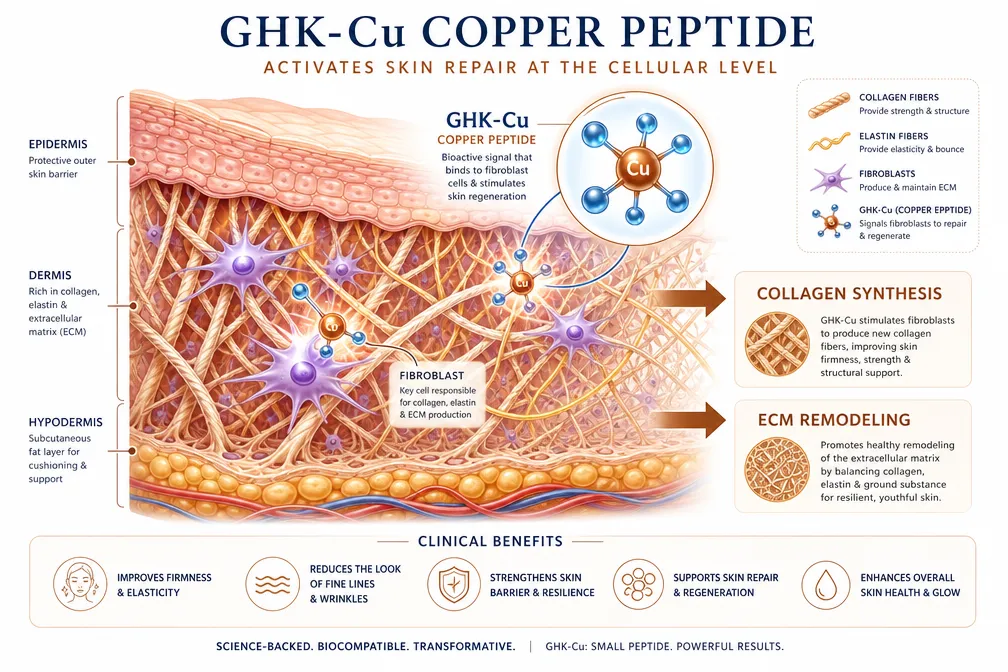
Human plasma levels of the tripeptide glycyl-L-histidyl-L-lysine (GHK) drop by nearly 60% between the ages of 20 and 60, a decline that closely mirrors the body's diminishing capacity for tissue repair. When bound to copper (Cu), this molecule becomes one of the most studied signaling peptides in regenerative biology. Research into GHK-Cu peptide: advanced mechanisms in extracellular matrix remodeling and wound healing research has accelerated significantly in 2026, revealing a compound that operates across multiple biological pathways simultaneously.

Key Takeaways

  • GHK-Cu stimulates collagen and glycosaminoglycan synthesis in fibroblasts at picomolar to nanomolar concentrations.
  • It modulates matrix metalloproteinase (MMP) activity to balance ECM breakdown and rebuilding.
  • GHK-Cu influences expression of approximately 31% of human genes, including pathways for DNA repair and antioxidant defense.
  • Novel hydrogel delivery systems developed in recent research significantly improve GHK-Cu biostability and wound healing outcomes.
  • Plasma GHK levels decline sharply with age, making exogenous supplementation a key area of ongoing research.
Key Takeaways

Understanding GHK-Cu and Its Role in Extracellular Matrix Remodeling

The extracellular matrix (ECM) is the structural scaffold of every tissue in the body. It is made up of collagen, elastin, proteoglycans, and glycosaminoglycans (GAGs). When tissue is damaged, the ECM must be broken down and rebuilt in a highly coordinated sequence. GHK-Cu sits at the center of this process.

Collagen synthesis is one of GHK-Cu's most documented actions. In fibroblast cultures, the peptide begins stimulating collagen production at concentrations as low as 10^-12 to 10^-11 M, with peak effects observed around 10^-9 M. This picomolar potency is remarkable and suggests a receptor-mediated signaling mechanism rather than simple substrate availability.

Beyond collagen, GHK-Cu drives a dose-dependent increase in GAG synthesis by human fibroblasts, with maximal effects between 10^-9 and 10^-8 M. GAGs such as hyaluronic acid and heparan sulfate are critical for water retention, structural integrity, and growth factor signaling within the ECM.

Key ECM components stimulated by GHK-Cu:

Component Role in ECM GHK-Cu Effect
Collagen I & III Structural tensile strength Synthesis upregulated
Elastin Tissue flexibility Production increased
Glycosaminoglycans Hydration and signaling Dose-dependent increase
MMP-2 ECM remodeling enzyme Expression elevated

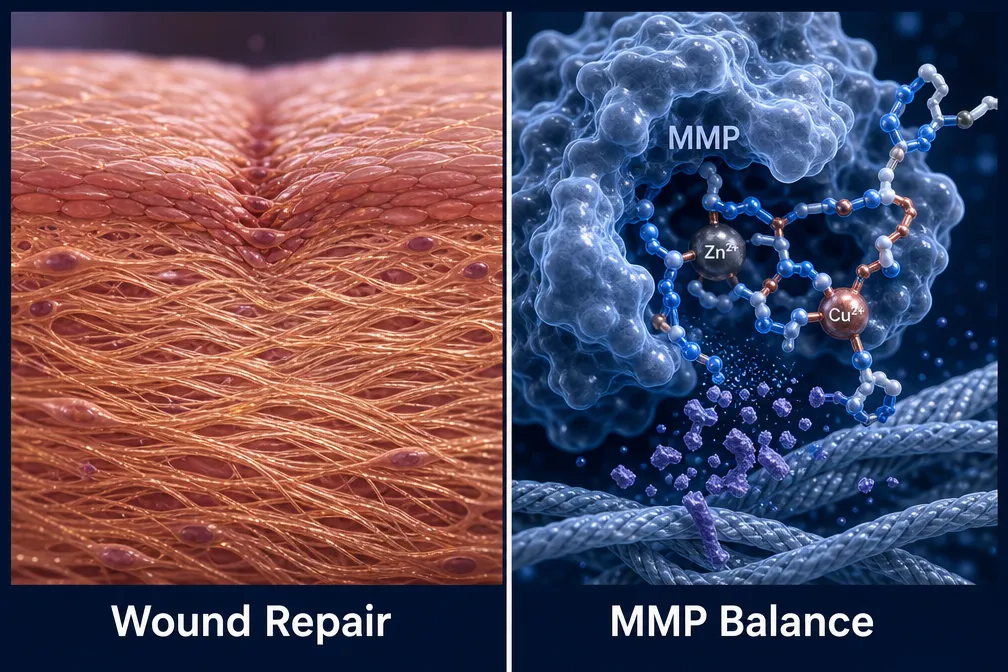
GHK-Cu also increases MMP-2 levels in fibroblast-conditioned media alongside corresponding increases in MMP-2 mRNA. This is not a destructive effect, rather, it reflects a carefully balanced remodeling signal. By upregulating specific MMPs while modulating others, GHK-Cu enables the removal of damaged matrix components and their replacement with newly synthesized, organized fibers.

Researchers exploring longevity peptide research have noted that ECM remodeling capacity is a central feature of biological aging, making GHK-Cu a molecule of significant interest in that context.
Understanding GHK-Cu and Its Role in Extracellular Matrix Remodeling

GHK-Cu Peptide in Wound Healing Research: Mechanisms and Delivery Advances

The wound healing process unfolds in four overlapping phases: hemostasis, inflammation, proliferation, and remodeling. GHK-Cu has demonstrated activity in at least three of these phases, making it a multi-stage wound repair agent.

During the proliferative phase, GHK-Cu acts as a chemoattractant for repair cells, drawing fibroblasts and keratinocytes to the wound site. It simultaneously suppresses pro-inflammatory cytokines, reducing excessive inflammation that would otherwise delay healing. This dual action, recruiting repair cells while dampening destructive inflammation, is a key reason why GHK-Cu peptide: advanced mechanisms in extracellular matrix remodeling and wound healing research continues to attract scientific attention.

"GHK-Cu functions as a natural modulator of multiple cellular pathways in skin regeneration, including collagen synthesis, anti-inflammatory responses, and antioxidant defense mechanisms."

Novel Hydrogel Delivery Systems

One of the most significant recent developments involves advanced delivery platforms designed to protect GHK-Cu's bioactivity and extend its residence time at wound sites.

A 2023 study introduced a photo-crosslinkable hyaluronic acid hydrogel embedded with GHK peptide nanofibers. This system improved bioactive wound healing by combining the structural benefits of hyaluronic acid scaffolding with the signaling properties of GHK. The nanofiber format increased surface area contact with surrounding tissue, enhancing cellular uptake.

A separate 2023 publication described a supramolecular metallopeptide hydrogel (termed Supra GHK-Cu) that self-assembles into a three-dimensional network. This structure improved biostability, a persistent challenge with peptide-based therapeutics, while maintaining the wound-healing properties of the native GHK-Cu complex.

These delivery innovations address a core limitation: free GHK-Cu in solution degrades relatively quickly in biological environments. Hydrogel encapsulation extends functional activity and enables sustained release over wound healing timescales.

For researchers interested in comparing peptide delivery and tissue repair mechanisms, TB-500 research and BPC-157 nasal and oral formulations represent related areas of investigation in regenerative peptide science.
Novel Hydrogel Delivery Systems

Gene Expression Modulation and Broader Regenerative Implications

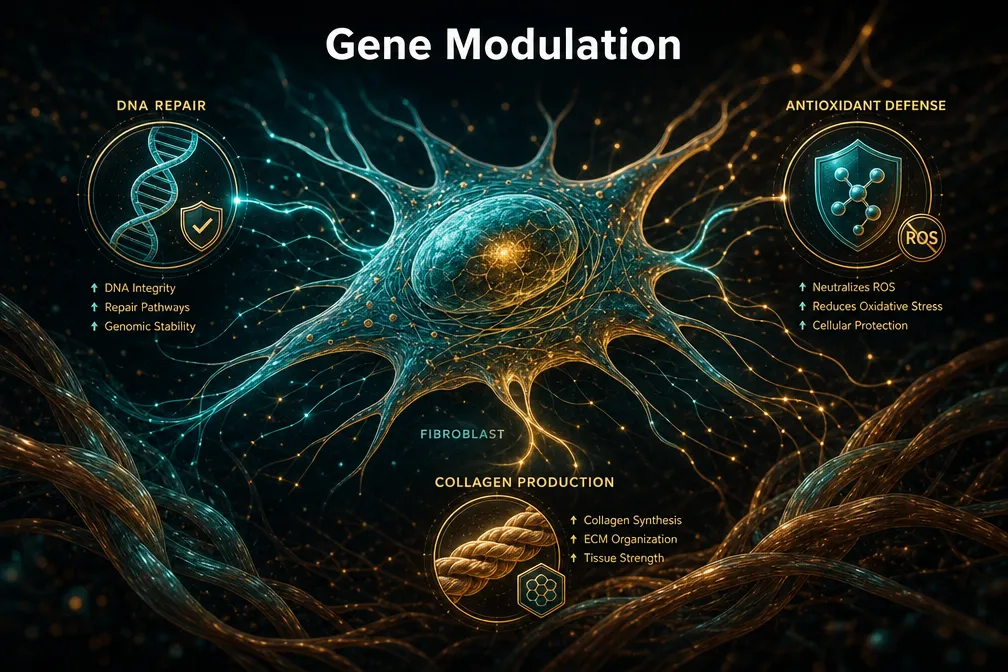
Perhaps the most striking finding in GHK-Cu research is the scale of its gene regulatory activity. Studies using gene array analysis indicate that GHK-Cu influences the expression of approximately 31.2% of human genes. This includes genes involved in:

  • DNA repair mechanisms
  • Antioxidant defense systems
  • Anti-inflammatory signaling
  • Nerve regeneration pathways
  • Stem cell activation

This breadth of activity positions GHK-Cu not merely as a wound-healing agent but as a systemic tissue maintenance signal. The age-related decline in plasma GHK, from roughly 200 ng/mL at age 20 to approximately 80 ng/mL at age 60, may partially explain why tissue repair efficiency diminishes with age.

Researchers studying aging support peptides have drawn connections between this GHK decline and broader hallmarks of biological aging, including reduced ECM quality and impaired cellular stress responses.

GHK-Cu's antioxidant gene activation is particularly relevant in wound contexts, where reactive oxygen species (ROS) are produced in large quantities during the inflammatory phase. By upregulating antioxidant defenses, the peptide helps protect newly forming tissue from oxidative damage.

Those researching GHK-Cu peptide: advanced mechanisms in extracellular matrix remodeling and wound healing research alongside other regenerative compounds may also find value in reviewing Epithalon peptide research and NAD+ energetics and longevity themes, which intersect with cellular repair and gene expression regulation.

For those sourcing research-grade materials, GHK-Cu peptides for research use and additional GHK-Cu research documentation are available through specialized suppliers.

Conclusion

The science surrounding GHK-Cu peptide: advanced mechanisms in extracellular matrix remodeling and wound healing research points to a molecule of unusual biological depth. Its ability to stimulate collagen and GAG synthesis at picomolar concentrations, modulate MMP activity for balanced ECM remodeling, and influence gene expression across nearly a third of the human genome places it in a category few peptides occupy.

Actionable next steps for researchers:

  1. Review the 2023 hydrogel delivery literature to understand how formulation affects GHK-Cu bioavailability and wound-site retention.
  2. Examine gene array data to identify which specific pathways are most relevant to your research model.
  3. Consider age-related GHK plasma decline as a variable when designing tissue repair or longevity studies.
  4. Explore synergistic peptide combinations, GHK-Cu's anti-inflammatory and ECM-rebuilding actions may complement other regenerative peptides in multi-target research designs.
  5. Source only verified, high-purity GHK-Cu for research to ensure reproducible results.

As delivery technologies improve and gene-level data accumulates, GHK-Cu is positioned to remain a central subject in regenerative medicine, skin biology, and tissue engineering research well beyond 2026.

https://www.puretestedpeptides.com/wp-content/uploads/2026/07/ghk-cu-peptide-advanced-mechanisms-in-extracellular-matrix-remodeling-and-wound.webp 672 1008 Pure Tested https://www.puretestedpeptides.com/wp-content/uploads/2026/01/buy-peptides-online.jpg Pure Tested2026-07-21 13:14:532026-07-27 13:32:24GHK-Cu Peptide: Advanced Mechanisms in Extracellular Matrix Remodeling and Wound Healing Research
Mesenchymal Stem Cells and Peptide Modulators: Designing BPC-157, TB-500, and GHK-Cu Experiments for Tissue Repair

Mesenchymal Stem Cells and Peptide Modulators: Designing BPC-157, TB-500, and GHK-Cu Experiments for Tissue Repair

June 25, 2026/0 Comments/by Pure Tested

{"cover":"Professional landscape format (1536×1024) hero image with bold text overlay: 'Mesenchymal Stem Cells & Peptide Modulators: BPC-157, TB-500, and GHK-Cu for Tissue Repair' in extra large 72pt white bold sans-serif font with deep shadow effect, centered upper-third placement. Background features a high-resolution microscopy visualization of mesenchymal stem cells with glowing blue-green fluorescent markers against a dark navy background, with molecular peptide chain diagrams overlaid in translucent gold. Color palette: deep navy, electric teal, gold accents. Magazine cover aesthetic, editorial quality, cinematic lighting.","content":["Landscape format (1536×1024) scientific illustration showing three distinct peptide molecular structures labeled BPC-157, TB-500, and GHK-Cu arranged in a triangular comparison diagram, each connected by glowing arrows to a central mesenchymal stem cell cluster rendered in photorealistic 3D. Background is a clean white laboratory setting with subtle grid lines. Color coding: BPC-157 in blue, TB-500 in green, GHK-Cu in copper-gold. Annotation callouts highlight angiogenesis, actin remodeling, and collagen synthesis pathways. Scientific infographic style, editorial quality.","Landscape format (1536×1024) top-down laboratory bench scene showing organized experimental design layout: multi-well culture plates with color-coded peptide solutions, a digital microscope displaying MSC migration assay results on its screen, lab notebooks with experimental protocol charts, and vials labeled BPC-157 and TB-500. Warm laboratory lighting, teal and white color scheme, clean modern research aesthetic. Inset diagram in lower right corner shows a simplified experimental timeline flowchart with treatment and control groups. Editorial quality, research photography style.","Landscape format (1536×1024) split-panel tissue repair visualization: left panel shows damaged tendon tissue at cellular level with fragmented collagen fibers rendered in detailed 3D, right panel shows the same tissue post-peptide modulation with dense organized collagen matrix, active stem cells migrating into repair zone, and new capillary formation highlighted in red. GHK-Cu copper-toned molecular icons float between panels. Background gradient from dark red-orange to healthy tissue pink. Scientific visualization style, high contrast, editorial quality with annotation labels."]

Fewer than three published human studies exist for BPC-157 as of 2026 — yet researcher interest in pairing this peptide with mesenchymal stem cell models has grown sharply across preclinical literature. The same pattern holds for TB-500 and GHK-Cu. Together, these compounds represent a converging frontier in regenerative biology, where mesenchymal stem cells and peptide modulators: designing BPC-157, TB-500, and GHK-Cu experiments for tissue repair has become one of the most actively discussed frameworks in preclinical research circles.

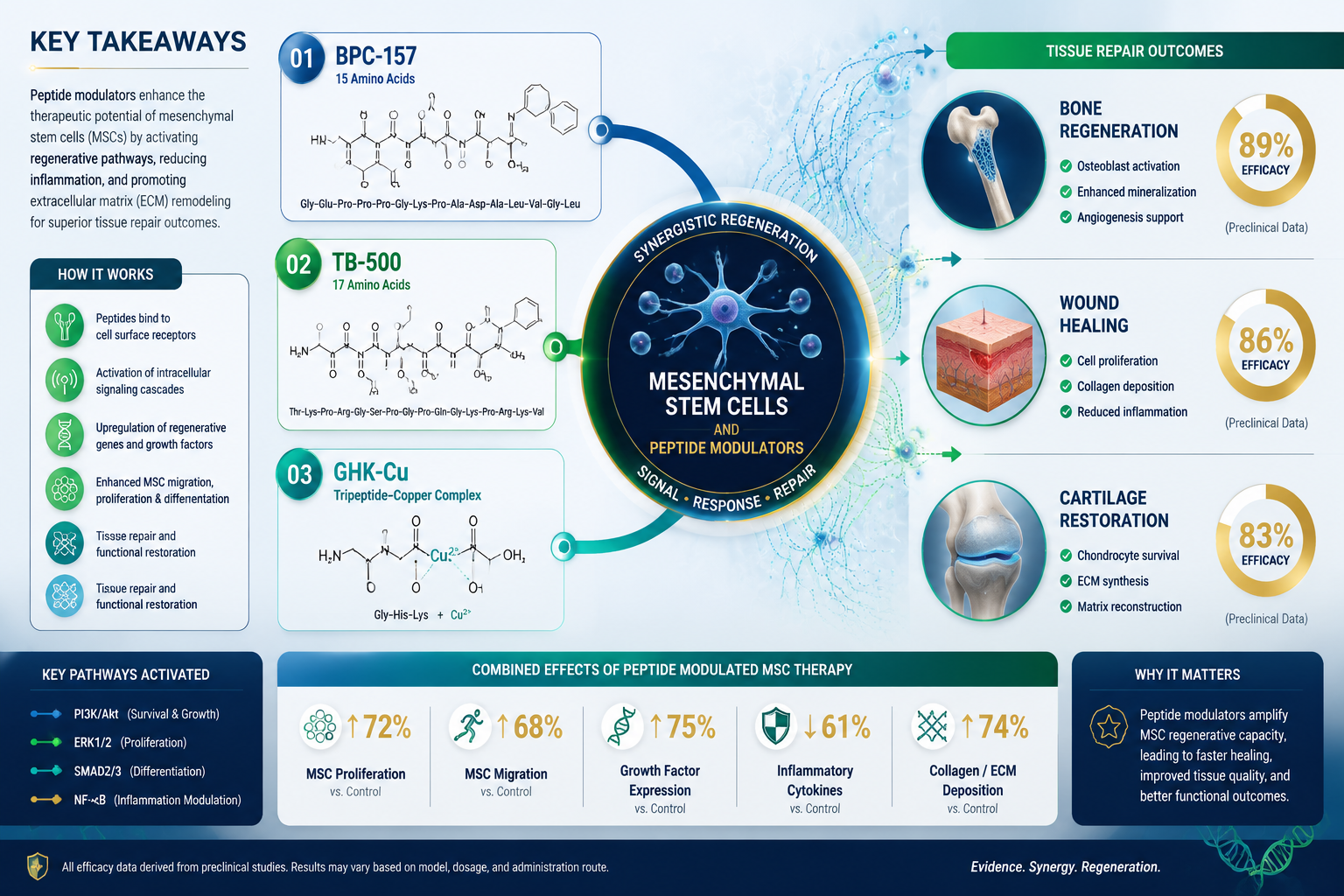
Editorial infographic for 'Key Takeaways' section featuring a central circular hub labeled 'Mesenchymal Stem Cells and

Key Takeaways

  • BPC-157, TB-500, and GHK-Cu each act through distinct biological mechanisms — angiogenesis, cell migration, and matrix remodeling, respectively — making them complementary candidates in MSC-paired experimental designs.
  • All three peptides remain strictly preclinical for tissue repair purposes, with no FDA-approved indications and significant regulatory constraints on human use.
  • Mesenchymal stem cells serve as a powerful experimental platform because they respond to the microenvironmental signals these peptides generate.
  • Rigorous experimental design requires clear controls, validated assay endpoints, and awareness of sourcing quality for research-grade compounds.
  • Blend formulations combining two or more peptides are an emerging area of study, but mechanistic clarity demands single-agent baseline data first.

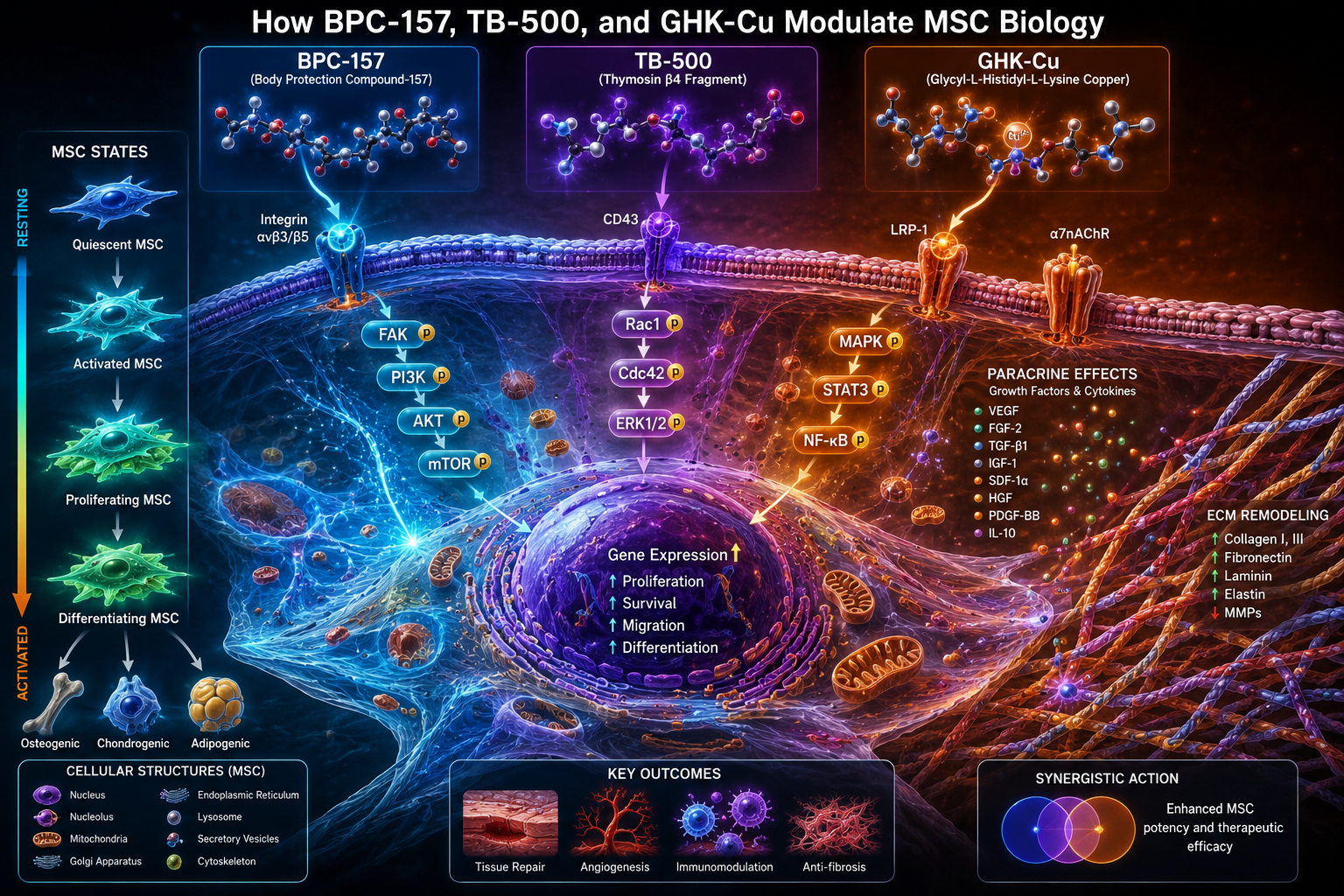
How BPC-157, TB-500, and GHK-Cu Modulate MSC Biology

Each peptide operates through a different cellular lever, which is precisely why researchers find them compelling when studying tissue repair alongside mesenchymal stem cell populations.

BPC-157 (Body Protection Compound-157) is a synthetic 15-amino-acid peptide derived from a gastric protein sequence. Preclinical data from small-animal models show it improving the repair microenvironment — specifically through enhanced angiogenesis and growth factor signaling. In the context of MSC research, this matters because stem cells depend on vascular support to engraft and survive in damaged tissue. For a deeper look at BPC-157's role in angiogenesis and tendon biology, see this BPC-157 angiogenesis and tendon research overview.

TB-500 (a synthetic fragment of Thymosin Beta-4) works primarily through actin cytoskeleton modulation, which directly enables cell migration. Research suggests it reactivates progenitor cells and supports their movement into injury zones — a function that maps well onto MSC homing studies. Researchers exploring this mechanism can reference TB-500 muscle recovery research themes for additional context.

GHK-Cu (Copper peptide GHK) takes a third path: matrix remodeling and collagen synthesis. Evidence points to its ability to restore stemness in skin stem cells by increasing the proliferative capacity of epidermal basal cells through integrin and p63 signaling pathways. This makes it particularly relevant in dermal and connective tissue MSC models. Researchers can explore GHK-Cu longevity research themes for mechanistic background.

Peptide Primary Mechanism MSC-Relevant Action
BPC-157 Angiogenesis, growth factor signaling Improves engraftment environment
TB-500 Actin remodeling, cell migration Supports progenitor homing
GHK-Cu Collagen synthesis, matrix remodeling Restores stemness, basal cell proliferation

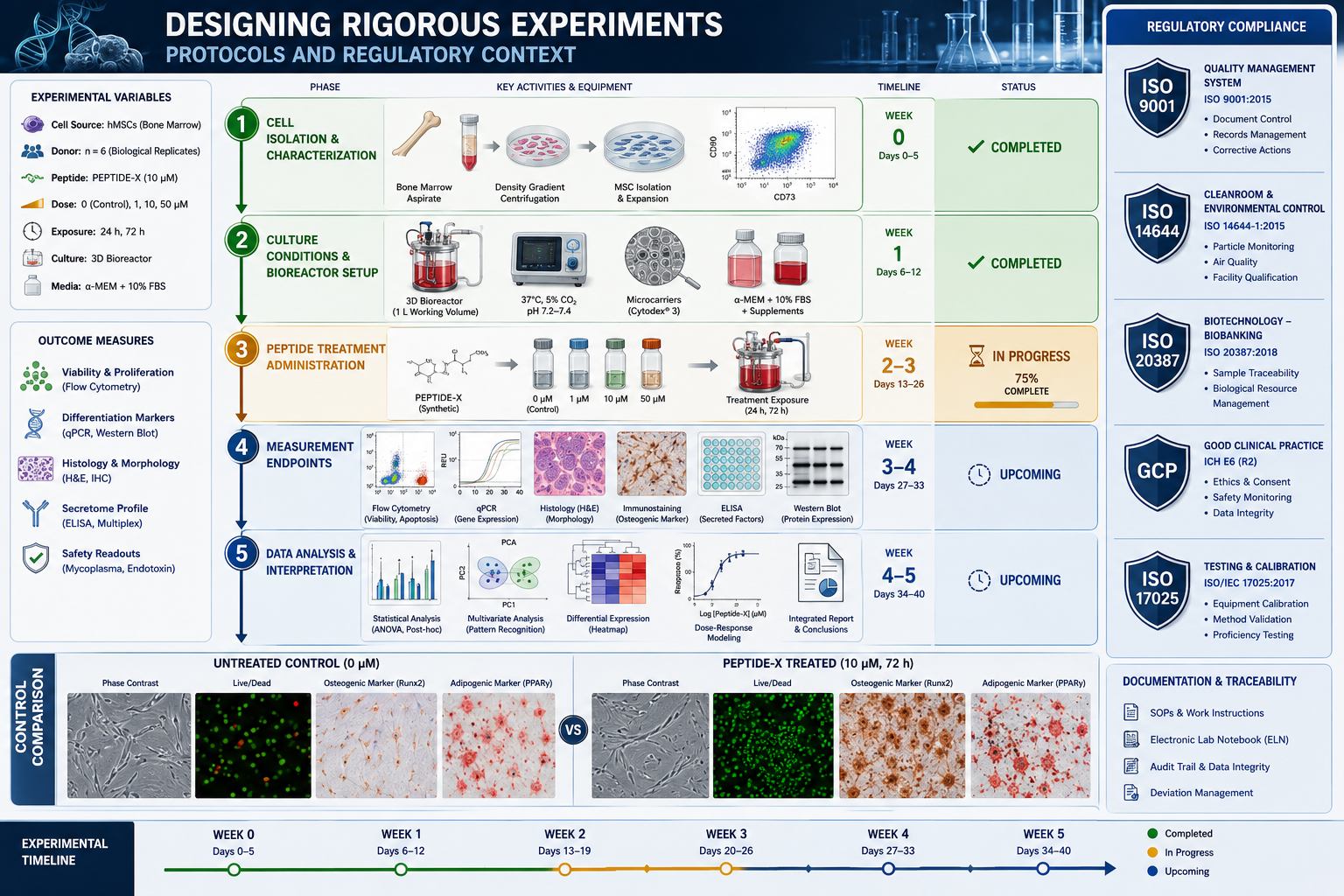
Designing Rigorous Experiments: Protocols and Regulatory Context

Sound experimental design for mesenchymal stem cells and peptide modulators: designing BPC-157, TB-500, and GHK-Cu experiments for tissue repair requires both scientific and regulatory clarity.

Designing Rigorous Experiments: Protocols and Regulatory Context

Regulatory constraints shape the experimental scope. The FDA classified BPC-157 as a Category 2 bulk drug substance in 2023, prohibiting its compounding for human use by commercial pharmacies in the United States. TB-500 and GHK-Cu similarly carry no FDA-approved indications for tissue repair or stem-cell modulation. All three are available for research use only, which confines rigorous study to in-vitro MSC models, animal studies, or tightly regulated investigator-initiated trials.

Researchers designing in-vitro protocols should consider:

  • Cell source standardization — bone marrow-derived vs. adipose-derived MSCs respond differently to peptide stimuli
  • Concentration gradients — dose-response curves are essential before any combination studies
  • Validated endpoints — migration assays (scratch/wound healing), collagen quantification (Sircol assay), and angiogenesis co-culture models
  • Vehicle controls — sterile carrier solutions must be matched to peptide formulation conditions
  • Compound purity verification — sourcing from vendors with documented quality testing protocols is non-negotiable for reproducible data

For researchers interested in blend formulations, the BPC-157 and TB-500 combination resource provides useful background on how these peptides have been studied together.


Translational Gaps and What Current Evidence Actually Supports

A 2024 review in the Yale Journal of Biology and Medicine described BPC-157 as showing "great promise" in small-animal models for tendon, ligament, skeletal muscle, and bone healing — while explicitly confirming the data remain preclinical. That framing captures the state of the field accurately.

Translational Gaps and What Current Evidence Actually Supports

For mesenchymal stem cells and peptide modulators: designing BPC-157, TB-500, and GHK-Cu experiments for tissue repair, the translational gap is real but not discouraging. It simply means experimental designs must prioritize mechanistic clarity over clinical extrapolation.

Researchers should also consider adjacent peptide systems that interact with MSC biology. Vilon and tissue homeostasis research offers a comparative lens on short-chain peptide regulators, while what is new in peptide research tracks emerging findings relevant to regenerative models.

"The most reproducible preclinical findings emerge when researchers isolate one mechanistic variable at a time before layering peptide combinations onto MSC platforms."

Key gaps the field still needs to address:

  • Long-term MSC viability data under sustained peptide exposure
  • Species-specific differences in MSC peptide receptor expression
  • Standardized outcome metrics across research groups

Conclusion

Pairing mesenchymal stem cells with BPC-157, TB-500, and GHK-Cu in tissue repair experiments offers a scientifically grounded — if still early-stage — research strategy. Each peptide addresses a distinct phase of the repair cascade, making them logical candidates for sequential or combination study designs. Researchers should prioritize single-agent baseline experiments before advancing to blends, verify compound purity through documented testing, and design assays with validated, quantifiable endpoints. Regulatory constraints make in-vitro and animal MSC models the appropriate arena for this work in 2026. The path forward is methodical: build mechanistic evidence layer by layer, and the translational potential of these peptide-MSC pairings will become clearer with each well-designed study.

https://www.puretestedpeptides.com/wp-content/uploads/2026/06/Mesenchymal-Stem-Cells-and-Peptide-Modulators-Designing-BPC-157-TB-500-and-GHK-Cu-Experiments-for-Tissue-Repair.png 1254 1254 Pure Tested https://www.puretestedpeptides.com/wp-content/uploads/2026/01/buy-peptides-online.jpg Pure Tested2026-06-25 13:19:122026-07-20 15:02:15Mesenchymal Stem Cells and Peptide Modulators: Designing BPC-157, TB-500, and GHK-Cu Experiments for Tissue Repair
×

Helpful Links

  • My account
  • Cart
  • Checkout
  • Refund and Returns Policy
  • Privacy Policy
  • SMS Privacy Policy
  • Login
  • My Account
  • Logout

USA Made Lab Tested Peptides

All products are sold for research, laboratory, or analytical purposes only, and are not for human consumption


Pure Tested Peptides is a chemical supplier. Pure Tested Peptides is not a compounding / chemical compounding facility as defined under 503A of the Federal Food, Drug, and Cosmetic act. Pure Tested Peptides is not an outsourcing facility as defined under 503B of the Federal Food, Drug, and Cosmetic act.

The statements made within this website have not been evaluated by the US Food and Drug Administration. The products we offer are not intended to diagnose, treat, cure or prevent any disease.

Human/Animal Consumption Prohibited. Laboratory/In-Vitro Experimental Use Only

Scroll to top Scroll to top Scroll to top