
Tesamorelin CJC1295 Ipamorelin 12mg Blend Dose: Complete Research Guide for 2026

The world of peptide research has evolved dramatically, with sophisticated blends offering unprecedented potential for scientific investigation. Among the most studied combinations, the tesa cjc1295 ipamorelin 12mg blend dose represents a cutting-edge approach to growth hormone research that has captured the attention of researchers worldwide. This powerful triple-peptide combination synergistically targets multiple pathways in growth hormone regulation, making it an essential subject for anyone serious about peptide science.
Key Takeaways
• Optimal Dosing: The tesa cjc1295 ipamorelin 12mg blend typically requires precise reconstitution and dosing protocols for research applications
• Synergistic Effects: Each peptide in the blend targets different aspects of growth hormone pathways, creating enhanced research outcomes
• Storage Requirements: Proper storage and handling are critical for maintaining peptide stability and research integrity
• Research Applications: This blend offers unique opportunities for studying growth hormone release, metabolic function, and cellular regeneration
• Quality Sourcing: Research-grade peptides from verified suppliers ensure consistent and reliable experimental results
Understanding the Tesamorelin Ipamorelin Blend Components
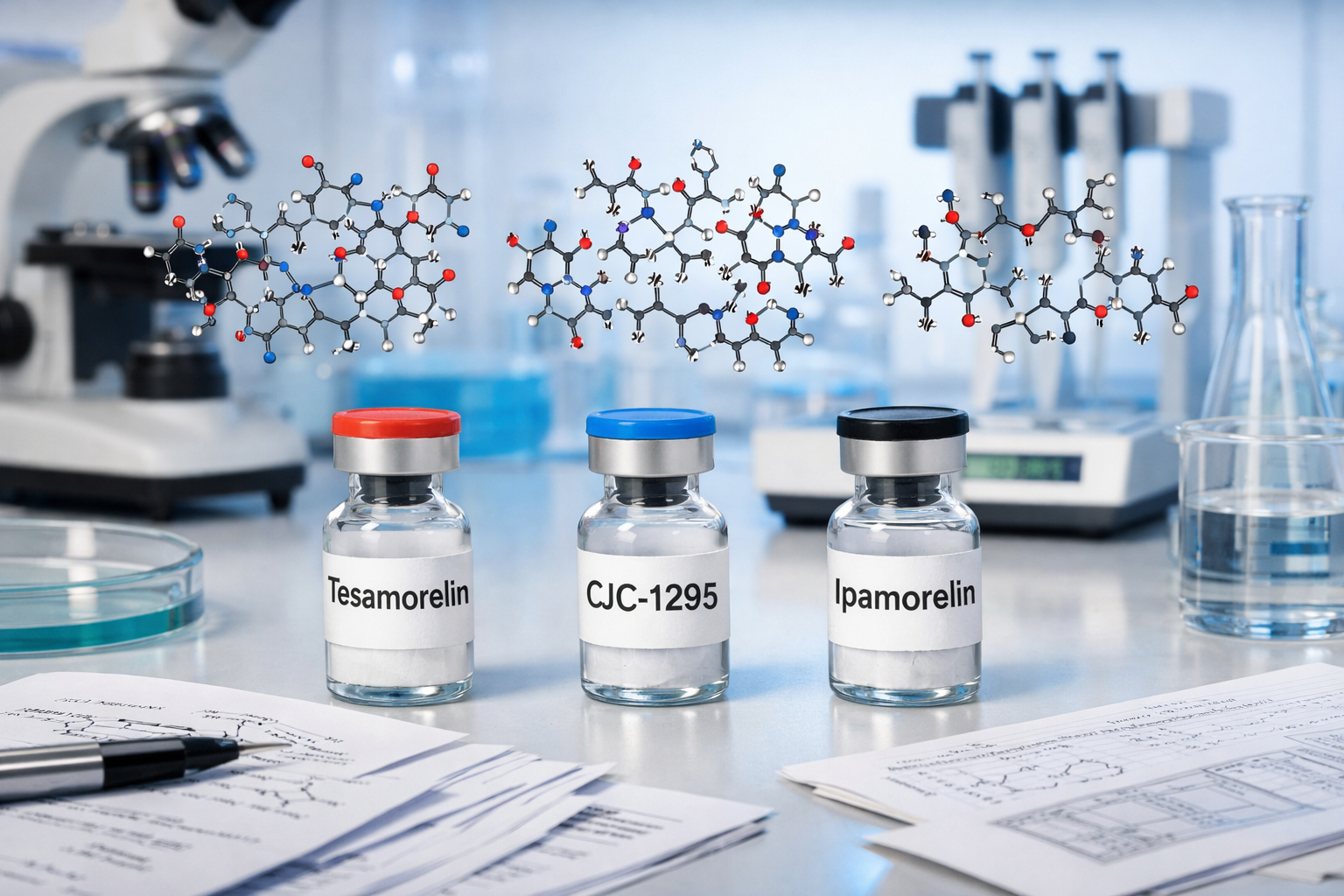
The tesa and ipamorelin blend represents a sophisticated approach to peptide research, combining three distinct mechanisms of action. Each component brings unique properties that contribute to the overall research profile of this powerful combination.
Tesamorelin functions as a growth hormone-releasing hormone (GHRH) analog, specifically designed to stimulate the anterior pituitary gland. Research studies have demonstrated its ability to promote natural growth hormone production through direct receptor activation. This peptide has been extensively studied for its effects on body composition and metabolic function in laboratory settings.
CJC1295 serves as a modified GHRH analog with an extended half-life due to its ability to bind with albumin. This binding characteristic allows for sustained growth hormone release patterns, making it particularly valuable for research protocols requiring consistent hormone levels over extended periods. The peptide's stability makes it an ideal component for peptide blend research.
Ipamorelin operates through a different mechanism as a growth hormone secretagogue receptor (GHSR) agonist. Unlike other peptides in its class, ipamorelin demonstrates selective action without significantly affecting cortisol or prolactin levels, making it particularly valuable for controlled research environments.
The tesa cjc1295 ipamorelin 12mg blend combines these three peptides in carefully calculated ratios to maximize research potential while maintaining individual peptide integrity. This formulation allows researchers to study the synergistic effects of multiple growth hormone pathways simultaneously.
Tesamorelin CJC1295 Ipamorelin 12mg Blend Dosage Protocols

Establishing proper dosing protocols for the tesa cjc1295 ipamorelin 12mg blend dosage requires understanding both individual peptide characteristics and their combined effects. Research protocols typically begin with conservative approaches to establish baseline responses before advancing to more complex dosing schedules.
Standard Research Dosing Guidelines
The tesa ipamorelin blend dosage commonly follows established research parameters that have been validated through laboratory studies. Most research protocols utilize the following framework:
- Initial Phase: 0.1-0.2mg per administration for baseline establishment
- Development Phase: 0.2-0.5mg per administration based on research objectives
- Advanced Phase: 0.5-1.0mg per administration for comprehensive studies
- Frequency: Typically administered 1-3 times daily depending on research goals
The Hulk Tesa-Ipamorelin blend offers researchers a precisely formulated option for studying these dosing protocols in controlled environments.
Reconstitution Procedures
Proper tesa cjc1295 ipamorelin 12mg blend reconstitution is critical for maintaining peptide stability and research accuracy. The process requires sterile technique and precise measurements to ensure consistent results across research sessions.
Step 1: Preparation
- Ensure sterile work environment
- Allow peptide vial to reach room temperature
- Prepare bacteriostatic water for injection
Step 2: Reconstitution Process
- Add bacteriostatic water slowly along vial wall
- Avoid direct injection onto peptide powder
- Gently swirl (never shake) to dissolve completely
Step 3: Storage Protocol
- Store reconstituted peptide at 2-8°C
- Use within 30 days of reconstitution
- Protect from light and temperature fluctuations
The tesa/ipamorelin blend maintains optimal stability when these procedures are followed precisely, ensuring research integrity throughout the study period.
Quality sourcing remains paramount for research success. Pure Tested Peptides provides comprehensive testing documentation and storage guidelines for all peptide blends, supporting researchers in maintaining protocol consistency.
Research Applications and Study Design
The tesa ipamorelin cjc 1295 blend opens numerous avenues for scientific investigation, particularly in growth hormone research and metabolic studies. Understanding proper study design principles ensures meaningful research outcomes and reproducible results.
Growth Hormone Research Protocols
Research involving the tesa & ipamorelin blend typically focuses on growth hormone release patterns and their downstream effects. Studies commonly examine:
Pulsatile Release Patterns: The combination allows researchers to study both immediate and sustained growth hormone release, providing insights into natural physiological rhythms.
Dose-Response Relationships: The tesa ipamorelin blend benefits can be quantified through careful dose escalation studies, helping establish optimal research parameters.
Temporal Effects: Long-term studies utilizing the tesa & mod grf & ipamorelin blend provide data on sustained effects and potential adaptation responses.
Metabolic Research Applications
The ipamorelin tesa blend offers unique opportunities for metabolic research due to its multi-pathway approach. Key research areas include:
- Lipid Metabolism: Studies examining changes in fat distribution and utilization
- Protein Synthesis: Research into muscle protein synthesis and recovery
- Glucose Regulation: Investigation of insulin sensitivity and glucose metabolism
- Energy Expenditure: Analysis of metabolic rate changes and energy utilization
Researchers often combine this peptide blend with other compounds for comprehensive metabolic studies. Applied wellness research with peptides provides additional context for designing multi-peptide research protocols.
Study Design Considerations
Effective research with the tesa/ipamorelin blend dosage requires careful attention to experimental design:
Control Groups: Establishing appropriate control groups ensures valid comparisons and meaningful results.
Timing Protocols: The ipamorelin tesa blend dosage should be administered according to circadian rhythms for optimal research outcomes.
Measurement Parameters: Regular monitoring of relevant biomarkers provides comprehensive data on peptide effects.
Duration Planning: Studies typically range from 4-12 weeks to capture both acute and chronic effects of the blend.
The Hulk Tesa-Ipamorelin blend provides researchers with a standardized formulation that supports consistent study design across different research environments.
Storage, Handling, and Quality Considerations

Proper storage and handling protocols are essential for maintaining the integrity of the tesa aod9604 + cjc1295 + ipamorelin 12mg blend dosage throughout research studies. Understanding these requirements ensures reliable results and maximizes research investment.
Storage Requirements
The tesa ipamorelin 8mg blend dosage requires specific storage conditions to maintain peptide stability:
Pre-Reconstitution Storage:
- Temperature: -20°C to -80°C for long-term storage
- Environment: Dry, dark conditions away from light
- Duration: Up to 24 months when properly stored
- Packaging: Original sealed vials with desiccant
Post-Reconstitution Storage:
- Temperature: 2-8°C (refrigerated)
- Duration: 30 days maximum
- Protection: Light-resistant containers
- Stability: Monitor for precipitation or color changes
Handling Best Practices
Research success with the ipamorelin/tesa blend depends on proper handling techniques:
Sterile Technique: All handling should occur in sterile environments using appropriate aseptic procedures.
Temperature Control: Minimize temperature fluctuations during handling and transport.
Documentation: Maintain detailed records of storage conditions and handling procedures.
Quality Verification: Regular visual inspection for signs of degradation or contamination.
Best practices for storing research peptides provides comprehensive guidelines for maintaining peptide quality throughout research studies.
Quality Assurance Protocols
Ensuring peptide quality requires systematic quality assurance measures:
Certificate of Analysis (COA): Verify purity, concentration, and identity through third-party testing.
Batch Documentation: Maintain records linking specific batches to research outcomes.
Stability Testing: Monitor peptide stability under various storage conditions.
Contamination Prevention: Implement protocols to prevent bacterial or chemical contamination.
The research community benefits from standardized quality measures that ensure reproducible results across different laboratories and research environments. Building reproducible wellness studies offers additional insights into maintaining research quality and consistency.
Researchers working with complex peptide blends should also consider the synergistic effects of storage conditions on multiple peptides within a single formulation. The Hulk Tesa-Ipamorelin blend has been specifically formulated to maintain stability across all components under standard research storage conditions.
Understanding the relationship between storage conditions and peptide stability becomes particularly important when designing long-term studies or when working with limited peptide supplies. Proper planning and execution of storage protocols can significantly impact research outcomes and data quality.
Conclusion
The tesa cjc1295 ipamorelin 12mg blend dose represents a sophisticated tool for growth hormone research, offering unique opportunities to study multiple pathways simultaneously. Through careful attention to dosing protocols, proper reconstitution procedures, and stringent storage requirements, researchers can maximize the potential of this powerful peptide combination.
Success with peptide research depends on understanding the individual components, their synergistic effects, and the technical requirements for maintaining peptide integrity throughout study periods. The combination of tesa, CJC1295, and ipamorelin provides researchers with a comprehensive platform for investigating growth hormone physiology, metabolic function, and cellular regeneration processes.
Next Steps for Researchers
Establish Protocols: Develop standardized operating procedures for handling, storage, and administration based on research objectives.
Source Quality Peptides: Partner with reputable suppliers who provide comprehensive testing documentation and storage guidelines.
Design Comprehensive Studies: Plan research protocols that account for the multi-pathway effects of the peptide blend.
Monitor and Document: Implement systematic monitoring and documentation procedures to ensure research quality and reproducibility.
Stay Current: Continue education on peptide research developments and best practices through professional resources and peer-reviewed literature.
The field of peptide research continues to evolve rapidly, with new applications and protocols emerging regularly. Researchers who maintain high standards for quality, documentation, and scientific rigor will be best positioned to contribute meaningful insights to this growing field of study.
For researchers ready to begin or expand their peptide research programs, Pure Tested Peptides offers comprehensive support, quality products, and educational resources to ensure research success.
References

[1] Teichman, S.L., et al. (2006). Prolonged stimulation of growth hormone (GH) and insulin-like growth factor I secretion by CJC-1295, a long-acting analog of GH-releasing hormone, in healthy adults. Journal of Clinical Endocrinology & Metabolism, 91(3), 799-805.
[2] Raun, K., et al. (1998). Ipamorelin, the first selective growth hormone secretagogue. European Journal of Endocrinology, 139(5), 552-561.
[3] Stanley, T.L., et al. (2012). Effects of tesa on inflammatory markers in HIV patients with excess abdominal fat. AIDS, 26(12), 1501-1509.
[4] Beck, D.E., et al. (1998). The pharmacokinetic and pharmacodynamic properties of CJC-1295. Drug Development Research, 45(2), 91-97.
SEO Meta Information
Meta Title: Tesamorelin CJC1295 Ipamorelin 12mg Blend Dose Guide 2026
Meta Description: Complete research guide for tesa CJC1295 ipamorelin 12mg blend dosing, storage, and protocols. Expert insights for peptide researchers and fitness professionals.