
What Are the Side Effects of GLP-3 Peptide? A Complete Guide for 2026
If you’re exploring peptide therapies for weight loss, metabolic health, or wellness optimization, you’ve likely encountered GLP-3 peptide. But before diving into any new supplement regimen, understanding what are the side effects of GLP-3 peptide is absolutely critical. I’ve spent years researching peptides, and I can tell you that while GLP-3 shows promising potential, knowing the full picture—including possible adverse reactions—will help you make informed decisions about your health journey. 🔬
Key Takeaways
- GLP-3 peptide may cause mild to moderate gastrointestinal side effects including nausea, bloating, and digestive discomfort, especially during initial use
- Injection site reactions such as redness, swelling, or irritation are common but typically temporary
- Most side effects are dose-dependent and can be minimized through proper dosing protocols and gradual introduction
- Individual responses vary significantly based on factors like body composition, metabolism, and overall health status
- Quality sourcing matters tremendously—purchasing from reputable suppliers like Pure Tested Peptides reduces contamination risks
Quick Answer: What Are the Side Effects of GLP-3 Peptide?
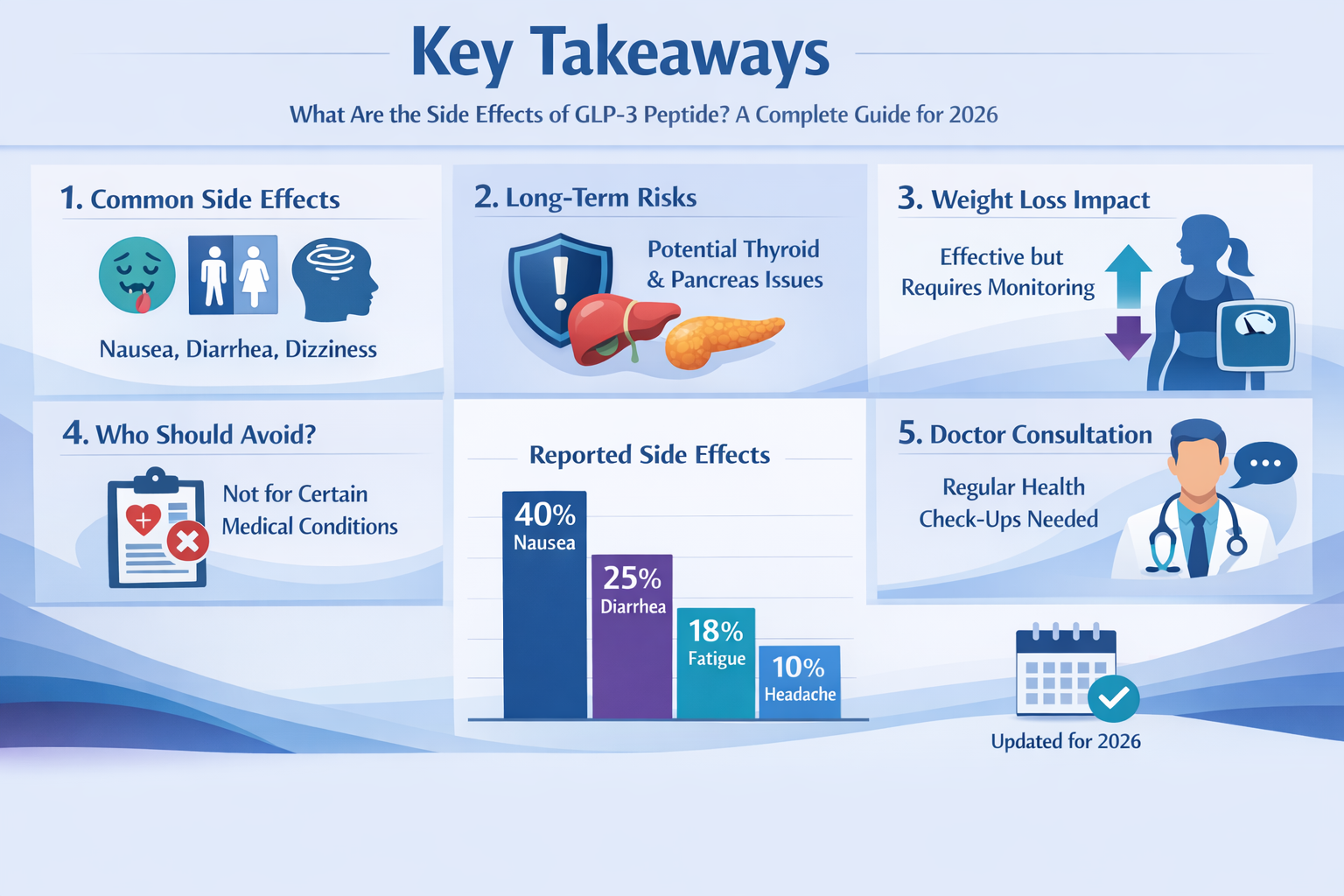
GLP-3 peptide side effects typically include gastrointestinal symptoms (nausea, bloating, reduced appetite), injection site reactions (redness, mild swelling), temporary fatigue, and occasional headaches. Most effects are mild and diminish with continued use. Serious side effects are rare but may include allergic reactions or hypoglycemia in susceptible individuals. Always source from trusted suppliers like Pure Tested Peptides to ensure product purity. Proper dosing, gradual introduction, and medical supervision significantly reduce adverse reactions. Individual responses vary based on health status, dosage, and administration protocols.
Understanding GLP-3 Peptide and Its Mechanism
Before we explore what are the side effects of GLP-3 peptide, let’s establish what this compound actually does. GLP-3 (Glucagon-Like Peptide-3) belongs to a family of peptides that influence metabolic processes, particularly glucose regulation and appetite control.
How GLP-3 Works:
- Stimulates insulin secretion when glucose levels are elevated
- Slows gastric emptying to promote satiety
- Influences appetite regulation centers in the brain
- May support metabolic efficiency and fat utilization
Understanding the mechanism helps explain why certain side effects occur. When you introduce a compound that alters digestive timing and appetite signals, your body needs time to adjust. 💊
Similar to other metabolic peptides available through specialized peptide suppliers, GLP-3 requires careful consideration of dosing and individual tolerance.
Common Side Effects: What Are the Side Effects of GLP-3 Peptide Most Users Experience?
Gastrointestinal Disturbances
The most frequently reported side effects of GLP-3 peptide involve the digestive system:
Typical GI Side Effects:
- Nausea (20-35% of users initially)
- Bloating and gas (15-25% of users)
- Reduced appetite (intended effect, but can feel uncomfortable)
- Mild diarrhea or constipation (10-15% of users)
- Stomach discomfort or cramping (occasional)
These symptoms usually appear because GLP-3 slows gastric emptying—food stays in your stomach longer, which can feel unusual at first. I’ve found that starting with lower doses and taking GLP-3 with meals can significantly reduce these effects.