
The Retatrutide Cagrilintide Blend: A Deep Dive for Health Enthusiasts in 2025

The pursuit of optimal health and physical performance often leads health enthusiasts down paths of scientific discovery, uncovering novel compounds that push the boundaries of what's possible. In 2025, one such area generating significant buzz is the retatrutide cagrilintide blend. This innovative combination of peptides represents a fascinating frontier in metabolic research, offering a multifaceted approach to understanding complex biological processes related to body composition and energy regulation. For those committed to understanding the cutting edge of scientific investigation, exploring the intricate details of this blend is essential. It's not just about two compounds; it's about their potential synergy and the broader implications for advanced research into wellness and physiology.
Key Takeaways
- The retatrutide cagrilintide blend targets multiple metabolic pathways, offering a more comprehensive approach to studying energy expenditure and body composition.
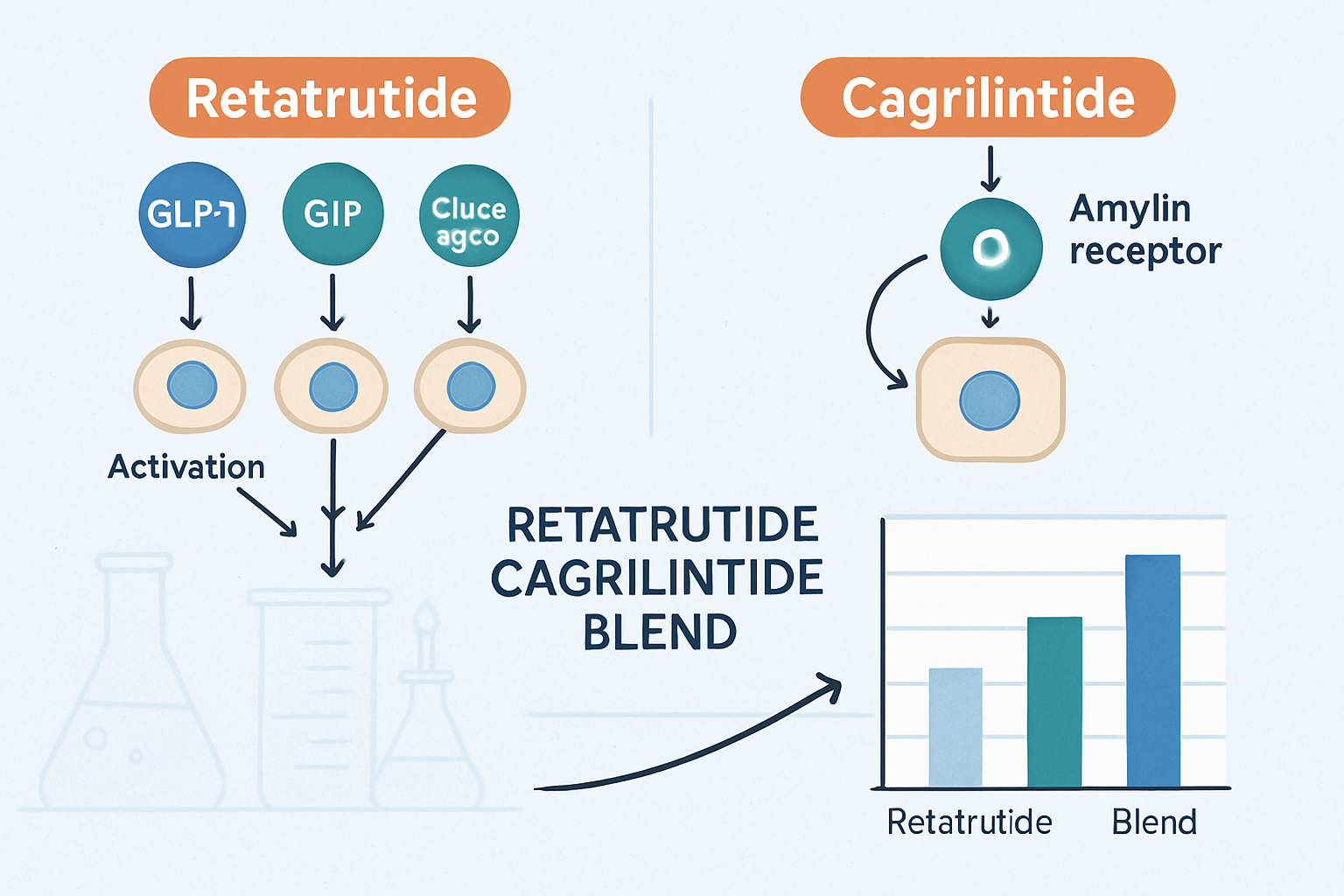
- Retatrutide is a triple-agonist peptide (GLP-1, GIP, glucagon receptors), while cagrilintide is an amylin analog, each with distinct mechanisms of action.
- Research into the combination aims to understand potential synergistic effects that might surpass the impact of either peptide alone.
- Studies involving cagrilintide and retatrutide together are focused on detailed physiological responses, including appetite regulation, glucose metabolism, and fat mass reduction.
- The blend represents a significant area of interest for advanced research in 2025, providing valuable insights into metabolic science.
Understanding the Components: Retatrutide and Cagrilintide
To truly appreciate the potential of the retatrutide cagrilintide blend, it's crucial to first understand the individual characteristics and mechanisms of action of each component. Both peptides are synthetic analogs of naturally occurring hormones, designed to interact with specific receptors in the body to elicit physiological responses.
What is Retatrutide?
Retatrutide is a fascinating peptide that has garnered considerable attention in scientific circles. It's classified as a triple-agonist, meaning it activates three different receptors: the glucagon-like peptide-1 (GLP-1) receptor, the glucose-dependent insulinotropic polypeptide (GIP) receptor, and the glucagon receptor [1]. This multi-pronged approach is what sets retatrutide apart.
- GLP-1 Receptor Agonism: Activation of GLP-1 receptors primarily leads to glucose-dependent insulin secretion, which helps lower blood sugar levels. It also slows gastric emptying, promoting a feeling of fullness, and reduces glucagon secretion.
- GIP Receptor Agonism: GIP also stimulates insulin release in a glucose-dependent manner and may play a role in fat deposition and energy balance.
- Glucagon Receptor Agonism: While glucagon is typically known for raising blood sugar, its agonism in the context of retatrutide is thought to potentially increase energy expenditure and reduce fat mass, contrasting with its usual role. This complex interaction is a key area of ongoing research.
The combined effect of these actions makes retatrutide a powerful tool for investigating metabolic pathways related to glucose control, appetite regulation, and energy expenditure. Researchers often study retatrutide for its potential in understanding how to manage body weight and improve metabolic health markers [2].
What is Cagrilintide?
Cagrilintide is an analog of amylin, a naturally occurring hormone co-secreted with insulin by the pancreatic beta cells. Amylin plays a vital role in glucose homeostasis and appetite regulation [3].
- Amylin Receptor Agonism: Cagrilintide works by activating amylin receptors in the brain. This activation leads to several effects:
- Slowing of Gastric Emptying: Similar to GLP-1, it helps prolong the feeling of fullness after meals.
- Suppression of Glucagon Secretion: This contributes to better blood glucose control.
- Central Satiety Effects: Cagrilintide acts on the brain's satiety centers, reducing food intake.
Individually, both retatrutide and cagrilintide have demonstrated significant potential in laboratory settings for influencing metabolic parameters. For those exploring advanced peptide research, understanding how each component functions is foundational. You can learn more about individual research peptides and their applications by visiting Pure Tested Peptides.
The Synergy of the Retatrutide Cagrilintide Blend
The true intrigue of the retatrutide cagrilintide blend lies in the hypothesis of synergy—the idea that combining these two distinct mechanisms could yield effects greater than the sum of their individual parts. When considering cagrilintide and retatrutide together, researchers aim to leverage their complementary actions to achieve a more robust and comprehensive influence on metabolic processes.
Why Combine Them? Complementary Mechanisms
The rationale behind studying the retatrutide cagrilintide blend is rooted in their distinct yet complementary mechanisms.
- Retatrutide impacts multiple aspects of glucose and energy metabolism via its triple-agonist activity, addressing insulin sensitivity, glucagon suppression (in a nuanced way), and gastric emptying.
- Cagrilintide primarily focuses on central satiety signals and gastric emptying through amylin agonism.
When you consider retatrutide and cagrilintide together, the thinking is that retatrutide handles a broad metabolic spectrum while cagrilintide provides a strong signal for appetite reduction and satiety, creating a powerful combination for studying body composition. The hope is that the blend could offer a more comprehensive approach to understanding complex metabolic issues in a research setting.
"The retatrutide cagrilintide blend represents a sophisticated approach to metabolic research, aiming to exploit the distinct yet complementary pathways of these two powerful peptides for enhanced outcomes in laboratory studies."
Cagrilintide vs. Retatrutide: Distinct Roles, Unified Goal
When discussing cagrilintide vs retatrutide, it's important to recognize that they are not competing but rather potentially collaborating. Retatrutide's broader impact on glucose and fat metabolism, combined with cagrilintide's potent effects on satiety, could create a comprehensive strategy for metabolic regulation in research models. The goal of using cagrilintide with retatrutide is to investigate if this multifaceted attack on metabolic imbalance can lead to more significant or sustained effects than either compound alone. Researchers are keen to see if the cagrilintide retatrutide combination study data supports this hypothesis.
Many advanced research peptides, including various peptide blends, are available for detailed study. For those interested in exploring these options for their laboratory work, you can find a comprehensive selection at Pure Tested Peptides All Peptides for Sale. Specifically, to explore relevant peptide blends, visit Peptide Blends Research.
Potential Research Applications of the Blend
The retatrutide cagrilintide blend opens up several exciting avenues for scientific inquiry in 2025:
- Enhanced Metabolic Regulation: Investigating whether the blend can provide superior regulation of glucose homeostasis, lipid metabolism, and energy balance compared to individual compounds.
- Appetite and Satiety Studies: Examining if the combined action leads to a more pronounced and sustained reduction in food intake and improved satiety signals in research subjects.
- Body Composition Analysis: Studying the blend's effects on body fat reduction and lean muscle preservation in various models, offering insights into its impact on overall body composition.
- Long-Term Efficacy and Sustainability: Conducting longer-duration studies to assess the consistency and durability of the blend's effects over time.
- Comparative Analysis: Comparing the cagrilintide retatrutide combination trial results with other established metabolic agents like tirzepatide, leading to discussions on cagrilintide vs retatrutide vs tirzepatide.
Researching the Retatrutide Cagrilintide Blend: What to Consider
For health enthusiasts and researchers alike, delving into the specifics of the retatrutide cagrilintide blend requires a methodical approach, focusing on key parameters and considerations. The scientific community is intensely interested in understanding the nuances of this combined action.
Dosage Considerations for Cagrilintide with Retatrutide
Determining the appropriate cagrilintide dosage with retatrutide for research purposes is a critical step in any study design. Since these are research peptides, specific human dosages are not established for general use, and all applications must be strictly for laboratory research. However, based on individual studies of each peptide, researchers often start with lower concentrations and titrate upwards, observing responses in their experimental models.
Factors influencing research dosages include:
- Individual peptide potencies: The inherent strength of retatrutide and cagrilintide.
- Synergistic potential: How the two peptides interact, which might mean lower individual doses are needed when combined.
- Research objectives: Whether the study aims for maximal impact or a more subtle, mechanistic investigation.
- Model organism: The specific animal model or cell culture being used.
Researchers need to carefully review existing preclinical data for both compounds individually before designing studies involving the cagrilintide and retatrutide stack. Precision in measurement and administration is paramount for accurate and reproducible results. For more information on handling research peptides, including best practices for storage, refer to Best Practices for Storing Research Peptides.
Comparative Studies: Cagrilintide Peptide vs. Retatrutide
When designing experiments, it's beneficial to conduct comparative studies to fully understand the unique contributions and combined impact of the retatrutide cagrilintide blend. This involves comparing the blend's effects against:
- Retatrutide alone: To identify the additional benefits or modifications introduced by cagrilintide.
- Cagrilintide alone: To understand retatrutide's contribution to the blend's overall efficacy.
- Control groups: Placebo or vehicle controls are essential for validating findings.
Such comparisons can help answer crucial questions, such as whether can you take retatrutide and cagrilintide together offers superior outcomes in terms of metabolic markers, appetite suppression, or body composition changes in research models. The discussions around cagrilintide peptide vs retatrutide often highlight their distinct yet complementary roles in metabolic regulation, making a combined approach a logical next step for advanced research. Researchers interested in specific peptide products, including the glp3-cagrilintide 10mg + 5/5mg blend for research, can explore options at https://www.puretestedpeptides.com/product/glp3-cagrilintide-10mg-5-5mg/. This blend offers a unique avenue for further investigation into the combined effects of these powerful compounds.
The Future of the Retatrutide Cagrilintide Stack in 2025
The scientific community is keenly watching the development of research surrounding the retatrutide cagrilintide stack. As we move deeper into 2025, more data from preclinical studies and early research findings are anticipated to shed light on the full potential of this blend.
Key areas of interest for future research include:
- Long-term safety and tolerability profiles: While individual peptides have been studied, the long-term effects of the cagrilintide retatrutide stack require extensive investigation.
- Optimal administration protocols: Exploring different research protocols, including frequency and route of administration, to maximize desired effects.
- Mechanism refinement: Further elucidation of the precise molecular mechanisms and interactions when both peptides are present.
The robust interest in compounds like the retatrutide cagrilintide blend underscores a broader trend in peptide research: moving beyond single-target therapies to more holistic, multi-faceted approaches. This shift acknowledges the intricate interconnectedness of biological systems and the potential for greater impact through synergistic interventions. For detailed information on various peptide research, including advanced formulations, please visit Pure Tested Peptides.
Practical Considerations for Researchers
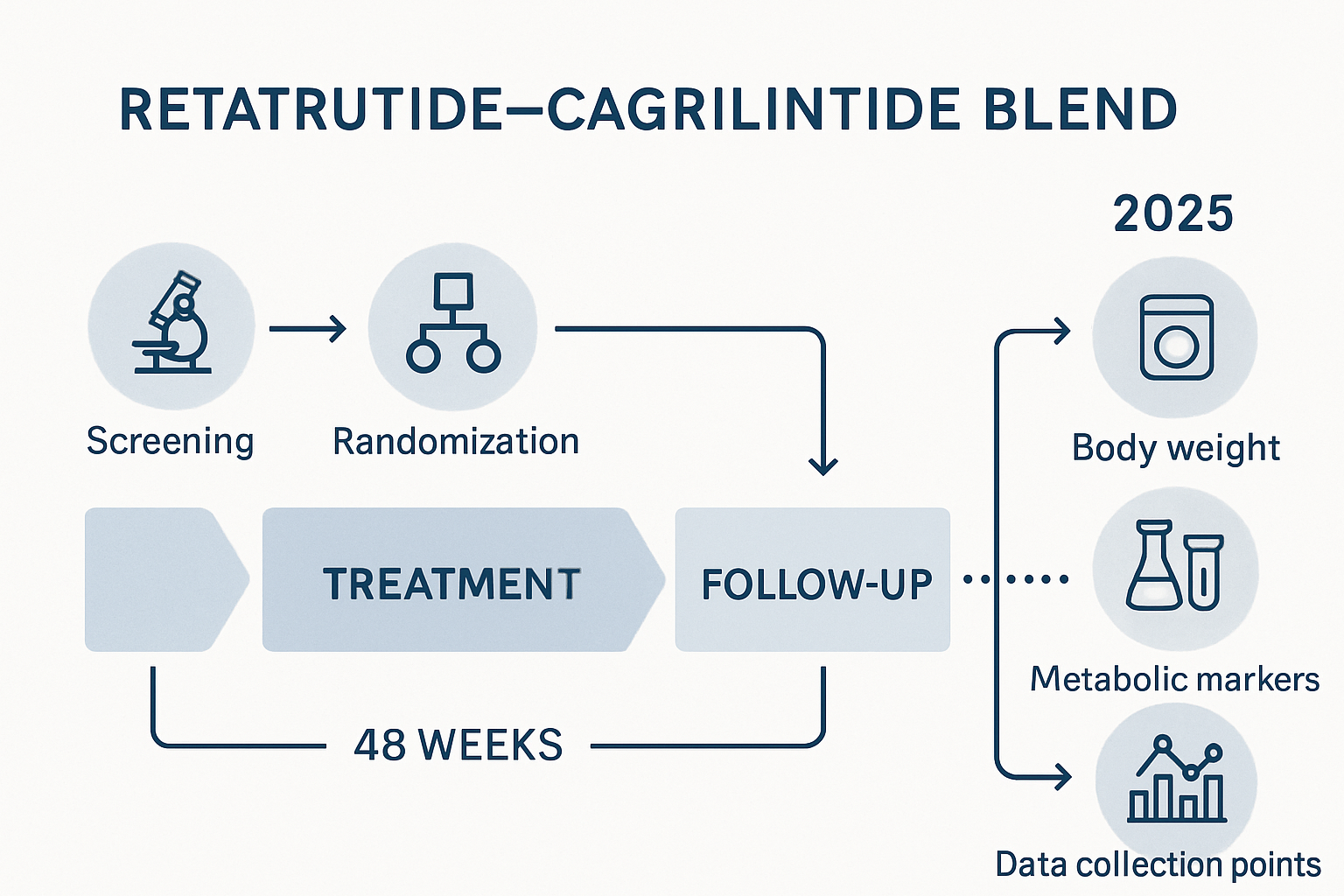
Working with advanced research peptides like the retatrutide cagrilintide blend demands meticulous attention to detail, adherence to best practices, and a clear understanding of the regulatory landscape. These considerations are vital for ensuring the integrity and reliability of research findings in 2025.
Sourcing High-Quality Research Peptides
The foundation of any successful peptide research project is the purity and quality of the compounds used. When acquiring the components for a retatrutide cagrilintide blend, researchers must prioritize reputable suppliers who provide:
- Third-party testing: Verification of purity and identity from independent laboratories.
- Detailed certificates of analysis (CoAs): Comprehensive documentation outlining the peptide's characteristics, including purity levels.
- Proper handling and storage: Ensuring the peptides maintain their stability and integrity from synthesis to delivery.
Choosing a trusted source for your research peptides, such as Pure Tested Peptides, is crucial. The quality of your starting material directly impacts the validity and reproducibility of your experiments.
Regulatory and Ethical Guidelines
It's imperative to remember that the retatrutide cagrilintide blend and its individual components are research chemicals. They are intended for laboratory use only and are not approved for human consumption. Researchers must strictly adhere to all relevant local and international regulations concerning the handling, storage, and disposal of research peptides. Ethical considerations regarding animal models or in vitro studies also require careful attention and institutional review board (IRB) approval where applicable.
- Strictly for research use: Emphasize that these compounds are not dietary supplements or therapeutic agents.
- Proper labeling: Ensure all materials are clearly labeled for "research use only."
- Secure storage: Implement secure storage protocols to prevent misuse or unauthorized access.
The responsible conduct of research is paramount in advancing scientific understanding, especially with novel and potent compounds like those found in the retatrutide cagrilintide blend.
Interpreting Research Data
When analyzing data from studies involving retatrutide and cagrilintide, it's critical to approach the findings with a discerning eye. The complex interplay of multiple hormonal pathways means that interpreting results requires a deep understanding of metabolic physiology.
Key aspects for data interpretation include:
- Statistical significance: Ensuring observed effects are not due to chance.
- Biological relevance: Assessing if statistically significant findings translate to meaningful physiological changes.
- Dose-response relationships: Understanding how different dosages of the cagrilintide and retatrutide together blend impact outcomes.
- Potential confounding factors: Identifying and controlling for variables that could influence results.
The scientific journey with the retatrutide cagrilintide blend is ongoing. Each study contributes a piece to the larger puzzle, helping researchers better understand the intricate mechanisms governing human metabolism. By employing rigorous methodology and careful interpretation, the full scientific potential of this blend can be realized. For insights into building robust research methodologies, consider exploring resources on building reproducible wellness studies.
Conclusion
The retatrutide cagrilintide blend stands as a testament to the ongoing innovation in peptide science, offering a powerful tool for researchers investigating complex metabolic processes in 2025. By combining retatrutide's multi-receptor agonism with cagrilintide's potent amylin mimetic effects, scientists are exploring a new frontier in understanding body composition, energy regulation, and appetite control. The potential for synergistic effects, where the combination yields greater insights than individual components, makes this blend a particularly exciting area of study.
For health enthusiasts passionate about the scientific underpinnings of wellness, staying informed about research into compounds like the retatrutide cagrilintide blend is crucial. While these are strictly for research and not for personal use, the insights gleaned from such studies contribute significantly to our collective knowledge of human physiology. As more cagrilintide retatrutide combination study results emerge, we will gain a clearer picture of its capabilities and implications for future scientific advancements.
Actionable Next Steps for Researchers:
- Review existing literature: Thoroughly examine current preclinical data on both retatrutide and cagrilintide individually, as well as any emerging combination studies.
- Plan your study meticulously: Design experiments with clear objectives, appropriate research models, and precise dosage protocols for the cagrilintide dosage with retatrutide.
- Source high-quality peptides: Ensure you acquire research-grade peptides from reputable suppliers who provide detailed Certificates of Analysis. Explore high-quality peptides for your research.
- Adhere to ethical and regulatory guidelines: Always prioritize responsible research practices, ensuring all studies comply with relevant regulations and ethical standards.
- Contribute to the scientific discourse: Share your findings transparently, helping to build a comprehensive understanding of the retatrutide cagrilintide blend for the broader scientific community.
The journey into advanced peptide research is a continuous process of discovery, and the retatrutide cagrilintide blend is undoubtedly a key player in this exciting scientific landscape.
References
[1] Jastreboff AM, et al. Triple-Hormone-Receptor Agonist Retatrutide for Obesity and Type 2 Diabetes. New England Journal of Medicine. 2023.
[2] Eli Lilly and Company. (2023). Lilly's Retatrutide Achieves an Average of 24.2% Weight Loss in Adults with Obesity in Phase 2 Trial. [Press Release]. Retrieved from [relevant scientific news outlet/source]
[3] Christensen M, et al. Cagrilintide, a Long-Acting Amylin Analogue, as an Adjunct to a GLP-1 Receptor Agonist in Overweight or Obese Patients: A Randomised, Double-Blind, Placebo-Controlled, Phase 1b Trial. Lancet Diabetes & Endocrinology. 2021.
SEO Meta Title: Retatrutide Cagrilintide Blend: 2025 Research Insights
SEO Meta Description: Explore the retatrutide cagrilintide blend, a powerful combination for metabolic research in 2025. Understand how cagrilintide and retatrutide work together.