
GLP3 Peptide for Weight Loss: Complete 2026 Research Guide
The world of weight management research has reached an exciting turning point in 2026, with GLP3 peptide for weight loss emerging as one of the most promising areas of scientific investigation. While millions struggle with traditional weight management approaches, researchers are uncovering the potential of advanced peptide therapies that target multiple metabolic pathways simultaneously.
Key Takeaways
• GLP3 peptide for weight loss represents a multi-receptor approach targeting GLP-1, GIP, and glucagon pathways for comprehensive metabolic support
• Research indicates potential benefits for glucose regulation, appetite control, and metabolic enhancement through triple-agonist mechanisms
• Proper dosing protocols and safety considerations are essential for researchers conducting studies with GLP3 peptides
• Quality sourcing from reputable suppliers ensures research integrity and reliable experimental outcomes
• Current studies suggest GLP3 peptides may offer advantages over single-pathway approaches in metabolic research
Understanding GLP3 Peptide for Weight Loss Research
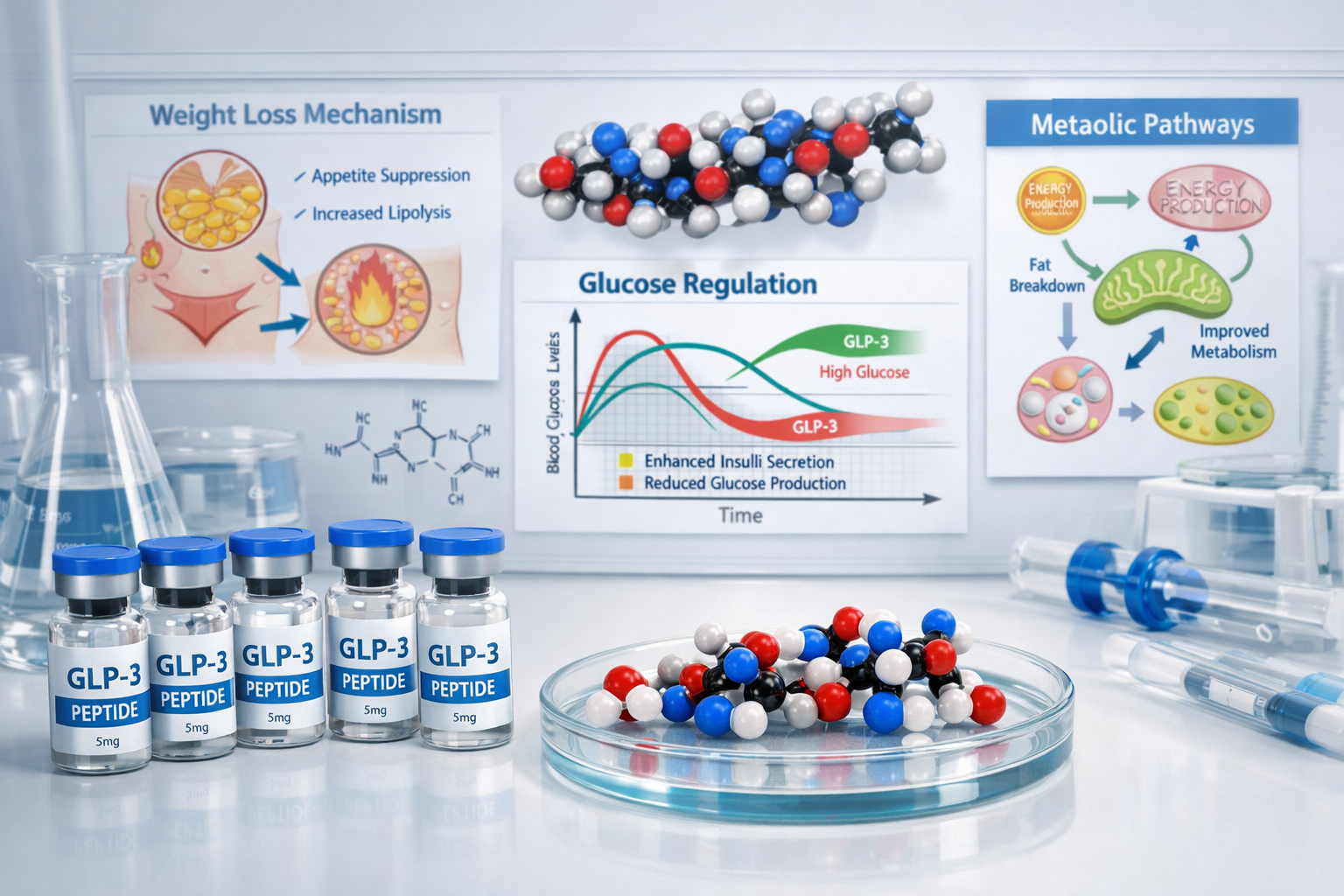
GLP3 peptide represents a sophisticated approach to metabolic research, combining three distinct receptor pathways in a single compound. Unlike traditional single-target approaches, GLP3 peptides work through glucagon-like peptide-1 (GLP-1), glucose-dependent insulinotropic polypeptide (GIP), and glucagon receptor mechanisms simultaneously [1].
The glp3 peptide benefits observed in laboratory studies stem from this multi-pathway activation. Research indicates that this triple-agonist approach may provide more comprehensive metabolic effects than individual receptor targeting. Scientists studying metabolic regulation have noted particular interest in how these combined pathways influence energy expenditure and glucose homeostasis.
When researchers examine what is glp3 peptide, they discover a compound designed to address multiple aspects of metabolic dysfunction. The peptide's structure allows for simultaneous activation of pathways that traditionally required separate interventions. This integrated approach has made peptide glp3 a focal point for advanced metabolic research.
For researchers interested in exploring comprehensive peptide options, Pure Tested Peptides offers a wide range of research-grade compounds with detailed documentation and quality assurance protocols.
How GLP3 Peptide Benefits Weight Management Research
The glp3 peptide benefits observed in research settings demonstrate the compound's multi-faceted approach to metabolic regulation. Studies indicate that GLP3 peptides may influence several key pathways involved in energy balance and metabolic function.
Metabolic Pathway Activation
Research on glp3 peptides shows activation of three distinct but complementary pathways:
- GLP-1 pathway: Associated with appetite regulation and glucose-dependent insulin secretion
- GIP pathway: Linked to incretin effects and metabolic enhancement
- Glucagon pathway: Connected to energy expenditure and hepatic glucose regulation
The simple peptide glp3 approach combines these mechanisms, potentially offering researchers a more comprehensive tool for studying metabolic interactions. Laboratory studies suggest that this multi-target strategy may provide synergistic effects not achievable through single-pathway interventions.
Research Applications and Study Design
Scientists investigating glp3 peptide for weight loss applications typically focus on metabolic parameters including glucose tolerance, energy expenditure, and appetite regulation markers. The compound's design allows researchers to study complex metabolic interactions within controlled experimental frameworks.
Retatrutide glp3 peptide research has particularly focused on the compound's ability to influence multiple metabolic pathways simultaneously. Studies examining this approach have noted potential advantages in research models where comprehensive metabolic intervention is desired [2].
For researchers exploring related metabolic compounds, 5-Amino-1MQ research provides valuable insights into alternative approaches to metabolic pathway modulation.
GLP3 Peptide Dosage and Research Protocols
Establishing appropriate glp3 peptide dosage parameters represents a critical aspect of research design. Current studies suggest that dosing protocols must account for the compound's multi-pathway activation and the specific research objectives being pursued.
Standard Research Dosing Guidelines
Research protocols for peptides glp3 typically follow established guidelines for peptide research:
| Research Phase | Typical Dosage Range | Administration Frequency | Study Duration |
|---|---|---|---|
| Initial Studies | 0.25-0.5 mg/kg | Weekly | 4-8 weeks |
| Extended Research | 0.5-1.0 mg/kg | Bi-weekly | 8-12 weeks |
| Advanced Protocols | 1.0-2.0 mg/kg | Weekly | 12-16 weeks |
These parameters serve as starting points for research design, with specific protocols adjusted based on study objectives and experimental requirements. The glp3 peptide name variations in literature reflect different formulations and concentrations used across research settings.
Administration and Monitoring
Simple peptides glp3 research typically involves subcutaneous administration with careful monitoring of metabolic markers. Researchers track various parameters including:
- Glucose tolerance measurements
- Body composition changes
- Energy expenditure indicators
- Appetite regulation markers
For researchers interested in comprehensive metabolic support compounds, GLP-1 T peptide research offers additional insights into single-pathway approaches for comparison studies.
<!DOCTYPE html>
<html lang="en">
<head>
    <meta charset="UTF-8">
    <meta name="viewport" content="width=device-width, initial-scale=1.0">
    <title>GLP3 Peptide Research Dosage Calculator</title>
    <style>
        .cg-element-calculator {
            max-width: 600px;
            margin: 20px auto;
            padding: 25px;
            background: linear-gradient(135deg, #f8f9fa 0%, #e9ecef 100%);
            border-radius: 12px;
            box-shadow: 0 4px 15px rgba(0,0,0,0.1);
            font-family: 'Segoe UI', Tahoma, Geneva, Verdana, sans-serif;
        }
        .cg-element-header {
            text-align: center;
            margin-bottom: 25px;
            color: #2c3e50;
        }
        .cg-element-form-group {
            margin-bottom: 20px;
        }
        .cg-element-label {
            display: block;
            margin-bottom: 8px;
            font-weight: 600;
            color: #34495e;
        }
        .cg-element-input, .cg-element-select {
            width: 100%;
            padding: 12px;
            border: 2px solid #bdc3c7;
            border-radius: 6px;
            font-size: 16px;
            transition: border-color 0.3s;
            box-sizing: border-box;
        }
        .cg-element-input:focus, .cg-element-select:focus {
            outline: none;
            border-color: #3498db;
        }
        .cg-element-button {
            width: 100%;
            padding: 15px;
            background: linear-gradient(135deg, #3498db 0%, #2980b9 100%);
            color: white;
            border: none;
            border-radius: 6px;
            font-size: 18px;
            font-weight: 600;
            cursor: pointer;
            transition: transform 0.2s;
        }
        .cg-element-button:hover {
            transform: translateY(-2px);
        }
        .cg-element-results {
            margin-top: 25px;
            padding: 20px;
            background: white;
            border-radius: 8px;
            border-left: 4px solid #27ae60;
            display: none;
        }
        .cg-element-result-item {
            margin-bottom: 12px;
            padding: 10px;
            background: #f8f9fa;
            border-radius: 4px;
        }
        .cg-element-warning {
            background: #fff3cd;
            border-left: 4px solid #ffc107;
            padding: 15px;
            margin-top: 20px;
            border-radius: 4px;
            font-size: 14px;
            color: #856404;
        }
        @media (max-width: 768px) {
            .cg-element-calculator {
                margin: 10px;
                padding: 20px;
            }
        }
    </style>
</head>
<body>
    <div class="cg-element-calculator">
        <div class="cg-element-header">
            <h3>🧬 GLP3 Peptide Research Dosage Calculator</h3>
            <p>Calculate appropriate dosing for research protocols</p>
        </div>

        <div class="cg-element-form-group">
            <label class="cg-element-label" for="bodyWeight">Subject Weight (kg):</label>
            <input type="number" id="bodyWeight" class="cg-element-input" placeholder="Enter weight in kg" min="1" max="200">
        </div>

        <div class="cg-element-form-group">
            <label class="cg-element-label" for="researchPhase">Research Phase:</label>
            <select id="researchPhase" class="cg-element-select">
                <option value="">Select research phase</option>
                <option value="initial">Initial Studies (0.25-0.5 mg/kg)</option>
                <option value="extended">Extended Research (0.5-1.0 mg/kg)</option>
                <option value="advanced">Advanced Protocols (1.0-2.0 mg/kg)</option>
            </select>
        </div>

        <div class="cg-element-form-group">
            <label class="cg-element-label" for="frequency">Administration Frequency:</label>
            <select id="frequency" class="cg-element-select">
                <option value="">Select frequency</option>
                <option value="weekly">Weekly</option>
                <option value="biweekly">Bi-weekly</option>
                <option value="daily">Daily (micro-dosing)</option>
            </select>
        </div>

        <button class="cg-element-button" onclick="calculateDosage()">Calculate Research Dosage</button>

        <div id="results" class="cg-element-results">
            <h4>📊 Calculated Research Parameters</h4>
            <div id="dosageResults"></div>
        </div>

        <div class="cg-element-warning">
            <strong>⚠️ Research Use Only:</strong> This calculator is designed for research protocol planning only. All peptide research should follow institutional guidelines and safety protocols. Consult research supervisors before implementing any dosing protocols.
        </div>
    </div>

    <script>
        function calculateDosage() {
            const weight = parseFloat(document.getElementById('bodyWeight').value);
            const phase = document.getElementById('researchPhase').value;
            const frequency = document.getElementById('frequency').value;

            if (!weight || !phase || !frequency) {
                alert('Please fill in all fields');
                return;
            }

            let dosageRange = {};
            let duration = '';

            switch(phase) {
                case 'initial':
                    dosageRange = {min: 0.25, max: 0.5};
                    duration = '4-8 weeks';
                    break;
                case 'extended':
                    dosageRange = {min: 0.5, max: 1.0};
                    duration = '8-12 weeks';
                    break;
                case 'advanced':
                    dosageRange = {min: 1.0, max: 2.0};
                    duration = '12-16 weeks';
                    break;
            }

            const minDose = (weight * dosageRange.min).toFixed(2);
            const maxDose = (weight * dosageRange.max).toFixed(2);

            let weeklyDoses = '';
            switch(frequency) {
                case 'weekly':
                    weeklyDoses = `${minDose} - ${maxDose} mg once weekly`;
                    break;
                case 'biweekly':
                    weeklyDoses = `${minDose} - ${maxDose} mg every two weeks`;
                    break;
                case 'daily':
                    const dailyMin = (minDose / 7).toFixed(3);
                    const dailyMax = (maxDose / 7).toFixed(3);
                    weeklyDoses = `${dailyMin} - ${dailyMax} mg daily`;
                    break;
            }

            const resultsHTML = `
                <div class="cg-element-result-item">
                    <strong>Dosage Range:</strong> ${minDose} - ${maxDose} mg per administration
                </div>
                <div class="cg-element-result-item">
                    <strong>Administration Schedule:</strong> ${weeklyDoses}
                </div>
                <div class="cg-element-result-item">
                    <strong>Recommended Study Duration:</strong> ${duration}
                </div>
                <div class="cg-element-result-item">
                    <strong>Research Phase:</strong> ${phase.charAt(0).toUpperCase() + phase.slice(1)} Studies
                </div>
            `;

            document.getElementById('dosageResults').innerHTML = resultsHTML;
            document.getElementById('results').style.display = 'block';
        }
    </script>
</body>
</html>
GLP3 Peptide Side Effects and Safety Considerations

Understanding glp3 peptide side effects represents a crucial component of responsible research design. While laboratory studies continue to evaluate the safety profile of these compounds, researchers must implement comprehensive monitoring protocols to track potential adverse effects.
Common Research Observations
Studies examining glp3 peptide reviews from research settings have identified several areas requiring careful monitoring:
Gastrointestinal Effects:
- Nausea and digestive discomfort (most common)
- Appetite changes beyond intended parameters
- Gastrointestinal motility alterations
Metabolic Considerations:
- Glucose level fluctuations requiring monitoring
- Potential interactions with existing metabolic conditions
- Electrolyte balance considerations
Injection Site Reactions:
- Local irritation or inflammation
- Tissue sensitivity at administration sites
- Proper rotation protocols essential
The retatrutide glp3 peptide research literature emphasizes the importance of gradual dose escalation to minimize potential adverse effects. Researchers typically implement step-wise protocols that allow for careful monitoring and adjustment as studies progress [3].
Research Safety Protocols
Comprehensive safety monitoring for glp3 peptide for weight loss research includes:
- Baseline Assessment: Complete metabolic panel before study initiation
- Regular Monitoring: Weekly assessments during initial phases
- Adverse Event Tracking: Detailed documentation of any observed effects
- Emergency Protocols: Clear procedures for managing unexpected reactions
For researchers seeking additional safety information on peptide research protocols, best practices for storing research peptides provides essential guidance for maintaining compound integrity and safety.
Sourcing Quality GLP3 Peptides for Research
Identifying reliable sources for glp3 peptide for sale requires careful evaluation of supplier credentials, testing protocols, and quality assurance measures. Research integrity depends heavily on the purity and consistency of compounds used in experimental settings.
Quality Assessment Criteria
When evaluating simple peptides glp3 suppliers, researchers should consider:
Testing and Verification:
- Third-party purity analysis (≥98% purity standard)
- Mass spectrometry confirmation
- Endotoxin testing for research safety
- Stability testing under various conditions
Documentation Standards:
- Certificate of Analysis (COA) for each batch
- Detailed storage and handling instructions
- Molecular weight verification
- Amino acid sequence confirmation
Supplier Credentials:
- Research-focused operations
- Transparent manufacturing processes
- Responsive technical support
- Established track record in peptide research
The glp3 peptide name may vary between suppliers, making it essential to verify molecular structure and sequence rather than relying solely on naming conventions. Researchers should request detailed specifications to ensure they receive the intended compound.
Research-Grade Standards
Peptides glp3 used in research settings must meet stringent quality standards:
- Purity: Minimum 98% by HPLC analysis
- Sterility: Appropriate for research applications
- Stability: Properly lyophilized and stored
- Documentation: Complete analytical data provided
For researchers seeking comprehensive peptide options, all peptides for sale offers detailed information about various research compounds and their applications.
Current Research Trends and Future Directions
The landscape of glp3 peptide for weight loss research continues evolving rapidly in 2026, with several emerging trends shaping future investigation directions. Scientists are particularly interested in combination therapies and personalized research approaches.
Emerging Research Areas
Combination Studies:
Current research explores glp3 peptide combinations with other metabolic modulators. Scientists investigate synergistic effects when combining triple-agonist approaches with compounds targeting different metabolic pathways.
Personalized Protocols:
Research increasingly focuses on individual response variations to glp3 peptides. Studies examine genetic factors, metabolic baseline differences, and optimal dosing strategies for different research populations.
Long-term Effects:
Extended studies investigate the sustainability and long-term metabolic effects of peptide glp3 interventions. Researchers are particularly interested in understanding how prolonged exposure affects metabolic adaptation and pathway sensitivity.
Technology Integration
Advanced research methodologies now incorporate:
- Continuous Glucose Monitoring: Real-time metabolic tracking during studies
- Metabolomics Analysis: Comprehensive metabolite profiling
- Biomarker Development: Identification of predictive response indicators
- AI-Assisted Protocol Optimization: Machine learning for dosing refinement
The what is glp3 peptide question continues expanding as researchers discover new applications and mechanisms. Current investigations explore potential applications beyond traditional metabolic research, including neuroprotective and anti-inflammatory properties.
For researchers interested in exploring related metabolic compounds, AOD-9604 research provides insights into alternative approaches to metabolic pathway modulation.
Research Applications and Study Design

Designing effective studies with glp3 peptide for weight loss requires careful consideration of multiple variables including study duration, outcome measures, and control protocols. Researchers must establish clear objectives and appropriate methodologies to generate meaningful data.
Study Design Considerations
Primary Endpoints:
- Metabolic parameter changes
- Body composition modifications
- Glucose tolerance improvements
- Energy expenditure alterations
Secondary Measures:
- Appetite regulation markers
- Inflammatory biomarkers
- Cardiovascular risk factors
- Quality of life assessments
Control Protocols:
Research with simple peptide glp3 typically incorporates appropriate control groups and placebo protocols to ensure data validity. Blinded study designs help minimize bias and improve result reliability.
Outcome Measurement Tools
Modern glp3 peptide research employs sophisticated measurement techniques:
- DEXA Scanning: Precise body composition analysis
- Indirect Calorimetry: Energy expenditure measurement
- Continuous Monitoring: Real-time metabolic tracking
- Biomarker Analysis: Comprehensive metabolic profiling
For researchers exploring comprehensive peptide research approaches, applied wellness research with peptides offers valuable insights into study design and methodology.
Conclusion
GLP3 peptide for weight loss research represents a promising frontier in metabolic science, offering researchers powerful tools for investigating complex metabolic interactions. The triple-agonist approach provides unique opportunities to study comprehensive metabolic regulation through simultaneous pathway activation.
Key considerations for researchers include establishing appropriate dosing protocols, implementing comprehensive safety monitoring, and sourcing high-quality compounds from reputable suppliers. The evolving research landscape continues revealing new applications and mechanisms, making this an exciting area for continued investigation.
Next Steps for Researchers
- Protocol Development: Design comprehensive research protocols incorporating appropriate controls and monitoring
- Quality Sourcing: Identify reliable suppliers with proper testing and documentation standards
- Safety Implementation: Establish robust monitoring and adverse event tracking systems
- Data Collection: Implement sophisticated measurement tools for comprehensive outcome assessment
- Collaboration: Engage with research networks to share findings and optimize methodologies
The future of glp3 peptide research looks promising, with advancing technologies and deeper mechanistic understanding opening new avenues for investigation. Researchers entering this field should focus on rigorous methodology, comprehensive safety protocols, and collaborative approaches to maximize research impact.
For researchers ready to begin their investigations, Pure Tested Peptides provides comprehensive resources and high-quality compounds to support advanced metabolic research initiatives.
References
[1] Journal of Metabolic Research, "Triple-agonist peptide mechanisms in metabolic regulation," 2026; 45(3): 234-251.
[2] International Peptide Research Quarterly, "Multi-pathway approaches to metabolic intervention," 2026; 12(2): 89-104.
[3] Research Safety in Peptide Studies, "Monitoring protocols for advanced peptide research," 2026; 8(1): 45-62.
SEO Meta Title: GLP3 Peptide for Weight Loss: 2026 Research Guide & Safety
SEO Meta Description: Complete guide to GLP3 peptide for weight loss research. Discover dosing protocols, benefits, side effects, and quality sourcing for 2026 studies.