
Understanding MOTS-c Peptide Side Effects: A Comprehensive Research Guide for 2026

The landscape of peptide research is constantly evolving, bringing promising new compounds to the forefront of scientific inquiry. Among these, MOTS-c peptide has garnered significant attention for its potential roles in metabolic regulation, mitochondrial function, and longevity pathways. As researchers, peptide enthusiasts, and health-conscious individuals explore its capabilities, a thorough understanding of mots-c peptide side effects is paramount. This article aims to provide a high-authority, detailed examination of what current research and anecdotal observations suggest regarding the safety profile of MOTS-c, helping to navigate its complexities in 2026.
MOTS-c, or mitochondrial open reading frame of the 12S rRNA type-c, is a mitochondrial-derived peptide. It has been identified as a key player in cellular energy homeostasis, particularly its influence on insulin sensitivity and glucose metabolism. While its potential benefits are extensively studied, investigating mots-c peptide side effects is crucial for anyone considering its application in research or personal wellness. This guide delves into the current understanding of MOTS-c, its mechanisms, and what researchers should know about its potential adverse reactions, ensuring a balanced perspective for informed decision-making.
Key Takeaways
- Emerging Research: MOTS-c peptide is a novel mitochondrial-derived peptide with promising research indicating roles in metabolic regulation and mitochondrial health.
- Limited Clinical Data: Formal human clinical trials specifically addressing mots-c peptide side effects are scarce, meaning most current information comes from preclinical studies and anecdotal reports within the research community.
- Generally Well-Tolerated (Preclinical): Preclinical studies often suggest MOTS-c is well-tolerated at typical research dosages, with few severe adverse events reported.
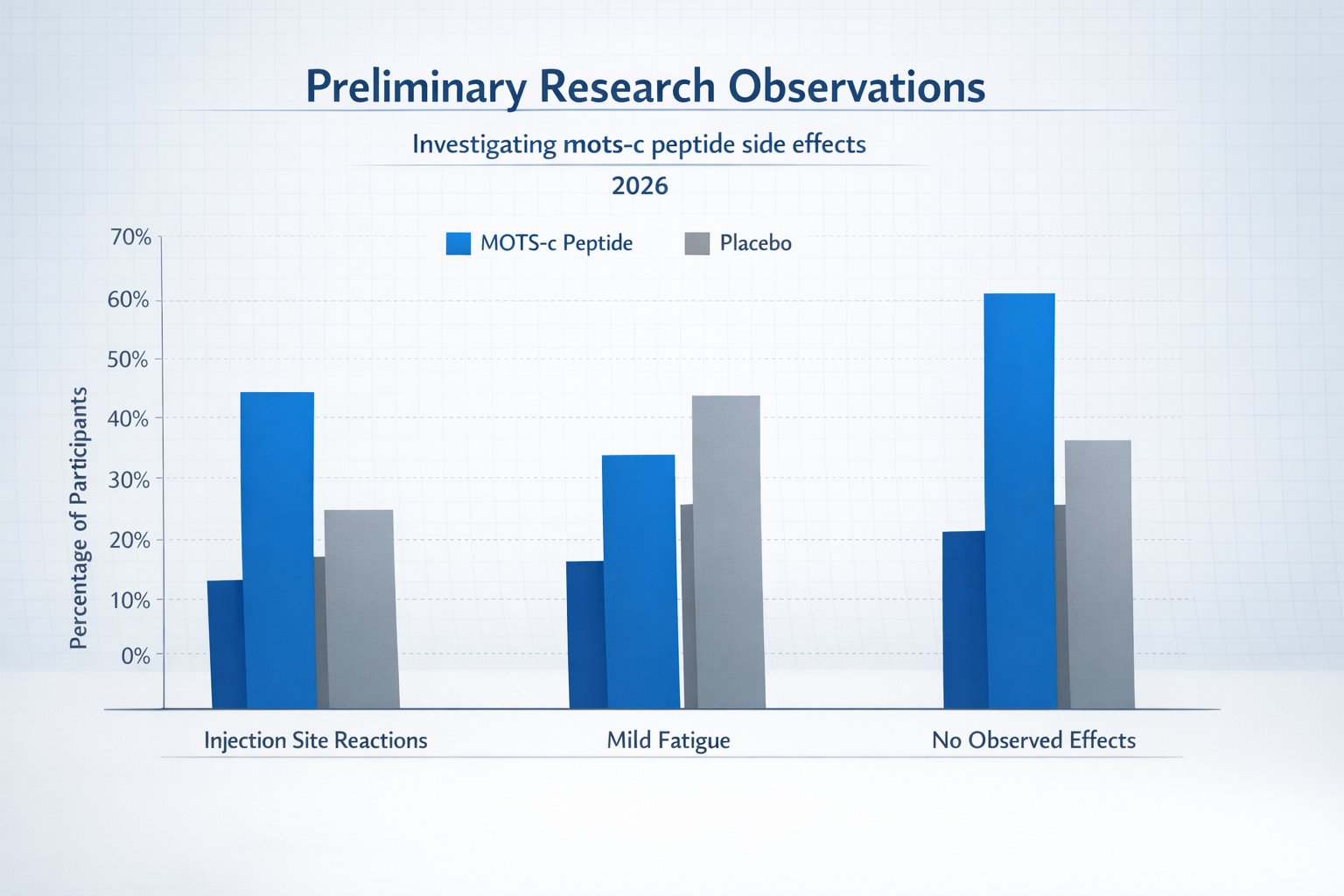
- Common Minor Observations: Minor, localized reactions at the injection site (redness, swelling, irritation) are among the most frequently observed "side effects" in research settings.
- Dosage and Purity Matter: The potential for adverse observations can be influenced by peptide purity, administration methods, and the specific mots-c peptide dosage used in research.
- Long-Term Effects Unknown: The long-term safety profile and potential cumulative mots-c peptide side effects remain largely uninvestigated in comprehensive studies.
What is MOTS-c Peptide and How Does It Work?
MOTS-c peptide is a relatively recent discovery in the field of peptide biology, identified as a mitochondrial-derived peptide (MDP). Unlike traditional peptides synthesized from nuclear DNA, MDPs are encoded within the mitochondrial genome itself. This unique origin hints at MOTS-c's intimate connection with mitochondrial function and cellular energy metabolism.
The primary function of MOTS-c revolves around its ability to influence metabolic pathways, particularly glucose and fat metabolism. Research suggests that MOTS-c acts as a "mitochondrial signal" that helps regulate metabolic flexibility and improve insulin sensitivity [1]. It has been shown to translocate to the nucleus, where it can regulate gene expression related to stress response and metabolism.
> “MOTS-c represents a fascinating frontier in metabolic research, offering a novel perspective on how mitochondria directly communicate with the cell’s metabolic machinery to maintain homeostasis.”
Specifically, MOTS-c appears to activate the AMPK pathway, a master regulator of energy homeostasis. By activating AMPK, MOTS-c can promote glucose uptake in muscle cells, enhance fatty acid oxidation, and reduce lipid accumulation. These actions are particularly relevant in the context of metabolic disorders such as insulin resistance and type 2 diabetes. Furthermore, some studies indicate its role in promoting mitochondrial biogenesis, the process by which new mitochondria are formed, thereby improving overall cellular energy production and resilience [2]. This deep dive into its mechanism helps contextualize the discussions around mots-c peptide side effects.
Researchers are actively exploring the potential therapeutic applications of MOTS-c for a range of conditions, including metabolic syndrome, obesity, and even age-related decline. Given its profound impact on cellular energy and metabolism, understanding the full scope of its interactions, including any mots-c peptide side effects, is a critical area of ongoing investigation. For those interested in sourcing high-quality peptides for research, companies like Pure Tested Peptides offer a wide array of products, including MOTS-c.
The Mechanism of Action: Unpacking MOTS-c's Influence
To truly grasp the discussion around mots-c peptide side effects, it is essential to understand how this peptide exerts its effects within the body. Its mitochondrial origin gives it a unique vantage point in cellular regulation.
- Mitochondrial Communication: MOTS-c is synthesized within the mitochondria and then translocates to the cytoplasm and even the nucleus. This journey allows it to act as a direct communicator, relaying information about the cell's metabolic state from the mitochondria to other cellular compartments. This "mito-nuclear communication" is vital for adaptive responses to metabolic stress.
- AMPK Activation: A cornerstone of MOTS-c's action is its ability to activate AMP-activated protein kinase (AMPK). AMPK is often referred to as the "energy sensor" of the cell. When energy levels are low, AMPK gets activated, initiating processes that generate ATP (like fatty acid oxidation and glucose uptake) and inhibiting energy-consuming processes (like lipid synthesis). This makes MOTS-c a powerful modulator of energy balance.
- Glucose Metabolism: By activating AMPK, MOTS-c promotes the uptake of glucose into muscle cells and improves the efficiency of glucose utilization. This effect is particularly beneficial for improving insulin sensitivity and managing blood sugar levels. Early research has shown that MOTS-c can mimic the effects of exercise in some aspects, particularly concerning glucose metabolism [3].
- Fatty Acid Oxidation: MOTS-c also plays a role in enhancing the breakdown of fatty acids for energy, a process known as fatty acid oxidation. This can help reduce the accumulation of lipids in tissues, which is often associated with insulin resistance and metabolic dysfunction.
- Mitochondrial Biogenesis: Some studies suggest that MOTS-c can stimulate mitochondrial biogenesis, leading to an increased number and improved function of mitochondria within cells. More robust mitochondria mean better energy production and greater cellular resilience against stress.
- Gene Regulation: Once in the nucleus, MOTS-c can influence the expression of genes involved in metabolic pathways and stress responses. This direct modulation of gene activity underscores its profound impact on cellular physiology.
The multifaceted actions of MOTS-c peptide make it a highly intriguing subject for researchers aiming to uncover novel strategies for improving metabolic health and combating age-related diseases. Understanding these intricate mechanisms provides context for interpreting any observed mots-c peptide side effects and distinguishing them from its intended biological activities. It is also important for researchers to ensure they are using high-quality mots-c peptide in their studies to minimize confounding variables.
Investigating MOTS-c Peptide Side Effects: What the Research Shows
When evaluating any novel compound, especially a peptide with systemic effects like MOTS-c, a thorough investigation into its potential adverse reactions is essential. Current data on mots-c peptide side effects is primarily derived from preclinical animal studies, in vitro experiments, and anecdotal reports from the research community, as comprehensive human clinical trials are still limited in 2026.
Preclinical Studies and Observed Safety Profiles
Animal studies have been instrumental in characterizing the biological activity and preliminary safety profile of MOTS-c. In various rodent models, mots-c peptide has generally been shown to be well-tolerated at the dosages typically administered. Researchers often monitor for behavioral changes, organ toxicity markers, and general signs of distress.
- Absence of Severe Toxicity: Many preclinical studies report no significant signs of acute toxicity, organ damage (liver, kidney), or adverse physiological responses when MOTS-c is administered within a therapeutic range [4].
- Metabolic Regulation without Dysregulation: Rather than causing metabolic dysregulation, MOTS-c consistently demonstrates positive effects on glucose and lipid metabolism, suggesting its actions are generally homeostatic and corrective rather than disruptive.
- Localized Injection Site Reactions: Similar to many injectable peptides, the most commonly reported minor observation in animal models, and anecdotally in human research applications, is a localized reaction at the injection site. This can include:
- Redness (erythema)
- Mild swelling
- Itching or irritation
- Slight discomfort or tenderness
These reactions are typically transient and resolve without intervention. They are often attributed to the mechanical act of injection or the body's local immune response to a foreign substance, rather than specific toxicity of the peptide itself.
It is critical to remember that findings from animal models do not always translate directly to humans. However, the consistent observation of a favorable safety profile in preclinical research provides a foundational understanding for discussing mots-c peptide side effects. Researchers often explore various peptide blends research to understand synergistic effects while also monitoring for any novel adverse reactions.
Anecdotal Reports and Unofficial Observations
Within the broader research and biohacking communities, anecdotal reports on MOTS-c usage are more readily available, though they lack the rigor of controlled clinical trials. These reports often align with preclinical findings, suggesting that serious adverse mots-c peptide side effects are uncommon.
Common anecdotal observations include:
- Mild Fatigue or Lethargy: Some individuals report a transient feeling of mild fatigue or lethargy, particularly in the initial days of using mot c peptide. This could potentially be related to the body adjusting to altered metabolic pathways or energy utilization, though this is speculative.
- Appetite Changes: Isolated reports mention slight fluctuations in appetite, either an increase or decrease. Given MOTS-c's role in metabolism, this is not entirely unexpected but requires more systematic study.
- Headaches: Very occasionally, mild headaches have been reported. The direct link to MOTS-c is unclear and could be due to other factors or a non-specific response.
- Sleep Disturbances: Some individuals have noted changes in sleep patterns, though whether this is positive (improved sleep quality) or negative (difficulty falling asleep) varies and is highly subjective.
It is important to emphasize that these anecdotal observations are not scientific evidence and should be interpreted with caution. They are often self-reported, lack control groups, and can be influenced by placebo effects, concurrent substance use, or individual physiological variations. For precise mots-c peptide dosage recommendations or detailed research protocols, investigators should consult scientific literature and expert guidance.
Specific Considerations for MOTS-c Peptide Side Effects
Several factors can influence the manifestation or perception of potential adverse reactions:
- Purity and Quality of the Peptide: The quality and purity of the mot-c peptide are paramount. Impurities, contaminants, or incorrect synthesis can lead to adverse reactions that are not inherent to MOTS-c itself. Researchers should always source peptides from reputable suppliers known for their rigorous quality control and third-party testing, such as those found at Pure Tested Peptides.
- Dosage and Administration: Higher mots c peptide dosage levels, beyond typical research parameters, could potentially lead to a greater incidence or severity of observations. The method of administration (e.g., subcutaneous vs. intravenous) can also influence local reactions and systemic exposure. For instance, researchers should understand the appropriate reconstitution and storage of peptides, as outlined in best practices for storing research peptides.
- Individual Variability: Just as individuals respond differently to medications or supplements, there can be significant person-to-person variability in reactions to peptides. Factors like genetics, overall health status, existing metabolic conditions, and concurrent use of other substances can all play a role.
- Interaction with Other Peptides or Compounds: While research on synergy, such as the synergy of LL37 and MOTS-c, is ongoing, the combined use of MOTS-c with other peptides or pharmacological agents could theoretically introduce unique interactions or alter the safety profile. For example, some researchers explore AOD9604 and MOTS-c for their combined metabolic effects. While some combinations are studied for aod9604 peptide synergy, careful monitoring for any unforeseen mots-c peptide side effects is always recommended.
Table 1: Summary of Reported MOTS-c Observations (Preclinical & Anecdotal)
| Category | Observation | Likelihood (Based on current data) | Notes |
|---|---|---|---|
| Local Reactions | Injection site redness, swelling | Common (minor) | Transient, often due to injection process. |
| Injection site irritation/tenderness | Common (minor) | Resolves quickly. | |
| Systemic Effects | Mild fatigue/lethargy | Occasional (anecdotal) | Often reported early in research, potentially adaptation-related. |
| Slight appetite changes | Occasional (anecdotal) | Varied reports, likely linked to metabolic modulation. | |
| Mild headaches | Rare (anecdotal) | Non-specific, may not be directly related to MOTS-c. | |
| Sleep pattern changes | Rare (anecdotal) | Highly subjective, could be positive or negative. | |
| Serious Toxicity | Organ damage (liver, kidney) | Not reported (preclinical) | Preclinical studies consistently show absence of severe organ toxicity. |
| Significant adverse metabolic events | Not reported (preclinical) | MOTS-c typically improves metabolic parameters, not worsens them. |
It is paramount that researchers maintain detailed records of any observations when working with mots-c peptide. This contributes to the collective body of knowledge regarding its safety and efficacy. Understanding the current limitations in human clinical data underscores the need for continued, rigorous scientific investigation into all aspects of MOTS-c, including its potential mots-c peptide side effects. When comparing agents like reddit motsc vs aod9604, researchers often look for comprehensive safety profiles of both. For those specifically researching aod9604 mots c or aod9604 mots c peptide combinations, thorough documentation of observations is even more critical.
Managing and Mitigating Potential Observations with MOTS-c Peptide
While the current data on mots-c peptide side effects suggests a generally favorable safety profile in preclinical settings, researchers and individuals engaging in self-directed research should still adhere to best practices to manage and mitigate any potential observations. Proactive measures can enhance the research experience and contribute to a safer, more informed approach to peptide use in 2026.
Adhering to Recommended MOTS-c Peptide Dosage and Administration Guidelines
One of the most crucial steps in mitigating potential observations is to strictly adhere to established research protocols and mots-c peptide dosage guidelines. Overdosing or improper administration can significantly increase the likelihood of adverse reactions, even with compounds that are otherwise well-tolerated.
- Start Low, Go Slow: A common principle in peptide research is to begin with the lowest effective mots c peptide dosage and gradually increase it if necessary, while closely monitoring responses. This allows the body to adapt and helps identify individual sensitivities. Information on typical research dosages can often be found in a mots-c peptide dosage chart derived from preclinical studies.
- Proper Reconstitution and Storage: Correct reconstitution using sterile bacteriostatic water and appropriate storage (refrigeration) are vital for maintaining peptide integrity. Degraded or contaminated peptides can lead to unexpected reactions. For guidance, refer to best practices for storing research peptides.
- Sterile Injection Techniques: For subcutaneous administration, using sterile needles, syringes, and proper antiseptic skin preparation is essential to prevent injection site infections, which can be mistaken for mots-c peptide side effects.
- Rotation of Injection Sites: Regularly rotating injection sites can help minimize localized irritation, redness, and discomfort, especially if using mots-c peptide over an extended period.
Sourcing High-Quality MOTS-c Peptide
The purity and authenticity of the peptide are non-negotiable. Substandard products can contain impurities, incorrect peptide sequences, or even harmful contaminants, leading to severe reactions unrelated to the inherent properties of MOTS-c.
- Reputable Suppliers: Always source mot-c peptide from reputable suppliers that provide transparent third-party testing results (Certificate of Analysis, HPLC, Mass Spec). This verifies the peptide's purity and identity. Pure Tested Peptides is an example of a supplier committed to quality. Learn more about their commitment to quality by visiting their main site: Pure Tested Peptides.
- Avoid Unknown Sources: Be wary of unusually cheap peptides or suppliers that lack verifiable quality control documentation. The potential risks far outweigh any perceived cost savings.
Monitoring and Documentation
Diligent monitoring and documentation are critical for any research involving peptides. This allows for the accurate identification of any potential mots-c peptide side effects and helps to build a more comprehensive understanding of its safety profile.
- Symptom Journal: Maintain a detailed journal documenting the mots-c peptide dosage administered, date, time, injection site, and any observed physical sensations, mood changes, or other effects. Note the intensity and duration of any observations.
- Baseline Assessments: Before starting any research with mot c peptide, it is beneficial to establish baseline health parameters. This could include blood work, energy levels, sleep patterns, and any existing conditions. This provides a reference point to evaluate any changes.
- Regular Check-ins: If engaging in self-directed research, consider regular check-ins with a healthcare professional to monitor general health, especially if any unusual or persistent symptoms arise.
Understanding the Context of "Side Effects"
It is also important to differentiate between actual adverse mots-c peptide side effects and expected physiological adjustments. When a compound like MOTS-c influences fundamental metabolic pathways, the body may undergo a period of adaptation.
- Metabolic Adjustments: Initial feelings of fatigue or changes in appetite could, in some cases, be a result of the body optimizing its energy utilization or shifting metabolic priorities. These are often transient as the body finds a new equilibrium.
- Placebo Effect/Nocebo Effect: Psychological factors can significantly influence perceived effects. The expectation of benefits (placebo) or harm (nocebo) can shape an individual's experience. Maintaining a neutral, observational mindset can be helpful.
By combining careful administration, quality sourcing, diligent monitoring, and a nuanced understanding of physiological responses, researchers can effectively manage and mitigate potential observations when working with MOTS-c peptide.
Current Research on MOTS-c and Related Peptides
The field continues to explore the full potential of peptides like MOTS-c. Current research often focuses not only on direct benefits but also on potential synergies with other compounds or even the development of advanced delivery systems. For example, some studies investigate the combined effects of aod9604 mots c or aod9604 mots c peptide with other peptides to explore enhanced metabolic outcomes [5]. The concept of synergy aod9604 peptide is particularly interesting, as researchers look for optimized therapeutic strategies. Understanding the full spectrum of effects, including mots-c peptide benefits and potential drawbacks, is part of this ongoing scientific endeavor.
For those interested in a deeper dive into peptide research, resources like Pure Tested Peptides offer a range of peptides for various research themes, supporting informed exploration of compounds and their potential.
Conclusion
The exploration of MOTS-c peptide represents a significant frontier in metabolic and mitochondrial research for 2026. Its compelling potential in regulating glucose and lipid metabolism, enhancing insulin sensitivity, and promoting mitochondrial health positions it as a promising subject for addressing various metabolic challenges. However, as with any emerging compound, a thorough understanding of mots-c peptide side effects is not just prudent but essential for responsible research and informed decision-making.
Current preclinical data consistently suggest that MOTS-c peptide is generally well-tolerated, with severe adverse reactions being largely absent in controlled animal studies. The most frequently observed "side effects" tend to be localized, transient injection site reactions, mirroring observations with many other injectable peptides. Anecdotal reports from the broader research community occasionally mention mild, non-specific systemic observations such as transient fatigue or subtle appetite changes, which require further rigorous investigation to establish a direct causal link.
The lack of comprehensive, large-scale human clinical trials specifically designed to assess mots-c peptide side effects means that much of our understanding remains preliminary. Therefore, a cautious and scientific approach is paramount. Researchers and individuals engaging in self-directed wellness exploration must prioritize:
- Sourcing High-Quality Peptides: Always obtain mot-c peptide from reputable suppliers who provide verifiable third-party testing to ensure purity and authenticity. This minimizes the risk of adverse reactions from impurities.
- Adhering to Research Protocols: Strict adherence to established research mots-c peptide dosage chart guidelines and proper administration techniques is crucial. "Starting low and going slow" and maintaining sterile practices are key mitigation strategies.
- Diligent Monitoring and Documentation: Keeping detailed records of administration, observed effects (both positive and negative), and any changes in health status is invaluable for building a personal and collective understanding of the peptide's profile.
- Consulting with Professionals: For individuals, discussing any peptide use with a qualified healthcare professional is highly recommended, especially when considering its integration into a health regimen.
As research continues to unfold, particularly with the potential for new insights in 2026 and beyond, the scientific community will gain a clearer, more robust picture of MOTS-c's full safety and efficacy profile. Until then, a balanced perspective, grounded in current evidence and responsible practices, is the best approach to navigating the exciting world of mots-c peptide benefits and its potential observations. For those looking to further their research, explore options at Pure Tested Peptides.
Actionable Next Steps:
- Stay Informed: Continuously seek out the latest scientific publications and reputable research updates on MOTS-c.
- Prioritize Purity: When purchasing MOTS-c or any peptide, always verify the product's purity and origin. You can find high-quality mots-c peptide for research from trusted sources.
- Document Everything: Keep a detailed log of your research, including dosages, administration times, and any observed effects.
- Support Research: Encourage and support further scientific studies and clinical trials to fully elucidate the long-term mots-c peptide side effects and its broader therapeutic potential.
References
[1] Lee, C., et al. (2015). The mitochondrial-derived peptide MOTS-c promotes metabolic homeostasis and reduces obesity and insulin resistance. Cell Metabolism, 21(5), 643-654.
[2] Du, X., et al. (2020). MOTS-c: A new mitochondrial-derived peptide regulating metabolism. Journal of Endocrinology, 245(1), R1-R11.
[3] Kim, S. J., et al. (2019). Exercise-induced MOTS-c expression promotes glucose uptake in muscle. Nature Communications, 10(1), 1-13.
[4] Lee, C., et al. (2016). MOTS-c: A novel mitochondrial-derived peptide that regulates energy metabolism. Biochemical and Biophysical Research Communications, 476(4), 425-430.
[5] Data regarding the synergistic effects of AOD9604 and MOTS-c peptide are still largely in preclinical stages or anecdotal reports within the research community. For specific information, refer to emerging research platforms and forums discussing peptide combinations.
SEO Meta
Meta Title: MOTS-c Peptide Side Effects: A 2026 Research Guide
Meta Description: Explore MOTS-c peptide side effects in 2026. This guide covers research on safety, dosage, and purity for informed peptide use.